





If you spend any time in our community you will notice a particular kind of post. Someone has a donkey with a problem, they have taken it to people who know horses, and the advice they have been given does not quite fit.
A sanctuary in Canada researching glue-on options for laminitic donkeys, having had good results with pads but finding that horse-shaped shoes make fitting awkward. An owner with a mammoth donkey foal with angular limb deformity, whose vet has been epoxying the hoof to straighten it and watching it break off after a day. Someone with three standard jennies who has had two farriers retire on them and cannot find anyone else who knows donkey feet.
That last one is the real problem underneath all of this. Donkey-specific hoof knowledge is scarce, and donkeys are quietly paying for it.
The hoof is a different shape
A donkey hoof is not a scaled-down horse hoof, and treating it as one causes real problems.
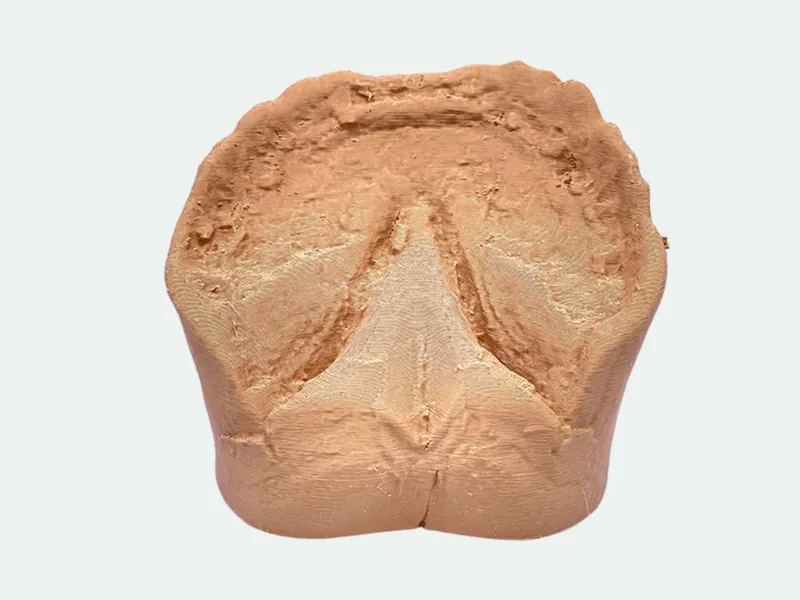
Donkey feet are typically more upright, with a steeper wall angle. They are proportionally narrower relative to their length. The sole is more concave in a healthy donkey. The frog sits differently. The horn itself is more elastic in a donkey than in a horse, an adaptation to arid ground rather than the wet pasture most of them now live on.
That last point matters more than it sounds. Donkeys evolved on dry, hard, rocky terrain. Standing on soft wet grass for months at a time is not what that foot was built for, and much of the hoof pathology seen in domestic donkeys traces back to that mismatch.
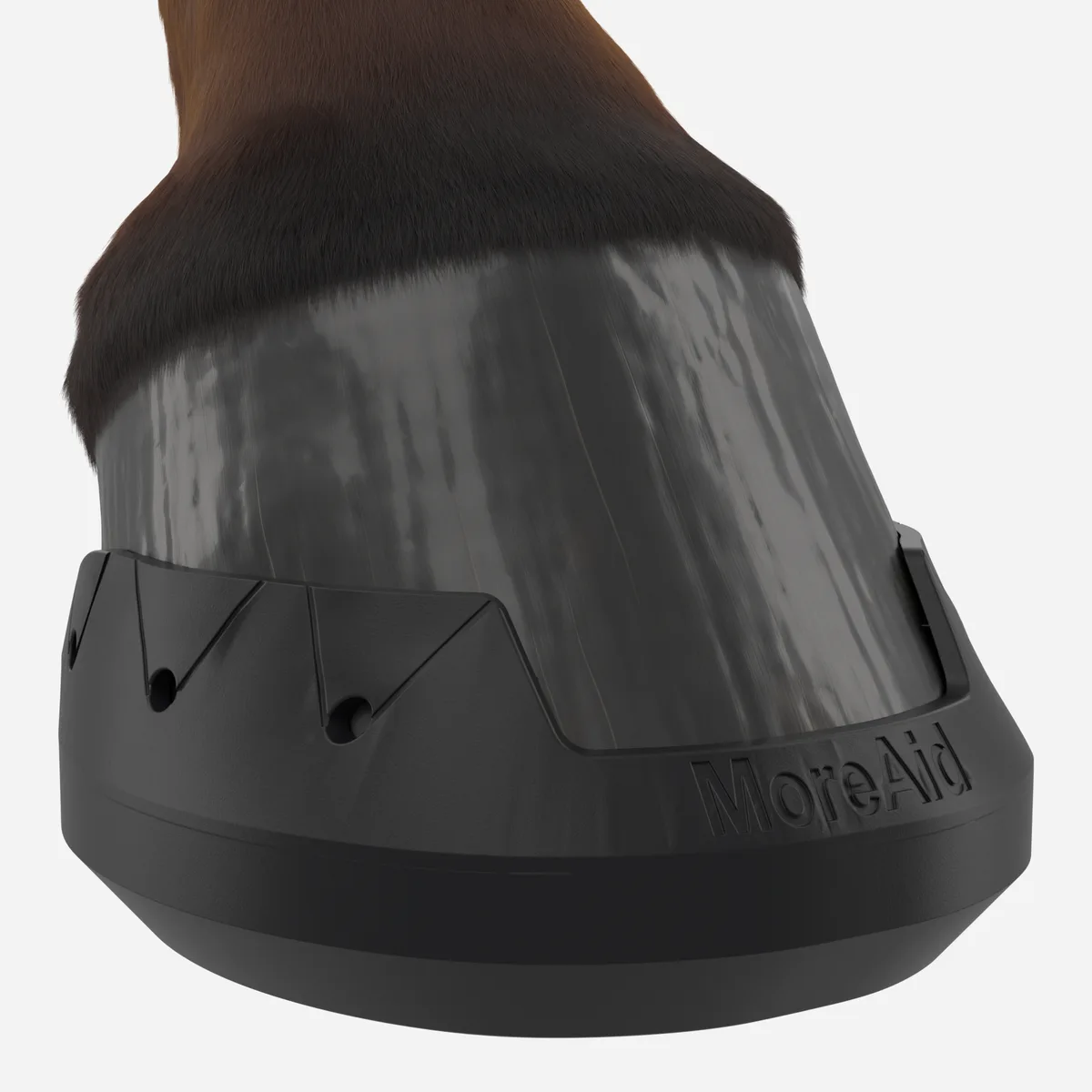
Practically, the shape difference is why people struggle to fit horse products. A shoe designed around a horse's proportions will not sit correctly on a donkey foot. The sanctuary that found roller-motion shoes helped their laminitic donkeys but were awkward to fit had identified the problem exactly. The mechanics were right and the shape was wrong.
Donkeys hide pain
This is the single most important thing for owners to know, and it is why donkey cases so often present late.
A horse in foot pain tells you. It shifts weight, it lies down more, it is obviously reluctant to move. A donkey in the same amount of pain frequently stands still and looks stoic.
Prey-animal stoicism is more pronounced in donkeys, and the signs are subtler: a slightly altered stance, less time spent moving around, reluctance to be caught, a change in appetite. By the time a donkey looks lame in a way a horse owner would recognize, the situation is usually well advanced.
If you keep donkeys, assume you are seeing less than there is.
Laminitis in donkeys
Laminitis is common in donkeys and often metabolic. Donkeys are efficient at extracting energy from poor forage, which is exactly the wrong adaptation for a paddock of good grass. Overweight donkeys on rich pasture are the classic picture. The rescued mini someone described in the group, laminitic and overweight, is a story that repeats constantly.
The mechanics of laminitis are the same as in a horse, and we have written about those separately. The management differences are diet, weight, and the fact that you will spot it later.
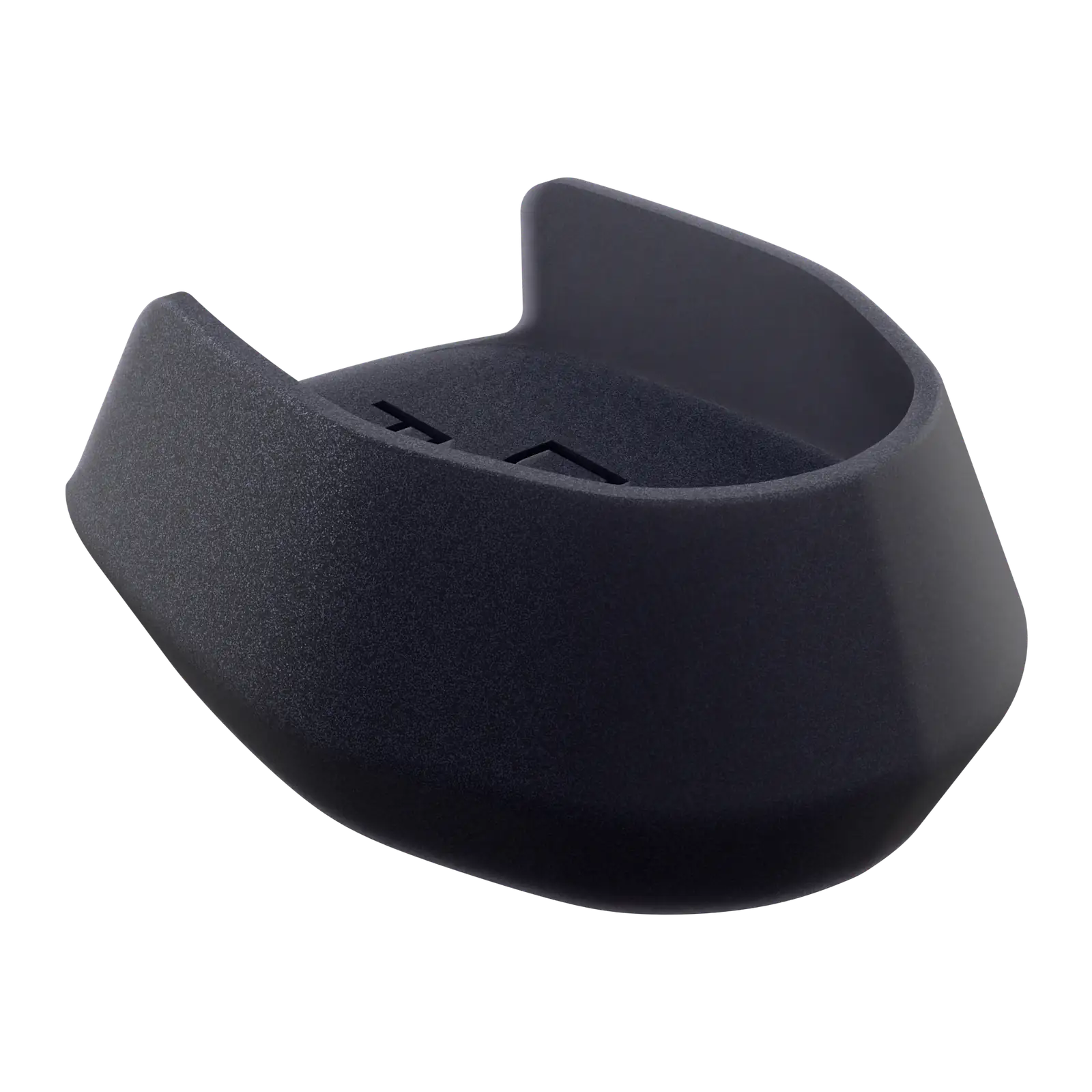
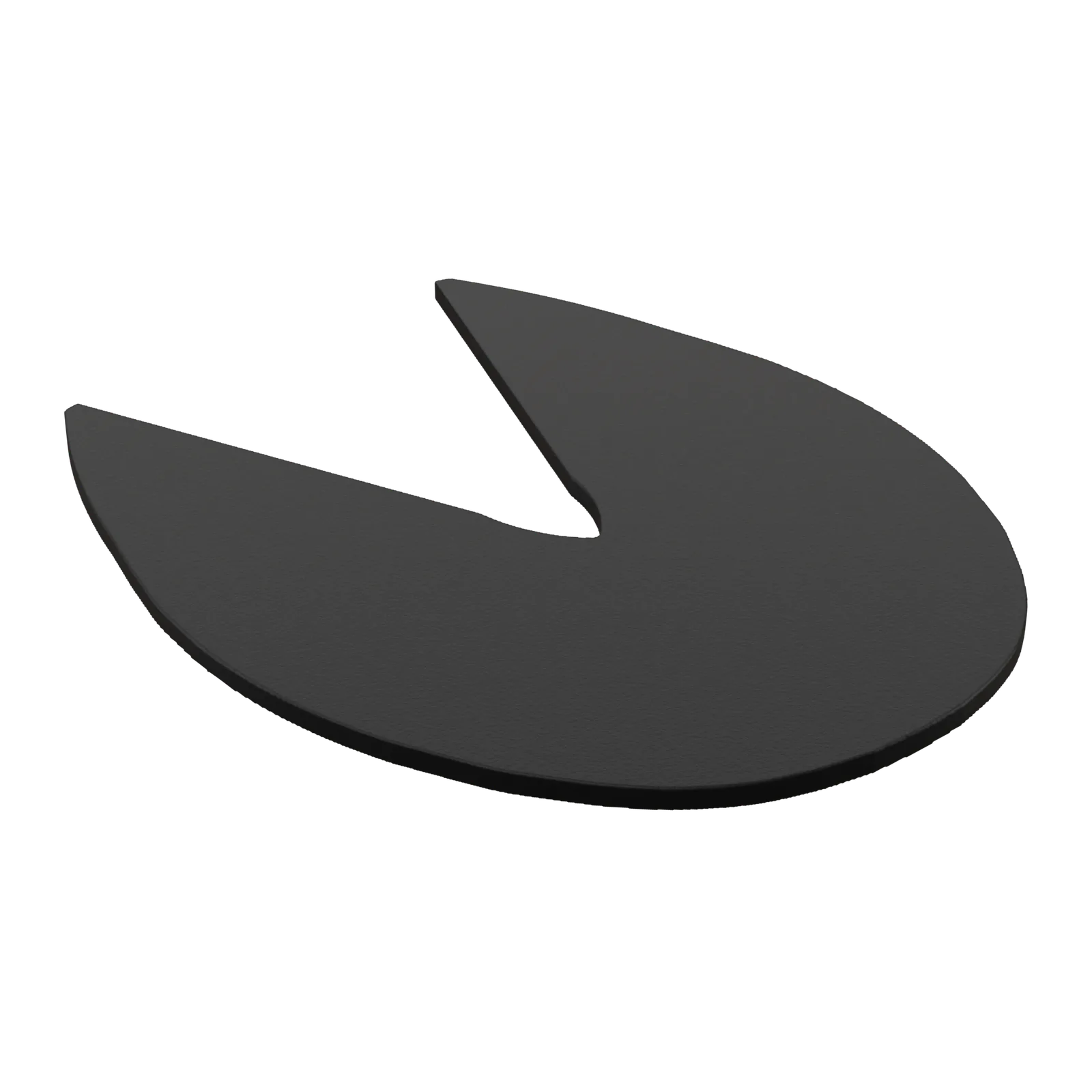
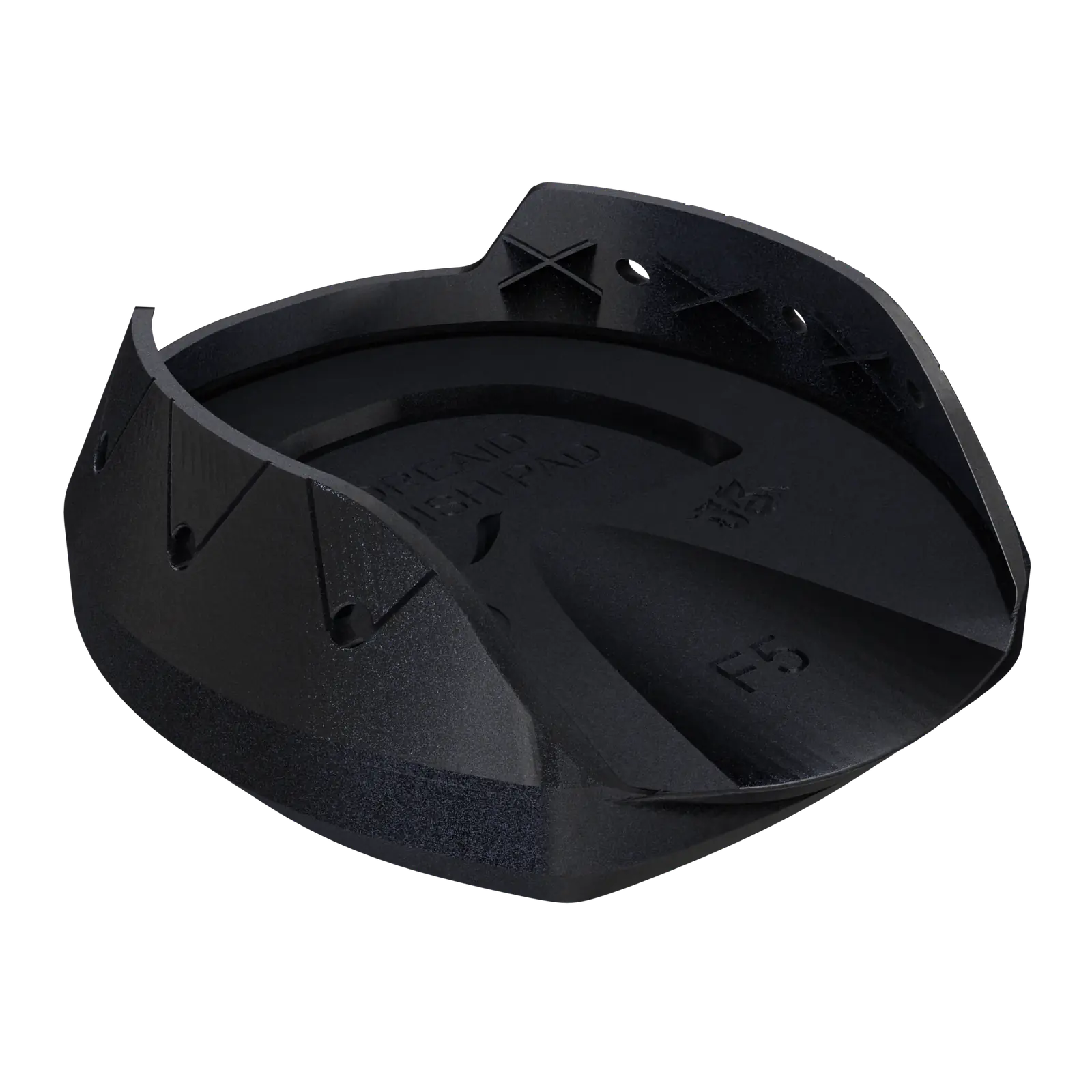
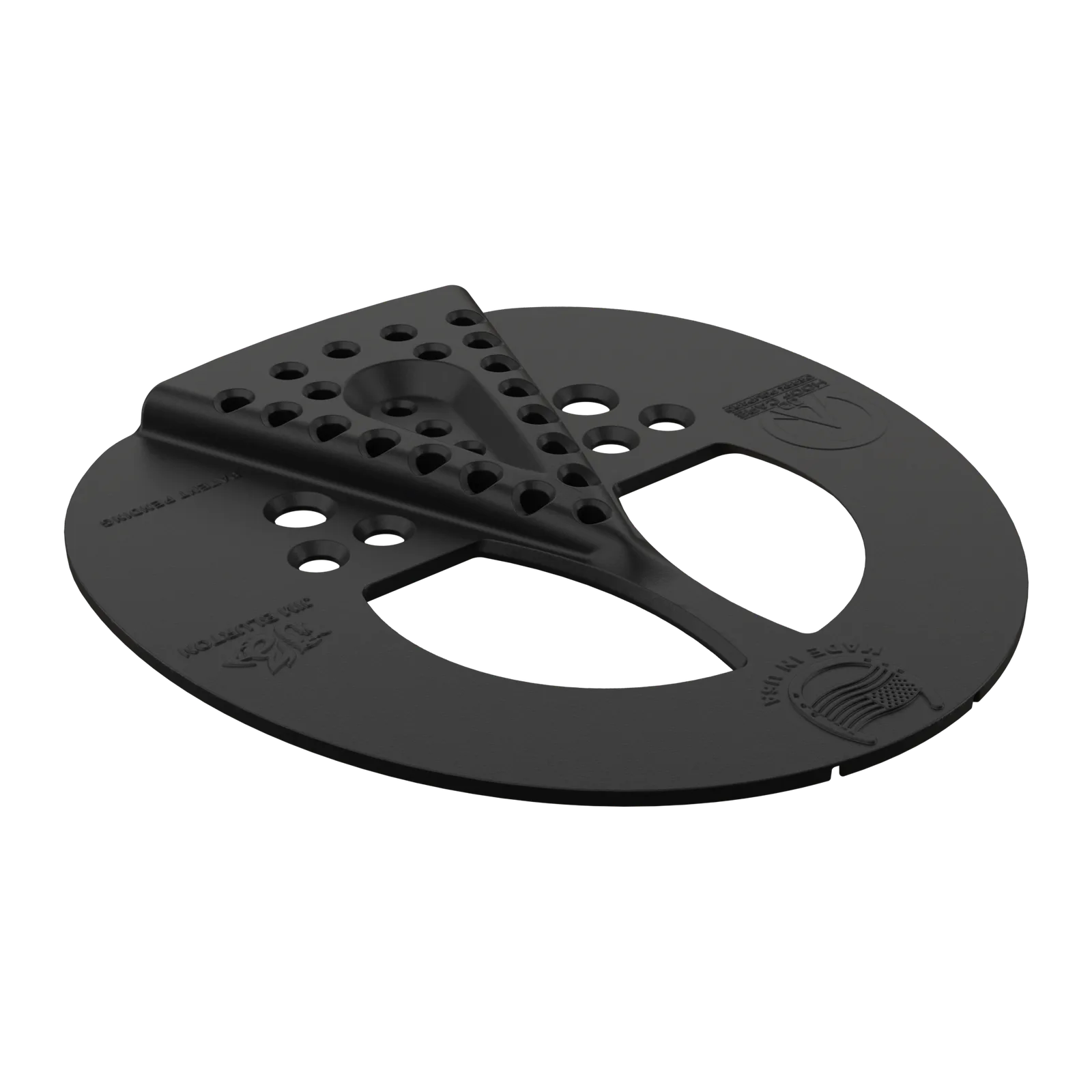
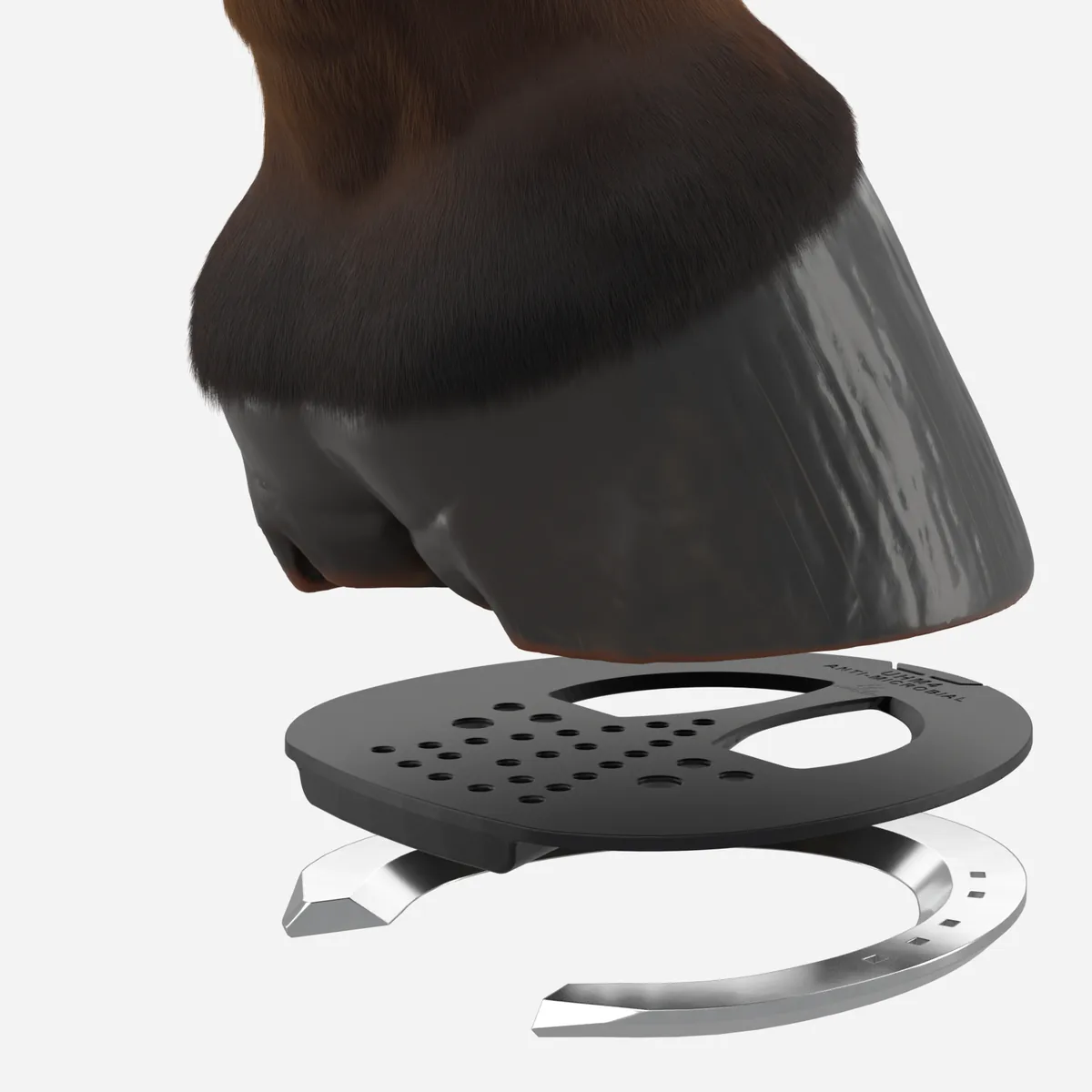
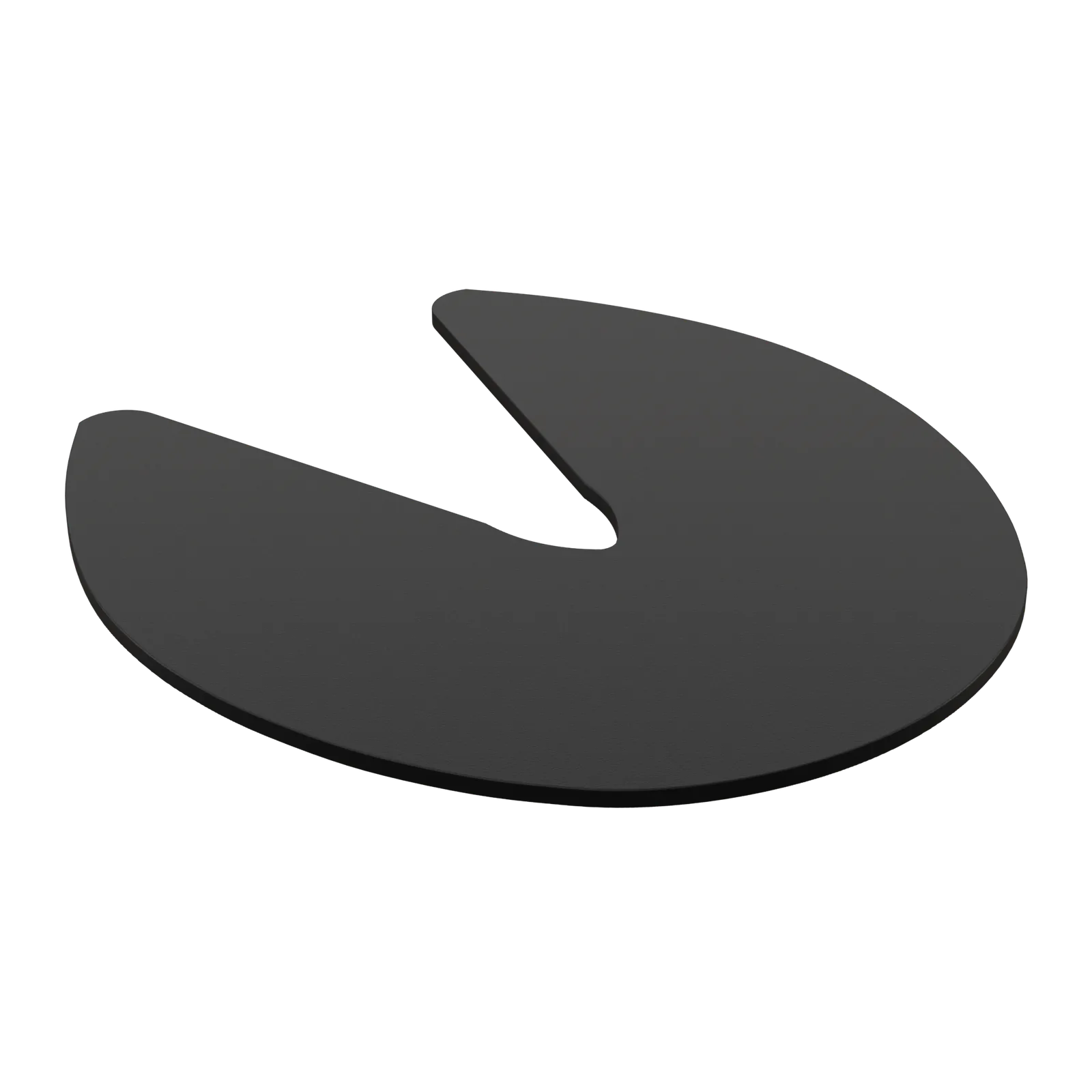
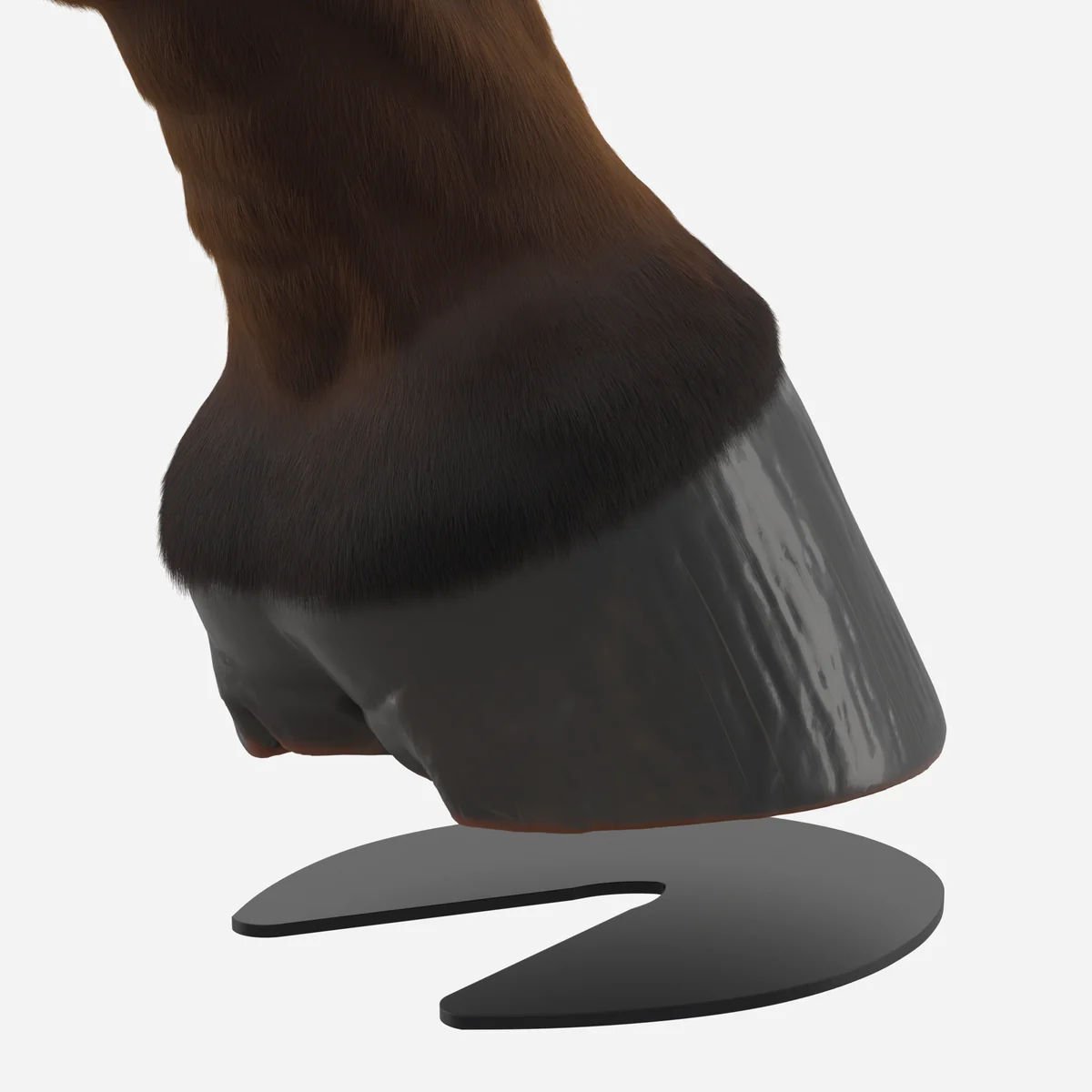
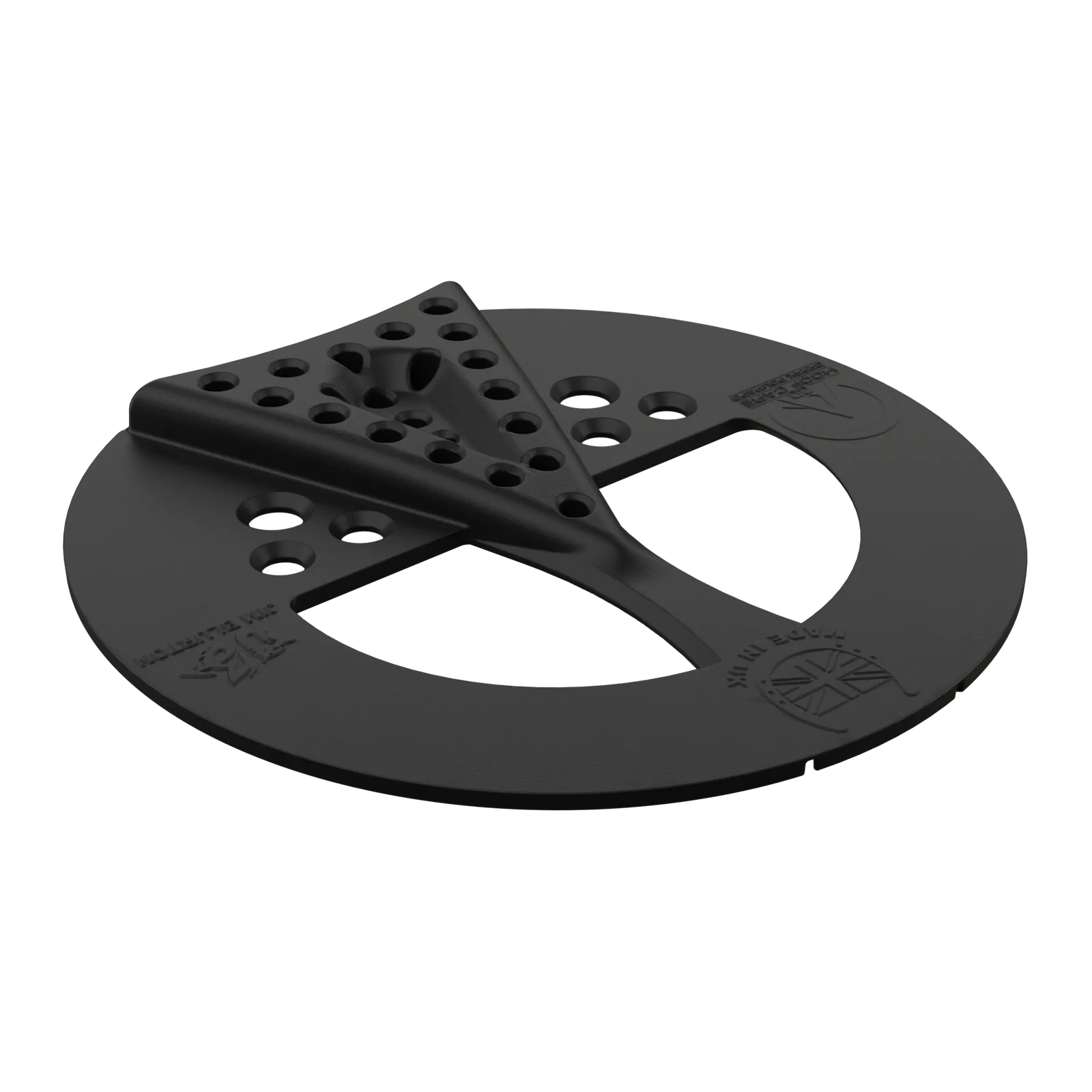
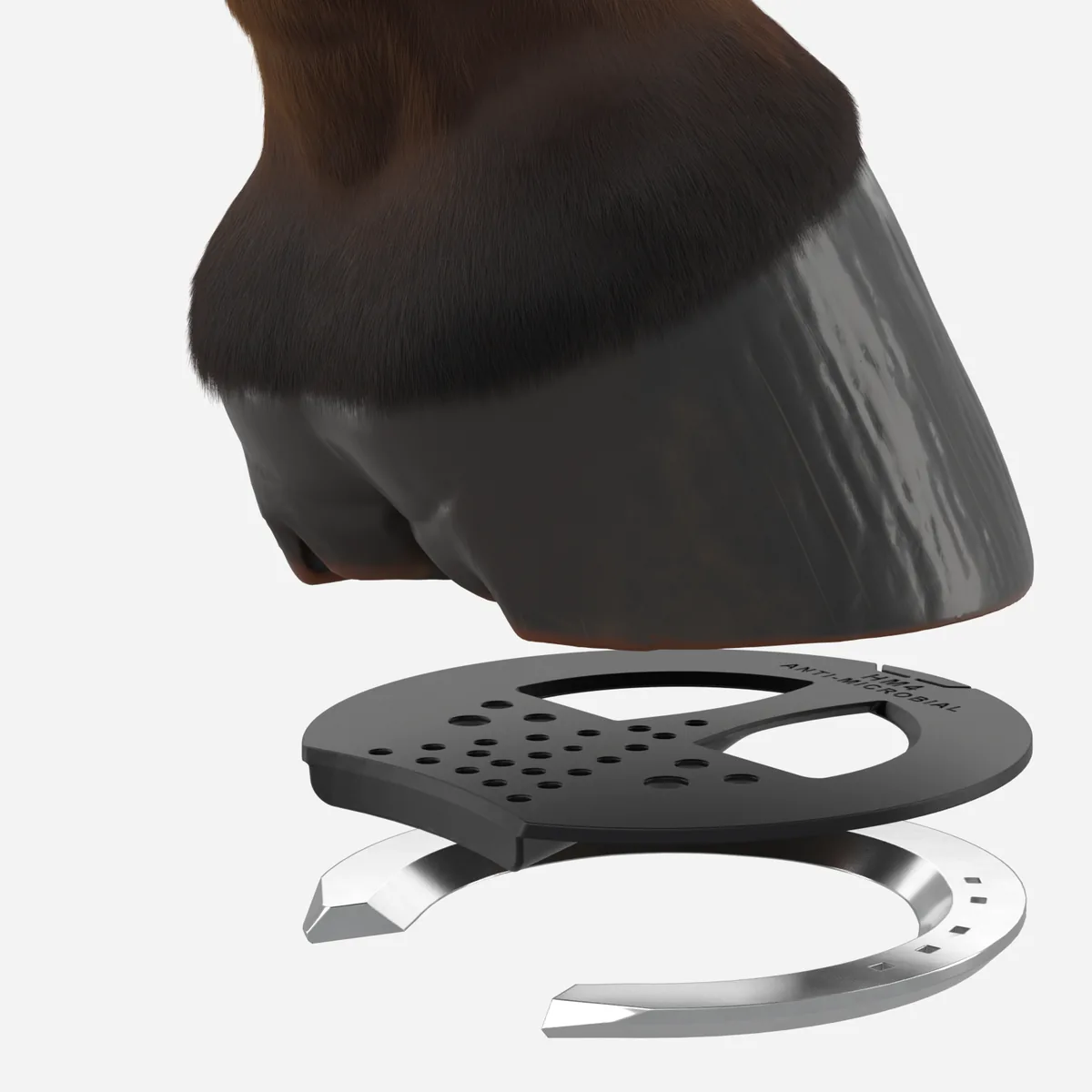
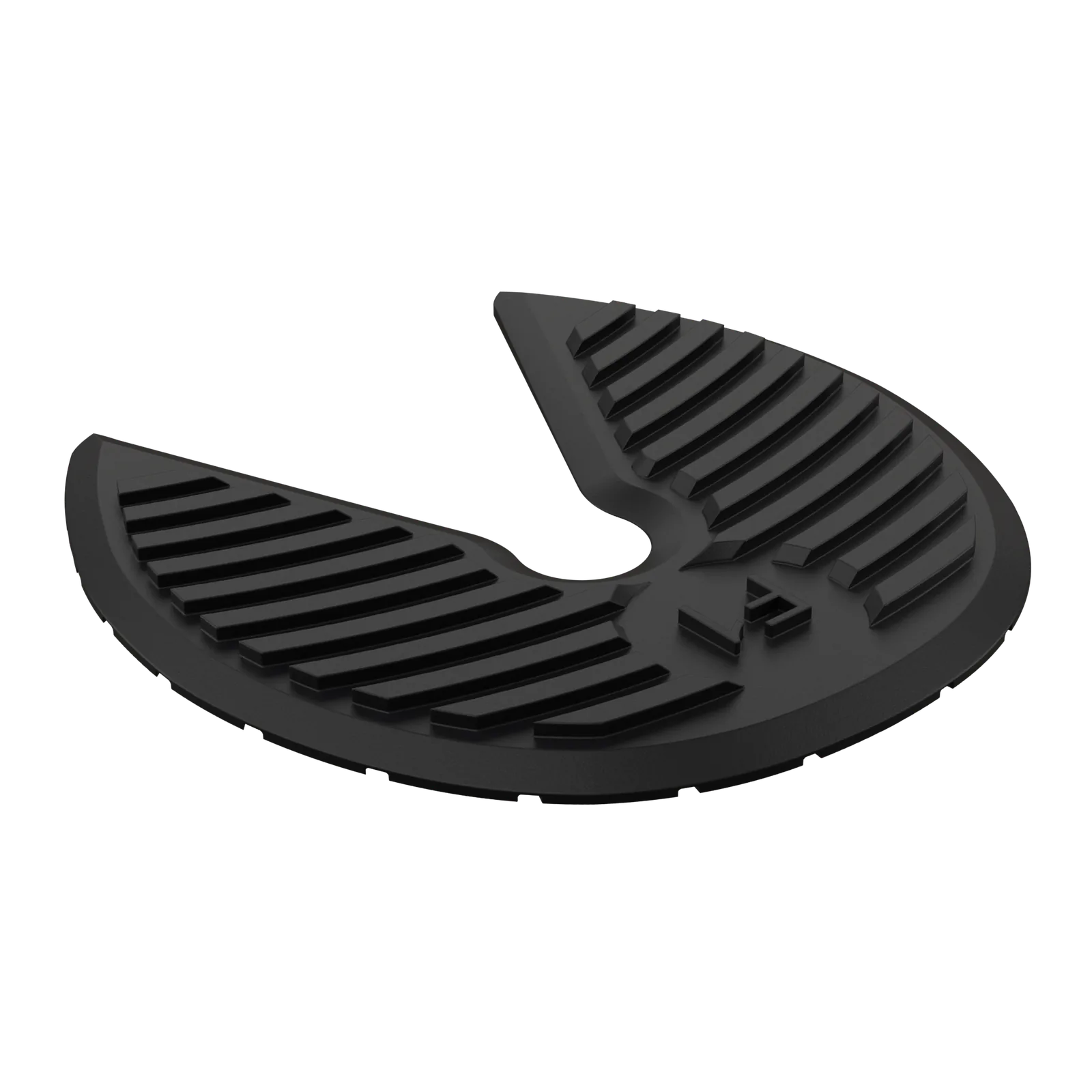
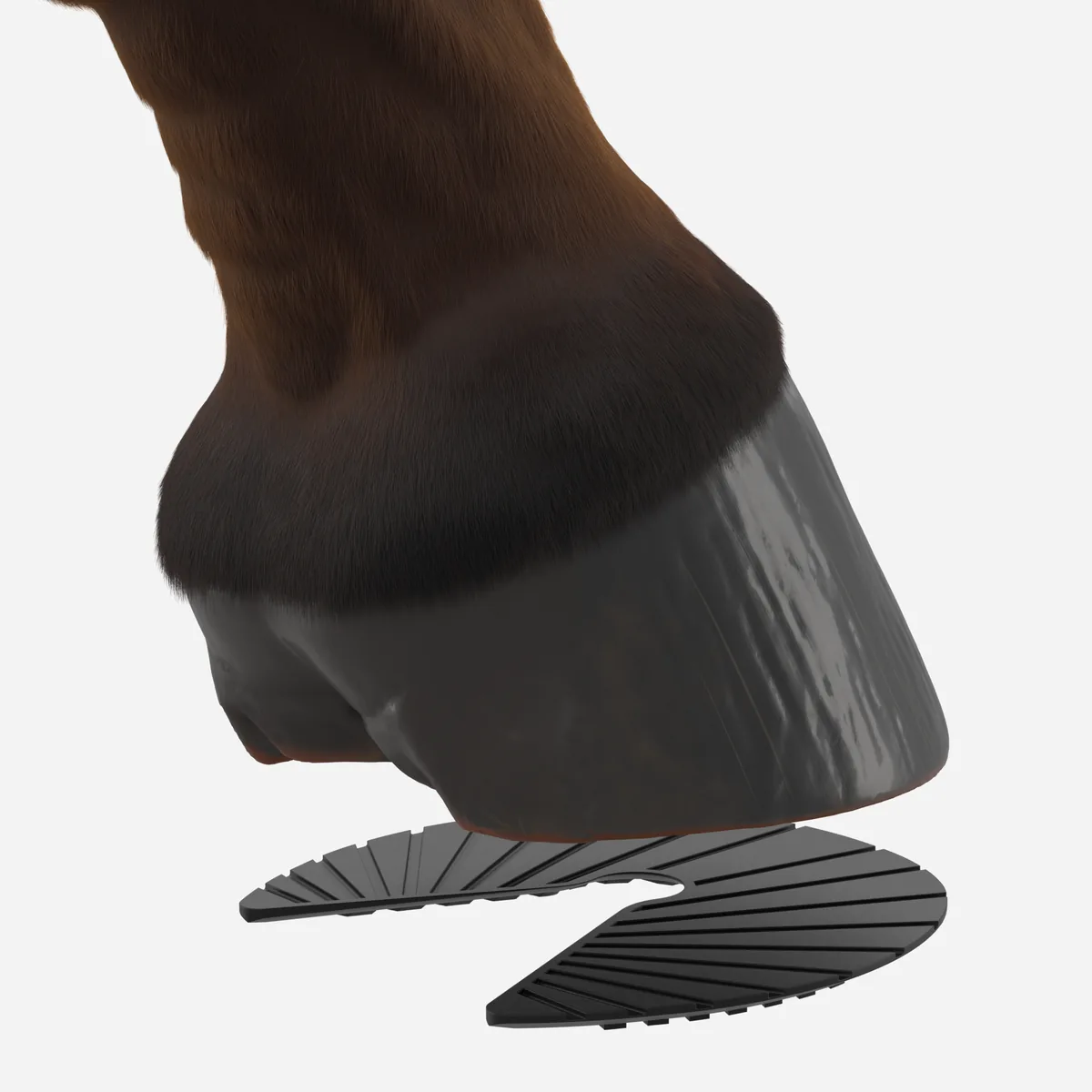
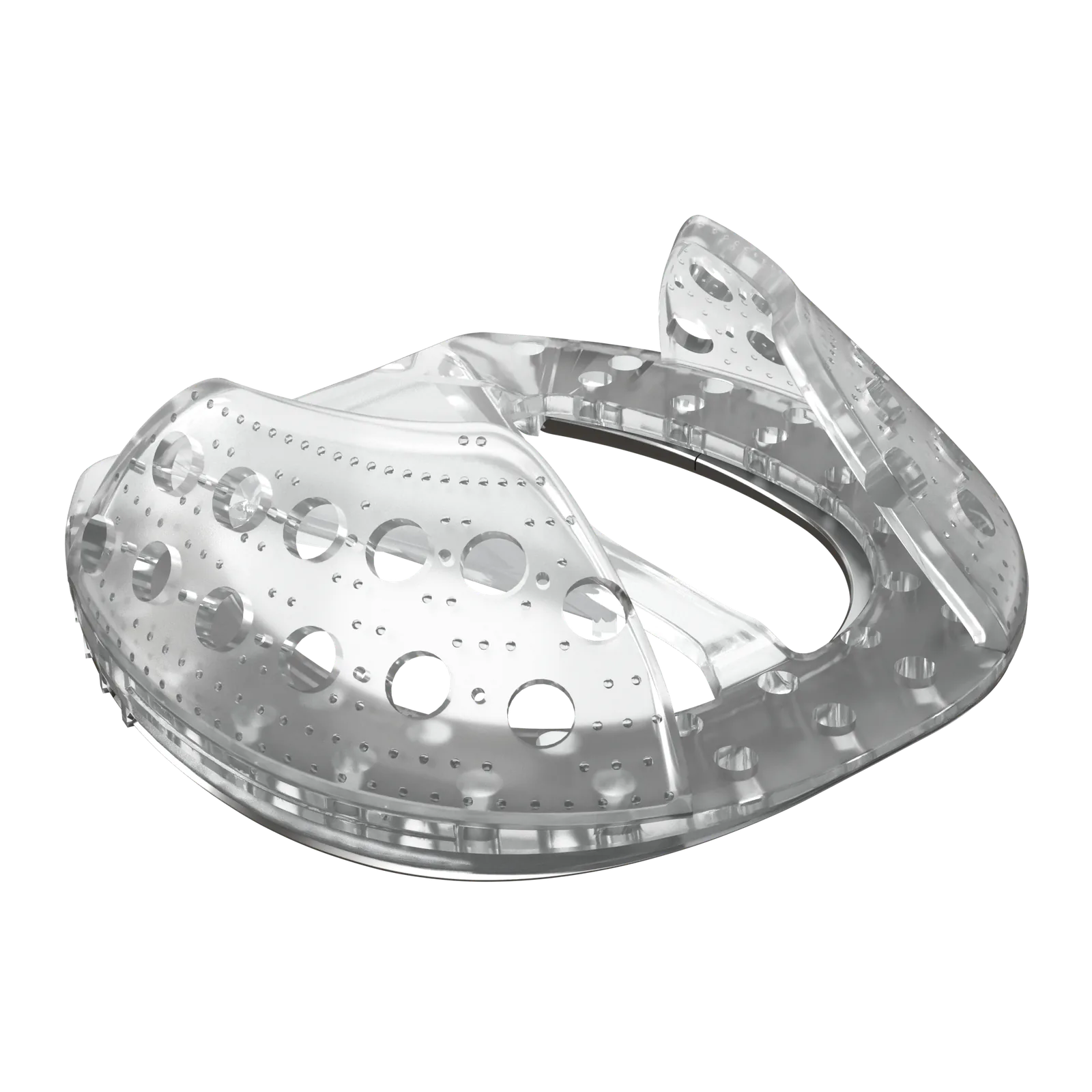
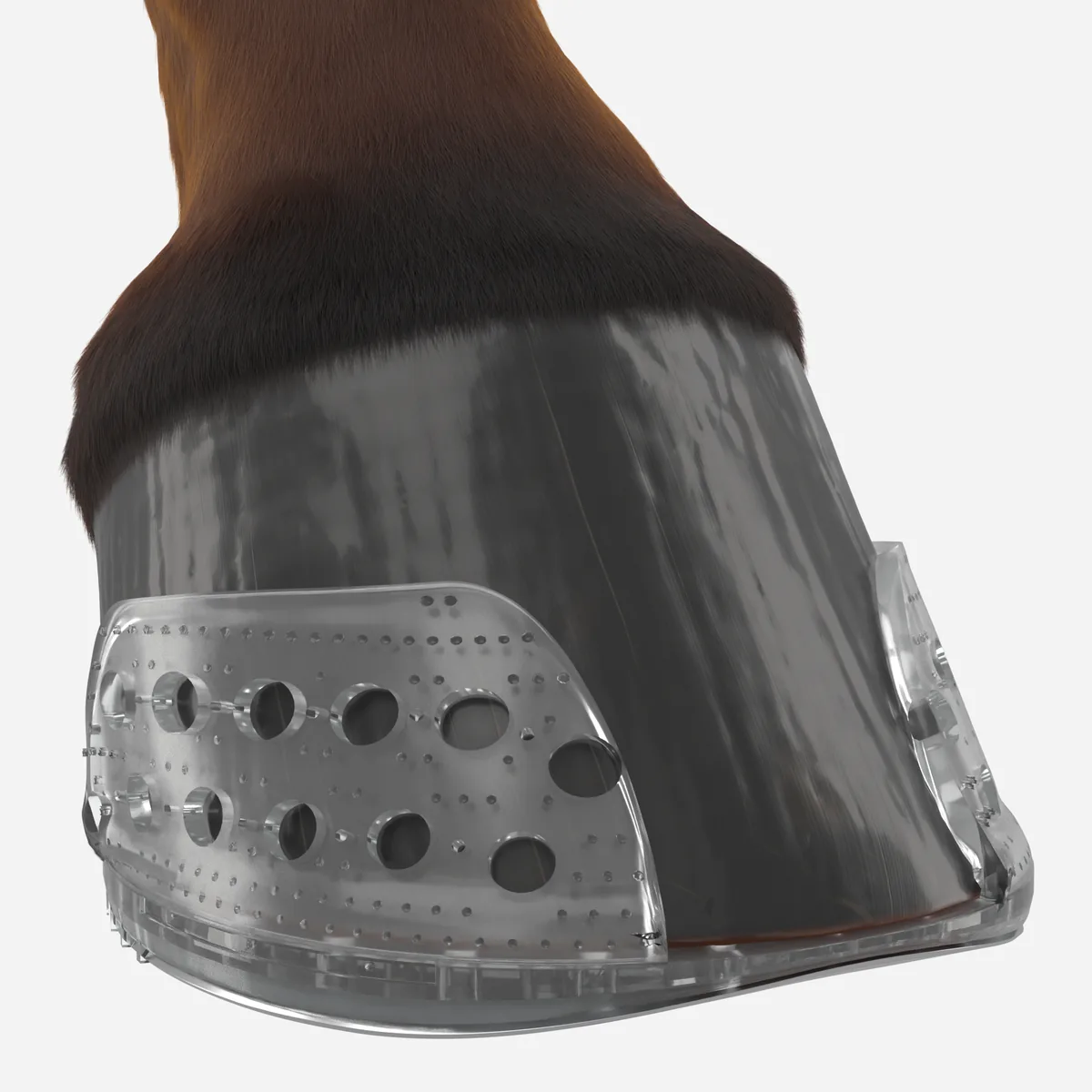
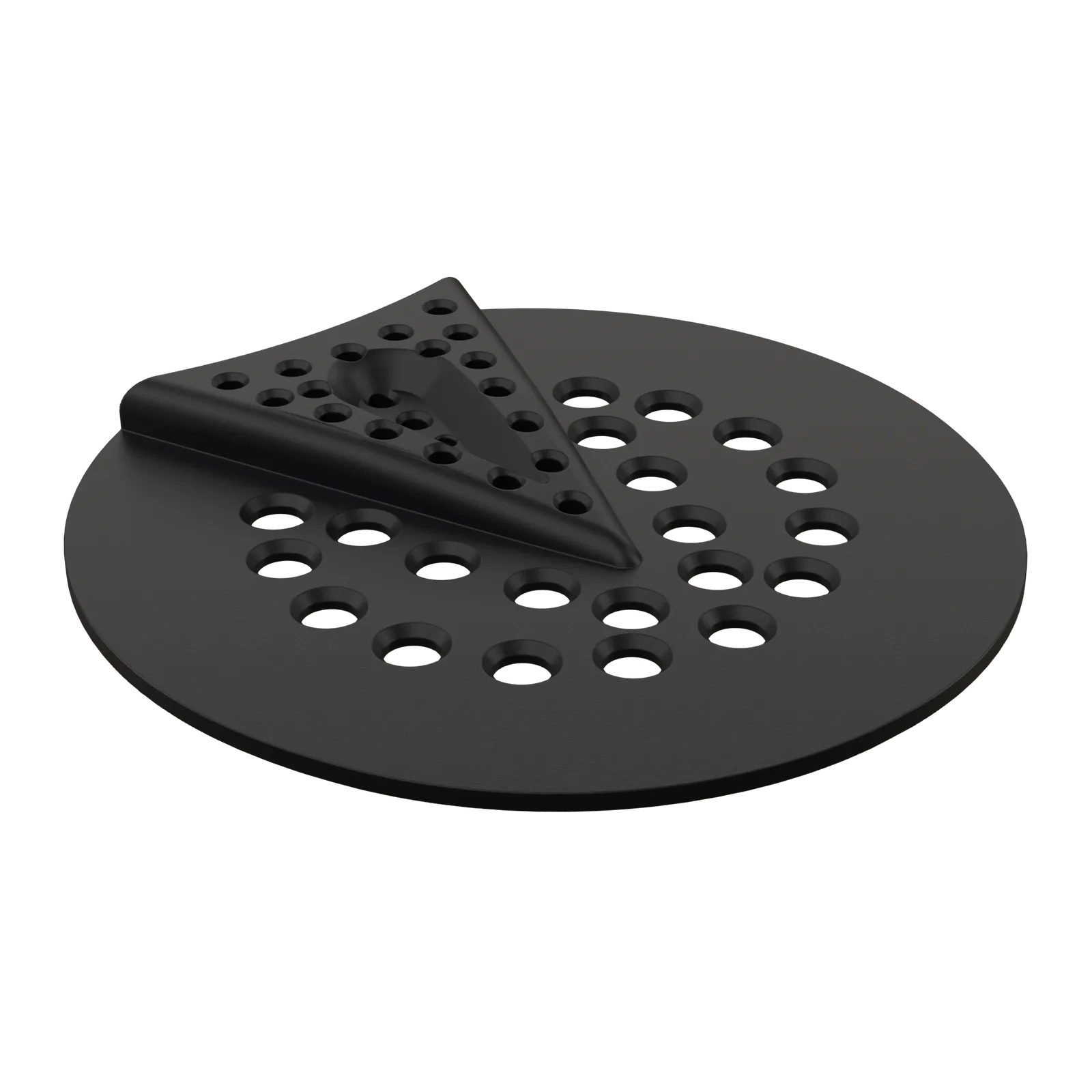
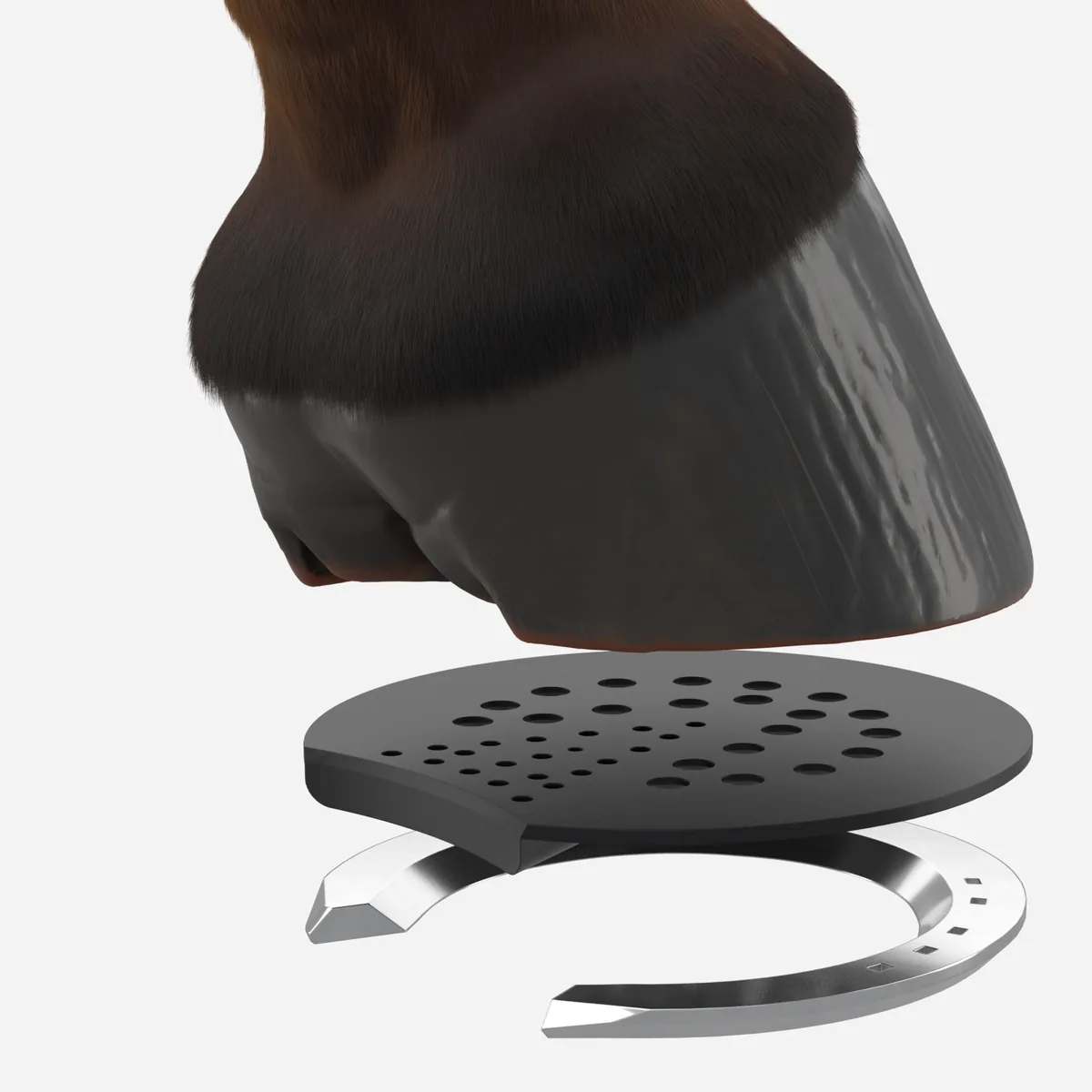
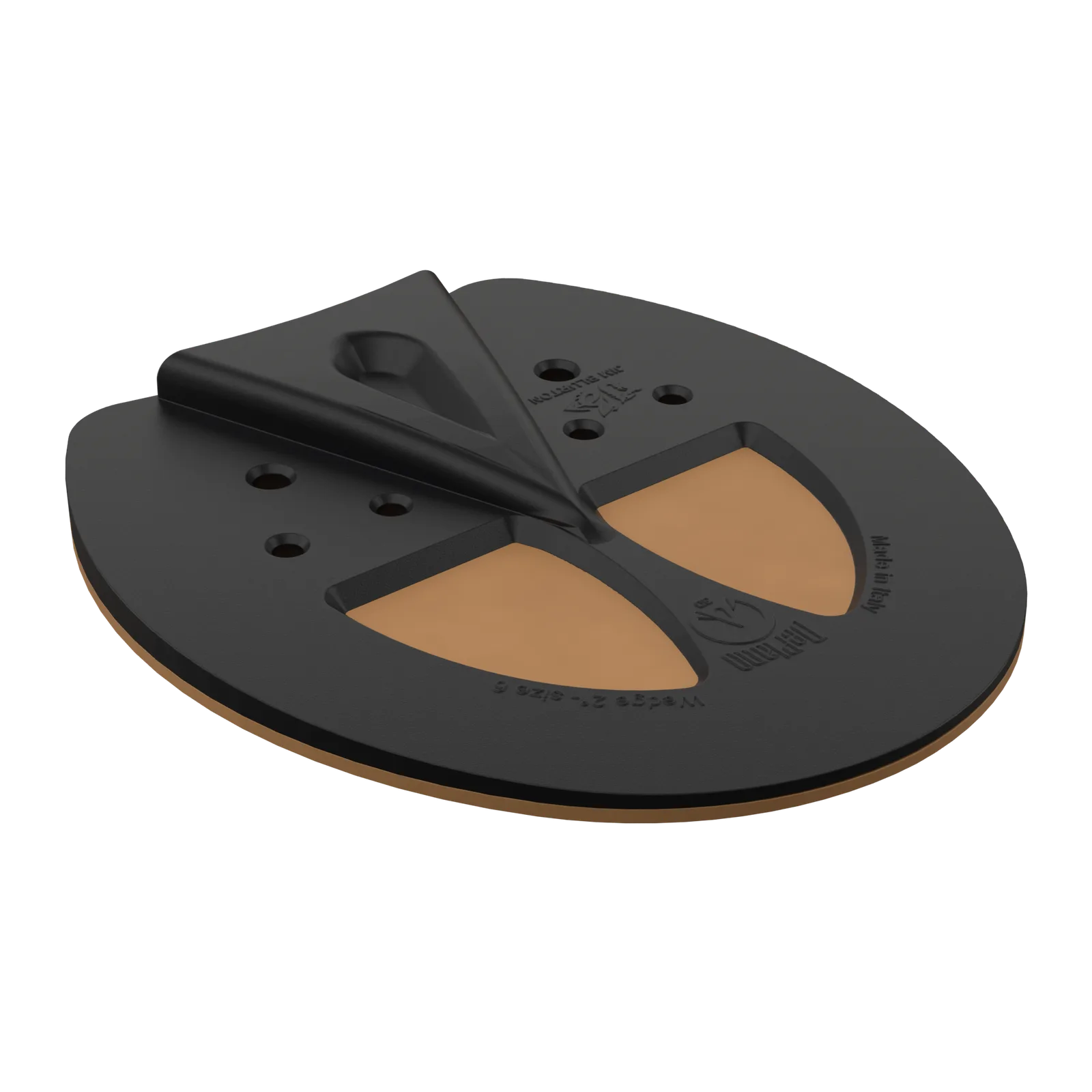
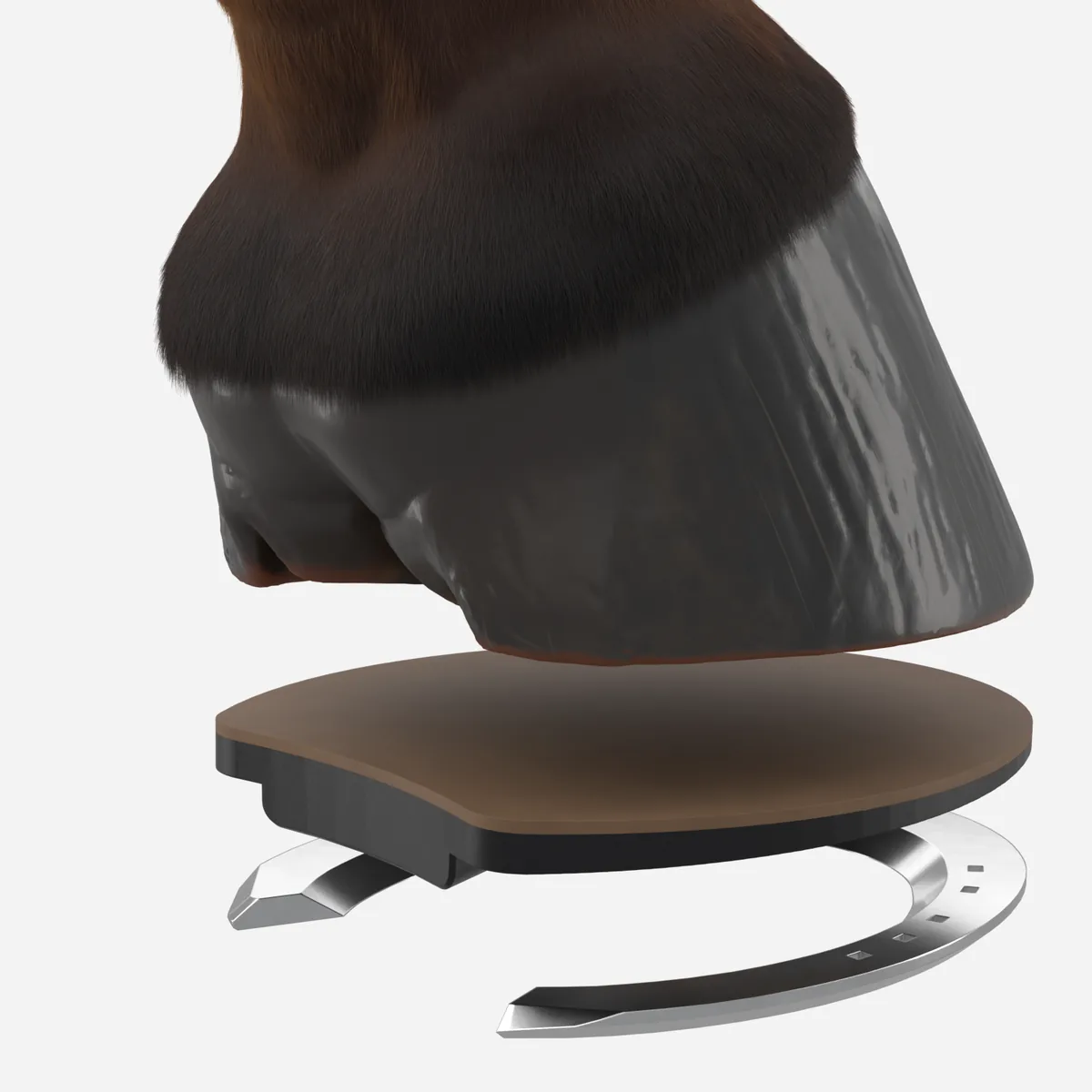
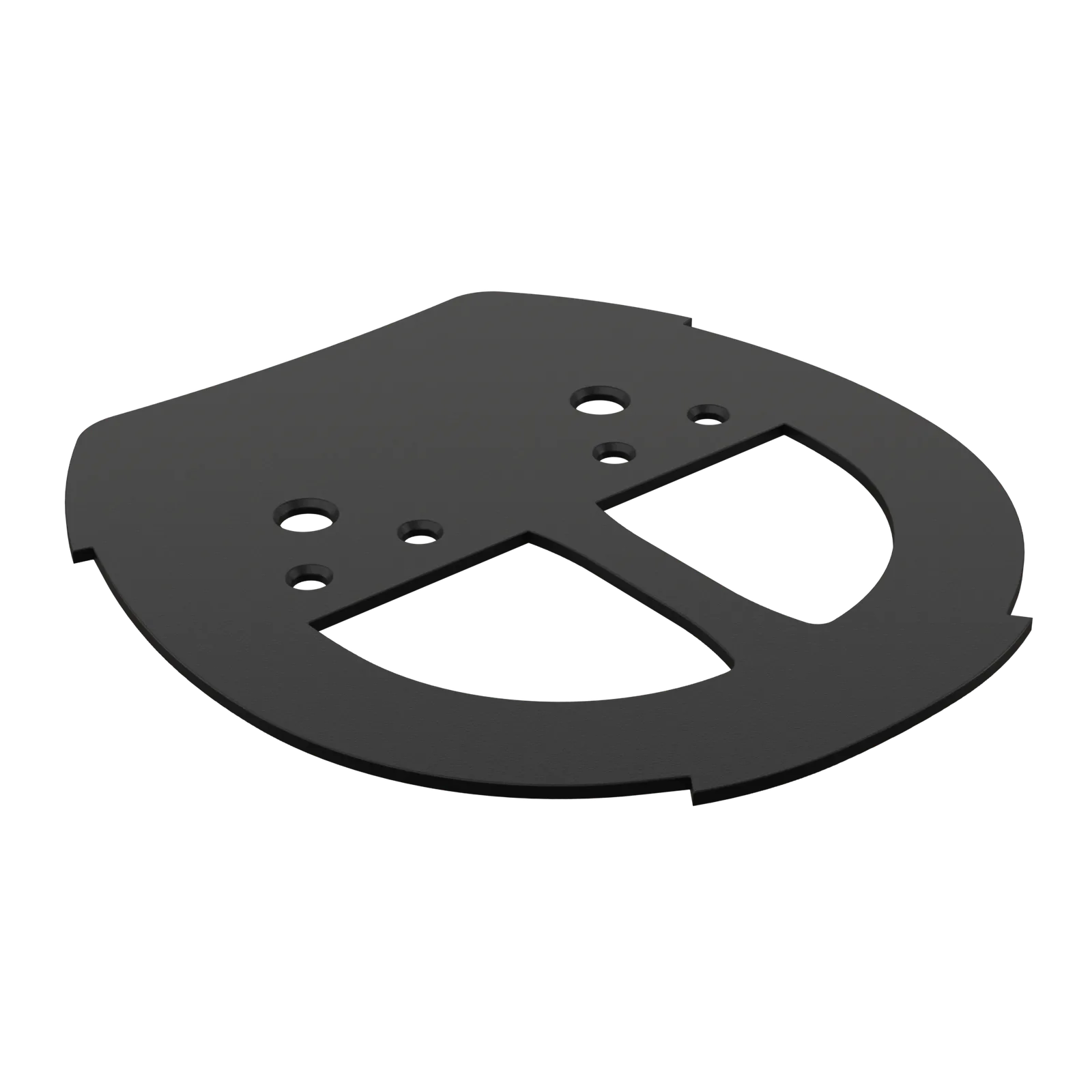
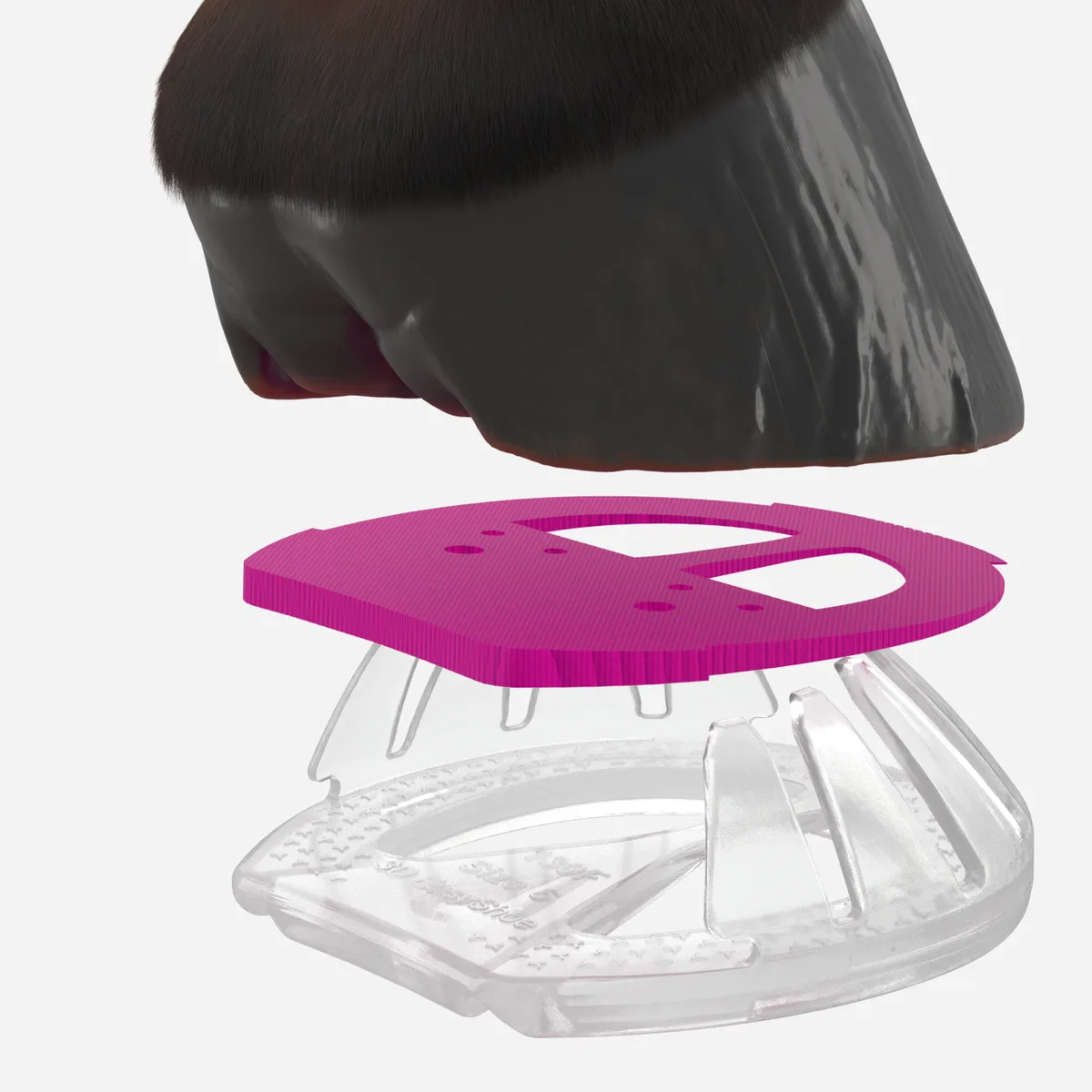
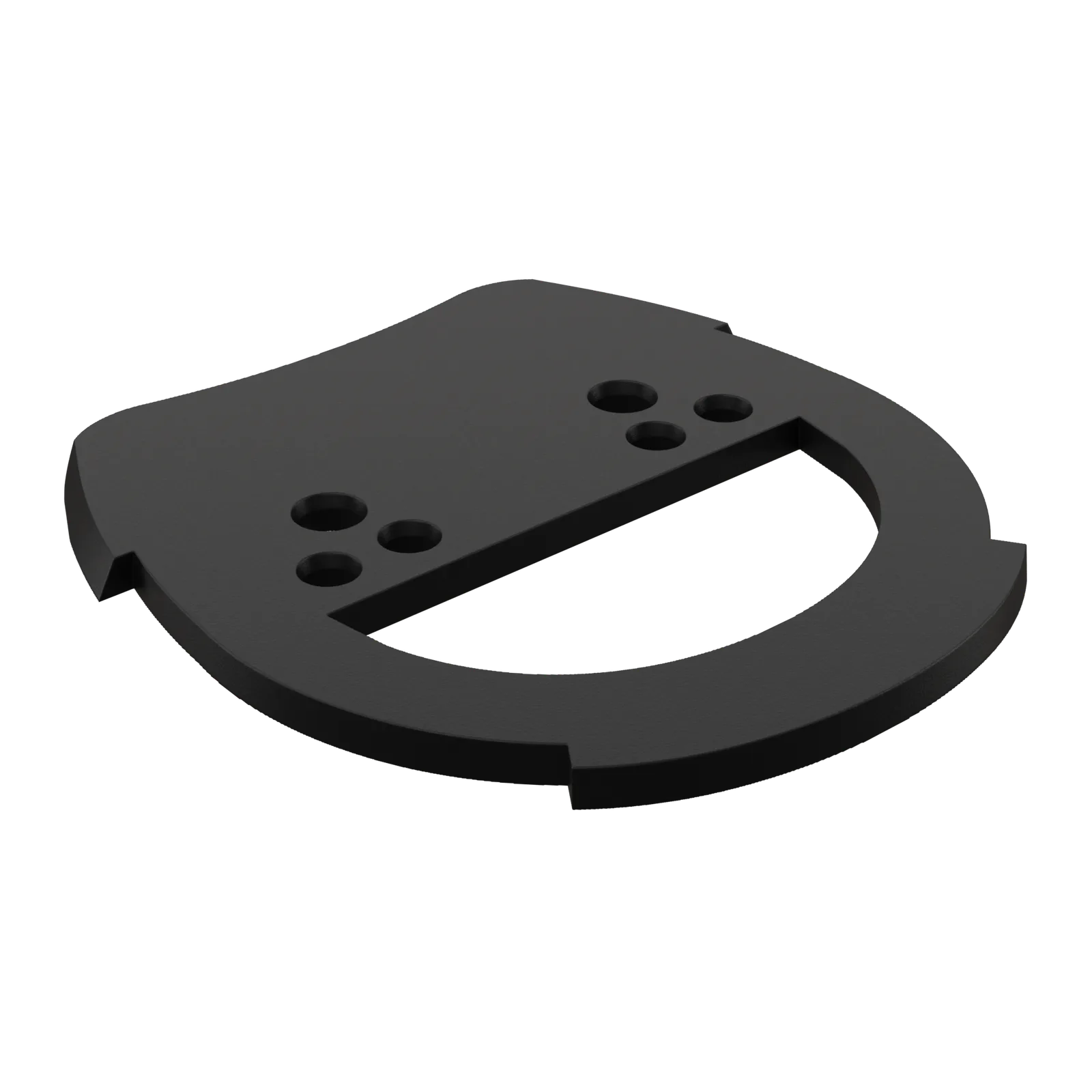
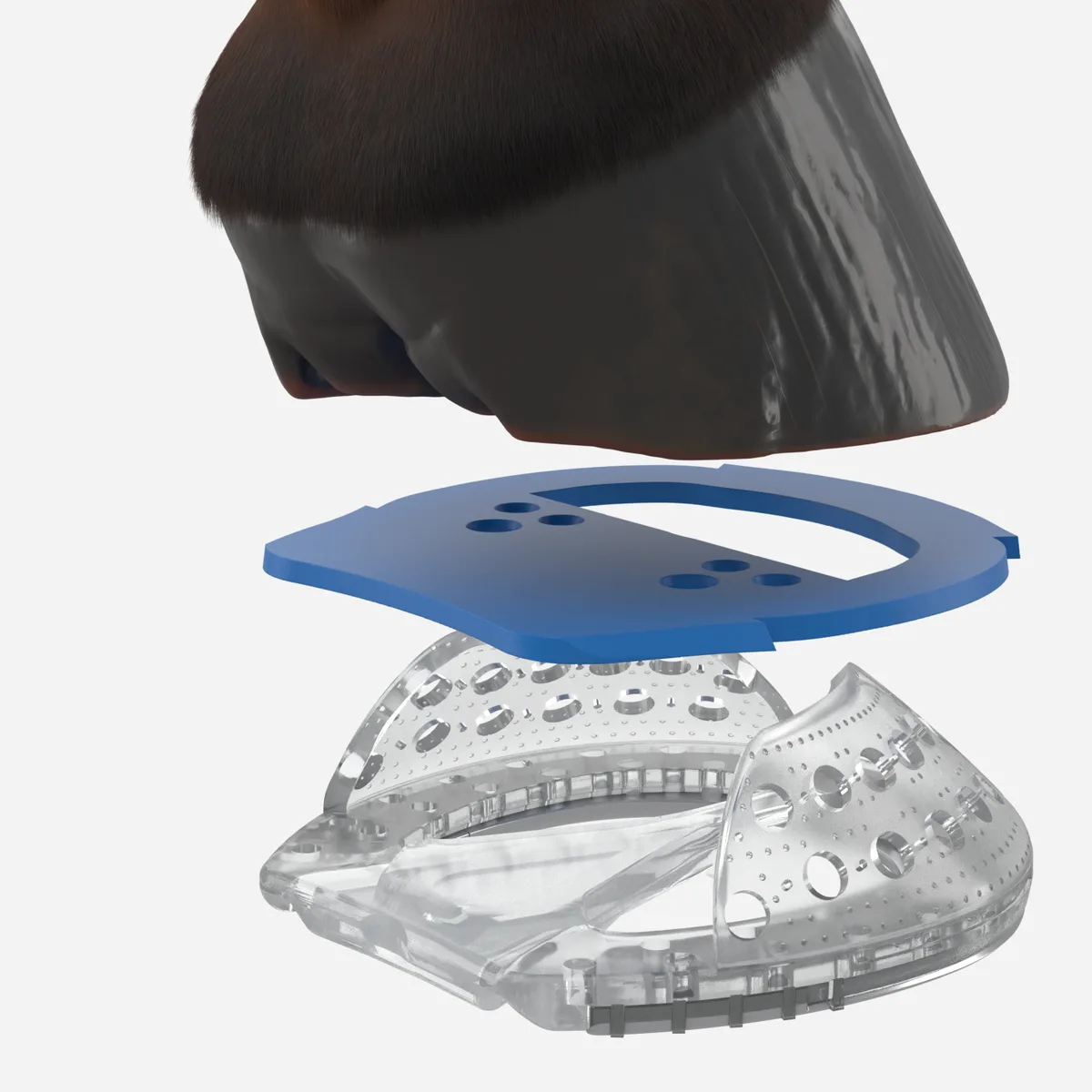
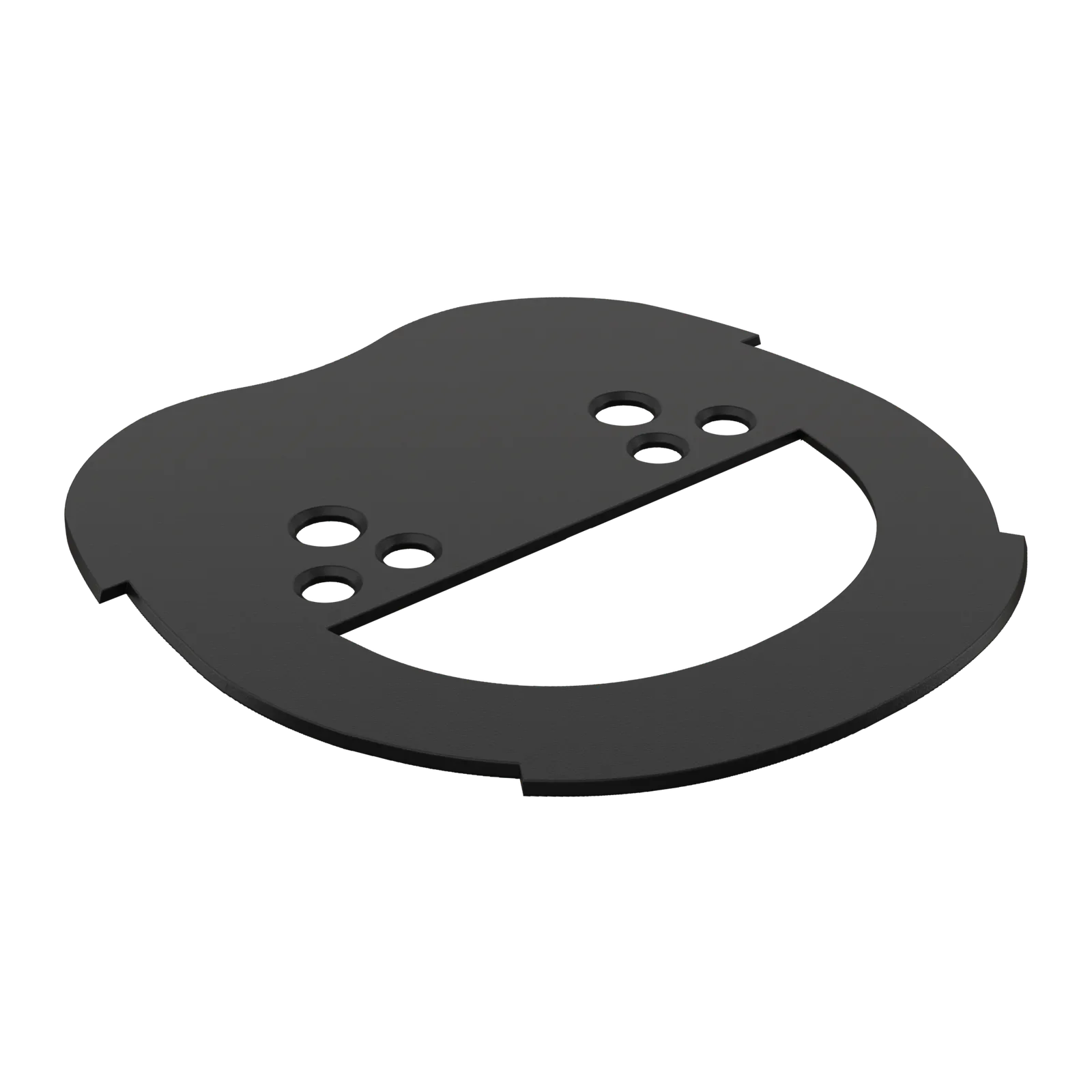
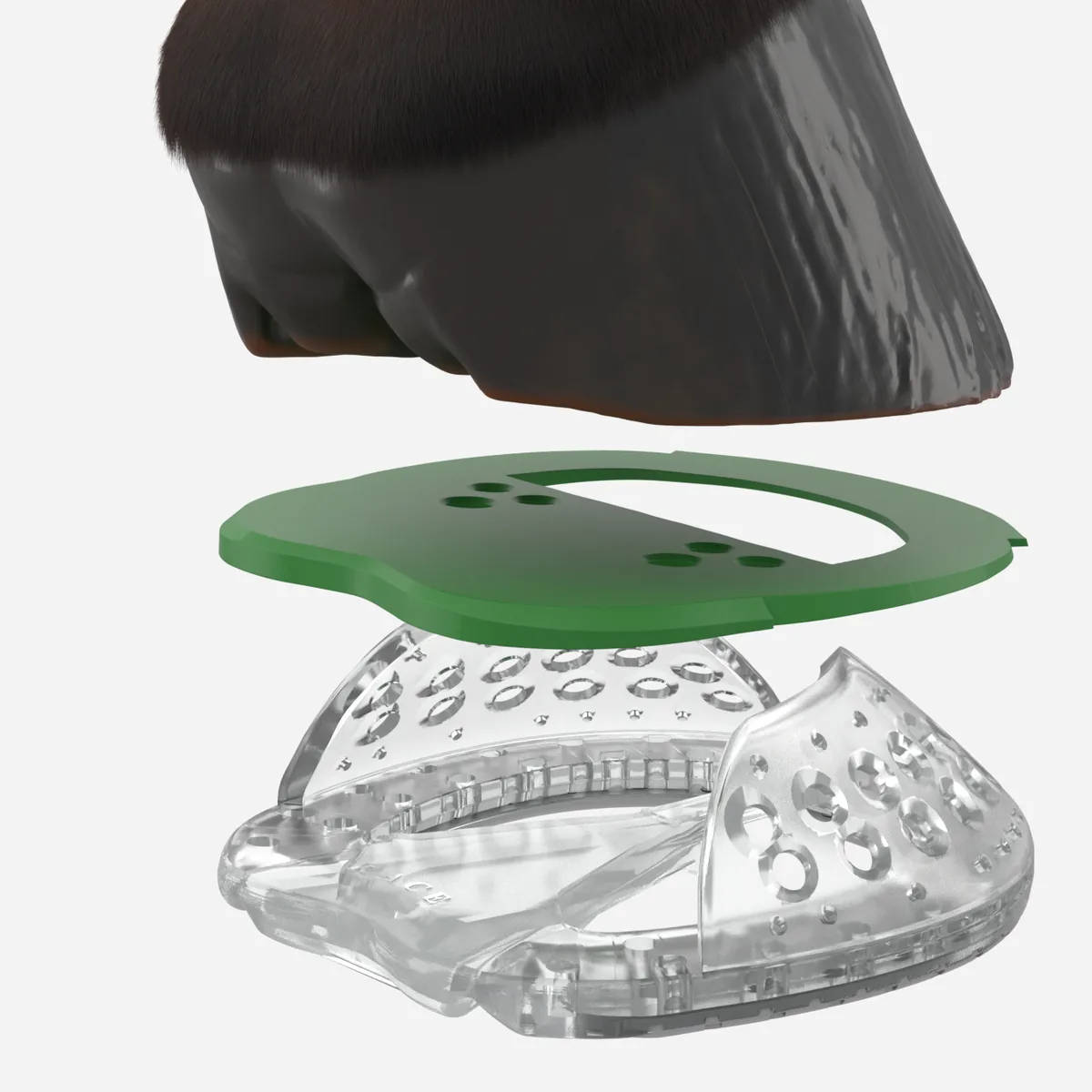
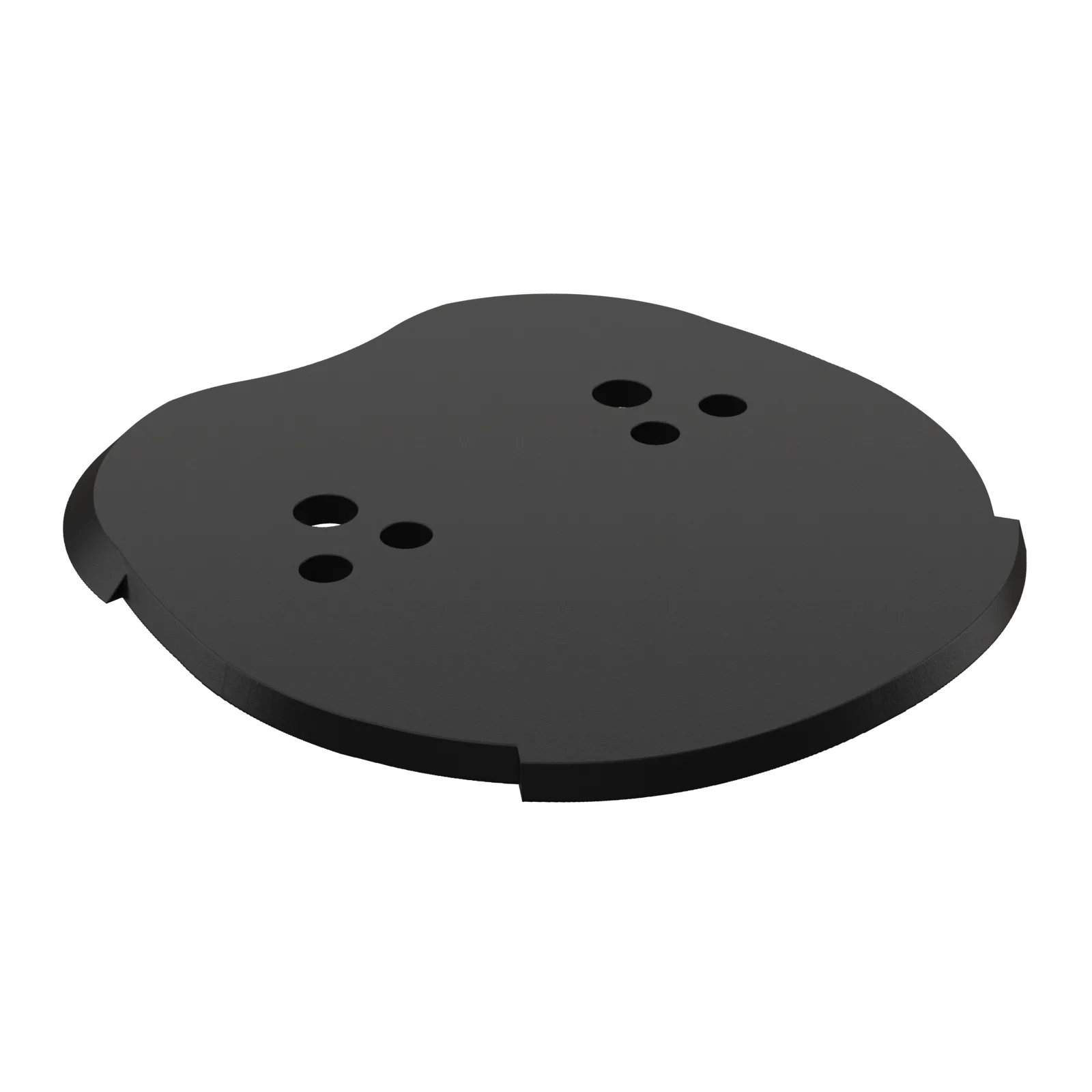
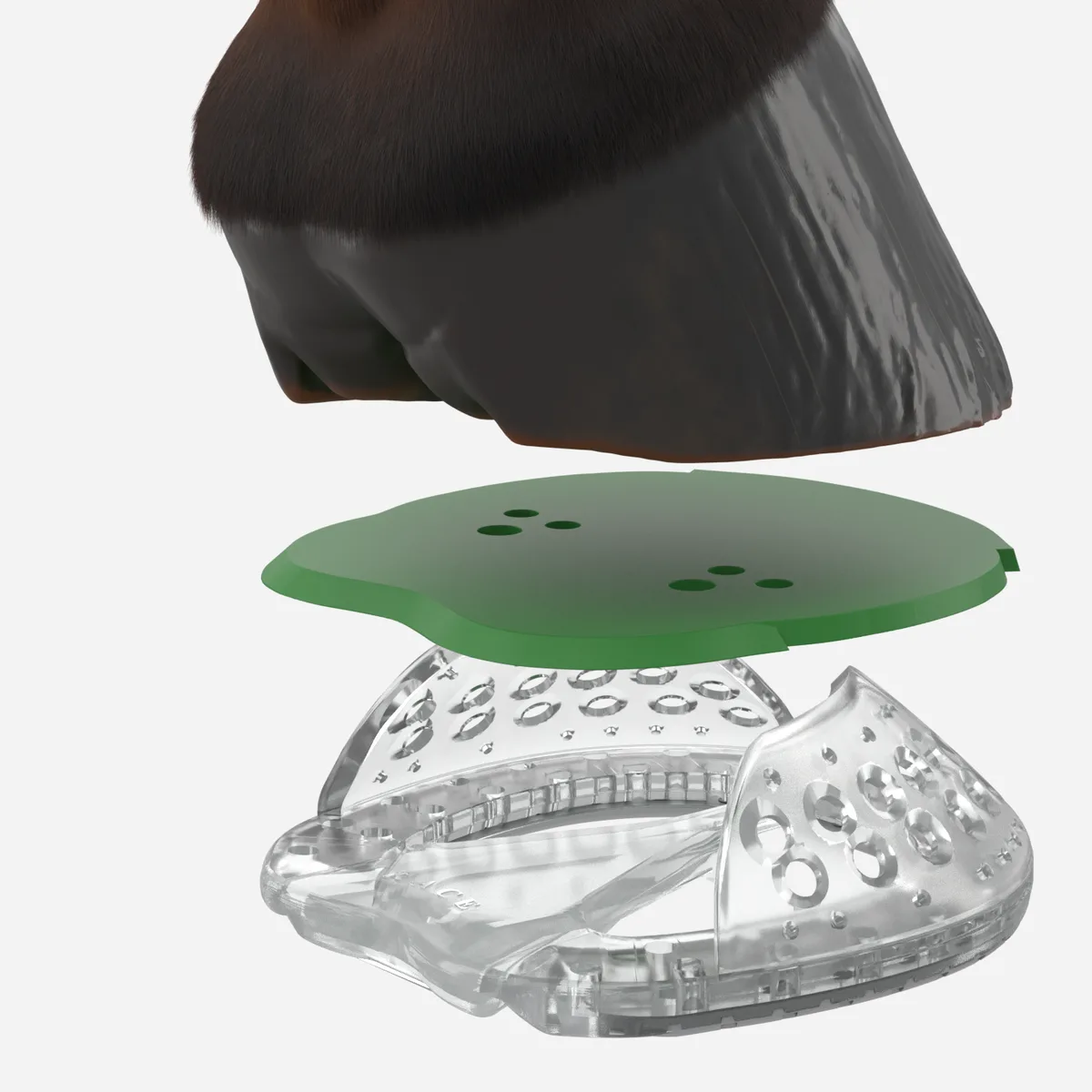
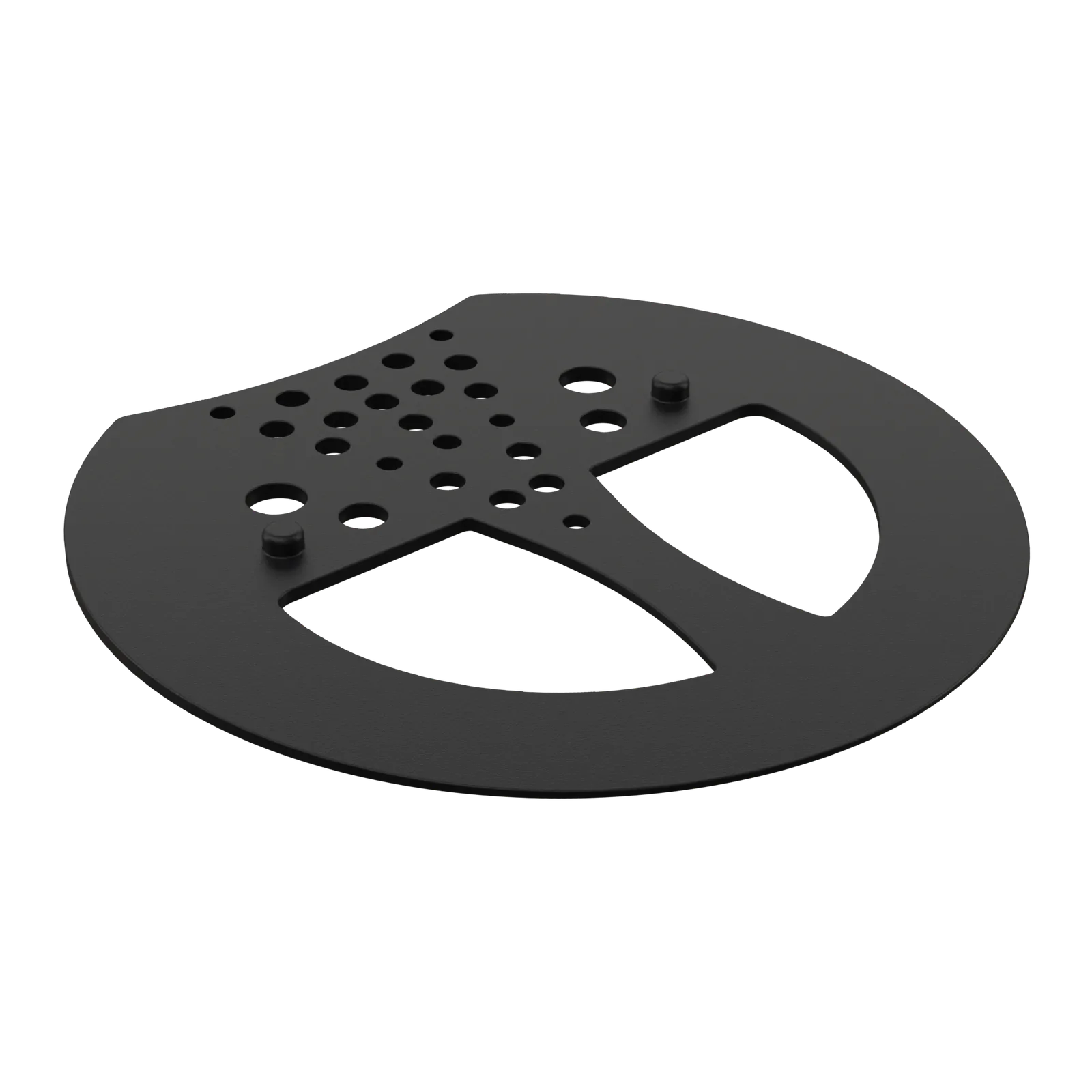
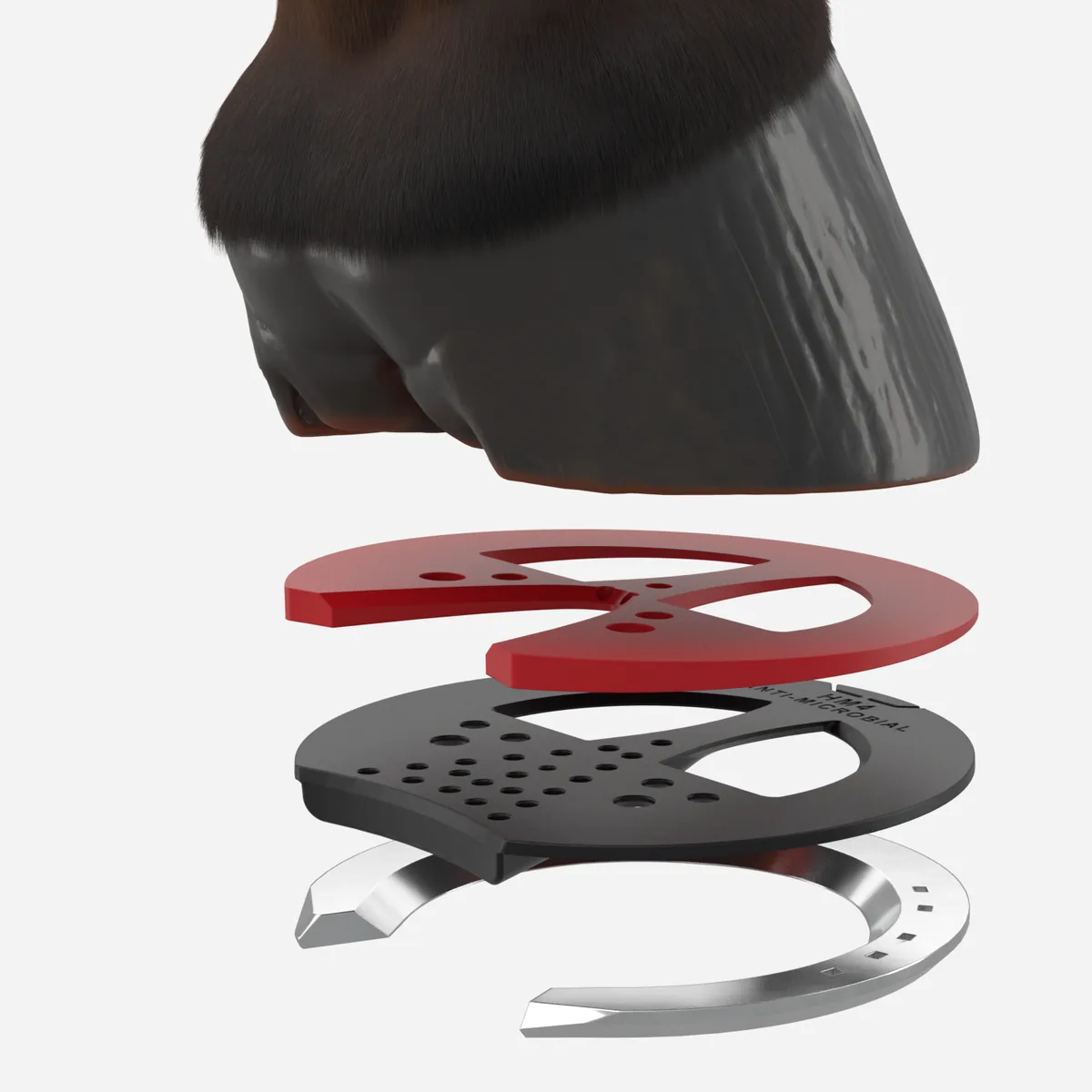
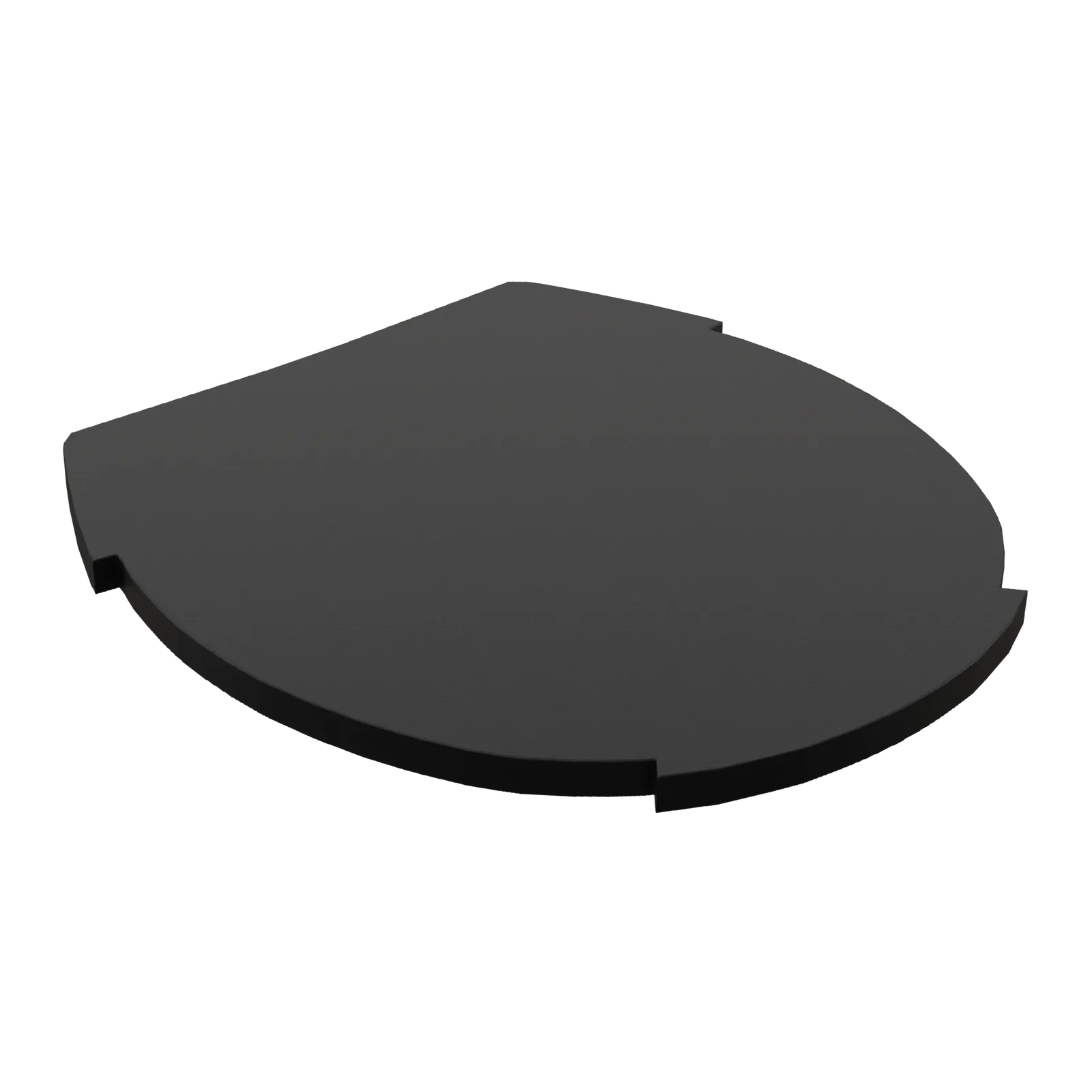
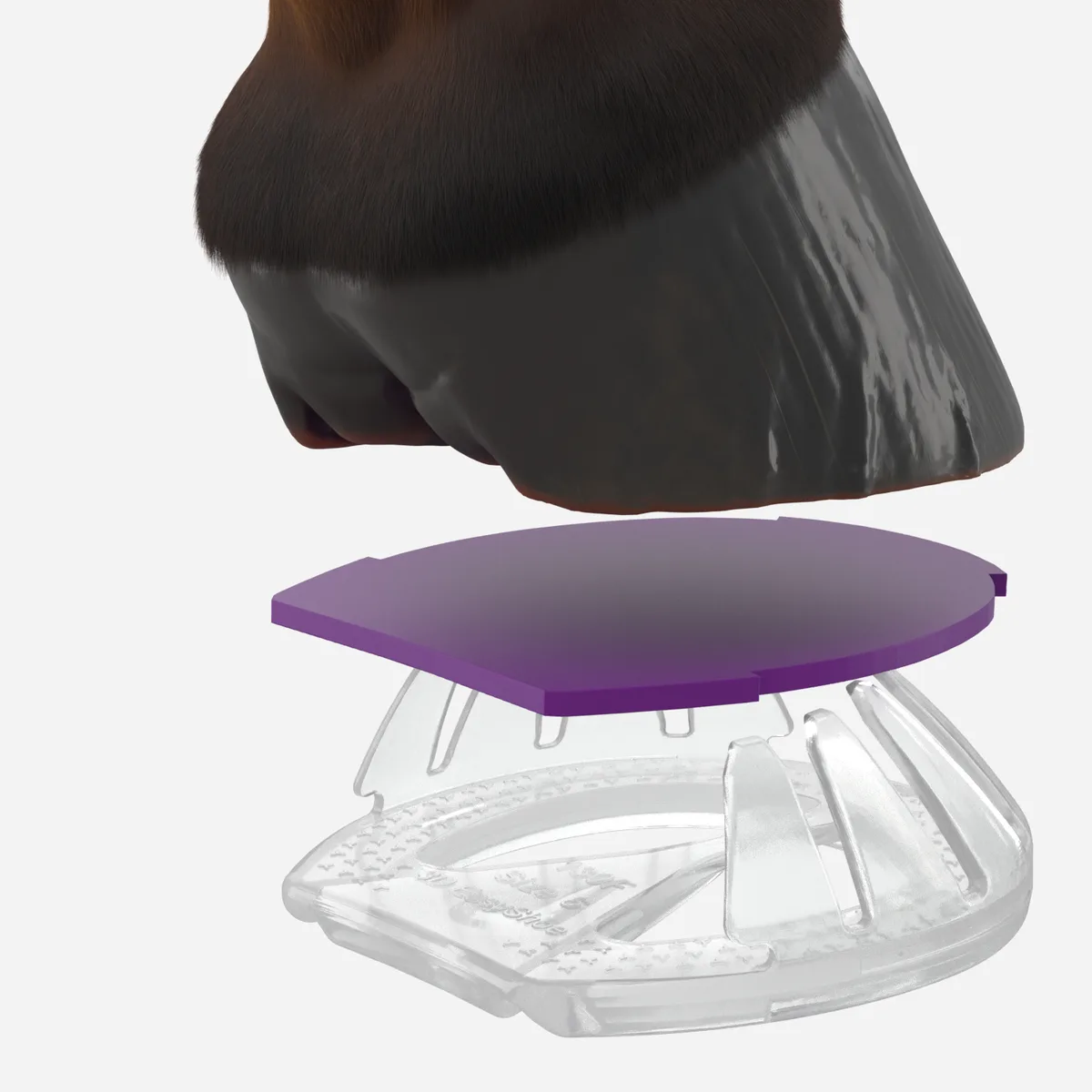
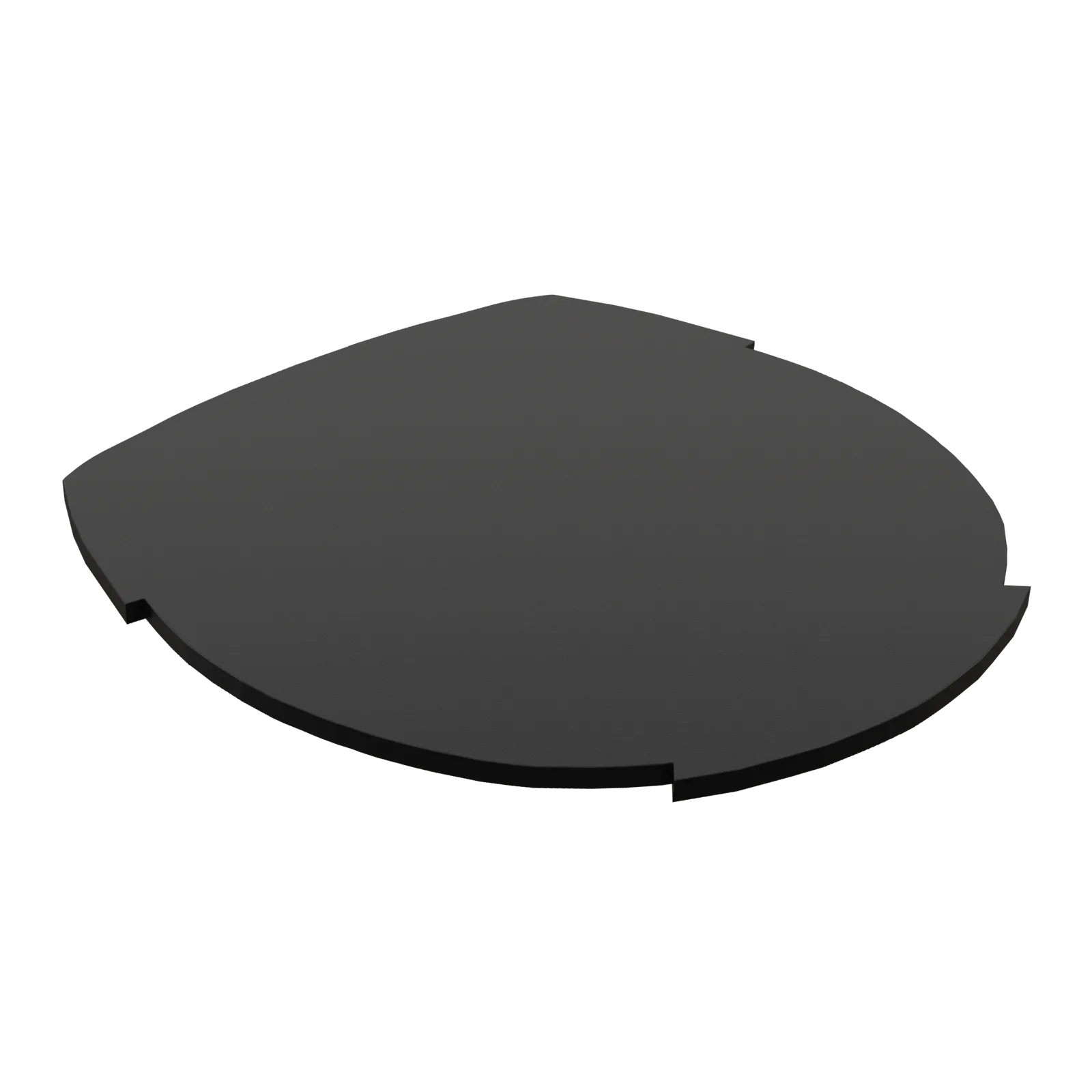
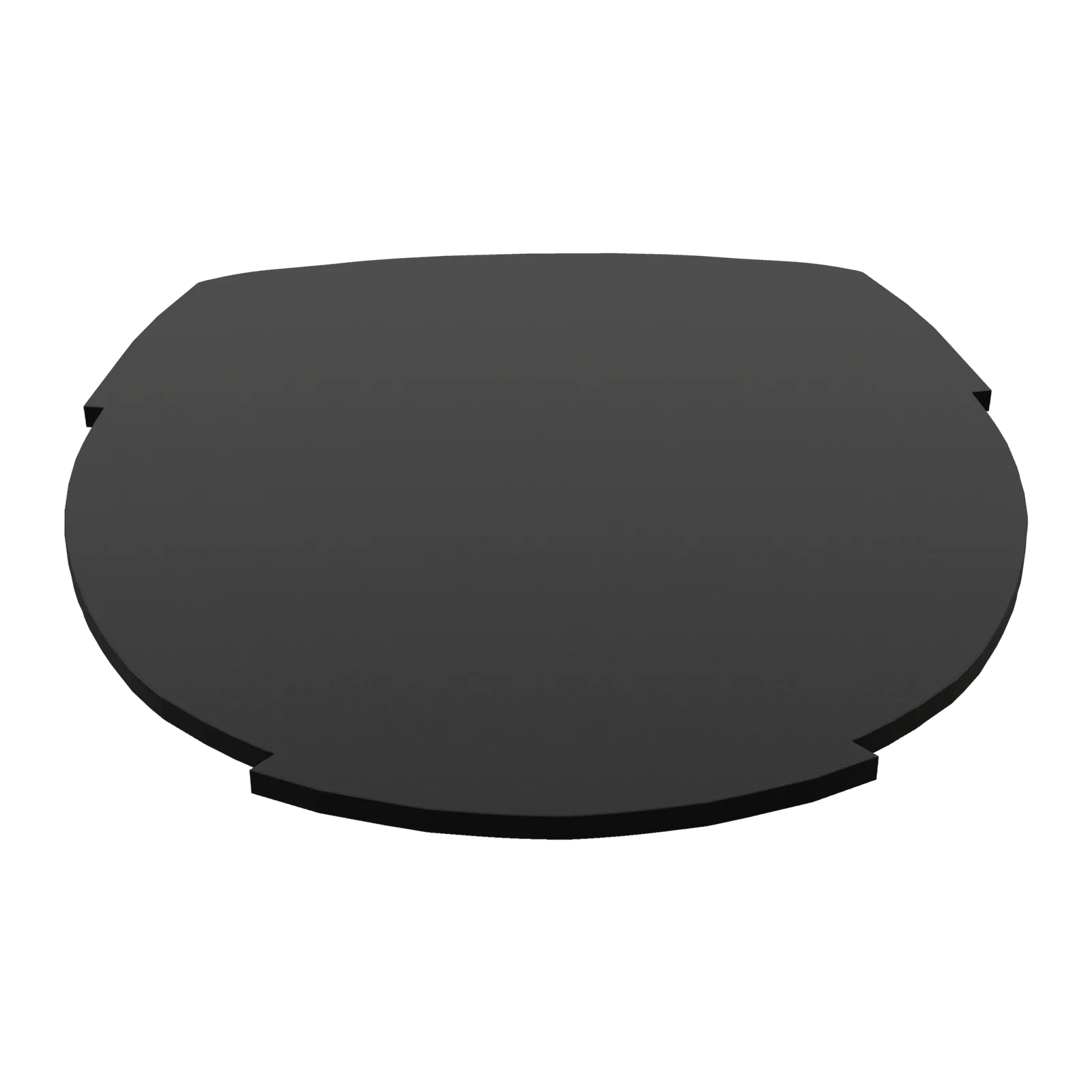
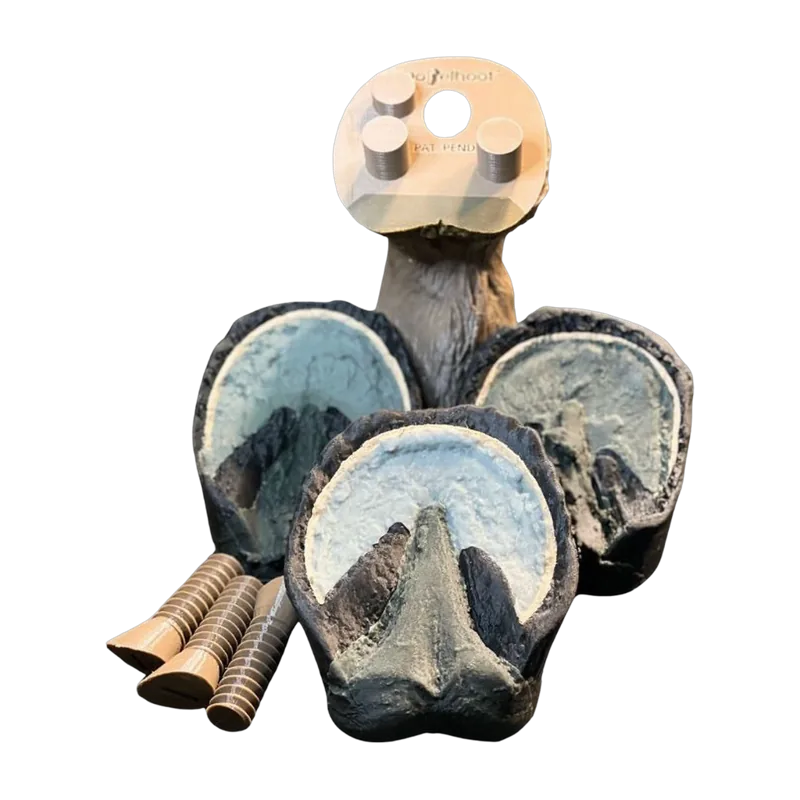
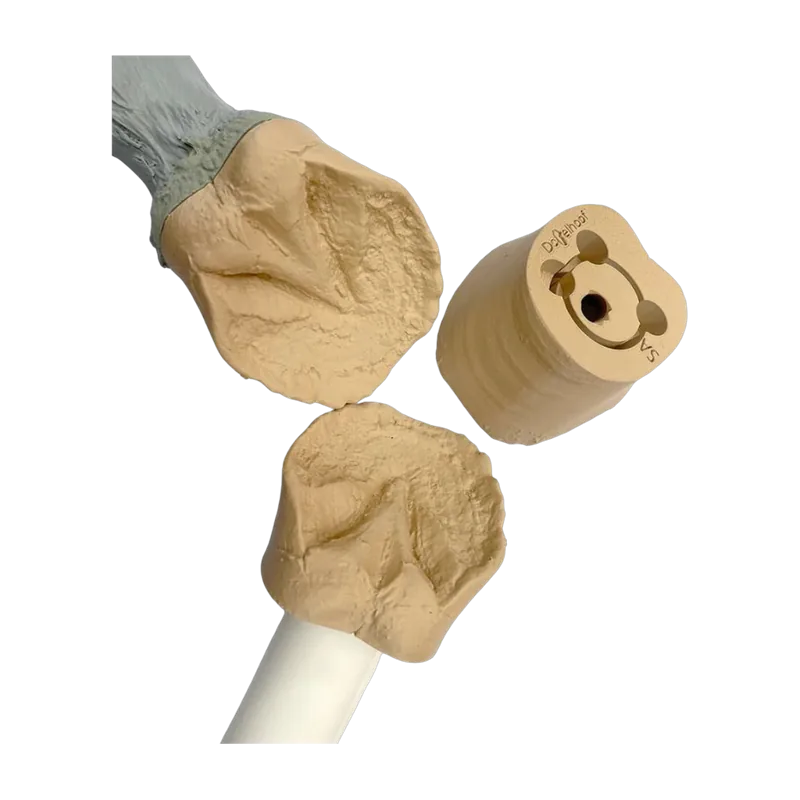
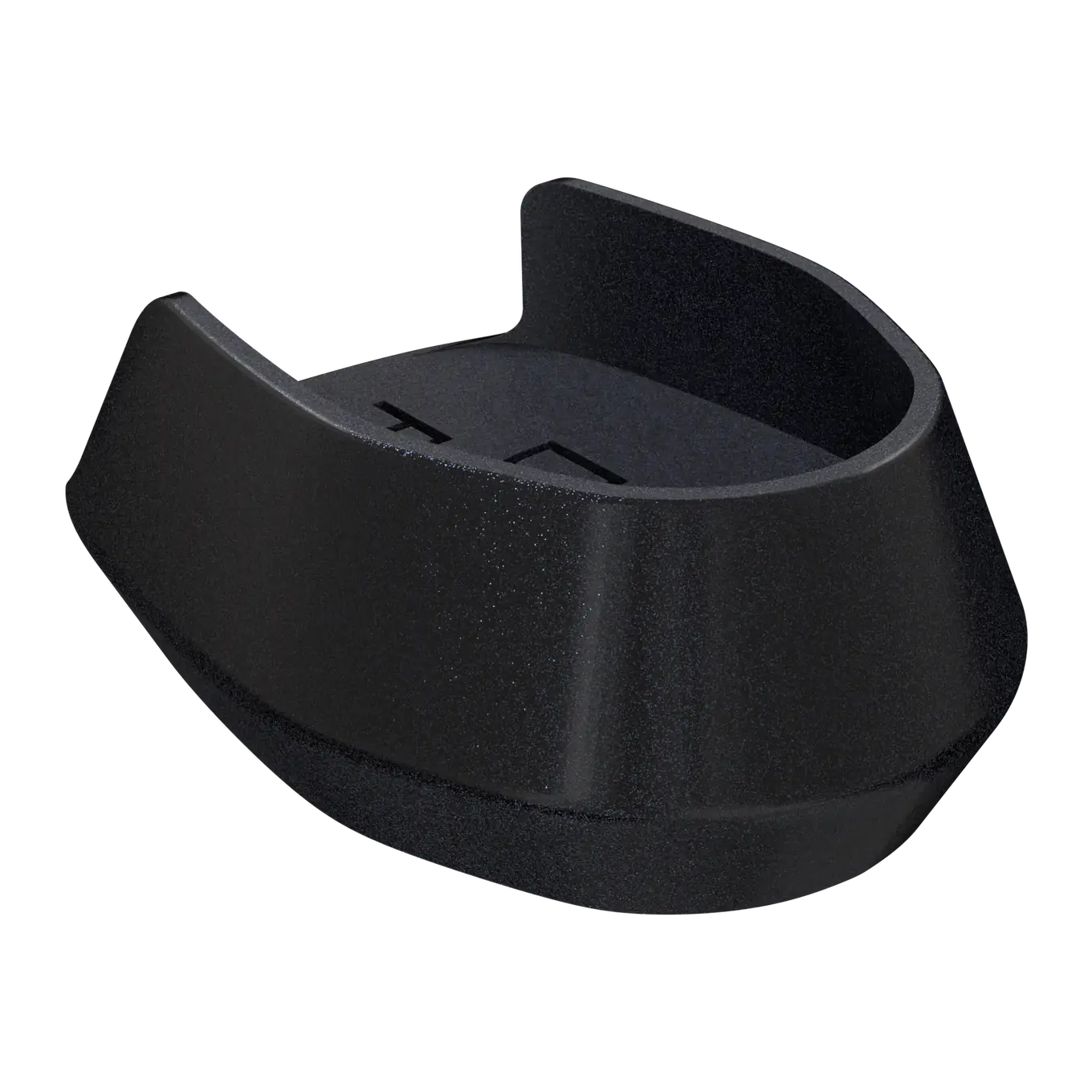
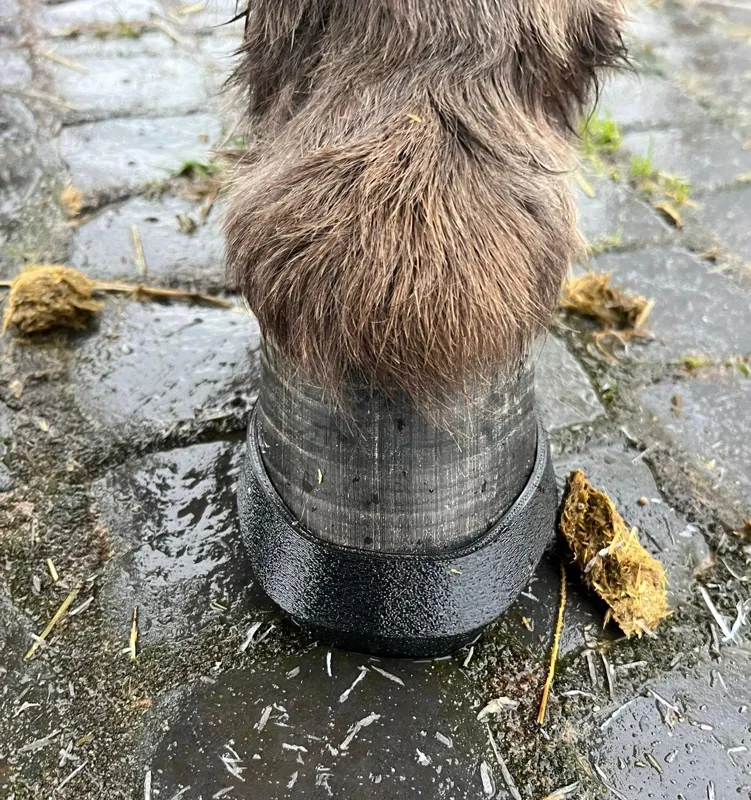
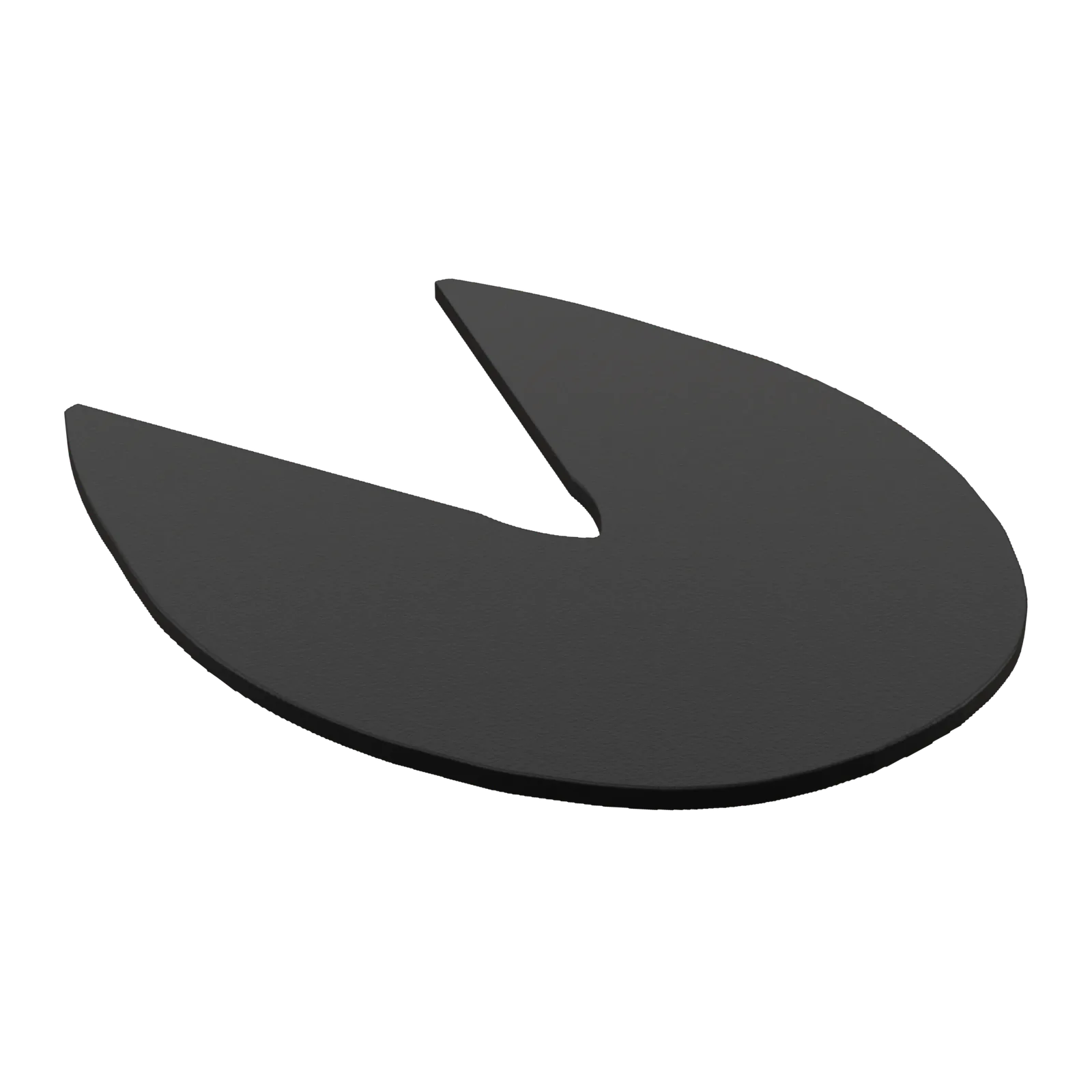
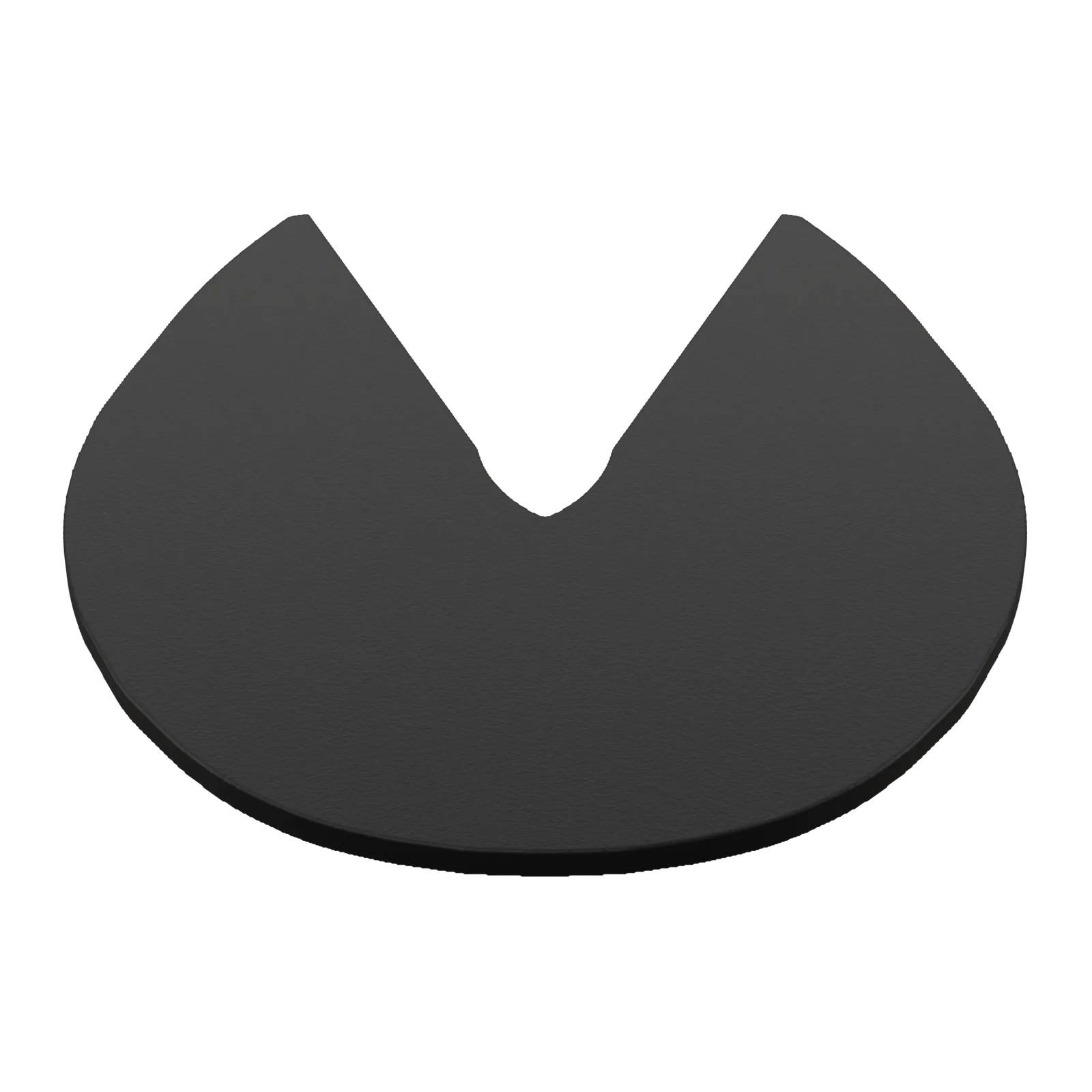
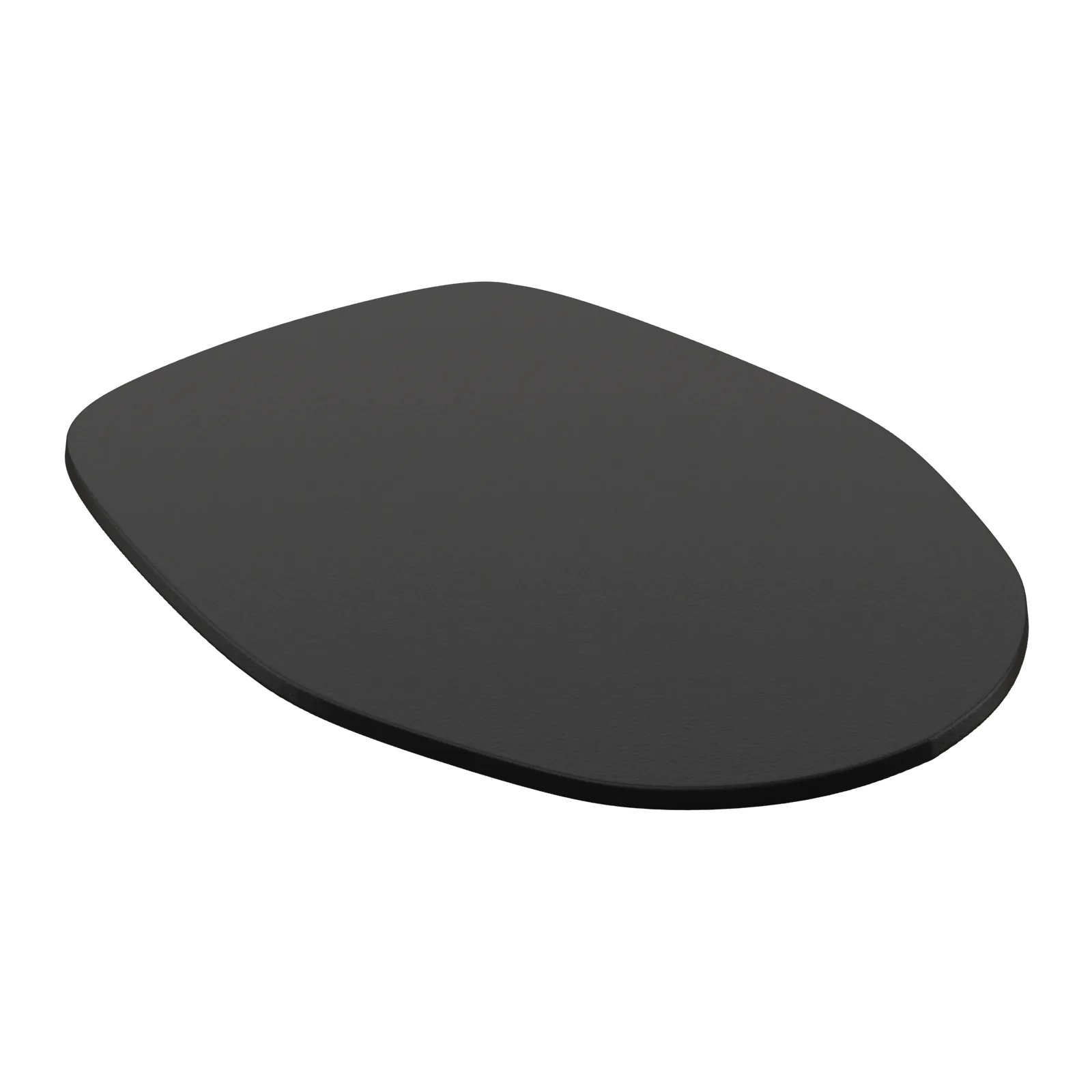
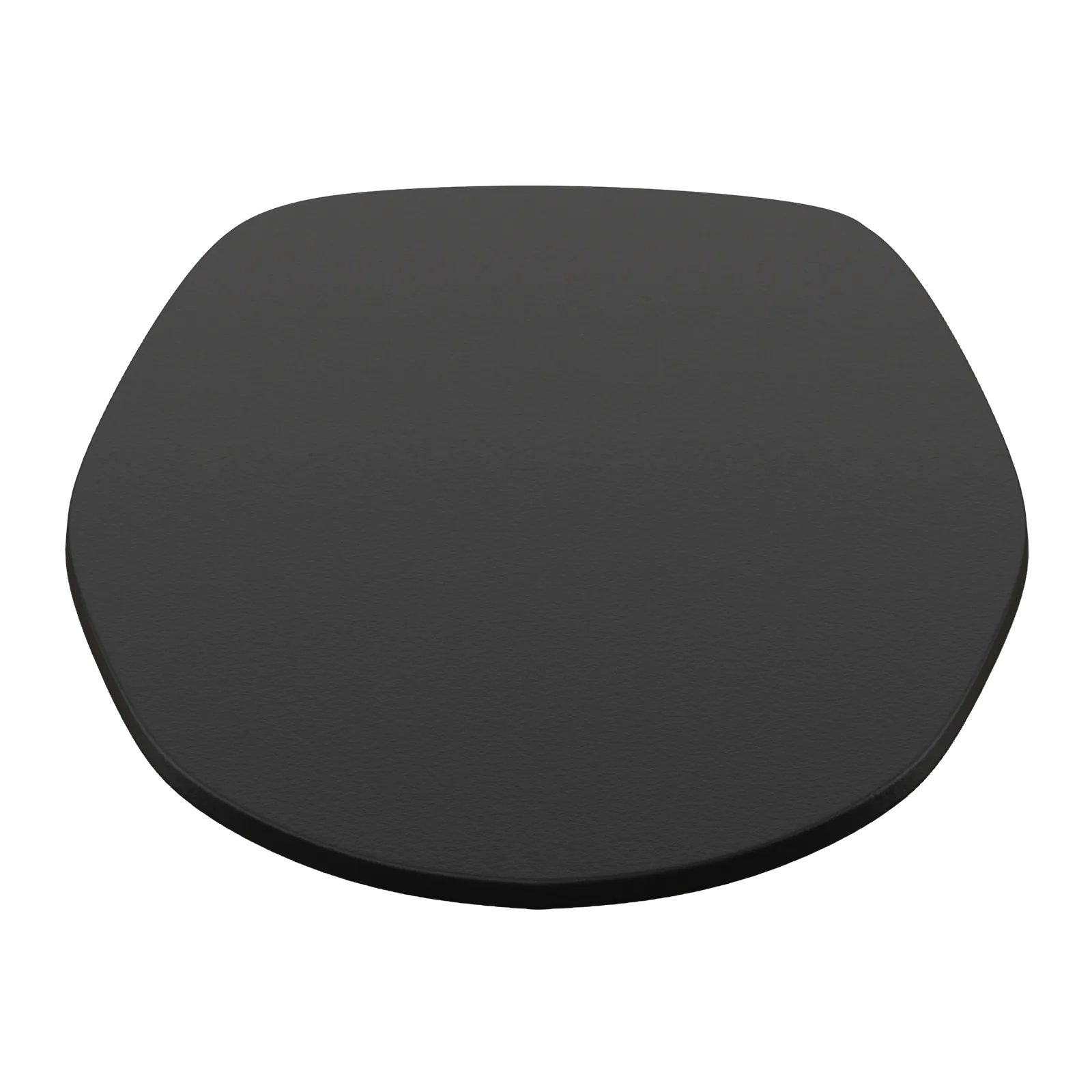
For support, the same principle applies: soft deformable material that lets the individual foot dictate where it gets supported, taking load off a compromised wall attachment. That is why donkey-specific Squish Pads exist rather than us telling donkey owners to make horse pads work.
They come in a proper size range, including larger sizes 6 and 7 for mammoth stock, a group that gets forgotten entirely by most manufacturers. And they are designed with donkey hoof shape in mind rather than adapted from a horse pattern.
Trimming intervals
Donkey hooves generally grow more slowly than horse hooves, which leads people to stretch intervals. That is usually a mistake.
Slower growth does not mean less distortion. An overdue donkey foot develops the same long-toe, run-forward-heel pattern as a horse, and because the horn is more elastic it can distort further before it looks obviously wrong. The classic overgrown donkey foot with the curled-up toe is the end point of exactly that process.
Regular, modest trims beat occasional corrective ones. And because donkeys hide discomfort, the foot in front of you is usually a better guide than the animal's behavior.
If you cannot find a farrier
This comes up in the group repeatedly and it is a genuine crisis in some regions. Donkey owners lose a farrier and cannot replace one who is confident with donkey feet.
Two practical routes. First, ask in the community. Geography comes up constantly and people share contacts. Second, a number of owners have gone down the route of learning to trim their own, which is a serious commitment but a realistic one for someone with a small herd and no local option. There are donkey-specific courses run by people who specialize in exactly this, and owners in our group have gone through them and come out competent.
If you go that way, do it properly with instruction. A badly trimmed donkey is worse off than an untrimmed one.
Foals and angular limb deformity
The mammoth donkey foal with angular limb deformity is a case worth mentioning because it illustrates something general.
Growing foals change fast, and corrective work has a window that closes. Epoxy applied directly to a rapidly growing hoof that then breaks off within a day is a common frustration. The bond is fighting both movement and growth.
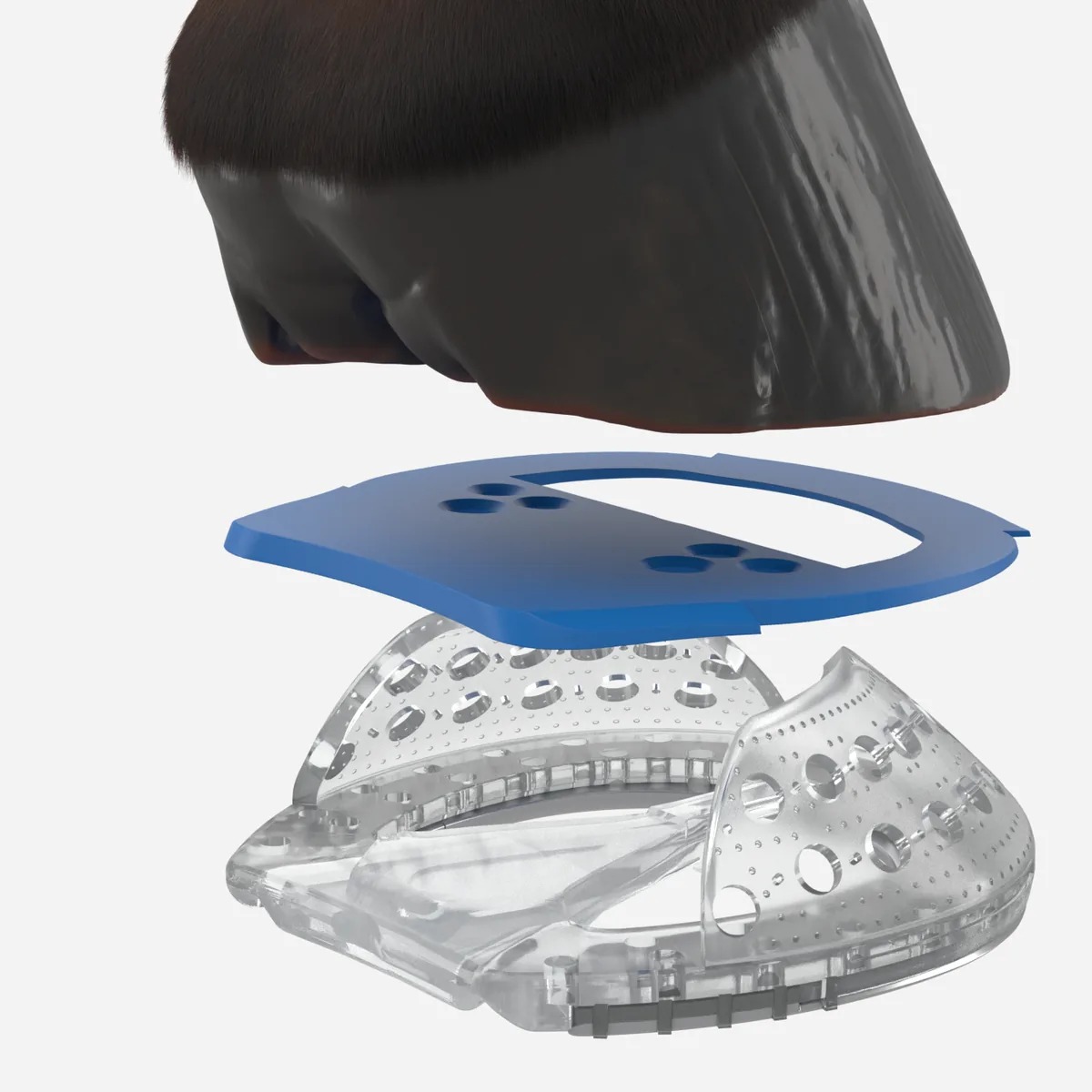
This is exactly the situation where a made-to-order approach earns its keep. When something needs to be a shape that does not exist in a catalog, being able to print it changes what is possible. We have made one-off supports for cases like this, including some of the smallest things we have ever produced.
If you have a case that nothing standard fits, ask before concluding there is no option.
The short version
Donkeys need donkey-shaped kit, donkey-appropriate intervals, and owners who assume the animal is underreporting. Most of what goes wrong with donkey feet in domestic settings comes from applying horse assumptions to an animal that is not a horse.
Weight is the hoof problem
If there is one thing to take away for donkey owners, it is that most of the serious hoof pathology you will meet starts with diet.
Donkeys are extraordinarily efficient at extracting energy from poor forage. That is the adaptation of an animal evolved for arid, sparse grazing. Put that metabolism on a paddock of decent grass and you have a donkey gaining weight on what looks to a horse owner like very little.
The fat pads along the crest and rump are the visible warning, and they are frequently normalized. A rounded donkey reads as a well-kept donkey to most people. It is not.
Practical management is unglamorous: restricted grazing, plenty of low-quality forage such as barley straw to keep them chewing, and honest body condition scoring rather than a glance. If a donkey has already had a laminitic episode, this is not a side issue to address later. It is the thing that decides whether the foot work you are paying for holds.
And mules
Mules sit somewhere between the two and get forgotten by everybody.
Hoof shape tends toward the donkey end (more upright, narrower, harder horn), while size and workload often follow the horse side. In practice most mule owners find donkey-pattern products fit better than horse-pattern ones, but it varies with the individual and with the mare that produced them.
If you have a mule and are unsure, measure both dimensions carefully and send a photograph with a ruler in it. We would rather work it out with you than have you guess between two ranges.
3D HoofCare's donkey range is developed in collaboration with specialist donkey hoof care practitioners and printed to order in the USA. For a case that does not fit anything standard, message us. That is what made-to-order is for.