




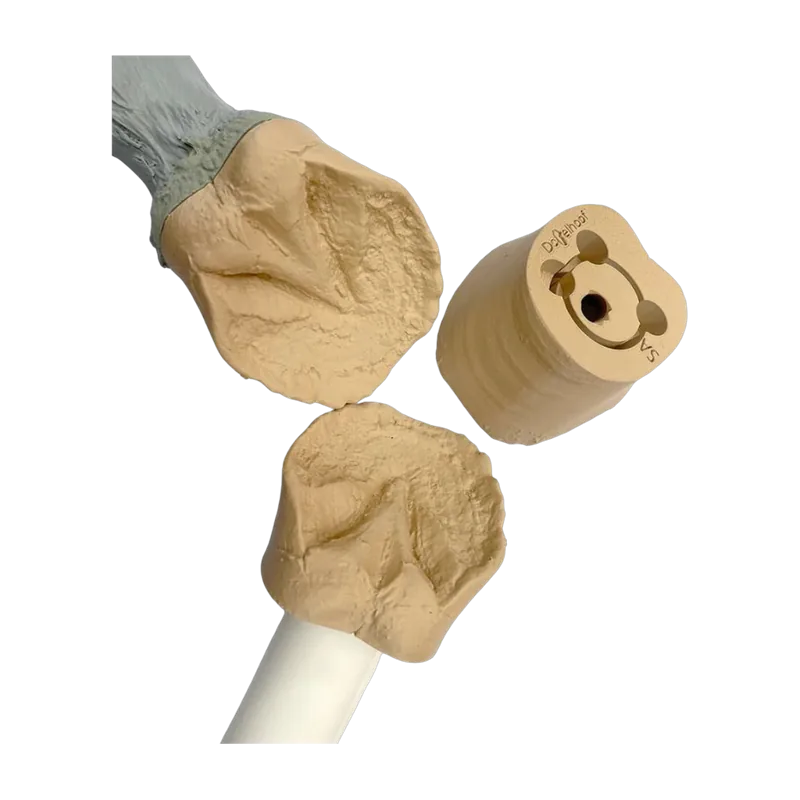
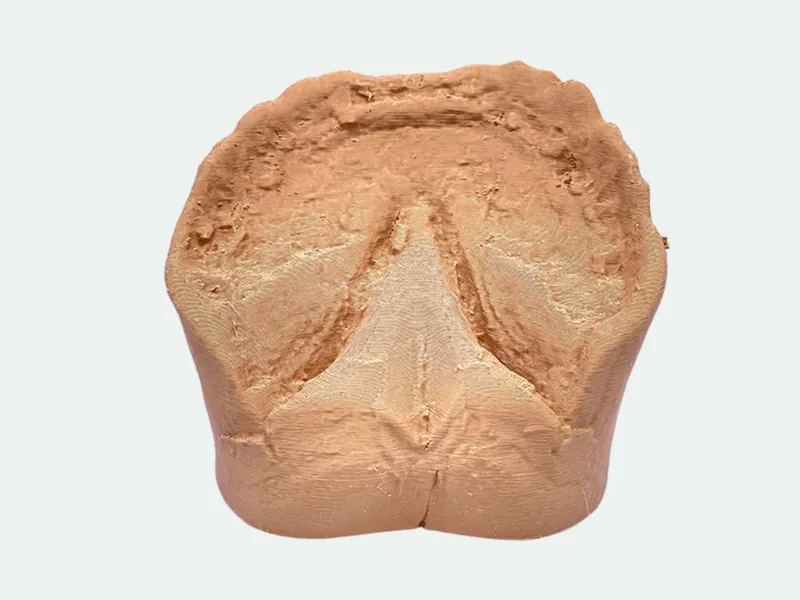
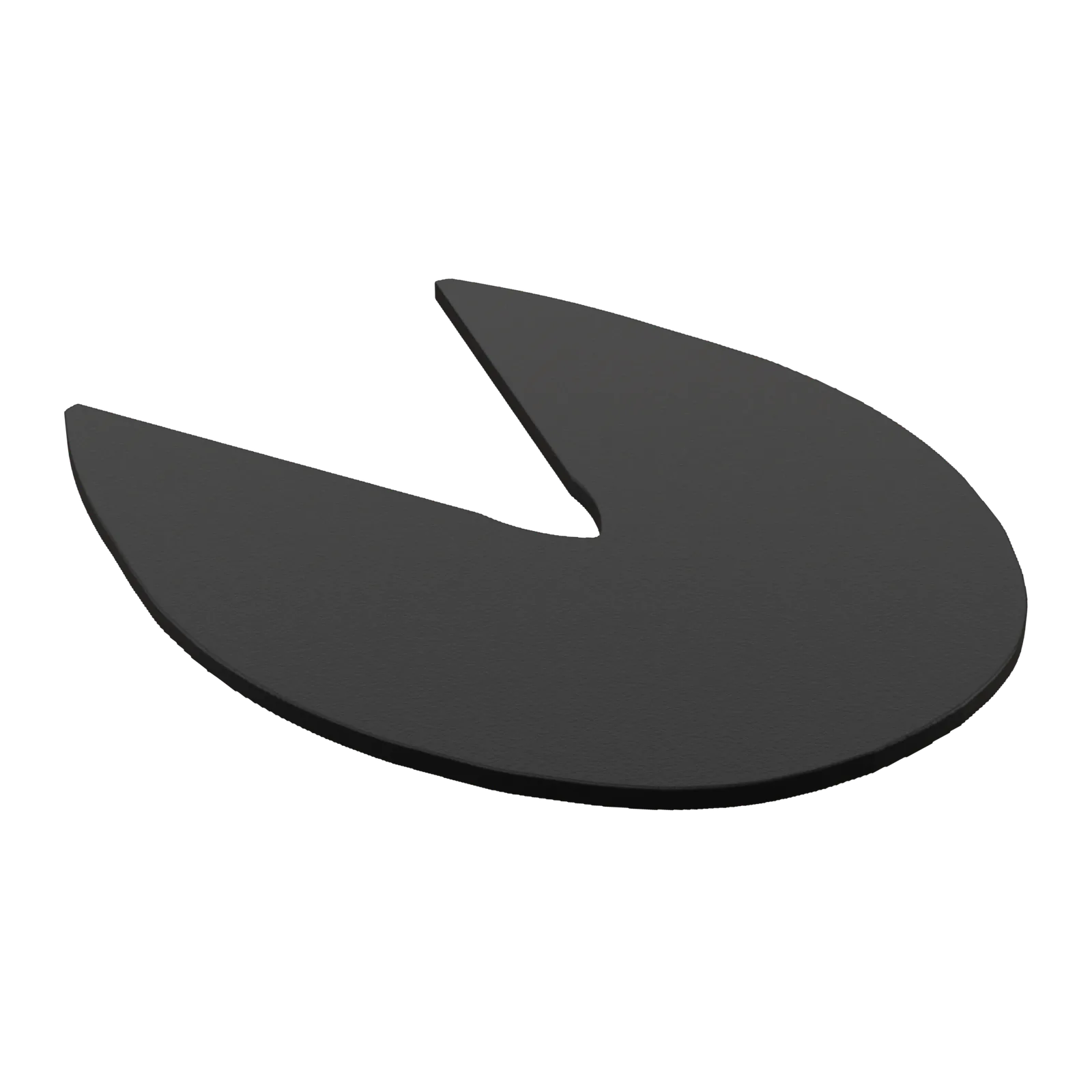
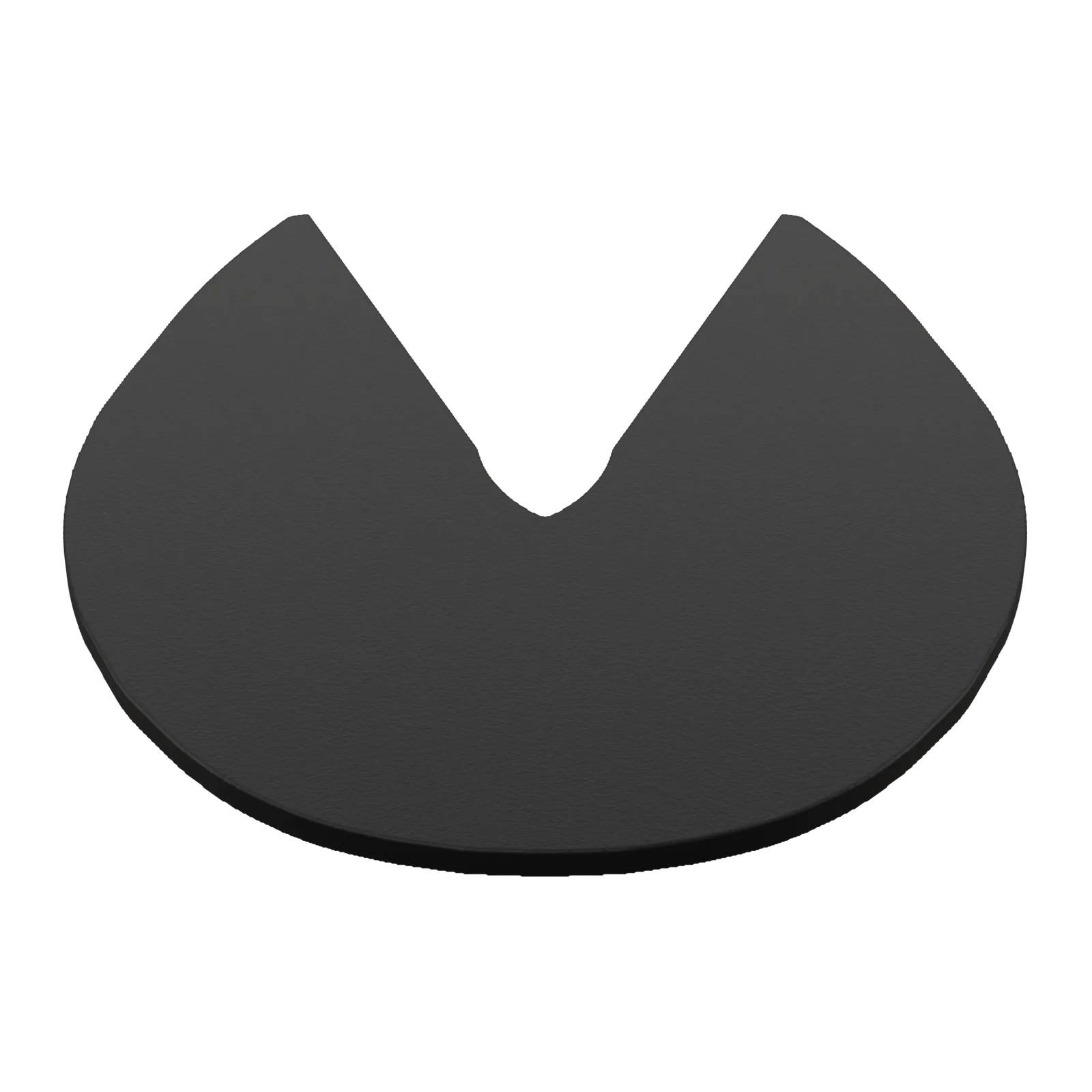
Measure once. Fit the first time.
Most pads are sized from two numbers: the width and the length of the hoof, taken right after the trim. A ruler or tape in inches or millimeters works, because every size chart lists both. Here's how to take them, then which size chart to use.
Not before it, and not an hour later.
Use whichever your ruler or tape shows. Every size chart lists both, so there's no need to convert.
It follows the hoof. A ruler works if you keep it straight.
Measure the hoof in three steps
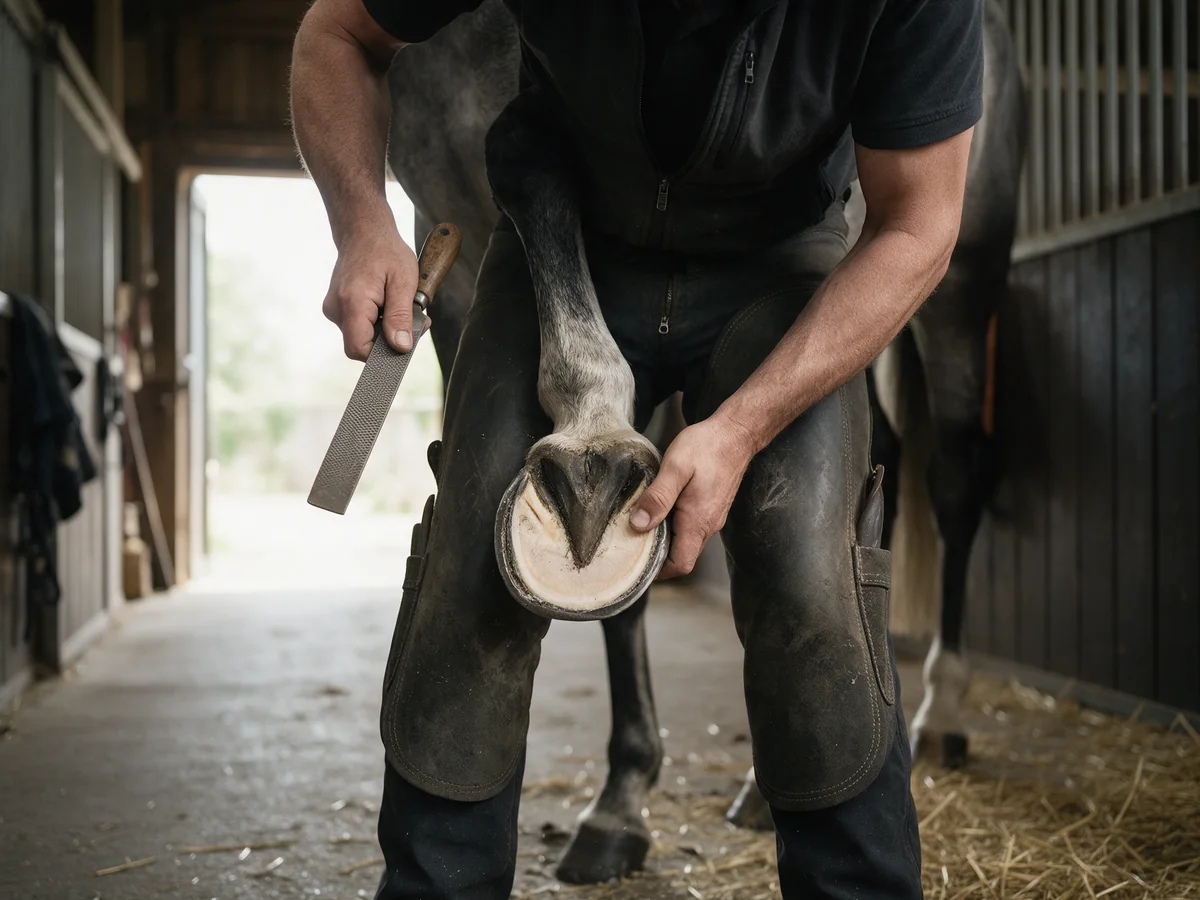
Wait for the trim
The hoof changes shape during the trim: swelling goes down, the frog spreads and the whole structure shifts. Measure as soon as your farrier finishes. Measuring before the trim, or even an hour after, gives you the wrong numbers.
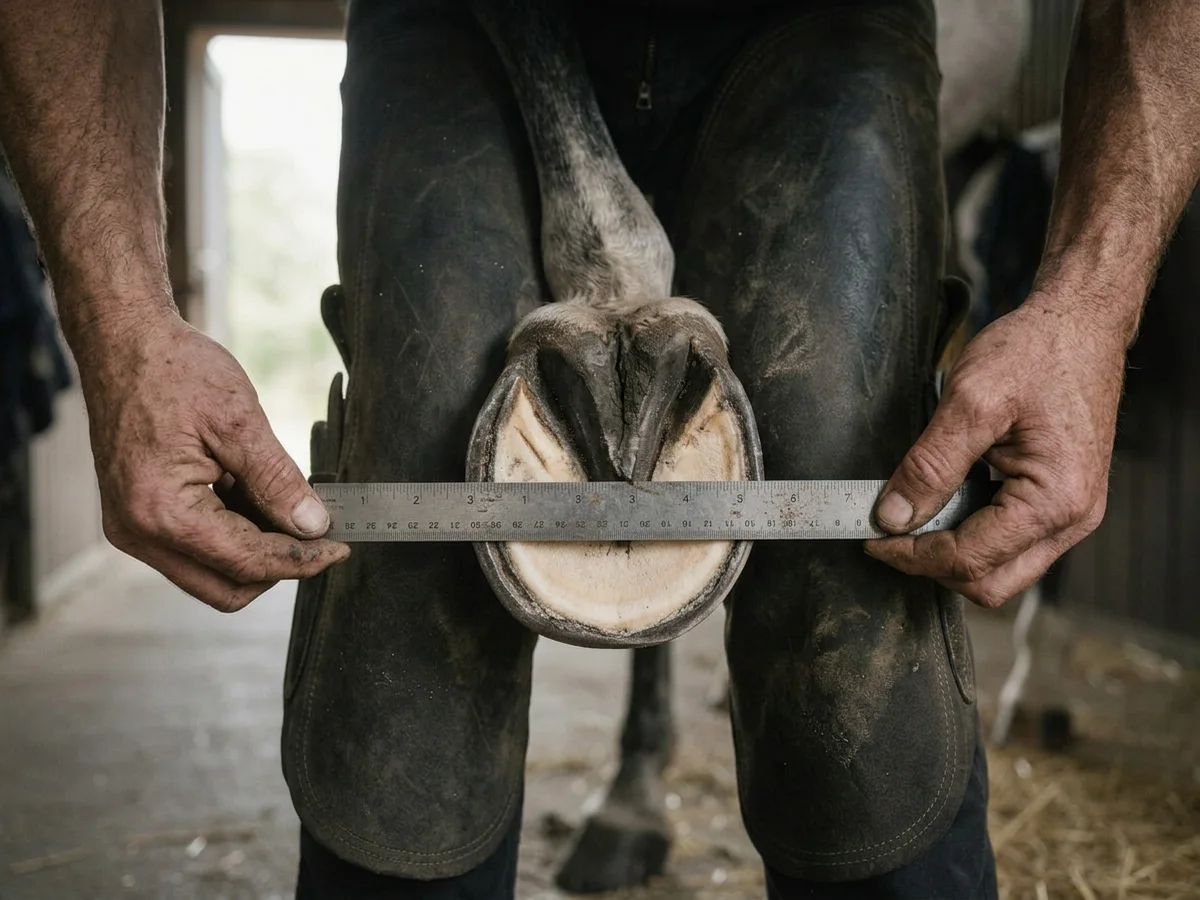
Width at the widest point
Measure straight across the widest part of the hoof, usually across the widest part of the frog or just behind it. For barefoot pads, measure white line to white line: the pad must sit inside the hoof wall, or it will catch and tear. Write the number down.
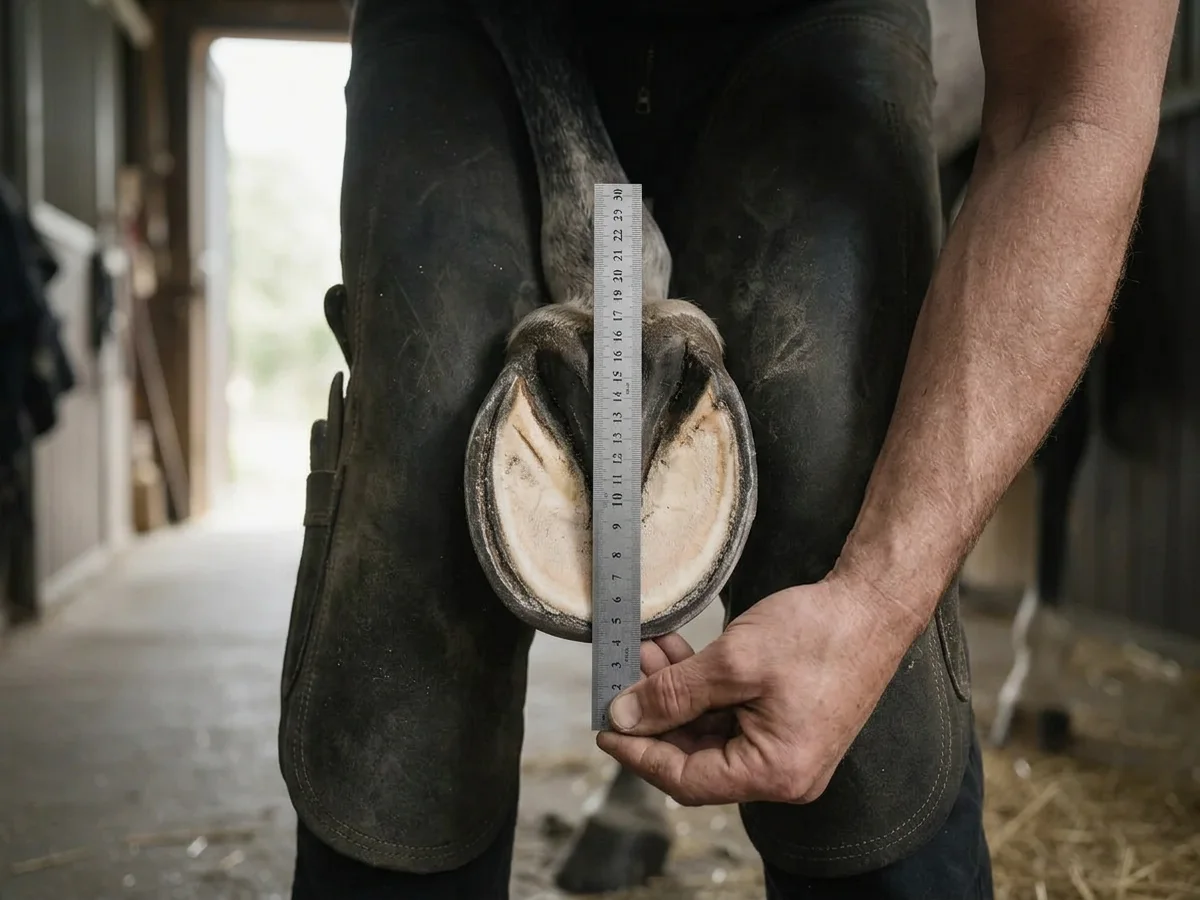
Length, heel to toe
Measure from the back of the heel to the tip of the toe, keeping the tape straight and centered on the bottom of the hoof. Leave the heel bulbs out.
Find your size
Each product has its own chart, so a size on one doesn't carry over to another. Pick what you're fitting.
Fitting pads with shoes? Use your shoe size
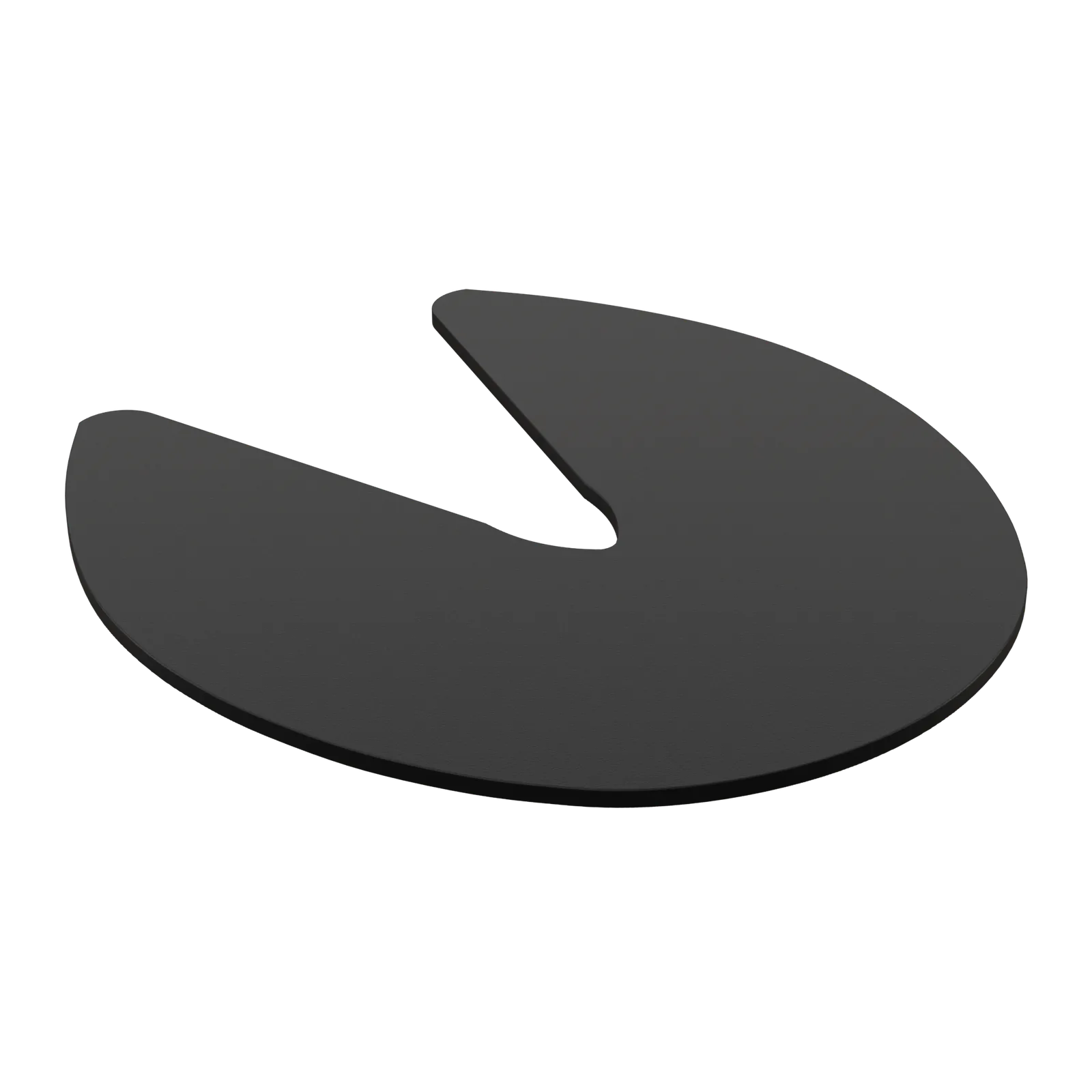
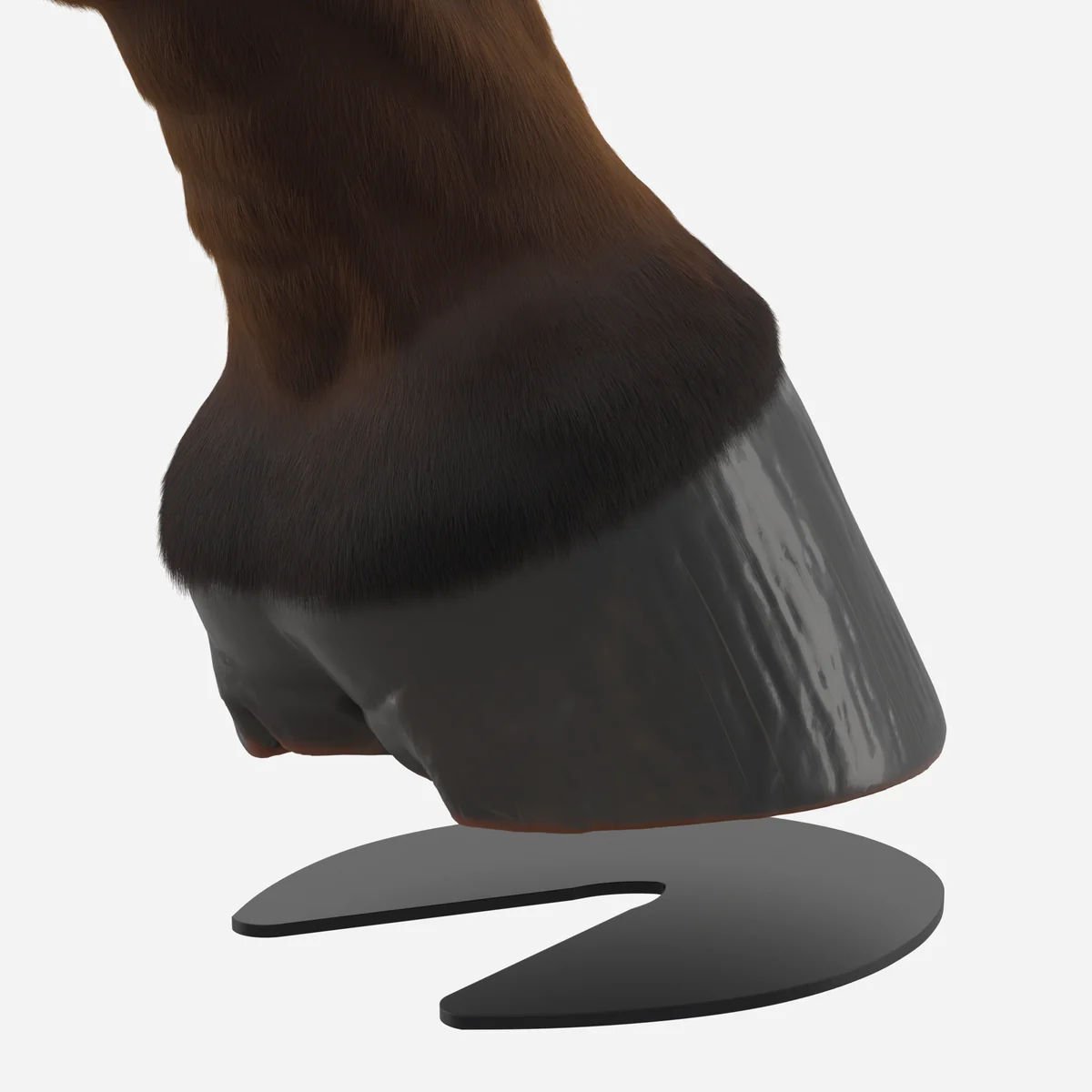
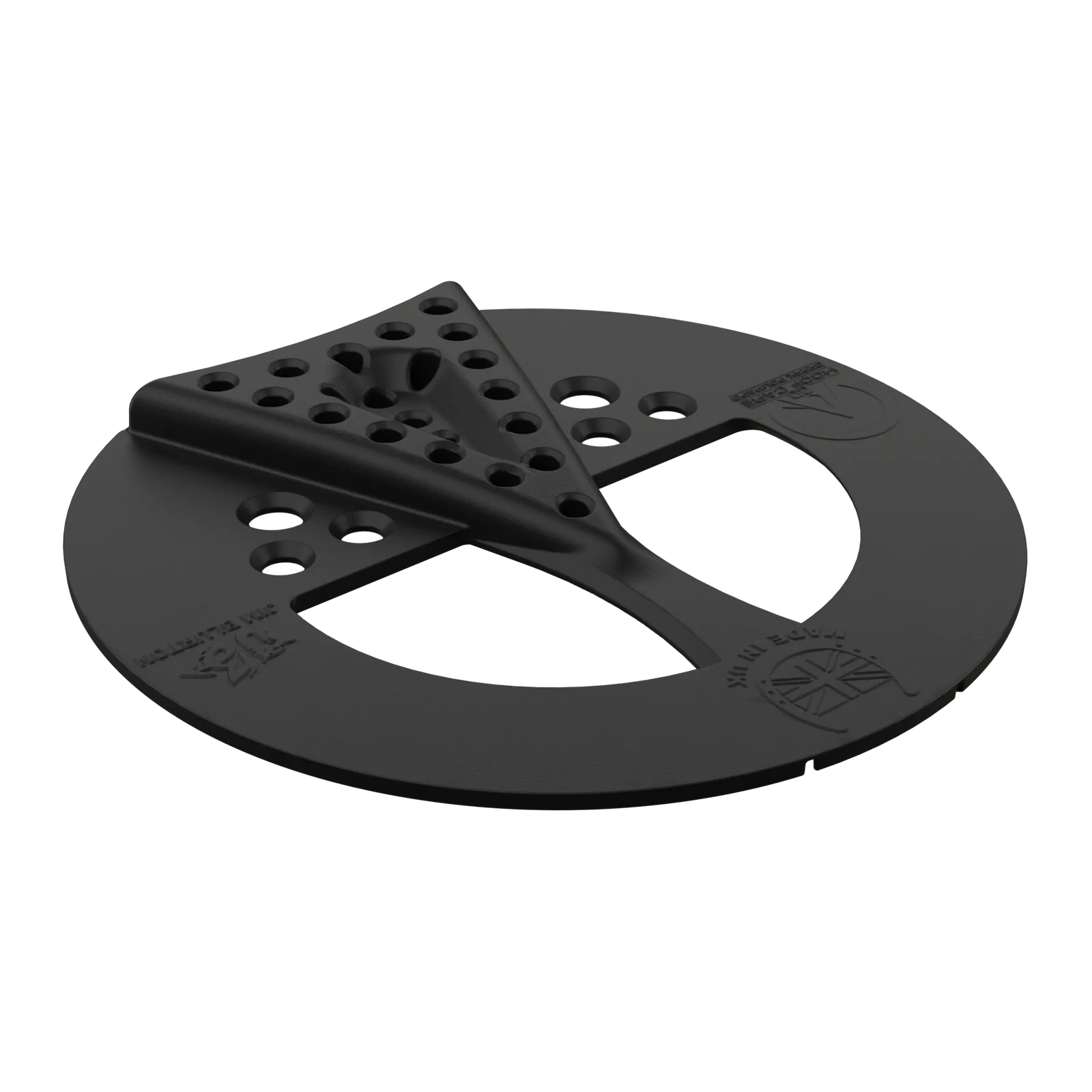
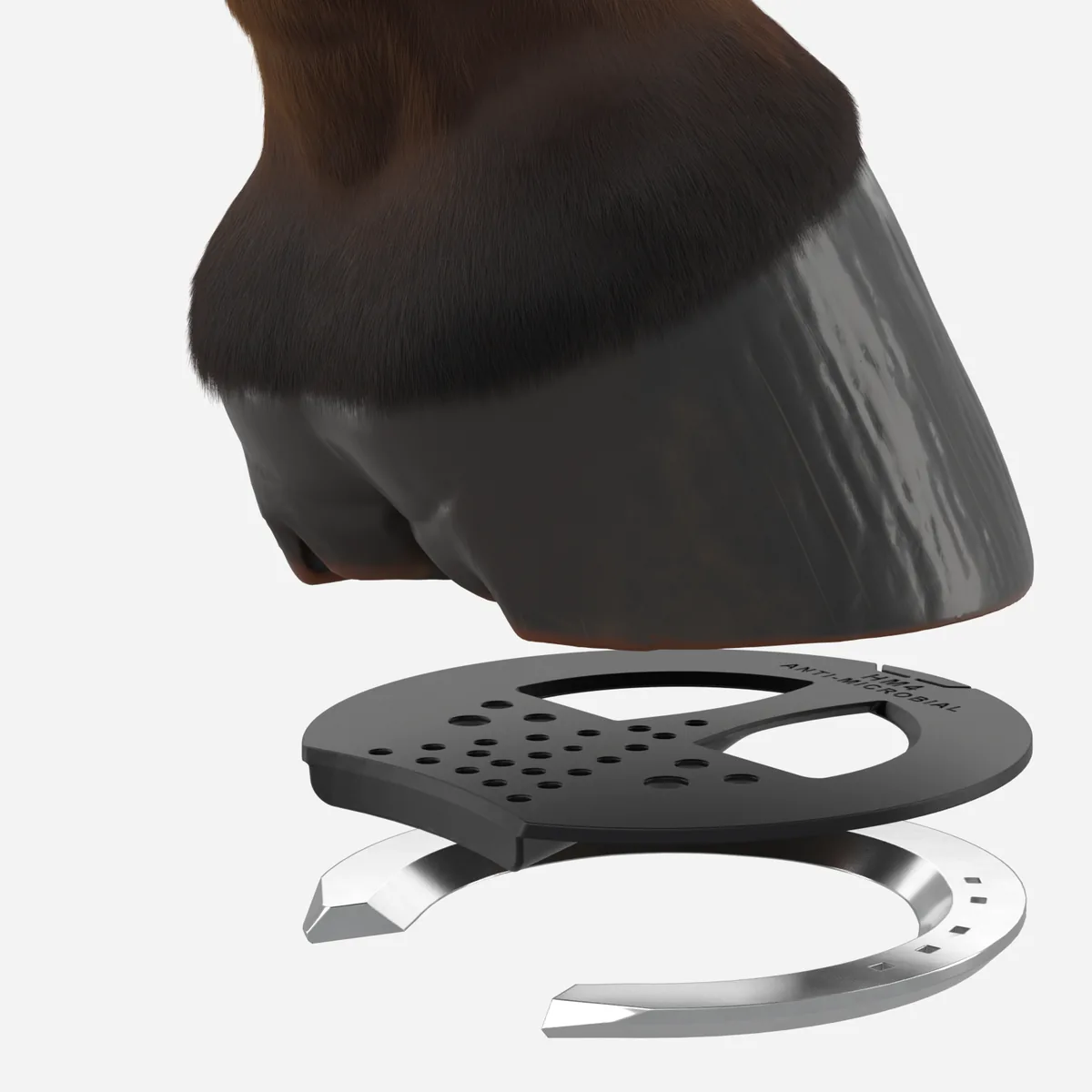
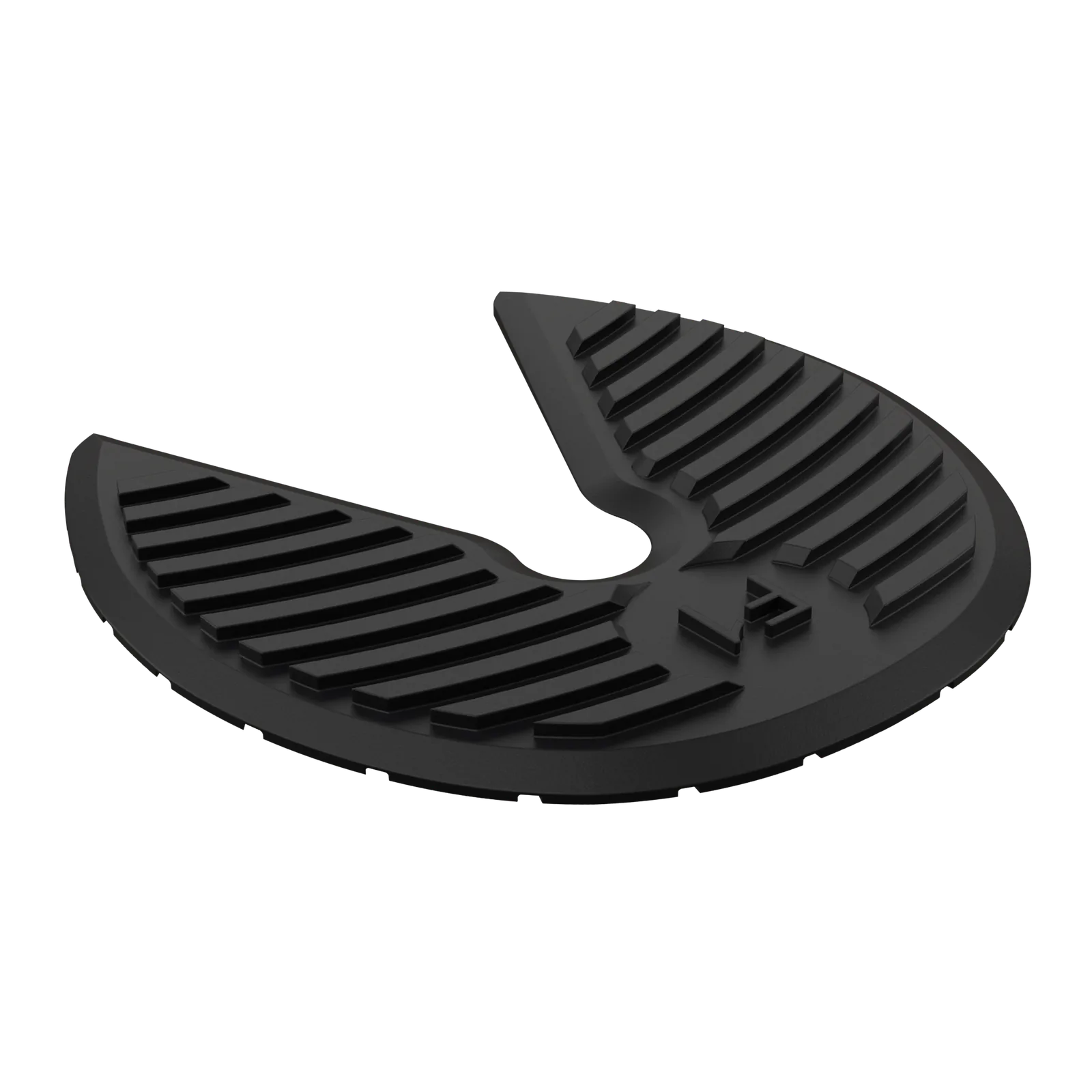
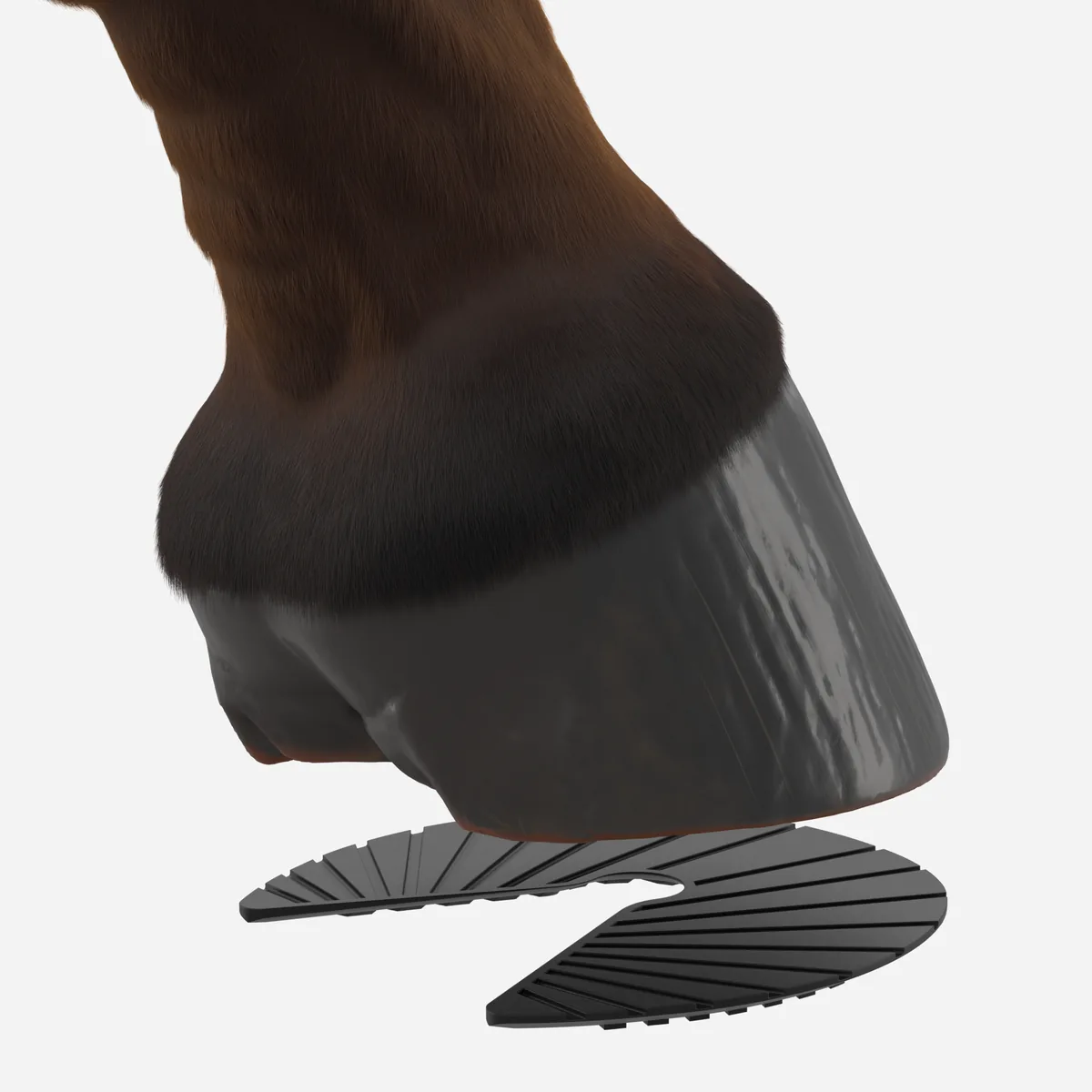
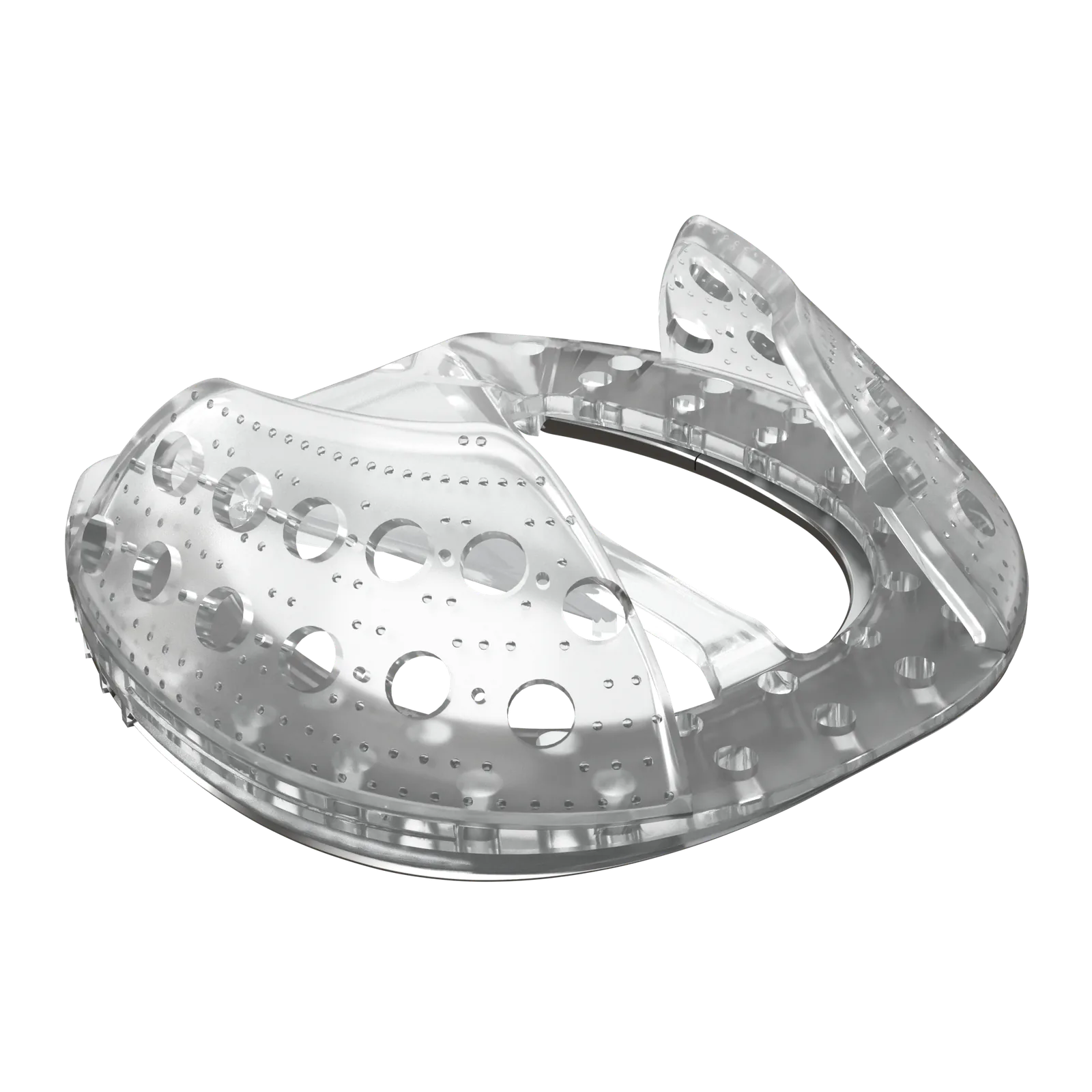
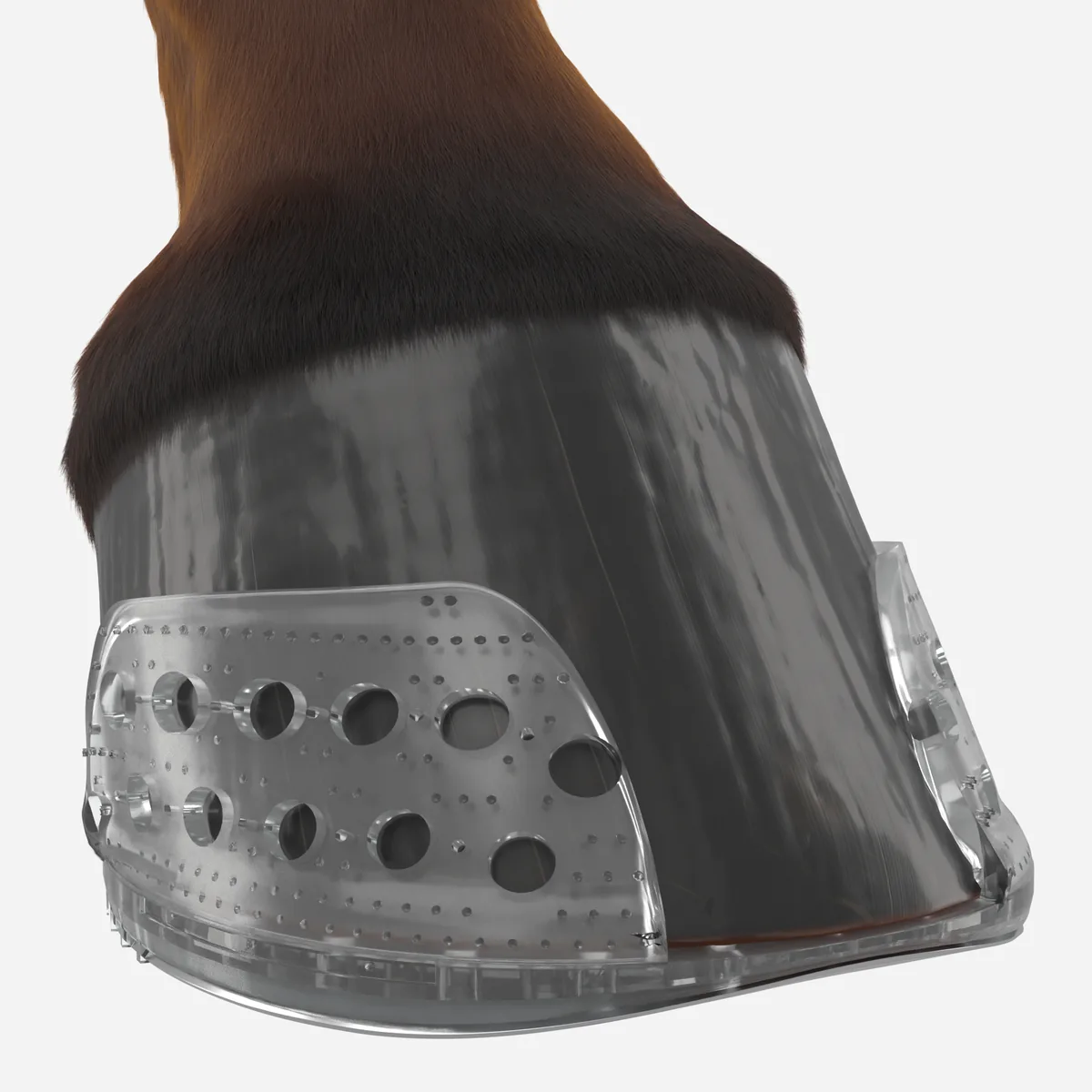
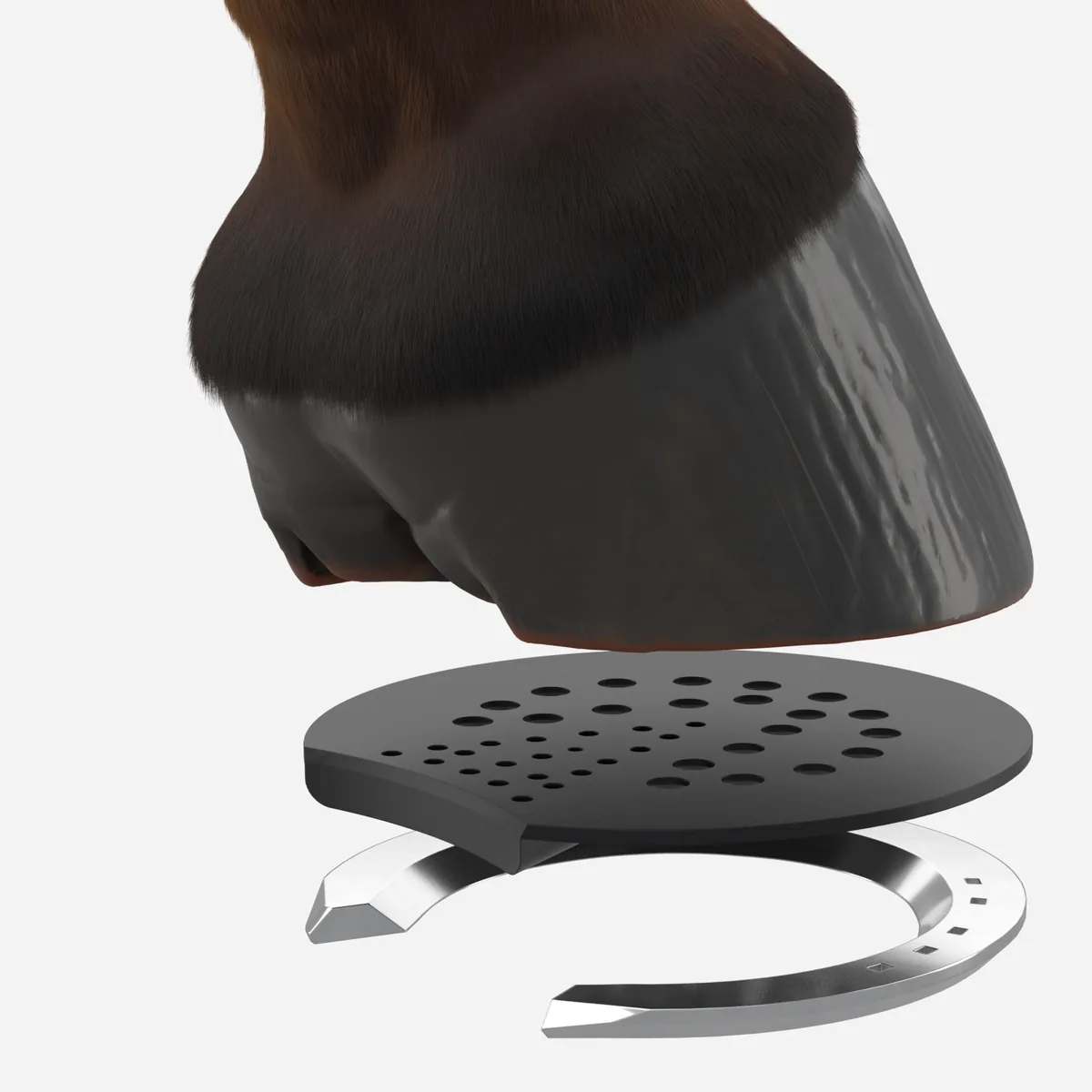
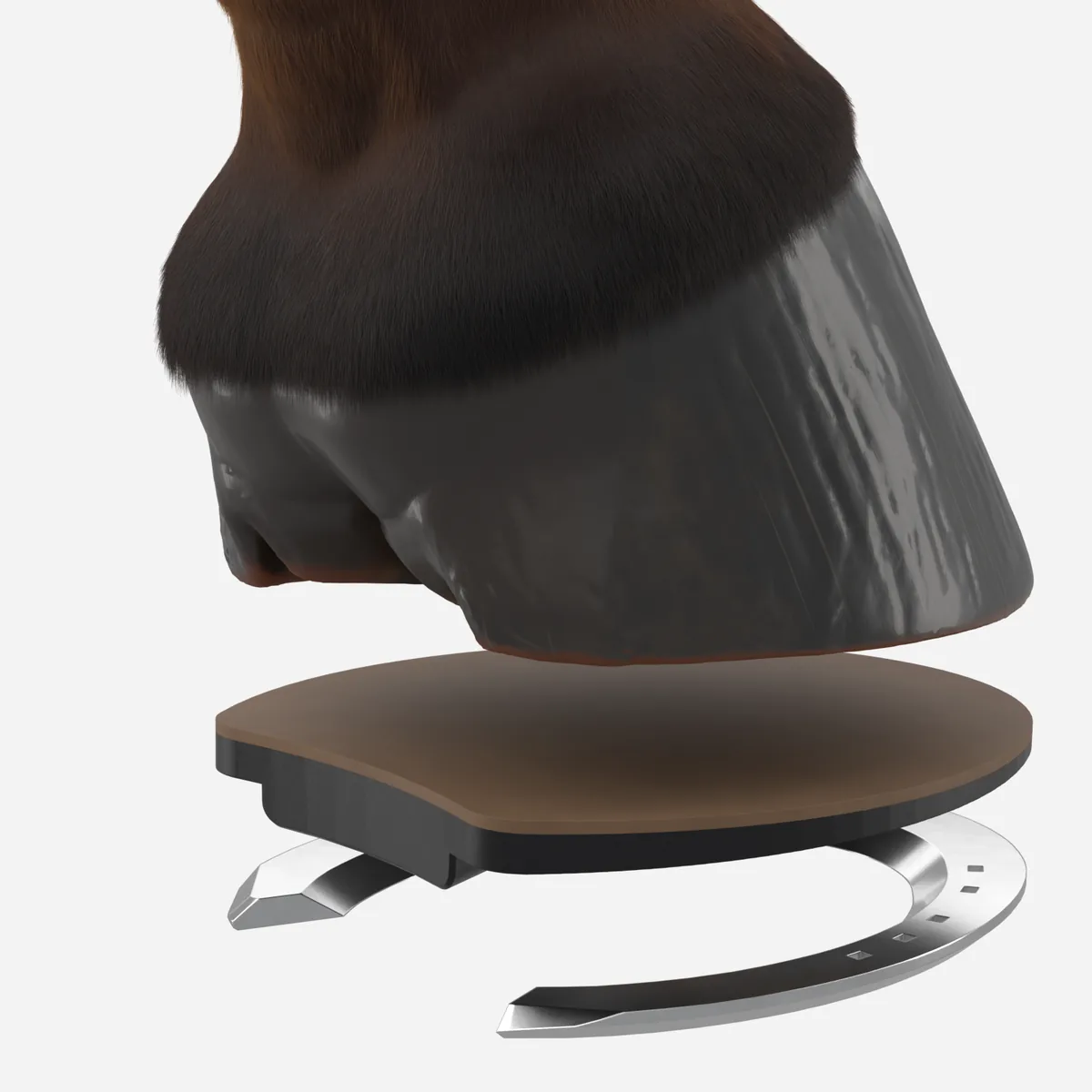
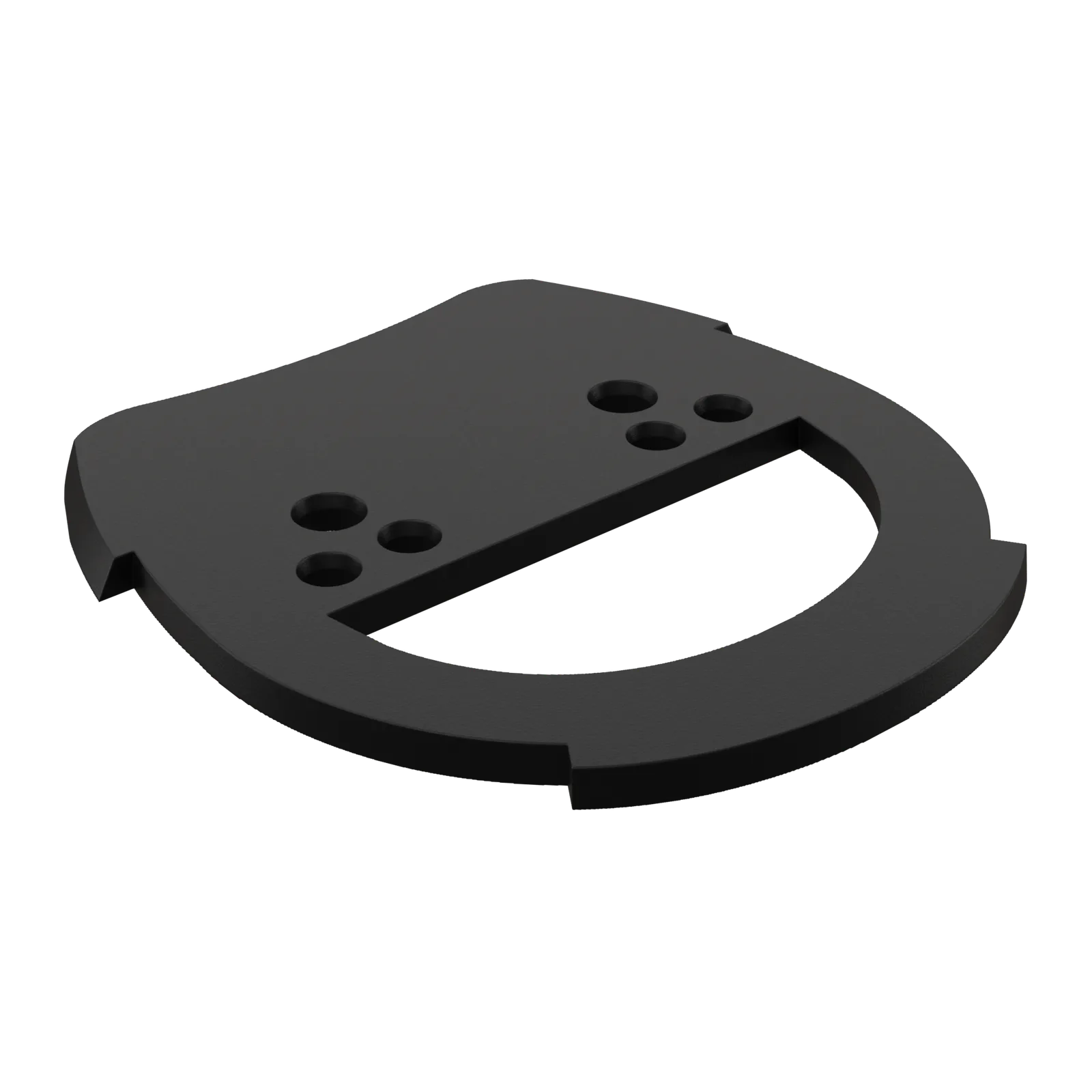
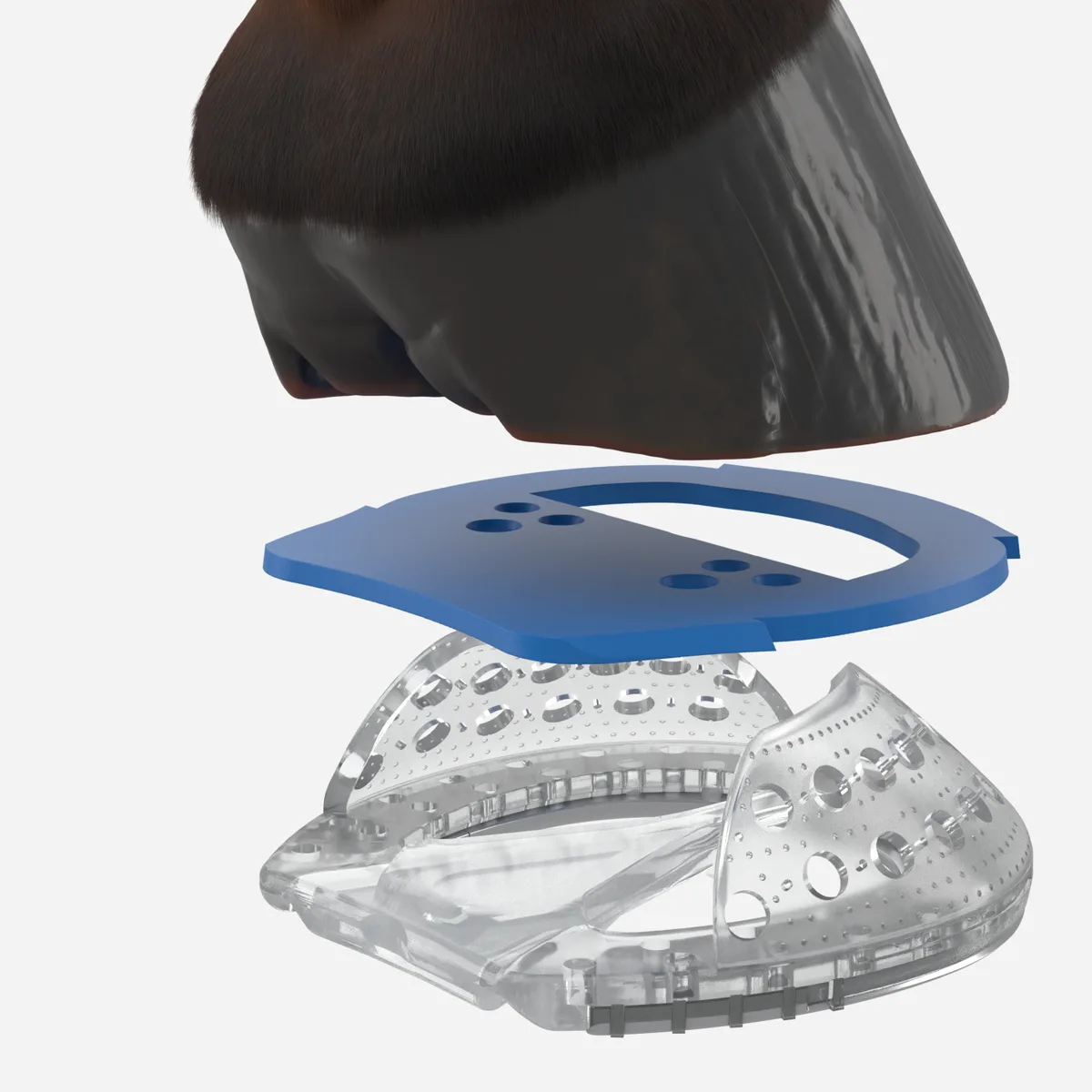
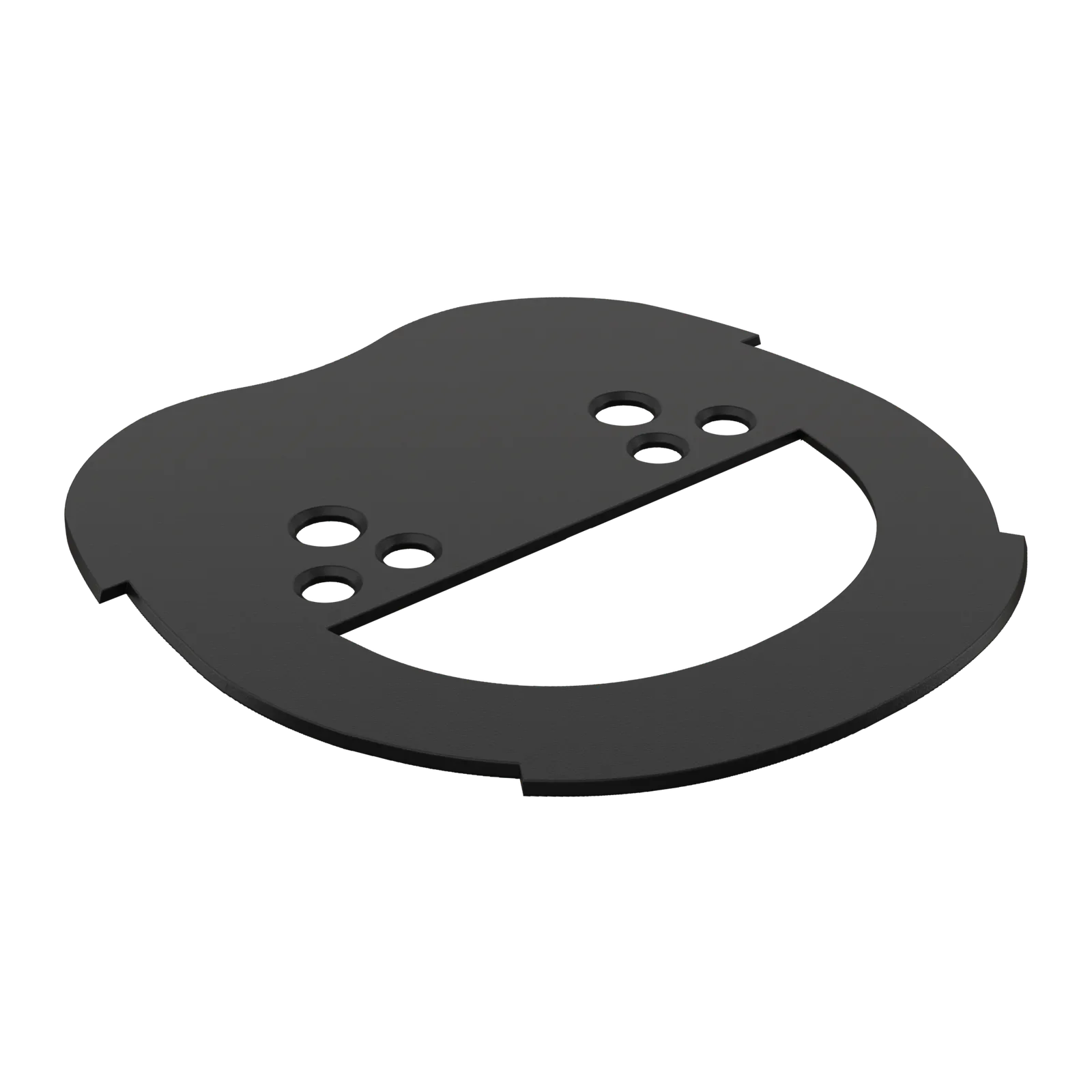
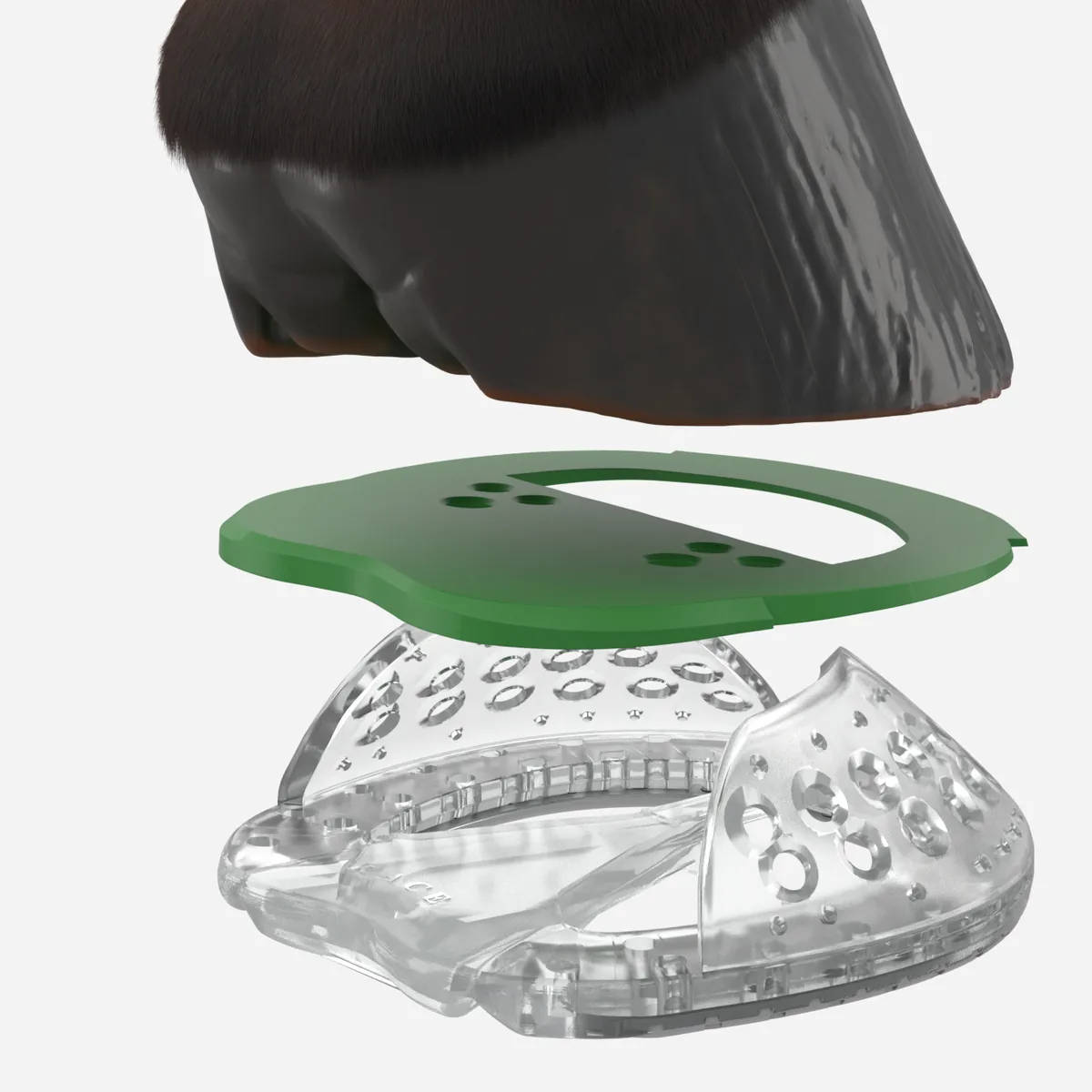
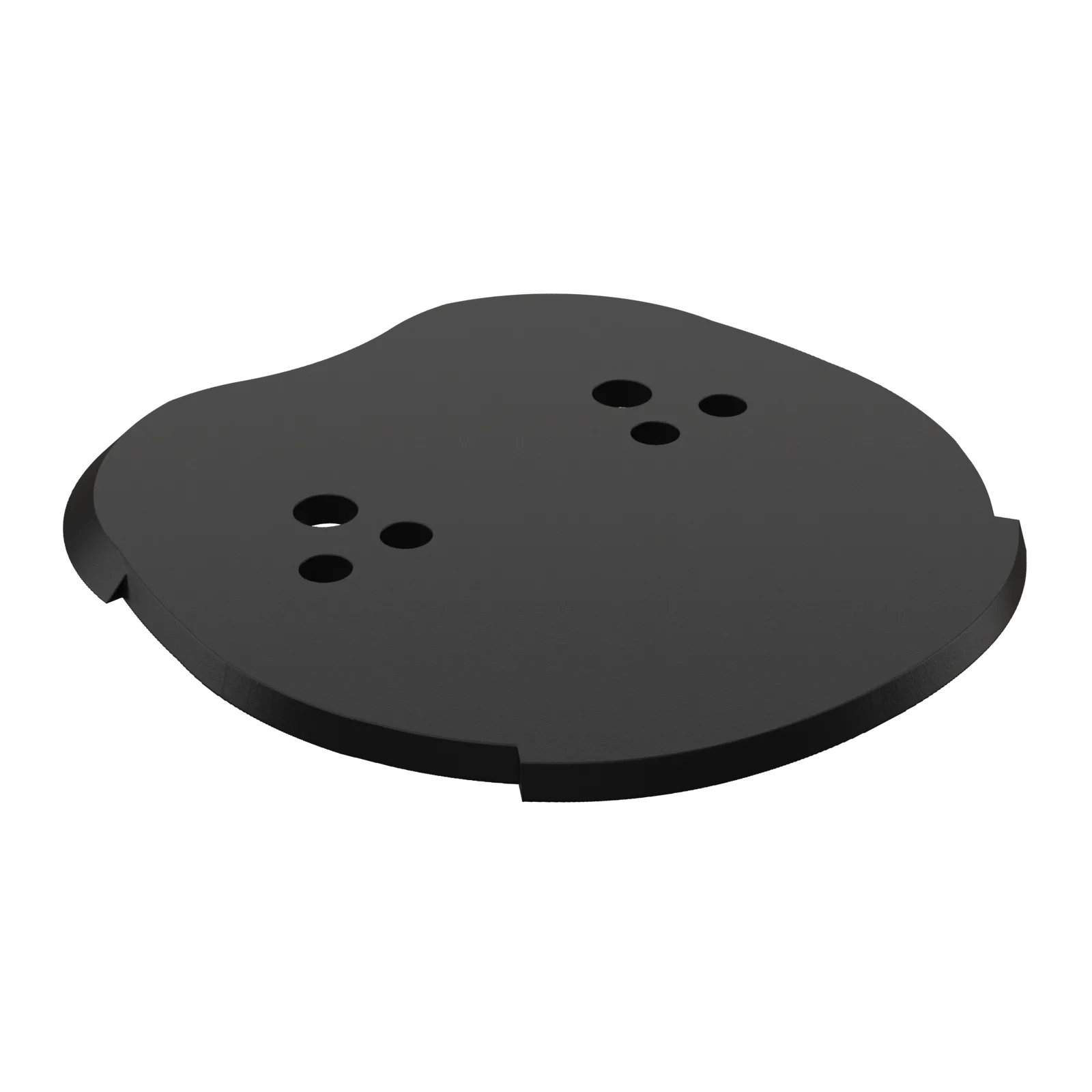
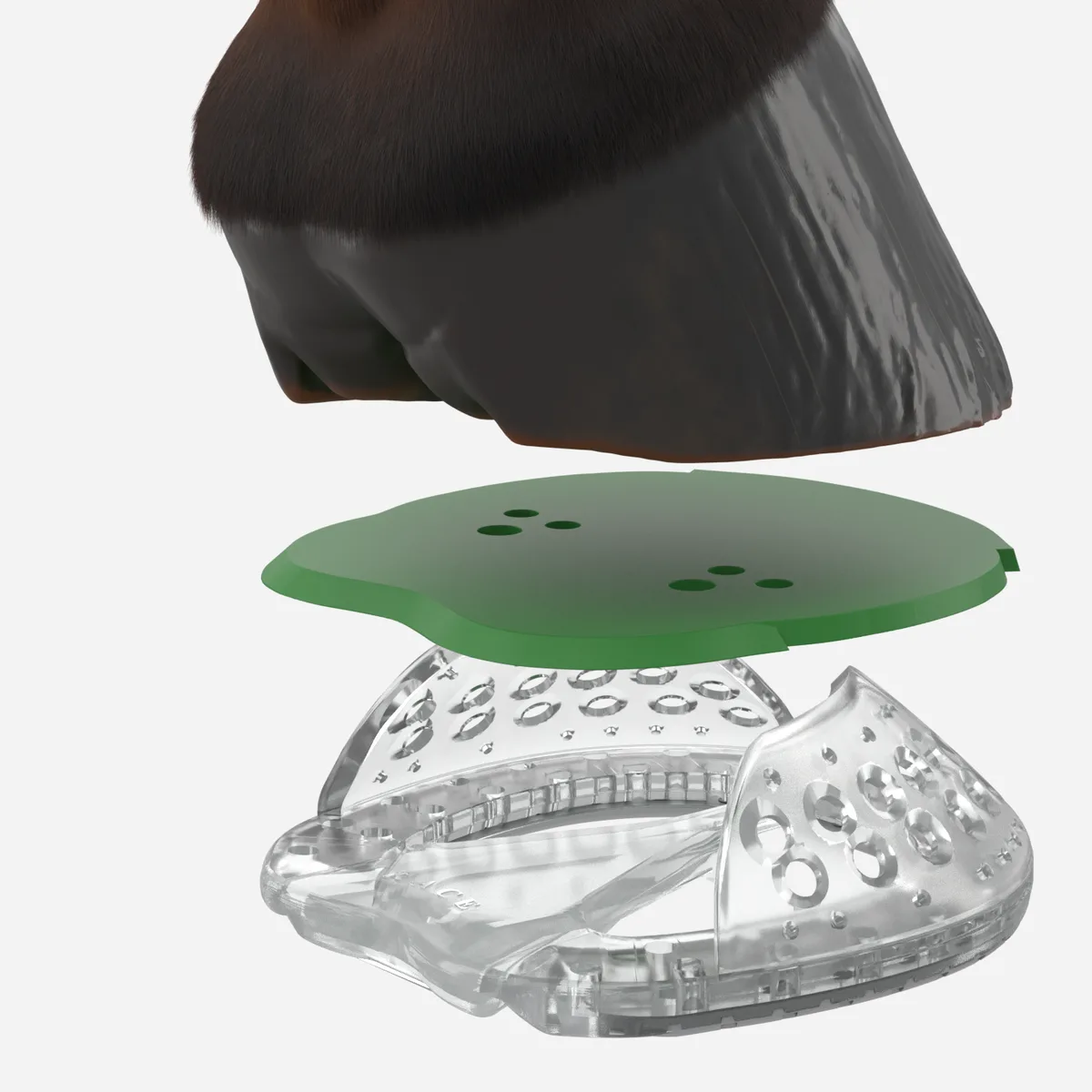
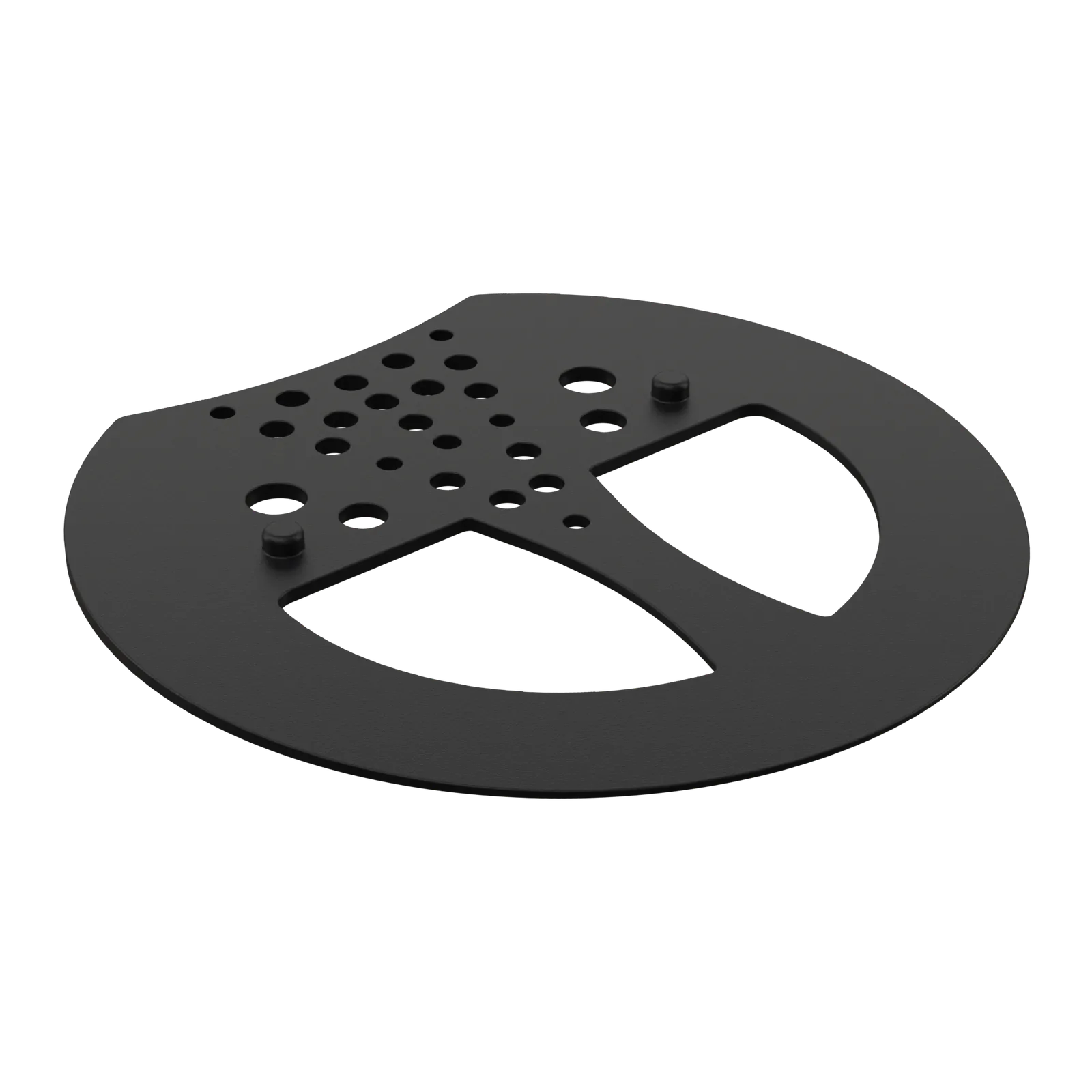
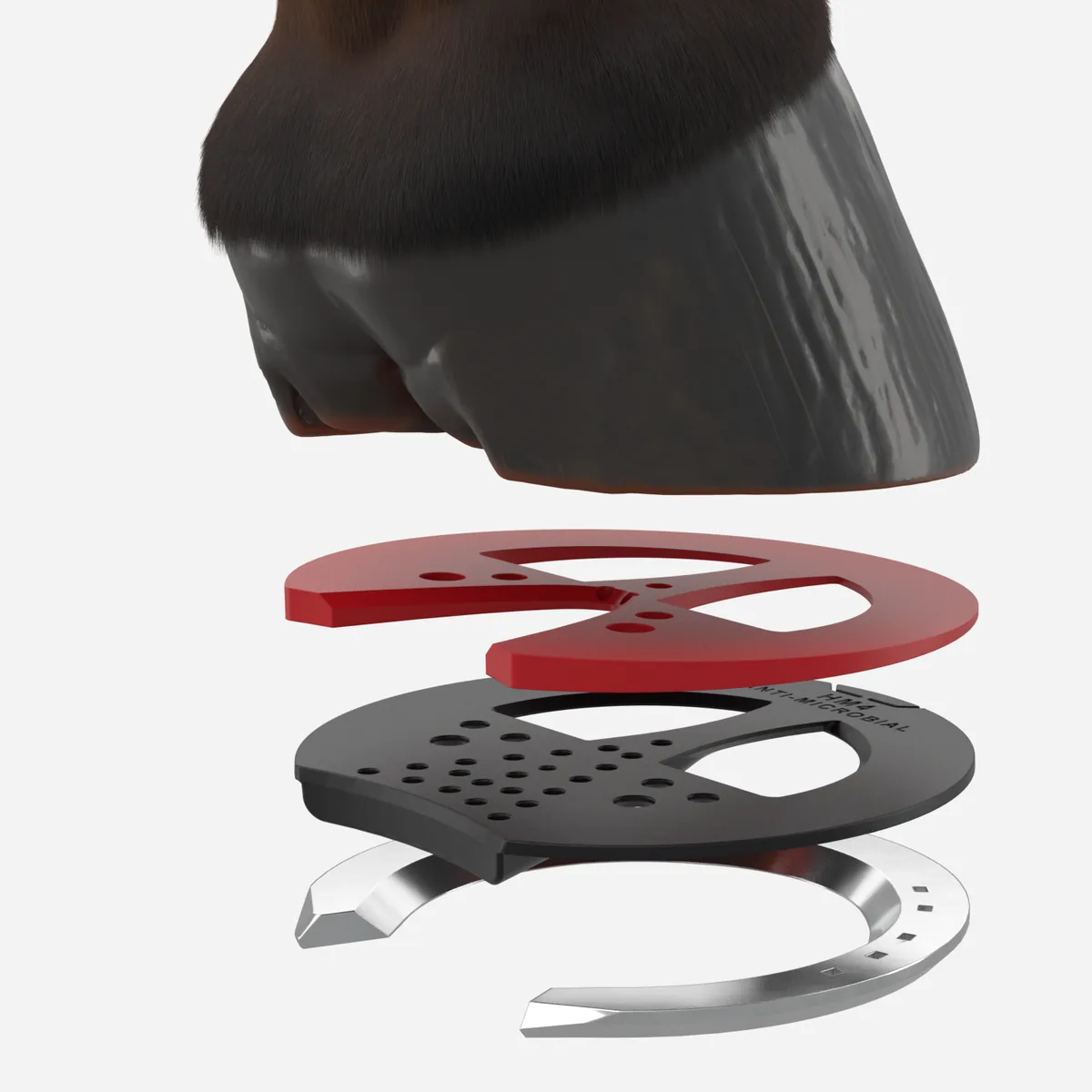
For farriers fitting 3D pads under a shoe. Find your shoe, read the pad size in the same column. Sole-glued pads like the Squish Pad and Barefoot Protection Pad are always sized by measuring the hoof itself.
Pad size for each shoe brand and shoe size. A blank cell means no pad is matched to that shoe size.
| Shoe brand | 0000 | 000 | 00 | 0 | 1 | 2 | 3 | 4 |
|---|---|---|---|---|---|---|---|---|
| Mustad Equilibrium | 4 | 4 | 5 | 5 | 6 | 6 | ||
| St Croix Eventer, Advantage, Ultralight | 2 | 3 | 3 | 4 | 4 | 6 | ||
| Kerckhaert Comfort, SX7, SX8 | 2 | 3 | 3 | 4 | 4 | 5 | ||
| Werkman Warrior Special | 3 | 4 | 5 | 6 | ||||
| Khan Forge Certifier | 2 | 3 | 4 | 4 | 4 |
Three mistakes behind most wrong sizes
Converting between units
Every chart lists inches and millimeters. Read it in the unit you measured in rather than converting.
Measuring before the trim
The hoof changes shape as it's trimmed. Measure after.
Measuring the shoe, not the hoof
For sole-glued pads, shoe size and hoof size are not the same. The pad has to fit the hoof.
Sizing questions
Answers to the sizing questions we hear most often from horse and donkey owners.
A soft measuring tape works best because it conforms to the hoof shape. If you use a ruler, make sure you're measuring in a straight line from heel to toe along the centerline.
Measure the widest point and the longest point, then use the size chart. If you are still unsure, book a consultation with Derek. He can look at photos and help you choose the right size.
Every trim cycle. The hoof grows and changes shape, so measurements from six months ago won't be accurate now. Remeasure after each trim.
Donkey hooves have a different shape than horse hooves, so the sizing is different. We have a separate donkey sizing guide with measurements specific to donkey pads.
A pad that's even slightly too wide will protrude beyond the hoof wall and cause problems. A pad that's too narrow won't provide the support your horse needs. Measure carefully in inches or millimeters and match it to the chart.
Unused products in their original condition can be returned within 30 days of delivery for a refund. On US orders, if a pad doesn't fit, send it back and we'll send you the right size free of charge. You pay return shipping.
Book a 30-minute consultation with Derek Poupard CJF DipWCF.
Send Derek your horse's radiographs and a short video of the walk. He reviews everything and comes back with a product recommendation and an application plan. $150 for 30 minutes, fully refunded if he determines he can't help remotely.