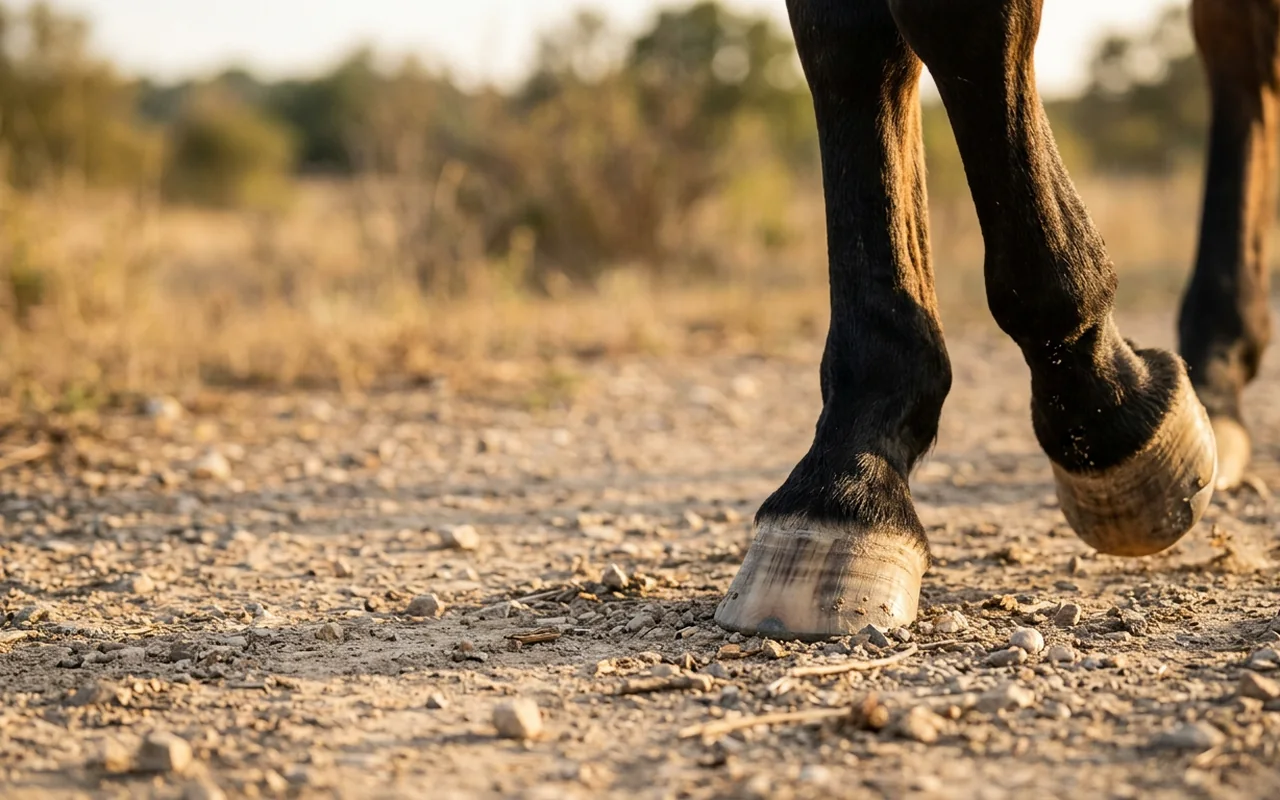







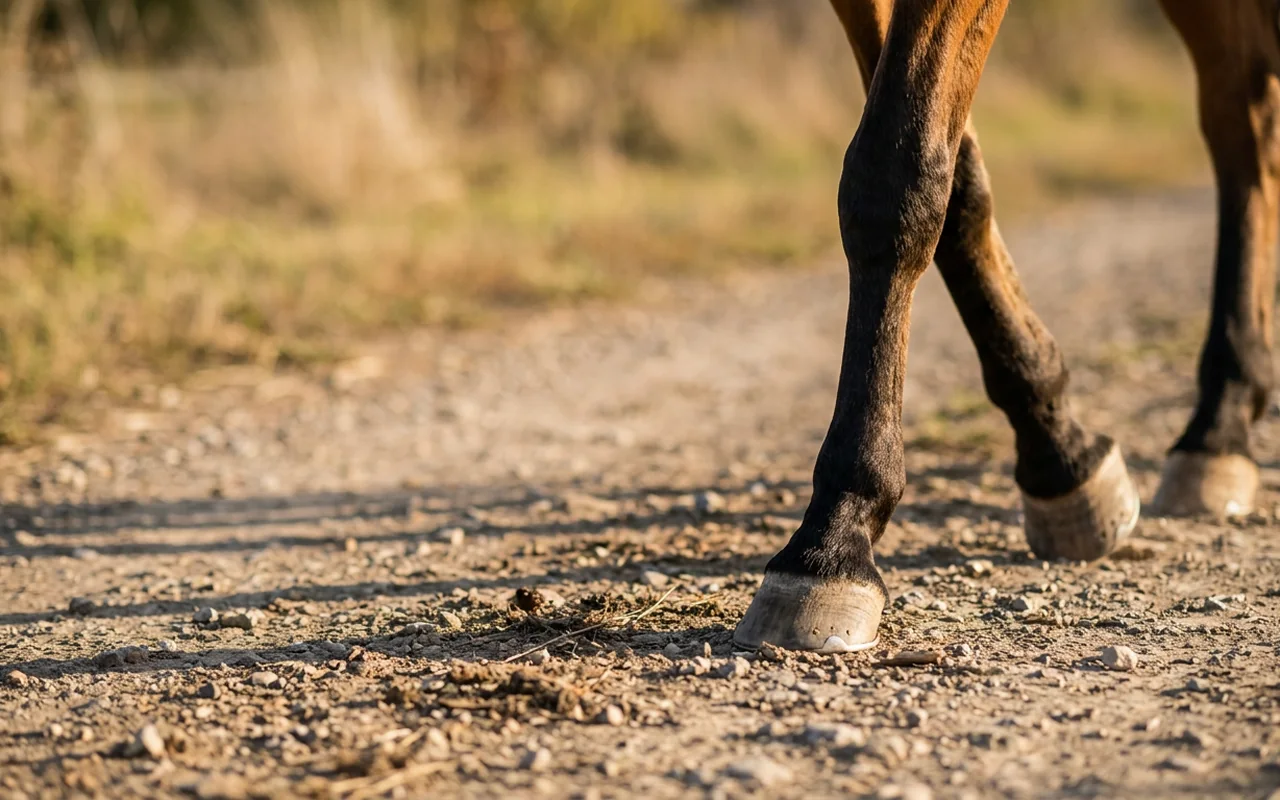
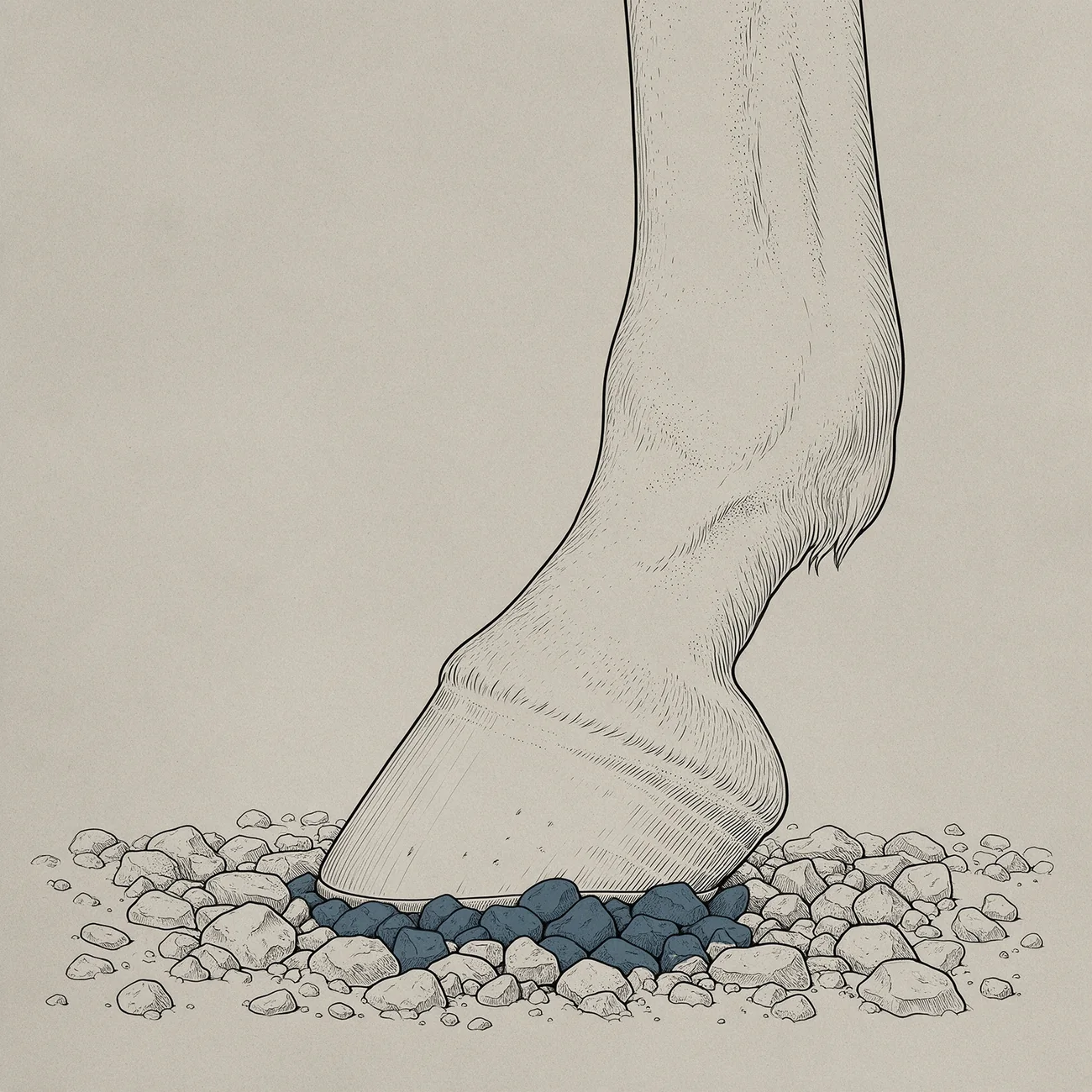
Taking a horse barefoot isn't a single decision. It's the start of an adaptation that typically runs three to twelve months. A useful rule of thumb: allow about a month of transition for every year the horse has been shod. During that time the sole thickens, the frog and digital cushion strengthen, and the foot relearns how to bear load without a shoe. Done well, it's a gradual, comfortable process. Done abruptly, it's a sore horse.
Is your horse a candidate?
Most horses can transition given time, but starting hoof health matters enormously. Thin soles, active laminitis, or poor wall quality mean a longer, more carefully protected transition, and a conversation with your farrier or a barefoot-experienced trimmer before the shoes come off.
What to expect
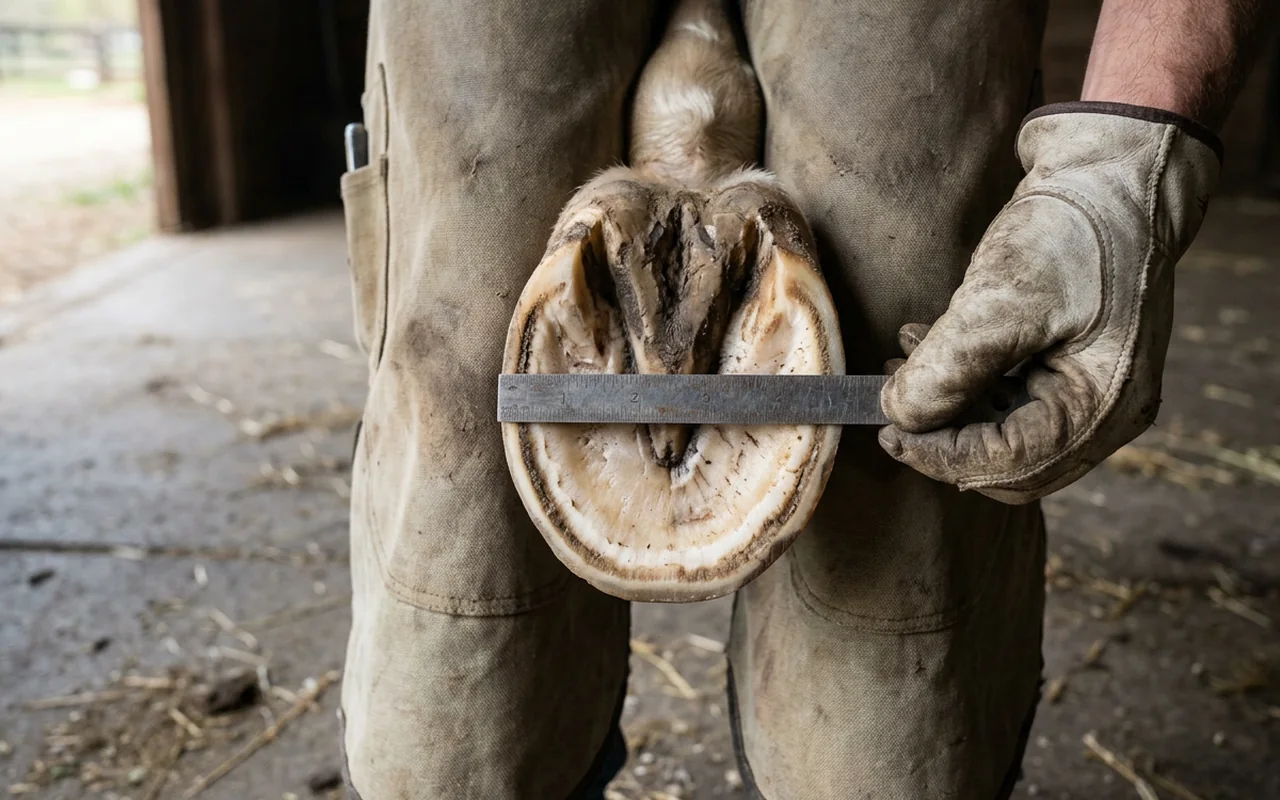
The first weeks are the most sensitive, especially on hard or stony ground. Tenderness on gravel is normal; persistent lameness is not. Expect trims every four to six weeks (shorter cycles than a shod horse), because balance changes faster in a bare foot.
Protection is not cheating
The most common transition mistake is asking the horse to "toughen up" barefoot on surfaces it isn't ready for. Protection during transition speeds success rather than undermining it, because a comfortable horse moves, and movement is what builds the foot.
Where products fit
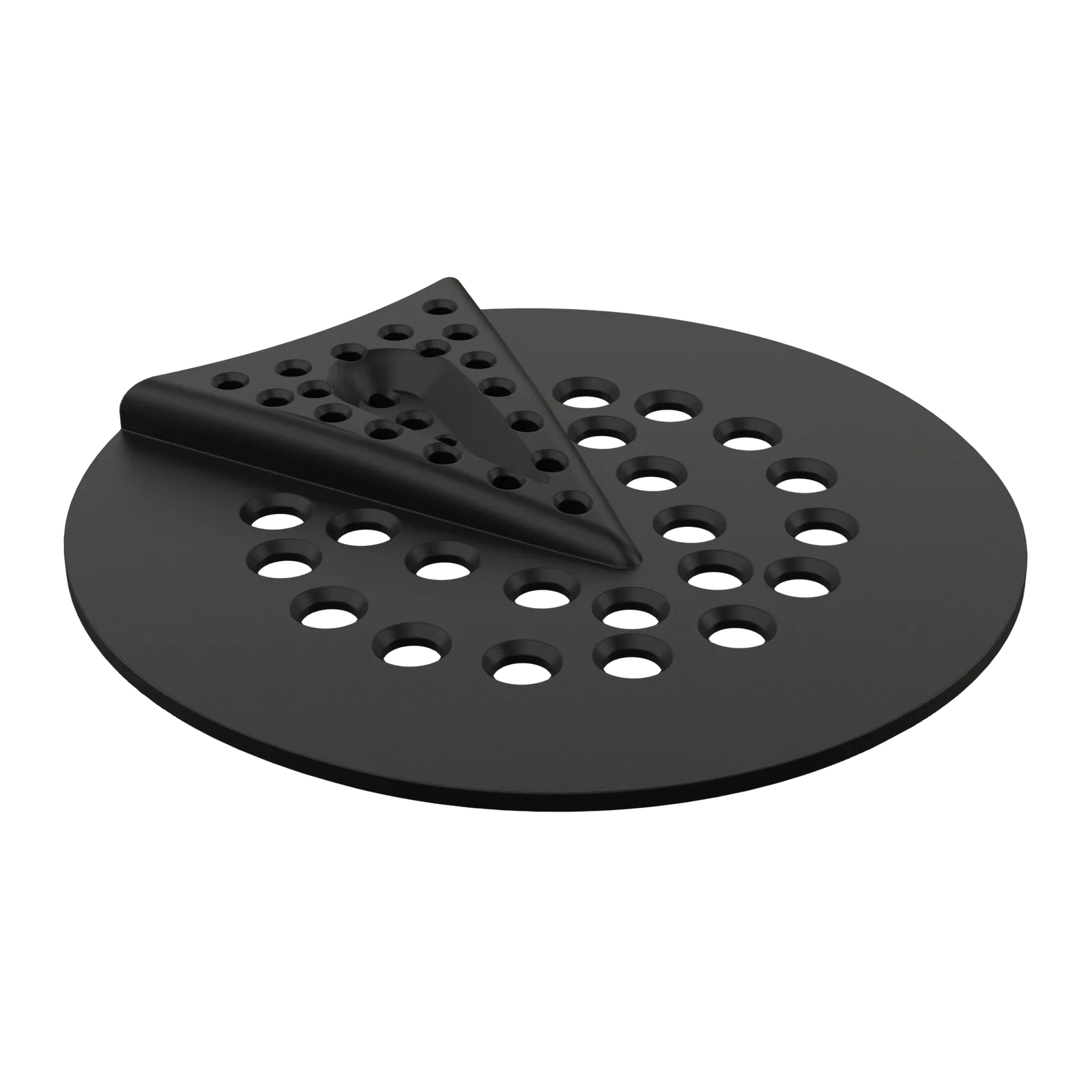
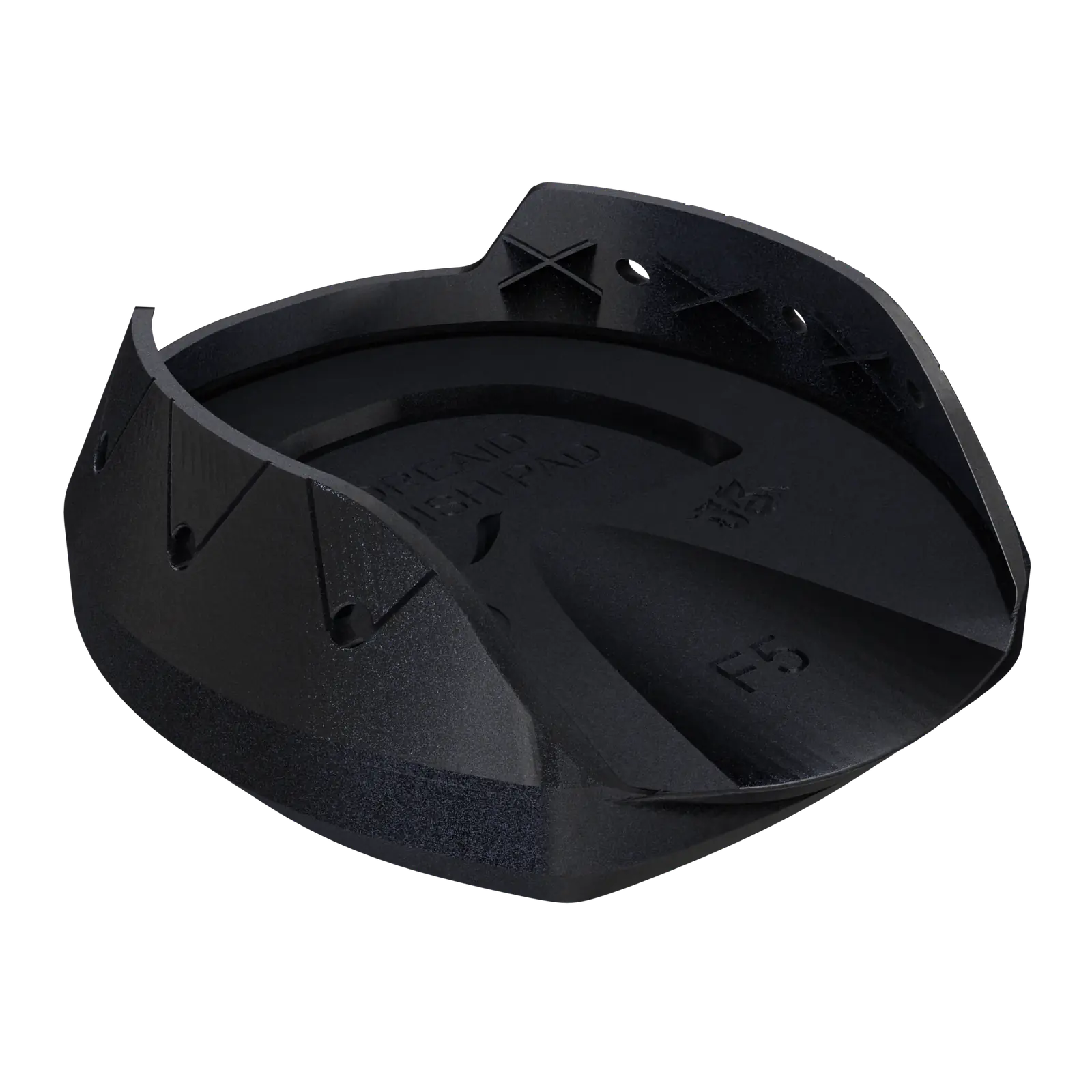
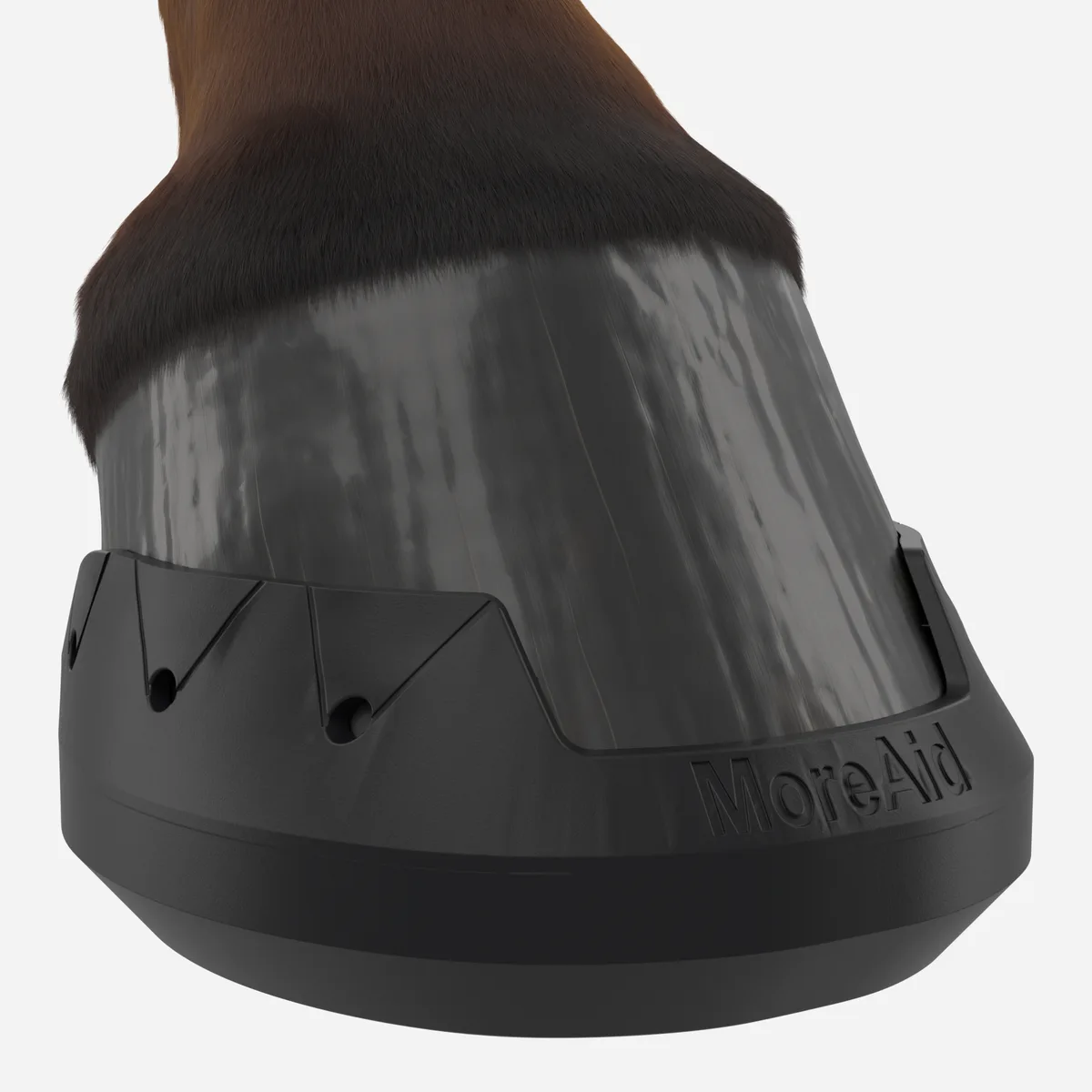
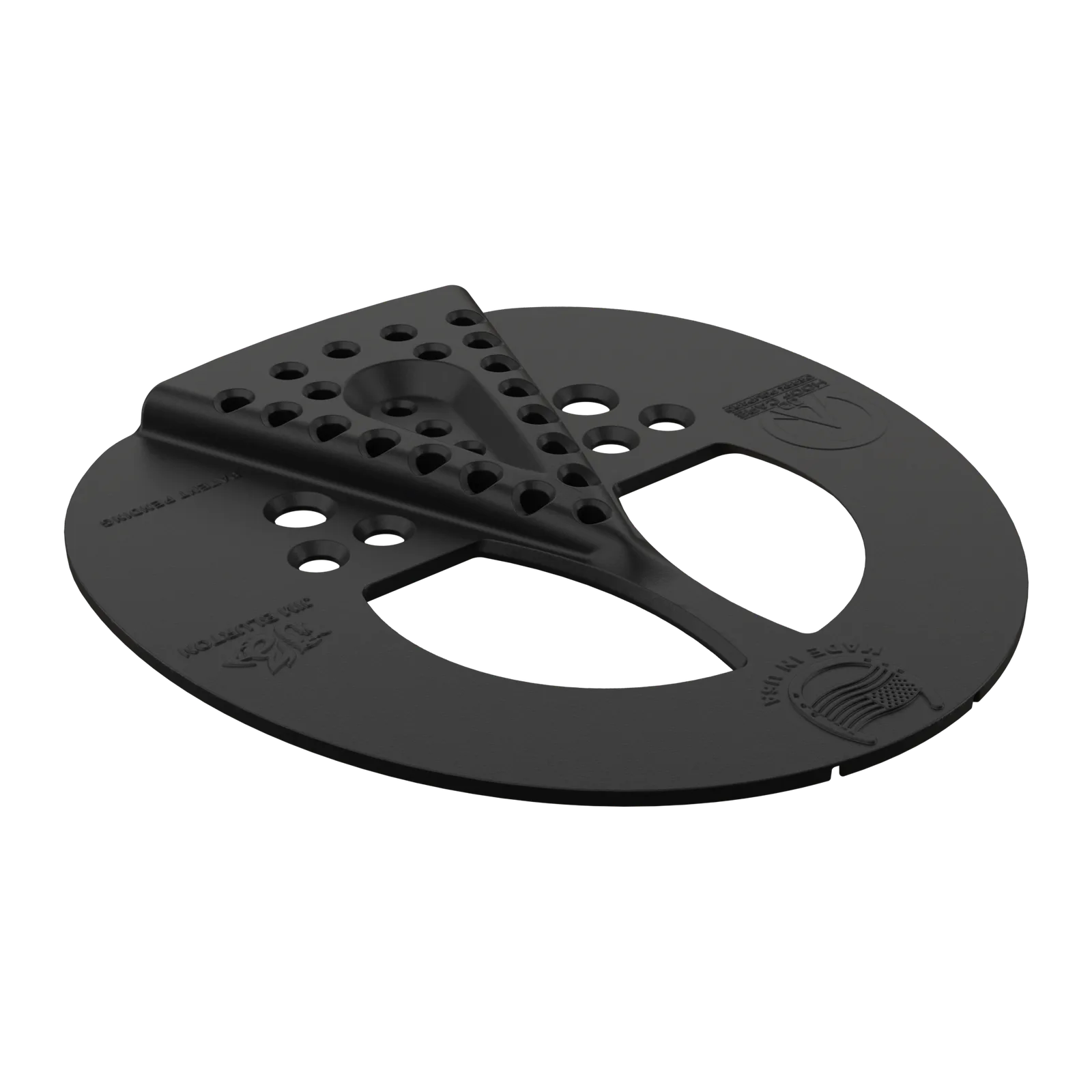
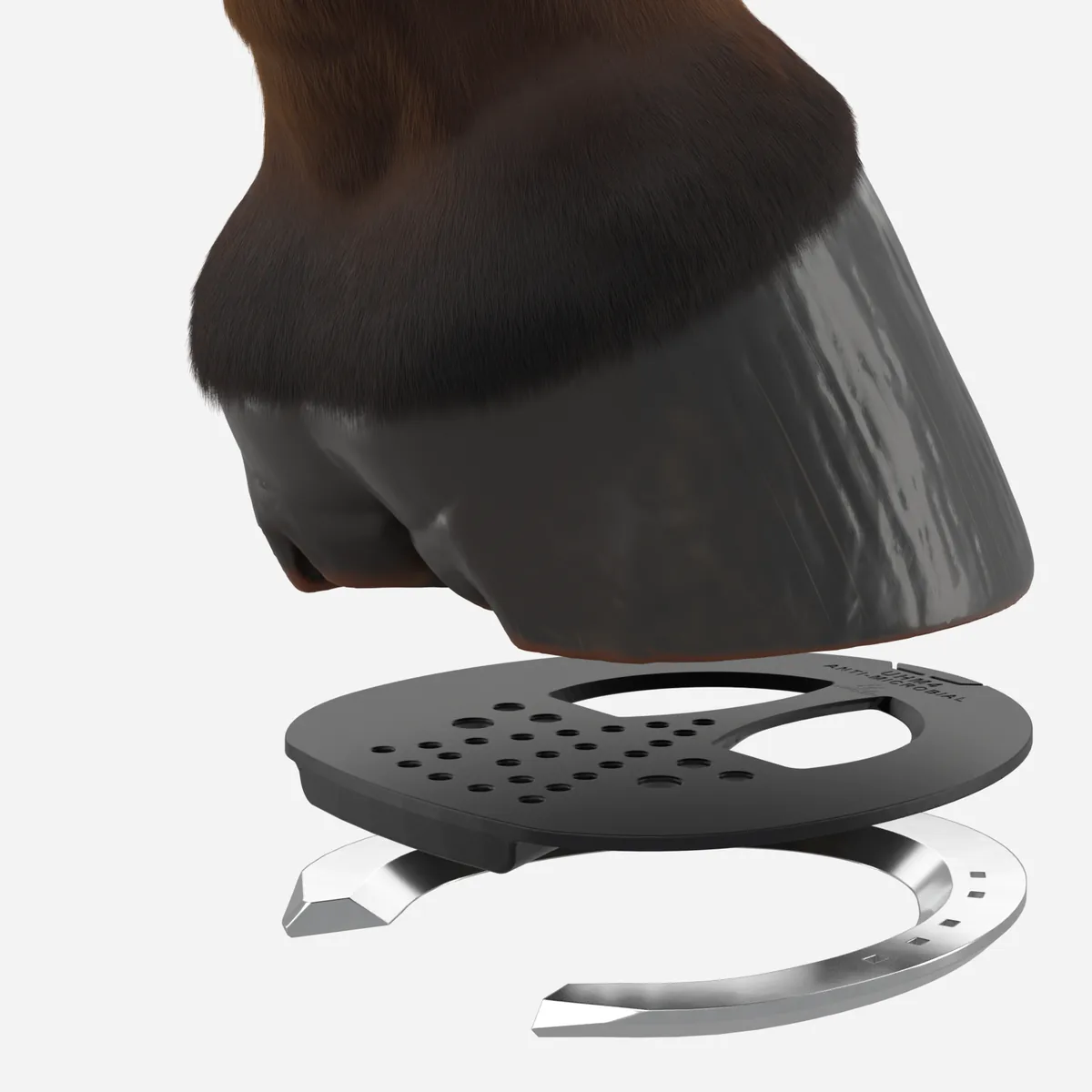
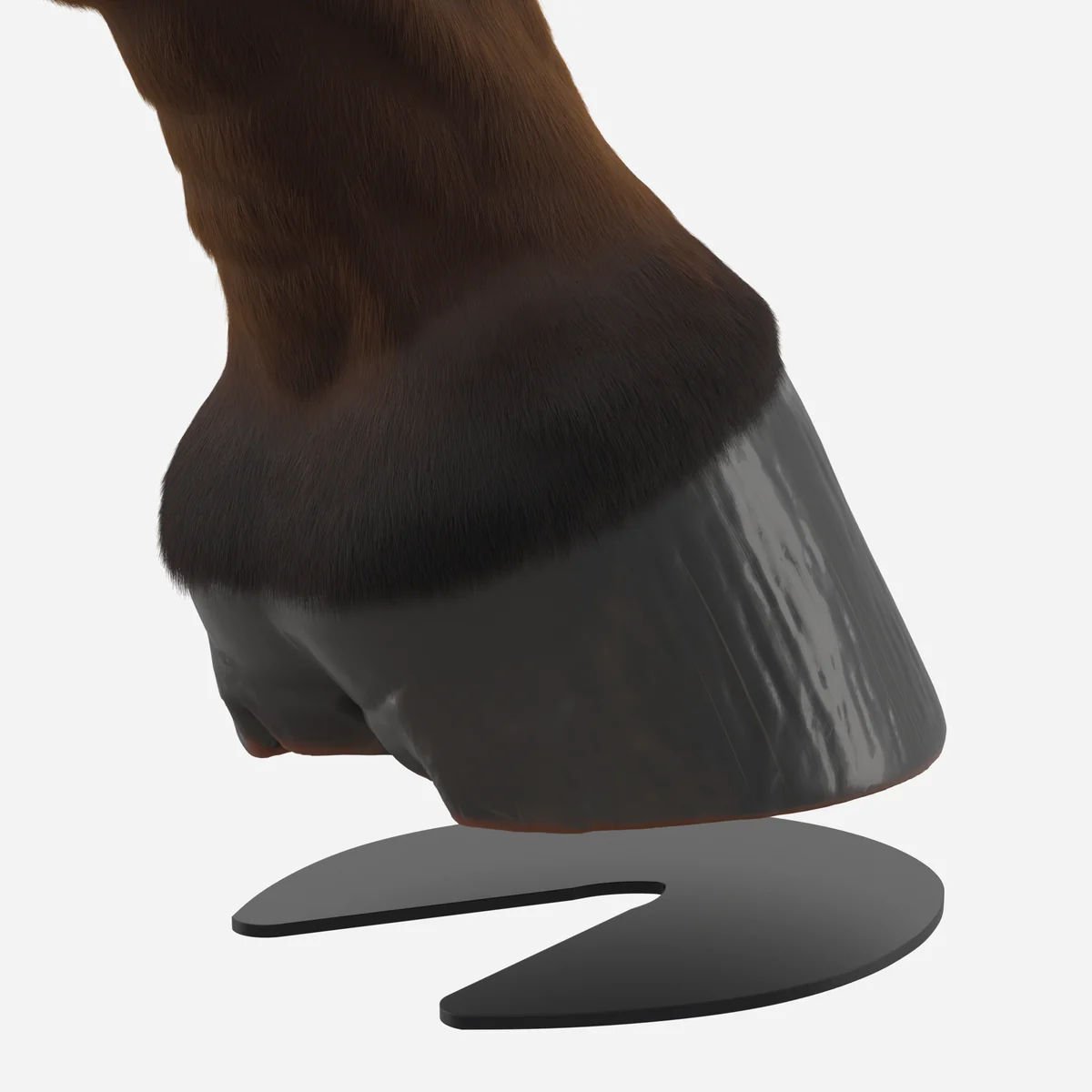
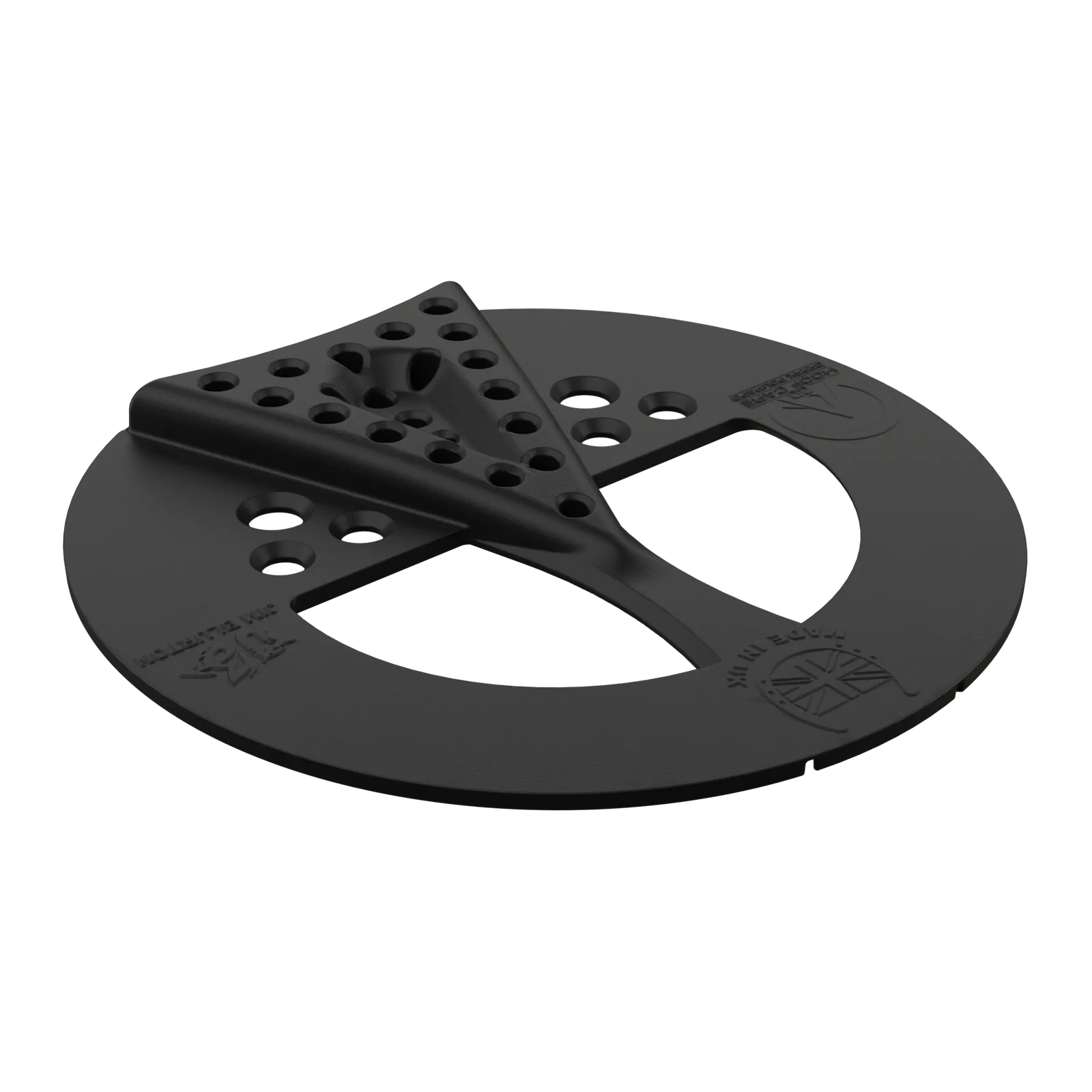
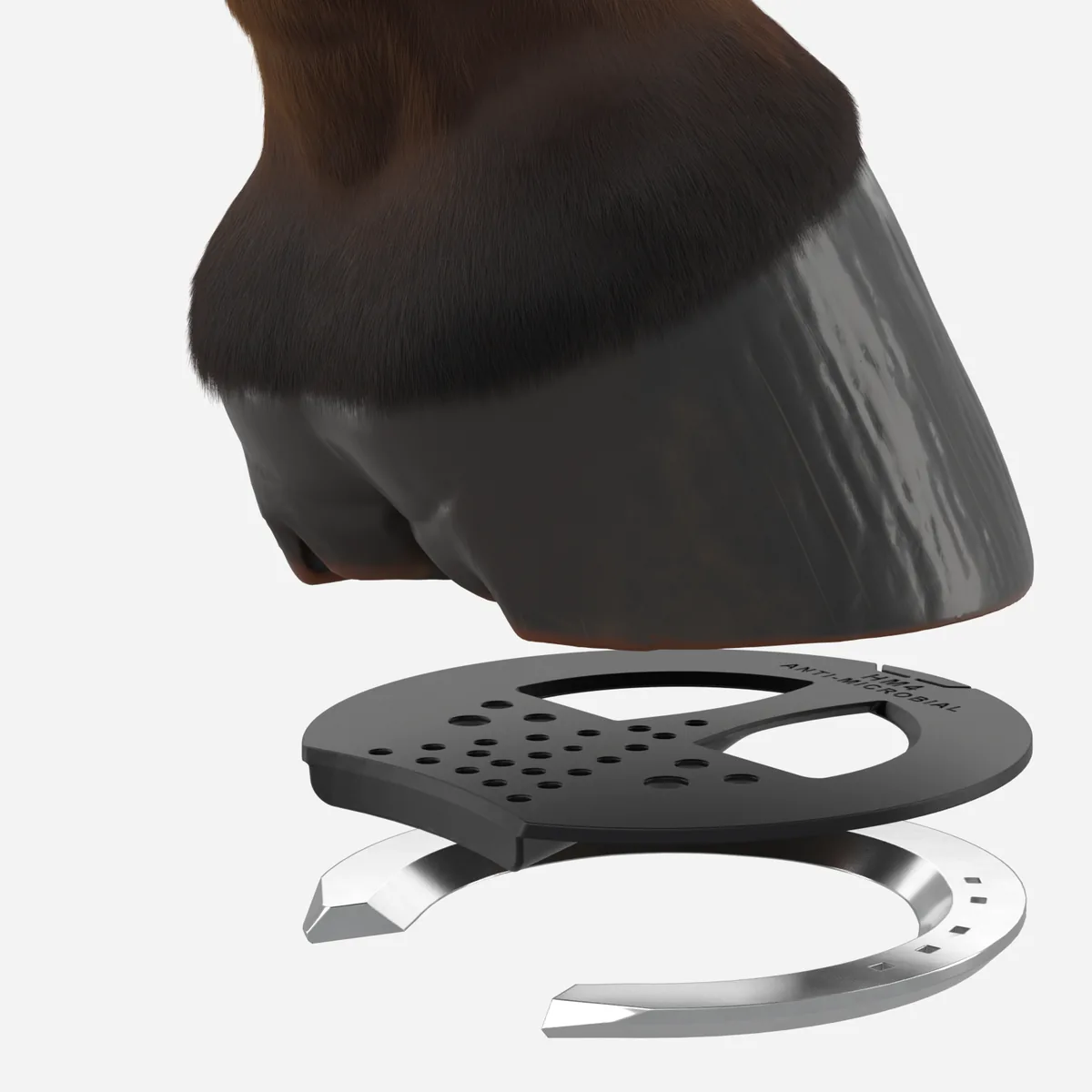
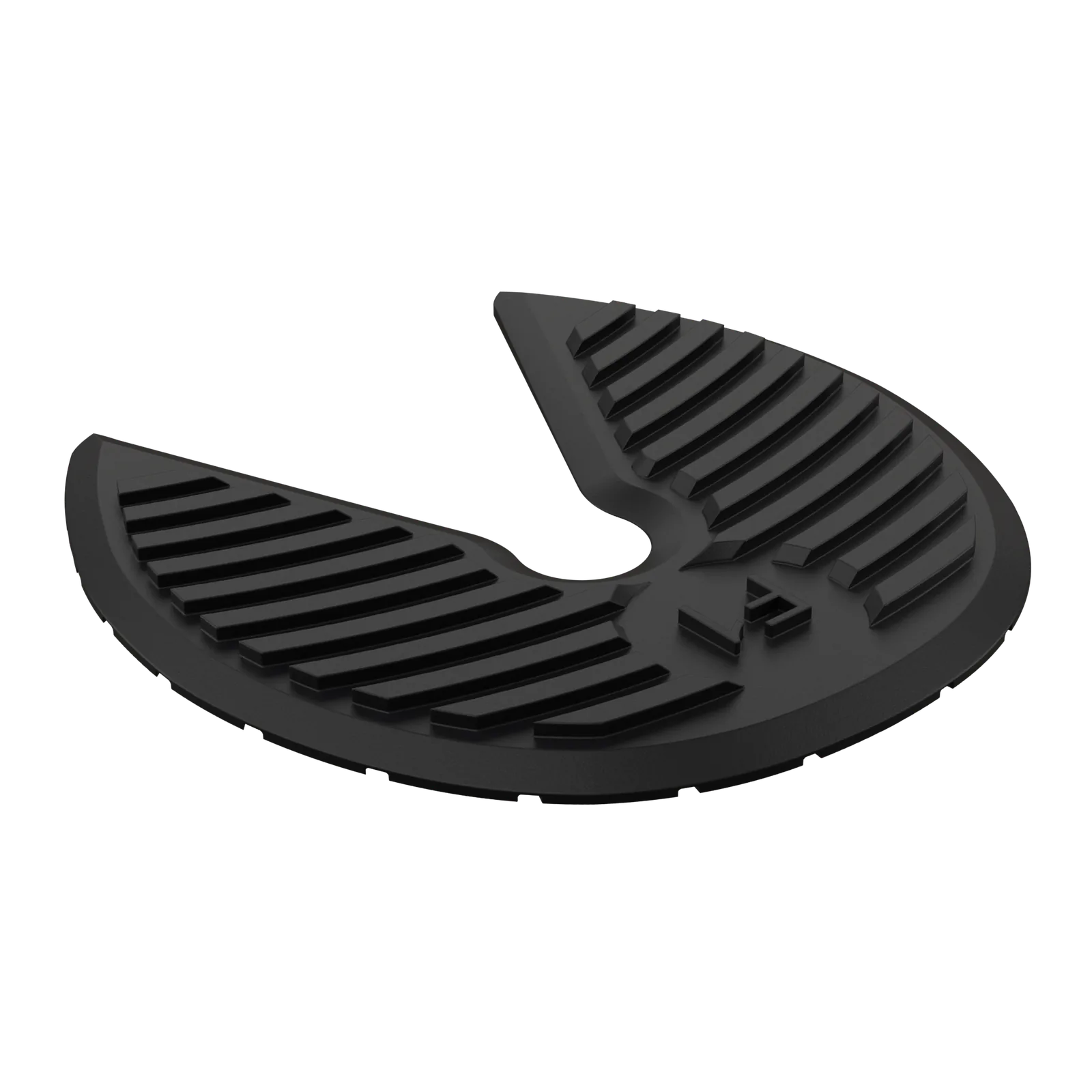
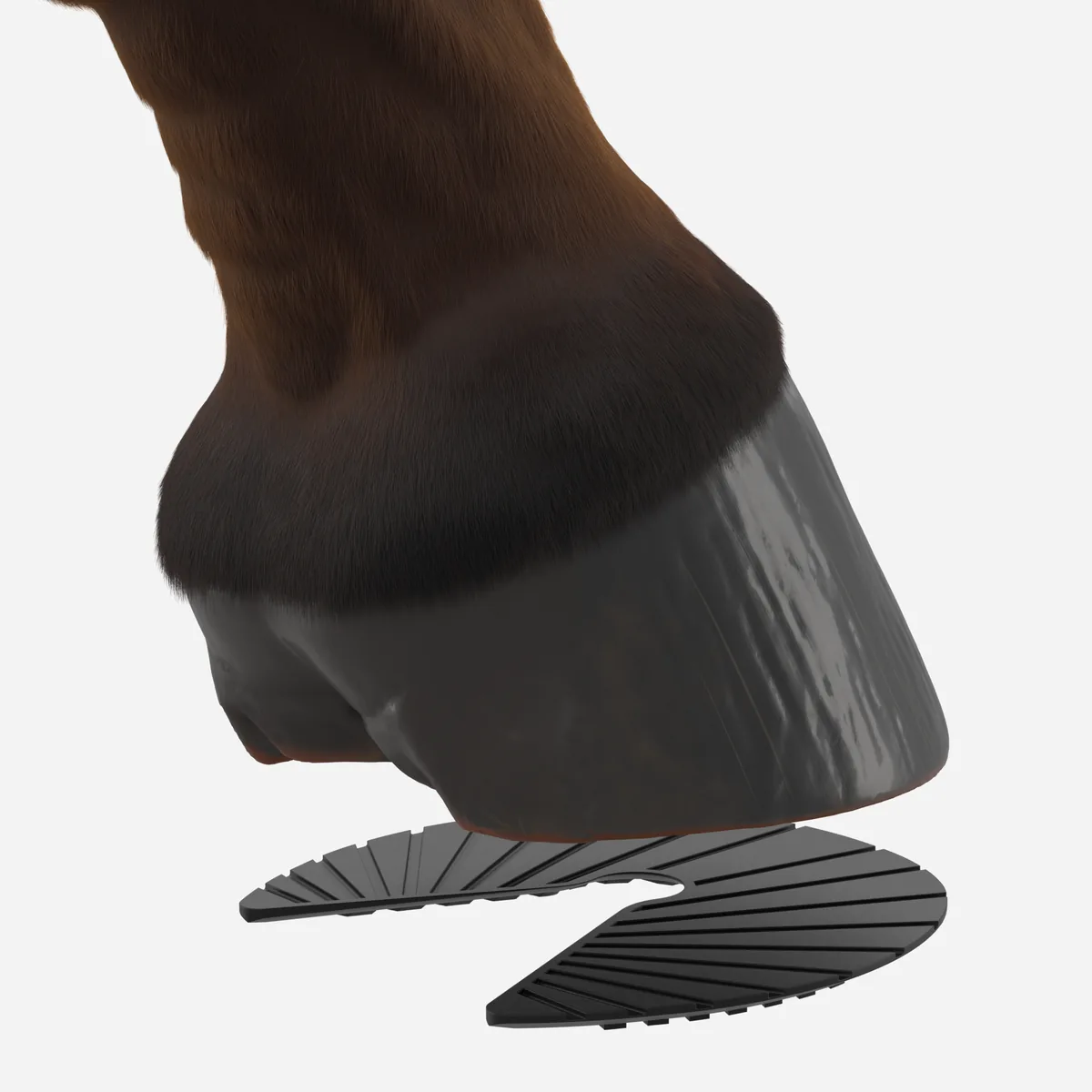
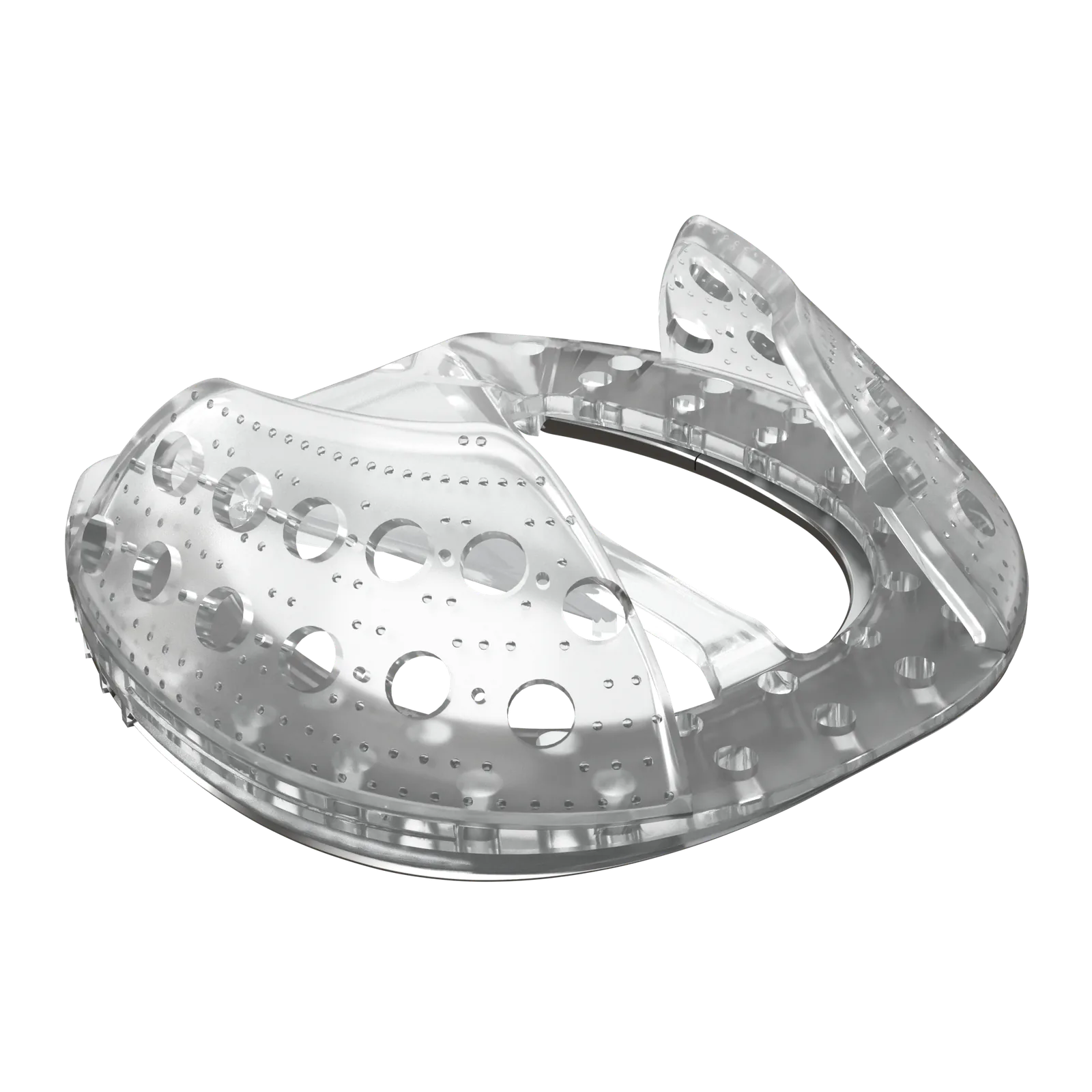
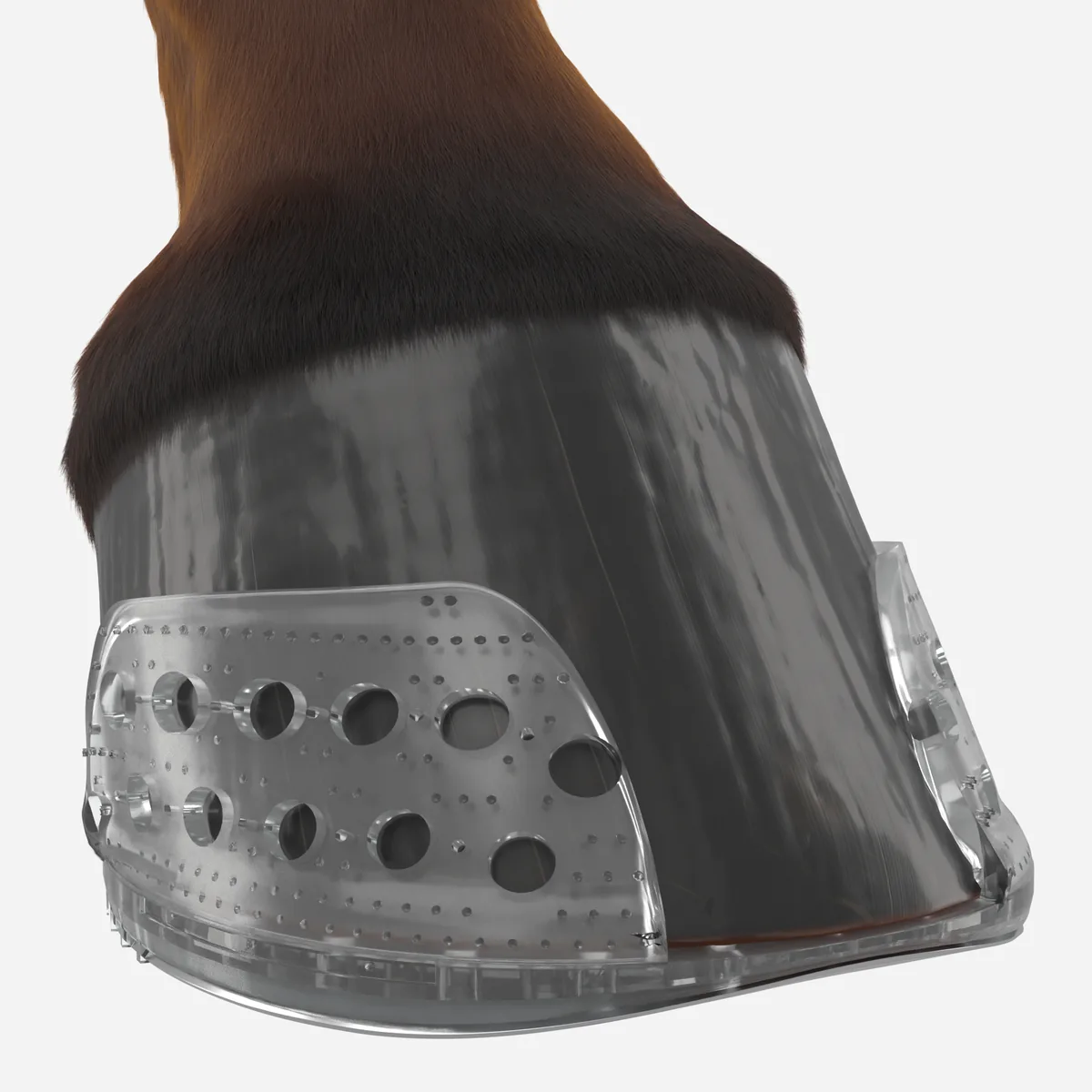
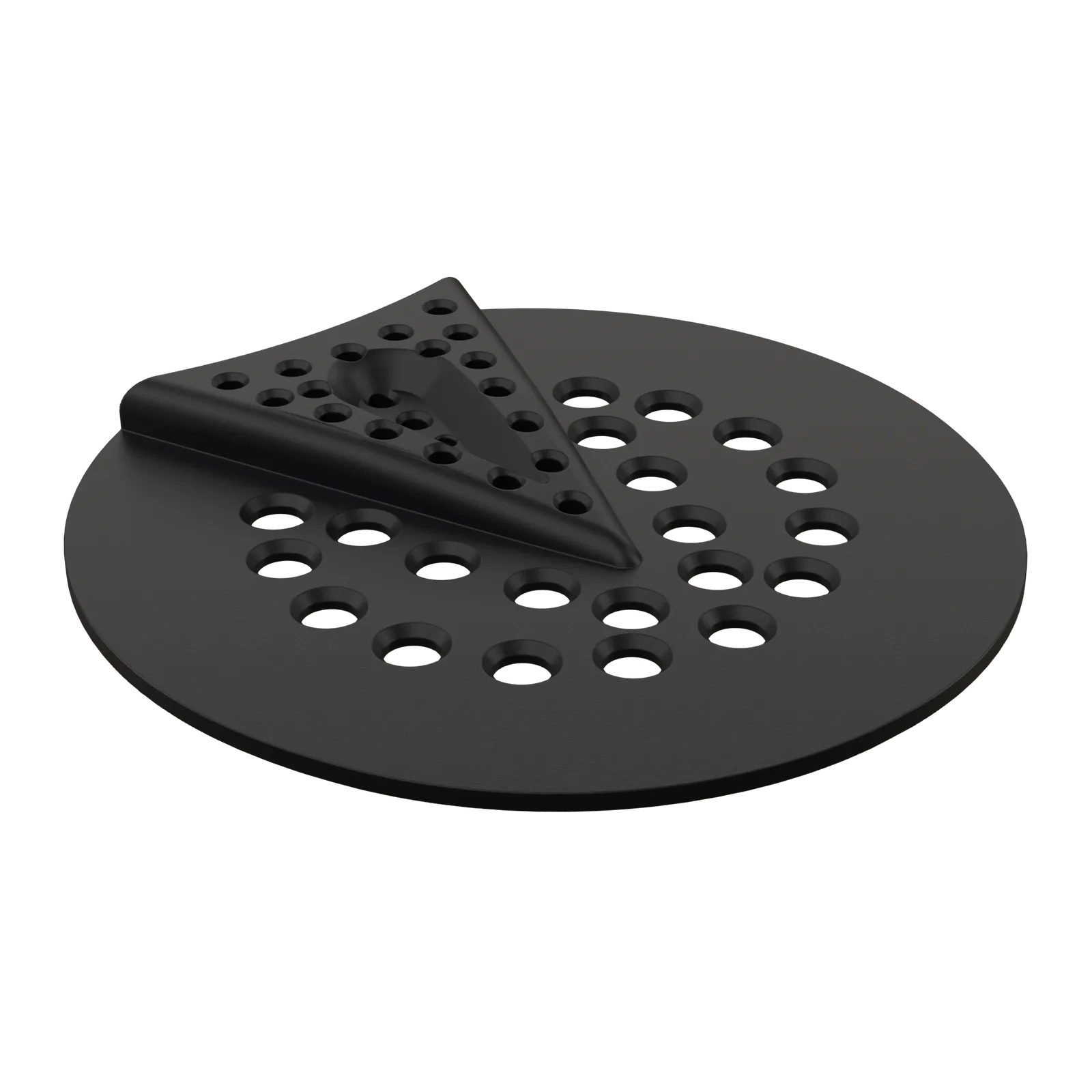
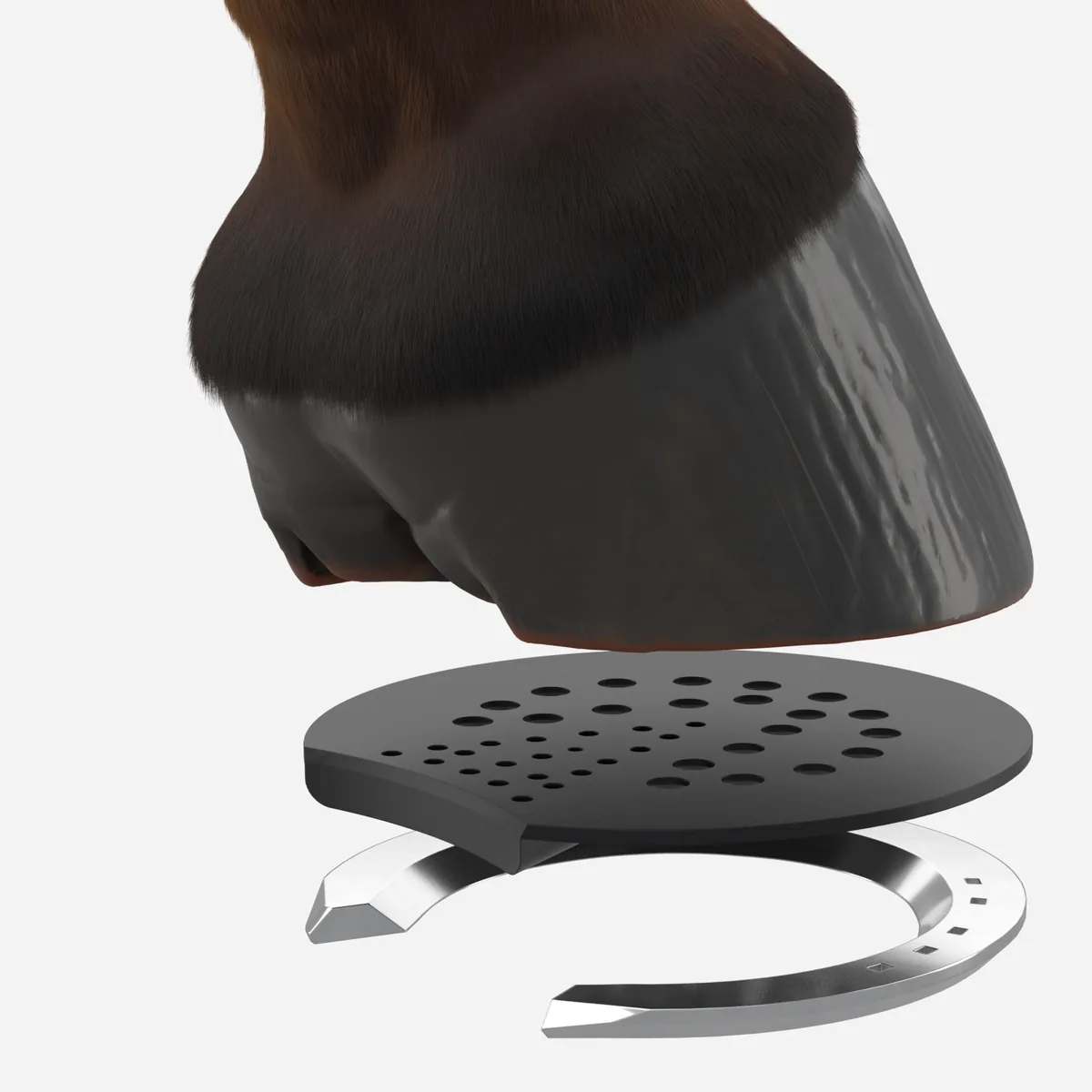
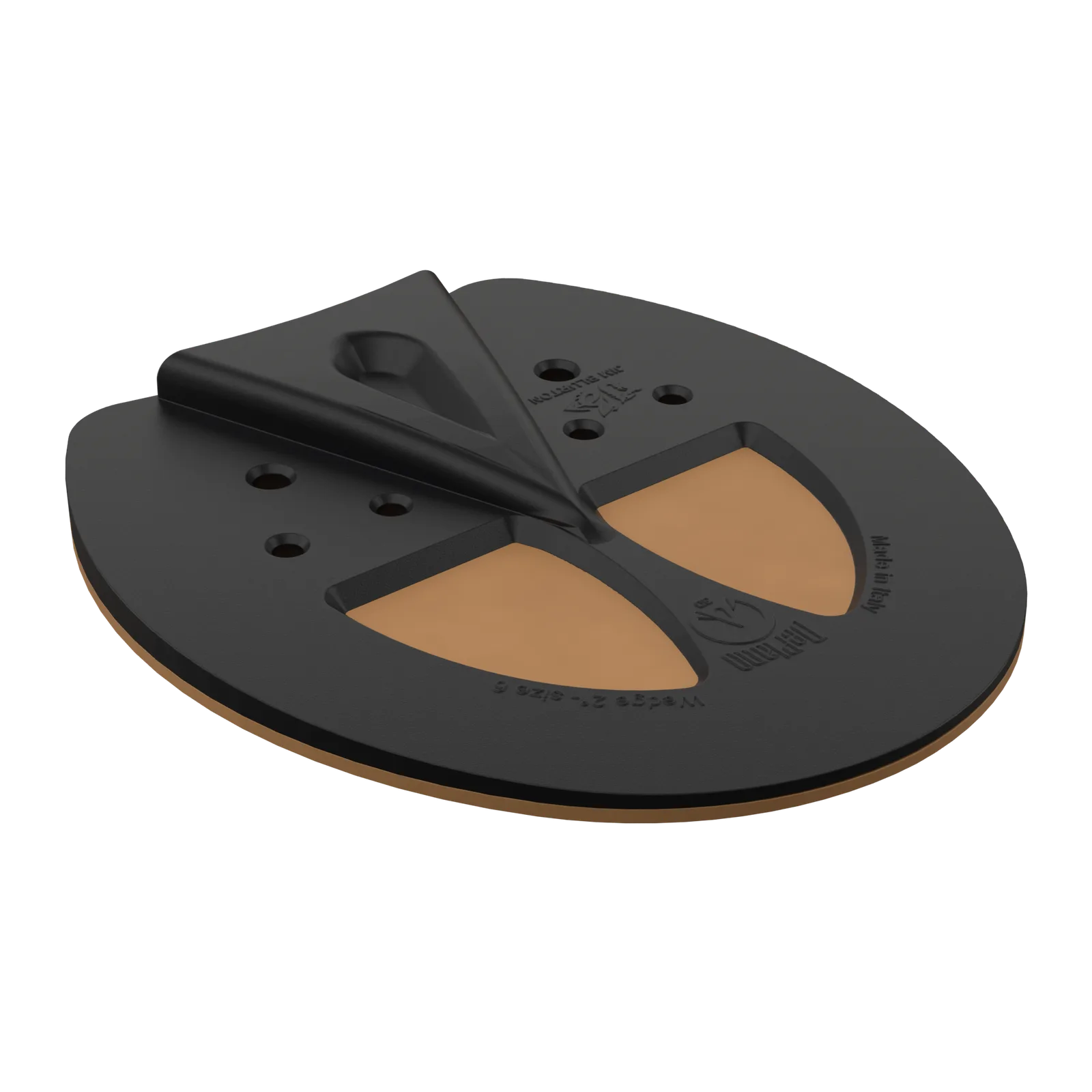
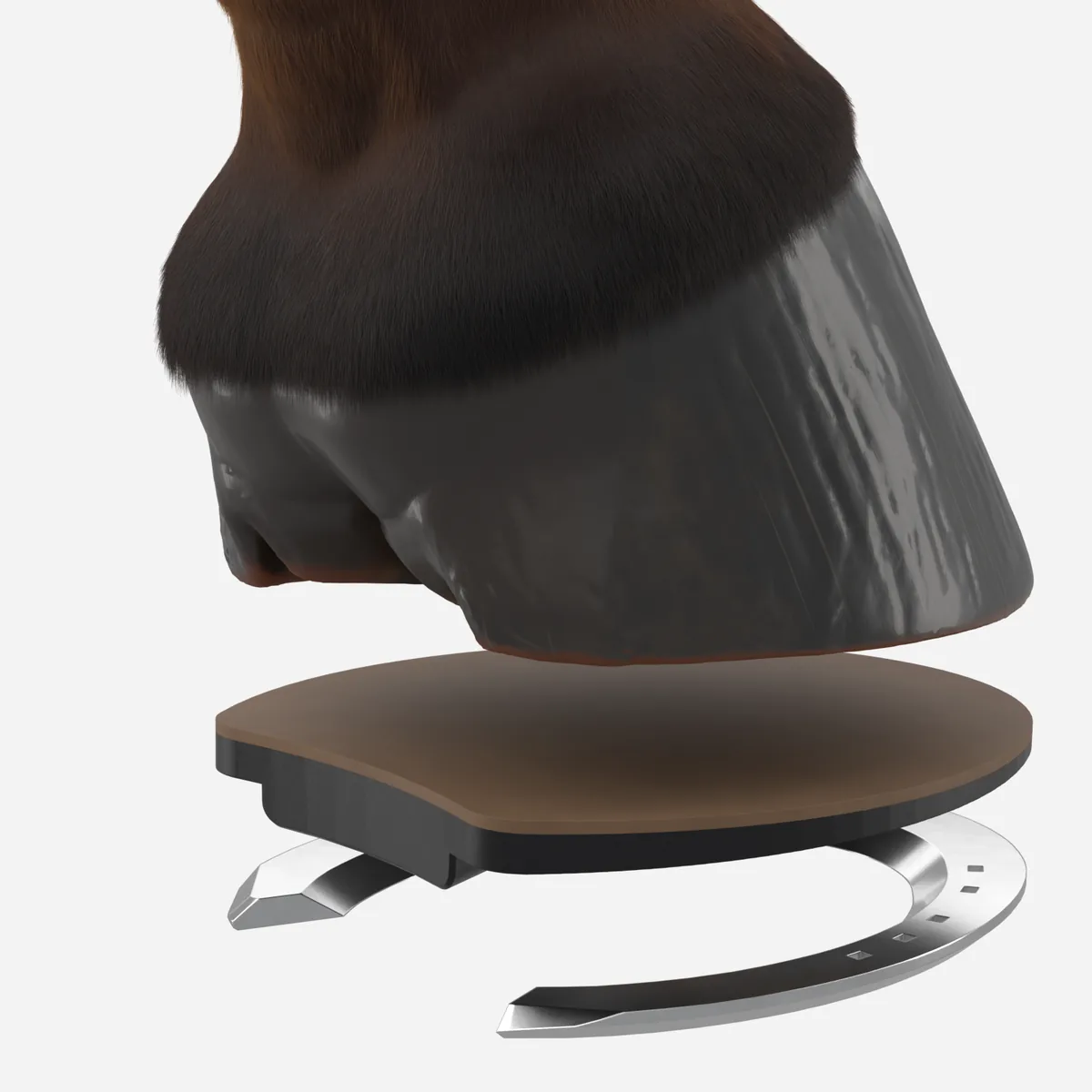
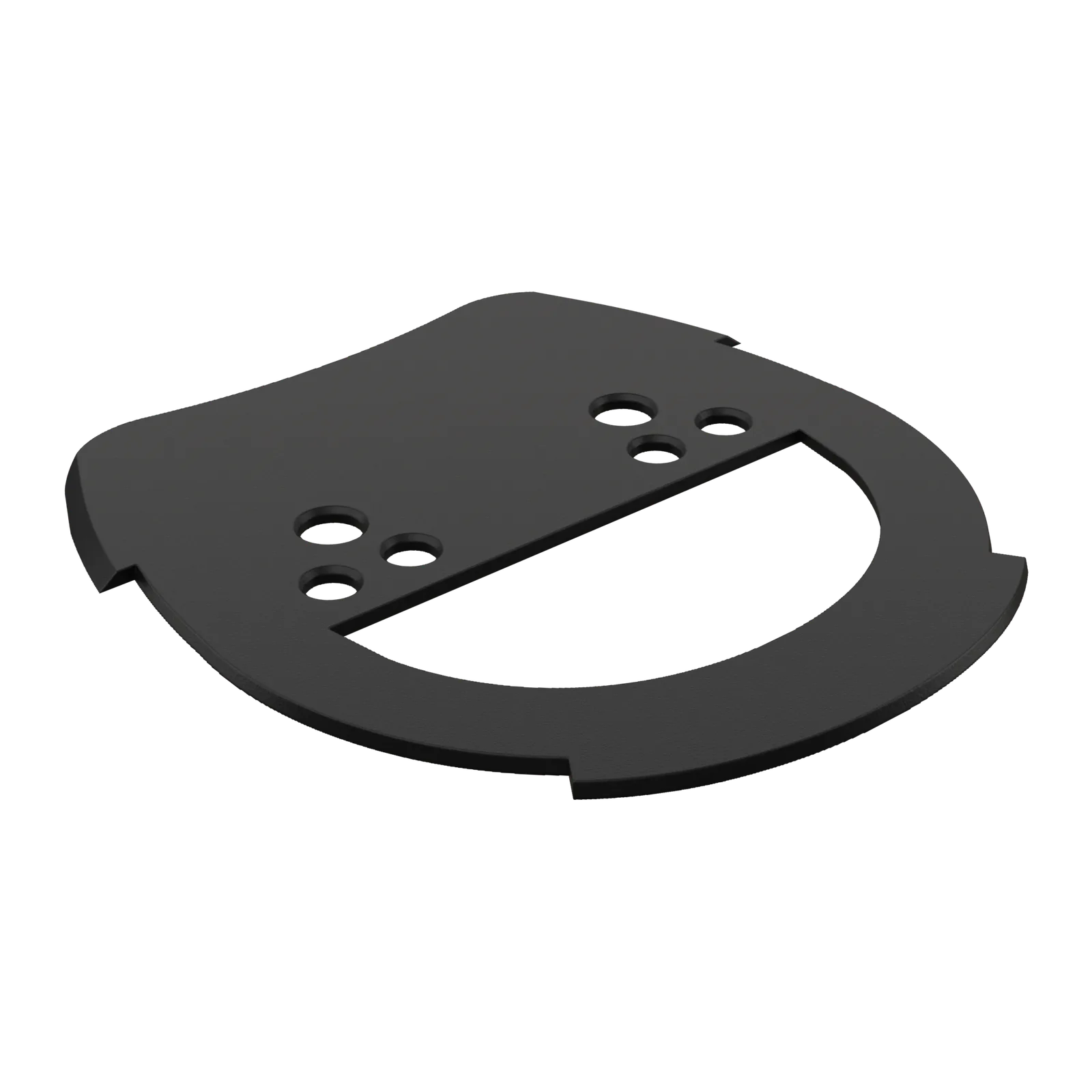
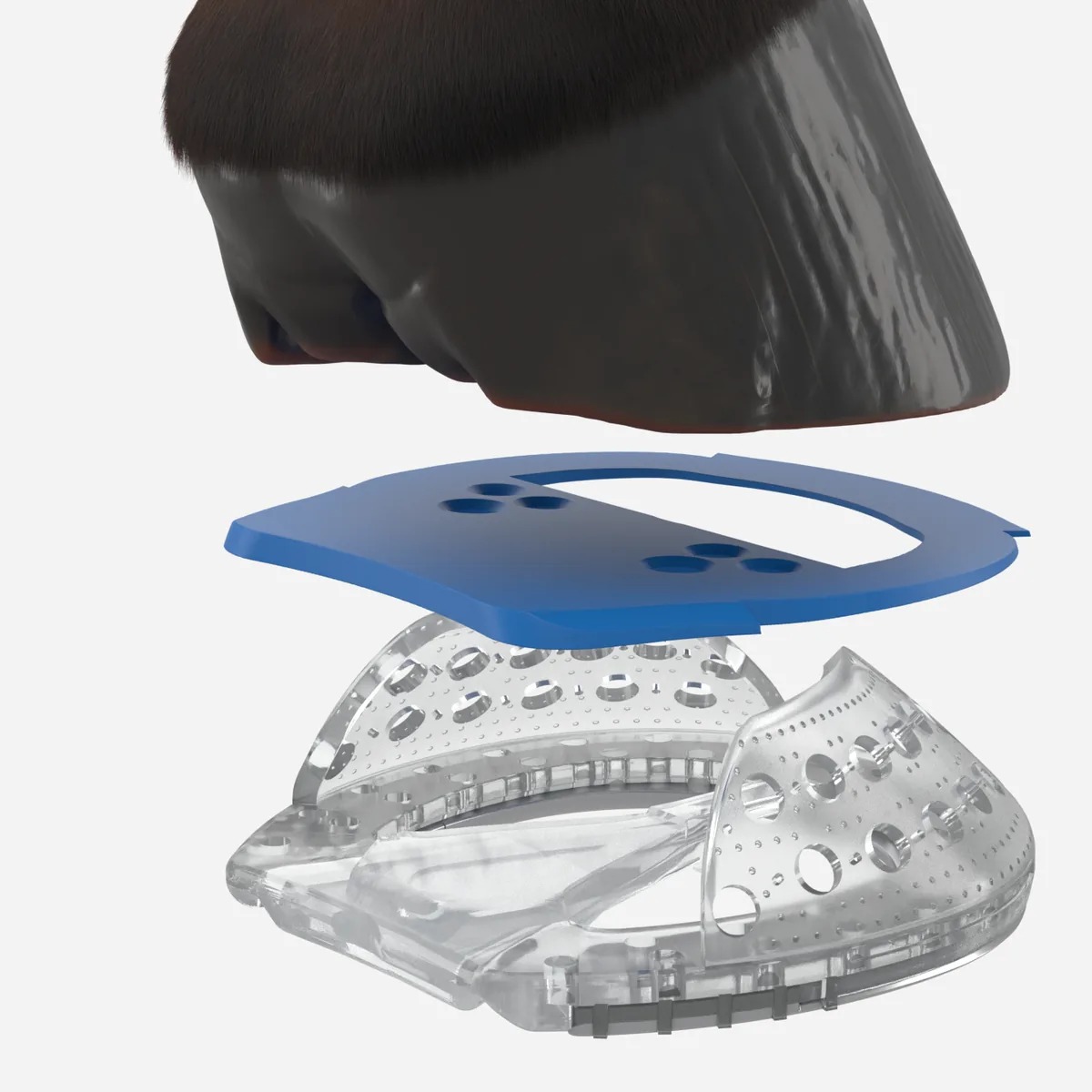
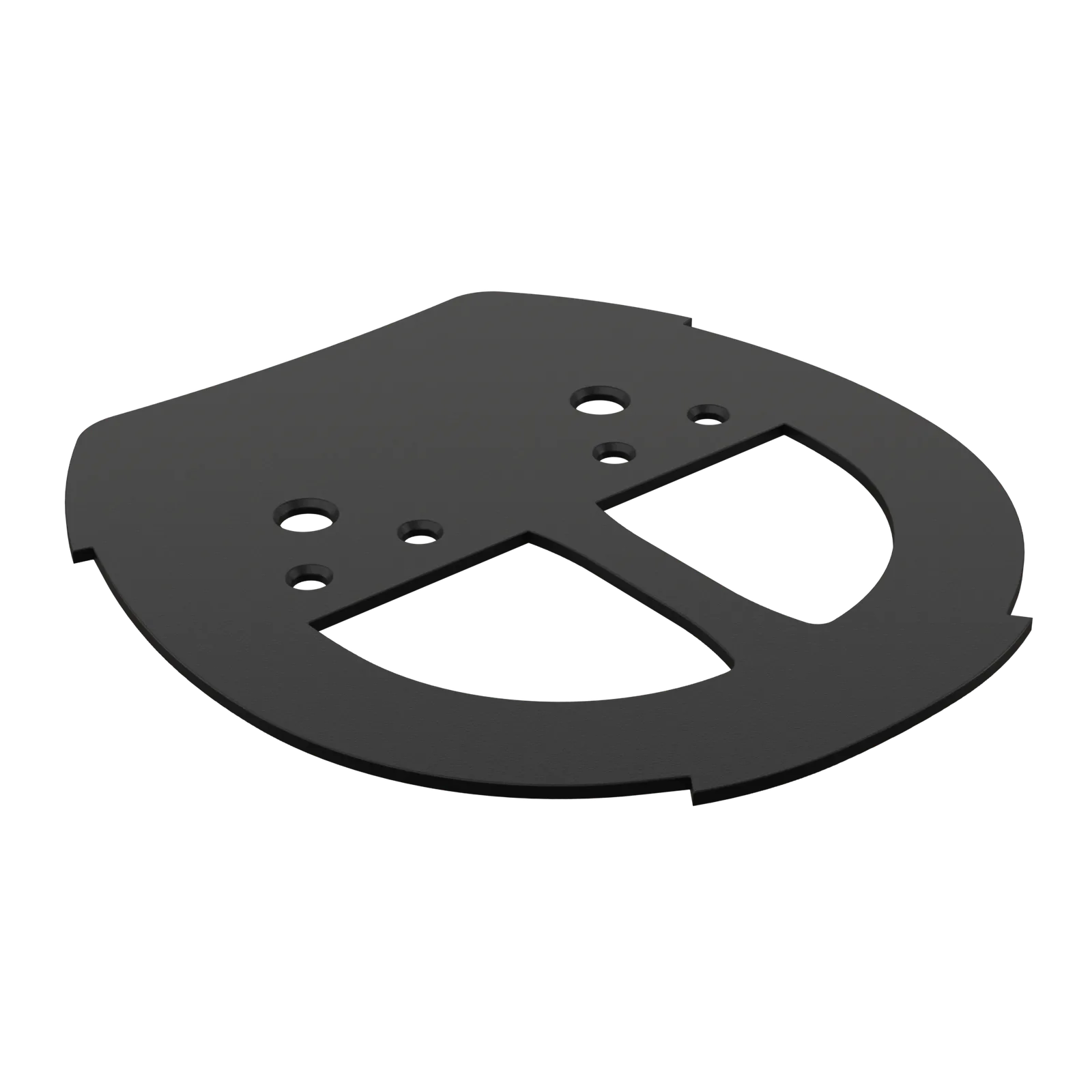
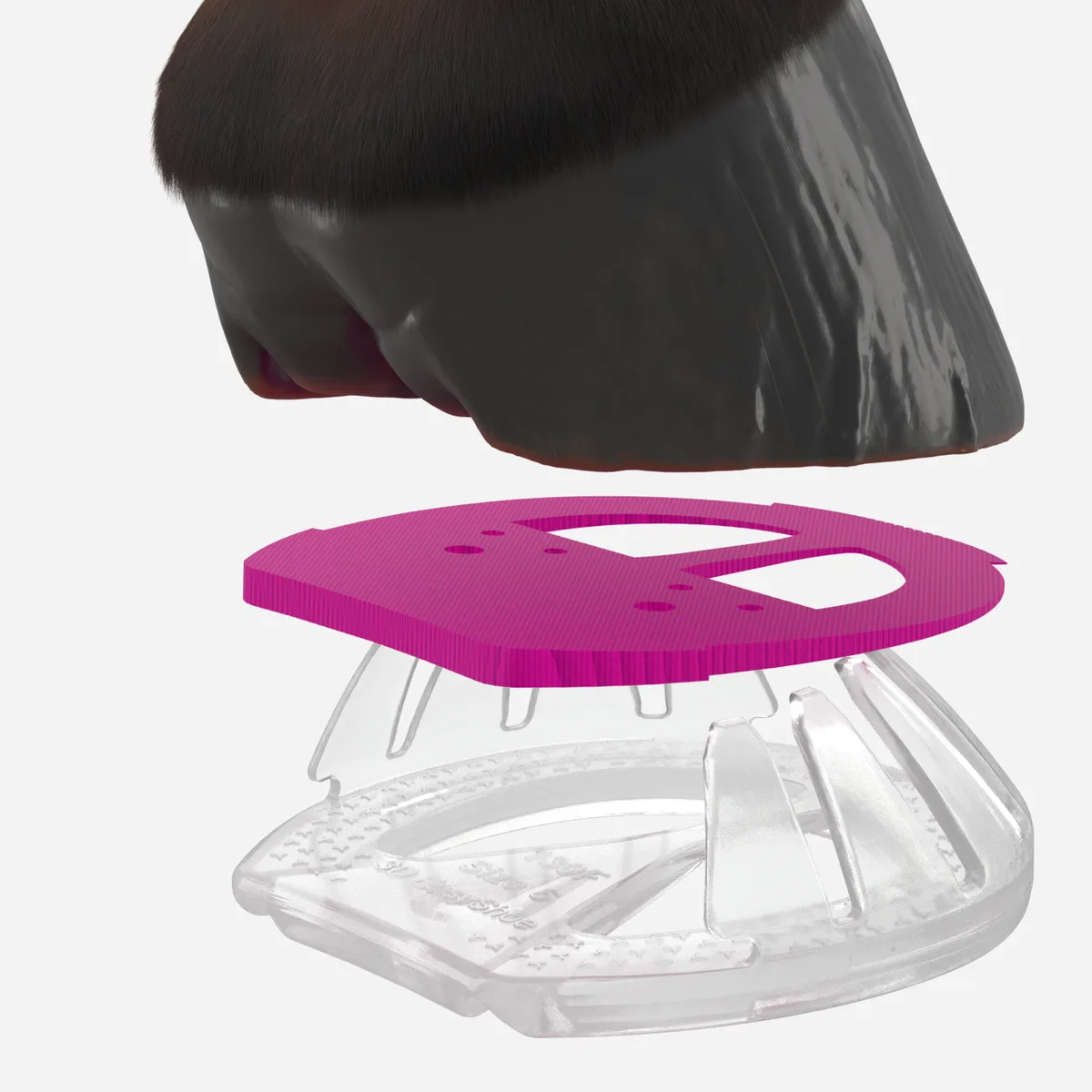
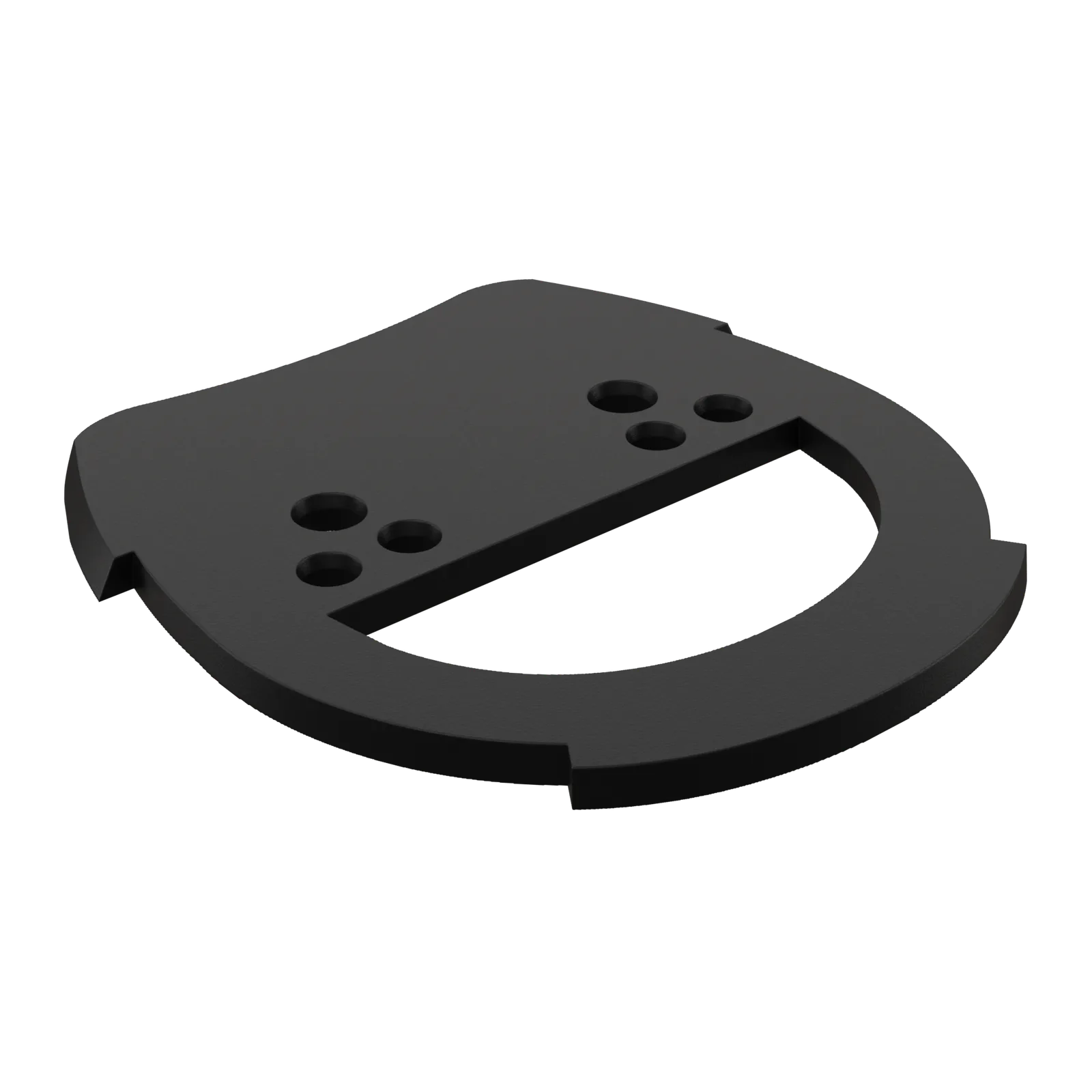
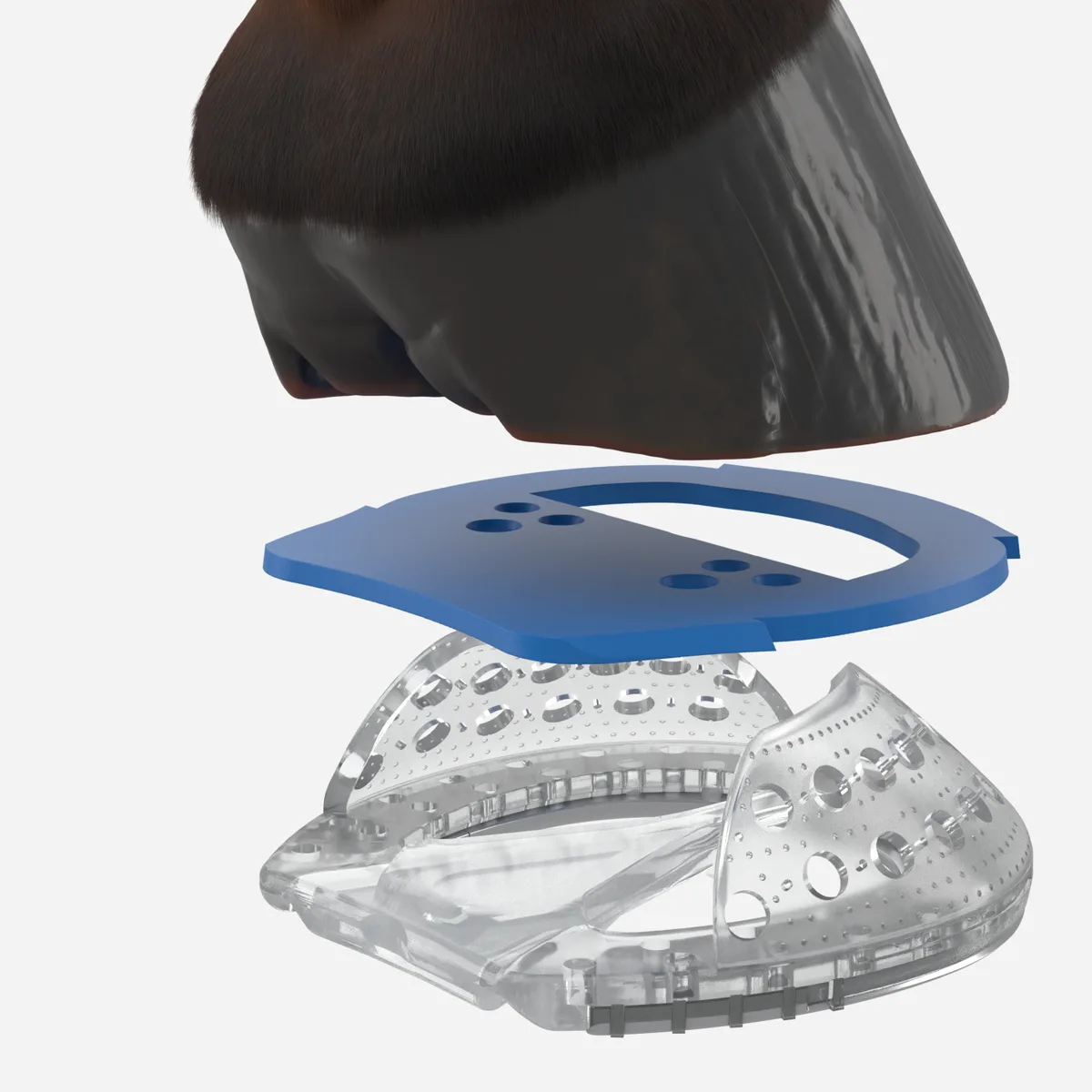
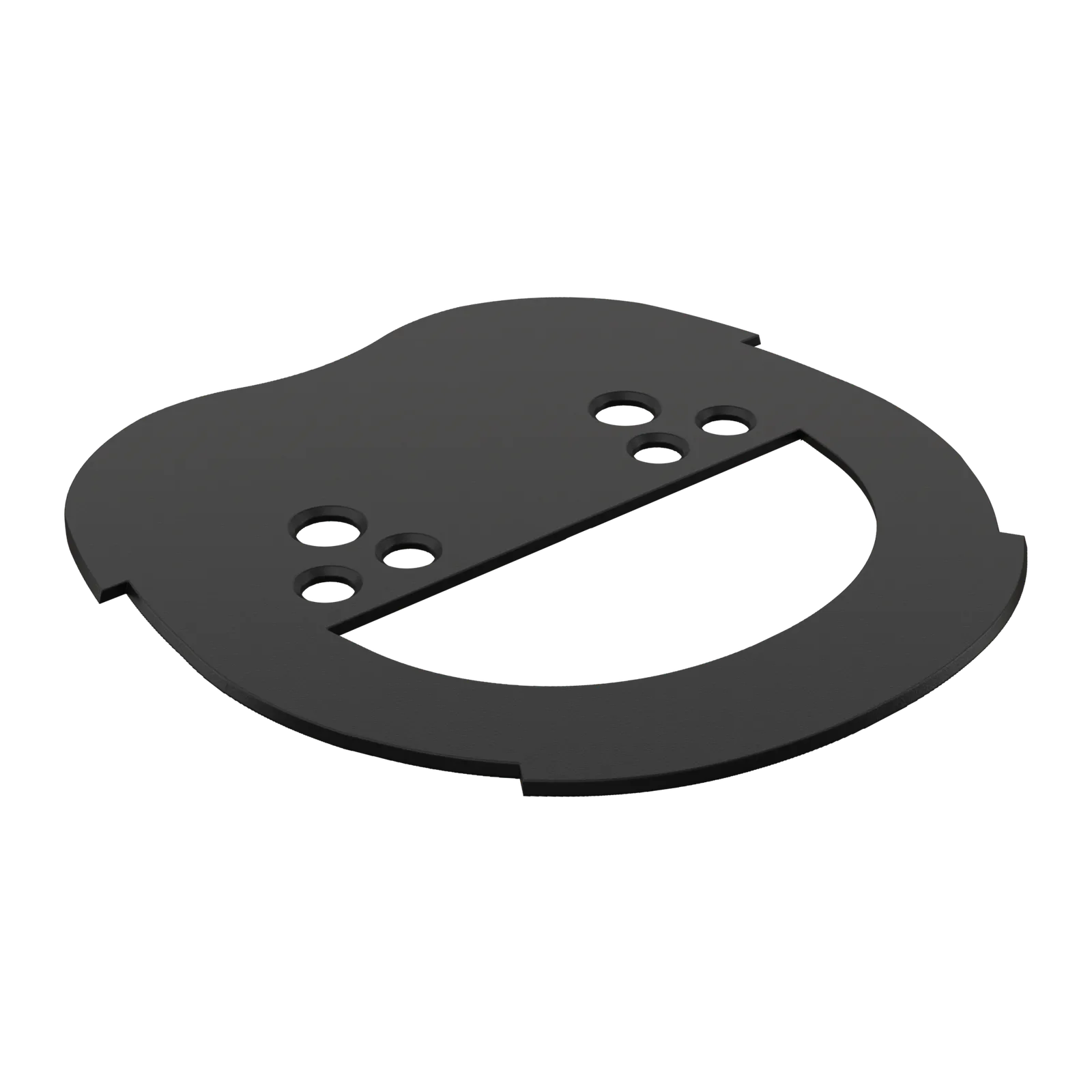
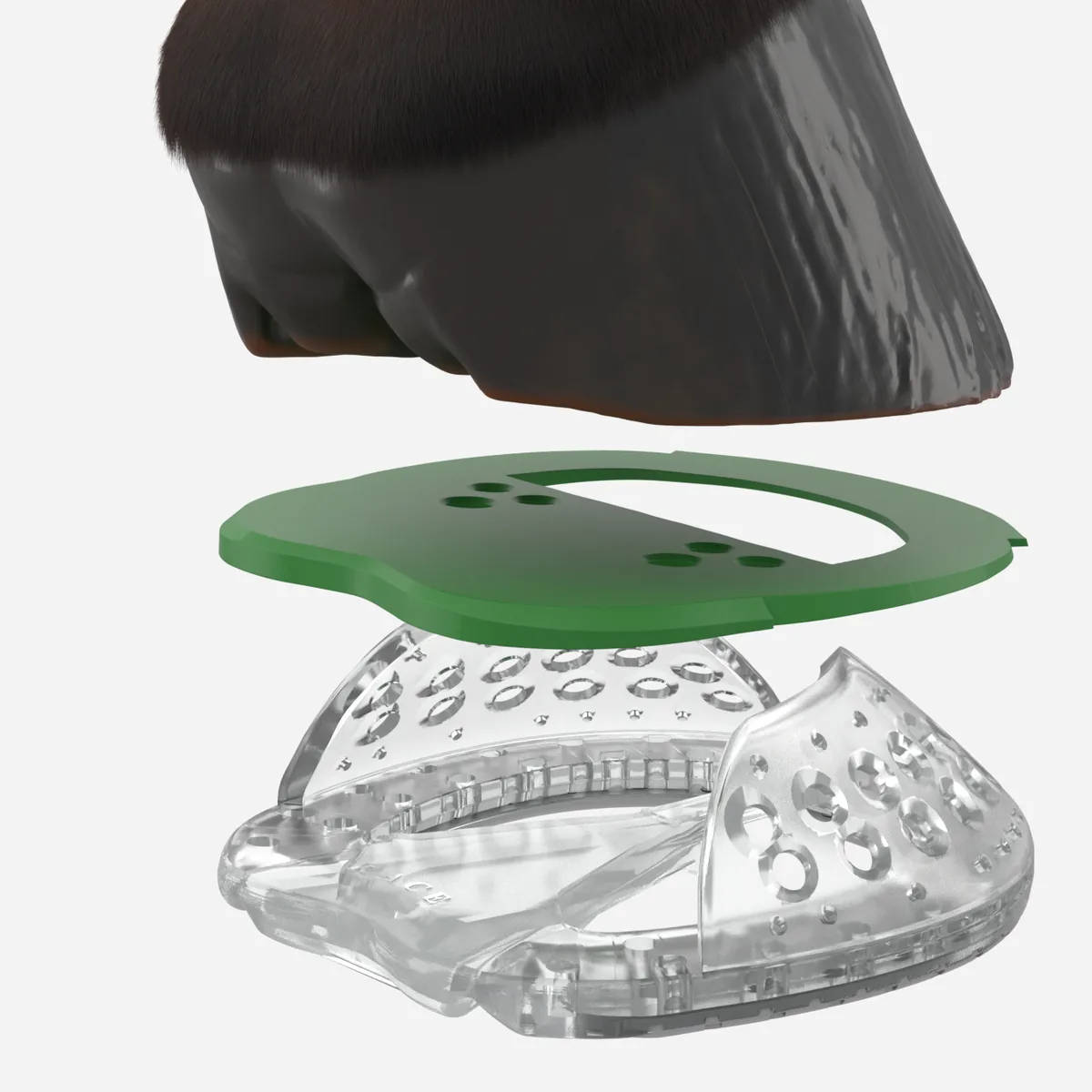
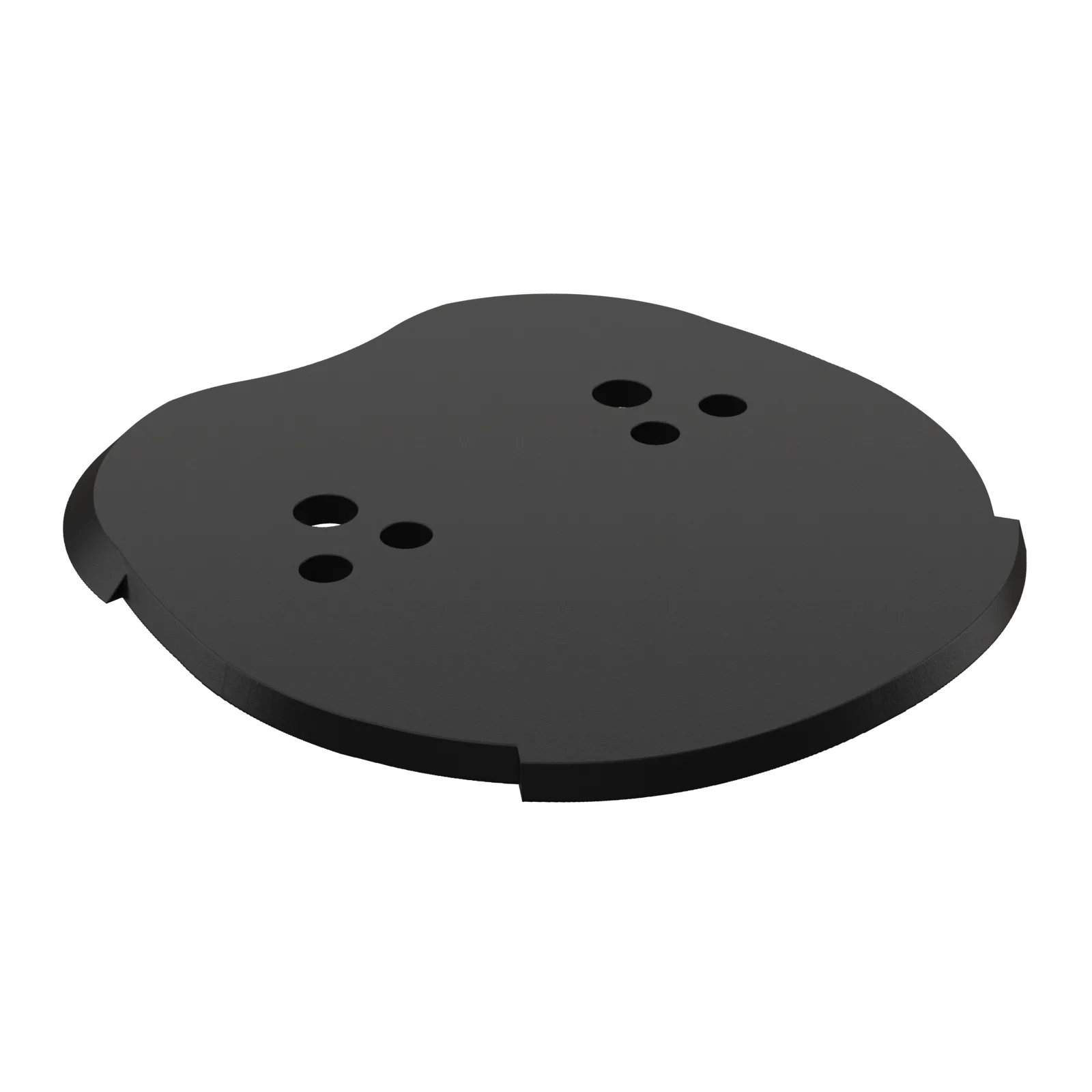
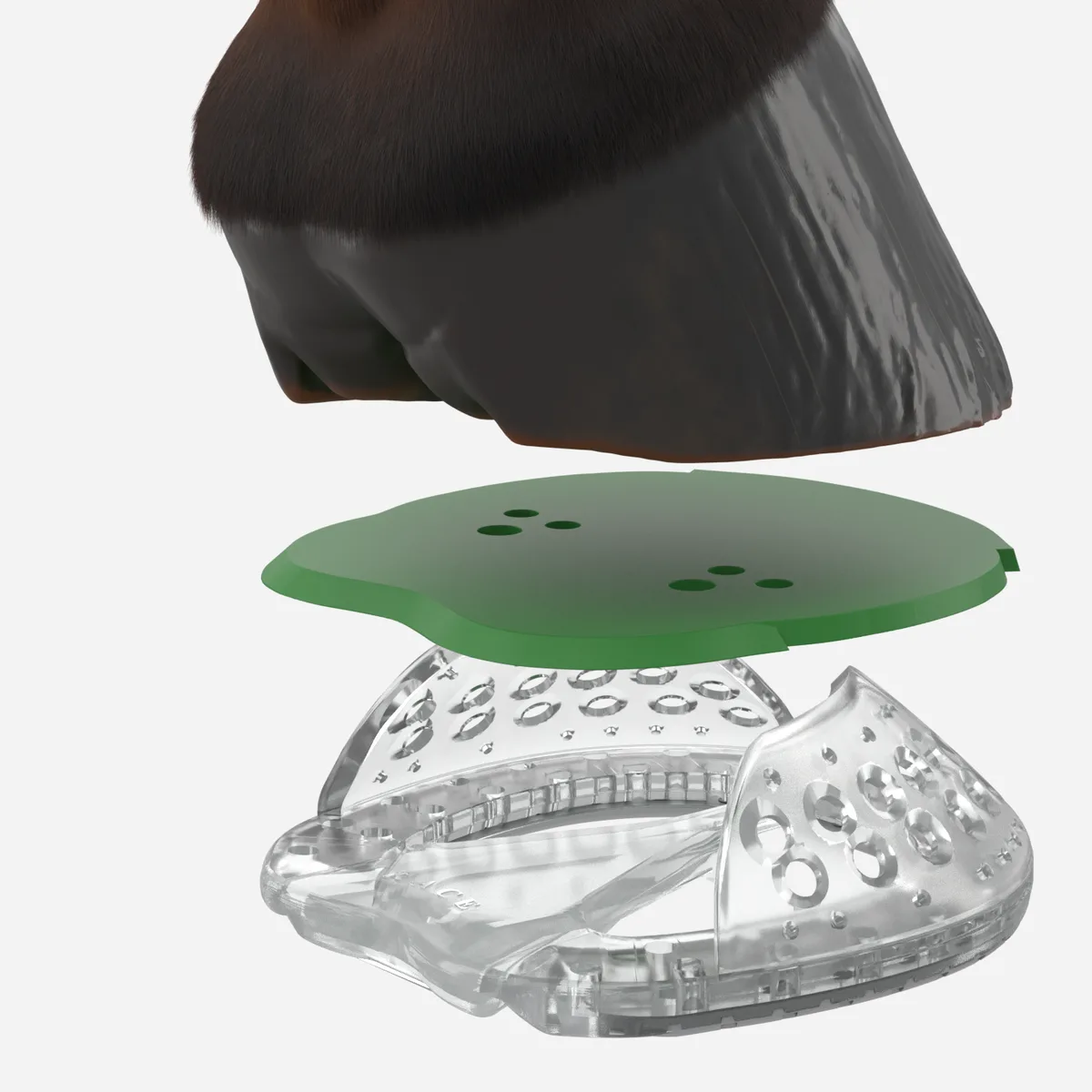
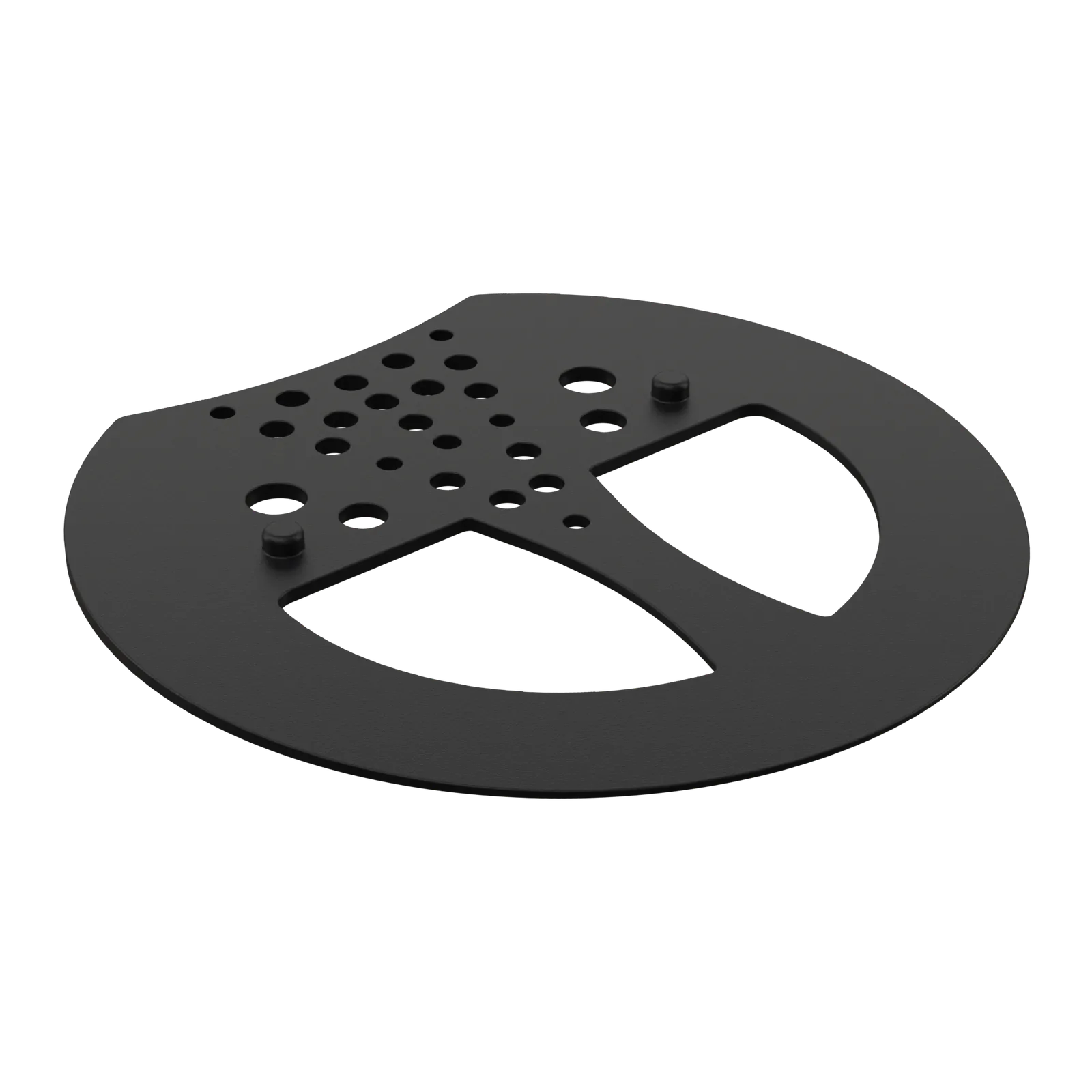
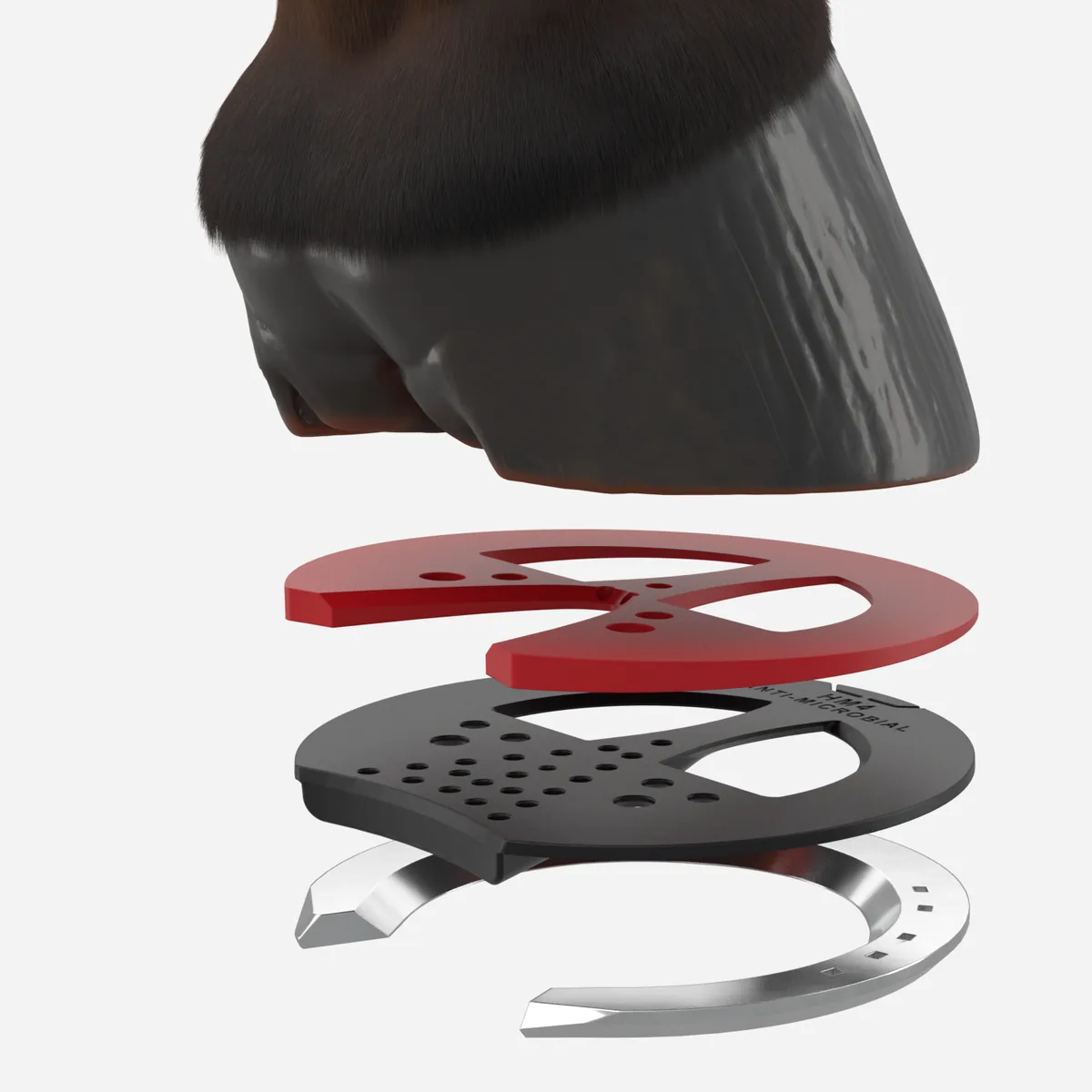
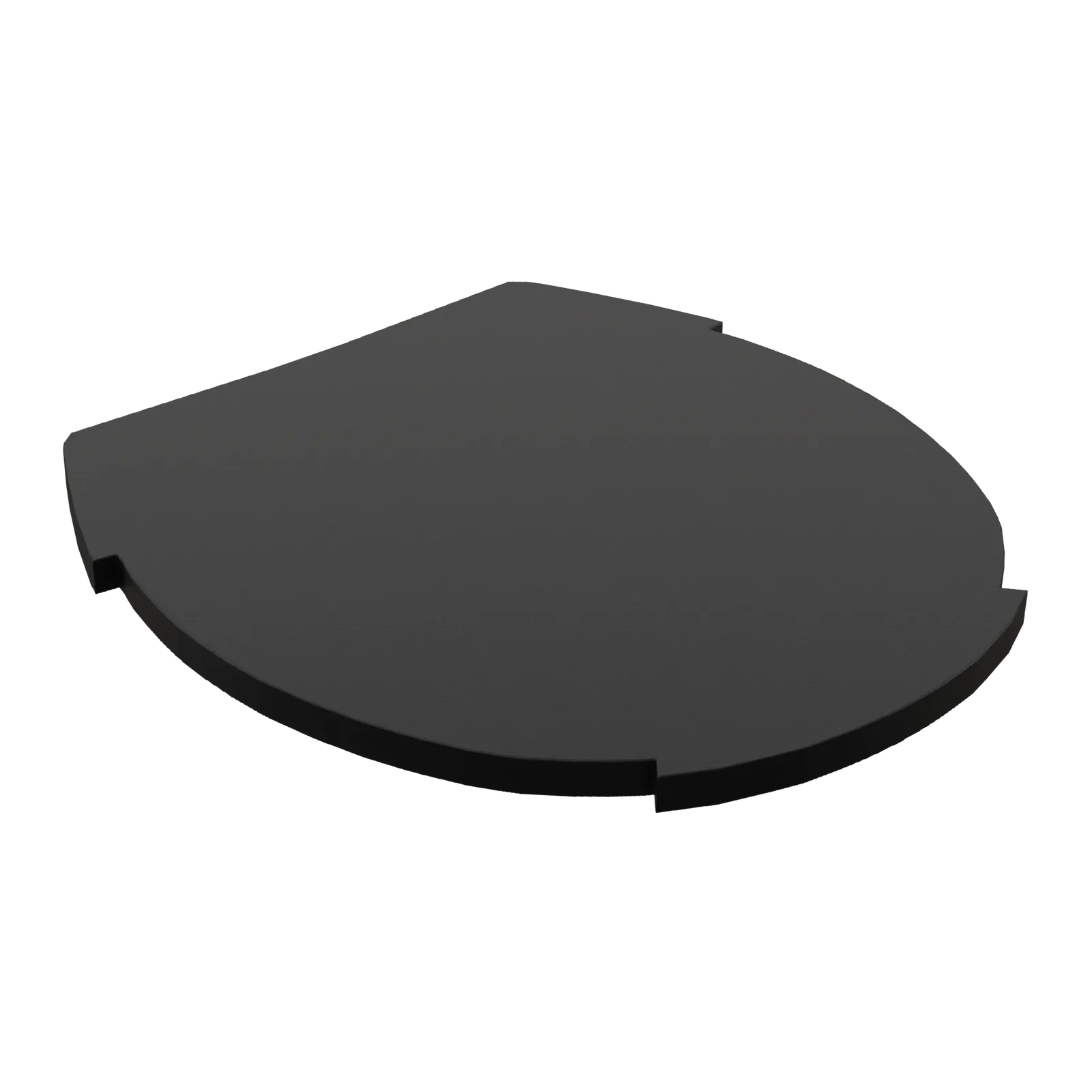
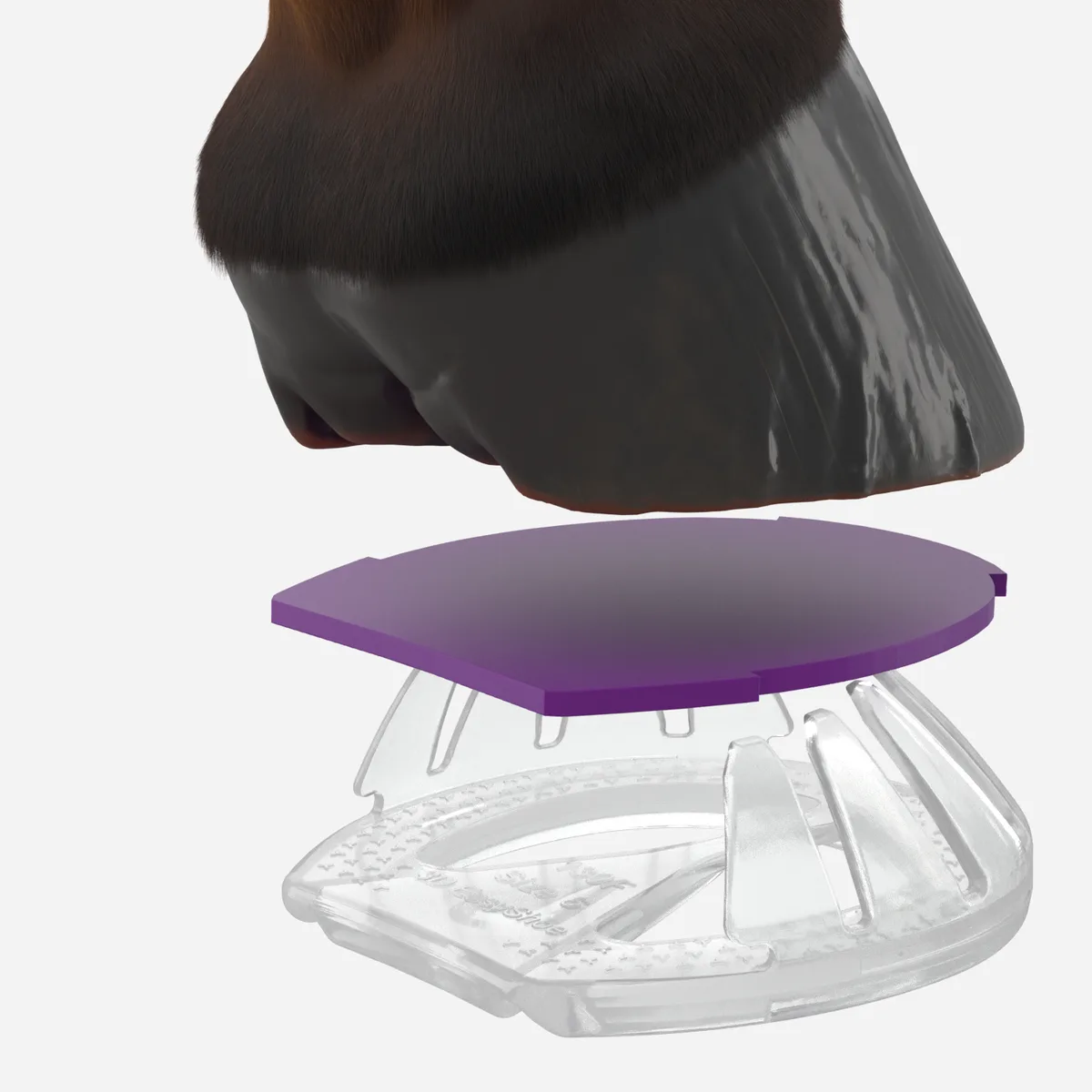
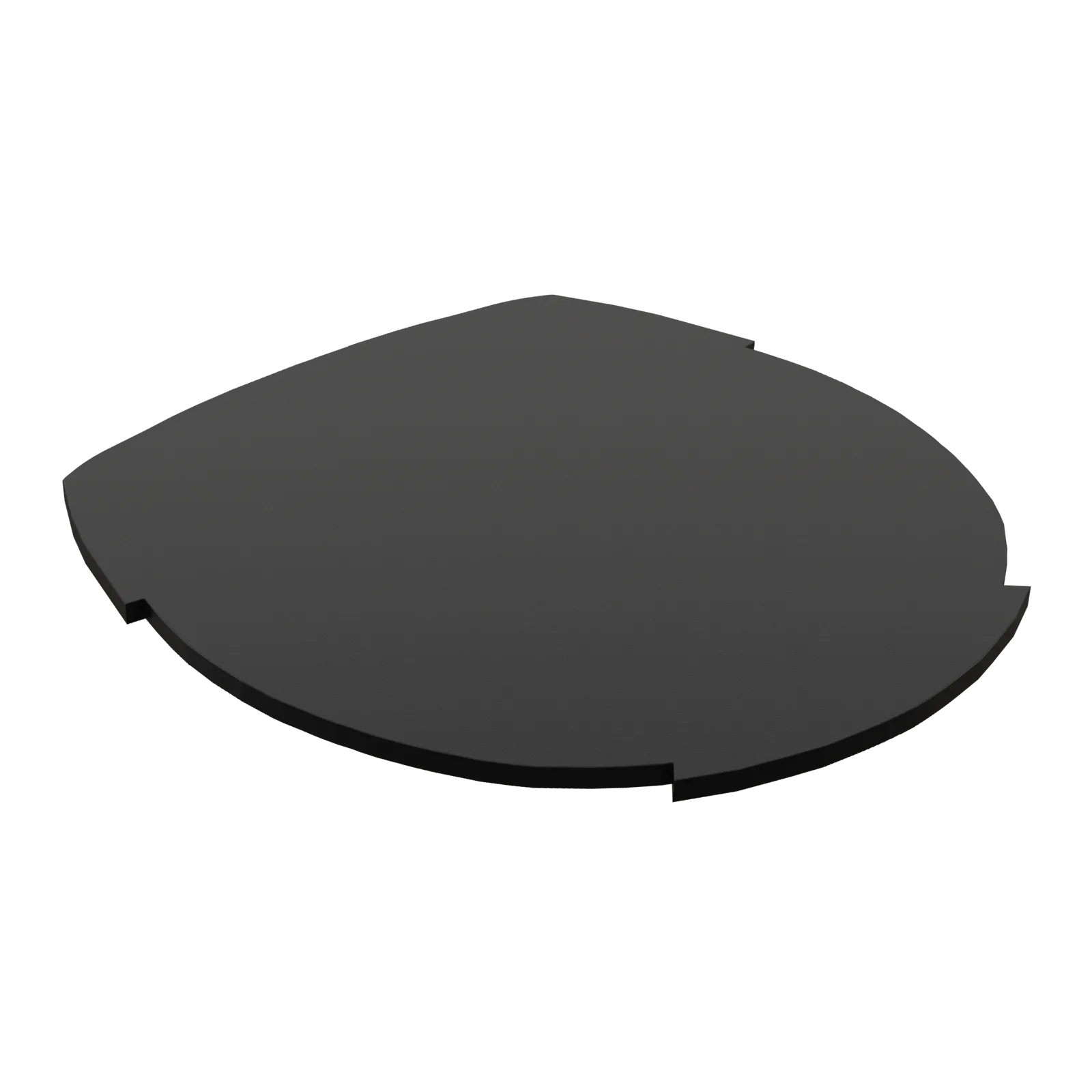
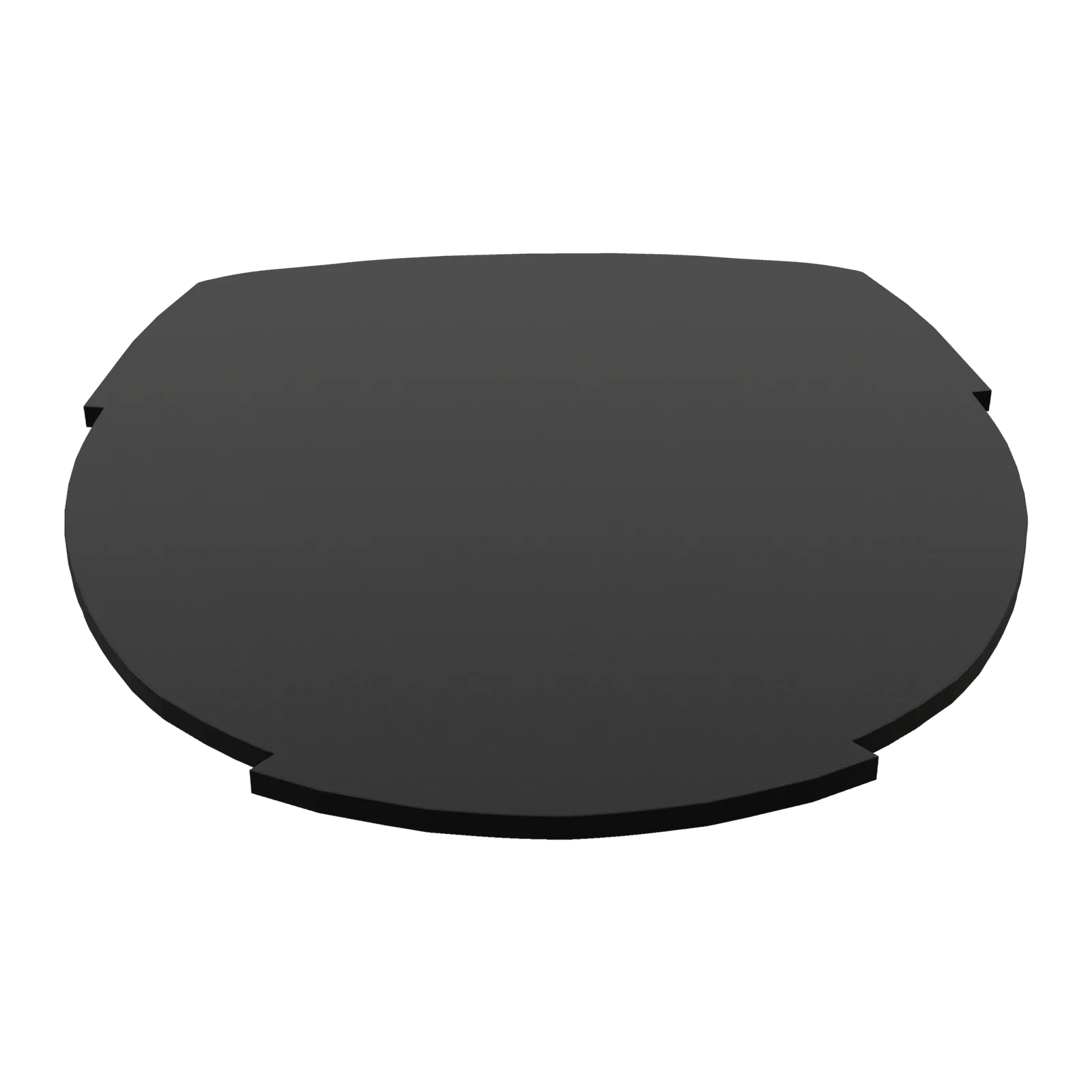
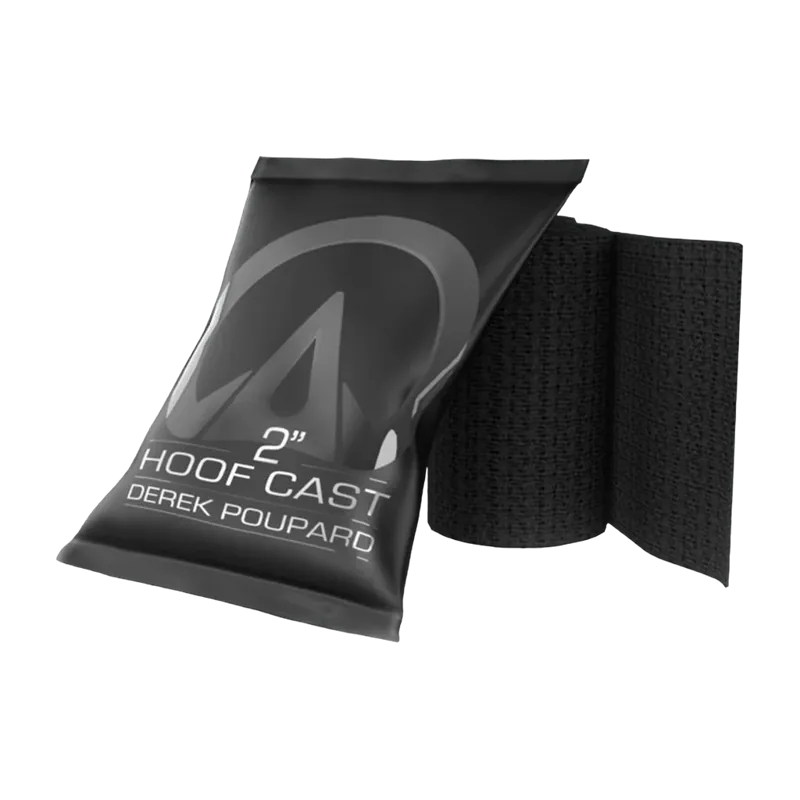
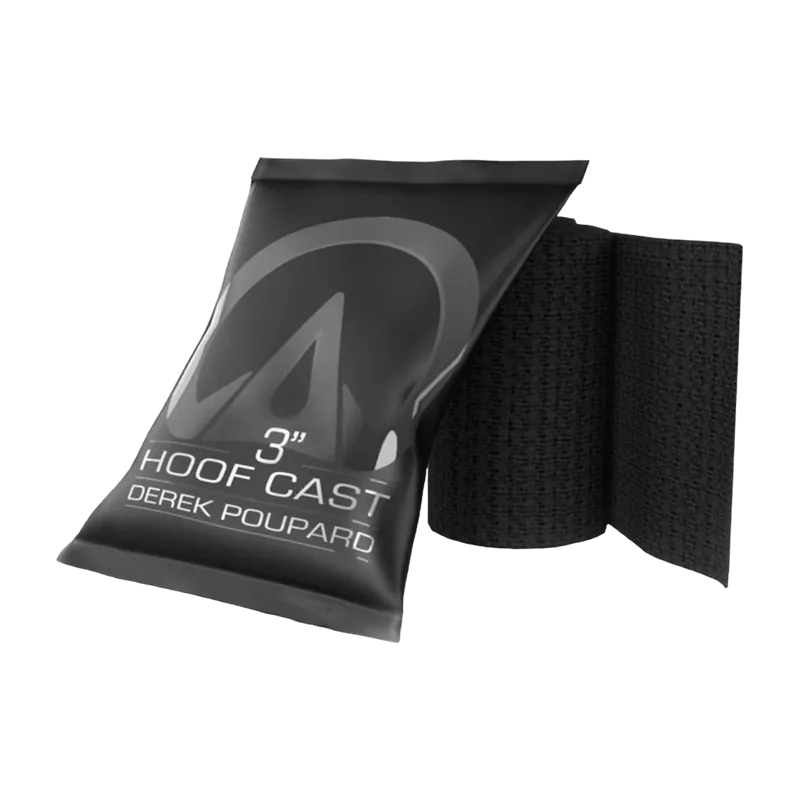
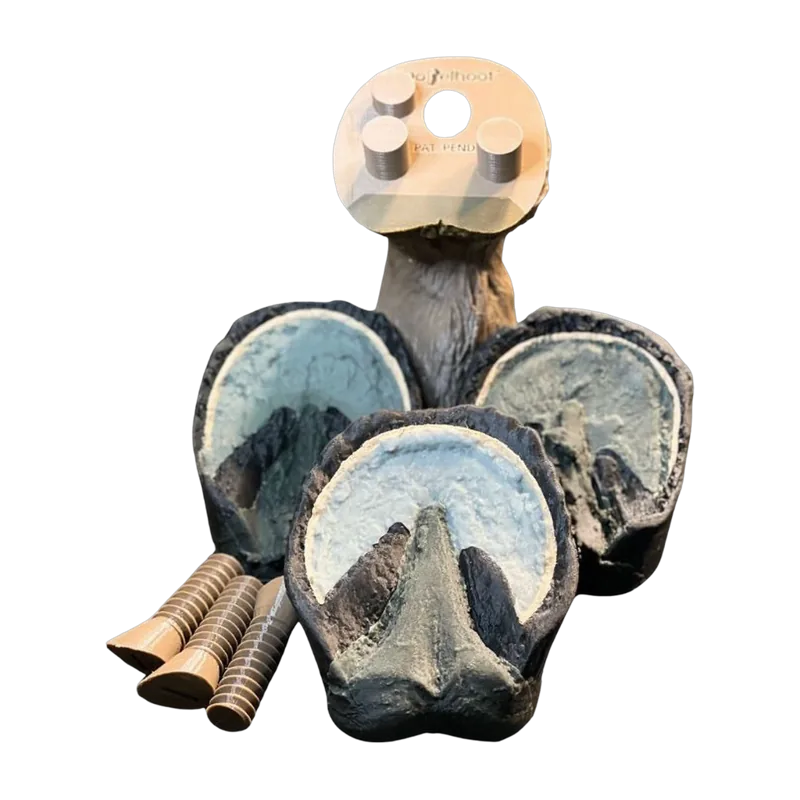
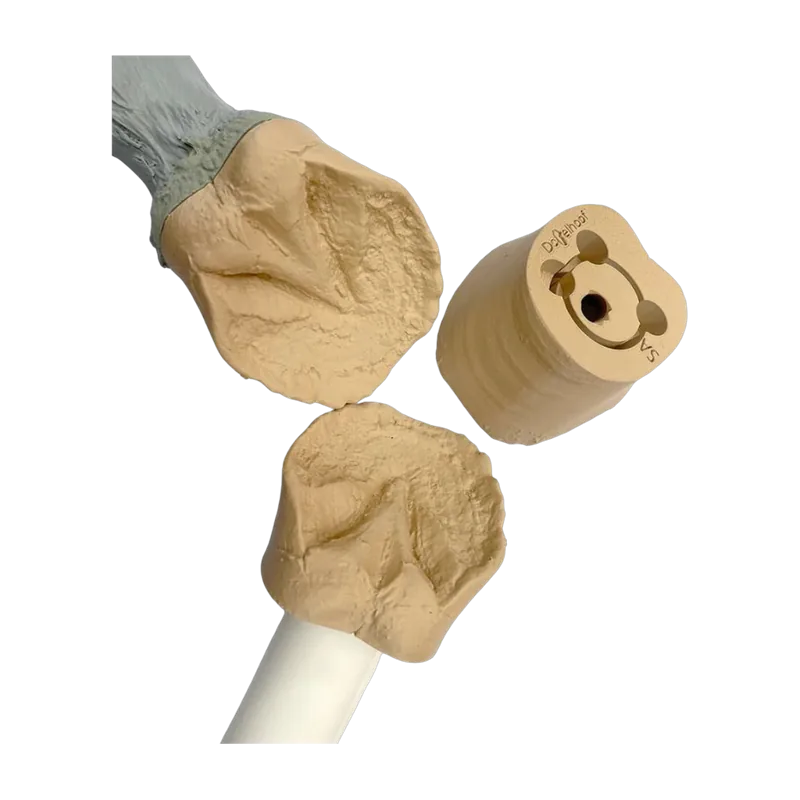
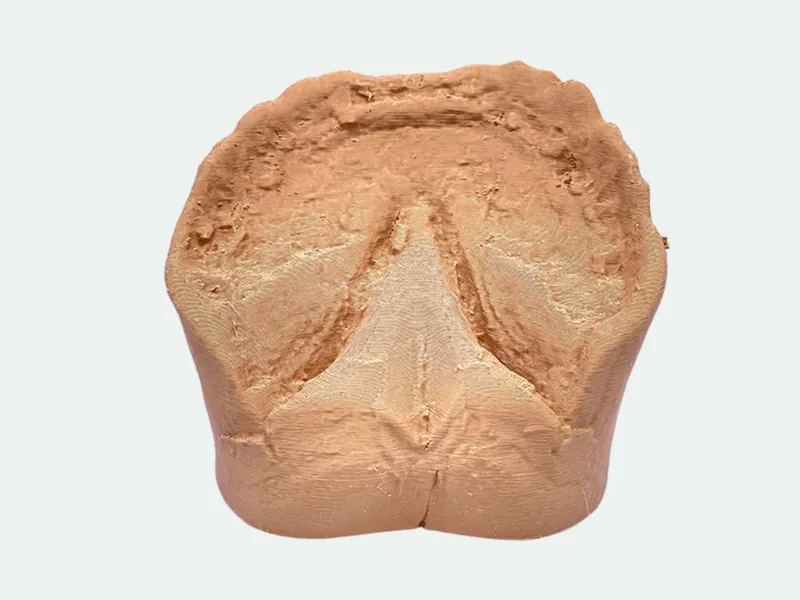
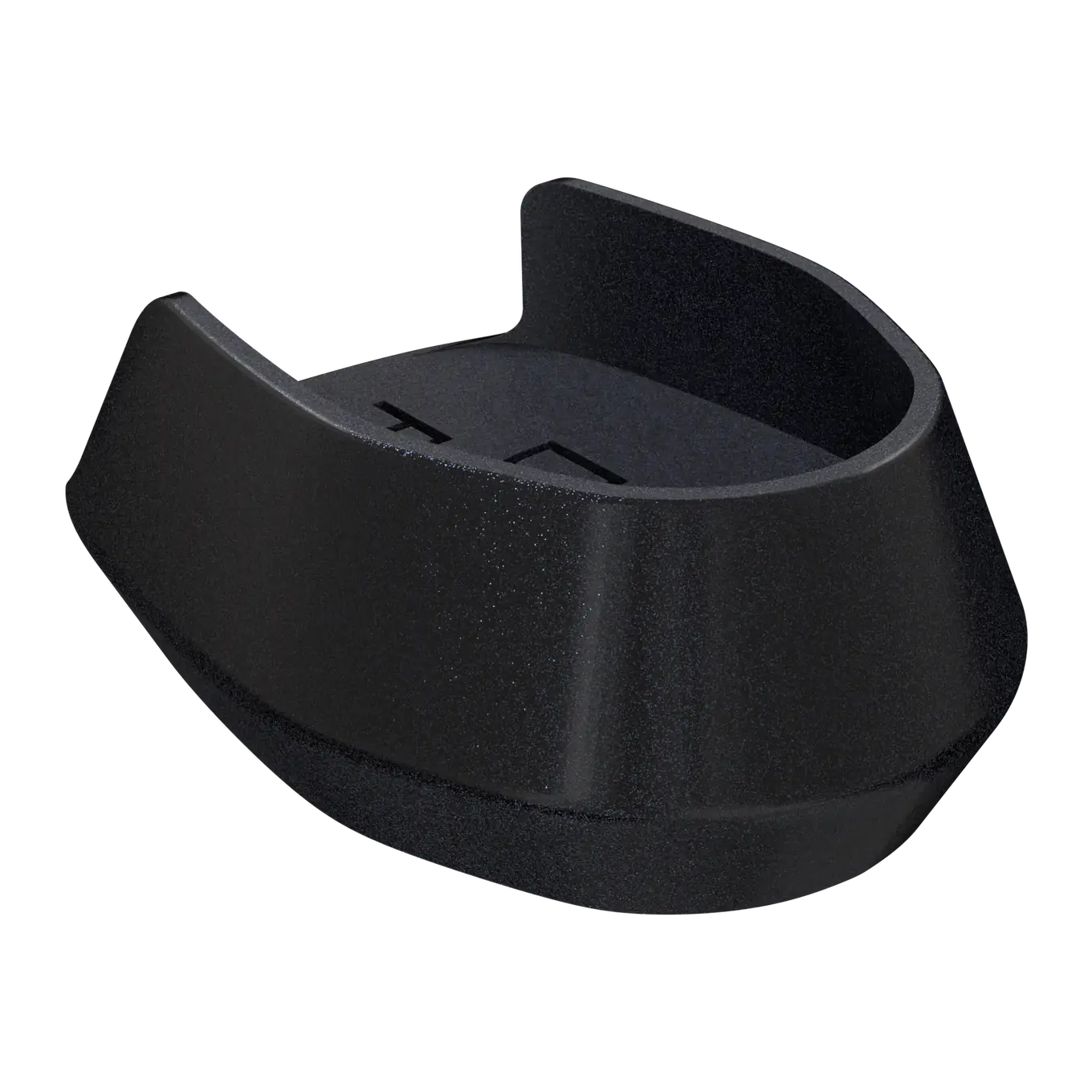
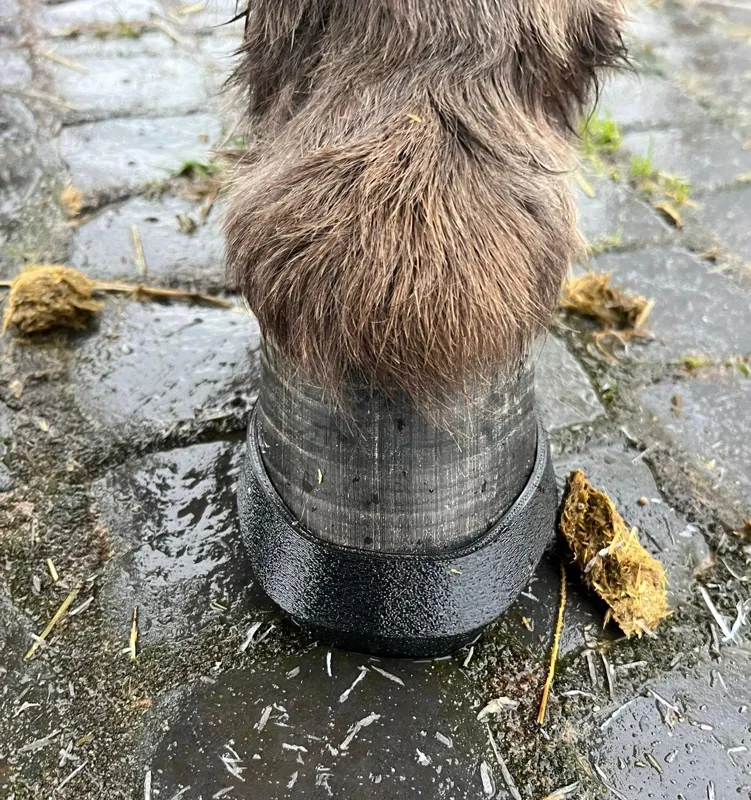
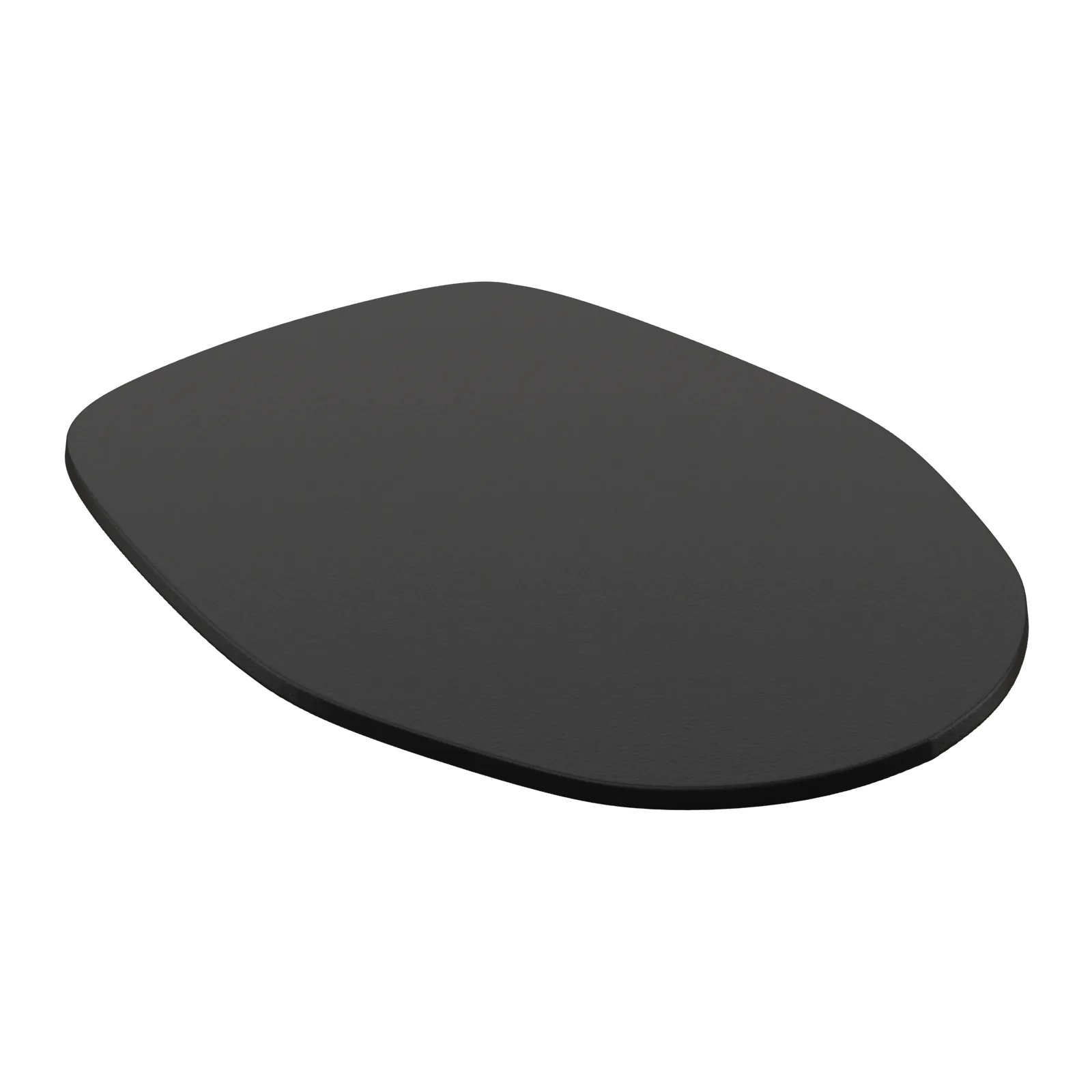
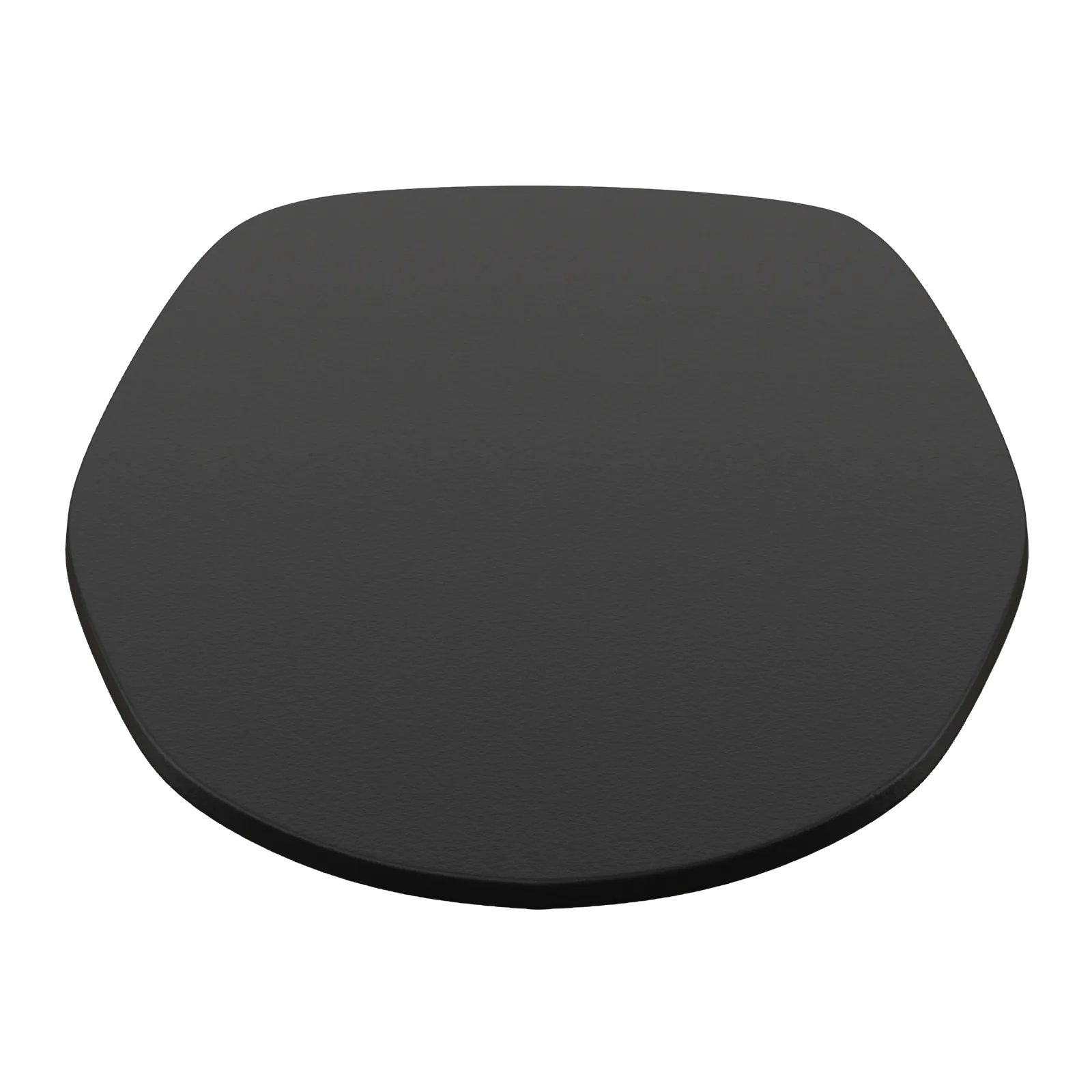
The 2 mm Barefoot Protection Pad was designed for exactly this period: glued to the sole and rasped to match the trim, it may help take the sting out of hard ground while the sole builds depth. For the weaning-off period straight after shoe removal, a half cast of HoofCast tape can help support the foot as it adjusts. For rocky turnout, the Full Mesh Pad offers maximum protection. Our step-by-step transition guide walks the whole process.
Realistic expectations
Progress is rarely linear: a wet fortnight or a hard trim can set comfort back a week. Judge the trend over months. Diet, movement, and a knowledgeable trimming schedule matter as much as any product.
When to seek help
Persistent lameness, heat, or a bounding digital pulse are not transition soreness. Involve your vet.
This guide is educational and is not a substitute for veterinary or farrier diagnosis.