




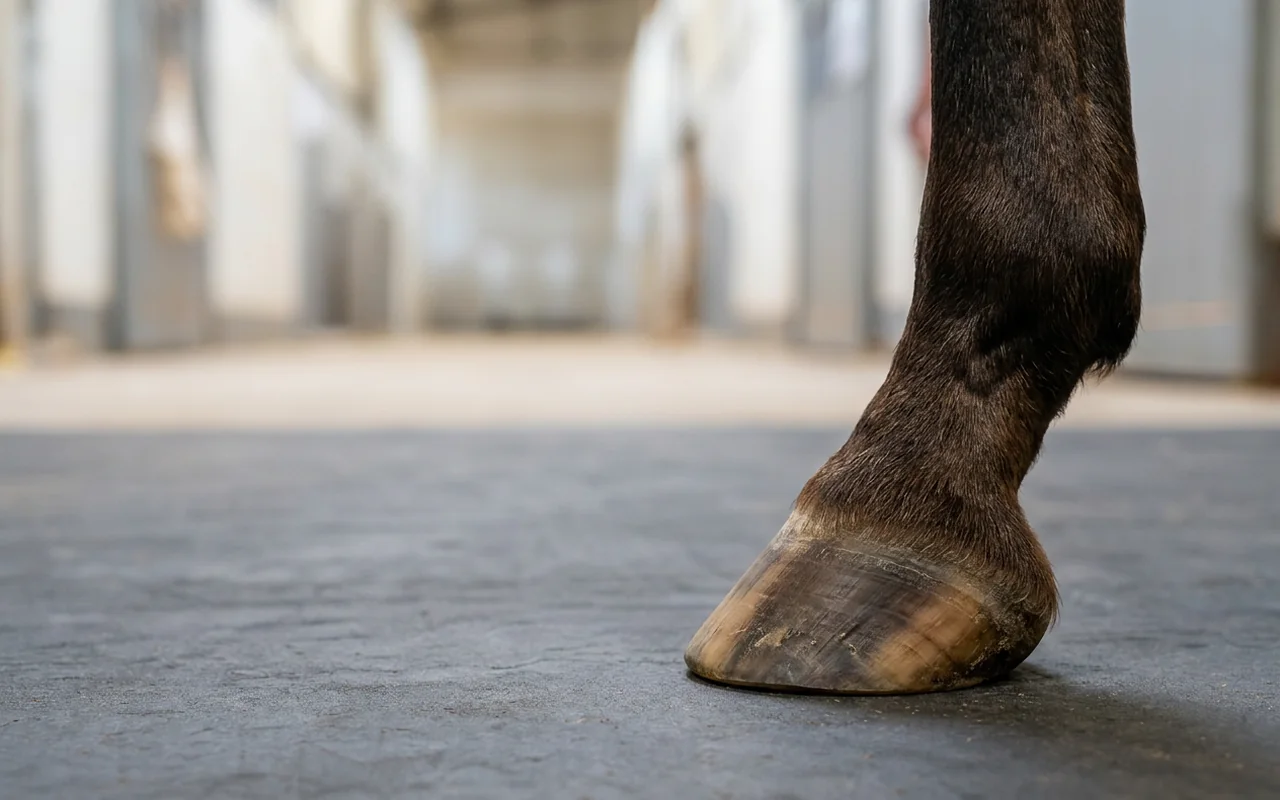
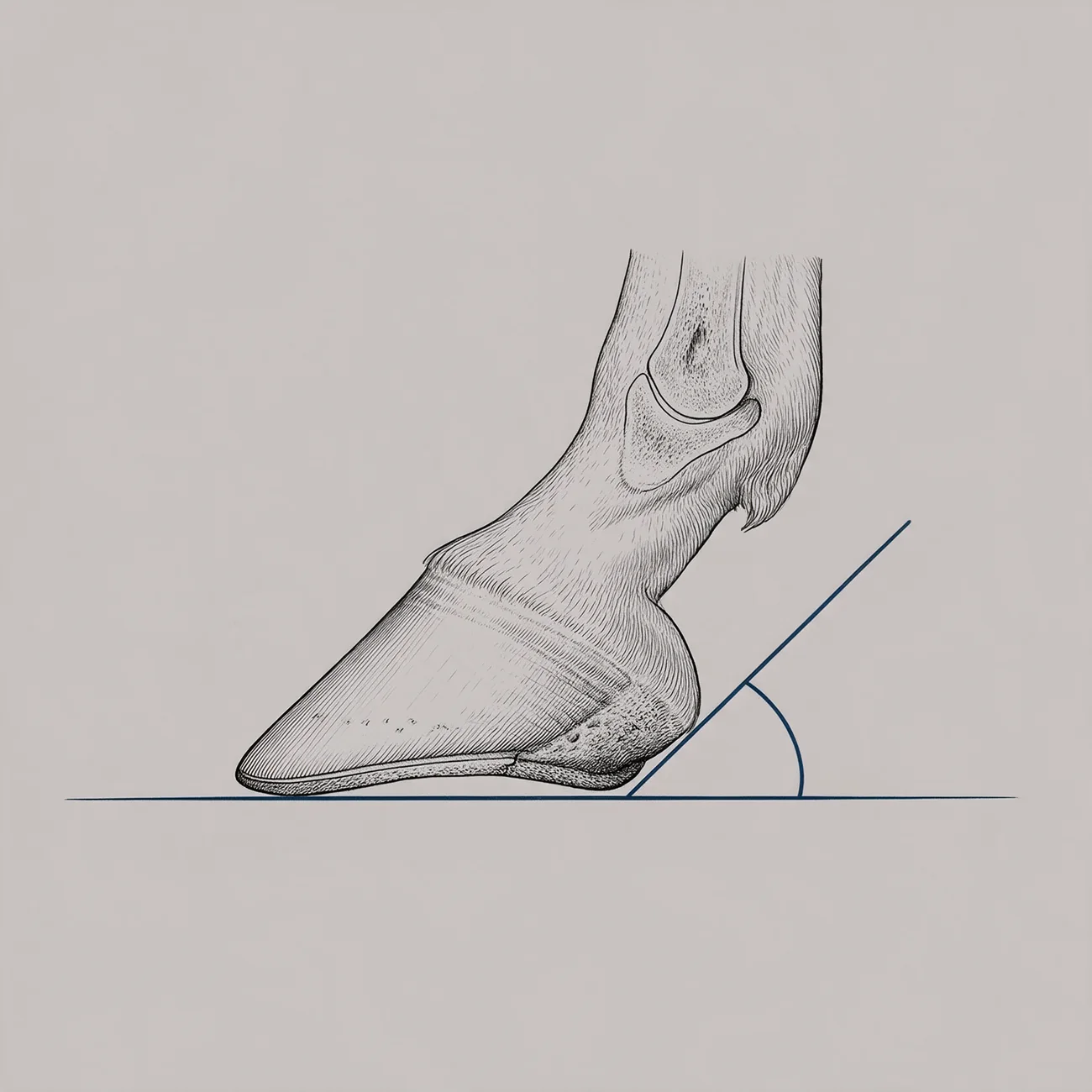
Underrun heels collapse forward instead of standing up under the back of the foot. The heel horn grows at an increasingly shallow angle, the tubules bend and weaken, and the foot slides into a long-toe, low-heel shape that strains the deep digital flexor tendon and loads the heels it should be protecting. Heel pain of this kind sits behind a large share of chronic front-limb lameness.
What causes it
Conformation is strongly heritable, so some horses are simply prone to it. Beyond genetics: long toes that delay breakover, infrequent trimming, crushing from work on hard surfaces, and shoeing cycles that leave the heels unsupported all push the heel forward over time.
Signs you'll notice
Heels that look low and angled sharply forward, often with the heel bulbs close to the ground. A toe that seems to grow faster than the heel. Shortened strides, soreness after work on hard ground, and collapsed or contracted heel structures.
How it's managed
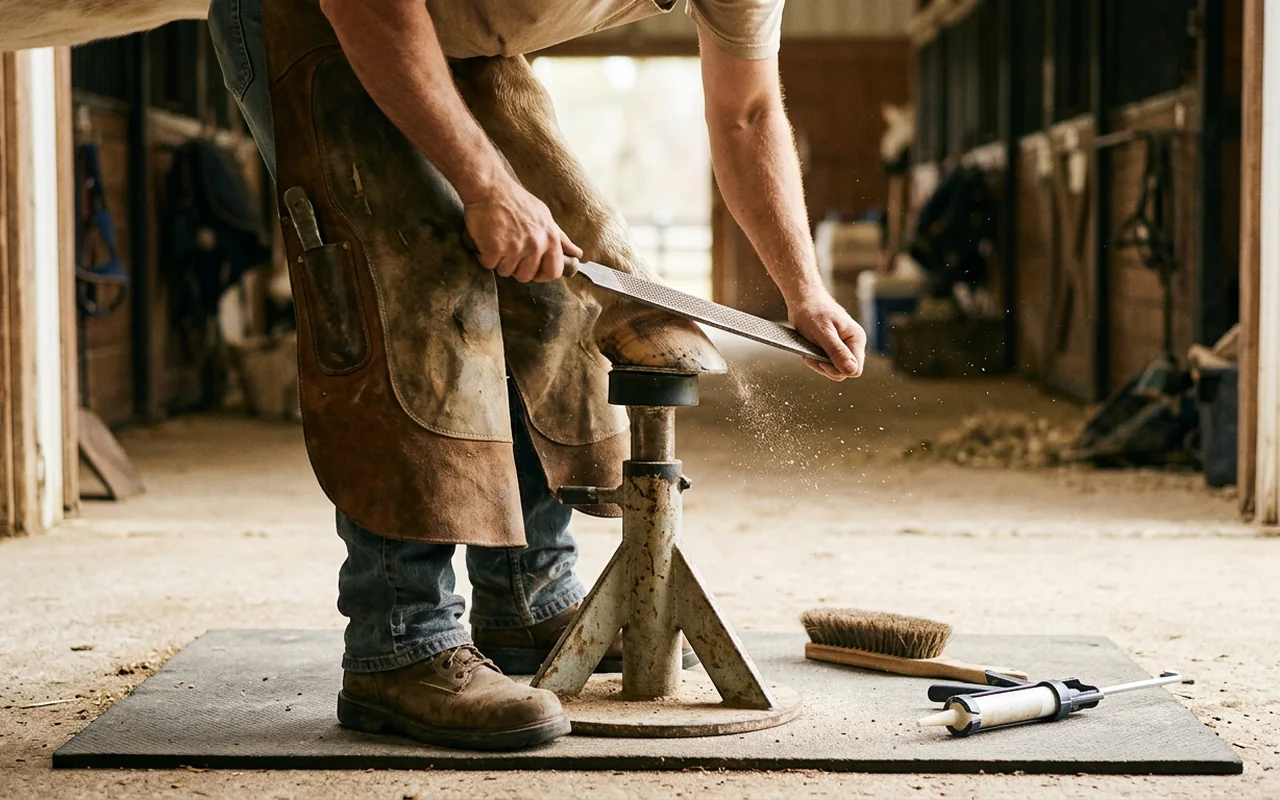
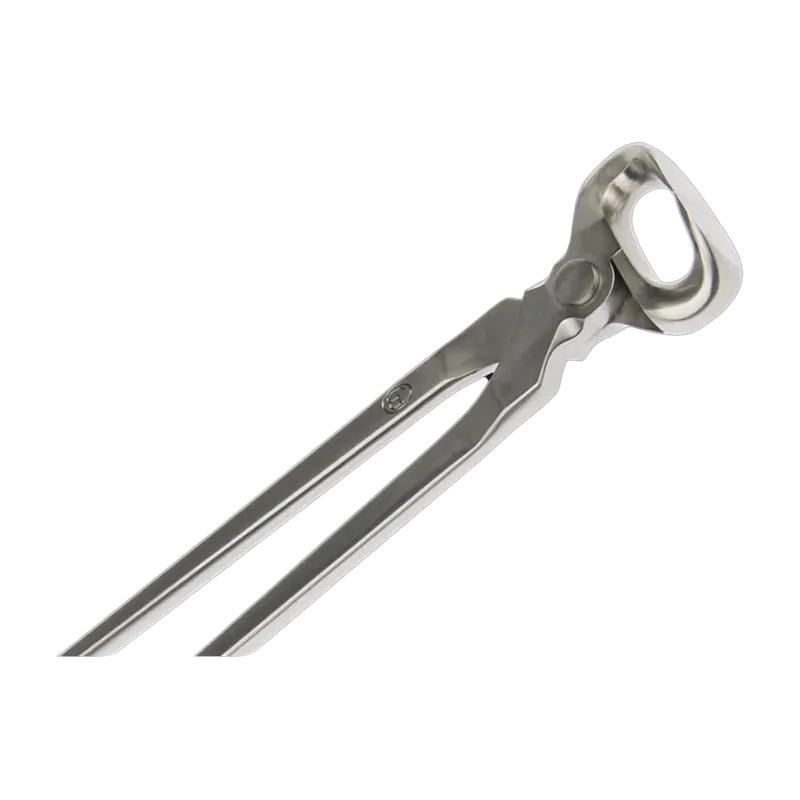
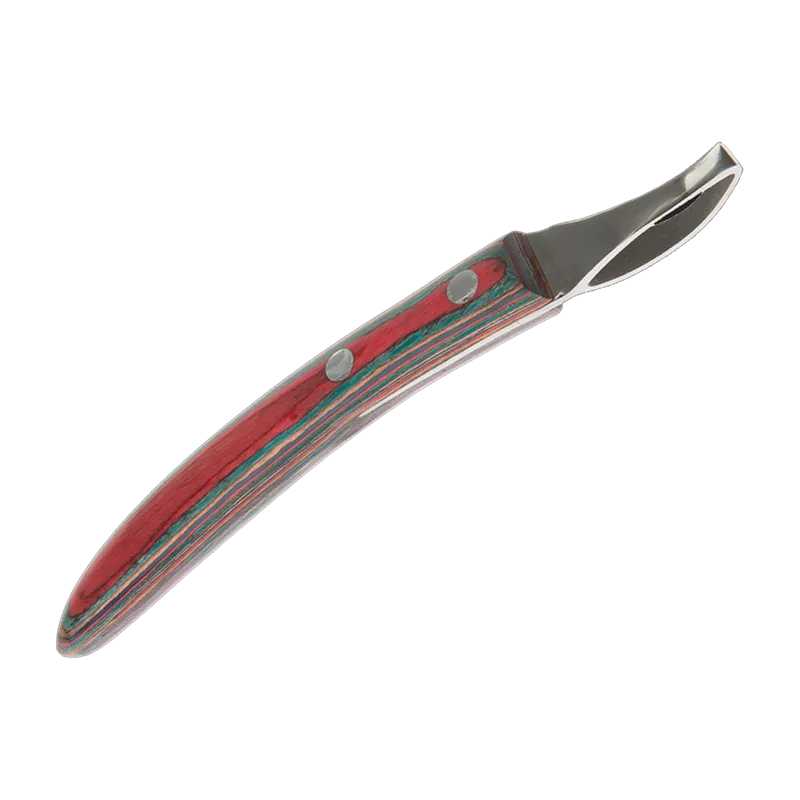
The farrier's levers are toe and support: bringing breakover back to reduce leverage on the heels, trimming to healthy horn, and sharing the load of the back of the foot so crushed heels can regrow at a stronger angle. The realistic goal is to arrest the distortion and rebuild function. In horses in heavy work, holding the line is itself success.
Where support products fit
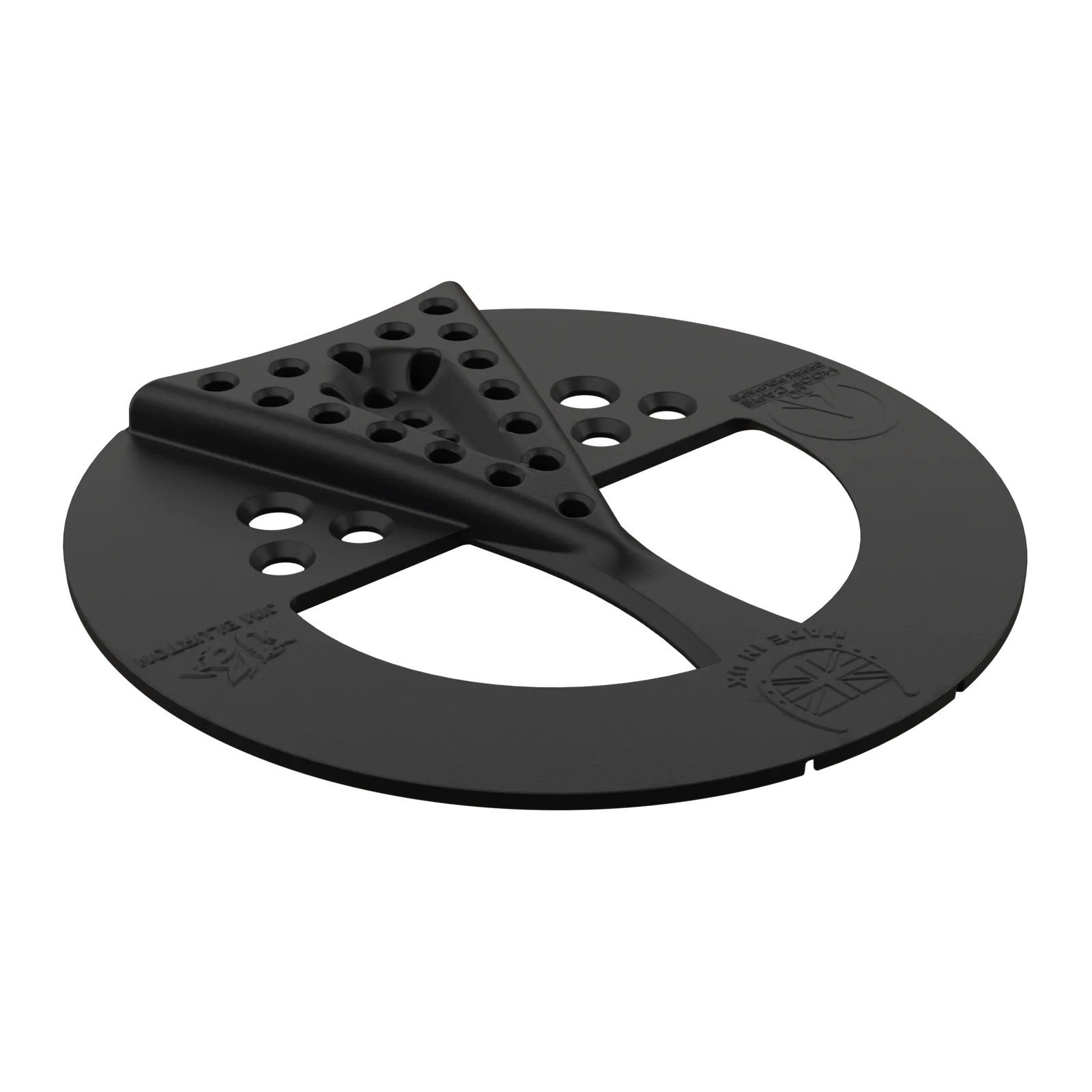
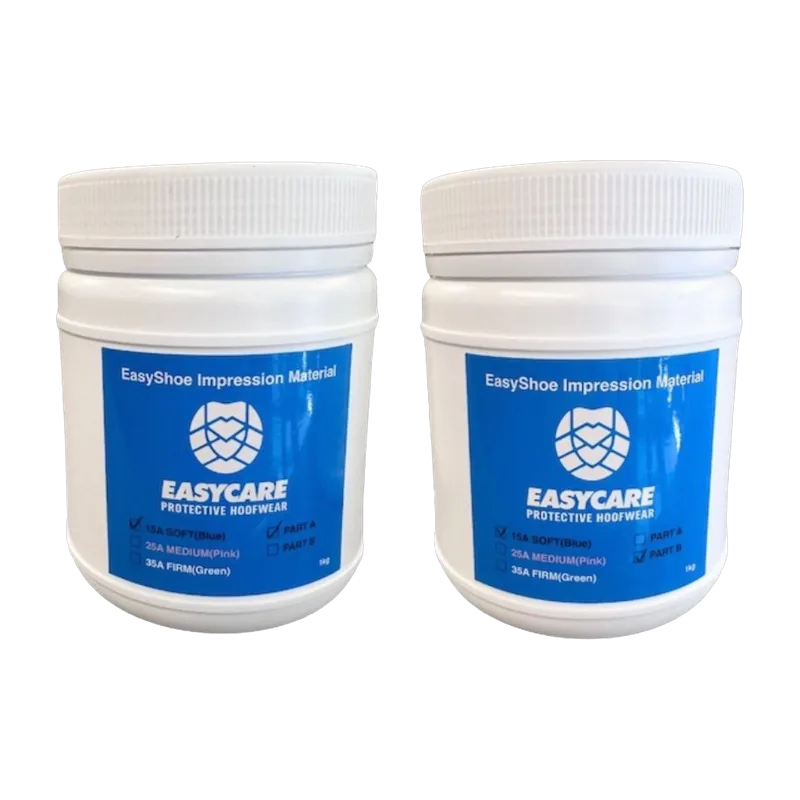
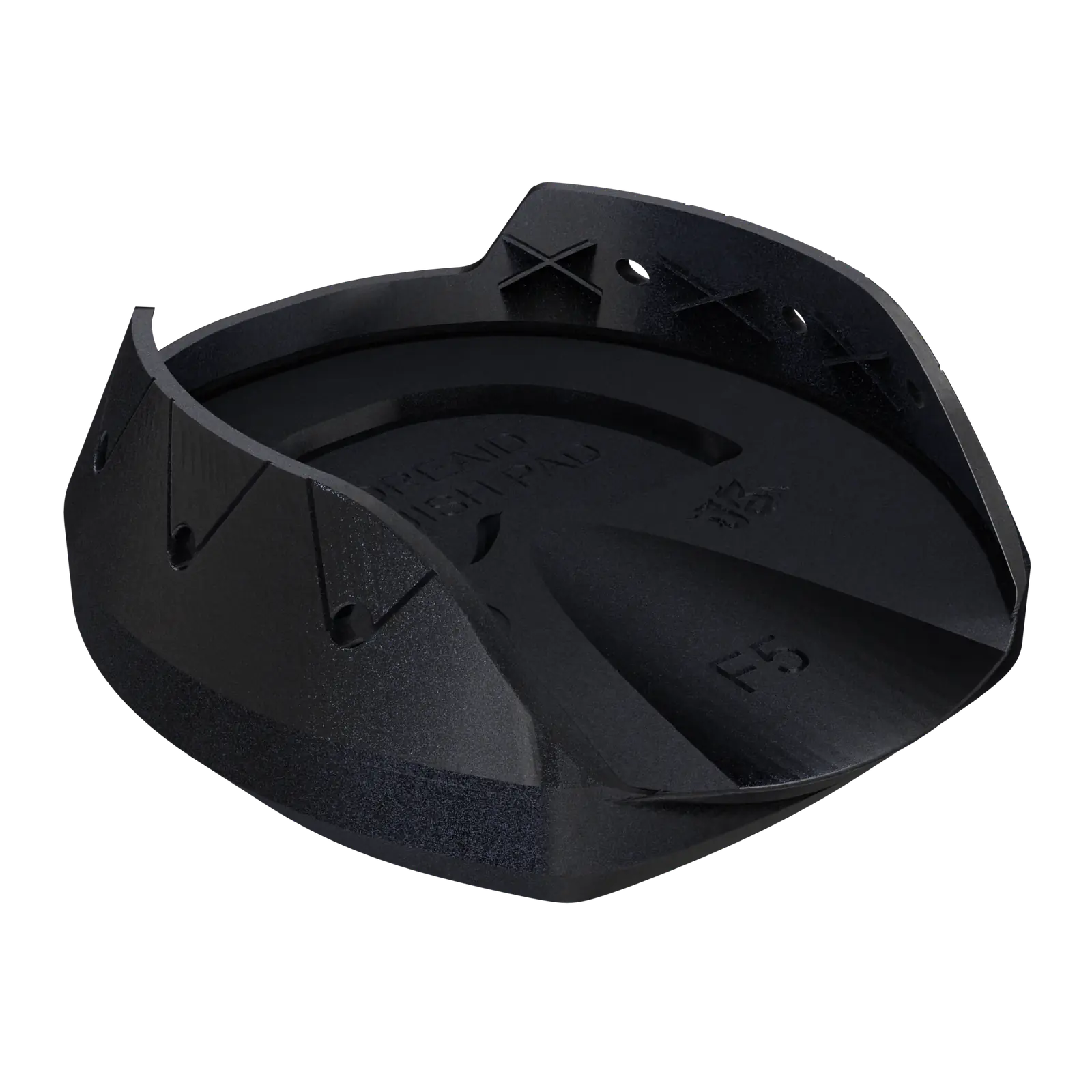
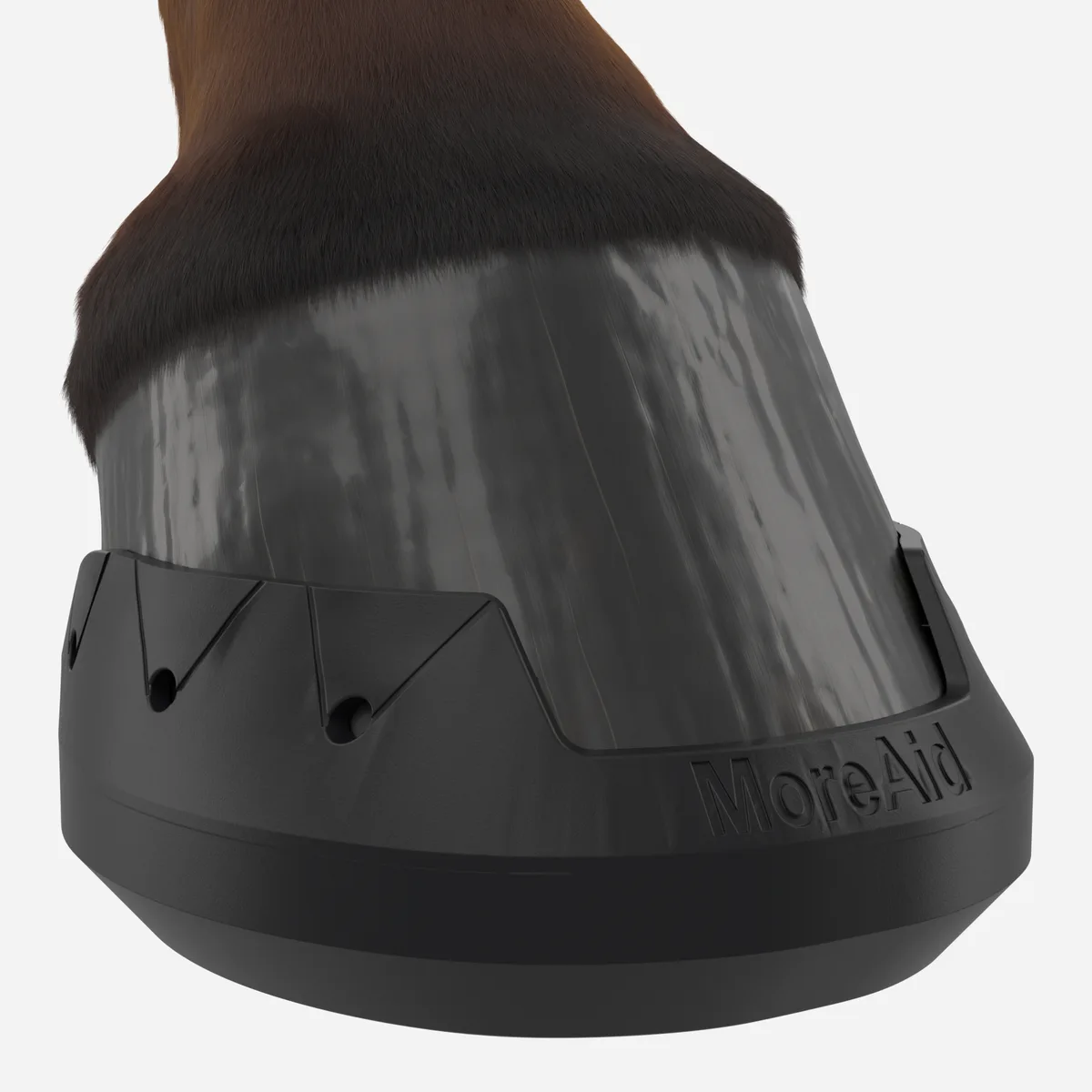
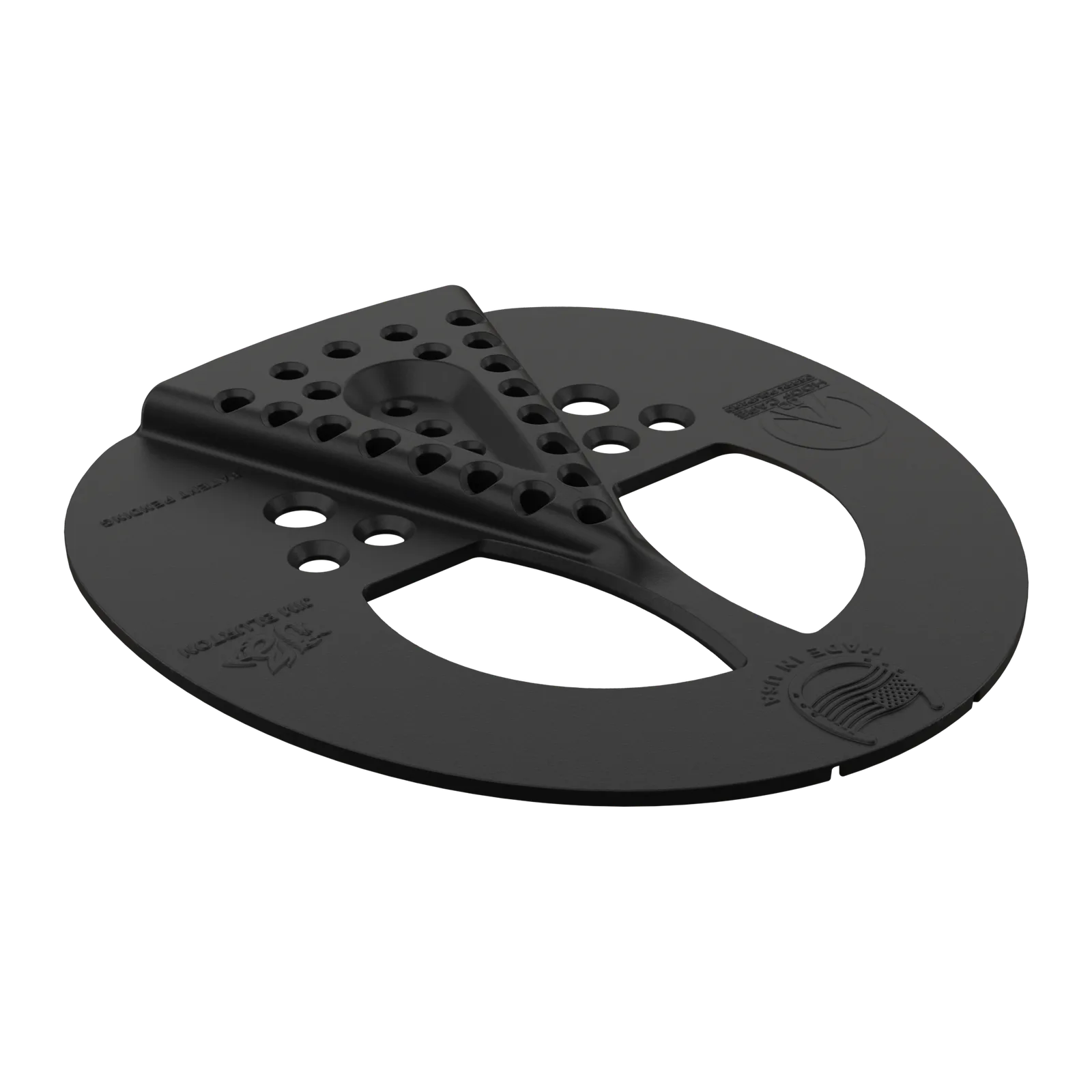
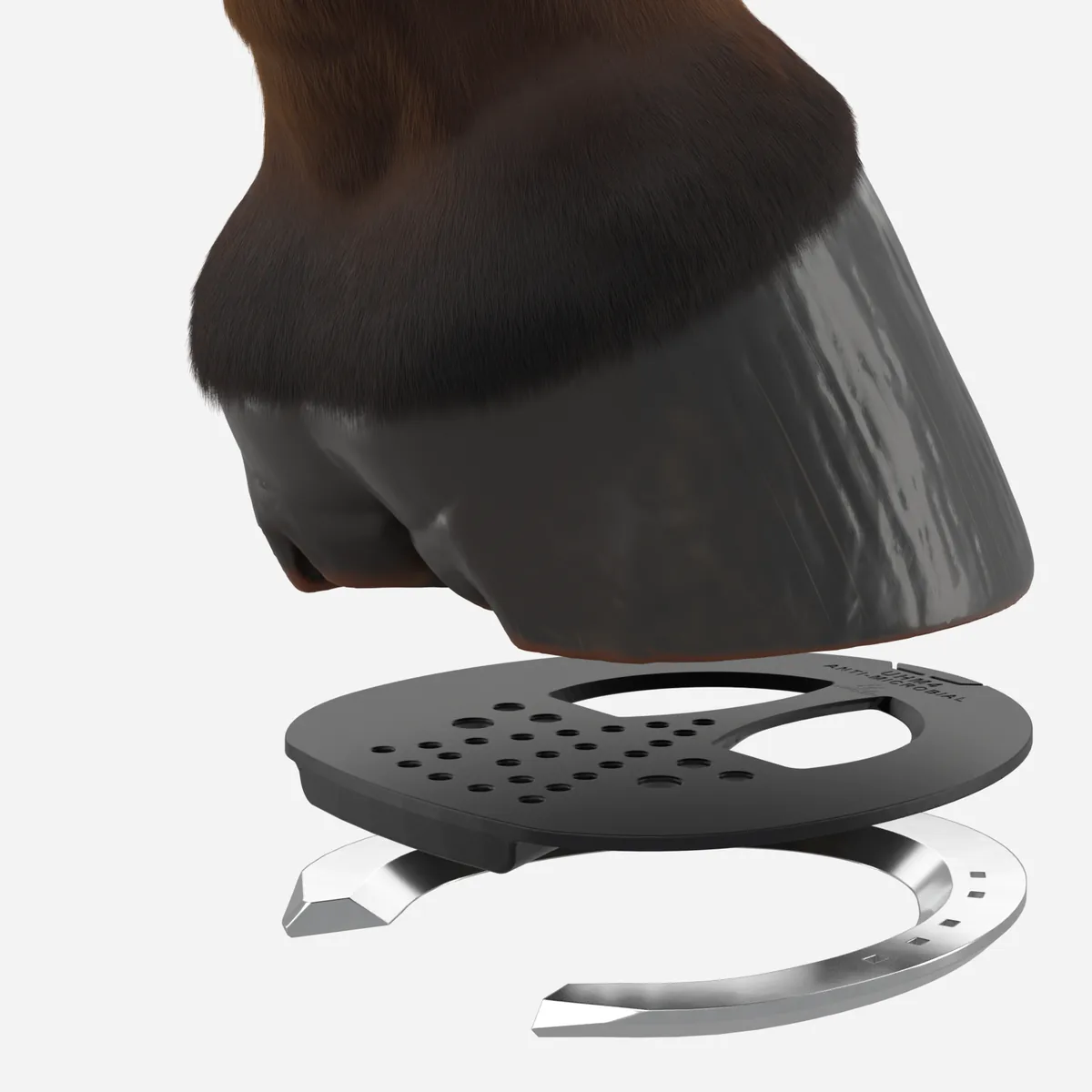
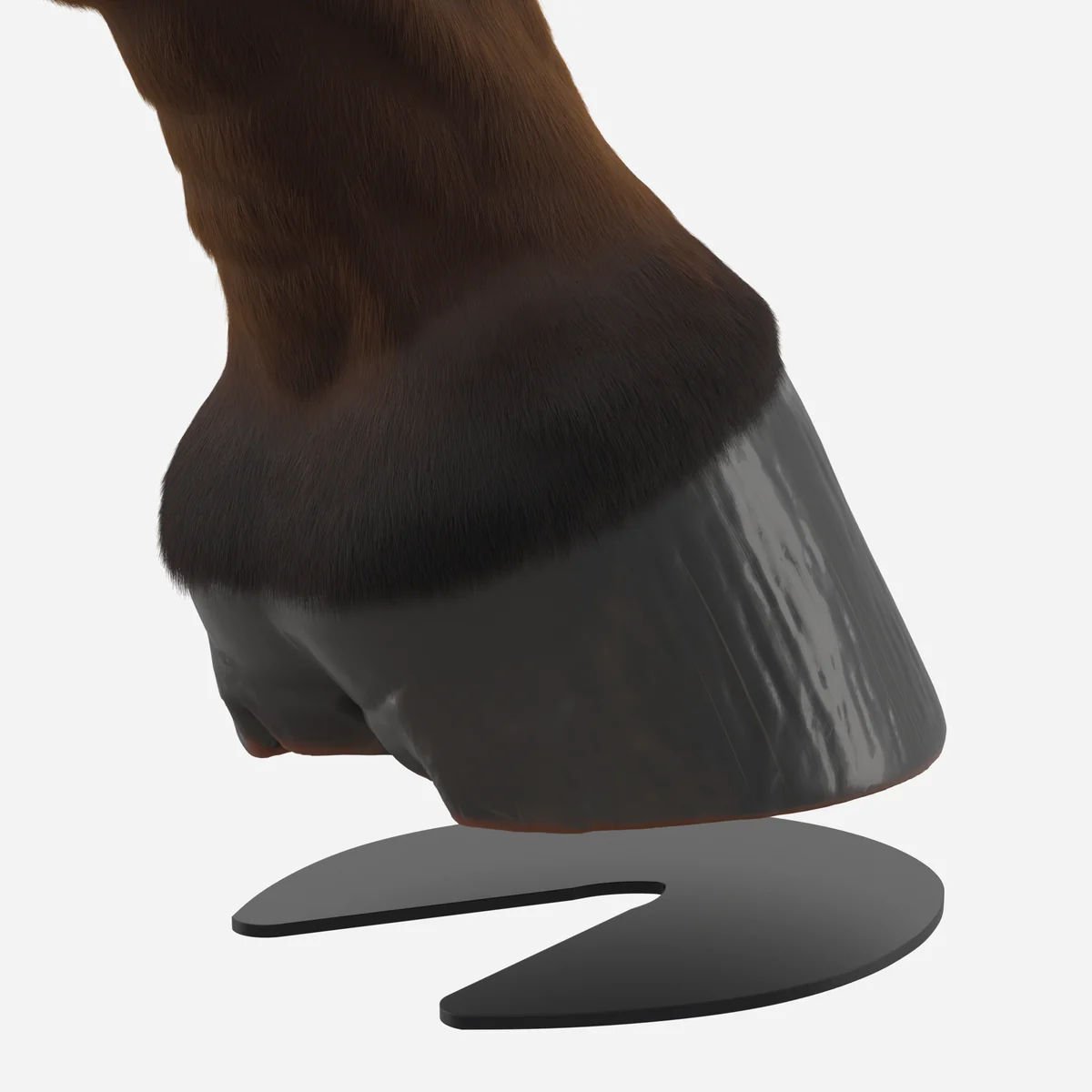
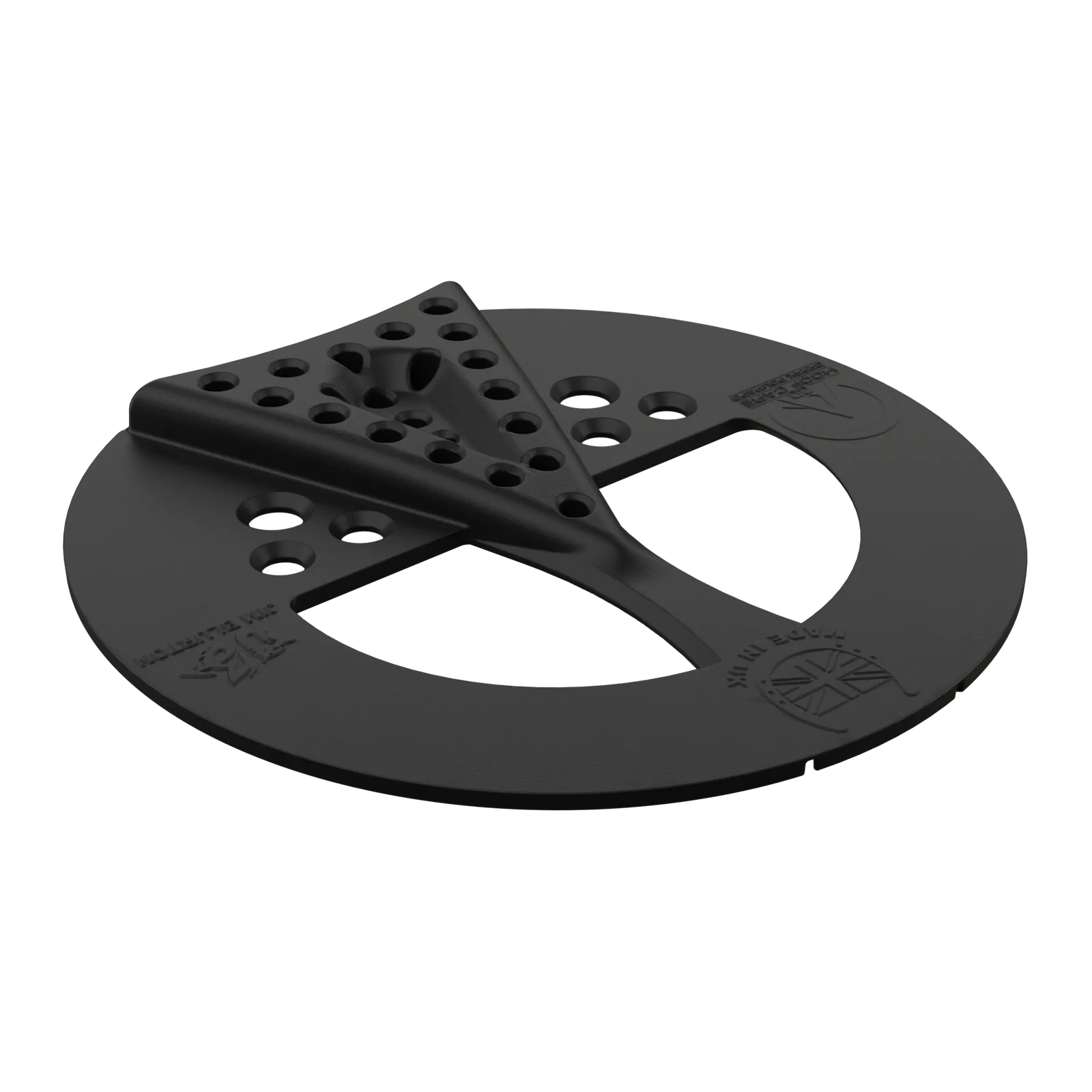
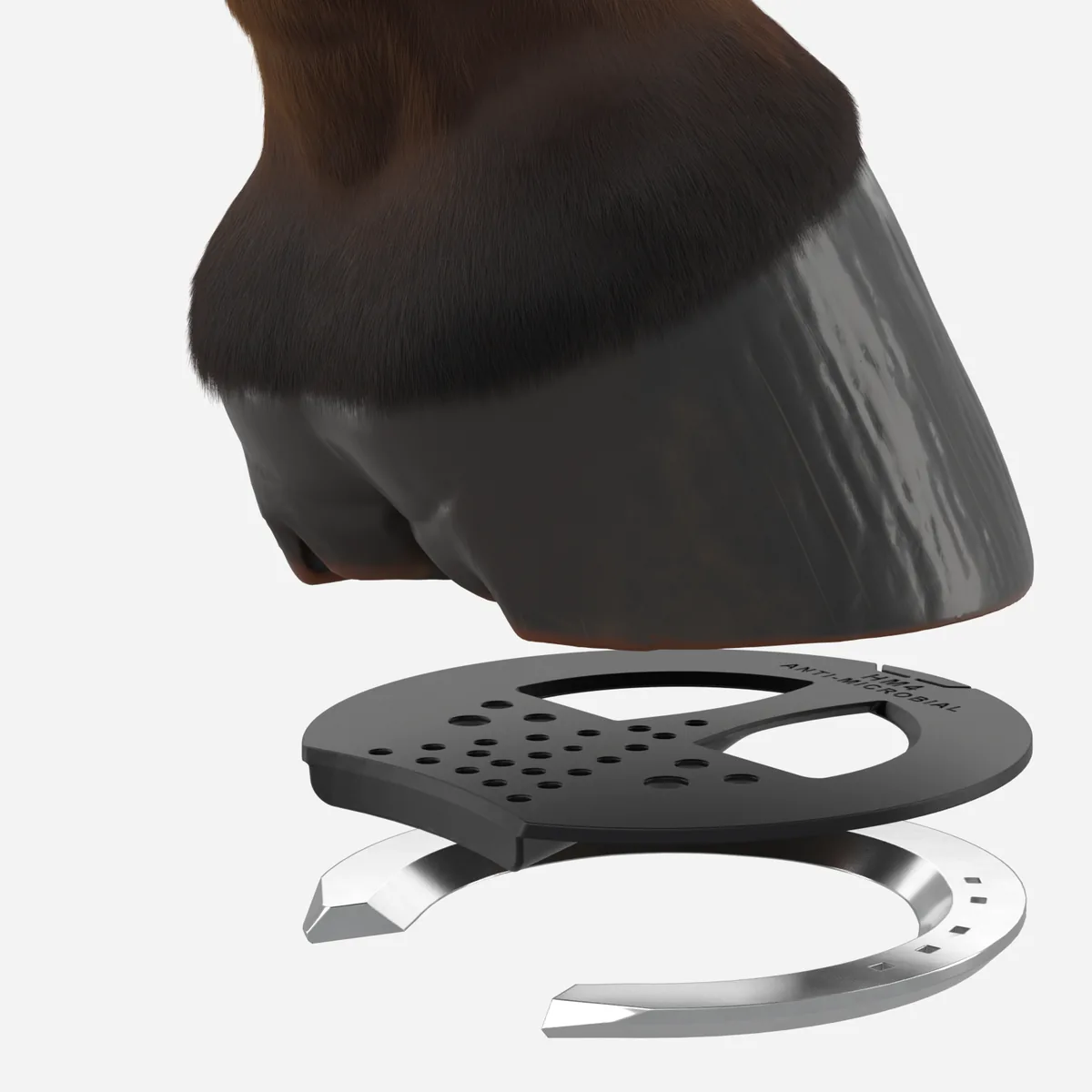
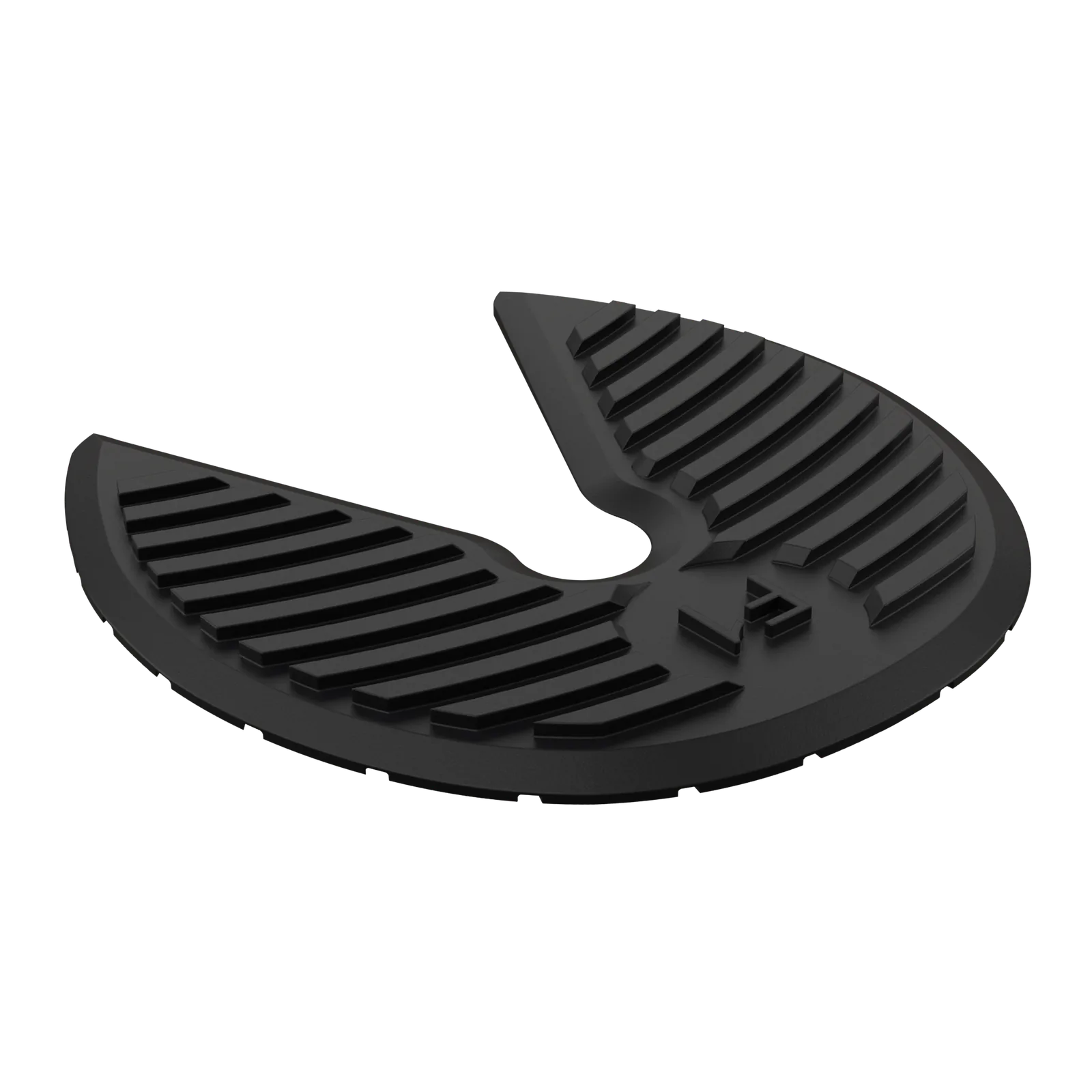
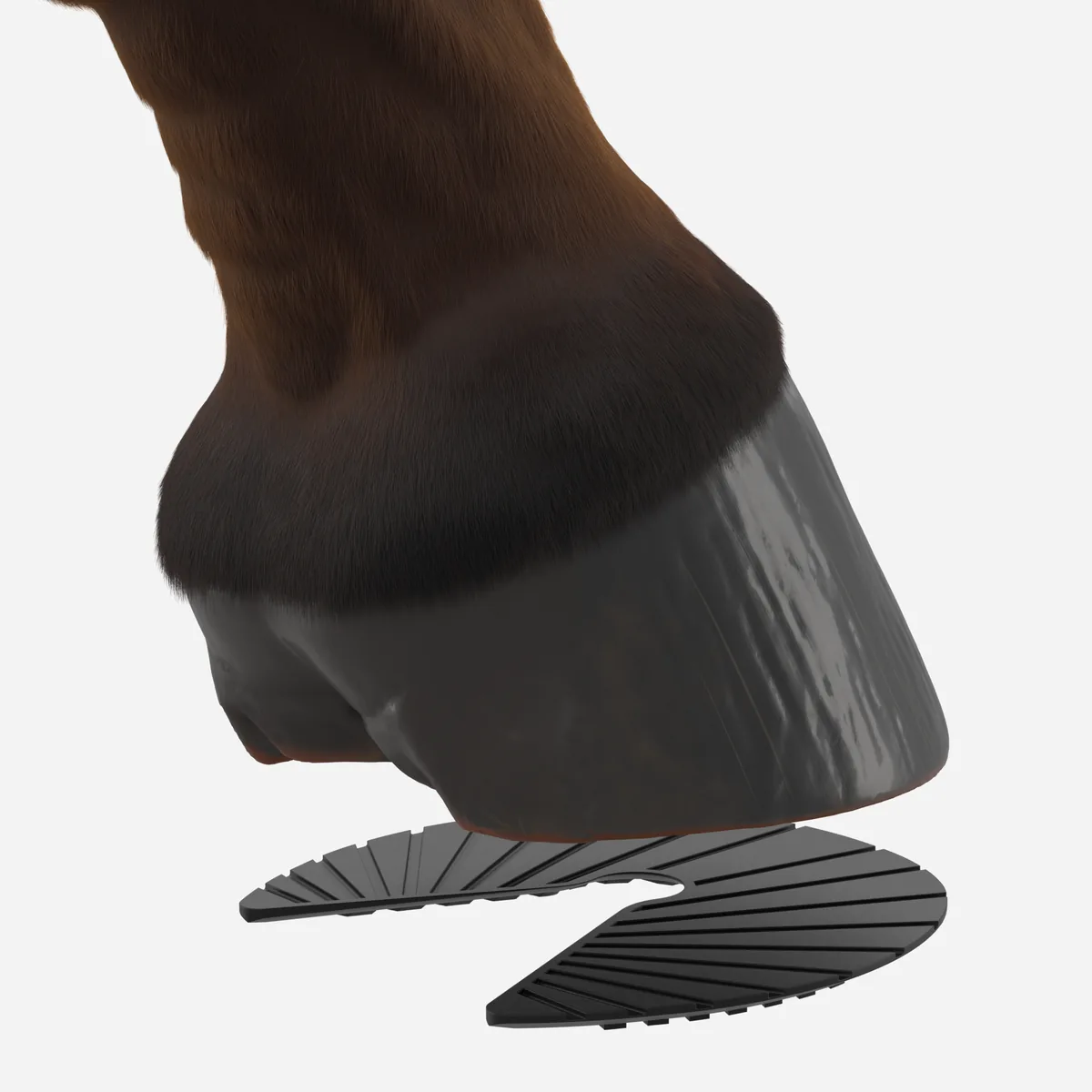
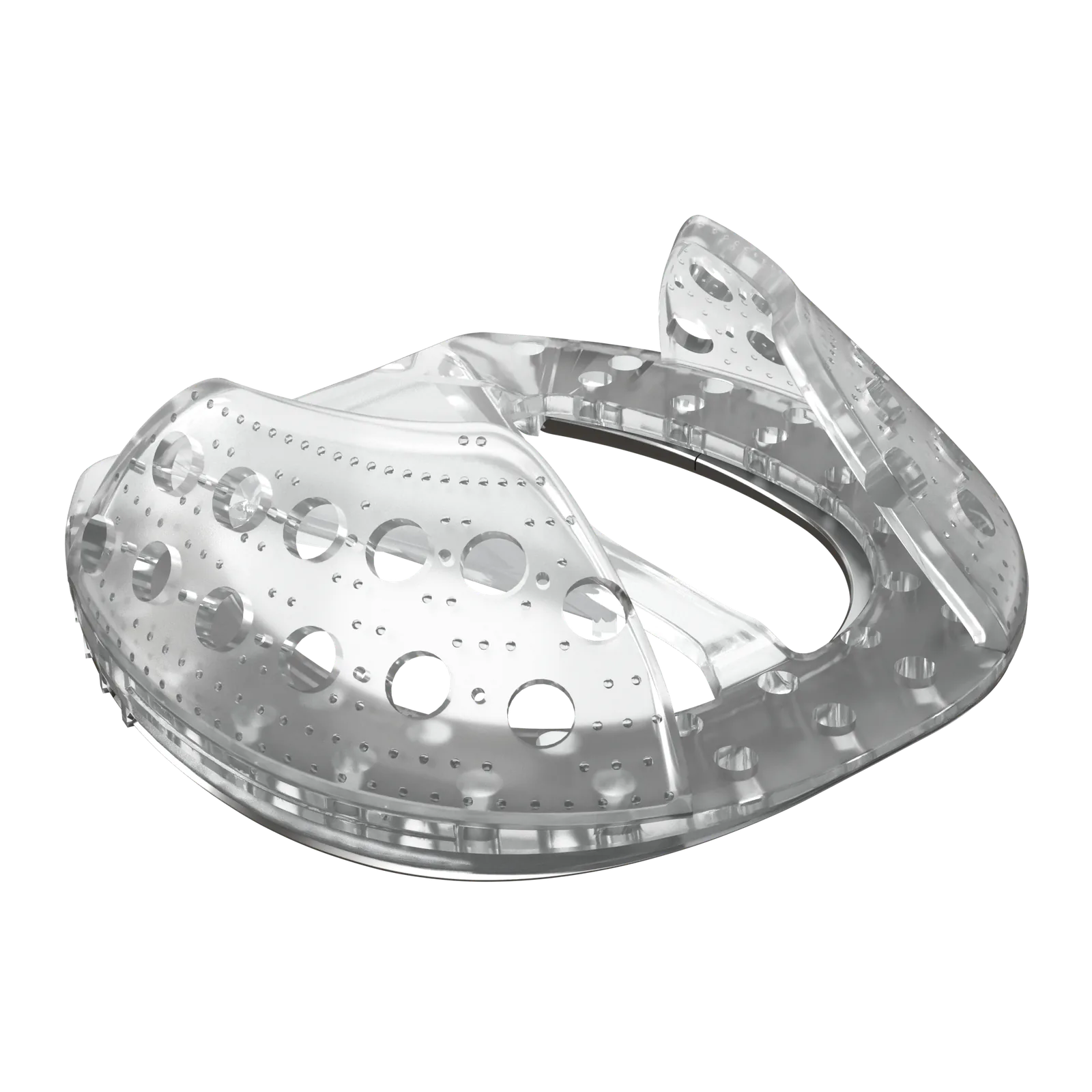
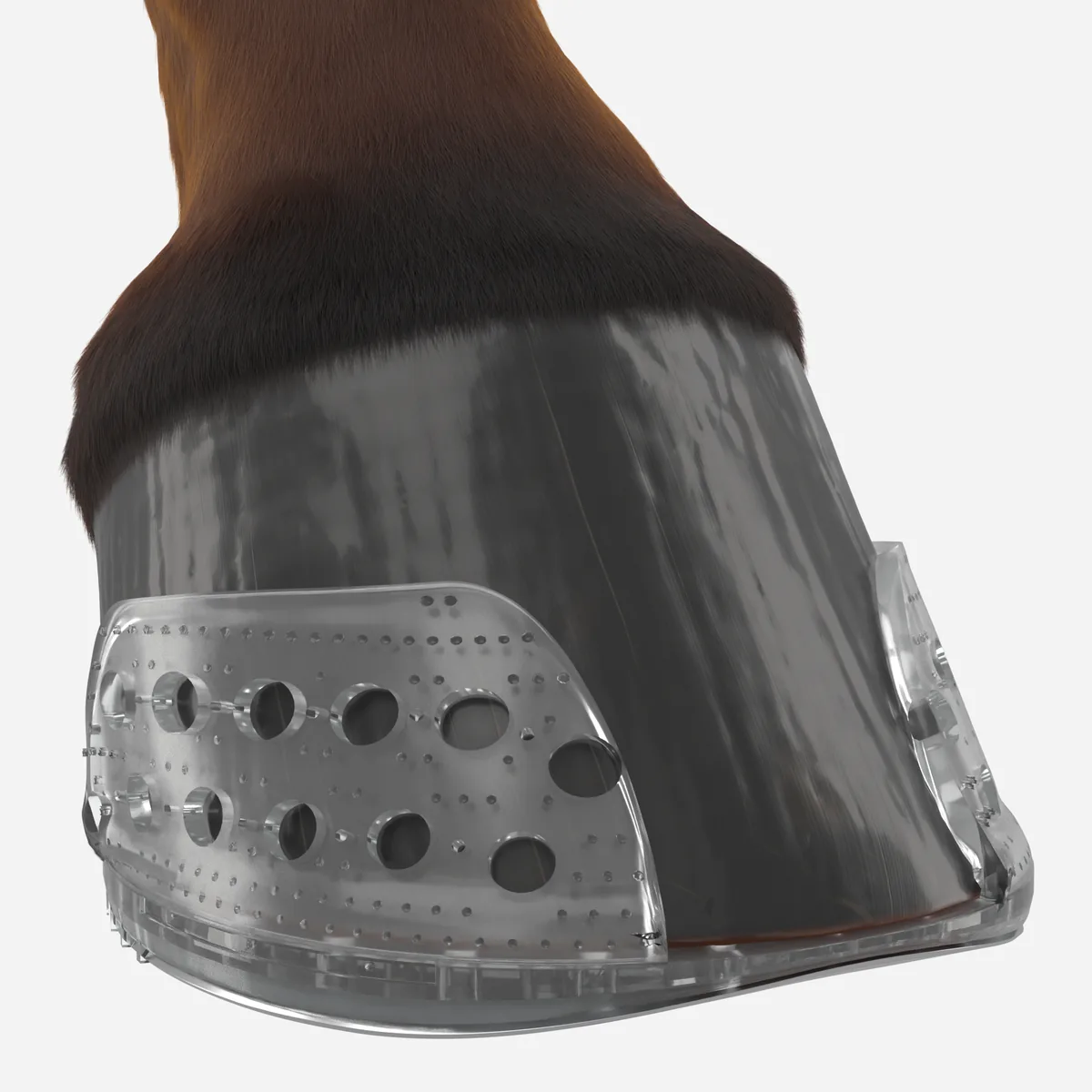
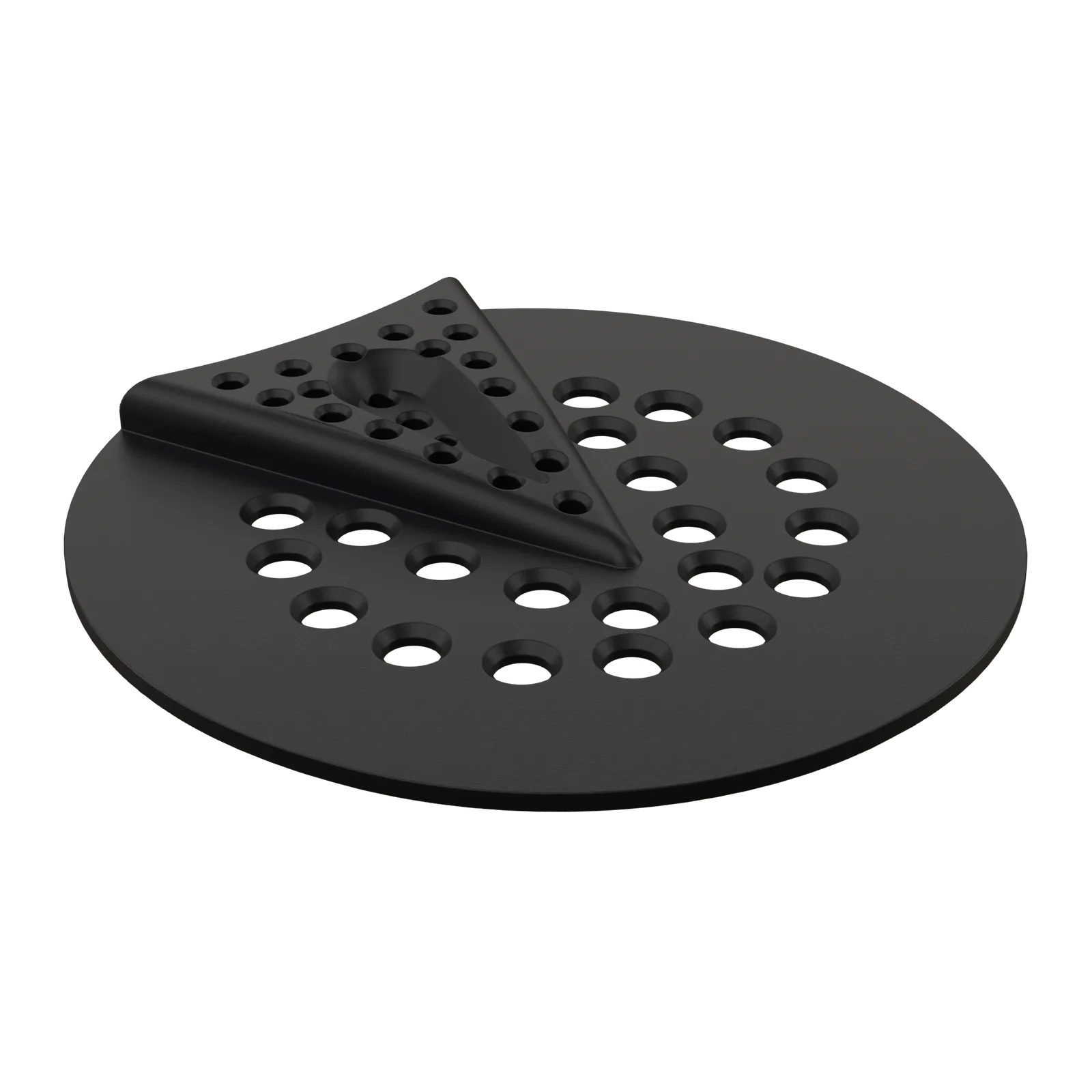
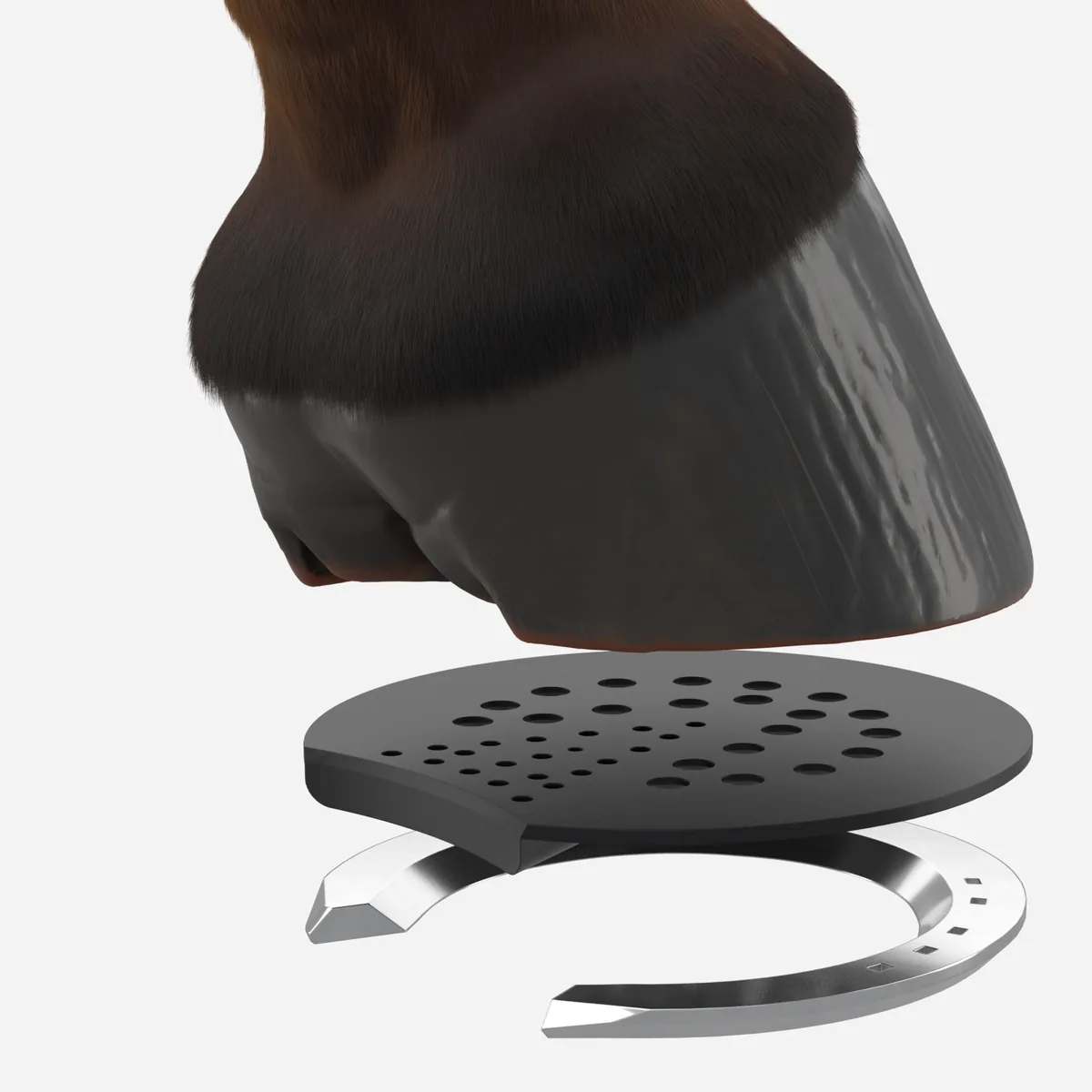
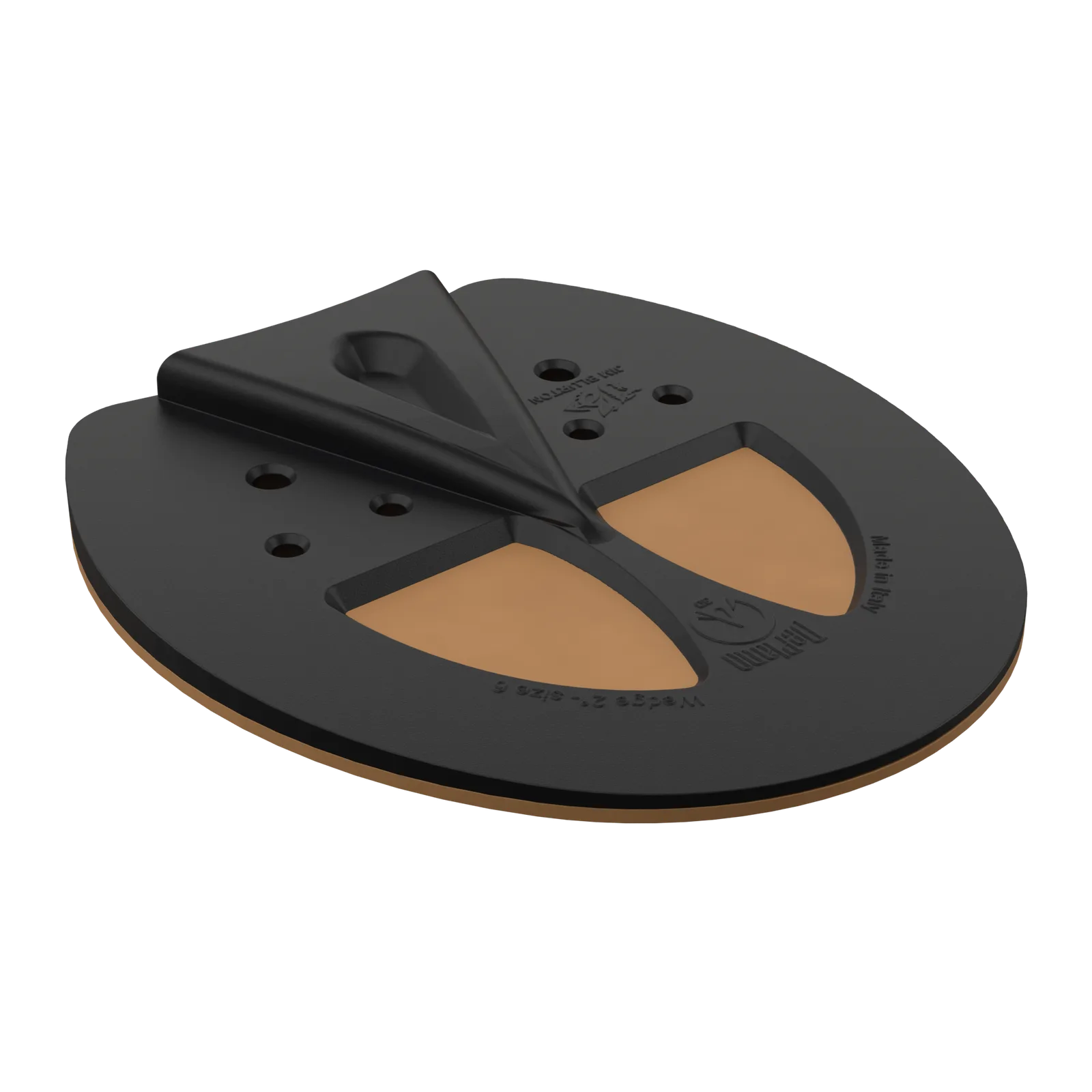
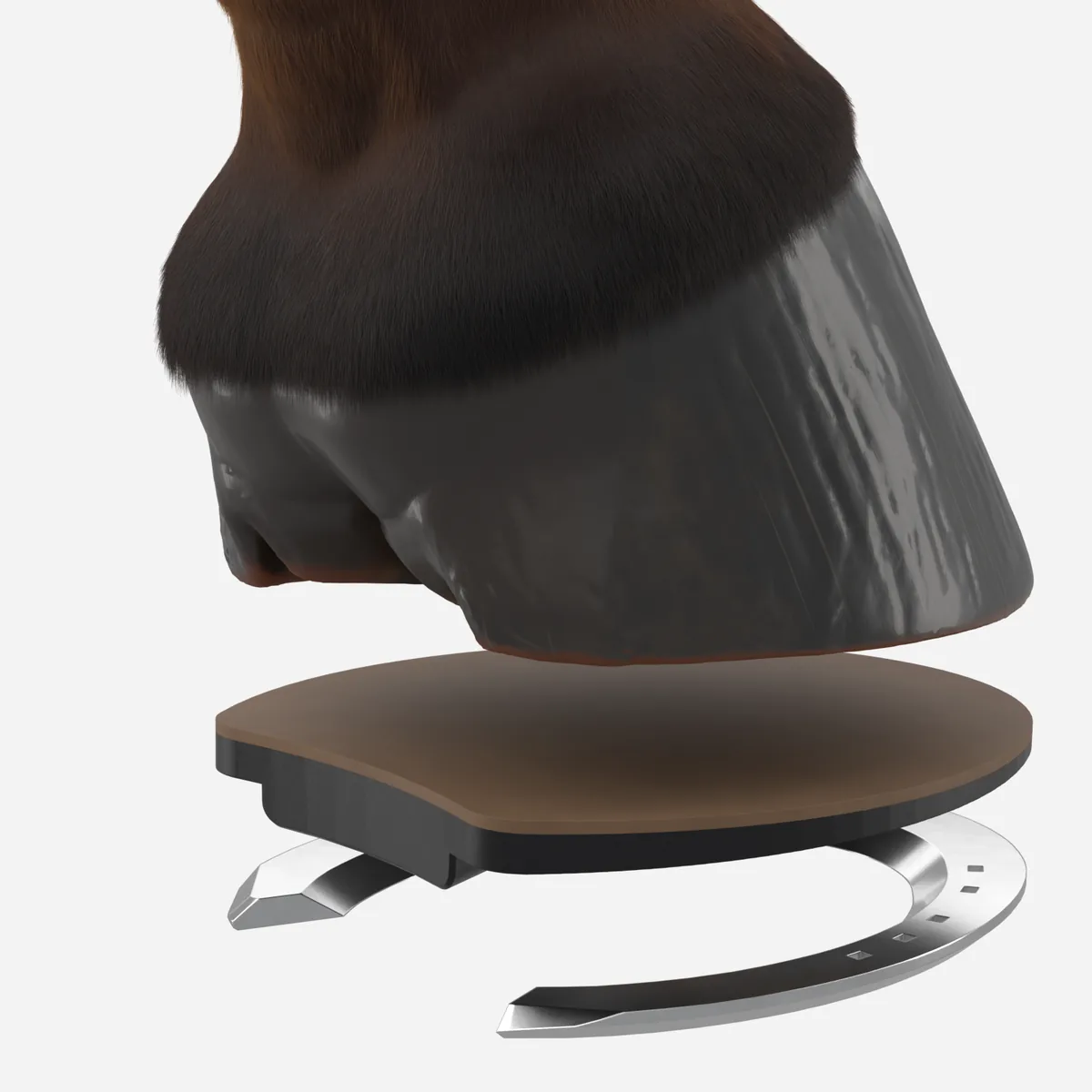
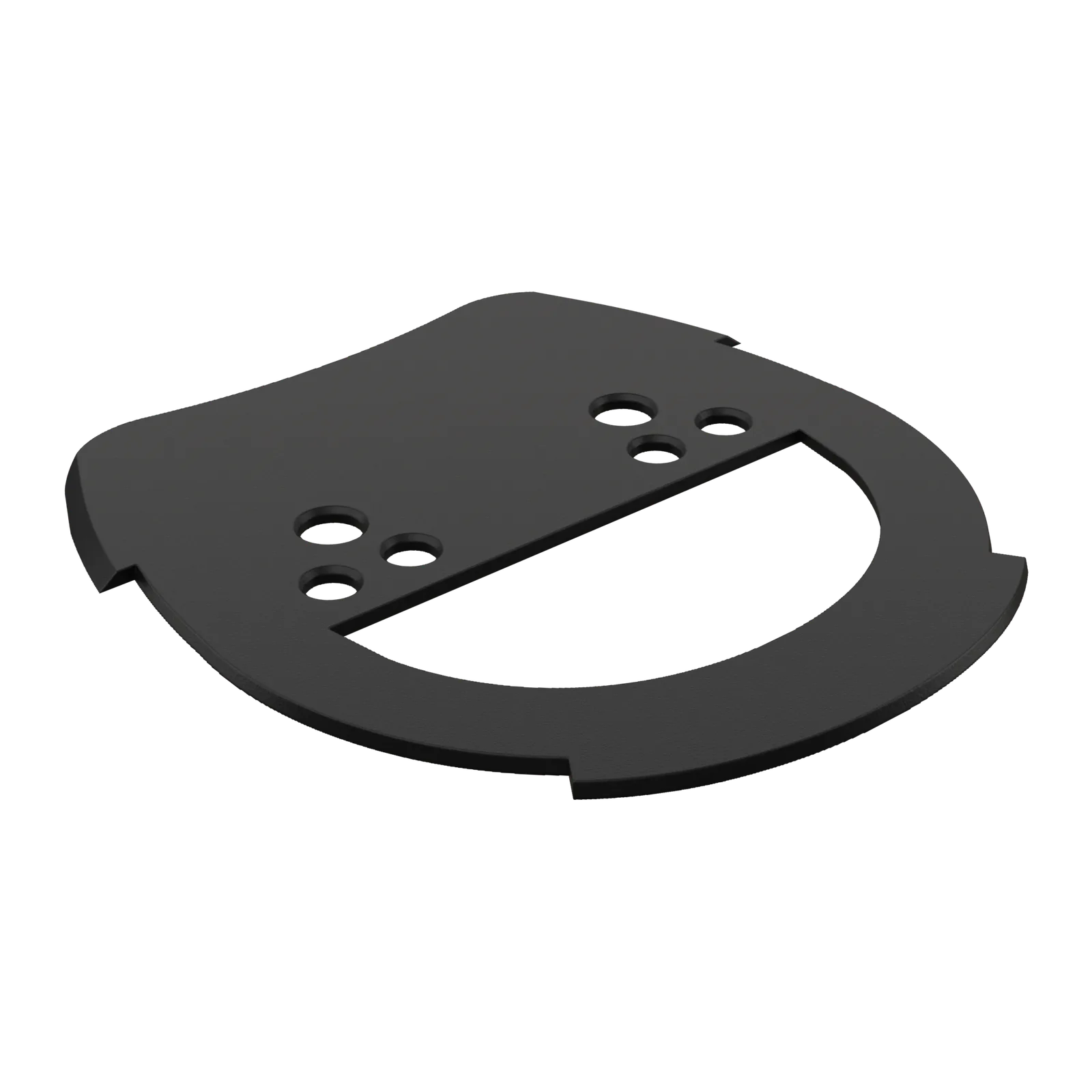
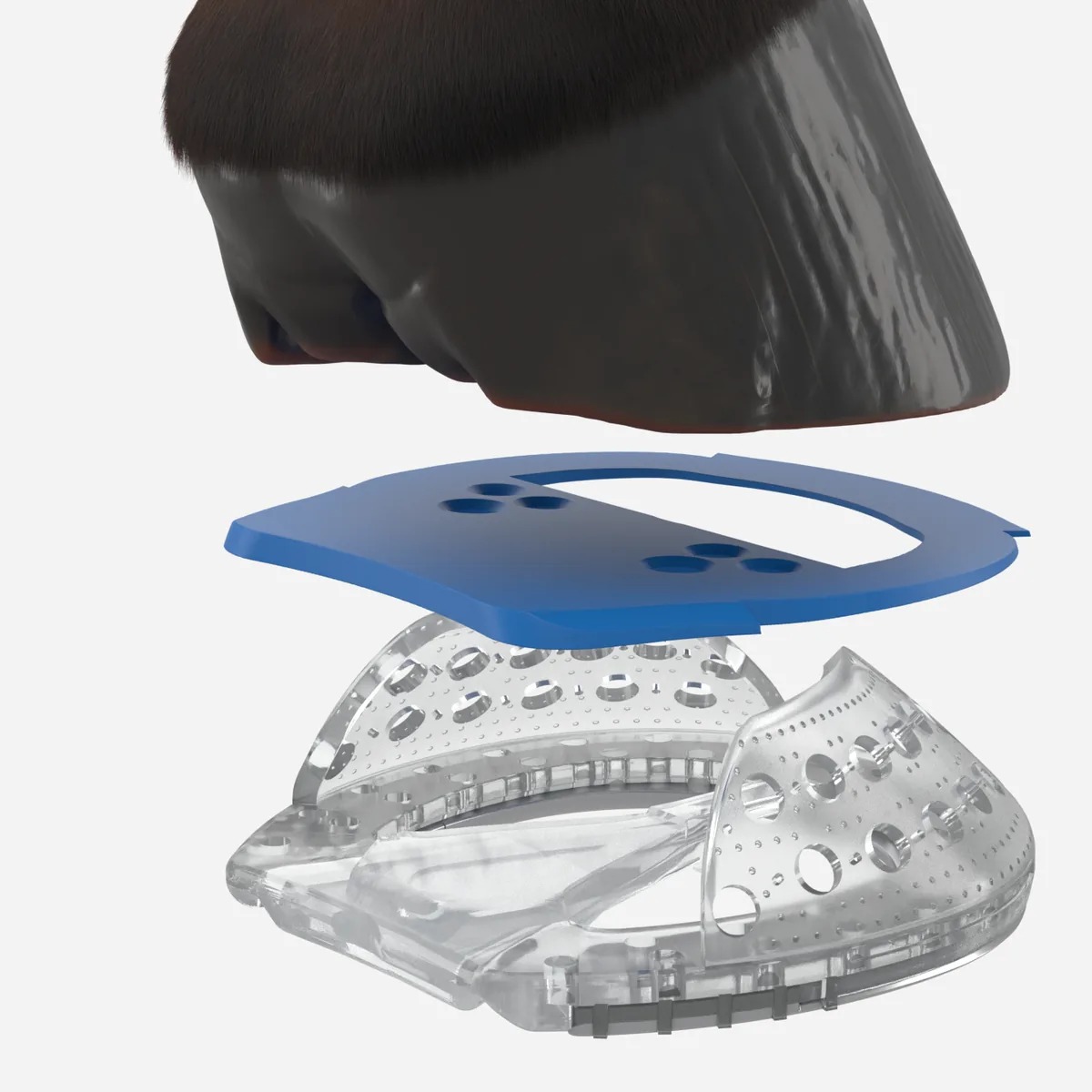
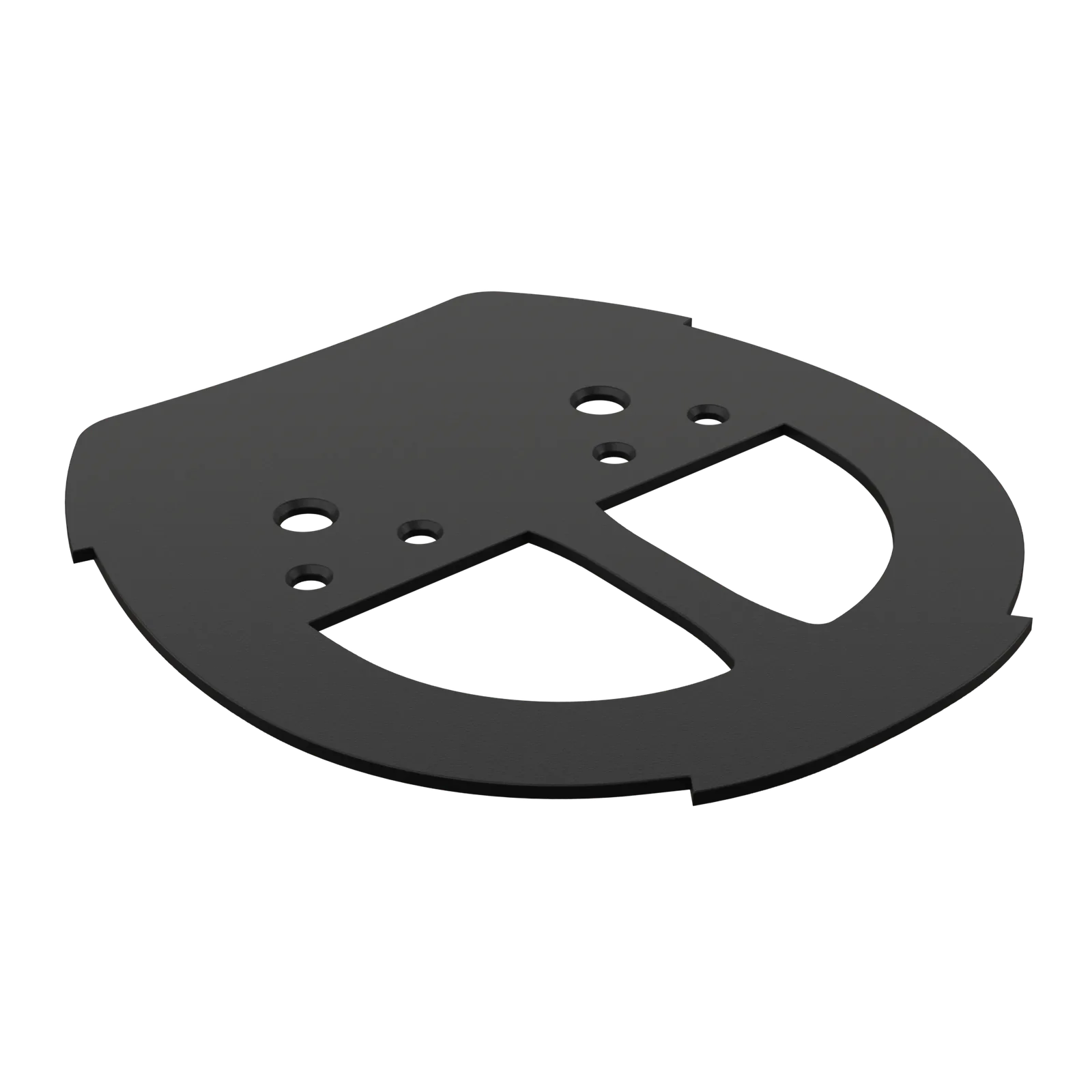
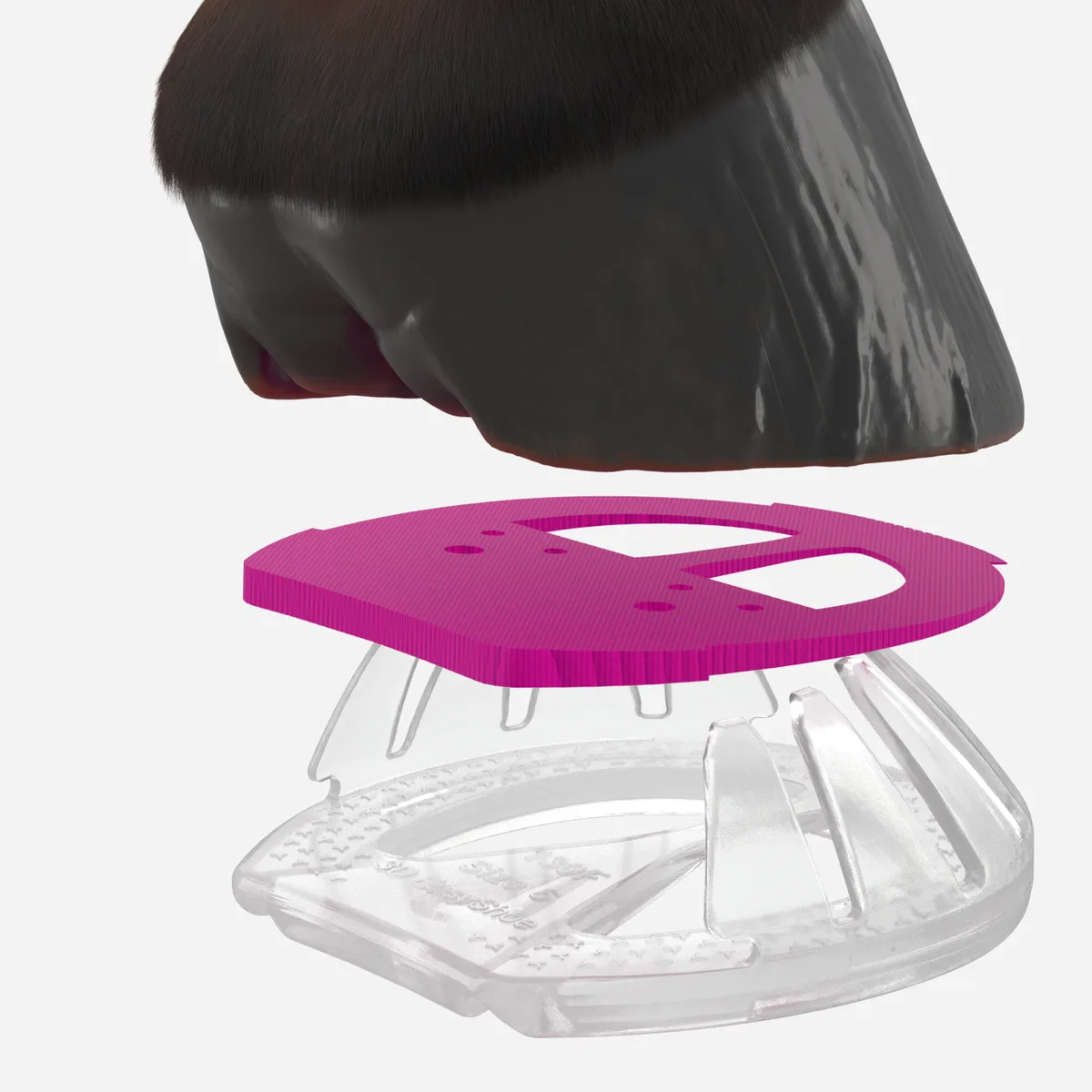
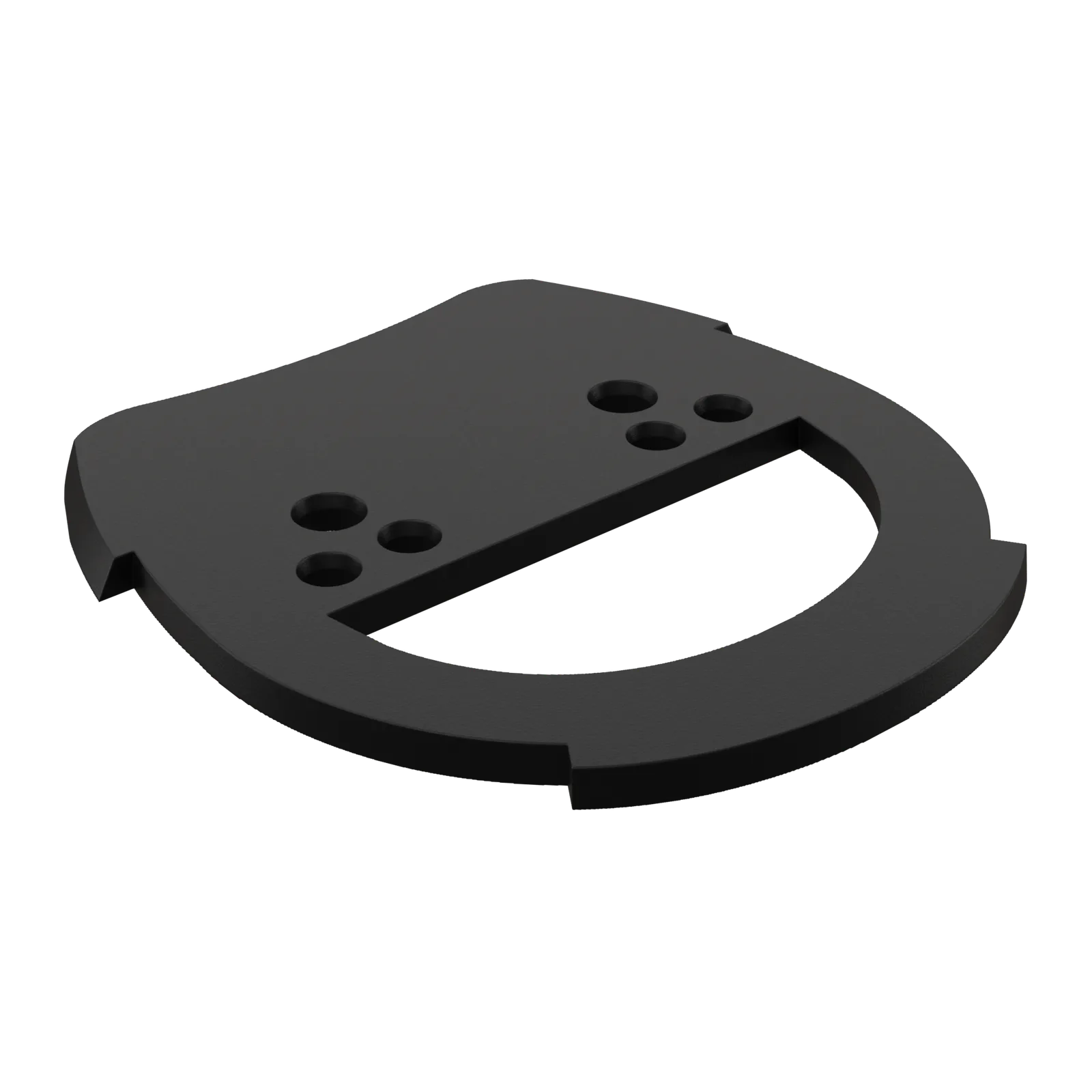
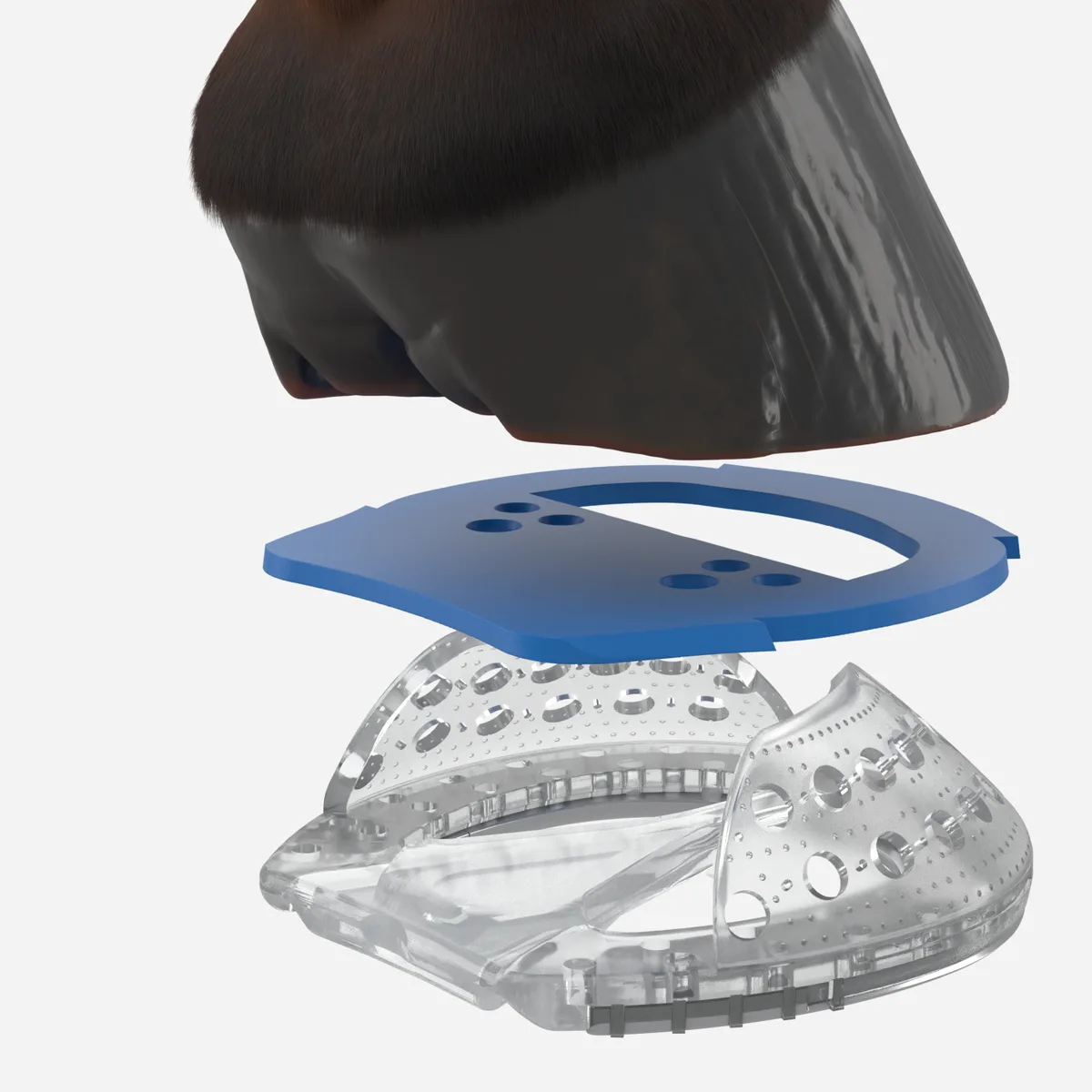
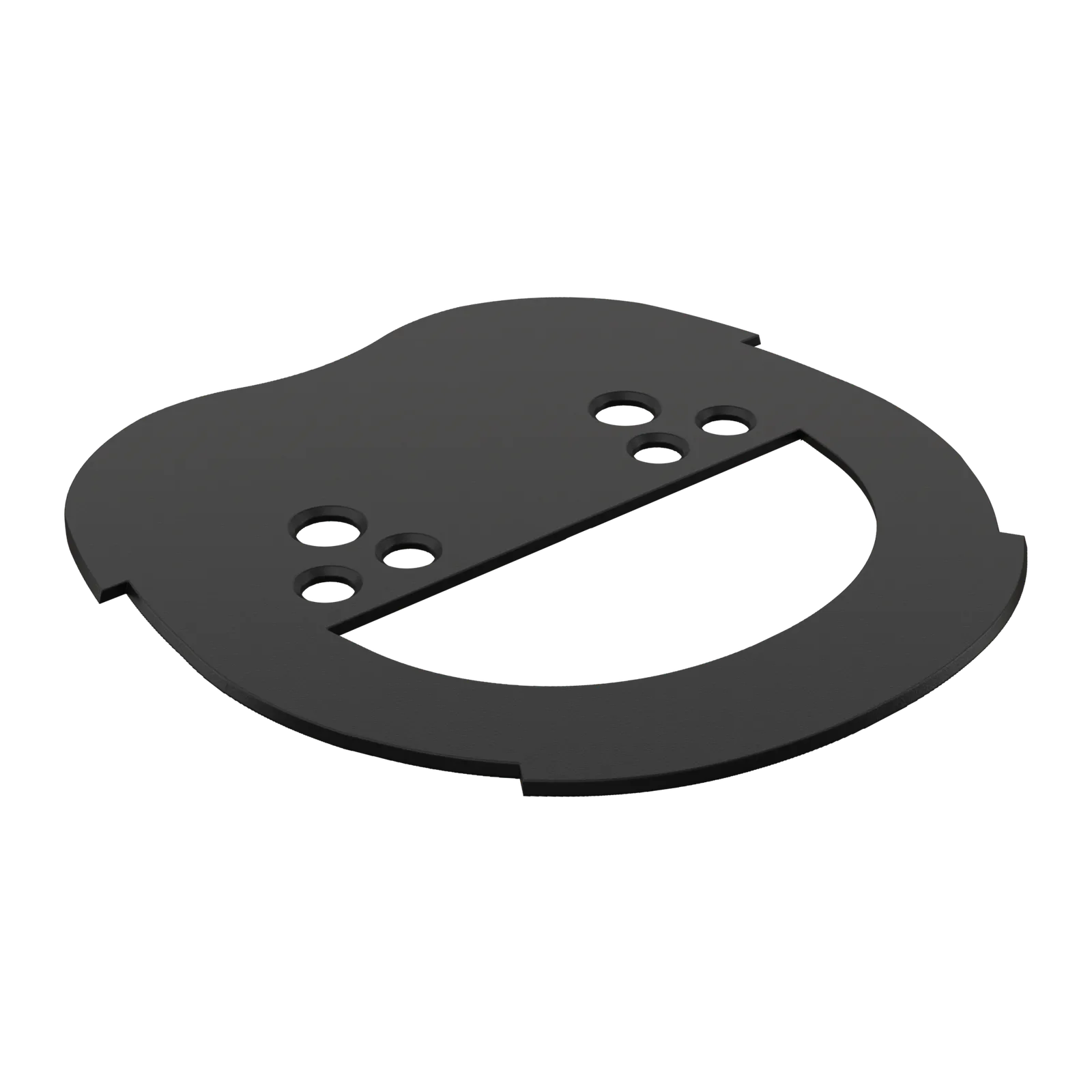
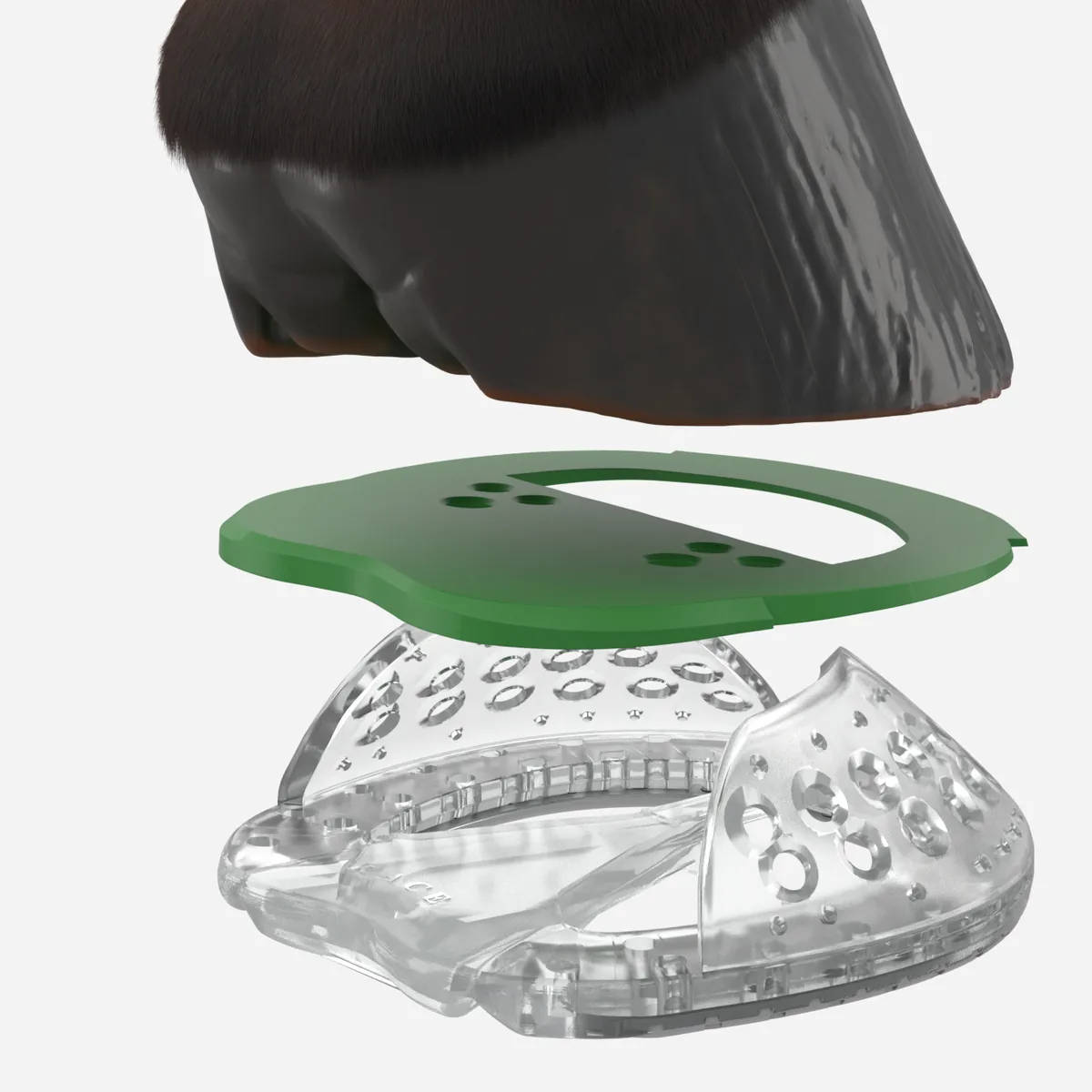
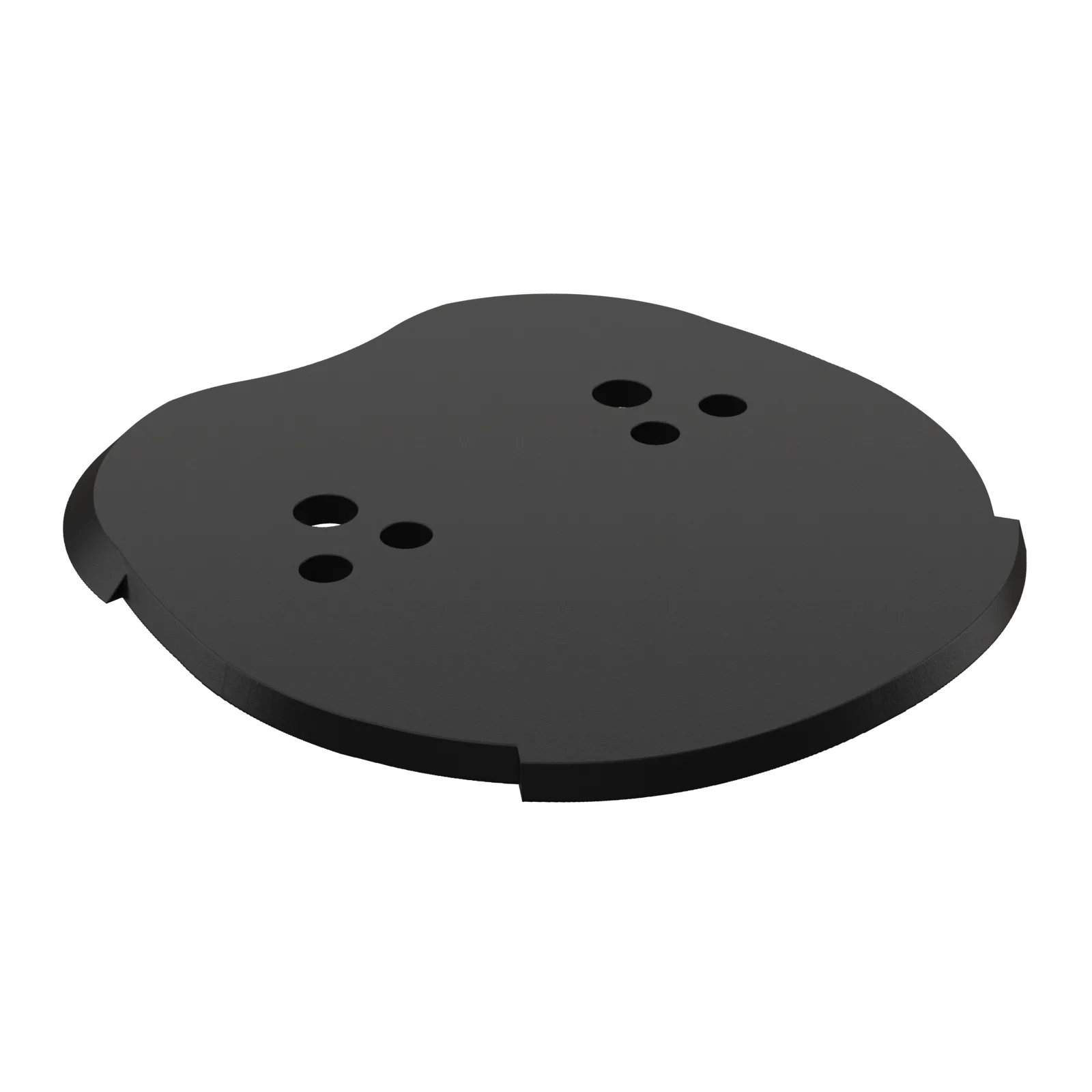
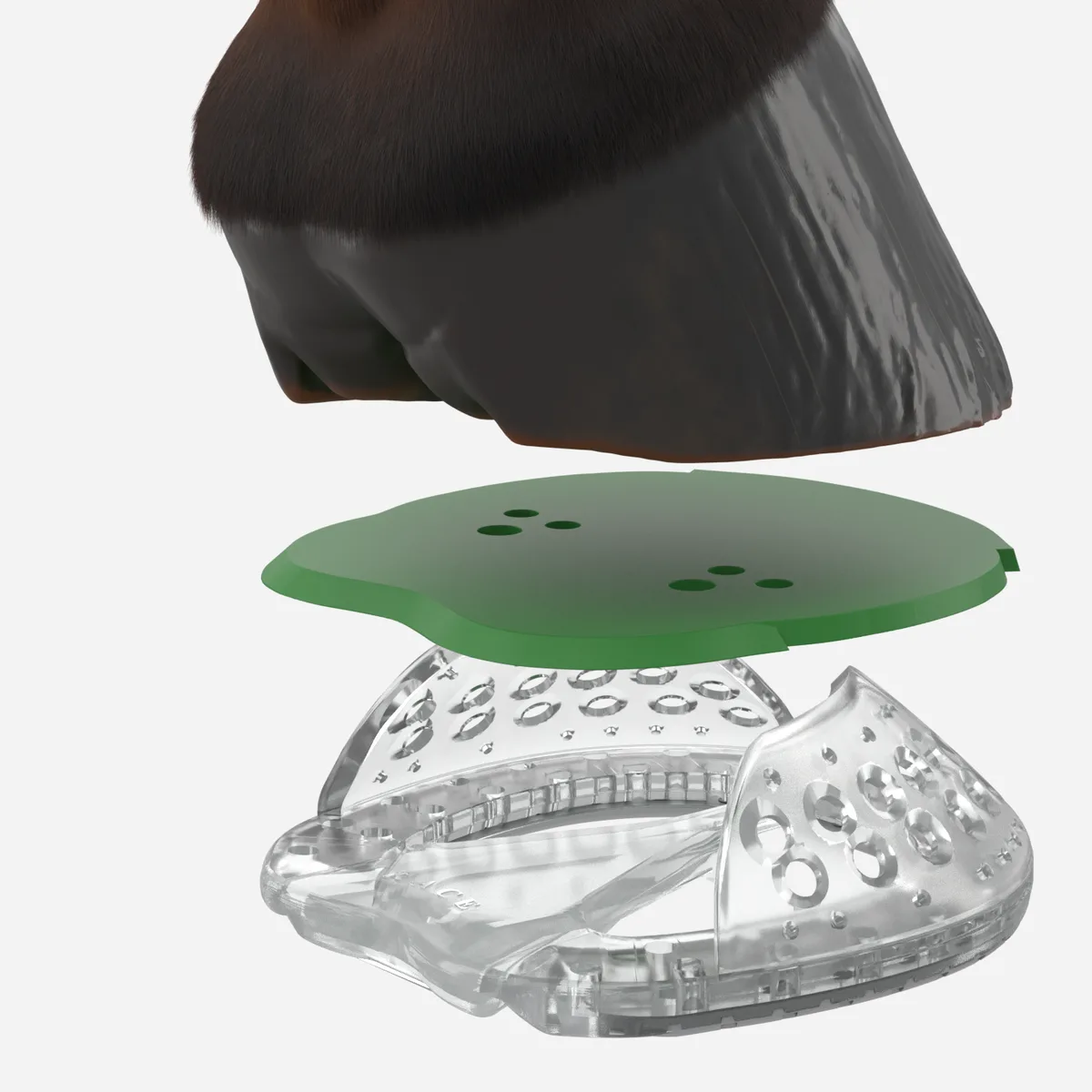
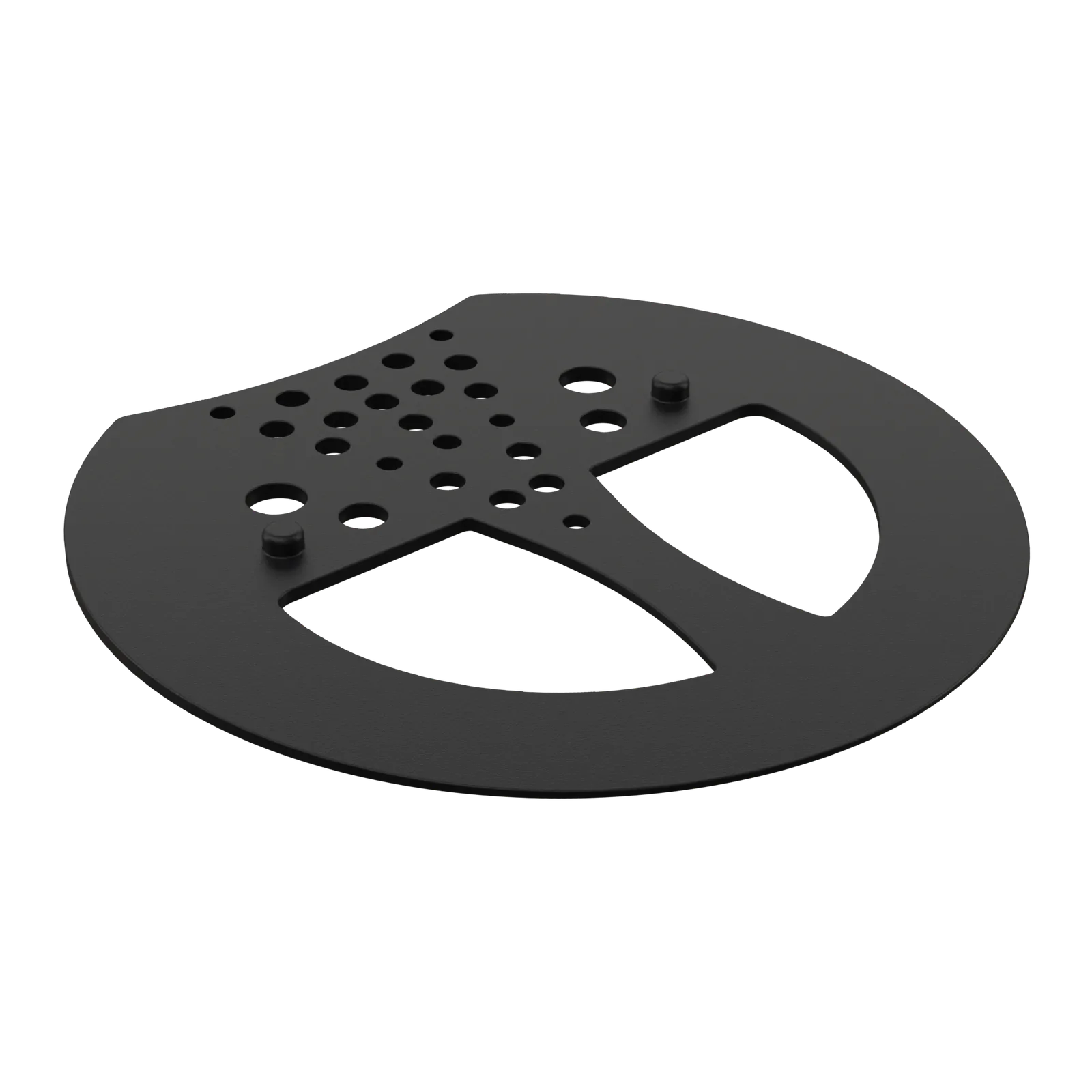
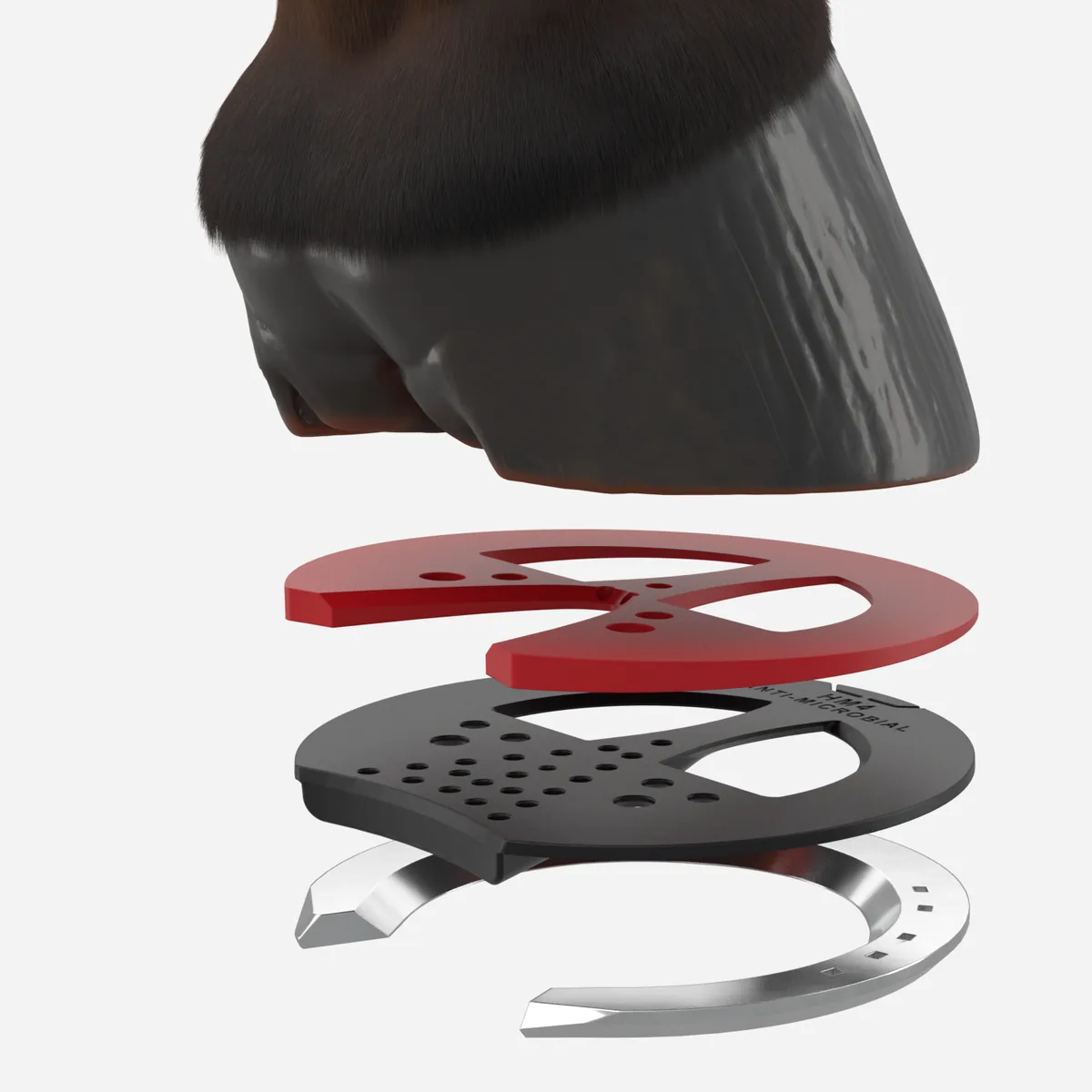
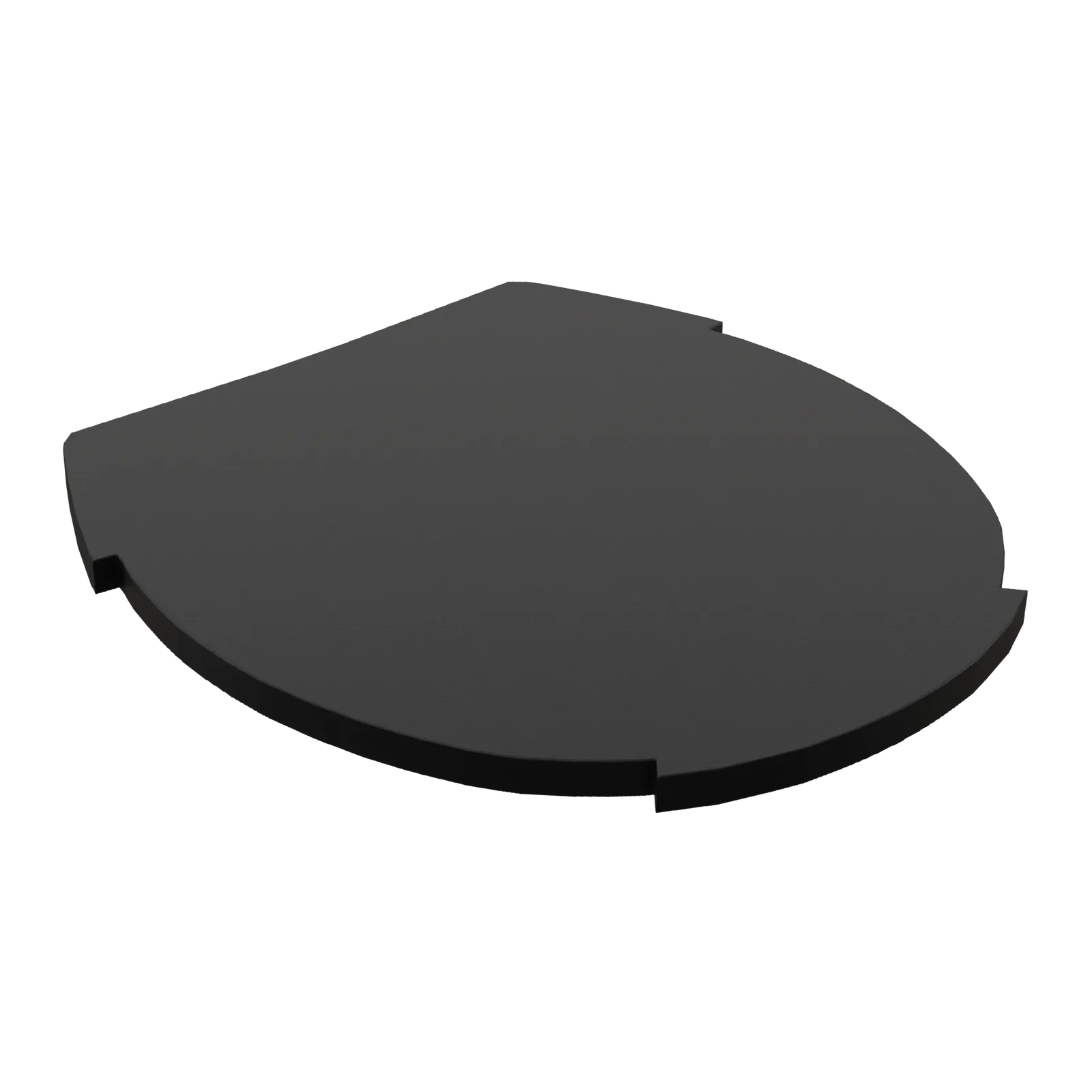
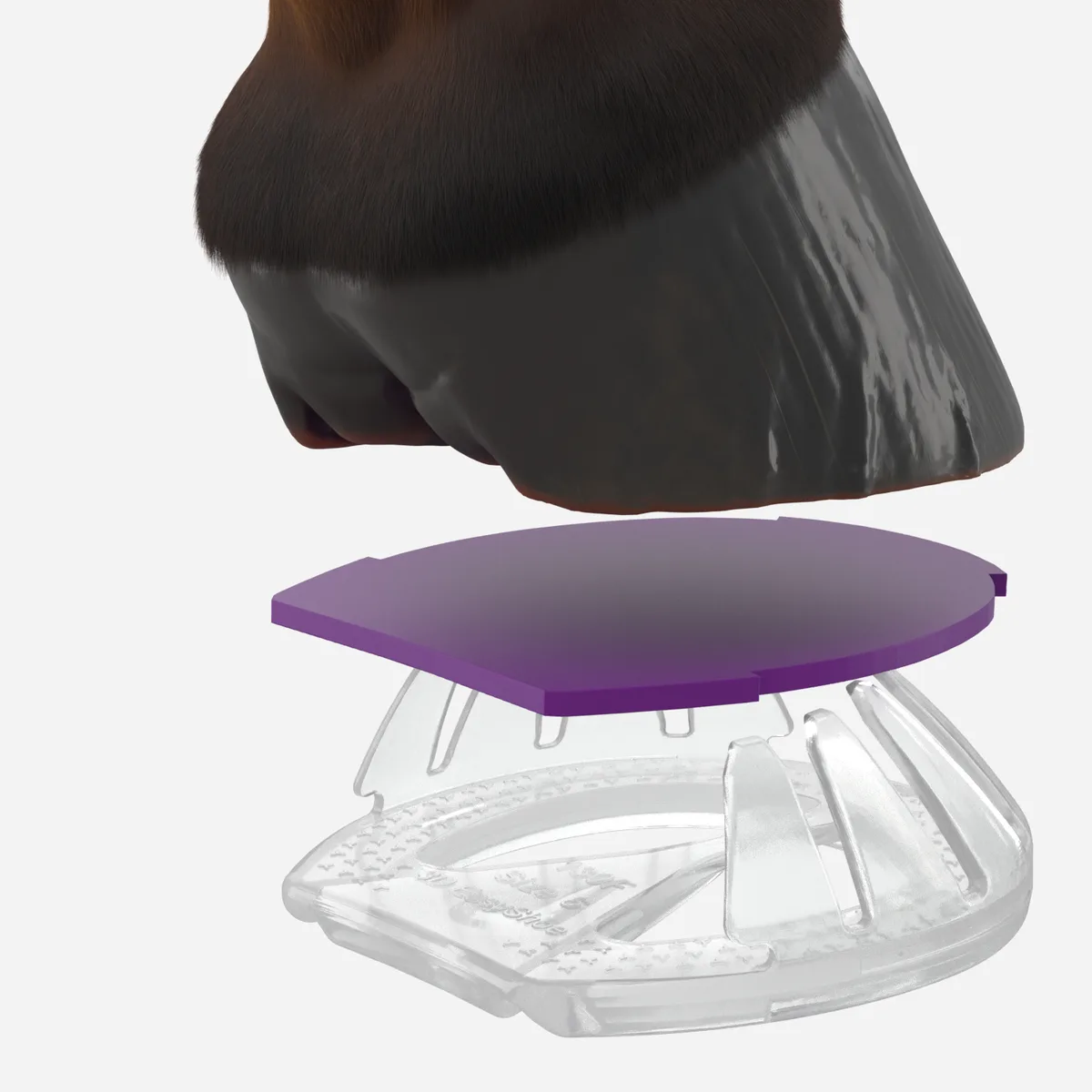
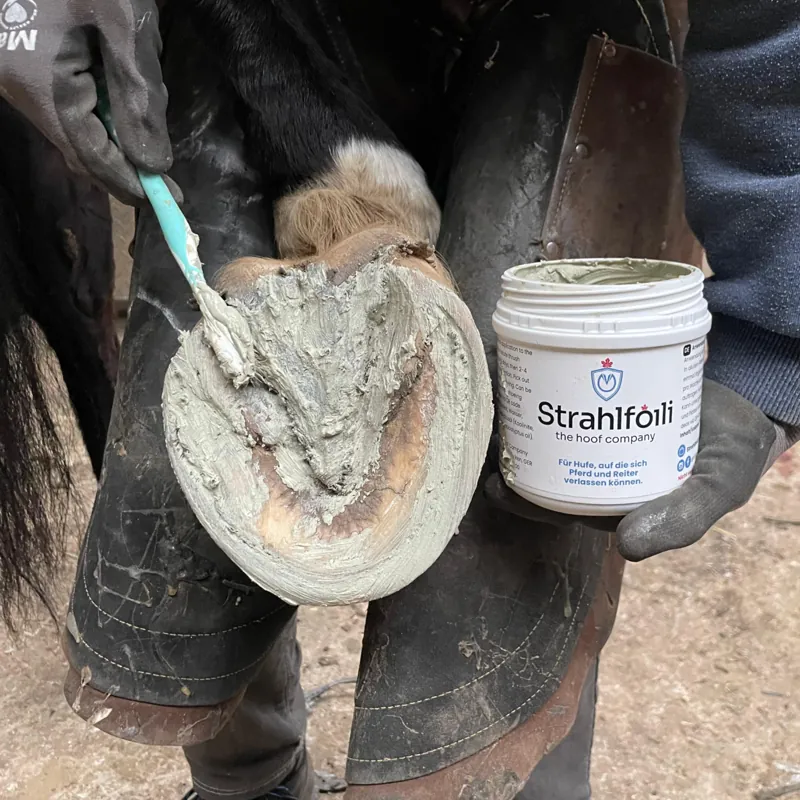
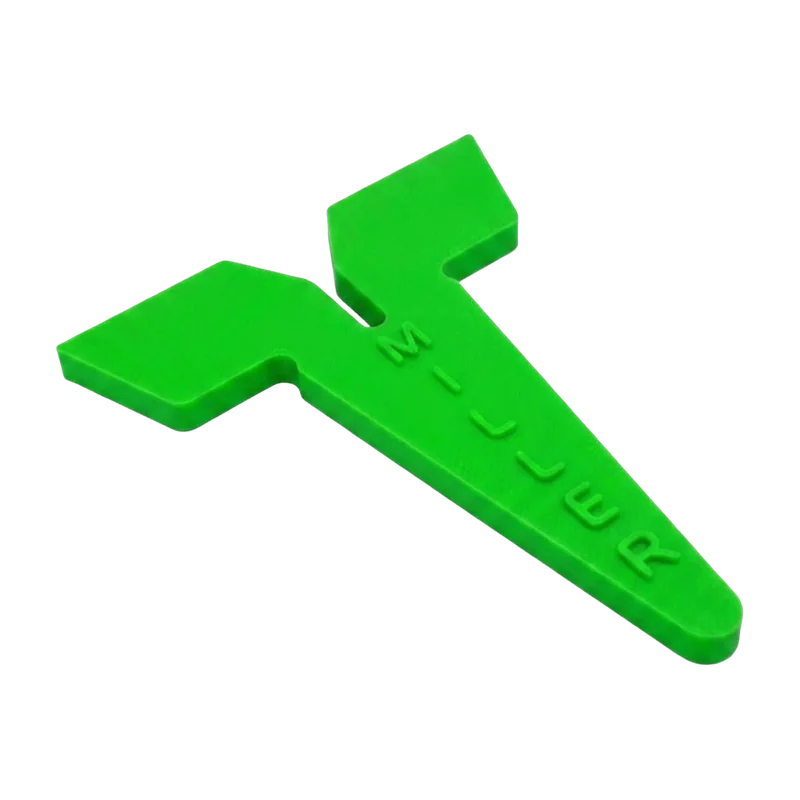
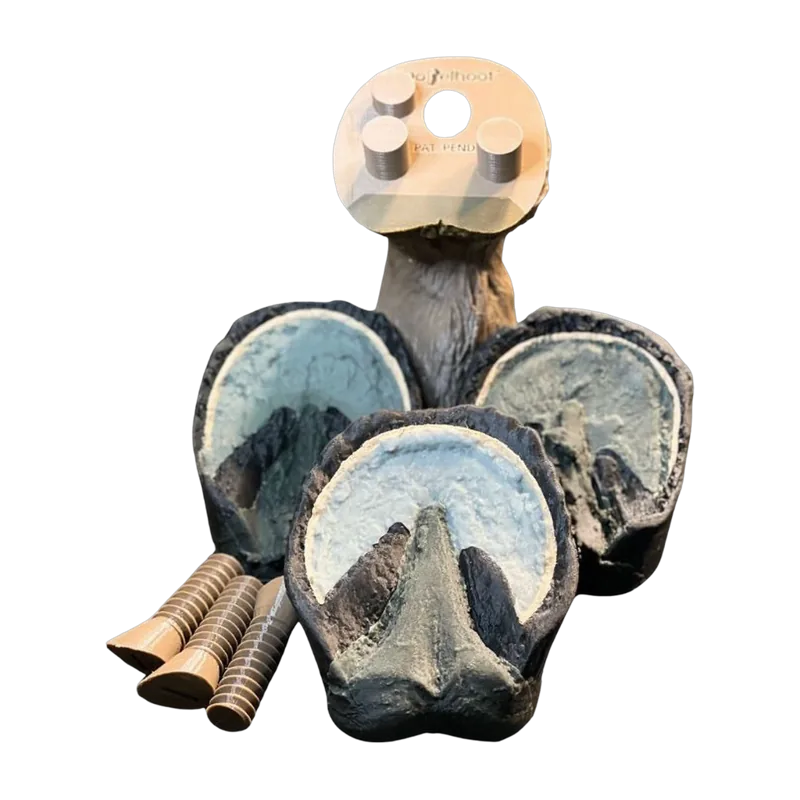
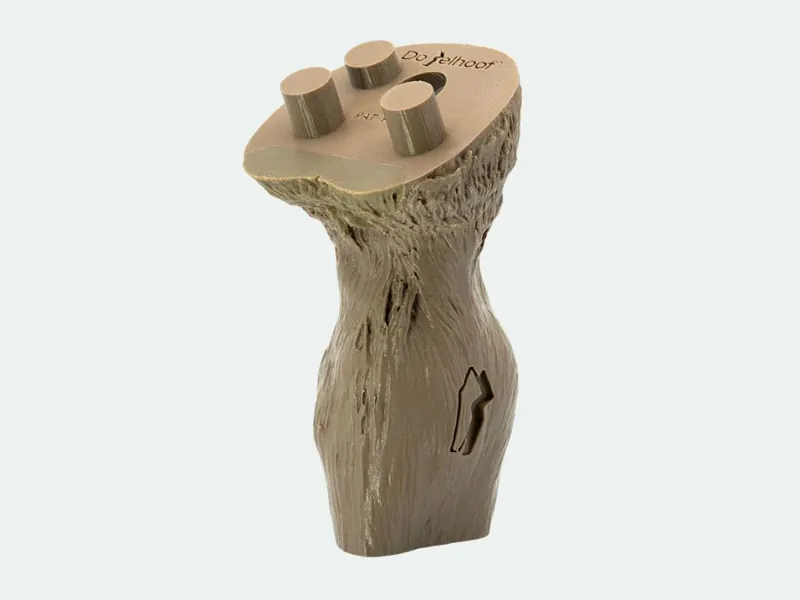
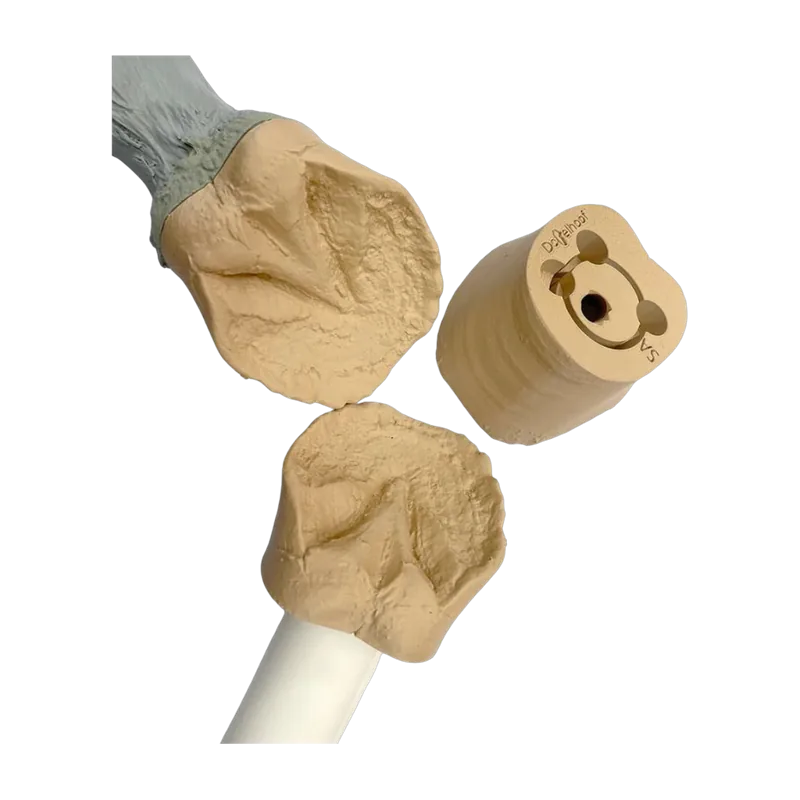
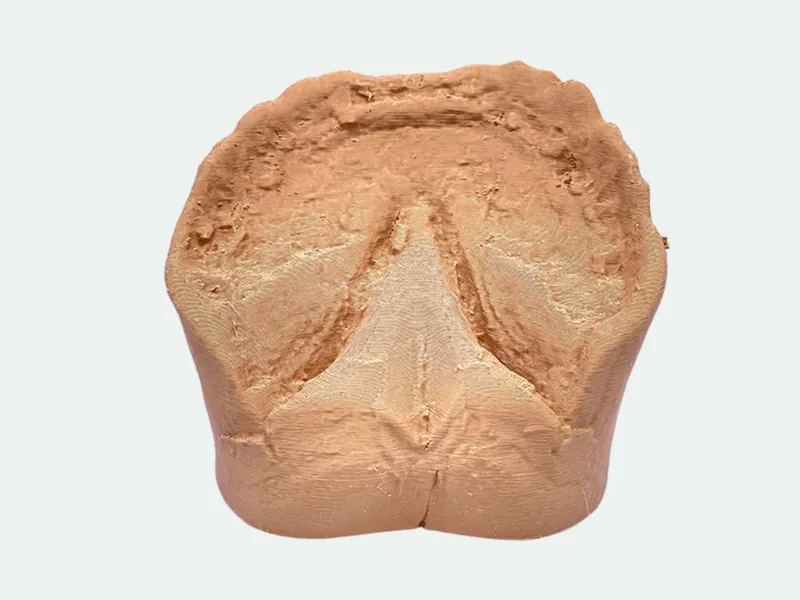
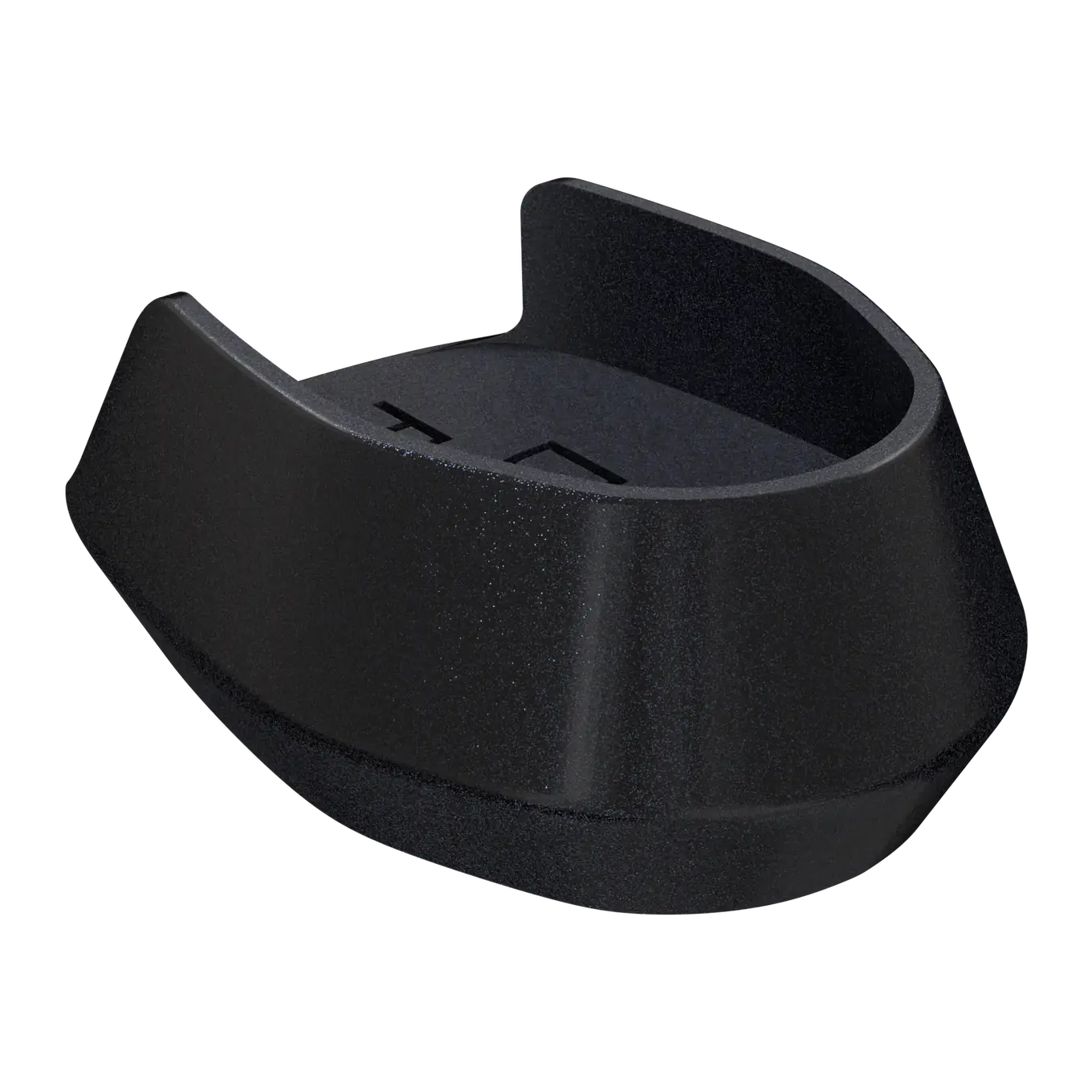
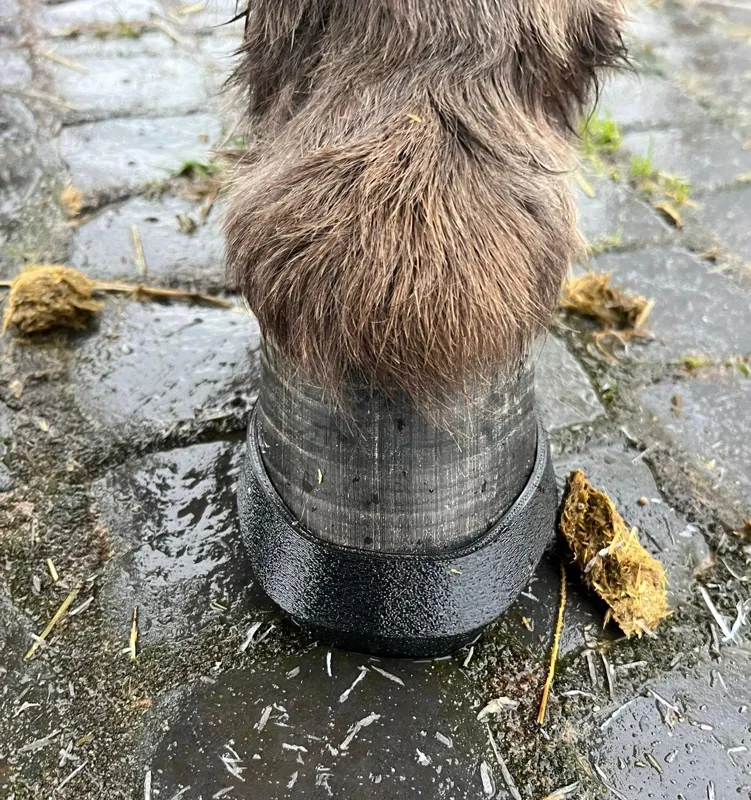
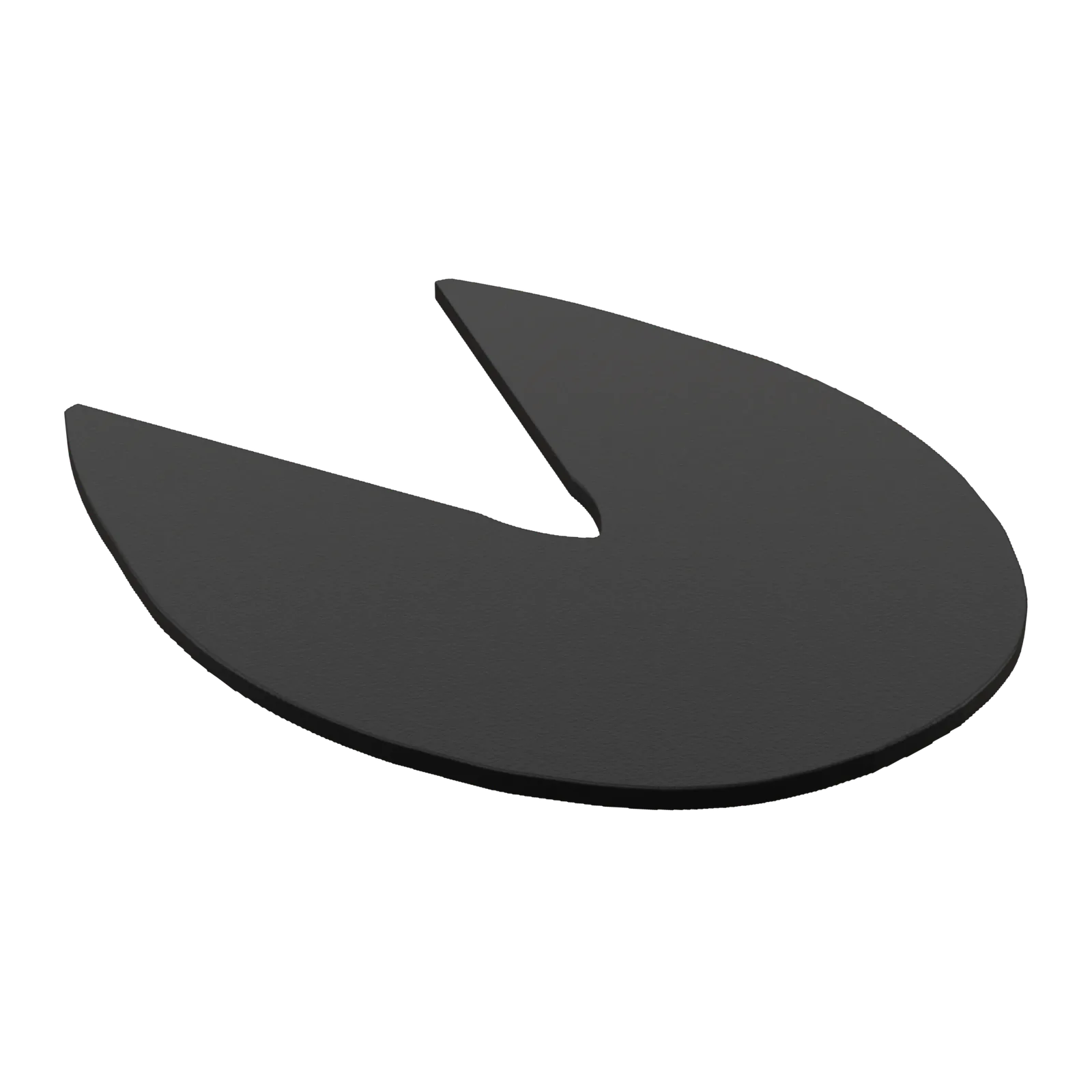
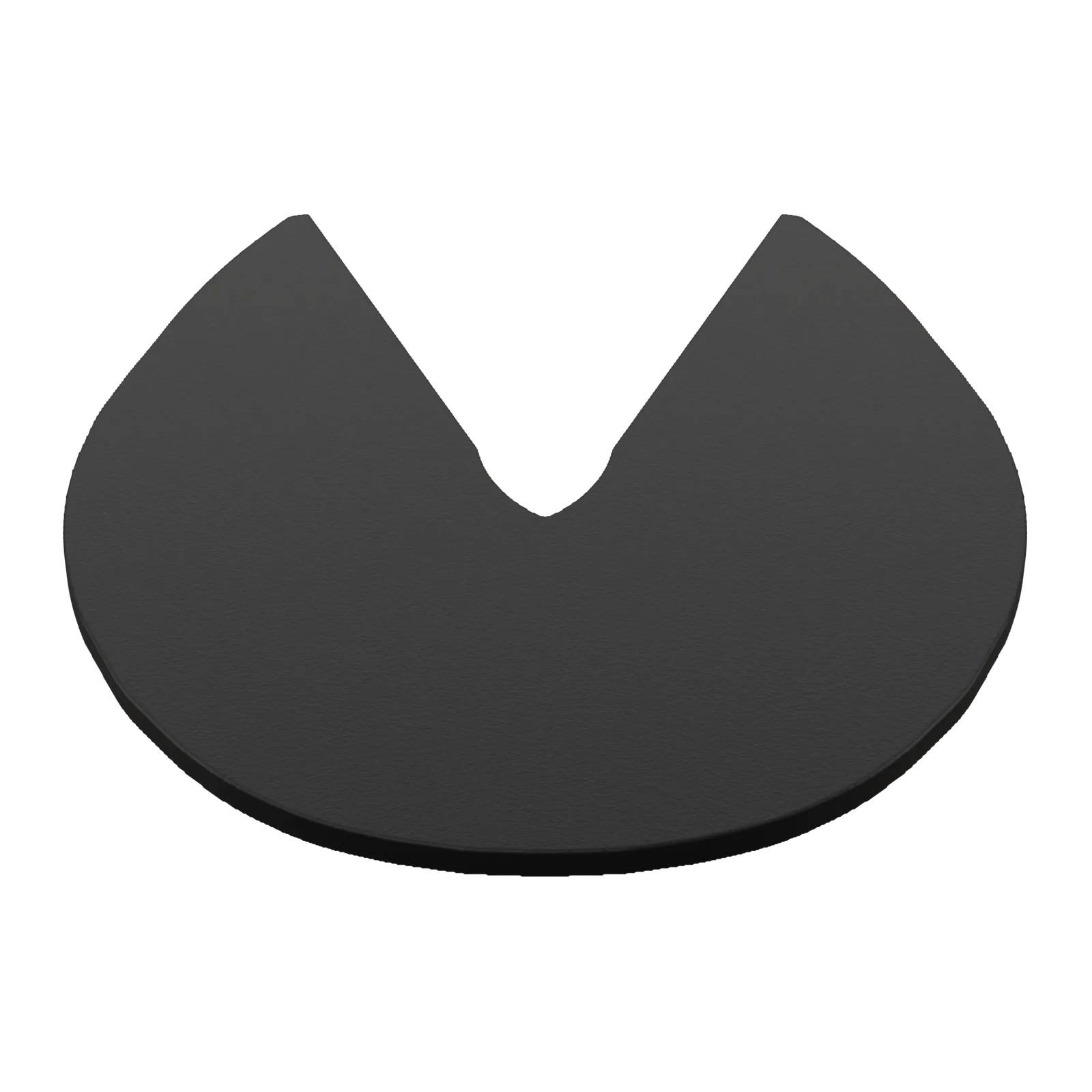
The Half Mesh Pad with impression material may help share load between the frog, sole, and wall, taking pressure off crushed heels while new horn grows. Degree inserts are sometimes part of the plan, but use them with care and only under your farrier's direction: poorly judged elevation can load the very heel structures you're trying to rebuild.
Realistic expectations
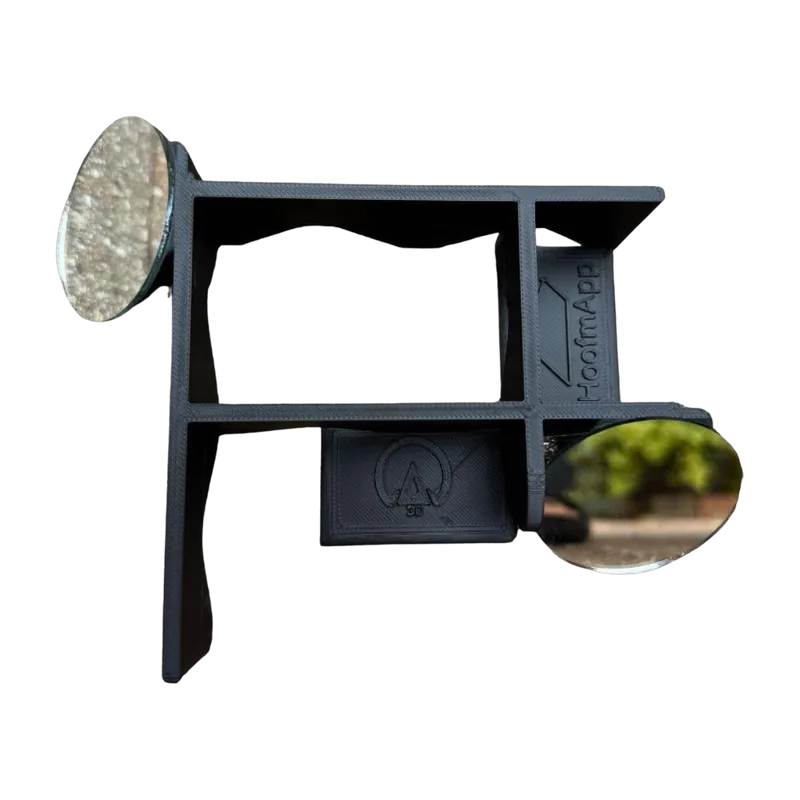
Heel horn grows slowly; meaningful correction typically takes around six months of consistent trimming cycles. Photograph the feet at each trim; progress is easier to see across months than weeks.
When to call your vet or farrier
If lameness accompanies the low heels, involve your vet. Underrun heels and caudal heel pain often travel together.
This guide is educational and is not a substitute for veterinary or farrier diagnosis.