
⚡️ Custom CSS
Product Finder

Find the right product for your horse, pony, or donkey

Answer four quick questions about your animal and what you are dealing with. We'll match you to the products we would reach for, with a plain-English explanation of why.

Question 1 of 4

Who are you?

Question 2 of 4

Who needs help?

Question 3 of 4

What's the main thing you're dealing with?

Question 4 of 4

How is the hoof currently managed?

Let's get the fit right before you order

Performance setups for ponies come down to sizing. Rather than have you order a composite shoe that may not run small enough, the better first step is a conversation. Book a consultation with Derek Poupard CJF DipWCF: $150 for a 30-minute video call, a review of your pony's feet and workload, and a written protocol. If he determines the situation can't be addressed remotely, you get a full refund.

Talk it through with Derek Poupard CJF DipWCF

$150 for a 30-minute video call. Derek reviews your animal's history and radiographs and provides a written protocol, with a full refund if he determines the situation can't be addressed remotely.

Book a consultation
Read the related guide
No items found.

Angle support for pony hooves

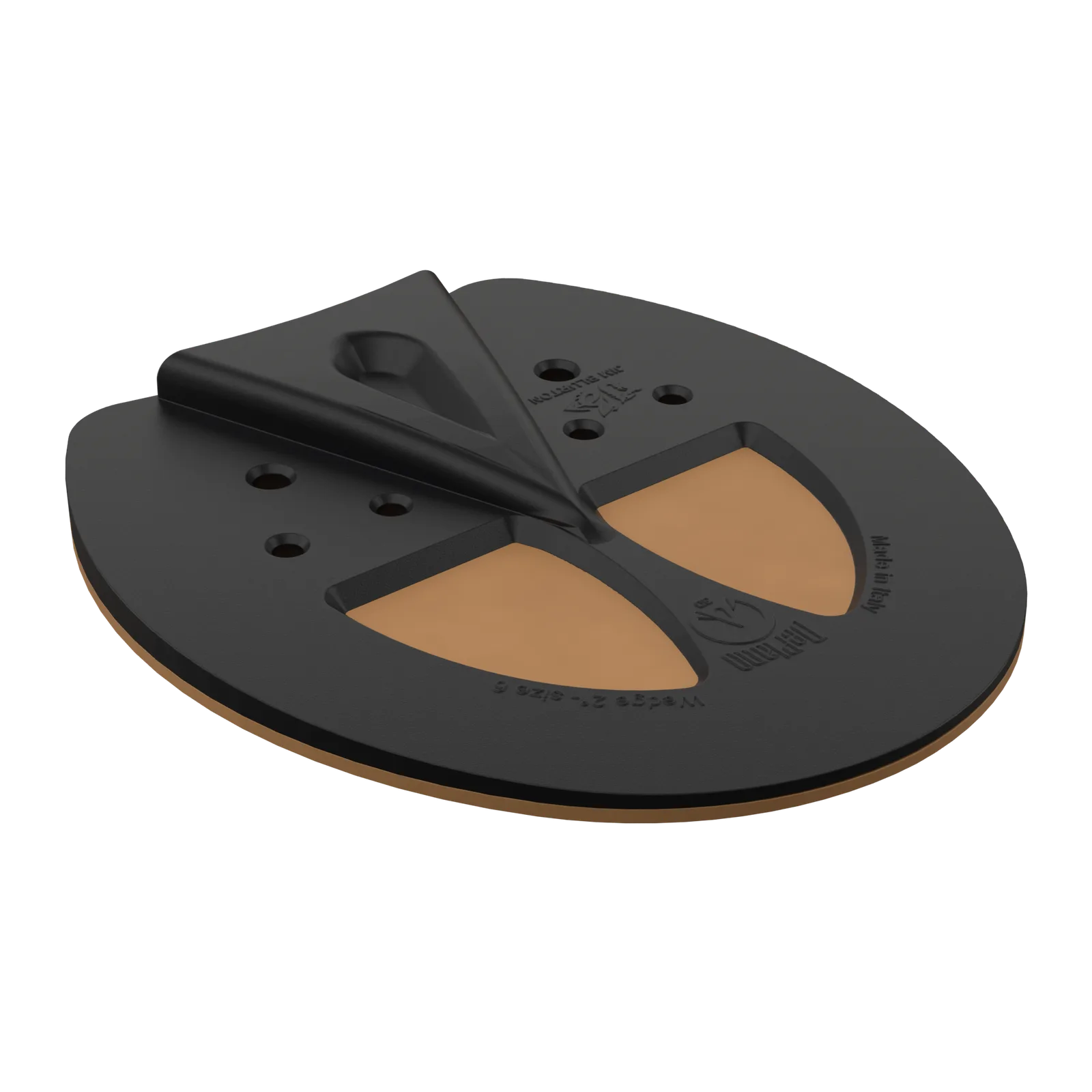
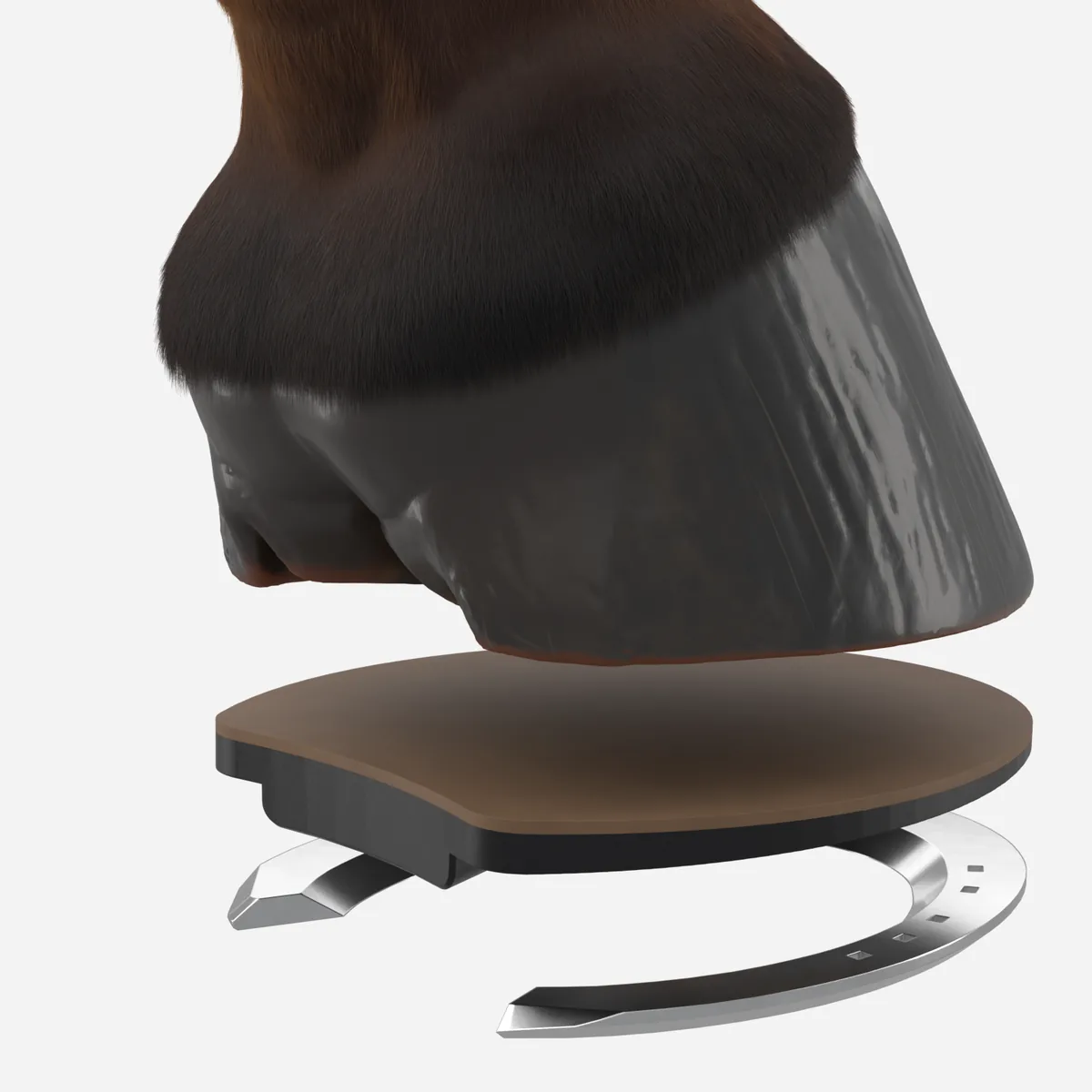
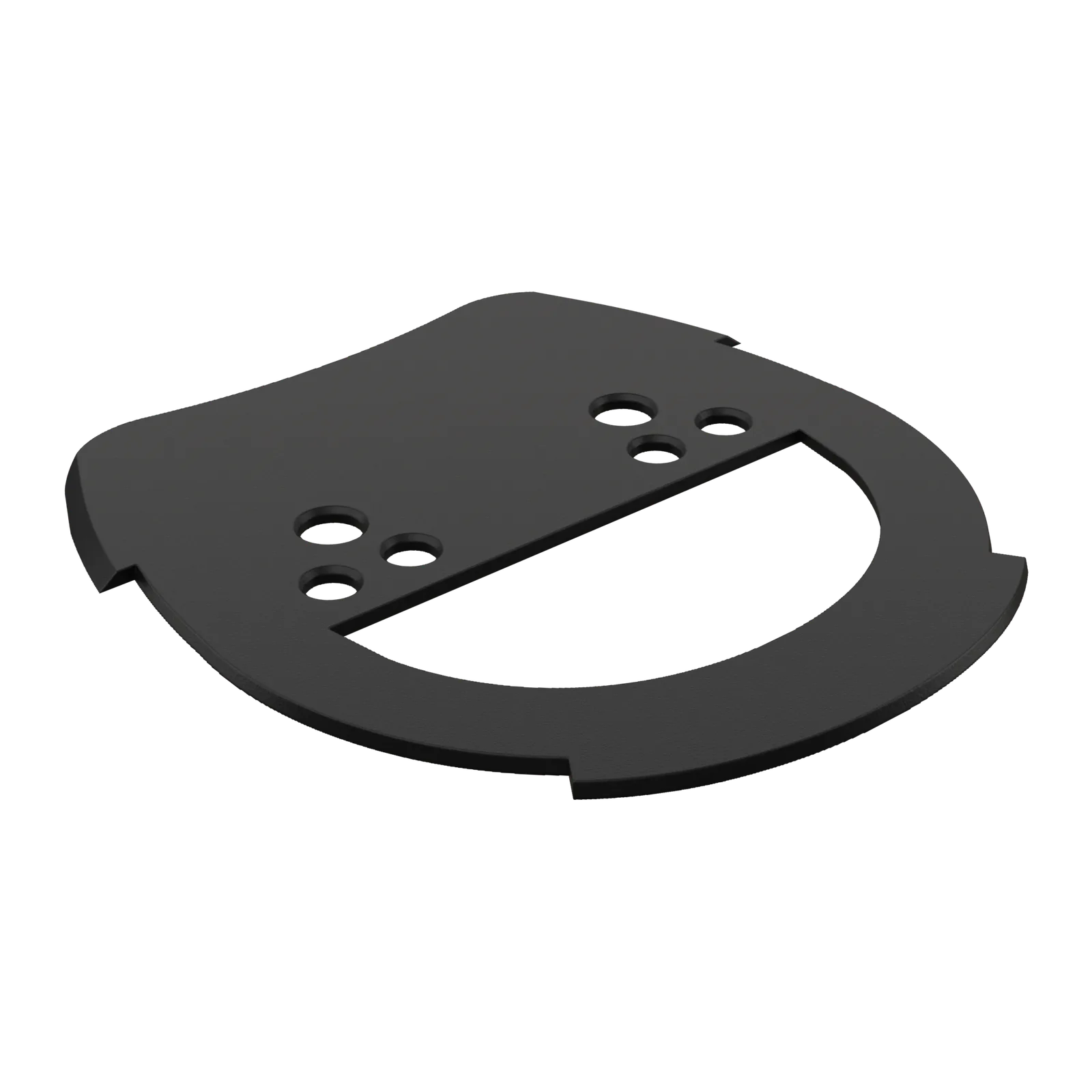
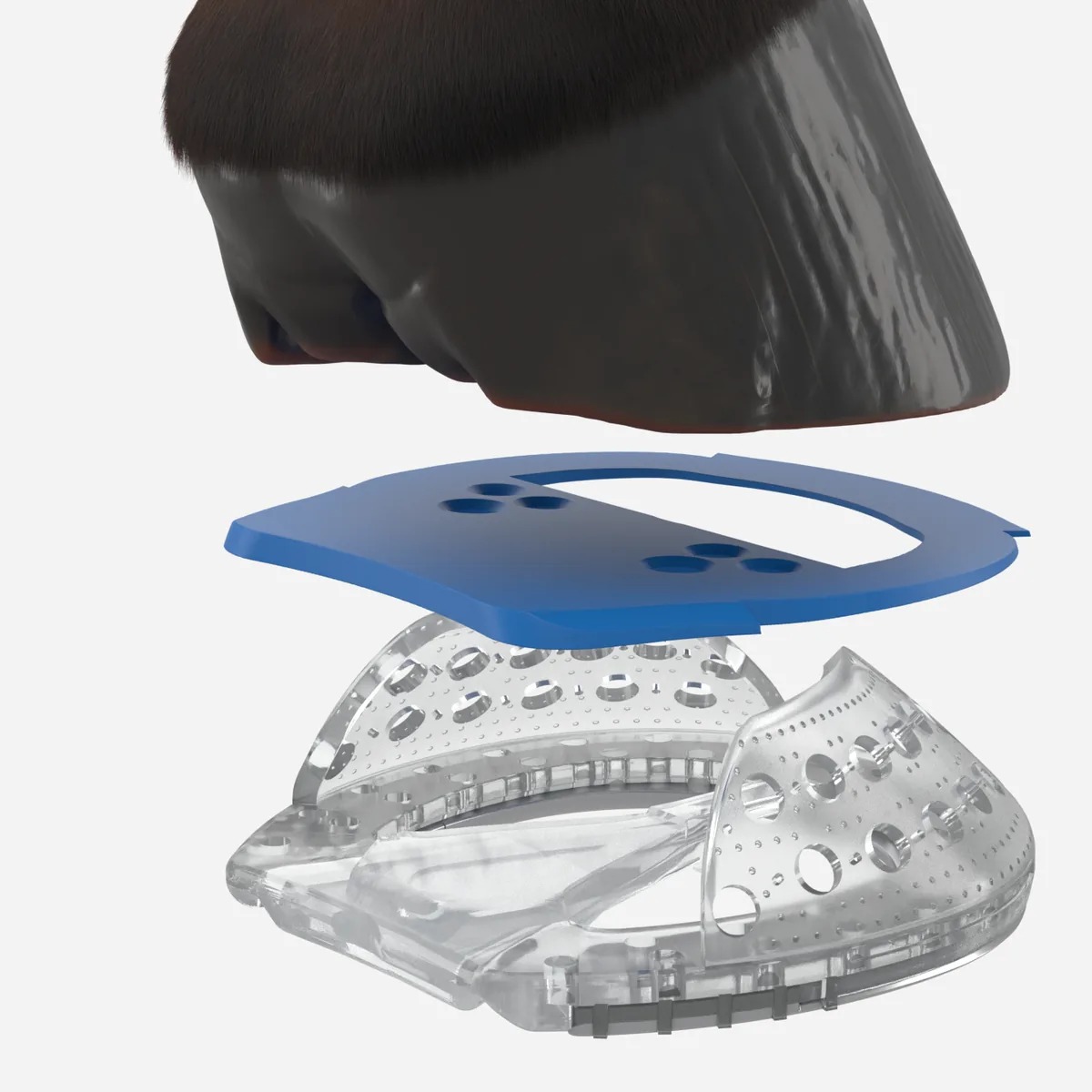
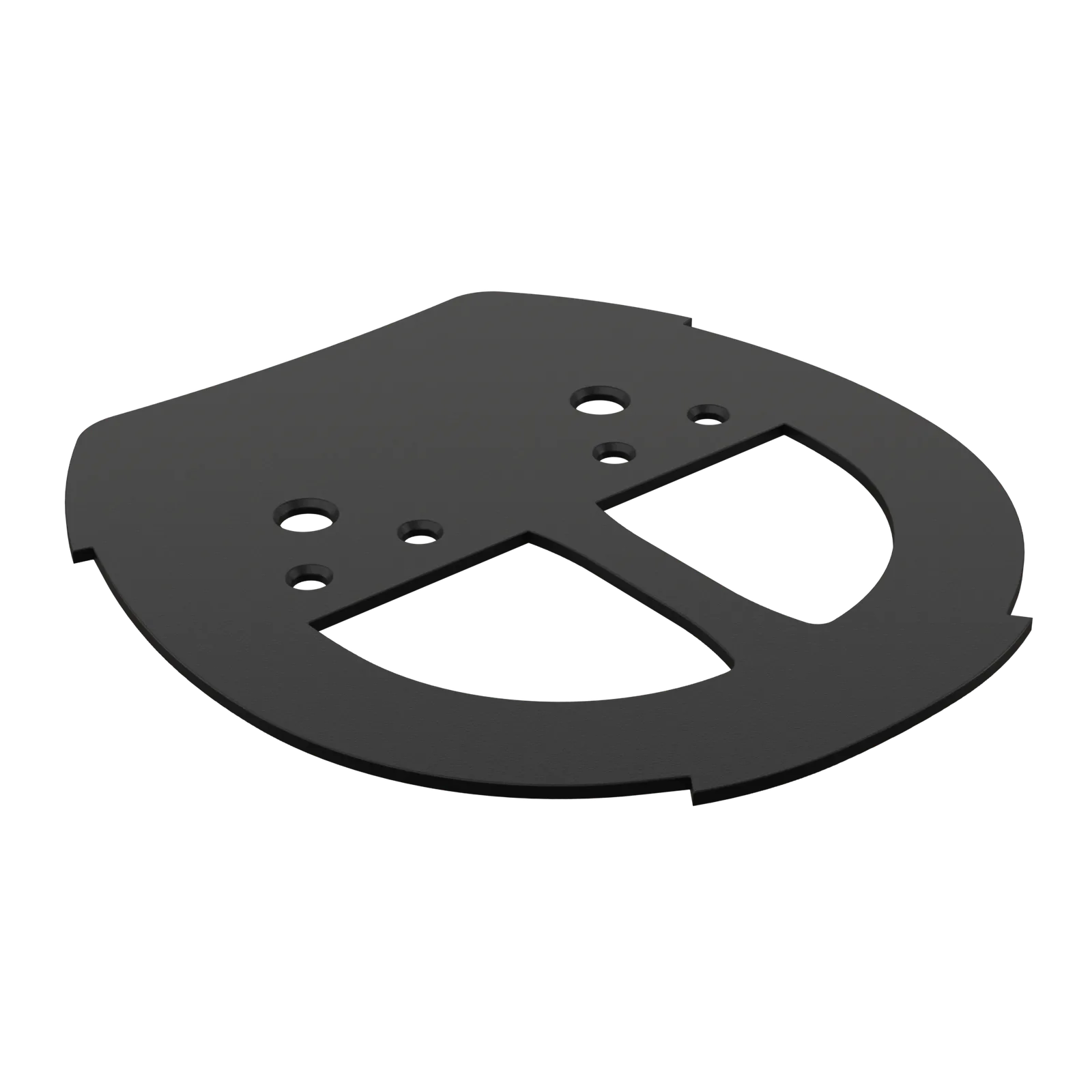
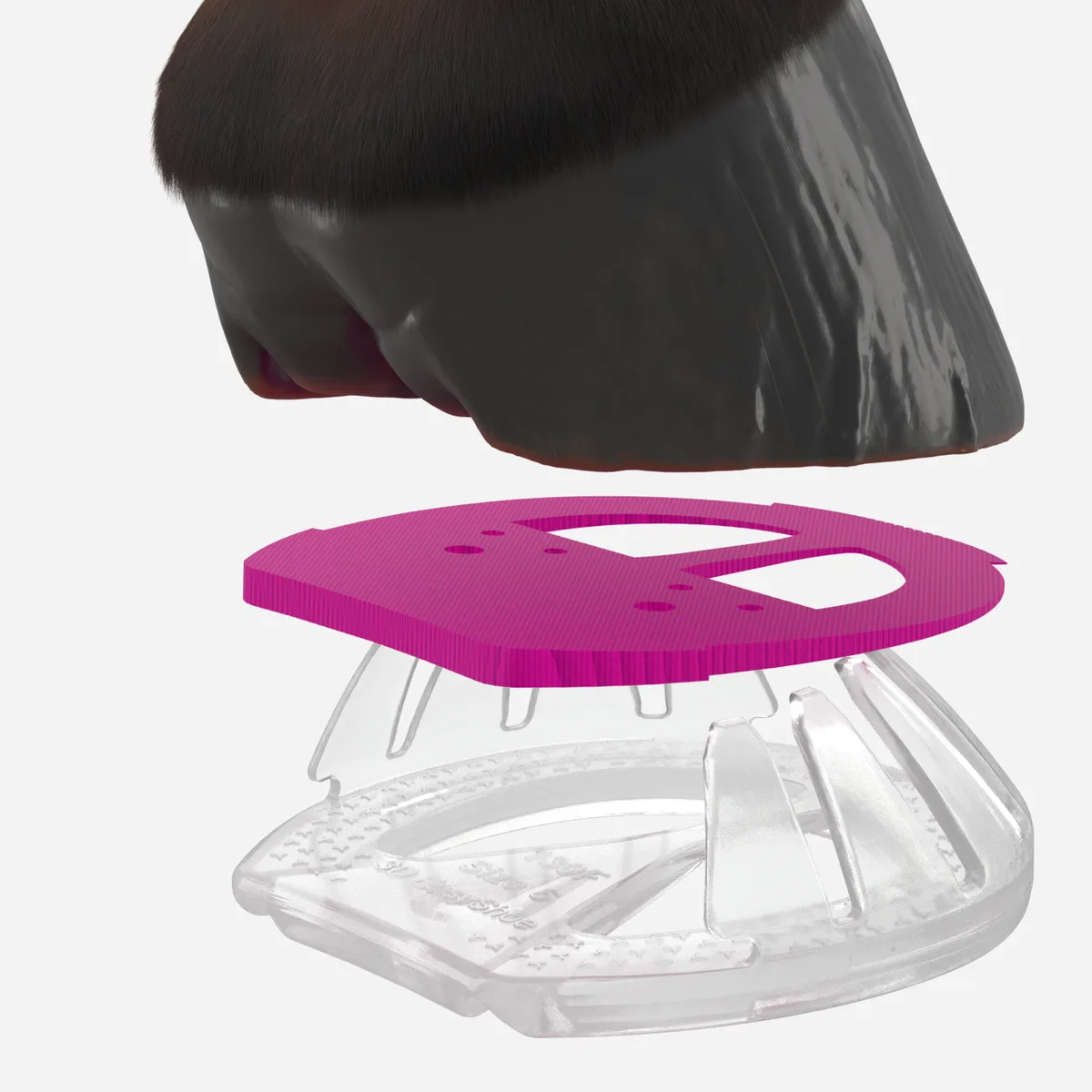
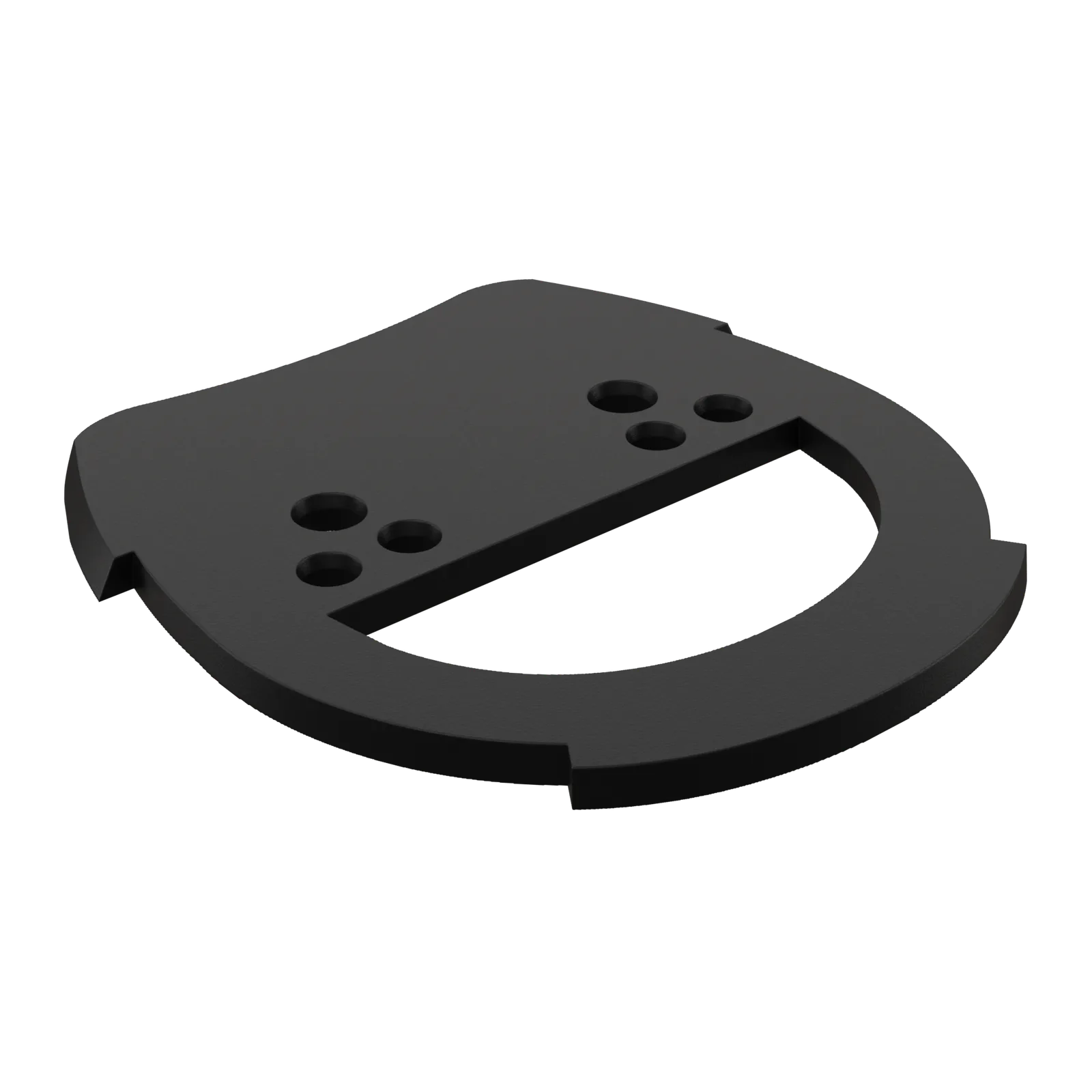
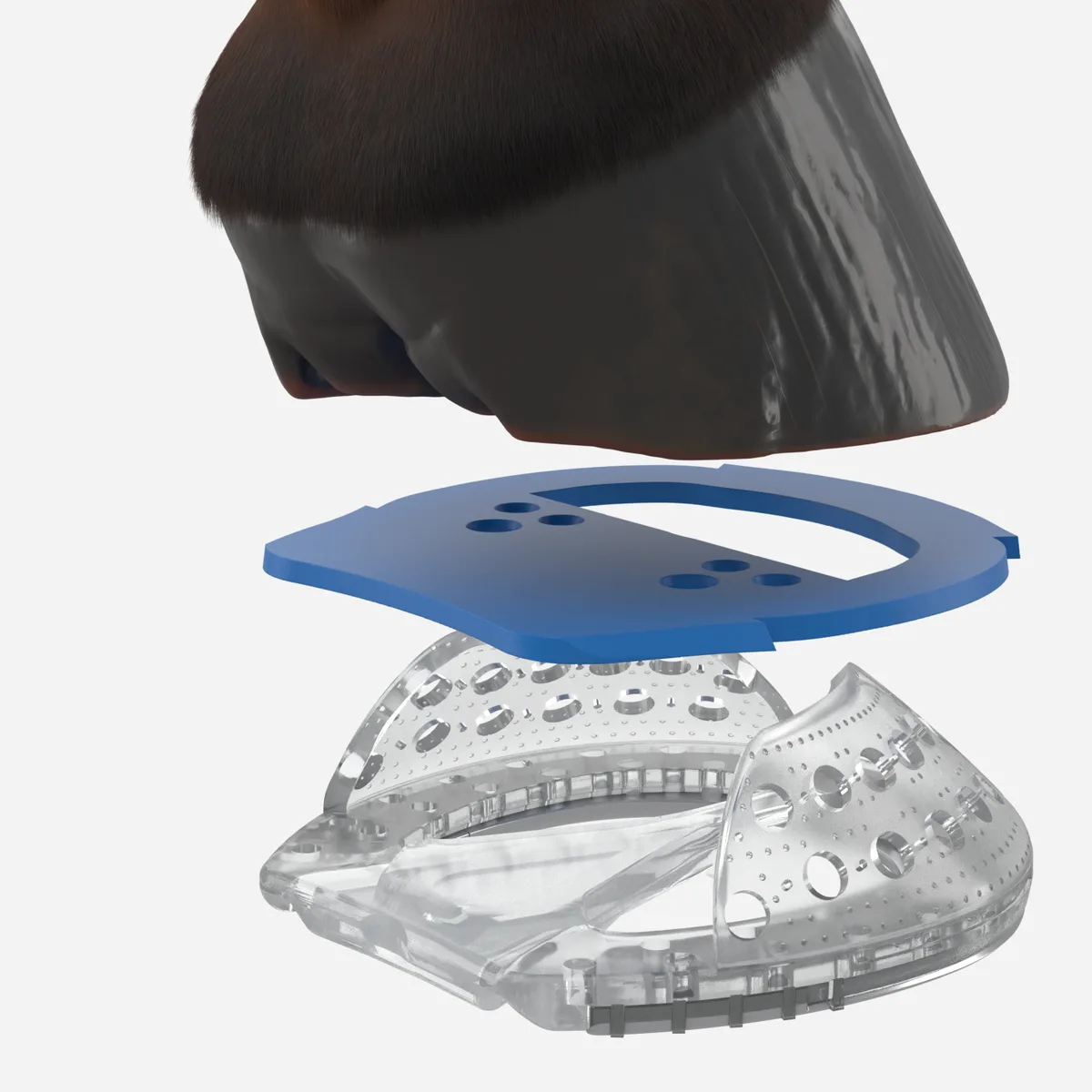
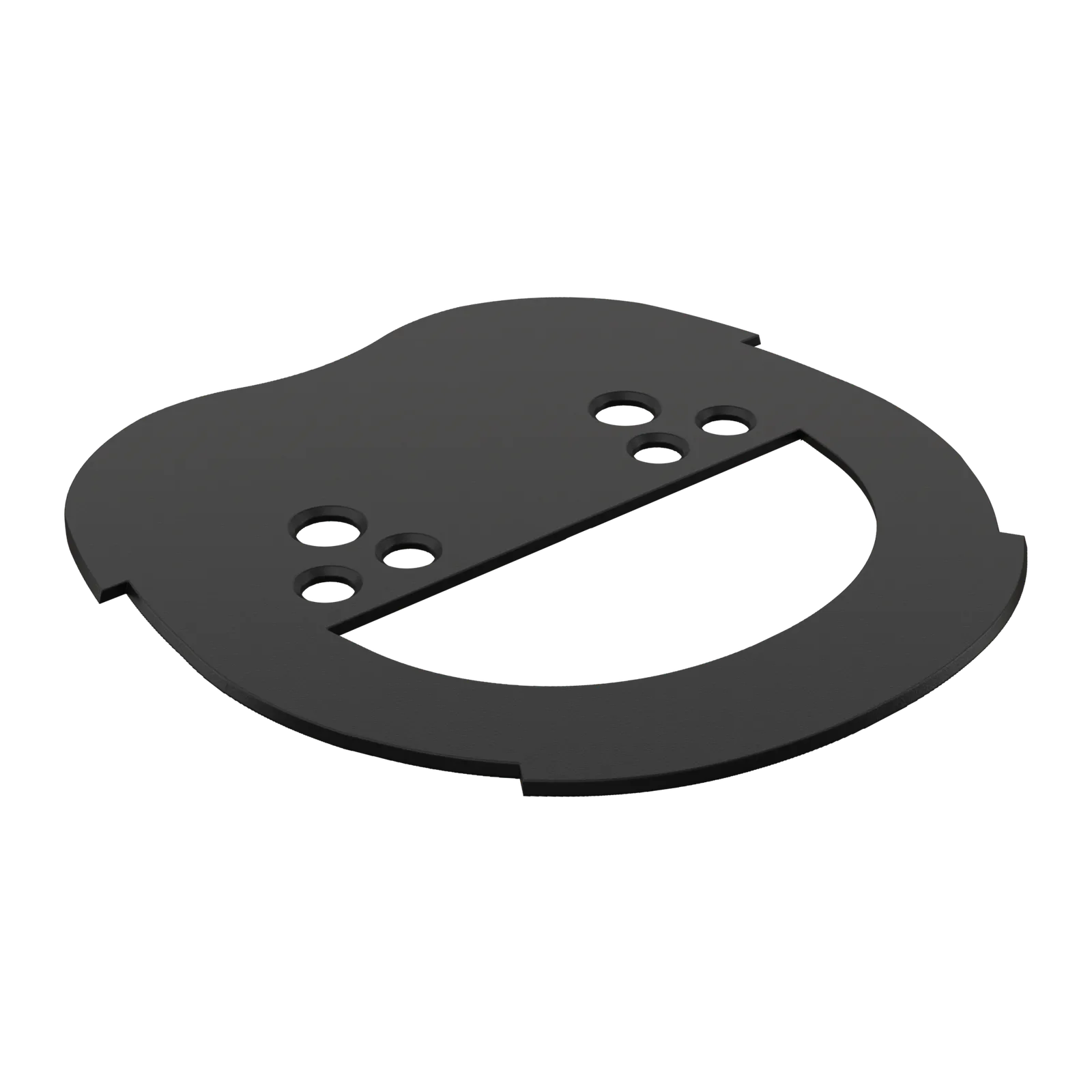
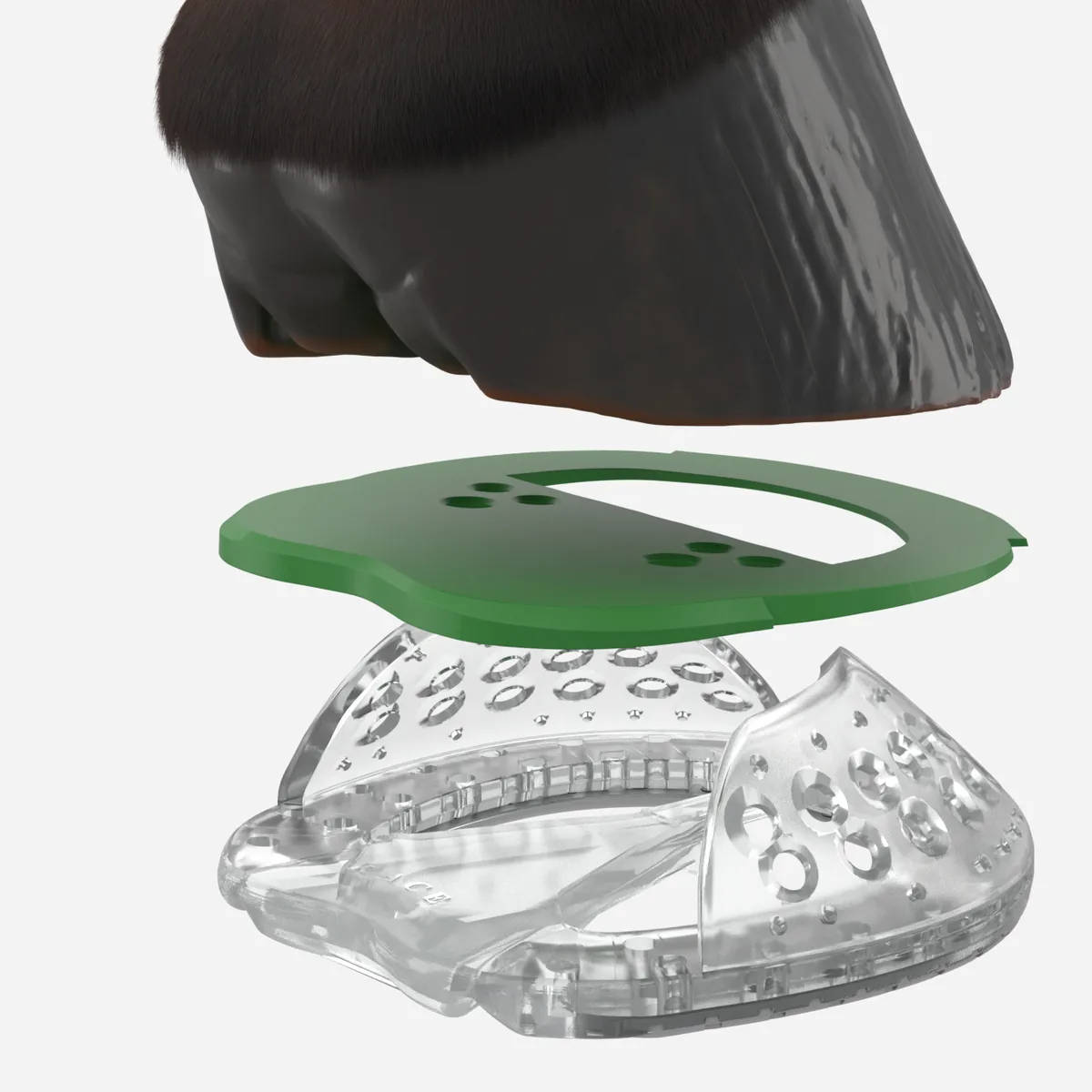
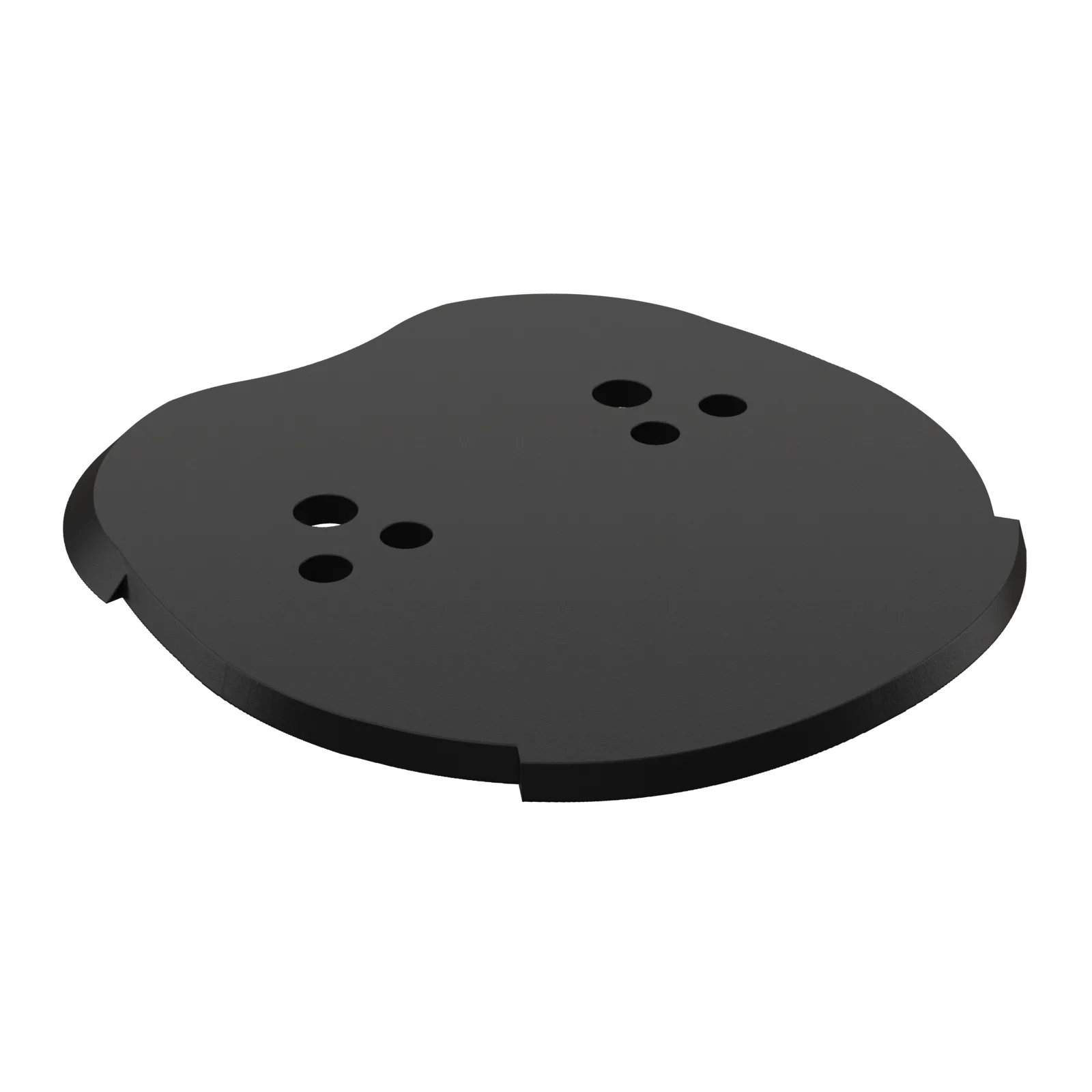
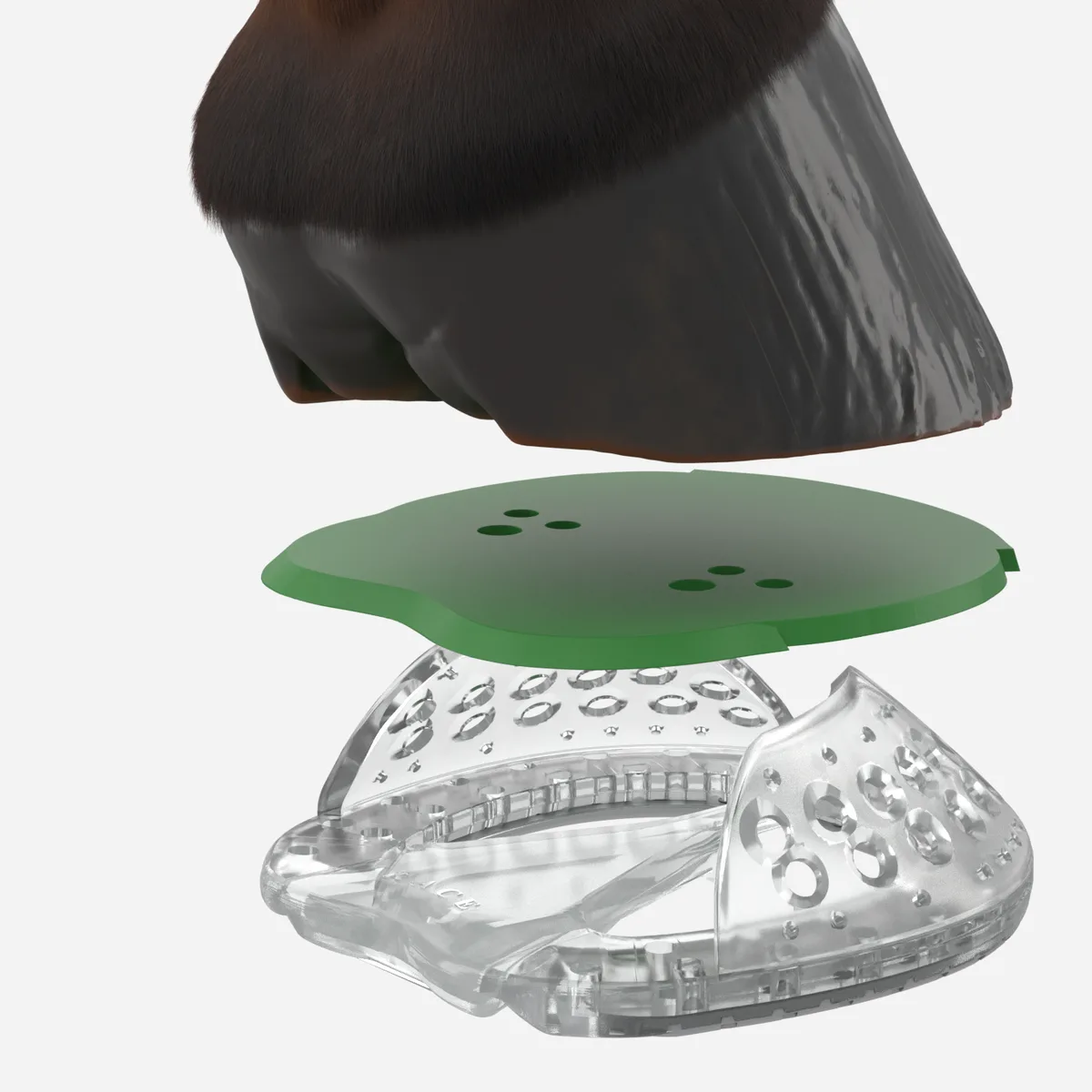
For diagnosed navicular or low, underrun heels in ponies, the principle is the same as for horses: support the back of the foot and help align the hoof-pastern axis. Where the hoof is large enough, the 3D Half Mesh Pad with a Degree Insert adds 1 to 5 degrees of tailored support. Work from your vet's radiographs, since degree selection is a clinical call, and book a consultation if you're unsure whether your pony's hoof suits the pad sizes.

Talk it through with Derek Poupard CJF DipWCF

$150 for a 30-minute video call. Derek reviews your animal's history and radiographs and provides a written protocol, with a full refund if he determines the situation can't be addressed remotely.

Book a consultation
Read the related guide

Barefoot protection, pony-sized

Whether your pony is transitioning to barefoot or just needs help with thin, sensitive soles, the Barefoot Protection Pad in its smaller sizes covers the sole while letting the hoof work naturally. The Ground Pad is the option for rougher going. Measure white line to white line immediately after a fresh trim. Pony hooves change quickly, so don't measure off an overdue foot.

Read the related guide

Soft support for a laminitic pony

Ponies are especially prone to laminitis, and the approach is the same as for horses: take pressure off the sole and support the frog during rehabilitation. The Squish Pad in its smaller sizes acts as the shoe itself, with a very soft construction that cushions each step. It's a rehabilitation tool, not for ridden work. With ponies, managing the underlying cause with your vet matters as much as the hoof support itself.

Read the related guide

Let's figure out what your donkey actually needs

Donkeys hide discomfort well, so "I'm not sure" is a completely reasonable place to be. Book a consultation with Derek Poupard CJF DipWCF: $150 for a 30-minute video call with a written protocol, fully refunded if he determines the situation can't be addressed remotely. Or start with our guide to donkey hoof problems, which walks through the quiet signs to watch for, then retake the quiz.

Talk it through with Derek Poupard CJF DipWCF

$150 for a 30-minute video call. Derek reviews your animal's history and radiographs and provides a written protocol, with a full refund if he determines the situation can't be addressed remotely.

Book a consultation
Read the related guide
No items found.

This one needs a specialist's eyes first

There isn't currently a donkey-specific product for angle correction or performance work, and donkey hooves differ enough from horses (more upright angles, different heel growth) that we won't point you at a horse product and hope. The right move is a consultation with Derek Poupard CJF DipWCF: $150 for a 30-minute video call reviewing your donkey's history and radiographs, a written protocol, and a full refund if he determines the situation can't be addressed remotely. Our guide to donkey hoof anatomy is a good place to start in the meantime.

Talk it through with Derek Poupard CJF DipWCF

$150 for a 30-minute video call. Derek reviews your animal's history and radiographs and provides a written protocol, with a full refund if he determines the situation can't be addressed remotely.

Book a consultation
Read the related guide
No items found.

Protect the injury while it heals

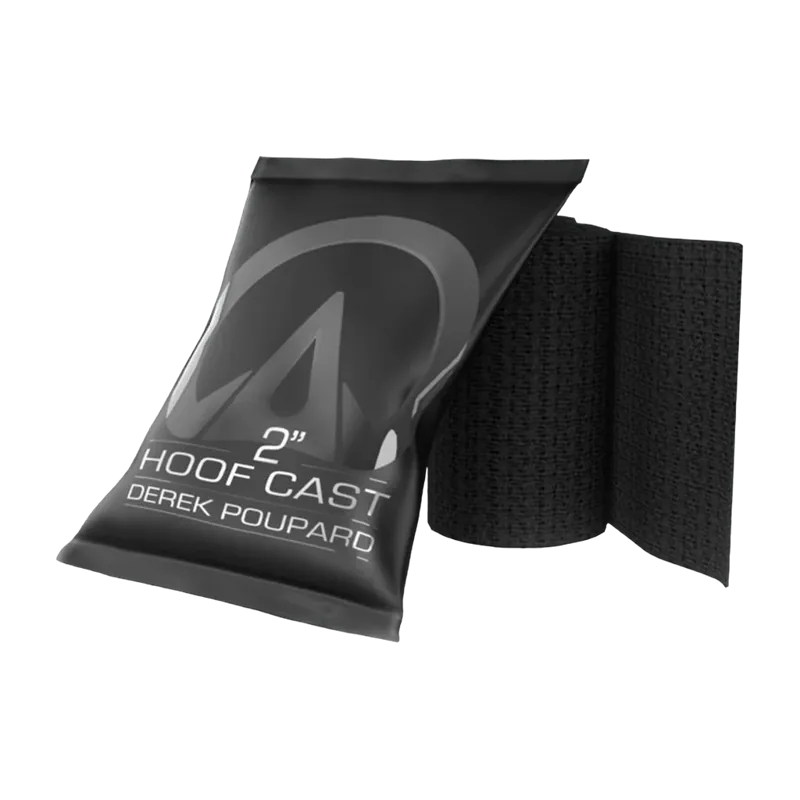
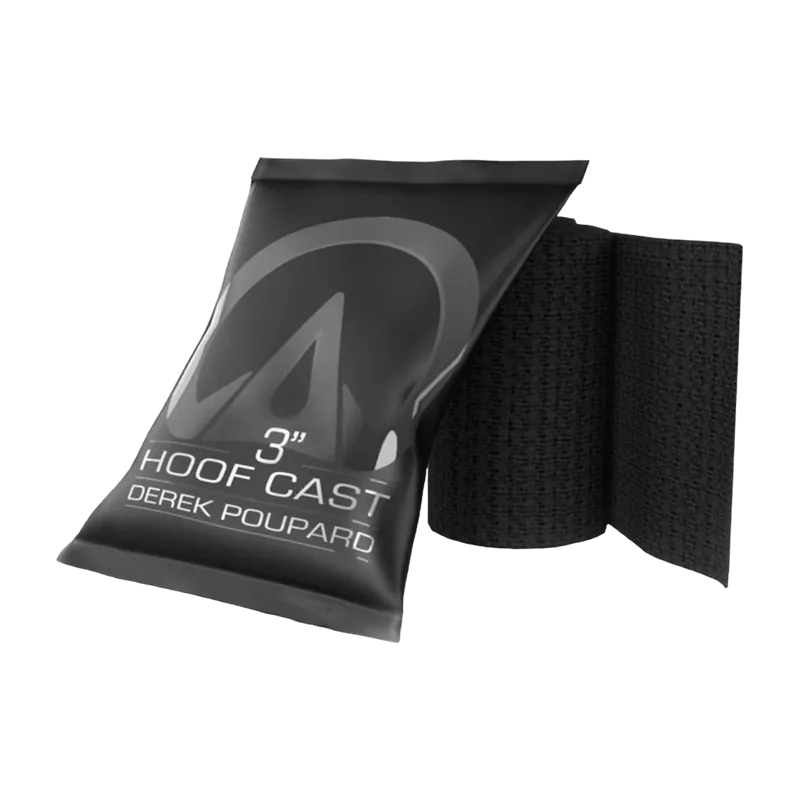
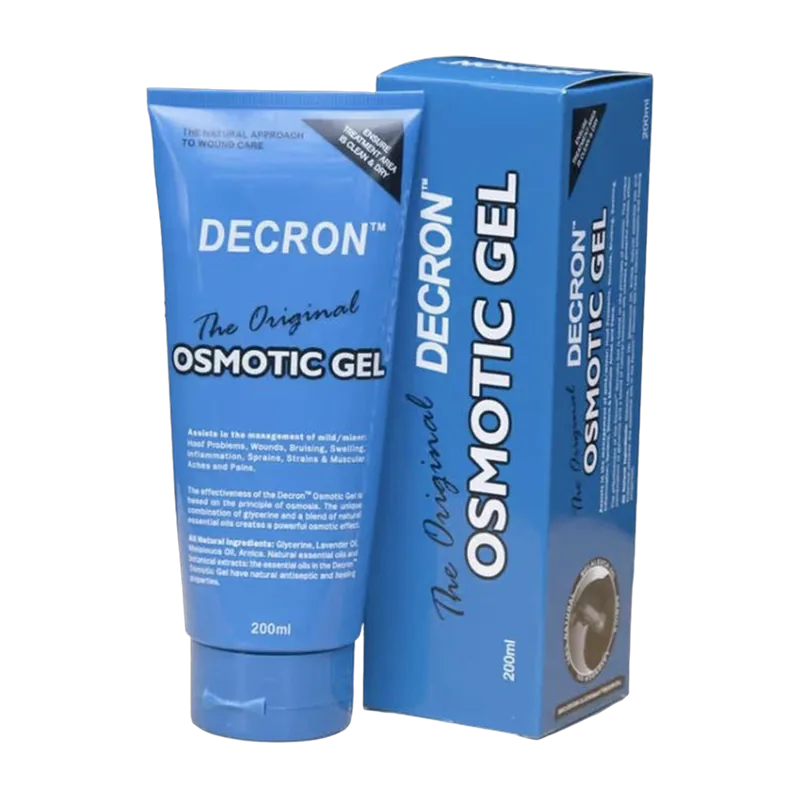
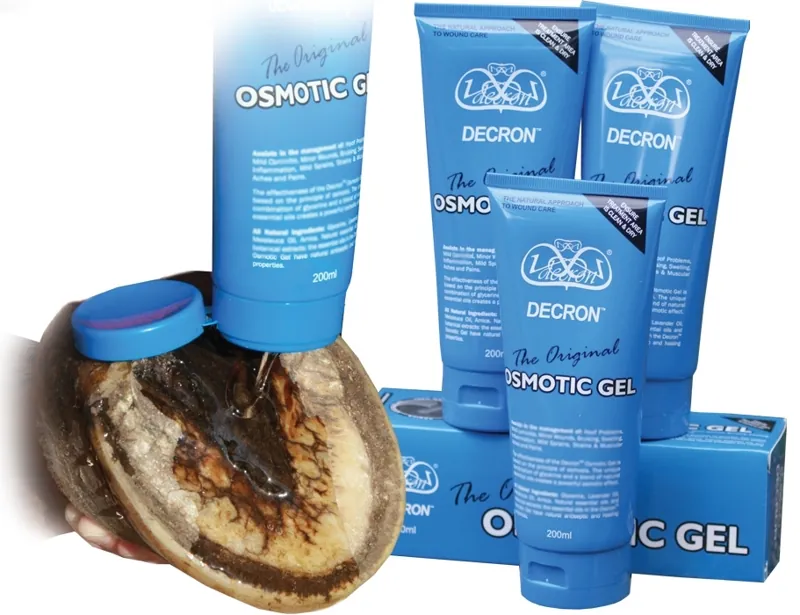
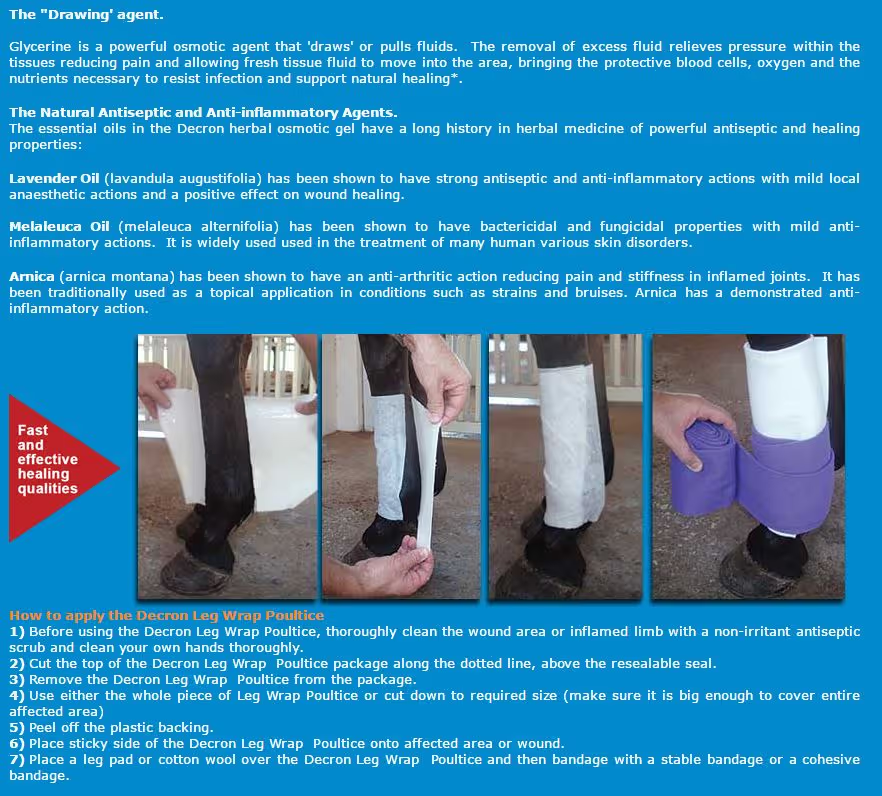
For sole punctures and wounds, the protocol is a clean dressing plus tough protection over the top: Decron Osmotic Gel on the wound site, a proper wound dressing such as Vetrap as the dressing layer, and HoofCast as the protective outer layer. Remember that plastic wrap is only for holding glue while it cures, never for wound care. Donkeys are famously stoic and often hide pain, so involve your vet earlier than your donkey's behavior suggests you need to.

Read the related guide

Manage it in stages, and mind the moisture

Donkeys' moisture-absorbent hooves make white line disease and thrush a particular risk in wet conditions. The protocol is staged: your farrier or vet cleans out the compromised material, Decron Osmotic Gel goes on the affected area, impression material fills the void, and HoofCast holds everything in place between visits. Addressing the wet environment is half the job. The products are the other half.

Read the related guide

Barefoot protection built for donkey feet

For thin soles, sensitivity, or a barefoot transition, the Donkey Barefoot Protection Pad covers the sole while respecting the donkey's more upright, boxier hoof shape. Donkey hooves also absorb moisture differently than horse hooves, because they evolved for arid ground, so keeping feet dry and conditions managed matters as much as the pad itself. Use the donkey-specific sizing guide before ordering.

Read the related guide

The only 3D-printed pad made for donkey hooves in the US

Donkey hooves aren't small horse hooves. They're more upright, narrower, and boxier, and they need support designed around that anatomy. The Donkey Squish Pad, co-designed with Megan Hensley of donkeyhooves.com and exclusive to 3D HoofCare in the US, acts as the shoe itself with soft, full-sole cushioning for a donkey in laminitic recovery. Follow the donkey-specific sizing guide, since the measurement method differs from horses, and manage the underlying cause alongside your vet.

Read the related guide

Let's figure out what your pony actually needs

When you're not sure what's going on, or several things are happening at once, don't guess at a product. Book a consultation with Derek Poupard CJF DipWCF: $150 for a 30-minute video call reviewing your pony's history and radiographs, with a written protocol to follow and a full refund if he determines the situation can't be addressed remotely. Or start with the condition guides, find the picture that matches your pony, and retake the quiz.

Talk it through with Derek Poupard CJF DipWCF

$150 for a 30-minute video call. Derek reviews your animal's history and radiographs and provides a written protocol, with a full refund if he determines the situation can't be addressed remotely.

Book a consultation
Read the related guide
No items found.

Sole support for a shod pony

Thin, sensitive soles under a shoe need cover that fits the hoof properly, and pony feet vary more in size and shape than horse feet. Impression material may help support and cushion the sole under the shoe through the shoeing cycle. Because sizing matters so much on small hooves, a short consultation with Derek Poupard CJF DipWCF is the quickest way to confirm the right setup for your pony.

Talk it through with Derek Poupard CJF DipWCF

$150 for a 30-minute video call. Derek reviews your animal's history and radiographs and provides a written protocol, with a full refund if he determines the situation can't be addressed remotely.

Book a consultation
Read the related guide

Let's figure out what your horse actually needs

When several things are going on at once, or you're not sure what you're looking at, the wrong move is guessing at a product. You have two good options. Book a consultation with Derek Poupard CJF DipWCF: $150 for a 30-minute video call where he reviews your horse's history and radiographs and provides a written protocol, with a full refund if he determines the situation can't be addressed remotely. Or browse the condition guides to see which picture matches your horse, then retake the quiz.

Talk it through with Derek Poupard CJF DipWCF

$150 for a 30-minute video call. Derek reviews your animal's history and radiographs and provides a written protocol, with a full refund if he determines the situation can't be addressed remotely.

Book a consultation
Read the related guide
No items found.

Race-proven support, built into the shoe

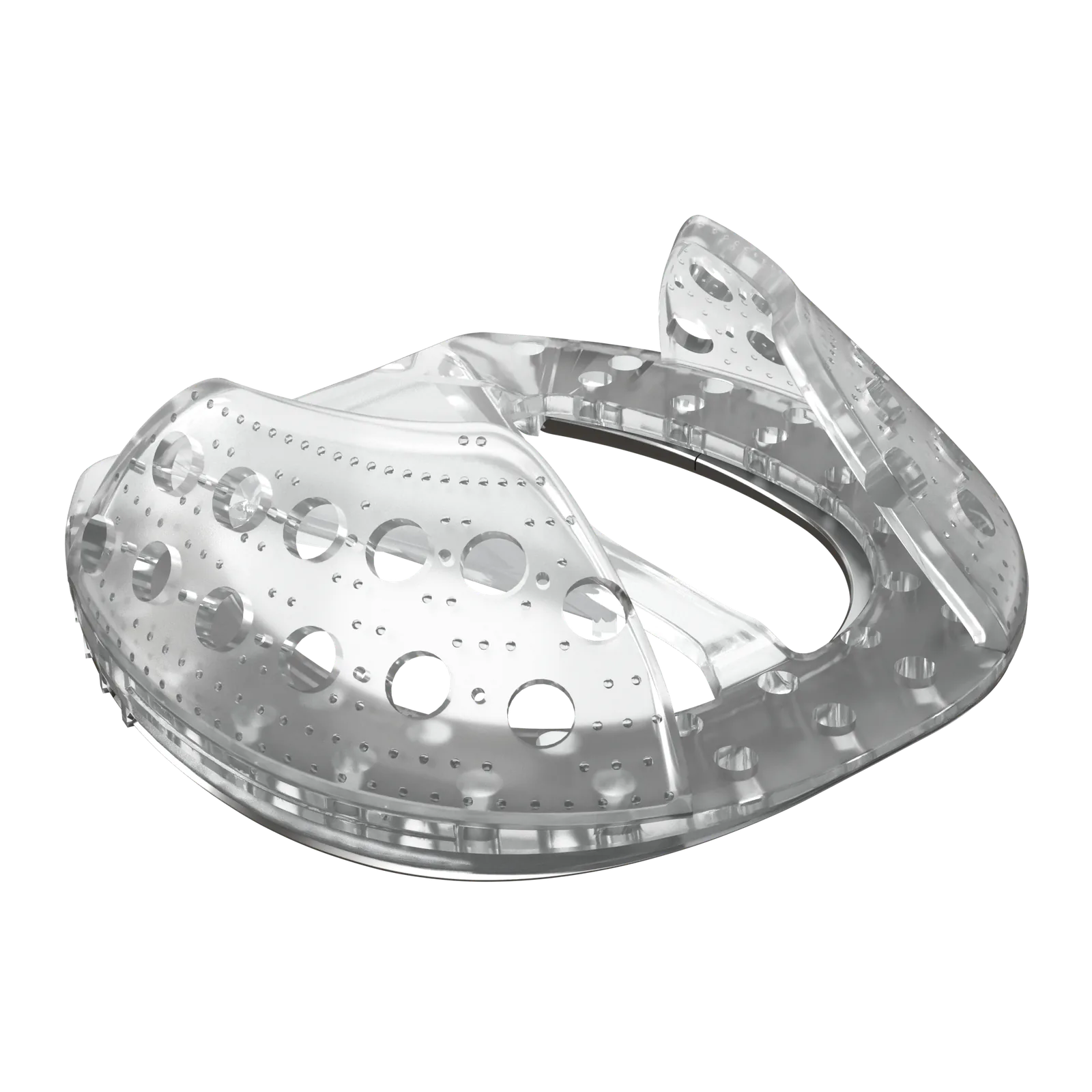
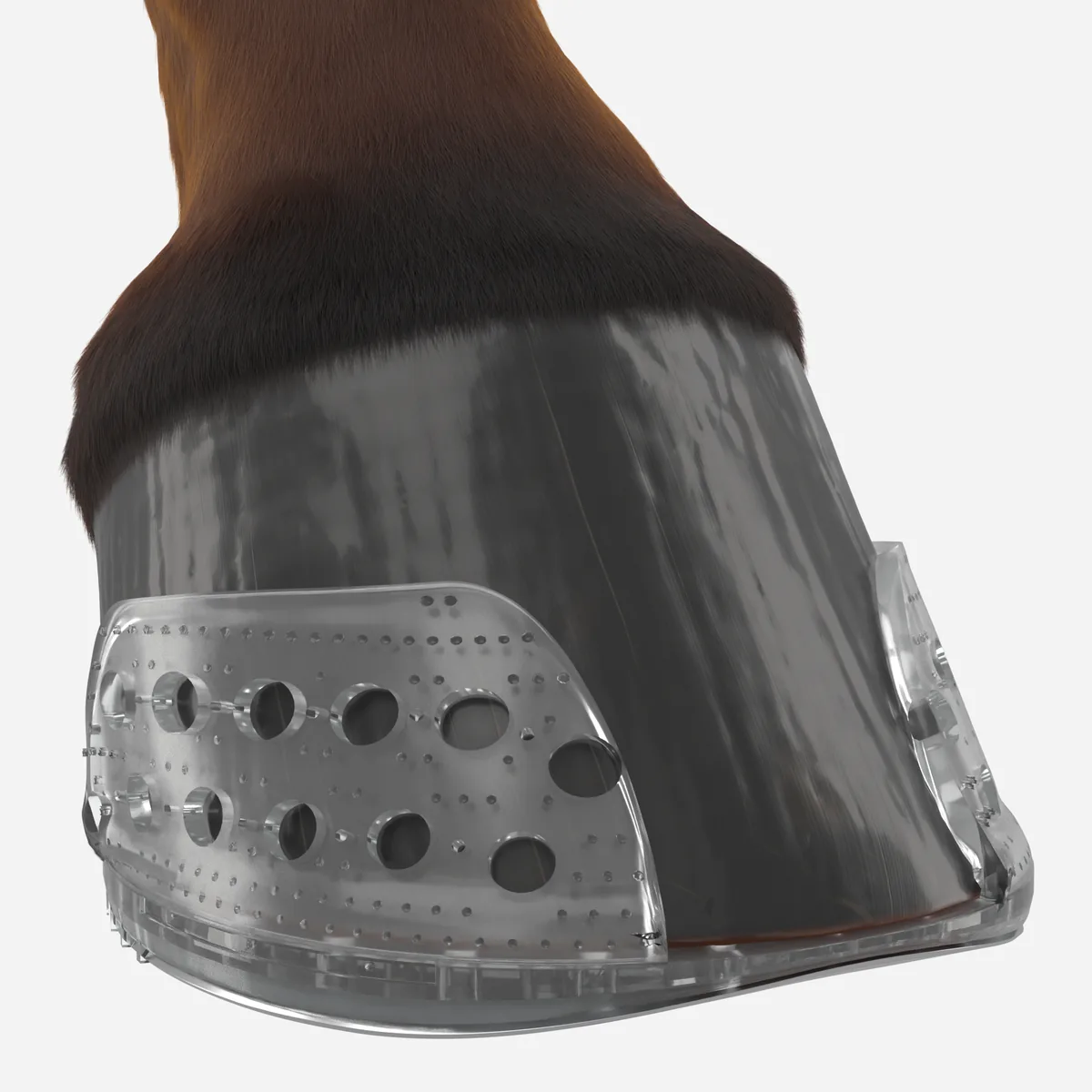
For horses in serious work, the EasyShoe range carries Derek Poupard CJF DipWCF's 3D frog design built in from the ground up: the same support system his pads provide, engineered into a glue-on composite shoe. The EasyShoe 3D suits everyday performance work, while Race and Race Light are built for speed. Every one of them lives or dies on application. Thorough hoof prep and fully purged glue are the difference between a shoe that stays on and one that doesn't.

Read the related guide

Protect the injury while it heals

For sole punctures, wounds, and recovery, the protocol is protection plus a clean dressing. Decron Osmotic Gel goes on the wound site, a proper wound dressing such as Vetrap provides the dressing layer, and HoofCast builds a protective layer over the top that stands up to turnout. One important distinction: plastic wrap is only ever used to hold glue while it cures, never on a wound. Any wound involving the hoof deserves your vet's eyes early, not late.

Read the related guide

Clean it out, protect it, keep it in place

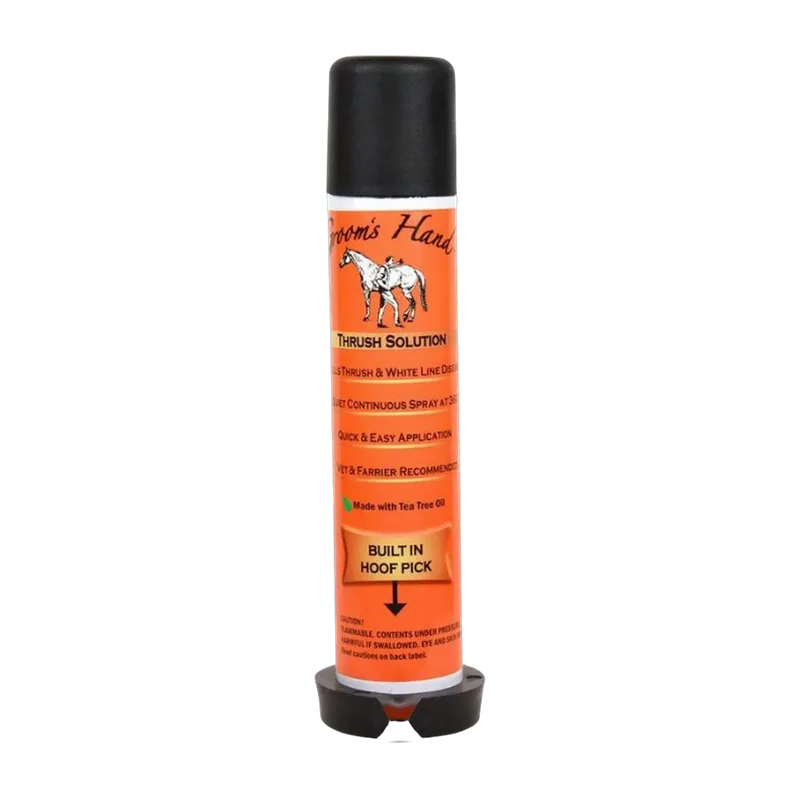
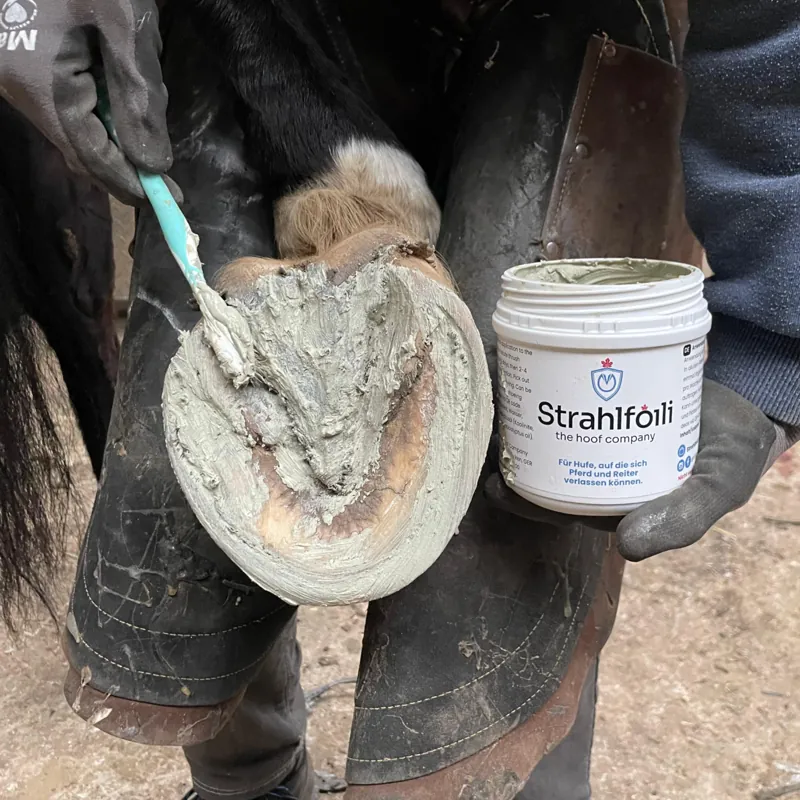
White line disease and thrush are managed in stages: the compromised material is cleaned out (debridement, which is your farrier or vet's job), the area is supported, and everything is held where it needs to be. Decron Osmotic Gel is applied to the area as directed by your vet or farrier, impression material fills the void so nothing packs into it, and HoofCast holds everything in position between visits. Persistent or spreading cases belong in front of your vet.

Read the related guide

Go barefoot without a sore transition

The most common barefoot transition mistake is going from full shoes to nothing at all overnight. The Barefoot Protection Pad gives the sole cover while it toughens, the Ground Pad handles varied terrain, and HoofCast tape with a thin bead of glue holds the whole setup in place through the trimming cycle. Measure white line to white line right after a fresh trim. Expect a pad to last about one trimming cycle, five to six weeks.

Read the related guide

Support for heels that have run forward

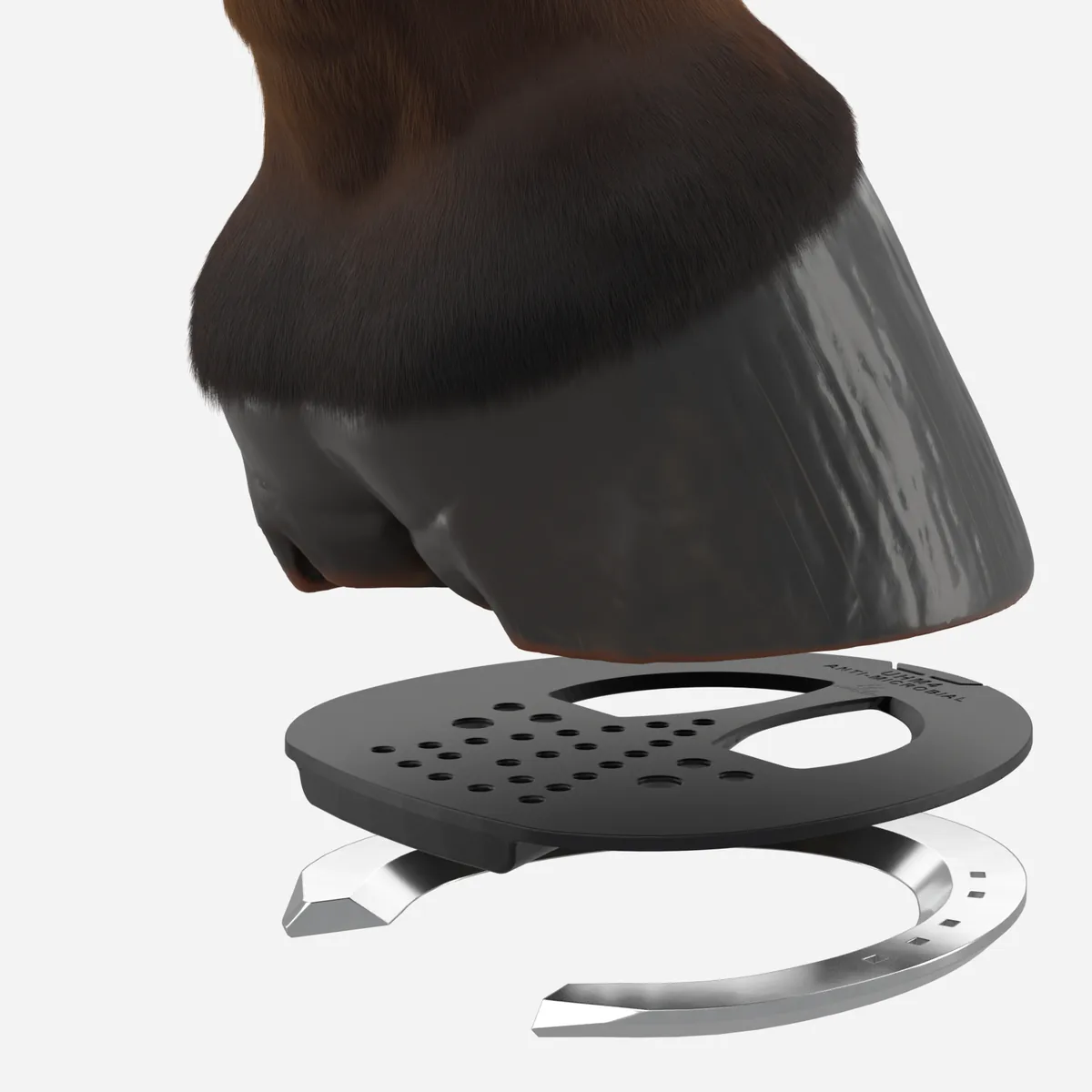
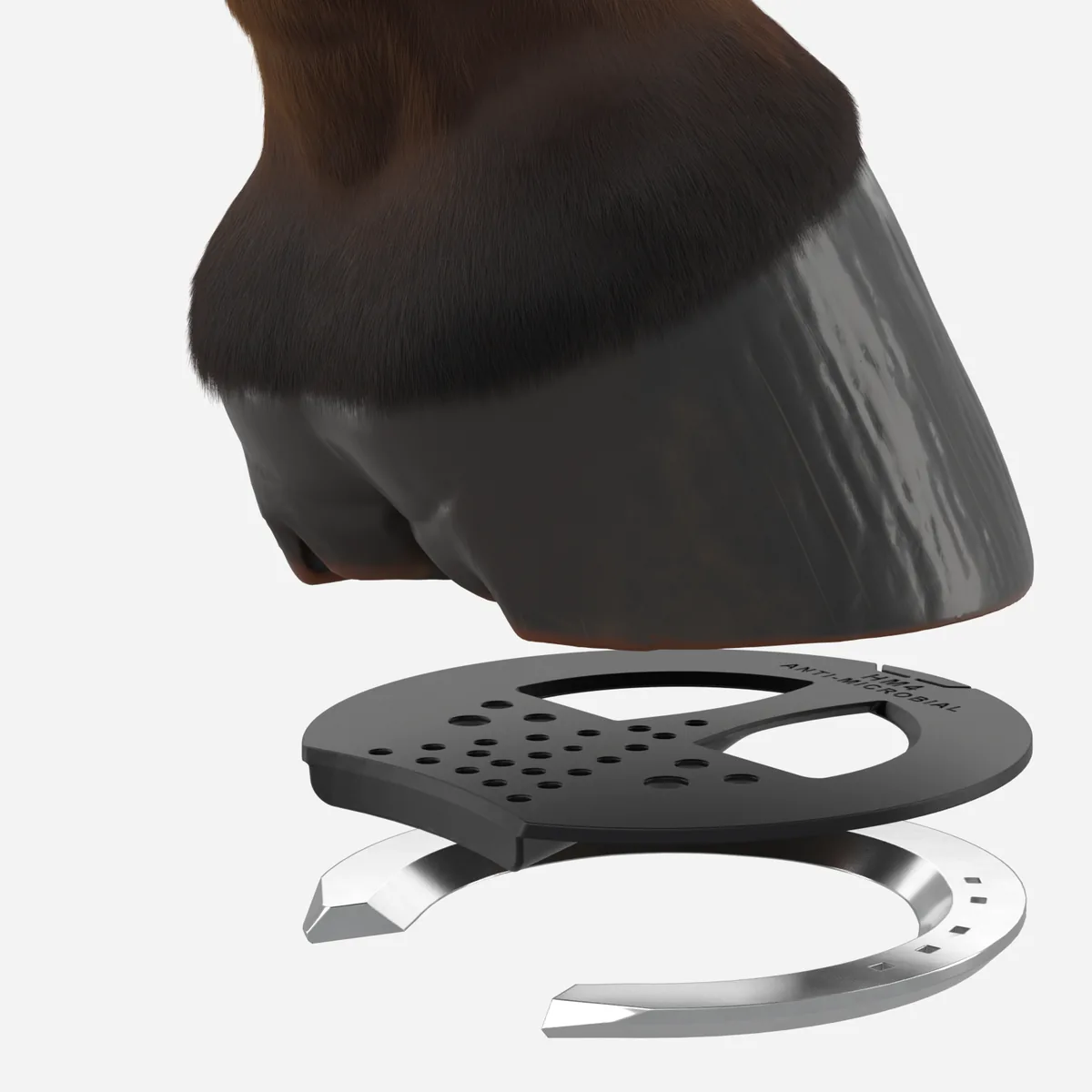
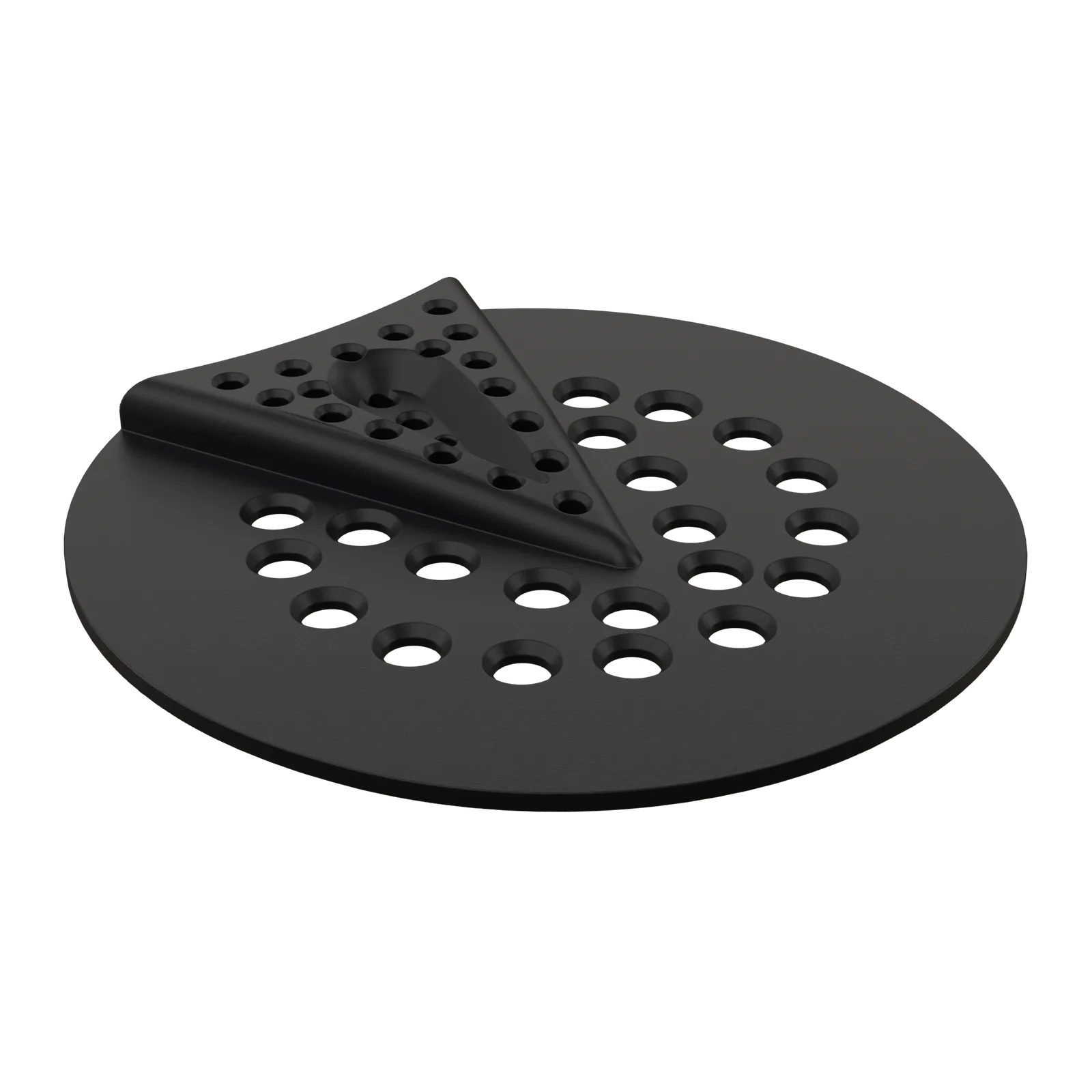
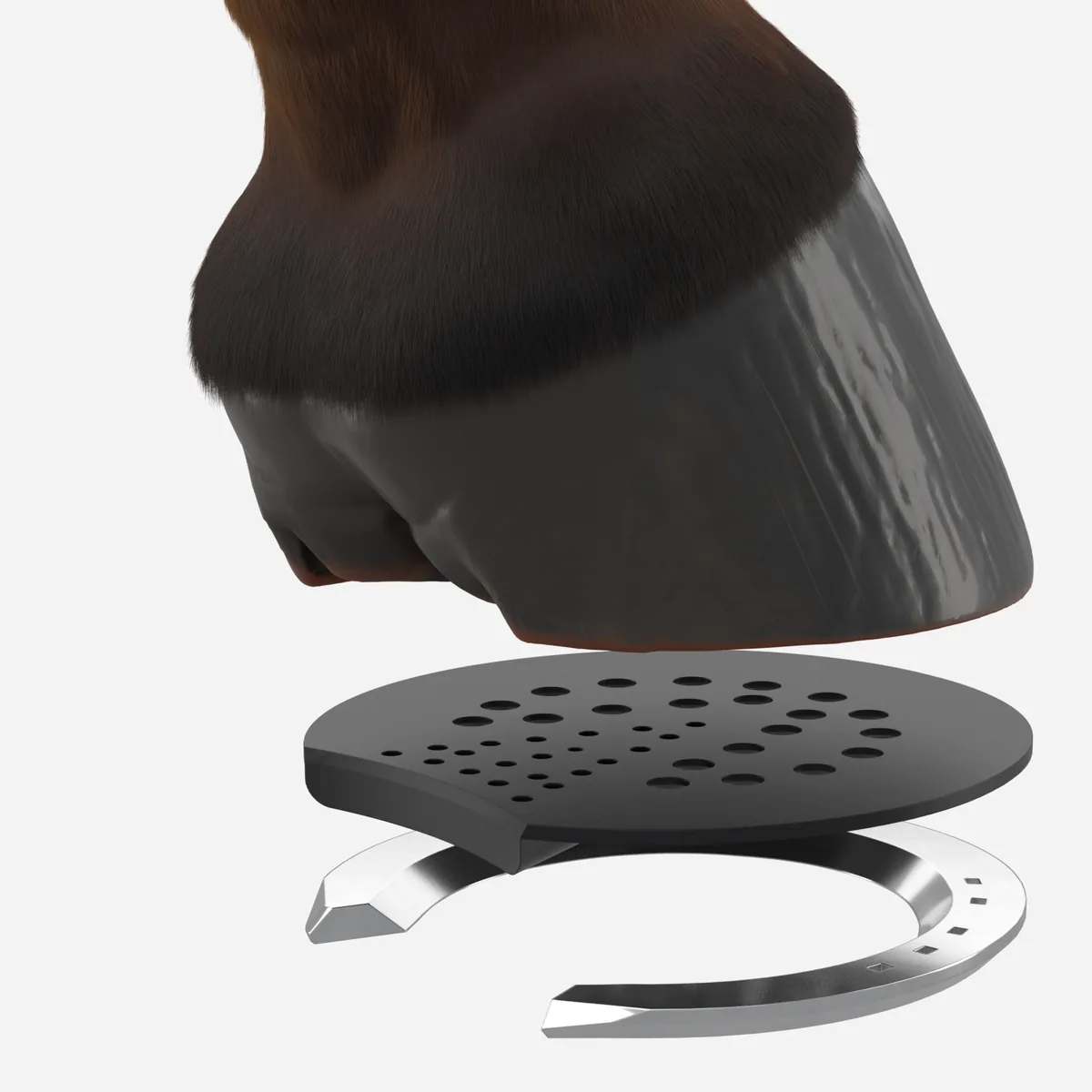
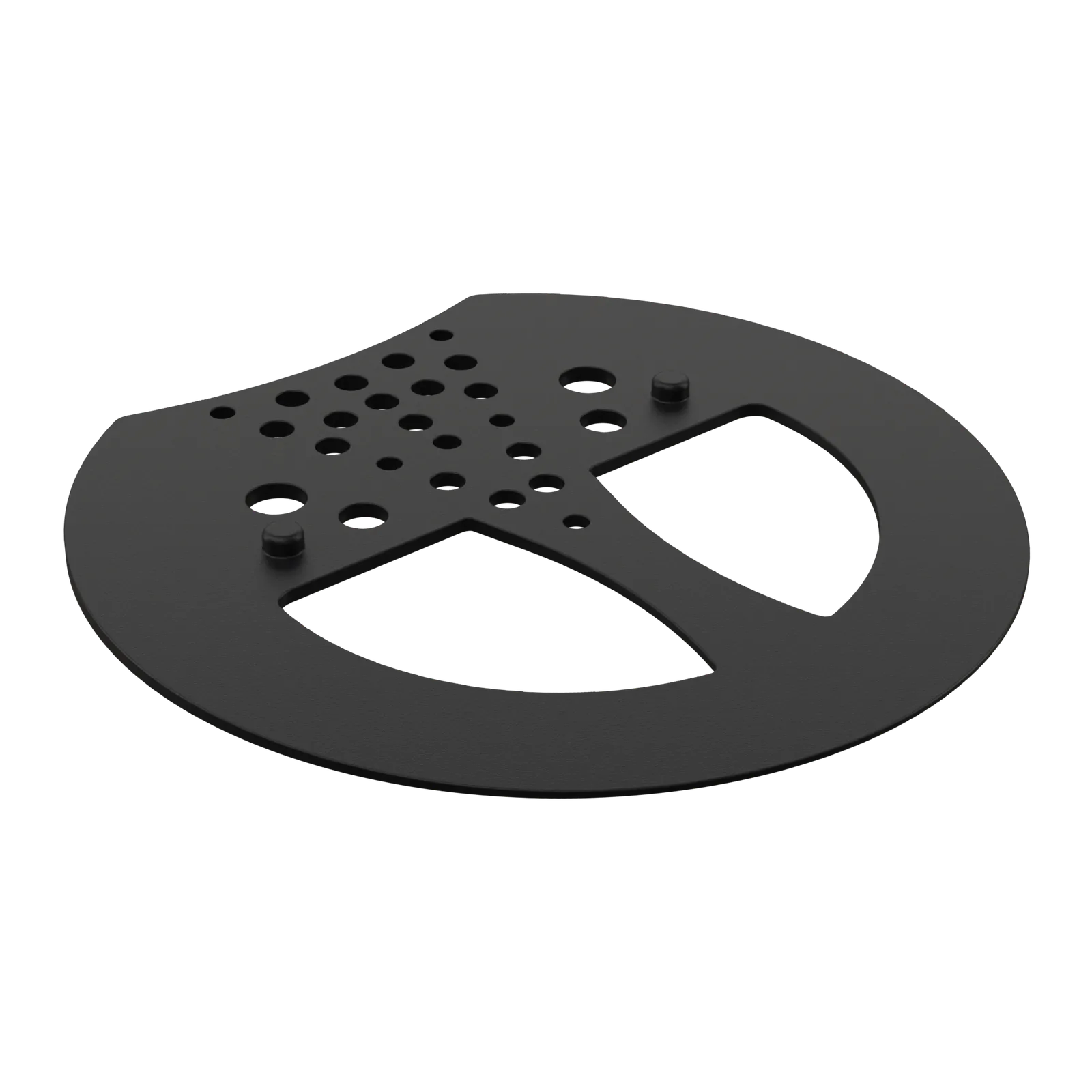
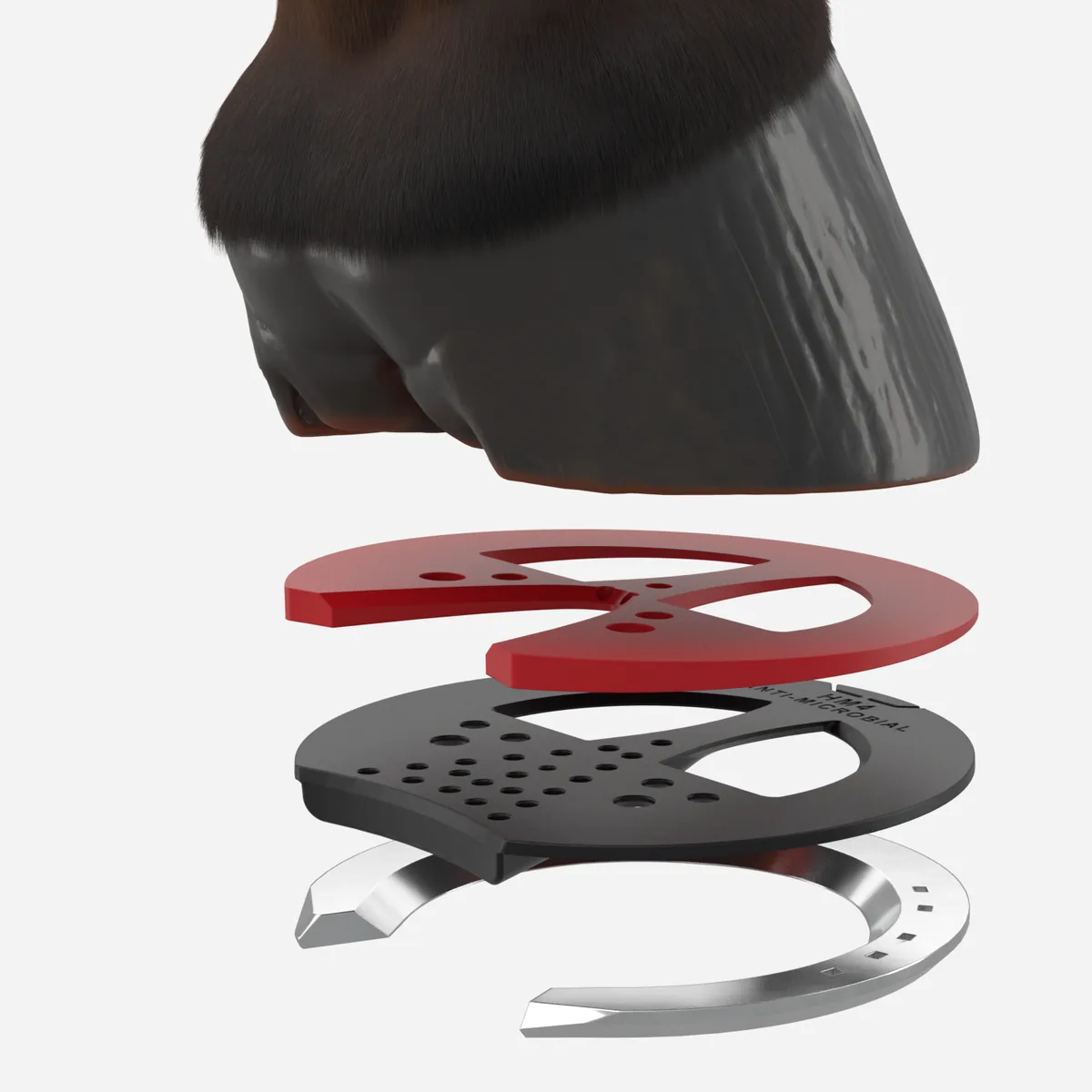
Low and underrun heels need two things: protection for a heel that's doing more work than it should, and a gradual correction of the angles behind it. A Mesh Pad under the shoe protects and supports the back of the foot, while a Degree Insert may help restore a healthier hoof-pastern axis over successive shoeing cycles. This is a work-with-your-farrier project. Improvement comes trim by trim, not overnight.

Read the related guide

Support the angles at the back of the foot

For diagnosed navicular syndrome, Derek Poupard CJF DipWCF's approach starts with the hoof-pastern axis, since better alignment may help reduce strain on the deep digital flexor tendon. That's the job of Degree Inserts, available from 1 to 5 degrees. Frog support comes second, helping the back of the foot share the load. Work from your vet's radiographs: the right degree is a clinical decision, not a guess.

Read the related guide

Sole protection that works under the shoe

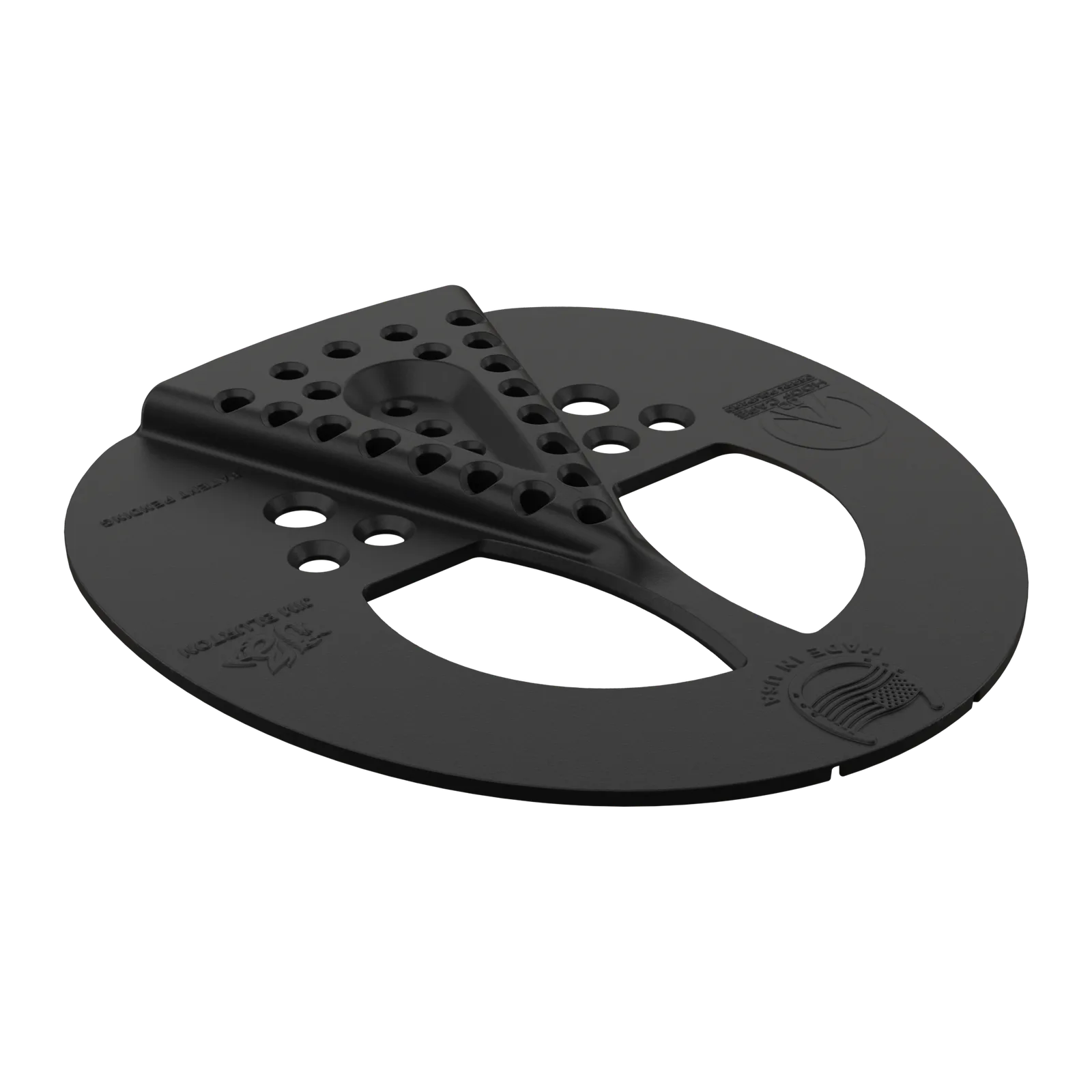
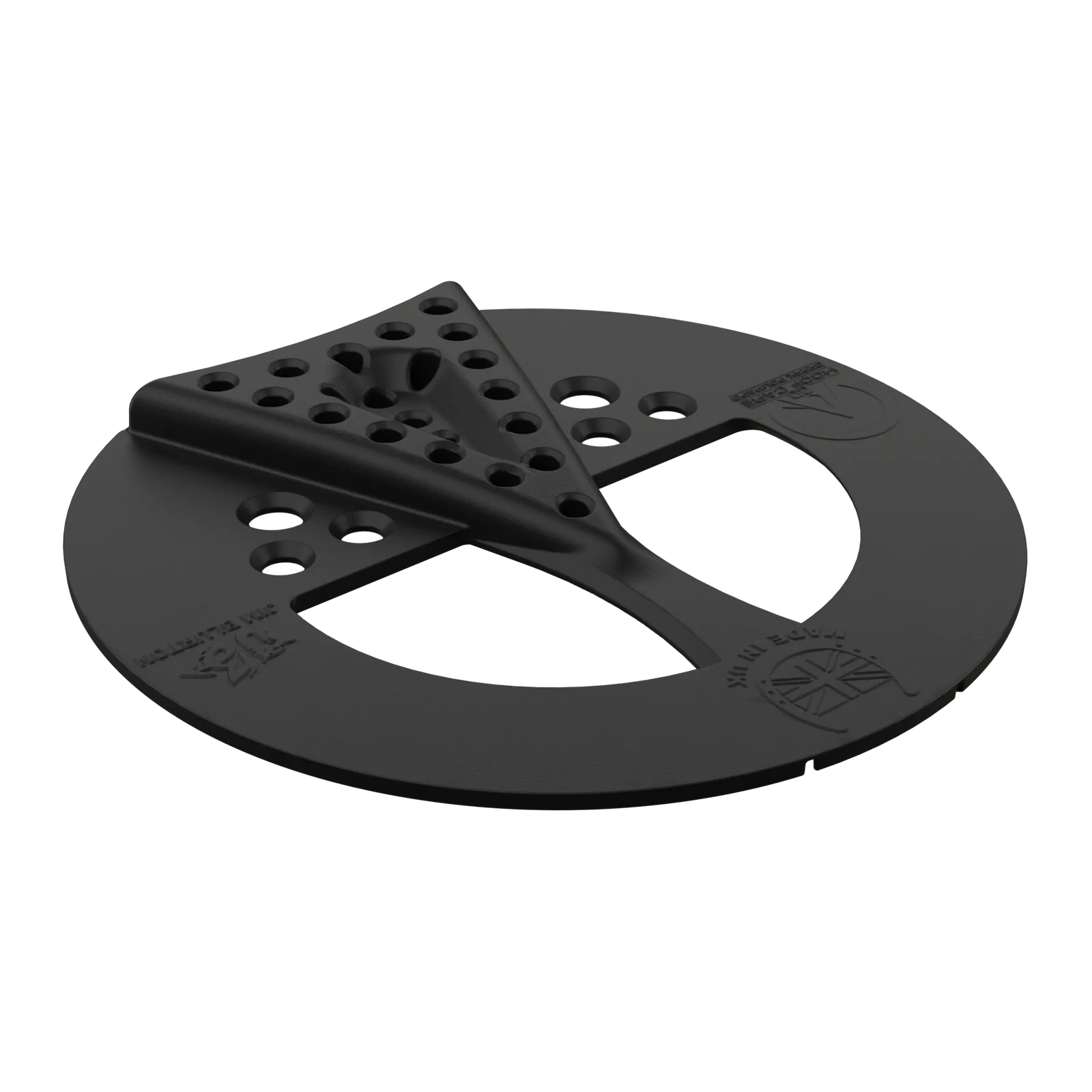
Since your horse is shod and in work, the answer is a pad that sits between the shoe and the hoof. The Universal Half Mesh is a true hybrid pattern developed from hundreds of front and hind feet, giving the sole cover without changing how the shoe does its job. Pair it with impression material so the protection is supported evenly, not just at the edges.

Read the related guide

Protection without giving up barefoot

Your horse can stay barefoot and keep working. The sole just needs help with concussion in the meantime. The Barefoot Protection Pad shields the sole while allowing the hoof to function naturally, and the Ground Pad adds an option for varied terrain. Measure white line to white line immediately after a fresh trim. The pad must not protrude past the hoof wall edge. If you're unsure of your setup, your farrier or trimmer can confirm the right path in minutes.

Read the related guide

Build comfort back while the hoof recovers

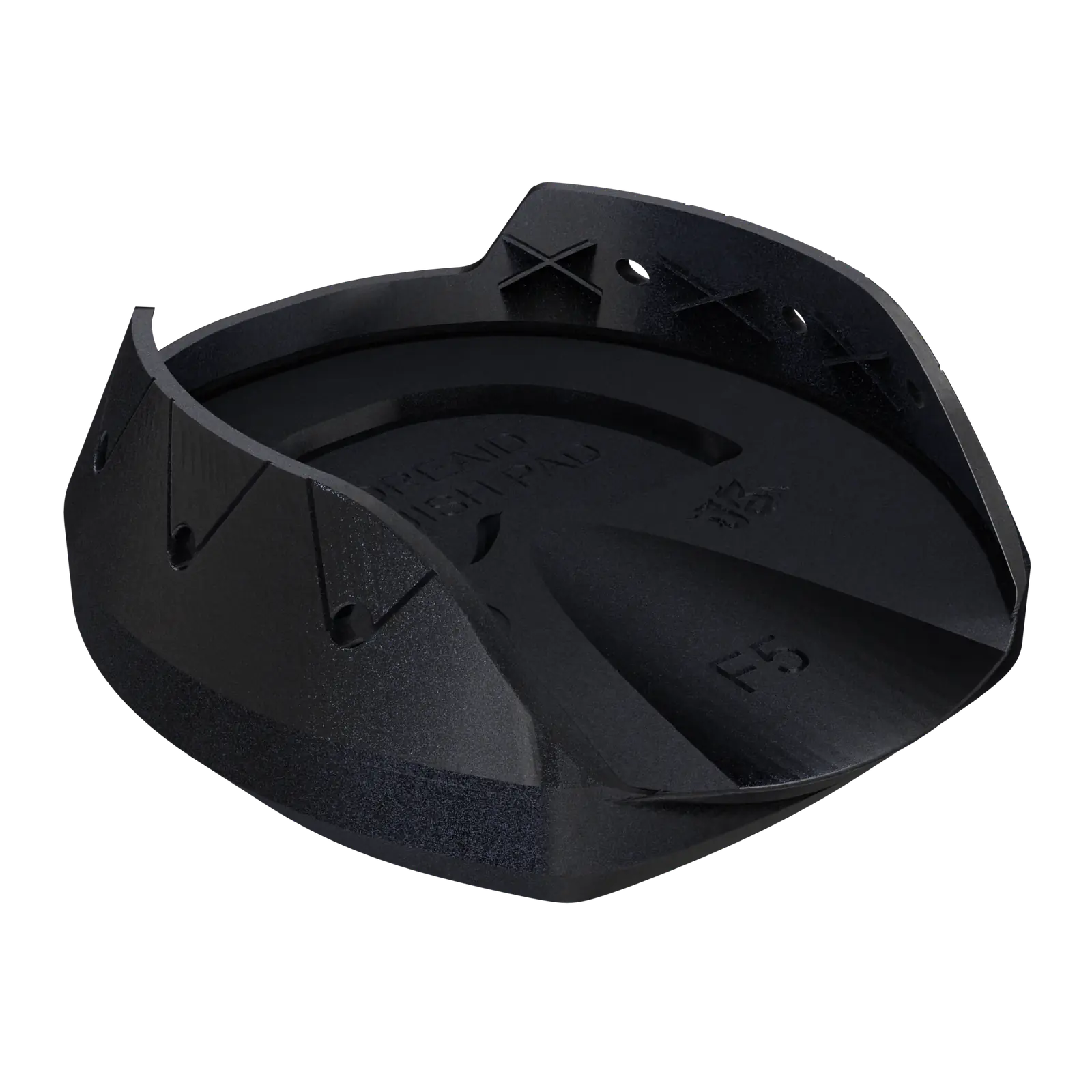
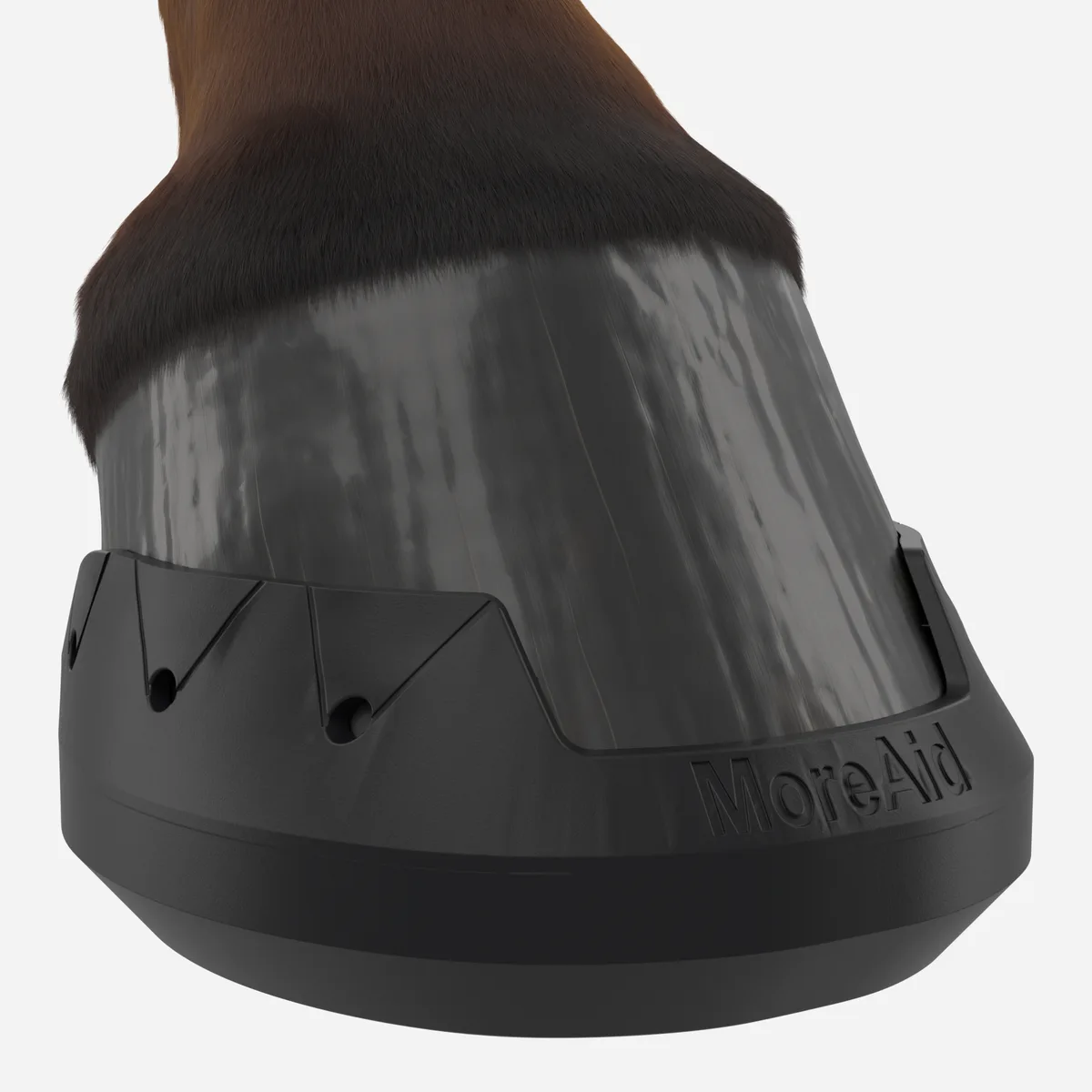
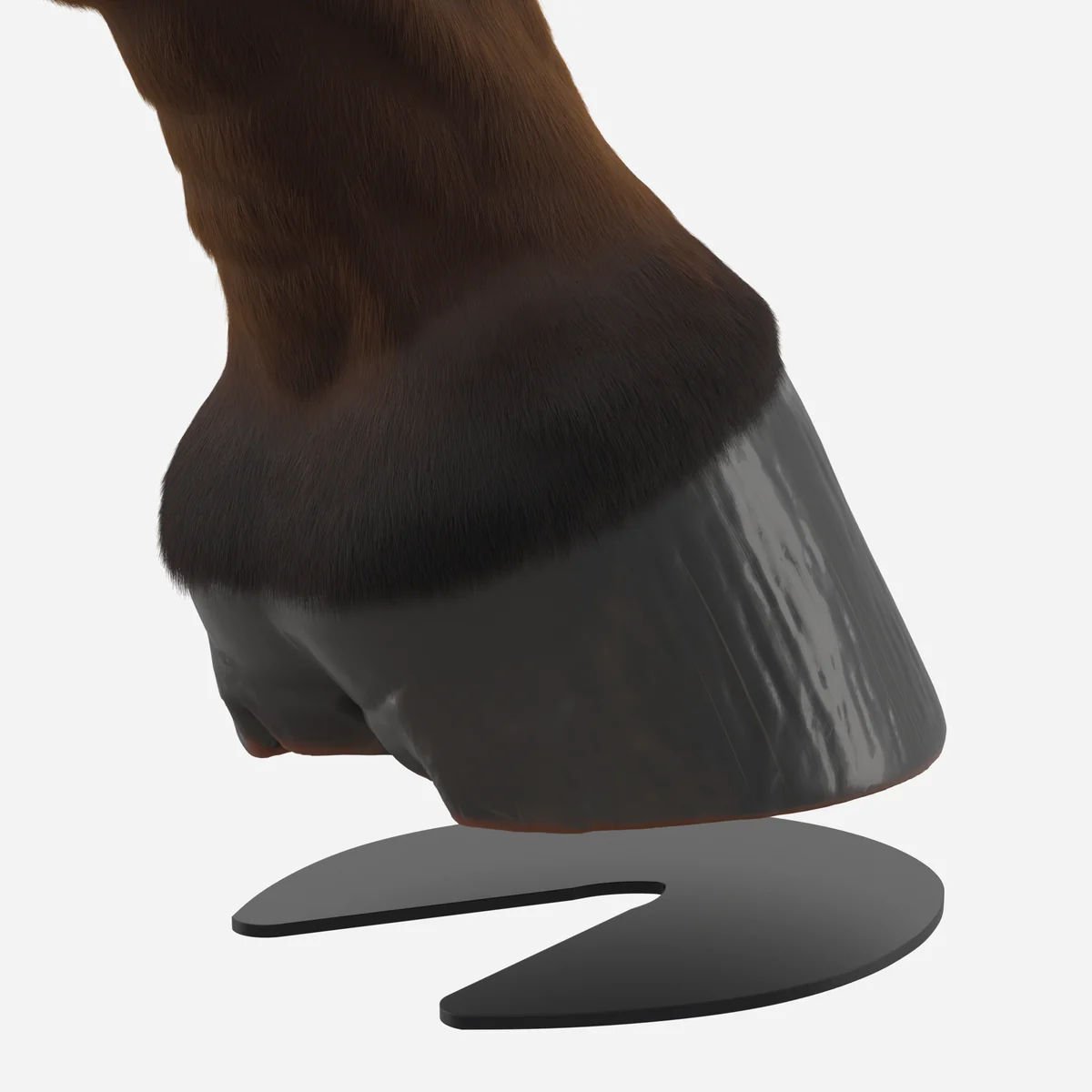
With your horse resting, you can give thin, sensitive soles maximum protection. The Squish Pad acts as the shoe itself and cushions the entire solar surface while sole depth rebuilds. It's designed for recovery, not ridden work. When your horse is ready to return to work, retake the quiz or check the thin soles guide for the next step.

Read the related guide

Soft support for a sore, laminitic hoof

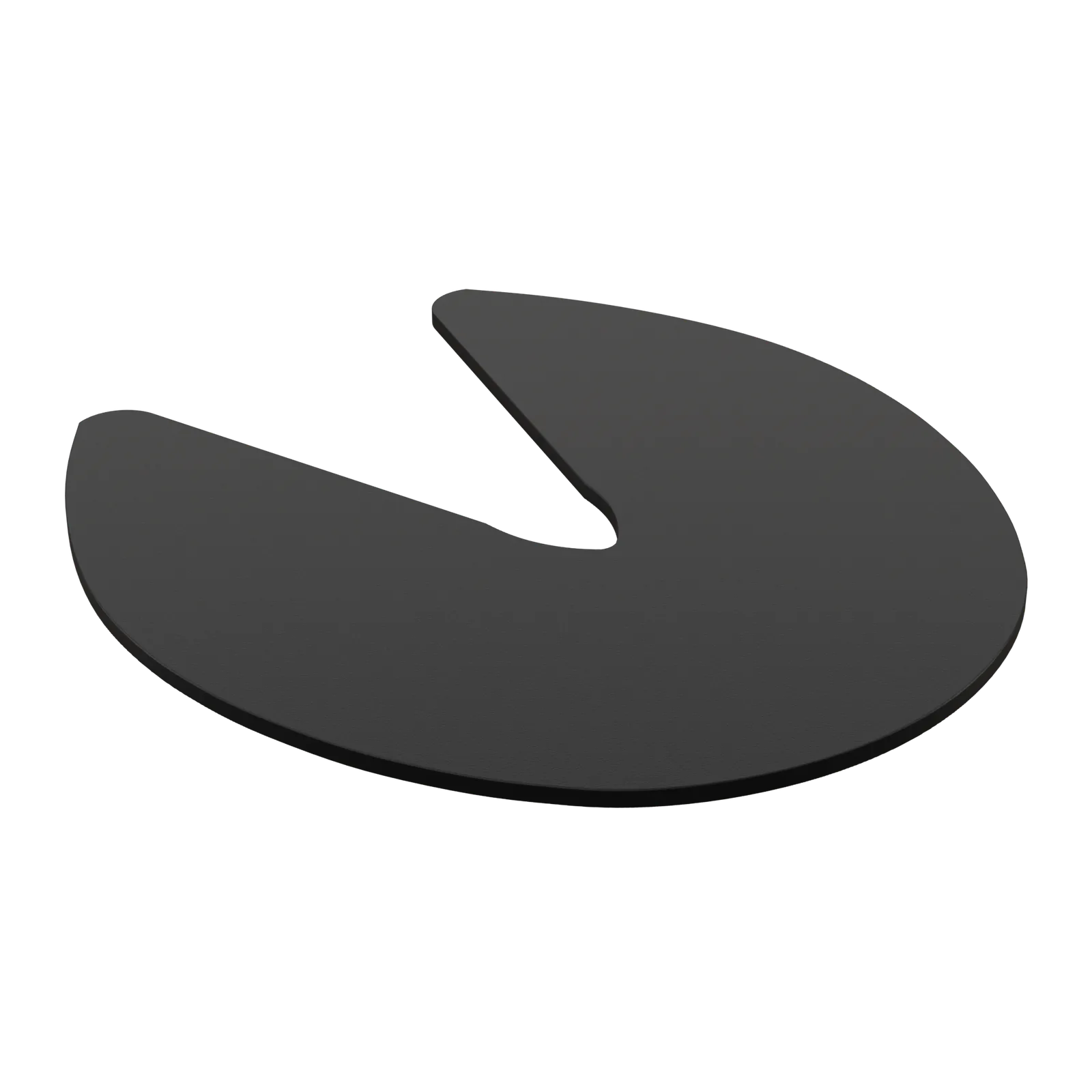
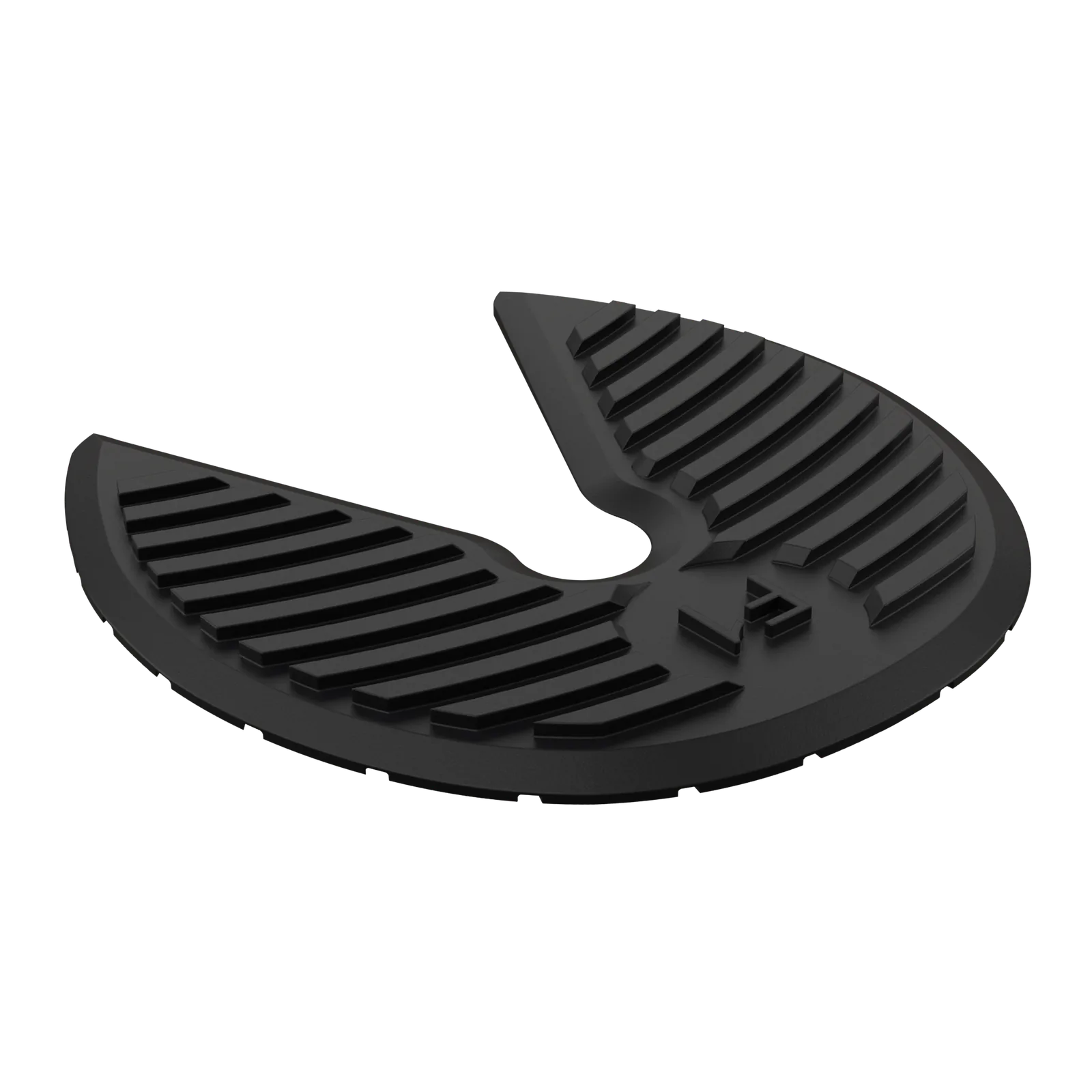
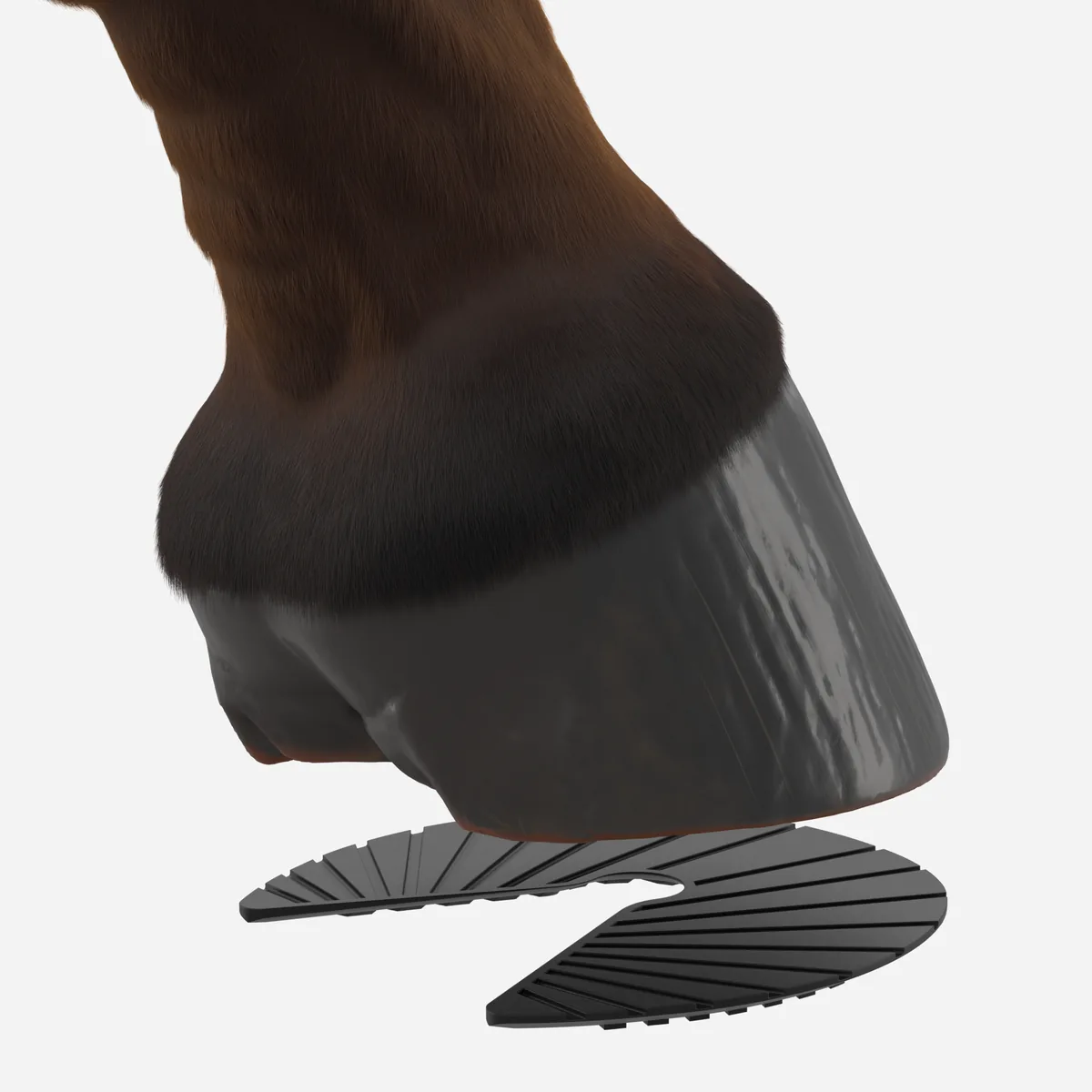
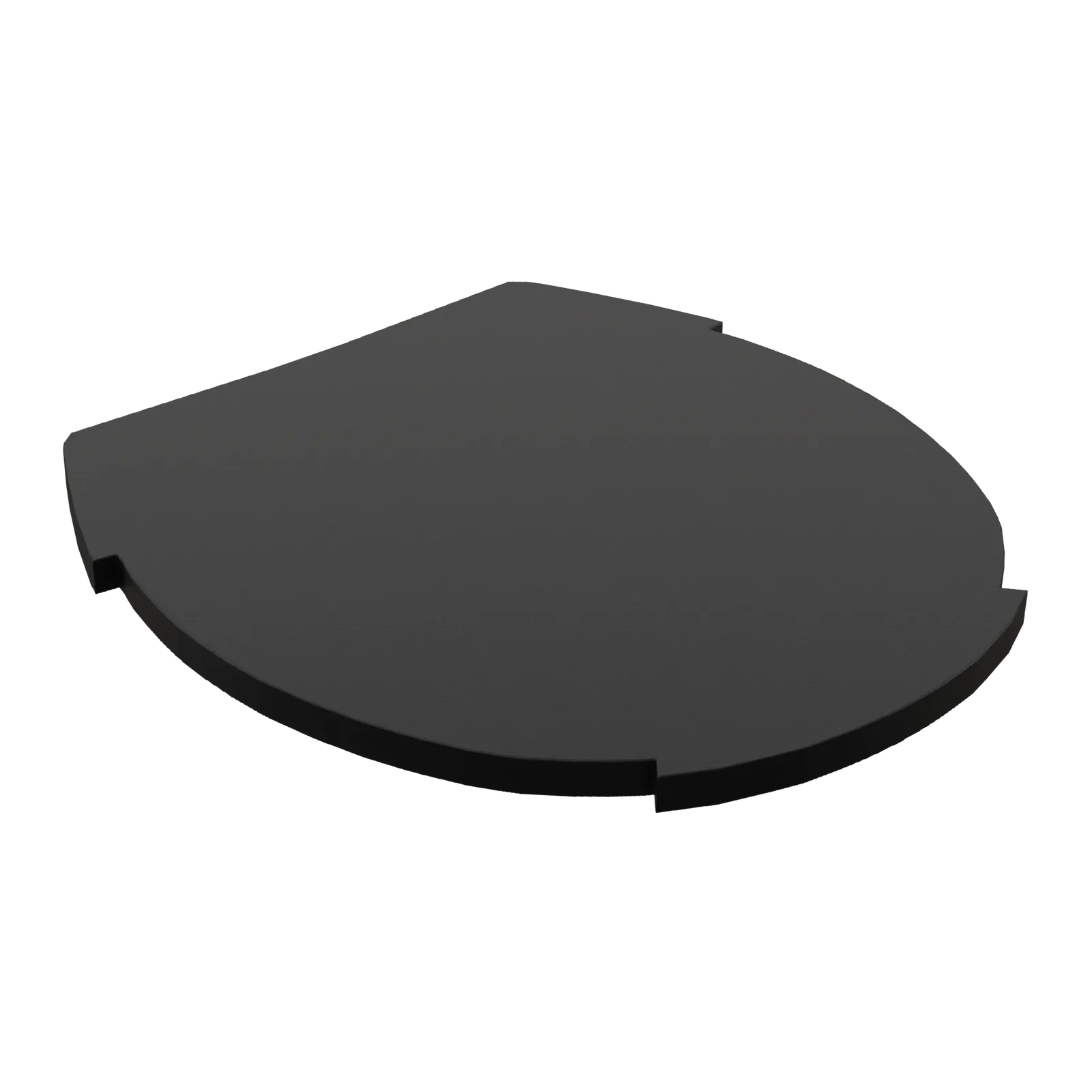
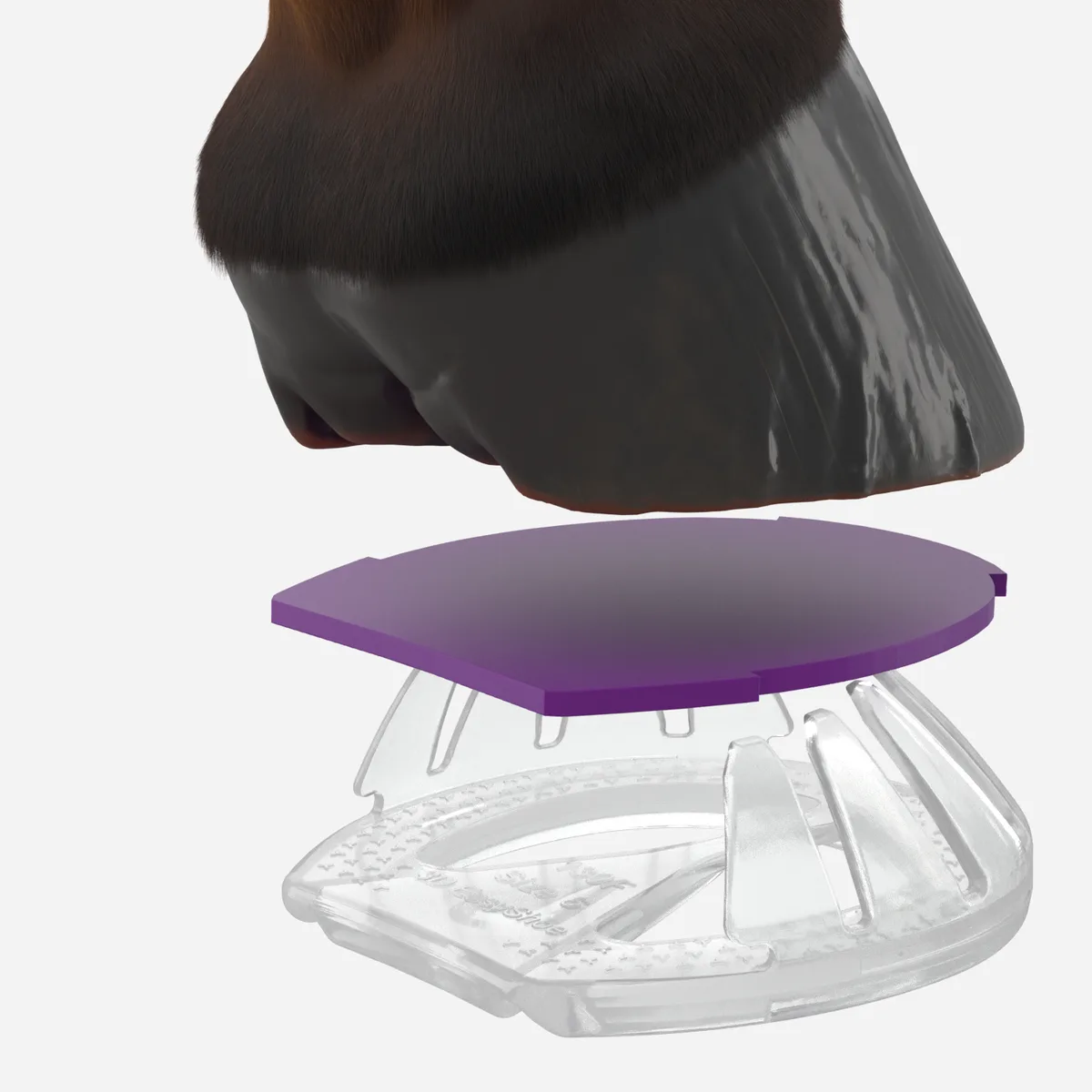
For laminitis and sole pain, the priority is taking pressure off the sensitive sole and supporting the frog so your horse is willing to move again. The Squish Pad is a rehabilitation shoe. It becomes the shoe itself, with a very soft 35% air construction that cushions every step. It's a recovery tool, not a riding shoe: plan on rest and rehabilitation first, and work alongside your vet and farrier throughout.

Read the related guide
Thanks, your answers have been received.
Something went wrong. Please try again.