







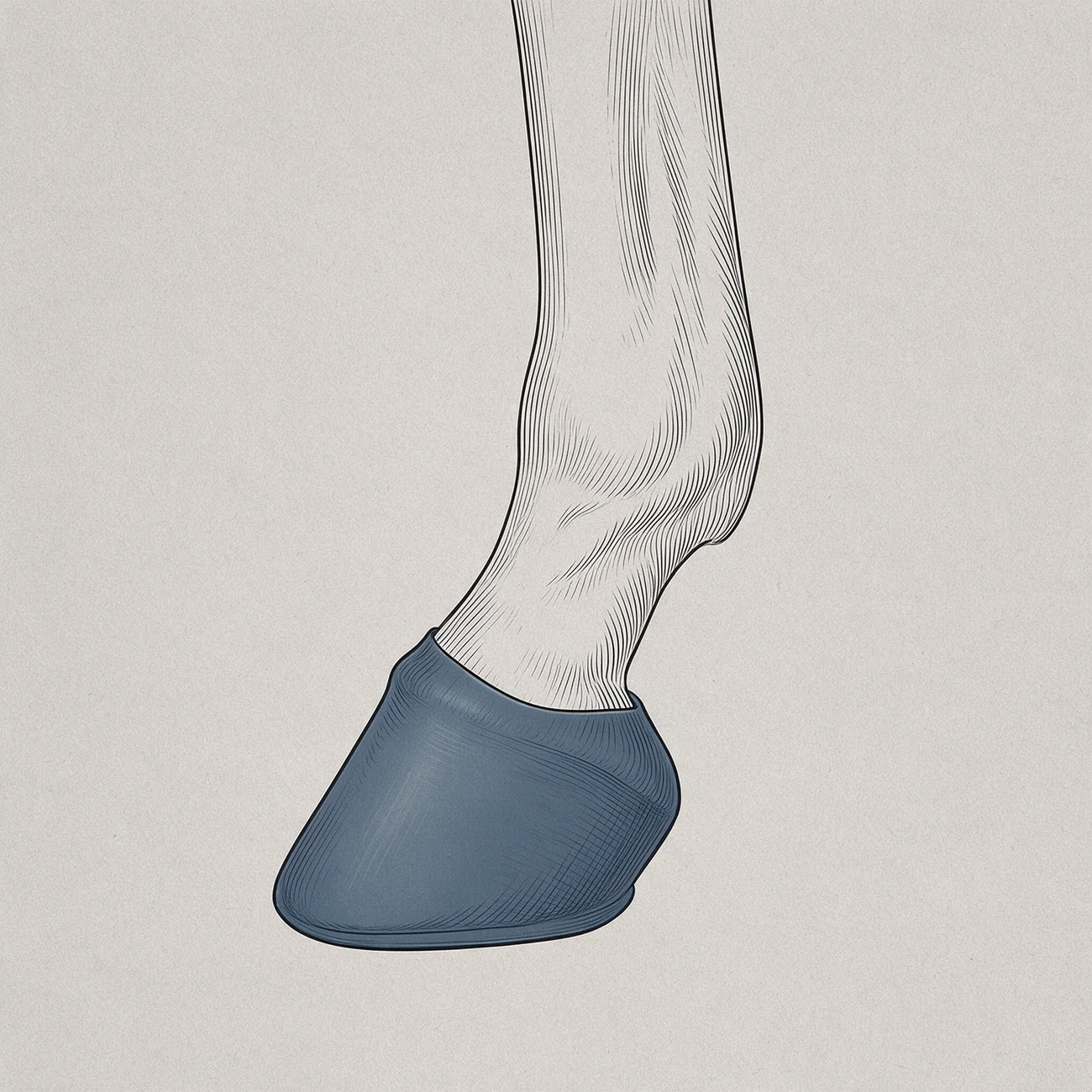
Hoof injuries range from bruised soles and abscesses to wall cracks and punctures. The hoof forgives a great deal (it's built to), but recovery depends on quick recognition, the right professional involvement, and keeping the healing foot clean and protected.
Abscesses: the most common emergency
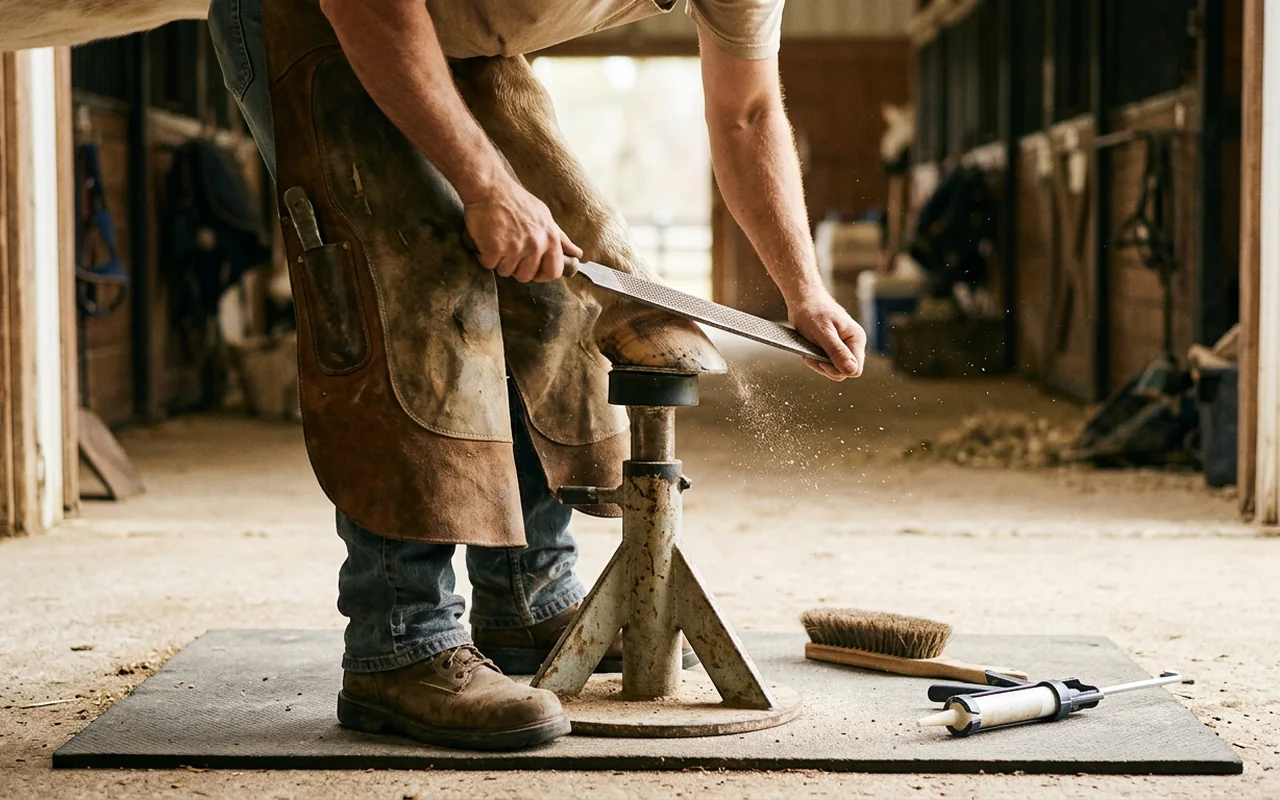
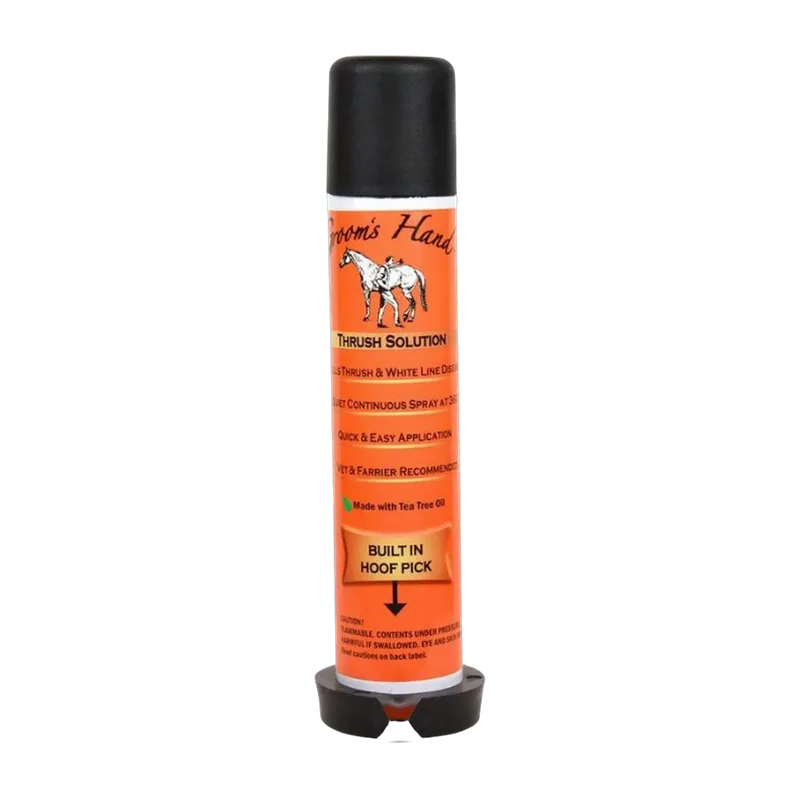
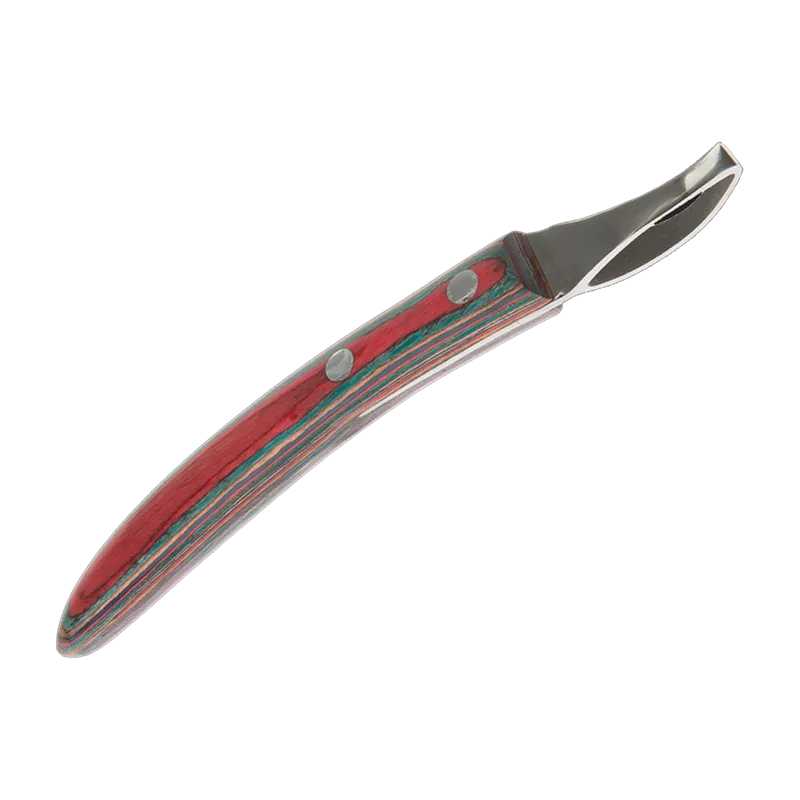
A hoof abscess is a pocket of infection trapped inside the hoof capsule, and it is the single most common cause of sudden, severe lameness: a horse that was sound yesterday and can barely bear weight today. Look for heat, a bounding digital pulse, and a strong reaction to pressure over one spot. The fix is drainage: your vet or farrier locates the tract and opens it so pressure releases. Relief is often dramatic and fast. Resist the temptation to dig for it yourself; chasing an abscess through healthy sole does more harm than the abscess.
Wounds, bruises, and cracks
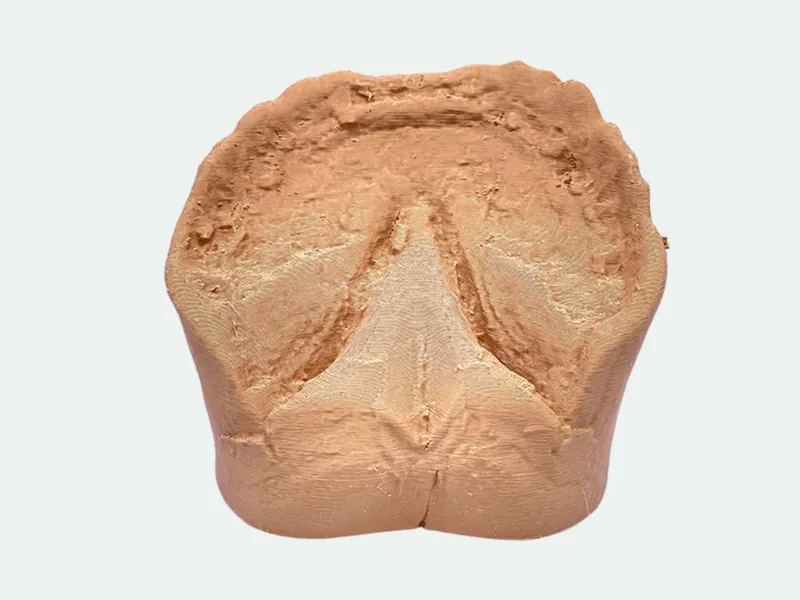
Sole bruising follows work on hard or stony ground and usually resolves with rest and protection. Wall cracks vary from cosmetic to serious. Anything that moves, bleeds, or extends toward the coronary band needs professional attention. Any wound near the hoof deserves cleaning and a vet's assessment, not least because of tetanus risk.
Protecting the healing foot
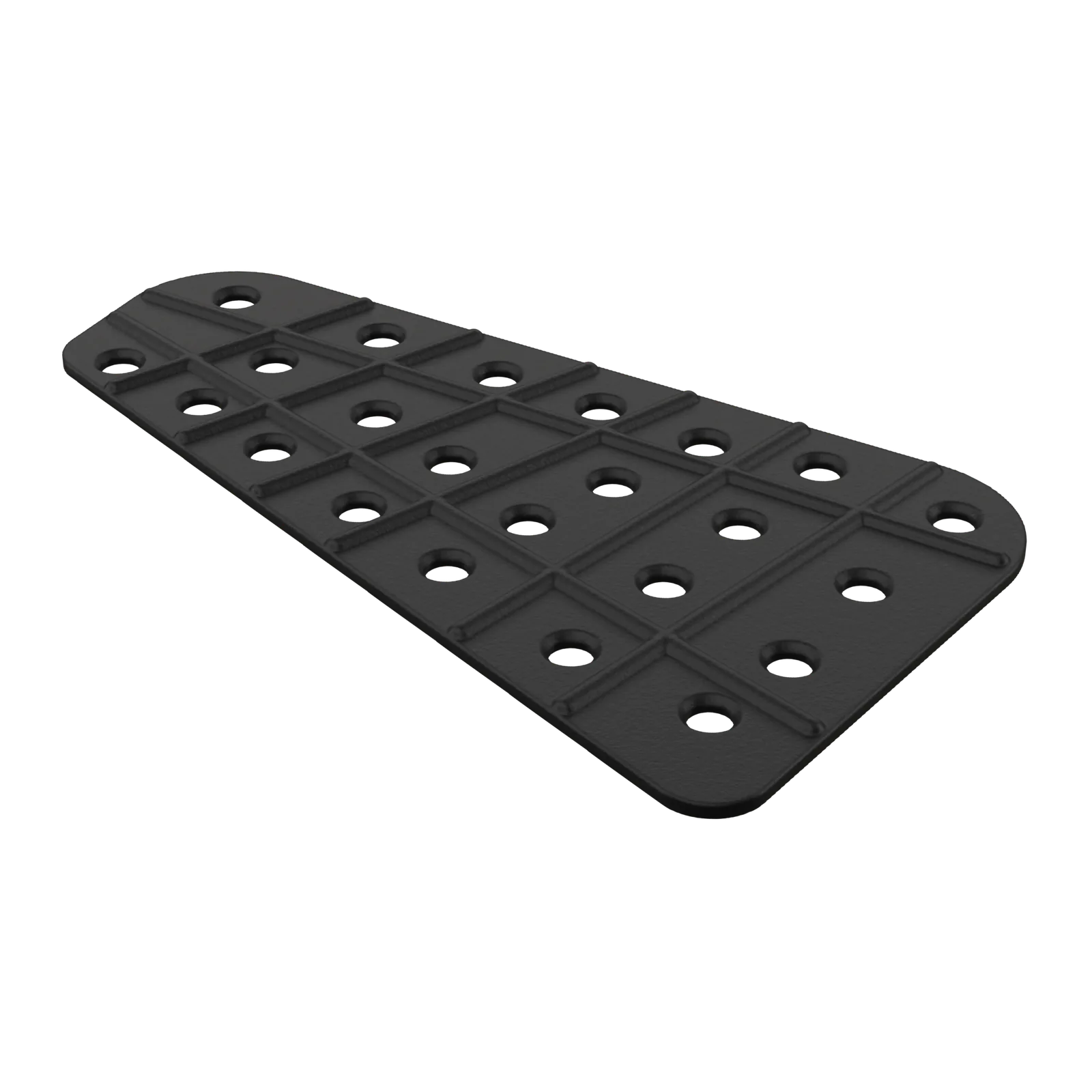
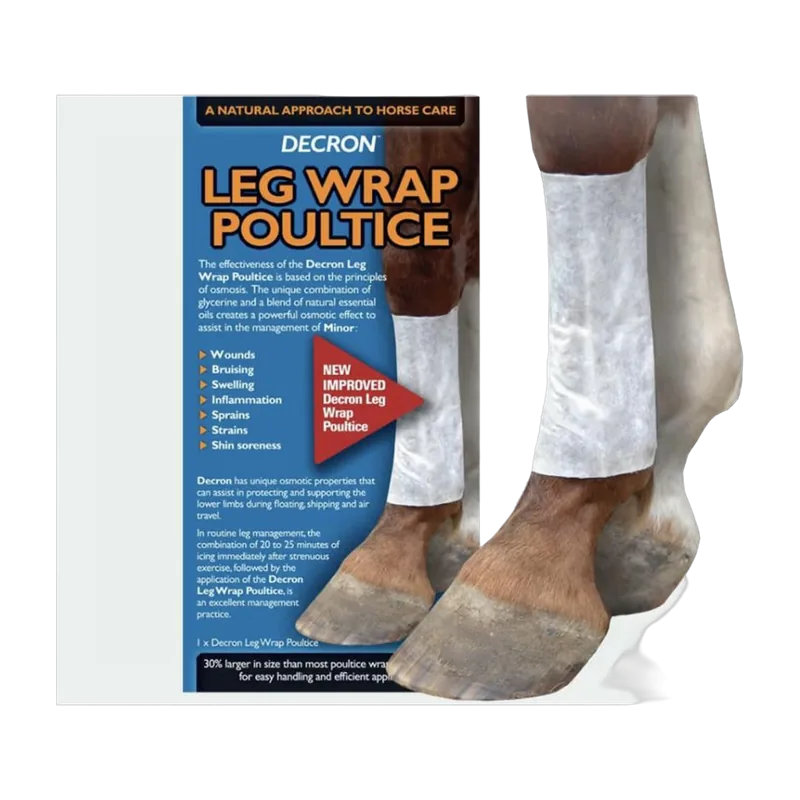
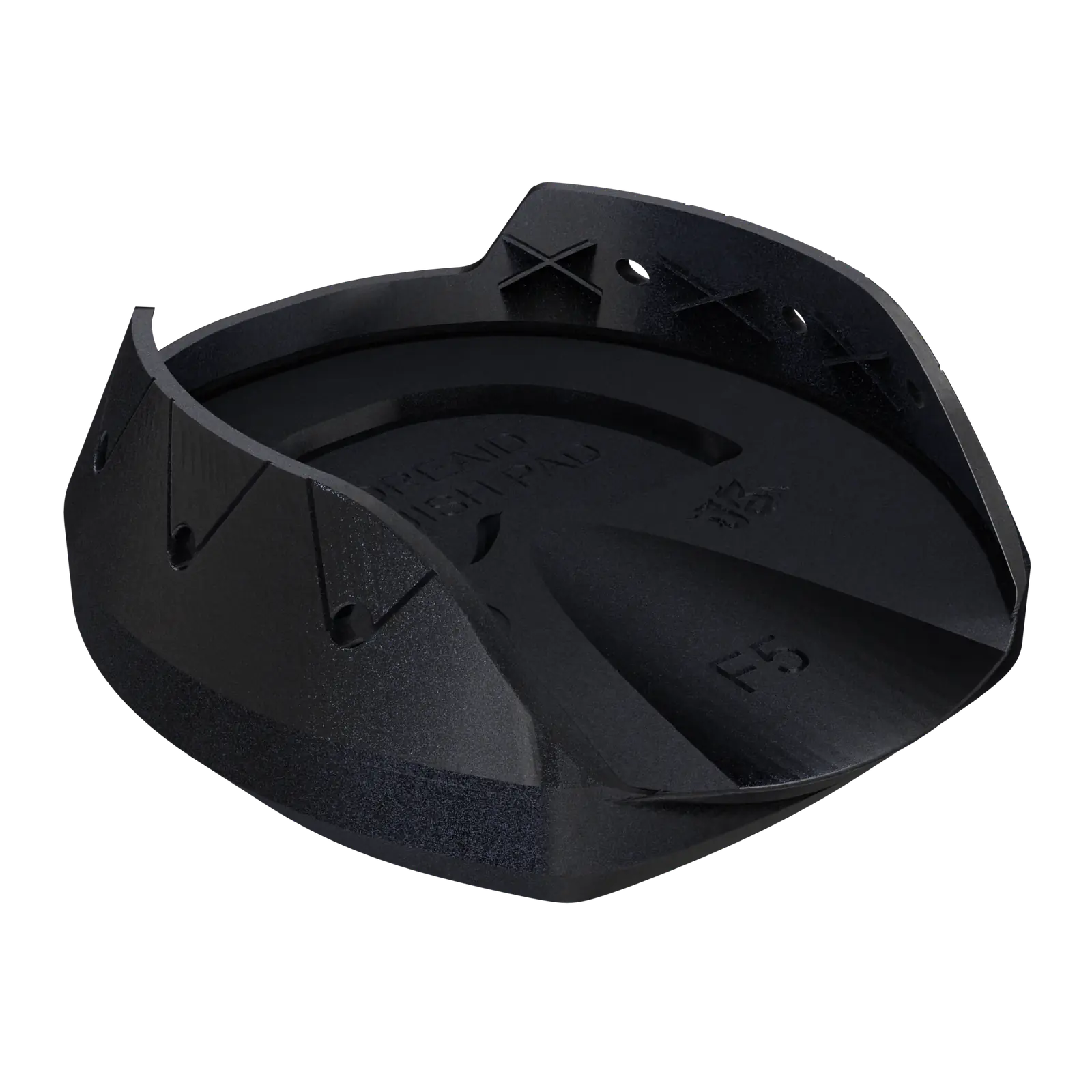
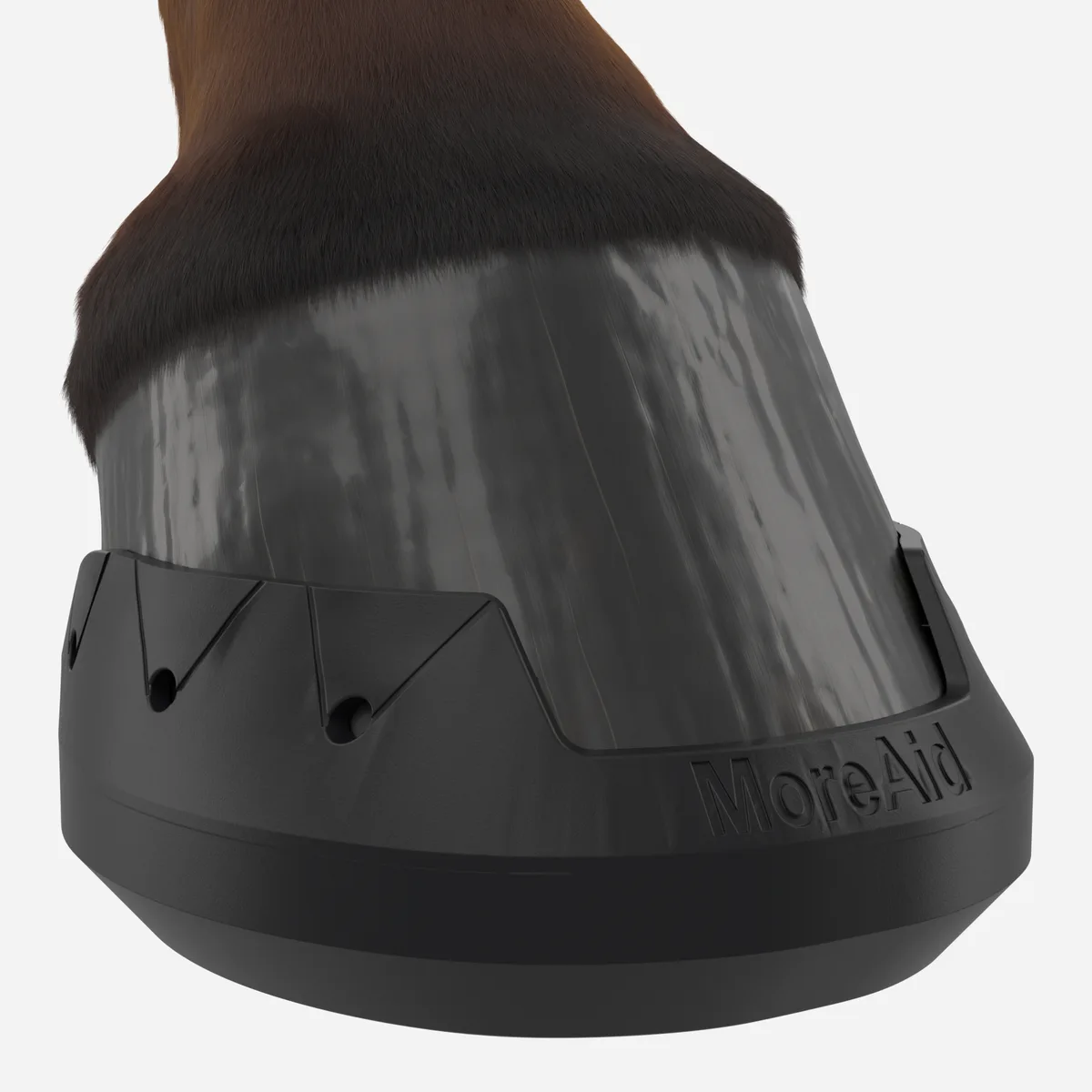
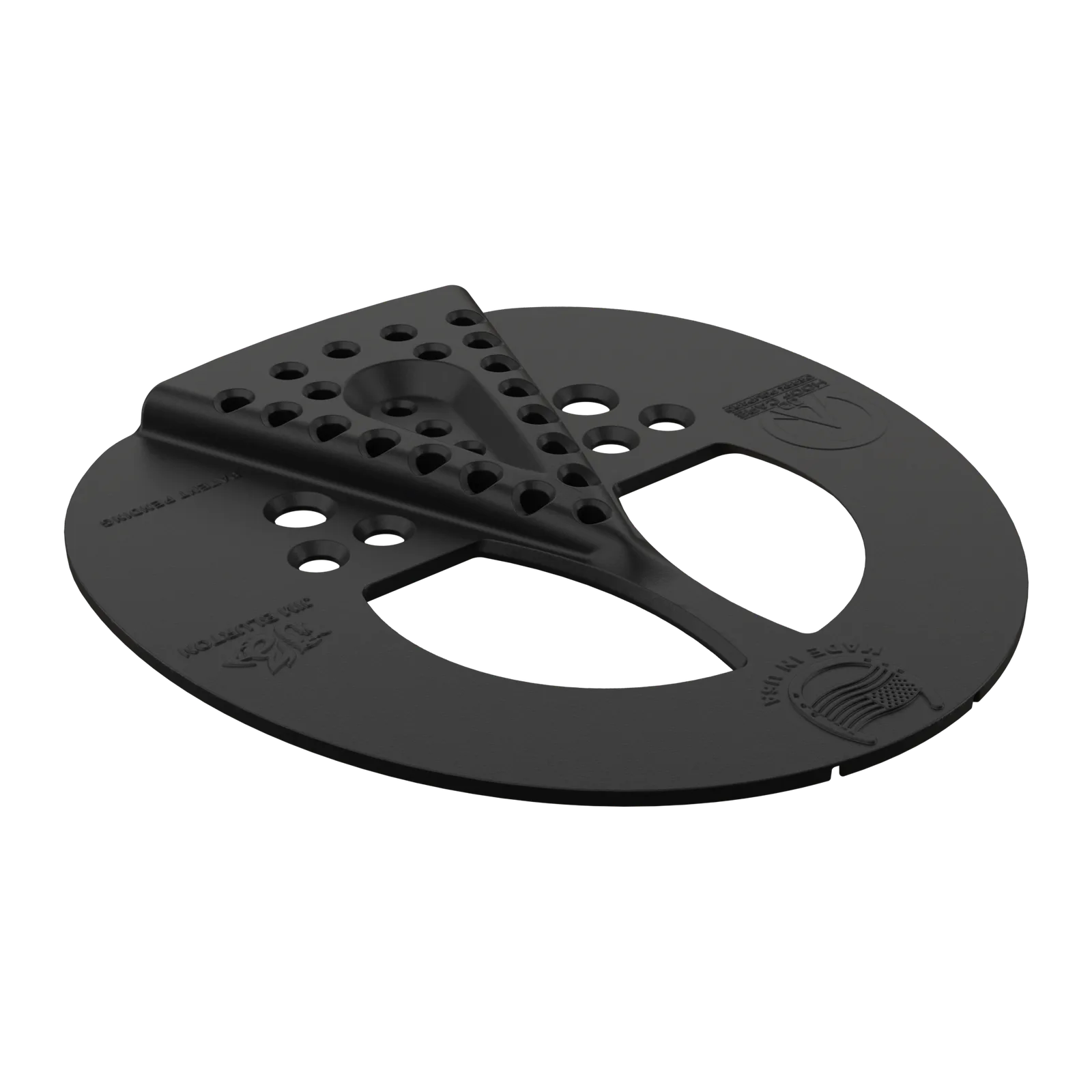
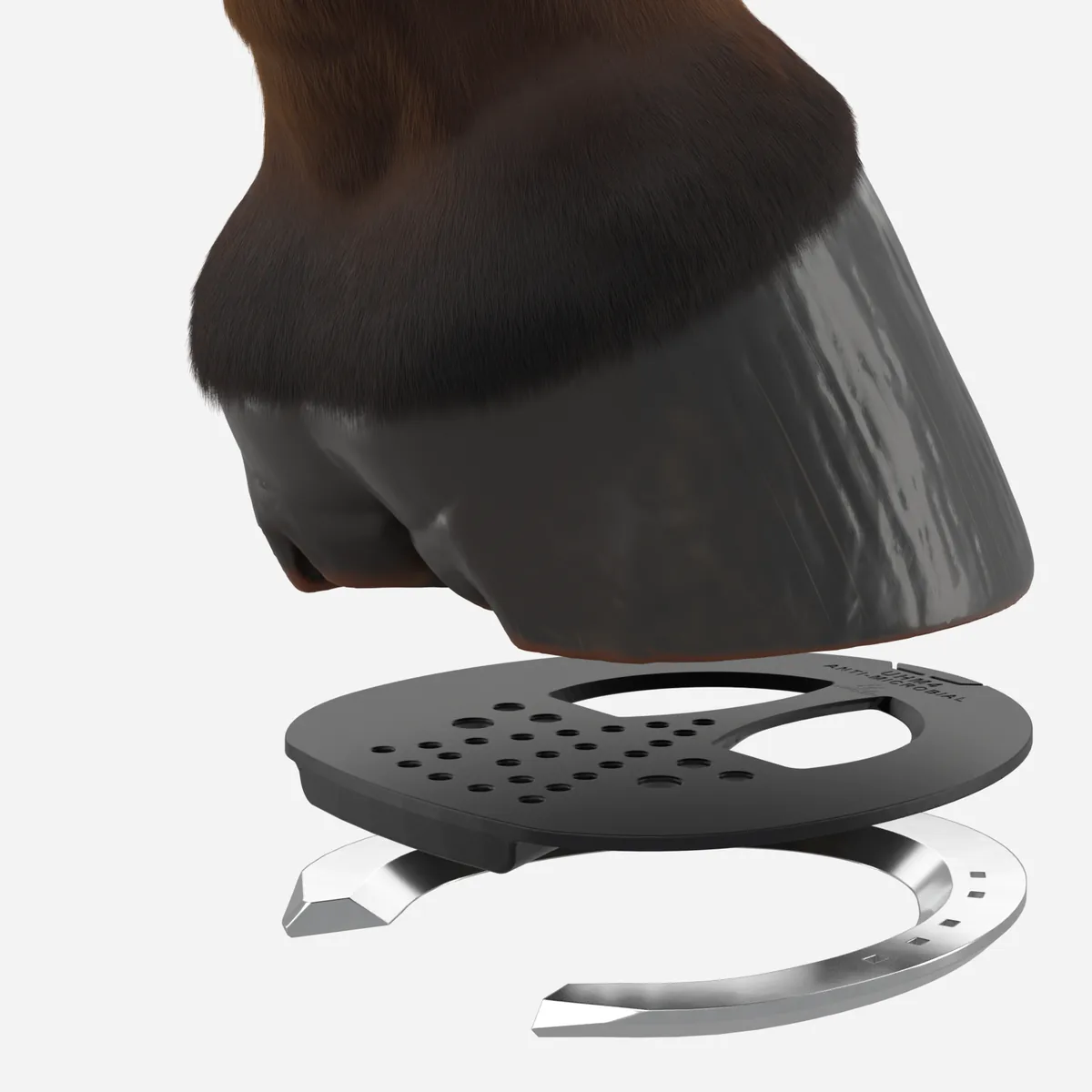
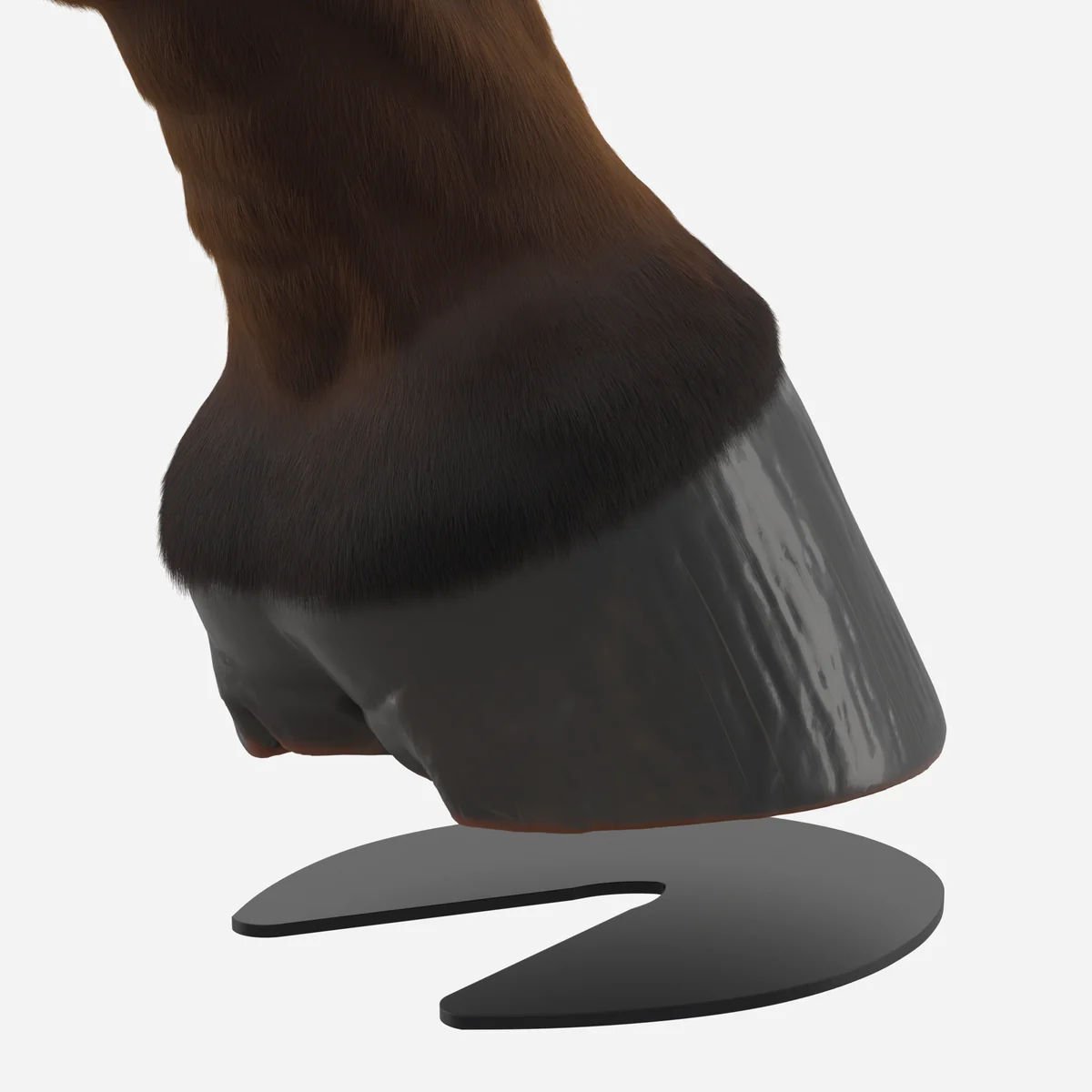
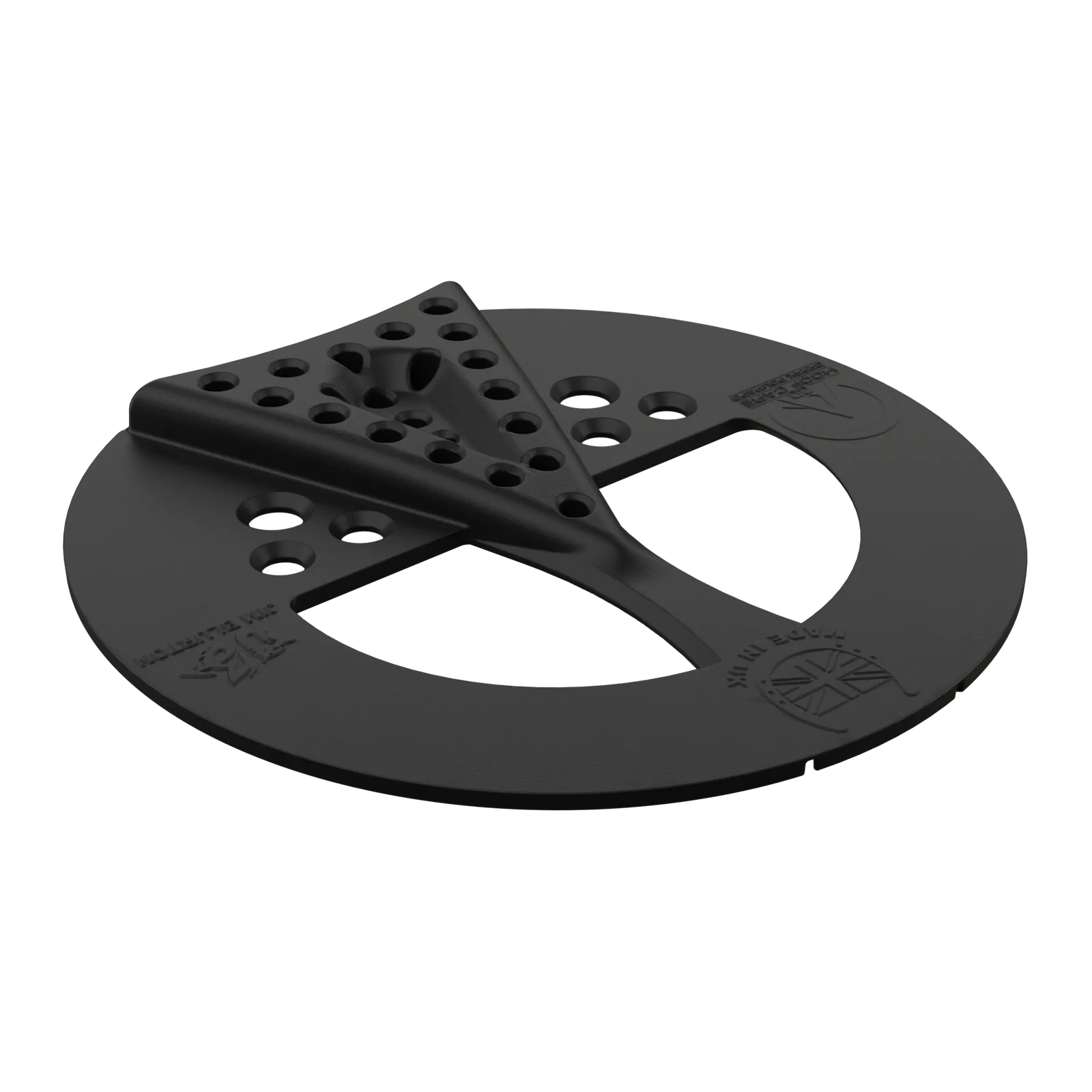
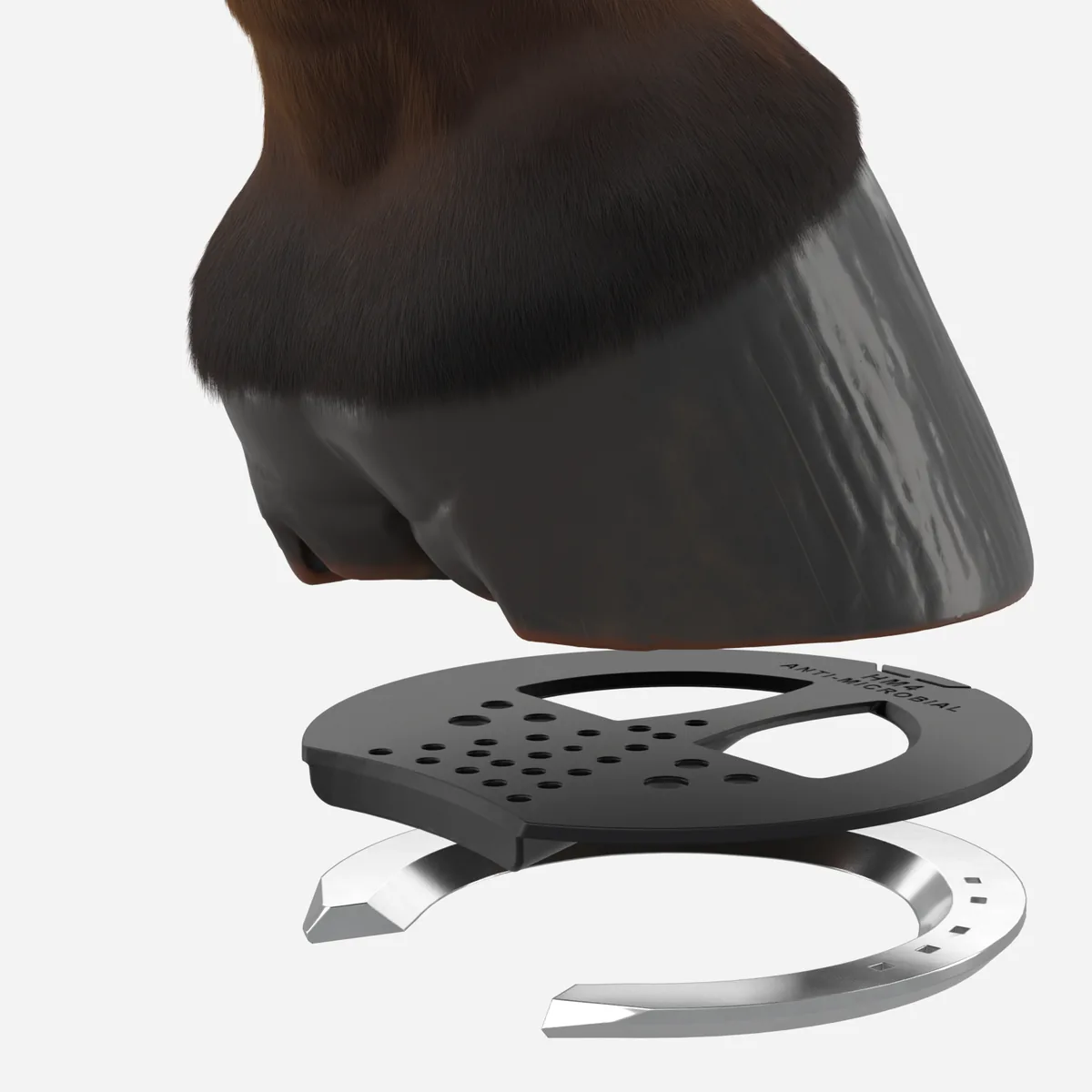
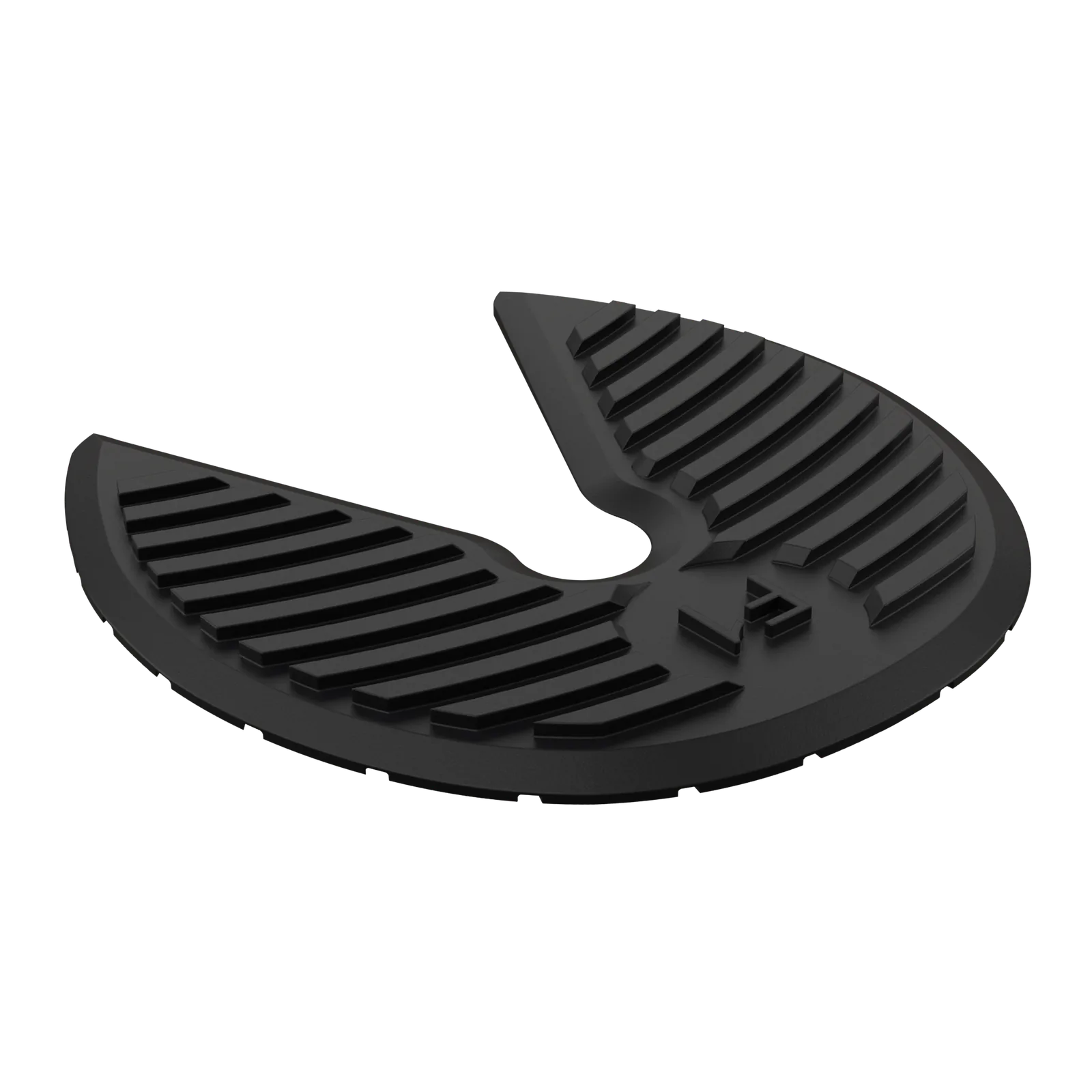
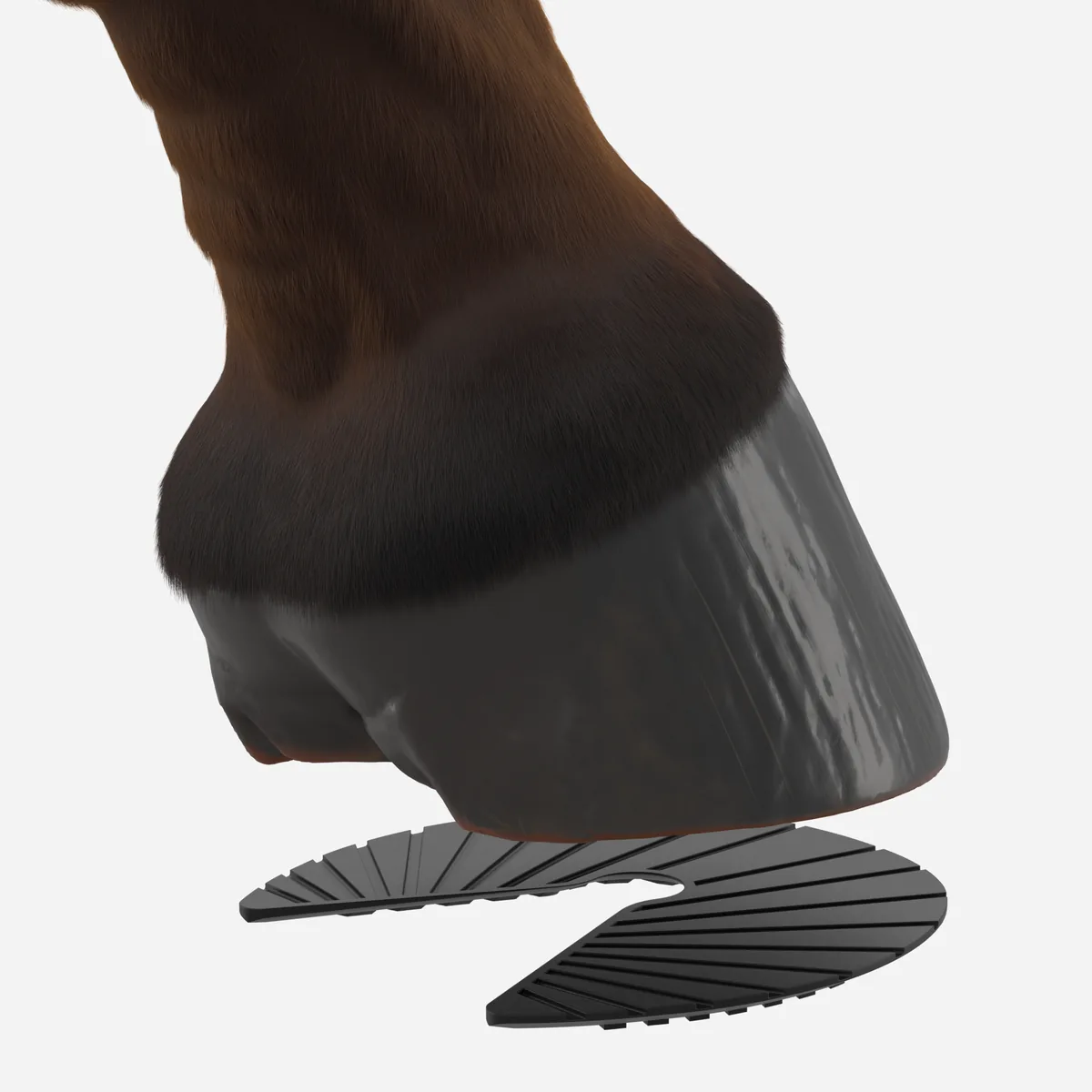
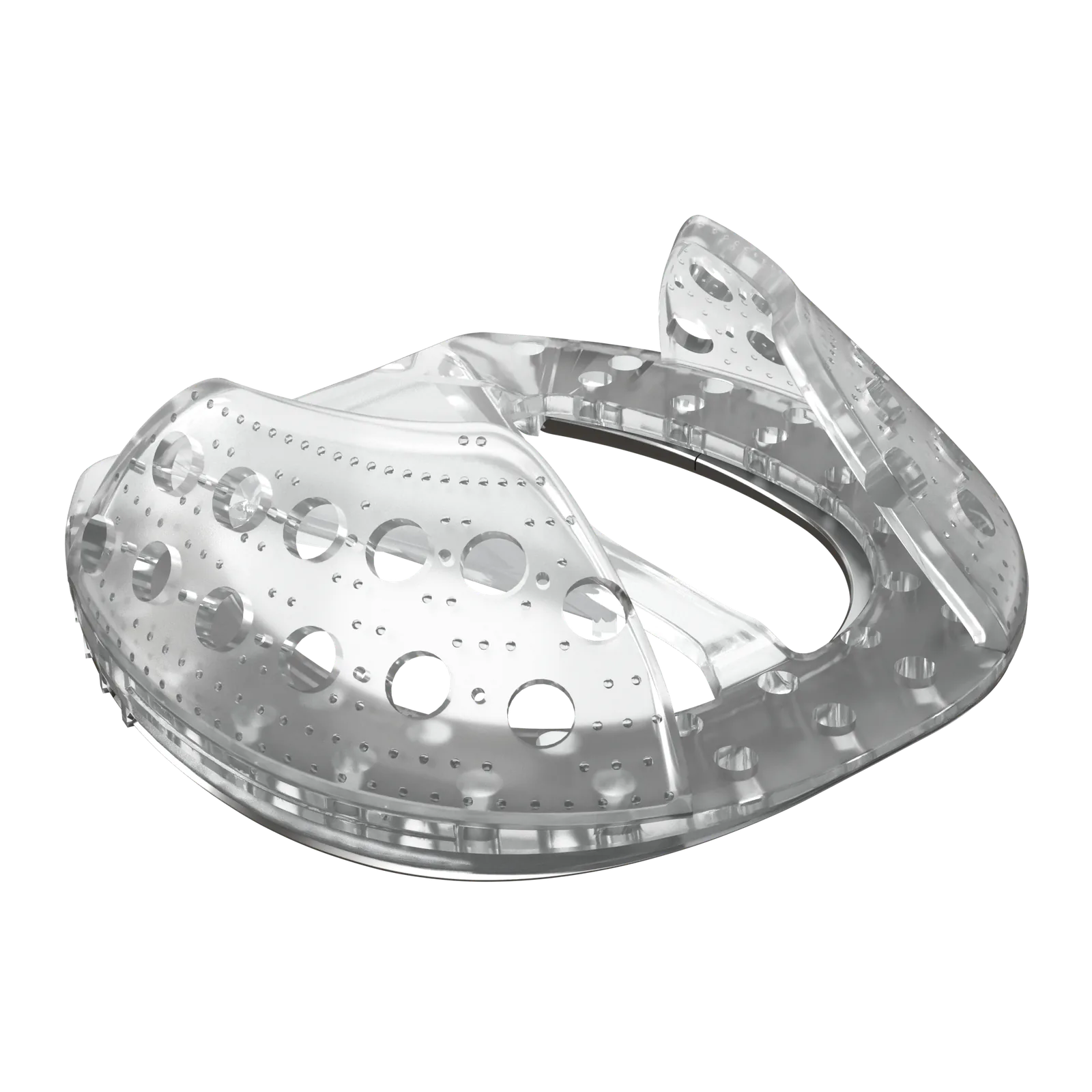
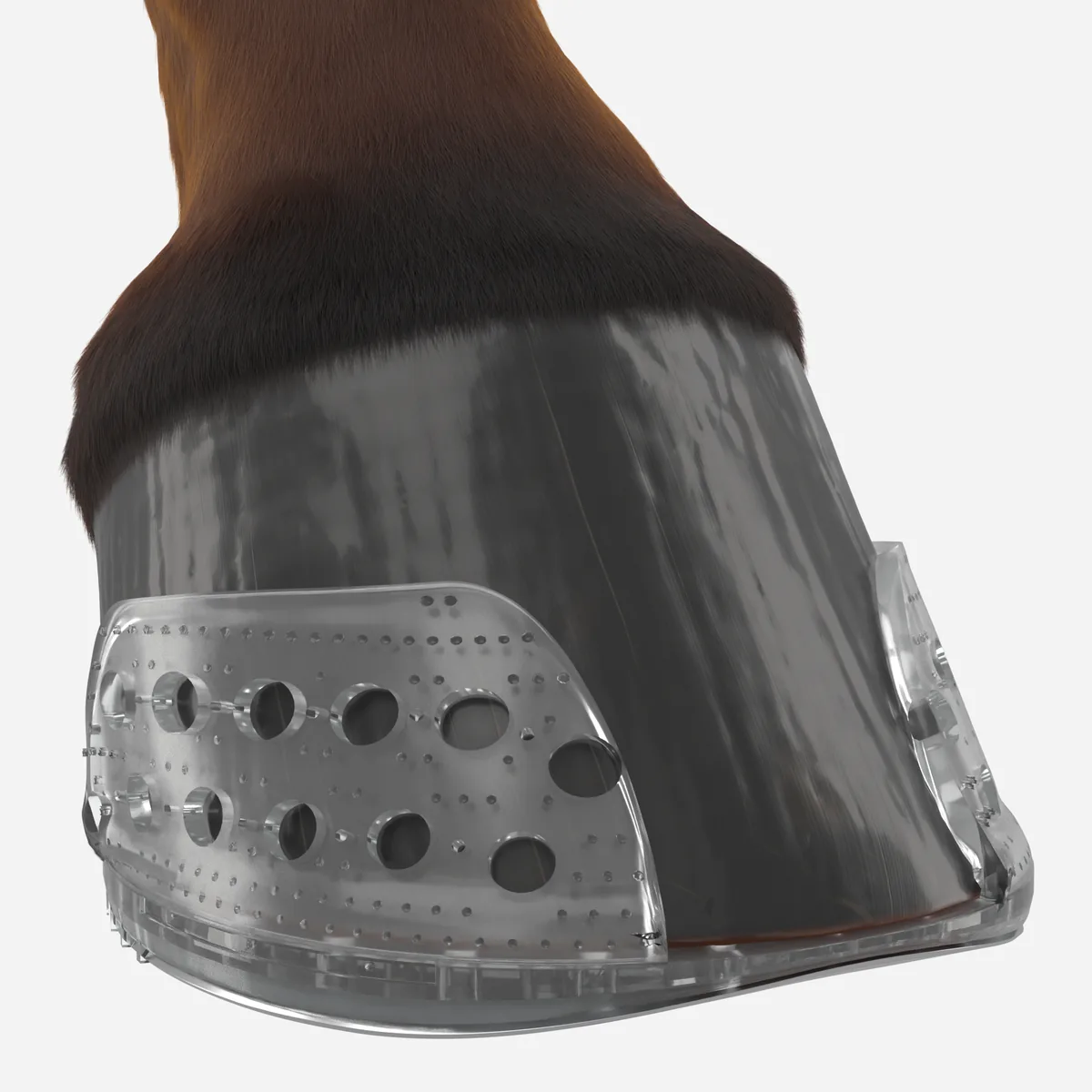
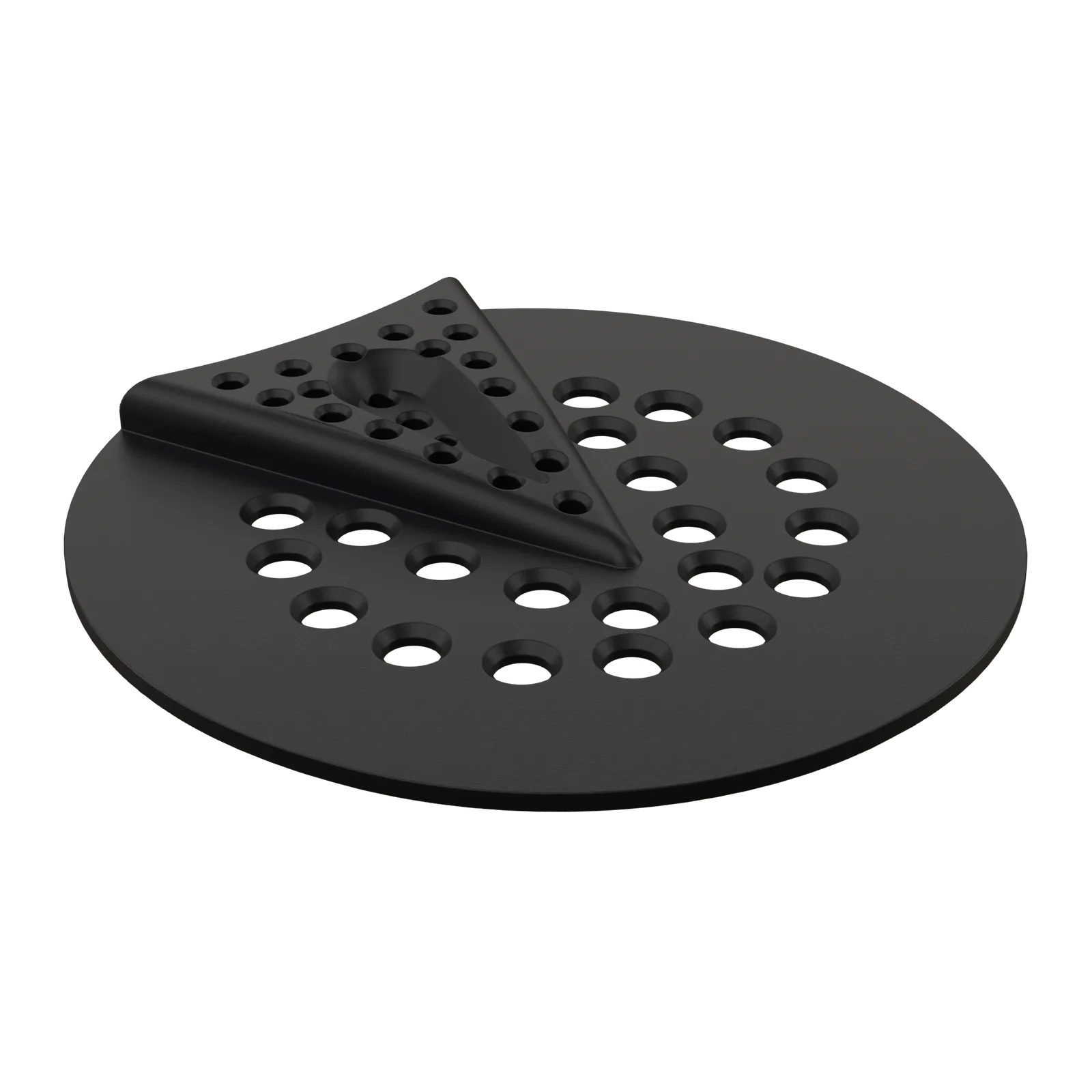
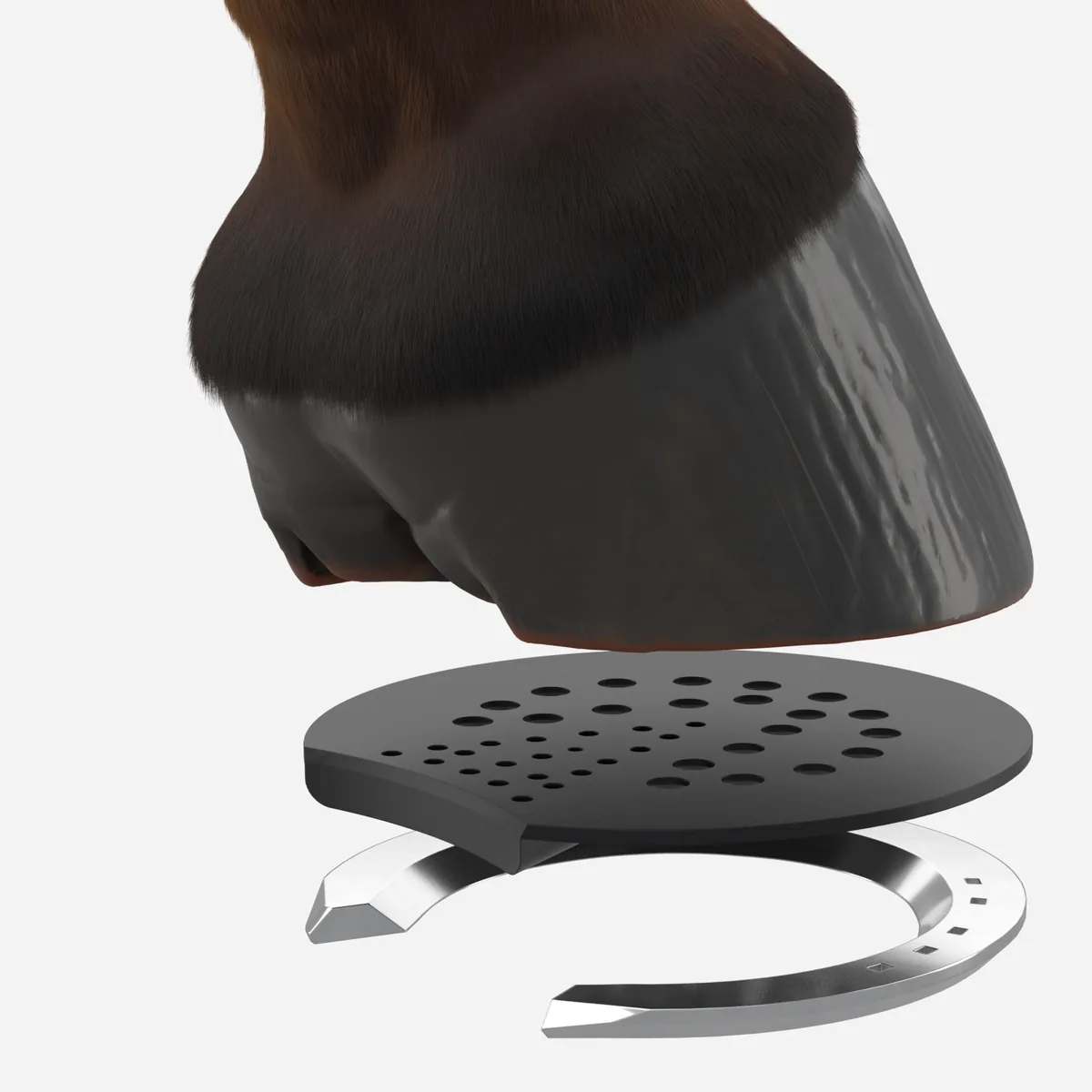
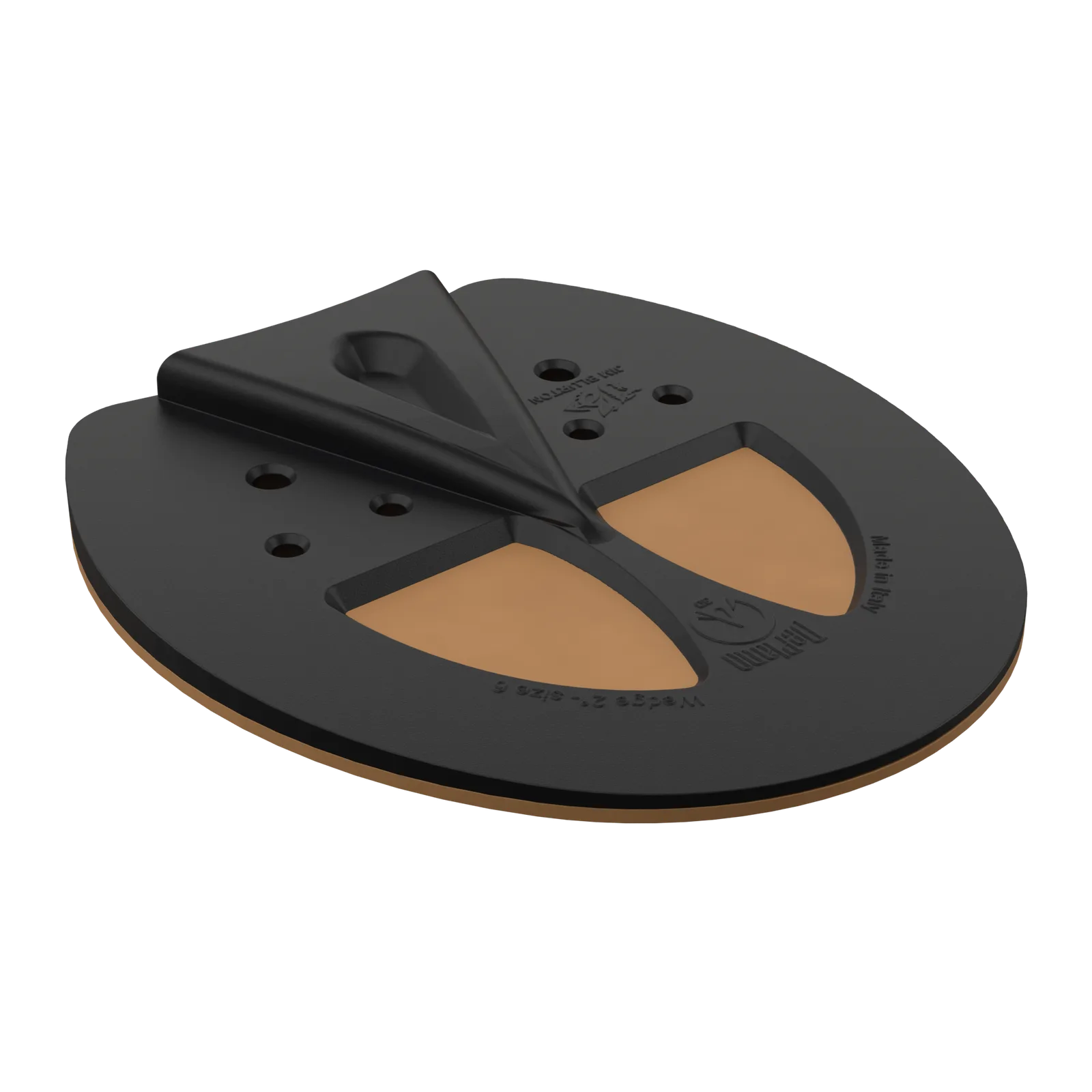
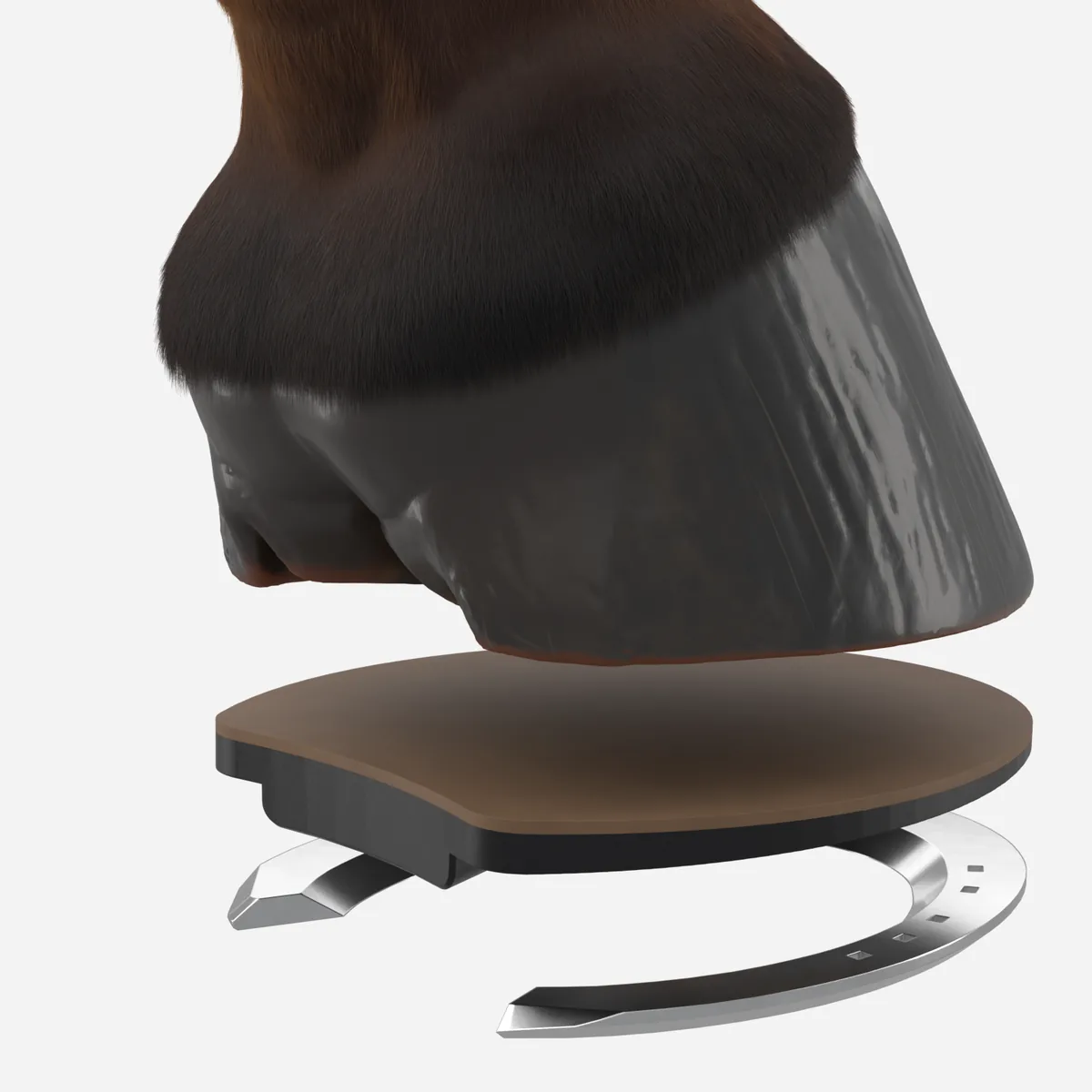
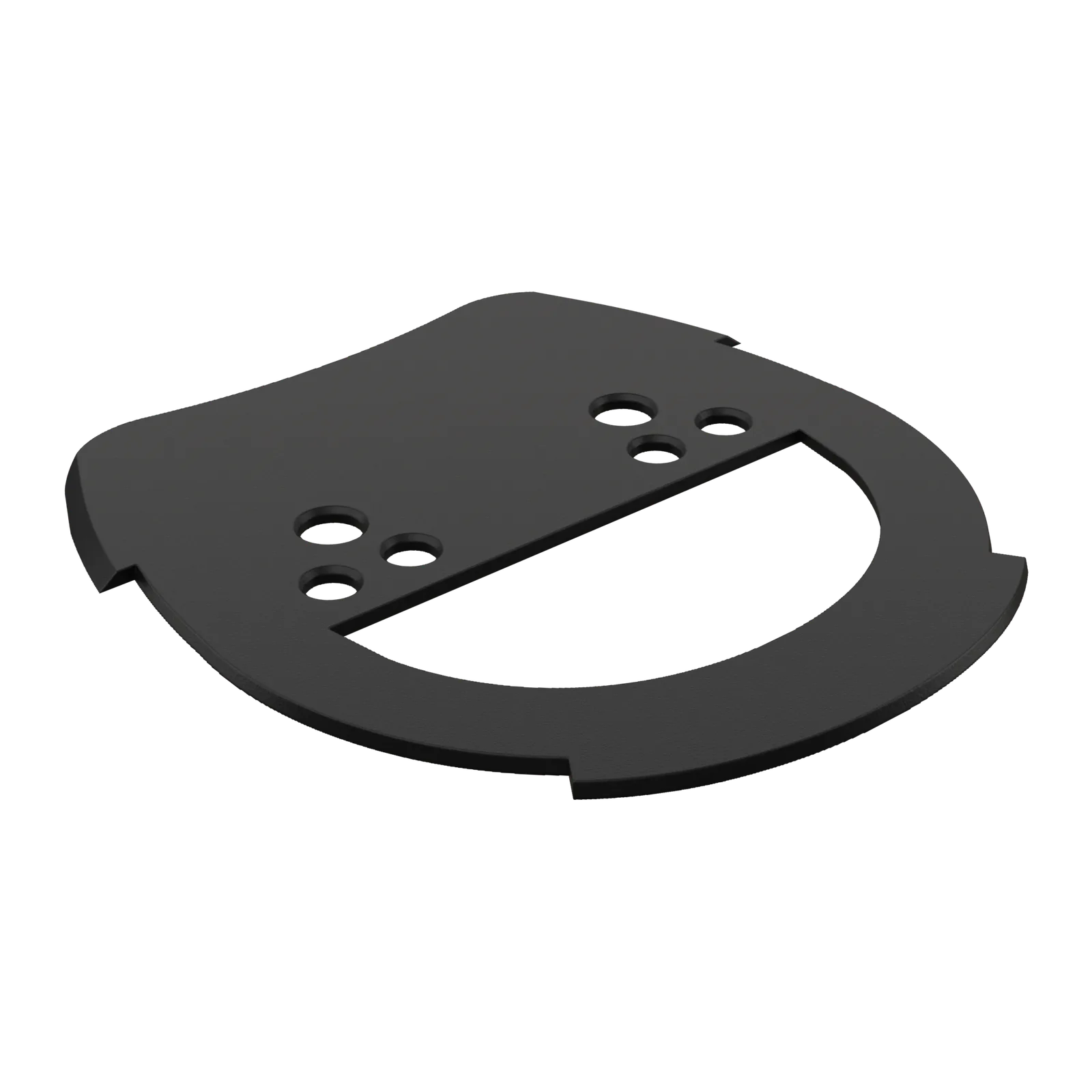
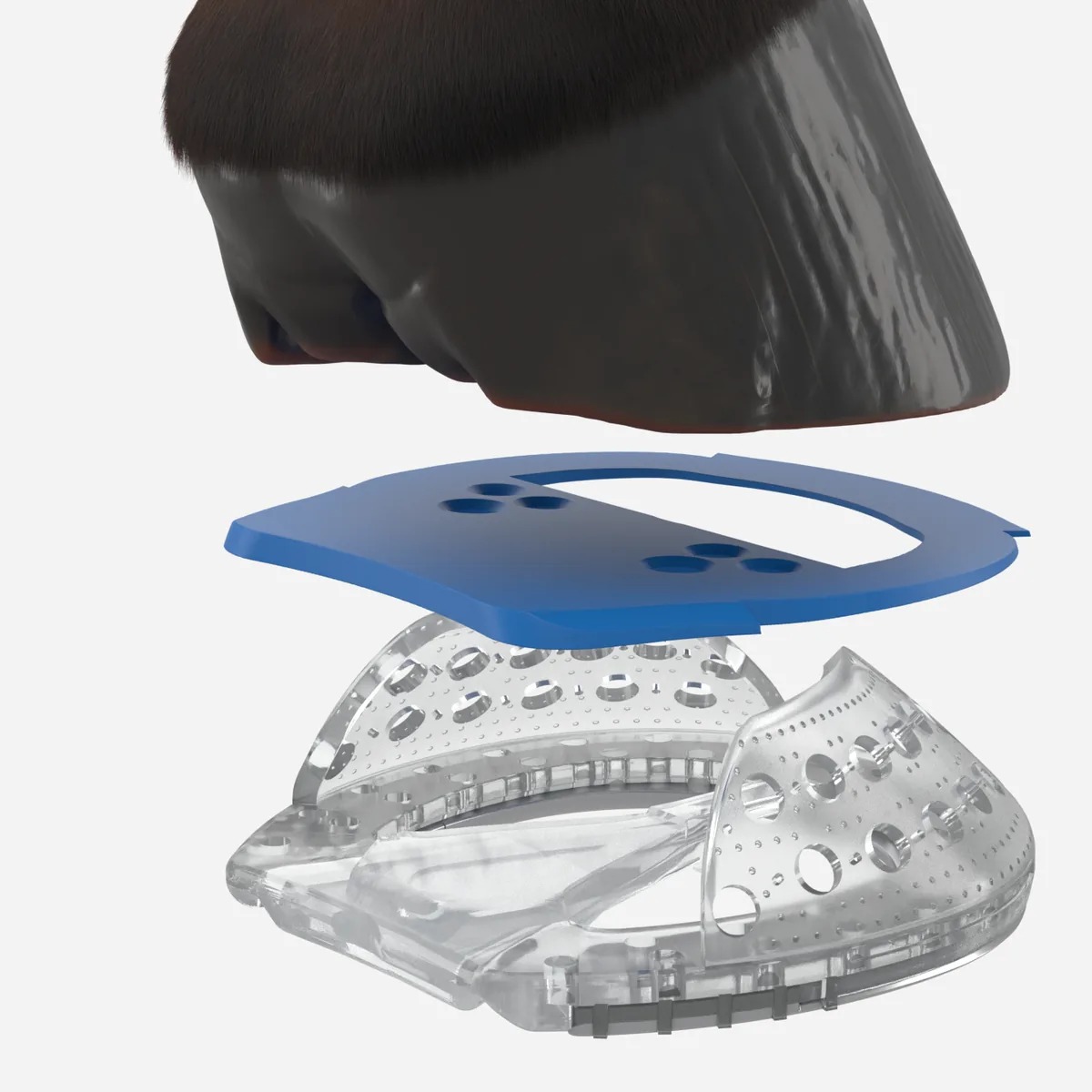
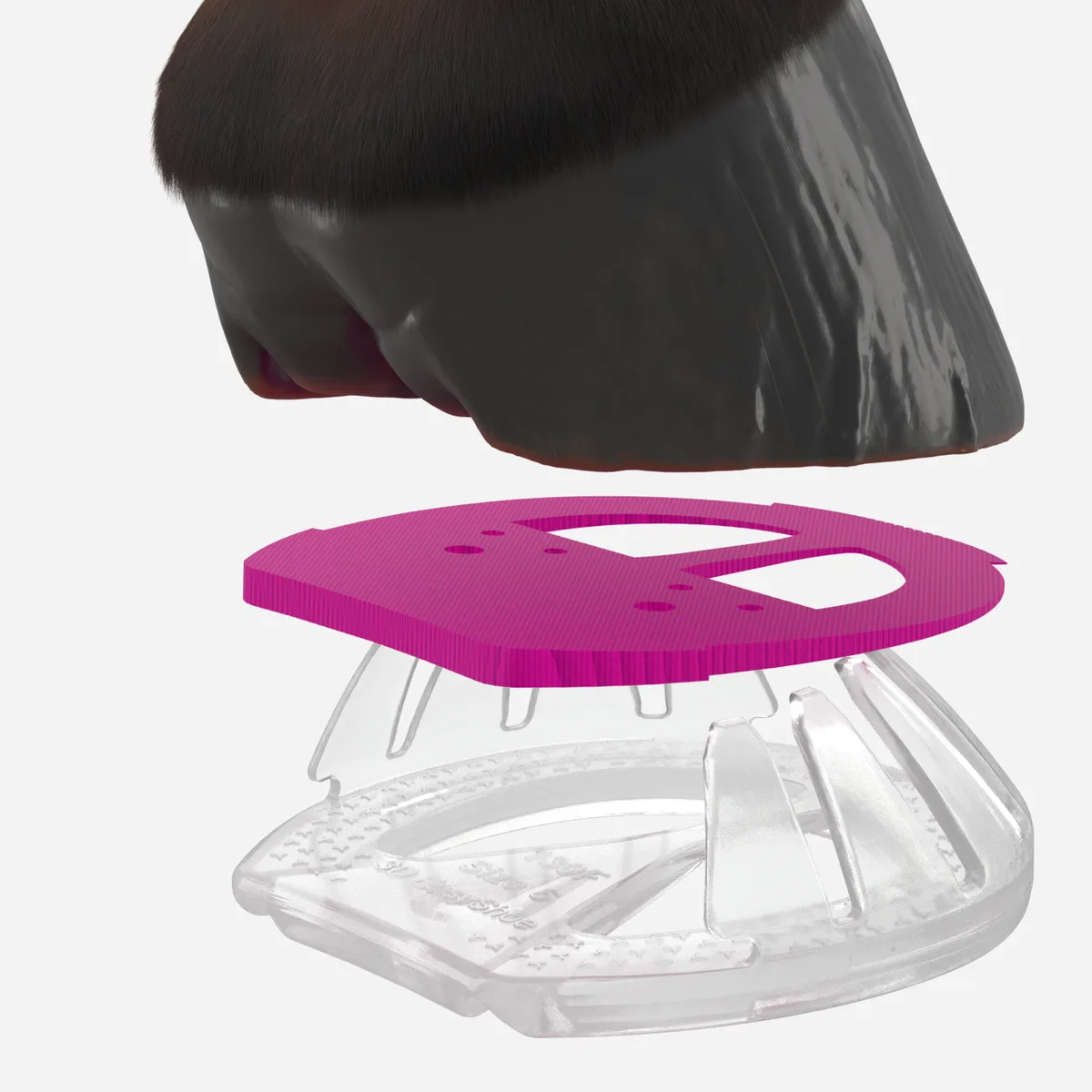
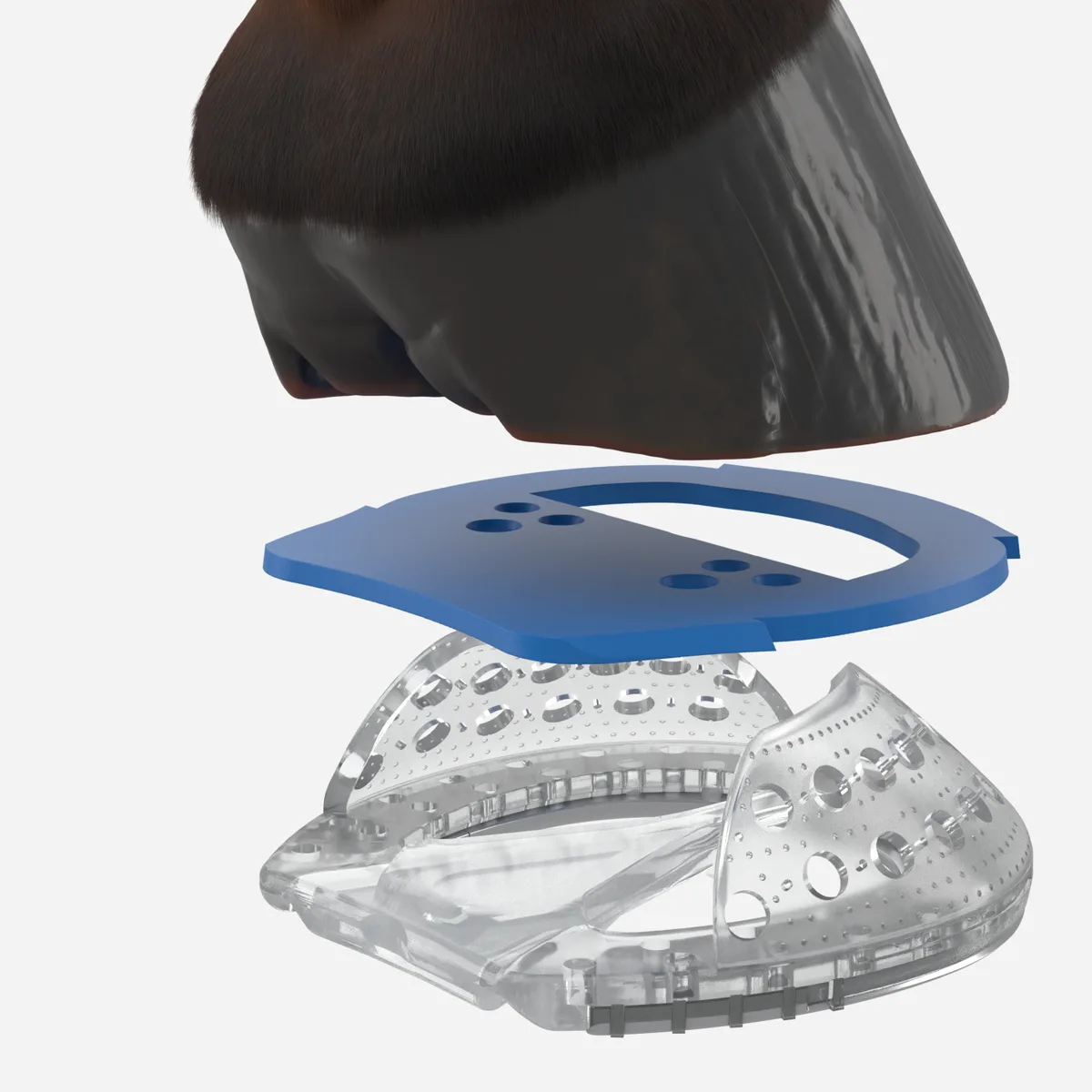
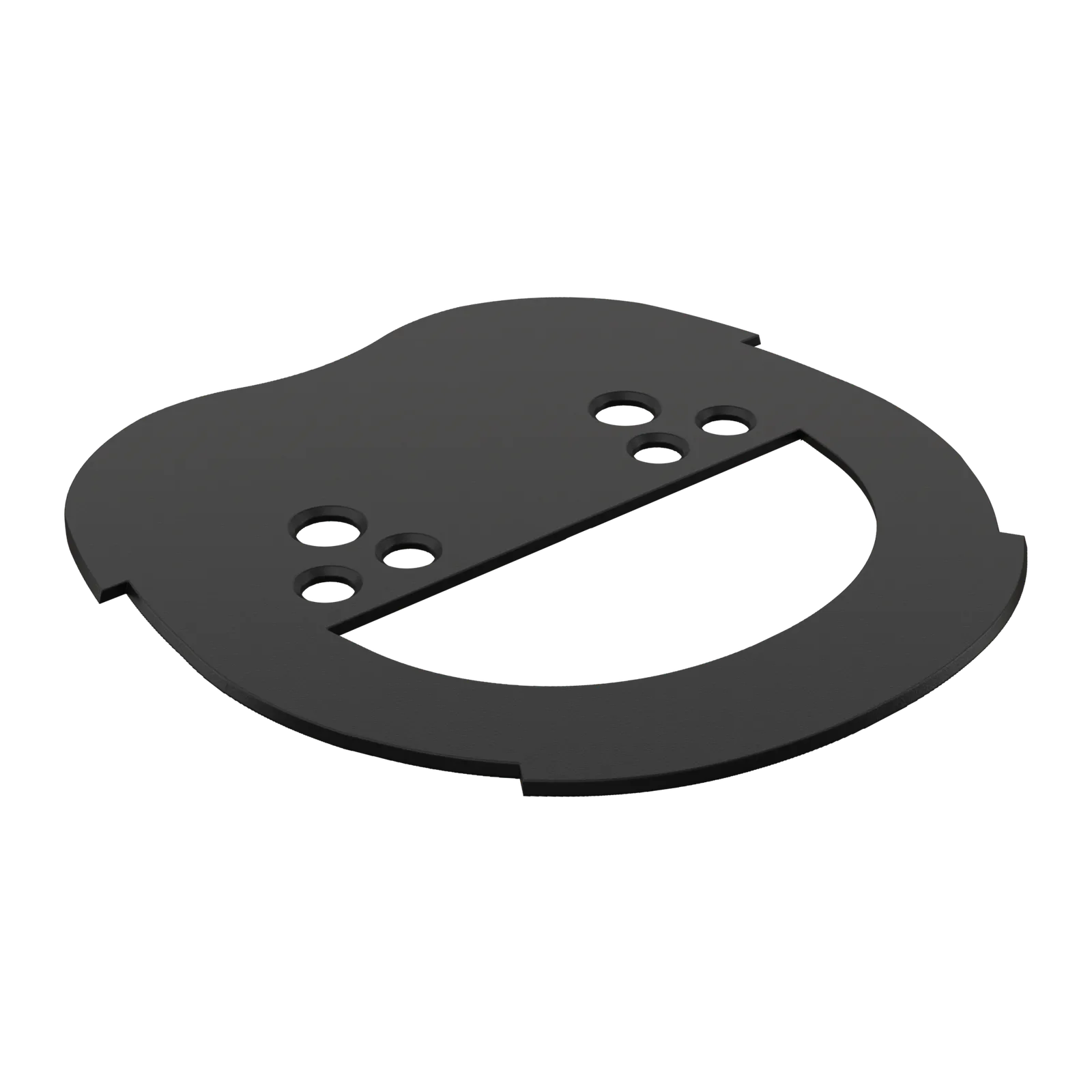
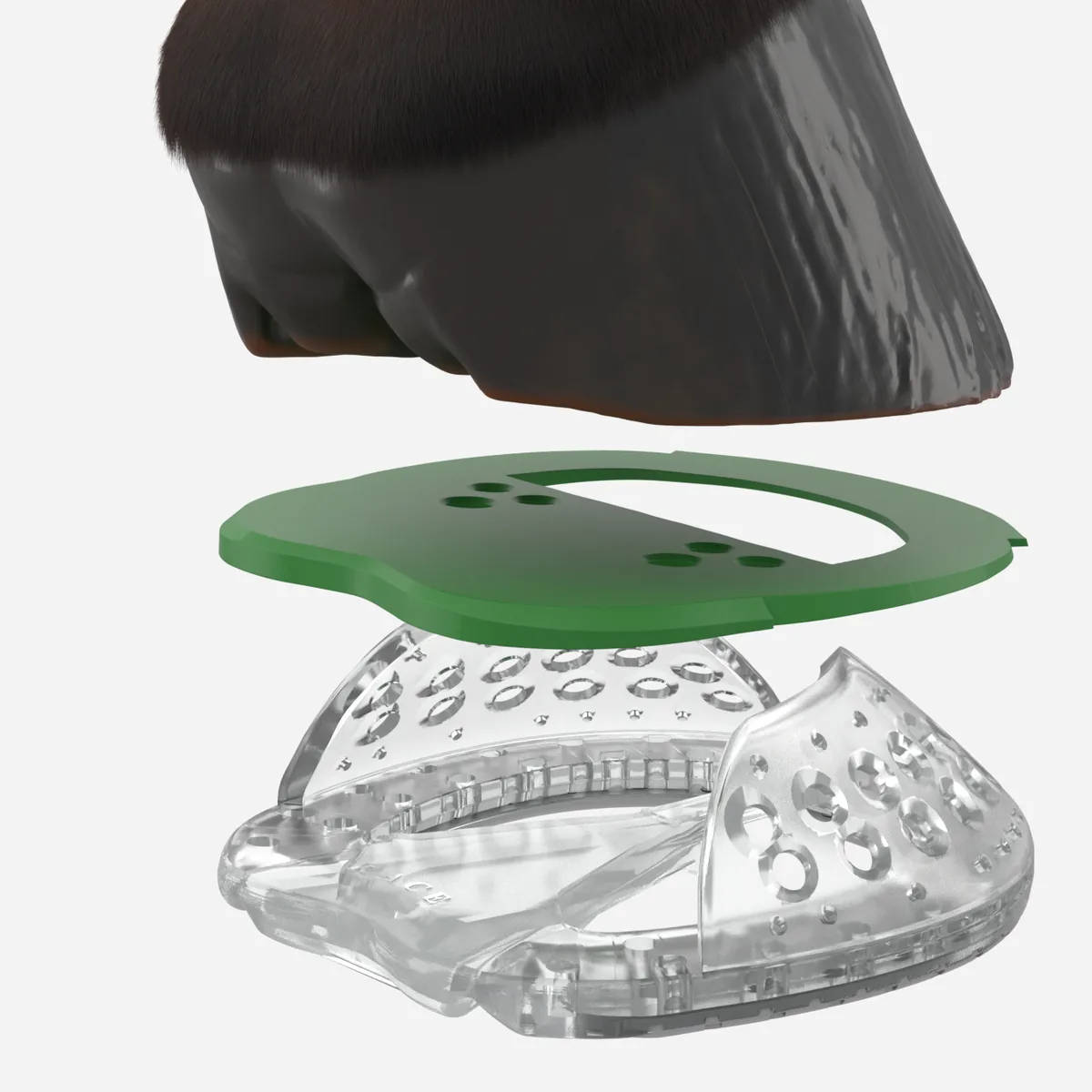
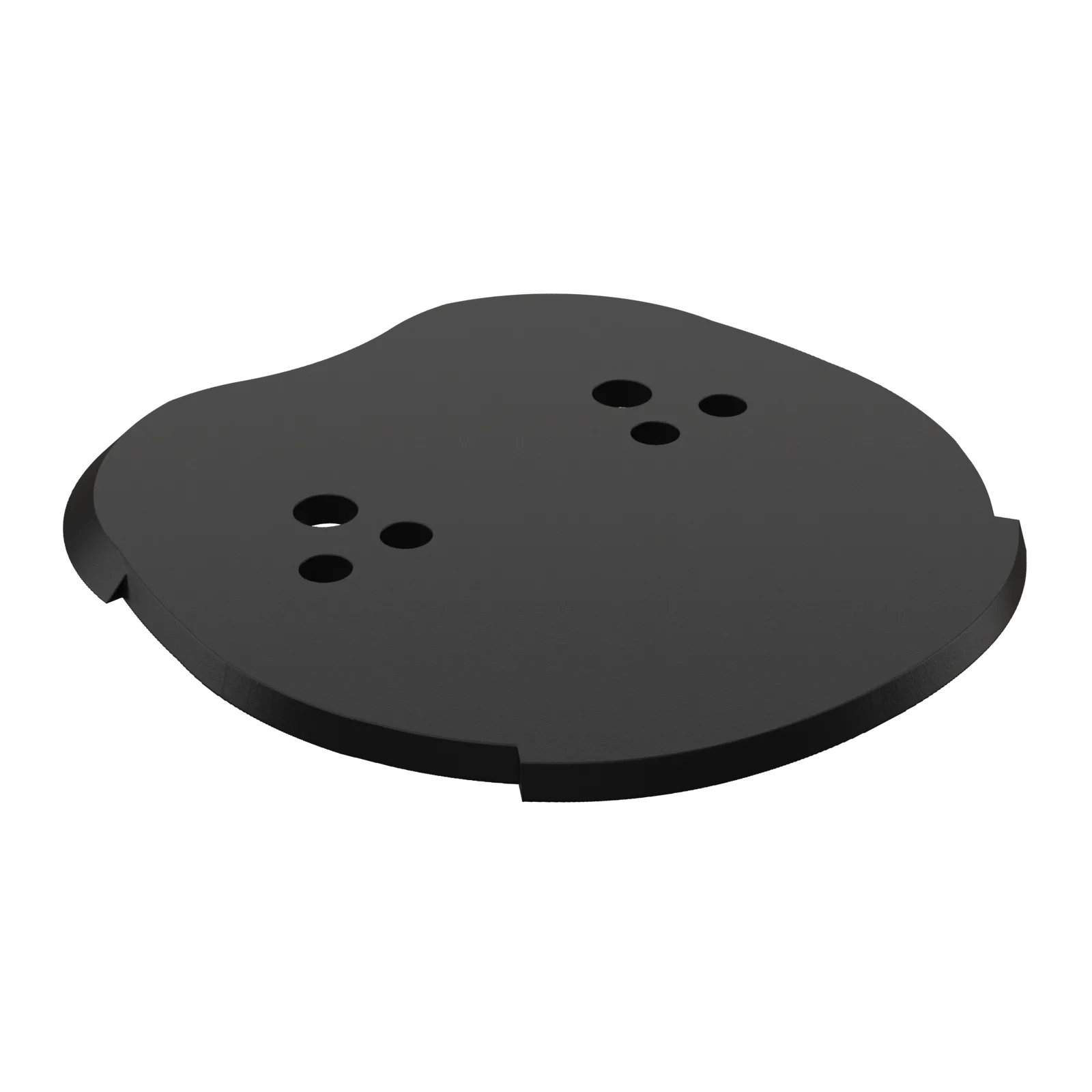
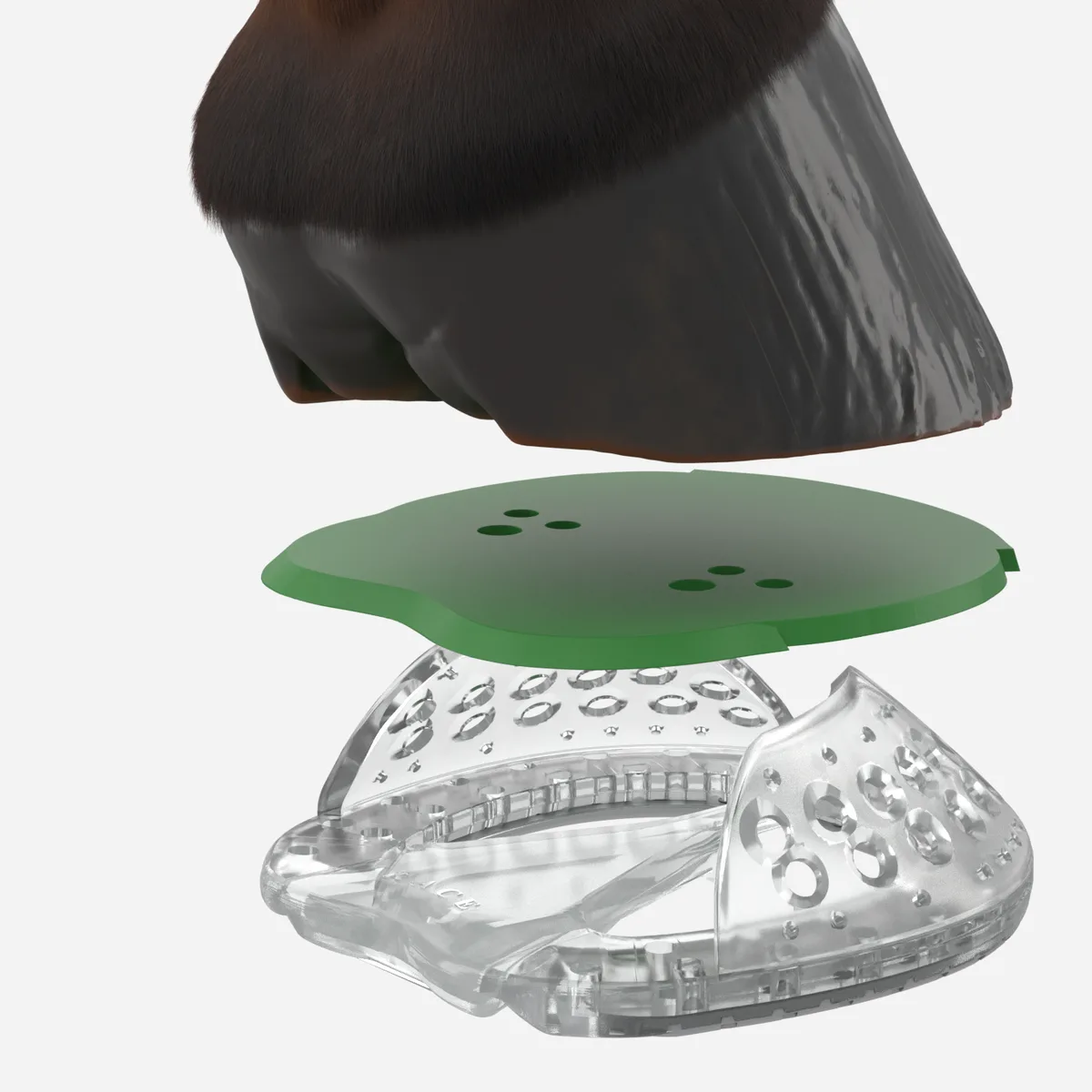
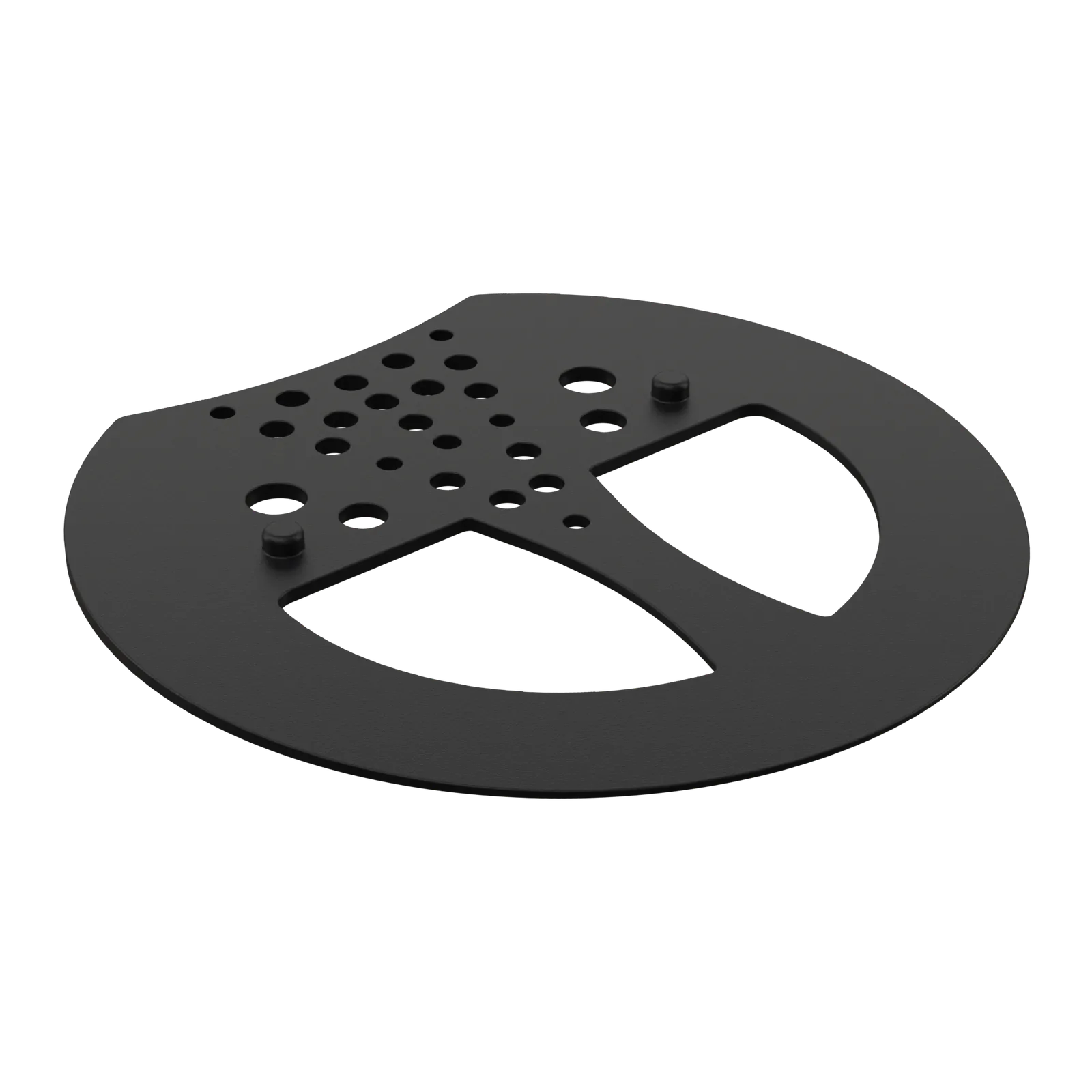
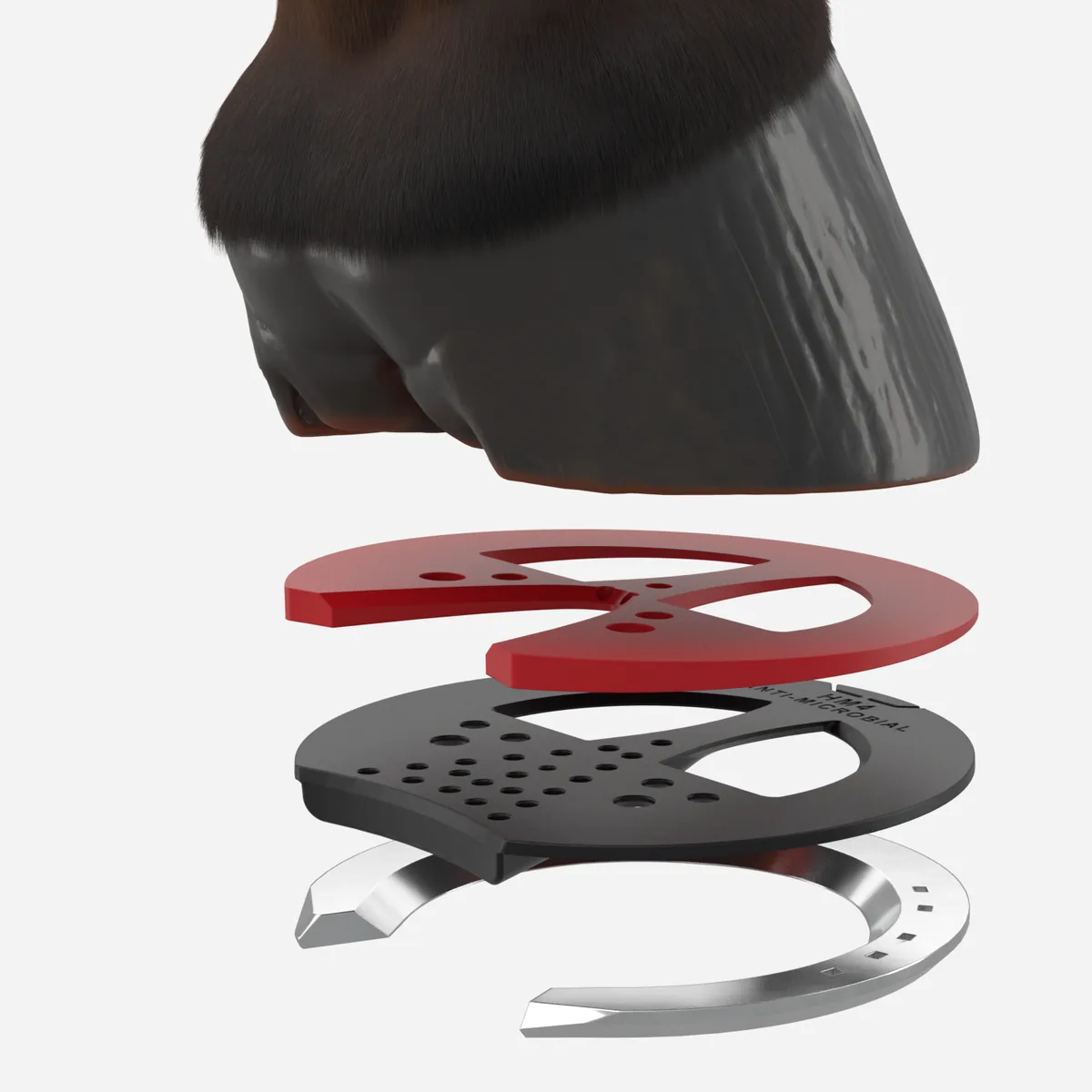
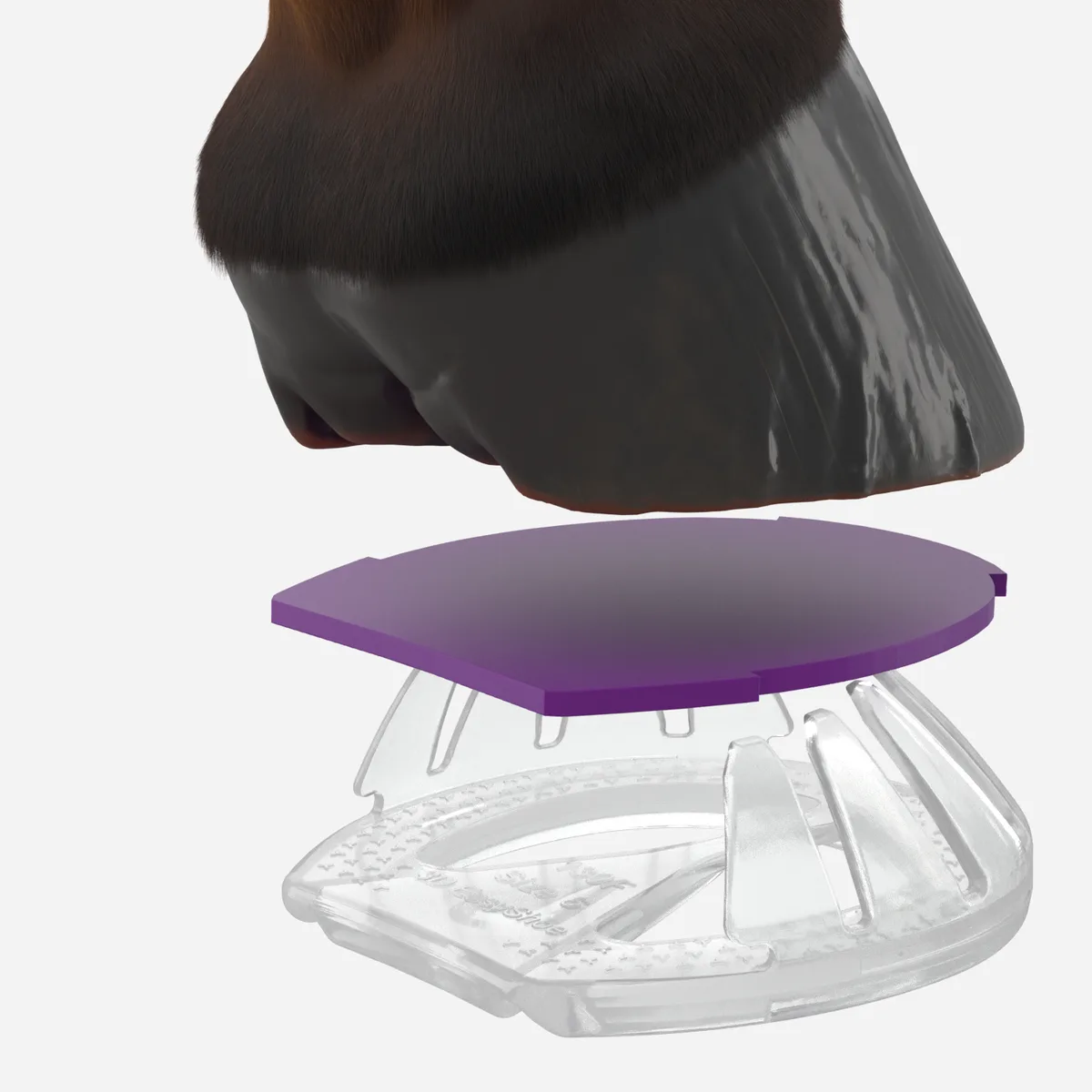
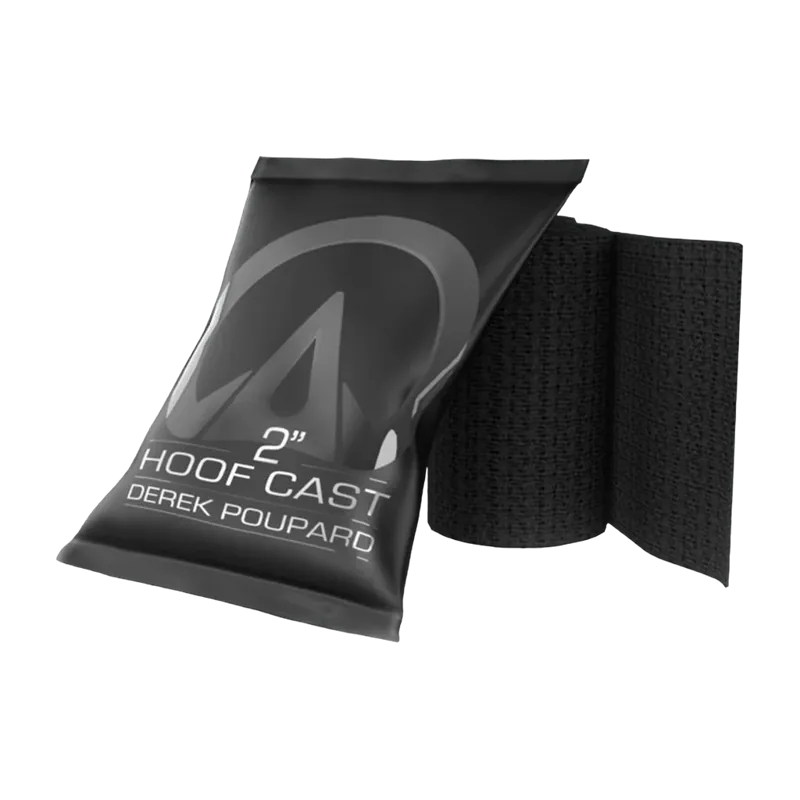
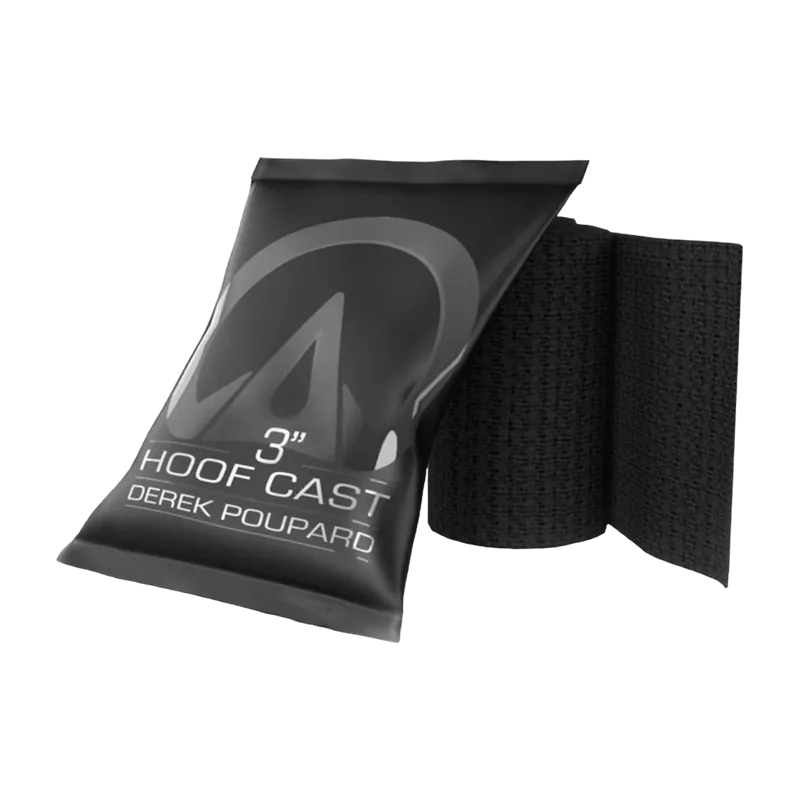
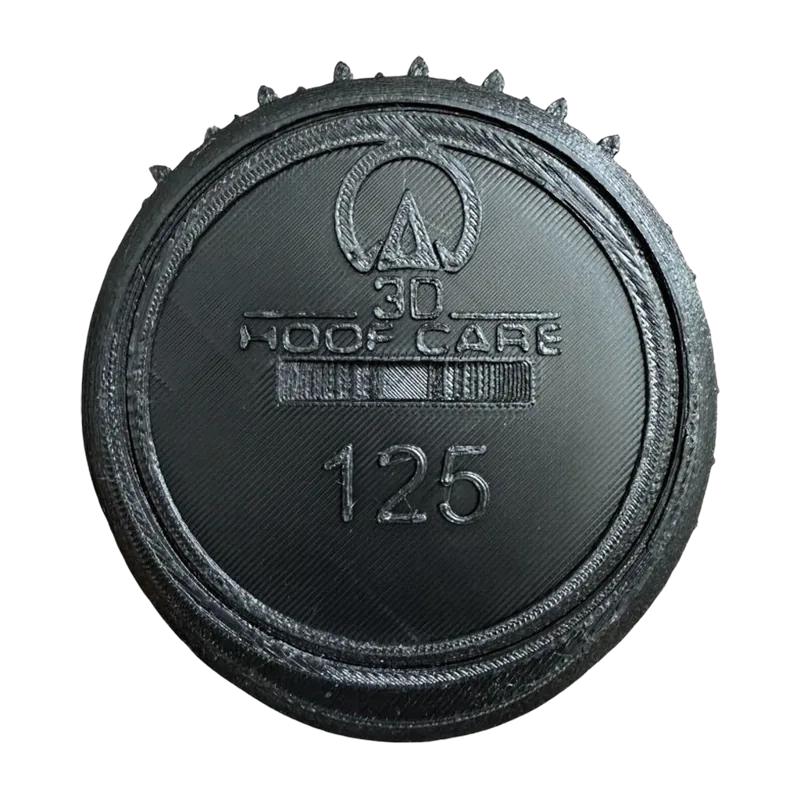
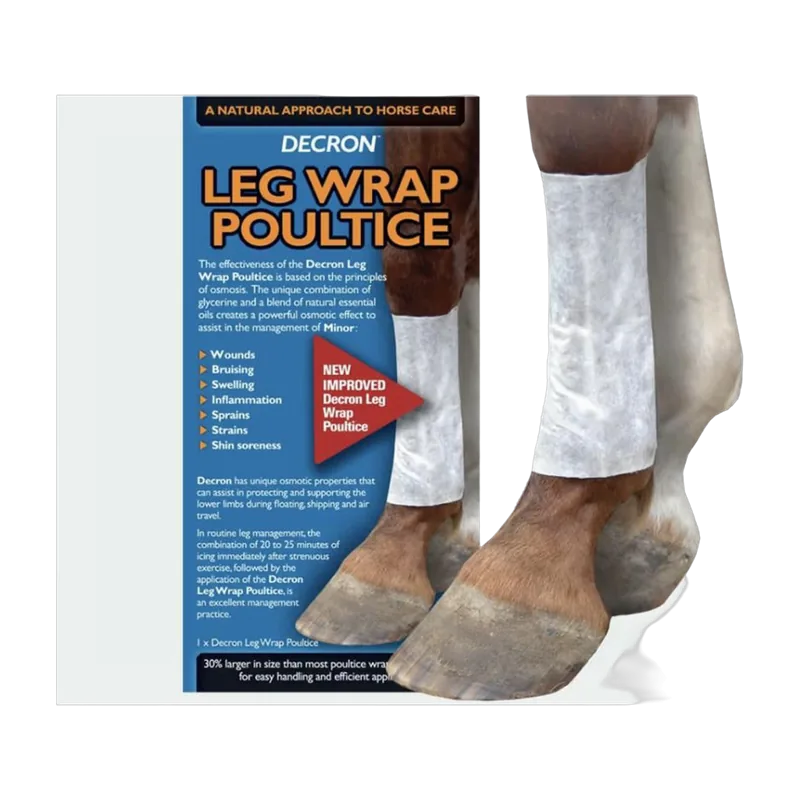
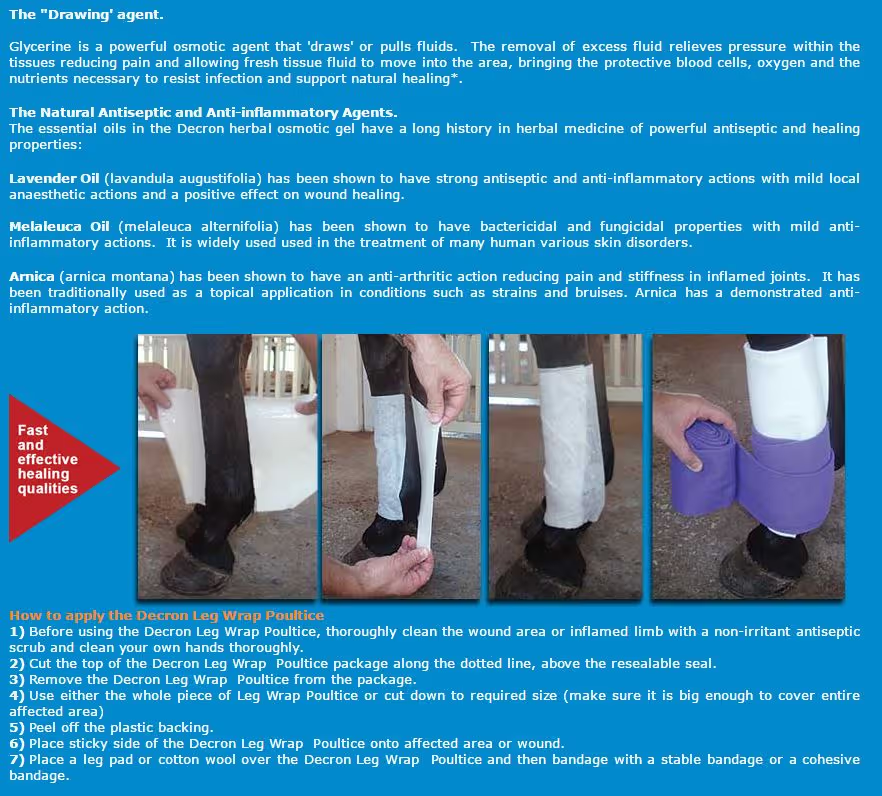
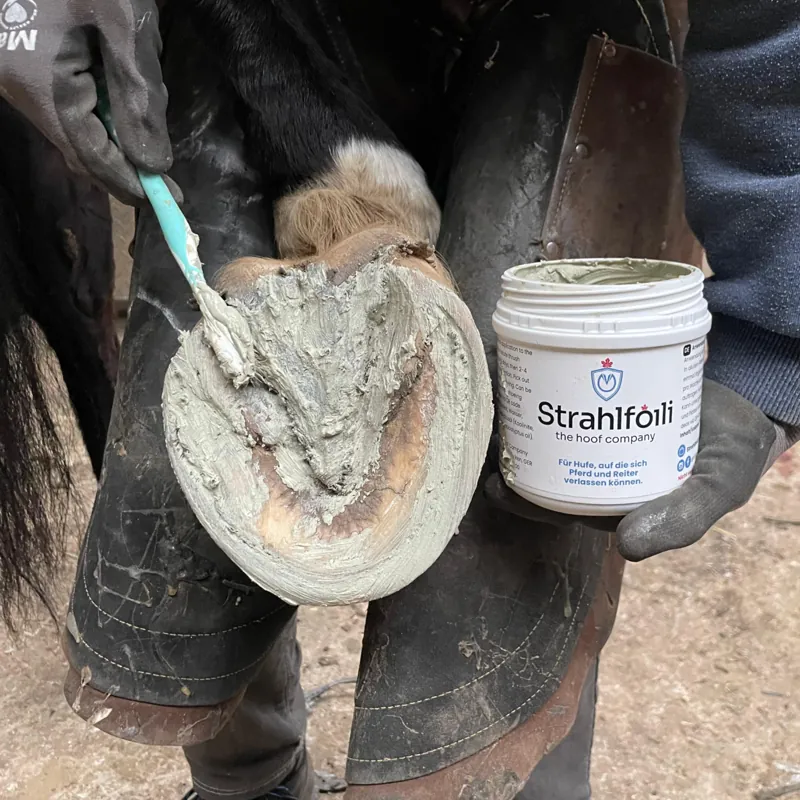
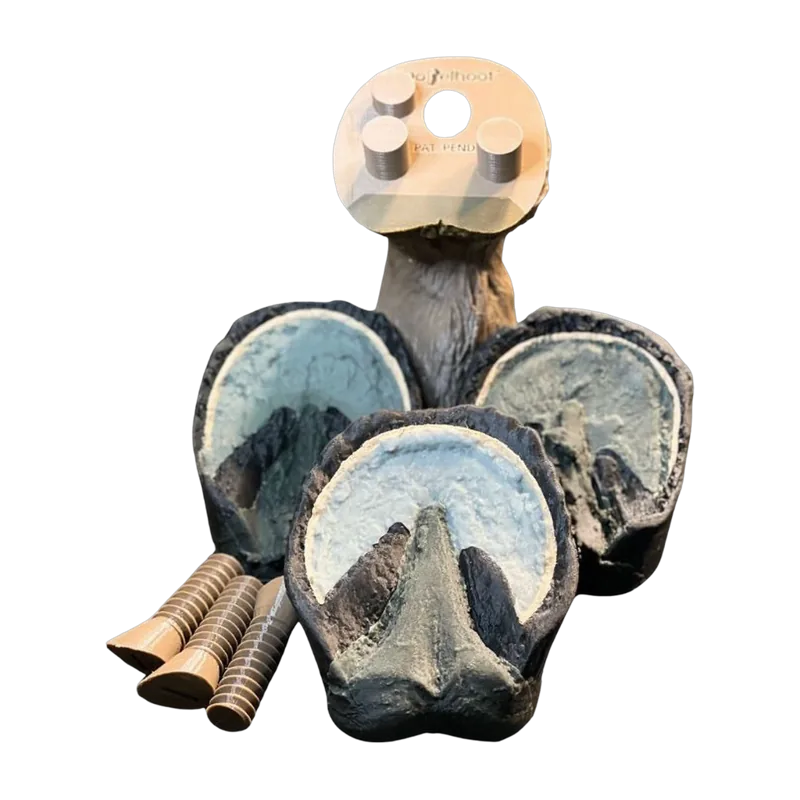
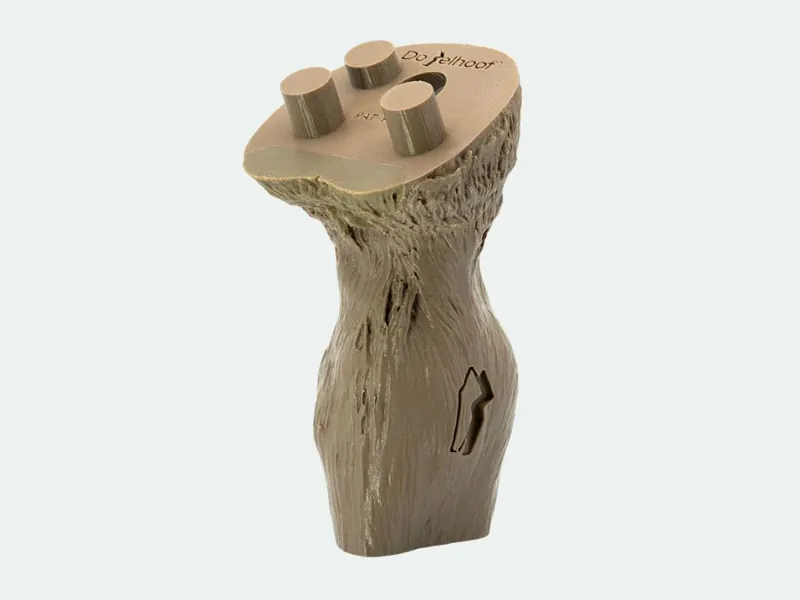
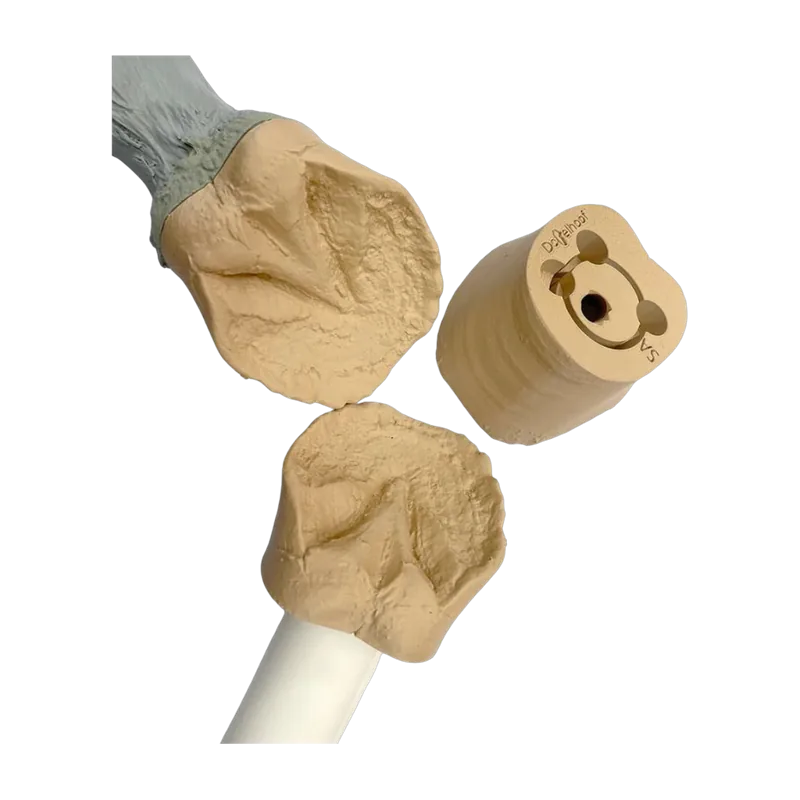
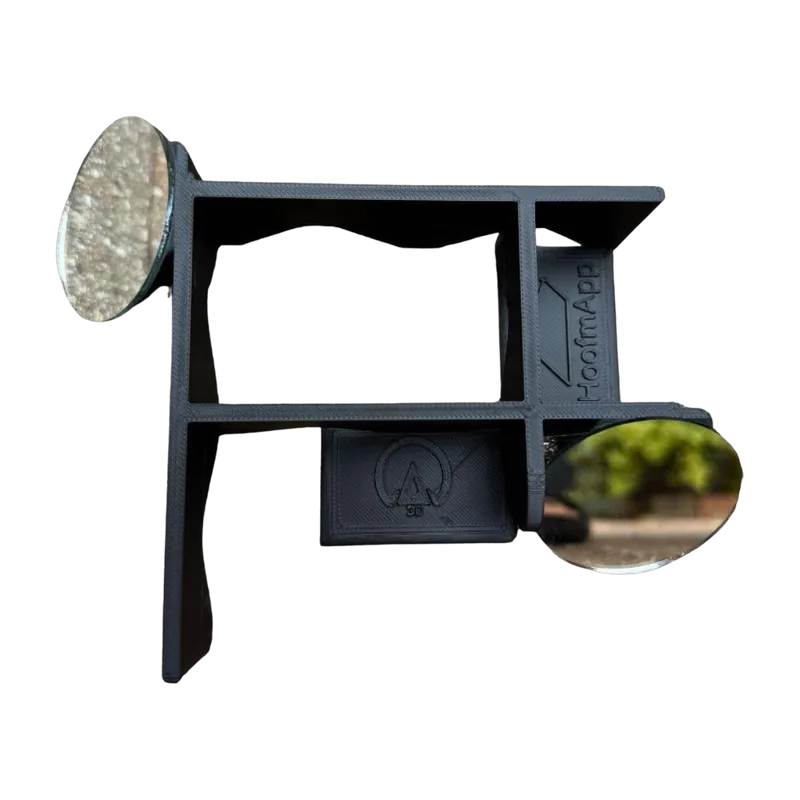
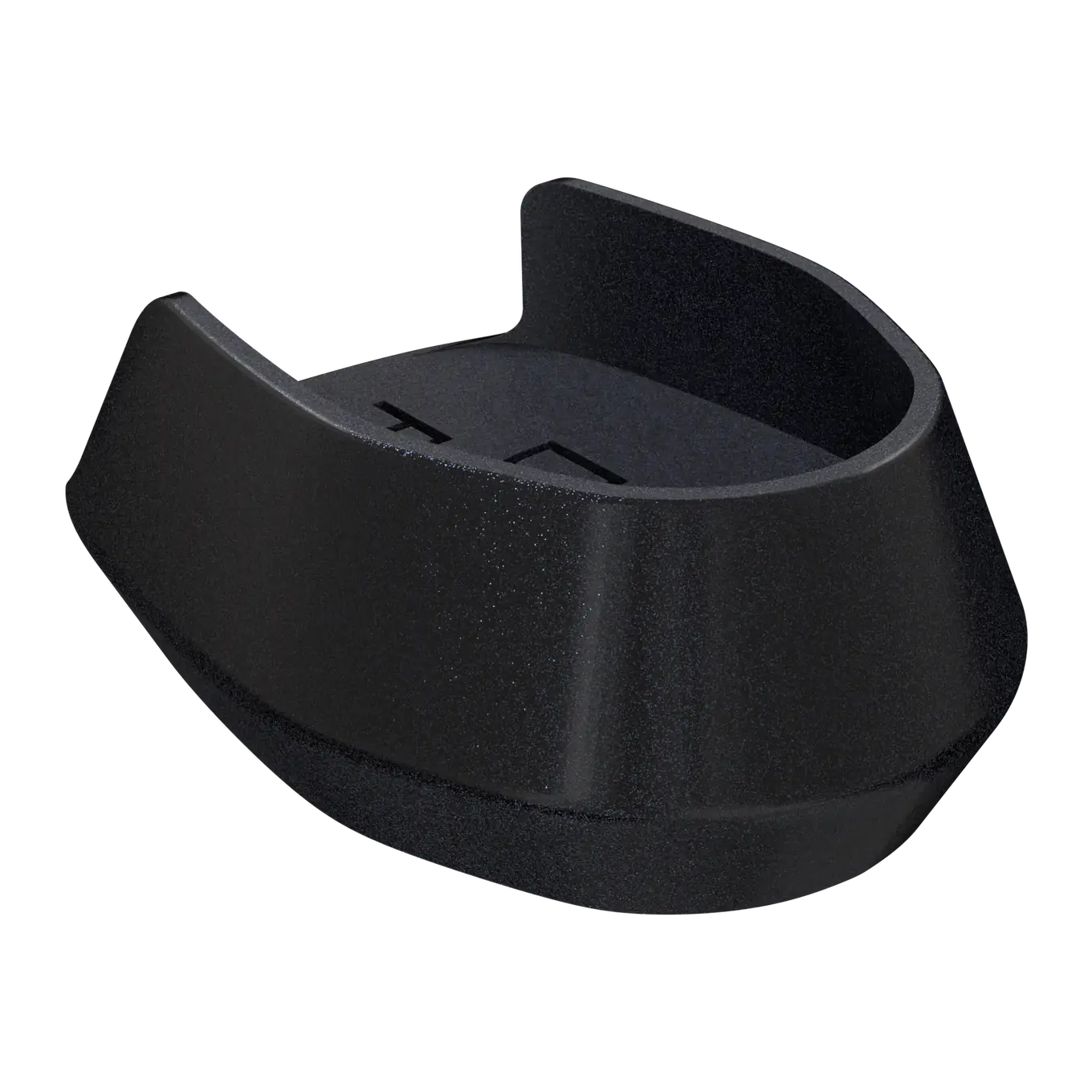
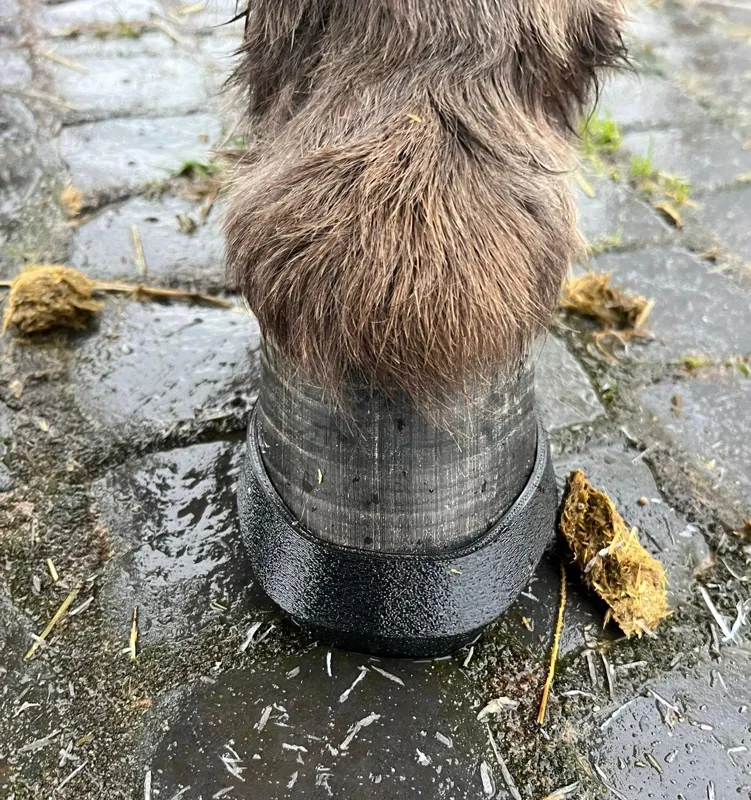
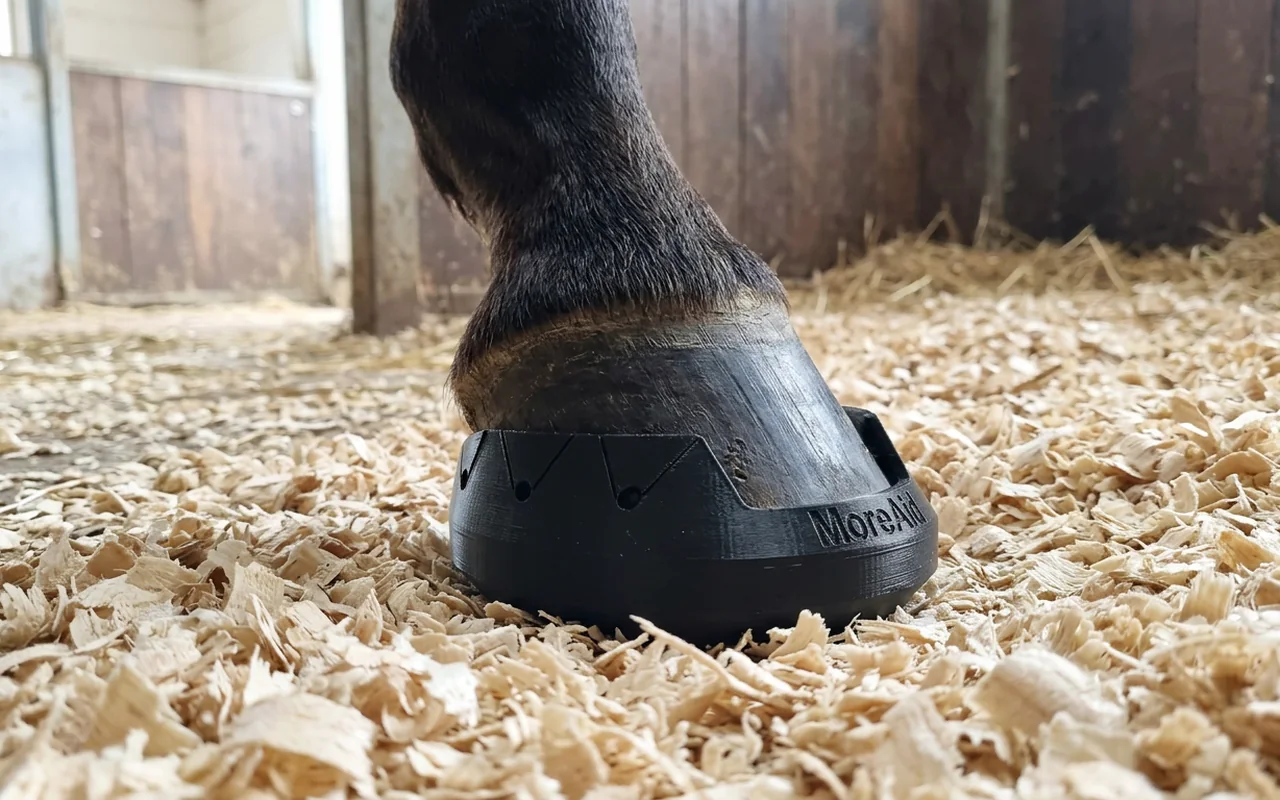
HoofCast tape is the workhorse here: a full pad of casting tape can help float and protect a bruised or recovering sole, and a cast can help stabilize a compromised foot between visits. For quarter cracks, the 3D Printed Quarter Crack Patch may help stabilize the crack while it grows out. For minor wounds and inflammation, Decron Osmotic Gel and the Decron Leg Wrap Poultice may help support cleaning and drawing as part of the aftercare your vet recommends. For anything more than minor, your vet leads.
Realistic expectations
Most abscesses resolve within days of drainage. Bruising settles over one to two weeks with protection. Wall cracks grow out at the speed of the hoof (roughly 8 to 10 mm a month), so patience and stabilization are the strategy.
When to call your vet
Sudden non-weight-bearing lameness, punctures (leave the object in place for the vet if it's embedded), wounds near the coronary band, or any injury with spreading heat and swelling.
This guide is educational and is not a substitute for veterinary or farrier diagnosis.