

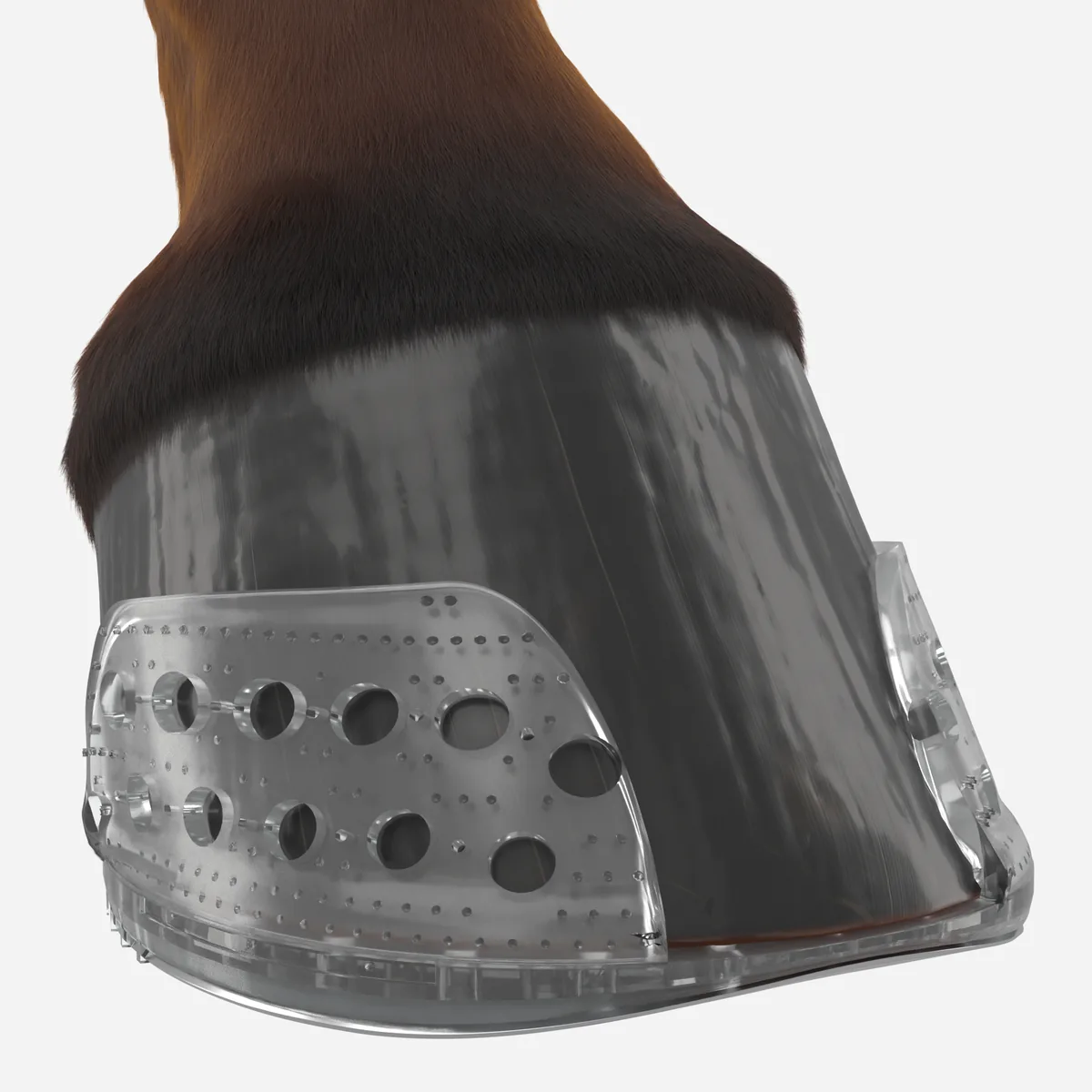
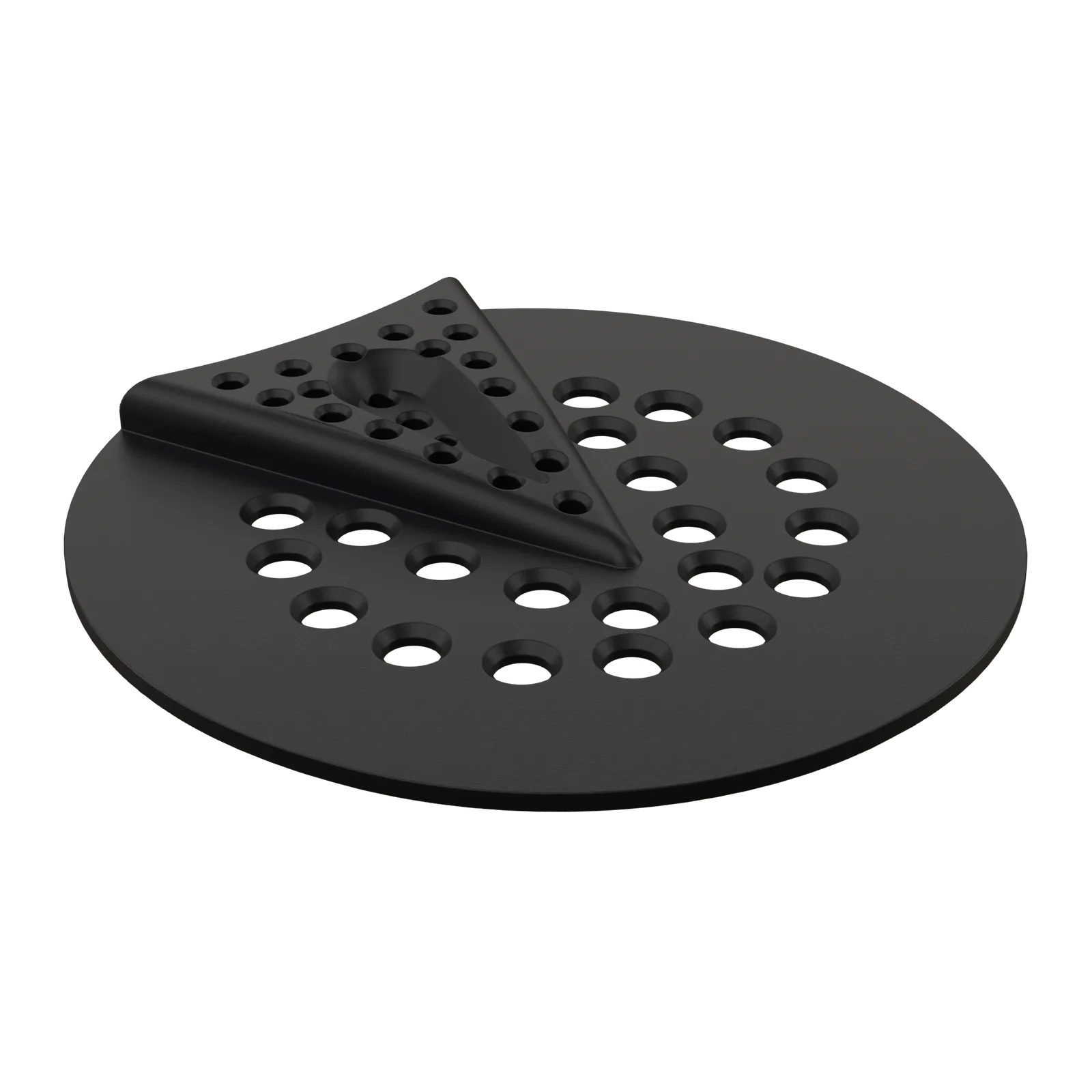
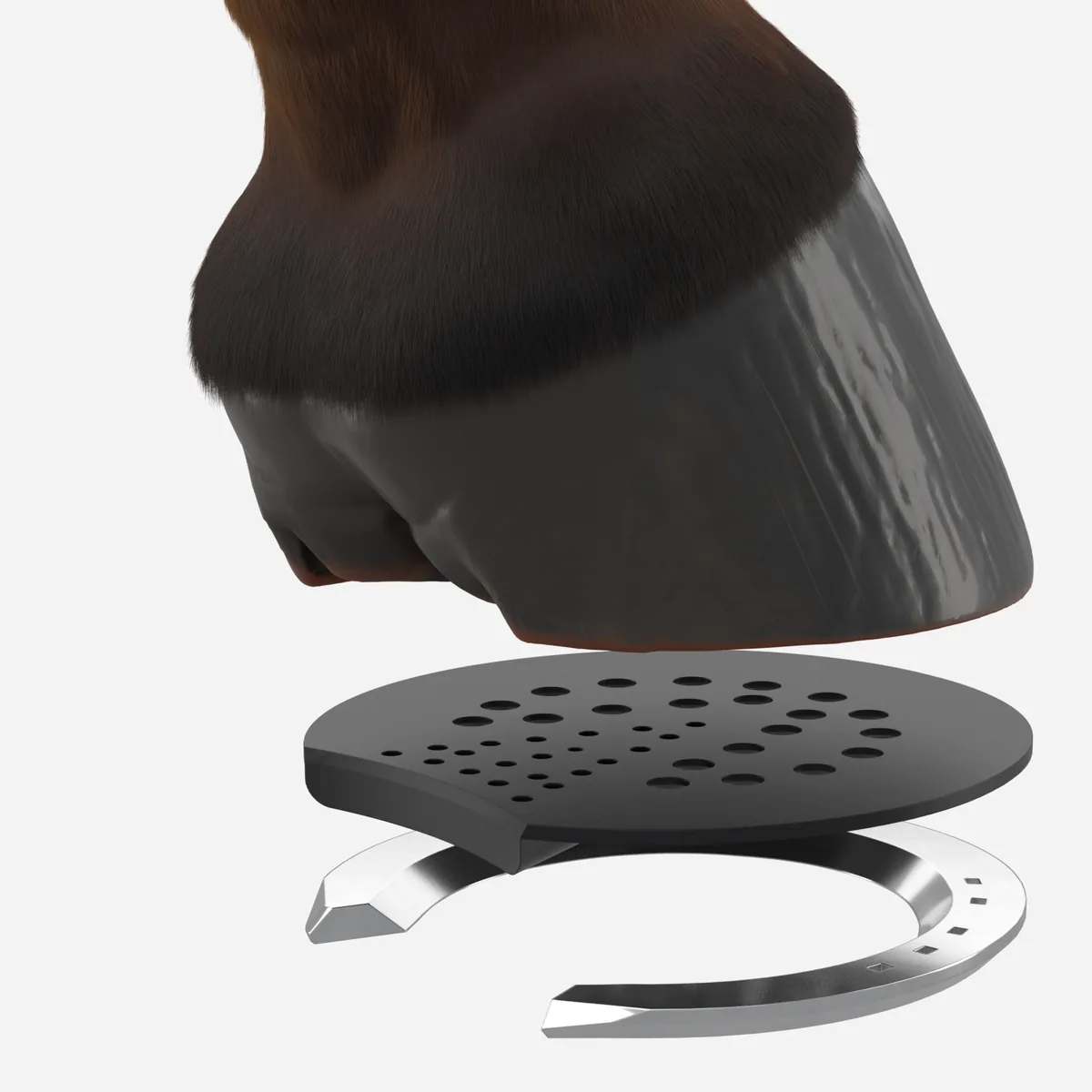
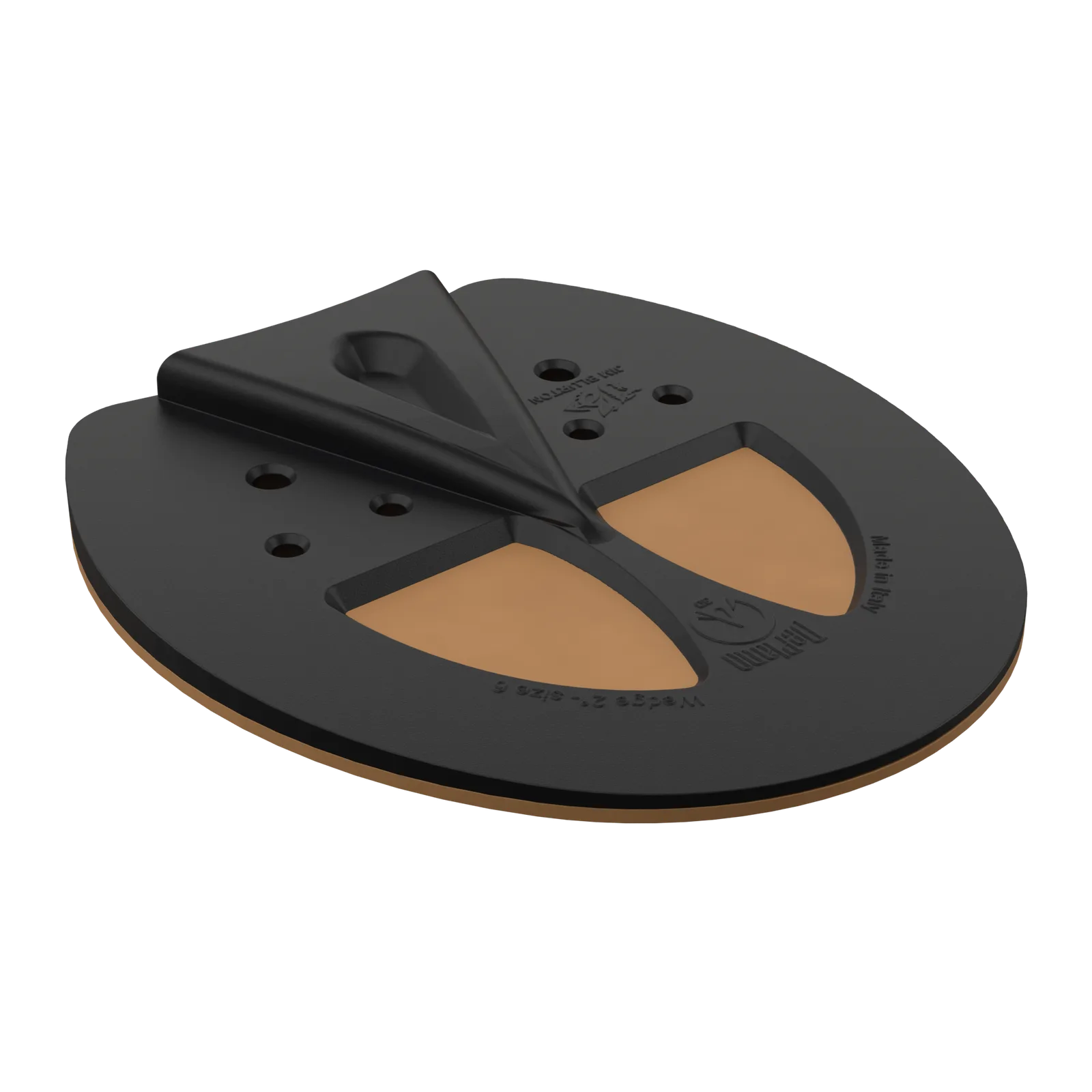
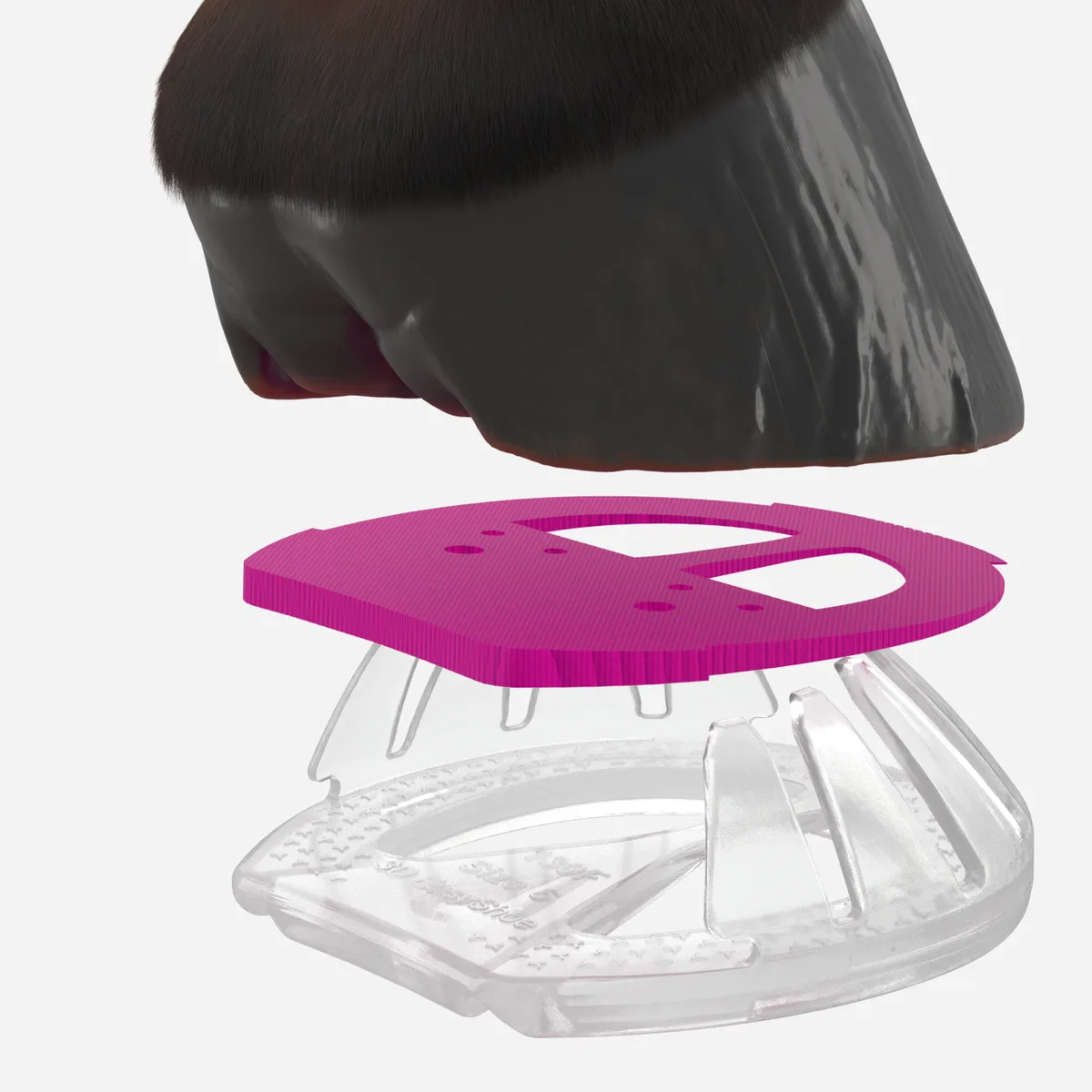
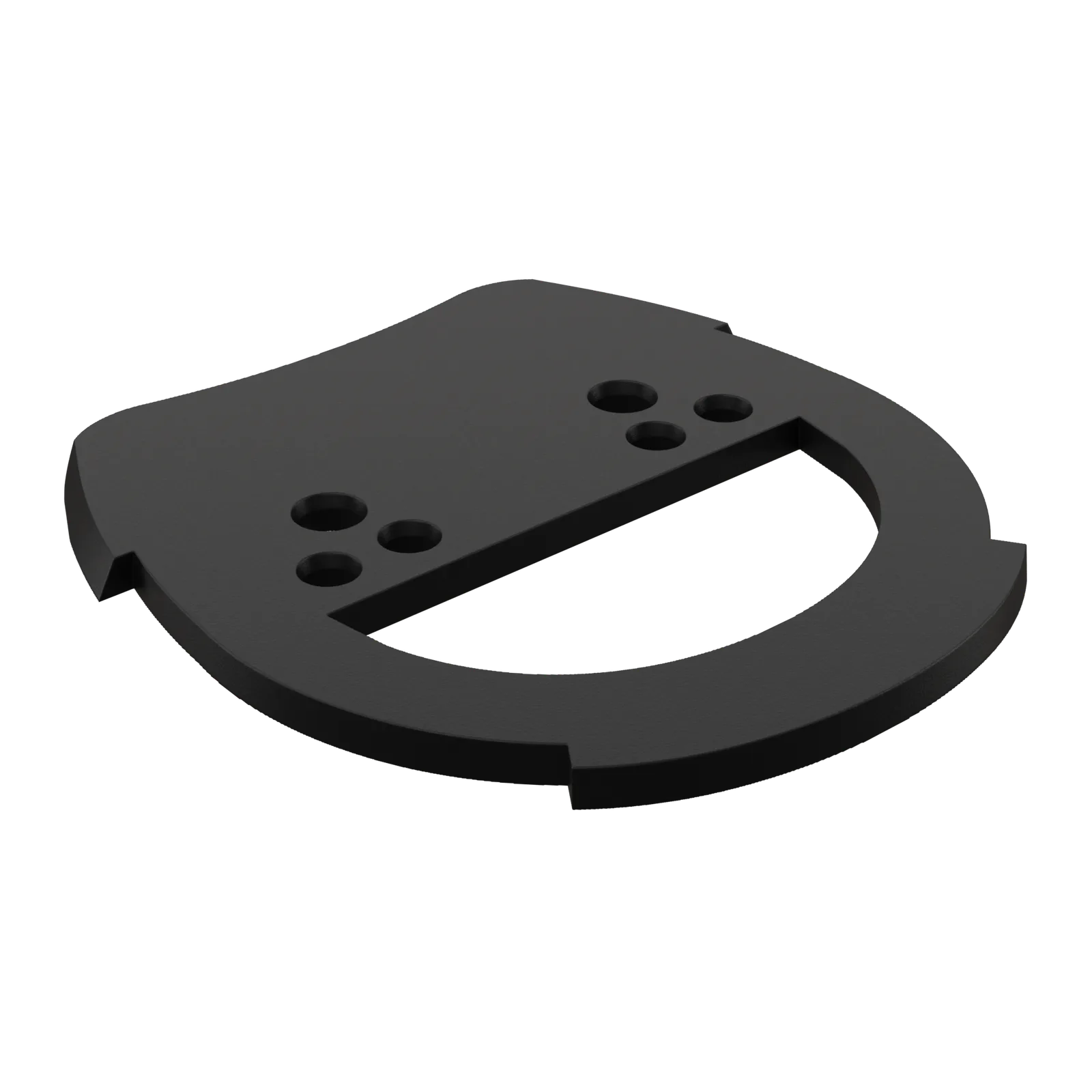
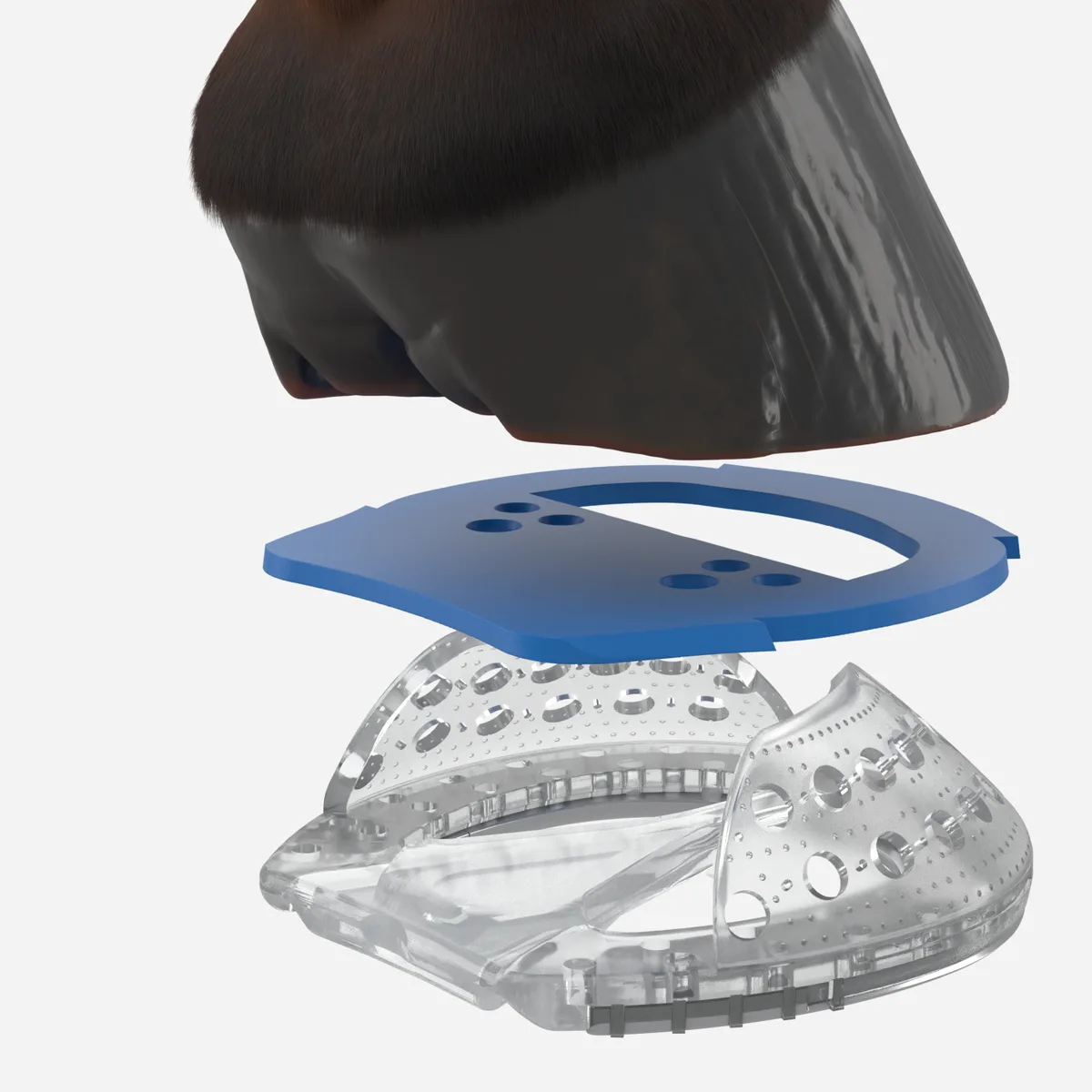
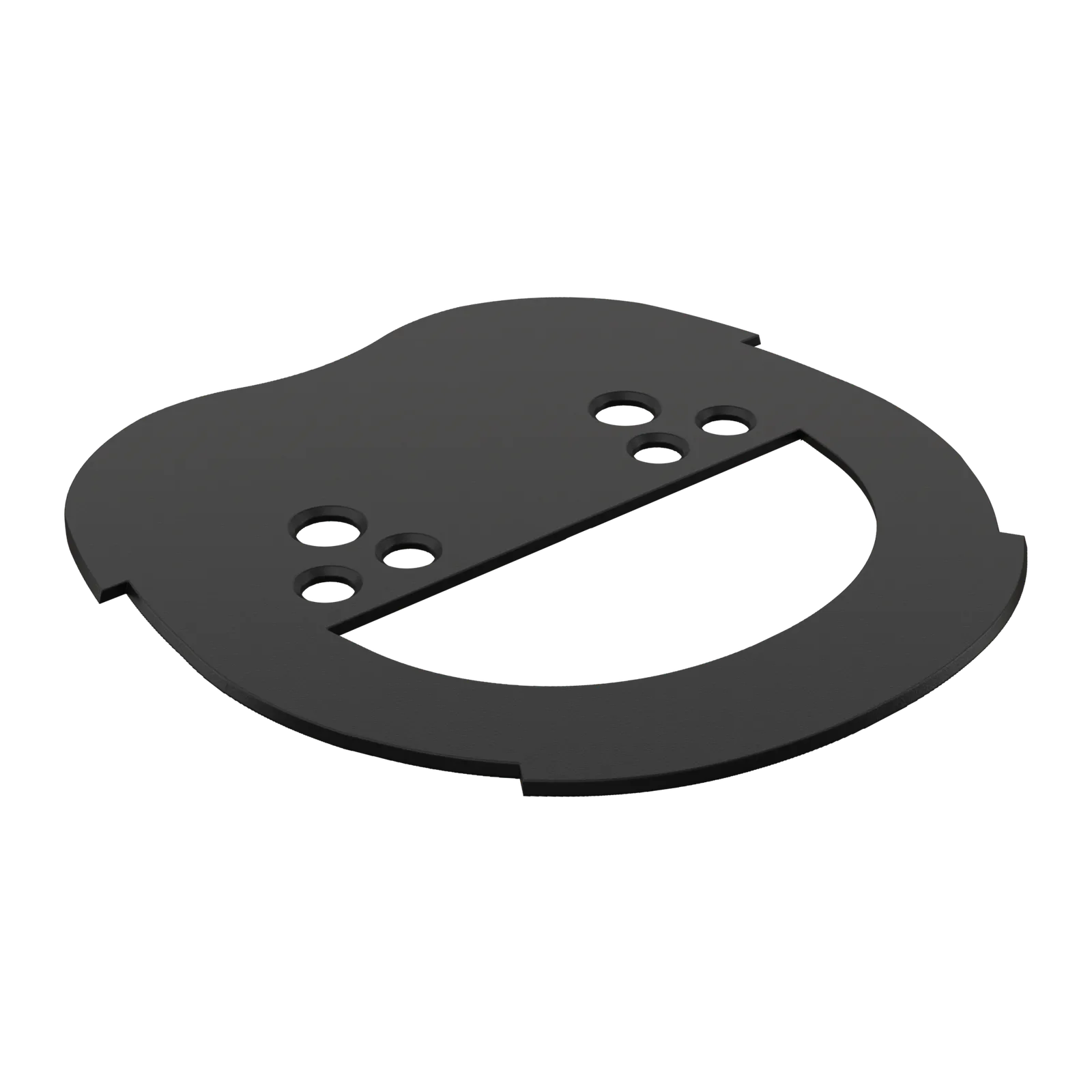
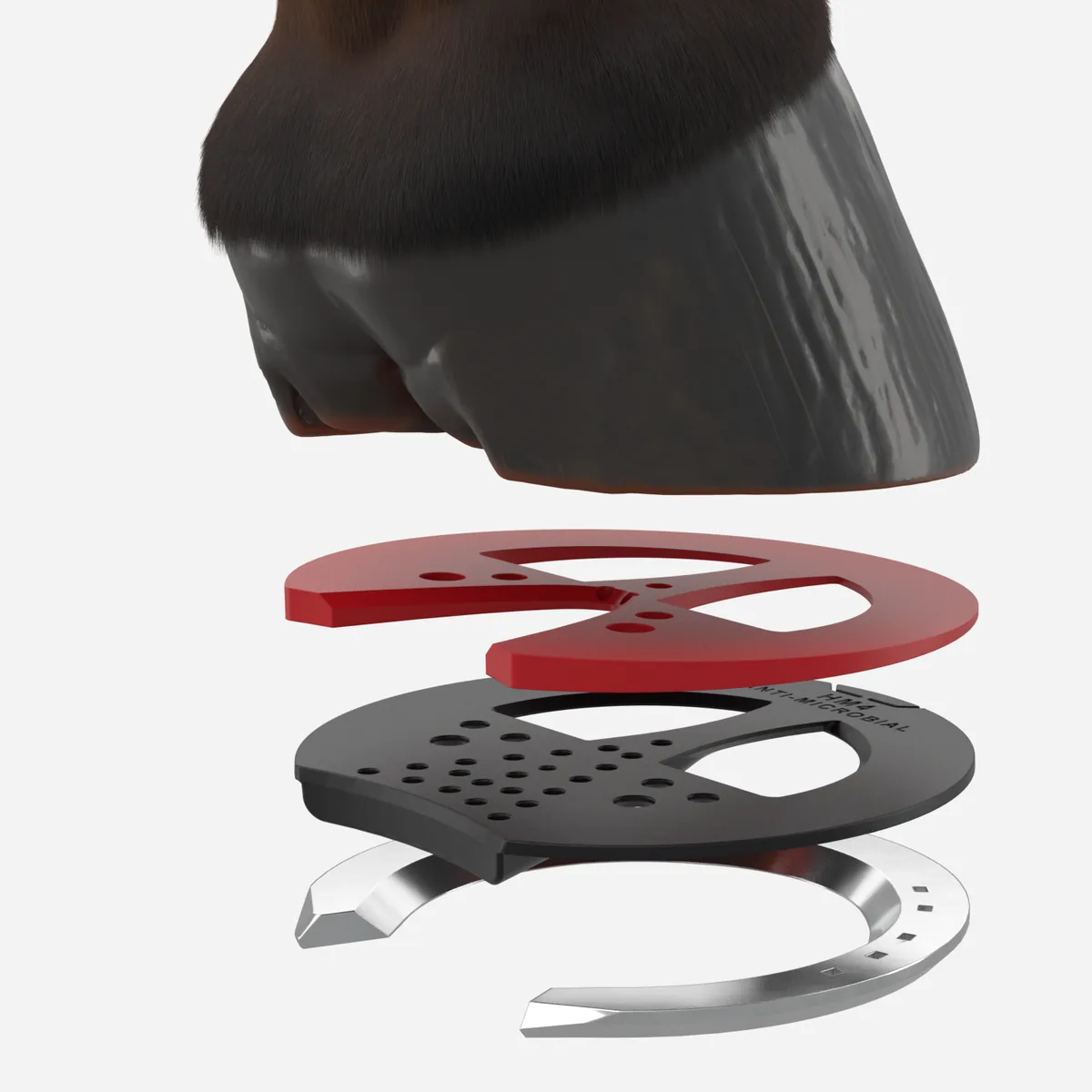
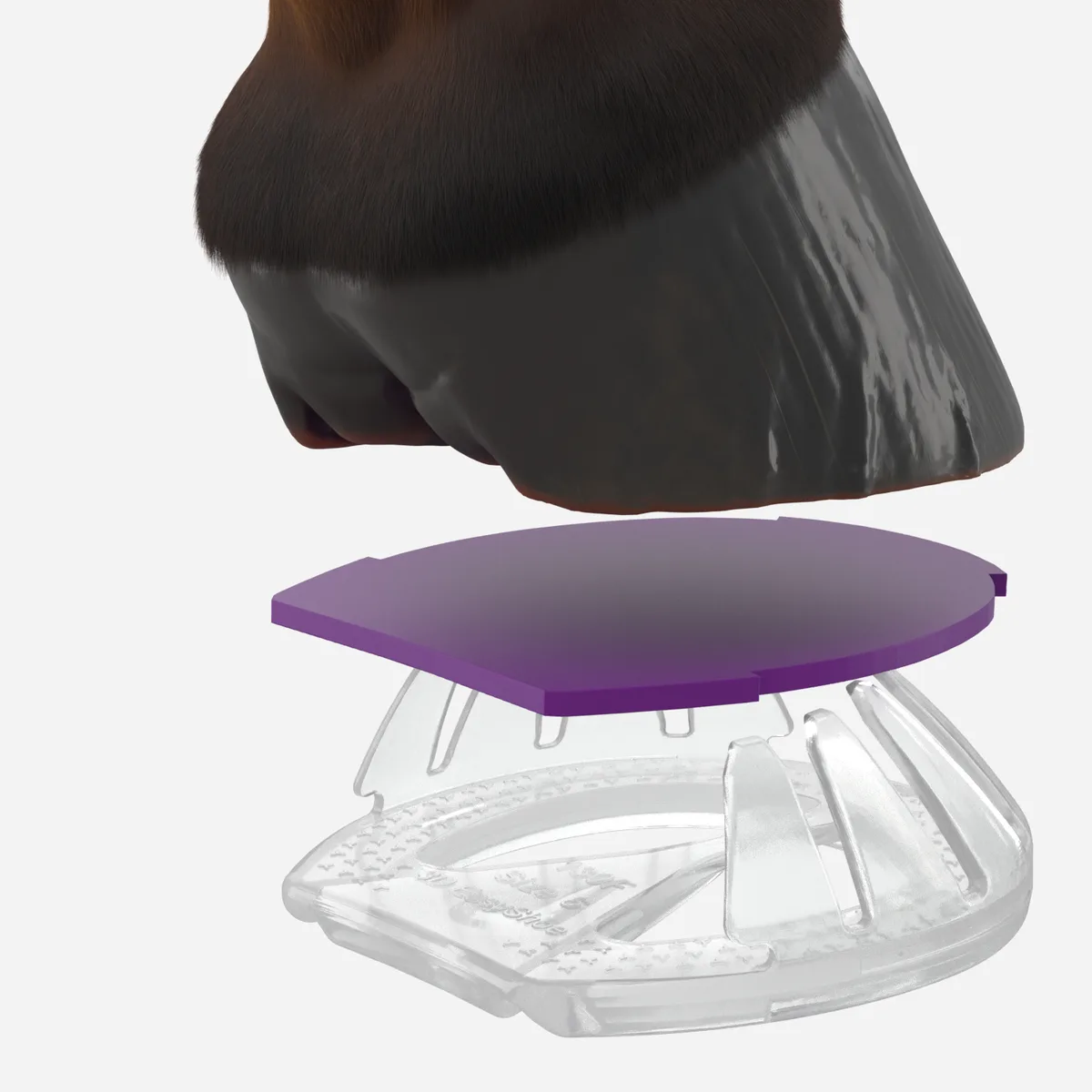
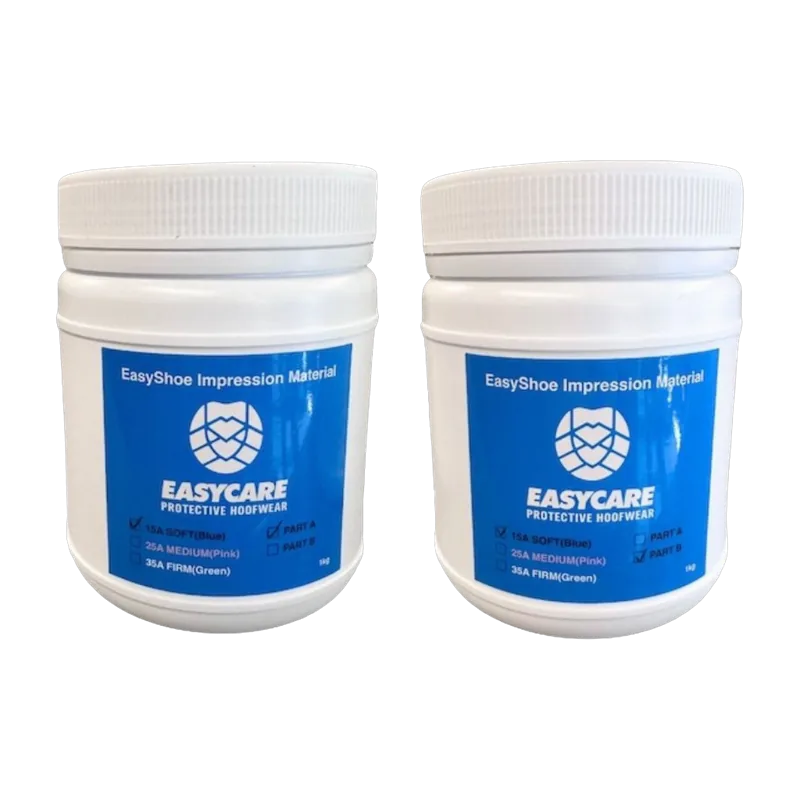
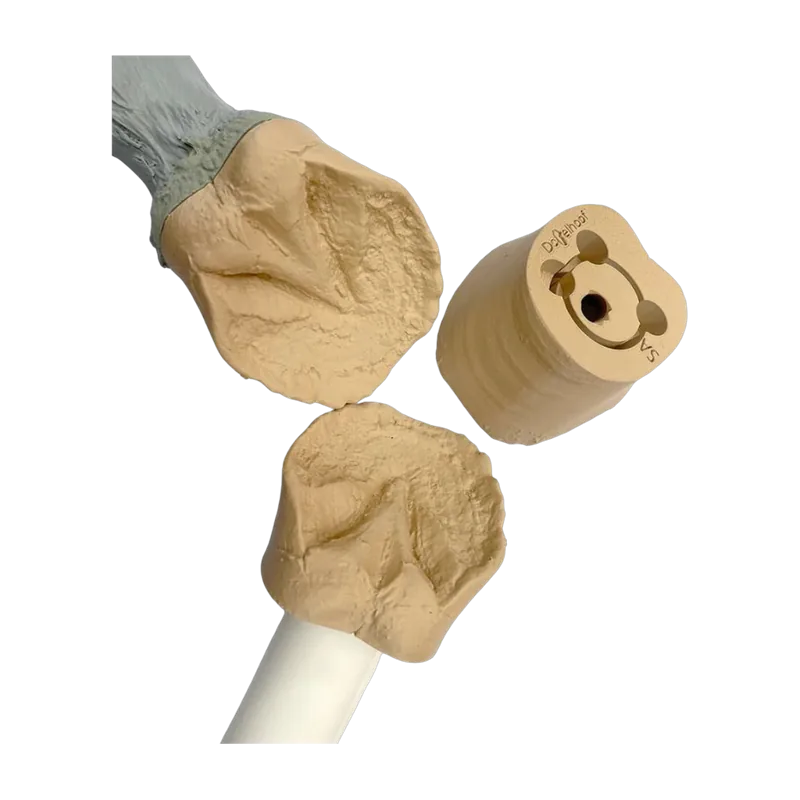
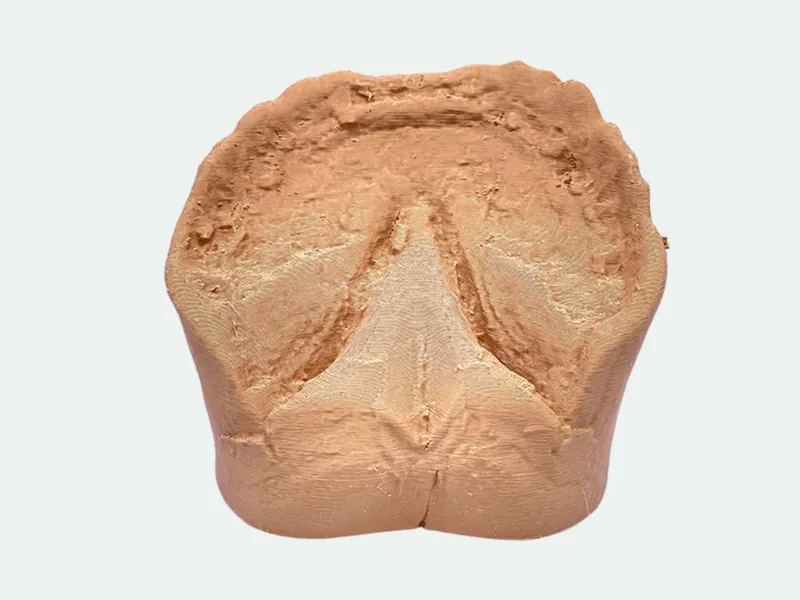

An owner posted in the group with a problem that generated more discussion than she probably expected. Her horse had been in half pads since the previous July. Every cycle, the impression material came out, sometimes partly, sometimes entirely, over five weeks. They had started filling the whole sole as well and that mostly stayed, but the material under the pad always worked its way out.
Her farrier told her he was the only horse this happened to.
He is not. It is one of the most common quiet frustrations in hoof care, and the reason it does not get discussed more is that people assume it is their own technique rather than a known problem with known causes.
Why it matters
Worth being clear about the stakes, because it is easy to treat this as cosmetic.
Impression material is doing a specific mechanical job. It transfers load from the wall onto the sole, frog and bars, spreading weight across structures that can share it rather than concentrating it on a wall attachment that may not be up to the task. In a laminitic foot, that redistribution is much of the point. In a thin-soled foot, it is what stops the sole taking direct concussion.
When the material comes out, that redistribution stops. The horse goes back to loading the way it was loading before you intervened, inside a pad that is now a hollow space.
So the owner asking whether losing the material reduces the function of the pad had answered her own question. It does.
Why it comes out
Several causes, and they are usually combined rather than singular.
Wet ground. This is the big one, and it was in her post: an incredibly wet year, a large yard that gets wet, turnout during the day. Water gets between the material and the sole, works it loose from the edges inward, and the horse's own movement pumps it out. A foot in mud is essentially being power-washed from below at every step.
Too much material. Overfilling means the material is proud of the pad and takes the ground strike directly at the edges. Each strike peels a little more. It feels generous at application and is actively counterproductive.
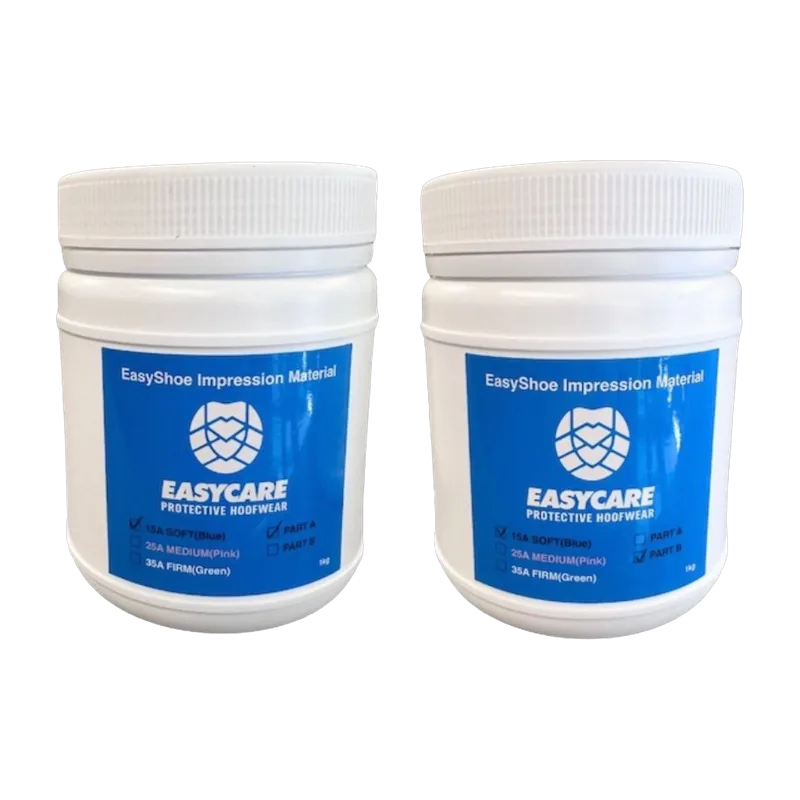
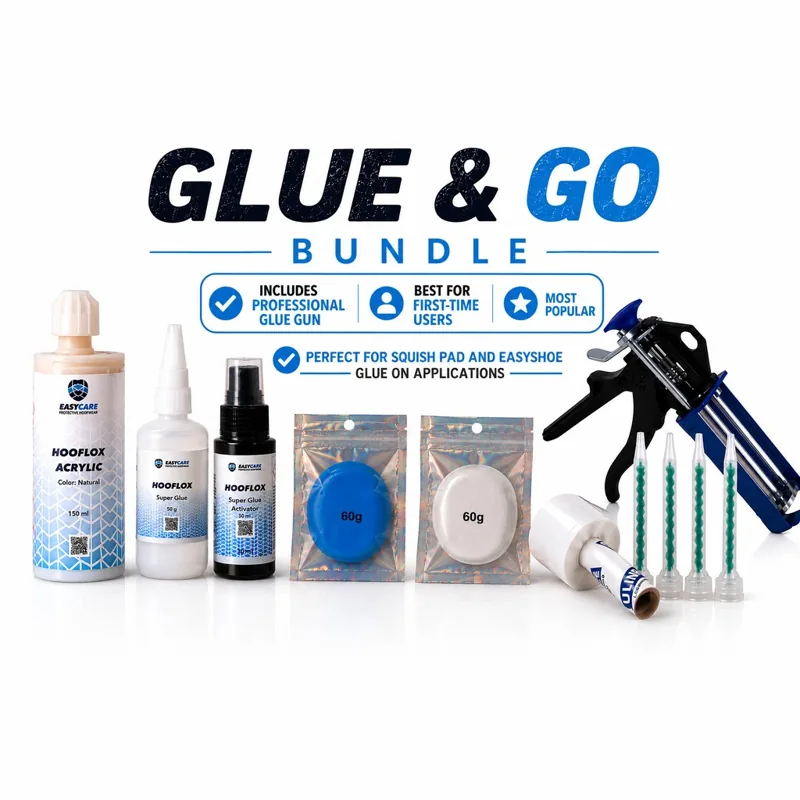
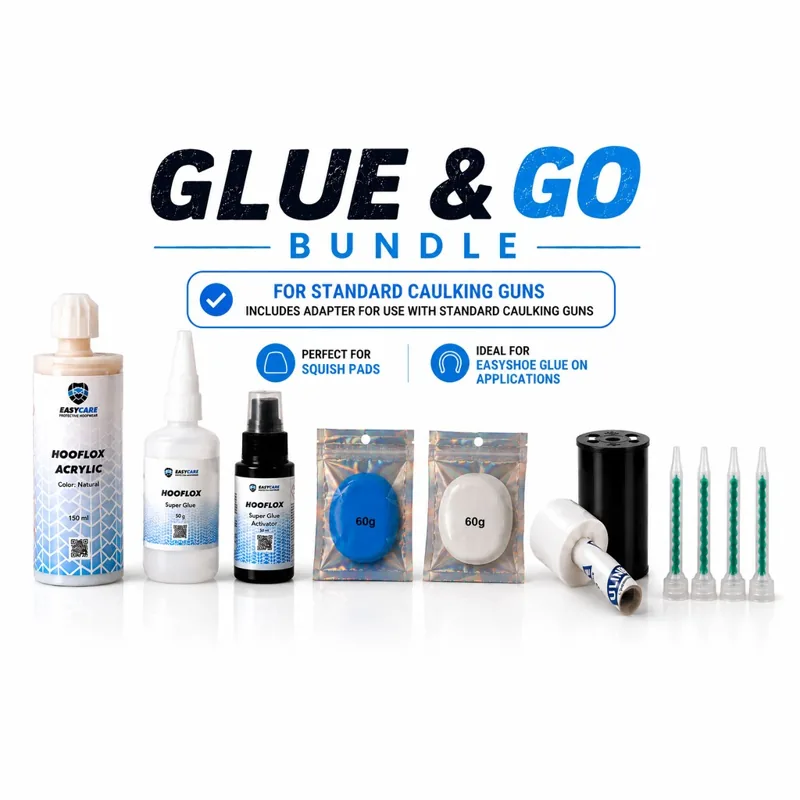
The wrong durometer. Impression material comes in different firmnesses, soft and medium being the usual choice. Soft conforms beautifully and holds up less well. Medium survives longer and transfers load more firmly. A soft material on a horse in a wet field doing a five-week cycle is asking a great deal of it.
A dirty or wet sole at application. Same principle as adhesion generally. Material pressed onto a sole with a film of moisture or dirt underneath is bonded to the film.
Nothing for it to key into. A flat, smooth, freshly-pared sole gives the material nothing to grip.
What actually helps
Prepare the sole. Clean, dry, and pick out the collateral grooves properly. Do not pare the sole smooth in the name of tidiness. The small irregularities are grip.
Use less than you think. The material should fill the space, not bulge from it. If it squeezes out when the horse stands, you have used too much.
Match the durometer to the conditions. Medium for wet ground, long cycles, and heavier horses. Soft where you want maximum conformity and the environment is kinder or the cycle shorter.
Let the horse stand in it. Put the foot down and let the horse take weight before you finish. The material settles into the shape that foot actually makes under load, which is not the shape you pressed it into while holding the leg.
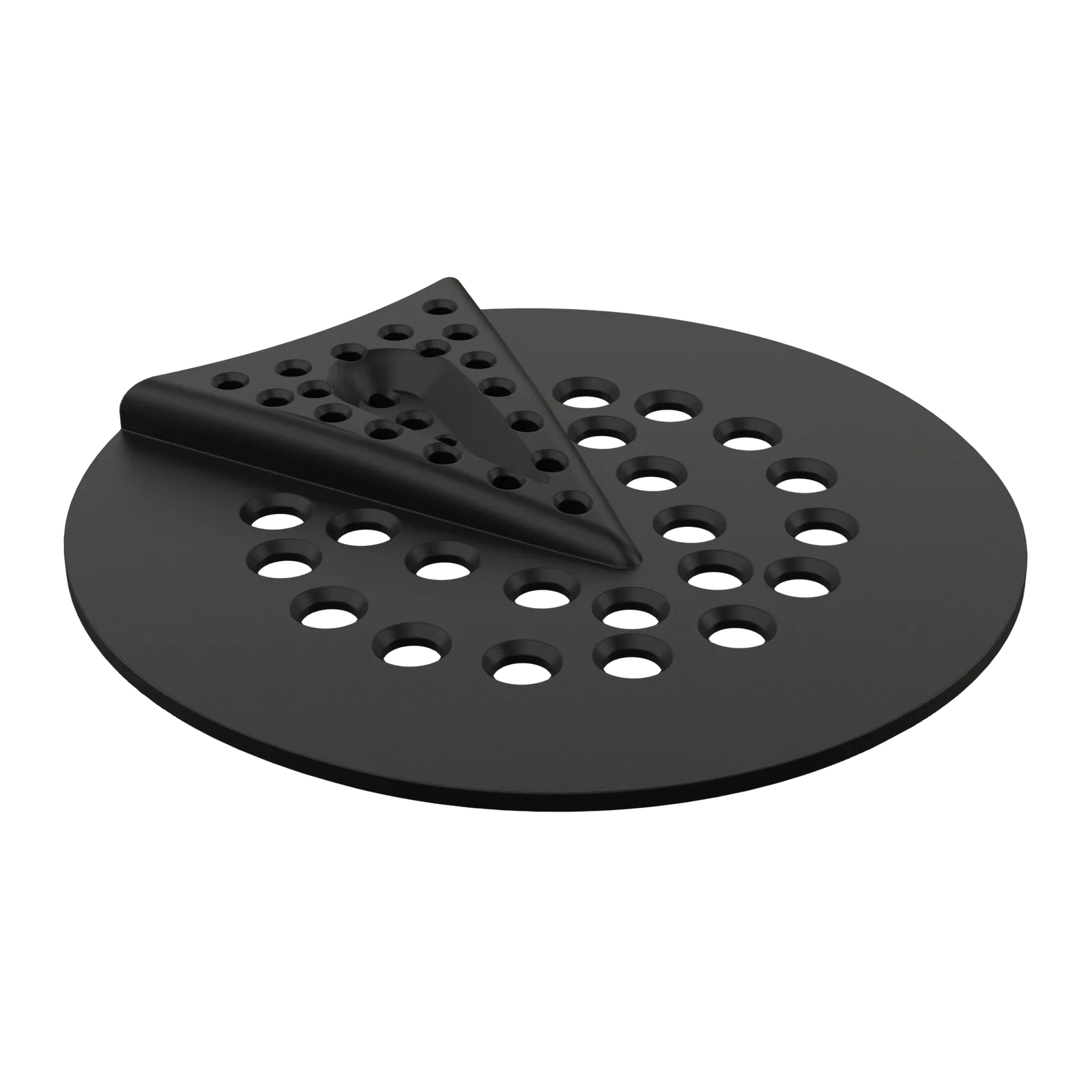
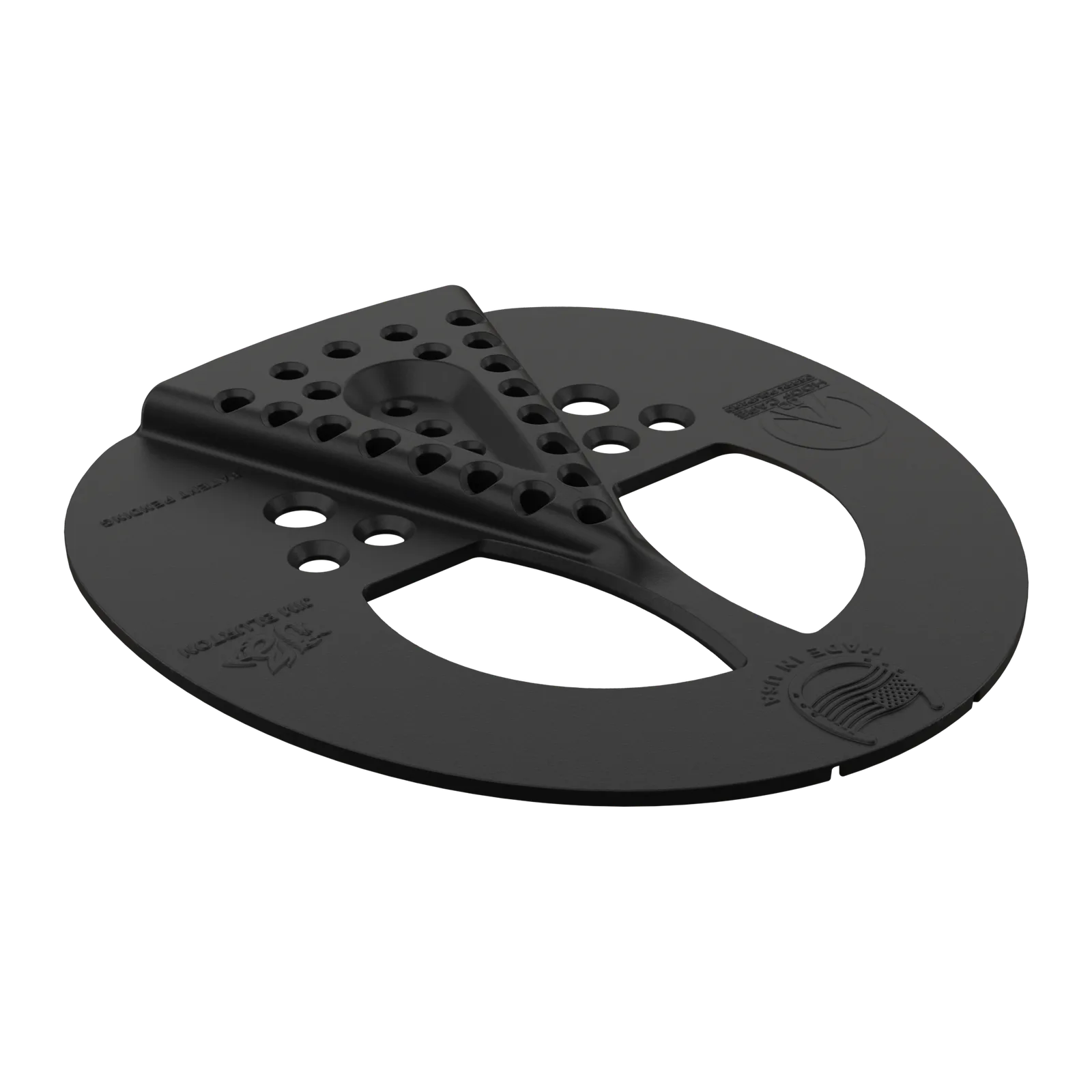
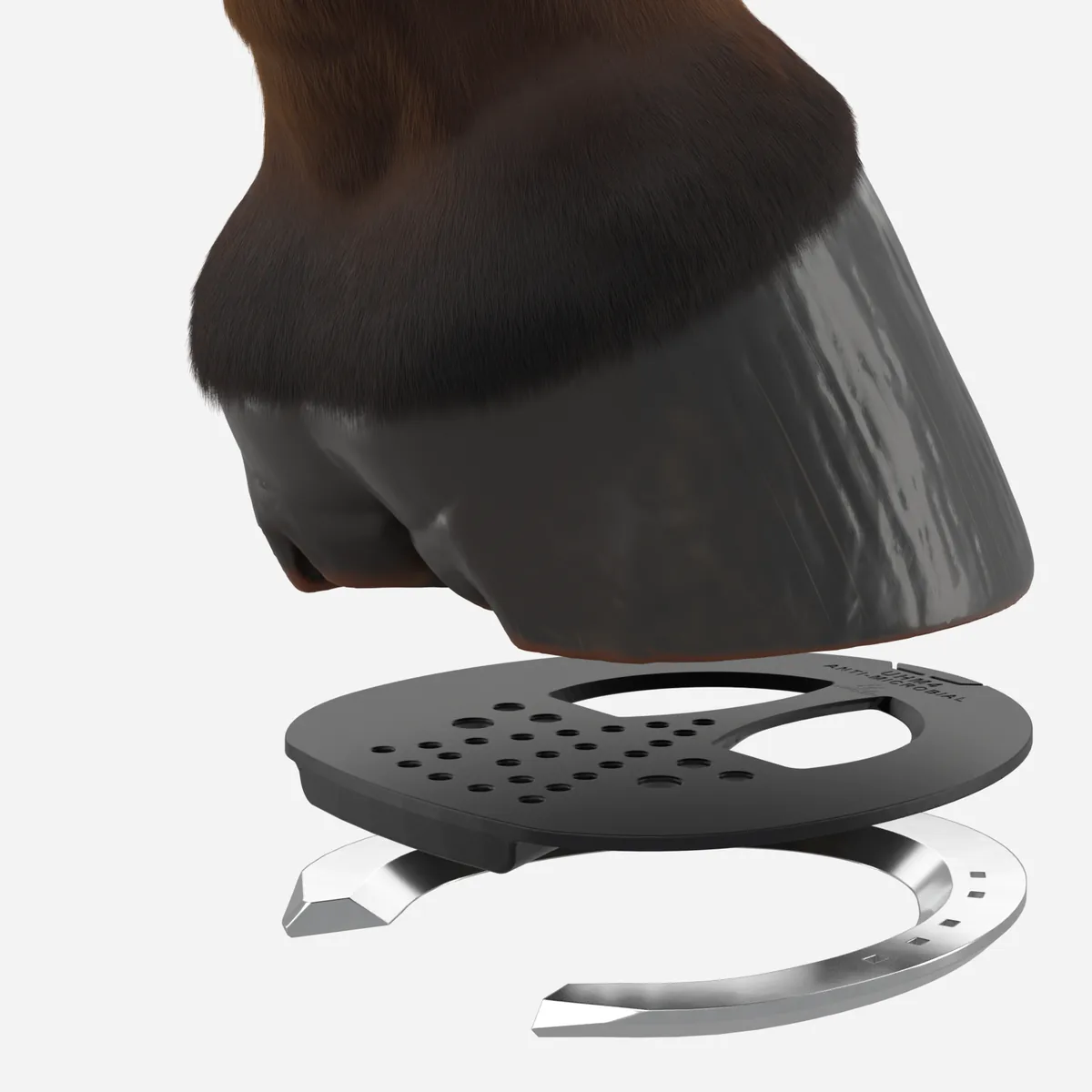
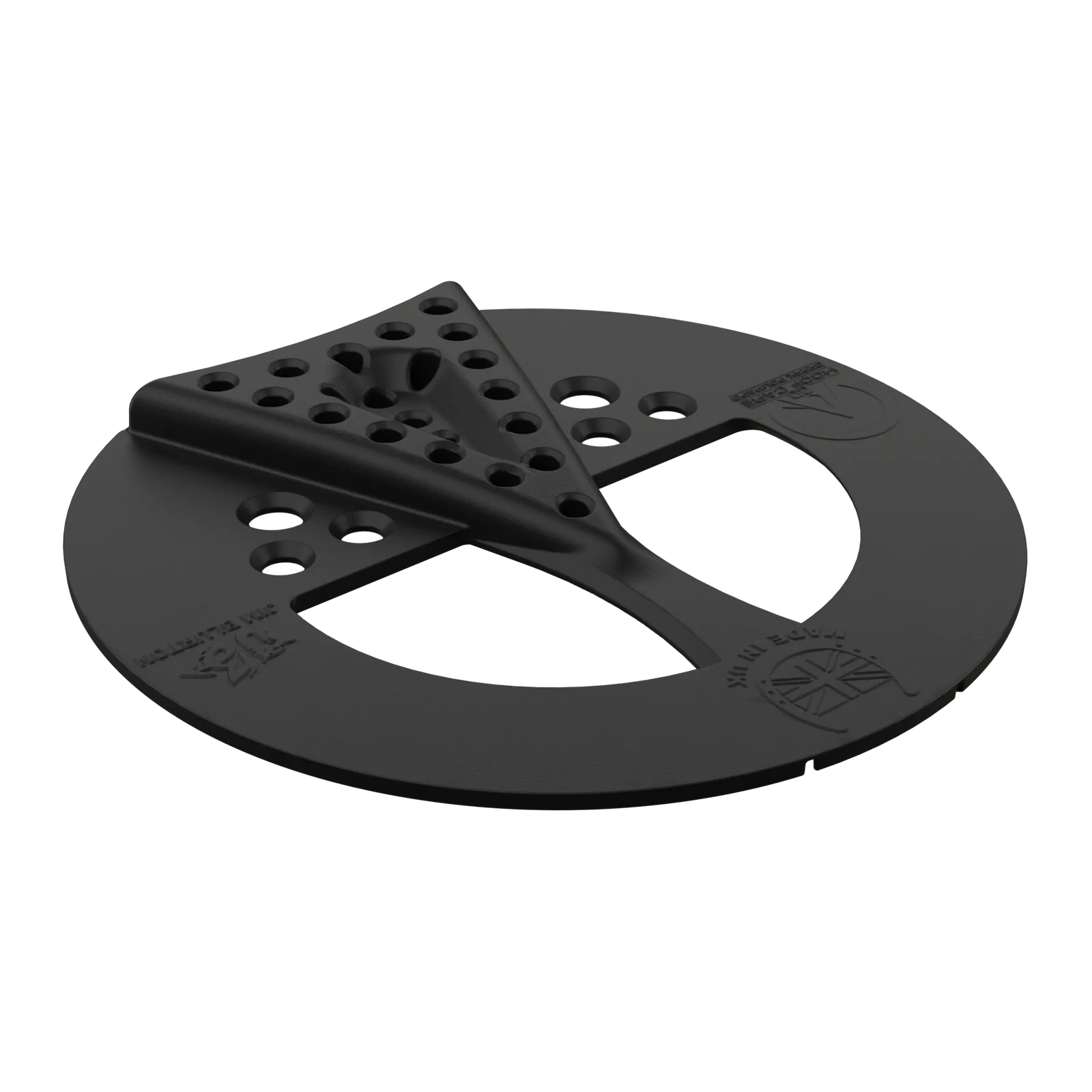
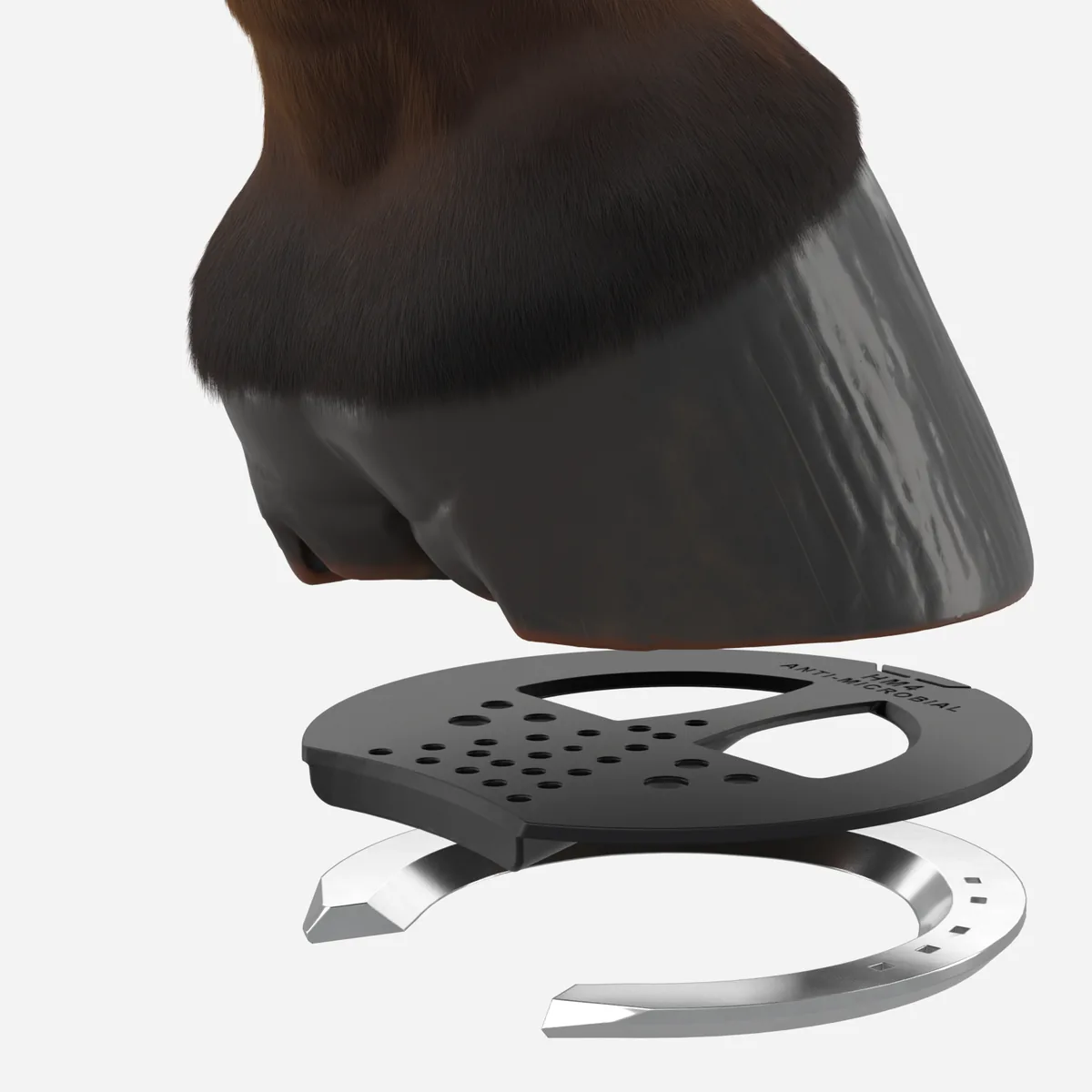
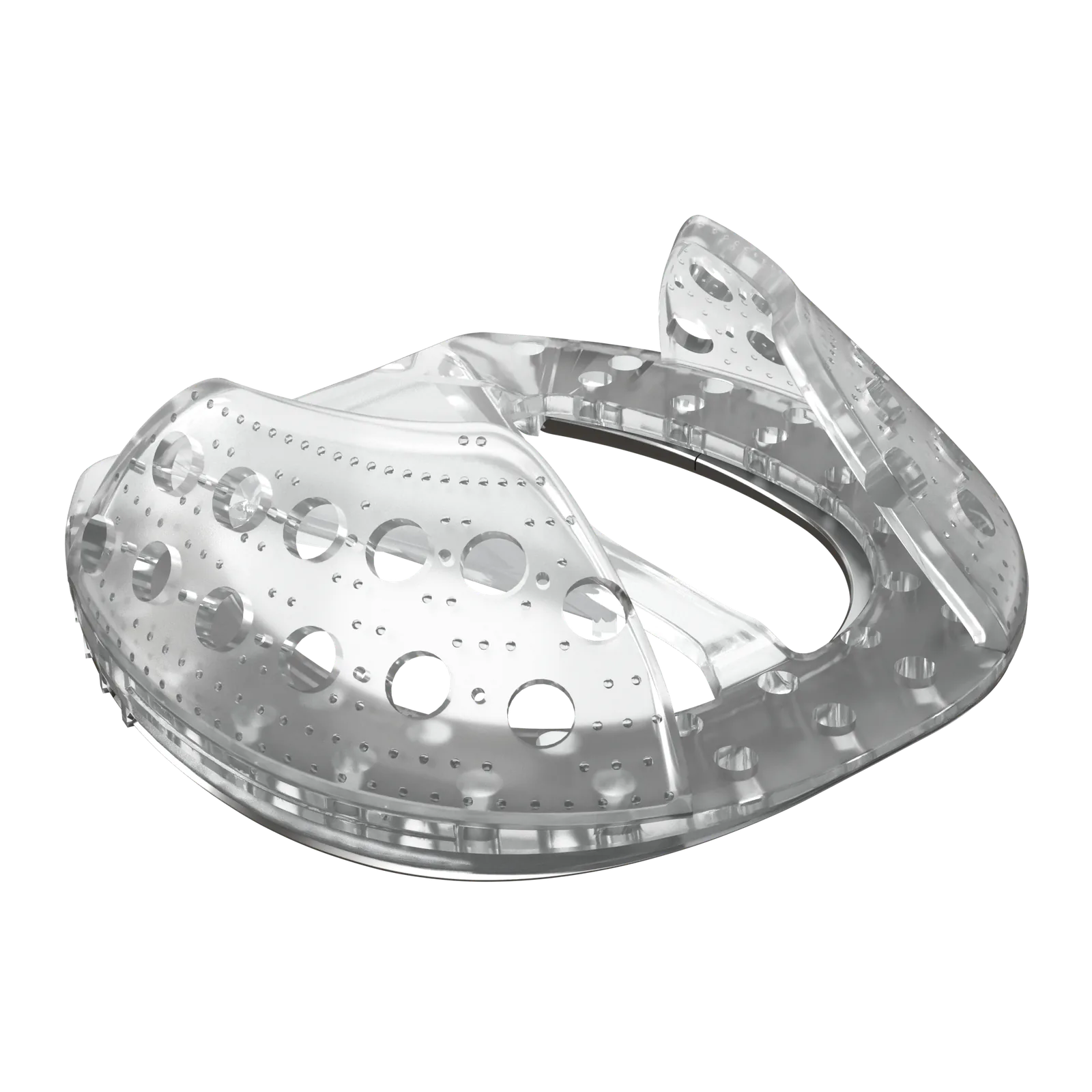
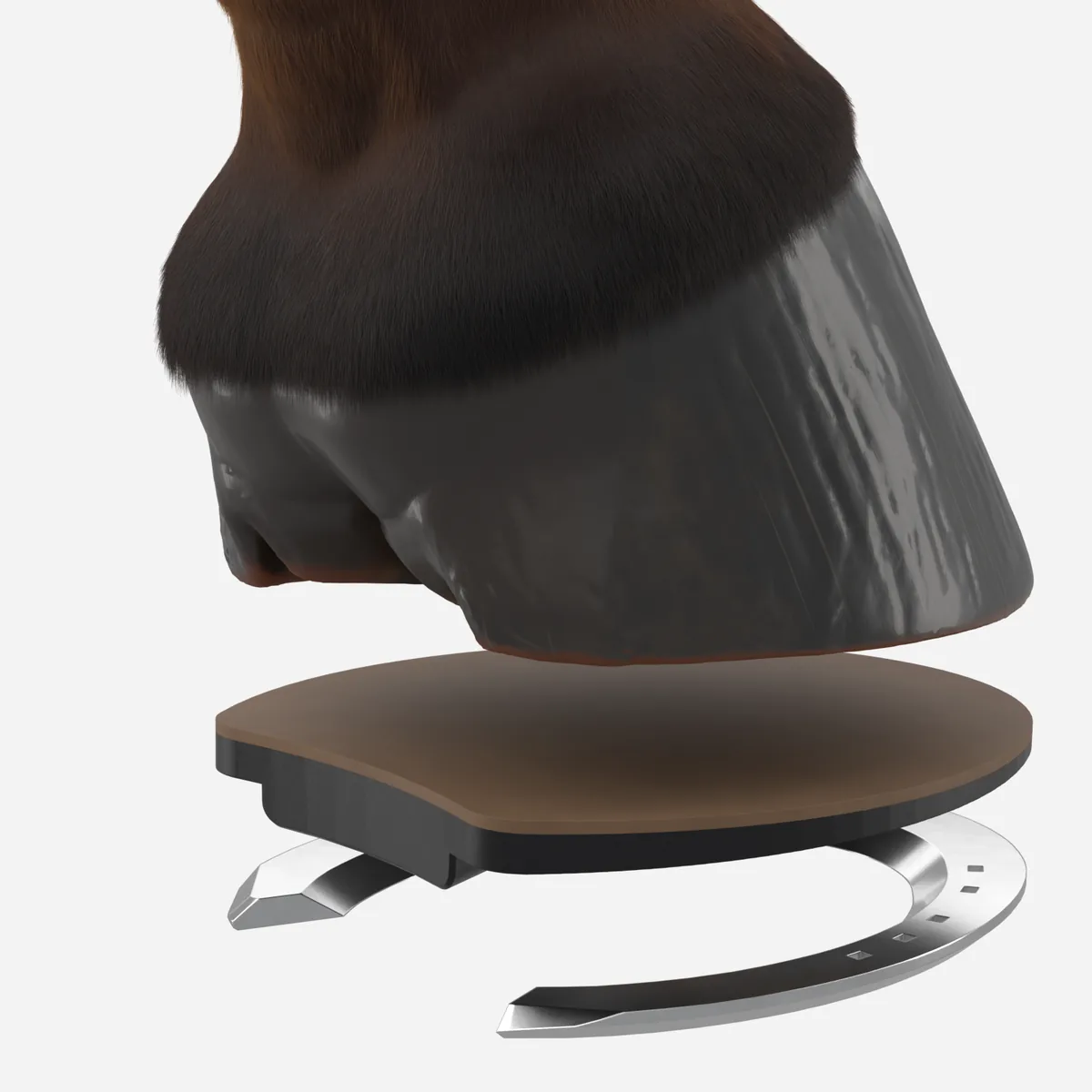
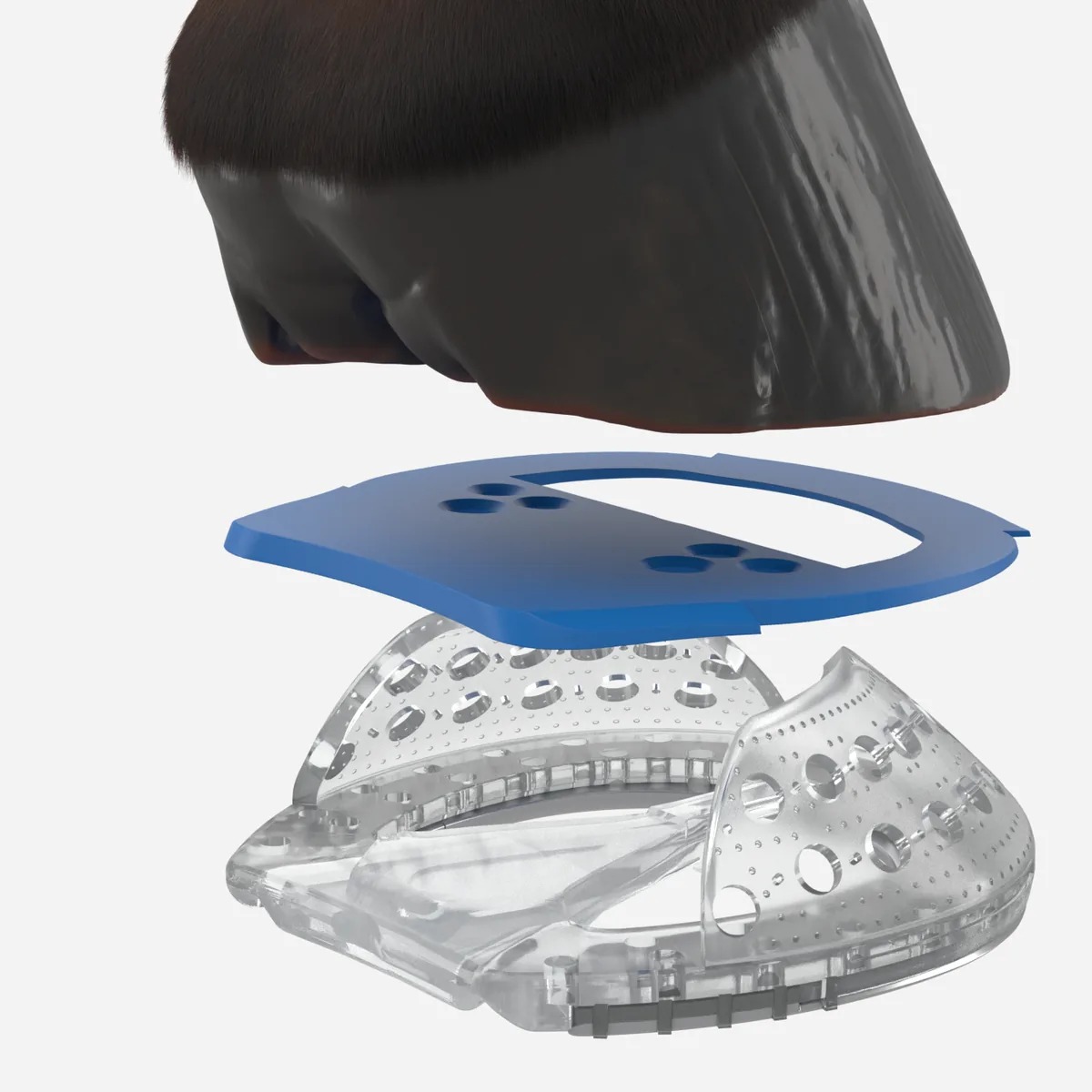
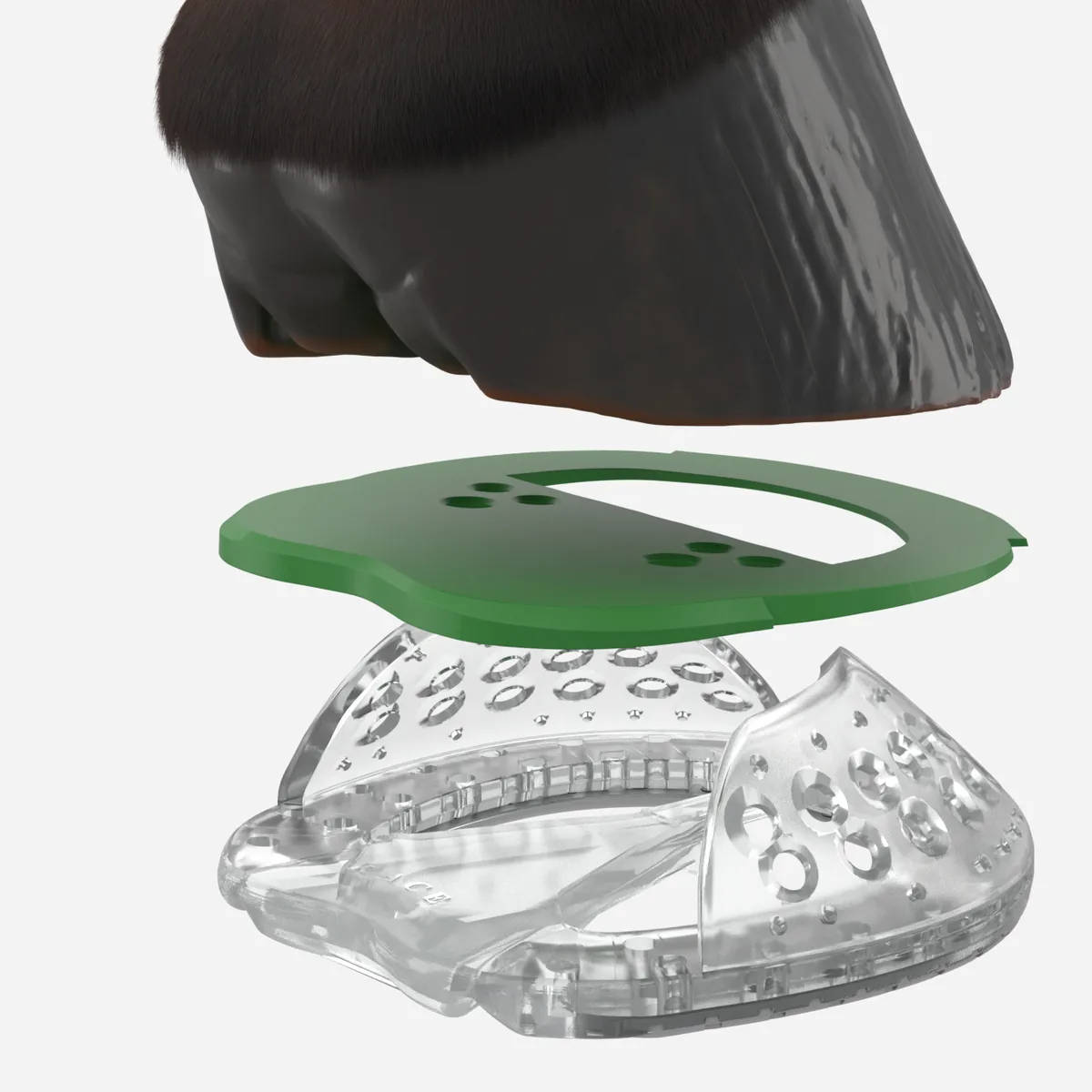
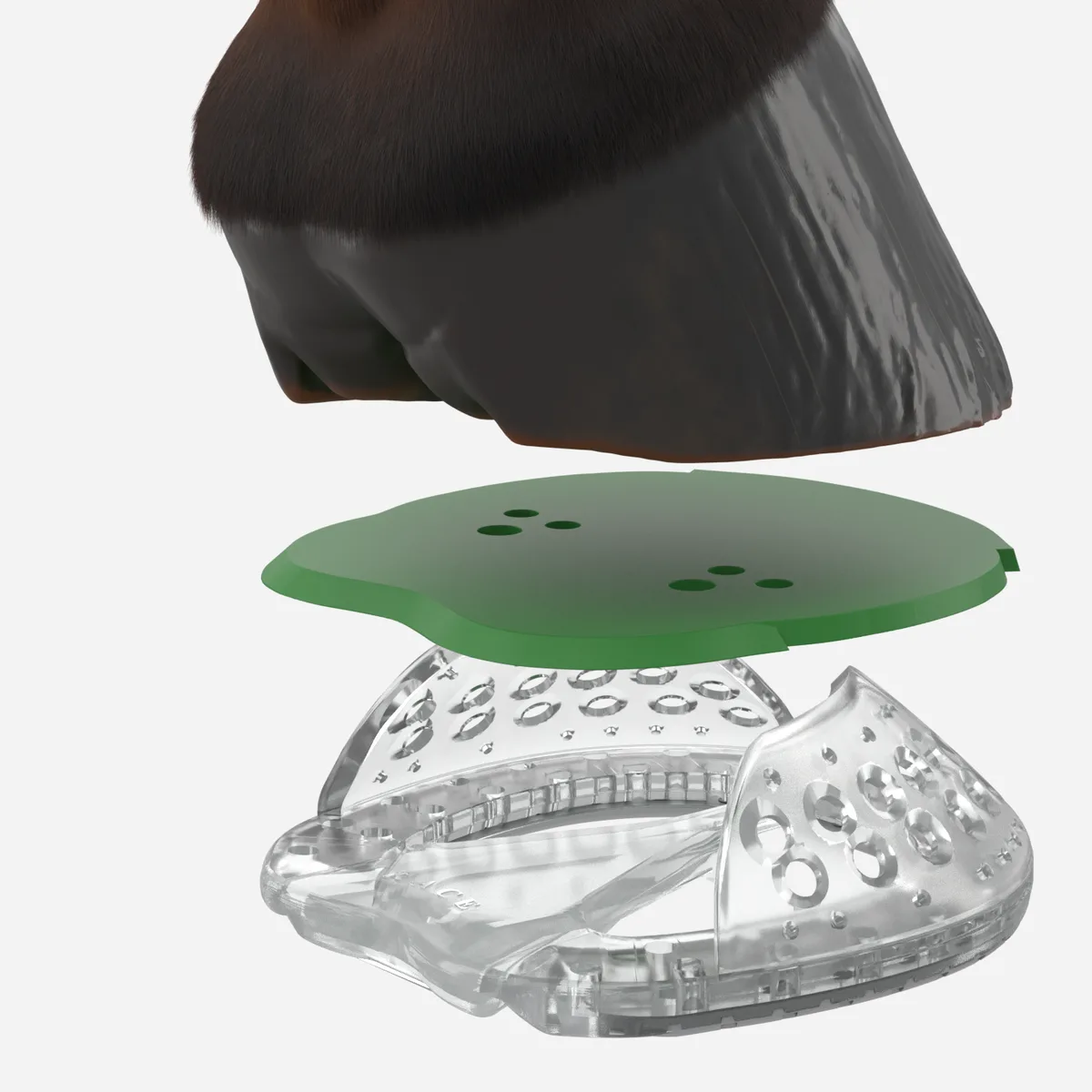
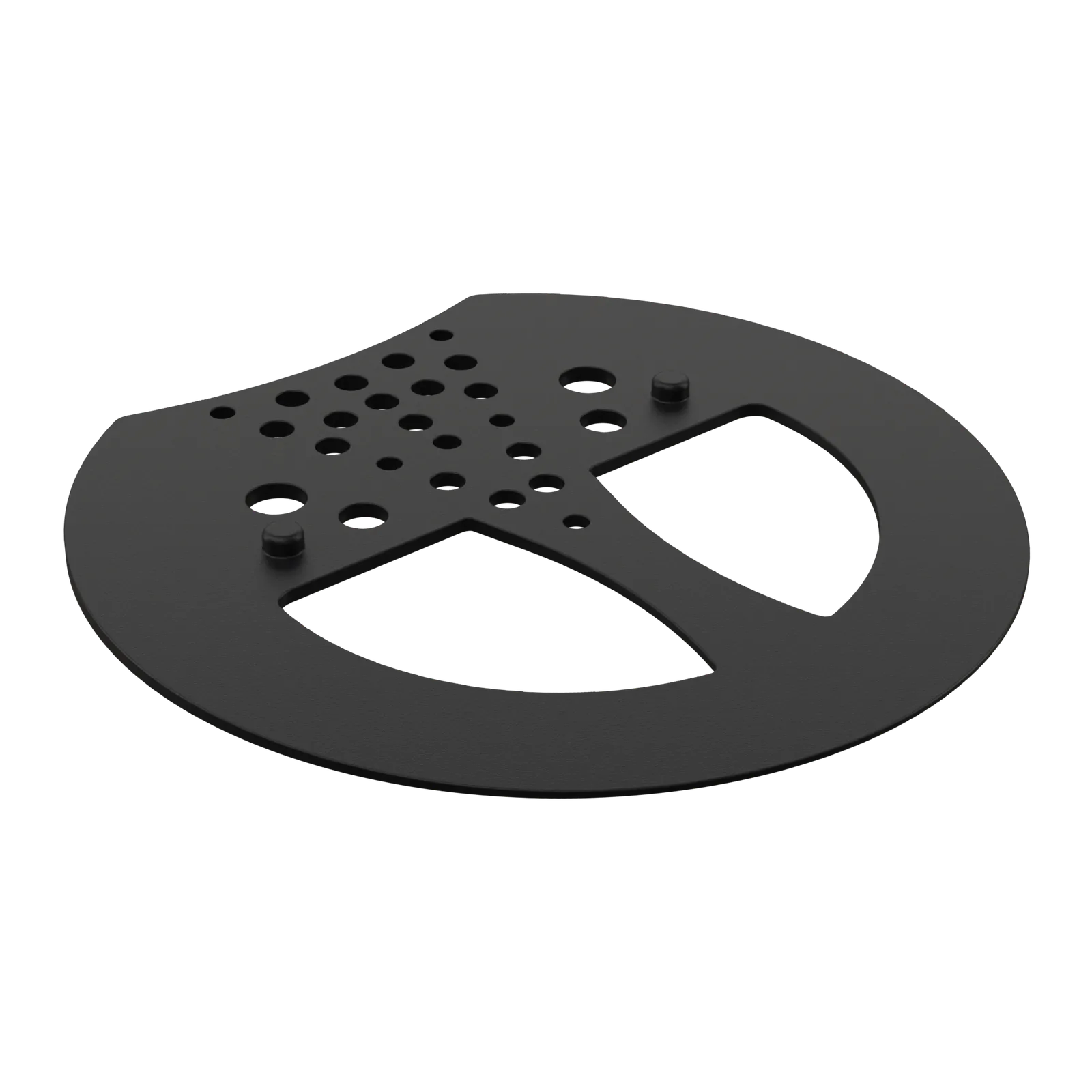
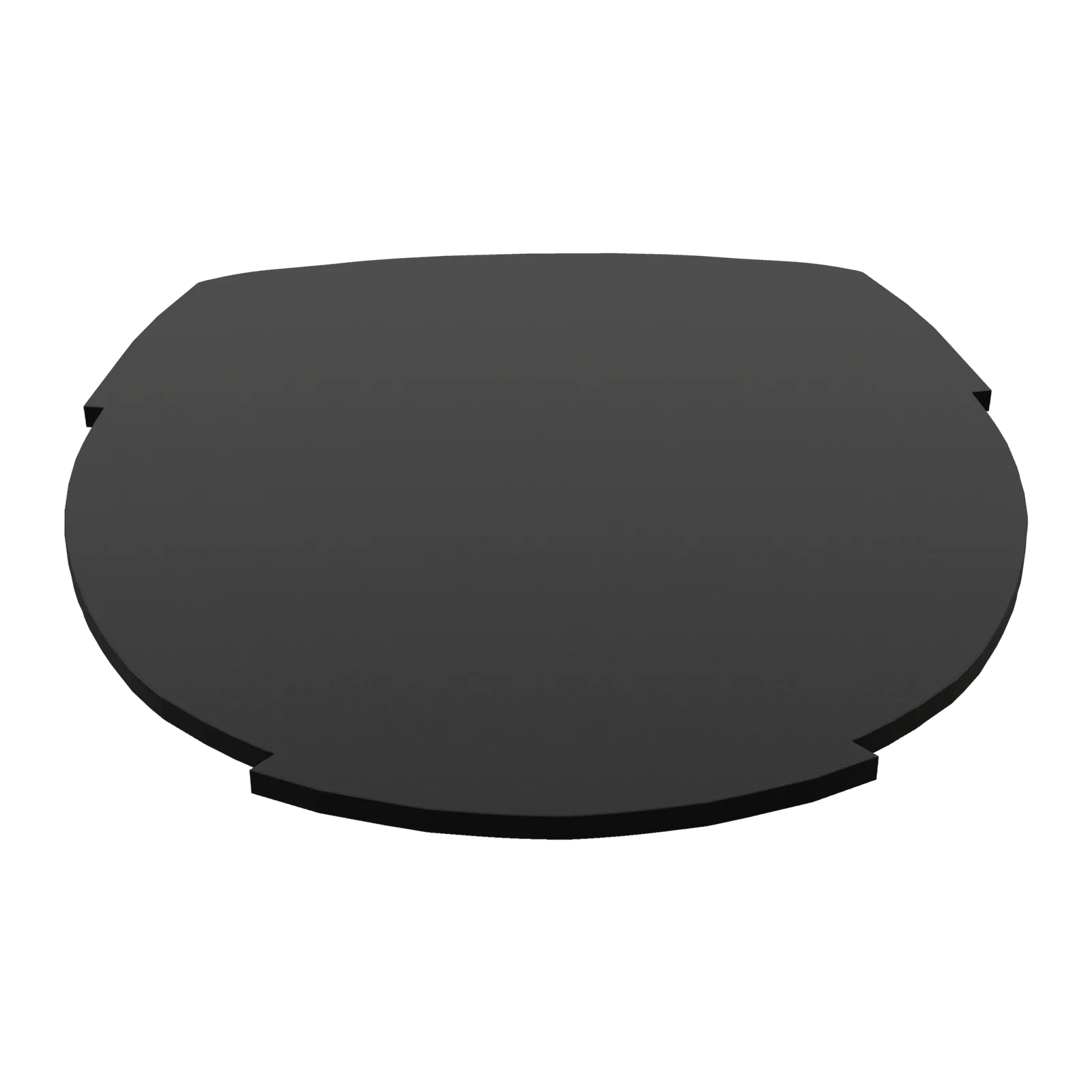
Use a pad that retains it mechanically. This is the real answer for chronic cases. A full mesh pad gives the material structure to hold onto rather than relying purely on adhesion to the sole. One person in the community who had been struggling to keep material in place through a cycle ordered mesh pads specifically to hold the material better. That instinct is exactly right.
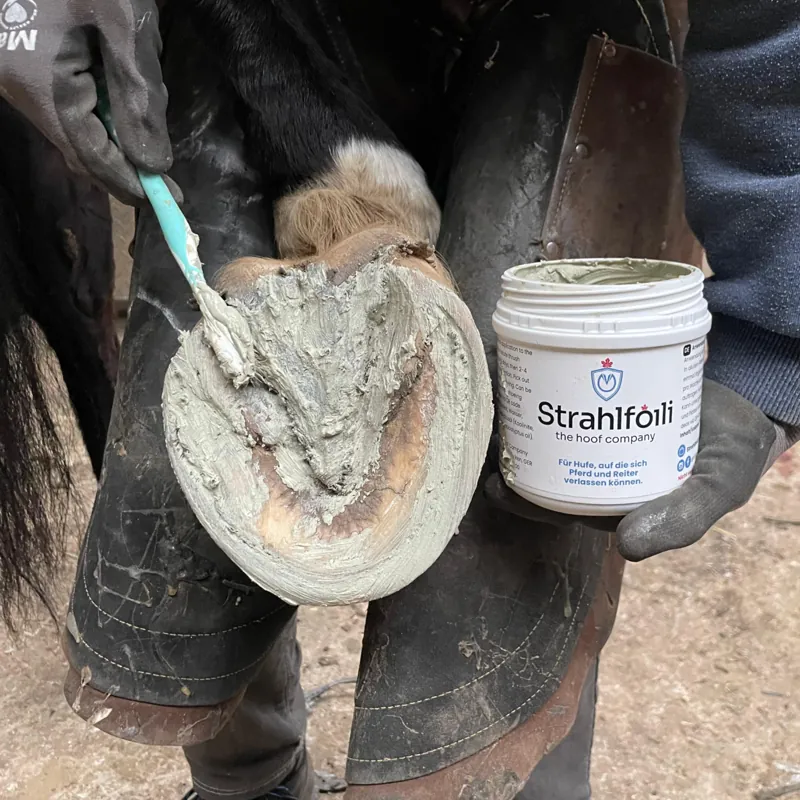
Consider a firmer product alongside. Some farriers pack with a clay-type product in the frog region and impression material elsewhere. One in our community described using a wedge insert with a clay hoof packing and soft impression material underneath, and reported the horse moving well with noticeably better posture.
The two-material approach
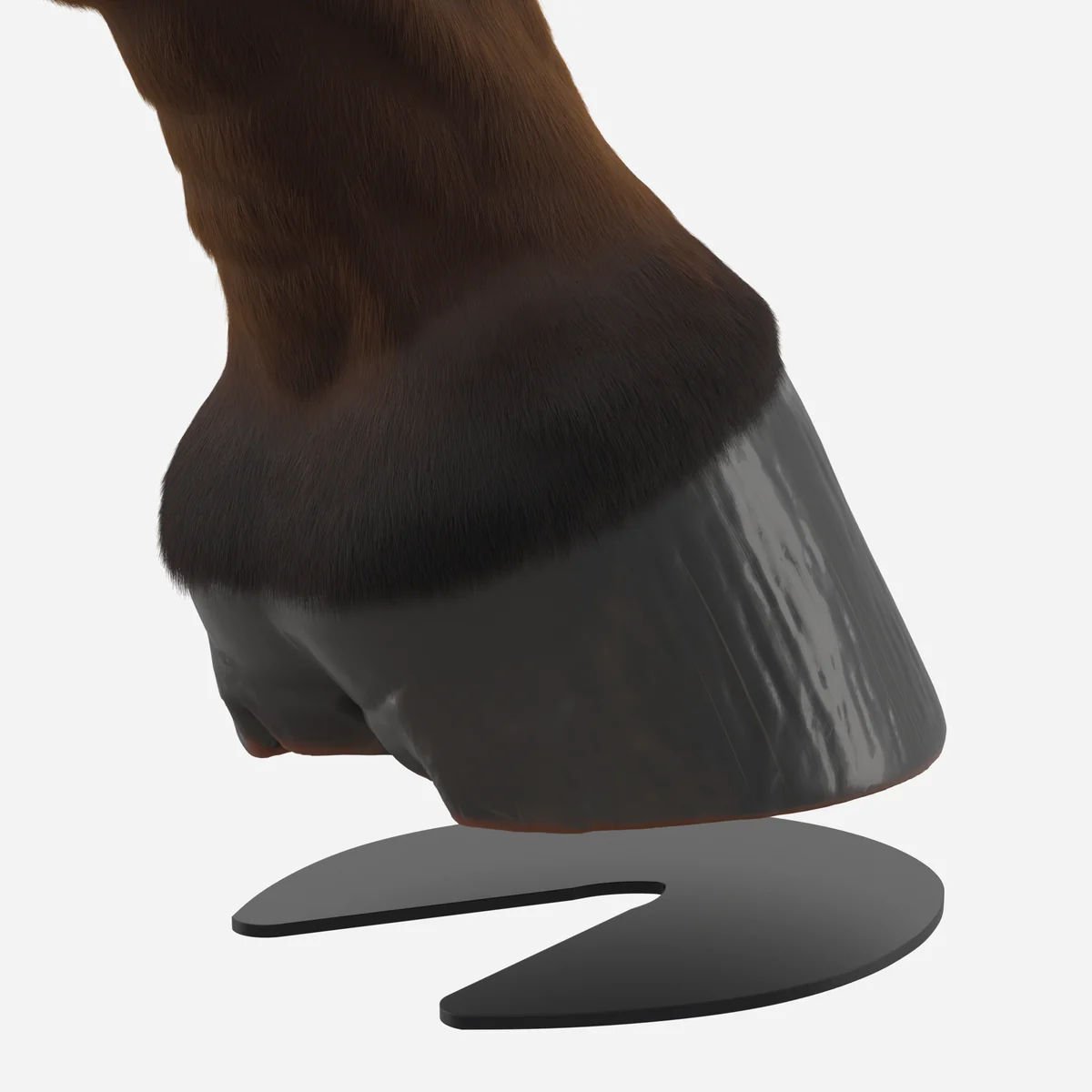
For difficult cases, filling the whole sole and using a half pad (which is what the owner in that thread had moved to) is a reasonable adaptation, and she reported it mostly stayed. The remaining loss under the pad suggests the material there was either too soft, too generous, or applied to a sole that was not quite clean.
Worth trying in that order: durometer first, quantity second, preparation third. Change one thing per cycle so you learn something.
Getting it into awkward places
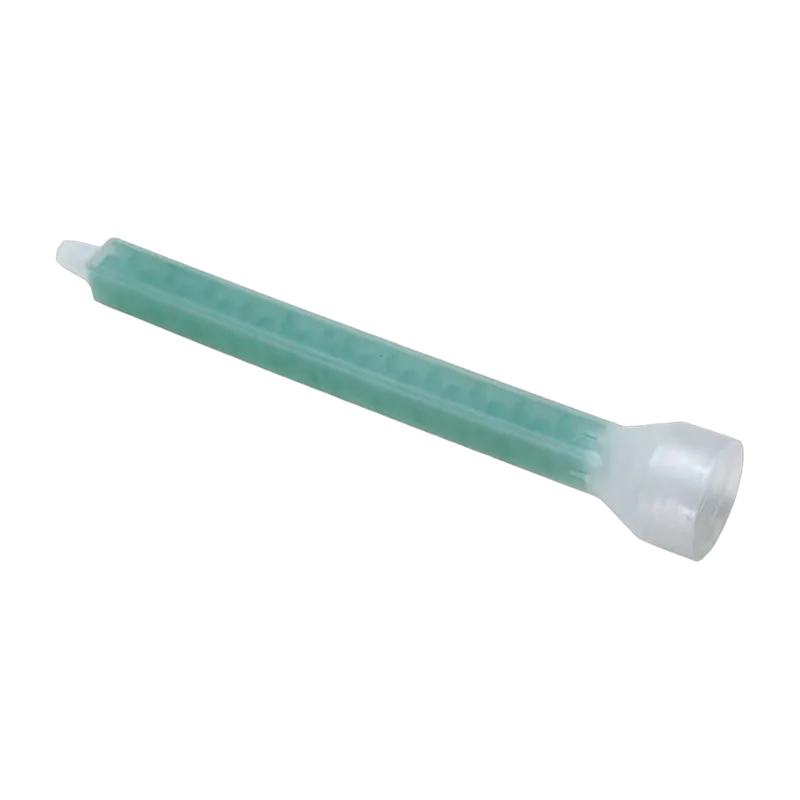
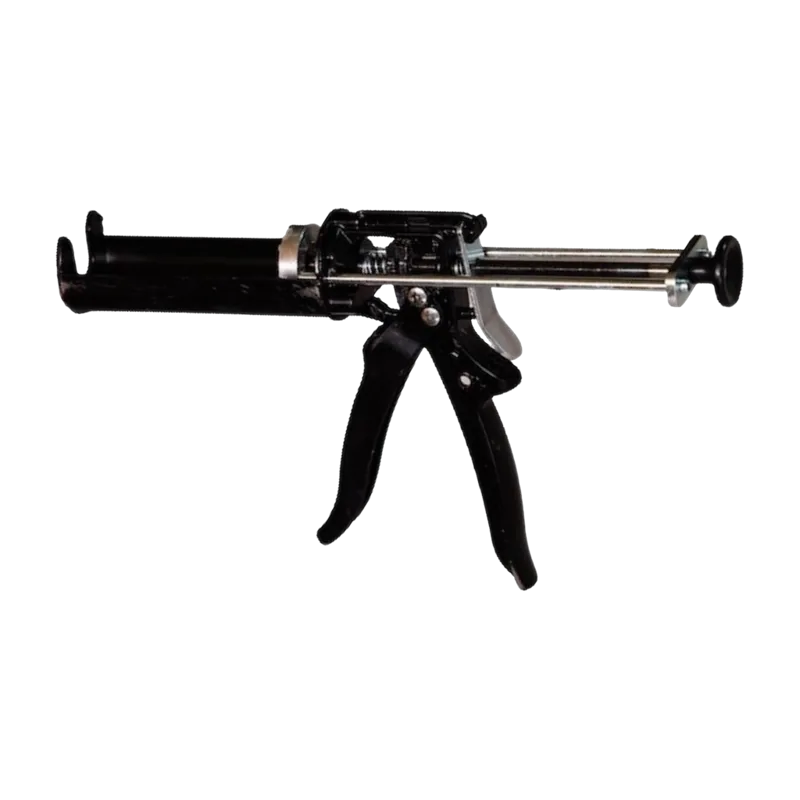
A practical note that came out of the group and is worth passing on: if you need to add impression material after a glue-on application is already in place, getting it into the small spaces is difficult. Farriers have worked out various improvised delivery methods for squeezing it into tight gaps, and it is worth asking in the group rather than fighting it. This is exactly the sort of thing where somebody has already solved your problem.
Resetting pads
Since we are on the subject of maintenance: pads can be cleaned up and reset rather than replaced every cycle, which people do not always realize.
One farrier described her process, running the pad through a drill press to clean out the old dirt and impression material, giving it a good wire brushing, attaching it back onto the shoe and dusting up the boxing. Good as new, in her words.
That is worth knowing both for cost and for waste. Not every pad needs to be a new pad.
What to tell an owner
If a client's horse loses impression material every cycle, the useful things to say are:
It is not unusual and it is not their fault. It is mostly about ground conditions and material choice. It does reduce what the pad is doing, so it is worth solving rather than accepting. And there are three or four things to try, one at a time.
That is a much better conversation than telling them theirs is the only horse that does it.
Full pad or half pad?
The other question that comes with this territory is how much of the sole to cover, and it changes what you can expect from the material.
A full pad protects the whole solar surface and gives impression material the most support and the most retention. It also seals the foot most completely, which means less air and more retained moisture underneath. That is the trade-off someone in the group raised when they noticed the sole going soft and flaky under a covered foot.
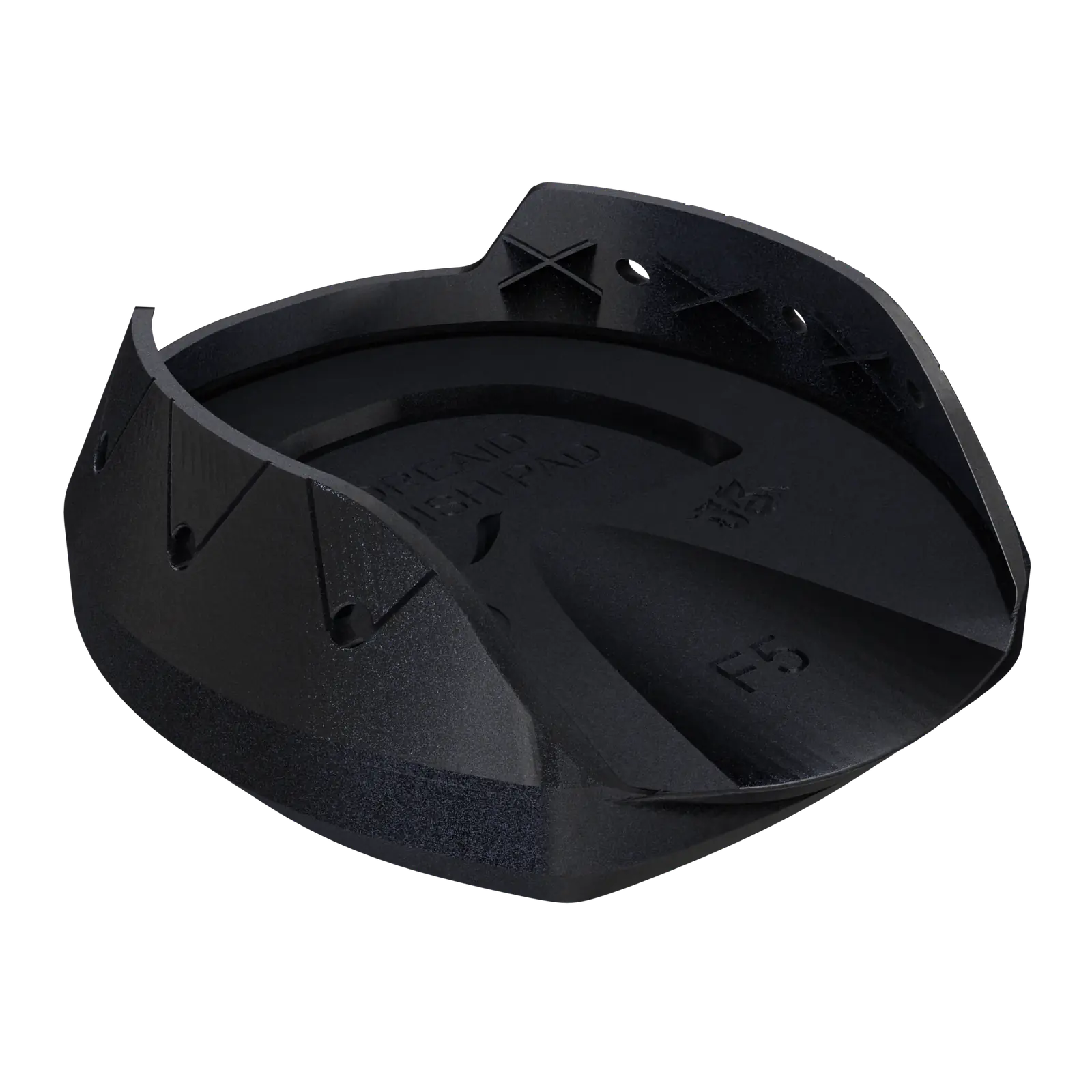
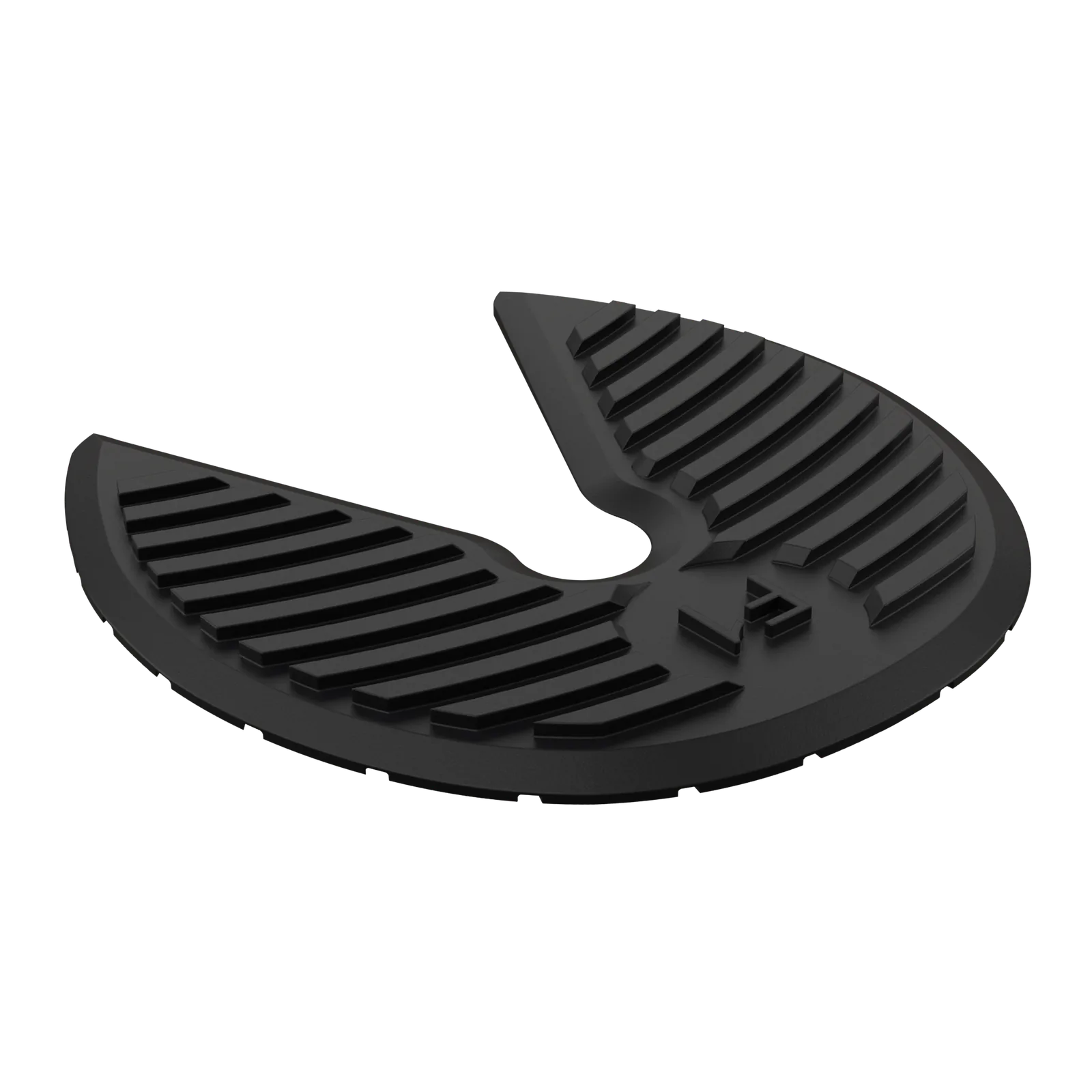
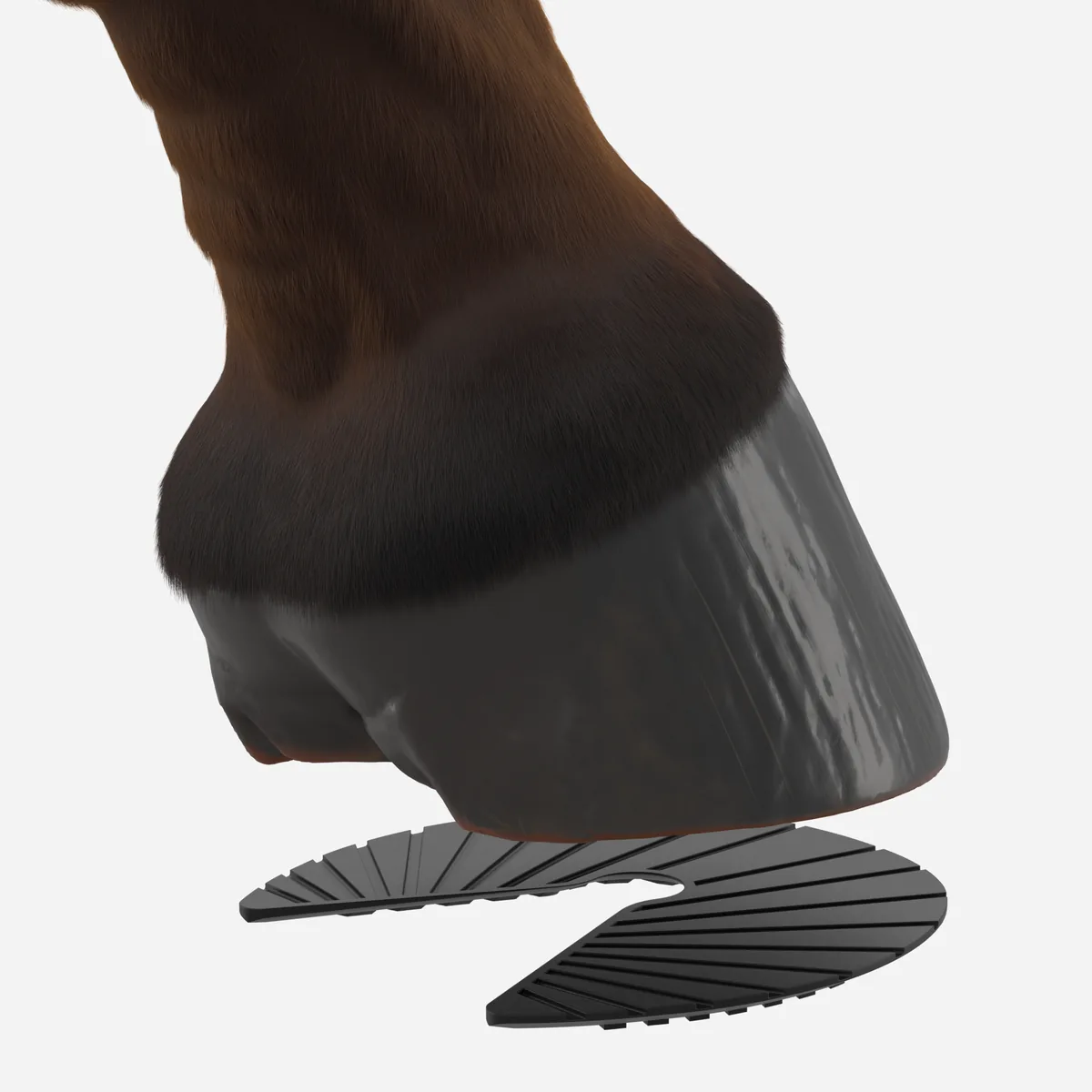
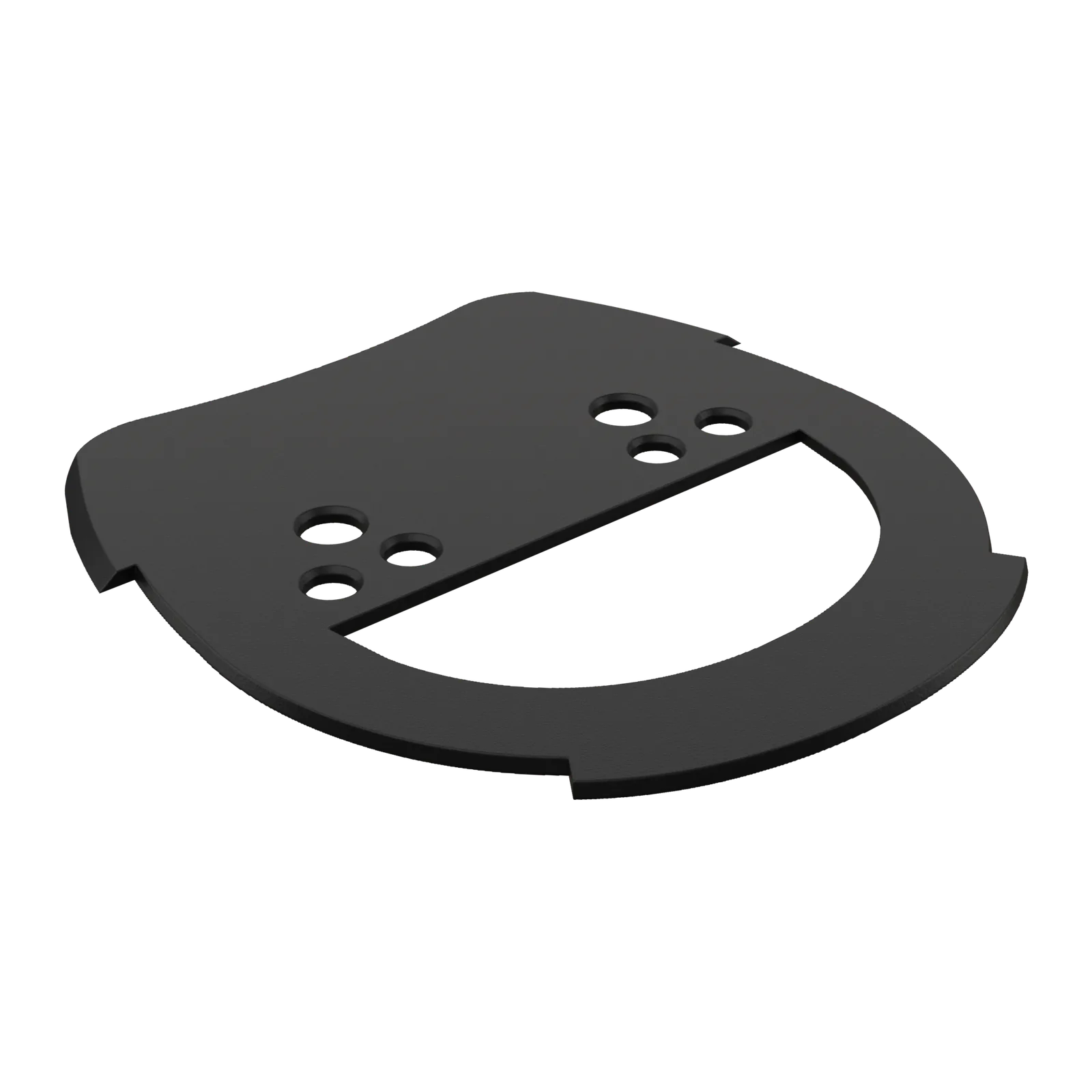
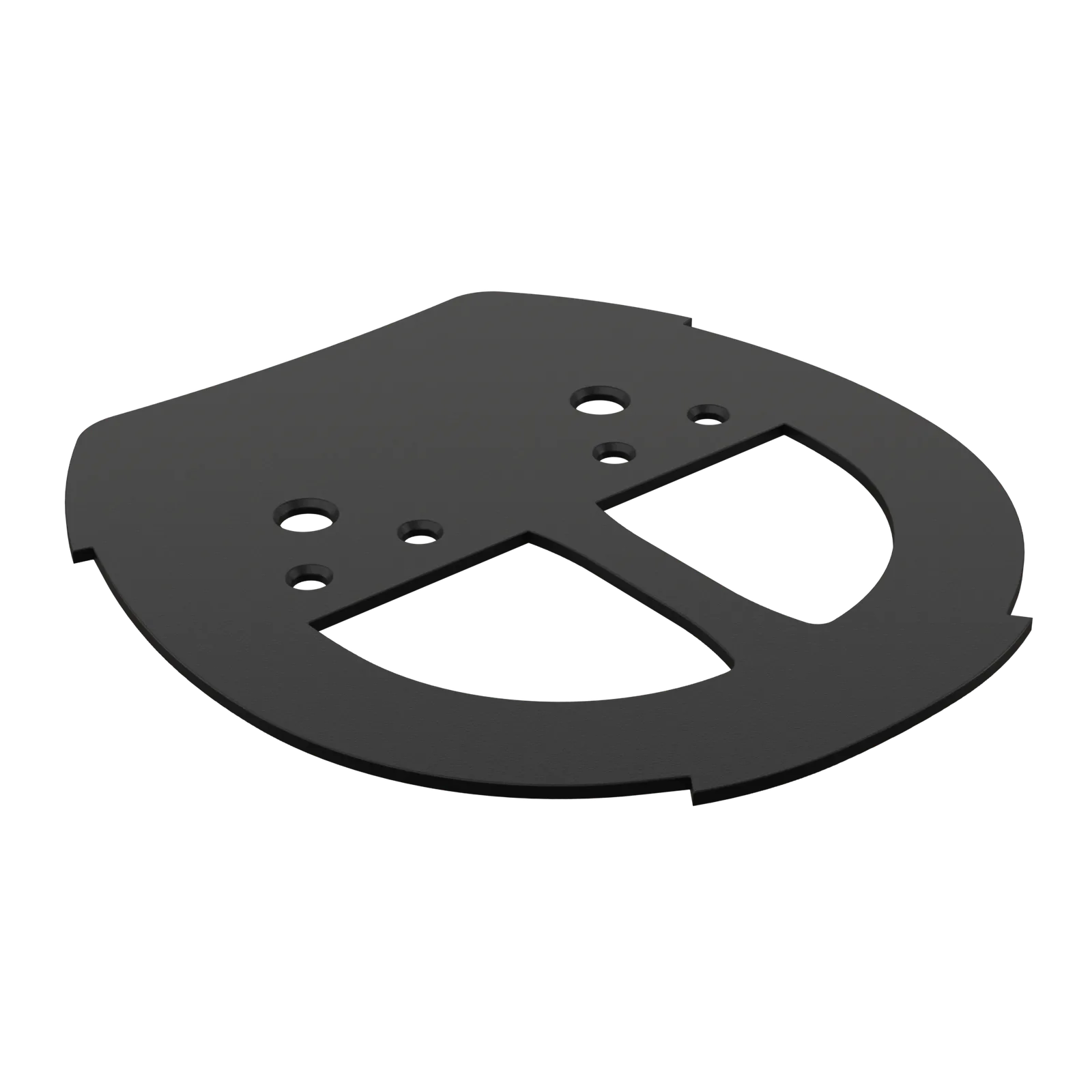
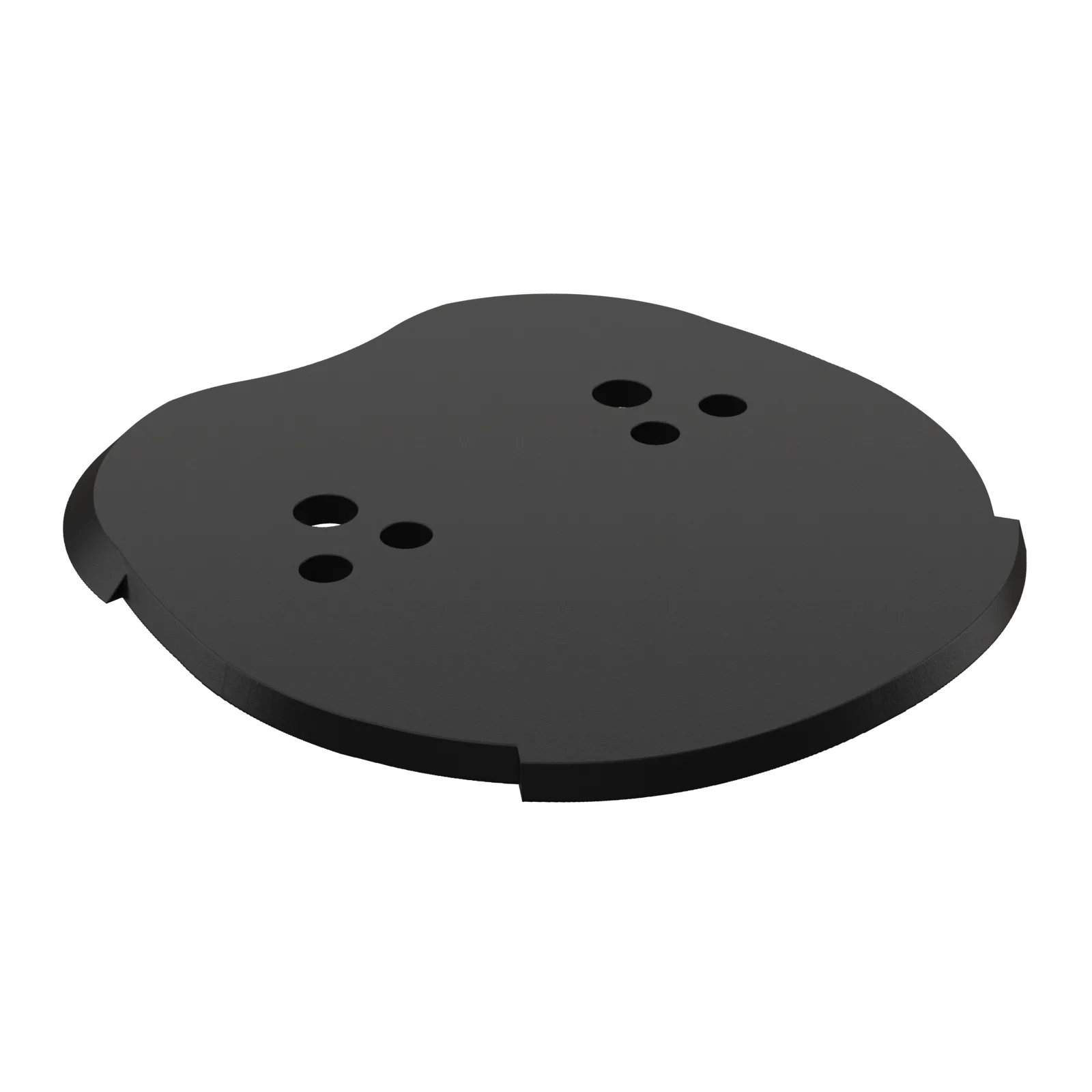
A half pad leaves the toe region of the sole exposed. More air, easier to inspect, and better suited to a foot that is basically healthy but needs caudal support. It also gives the impression material less to hold onto, which is exactly why the owner in that thread was losing it.
Neither is right in general. The useful question is what the foot needs more: protection or ventilation. A thin-soled horse on stony ground needs protection. A foot recovering from an infection that needs to stay dry needs air.
If you are running a half pad and losing material every cycle, moving to a full pad is a legitimate answer, provided you accept the extra attention to cleaning and interval that comes with it.
Derek Poupard CJF DipWCF designs the 3D HoofCare range and has spent forty years packing feet in most conditions the weather can produce.