





All conditions7
Injury & Recovery
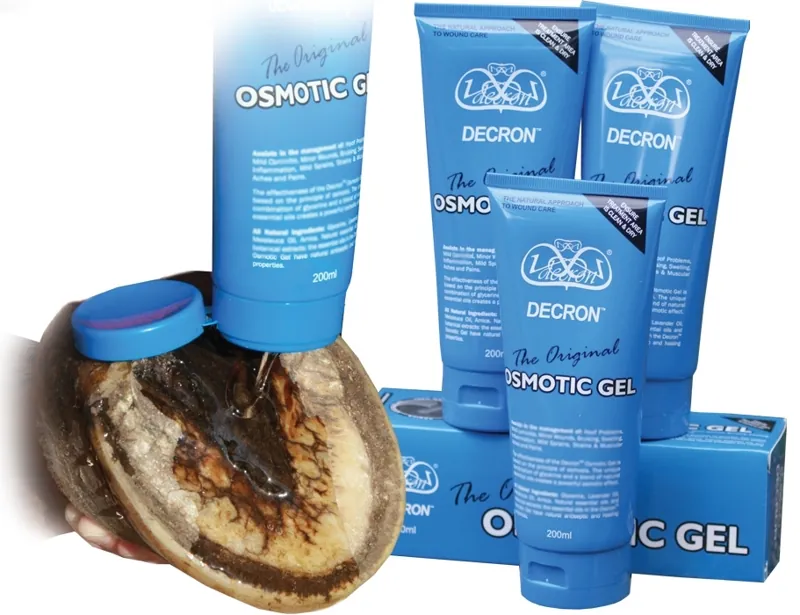
Hoof injuries (from sole punctures to white line separation) compromise the hoof's protective structures. Recovery depends on the nature of the injury, quick intervention, and the right combination of wound care, protection, and support.
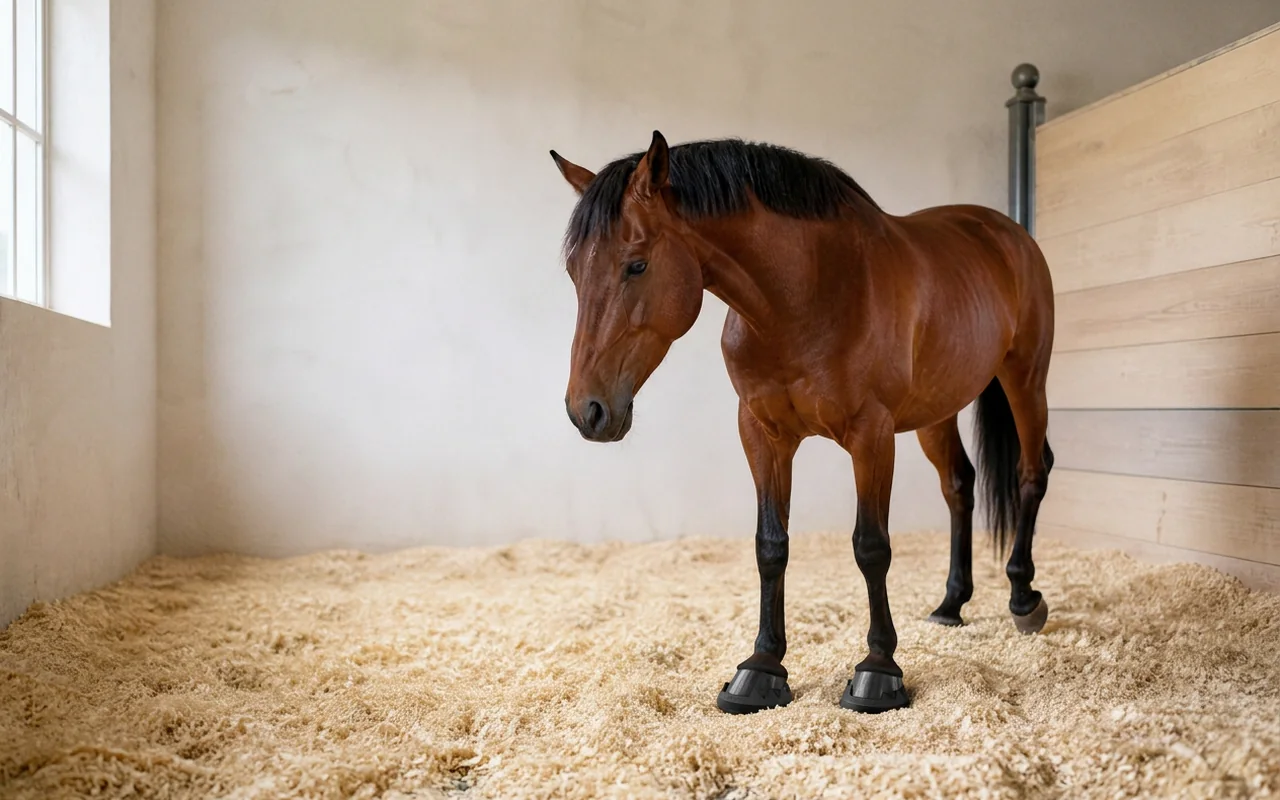
Laminitis & Sole Pain
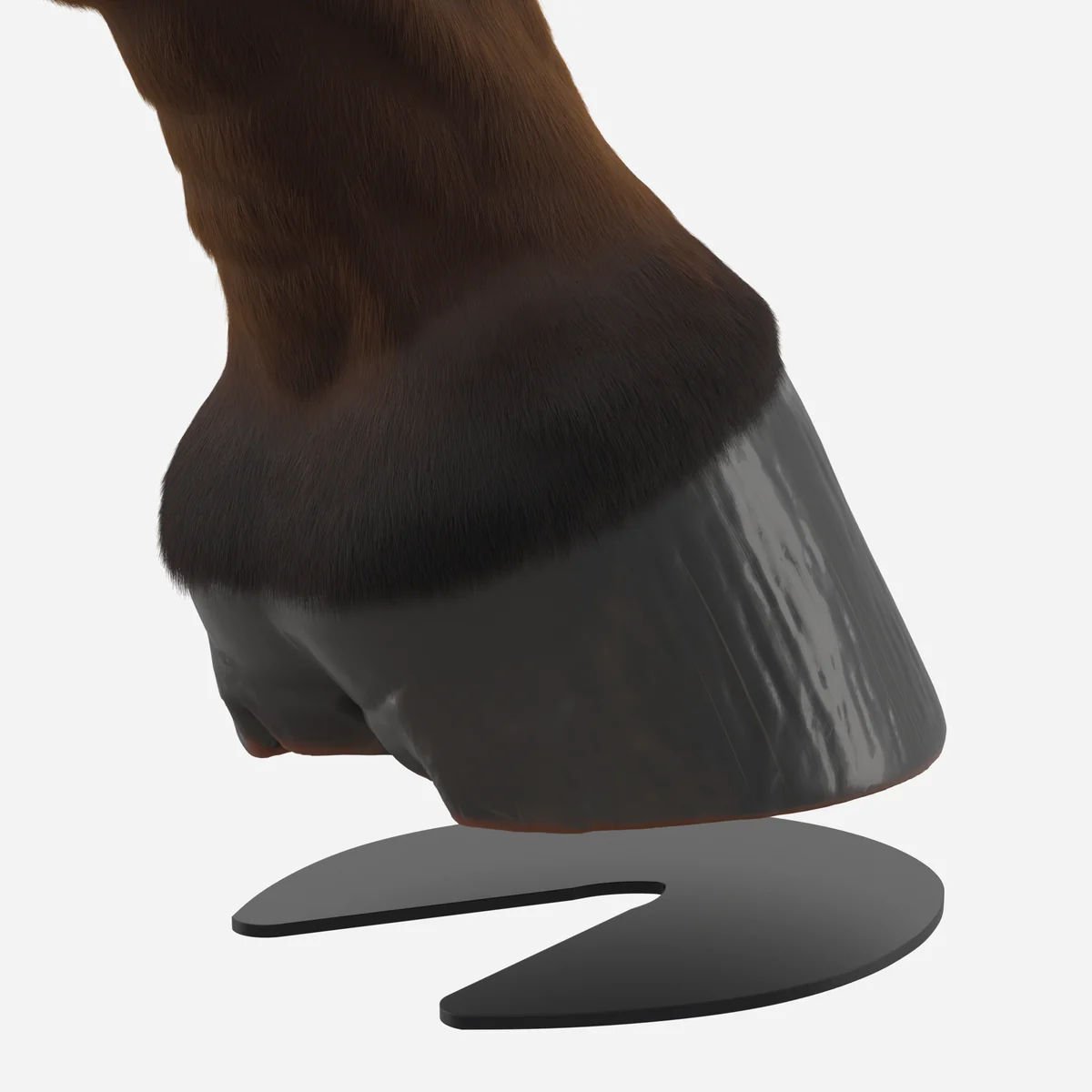
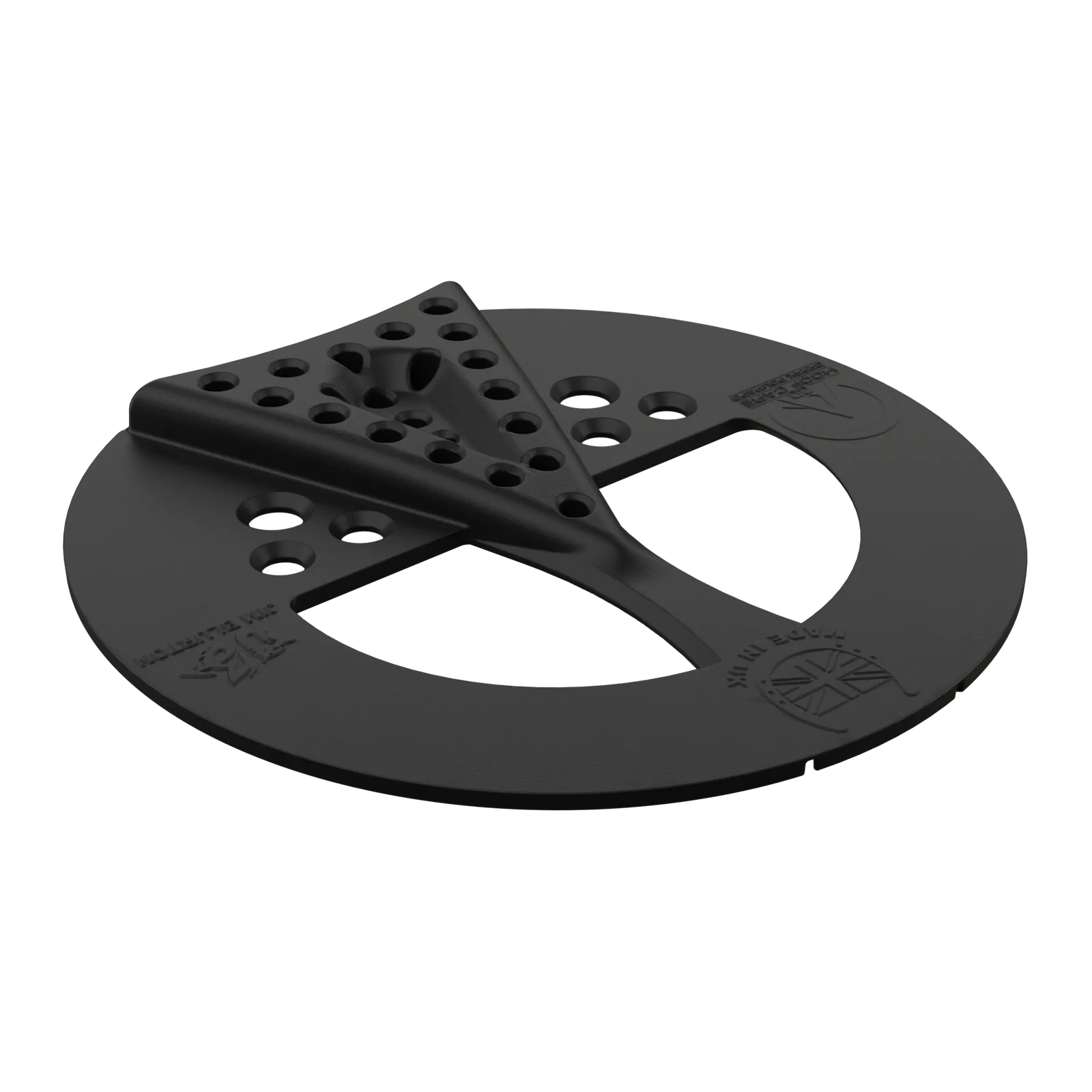
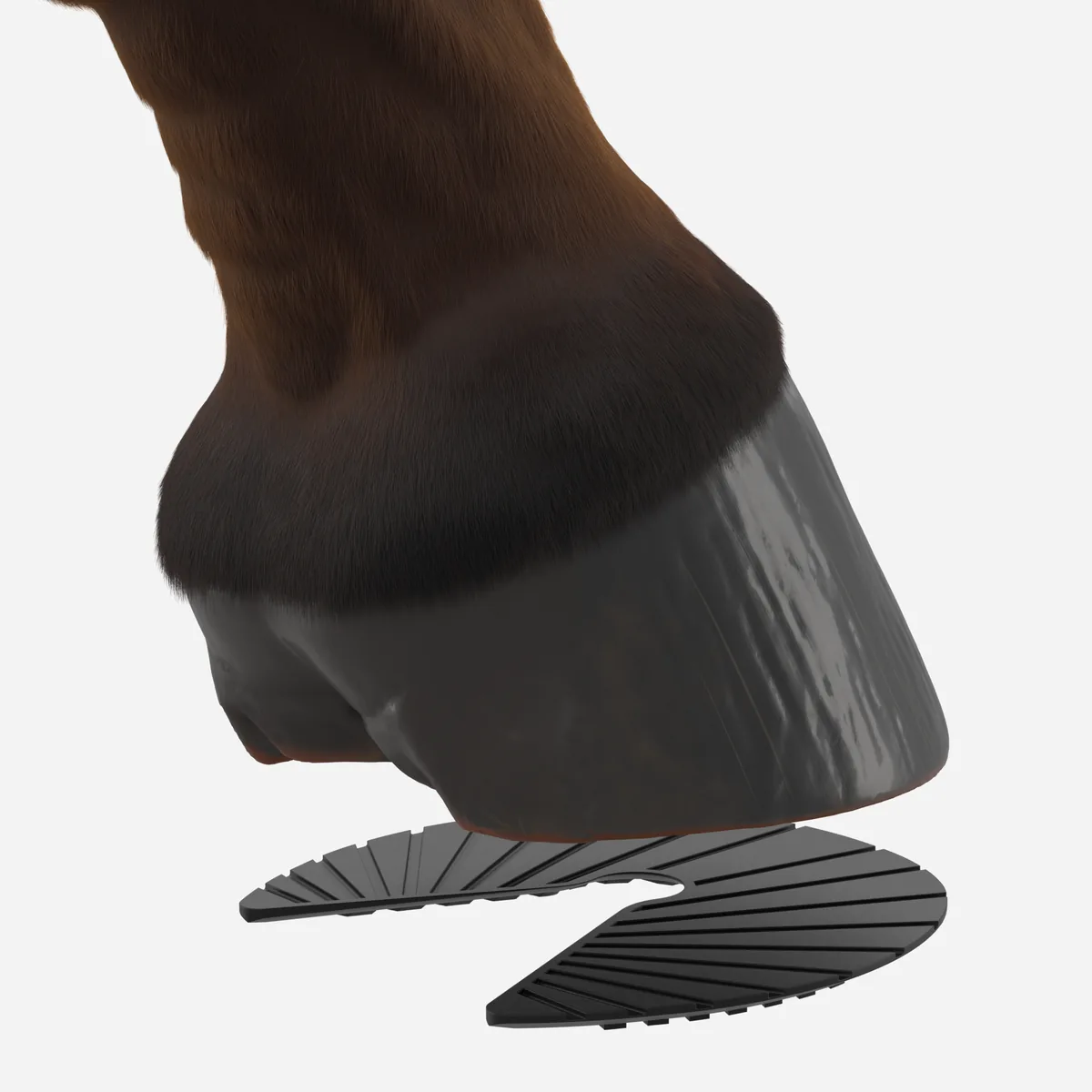
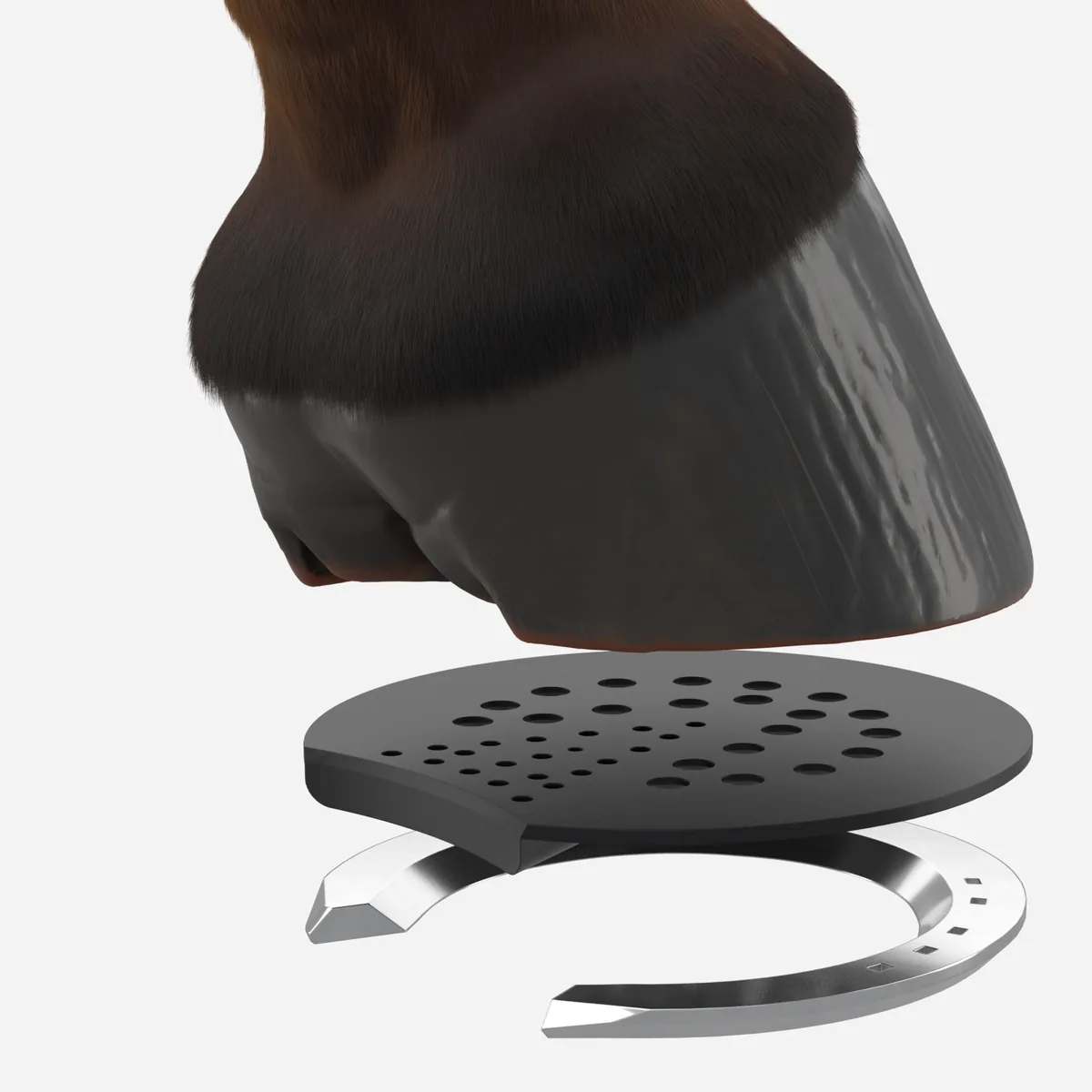
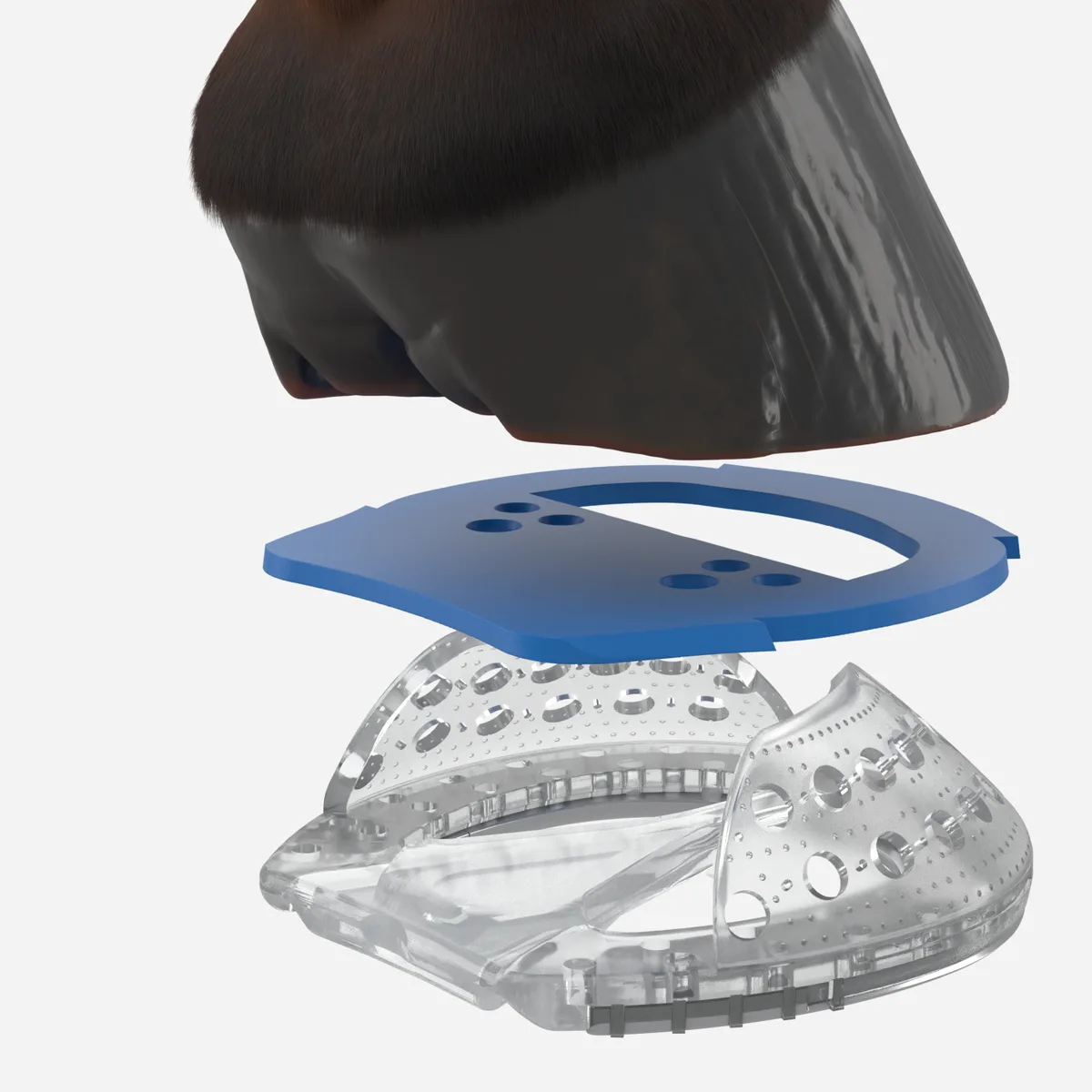
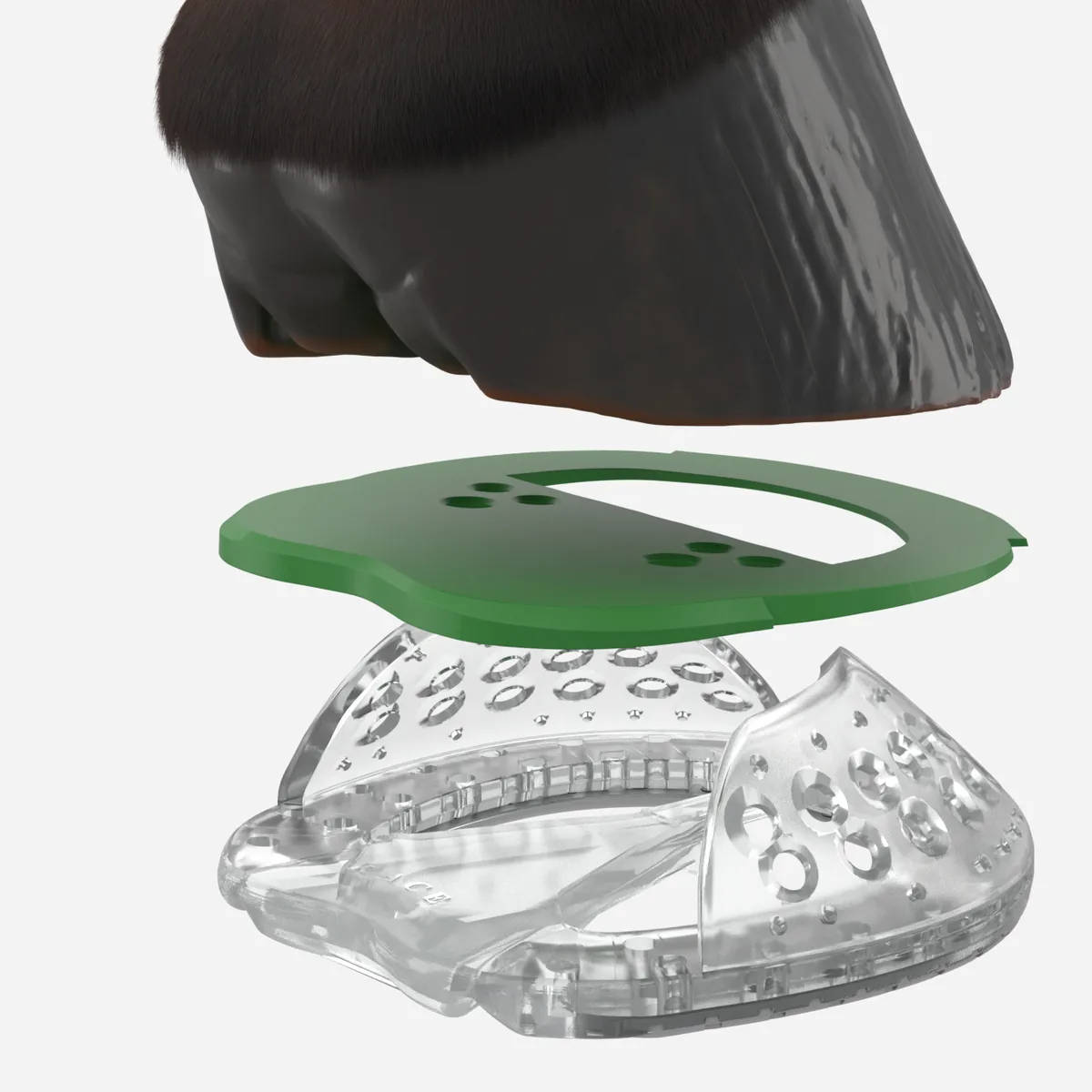
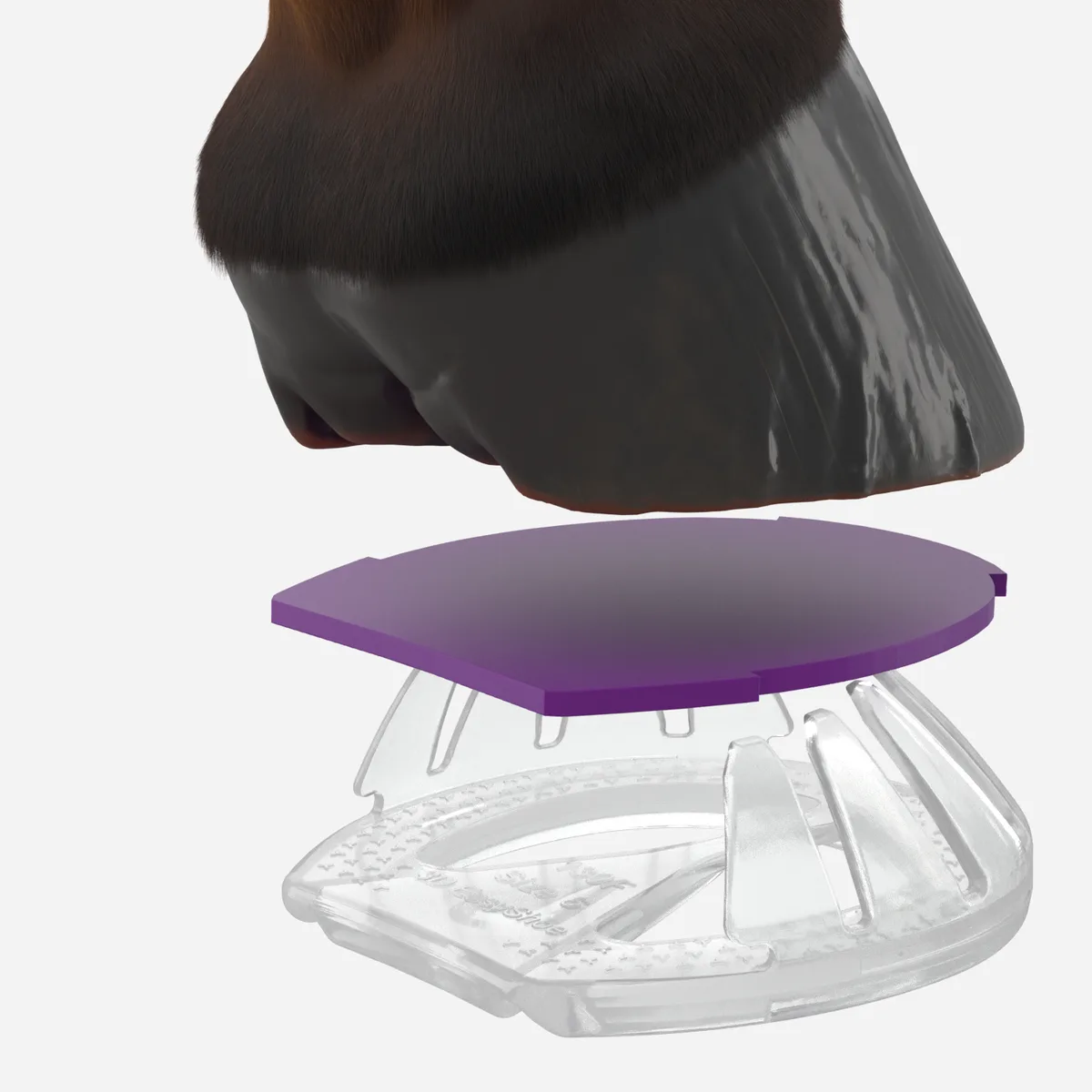
One of the most painful hoof conditions a horse can experience. Inflammation inside the hoof capsule puts pressure on the sensitive laminae, the tissue that suspends the pedal bone. The right pad support can reduce pressure on the sole and help the horse stay comfortable while the condition is managed.
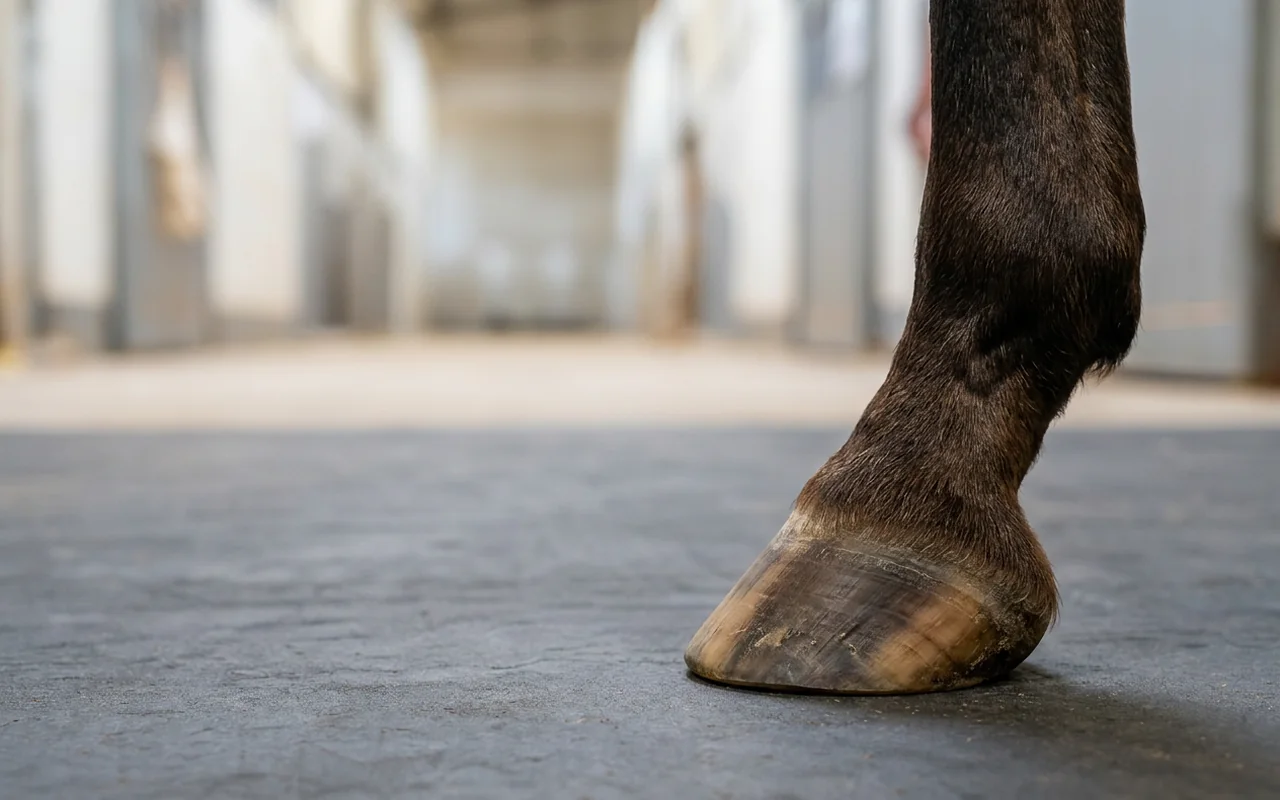
Low Heels & Underrun Heels
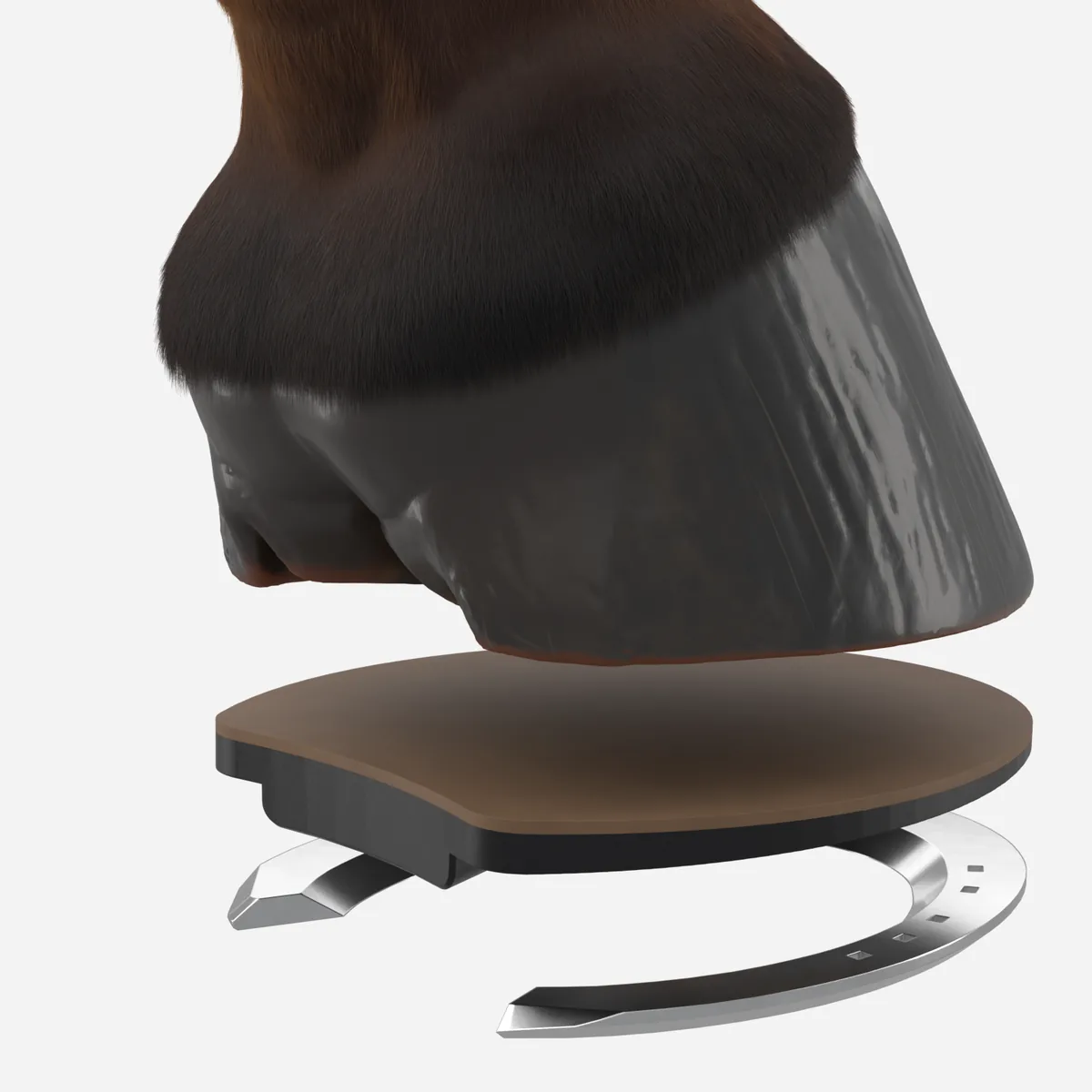
Underrun heels collapse forward instead of supporting the back of the foot. The result is a long toe, low heel configuration that strains the deep digital flexor tendon. Correct pad support and regular trimming are essential to managing this conformation.
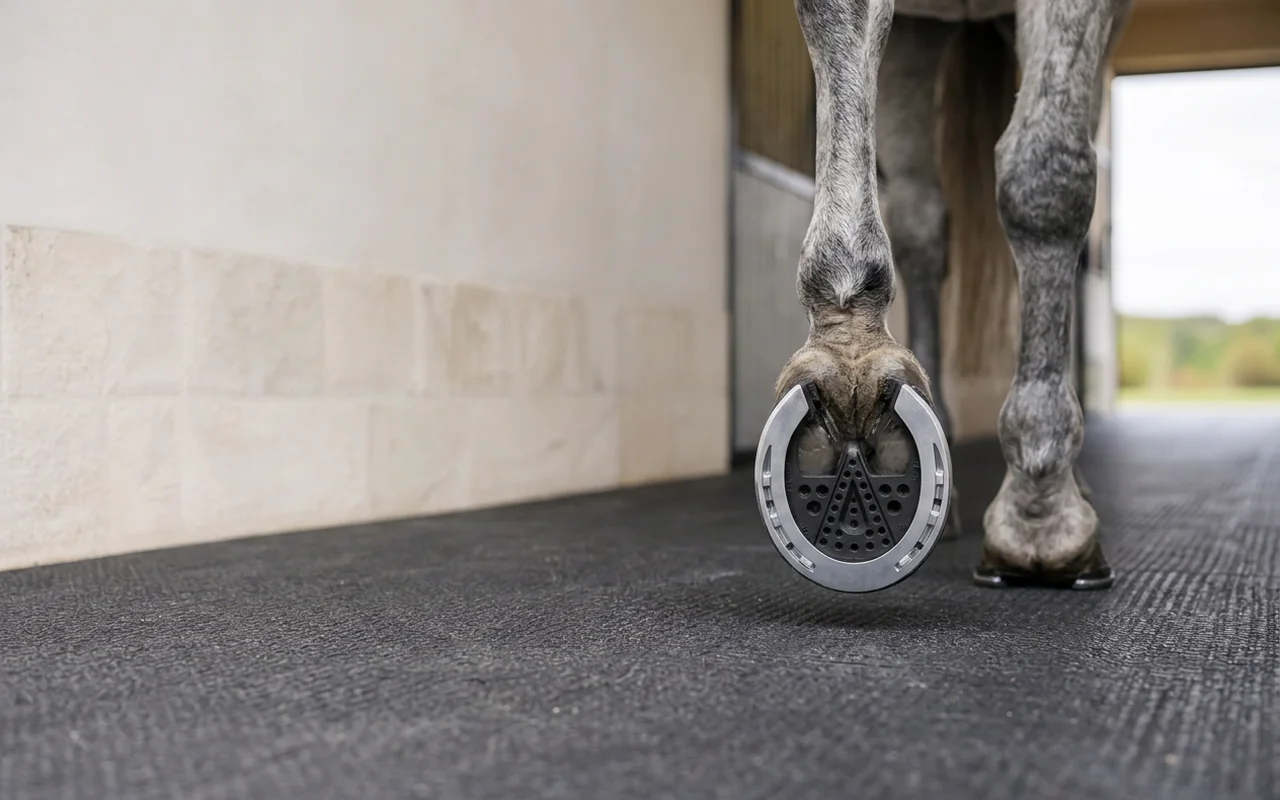
Navicular Syndrome
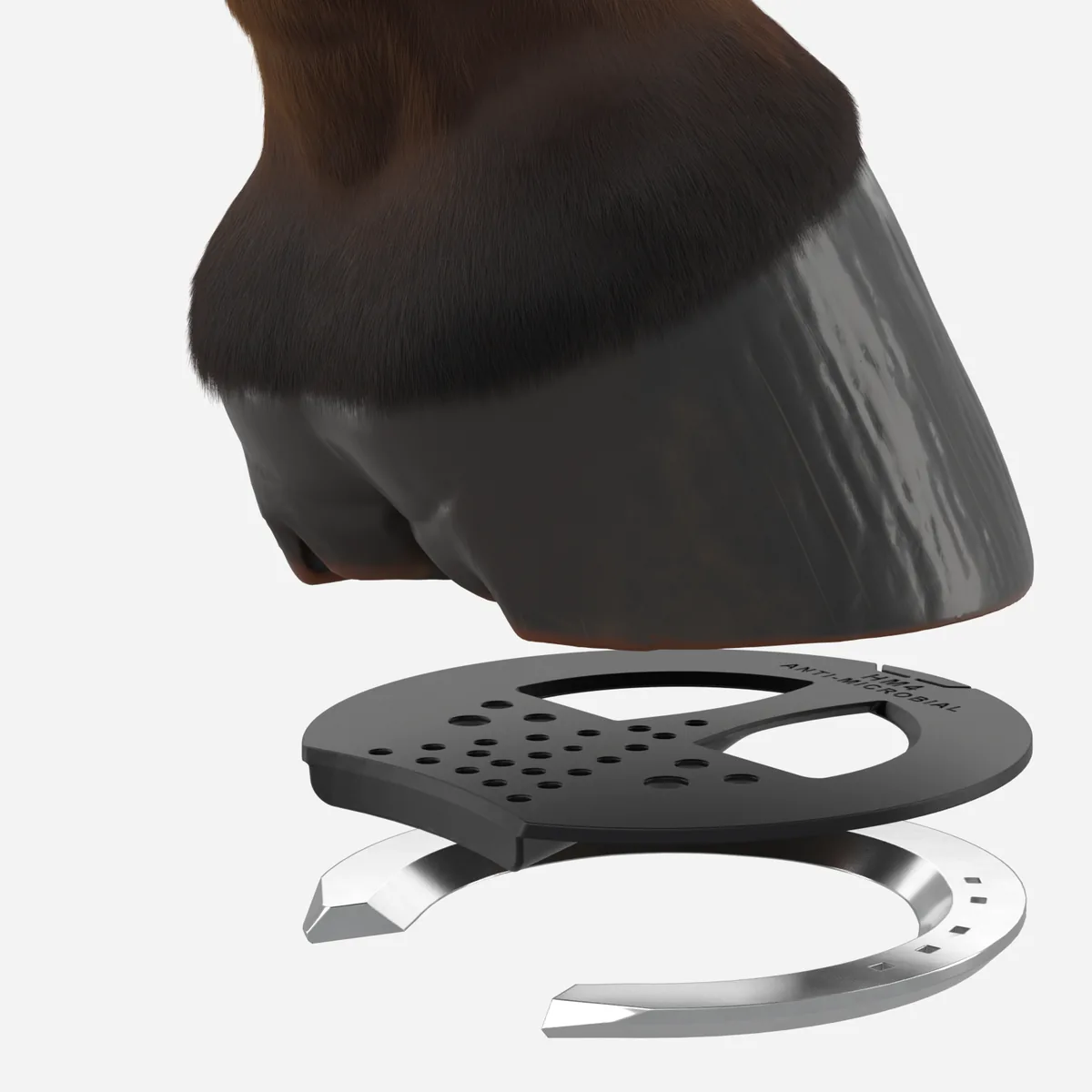
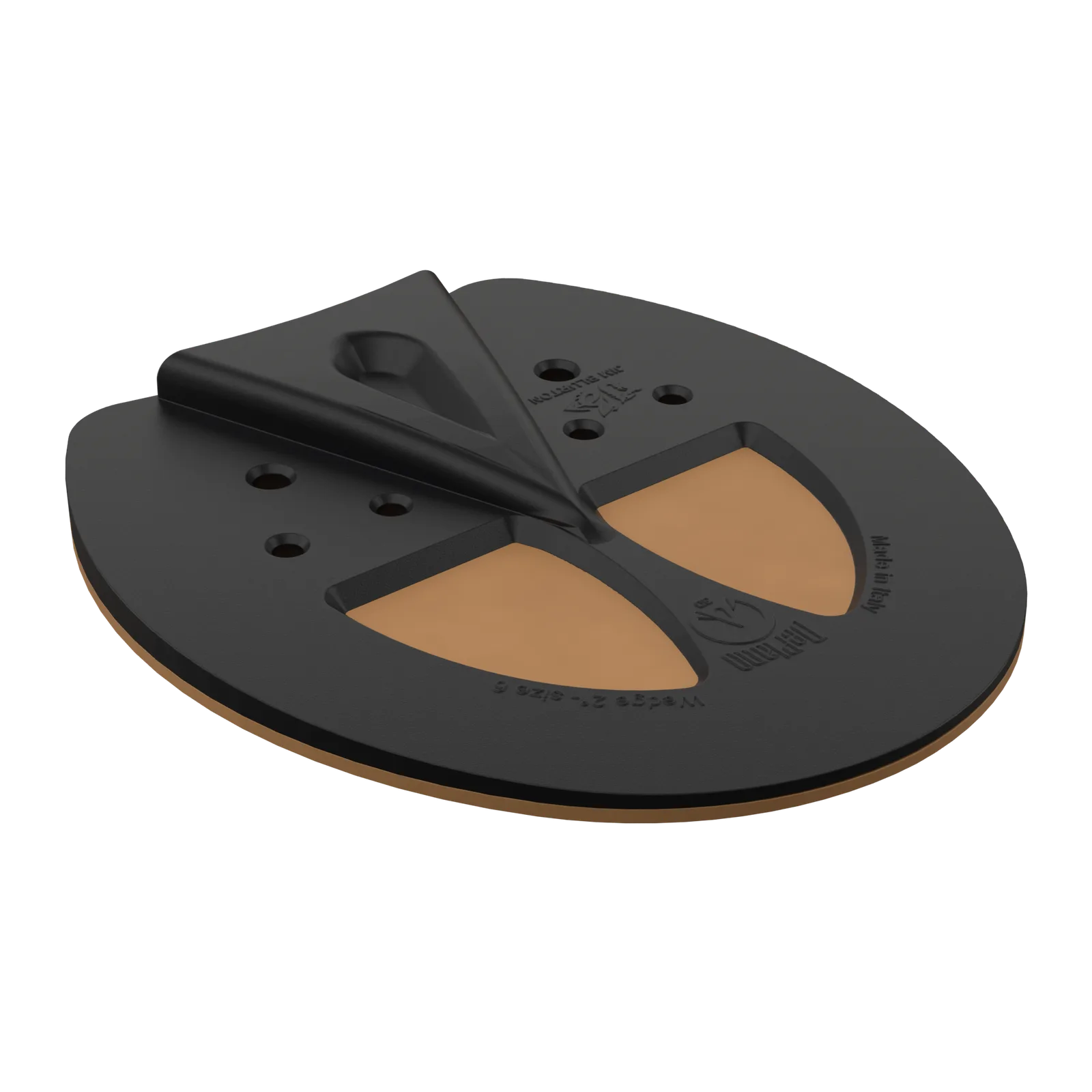
Navicular syndrome is a catch-all term for pain in the back of the foot involving the navicular bone, bursa, or deep digital flexor tendon. Realigning the hoof-pastern axis with degree inserts is often the first farriery intervention.
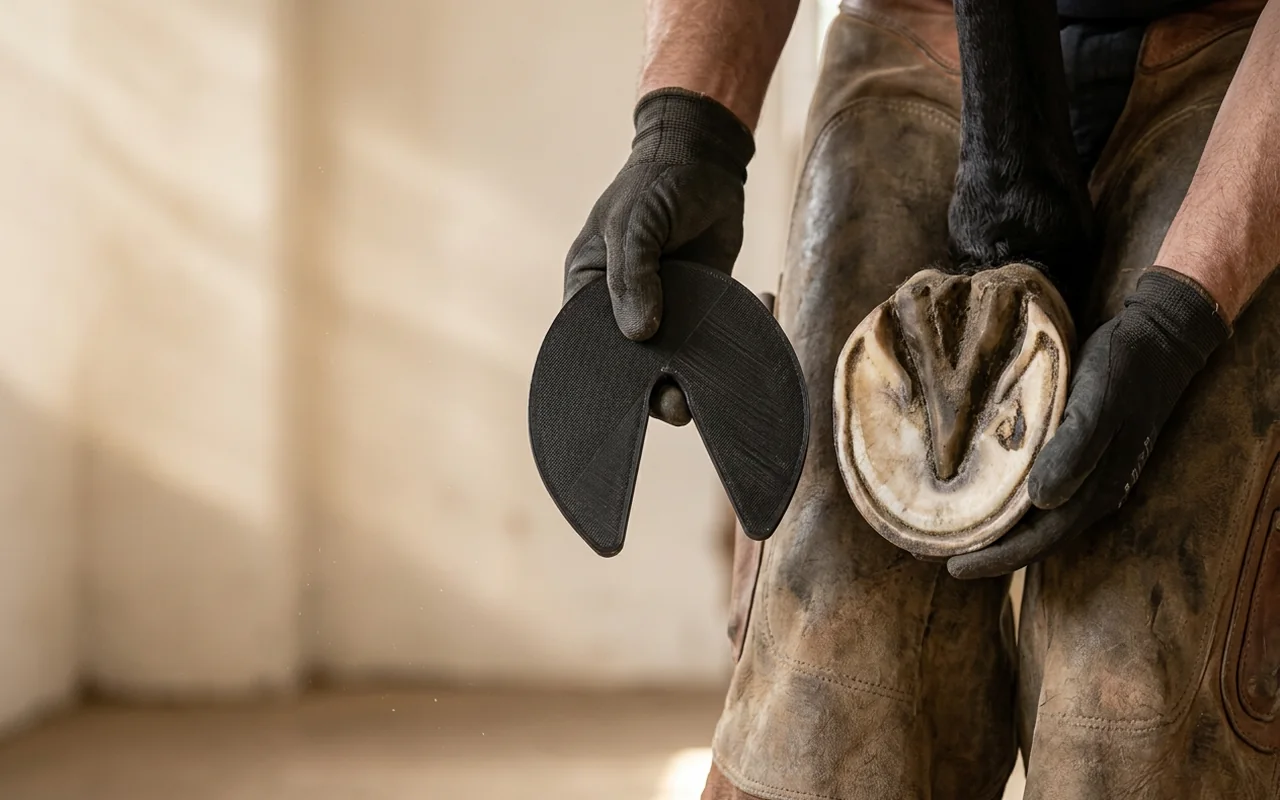
Thin Soles & Sensitivity
Horses with thin soles feel every stone. The sole depth between the sensitive laminae and the ground is insufficient to absorb impact, causing pain on hard or stony surfaces. Protection pads bridge the gap while the sole builds depth.
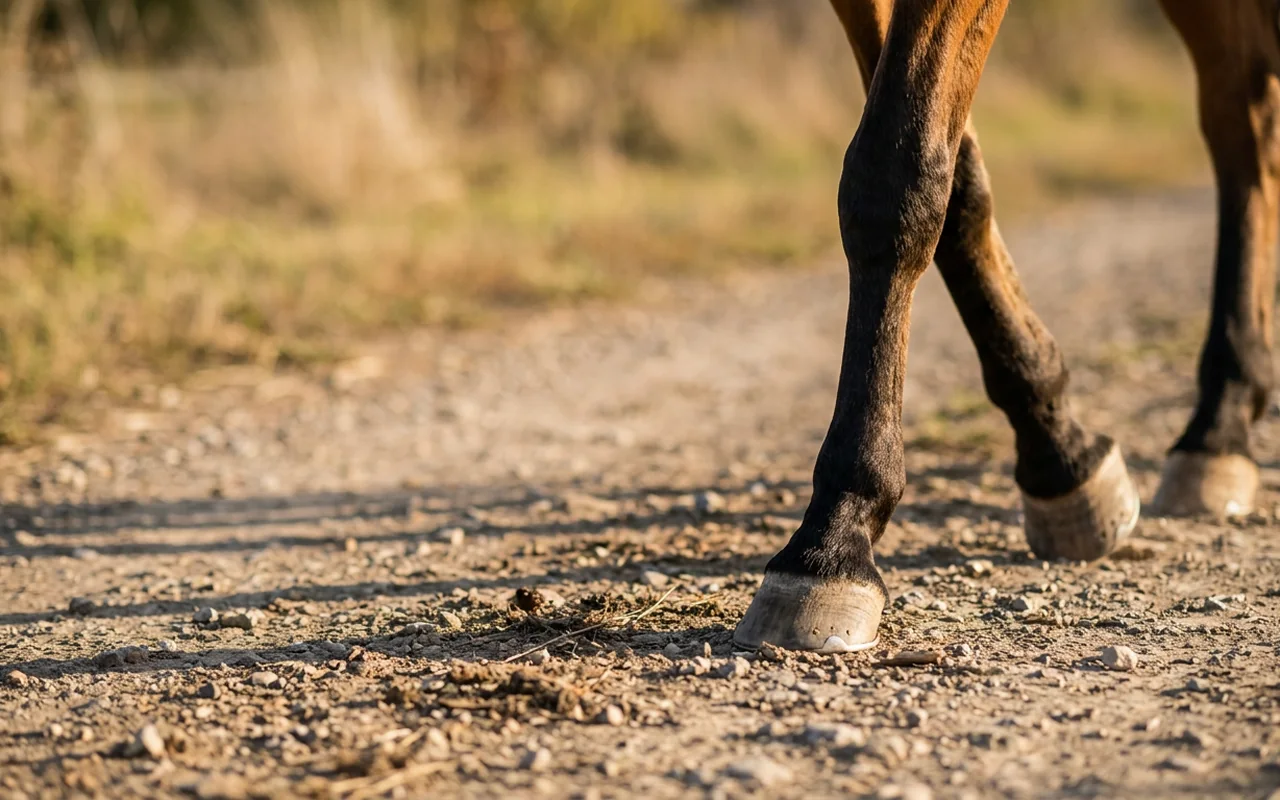
Transitioning to Barefoot
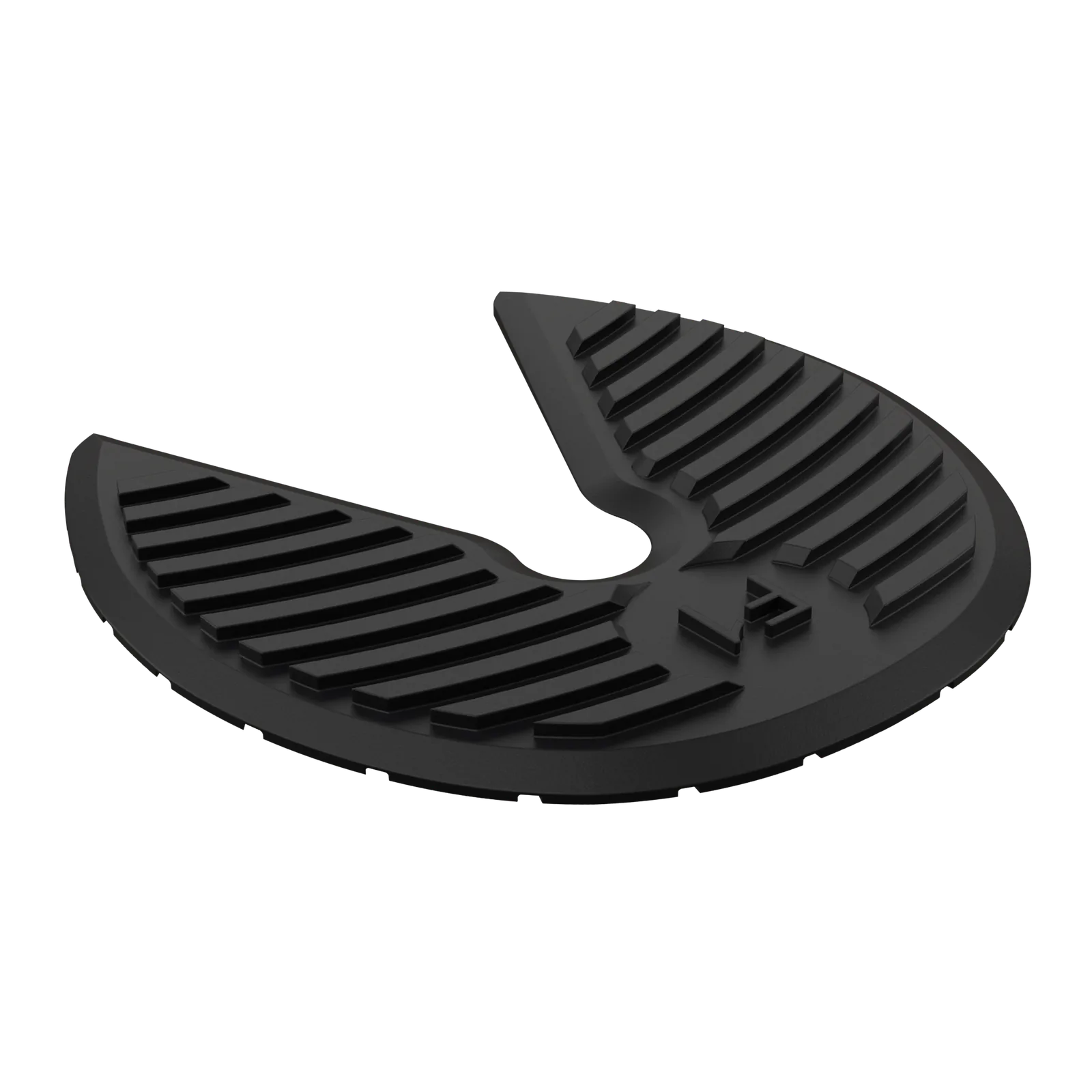
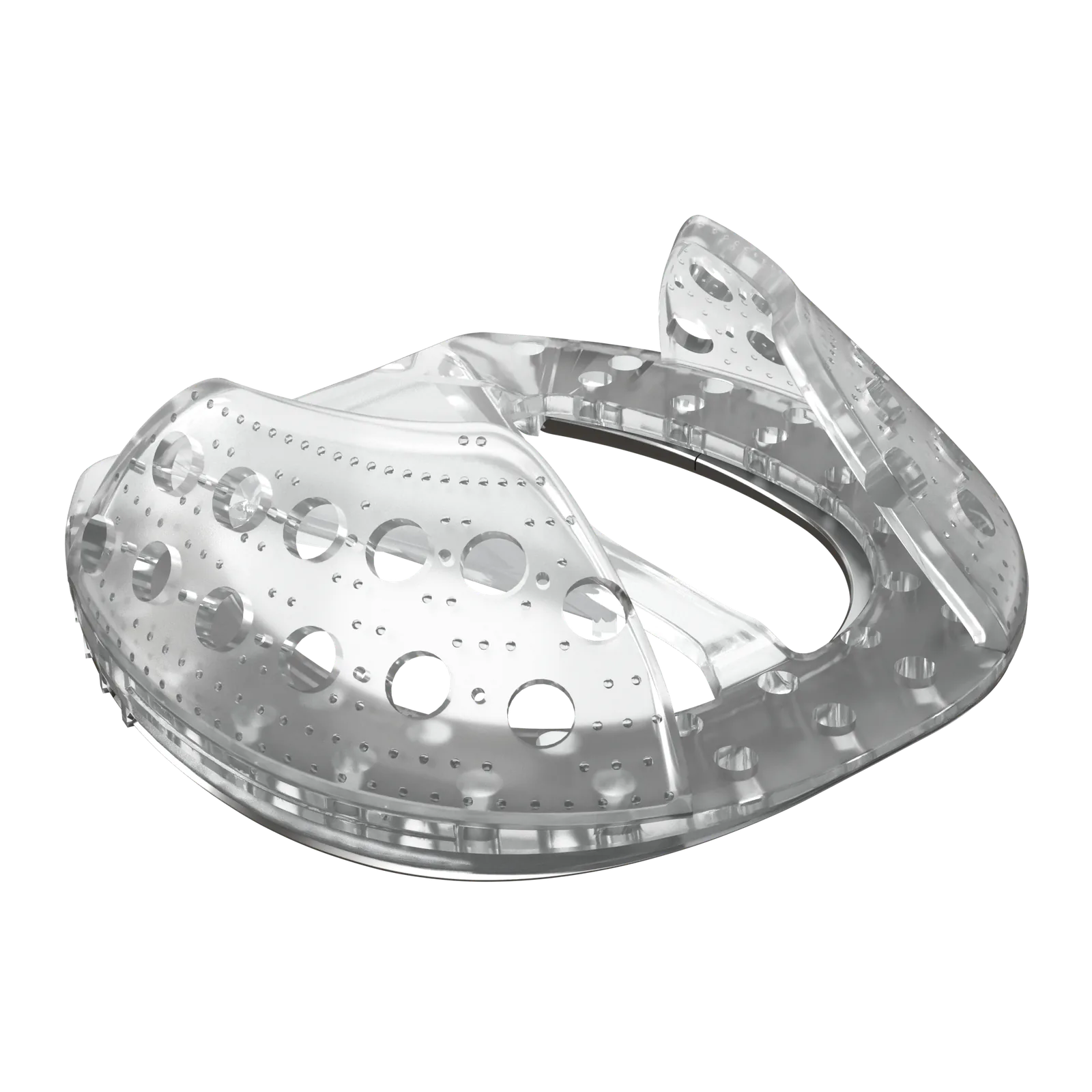
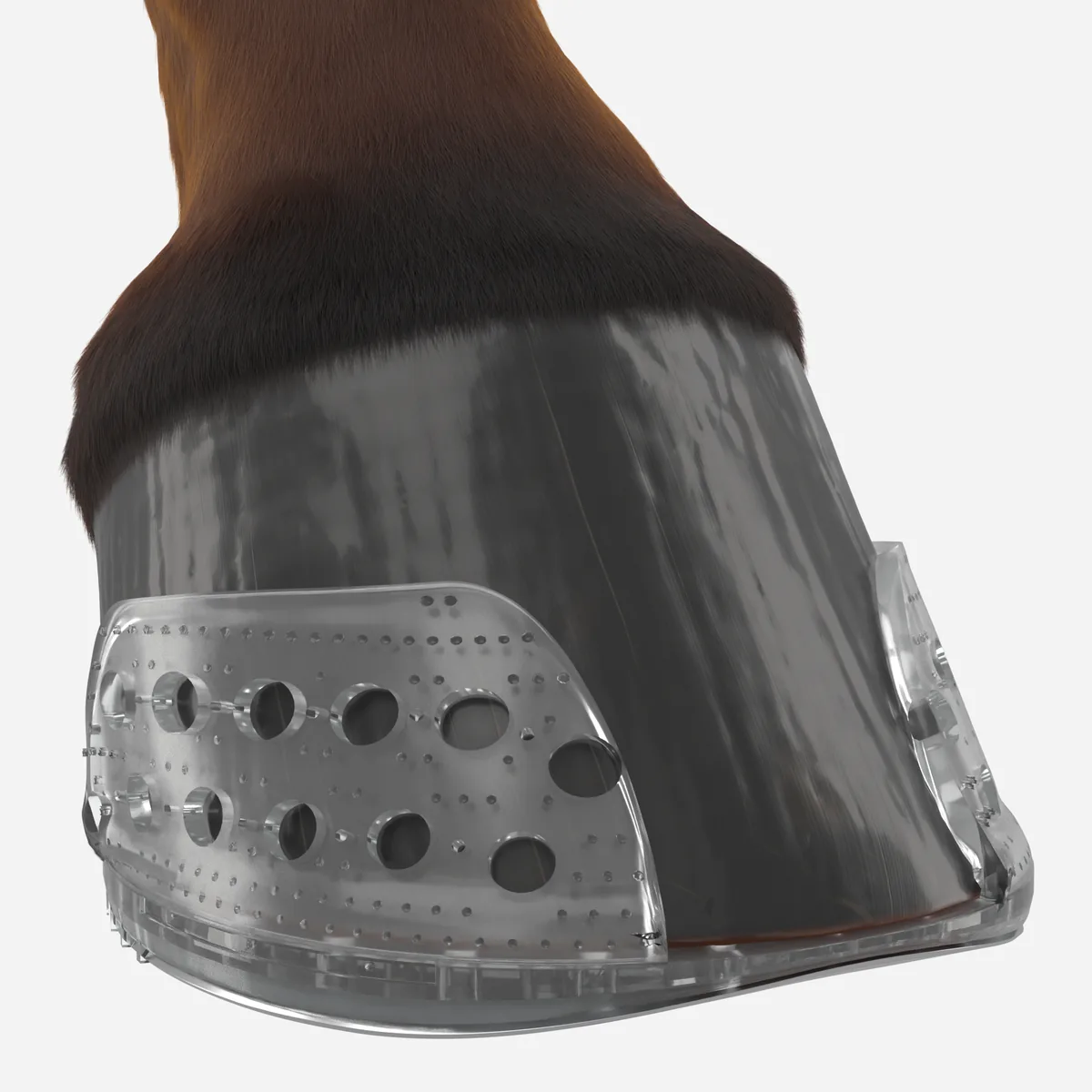
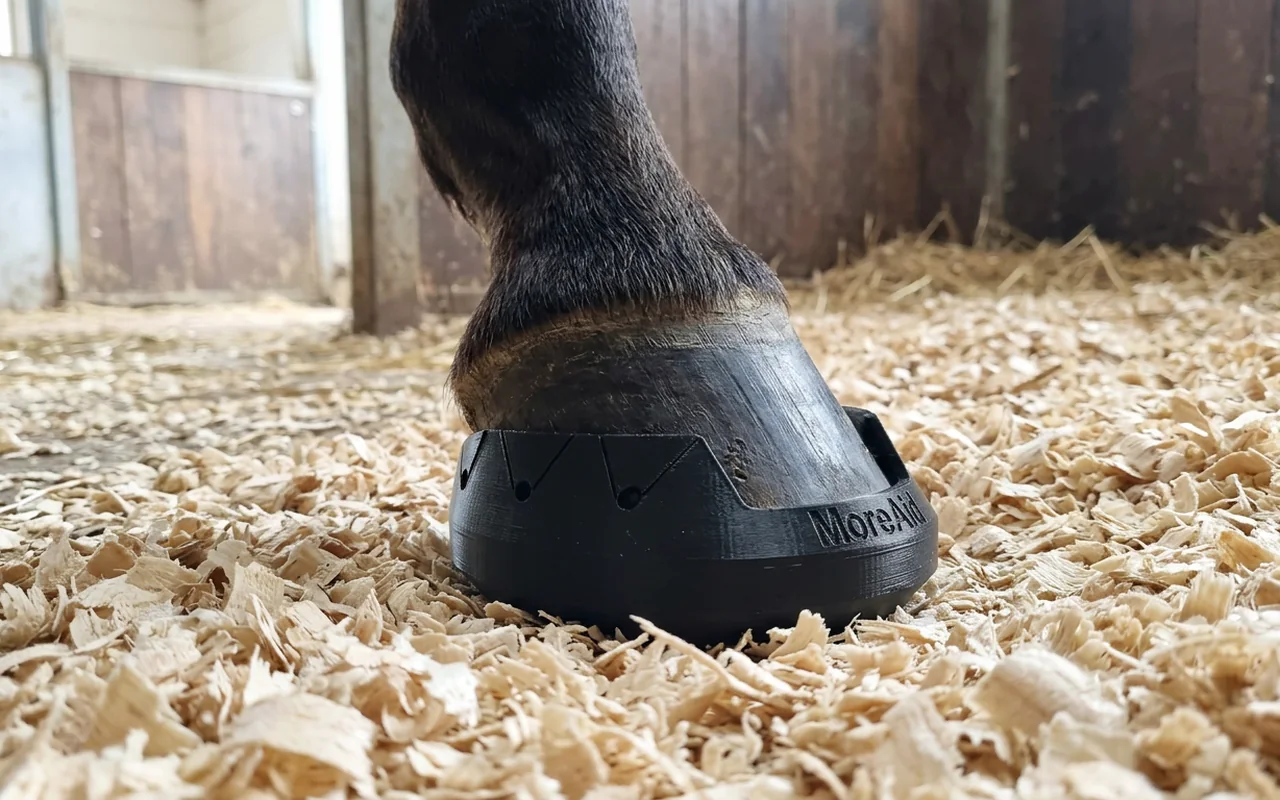
Removing shoes starts a process of adaptation that takes three to twelve months. During the transition, temporary hoof protection allows horses to stay comfortable on hard or stony ground while the hoof wall, sole, and digital cushion develop.
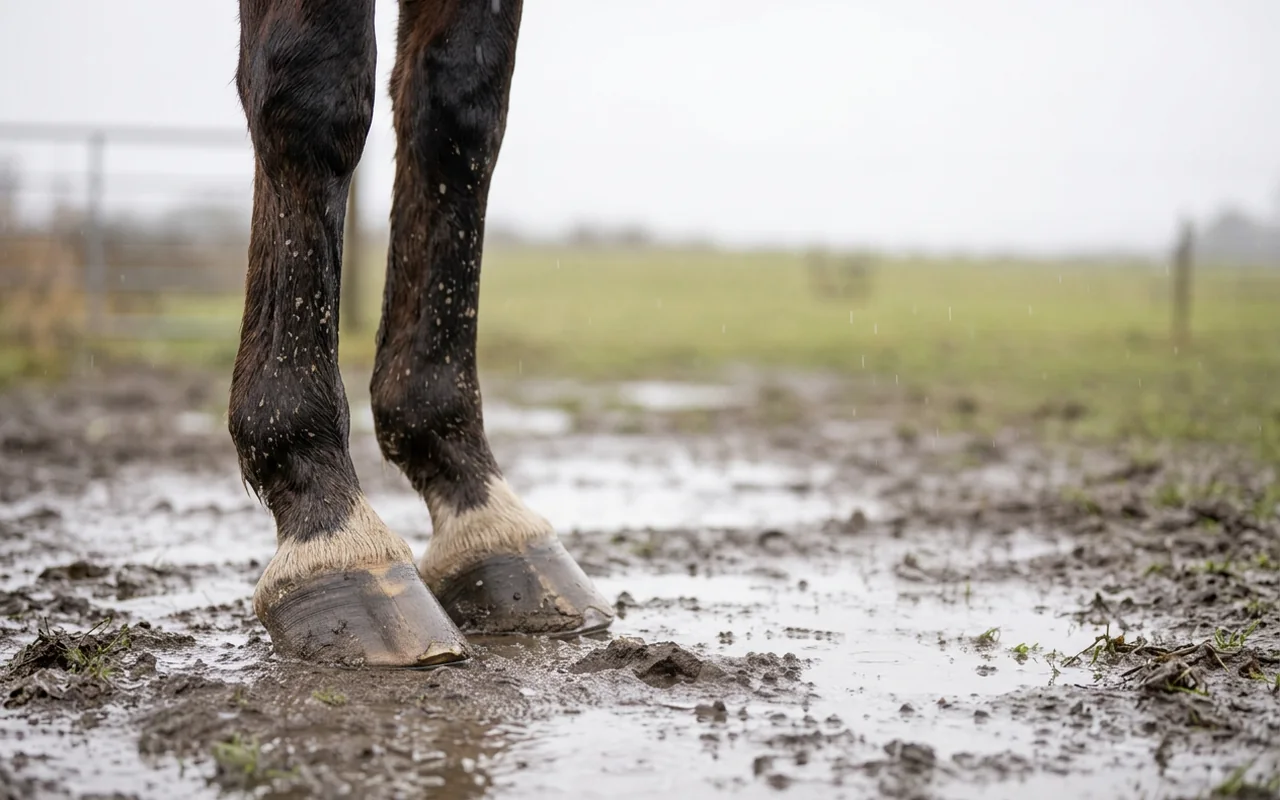
White Line Disease & Thrush
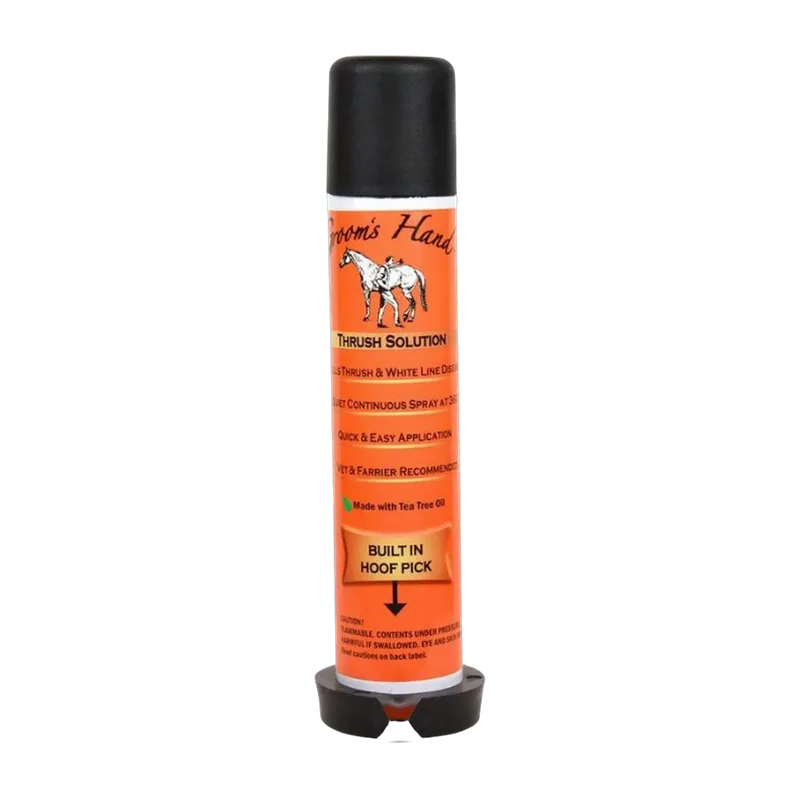
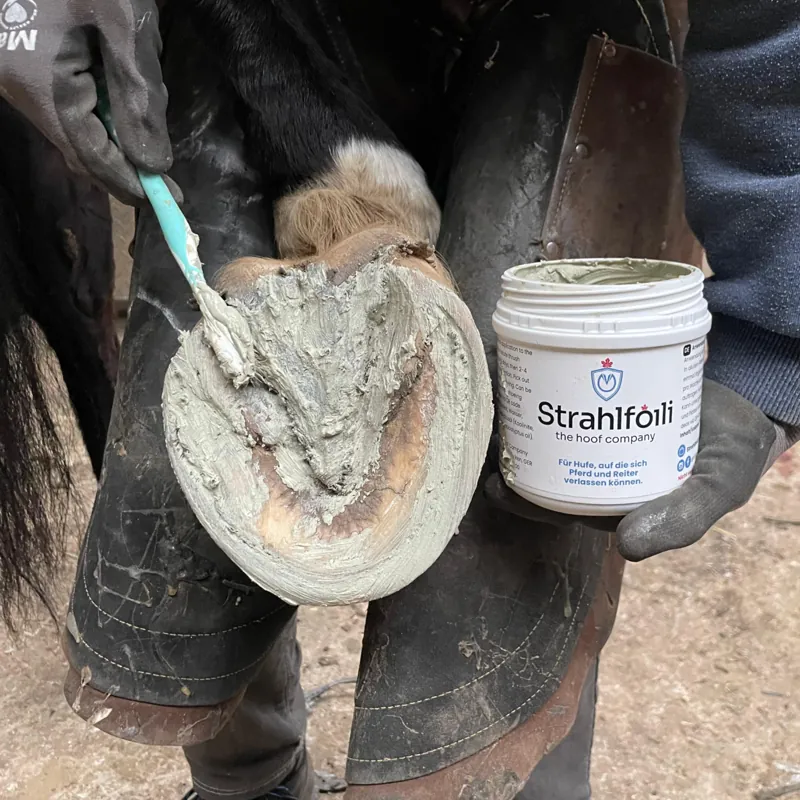
White line disease and thrush are both infections of the hoof tissue: one attacking the white line junction, the other the frog. Both thrive in wet, dirty conditions and require debridement, targeted treatment, and environmental management to resolve.
Book a 30-minute consultation with Derek Poupard CJF DipWCF.
Send Derek your horse's radiographs and a short video of the walk. He reviews everything and comes back with a product recommendation and an application plan. $150 for 30 minutes, fully refunded if he determines he can't help remotely.