








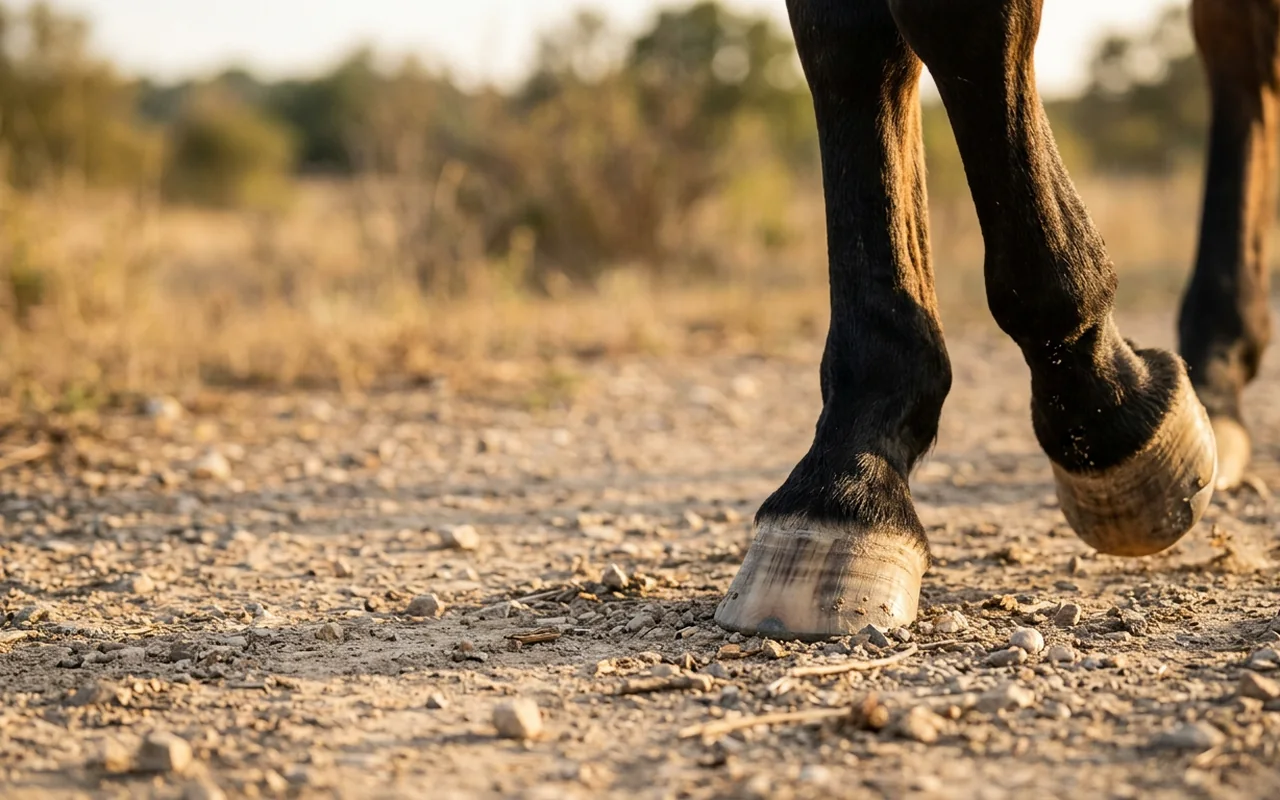
This is the step-by-step companion to our Transitioning to Barefoot overview. The transition typically takes three to twelve months (roughly a month for every year shod), and the horses that transition comfortably are the ones whose owners plan each stage rather than simply pulling the shoes.
Step 1: Build the team before the shoes come off
Find a farrier or trimmer with real barefoot experience and agree the plan together: starting hoof condition, trim cycle, and what protection you'll use in the early weeks. If the horse has thin soles, poor wall quality, or any active condition, address that first. A transition started from a weak foot takes longer and hurts more.
Step 2: Pull the shoes, trim conservatively
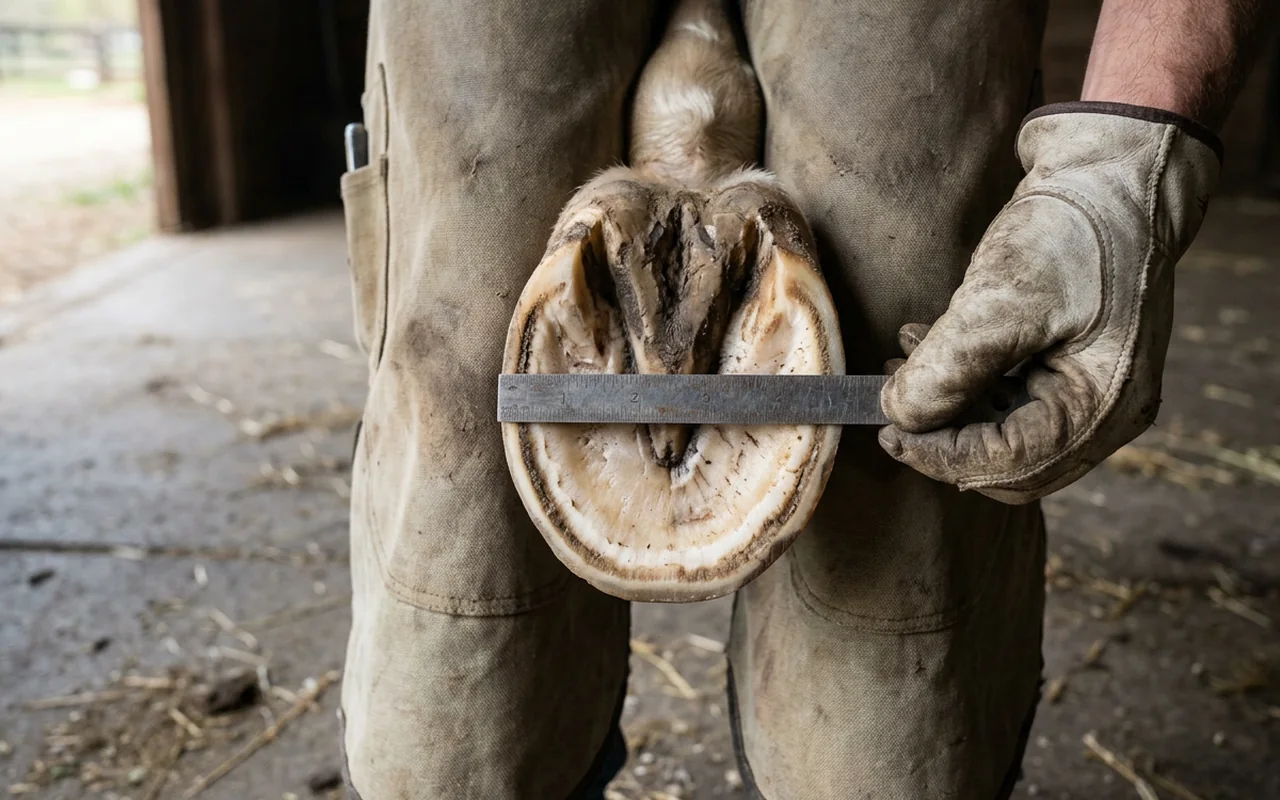
The first barefoot trim should be modest. The goal is balance, not transformation. Aggressive first trims are the fastest route to a sore horse. Watch the horse walk on hard ground before and after so you have a baseline.
Step 3: Protect from day one
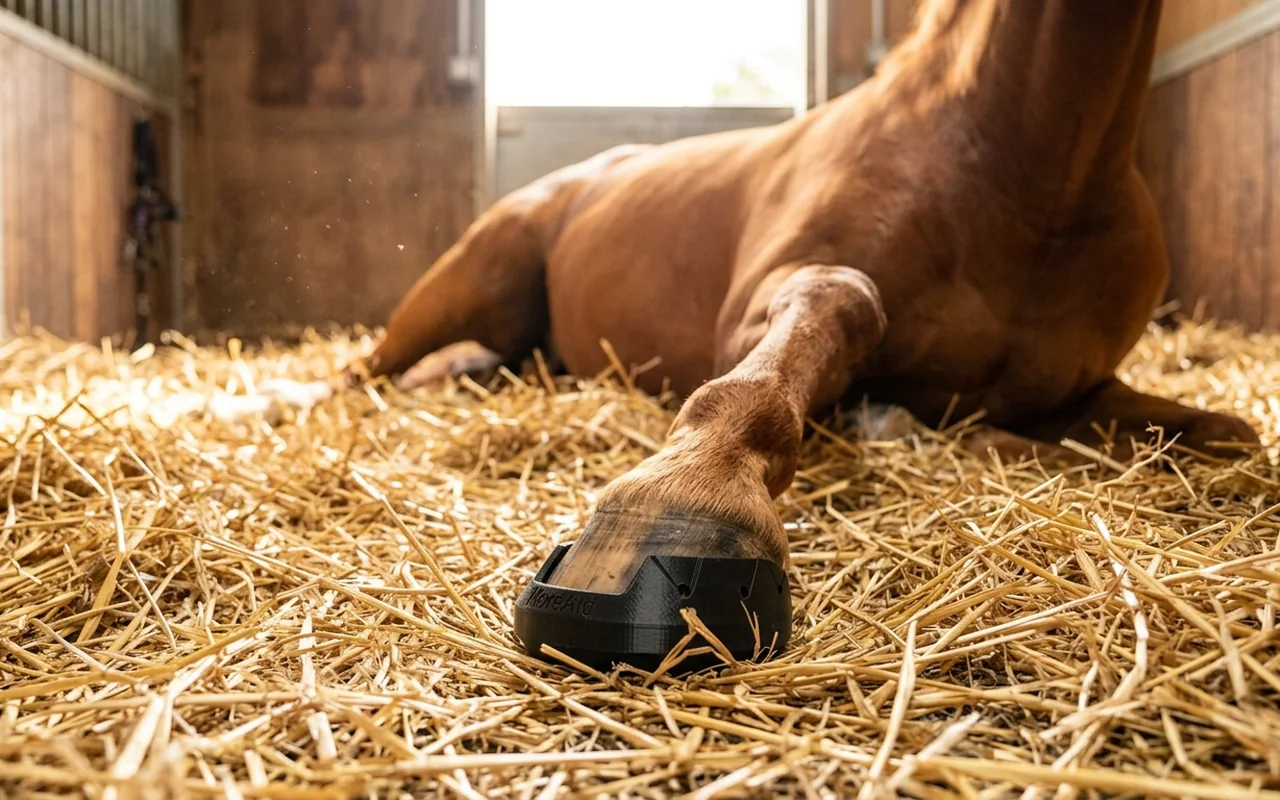
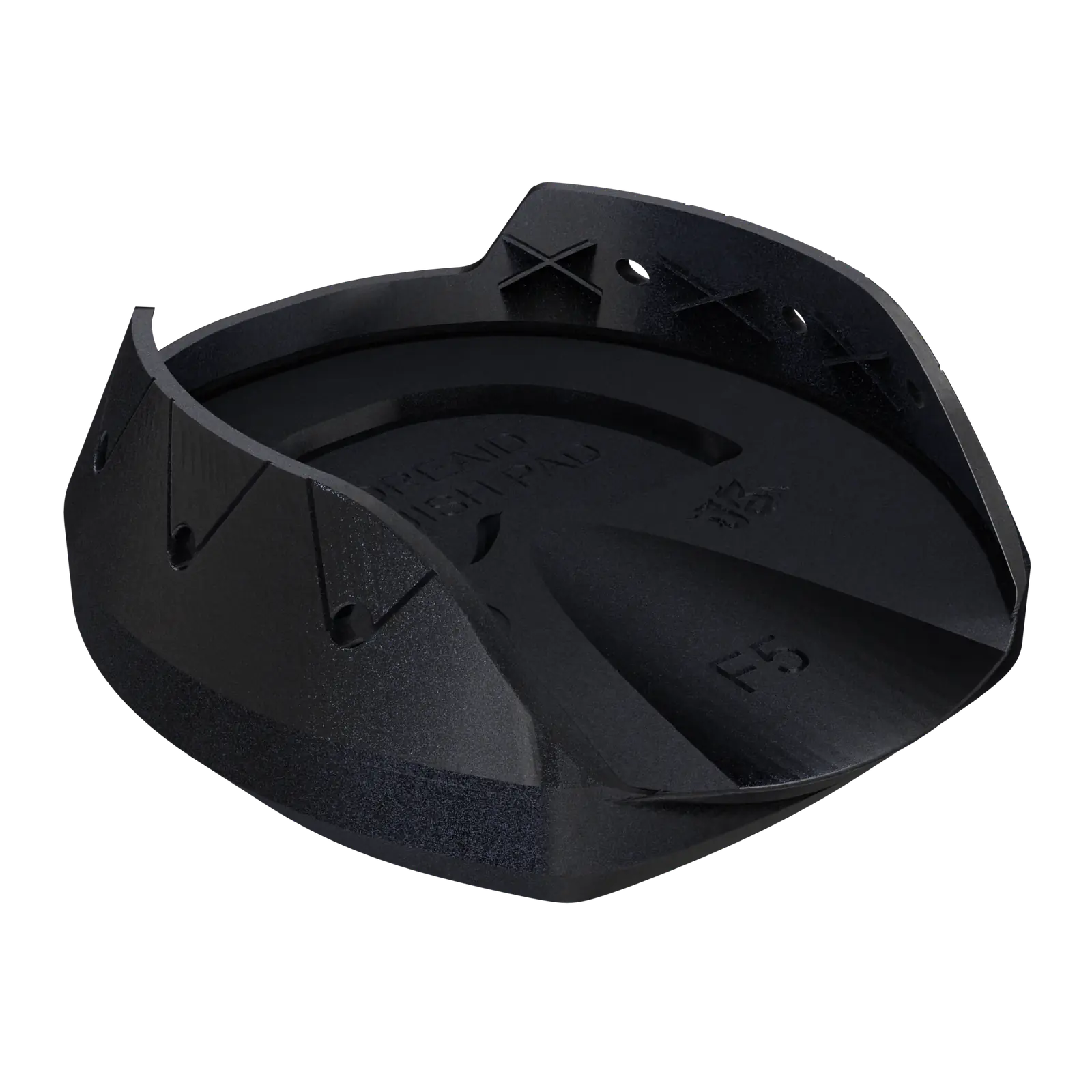
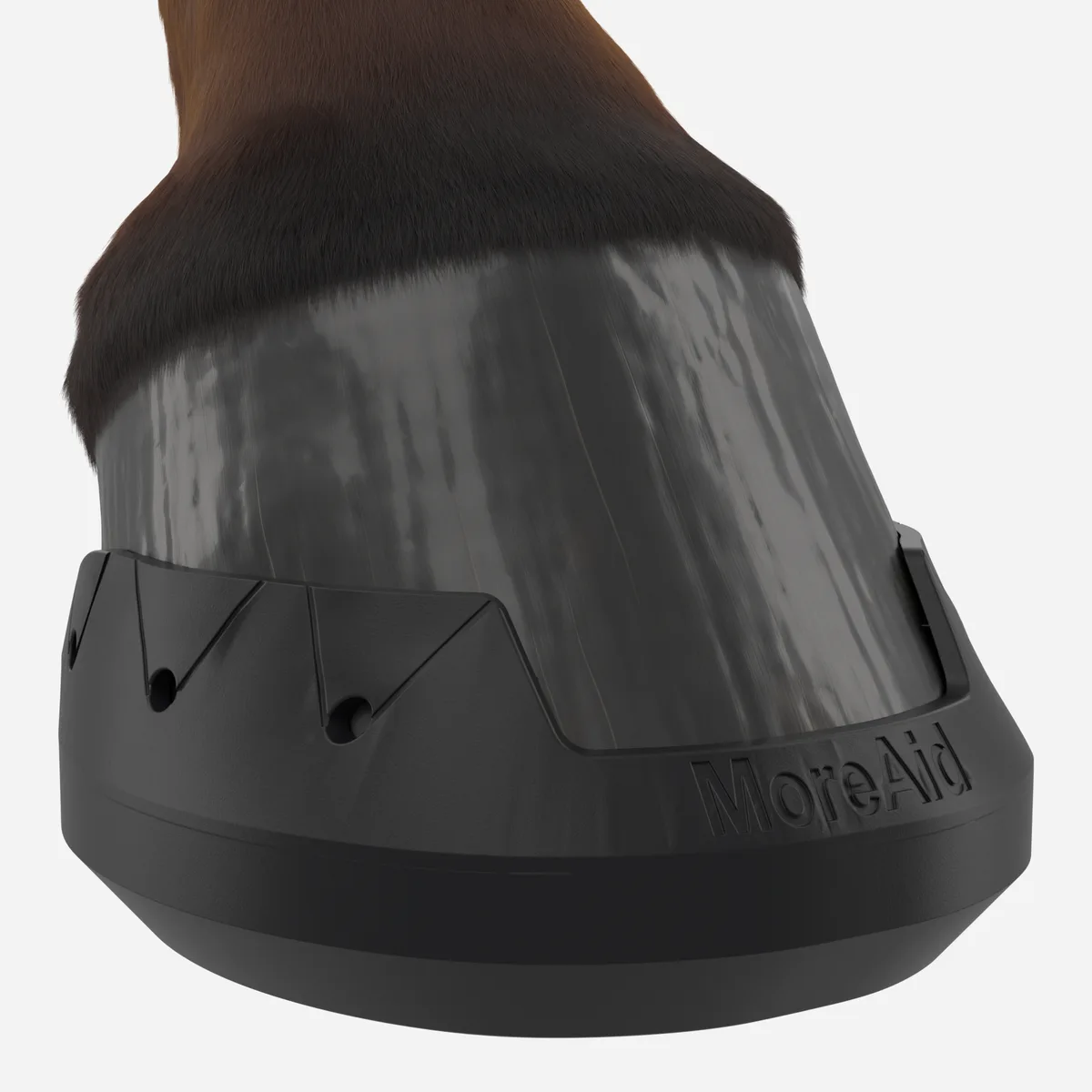
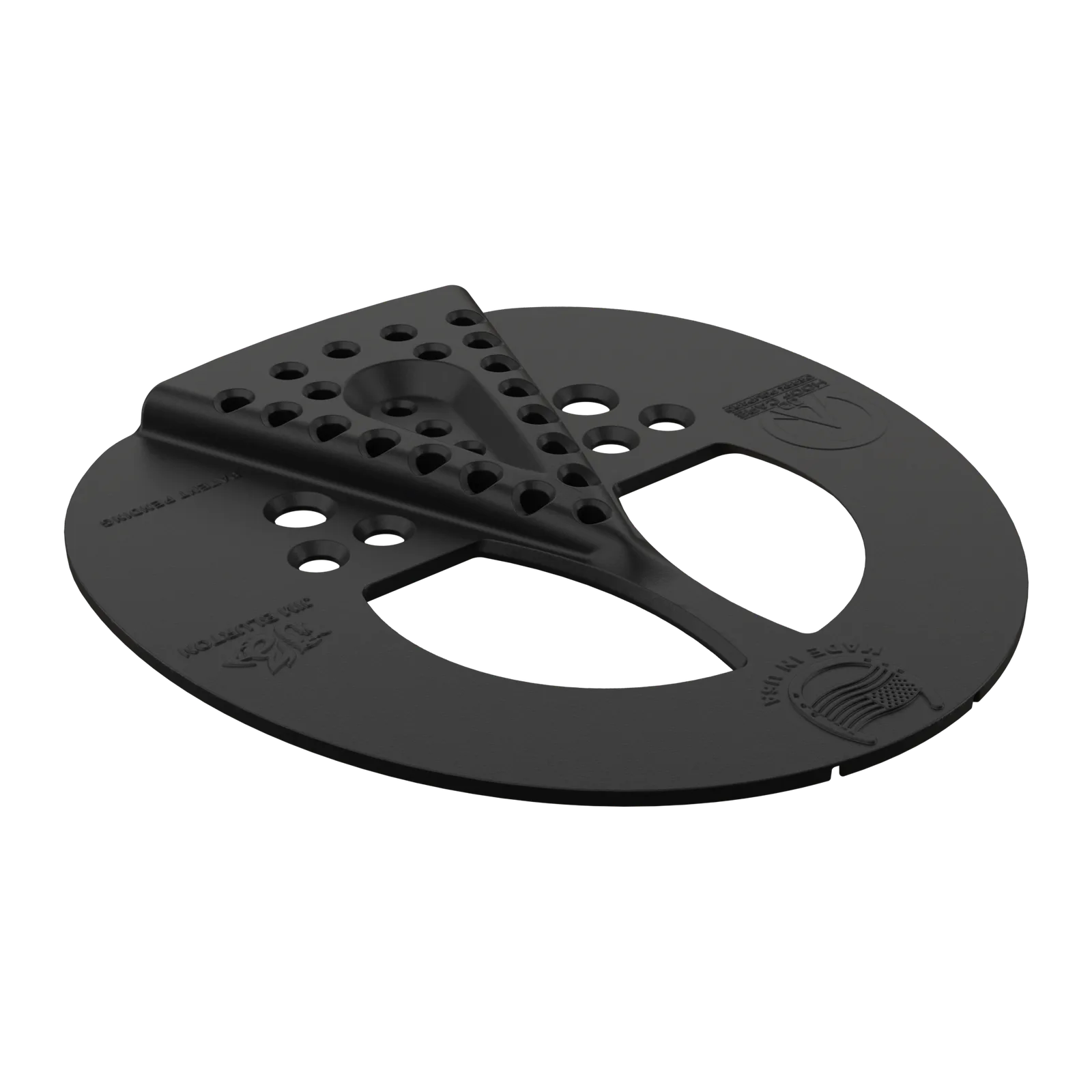
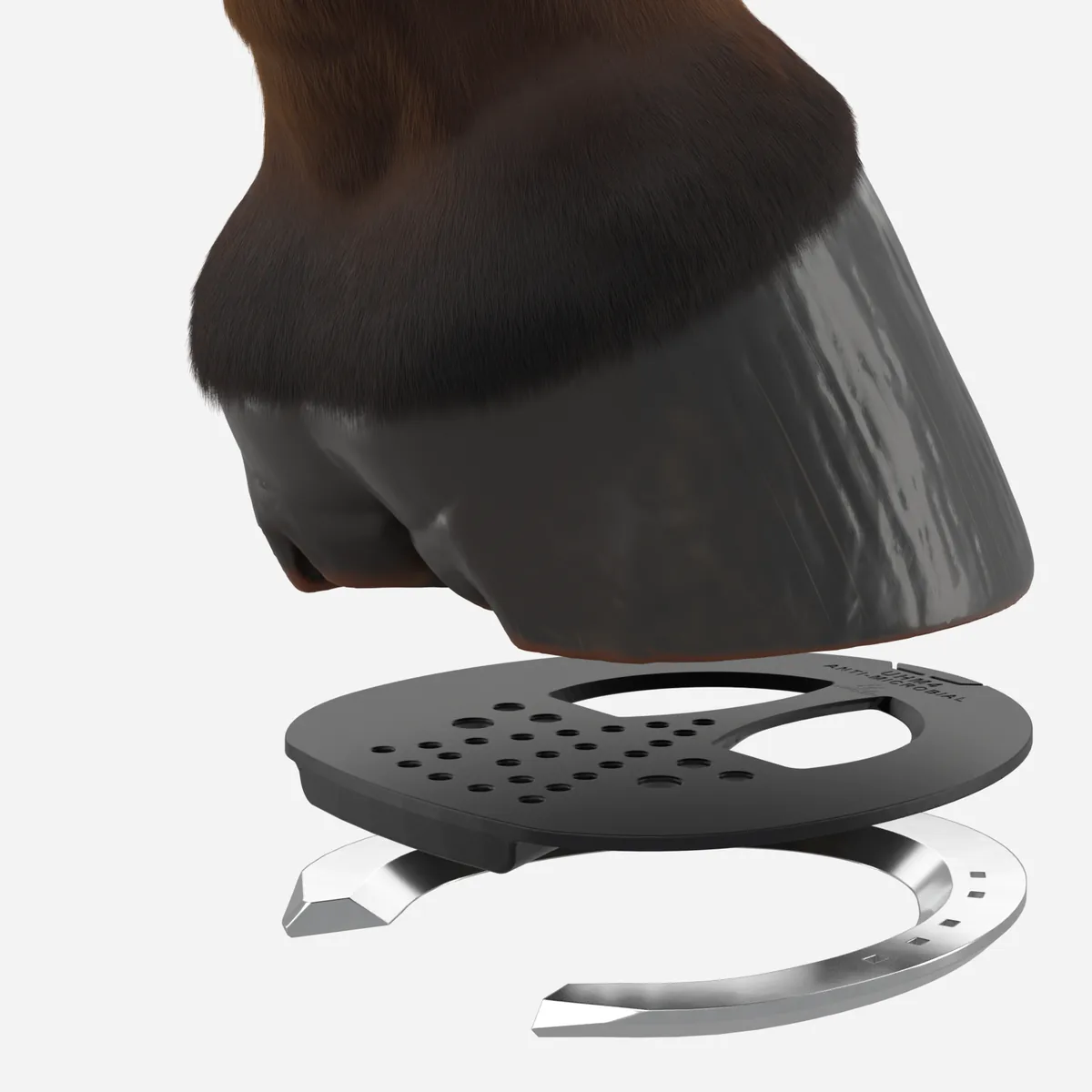
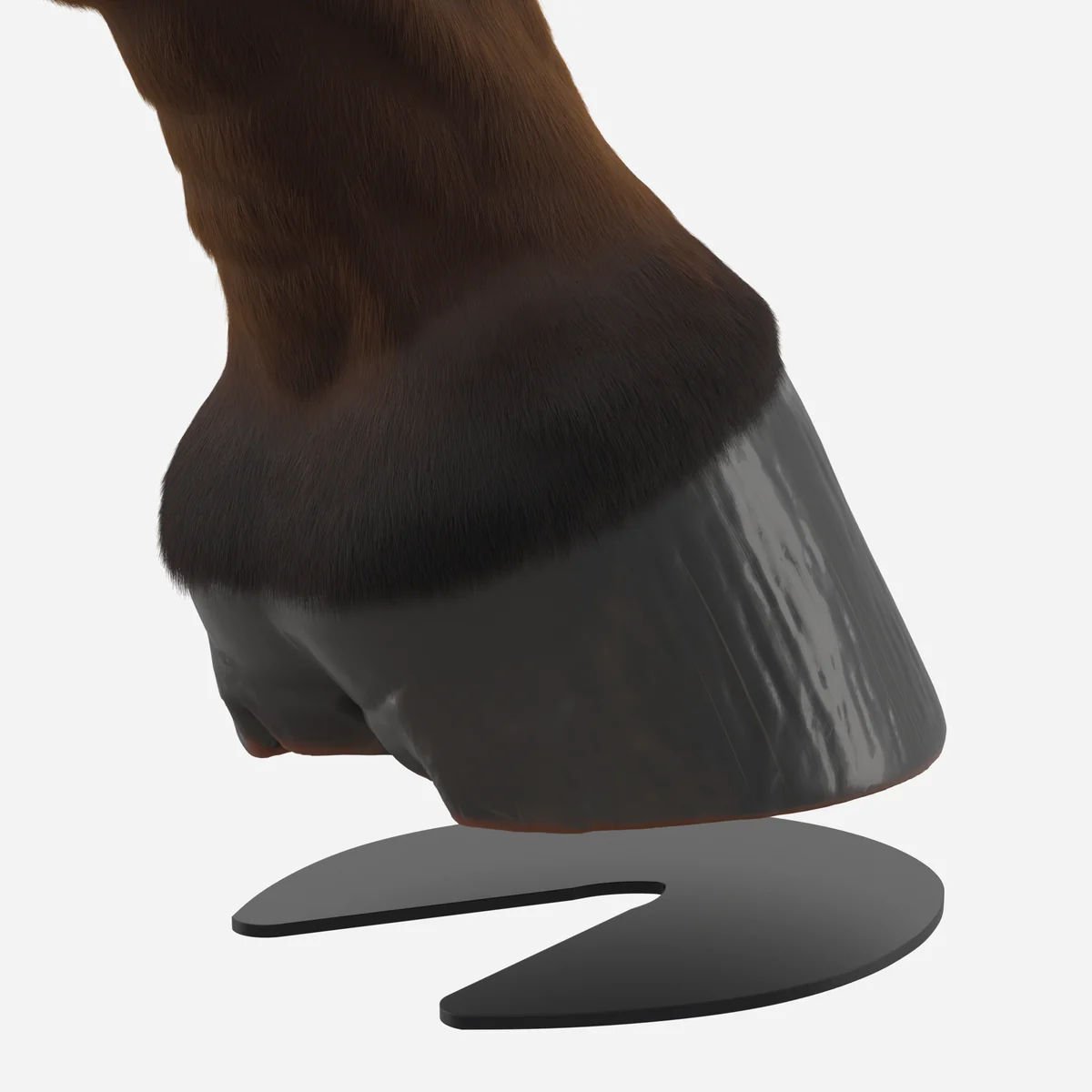
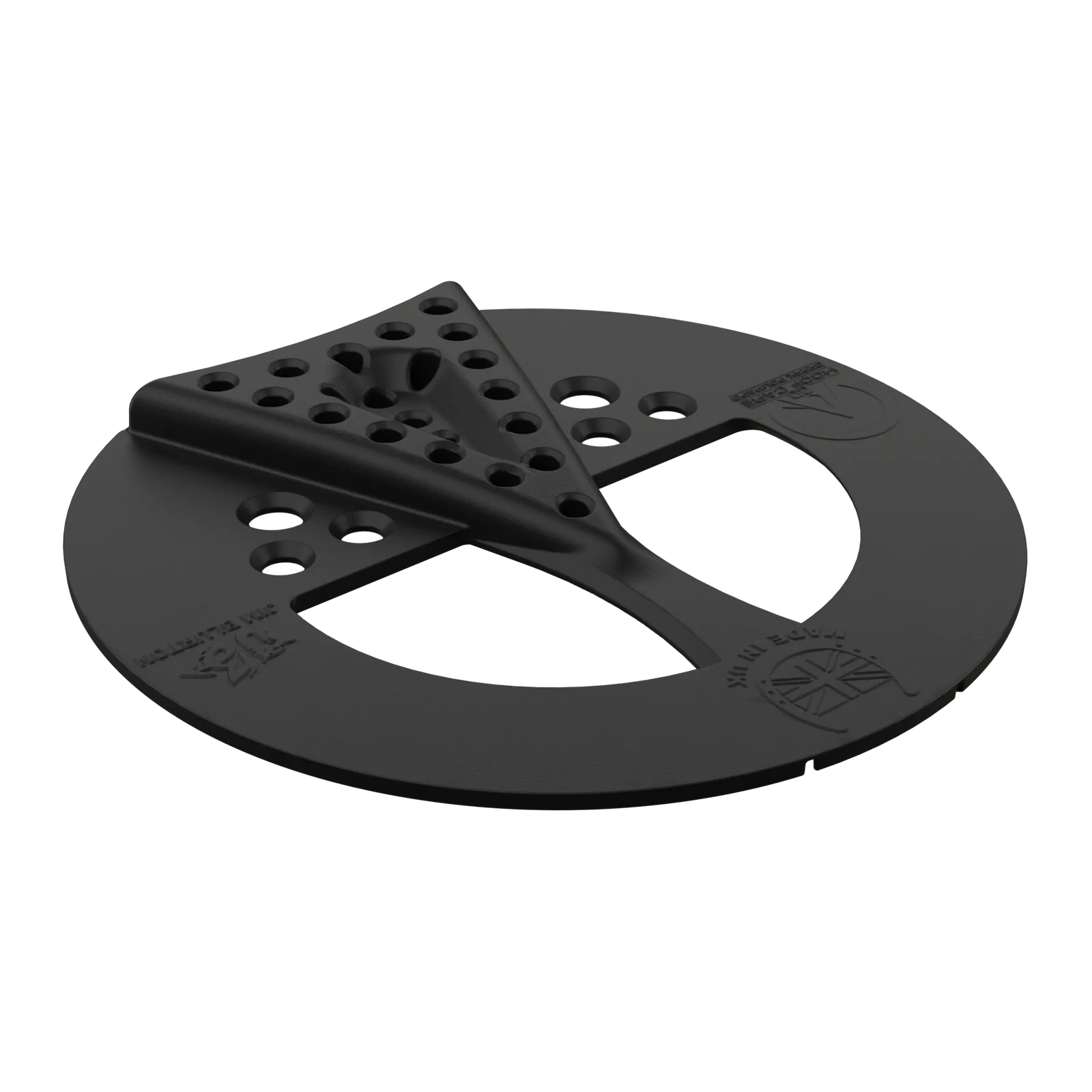
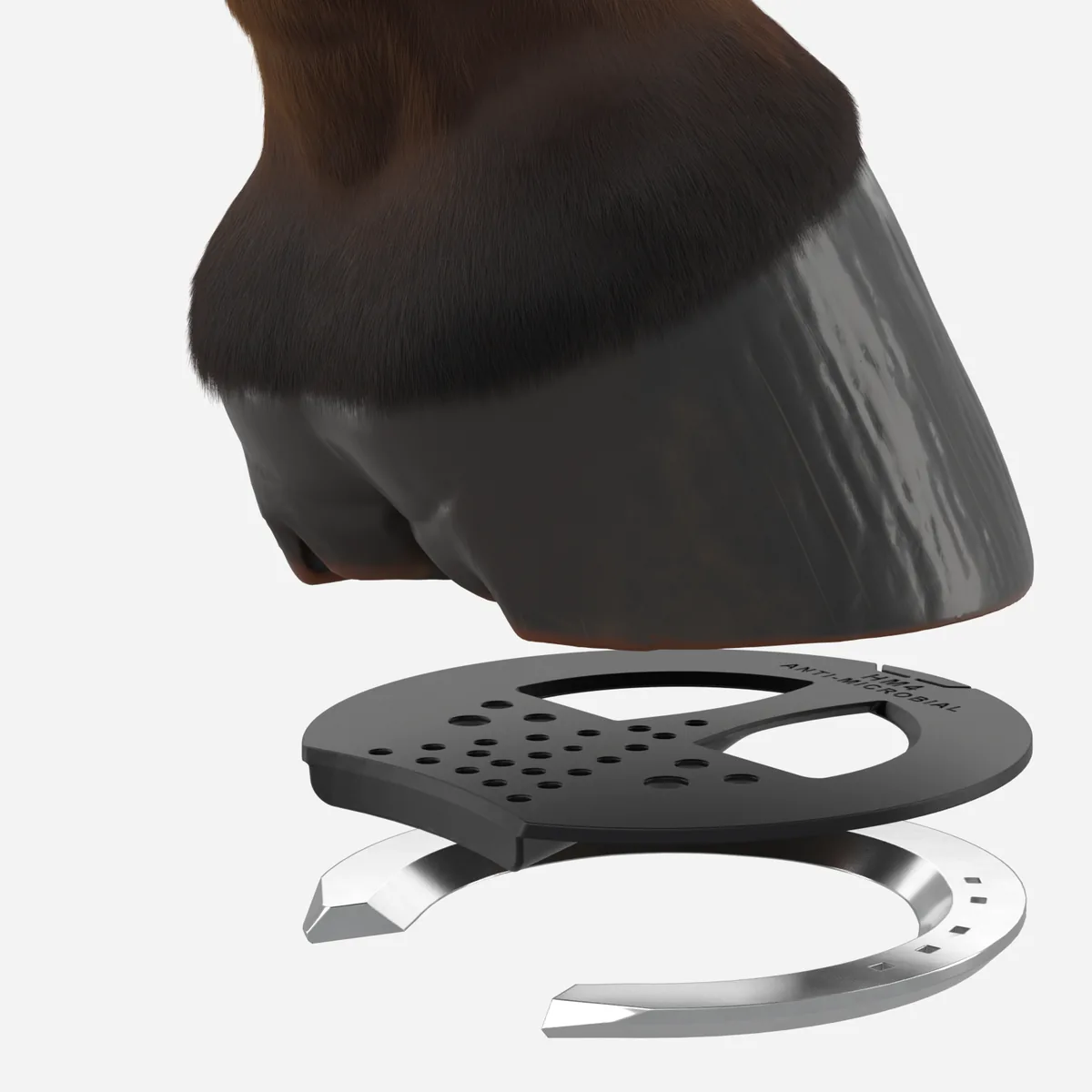
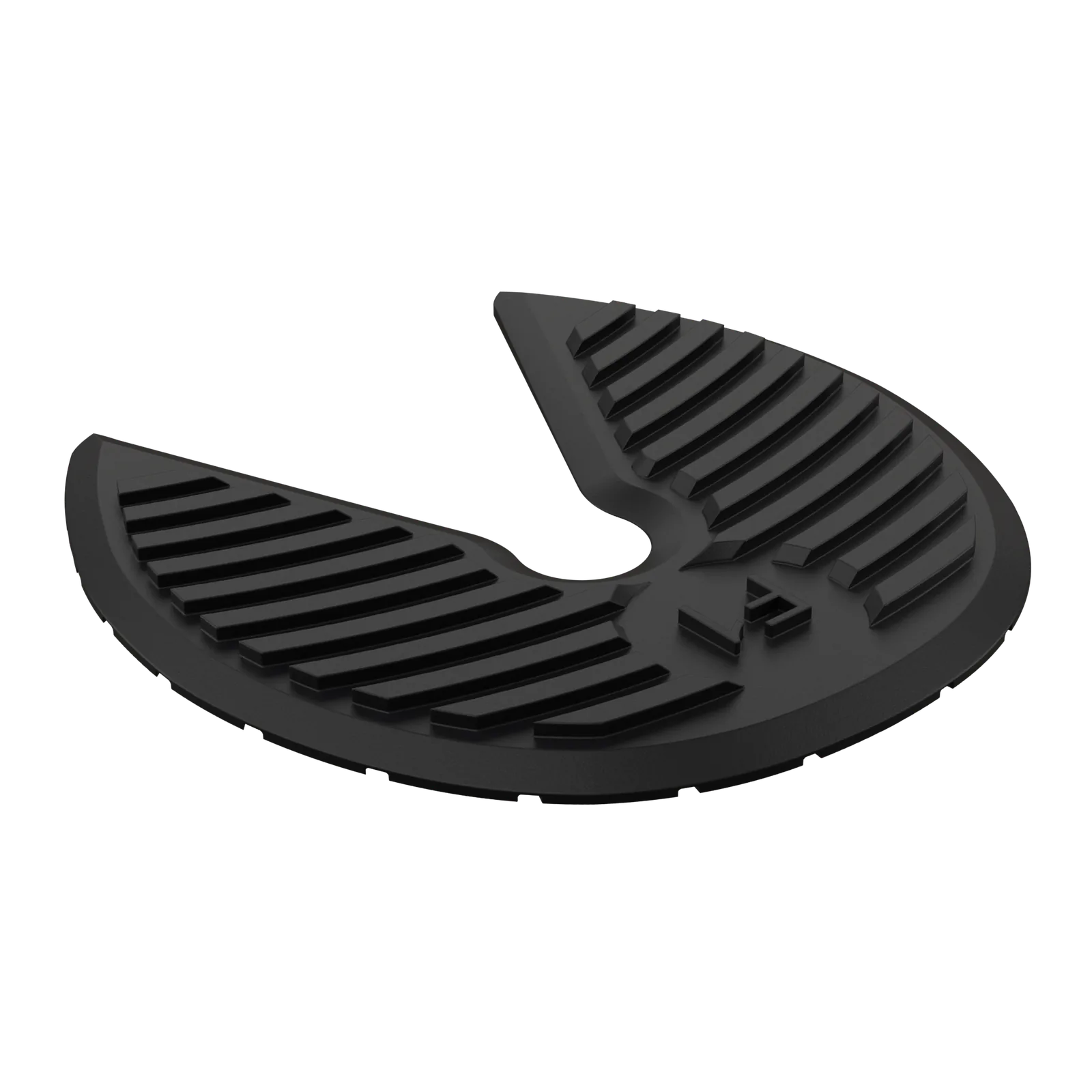
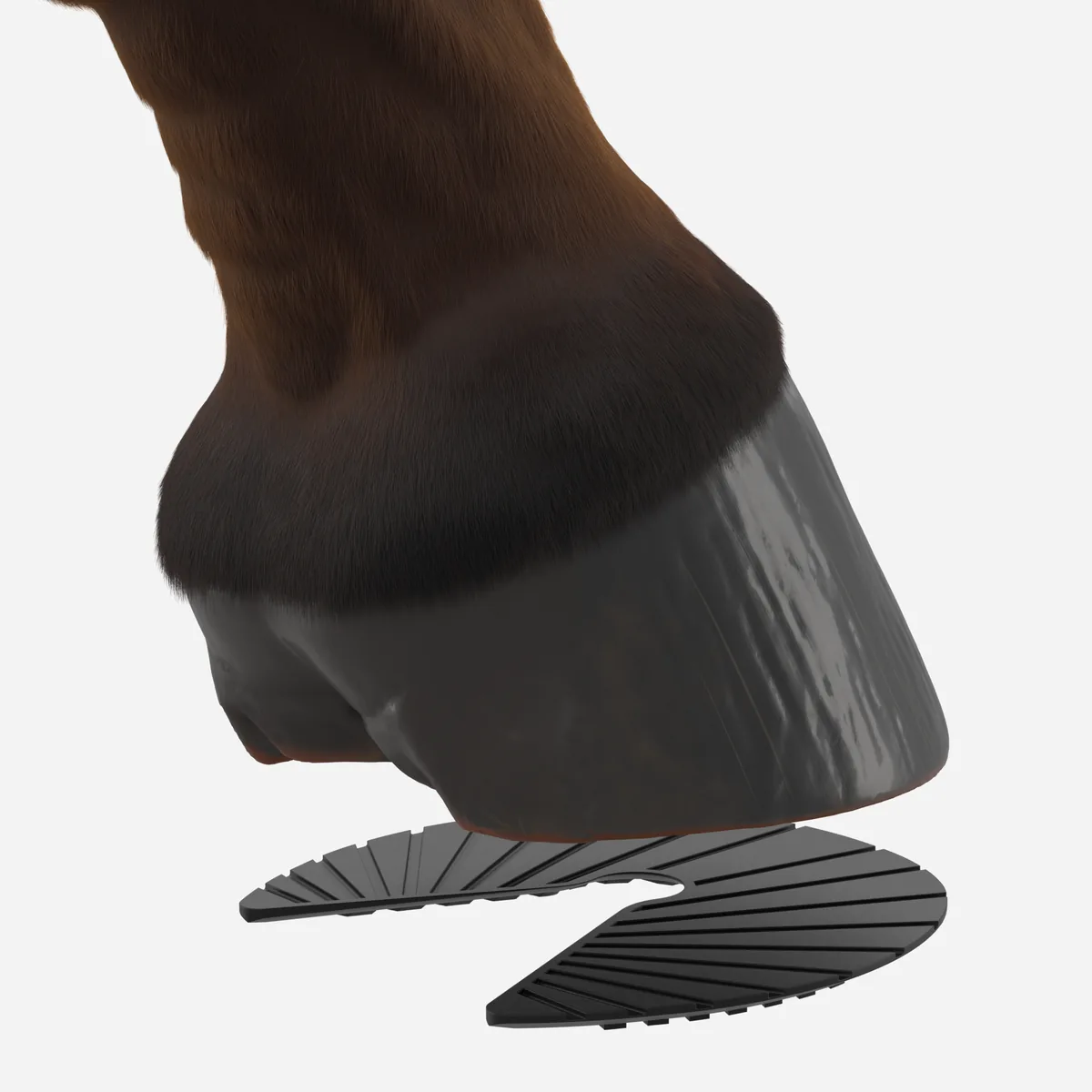
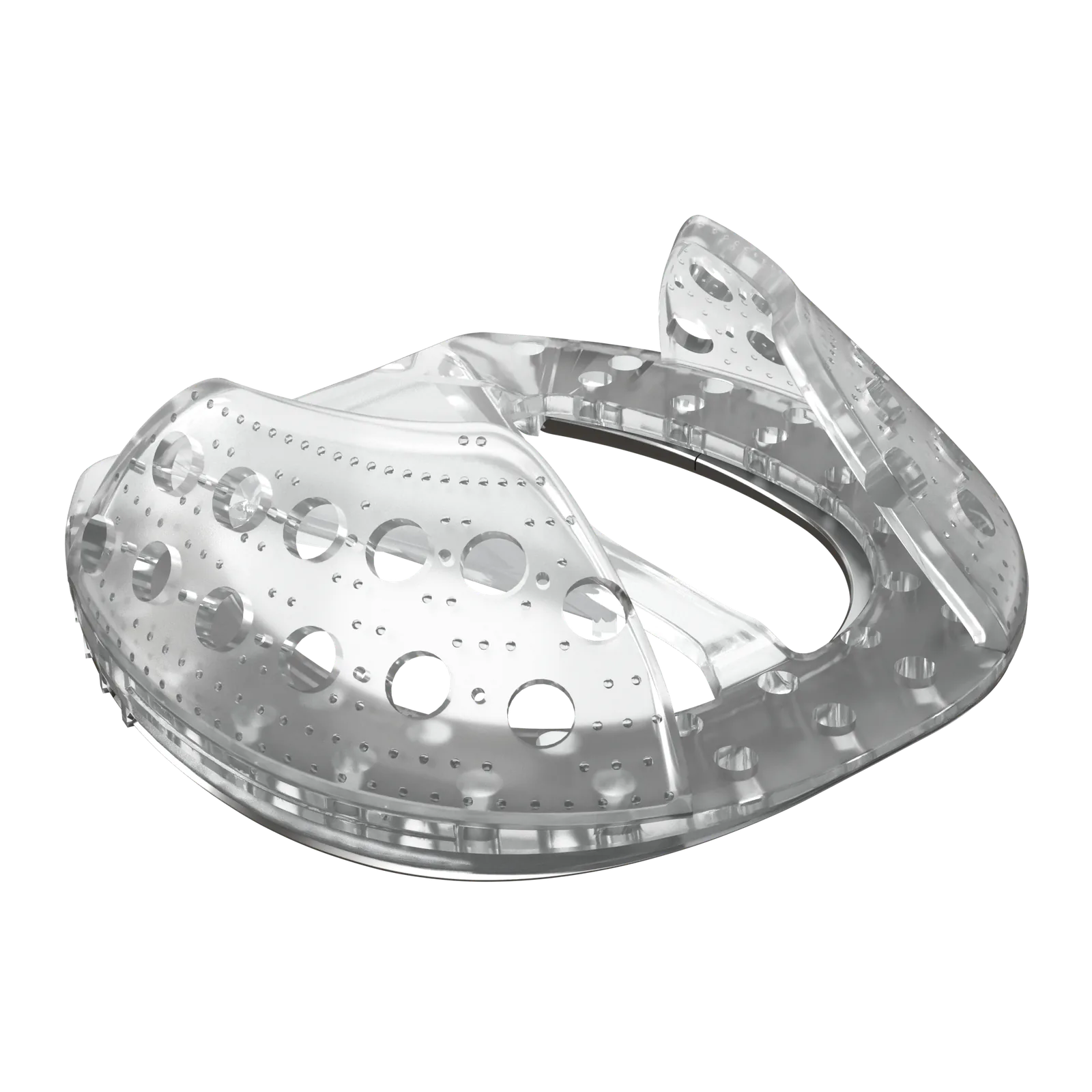
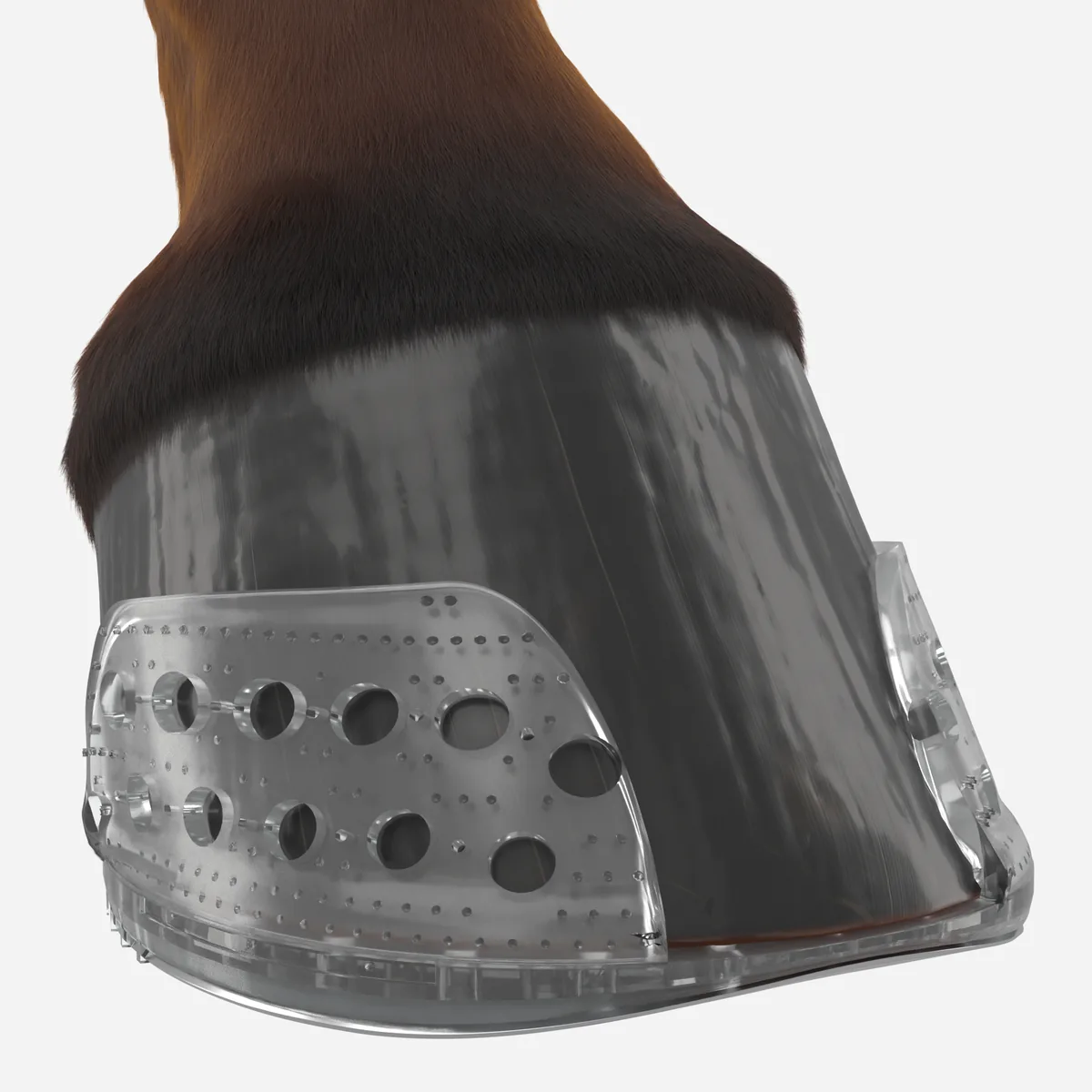
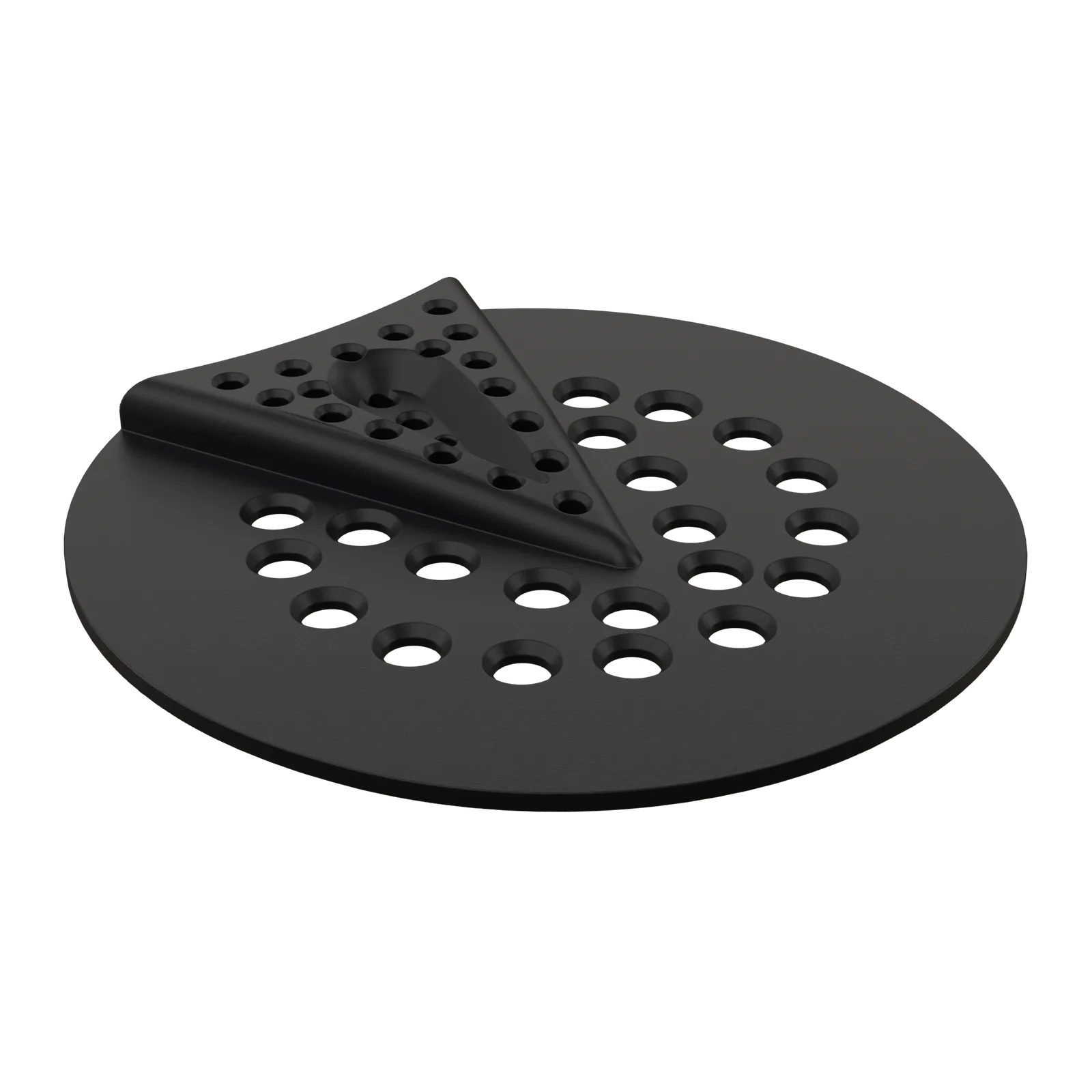
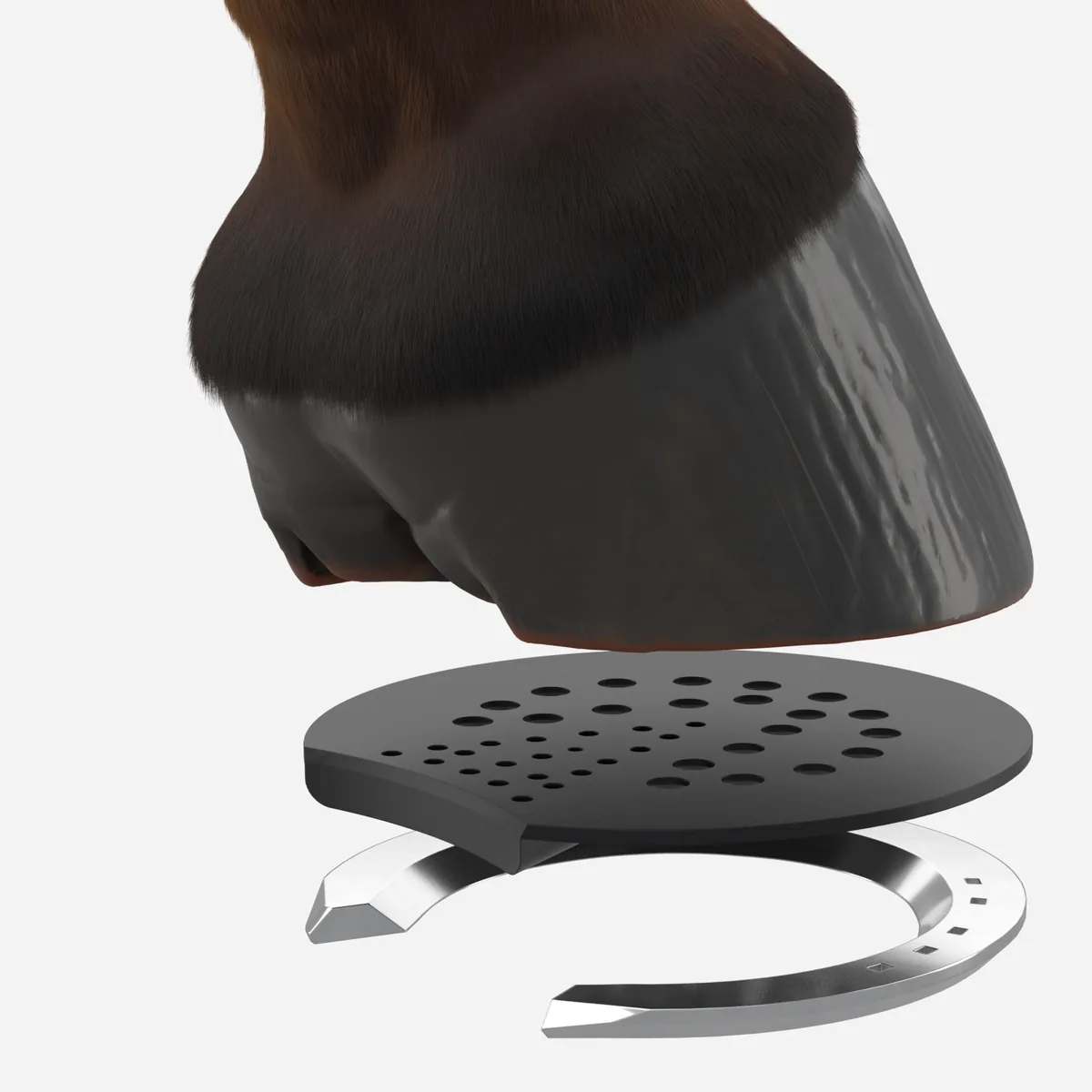
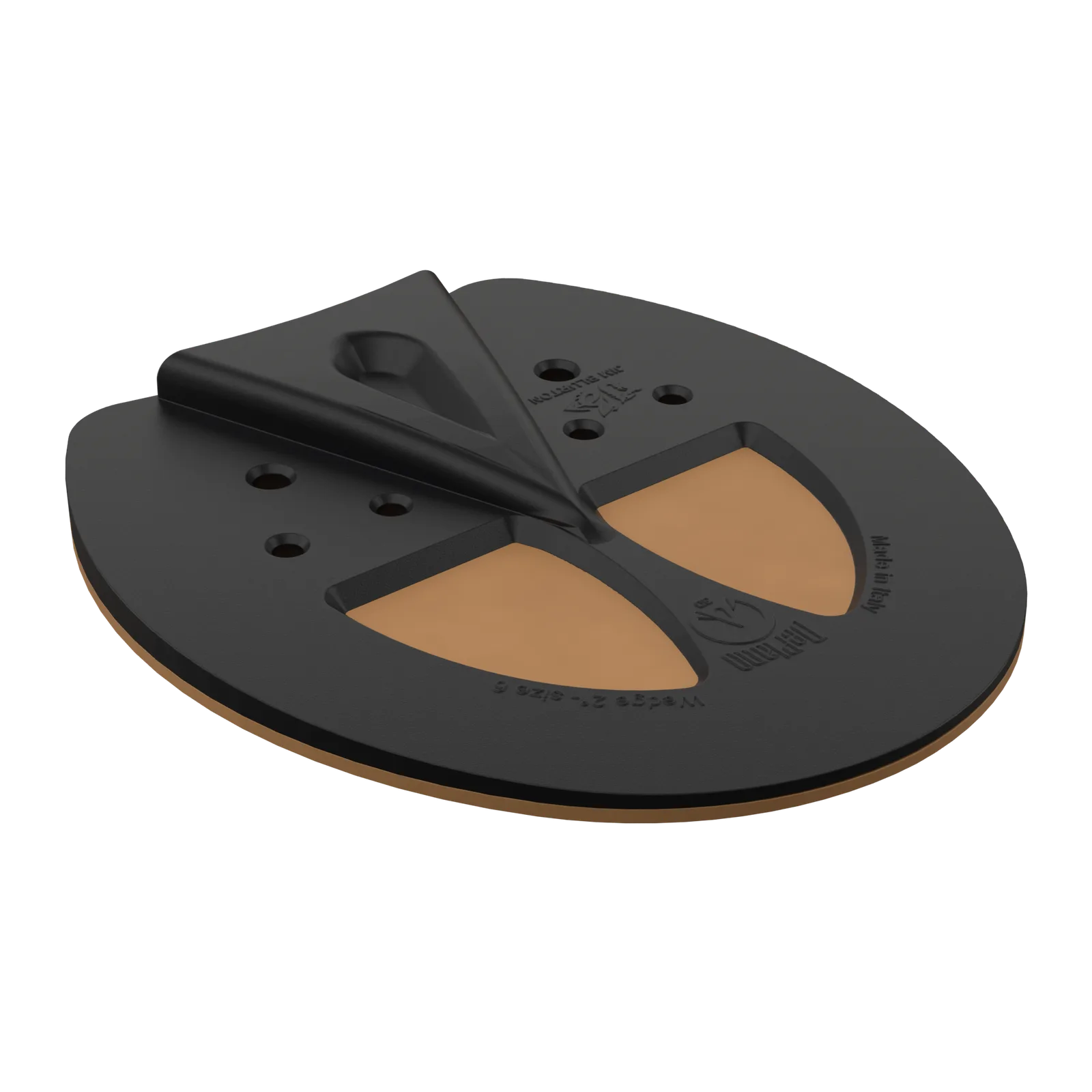
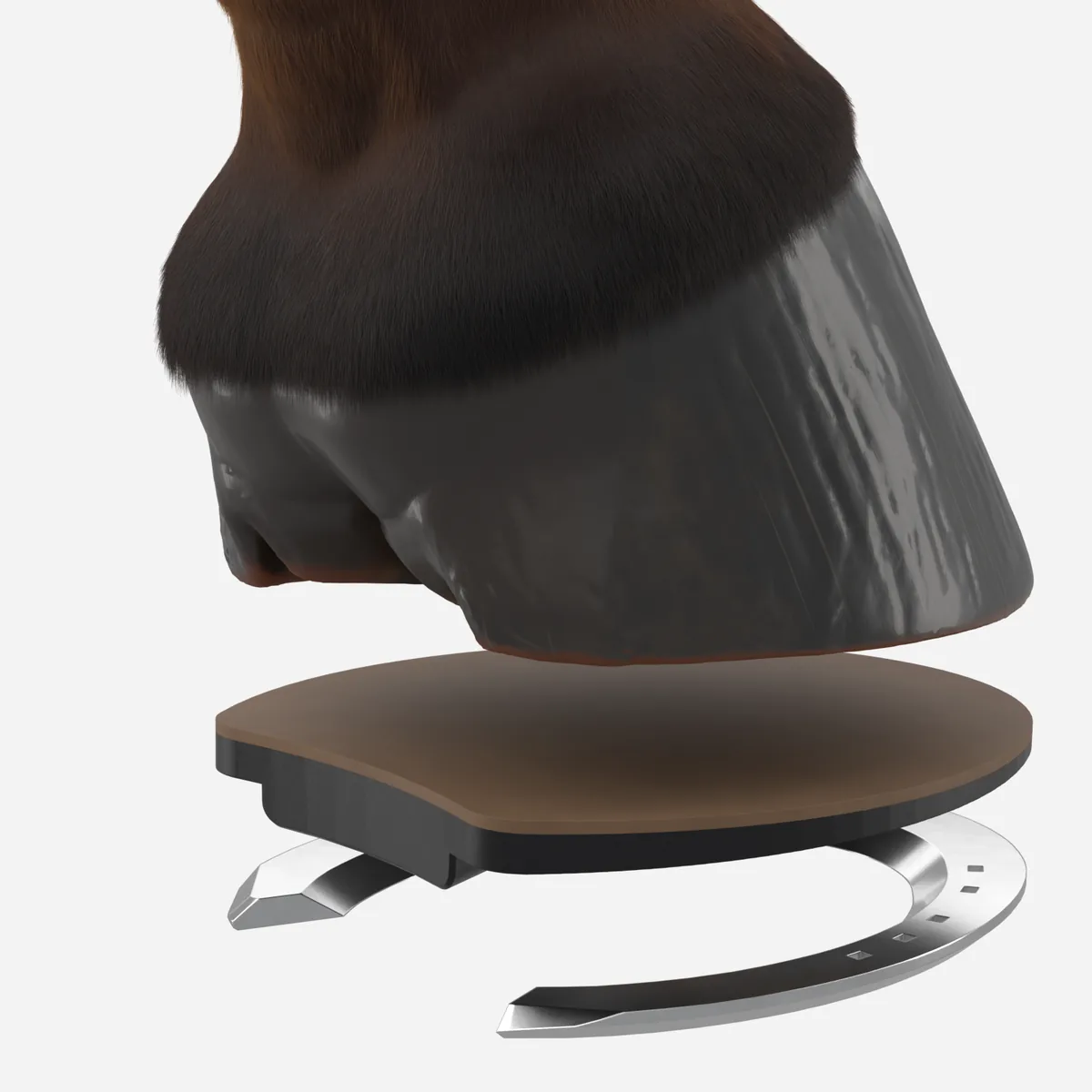
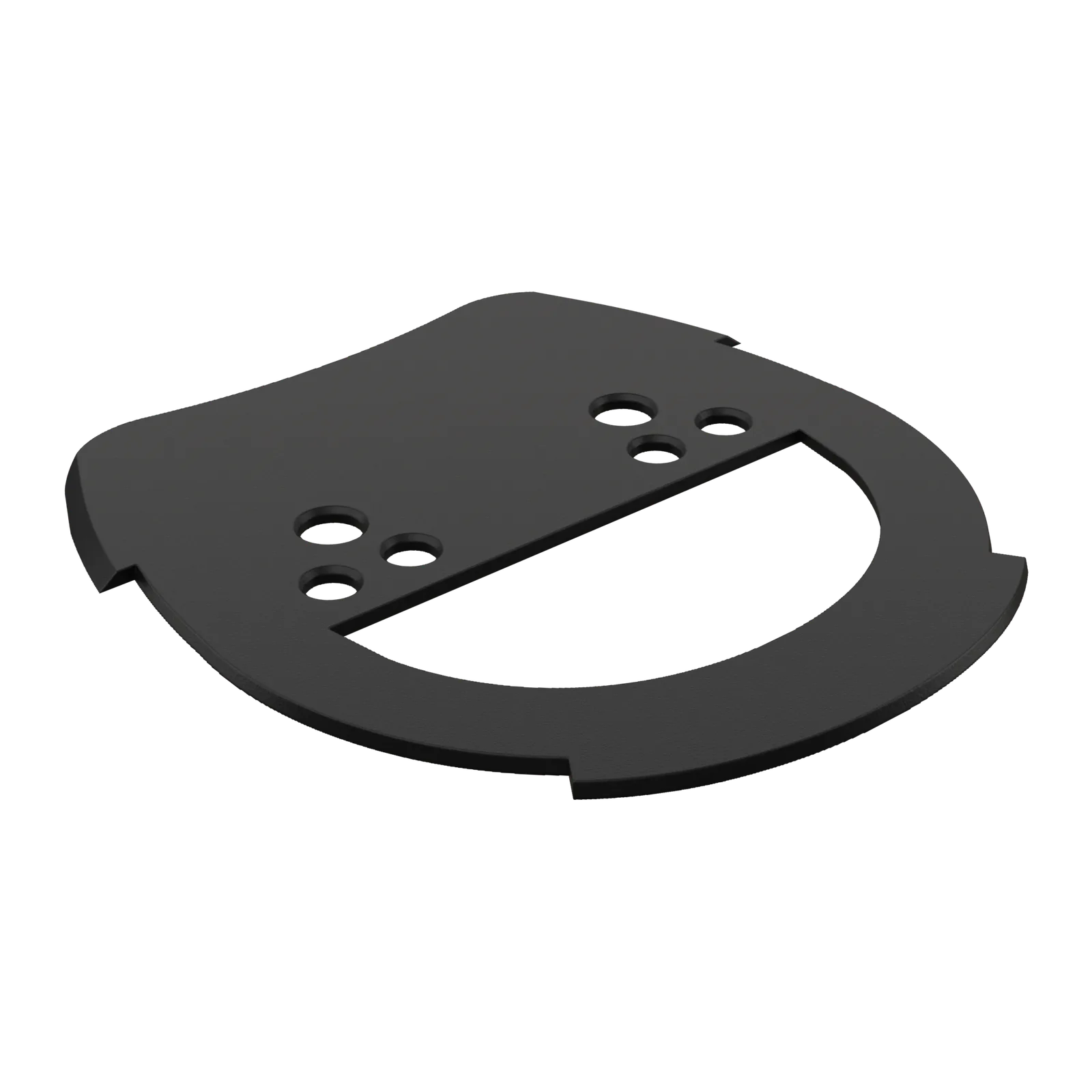
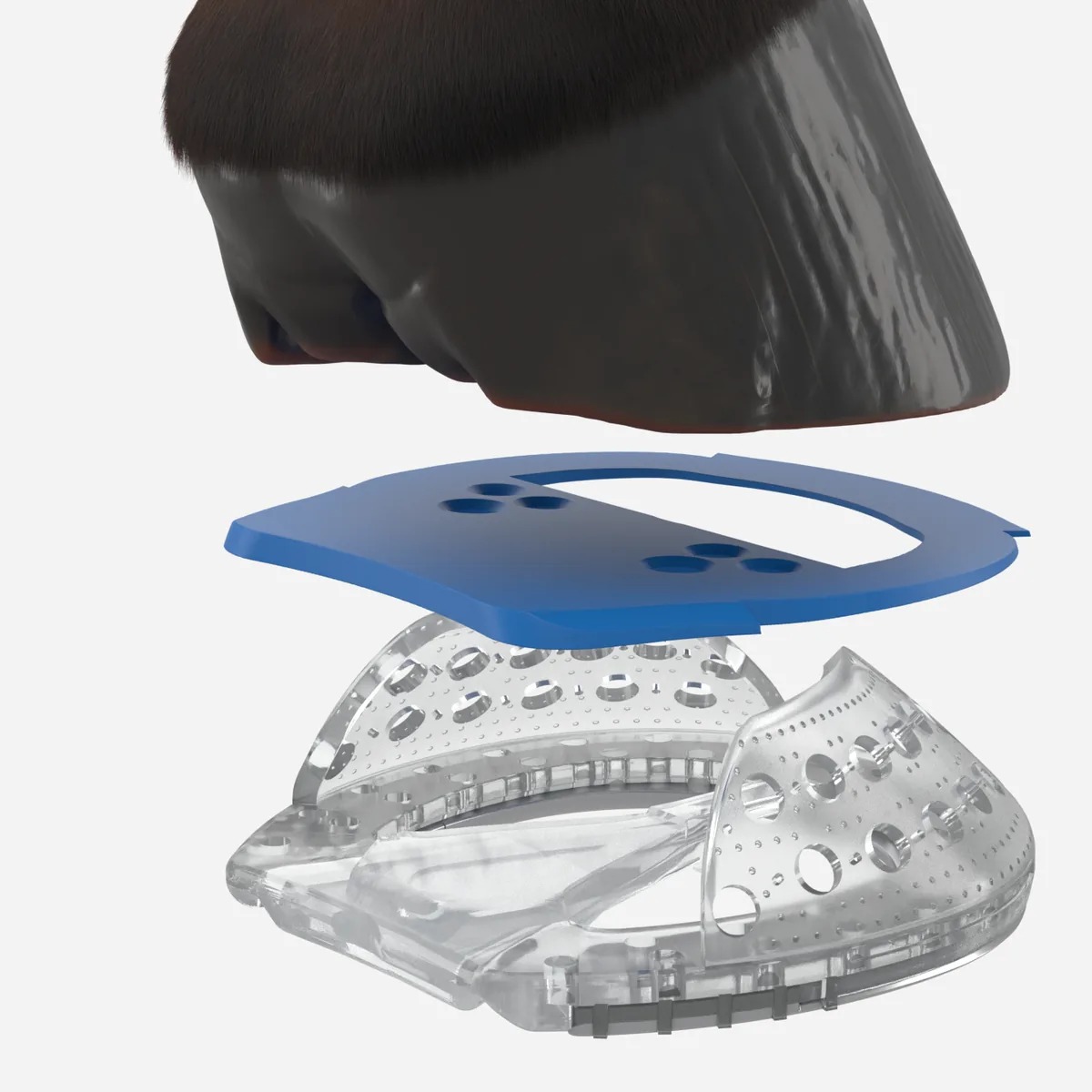
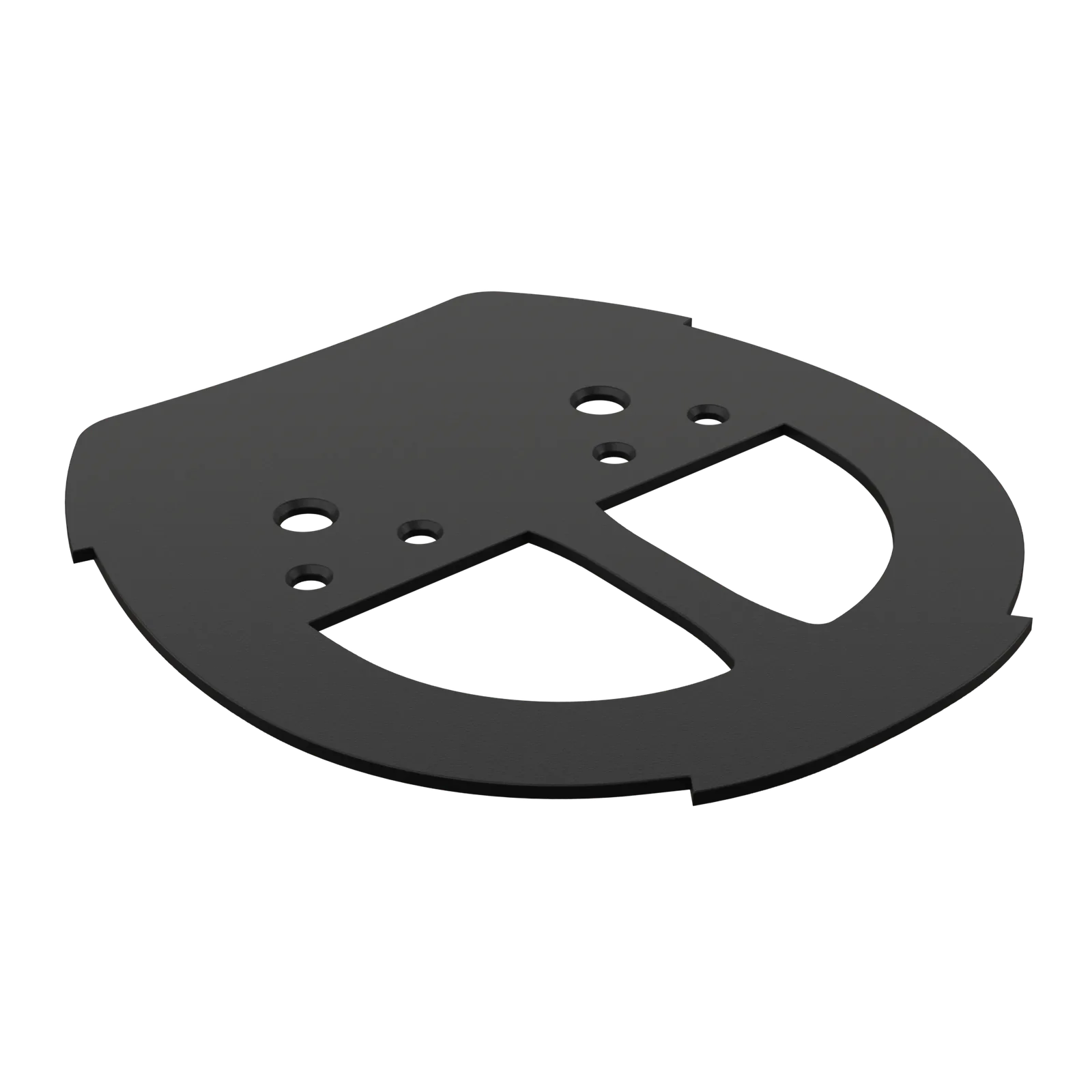
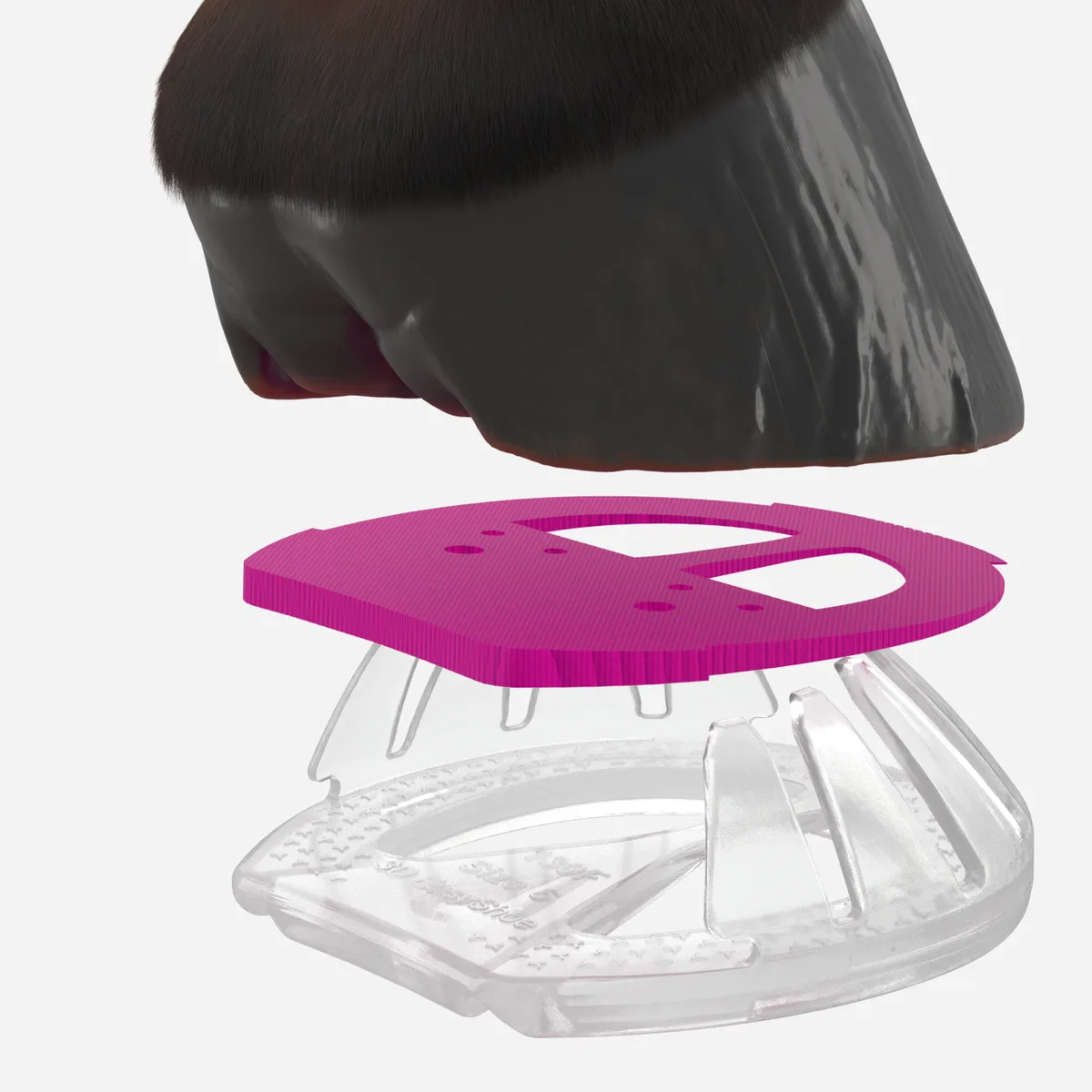
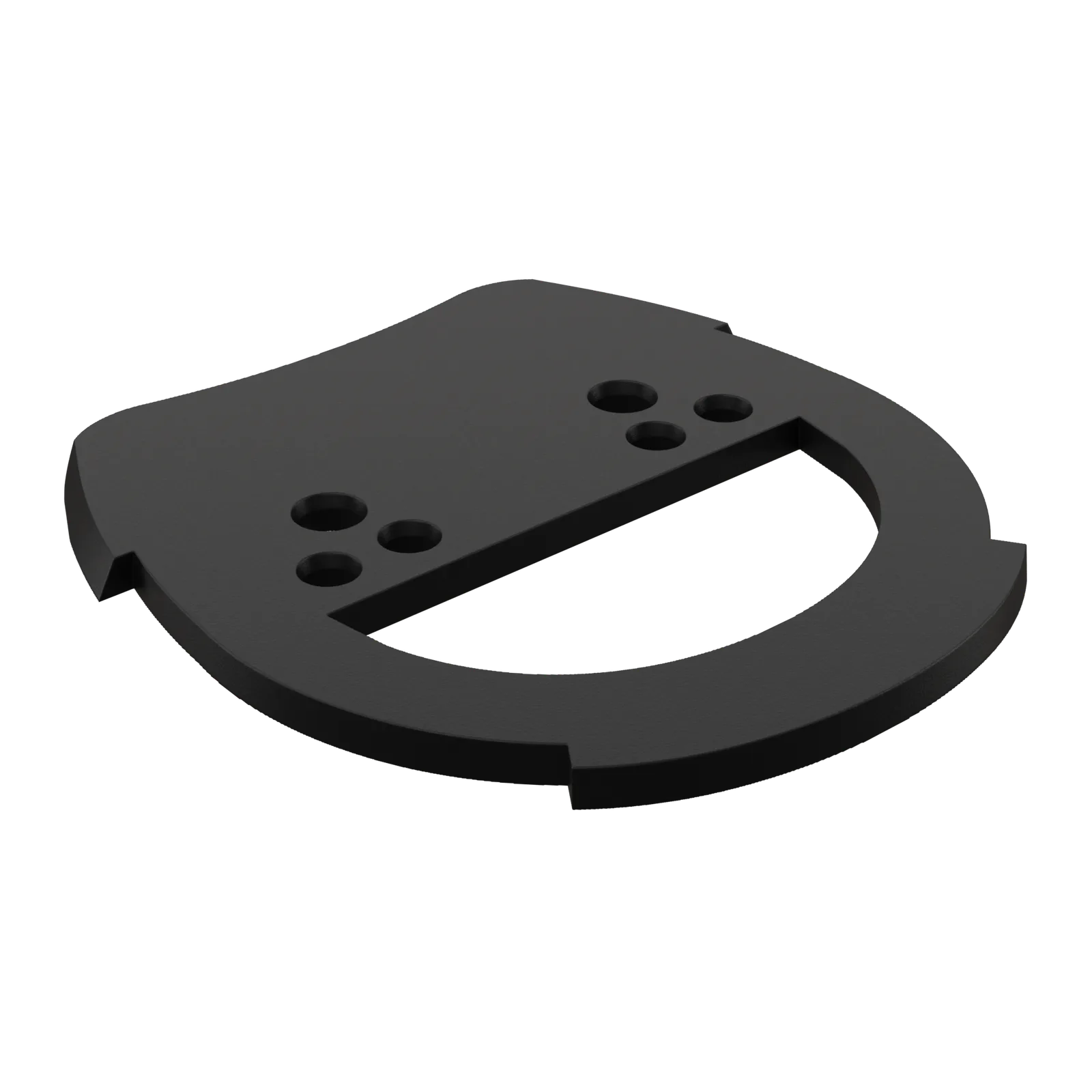
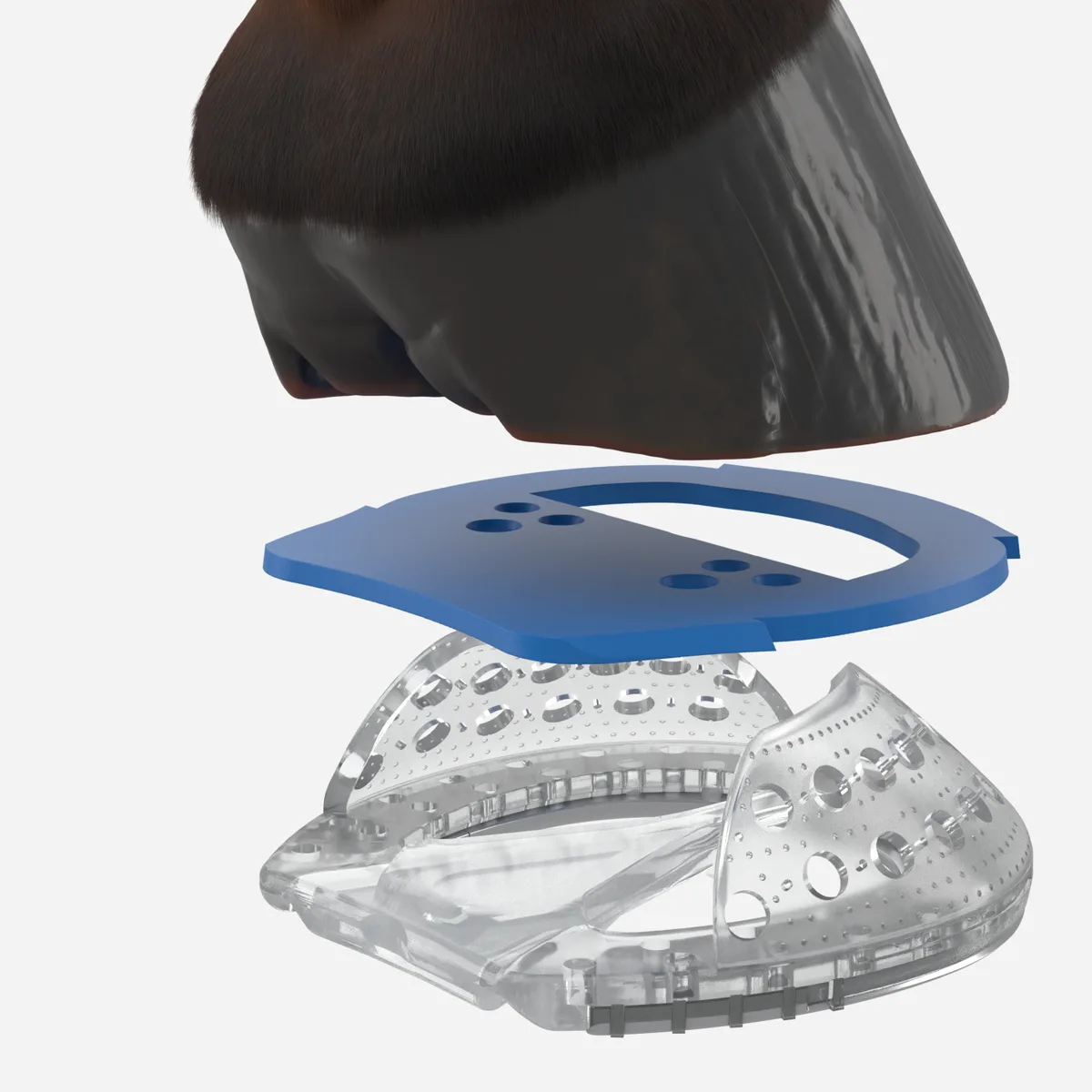
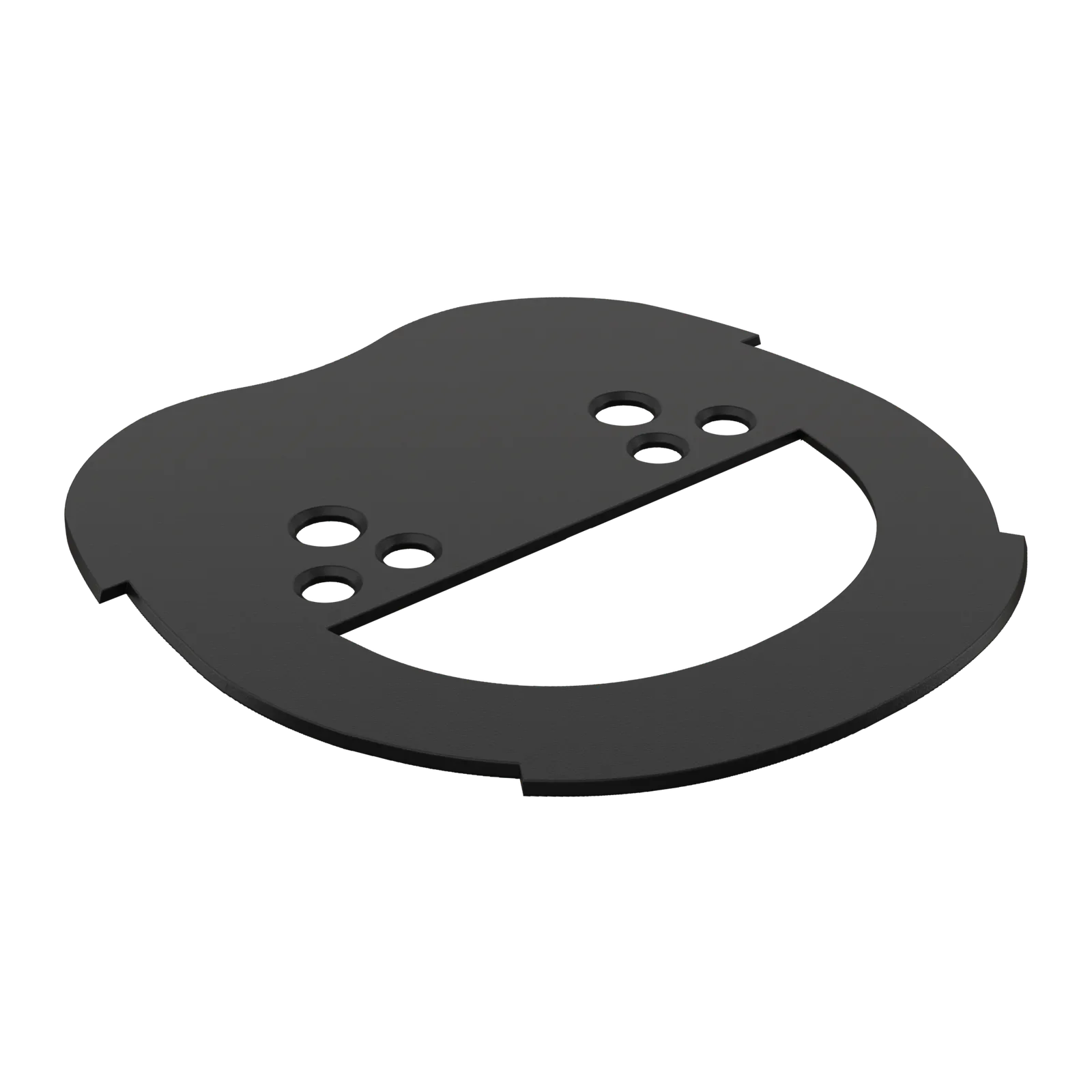
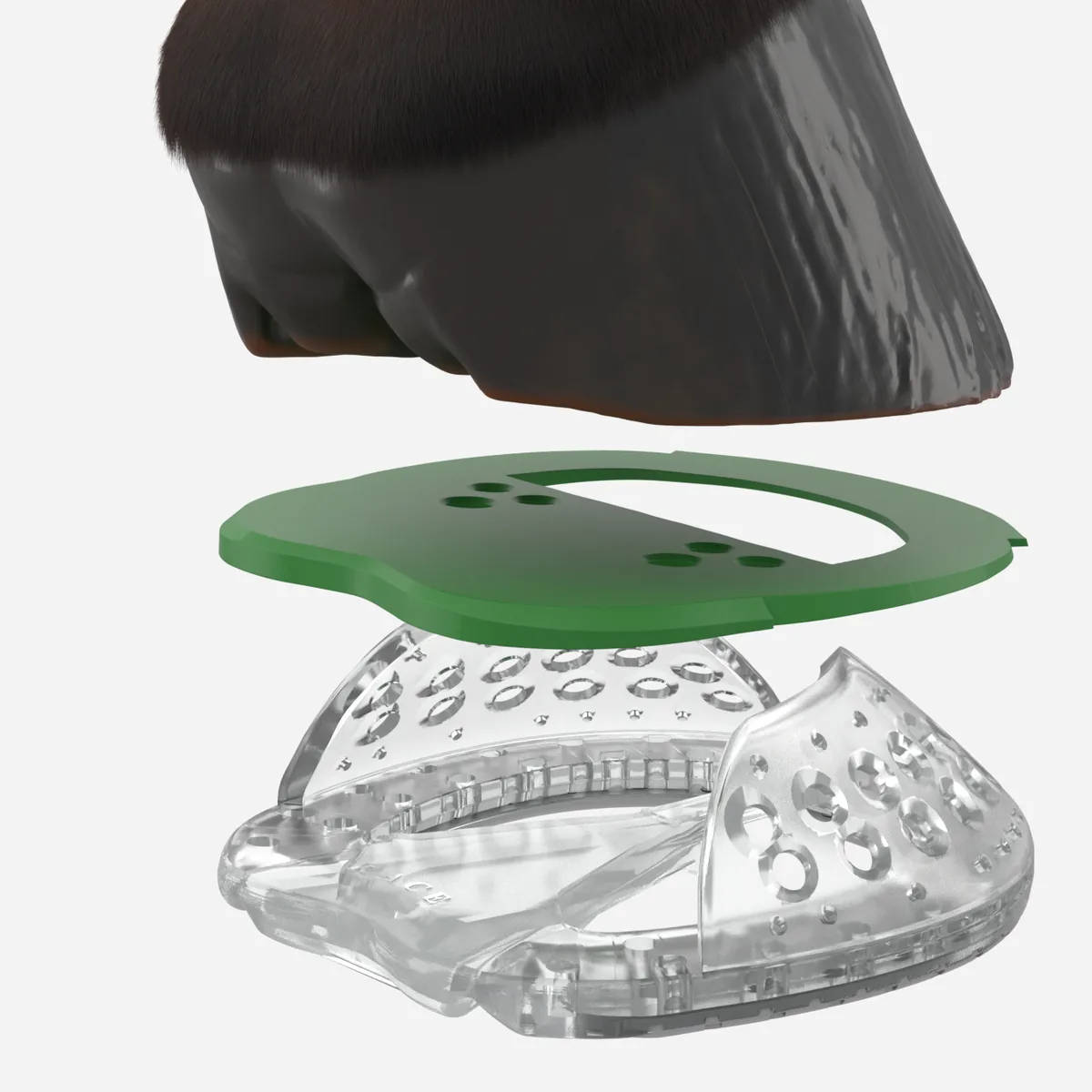
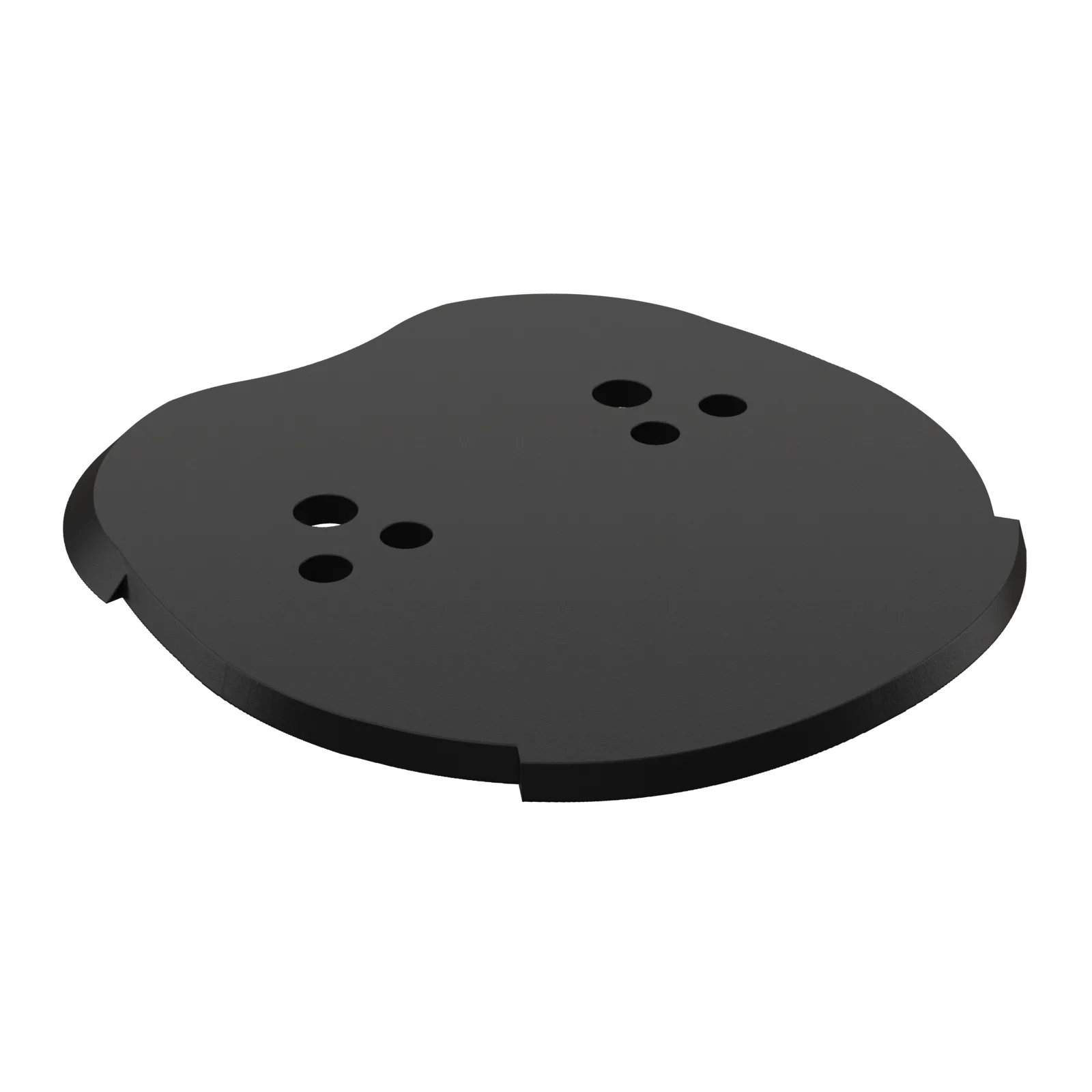
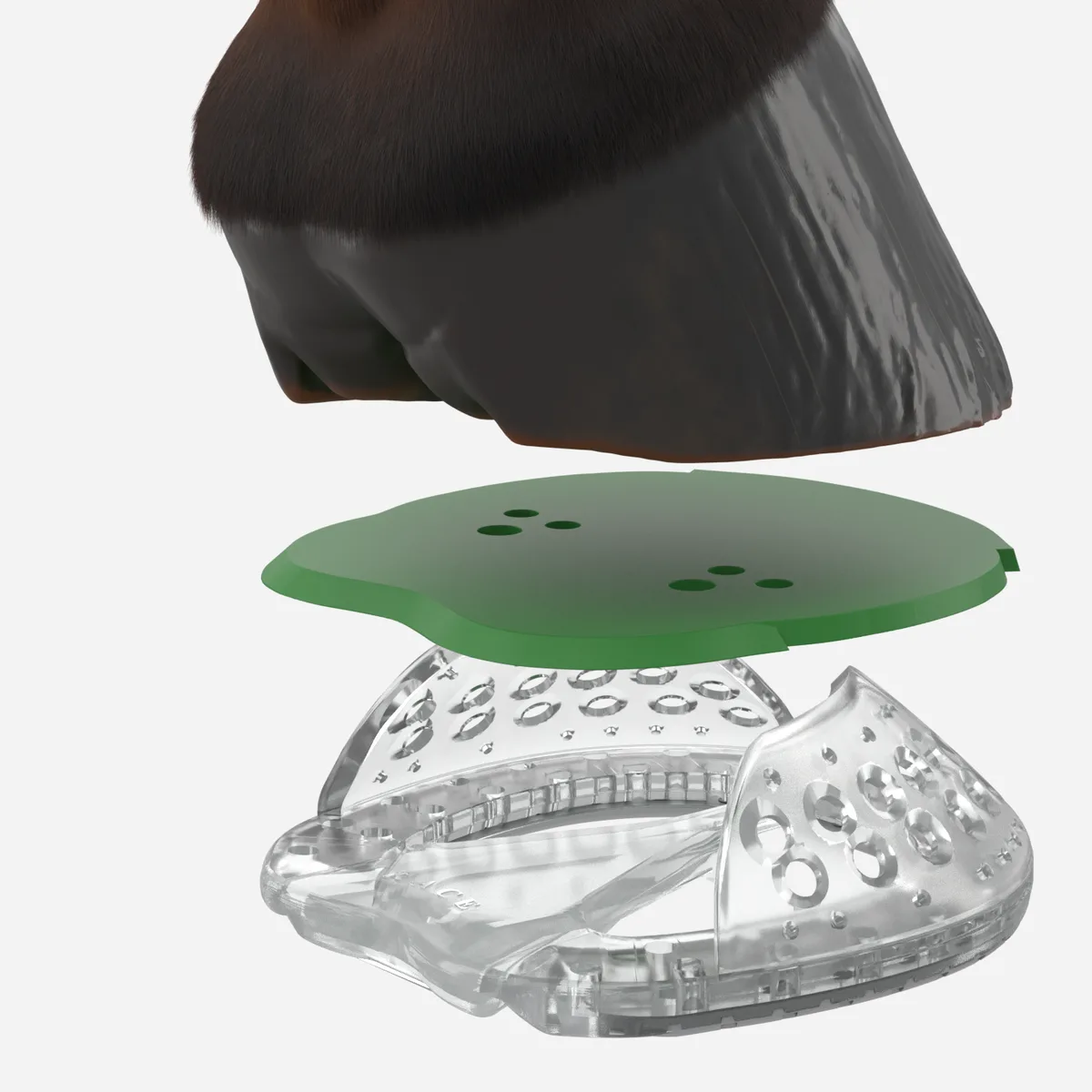
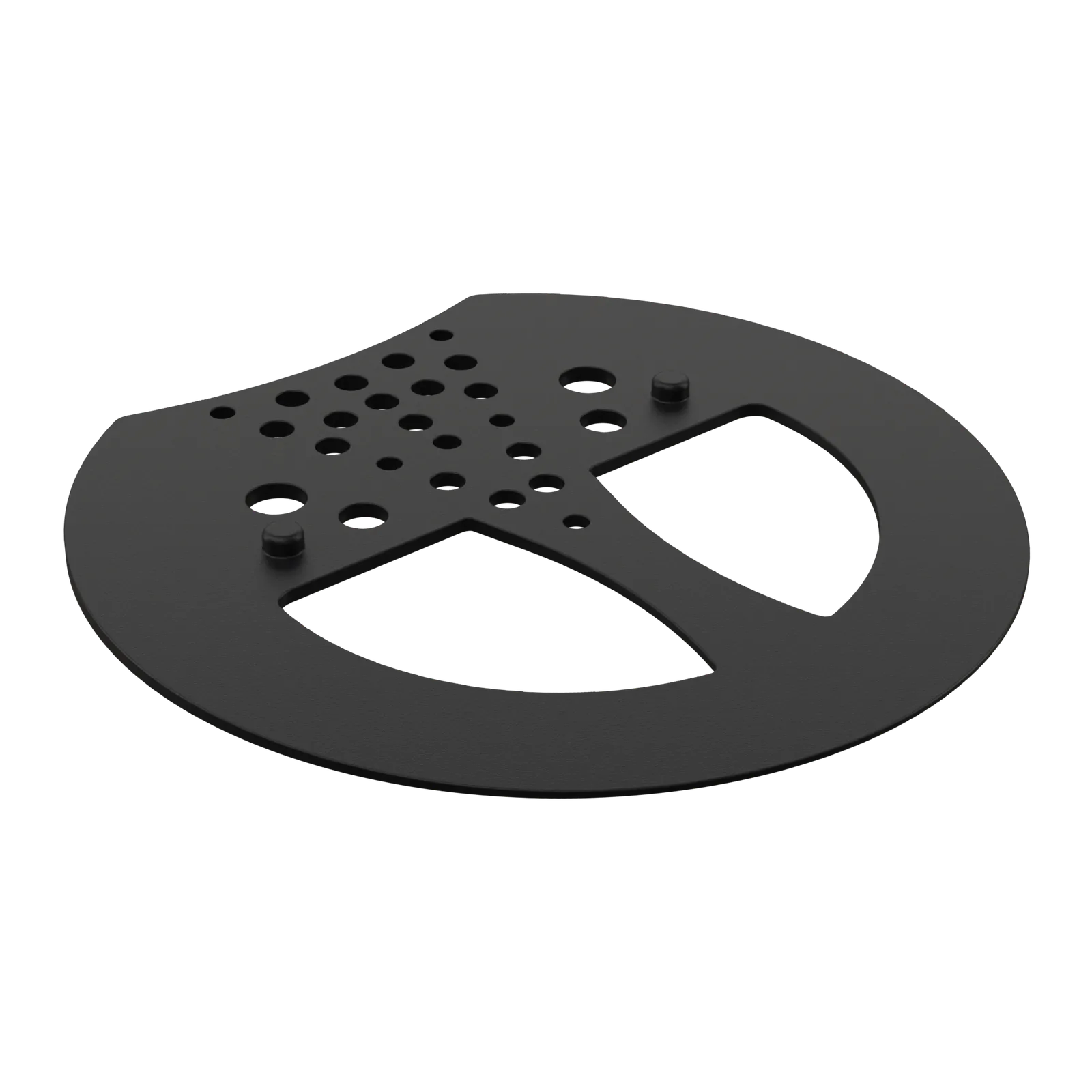
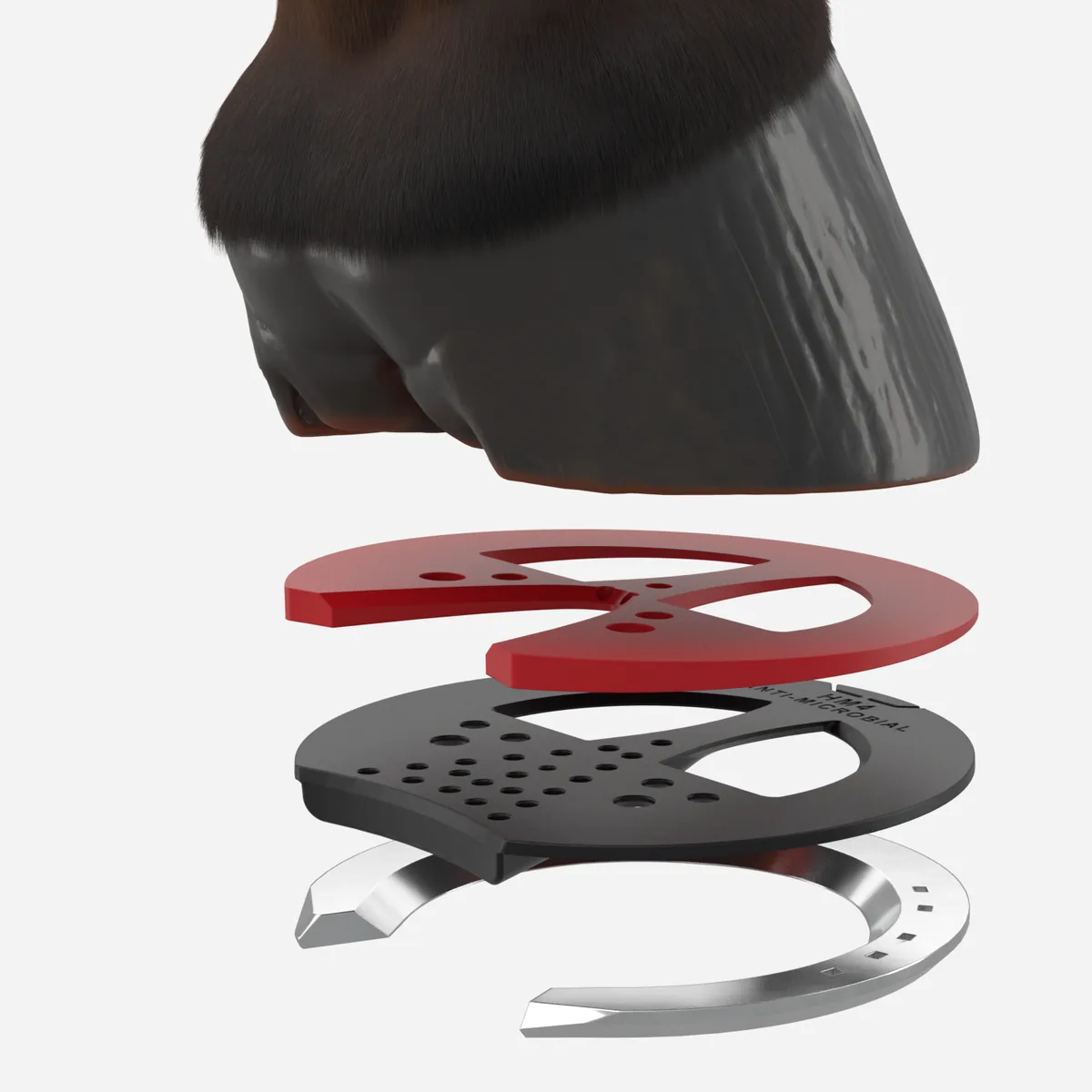
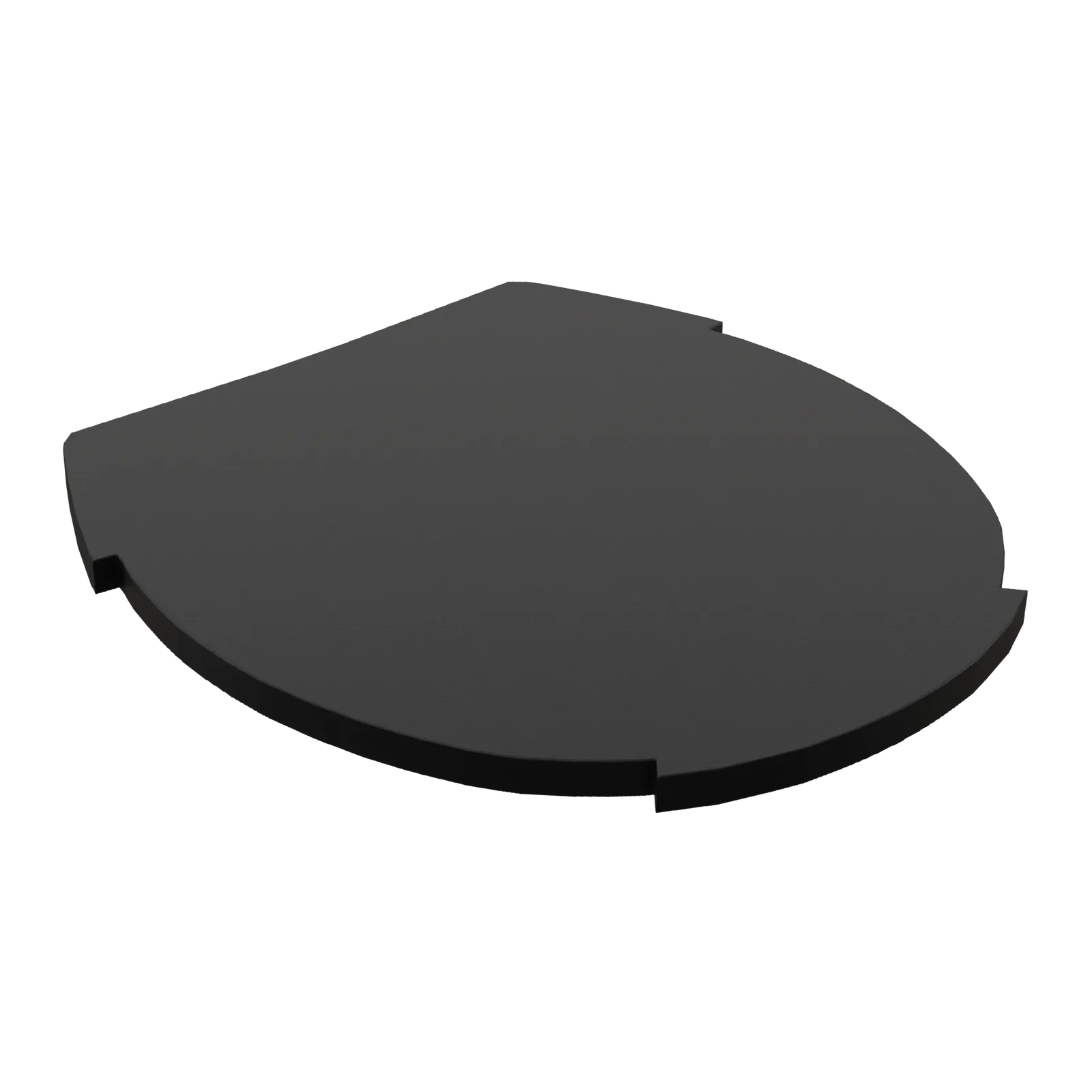
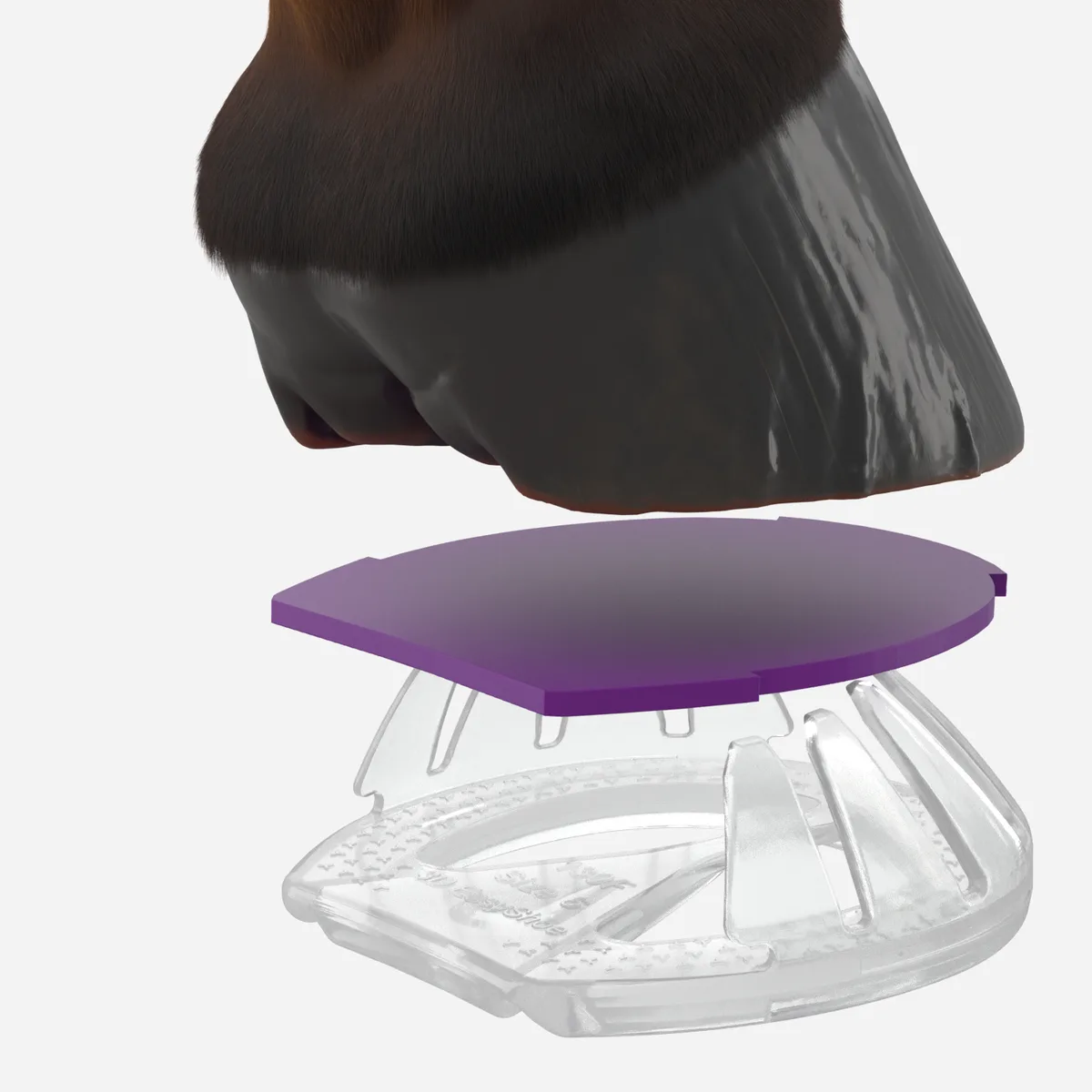
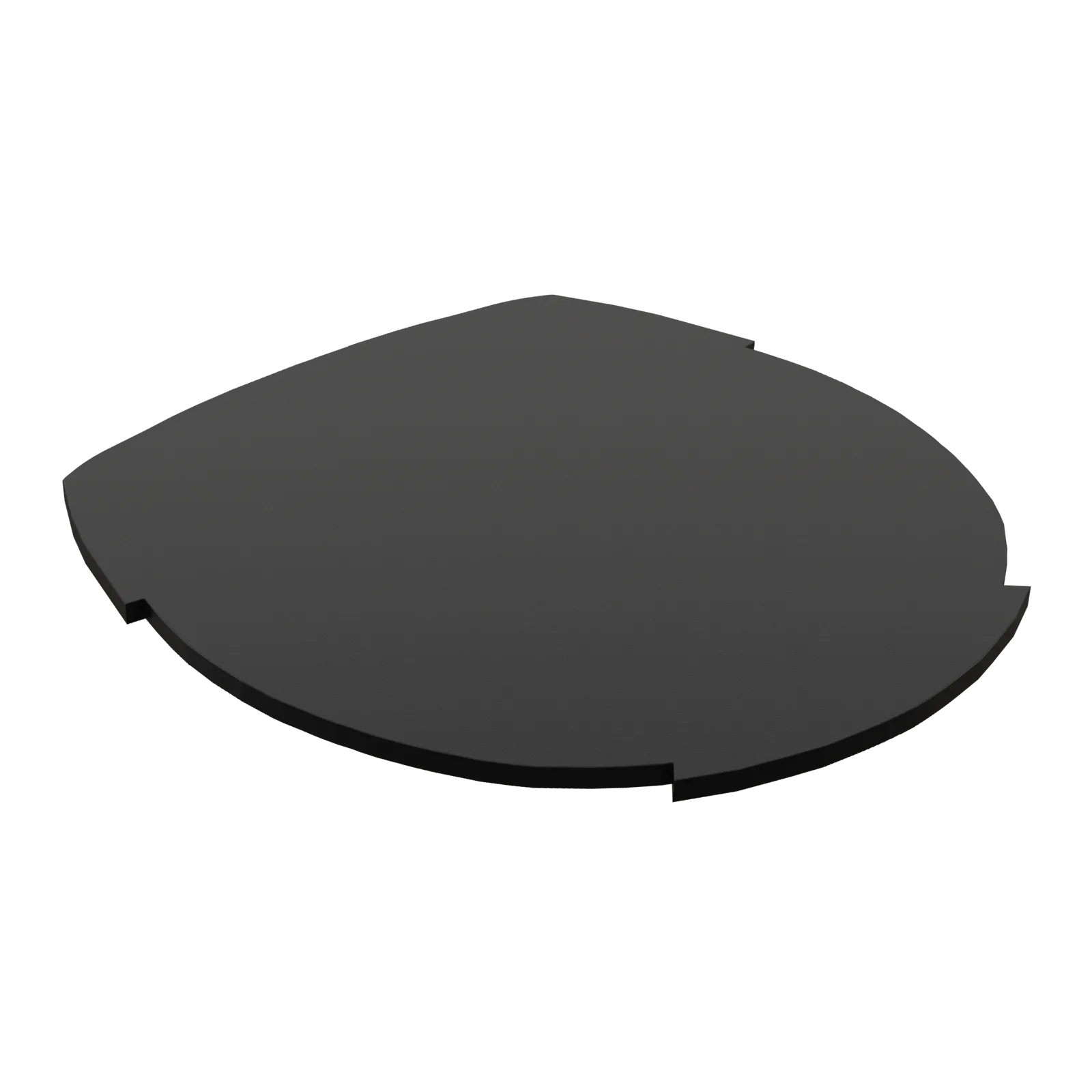
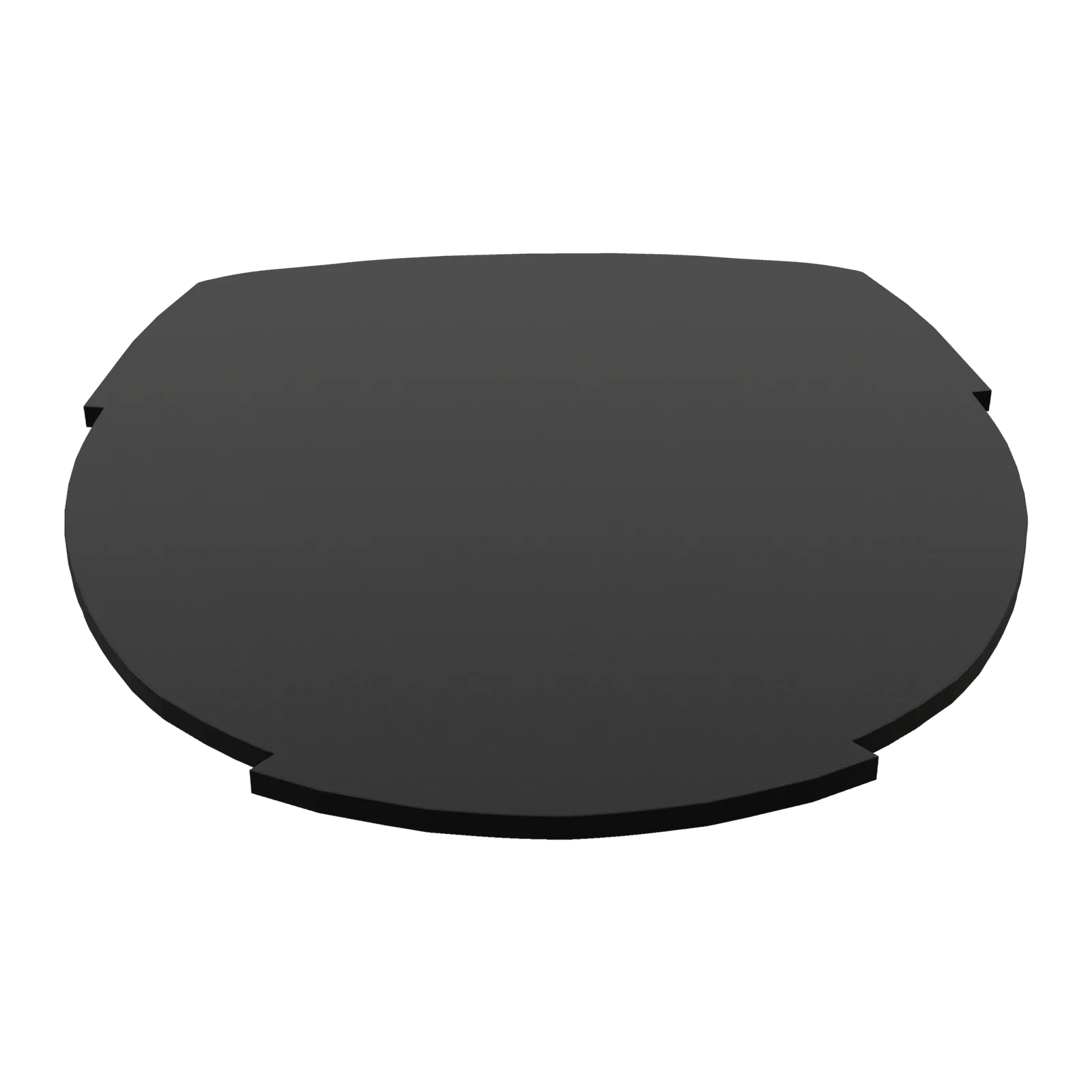
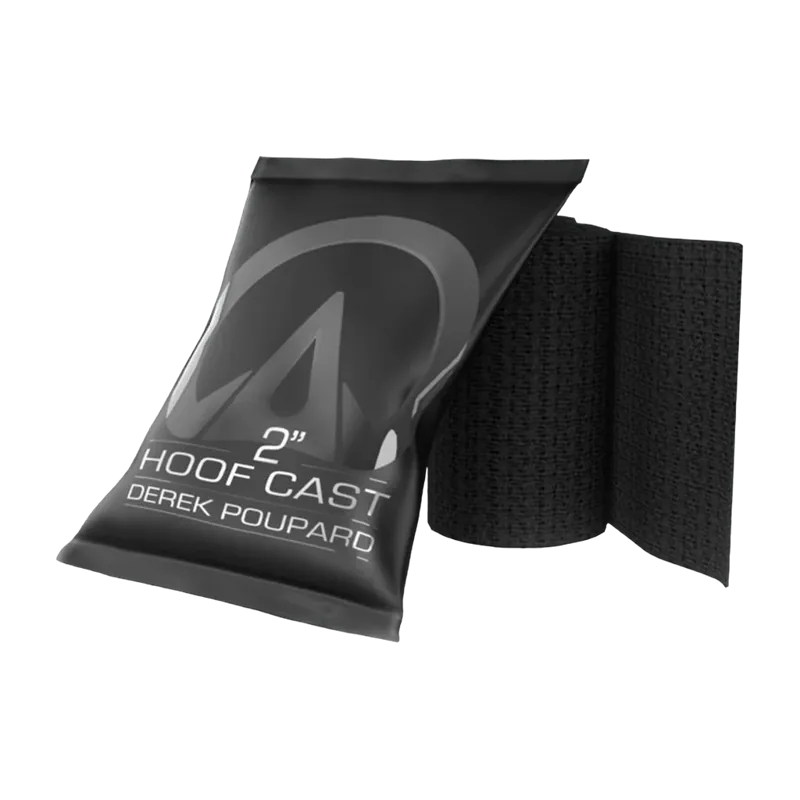
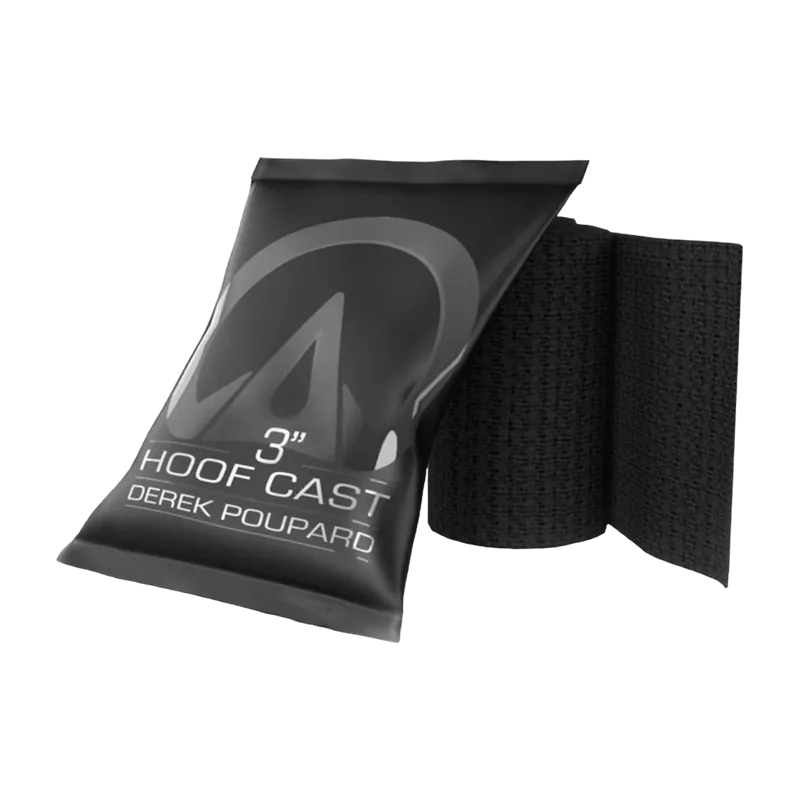
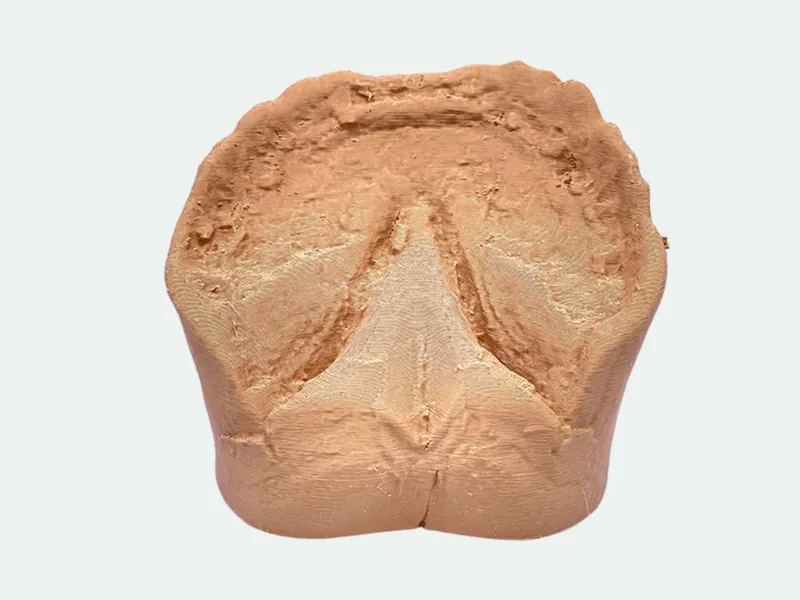
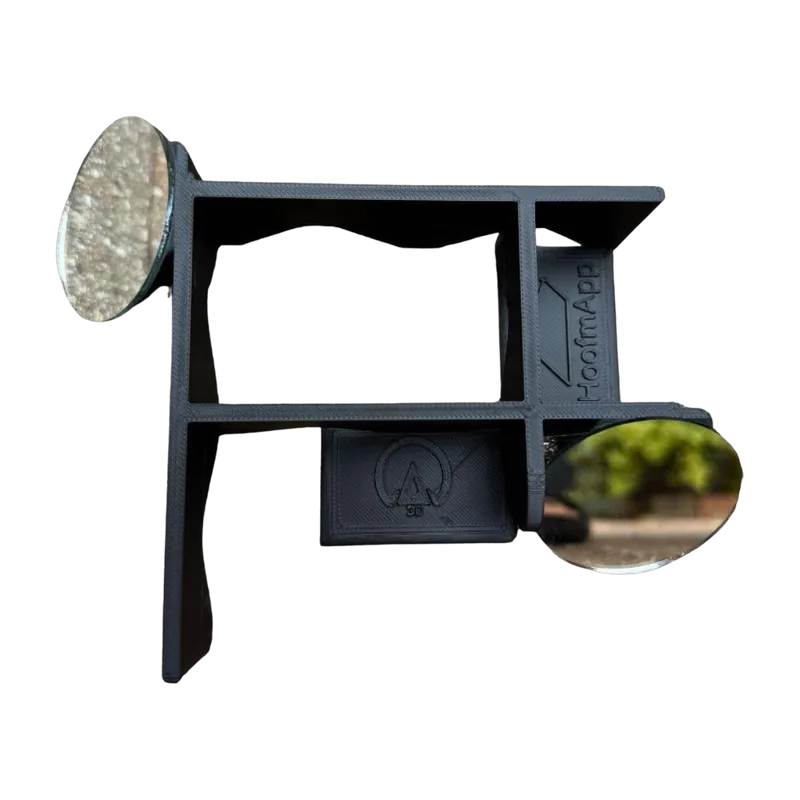
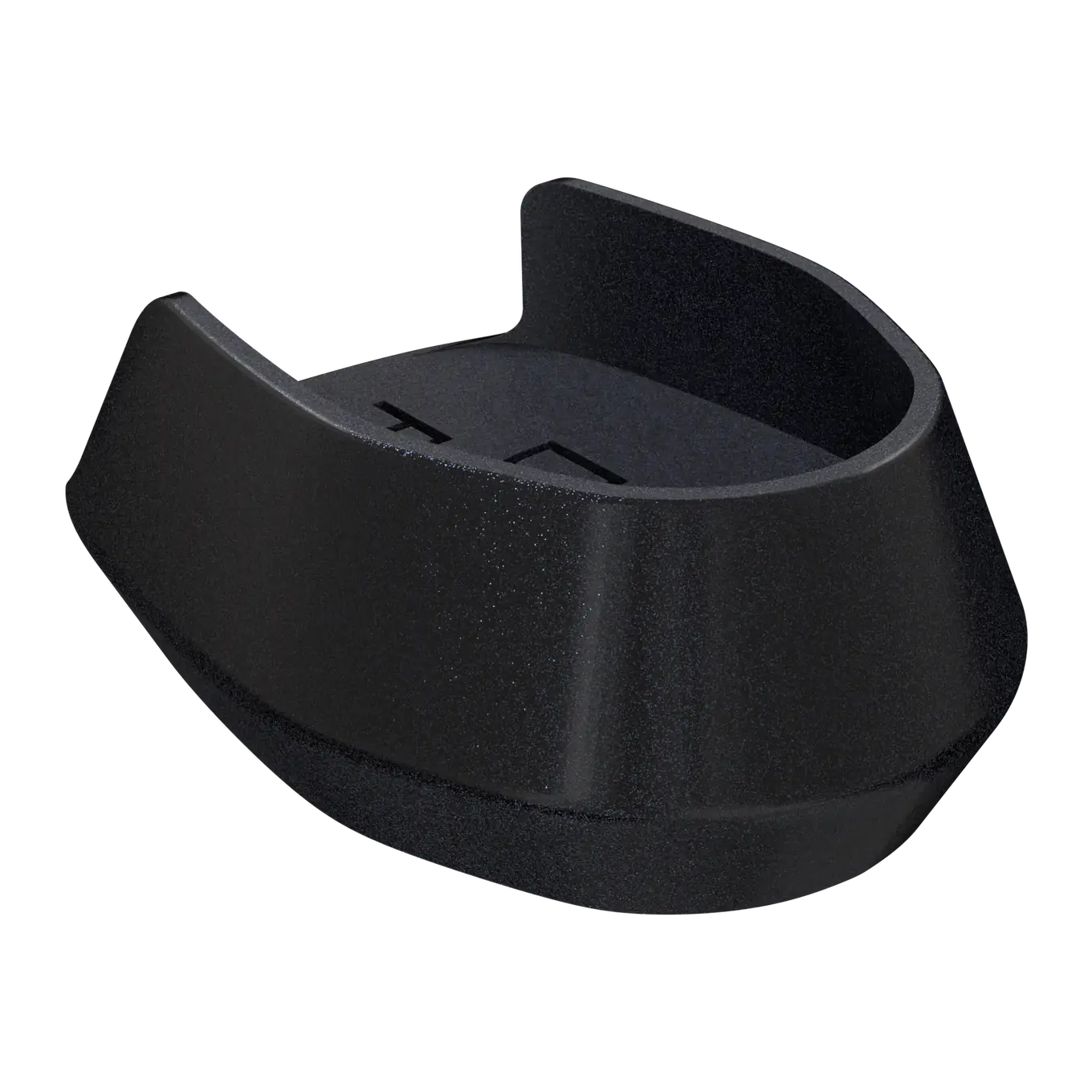
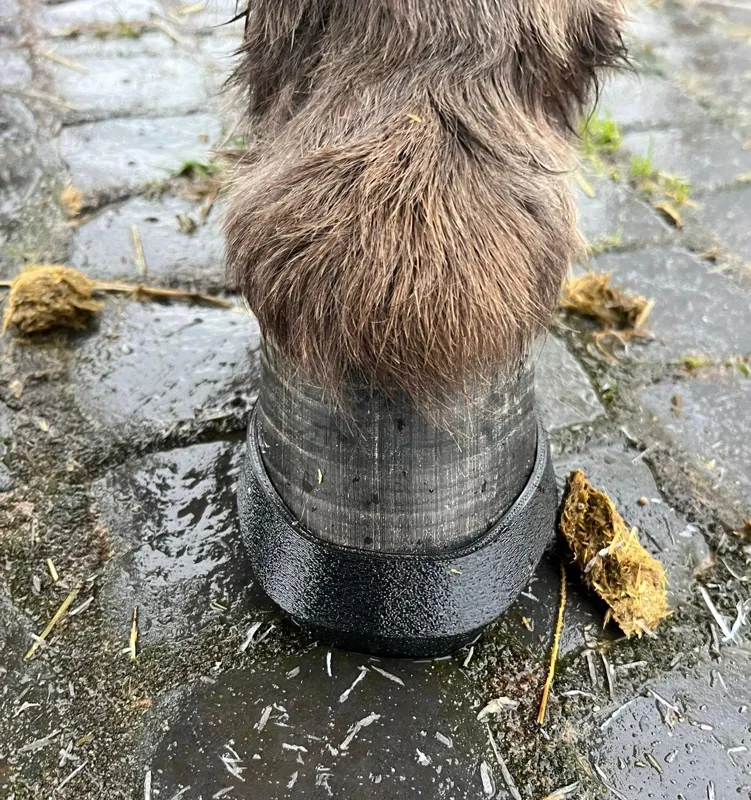
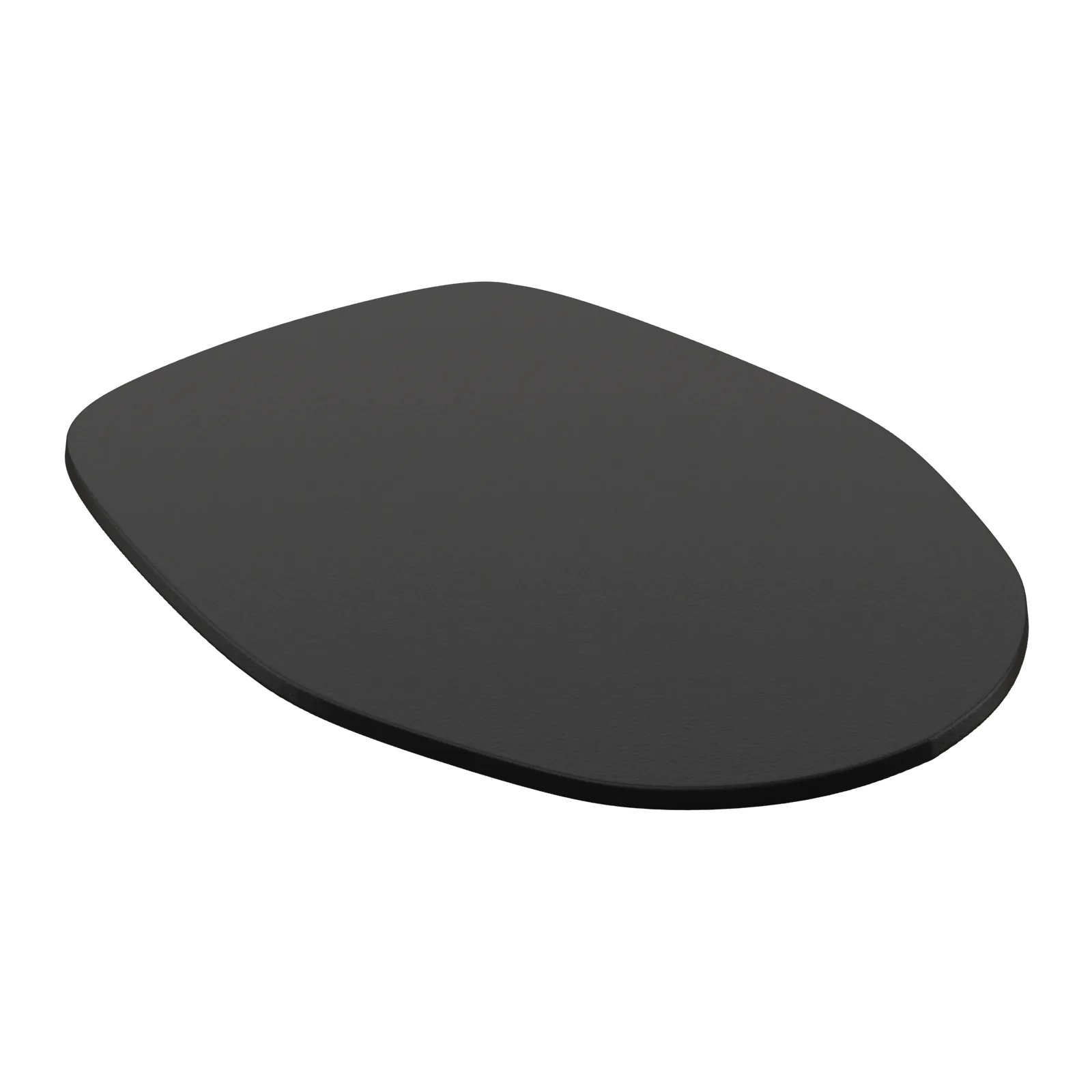
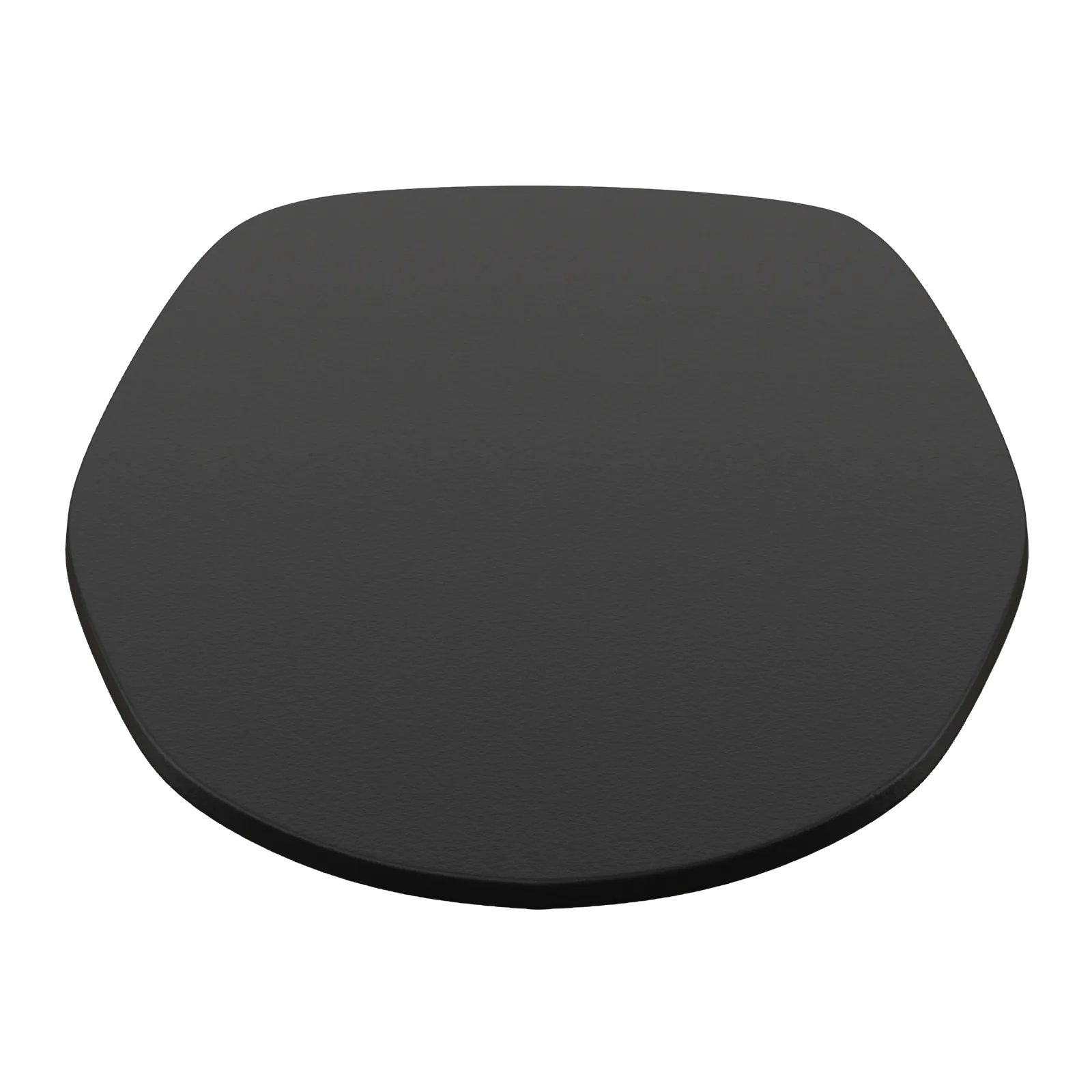
Comfort is the engine of the whole transition: a comfortable horse moves, and movement builds the foot. For the weaning-off period immediately after shoe removal, HoofCast tape can be applied with the heel cut out, with an extra rim built up under the foot to emulate the hoof wall. As the cast phase ends, the 2 mm Barefoot Protection Pad (glued to the sole, rasped to the trim, sized white-line to white-line) may help take the sting out of hard ground while sole depth builds.
Step 4: Condition gradually
Start on forgiving surfaces (grass, sand, soft tracks), and introduce firmer ground in small doses as comfort allows. Turnout and in-hand walking count as conditioning. Diet matters throughout: hooves are built from nutrition as much as from movement, so keep sugar and starch controlled and the diet balanced.
Step 5: Maintain short trim cycles
Four to six weeks, without exception, through the whole first year. Bare feet change balance quickly, and small frequent corrections beat large occasional ones. Photograph the feet at every trim. Progress is obvious across months and invisible across days.
Troubleshooting soreness
Tenderness on gravel in the early months is normal; adjust surfaces and protection. Persistent lameness, heat, or a bounding digital pulse are not transition soreness. Involve your vet promptly.
This guide is educational and is not a substitute for veterinary or farrier advice.