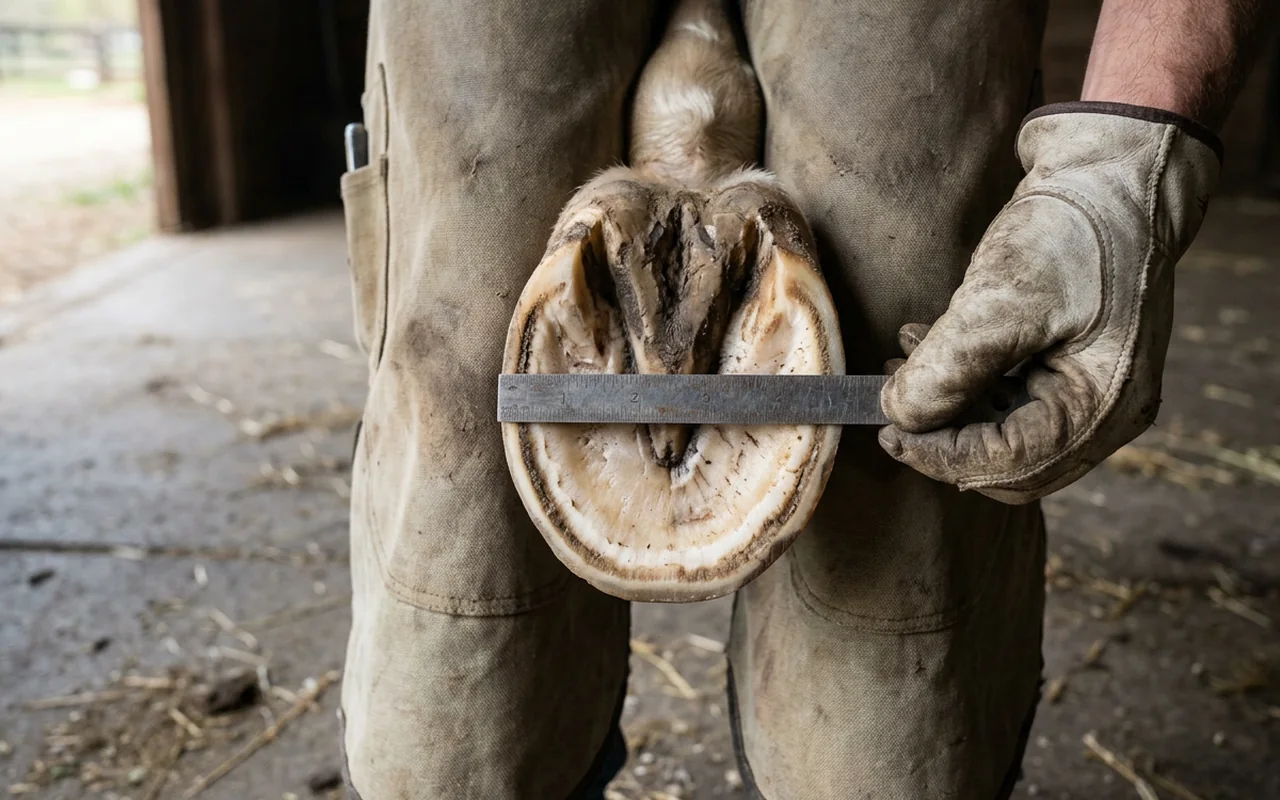





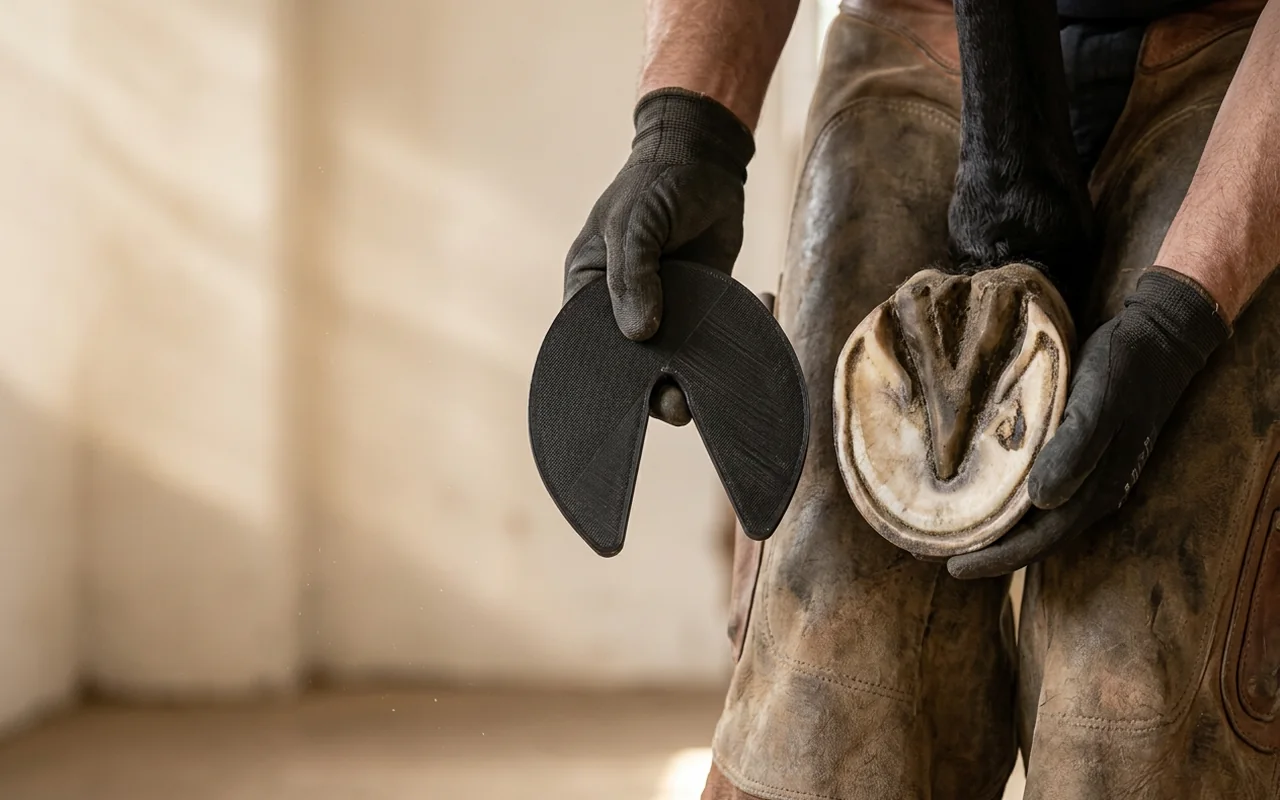
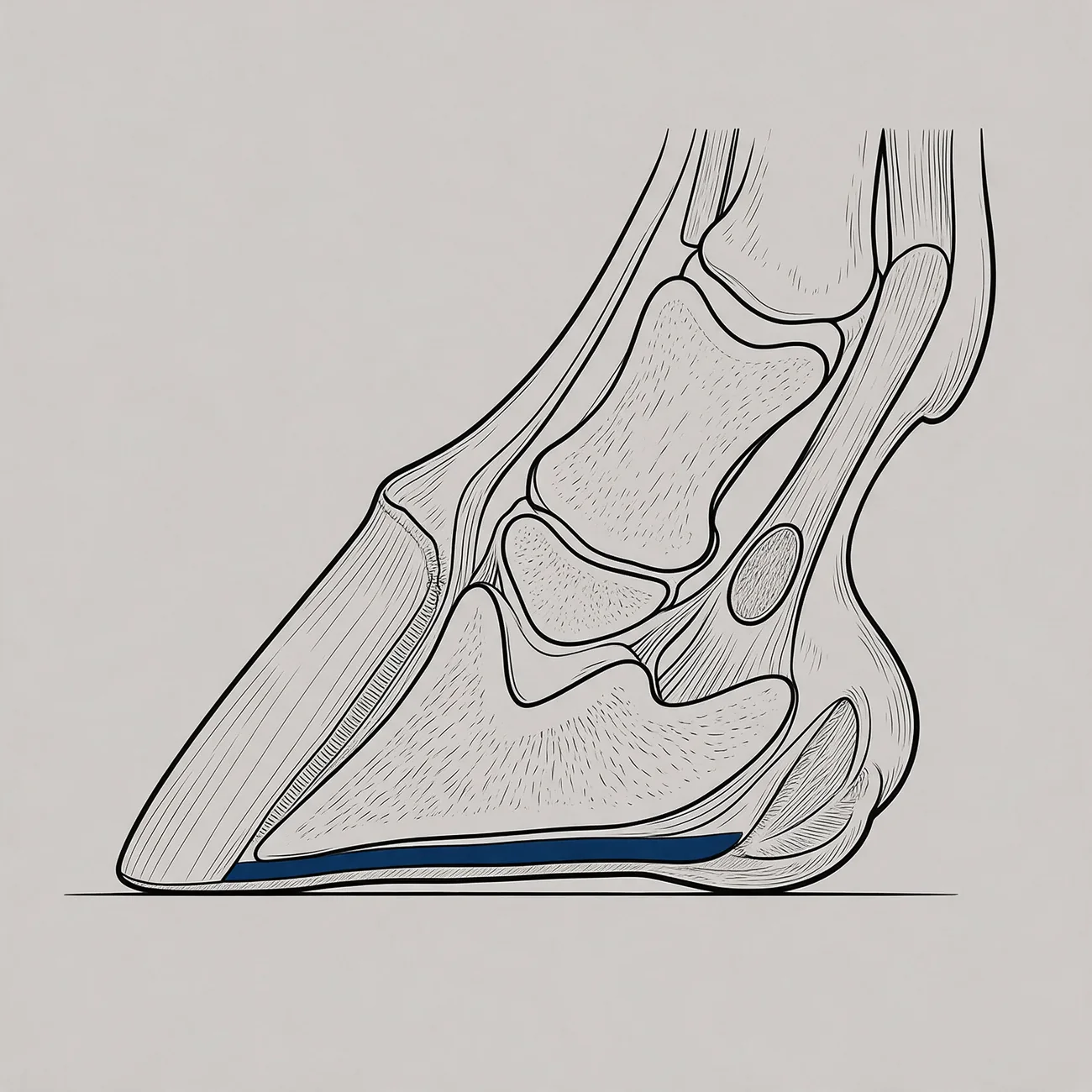
Sole depth is the cushion between the sensitive structures of the foot and the ground. A healthy sole is around 15 mm deep; below about 10 mm, most horses feel every stone, land short on hard ground, and bruise easily. Thin soles are one of the most common reasons a horse is "footy" without any obvious injury.
What causes them
Genetics play a large role. Some horses simply grow less sole. Over-trimming, abrasive or hard ground, prolonged wet conditions that soften the horn, poor nutrition, and low-grade laminitic episodes all contribute. Often it's a combination.
Signs you'll notice
Careful, shortened steps on gravel or hard ground while moving freely on grass. Sensitivity to hoof testers. Bruising visible after trims. A sole that flexes under thumb pressure is significantly under-depth.
How it's managed
Protect first, then build. Your farrier will trim conservatively (the worst thing for a thin sole is removing more of it), while you address diet and environment. Sole builds slowly, over months, and it builds best when it is protected from constant bruising in the meantime.
Where protection products fit
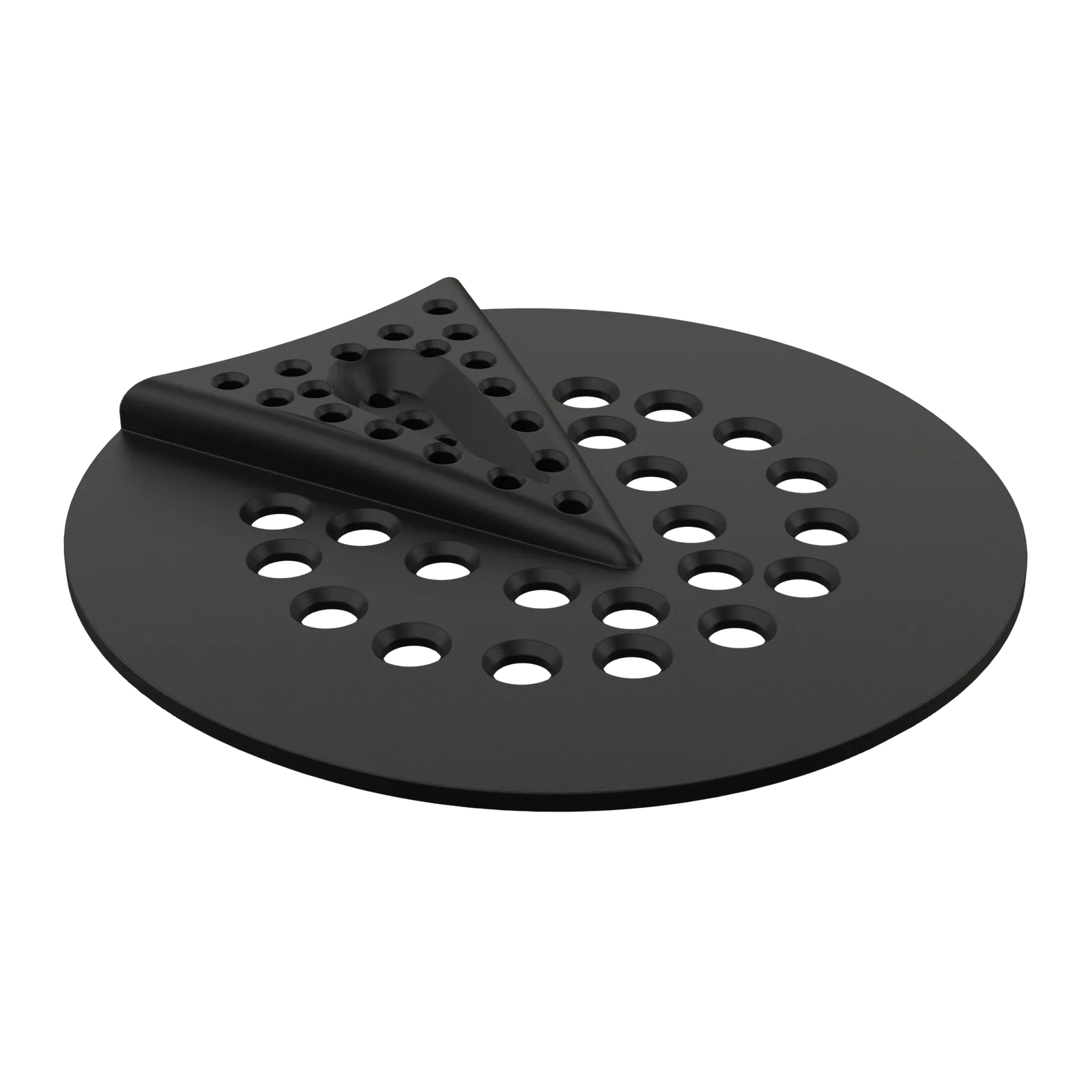
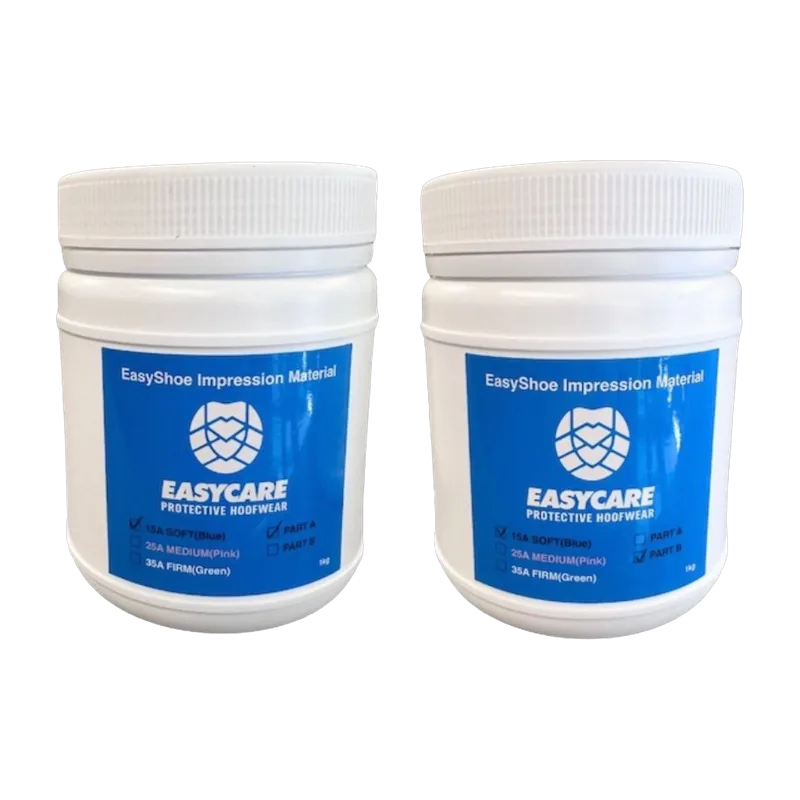
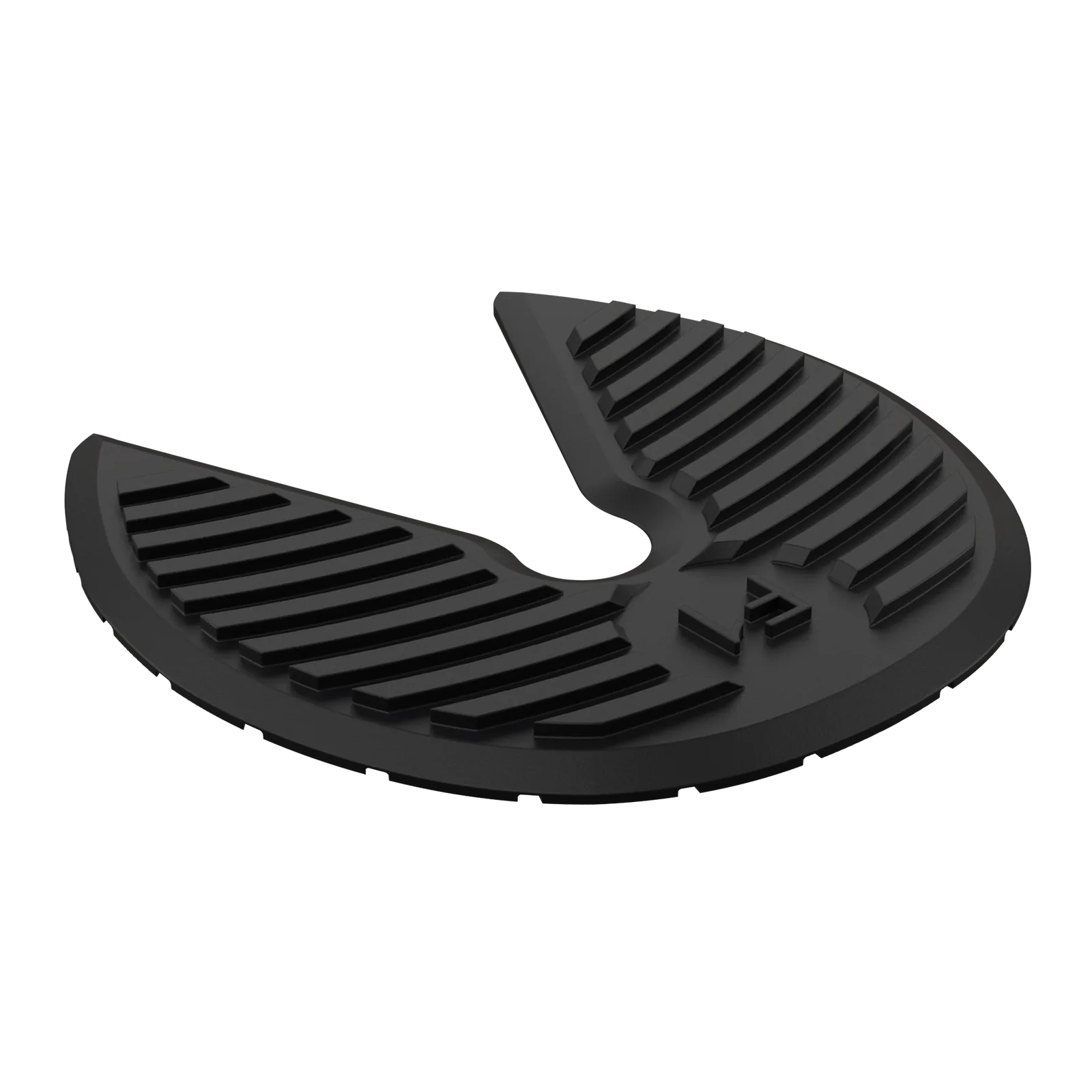
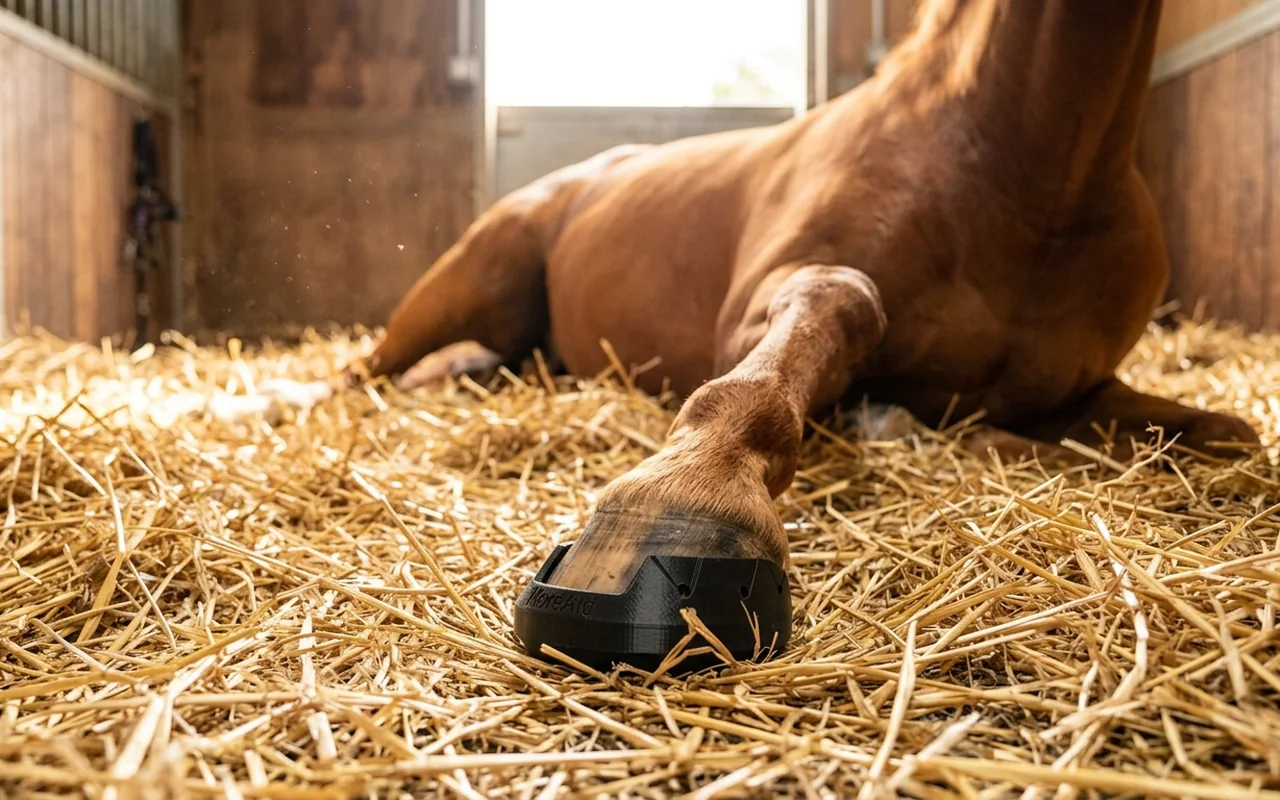
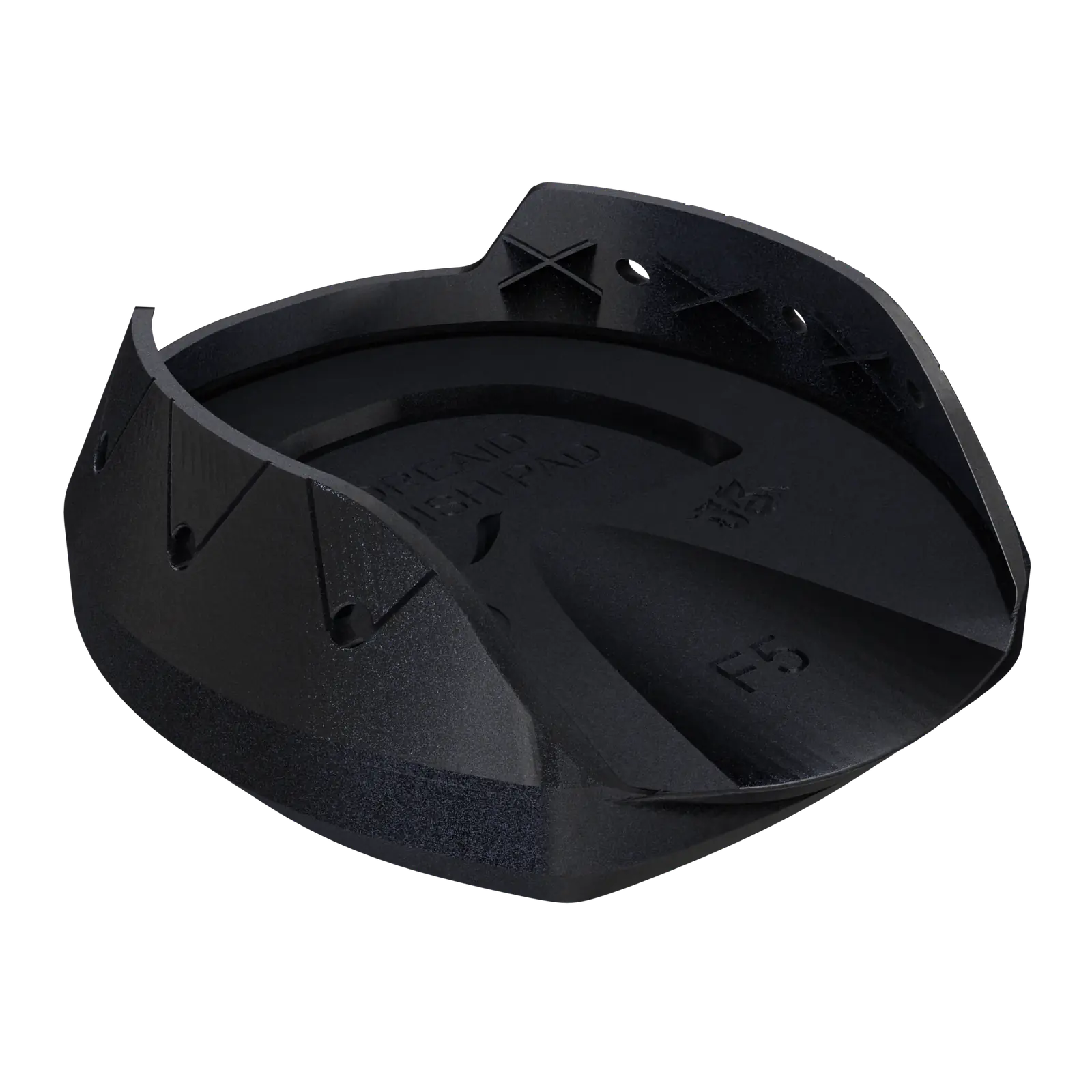
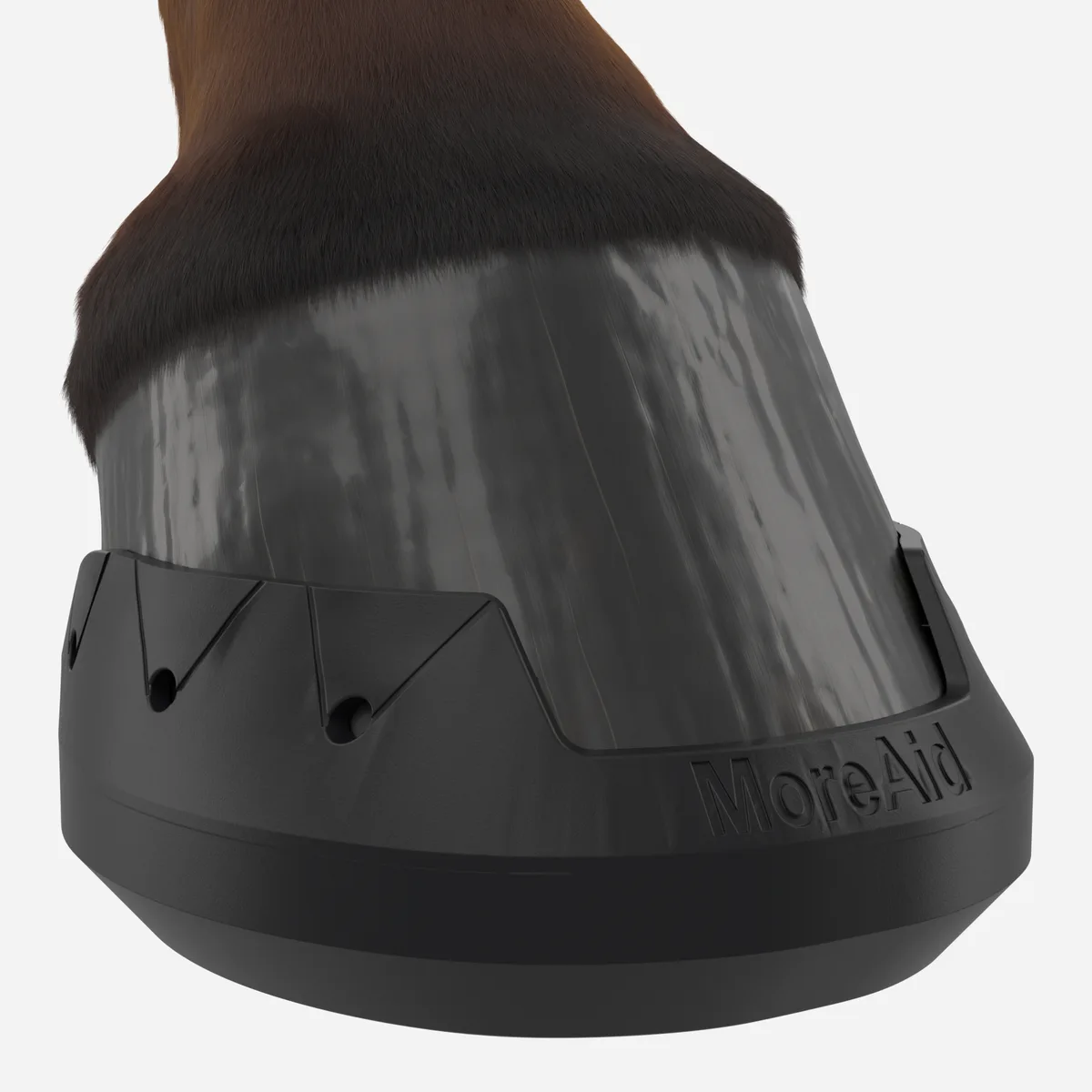
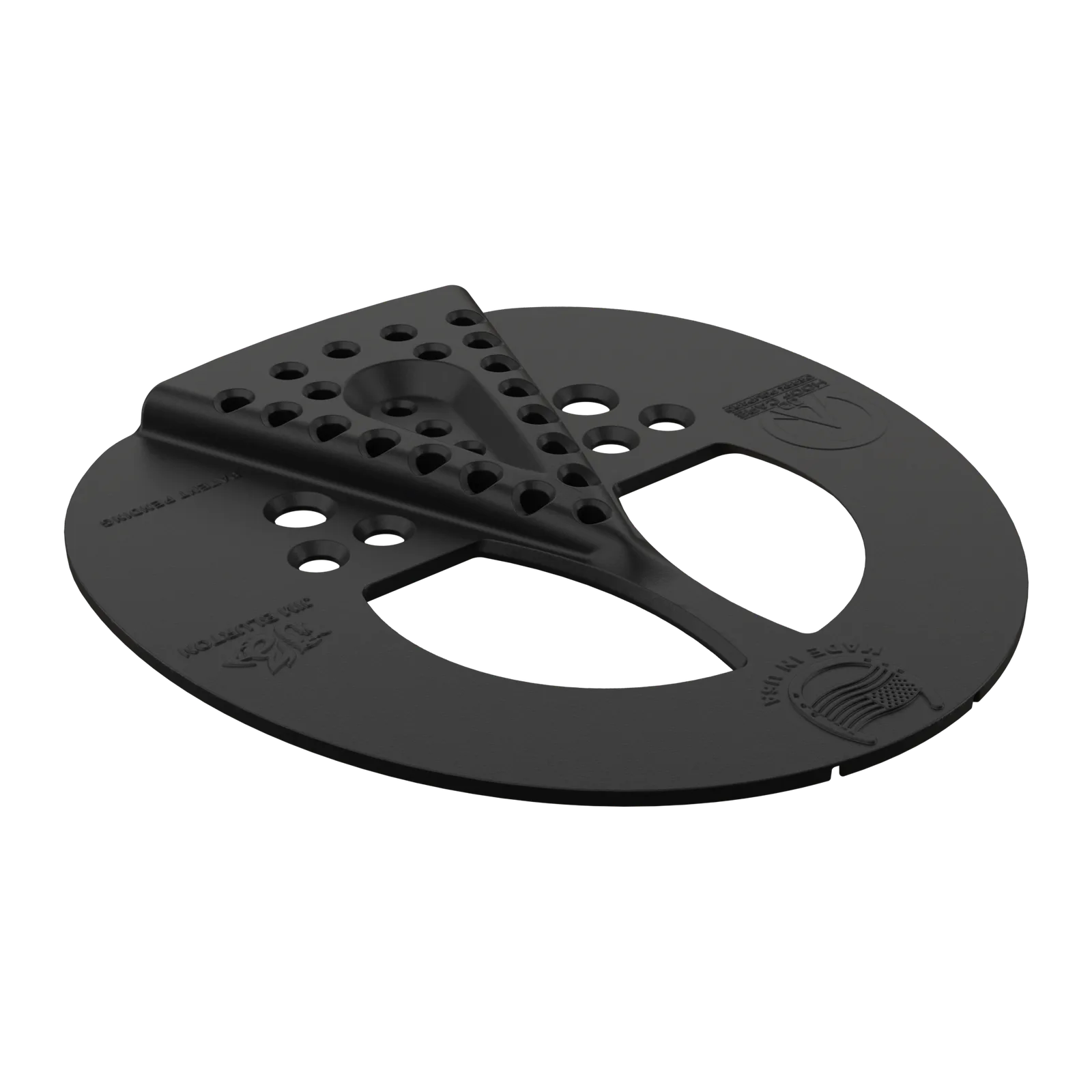
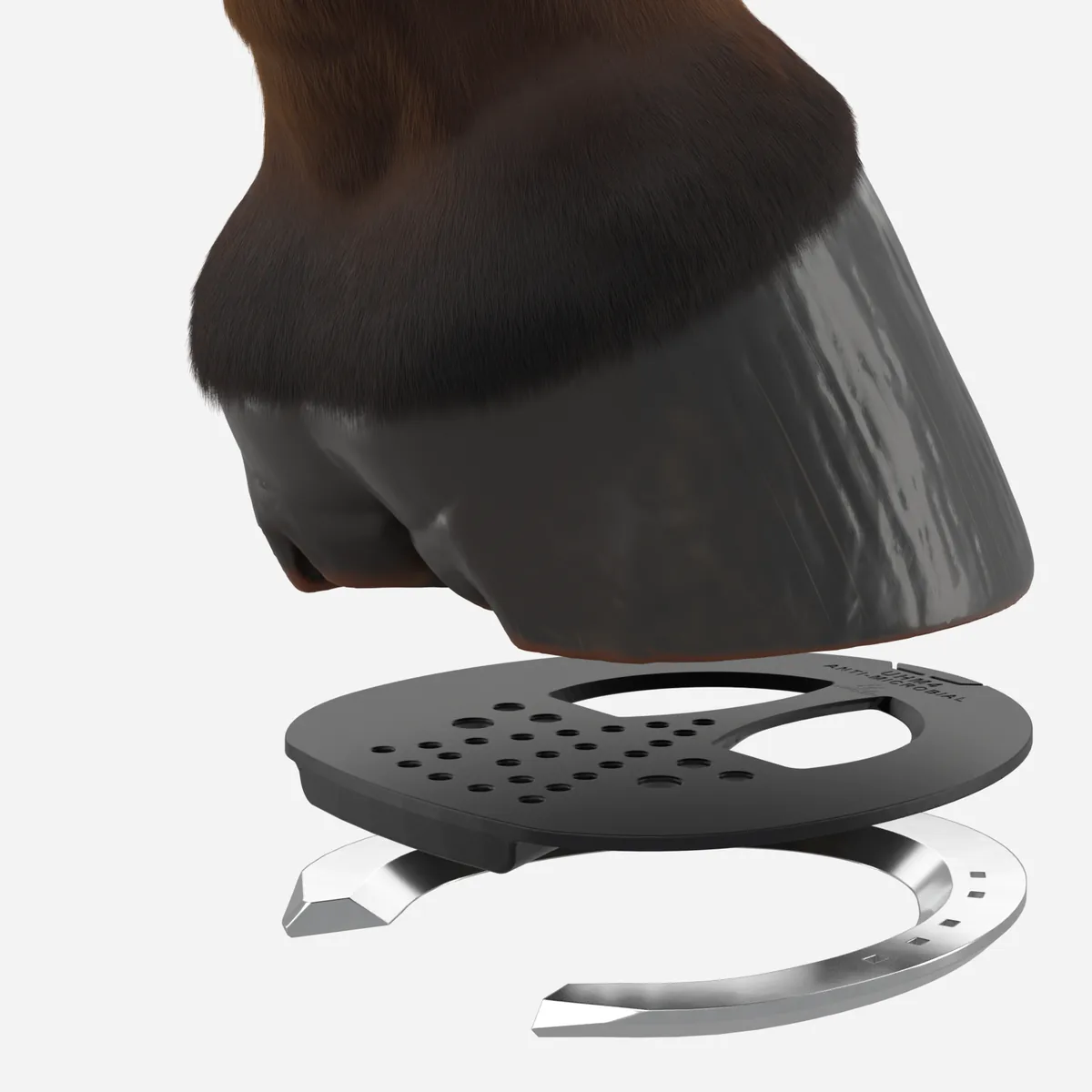
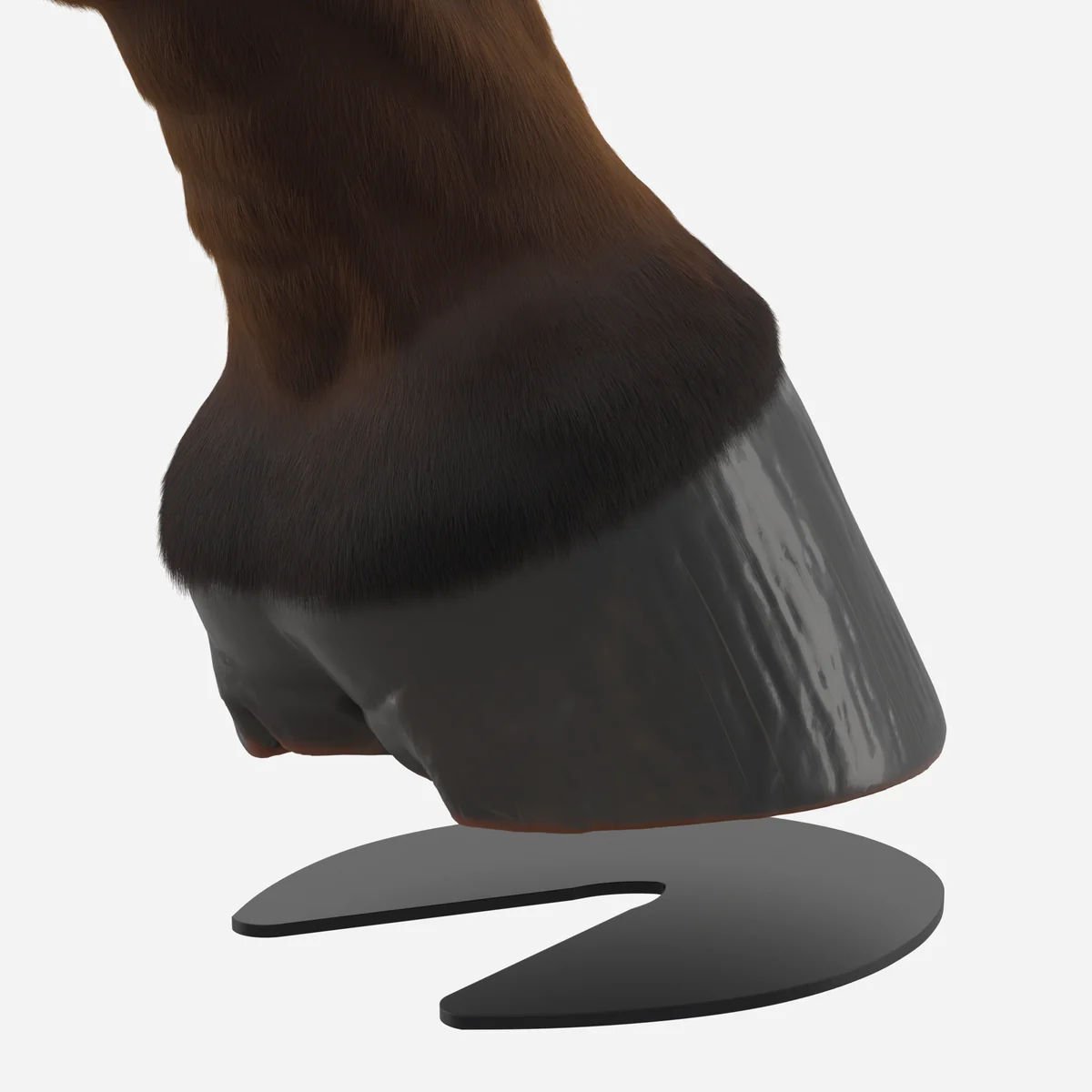
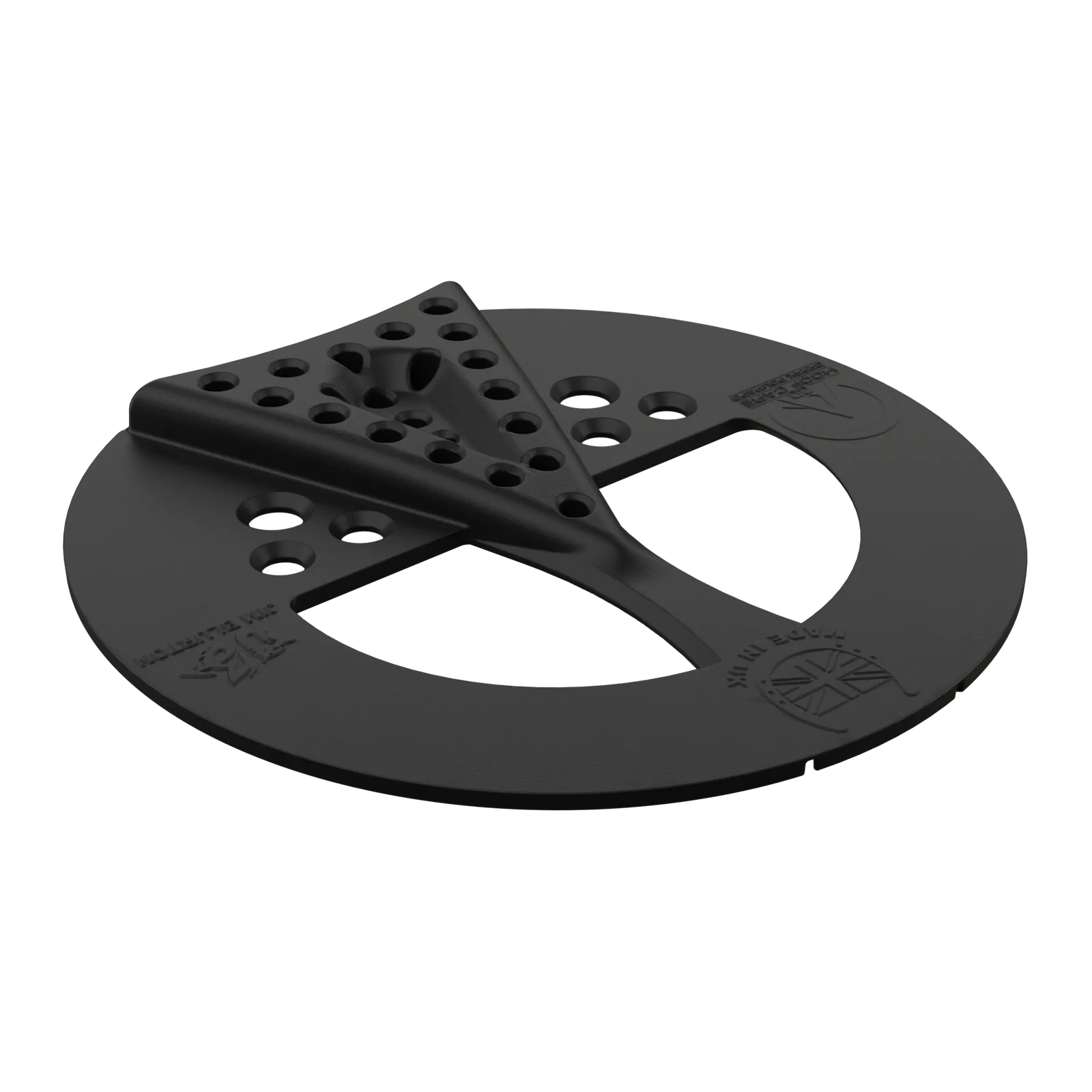
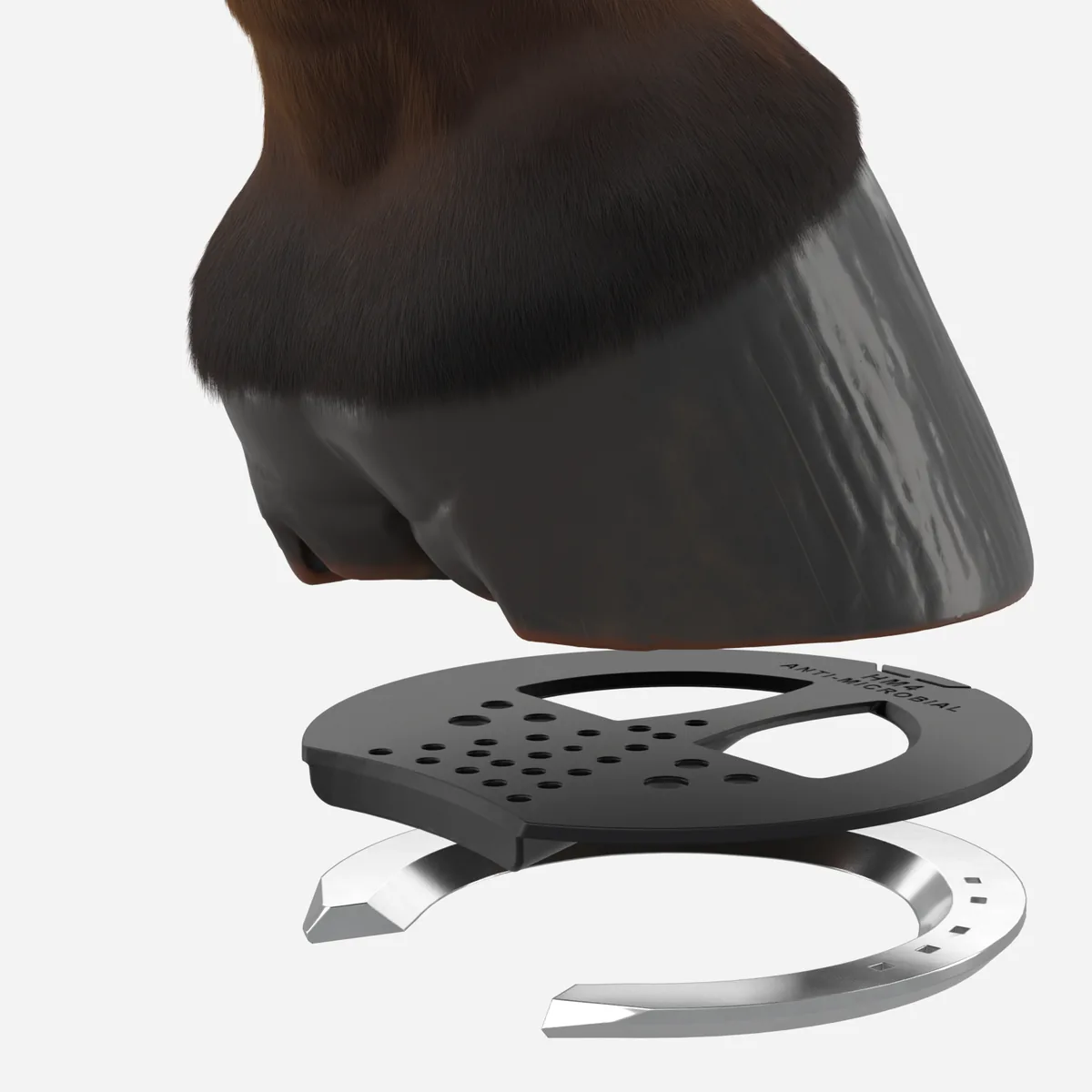
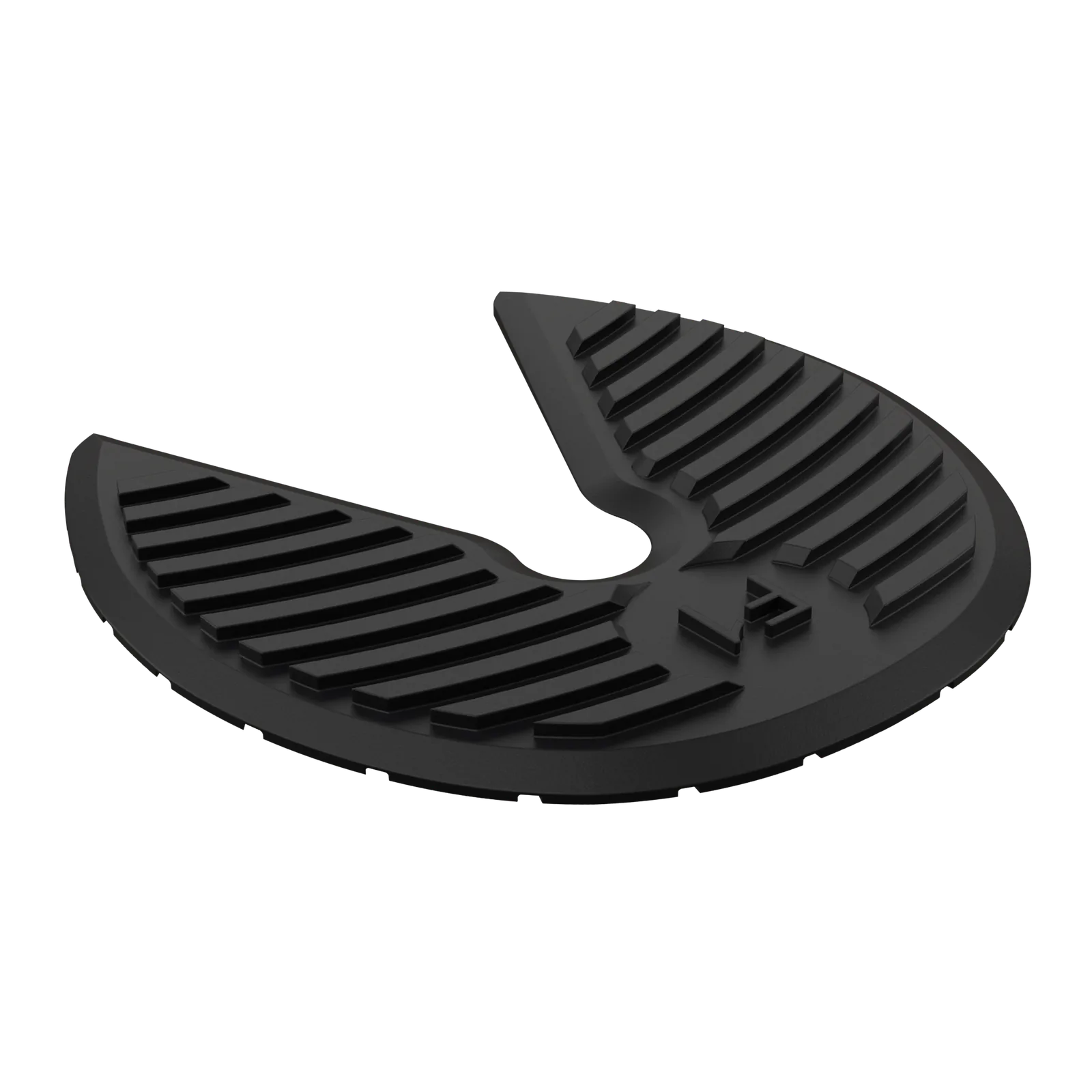
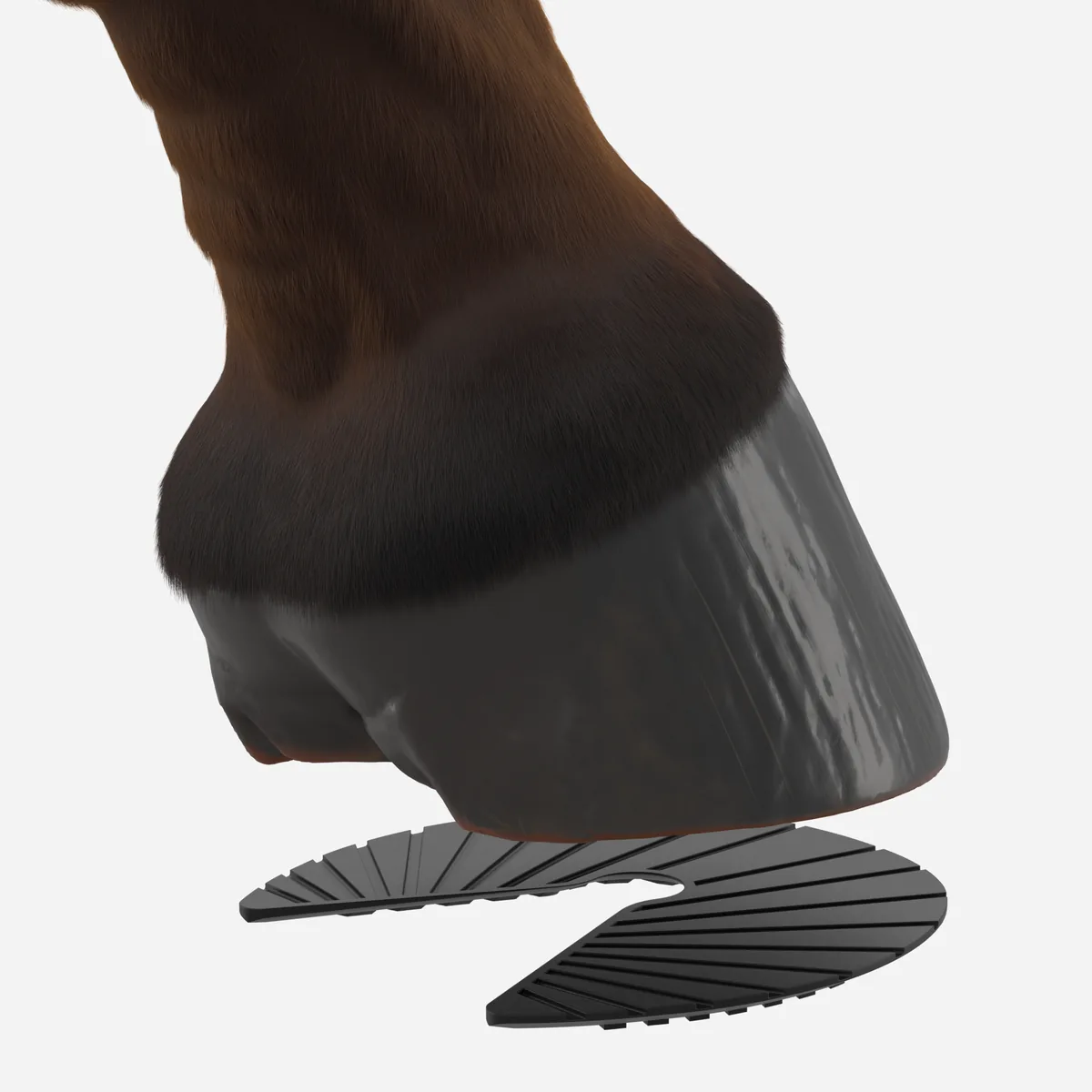
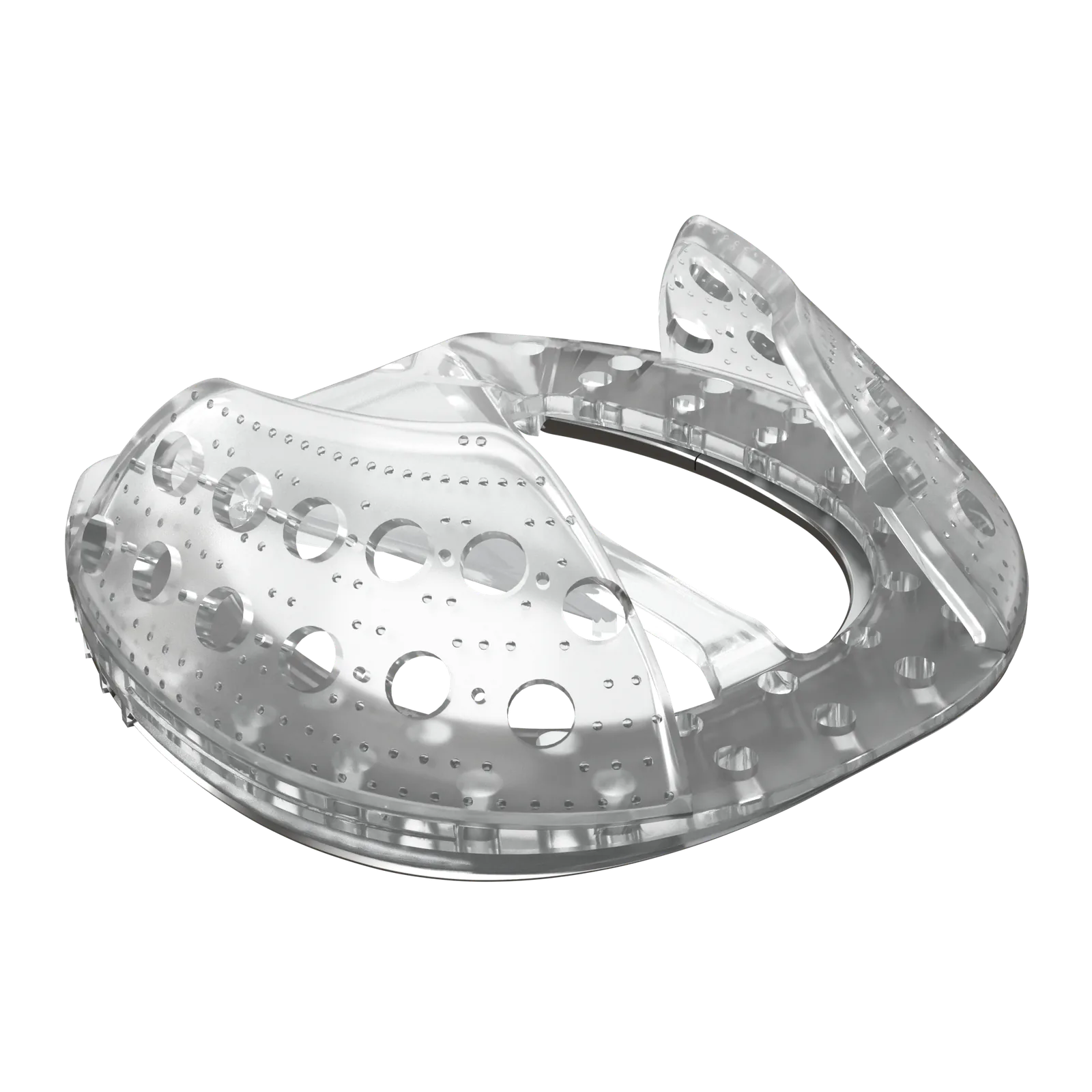
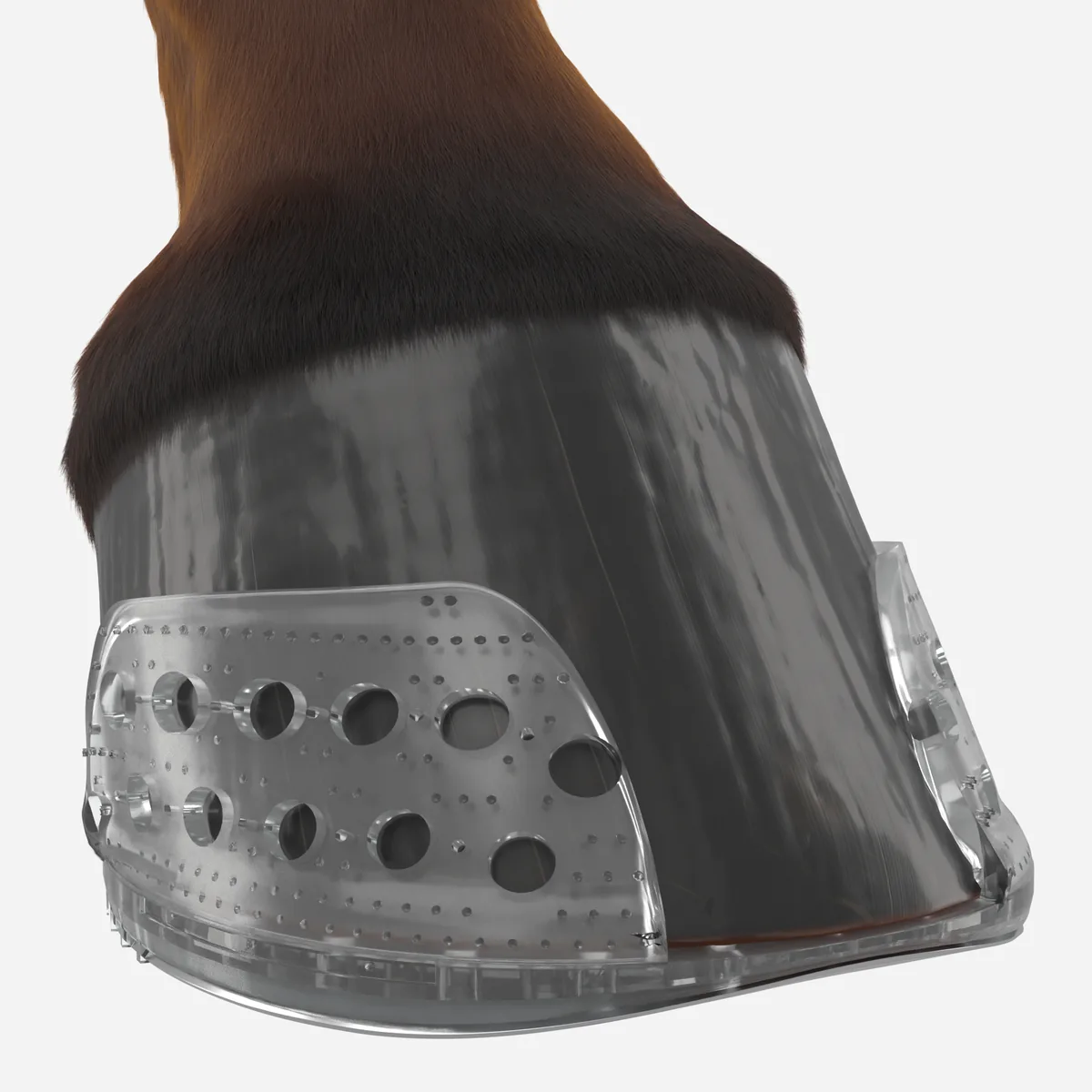
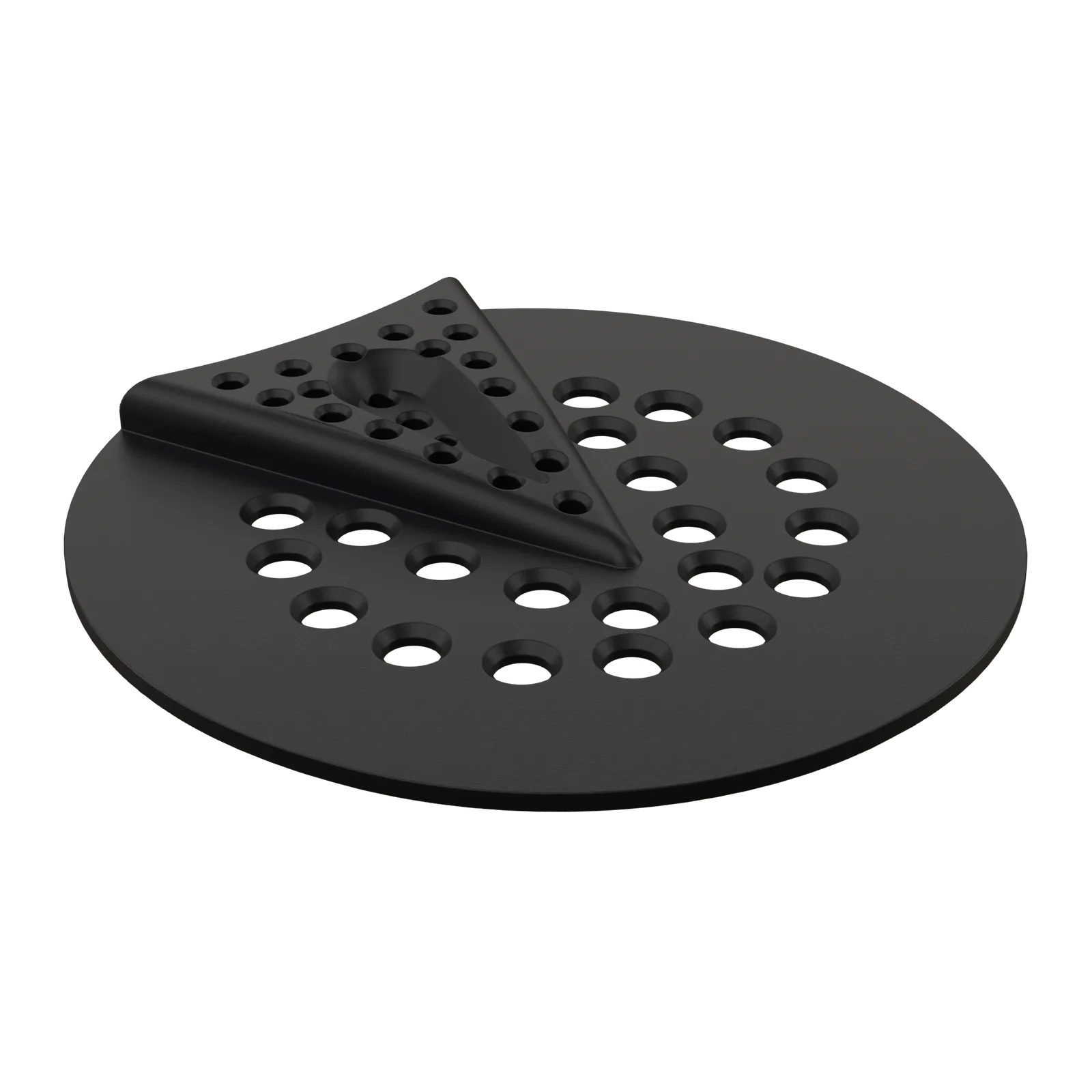
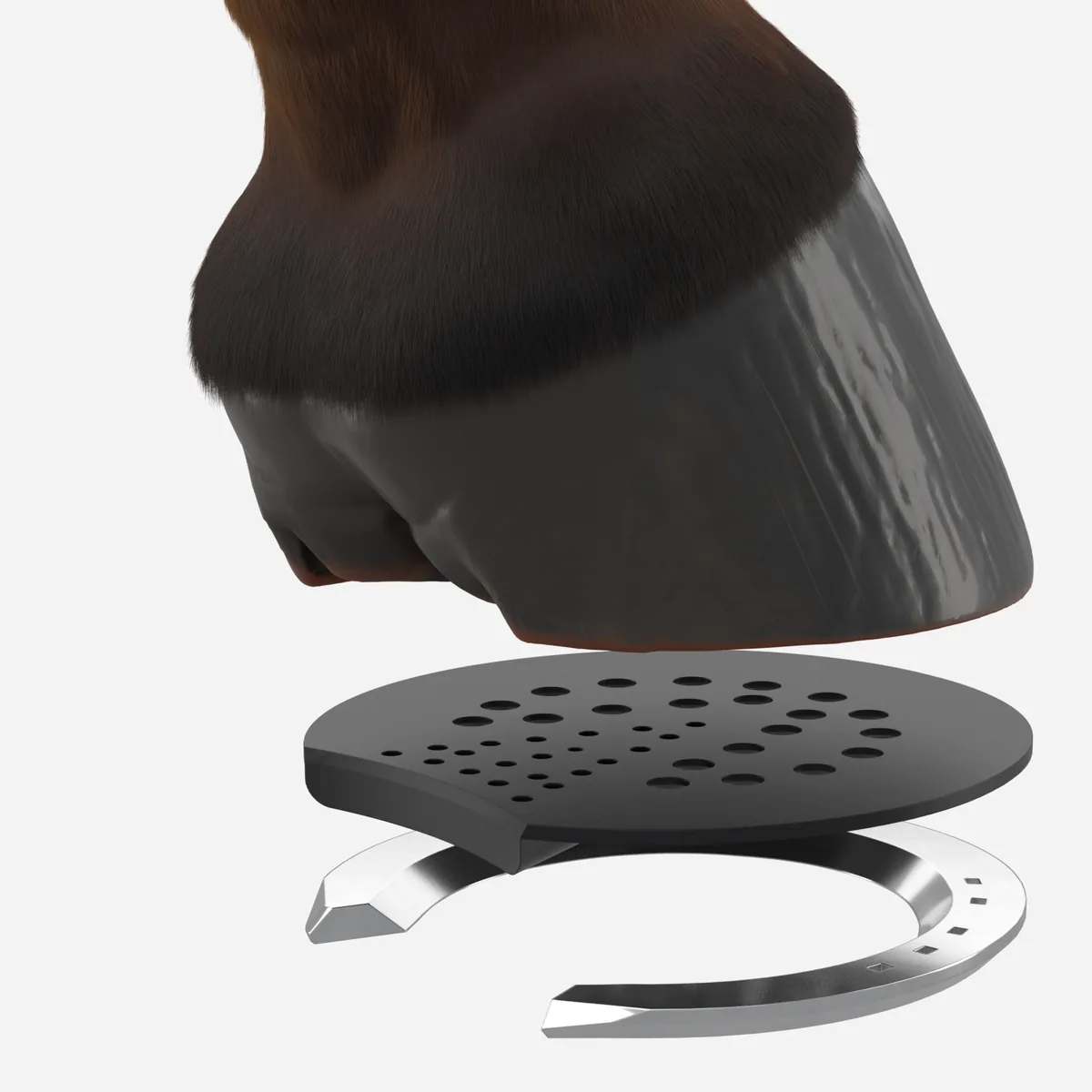
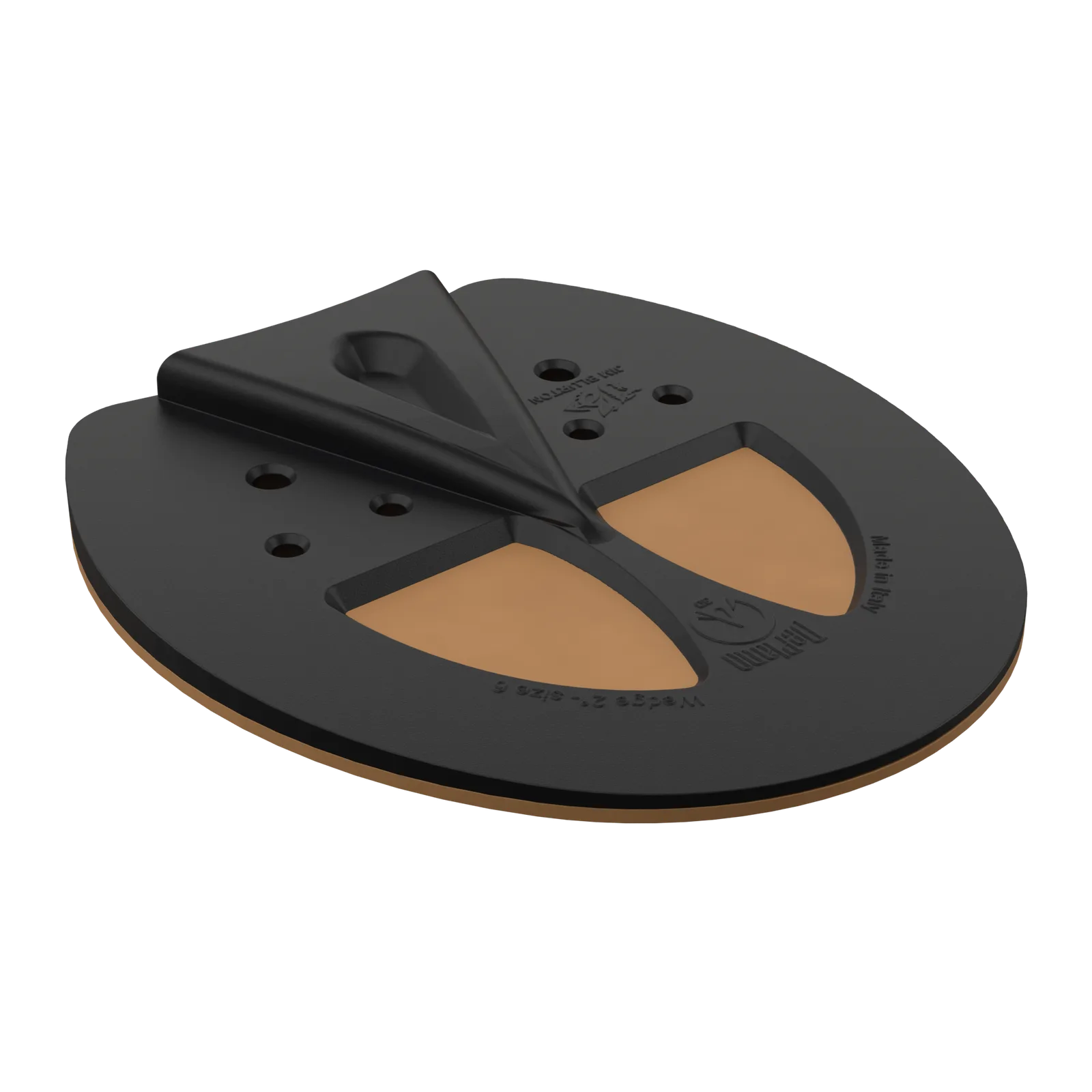
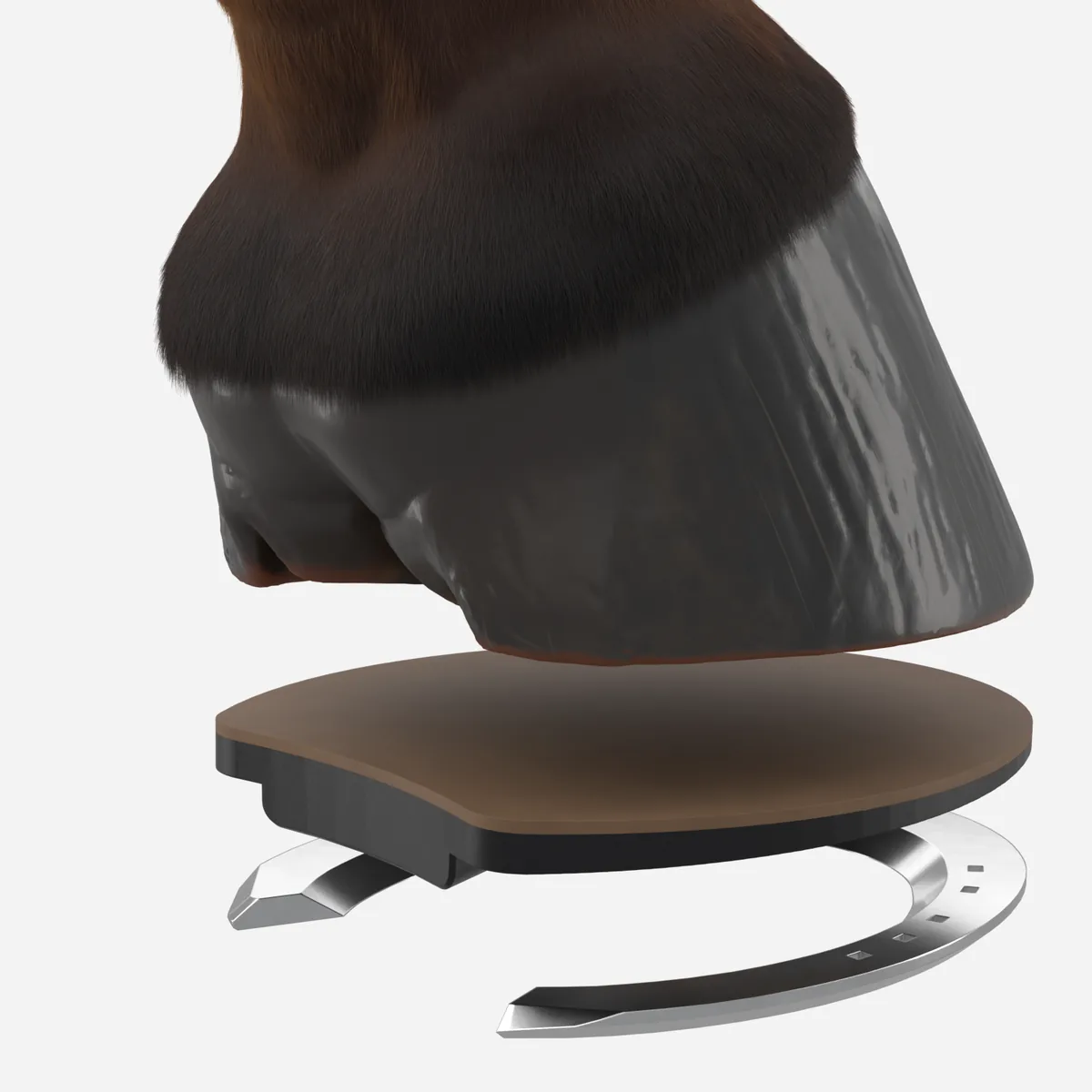
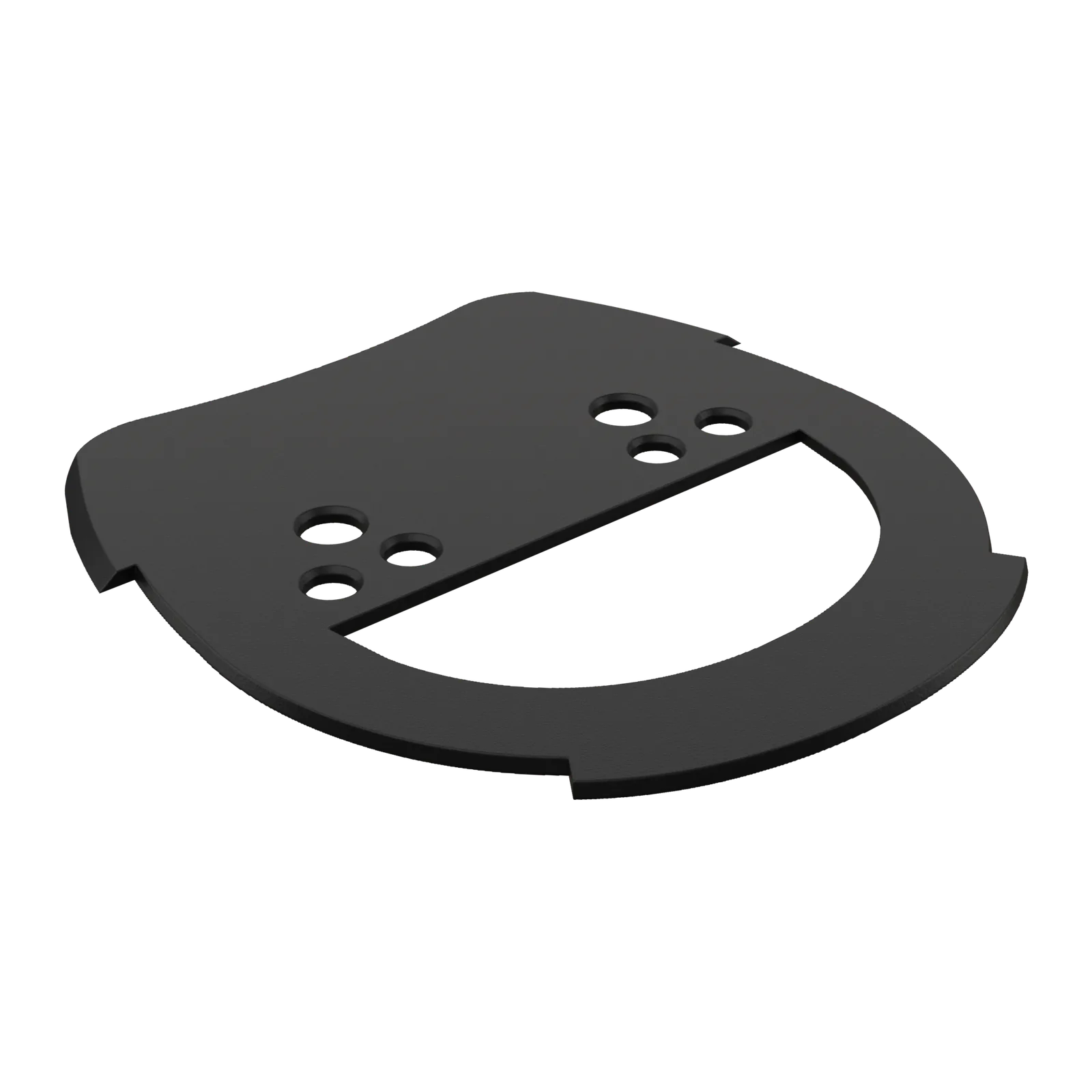
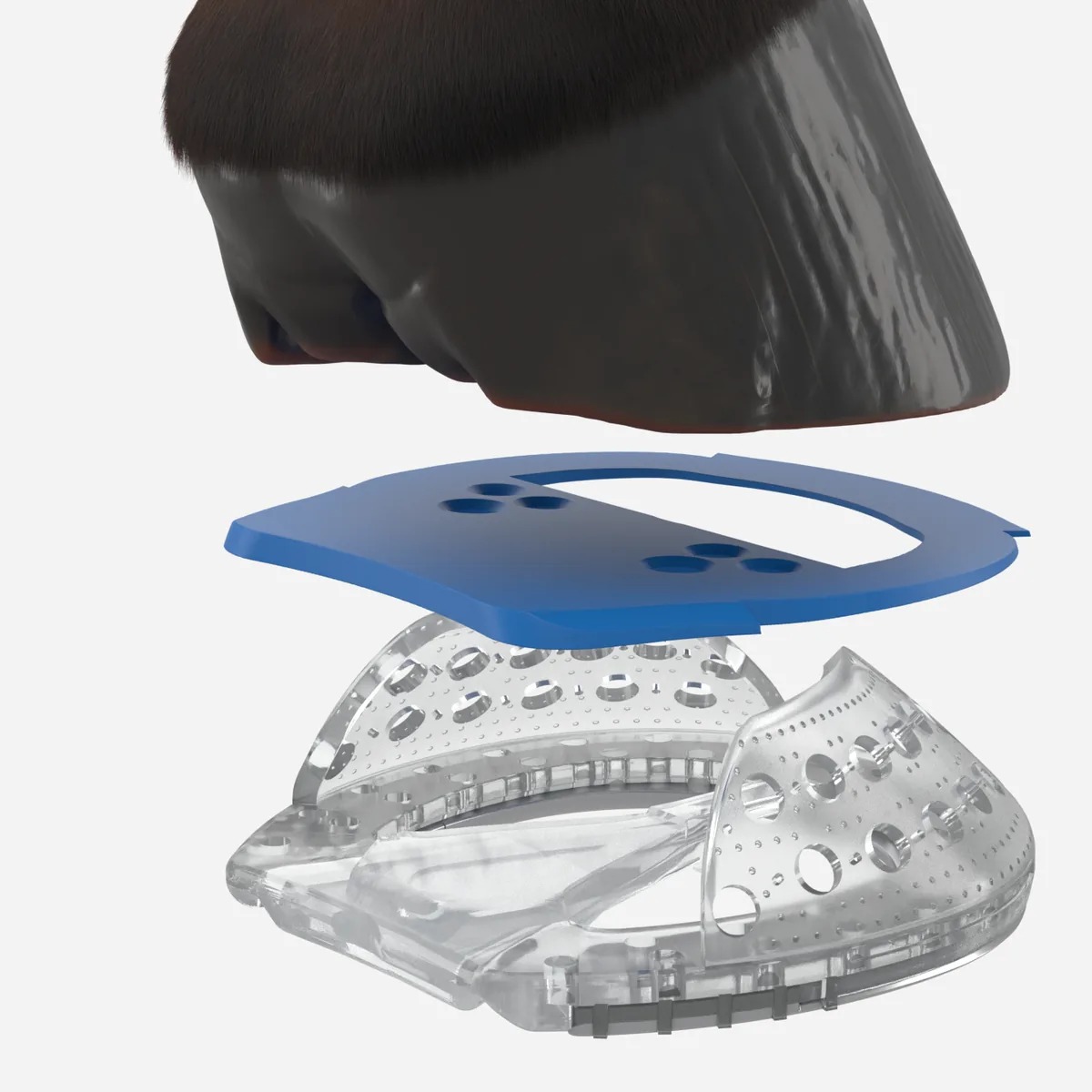
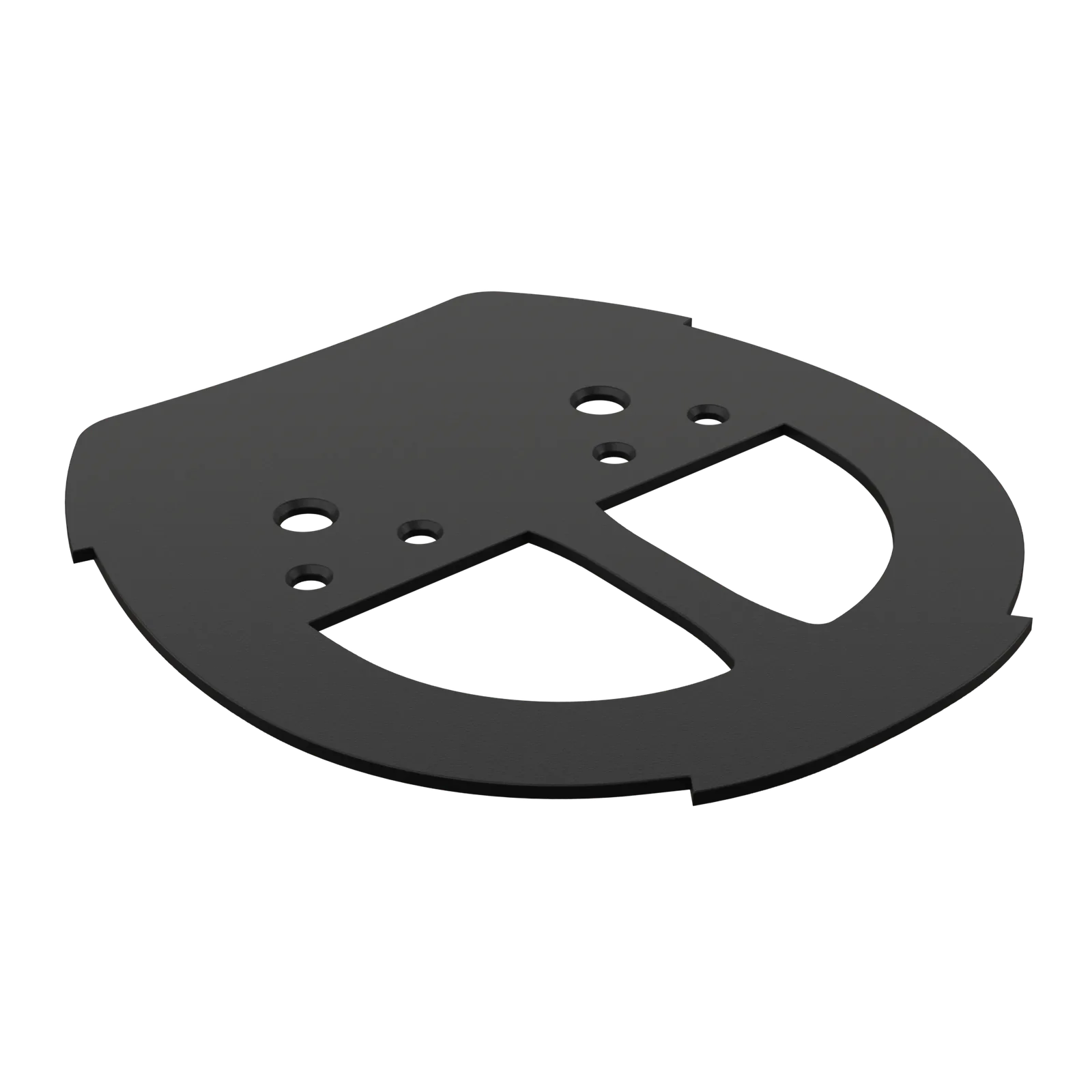
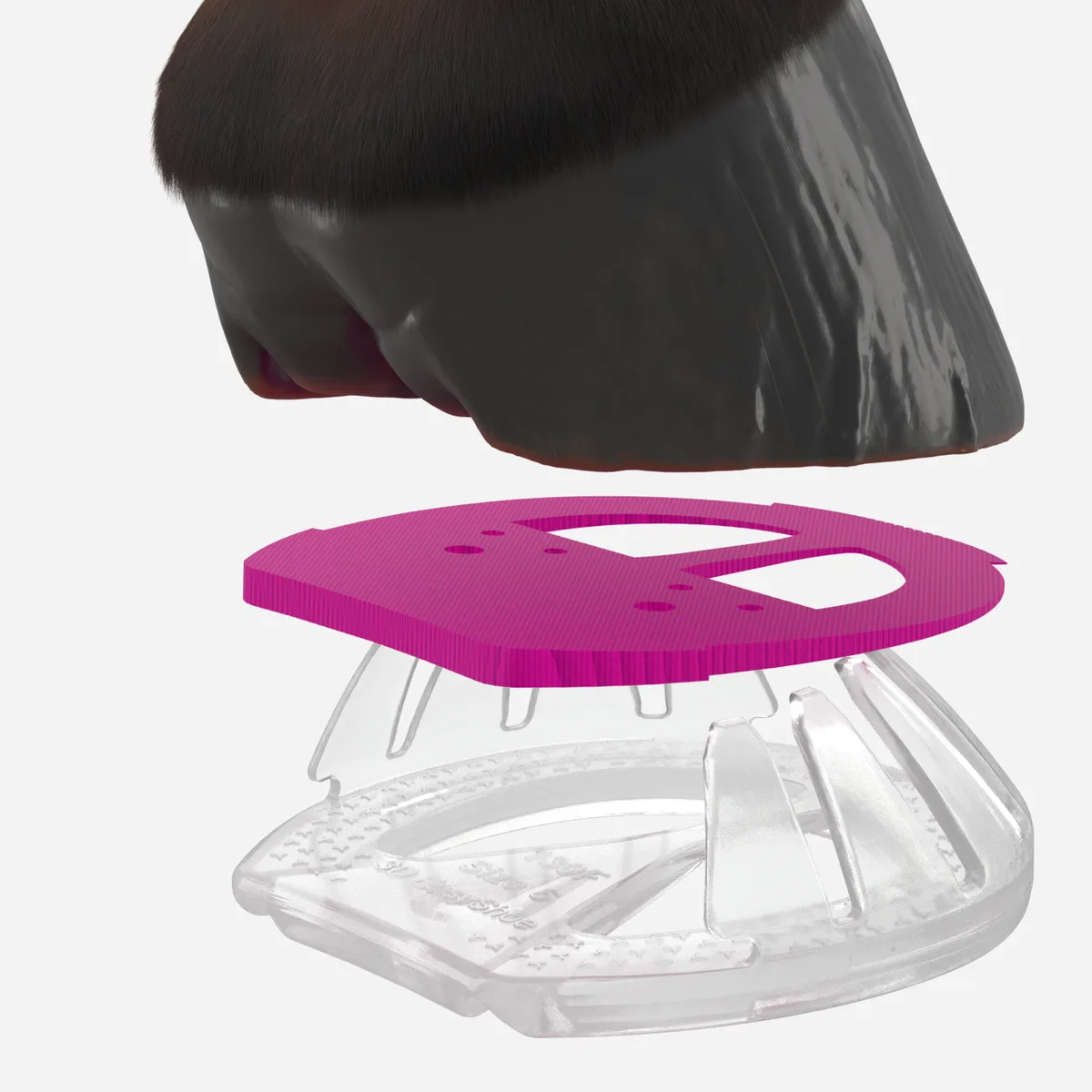
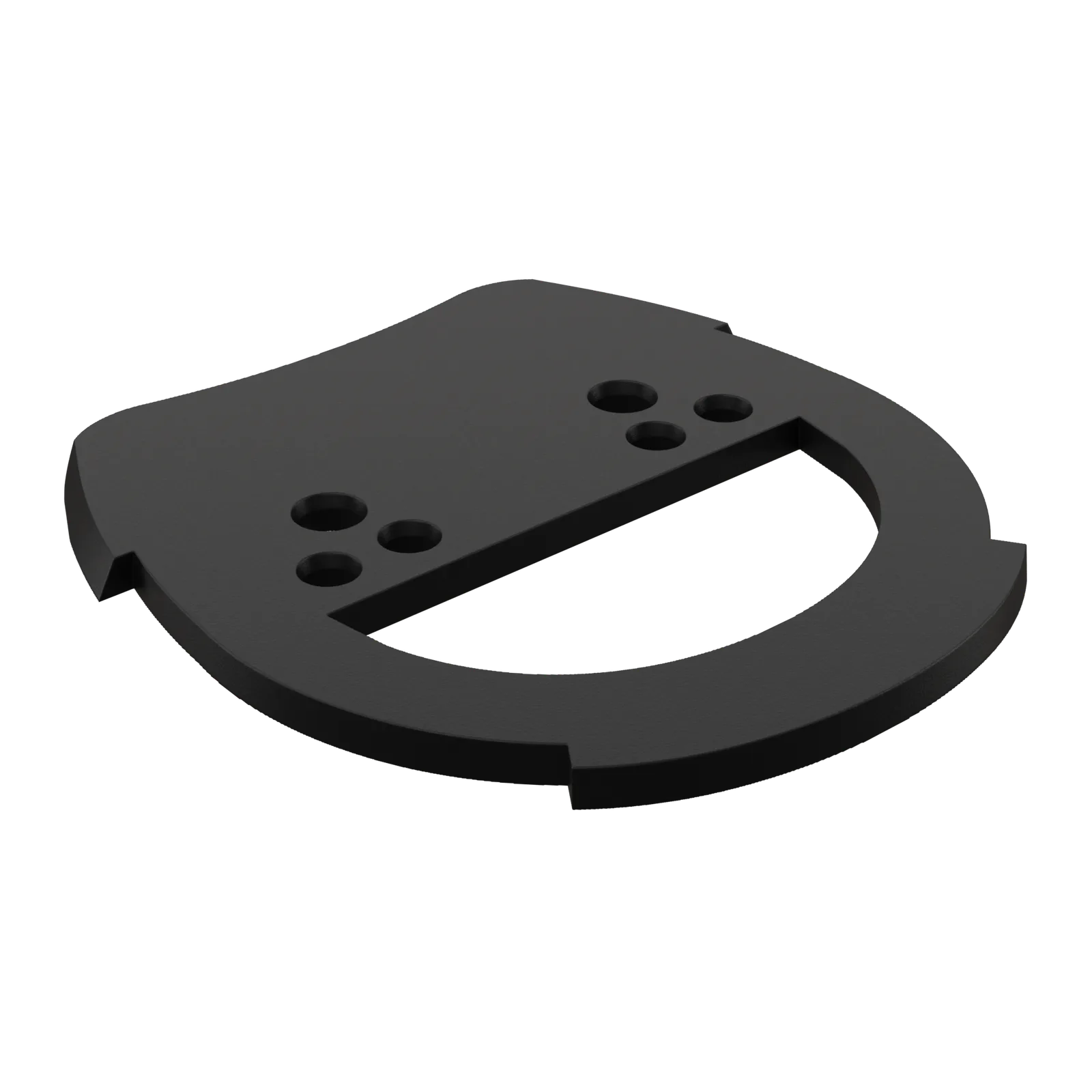
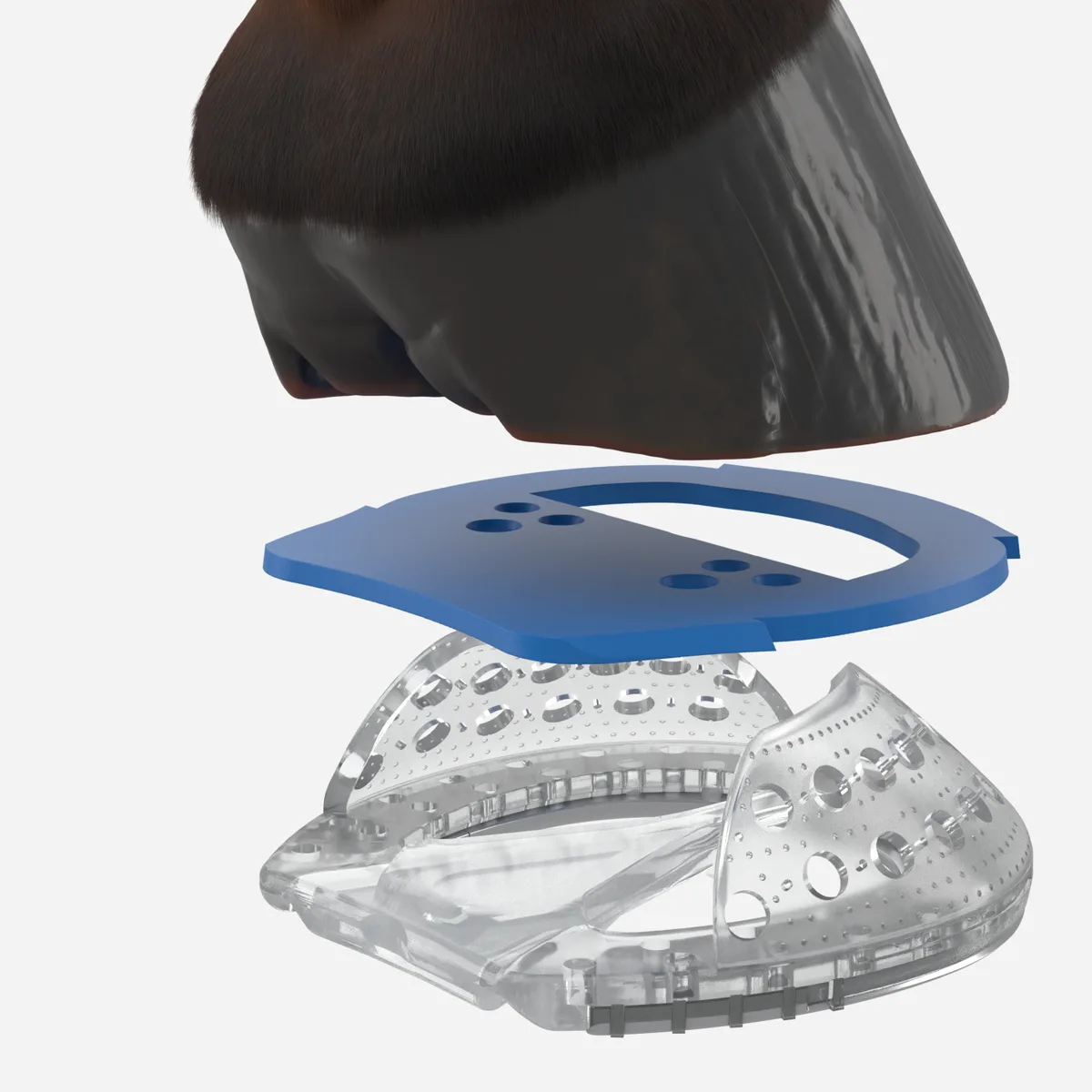
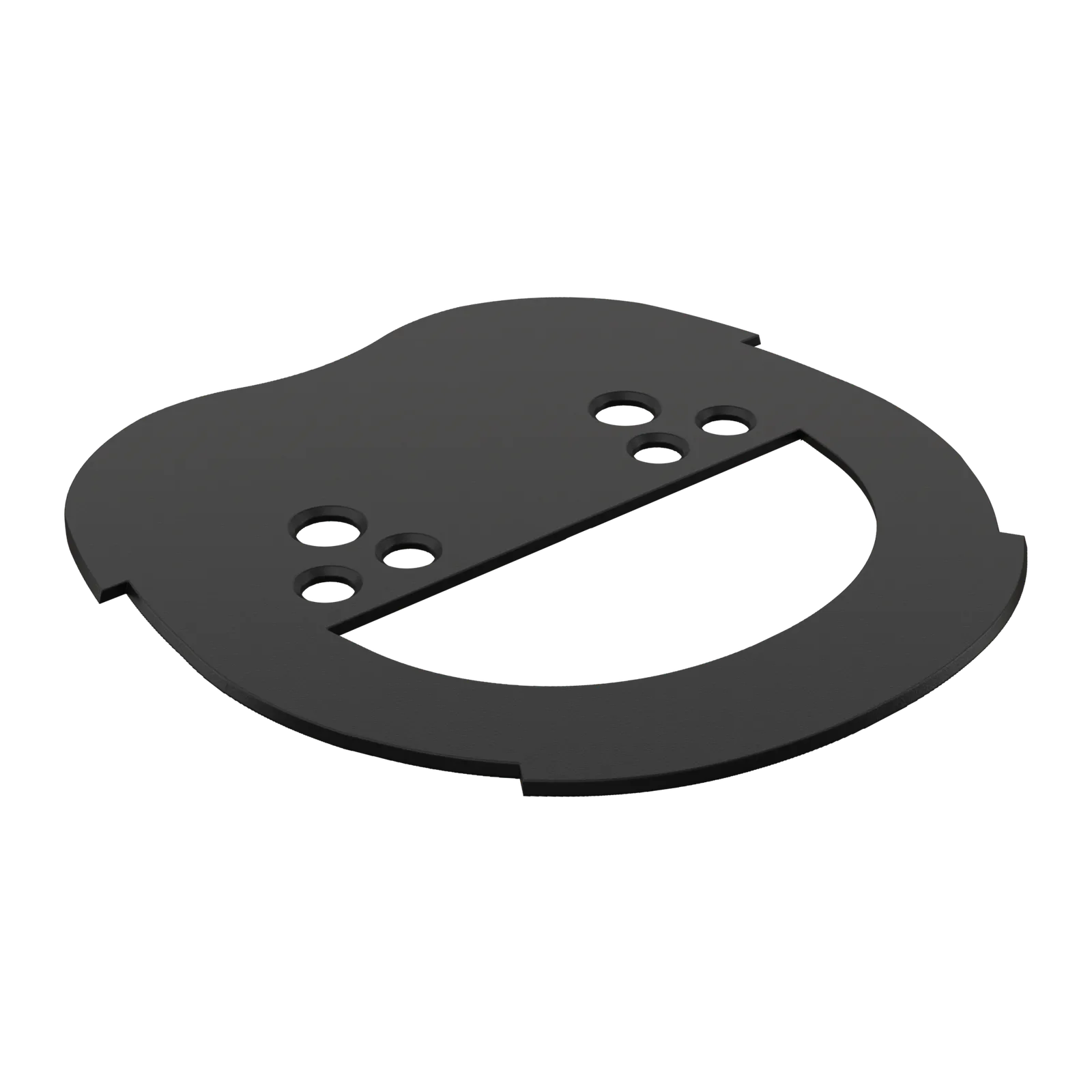
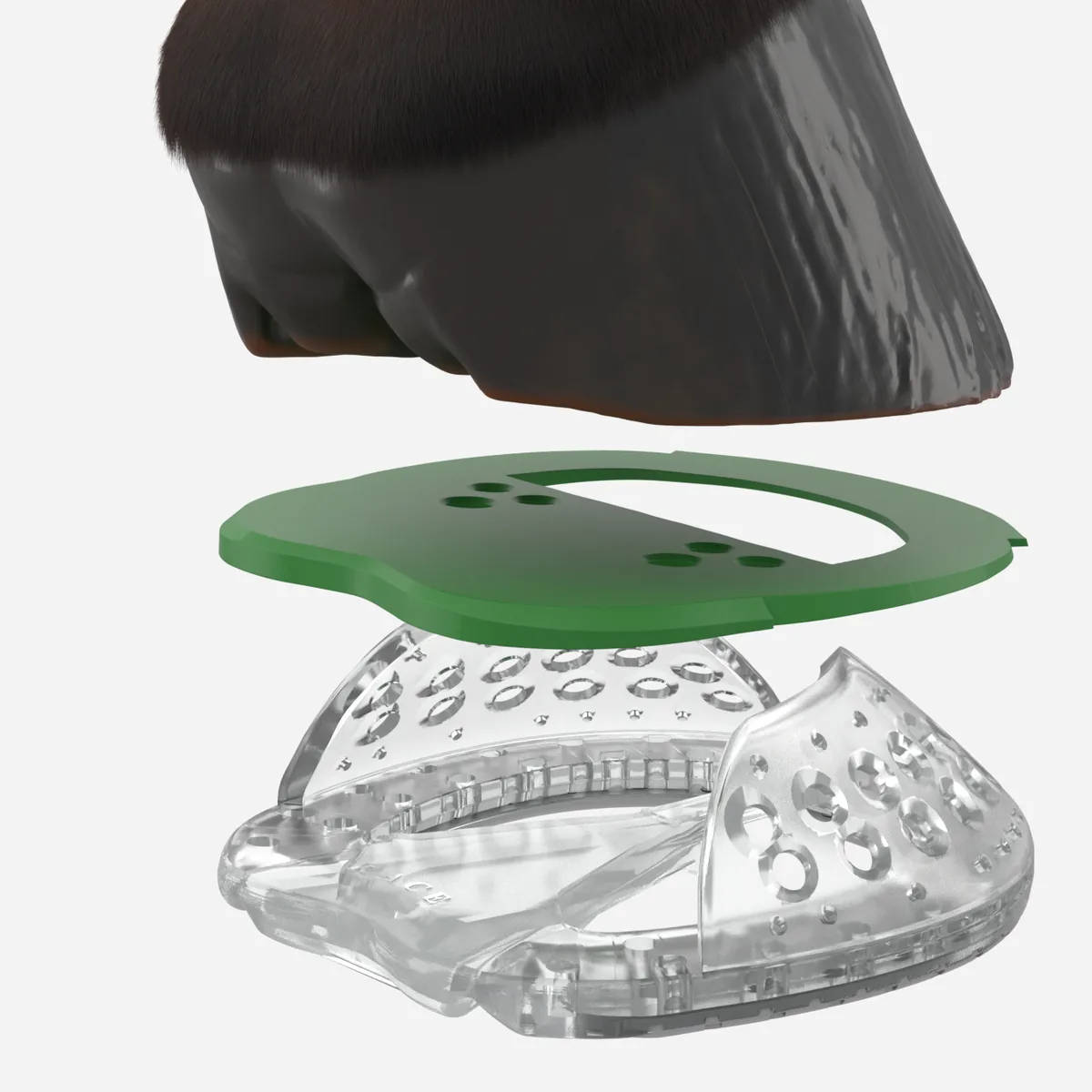
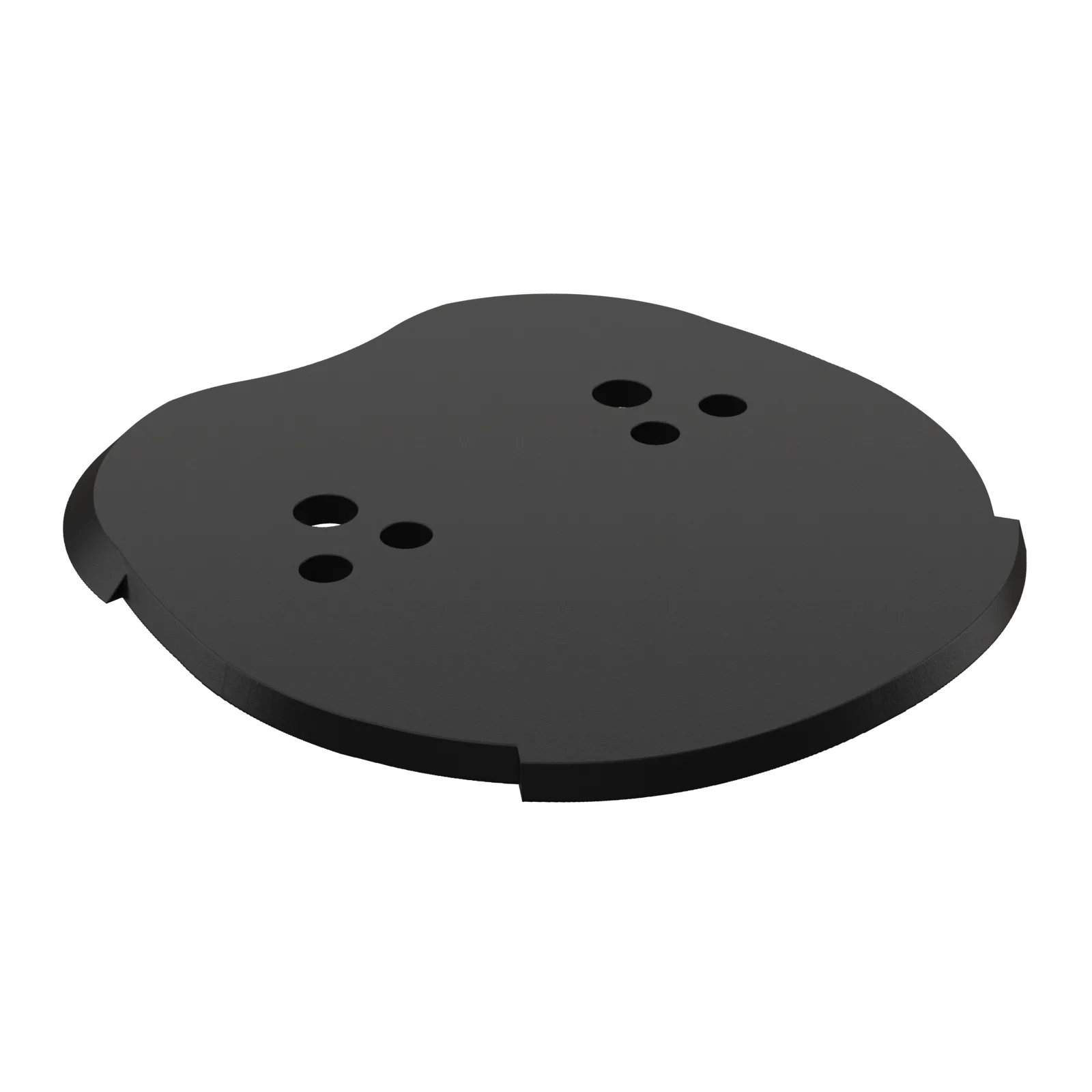
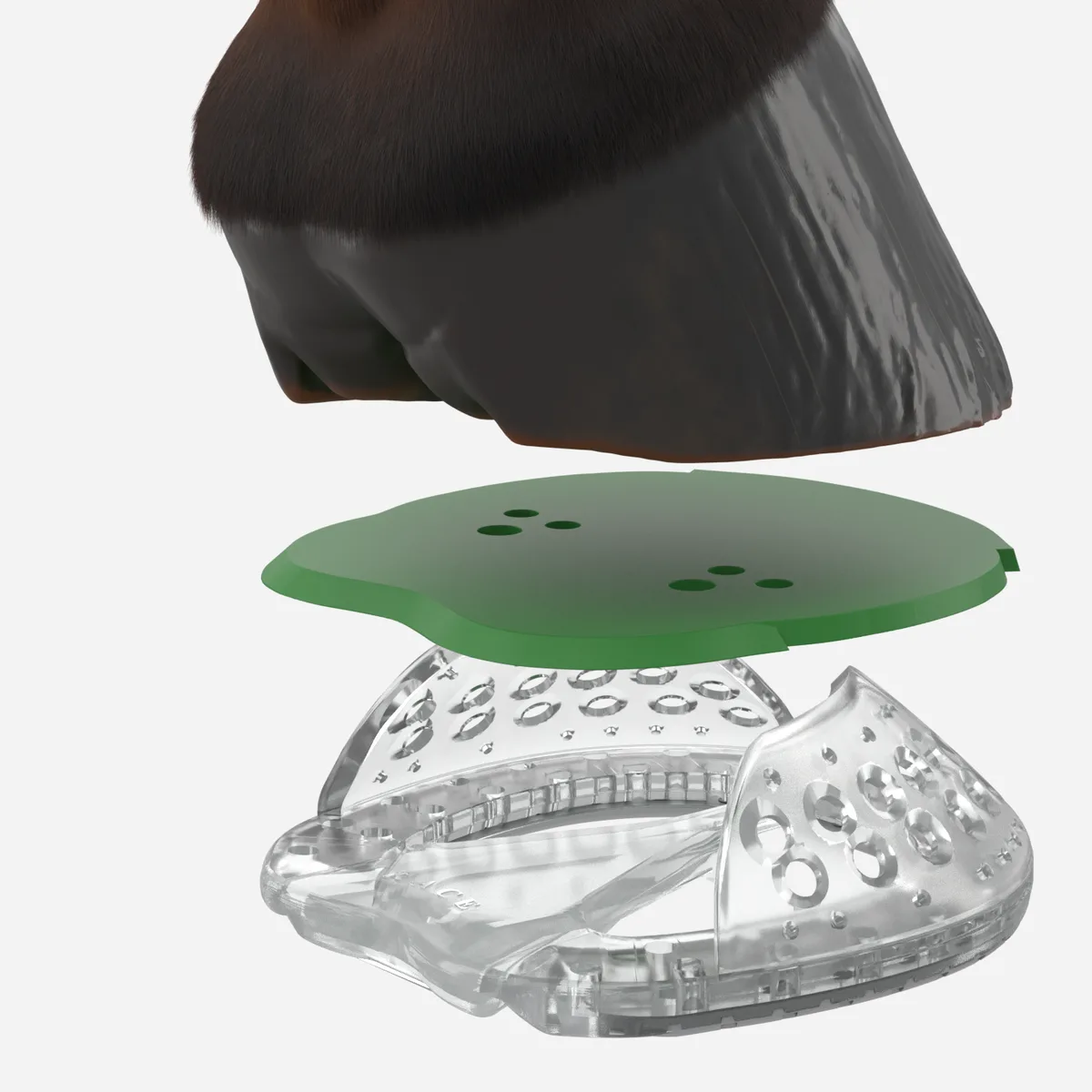
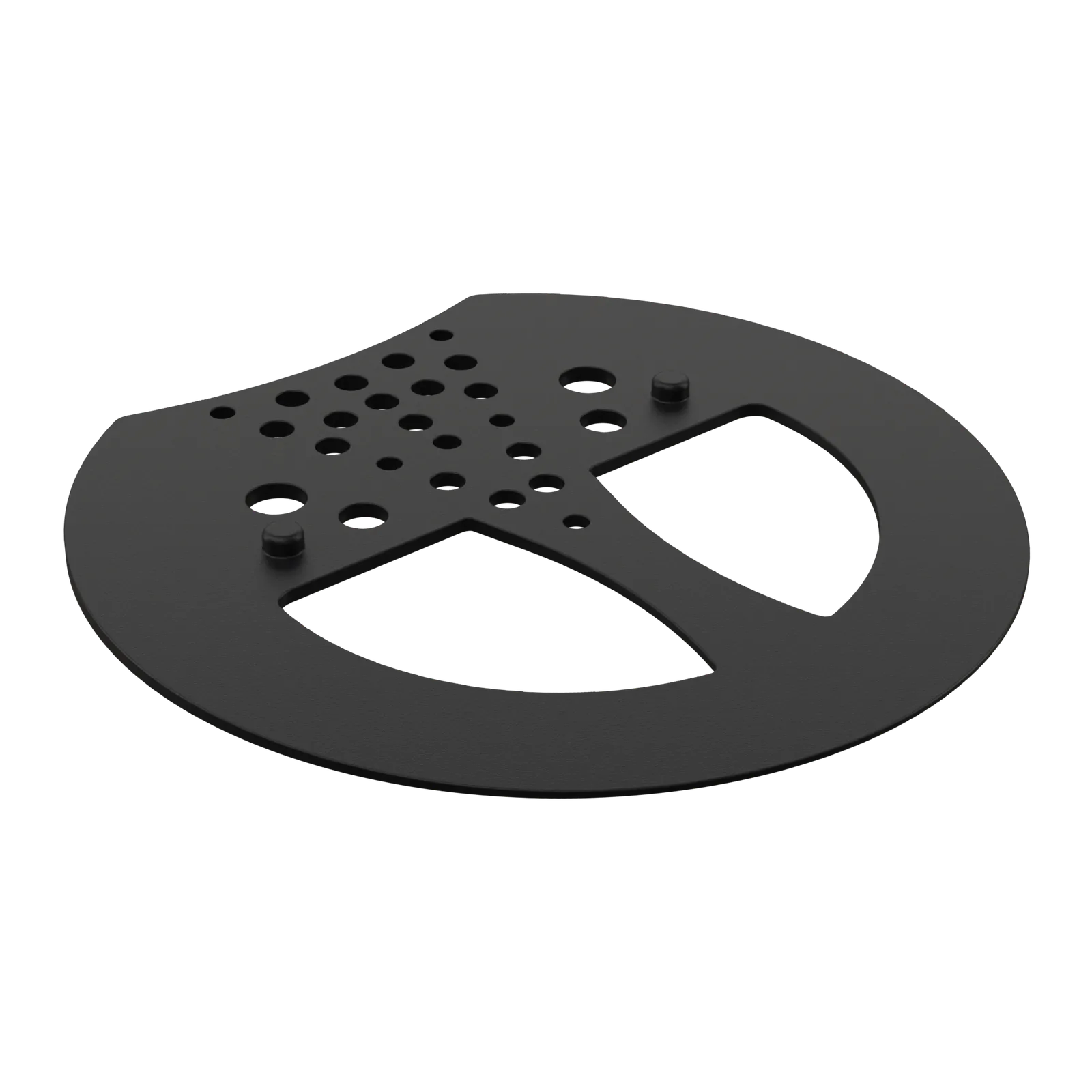
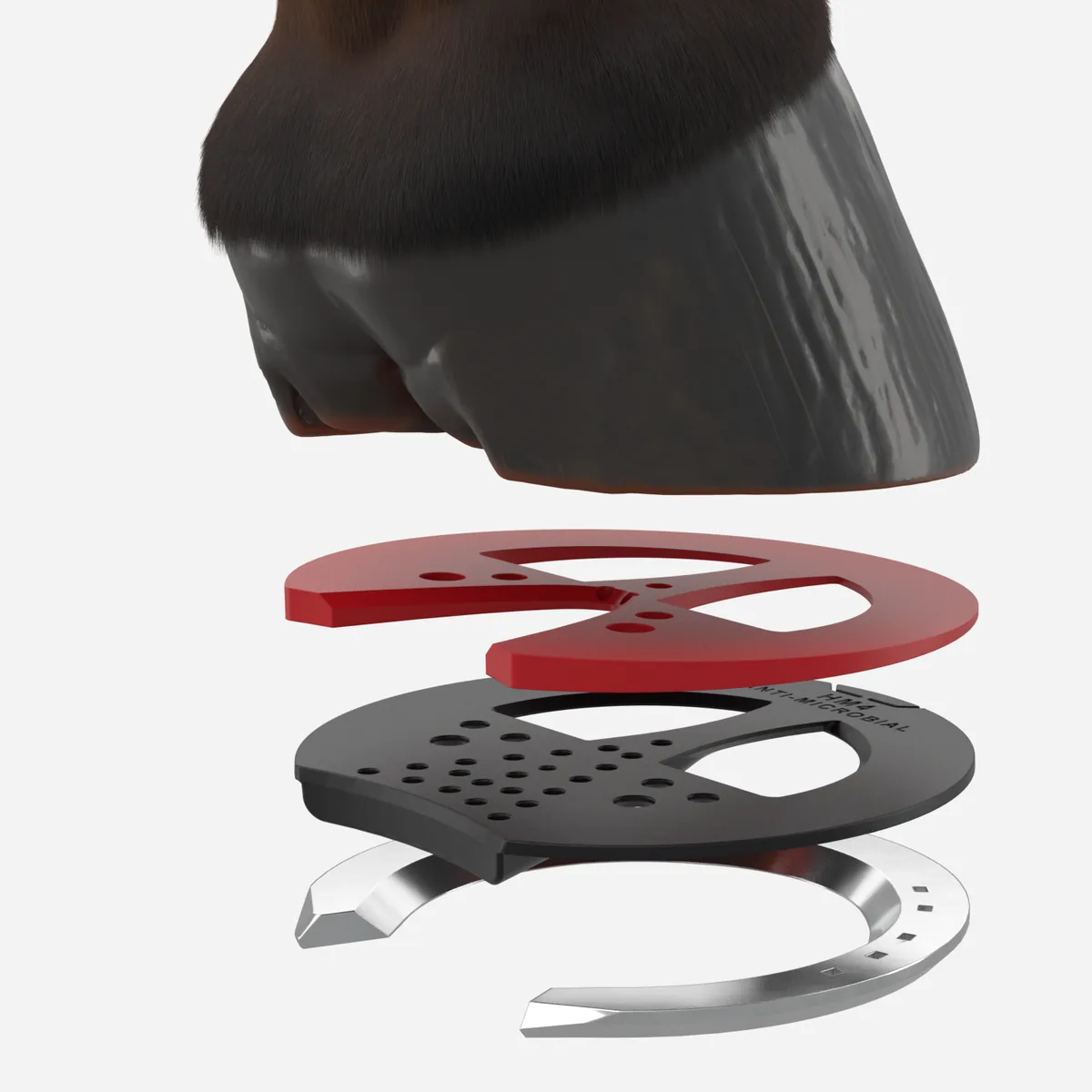
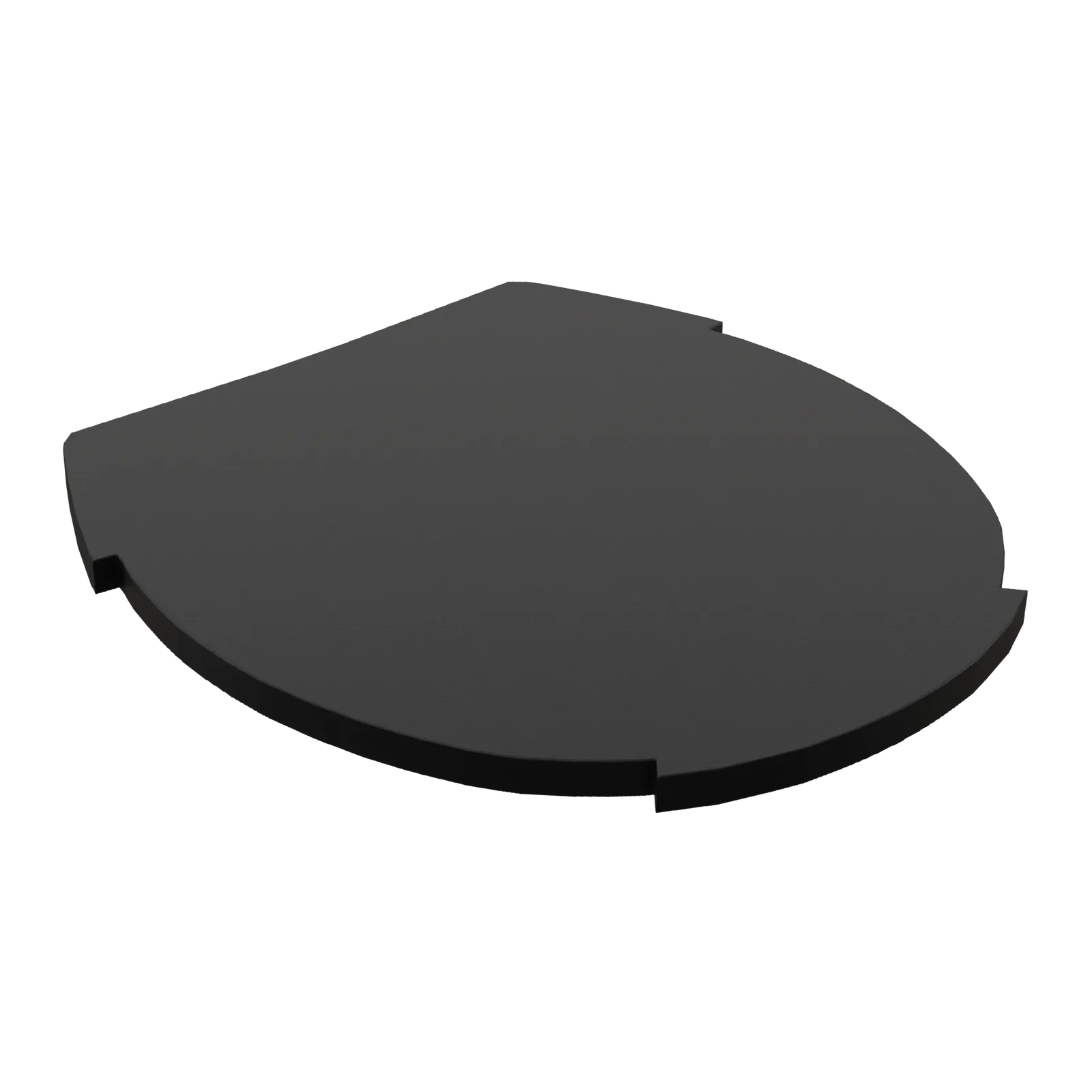
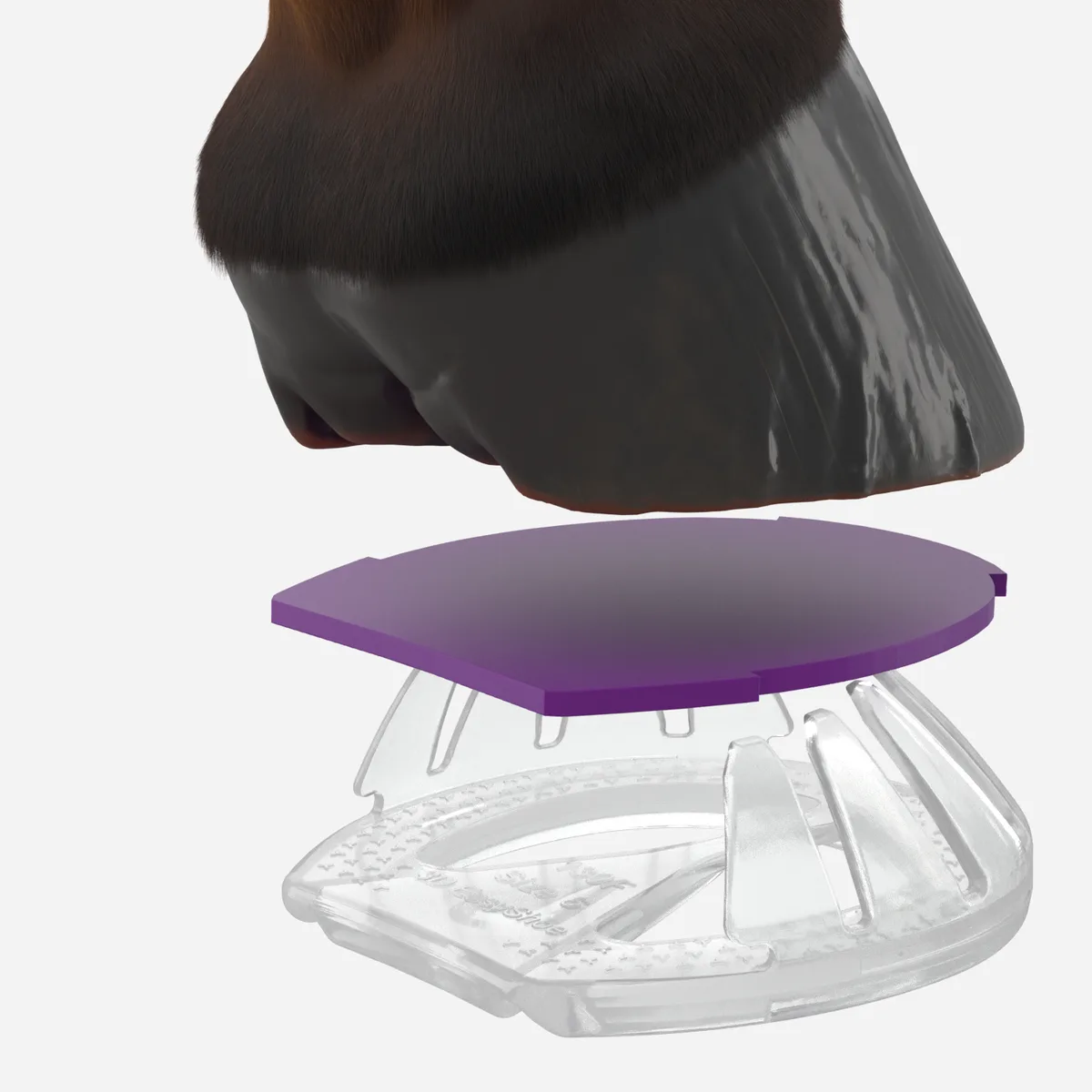
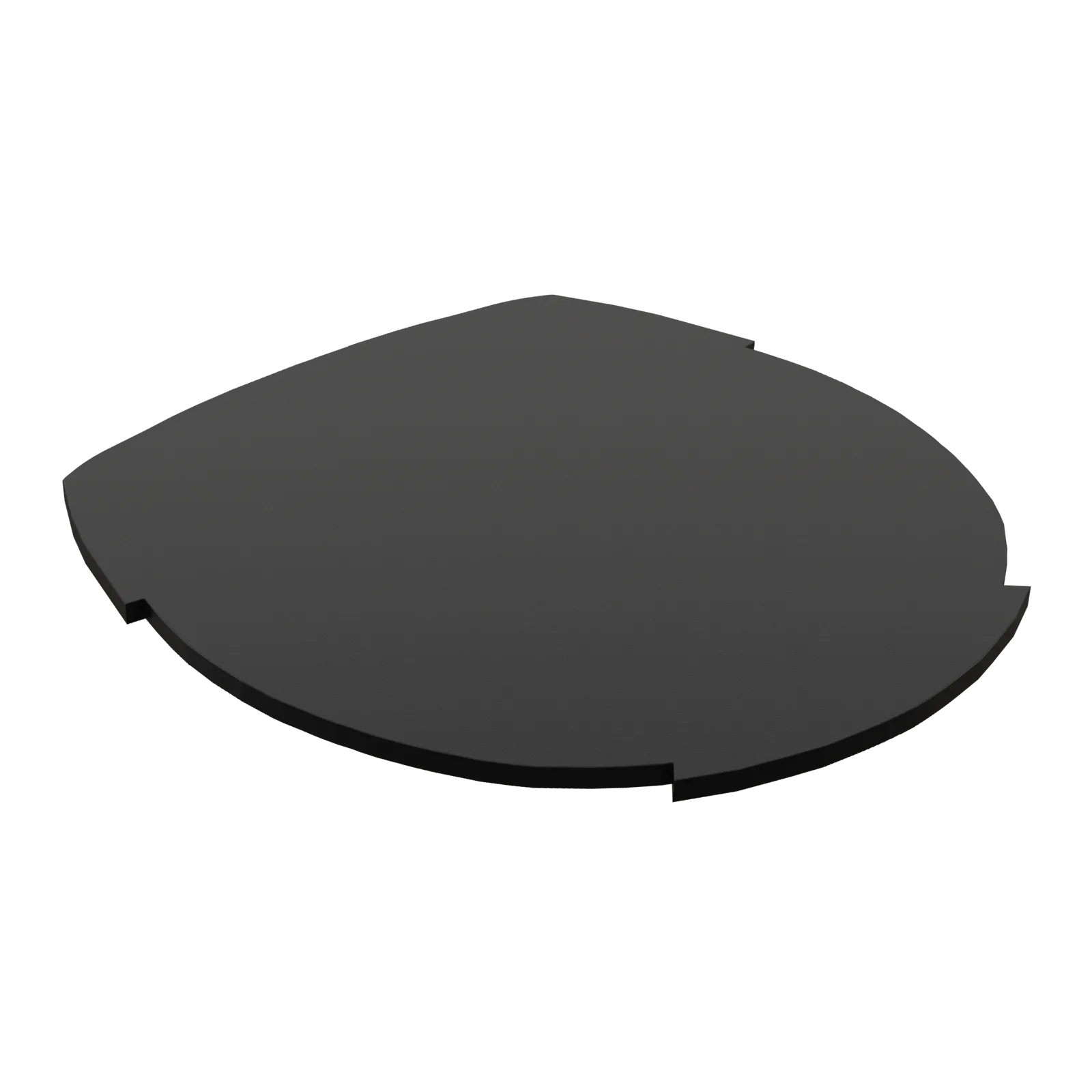
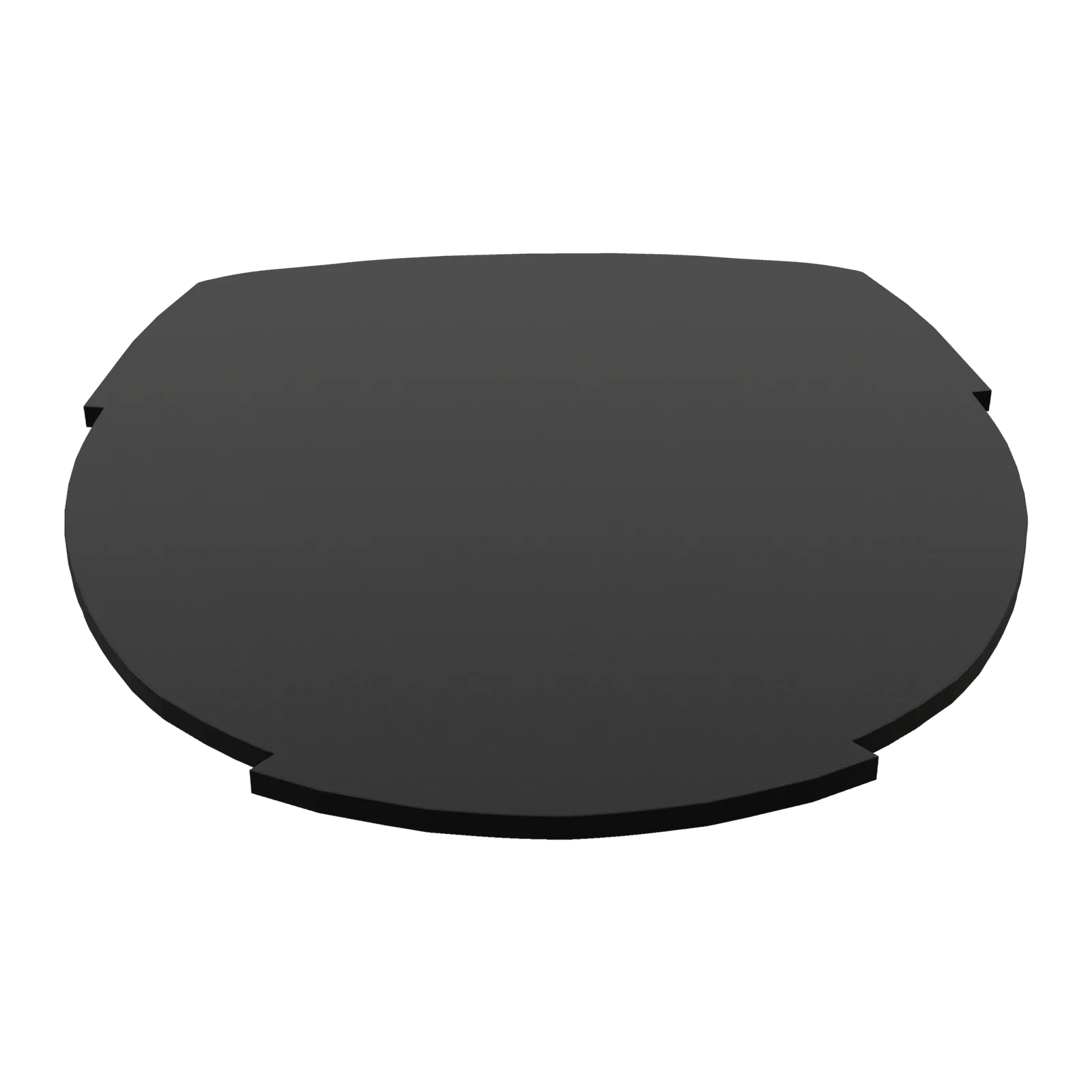
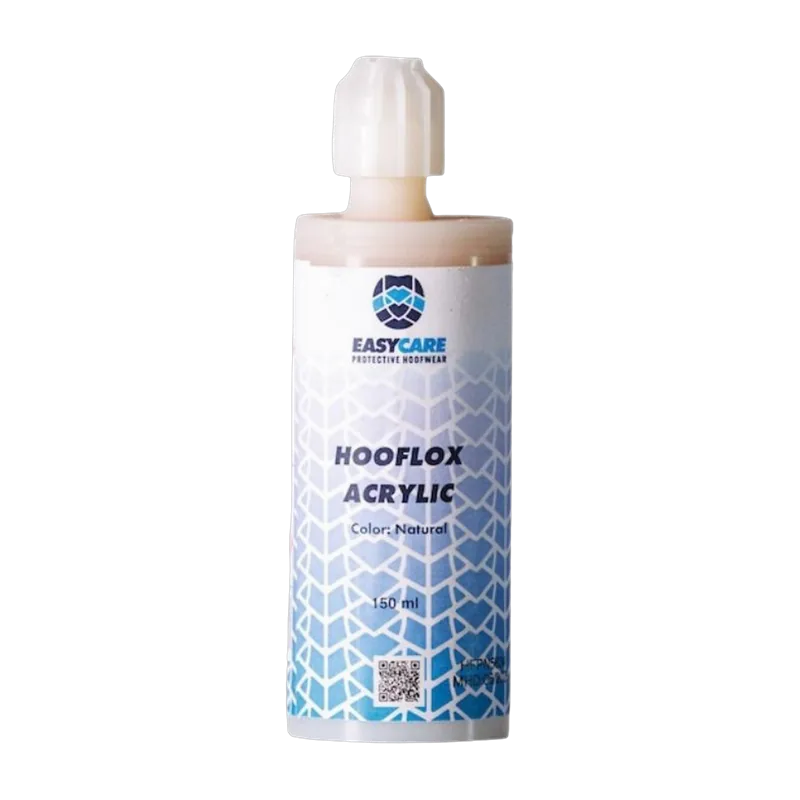
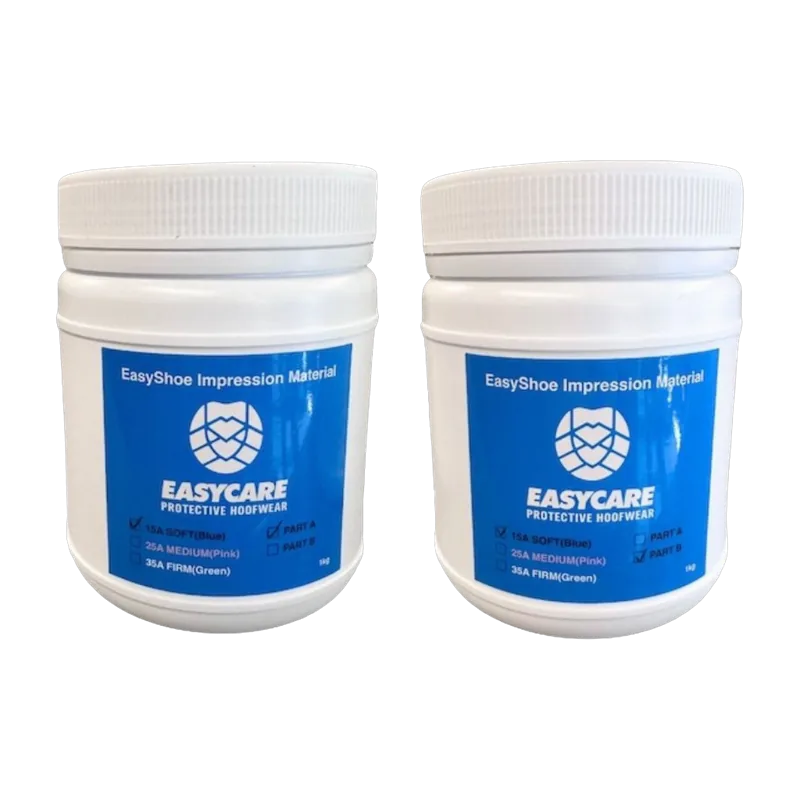
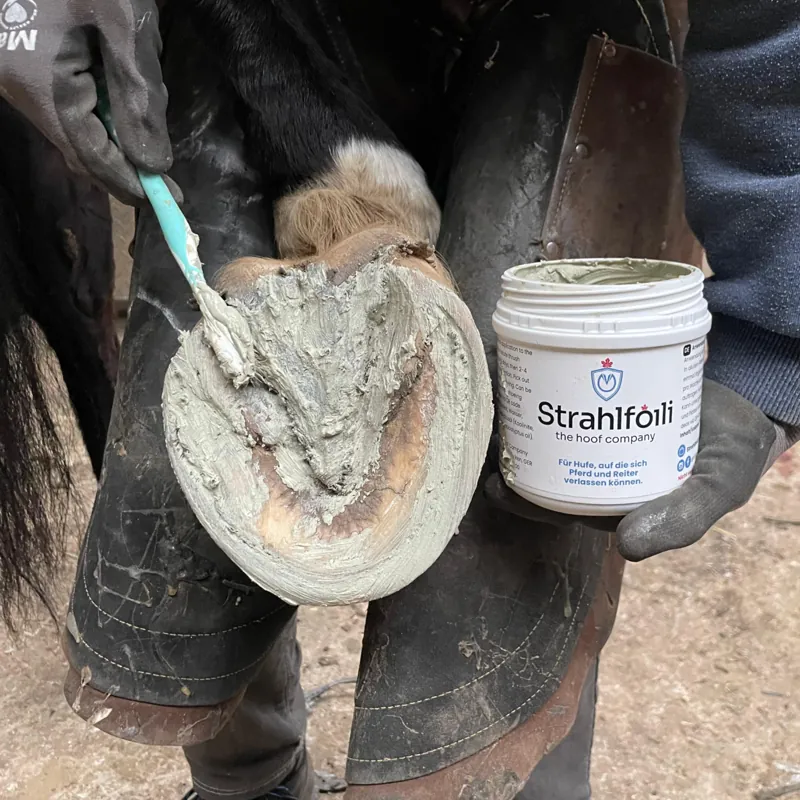
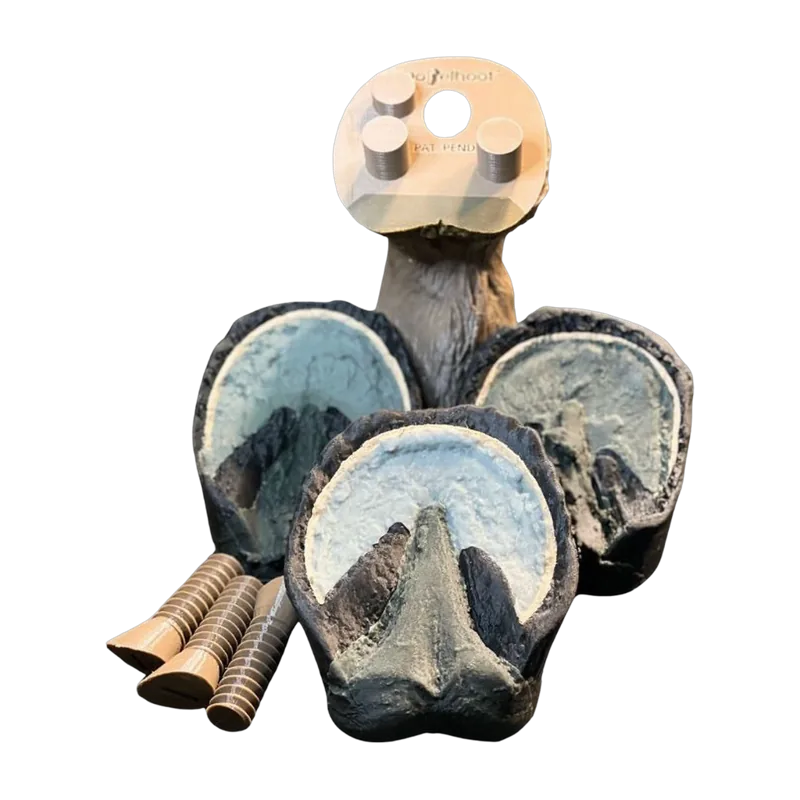
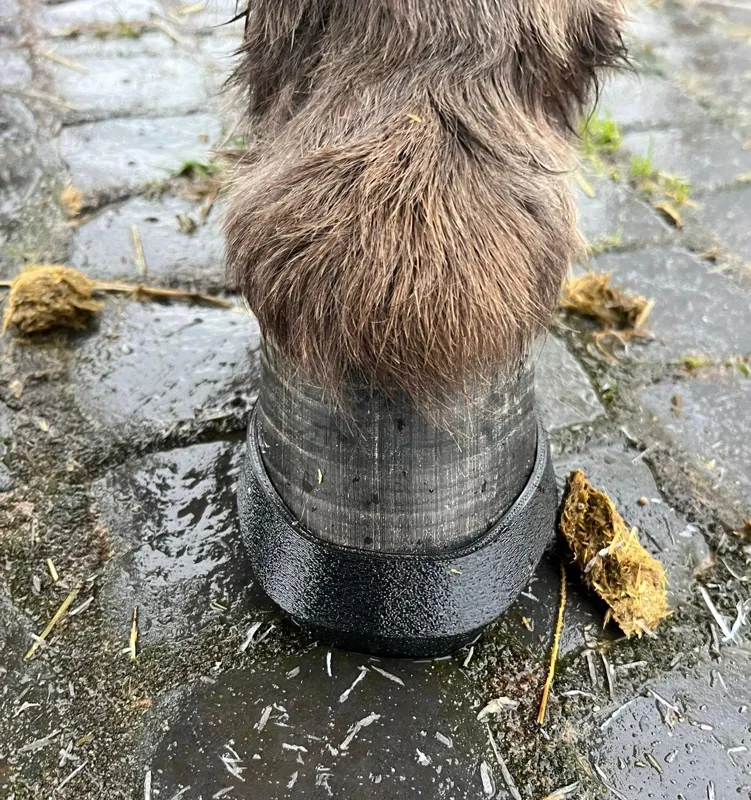
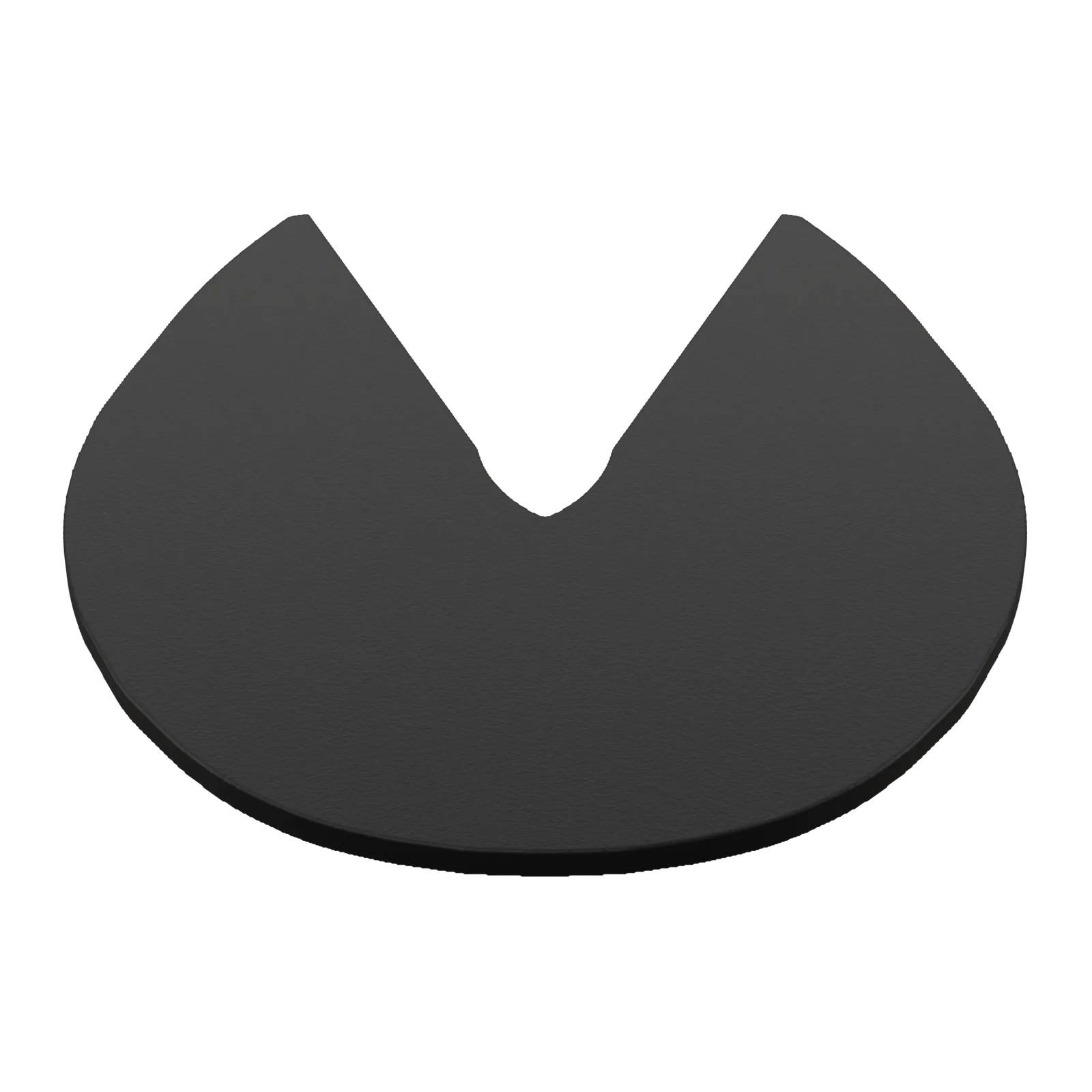
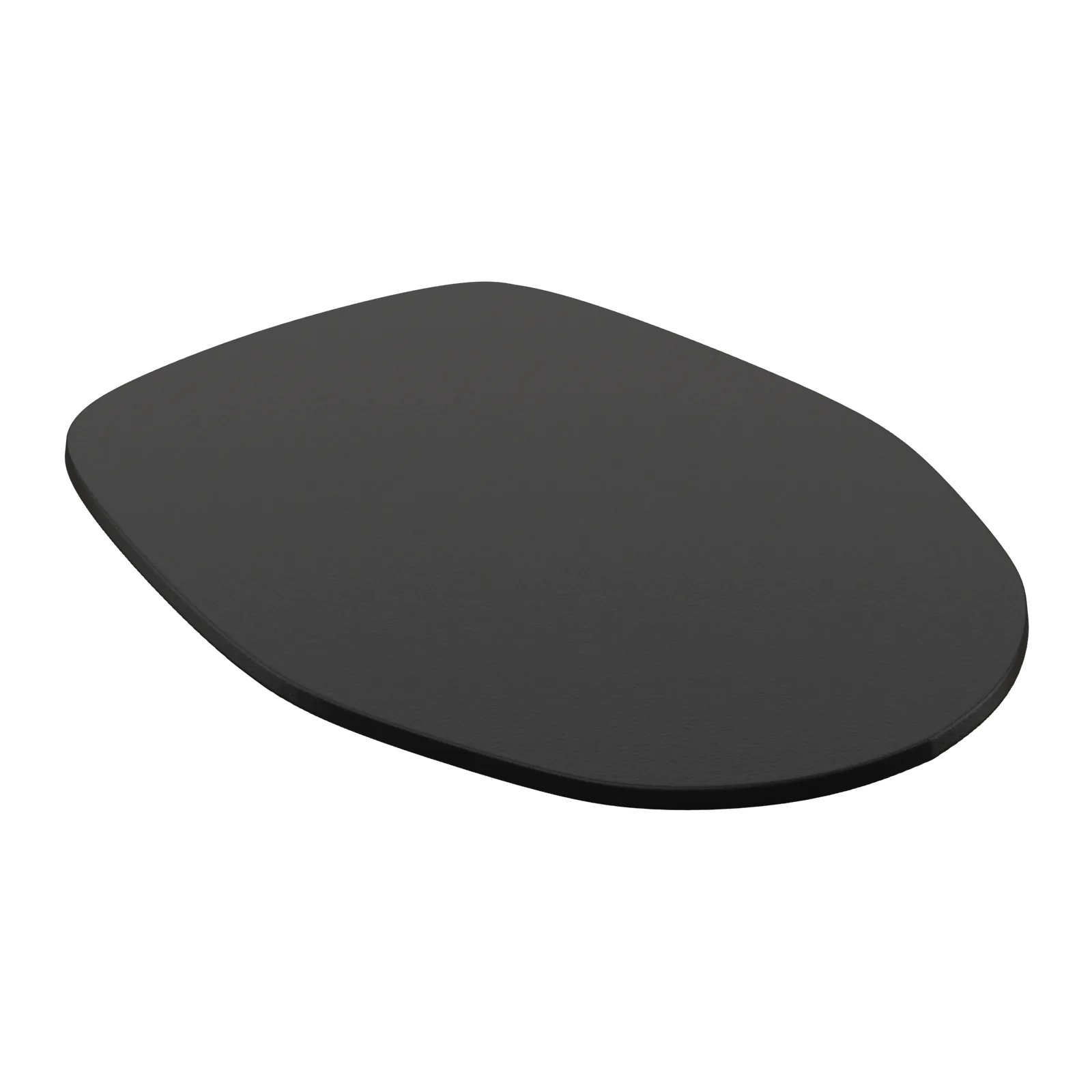
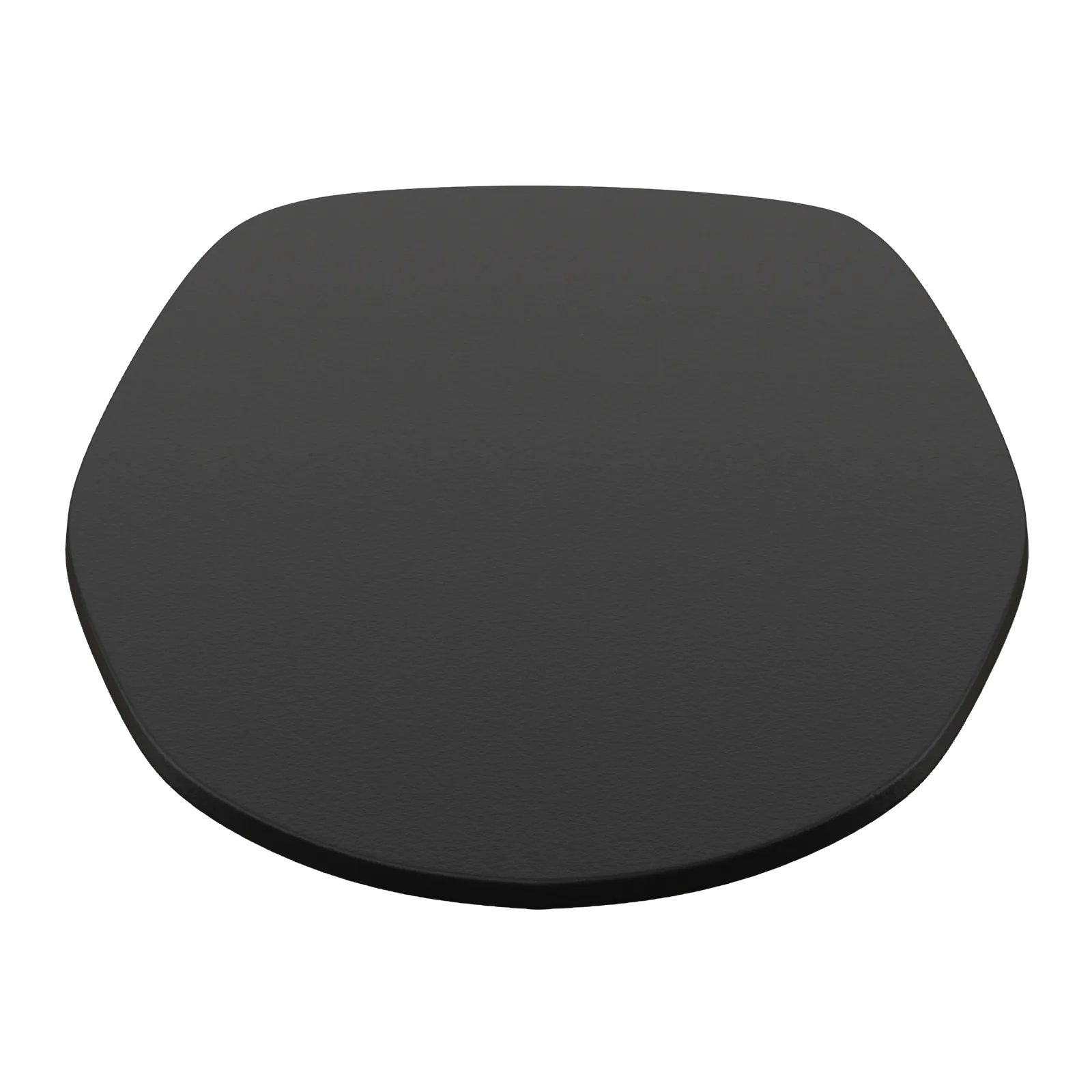
The Full Mesh Pad is our recommended option for thin-soled horses: used with impression material, it may help shield the sole while sharing load across the whole foot. For barefoot horses, the 2 mm Barefoot Protection Pad glues directly to the sole as a thin protective layer and may help support natural sole growth by taking the sting out of hard ground. The Ground Pad offers a simple turnout option.
Realistic expectations
Building sole depth takes months of consistent protection, correct trimming, and good nutrition. Measure progress trim to trim, not week to week.
When to call your vet or farrier
If soreness appears suddenly or is severe, rule out an abscess or laminitis before assuming thin soles. Your farrier can assess depth at every trim.
This guide is educational and is not a substitute for veterinary or farrier diagnosis.