












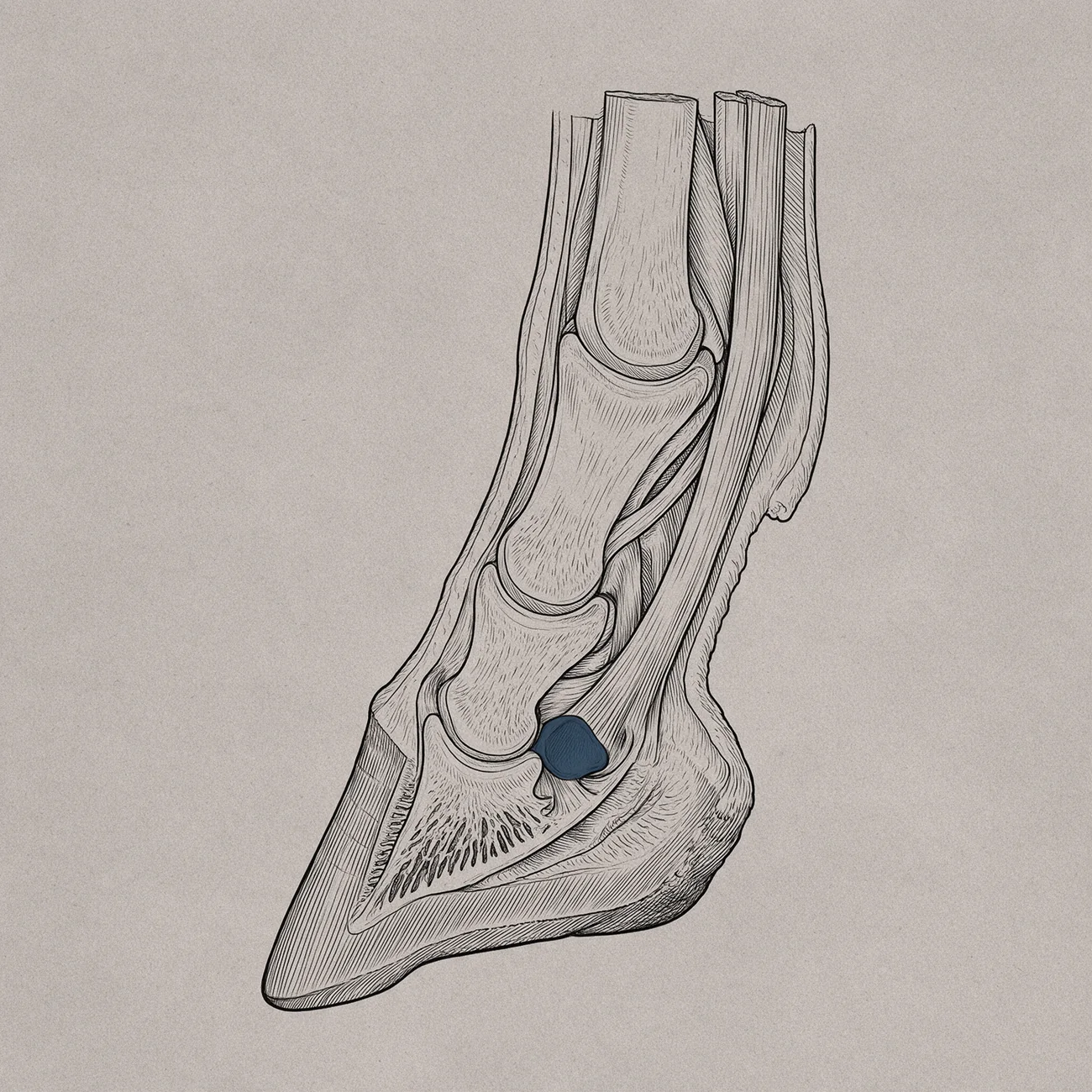
Navicular syndrome (increasingly called caudal heel pain) is an umbrella term for pain arising from the back of the foot: the navicular bone, its bursa, the deep digital flexor tendon, and the ligaments that support them. It is a chronic, managed condition rather than a curable one, and it is one of the most common causes of forelimb lameness in working horses.
What causes it
Repetitive load on the back of the foot. Risk rises with long-toe, low-heel conformation, hard surfaces, small feet relative to body size, and demanding work. Degeneration develops gradually, which is why signs often appear as a slow loss of quality rather than sudden lameness.
Signs you'll notice
A shortened, shuffling stride. Toe-first landings. Worse on hard ground, on circles, or downhill. Pointing one front foot at rest. Often both front feet are affected, which can read as general "stiffness" rather than lameness.
How it's diagnosed and managed
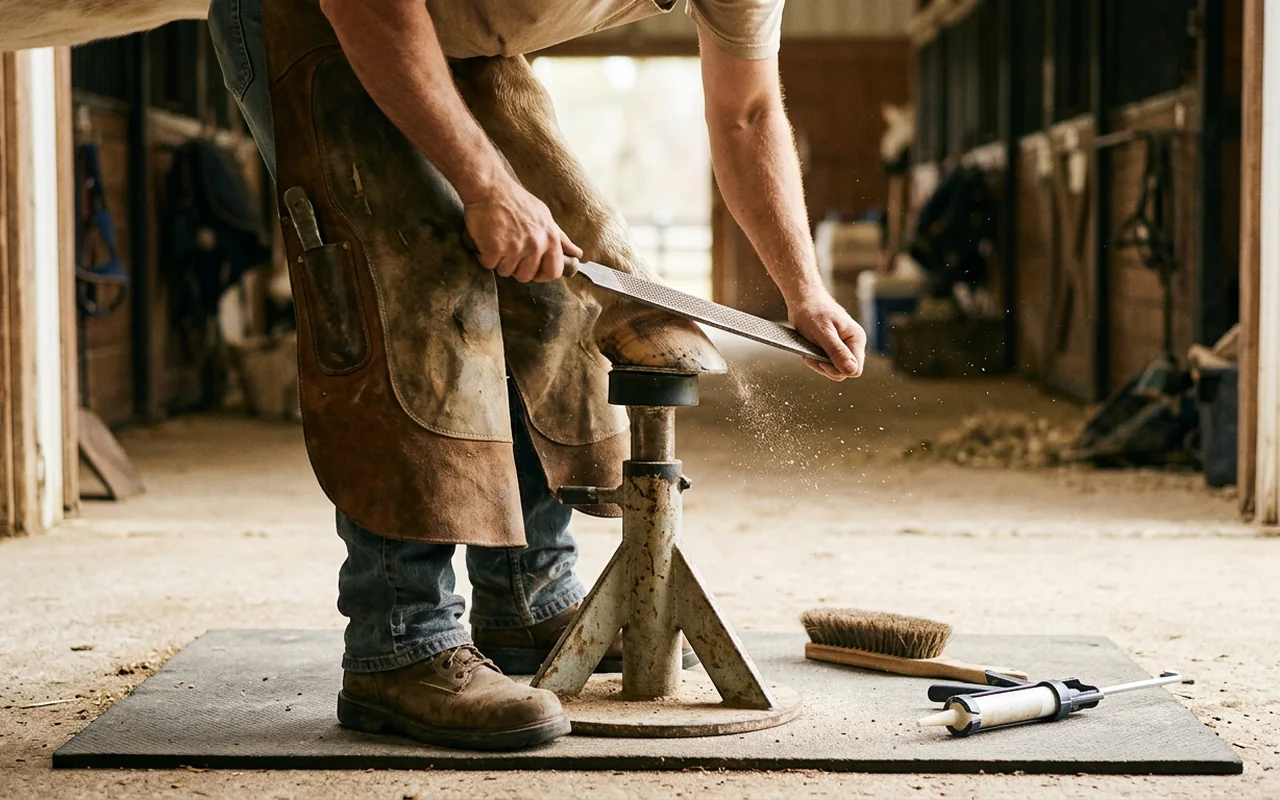
Diagnosis belongs to your vet: nerve blocks and imaging are needed to localize the pain. Management is a vet-farrier partnership, and farriery is its cornerstone. The two main mechanical levers are easing breakover (bringing the toe back so the foot rolls over more easily) and supporting or elevating the heel to reduce tension in the deep digital flexor tendon.
Where support products fit
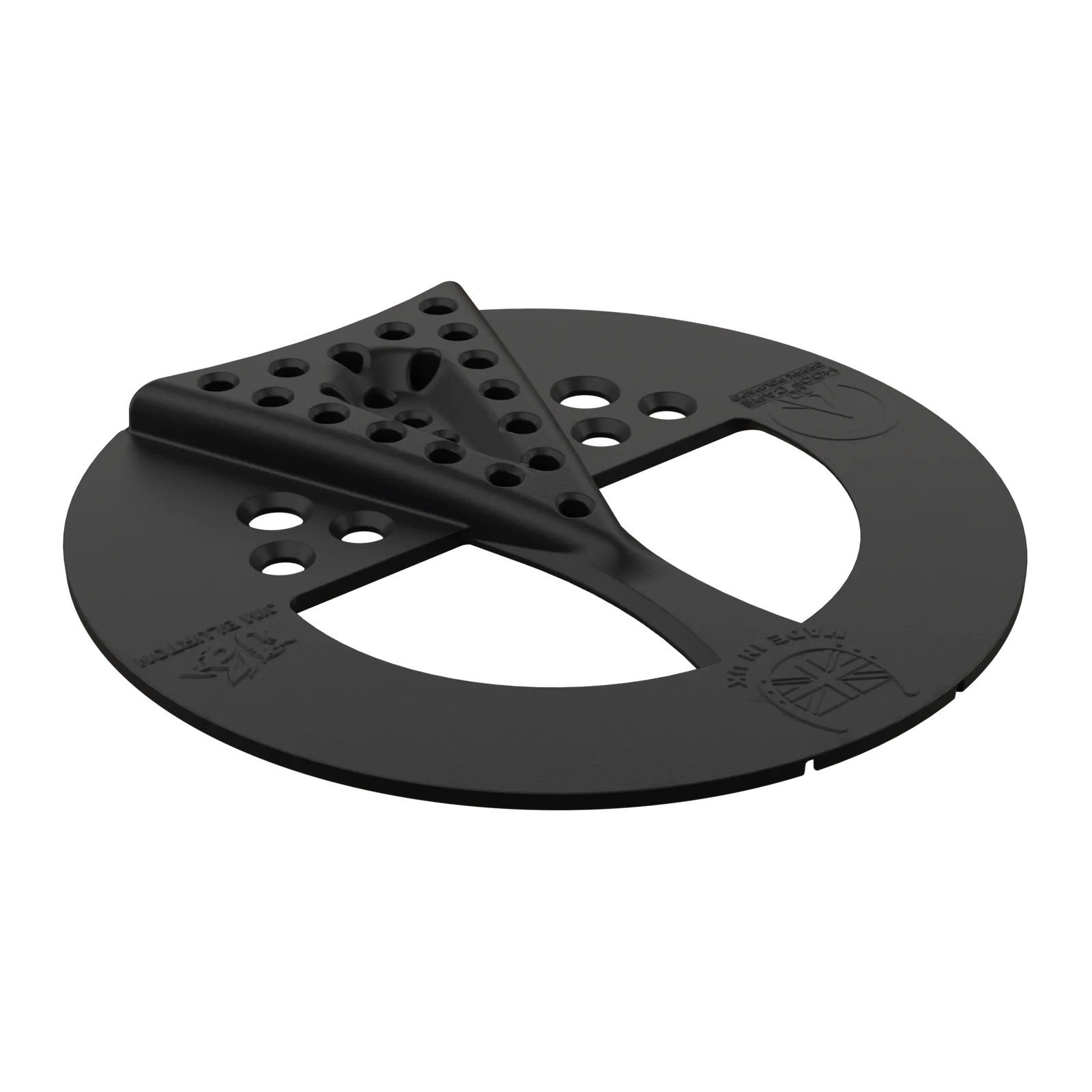
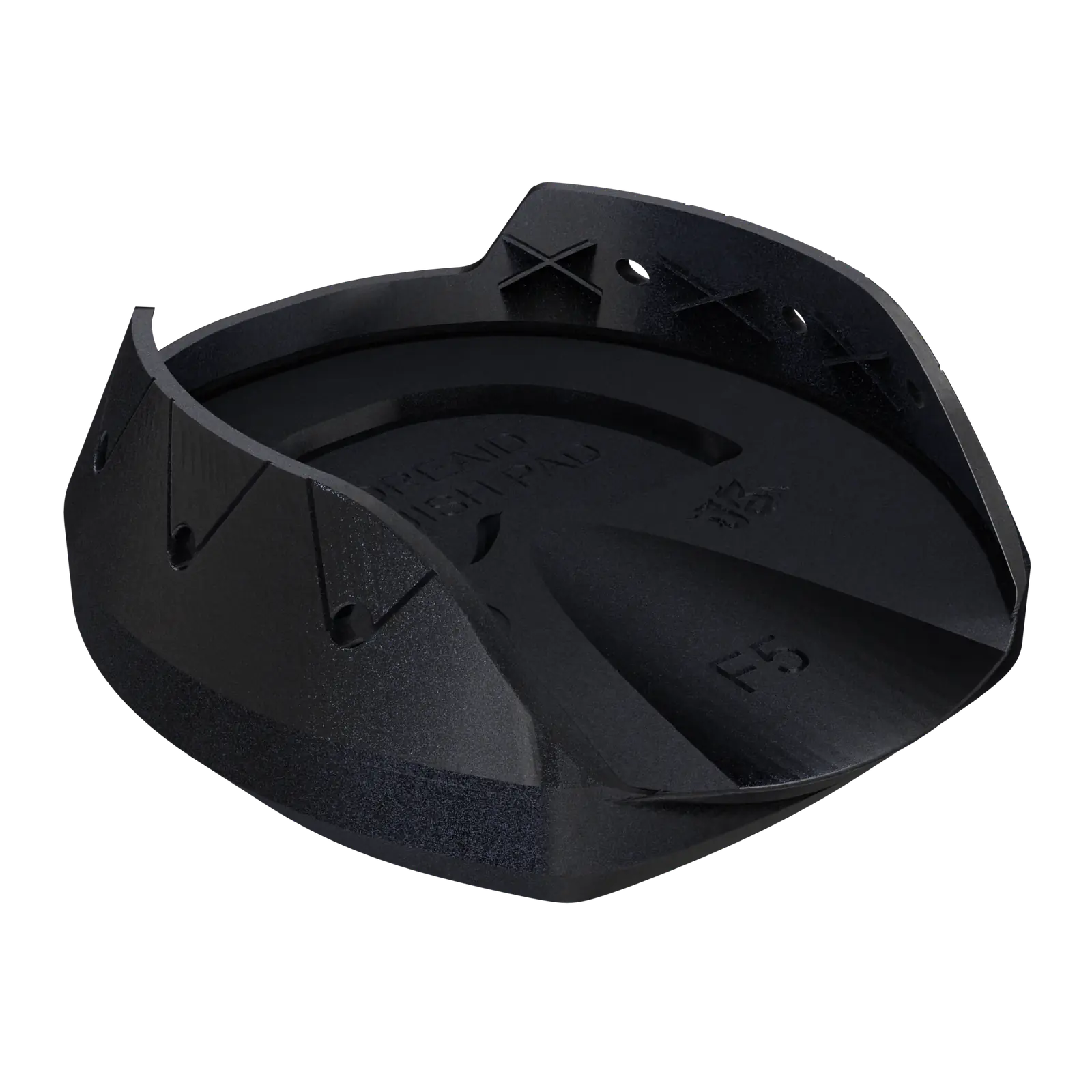
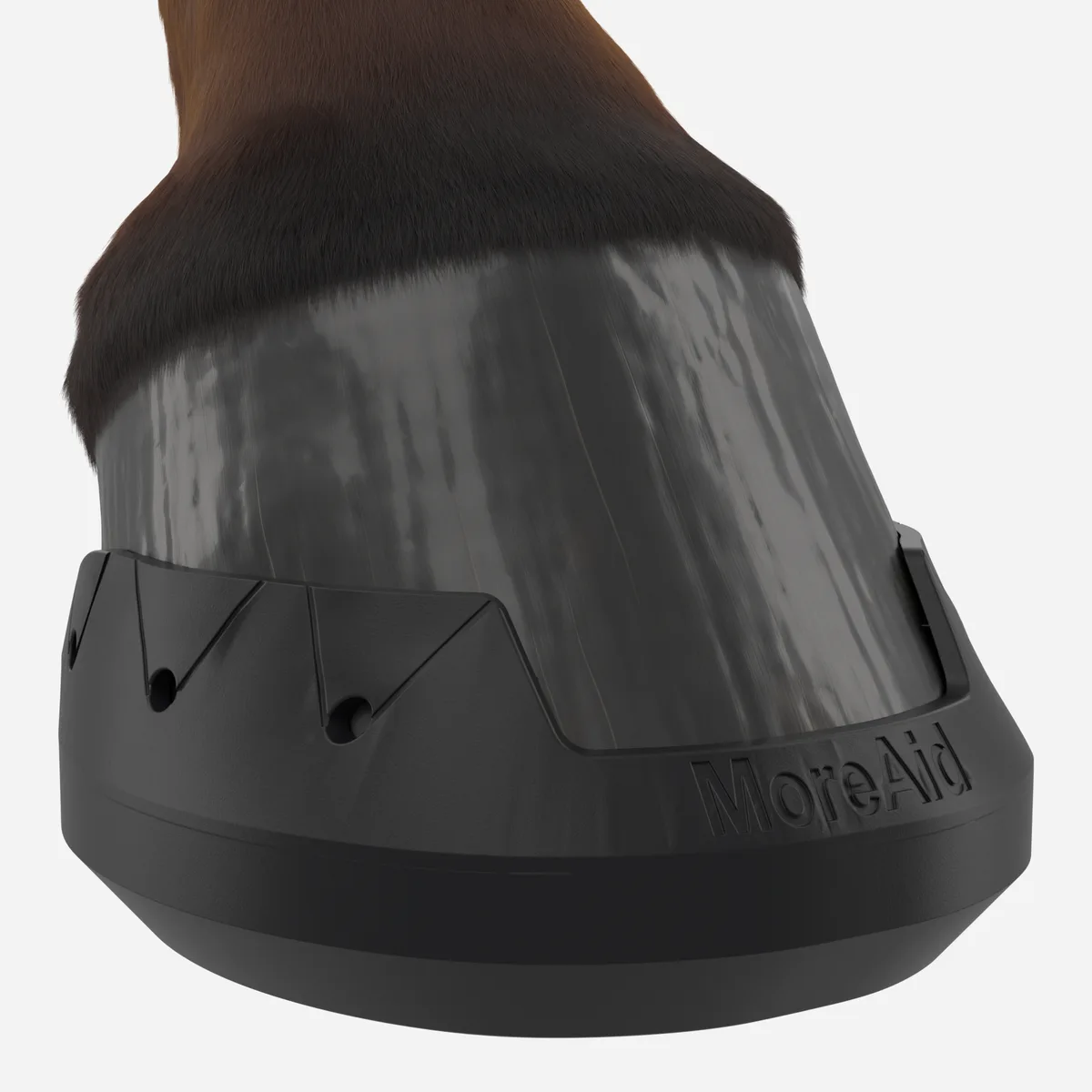
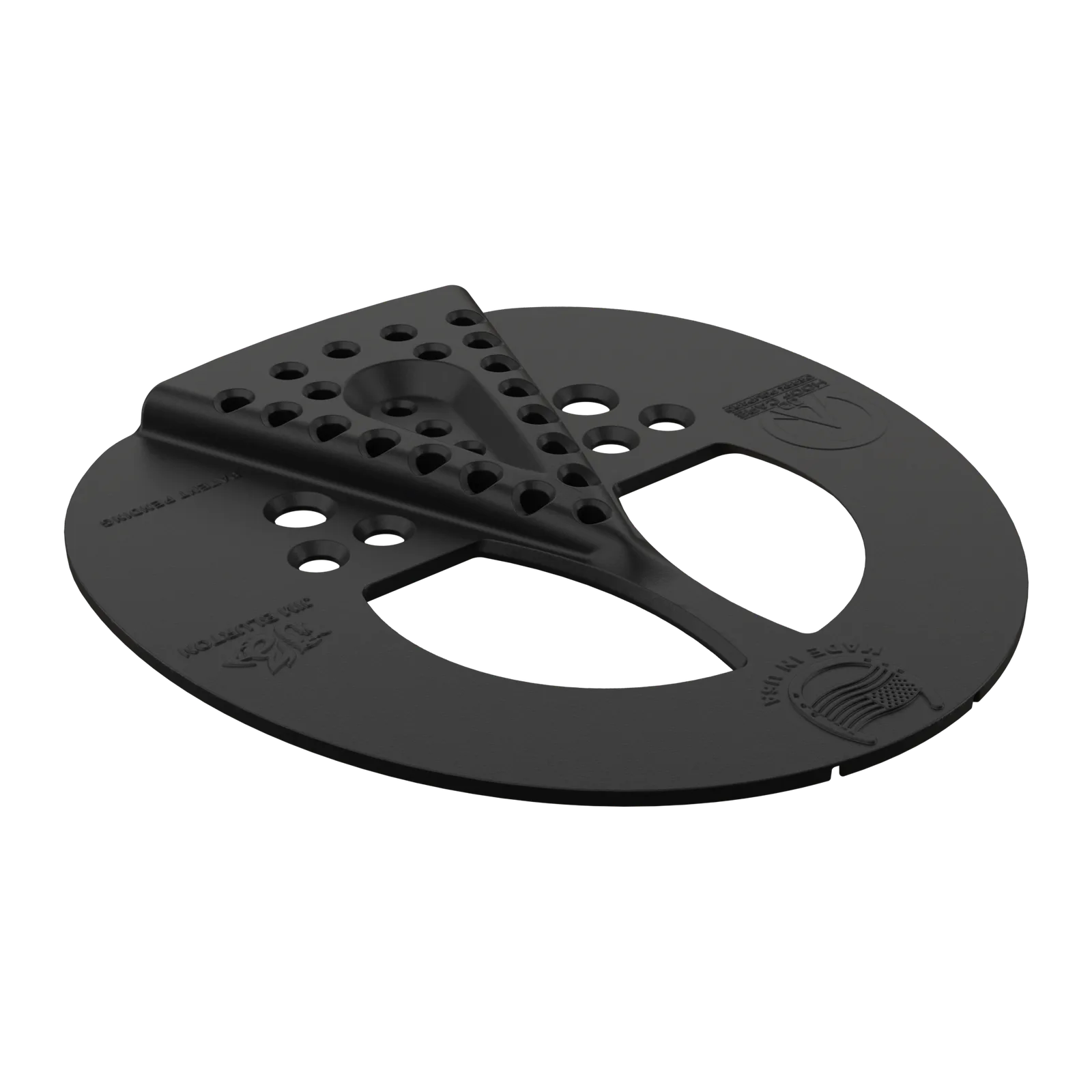
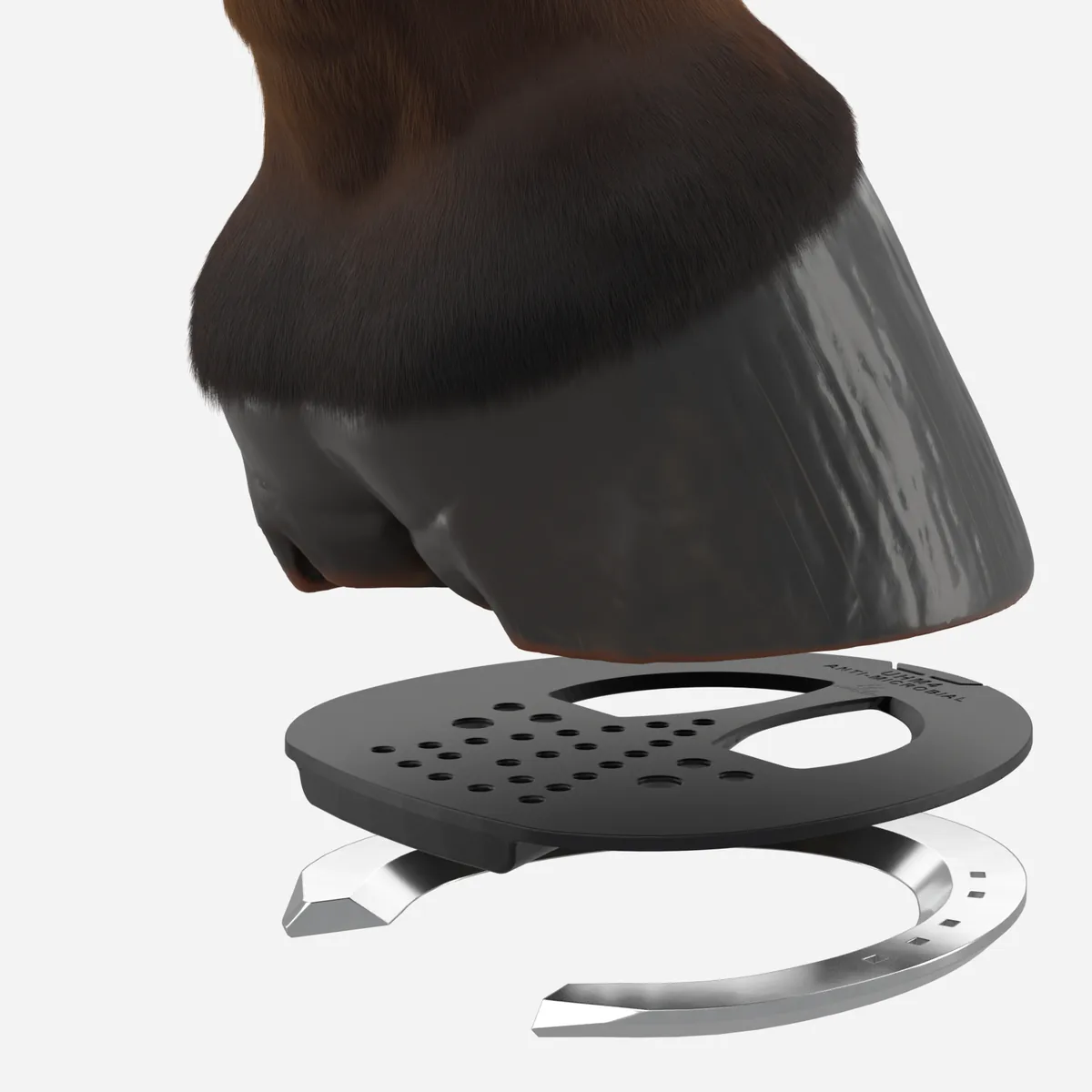
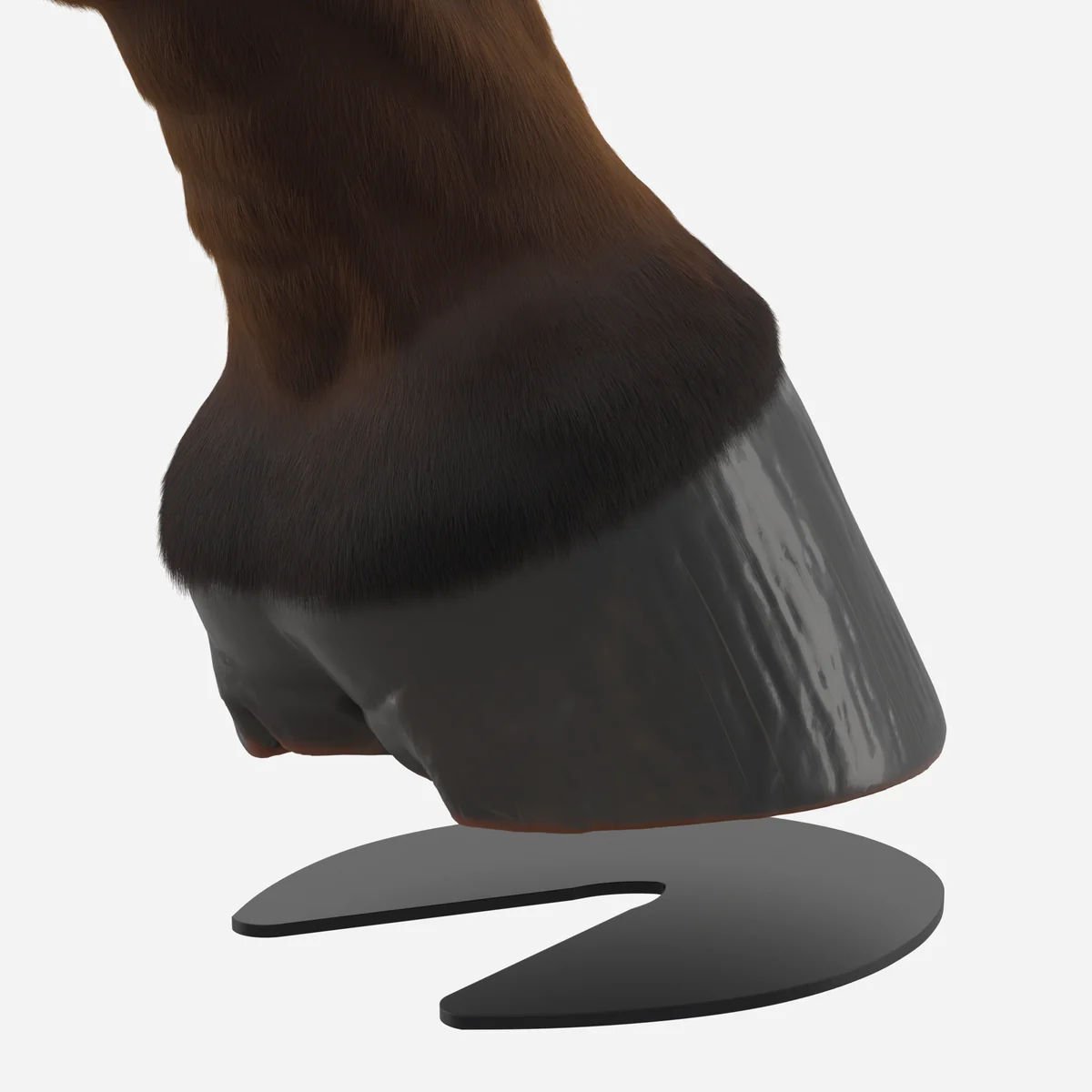
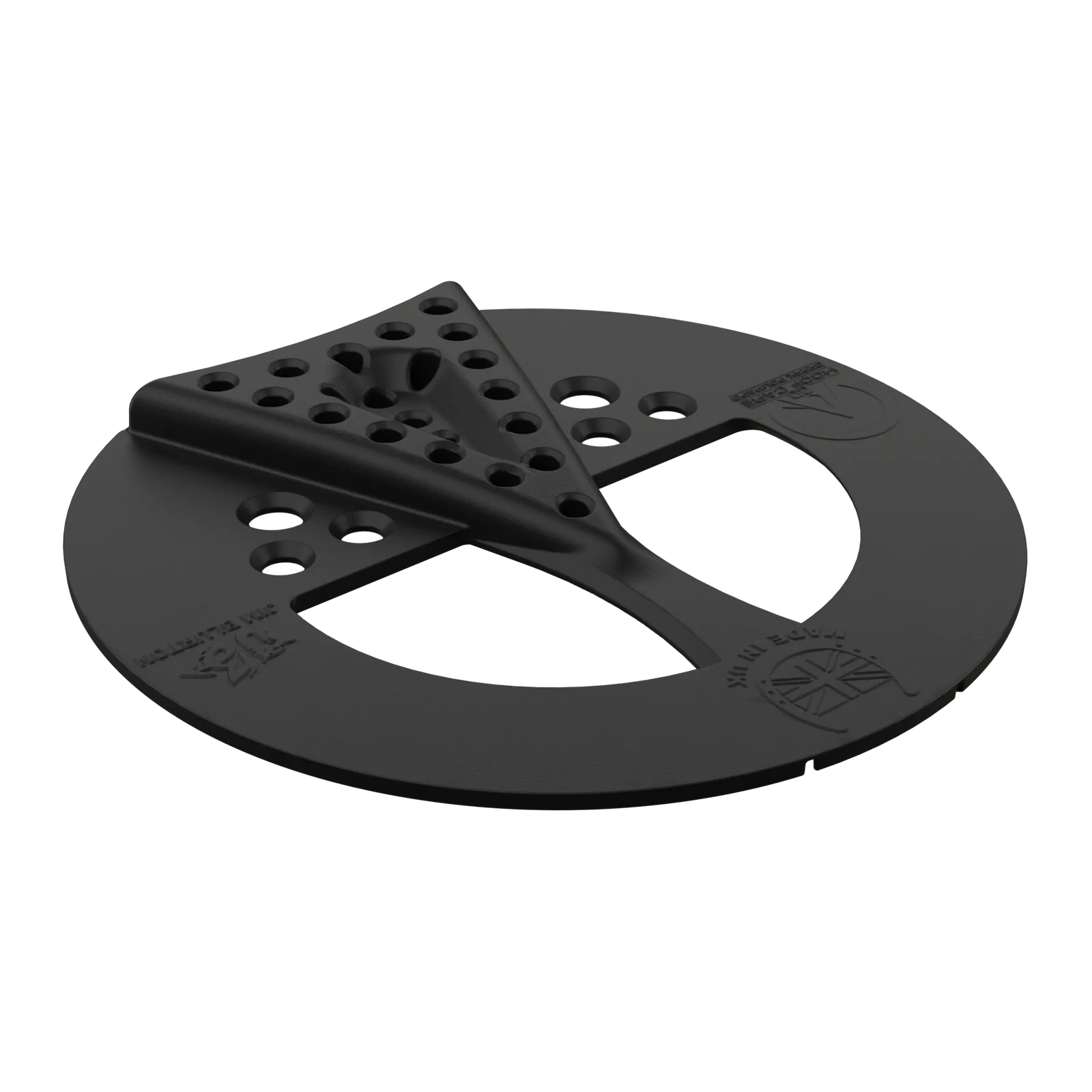
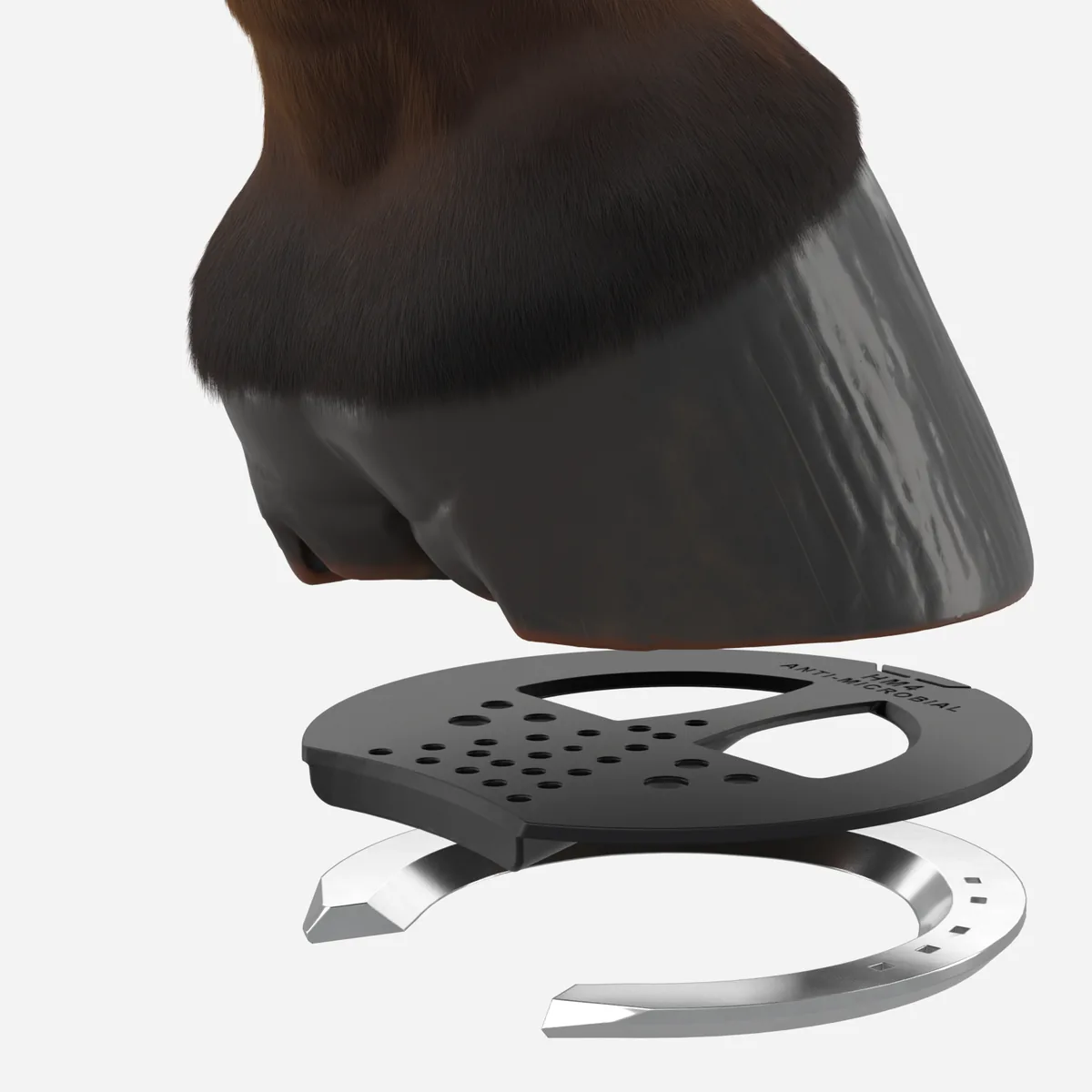
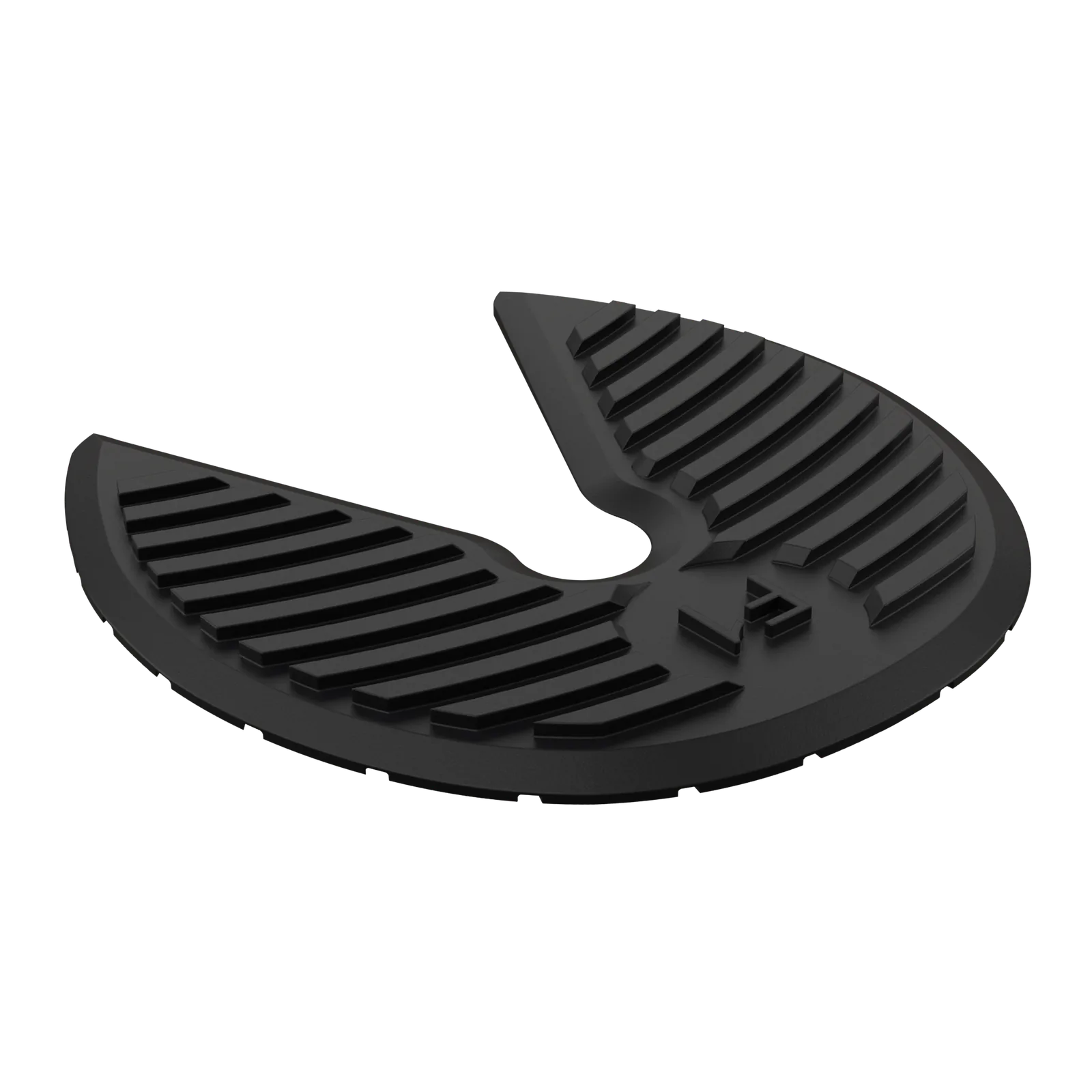
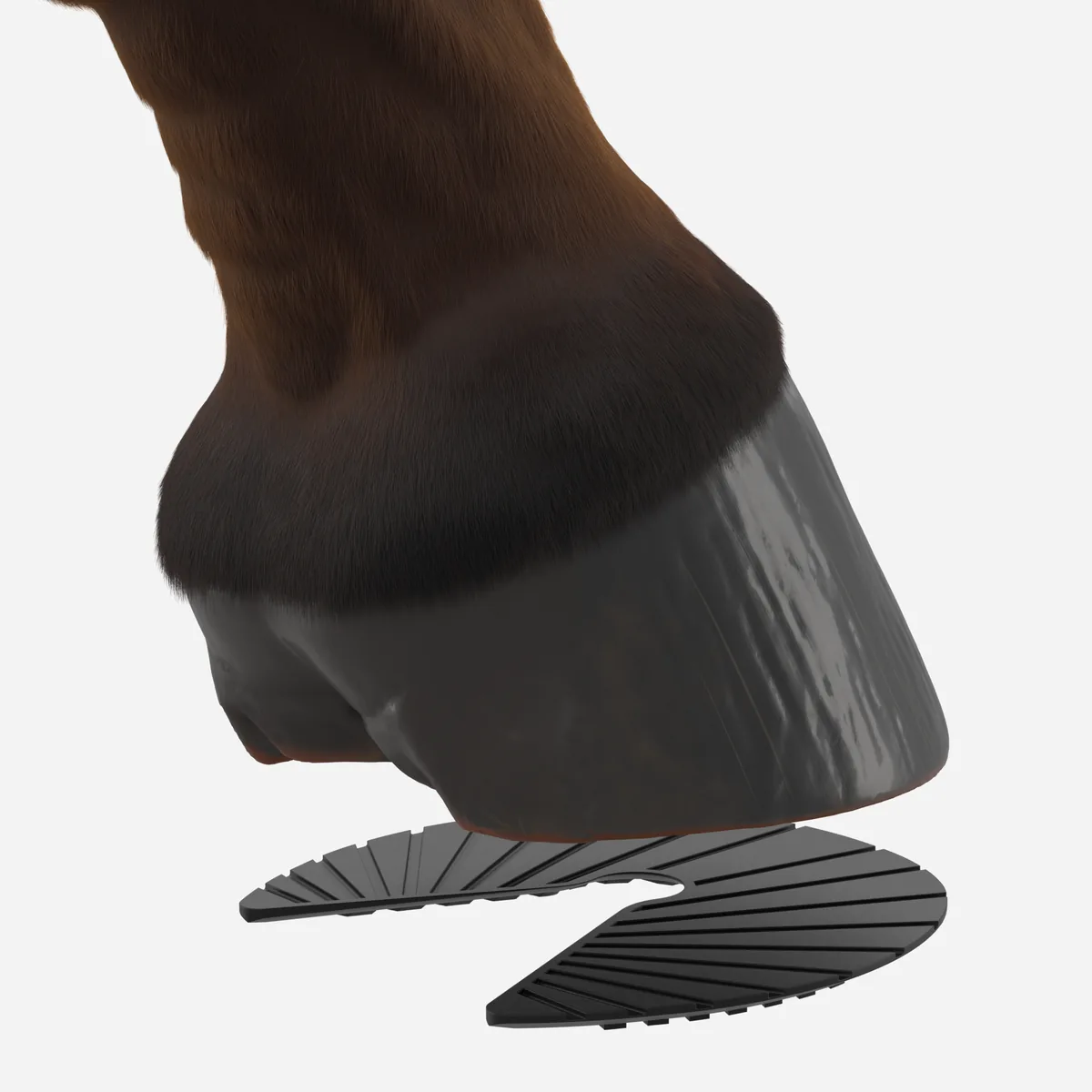
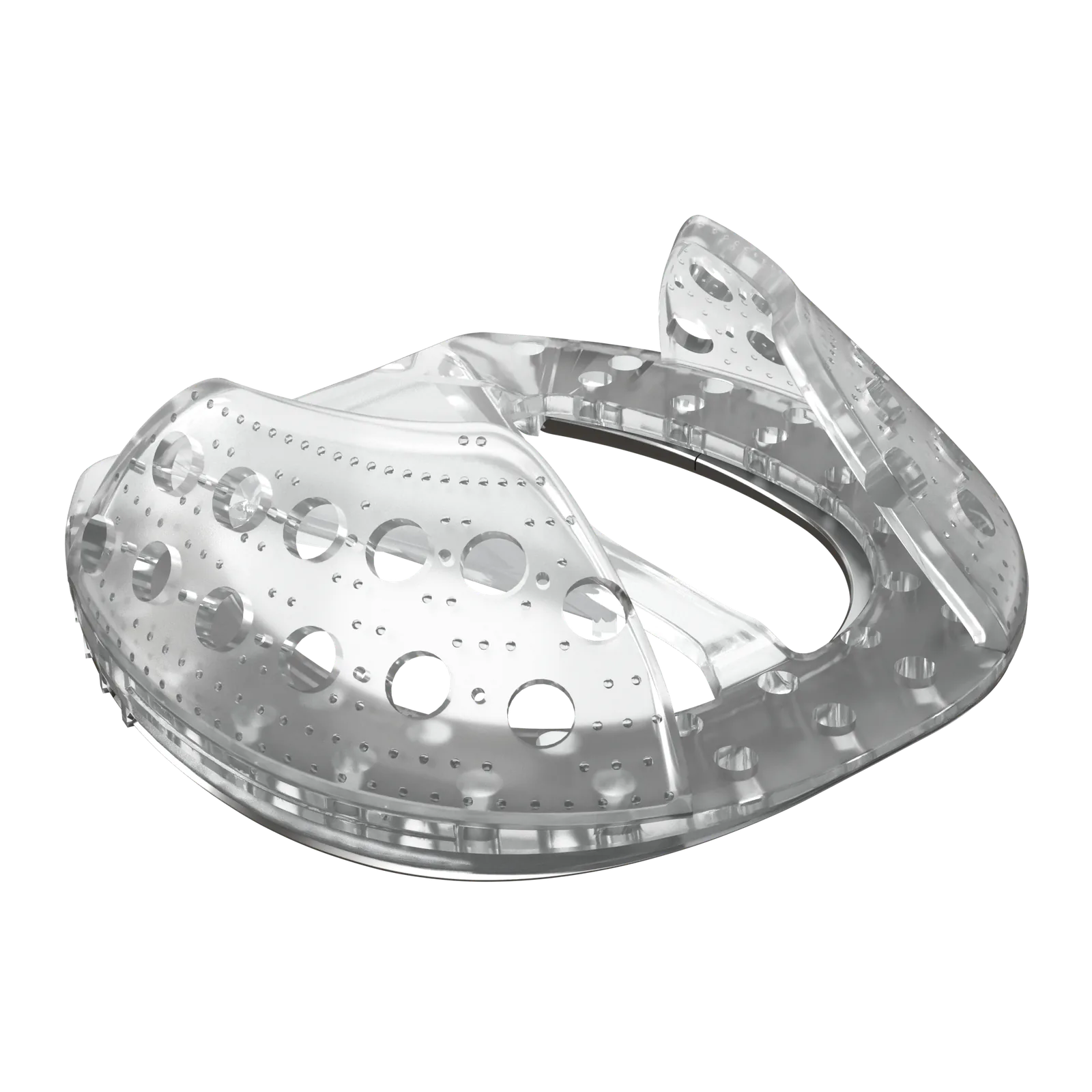
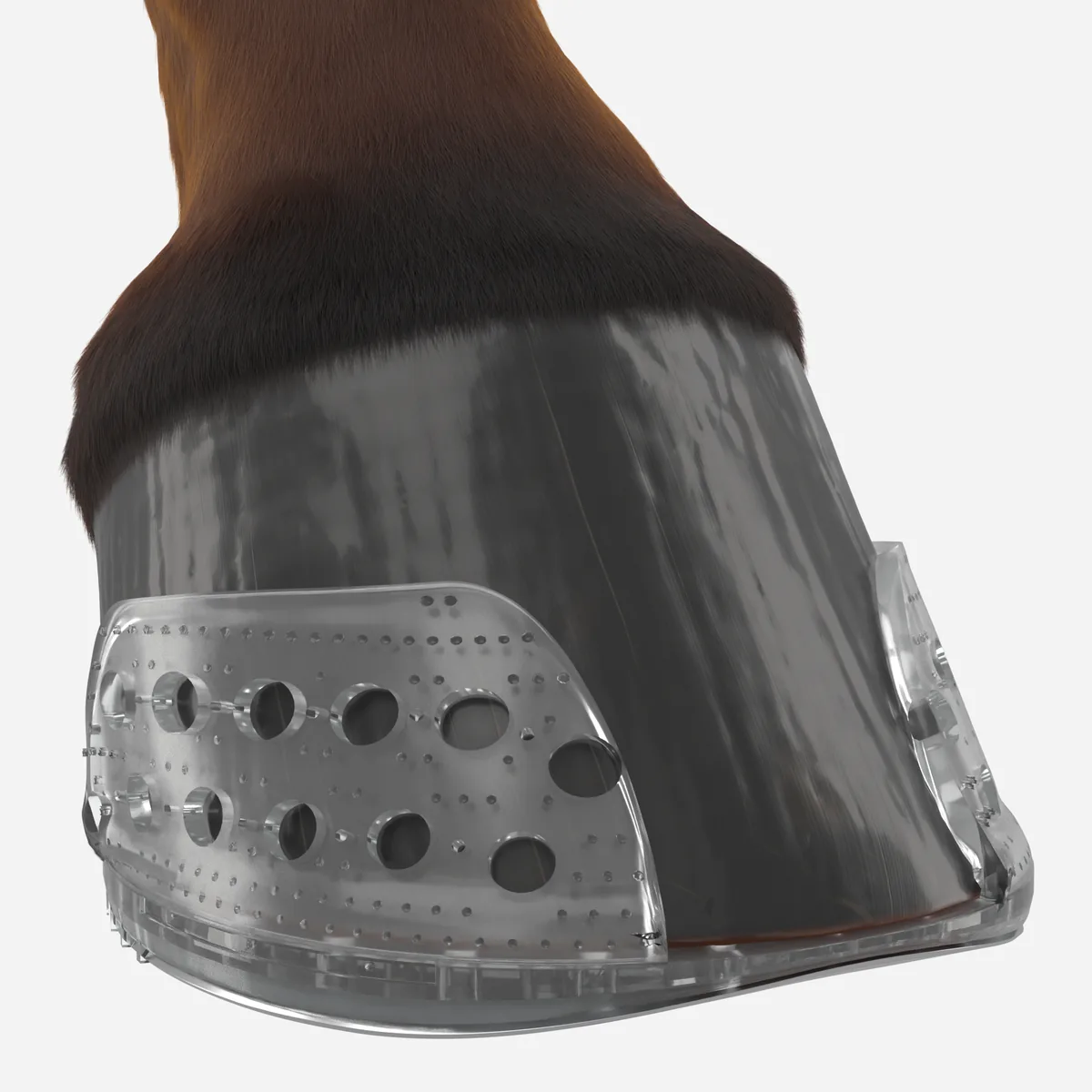
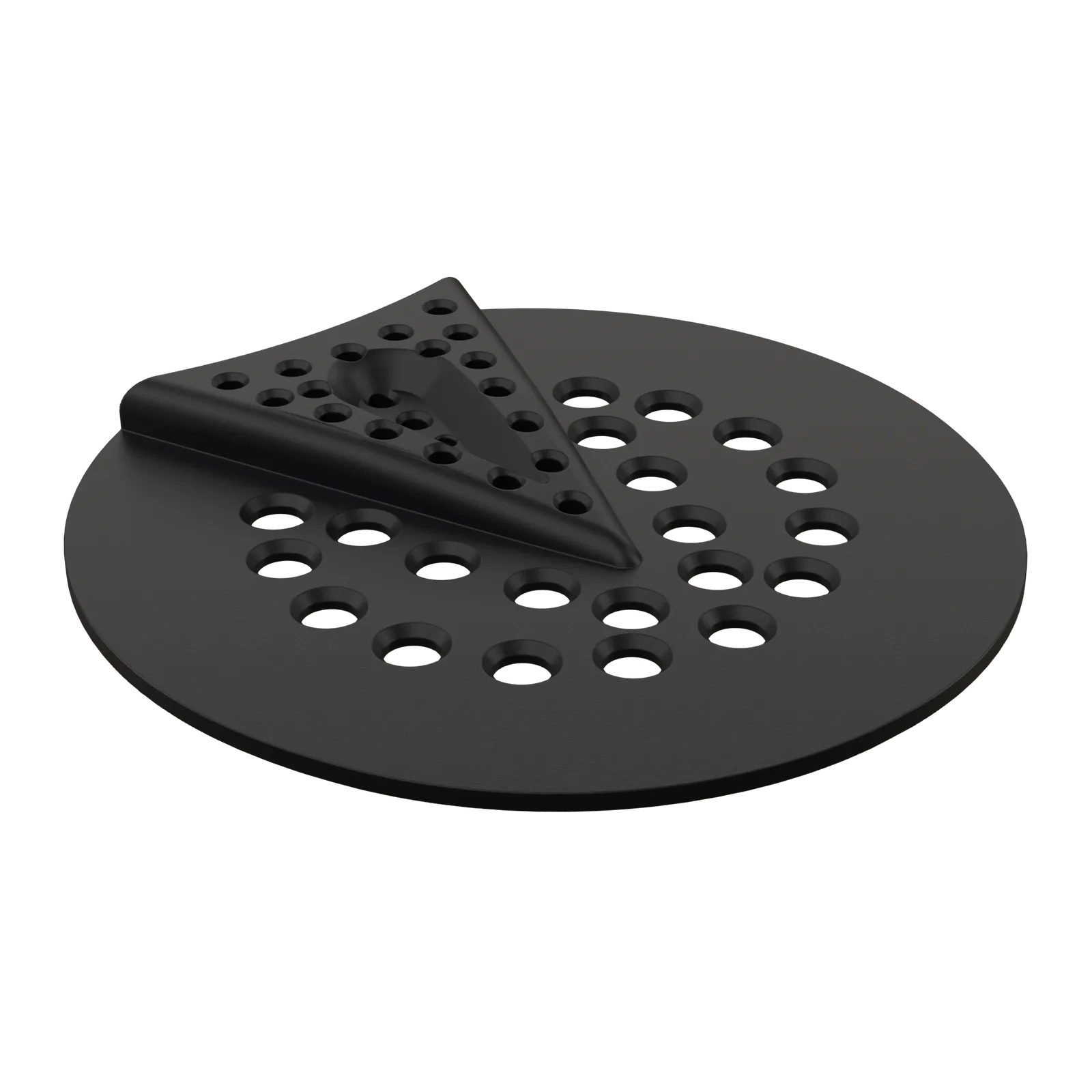
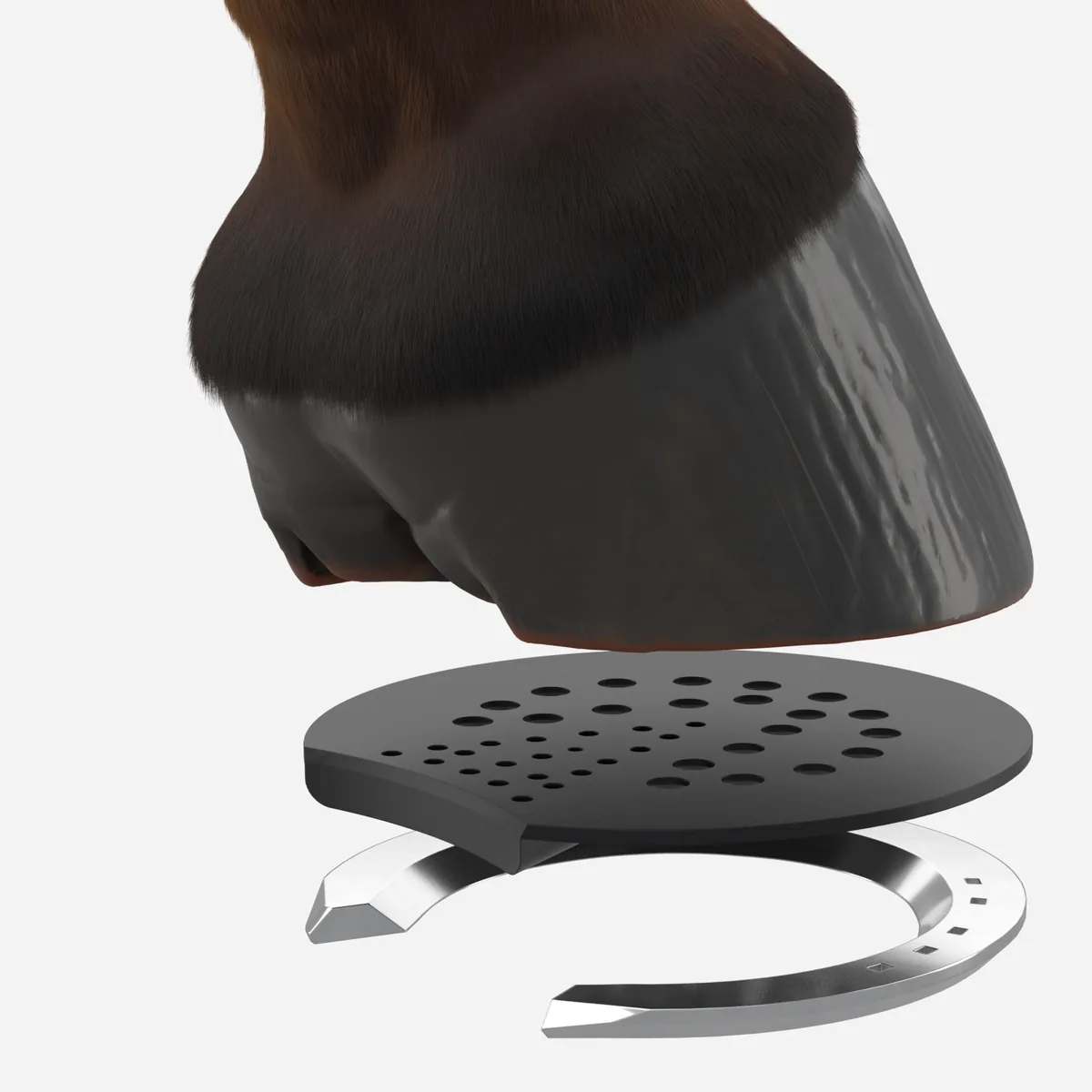
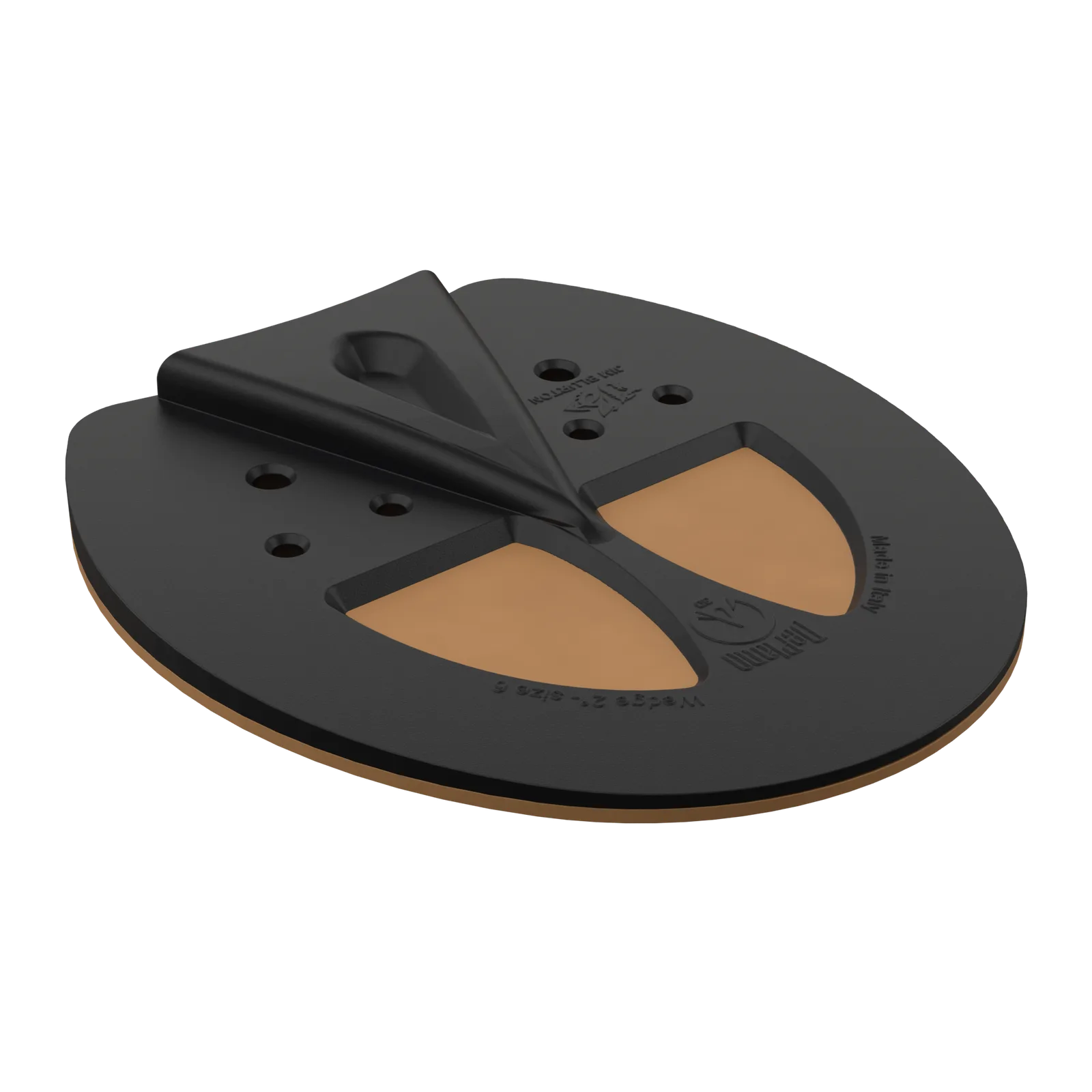
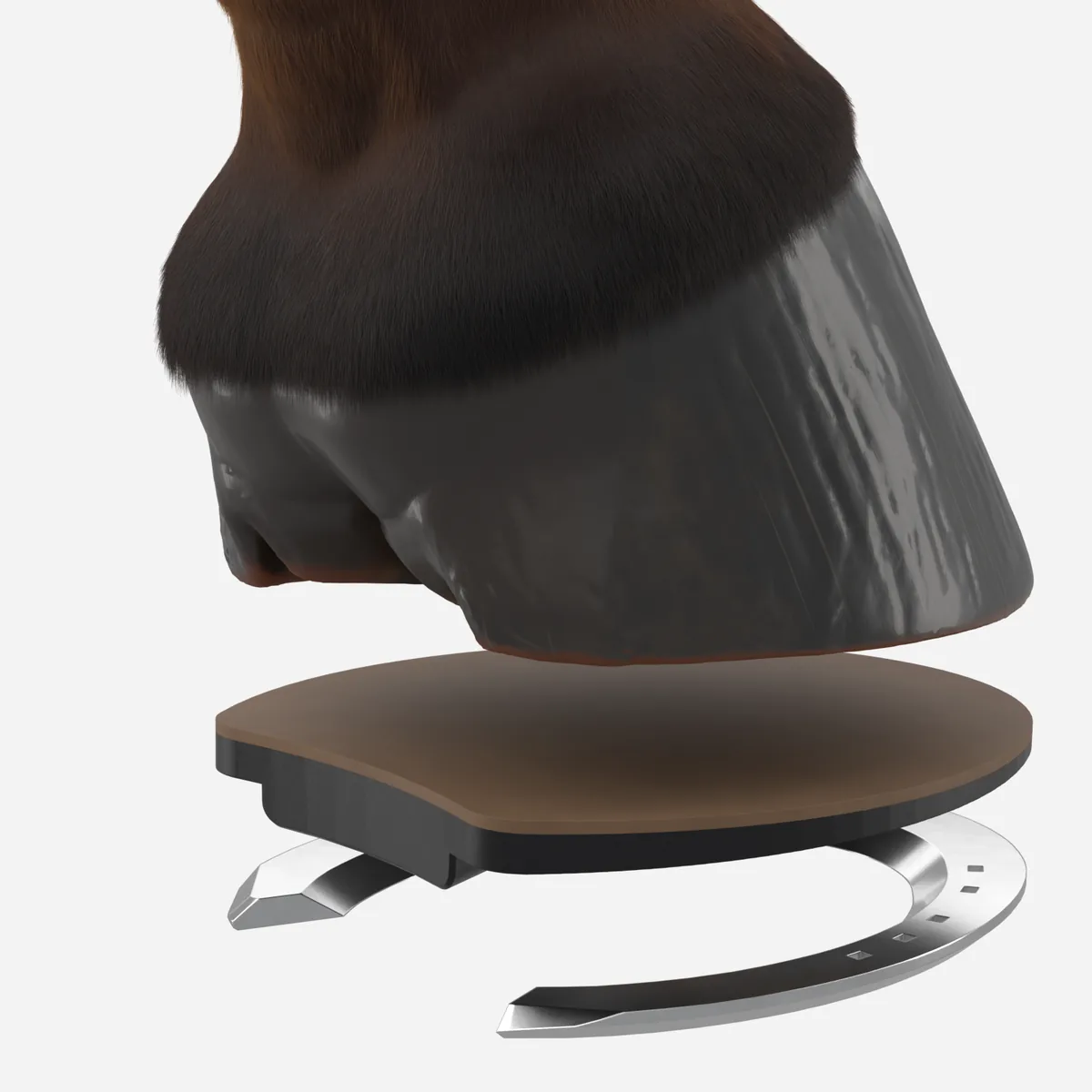
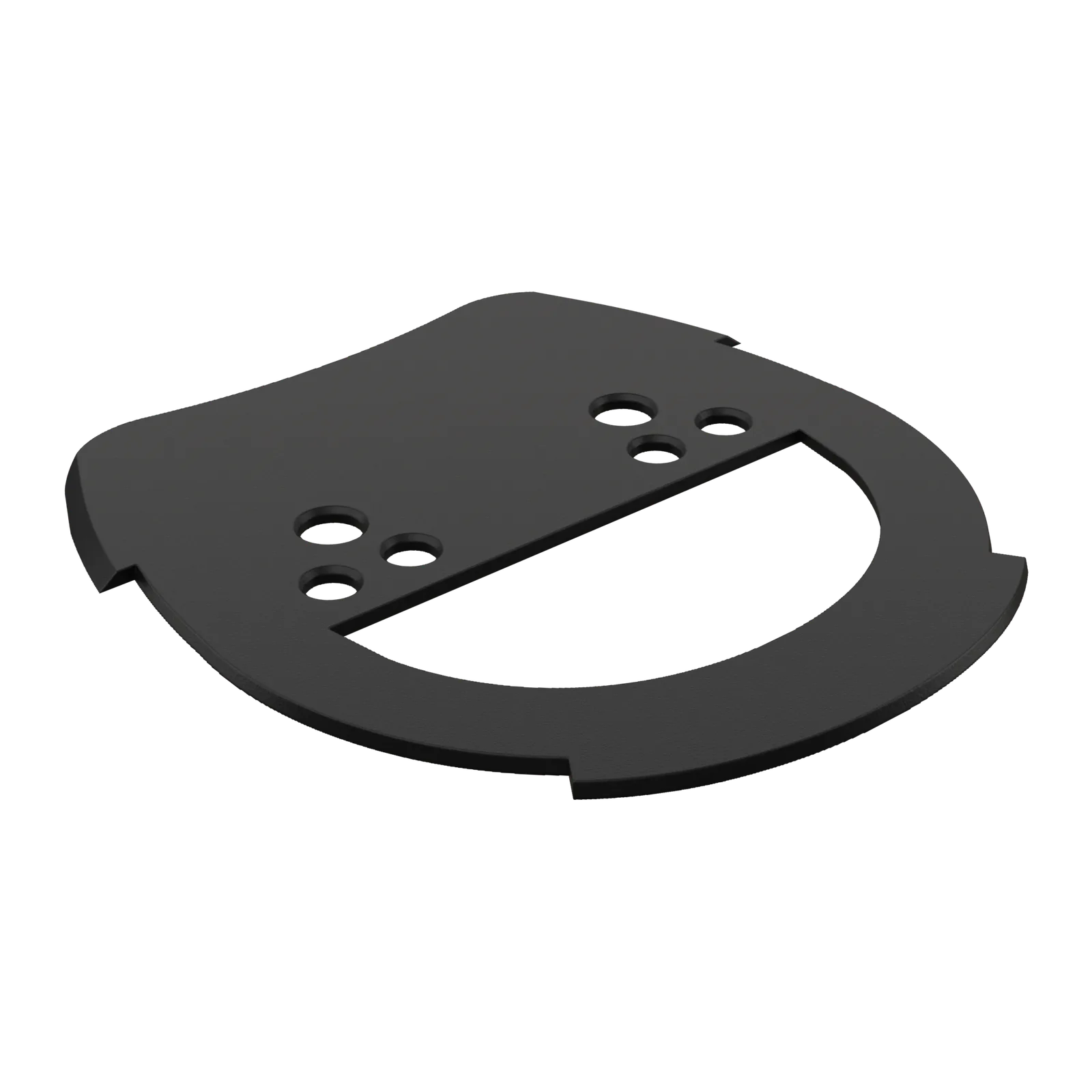
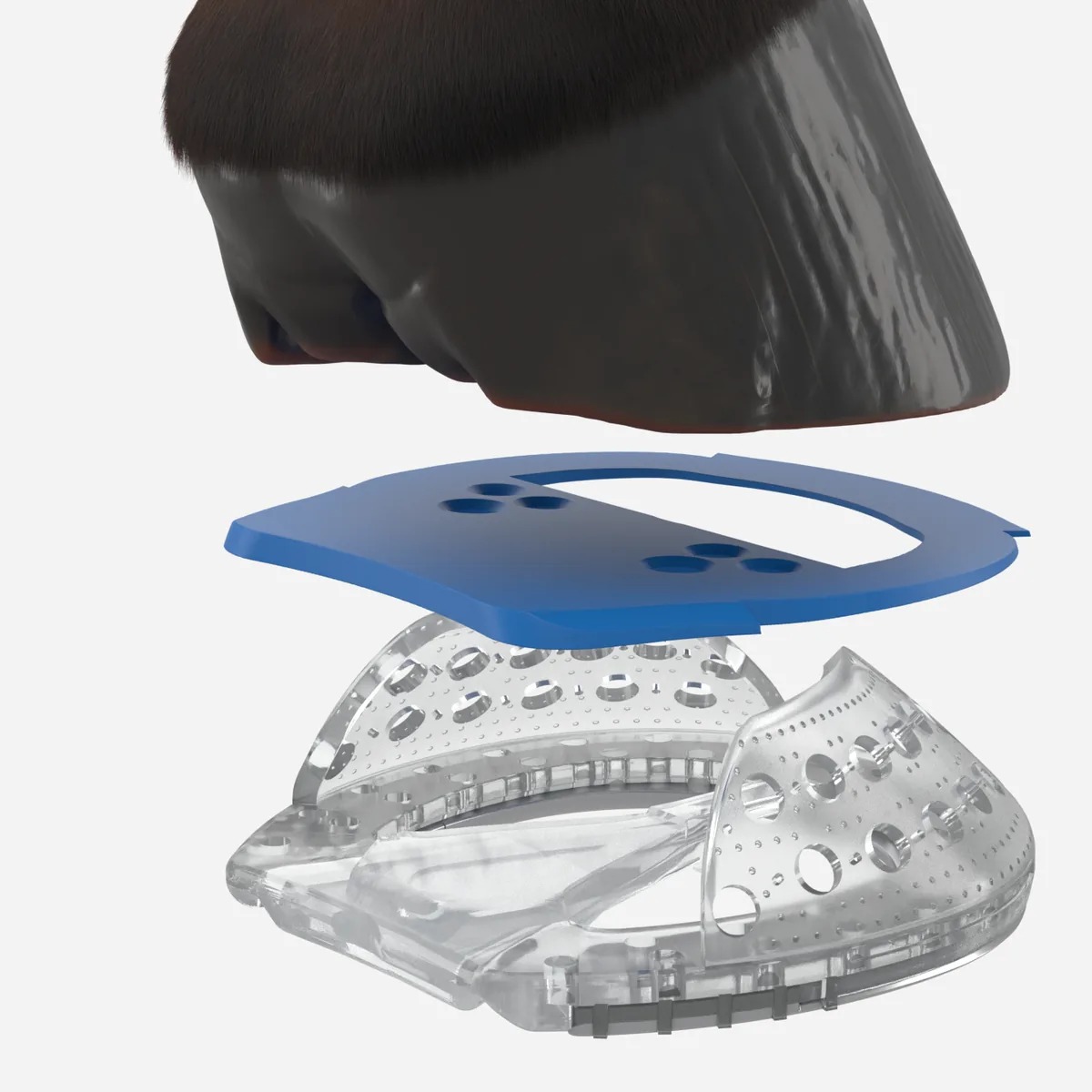
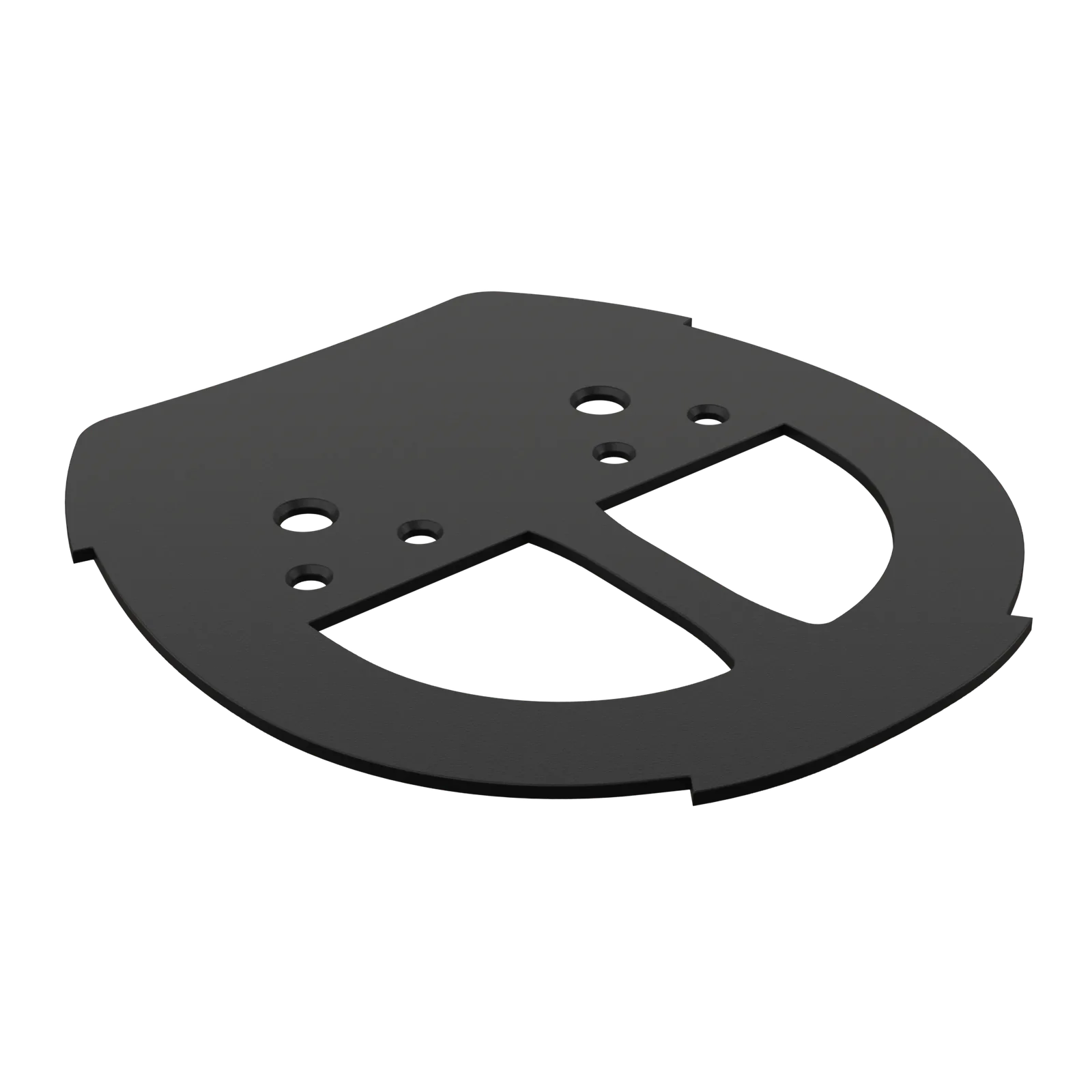
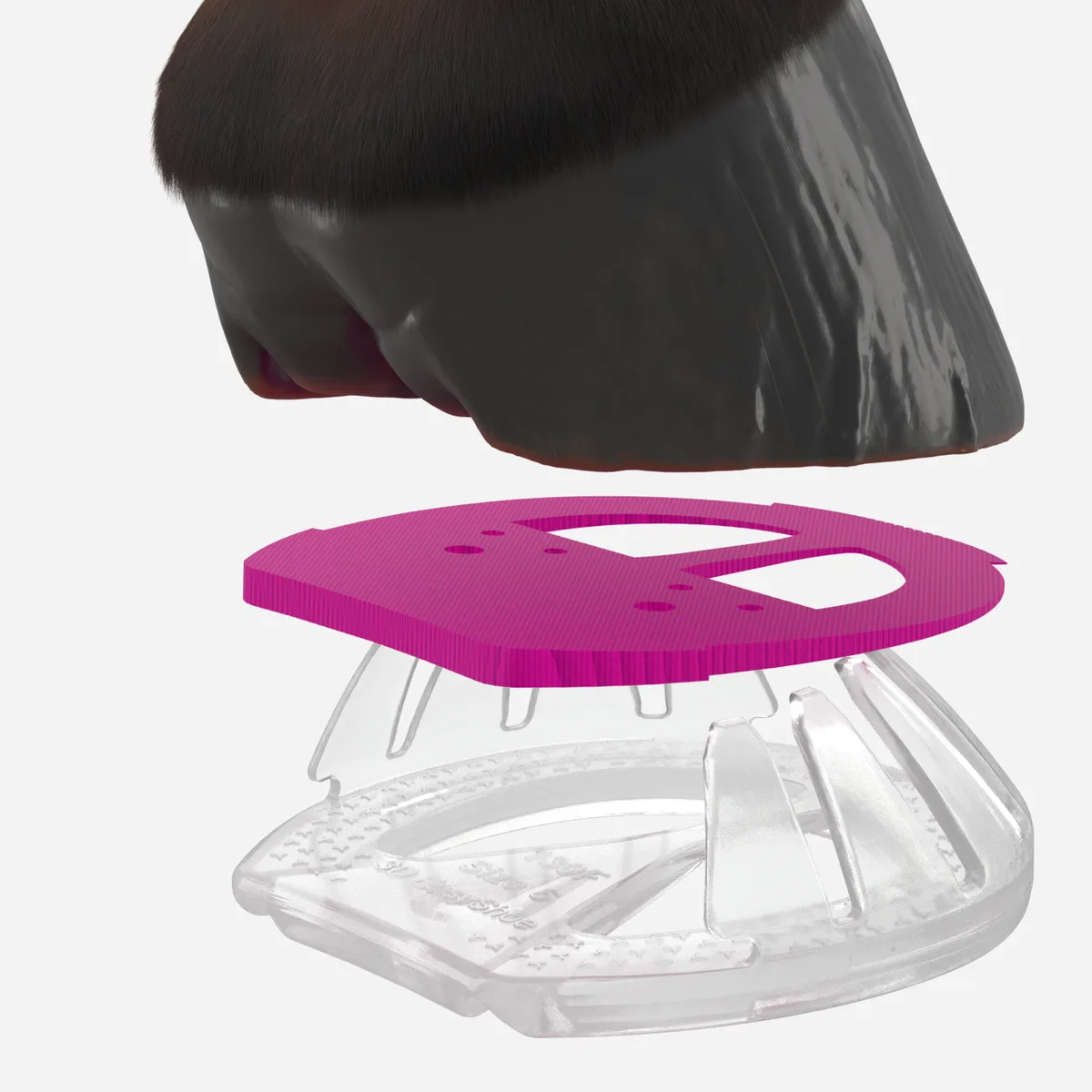
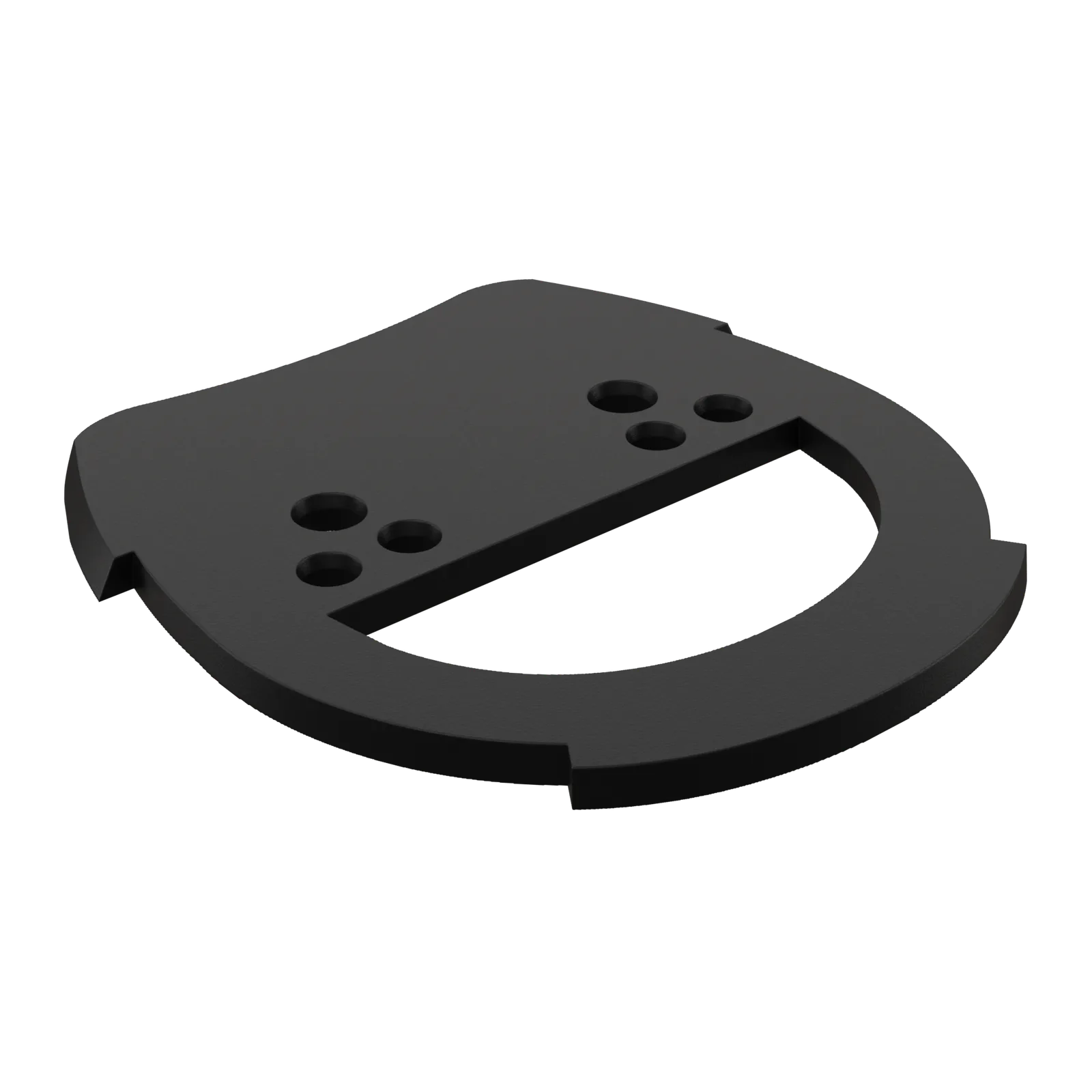
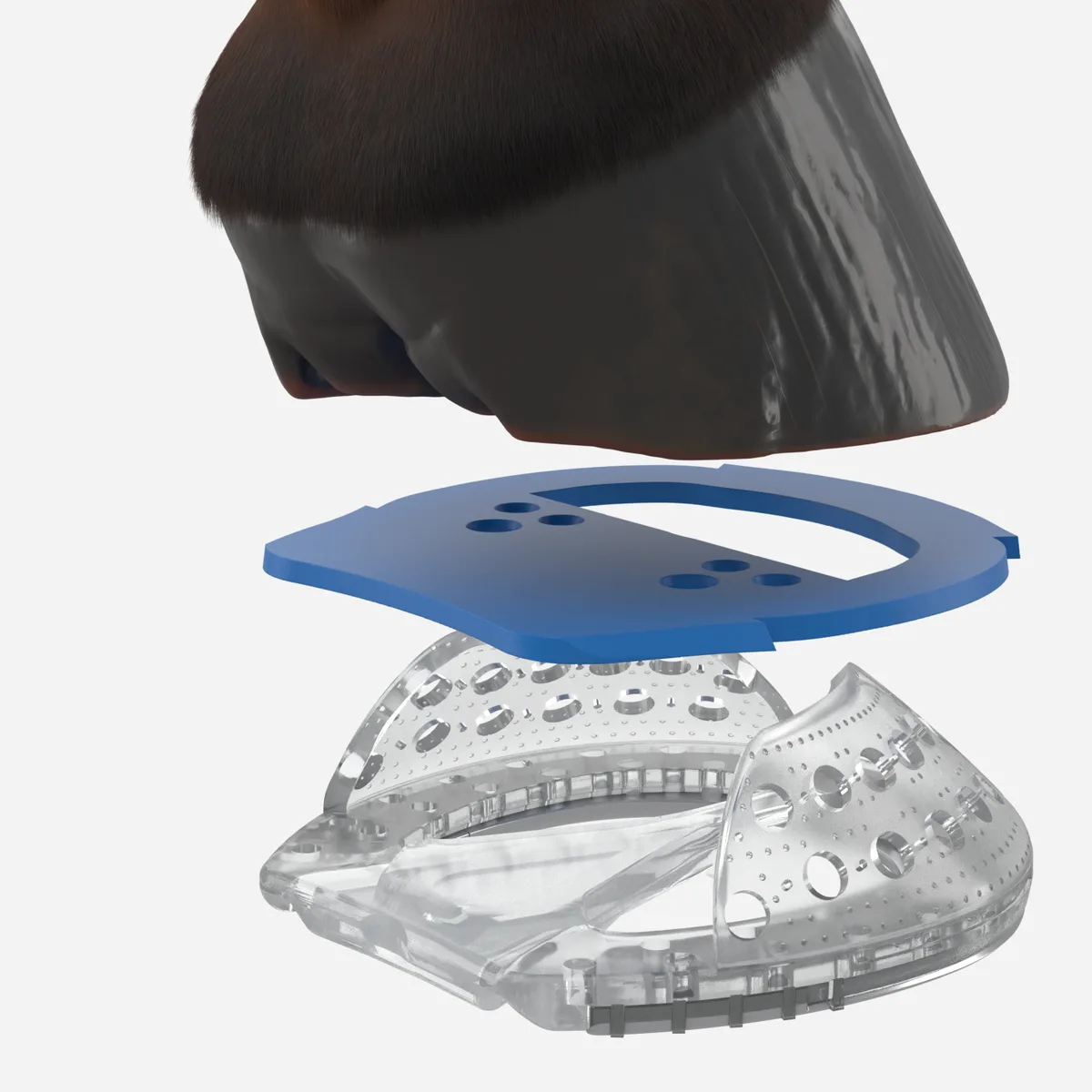
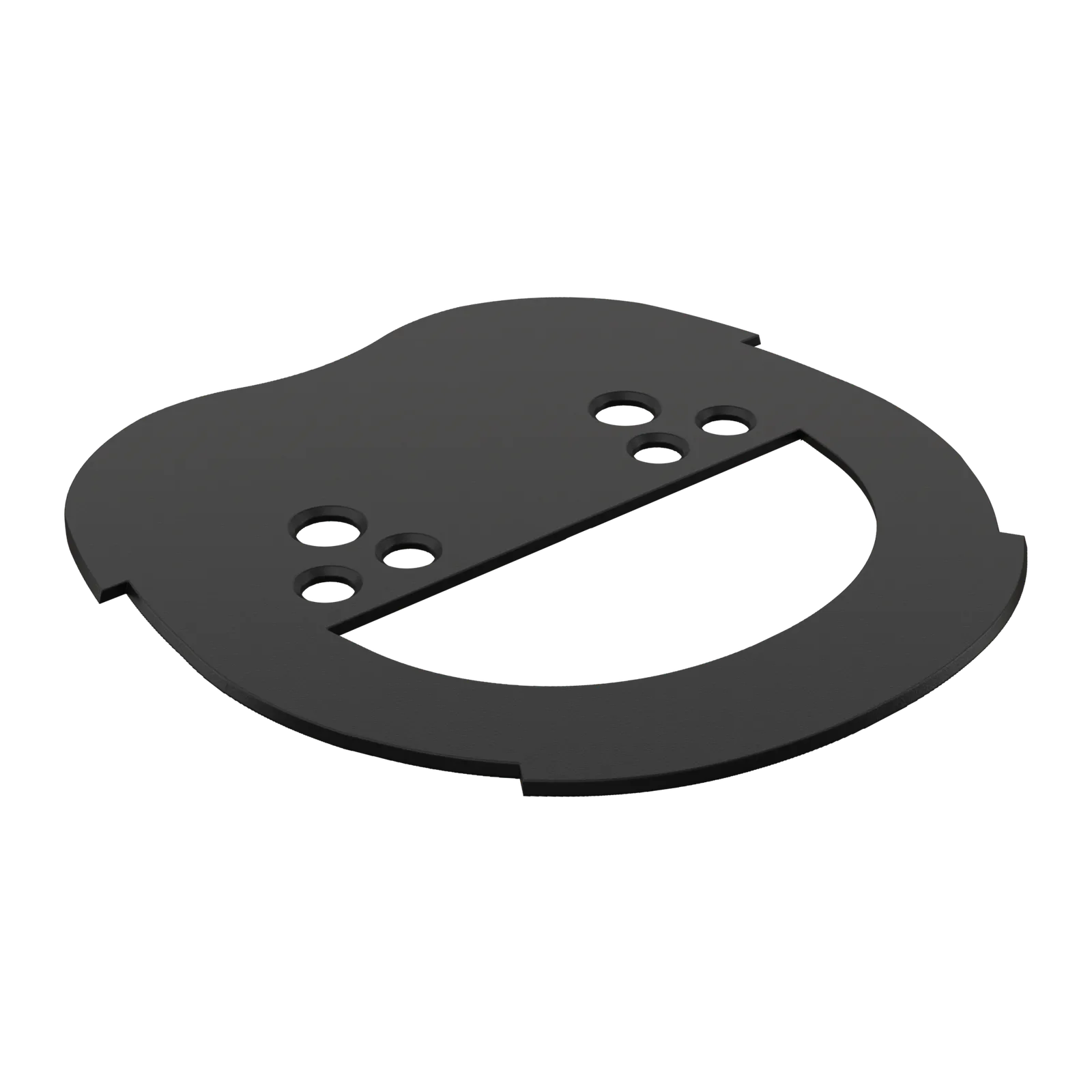
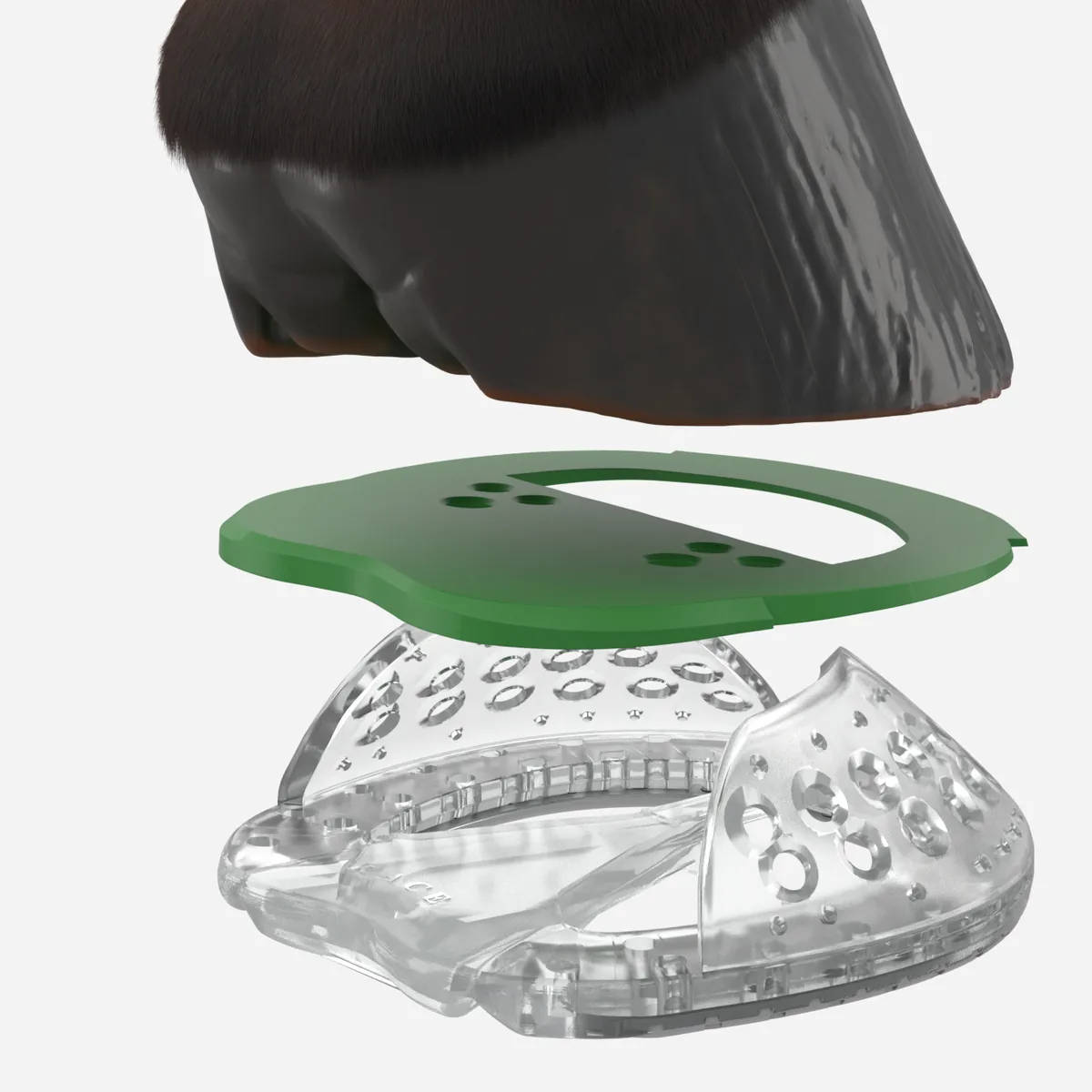
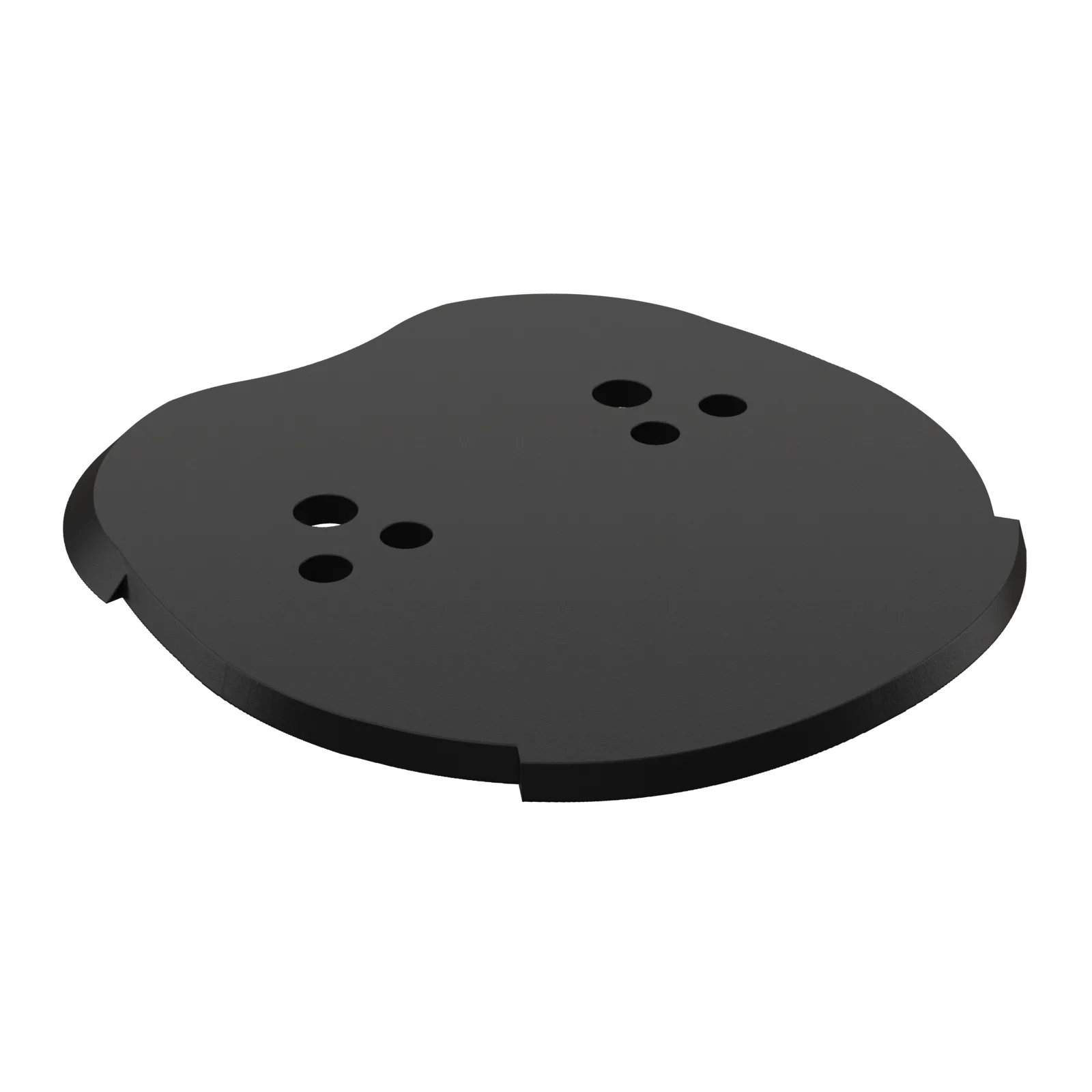
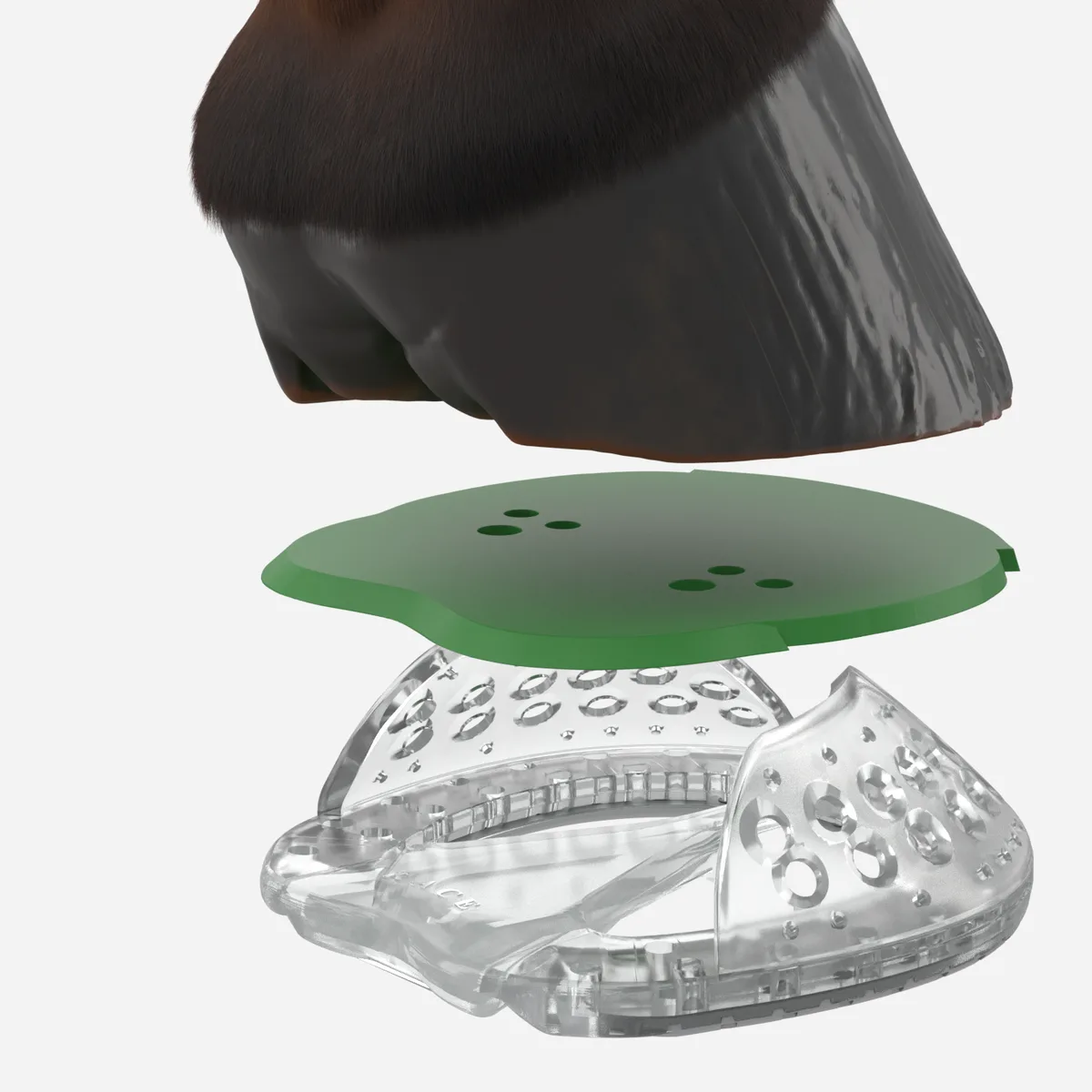
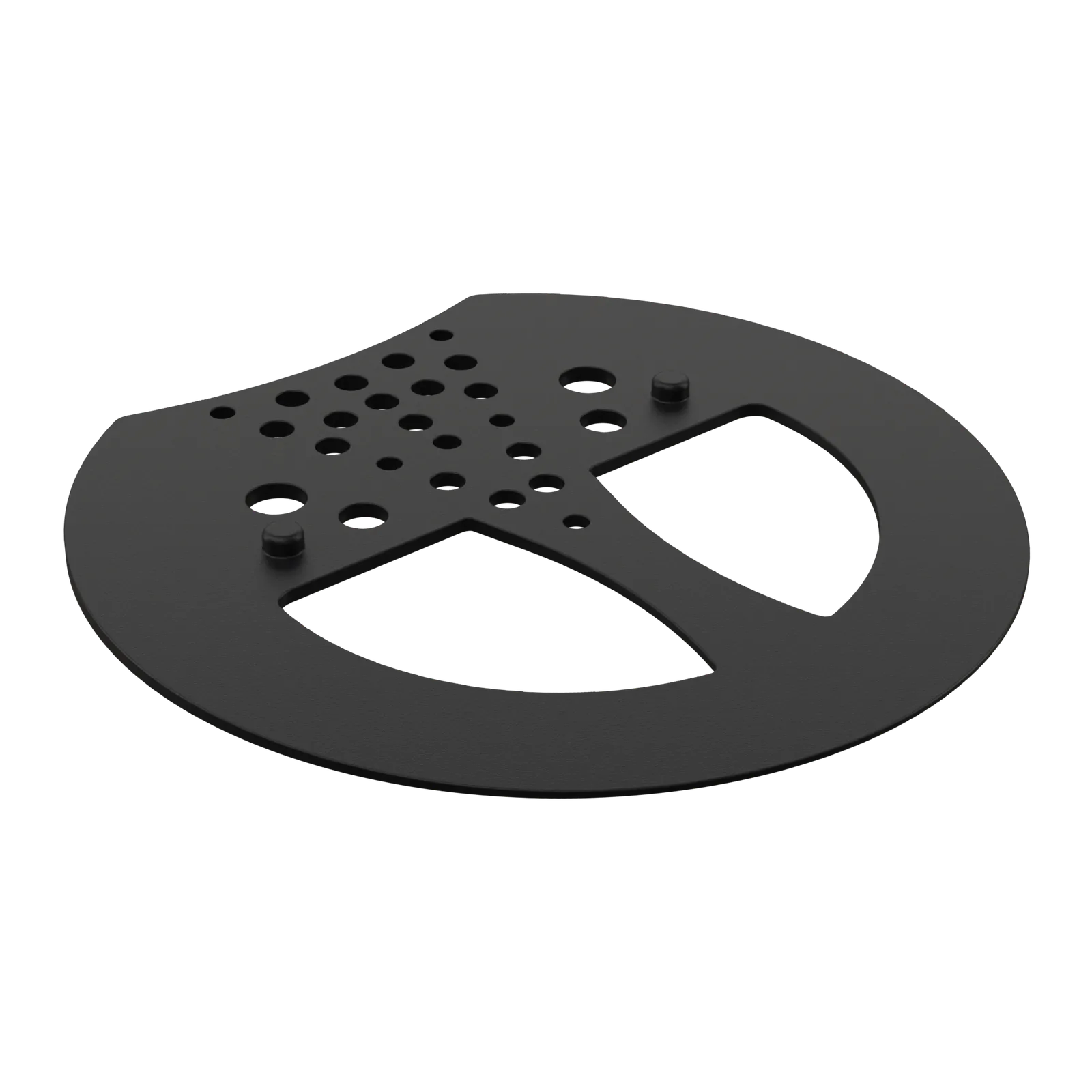
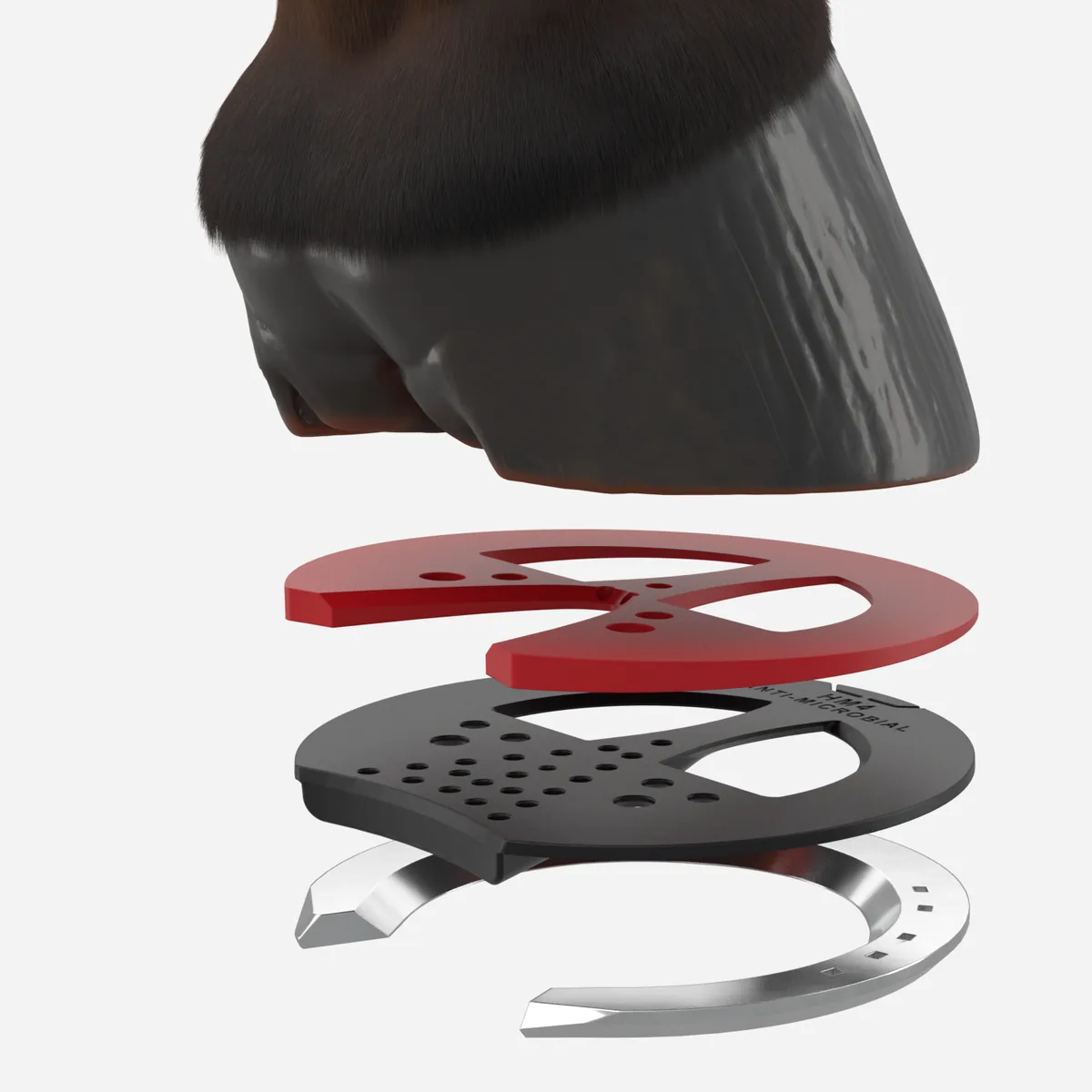
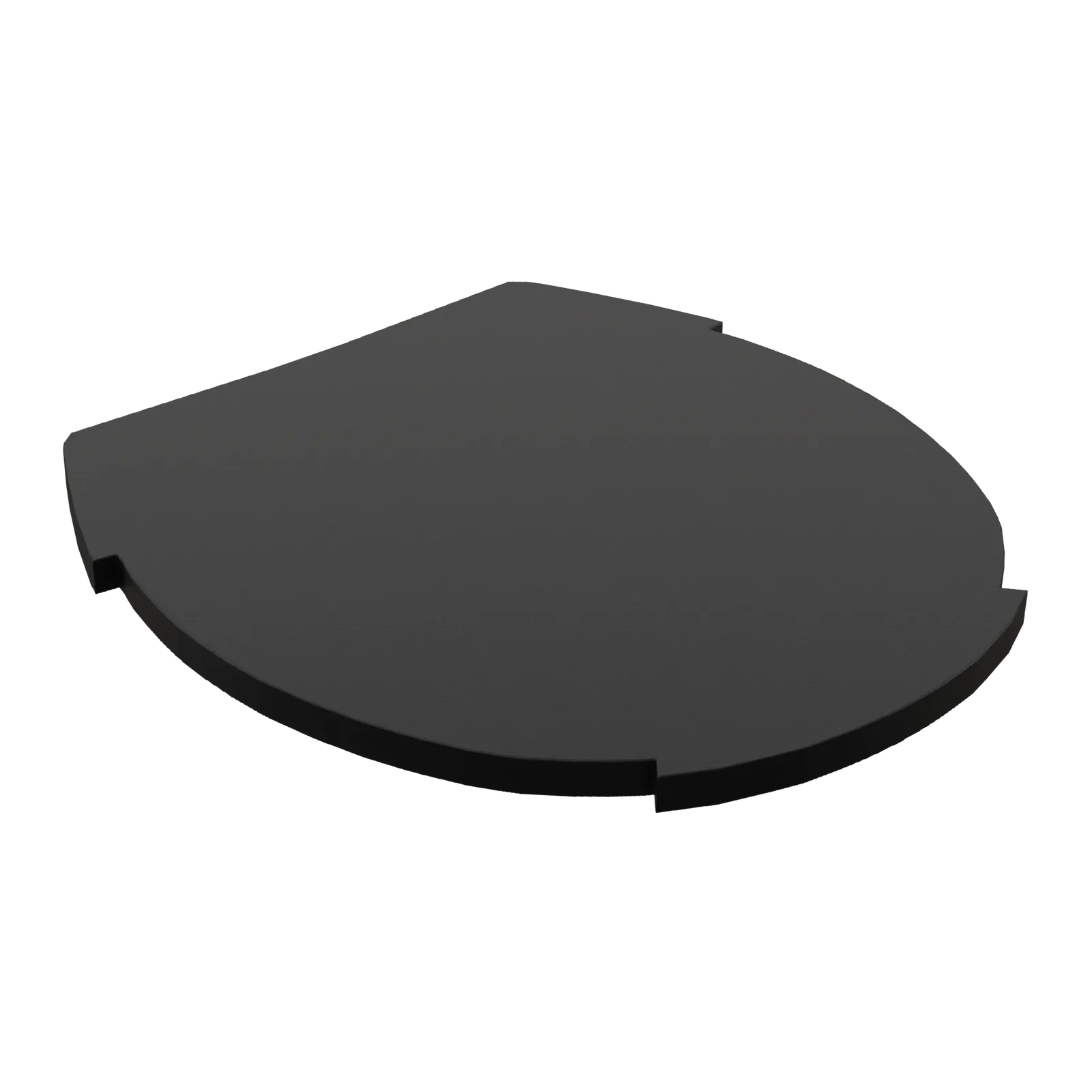
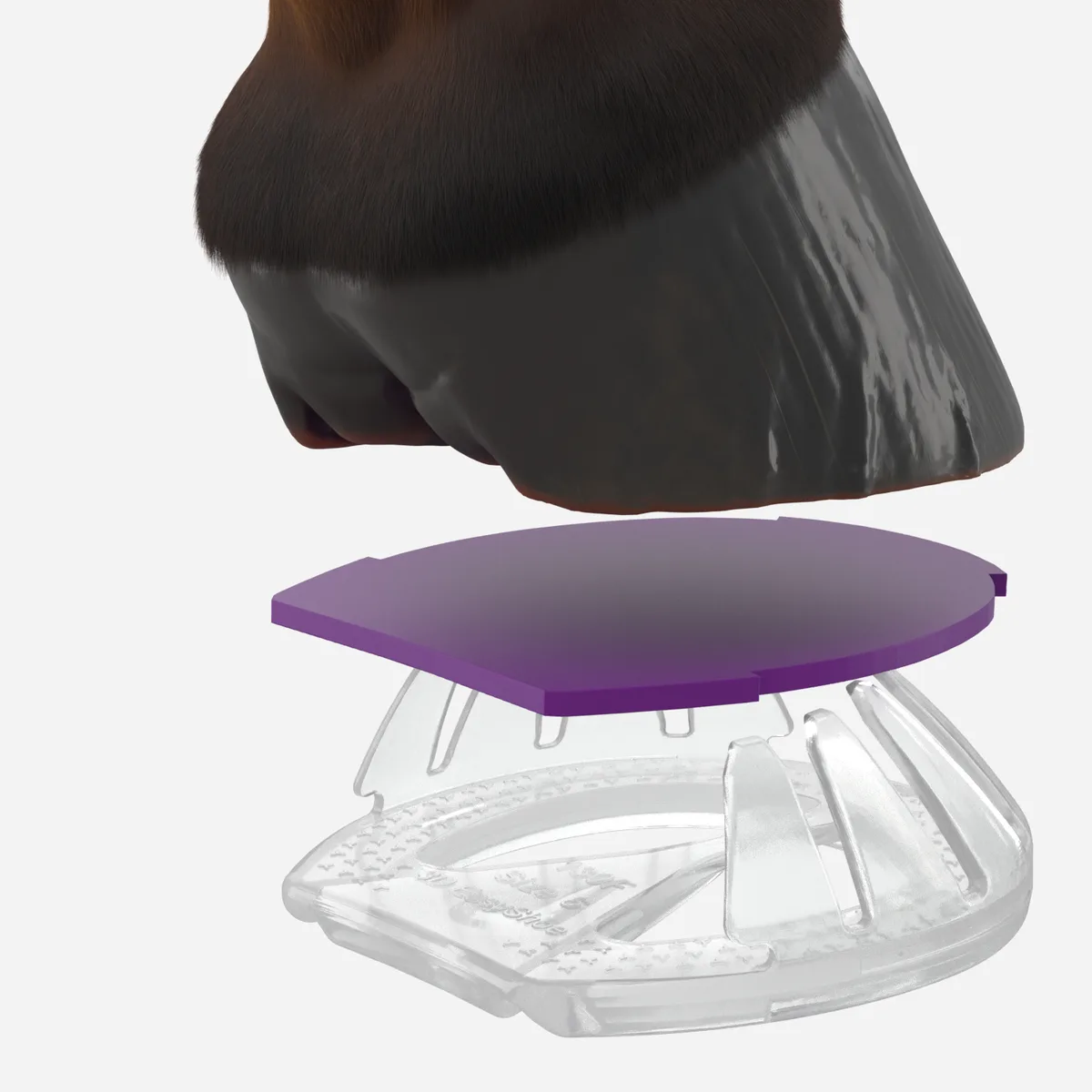
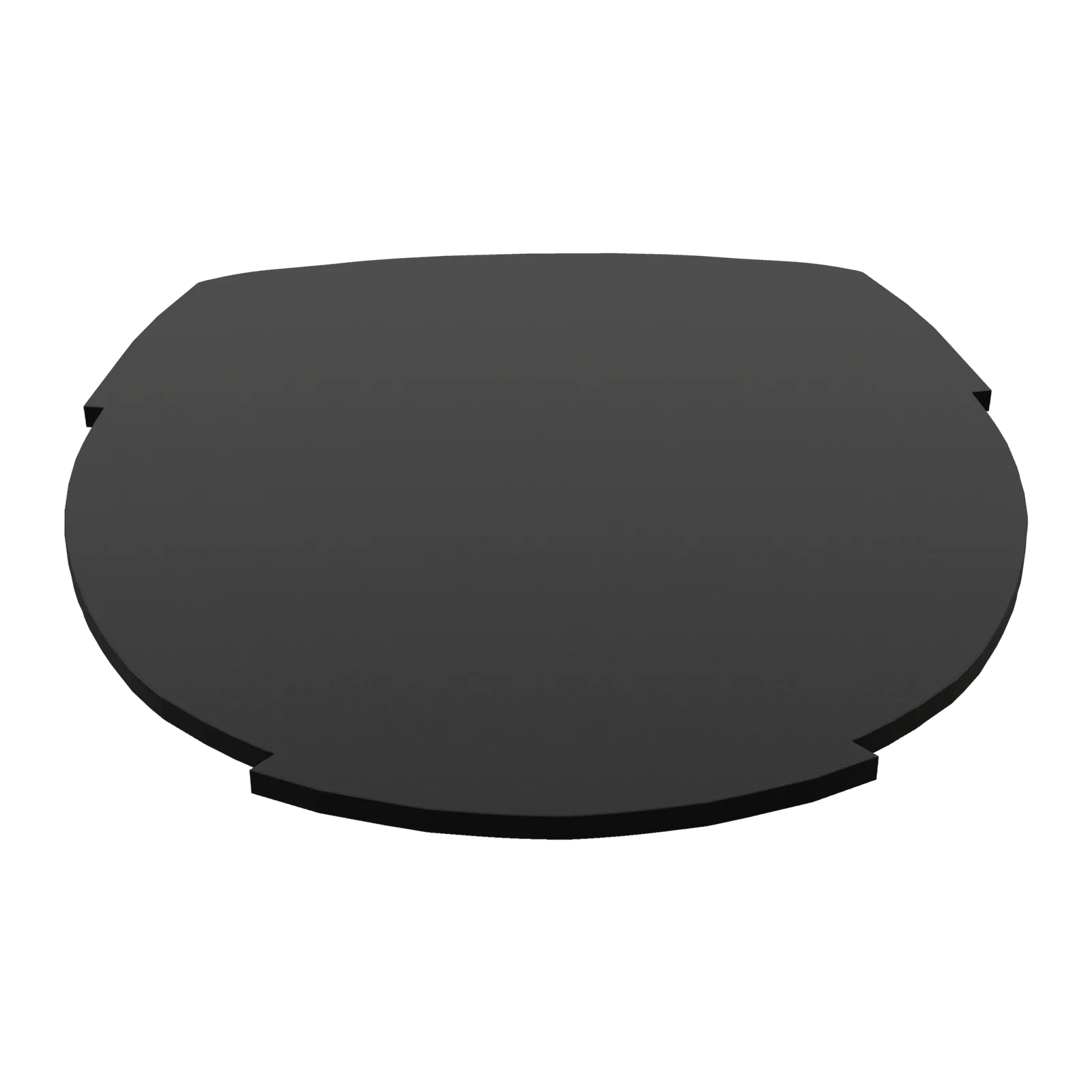
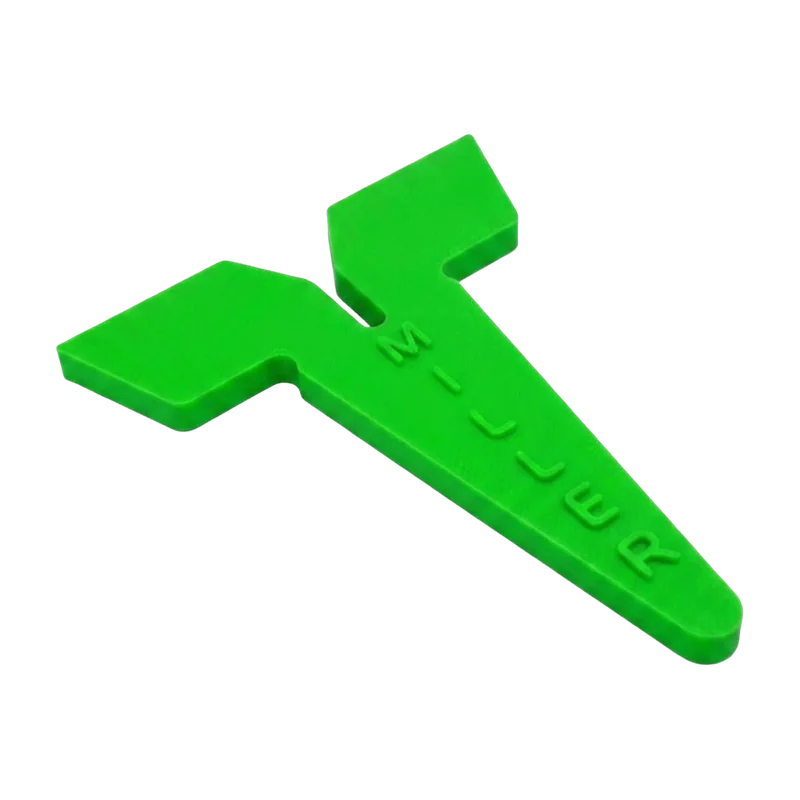
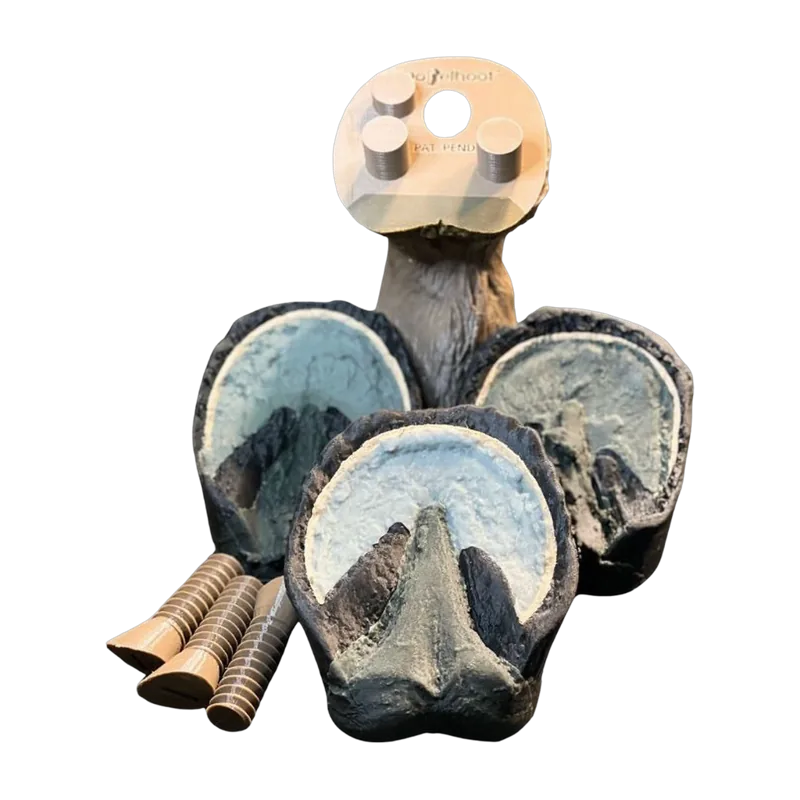
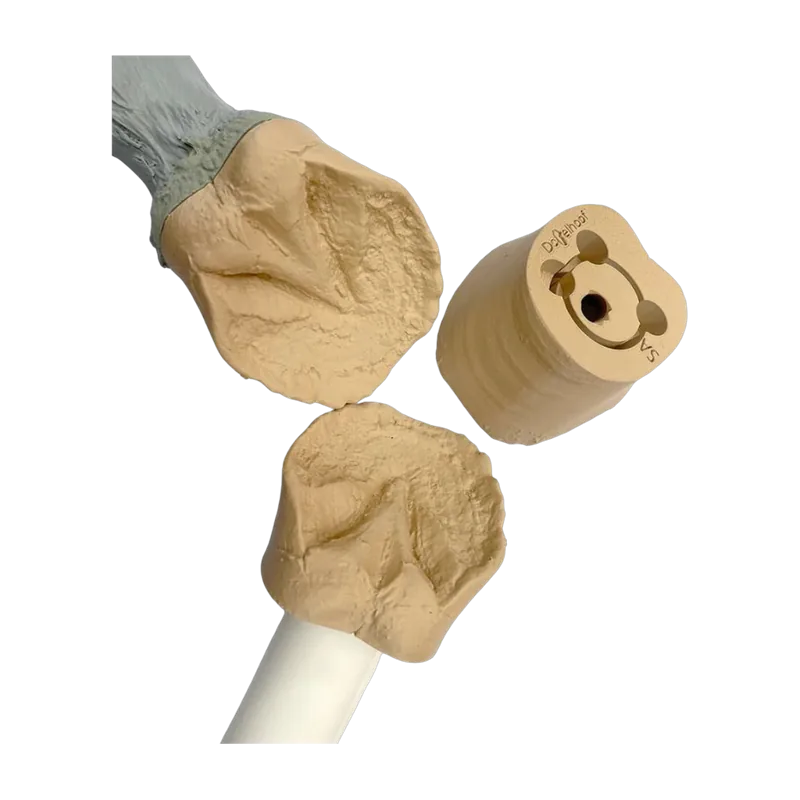
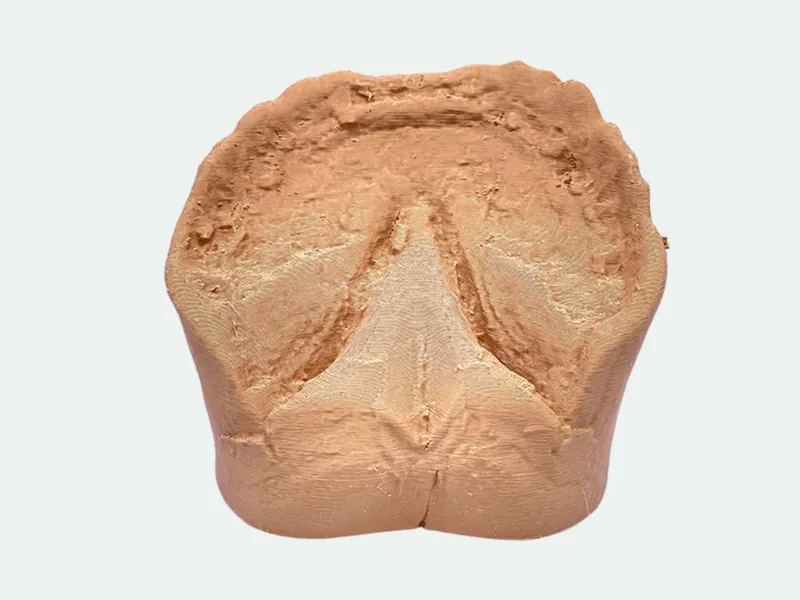
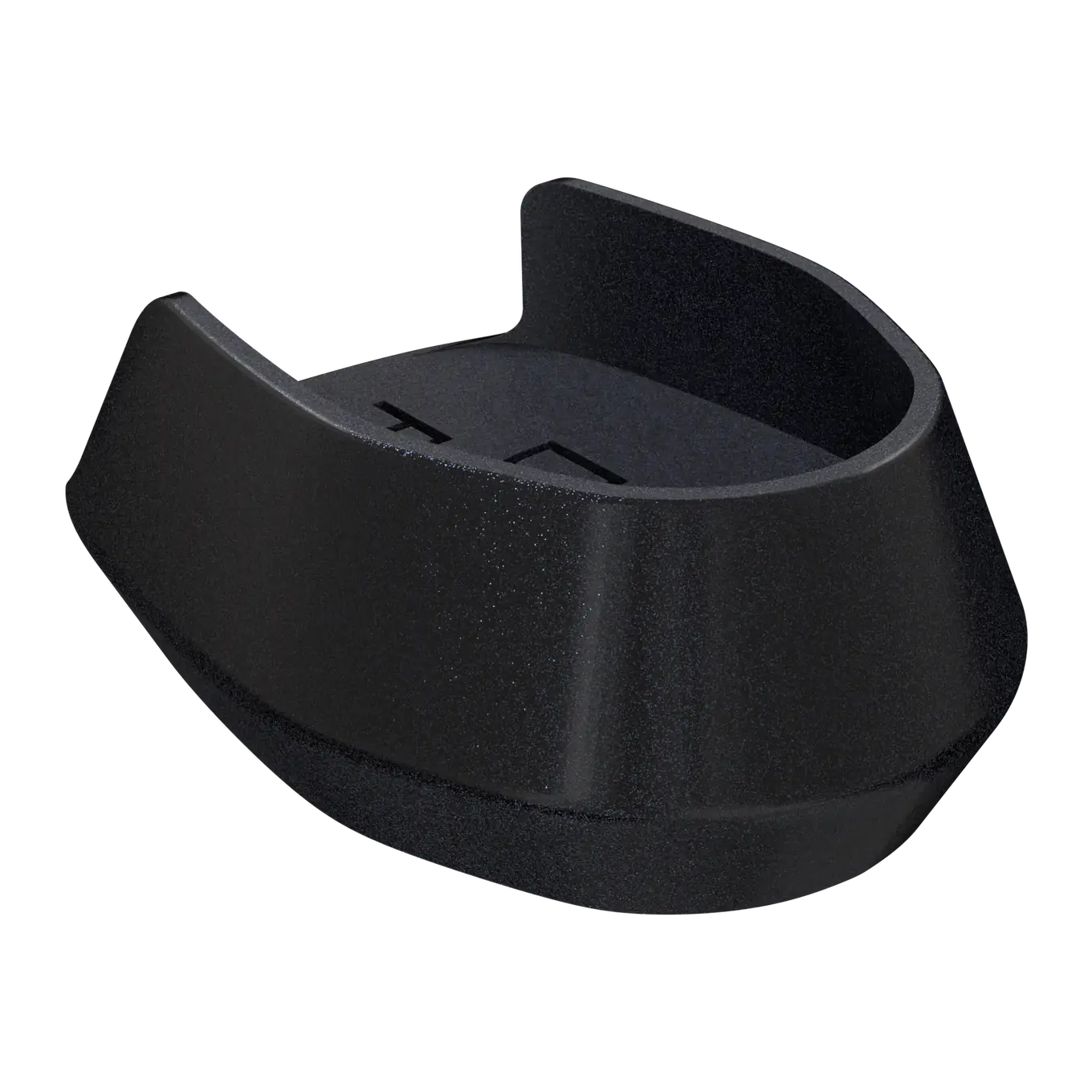
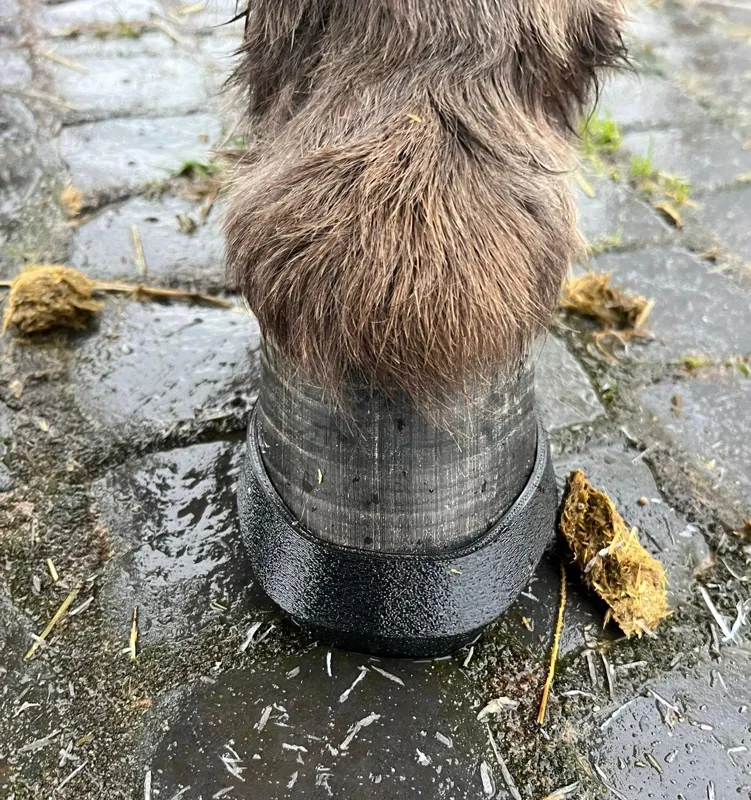
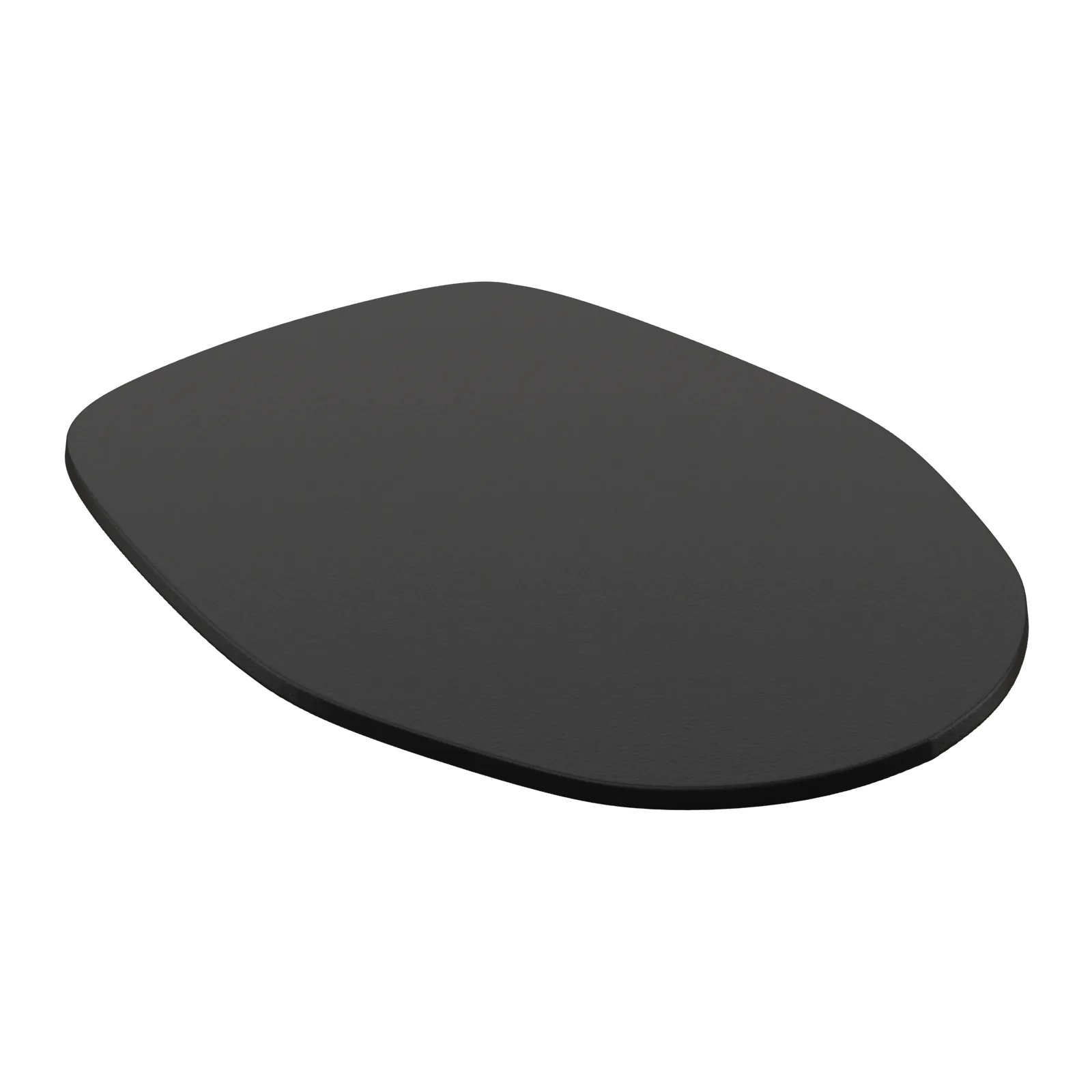
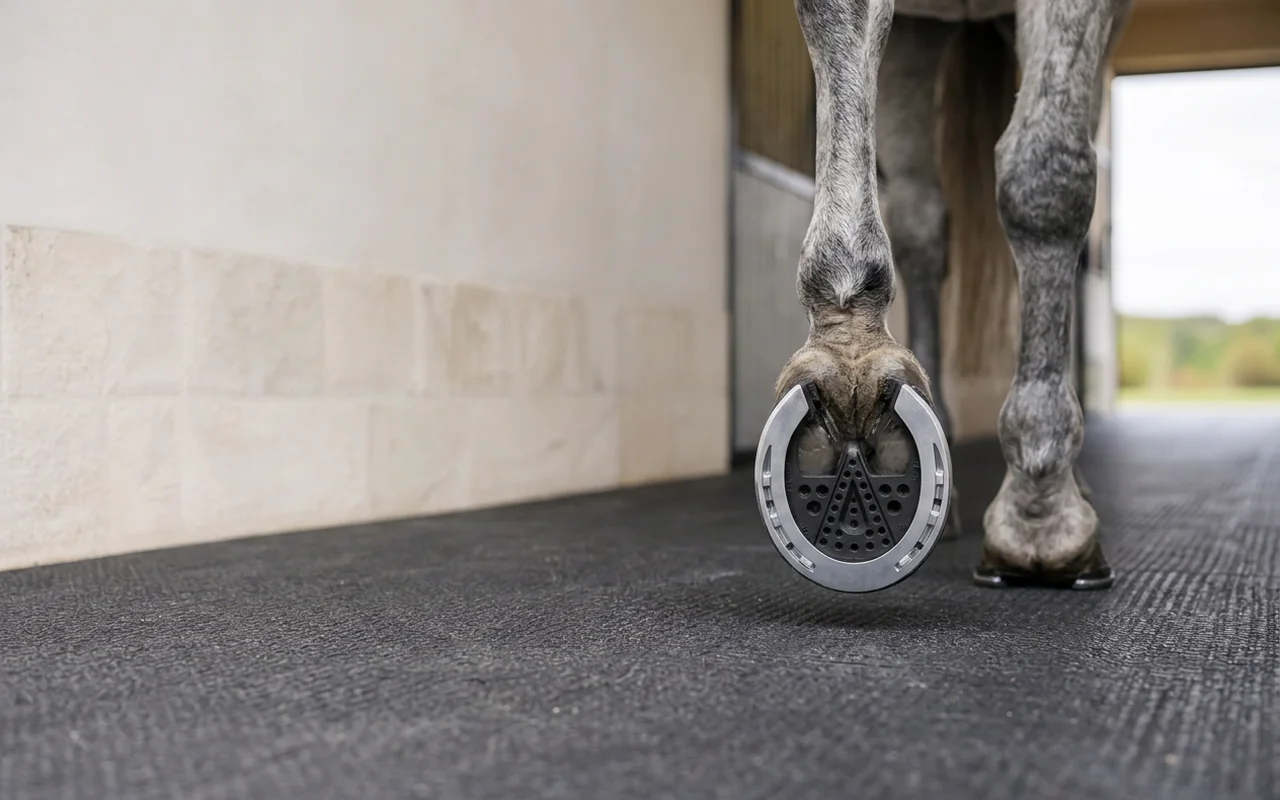
The Half Mesh Pad with impression material may help support the back of the foot by sharing load with the frog. Where your farrier decides heel elevation is appropriate, 2° and 3° degree inserts allow precise adjustment. The correct angle is dictated by the hoof-pastern axis and, ideally, radiographs, not guesswork. Elevation that suits one foot can be wrong for another, so this is a decision to make with your farrier.
Realistic expectations
Correct trimming and shoeing meaningfully improves comfort in a proportion of horses, and many stay in adjusted work for years. Expect ongoing management, regular reassessment, and adjustments over time rather than a one-off fix.
When to call your vet
At the first signs of a shortened stride or recurring front-foot soreness. The earlier the diagnosis, the more options you have.
This guide is educational and is not a substitute for veterinary or farrier diagnosis.