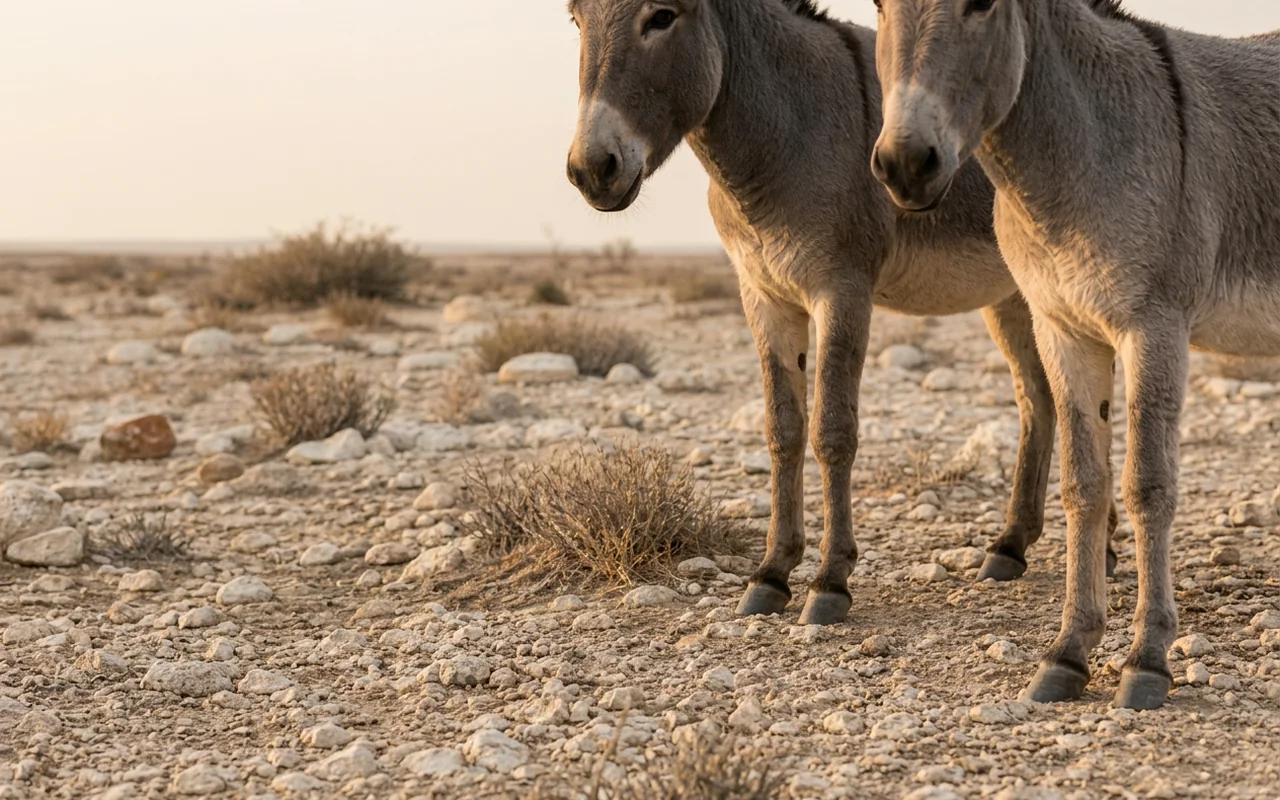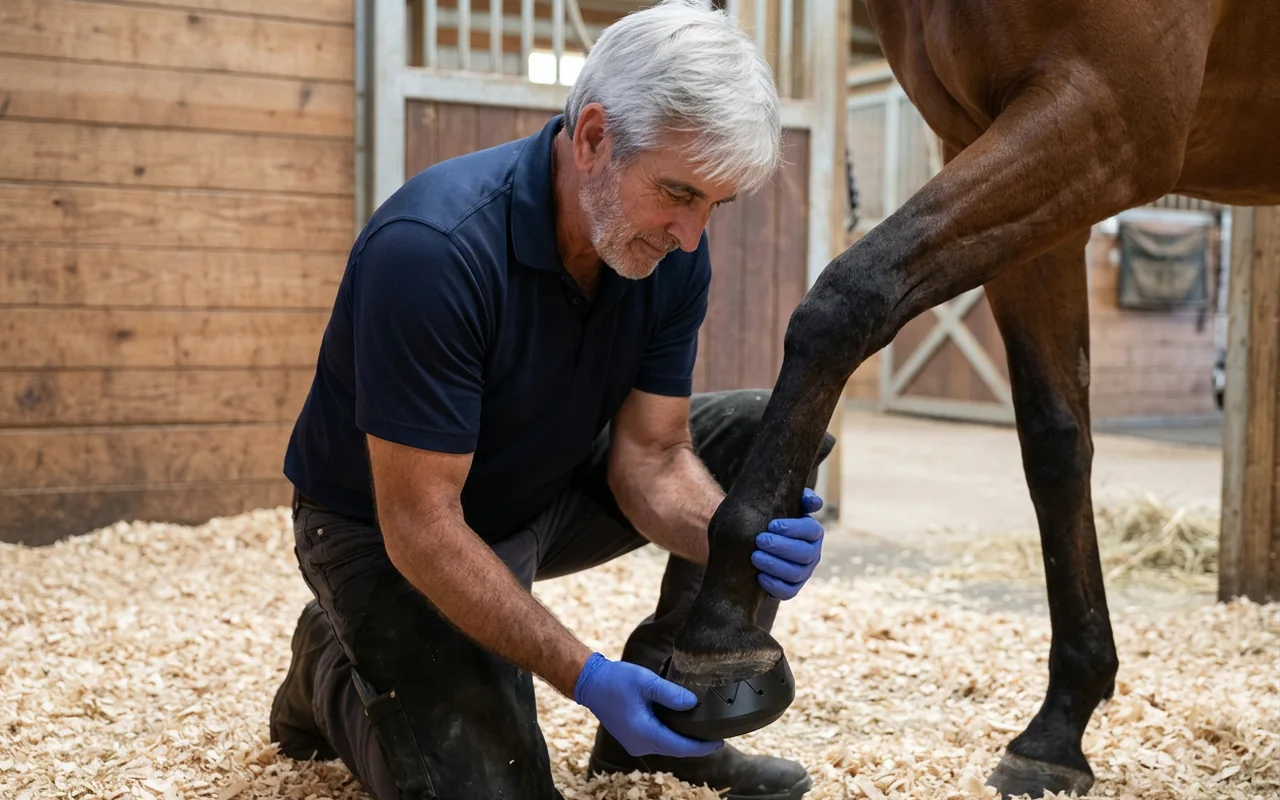

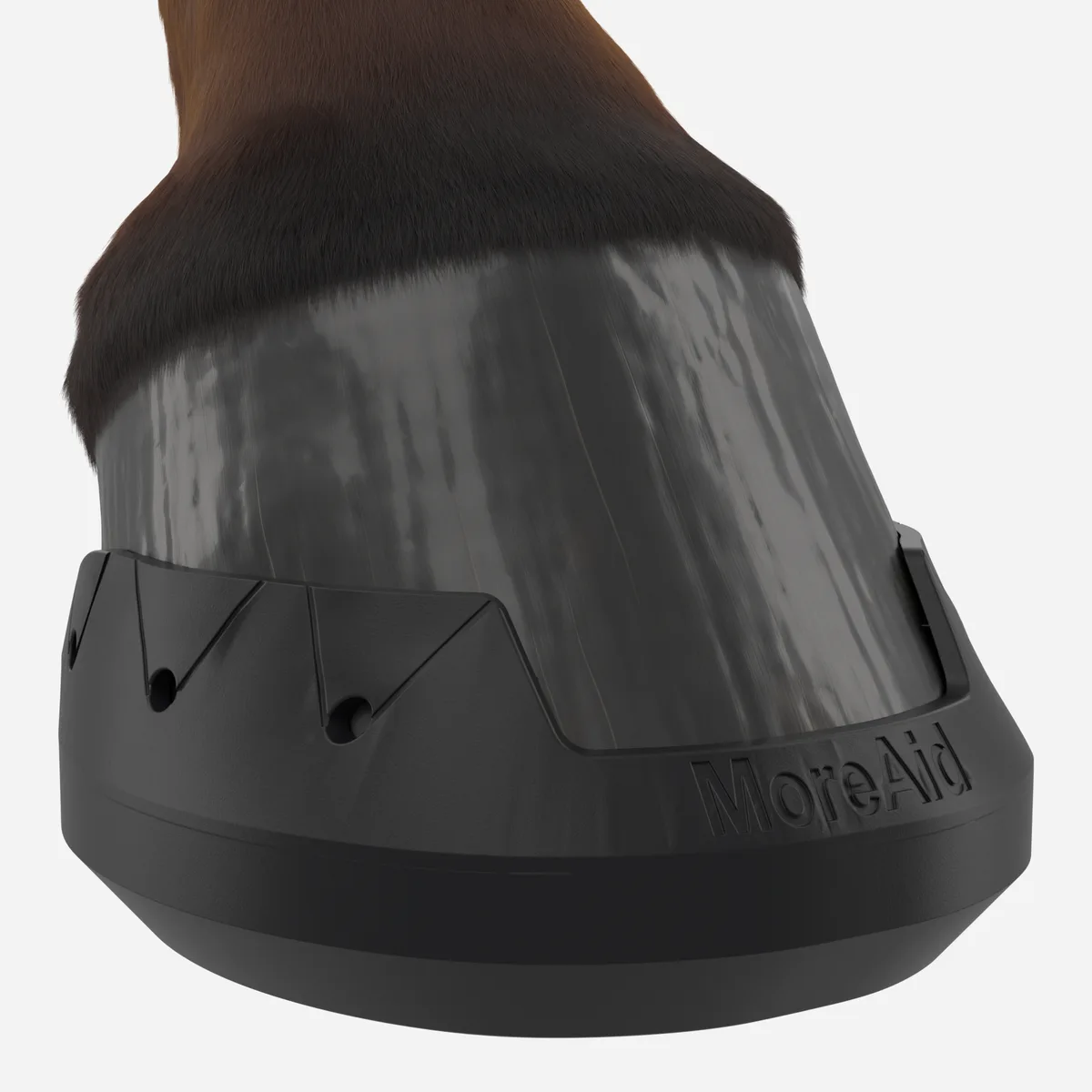

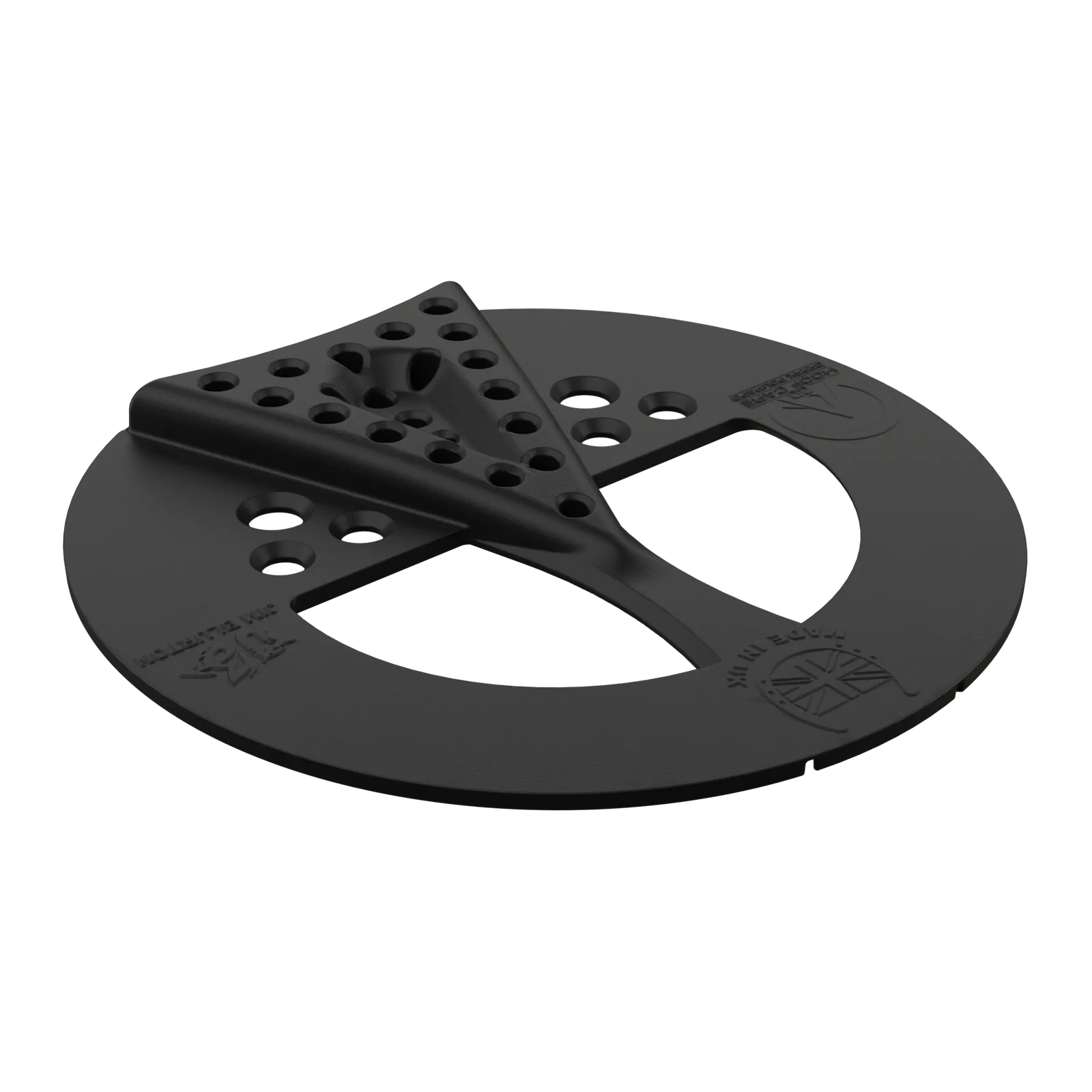
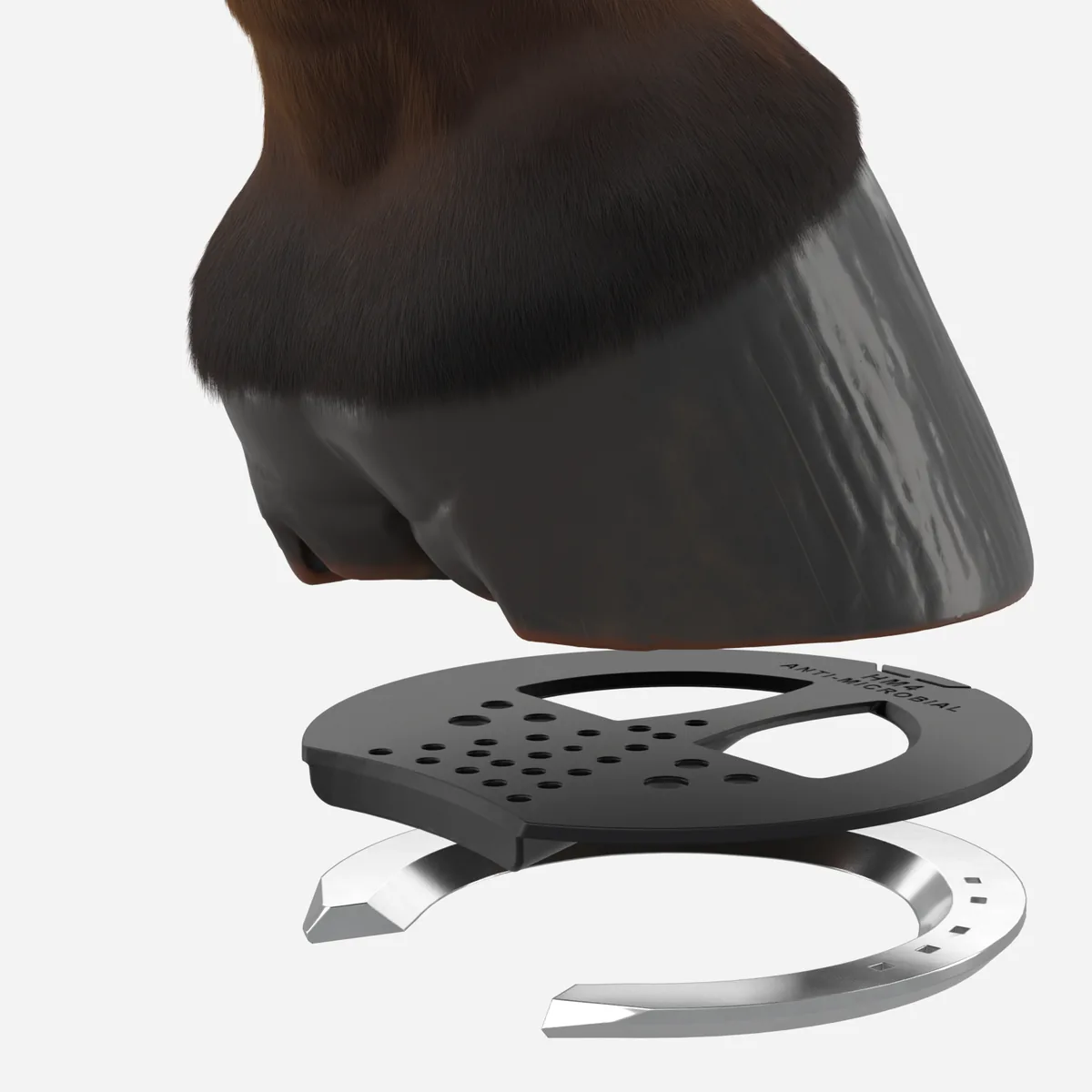
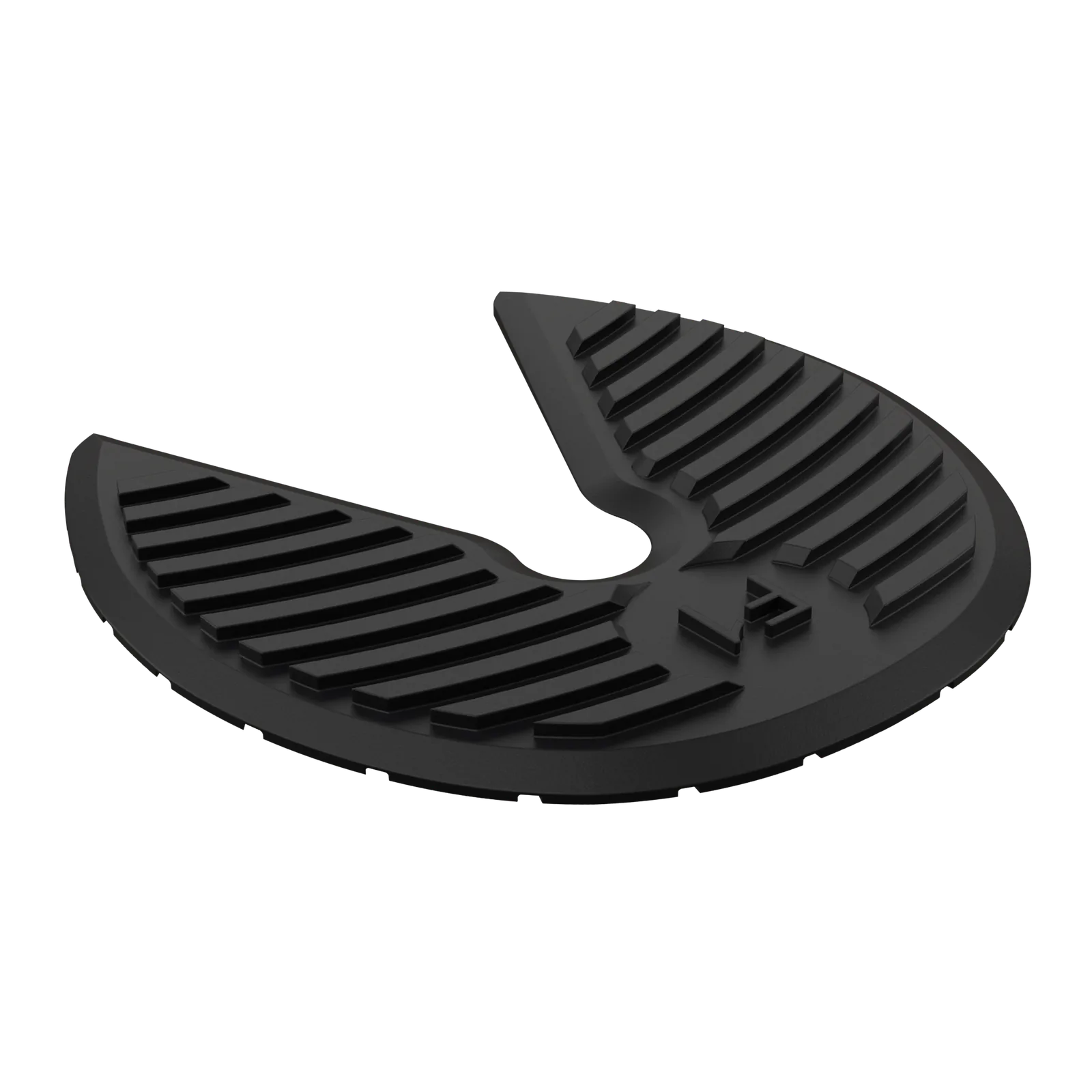
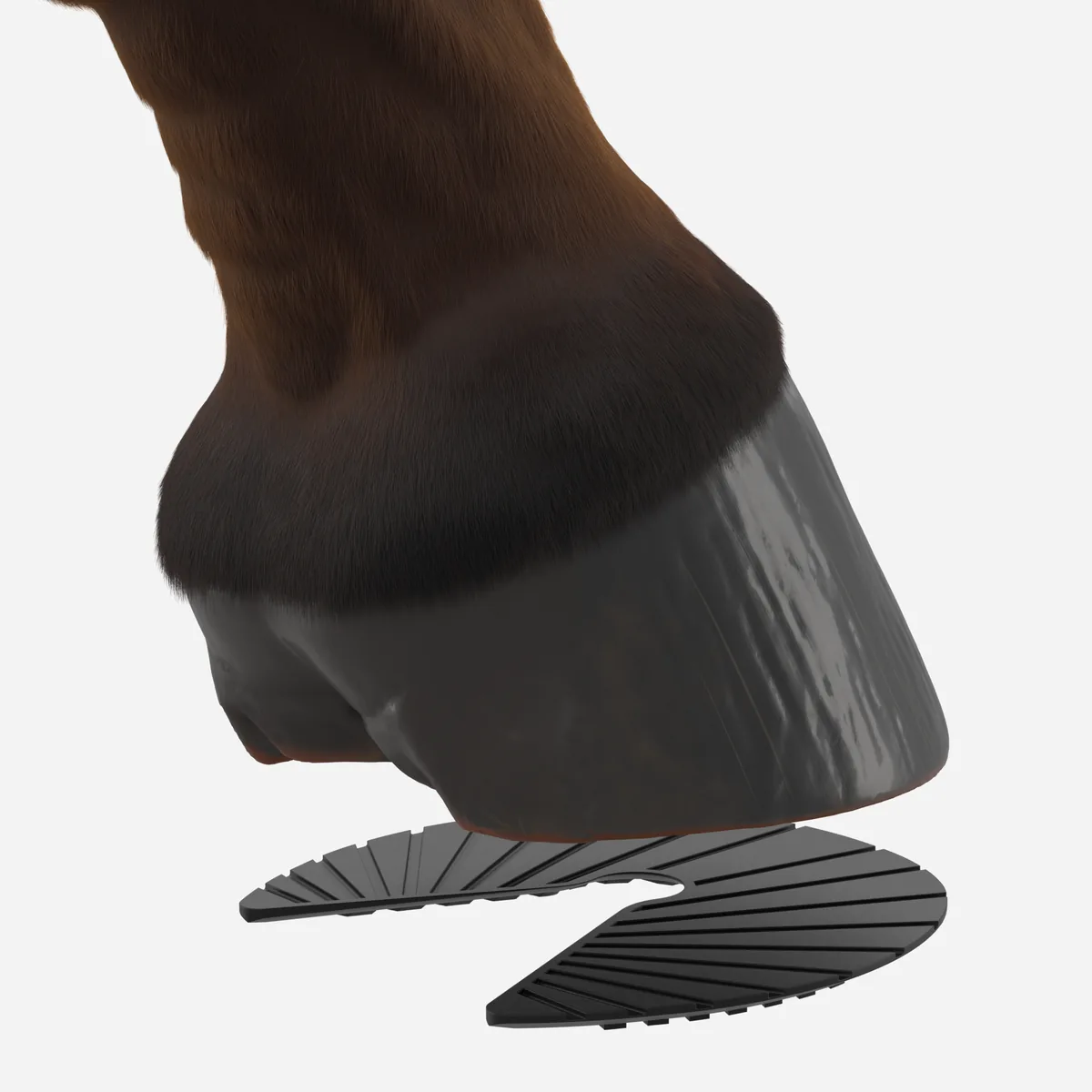
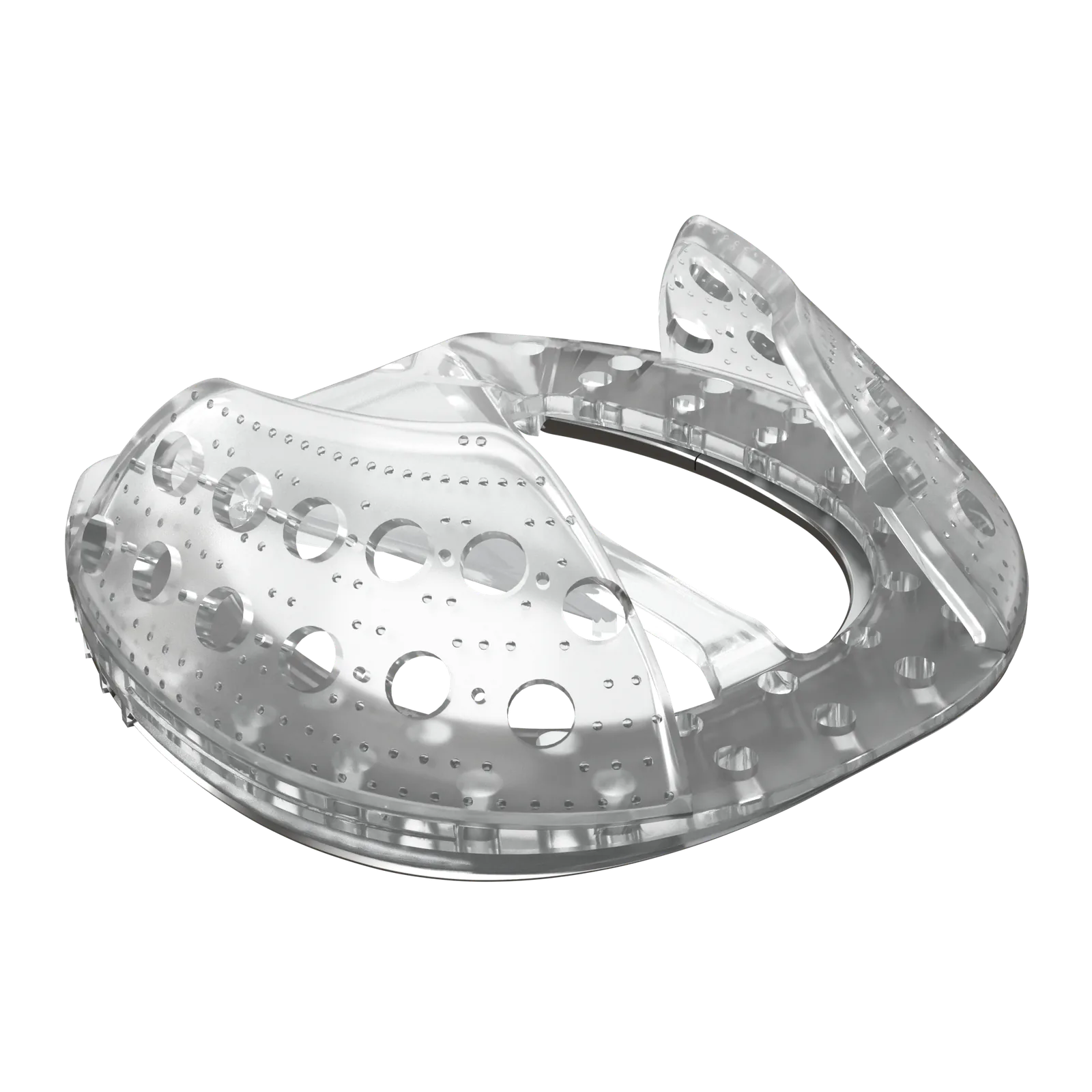
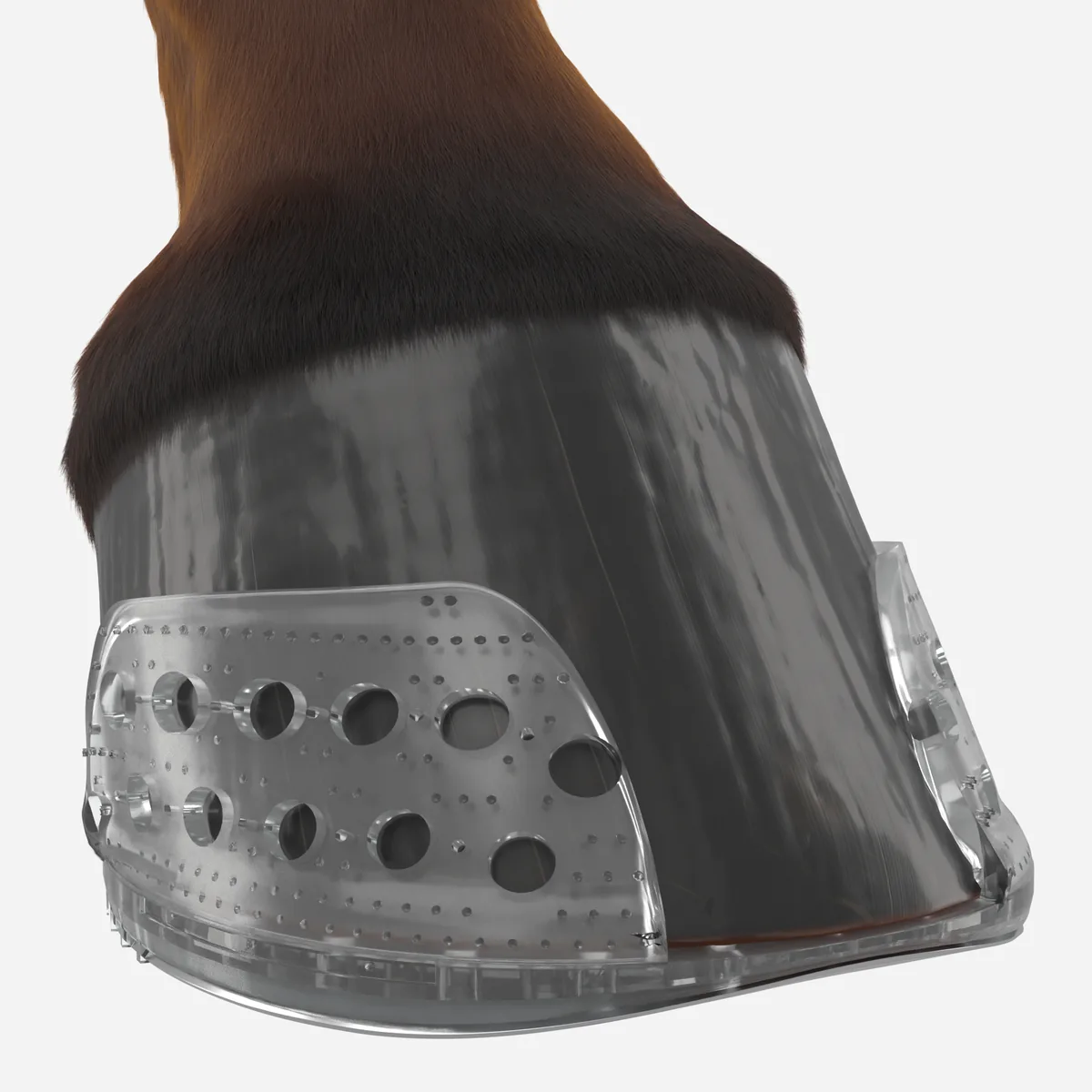
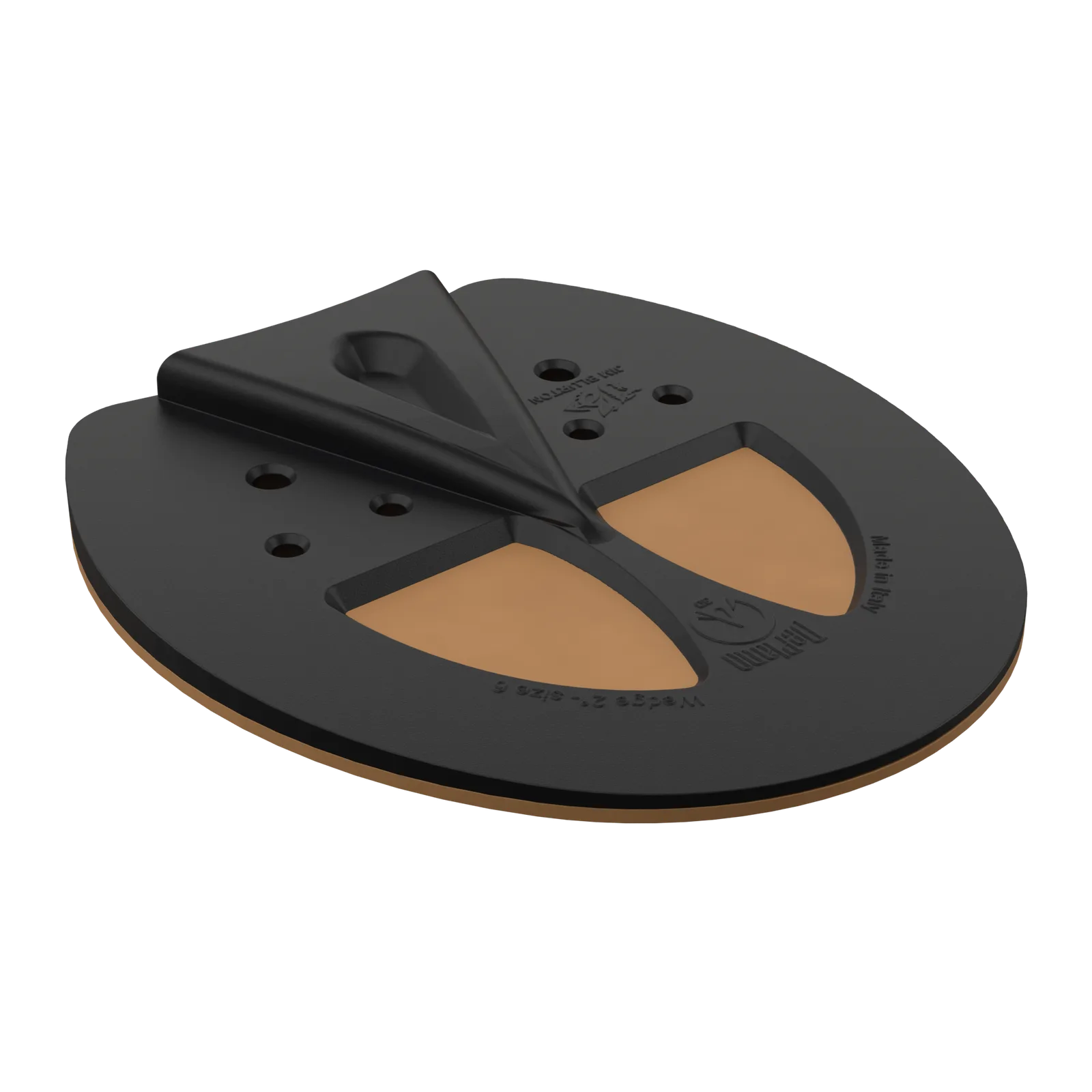
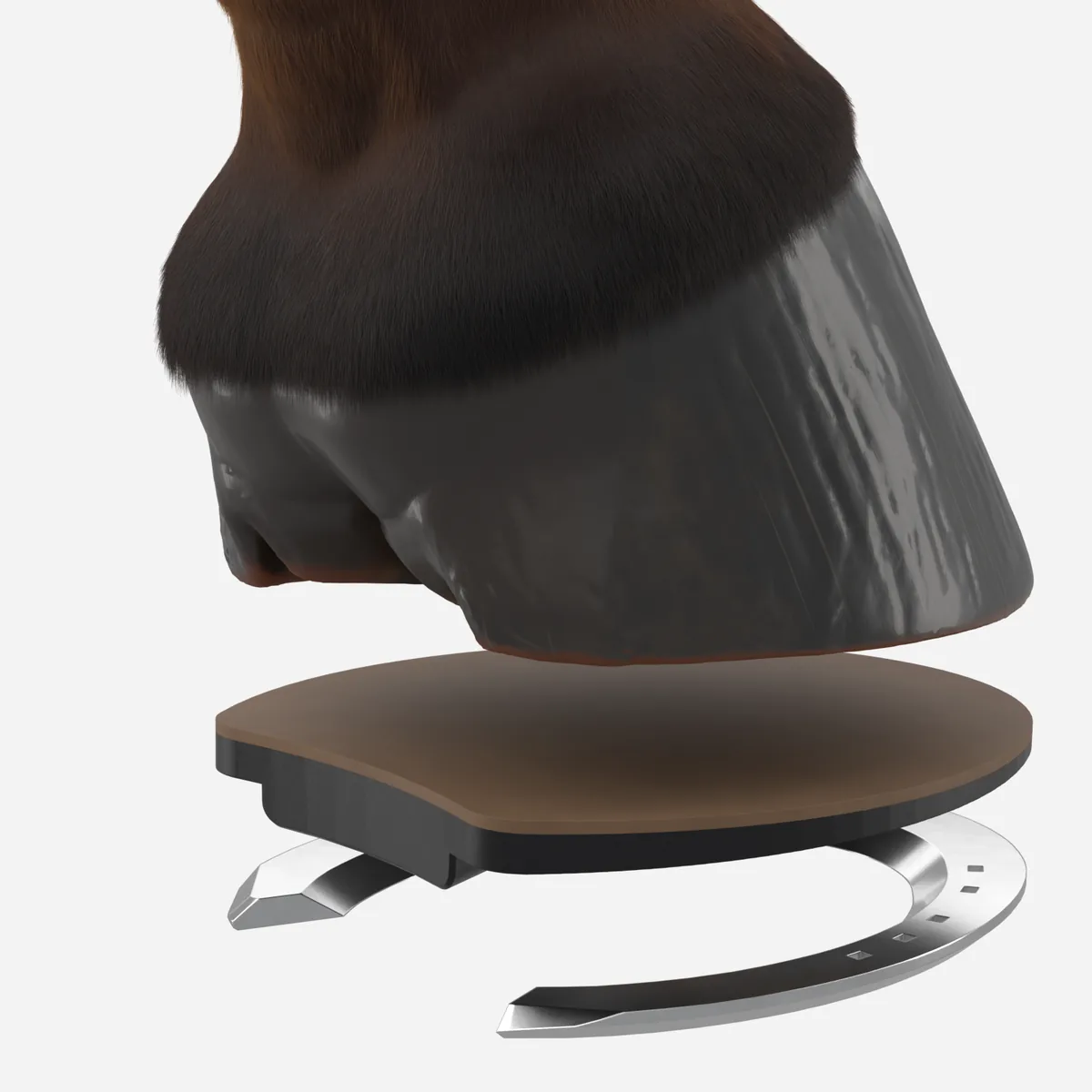
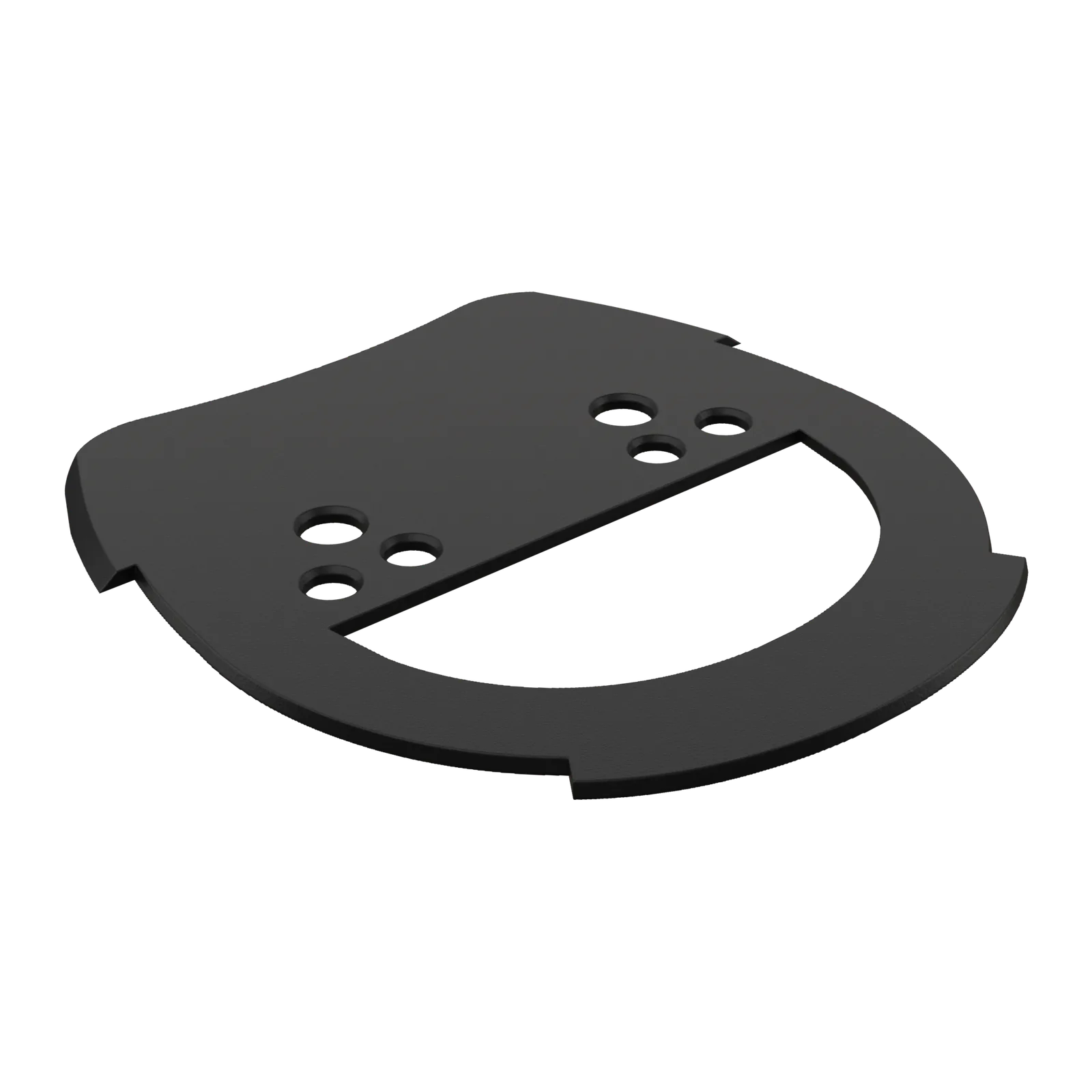
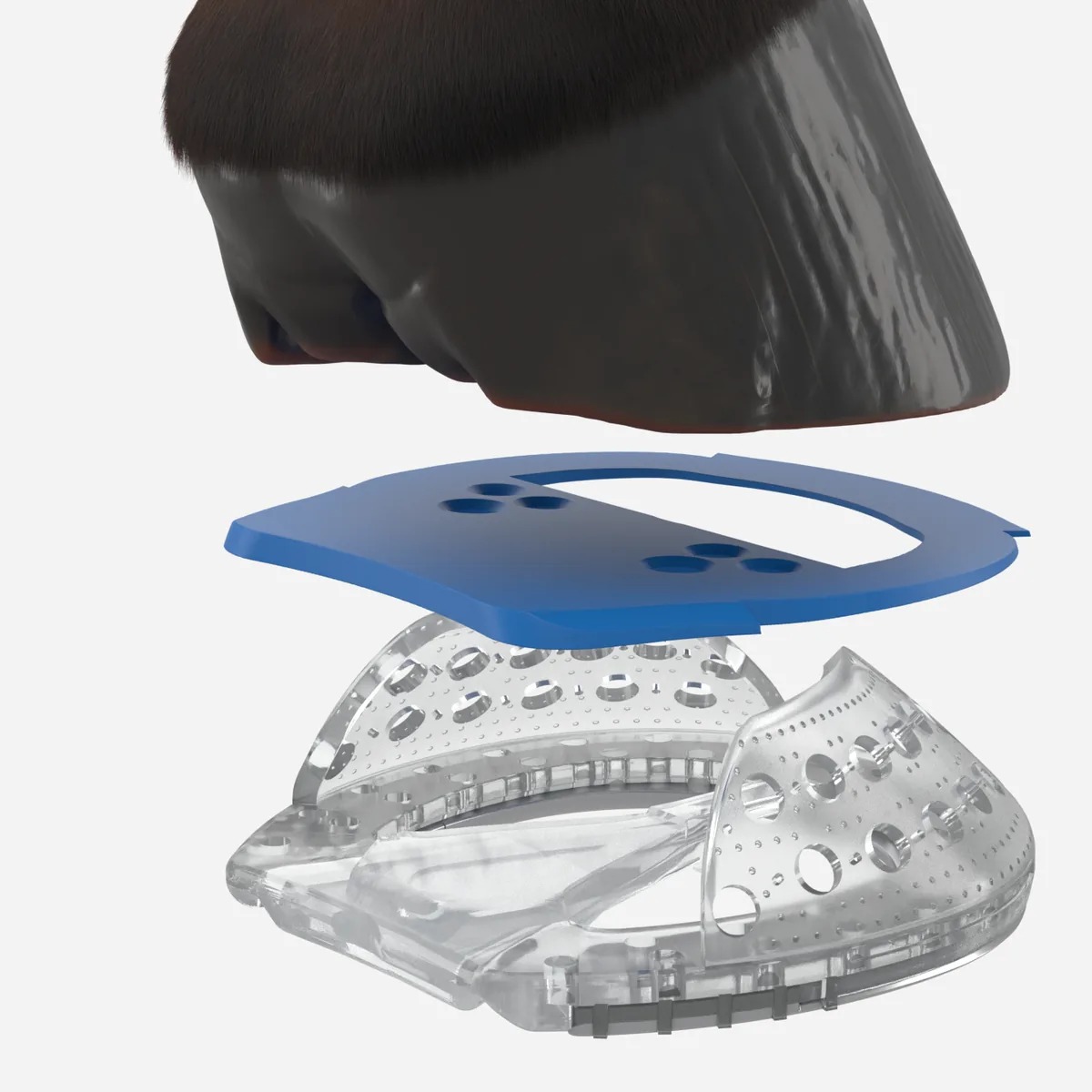
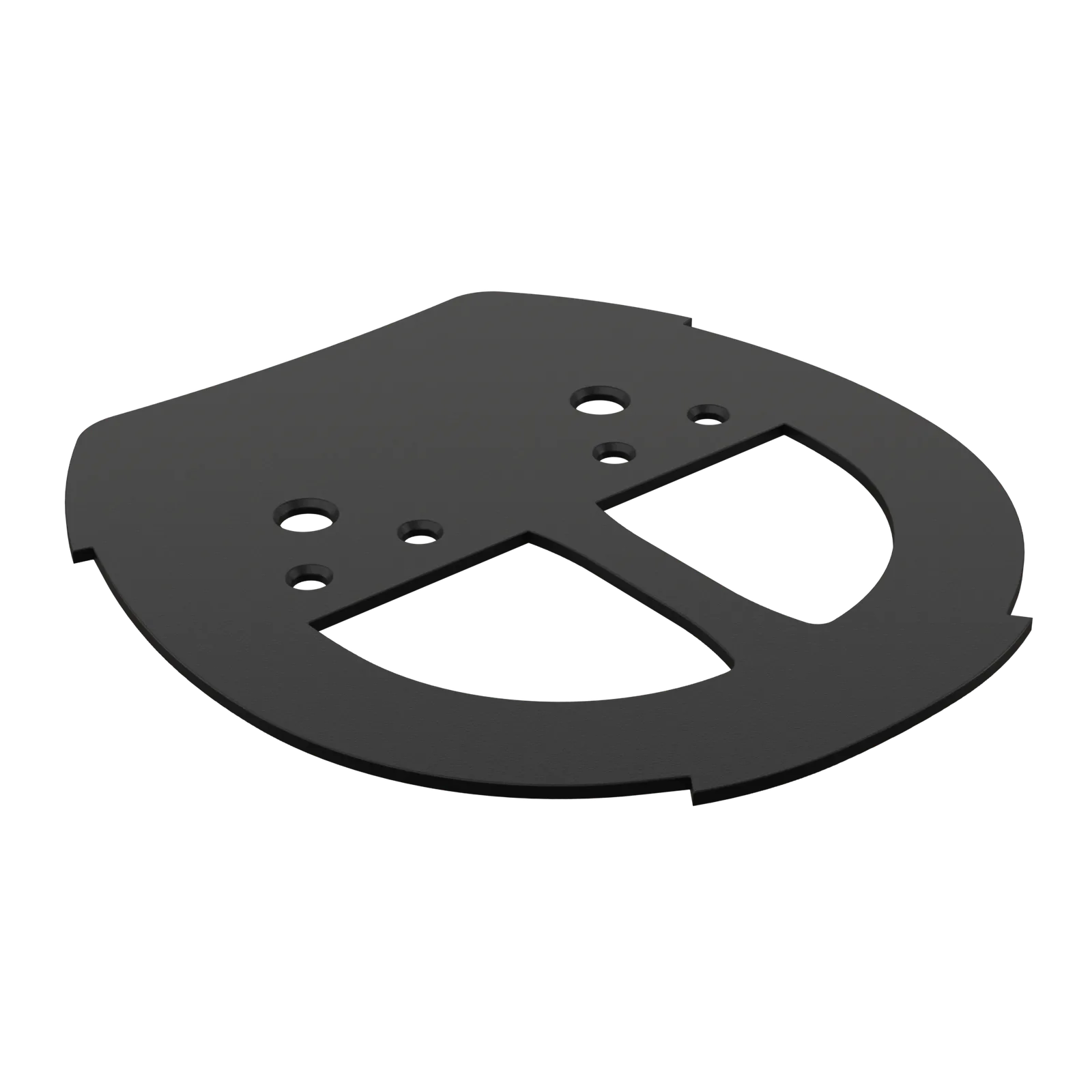
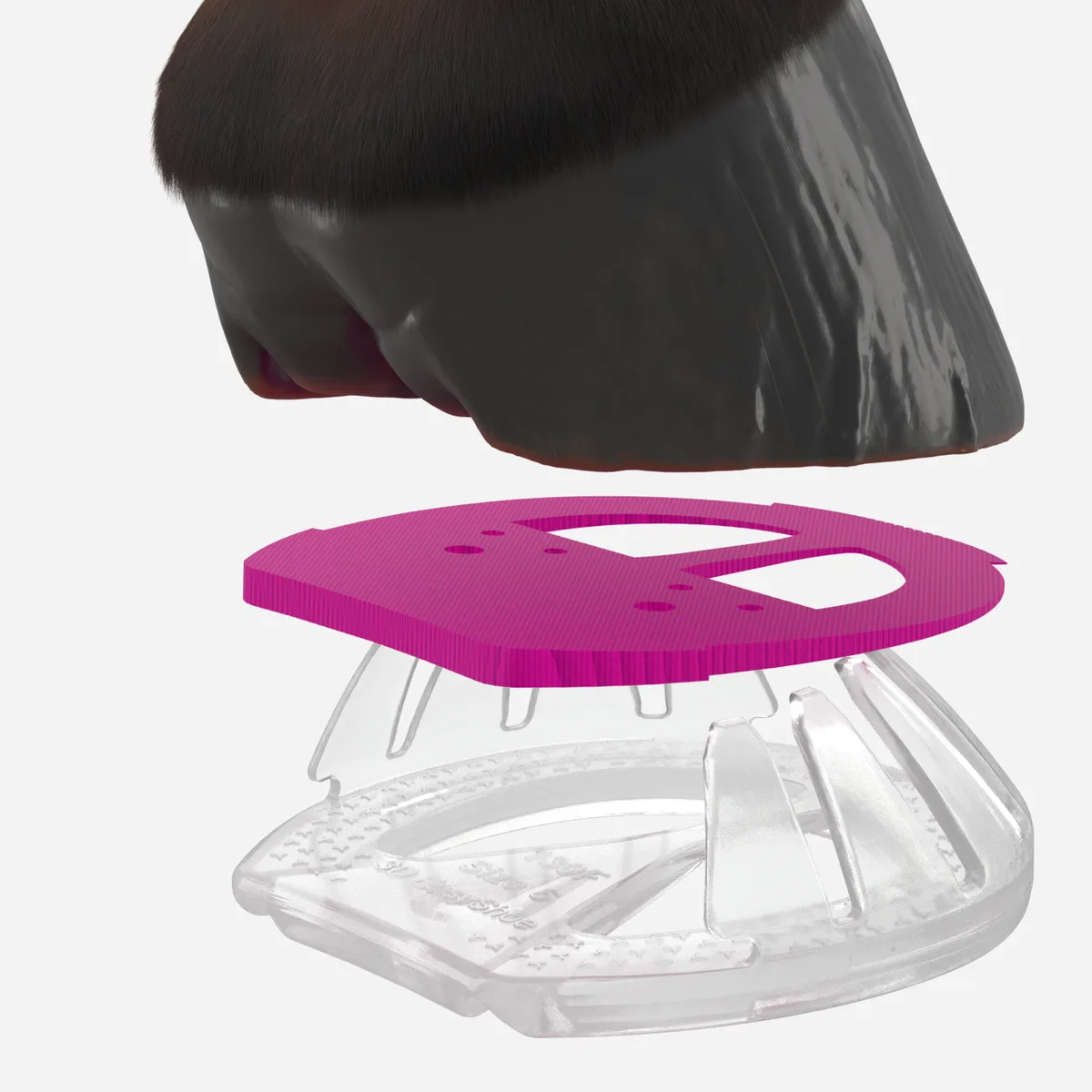
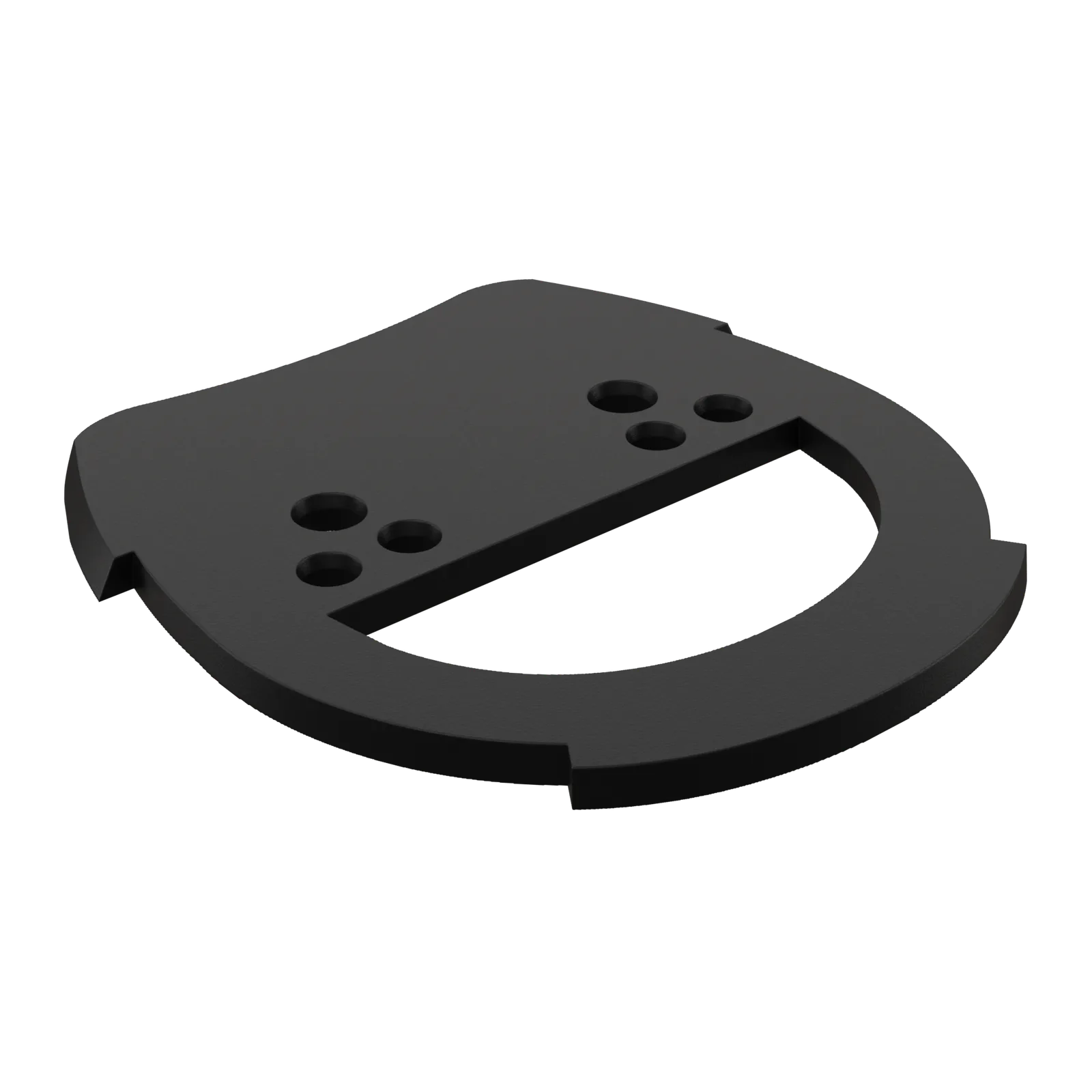
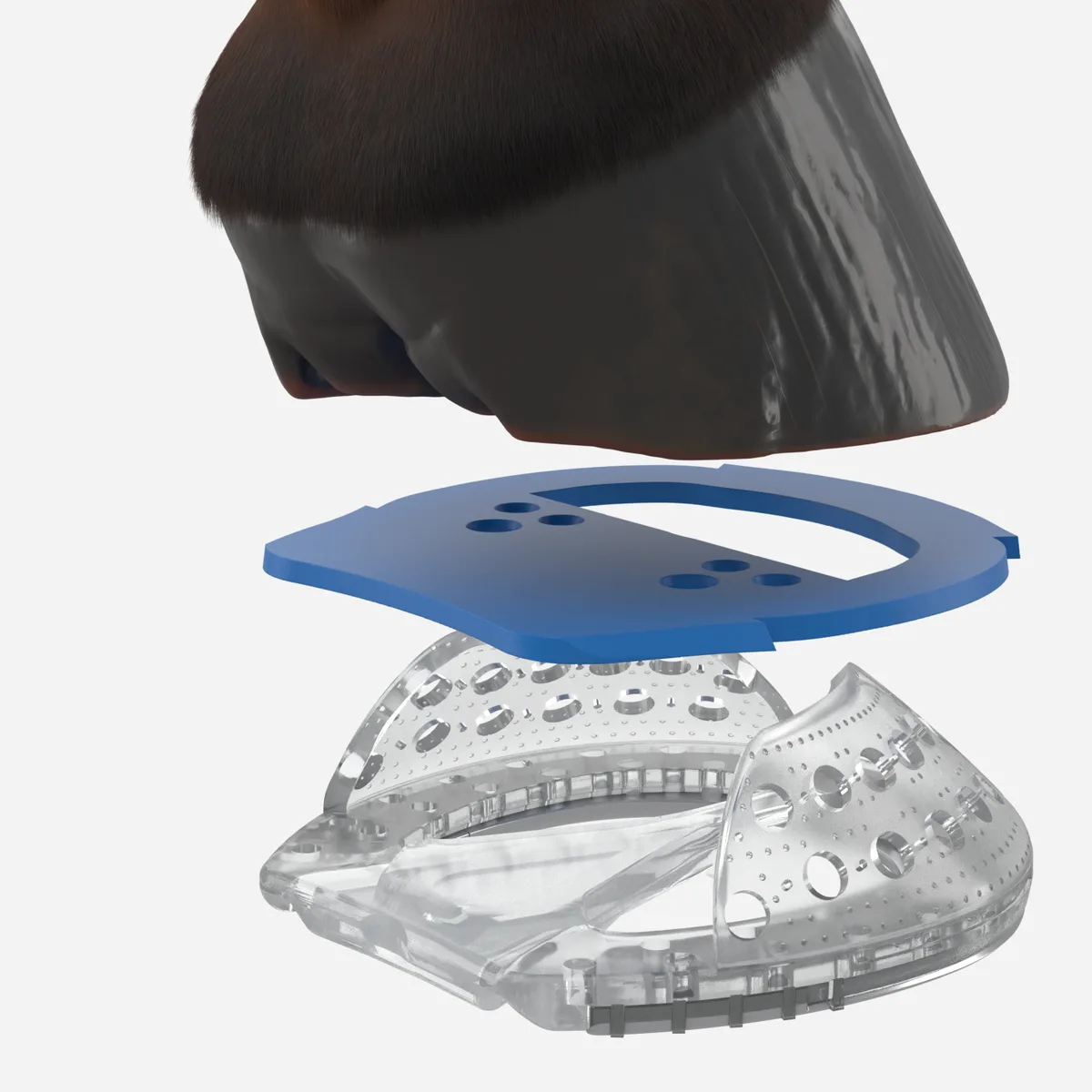
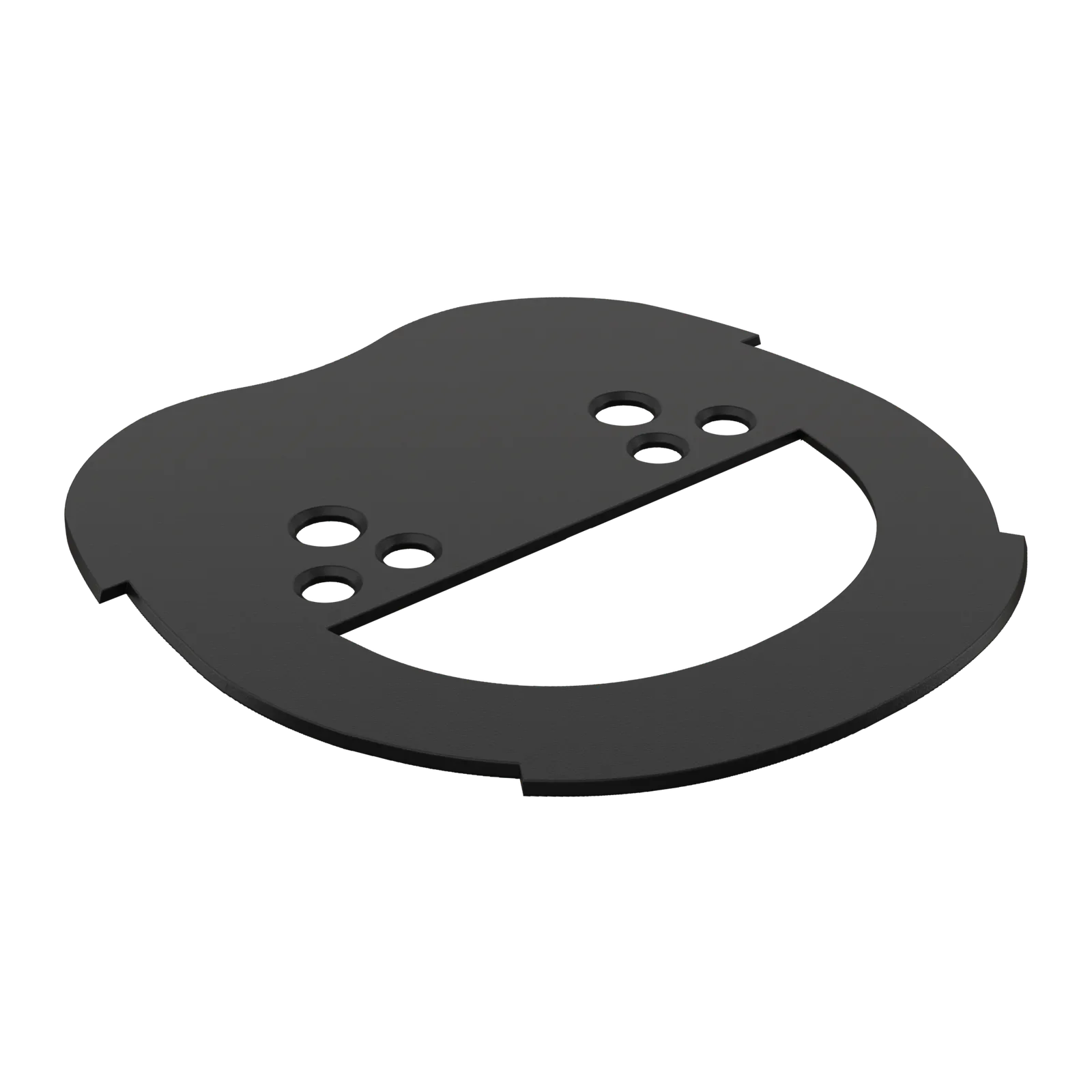
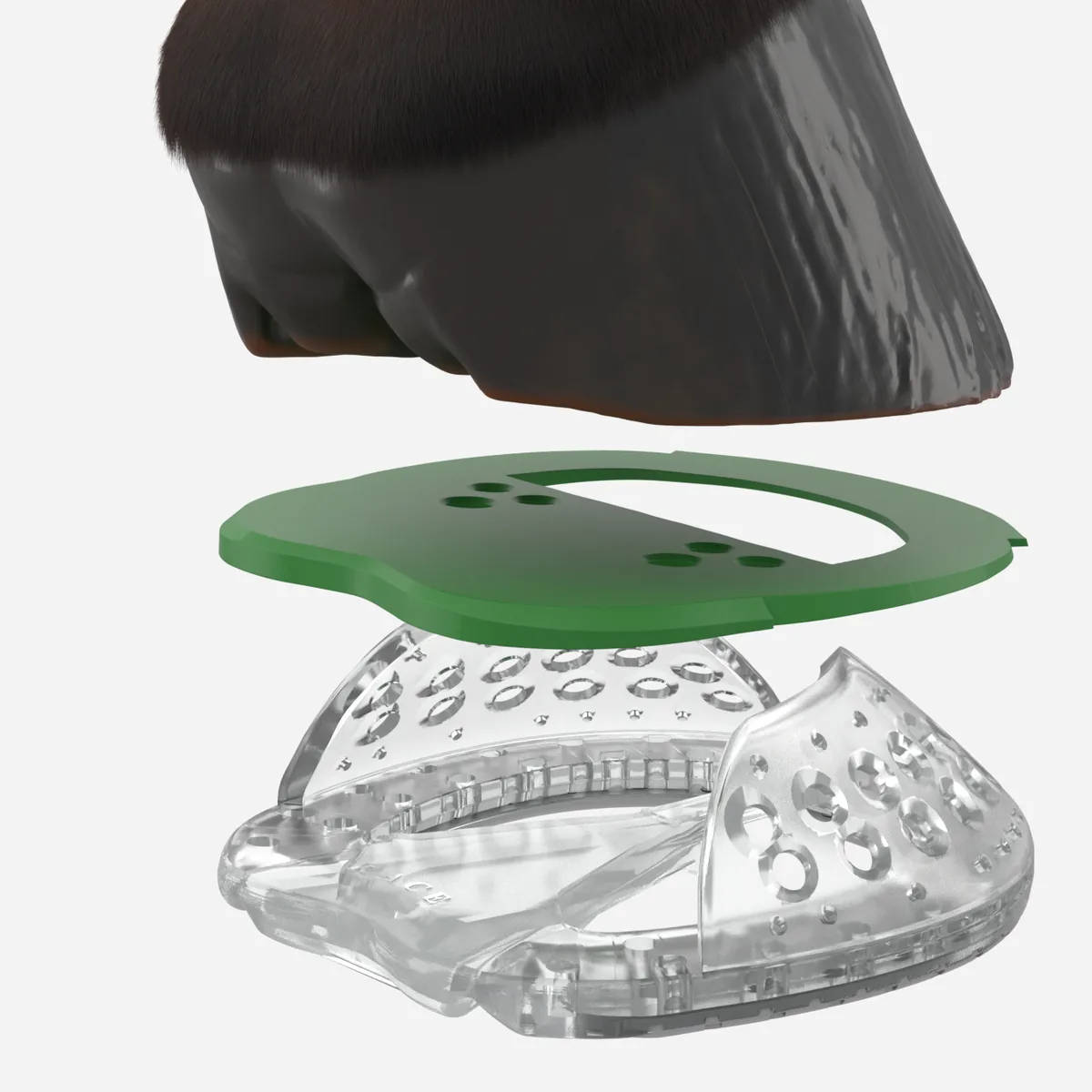
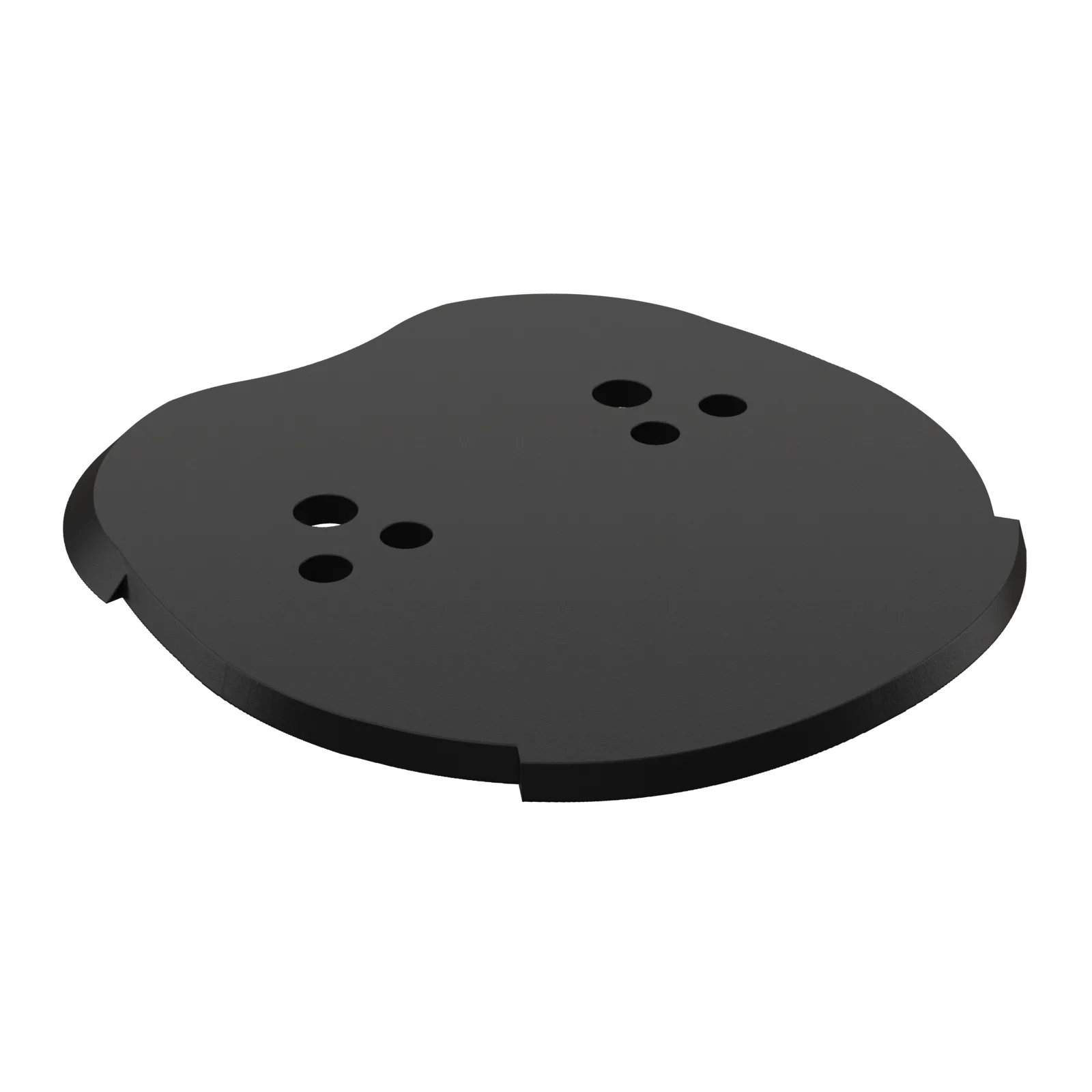
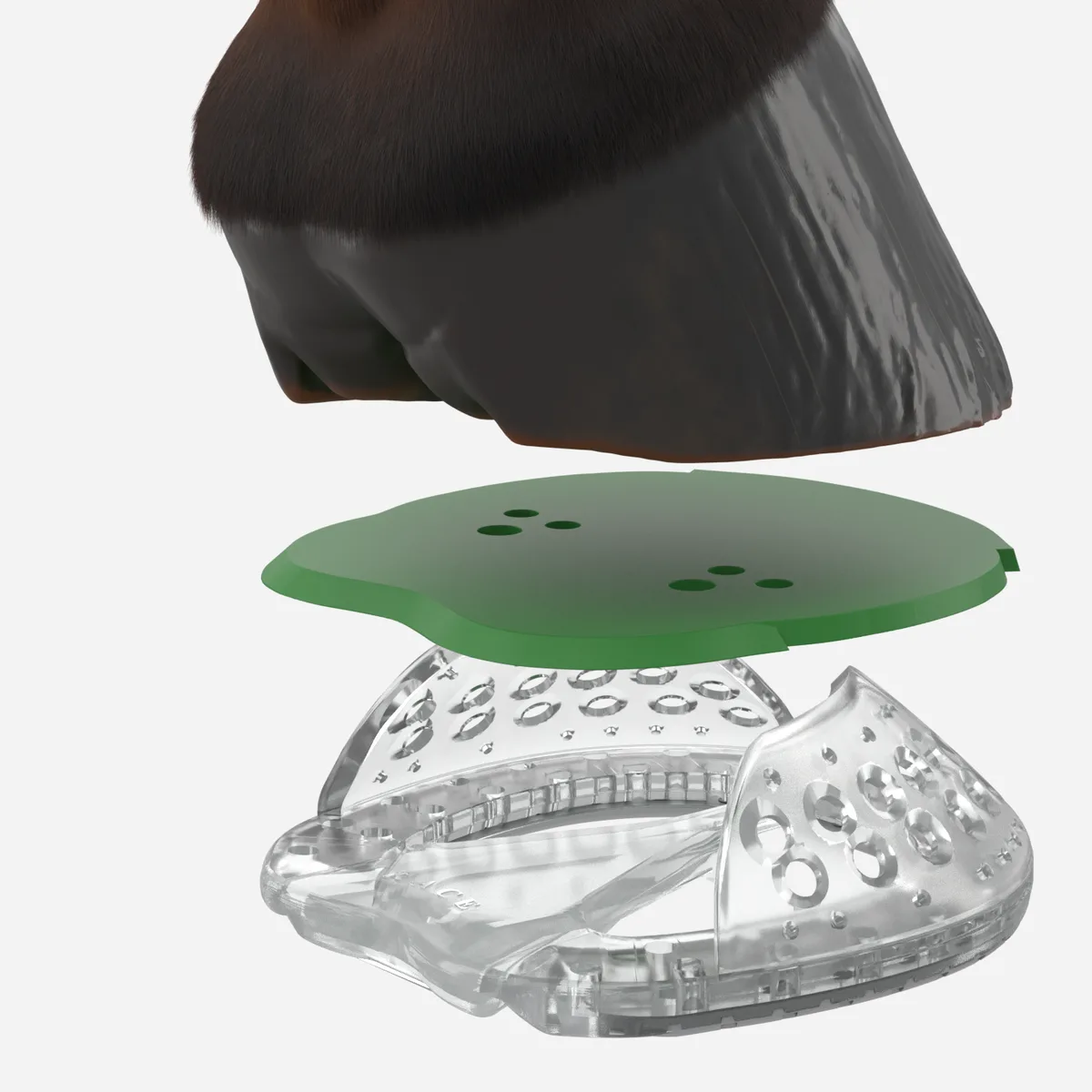
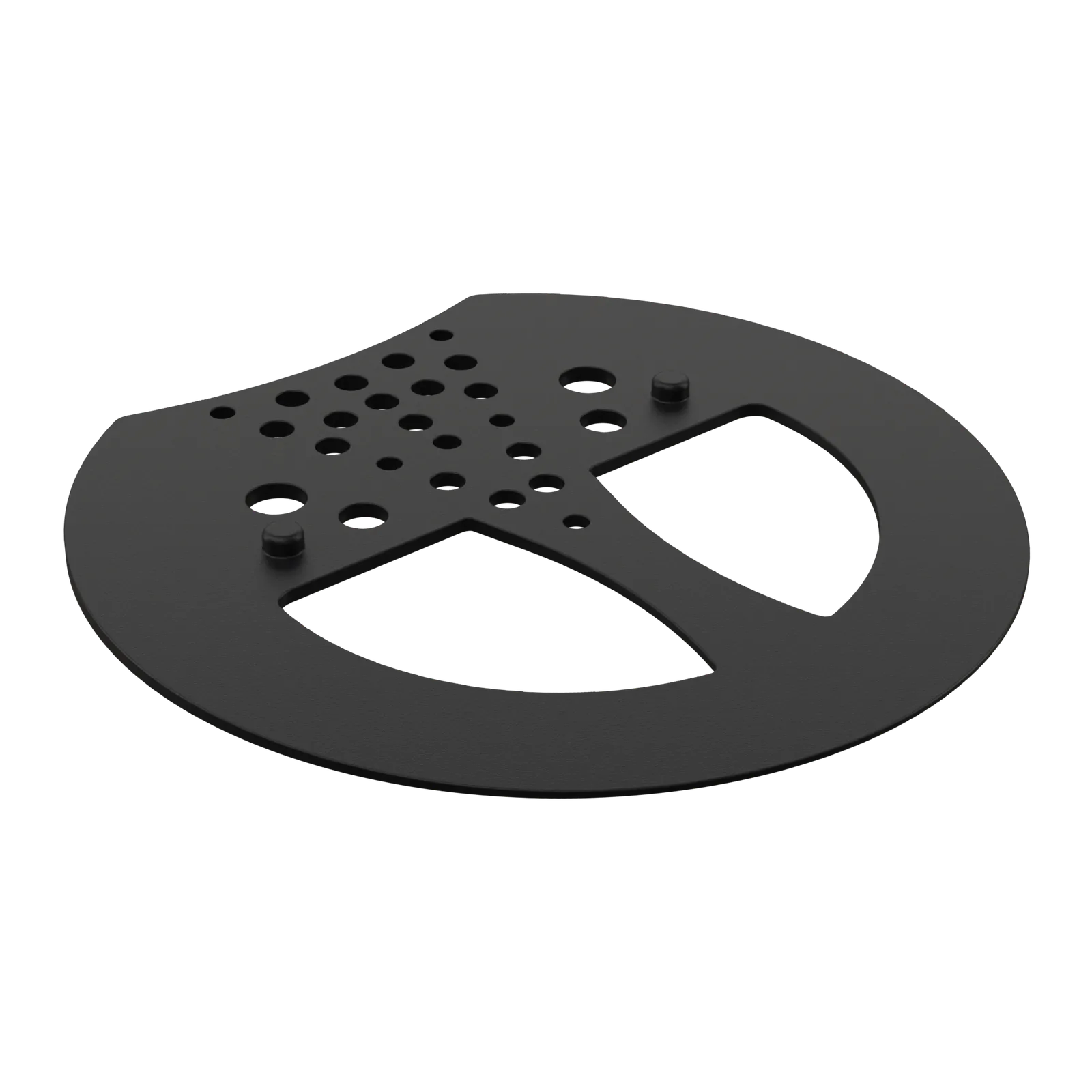
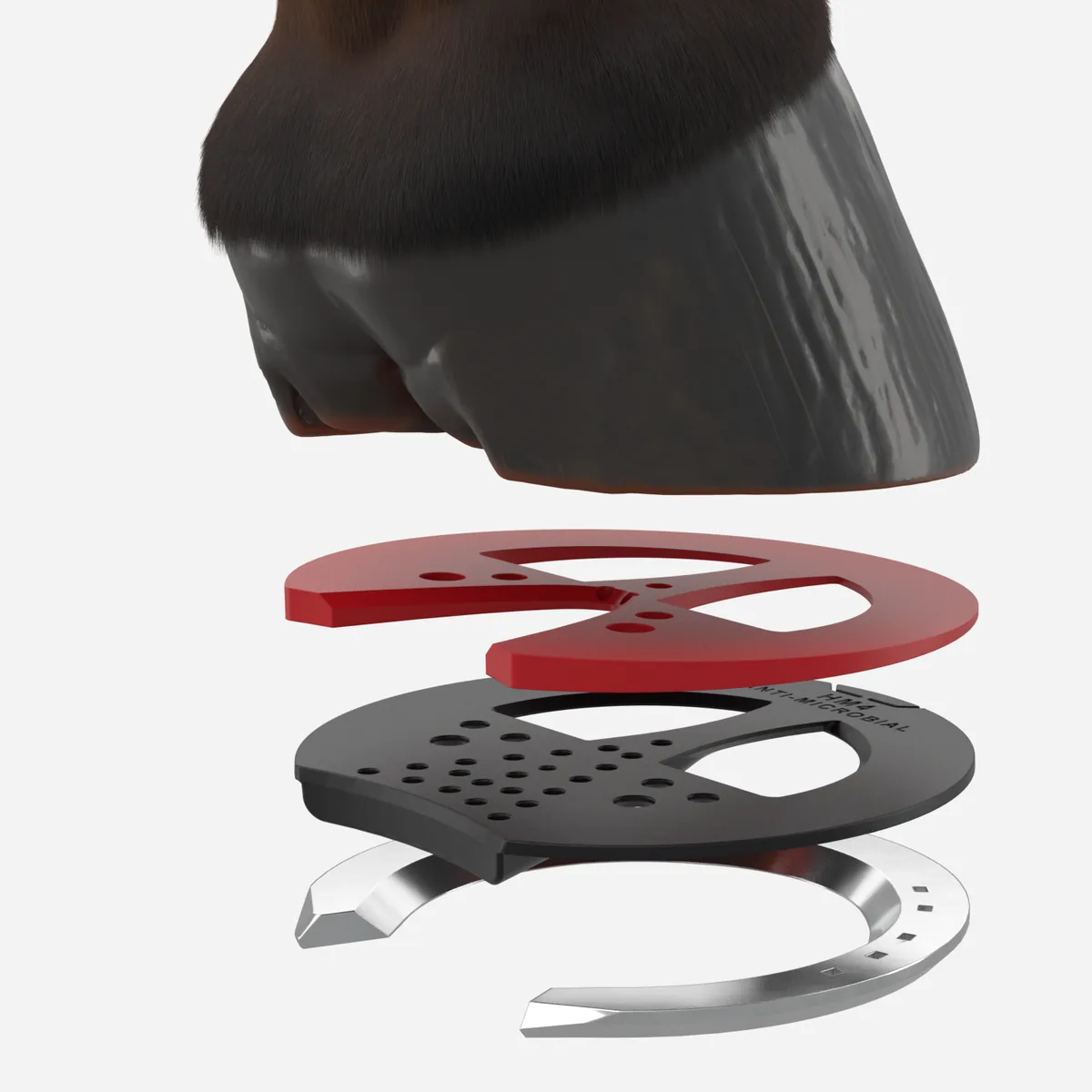
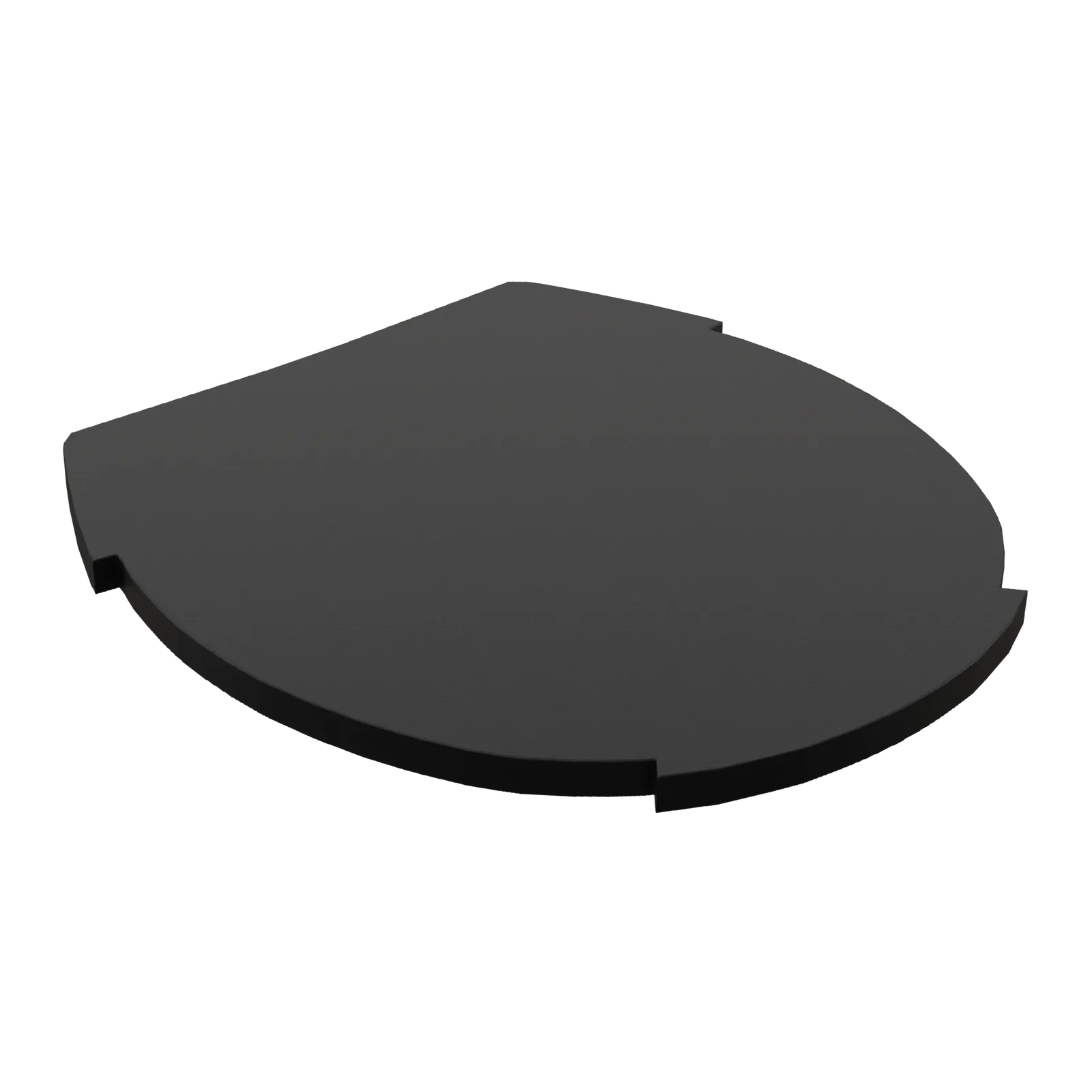
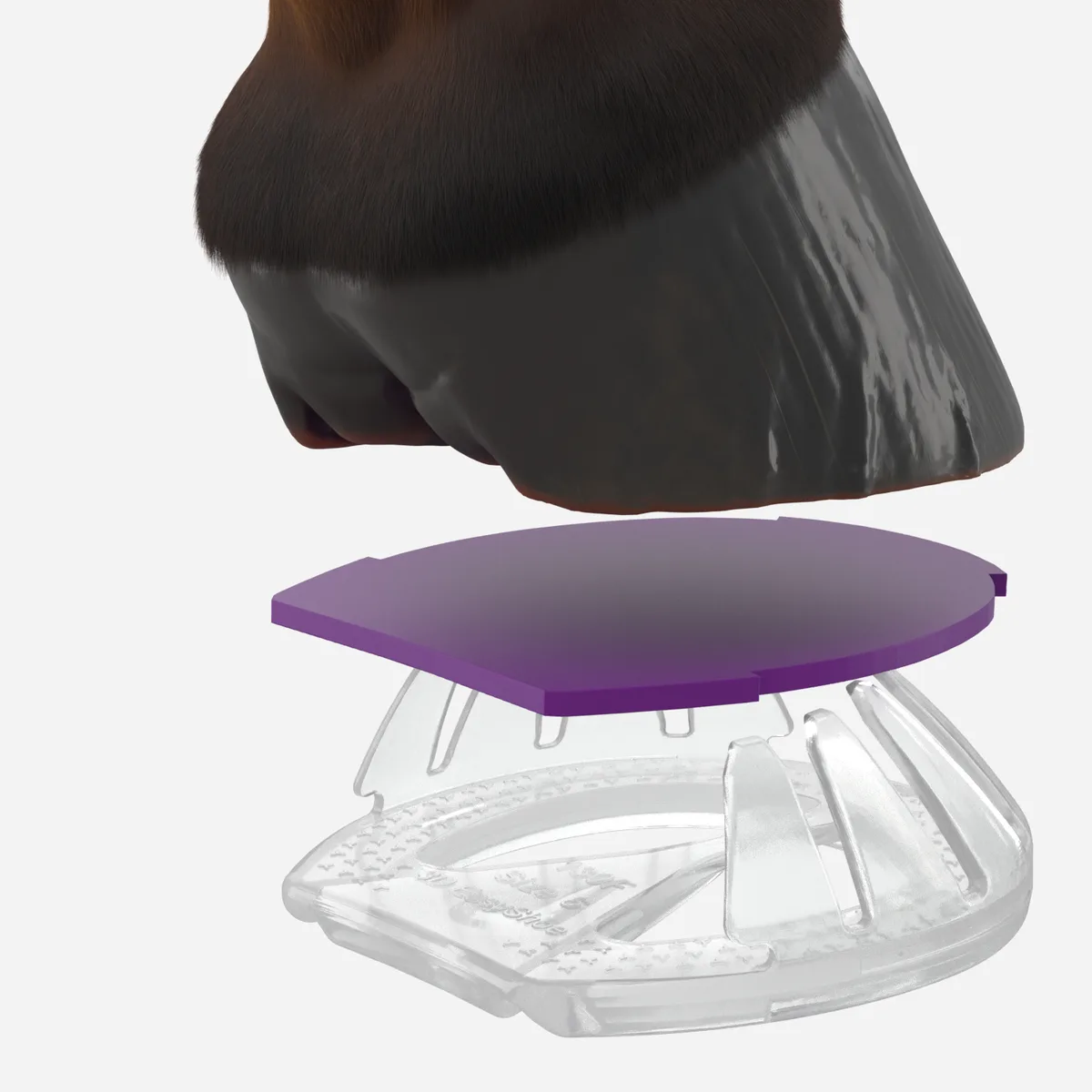
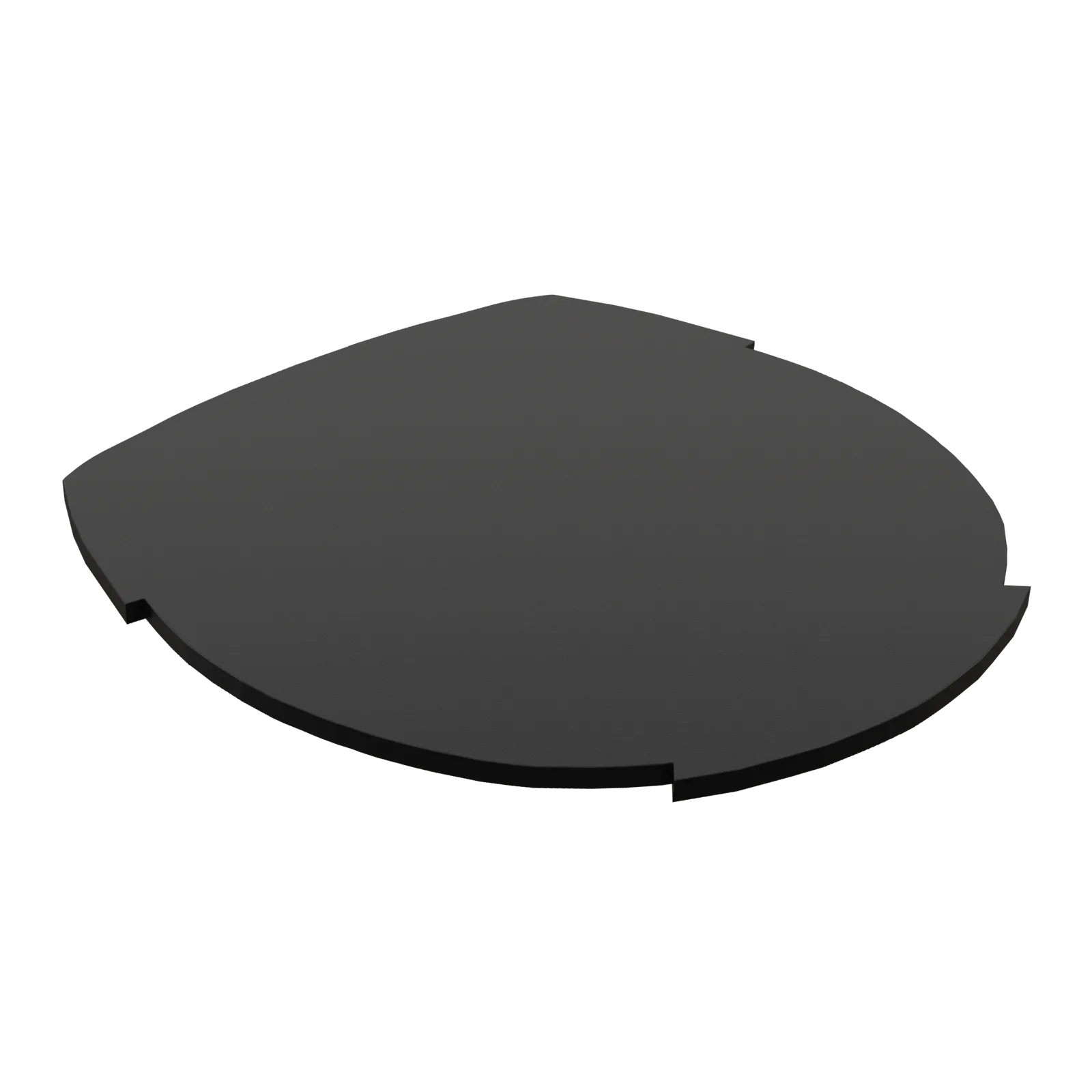
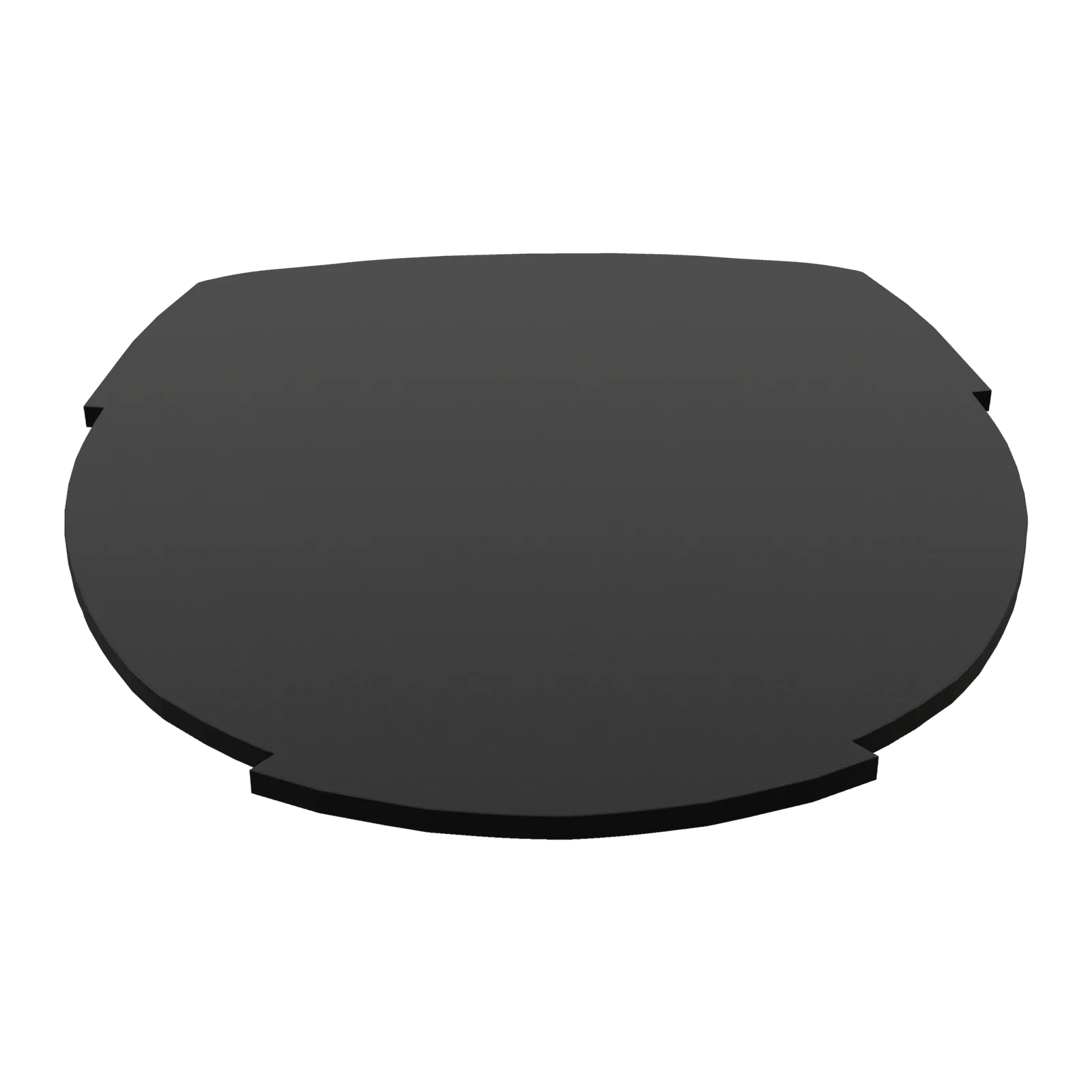


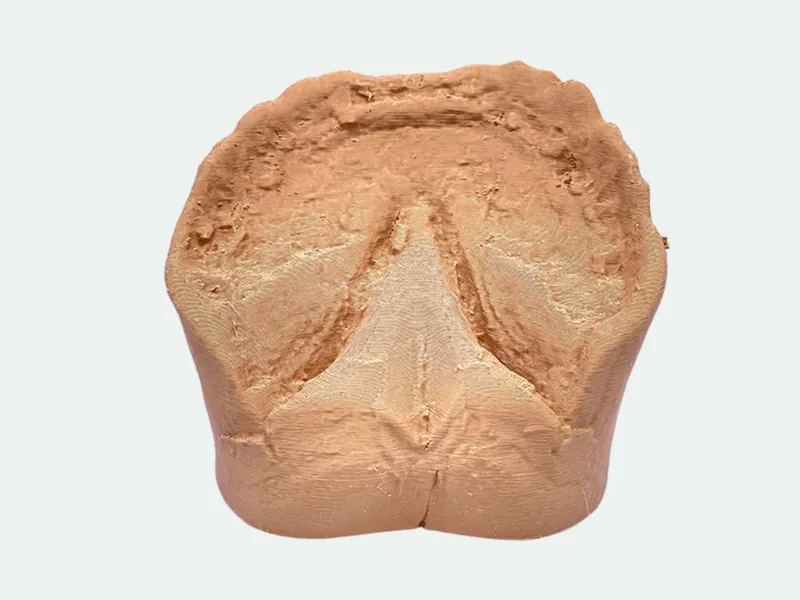
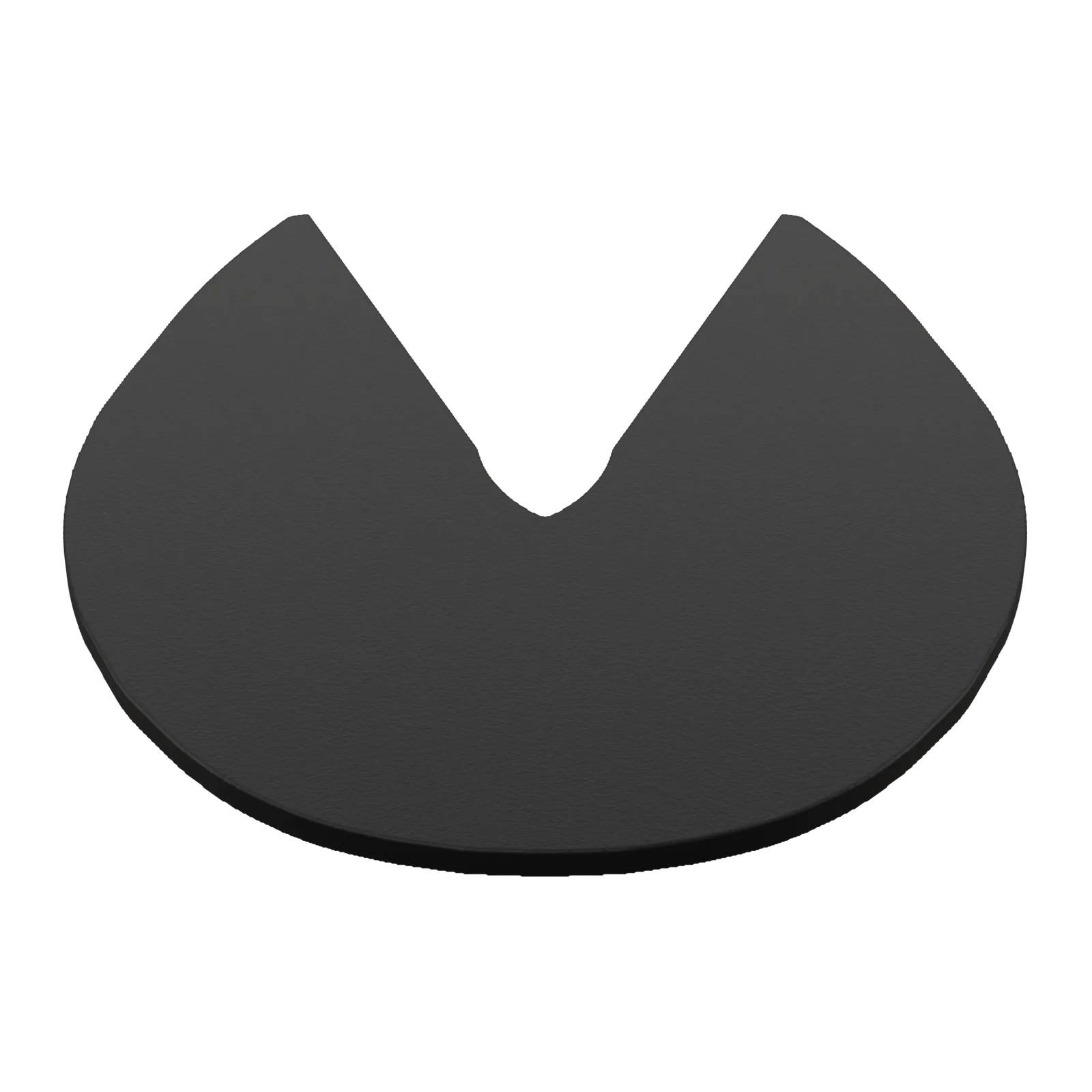
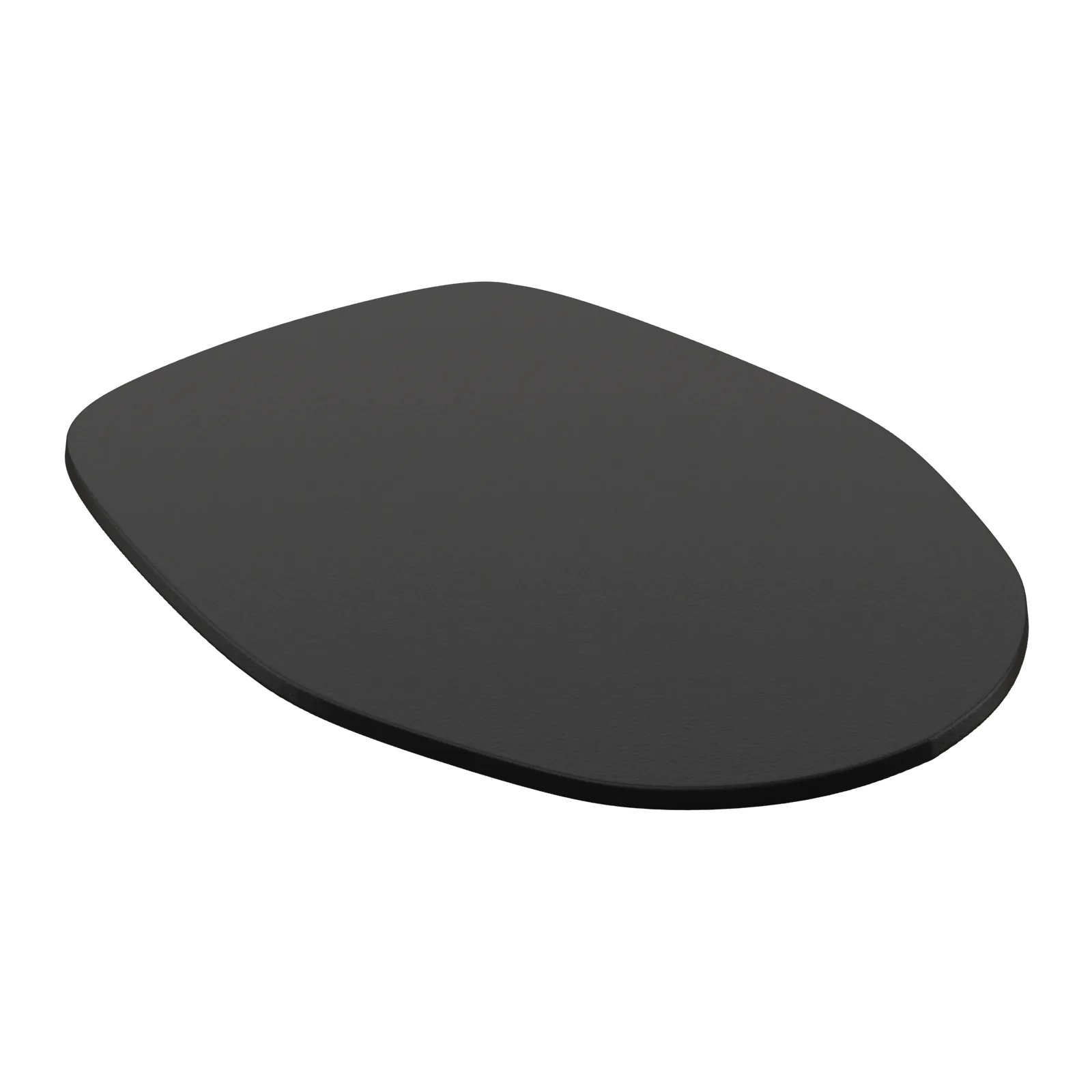
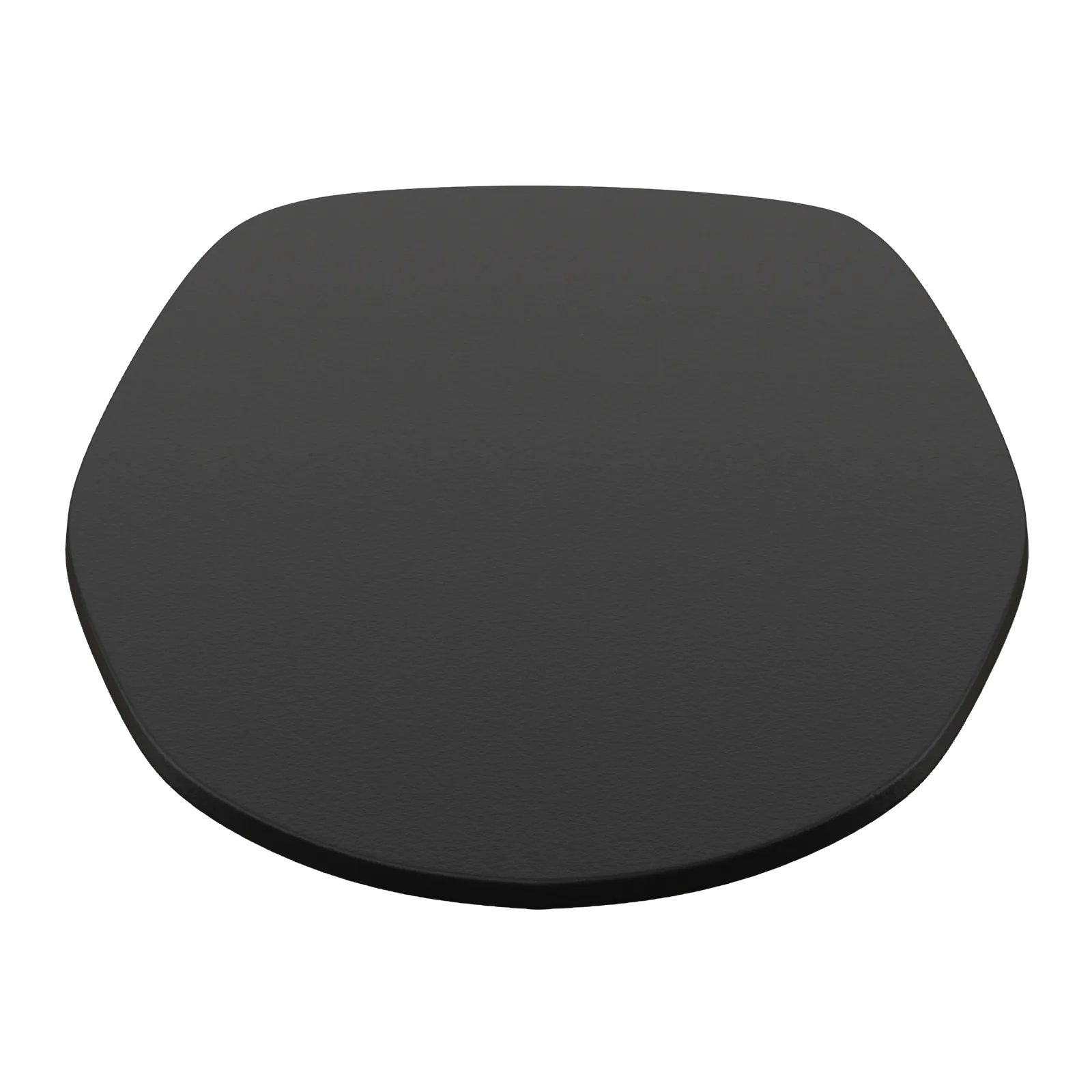
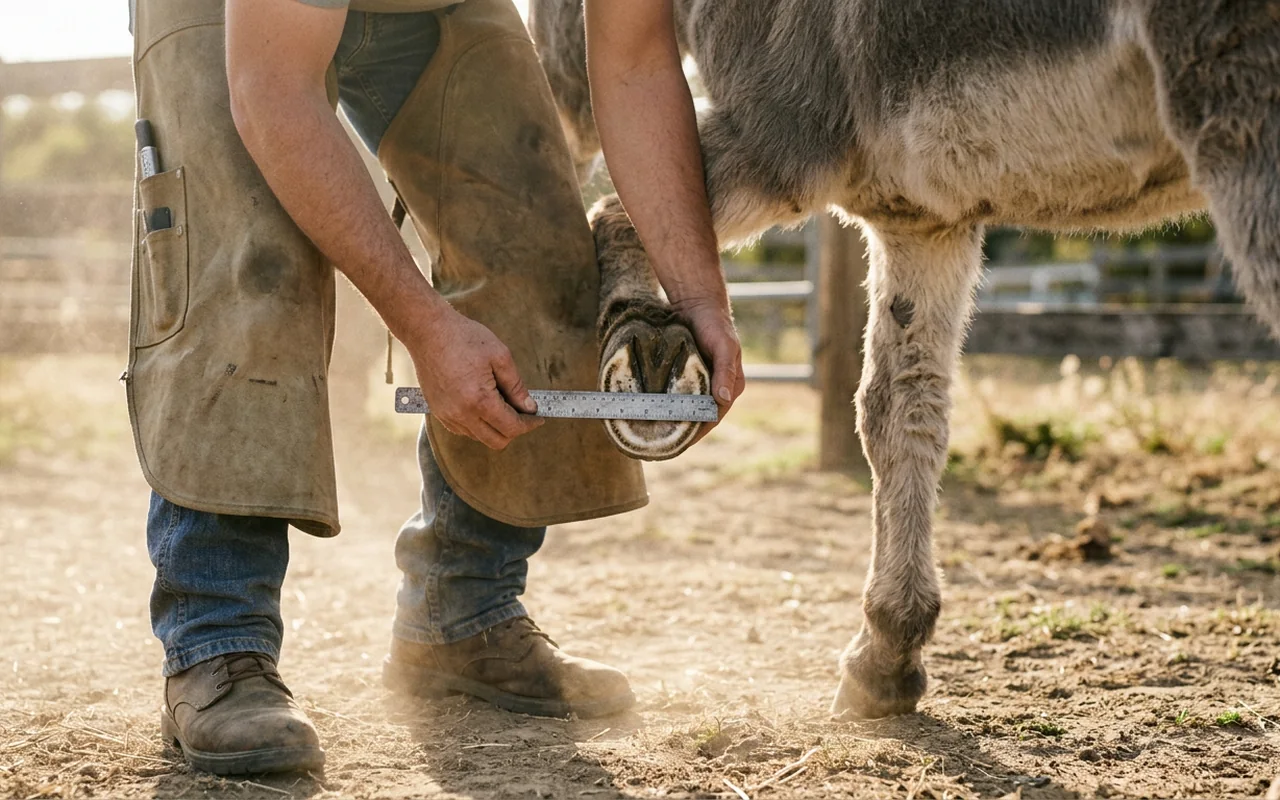
Donkey pads are sized on their own charts because donkey feet are their own shape: more upright, narrower, and distinctly U-shaped compared with a horse's rounder foot. The most common donkey sizing mistake is also the most understandable one: using a horse chart, or guessing "pony size". Neither works. Here's how to do it properly.
Before you measure
Measure immediately after a fresh trim. The foot changes shape during trimming, and a pad sized to an overgrown foot won't fit the trimmed one it's actually glued to. Donkeys are often on longer trim cycles than horses, which makes this rule matter even more. Clean the foot completely before you measure.
The two measurements
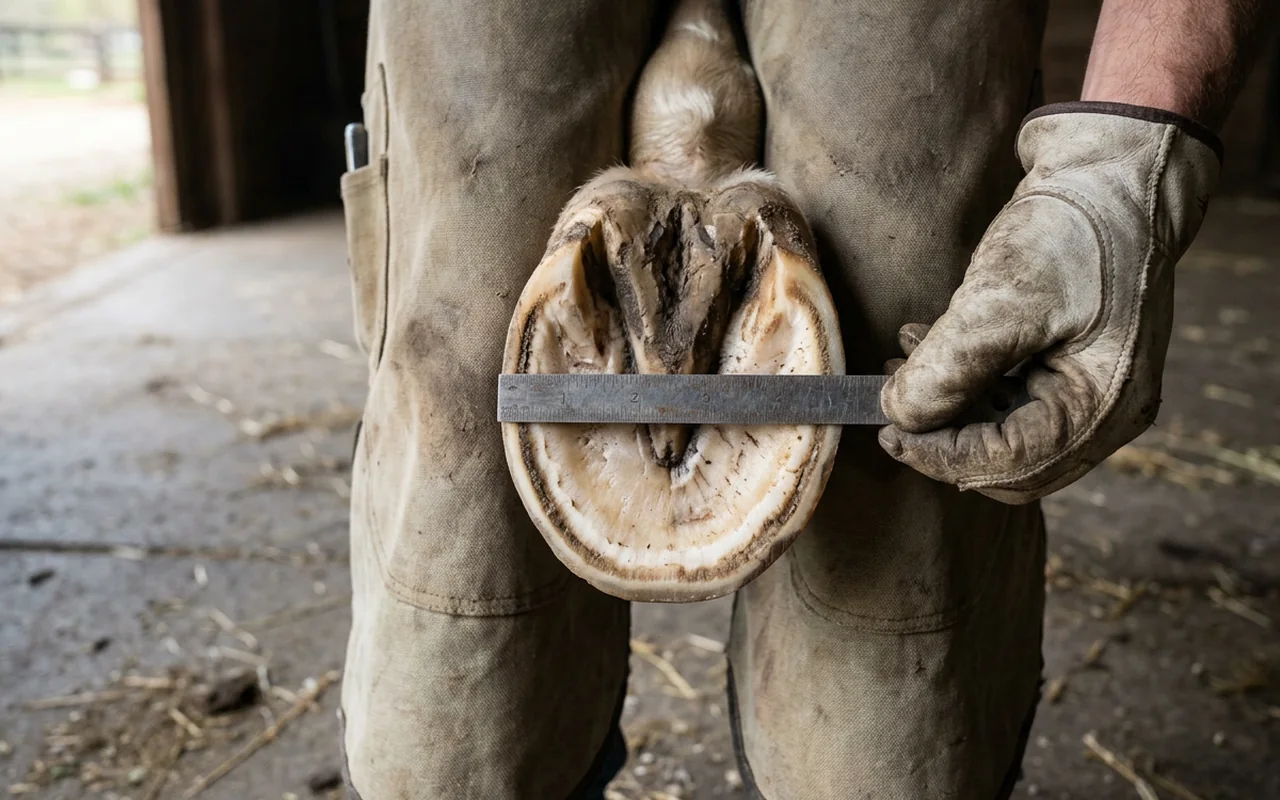
Width: across the widest point of the sole surface.
Length: from the toe straight back to the buttress of the heel, the rearmost point where the hoof wall ends, excluding the heel bulbs. Including the bulbs is the classic error and produces a pad a size too long.
Measure all four feet (or both, for a pair). Donkey fronts and hinds differ, and no two feet are guaranteed identical.
Choosing the size
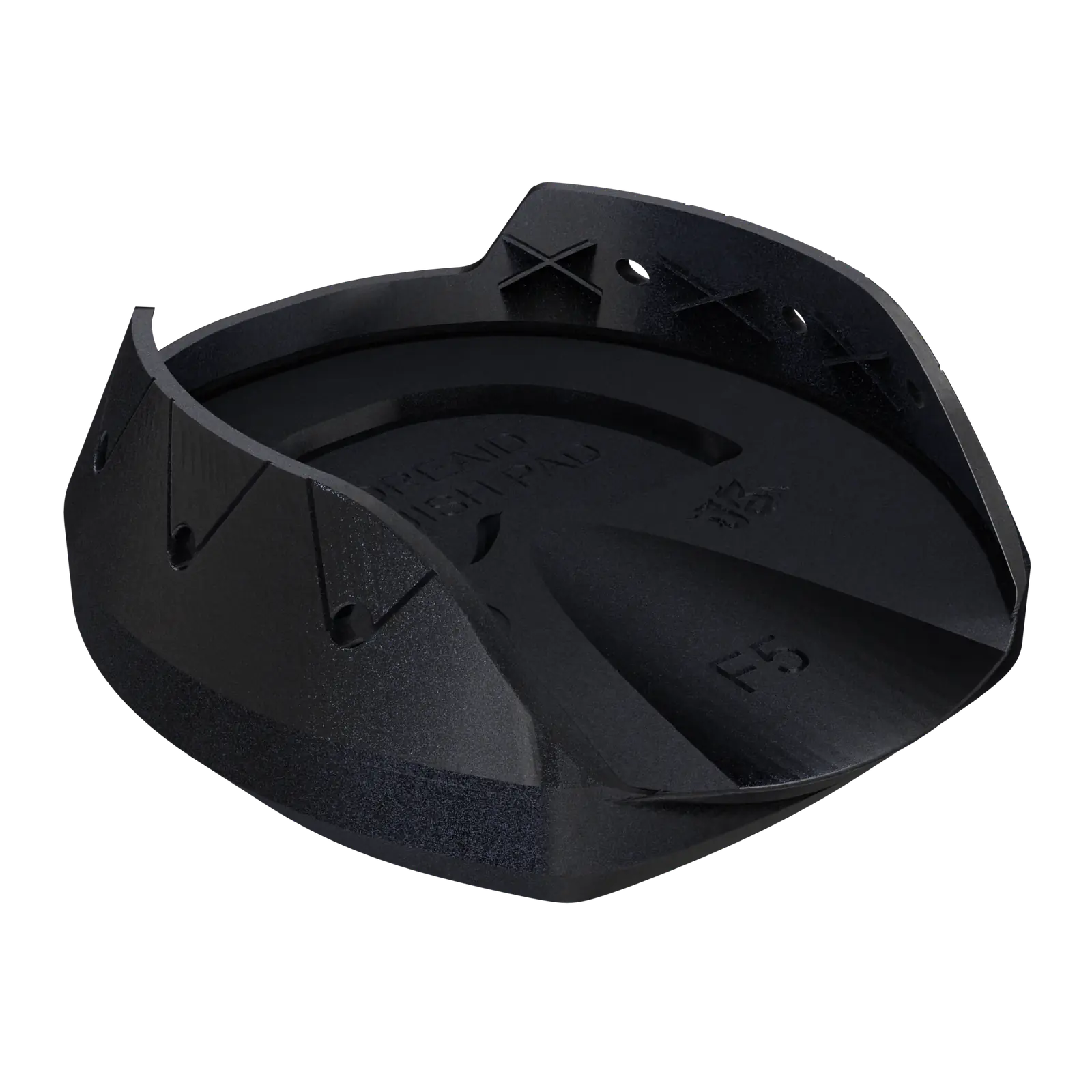
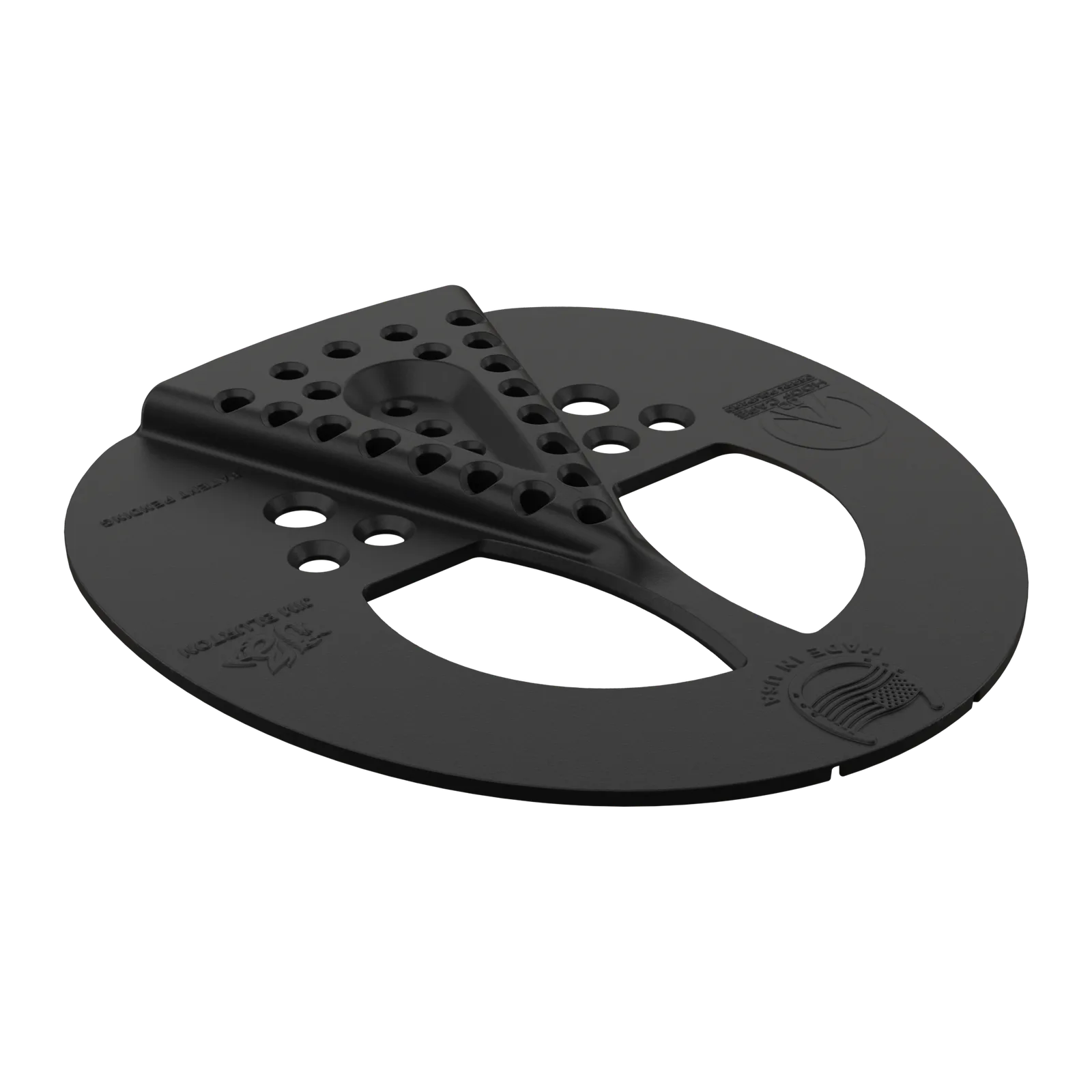
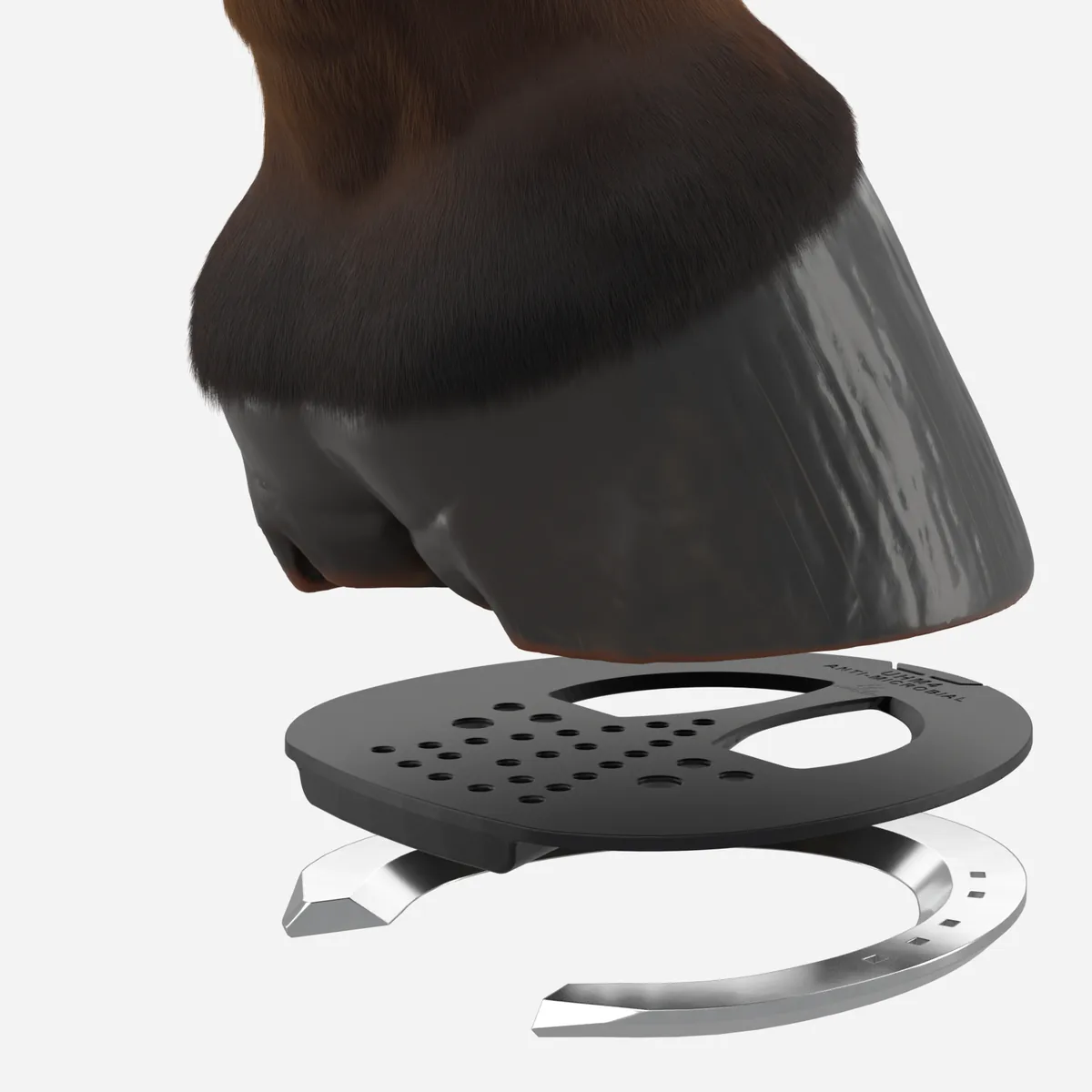
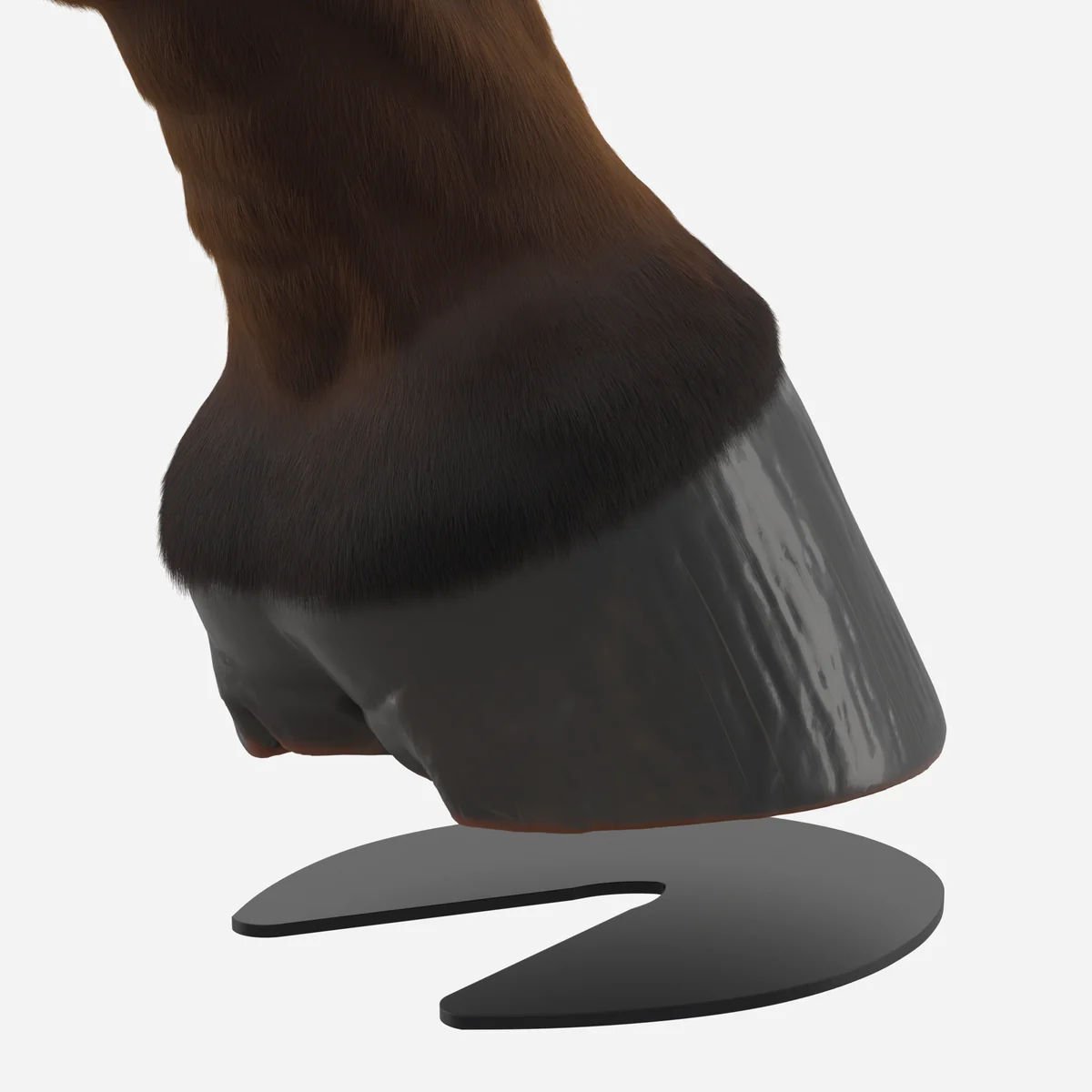
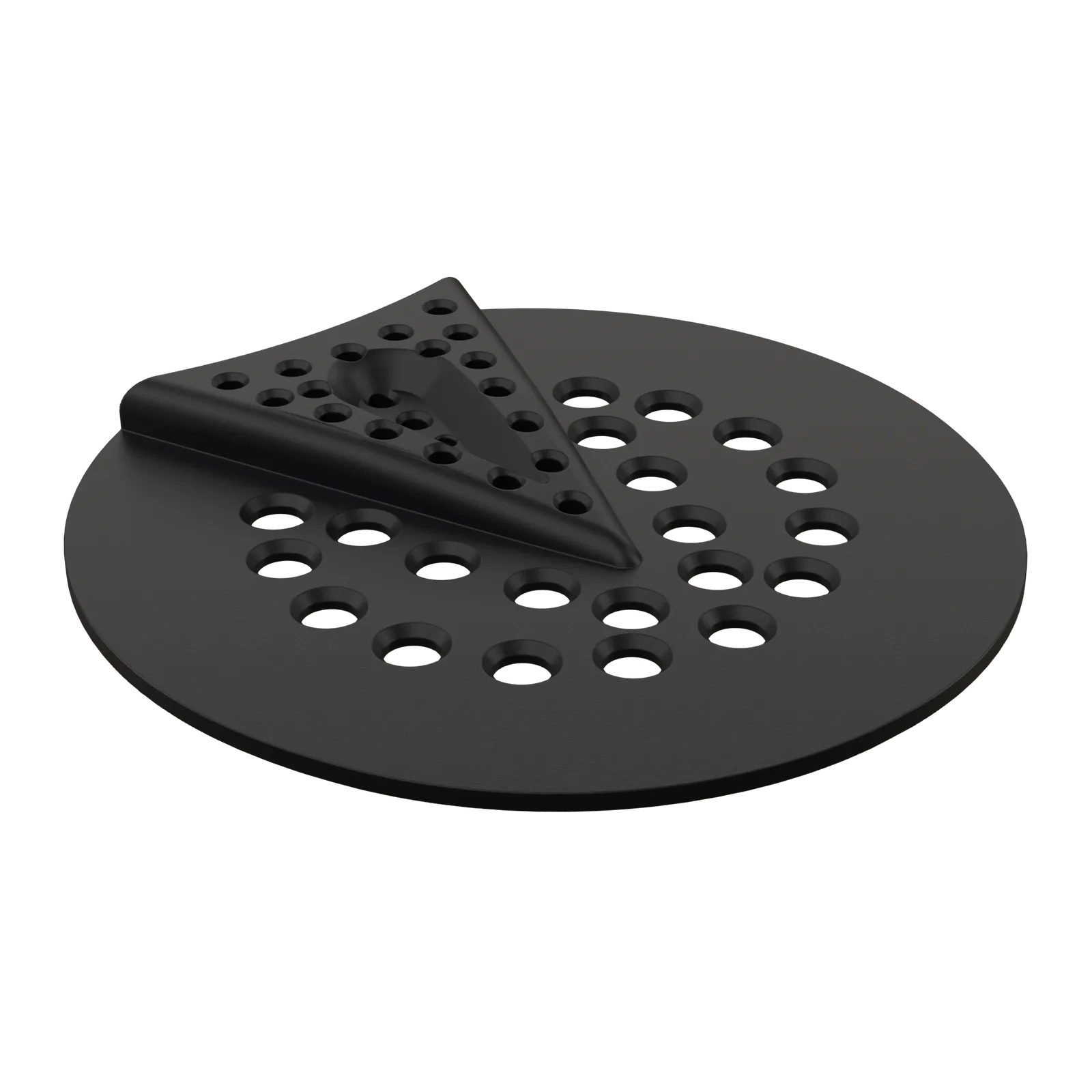
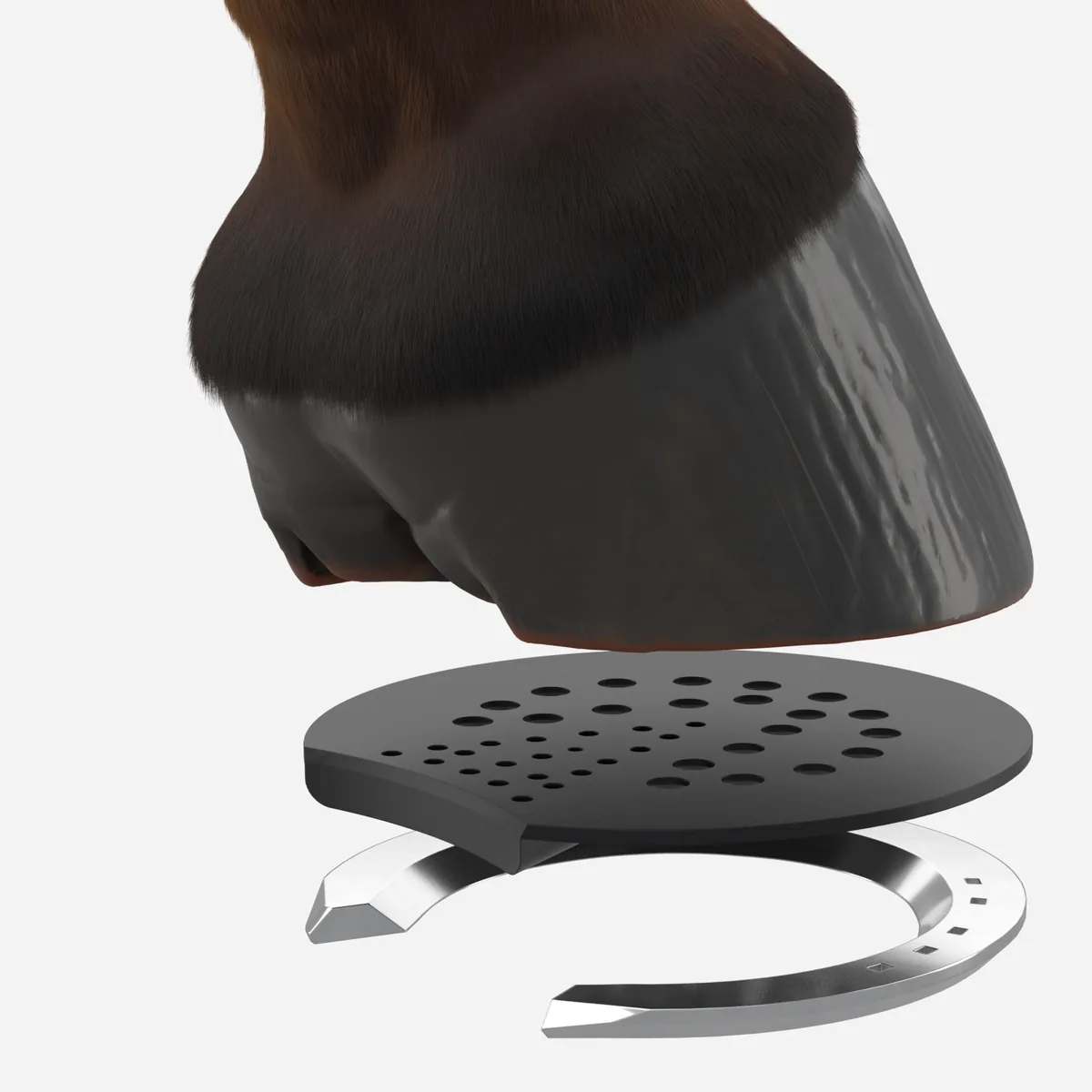
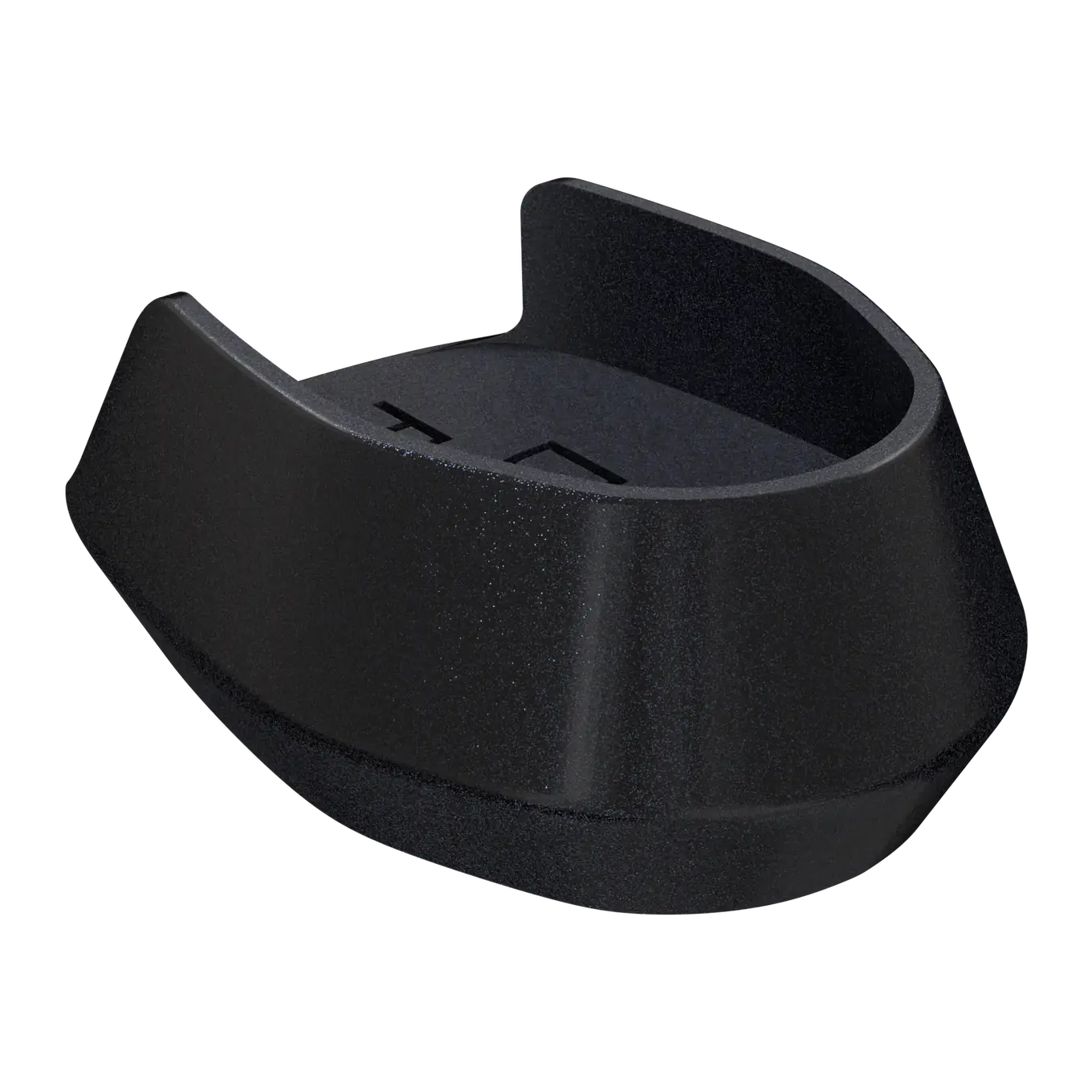
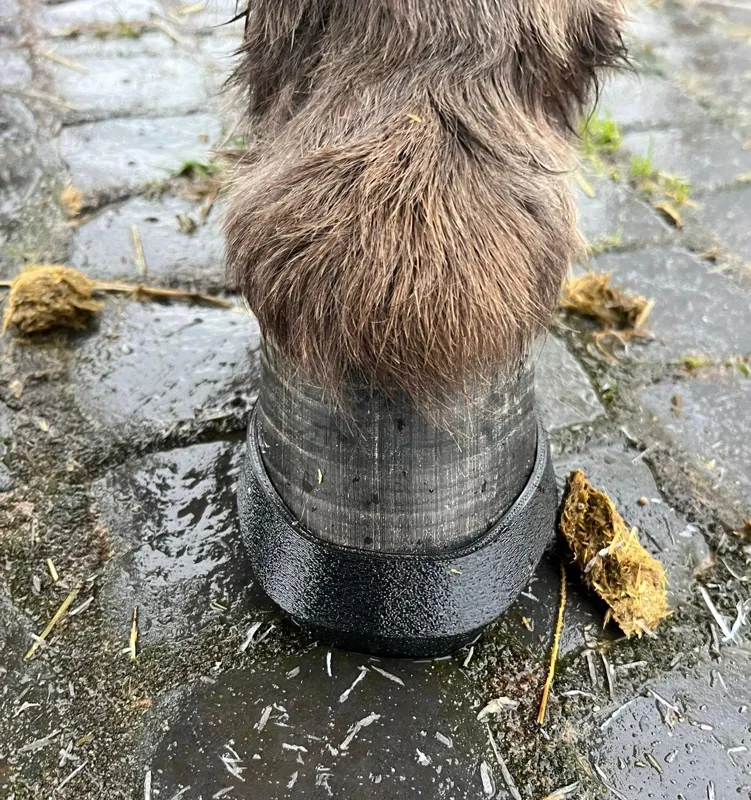
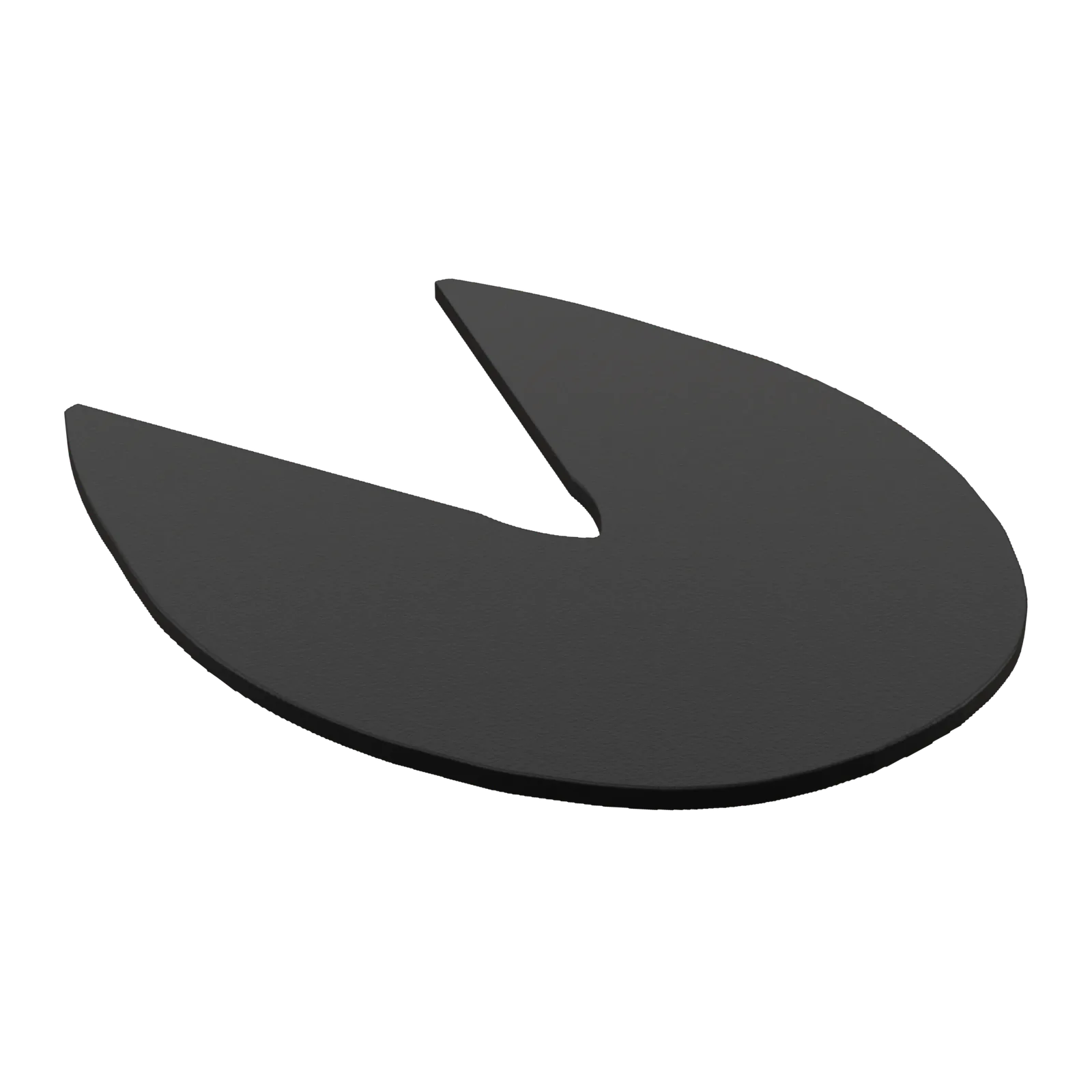
Match your measurements against the donkey size chart on each product page. The MoreAid Donkey Squish Pad and Donkey Barefoot Protection Pad each carry their own chart. If the foot falls between sizes, size up. A slightly generous pad can be rasped and shaped to the foot; a small one can't be stretched.
Common mistakes
- Using a horse or pony size chart: donkey feet are a different shape, not a smaller version of the same shape
- Converting between inches and millimeters: rounding errors add up, so read the chart in the unit you measured in
- Measuring before the trim
- Including the heel bulbs in the length
- Measuring one foot and ordering for all four
Still unsure?
Photograph the freshly trimmed sole from directly above with a ruler beside it and ask your farrier to confirm, or book a consultation and we'll size it with you. Donkeys hide discomfort well, so a correctly fitting pad matters more than it shows.
This guide is educational and is not a substitute for veterinary or farrier advice.