







Some of the most useful conversations in our community start with an owner describing a horse that is not lame, exactly, but is not right either.
He stumbles behind. He drags his hind toes. You can see it in the square wear at the toe. He has become difficult about canter leads. He is sore through the back and the vet has treated the back twice. He will not hold a hind leg up for the farrier any more, which everybody has decided is a behavioral problem.
That is a very recognizable picture, and a good proportion of the time it is a hoof angle problem being managed everywhere except the hoof.
What the angle is
The palmar angle in front, or plantar angle behind, describes how the coffin bone sits relative to the ground.
In a healthy hind foot it should be around 2 to 4 degrees positive, meaning the back of the bone sits slightly higher than the front. In a front foot with adequate sole depth, 3 to 5 degrees is the usual range.
A negative angle means it has tipped the other way: the front of the bone higher than the back. The bone is pointing uphill, and everything above it is dealing with the consequences.
What it looks like from the ground
You do not need radiographs to suspect it, though you need them to confirm it.
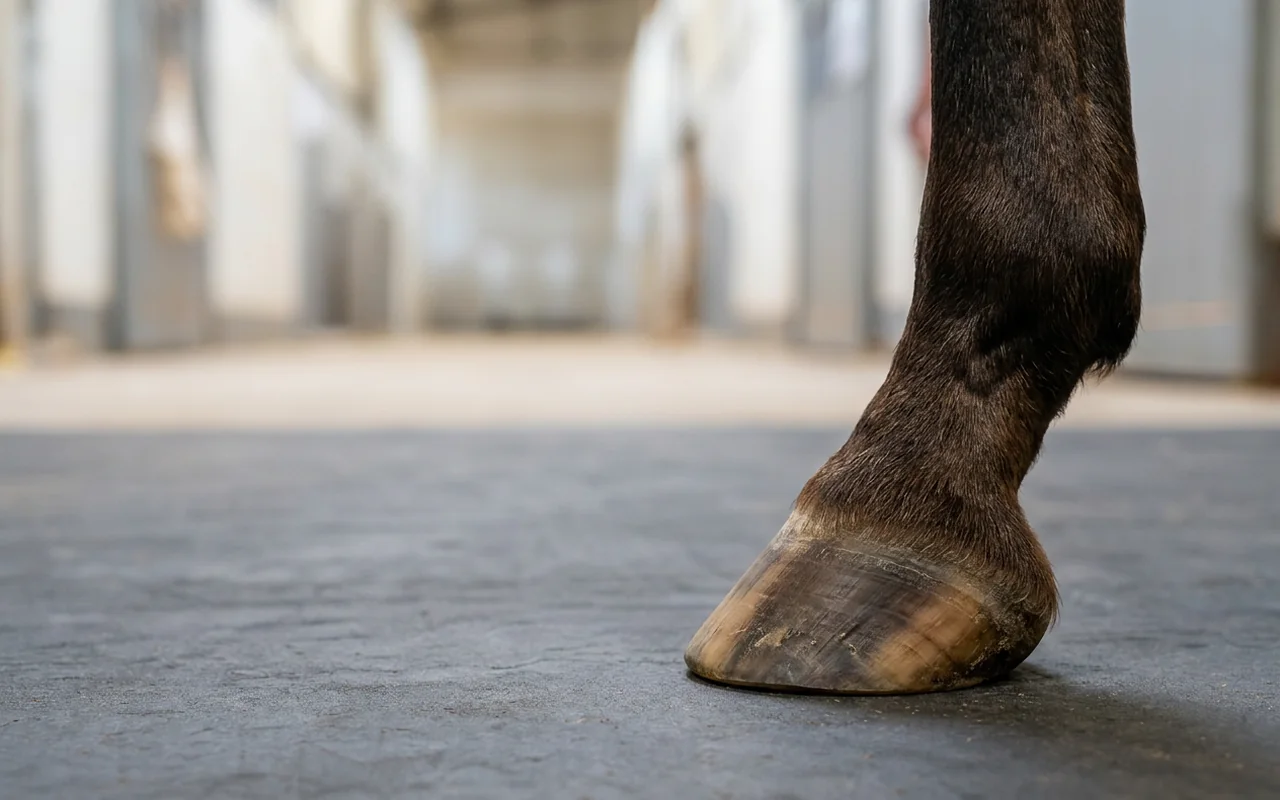
Look at the hoof from the side. A bull-nosed or slightly bowed appearance to the dorsal wall. A coronary band that runs steeply rather than sloping gently to the heel.
Look at the back of the foot. Flattened heel bulbs. Heels that have run forward under the foot rather than standing up beneath the leg.
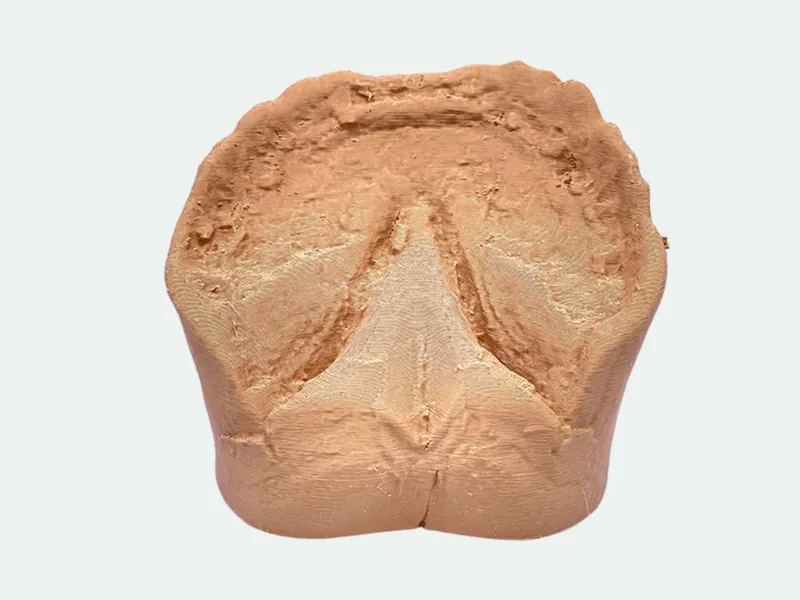
Look at the frog. The tip of the frog sitting deeply recessed in a depression in the sole, rather than sitting proud.
Look at the toe. Squared off from dragging.
Watch the horse stand. A characteristic stance with the hind limbs tucked underneath rather than standing square.
Any one of those on its own means little. Three or four together on a horse with the behavioral picture above is worth a set of radiographs.
Why it causes trouble a long way from the foot
This is the part that explains why these horses get treated for everything except the actual cause.
A negative angle changes the loading right up the limb. Studies have linked it to pain in the gluteal muscles, the proximal suspensory ligaments, the stifles, the hocks and the sacroiliac joints. Those are all things that get diagnosed and injected and rehabilitated, sometimes repeatedly, in a horse whose feet are still creating the load that caused them.
I am not suggesting every sore back is a foot problem. I am suggesting that if a horse keeps coming back with the same soft-tissue complaint, it is worth radiographing the hind feet before the third round of treatment.
The behavioral signs are the ones I would most encourage people not to dismiss. A horse that has become resistant in work, or difficult for the farrier behind, is frequently a horse in discomfort that has learned nobody is listening.
Where it comes from
Some horses are conformationally predisposed. Long, sloping pasterns and a tendency to underrun heels will get you there faster.
But trimming and shoeing play an enormous part in either correcting or worsening it, and that cuts both ways. A hind foot that has been trimmed to a flat-looking ground surface every cycle, without regard to where the heels actually are, will drift negative over time. Long intervals between visits make it worse, because heels run forward as the toe grows.
Management contributes as well. A soft summer on soft ground lets heels flatten. One owner in the group described exactly this: underrun heels after a barefoot summer, then the first rain arriving with an infection on top.
How it is addressed
Three things, in order of importance.
Get the toe back. Almost every negative-angle foot has too much toe. Bringing the breakover back reduces the leverage that has been pulling the heels forward, and it is the change that does the most work. It is also the one people skip because it looks aggressive.
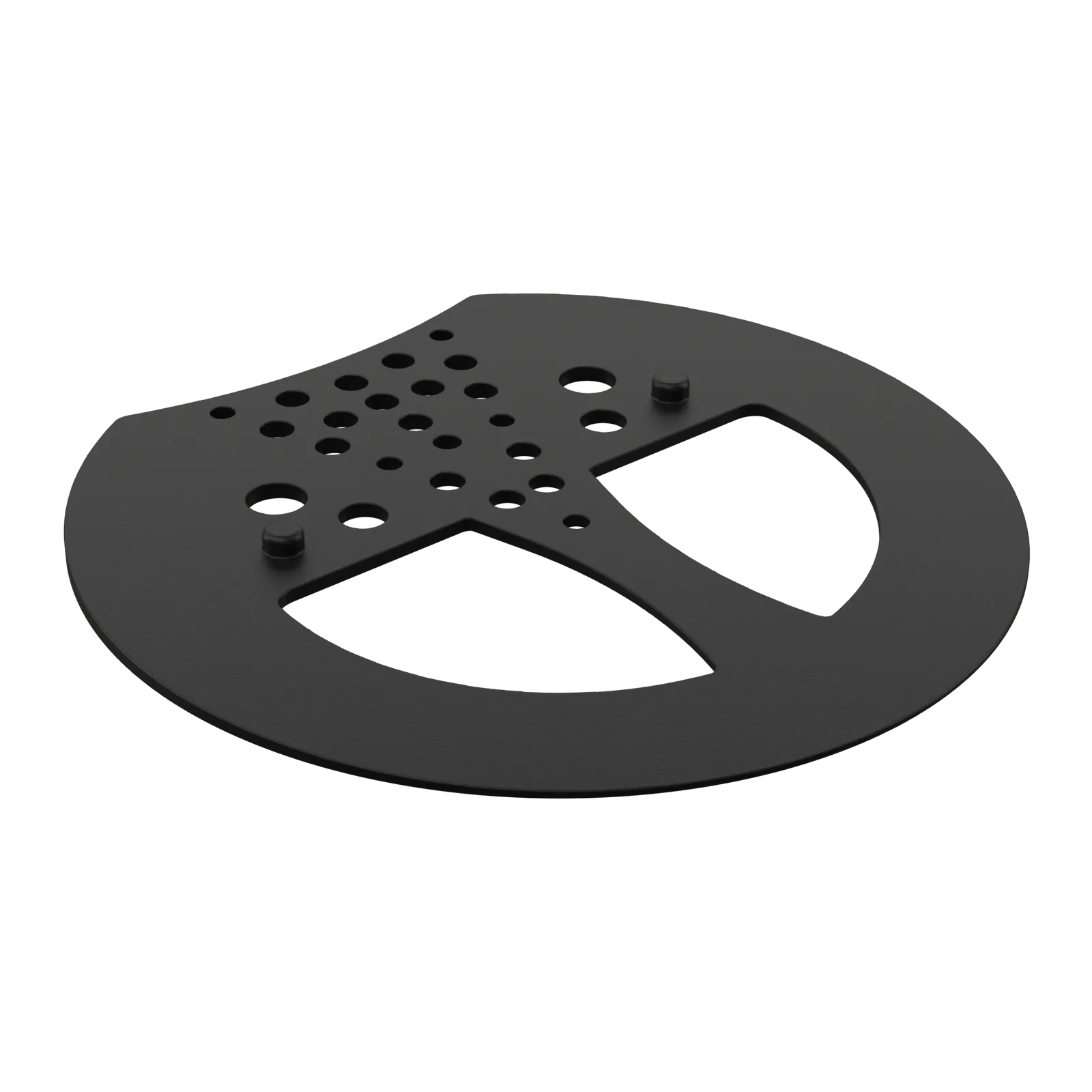
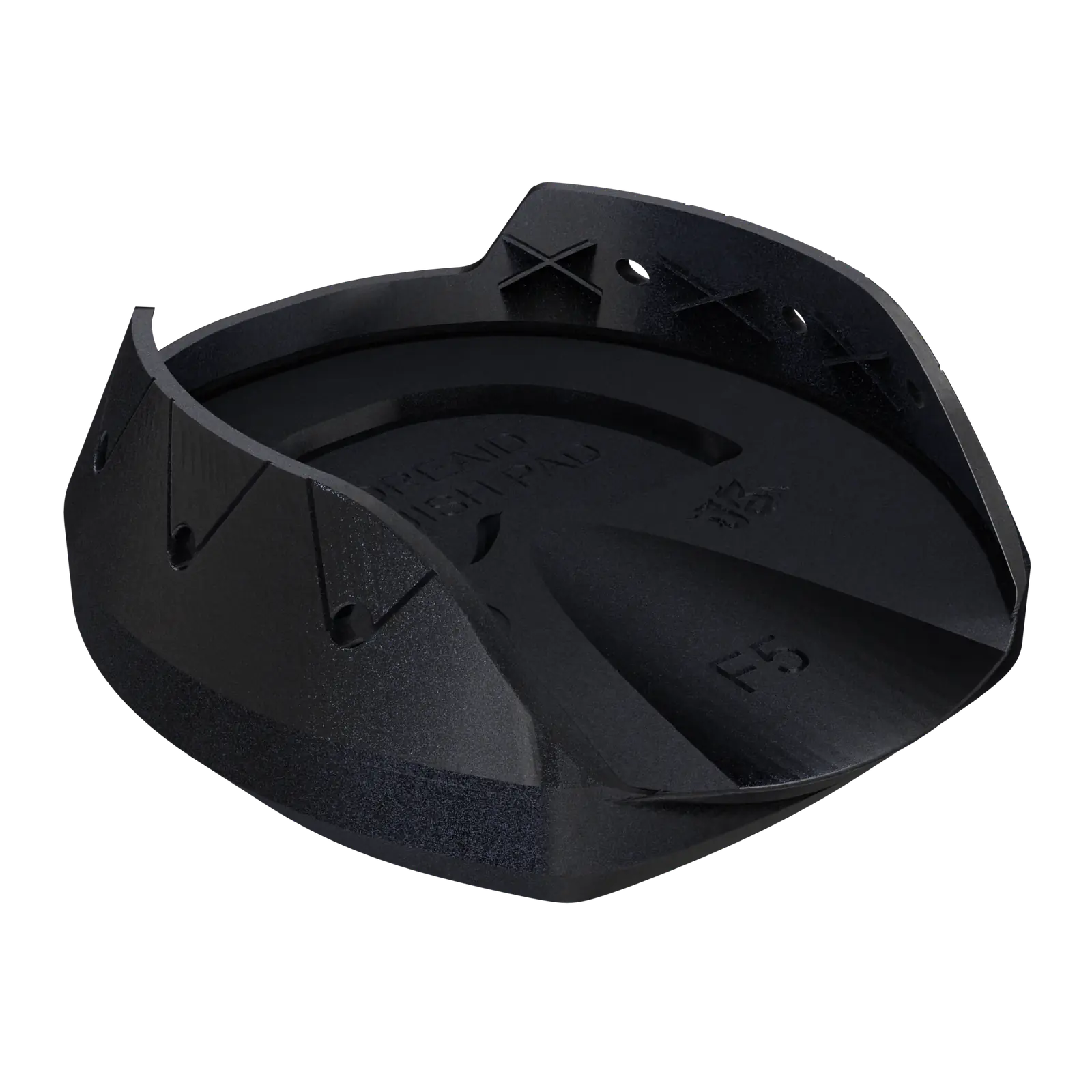
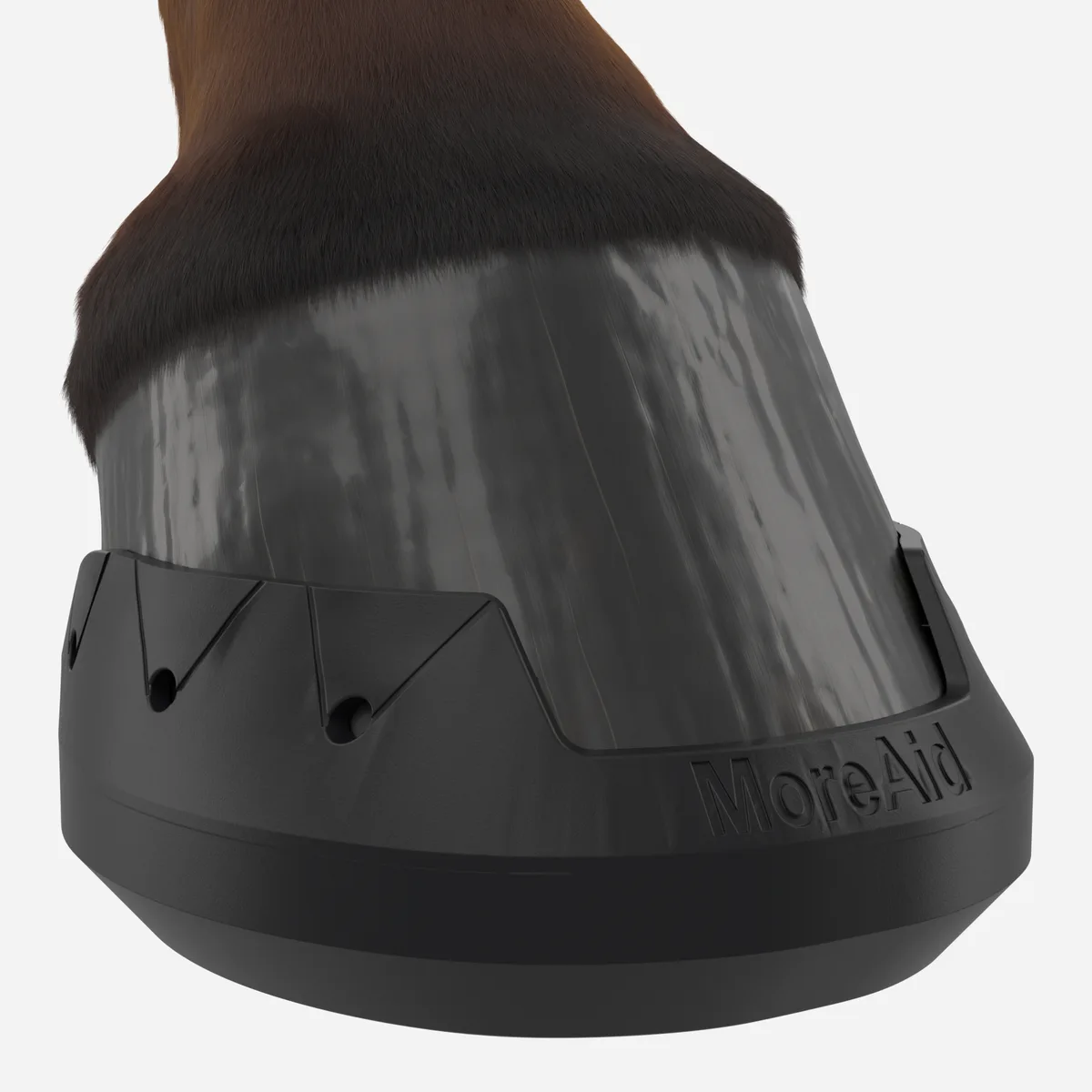
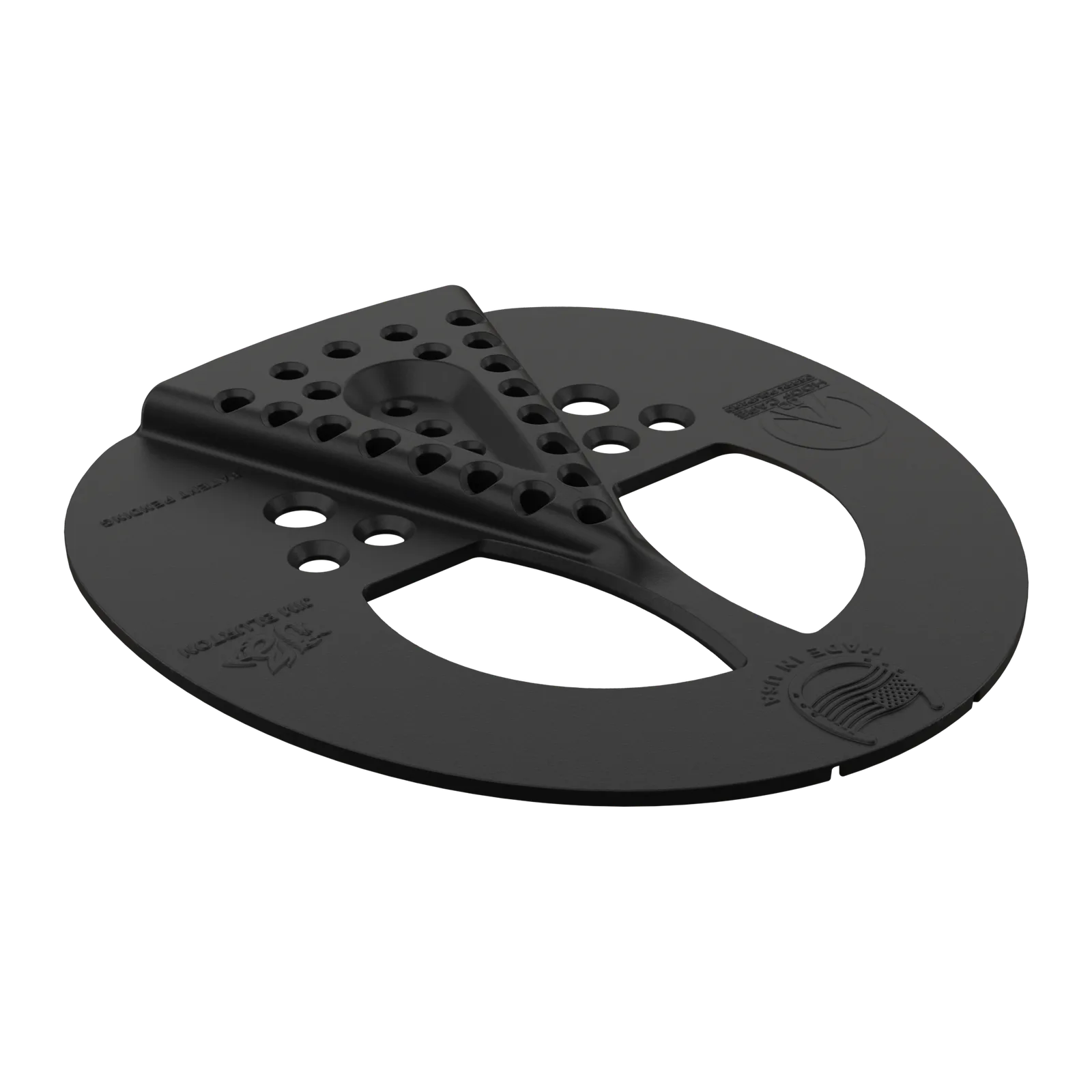
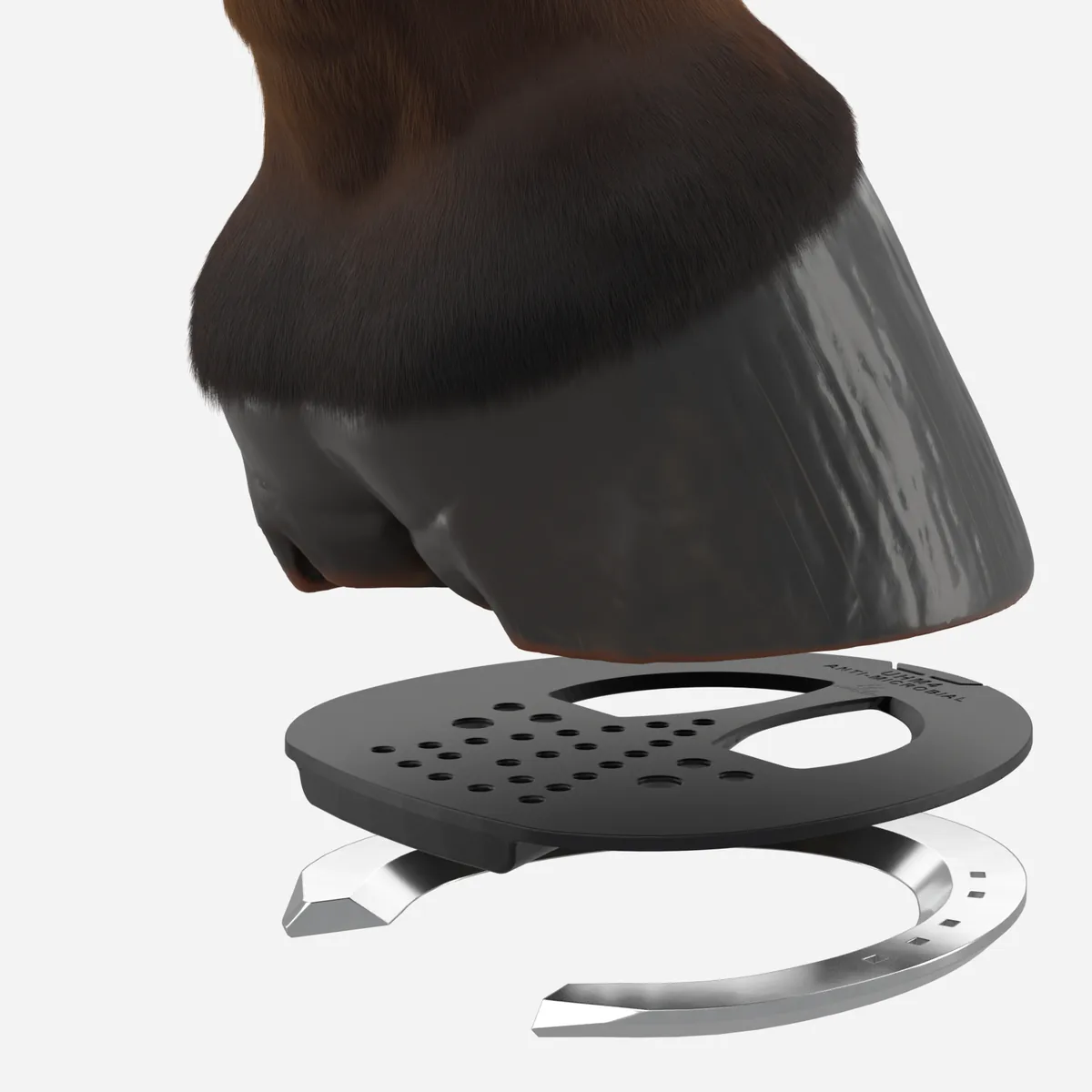
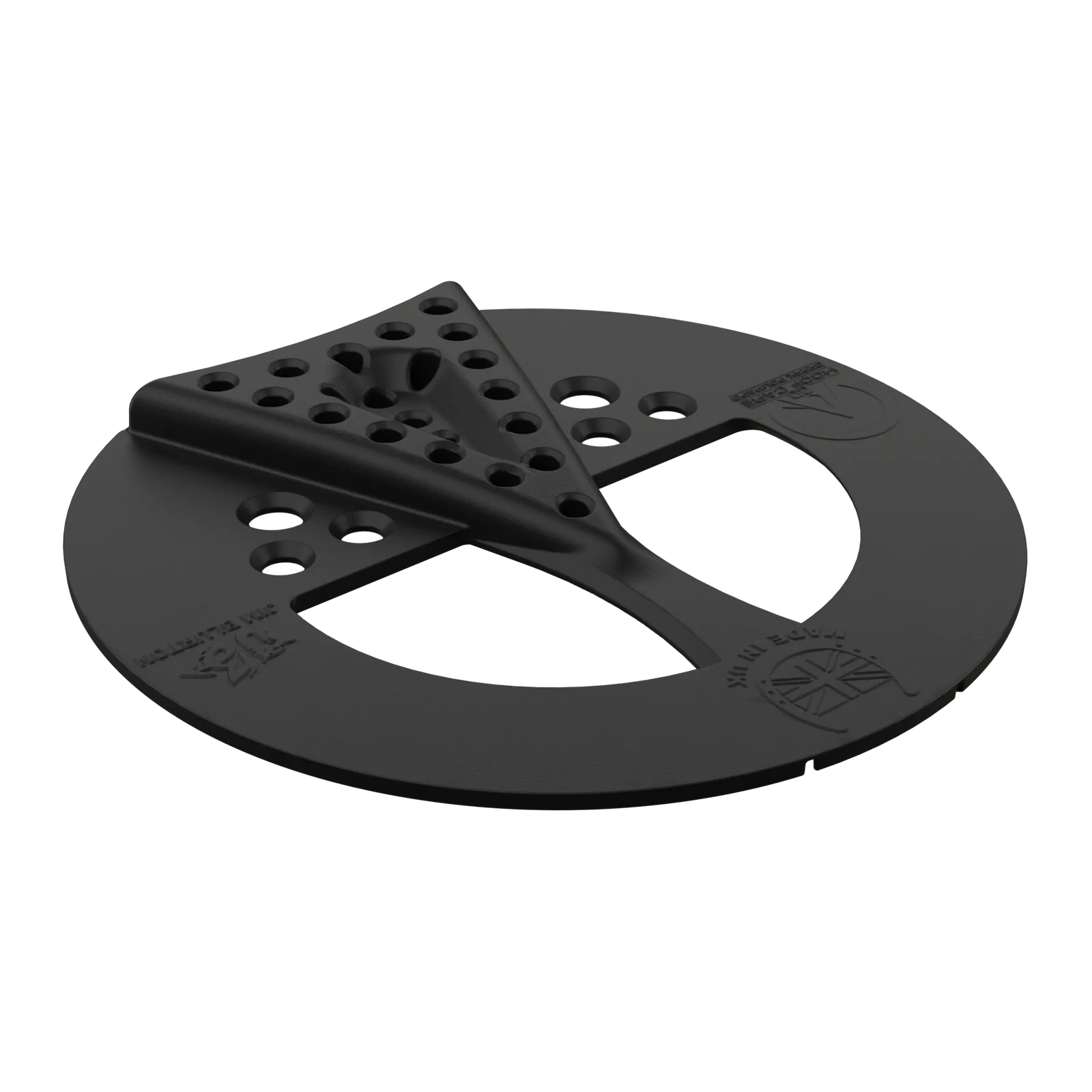
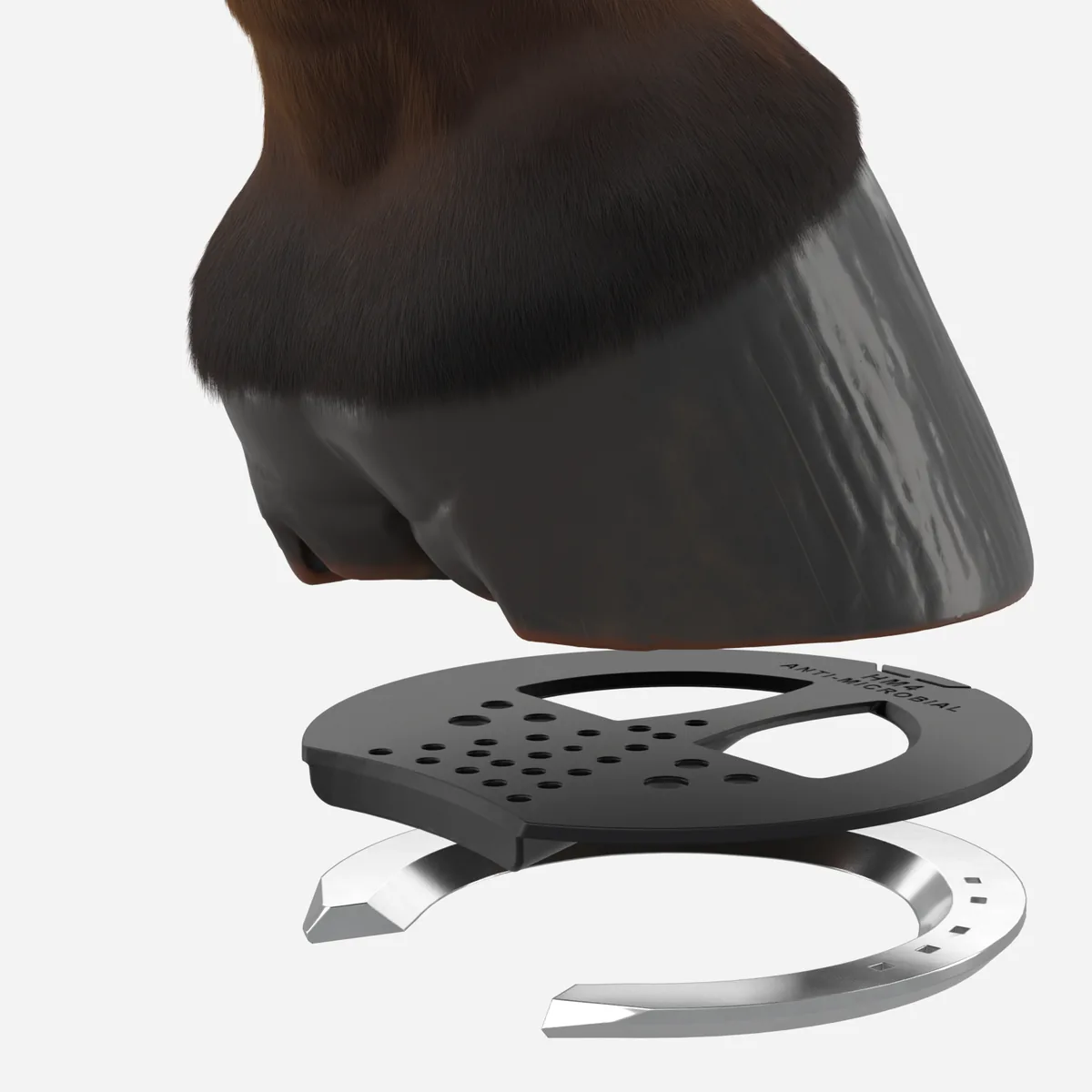
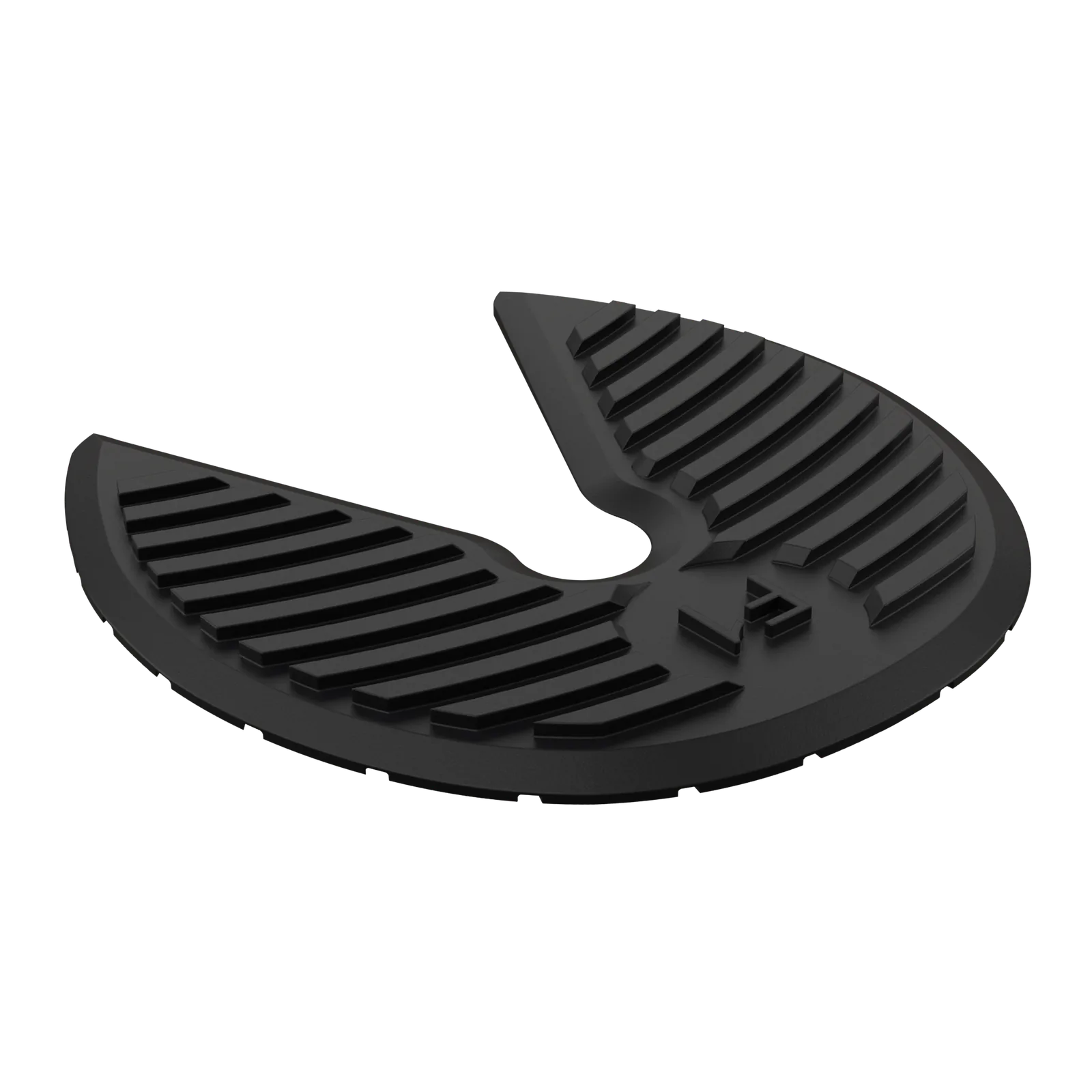
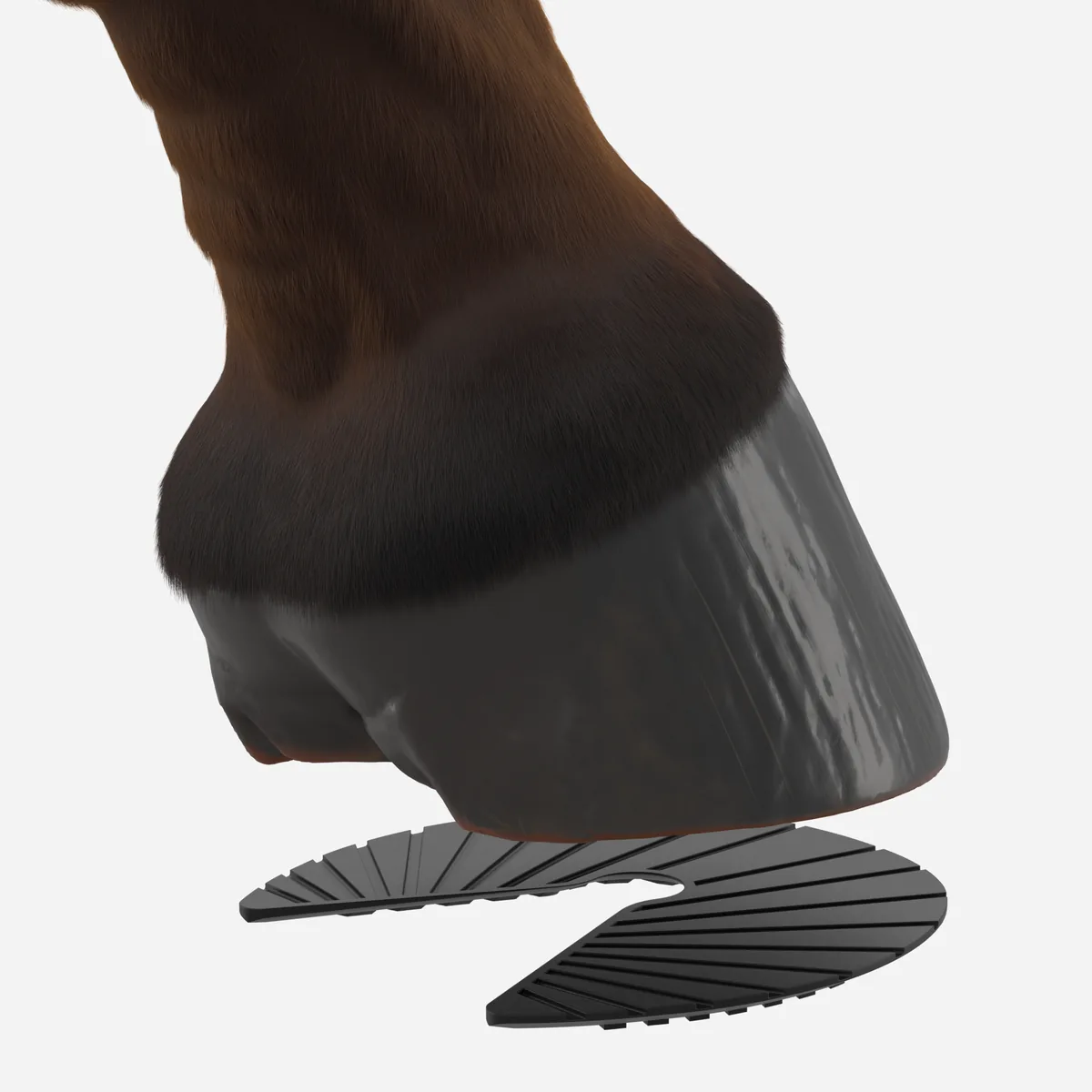
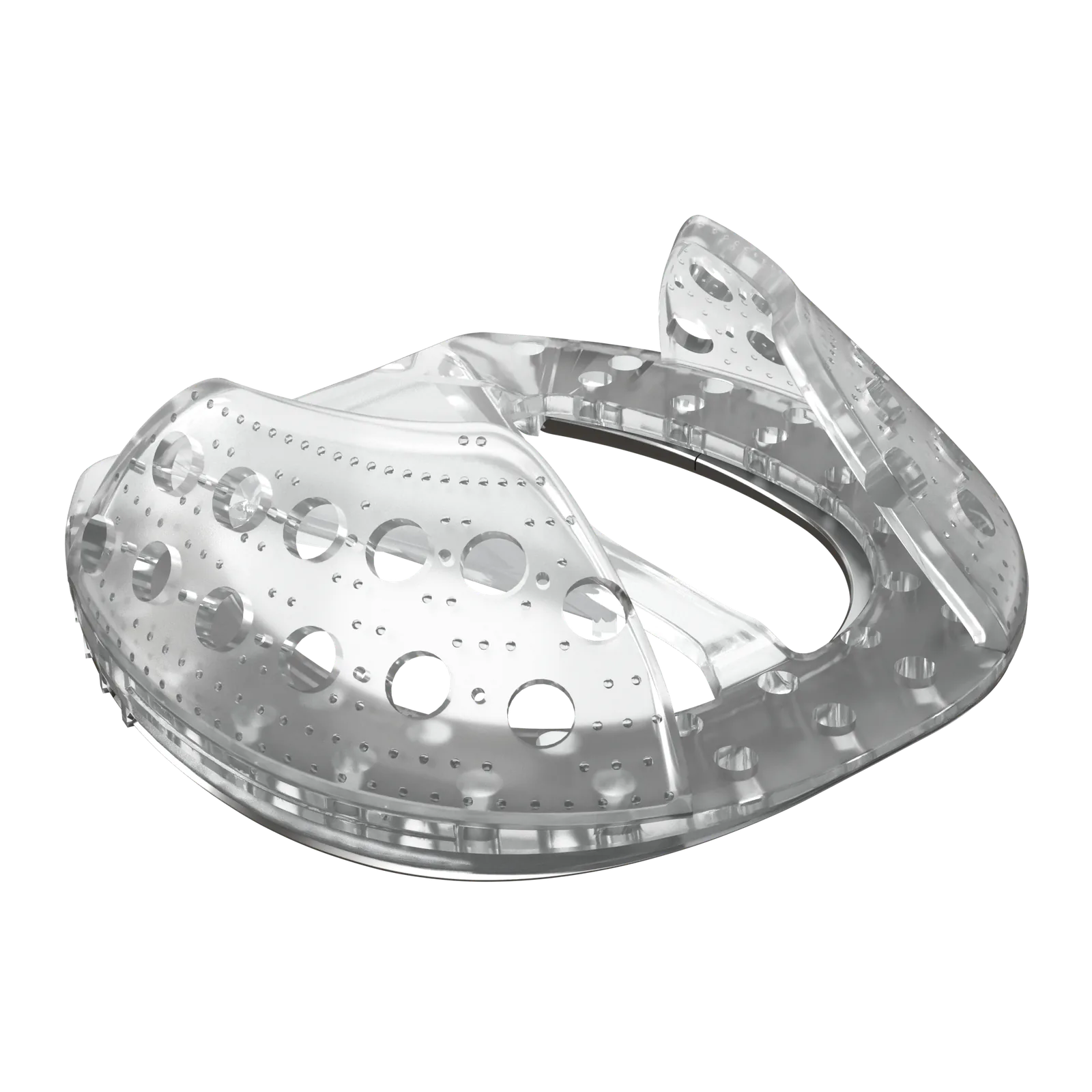
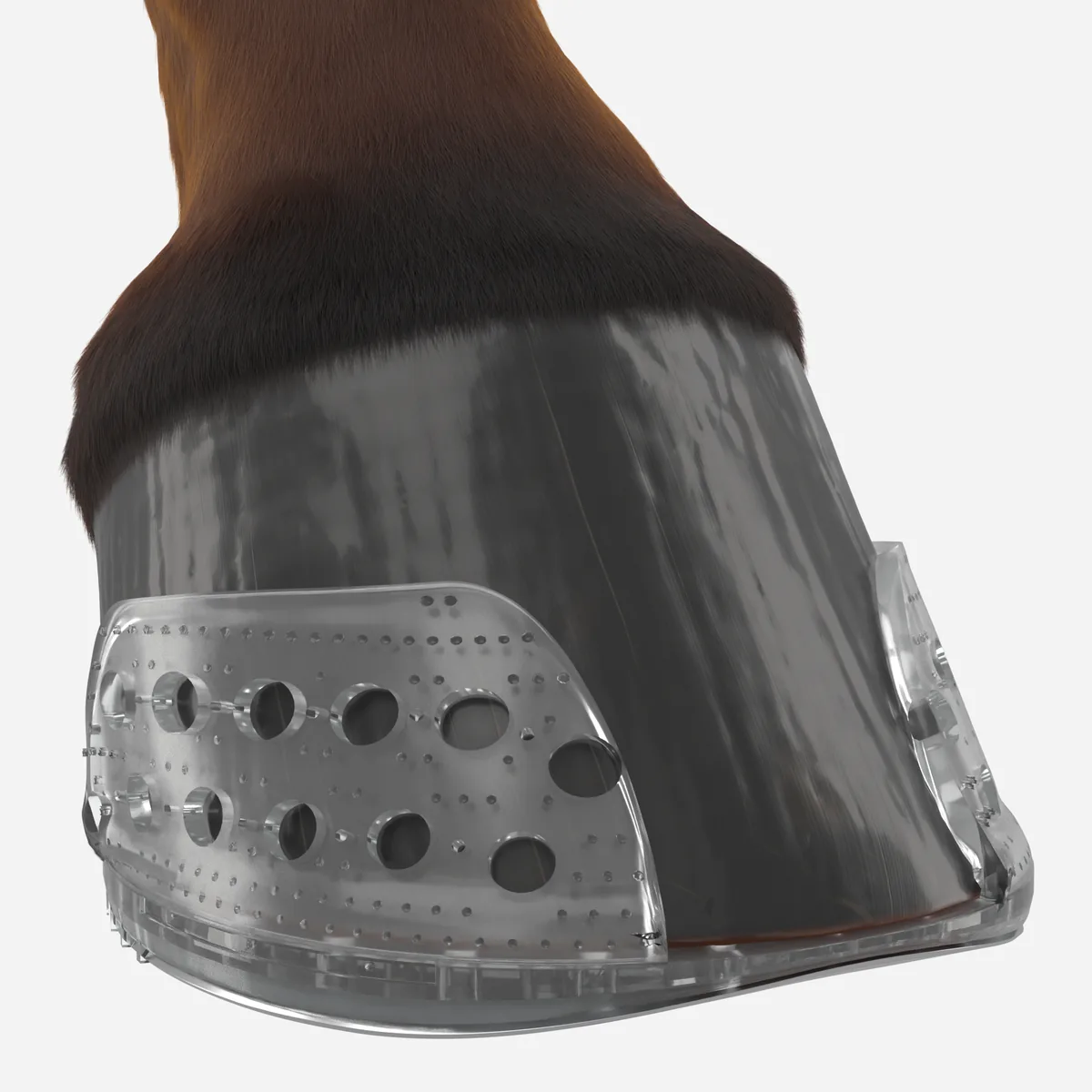
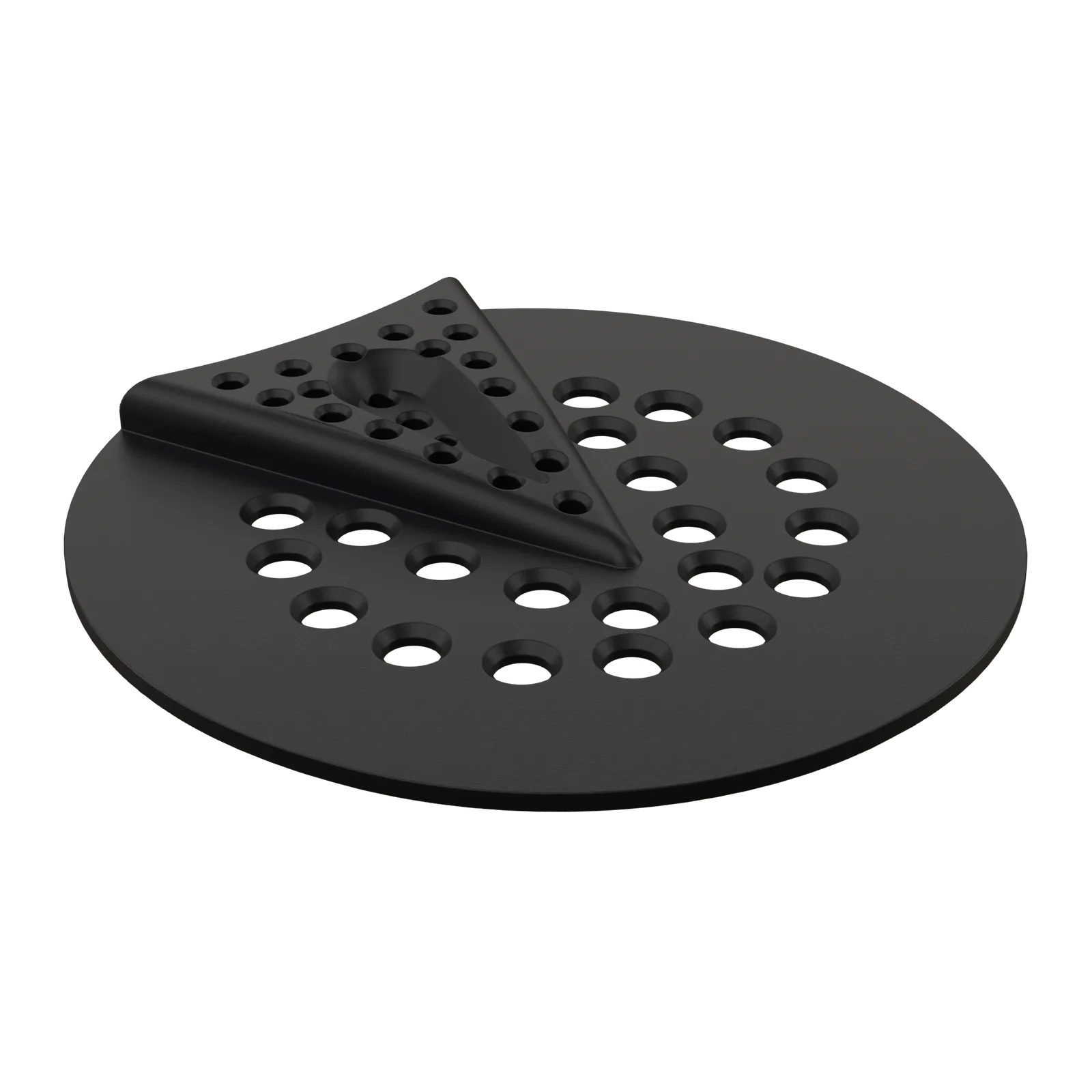
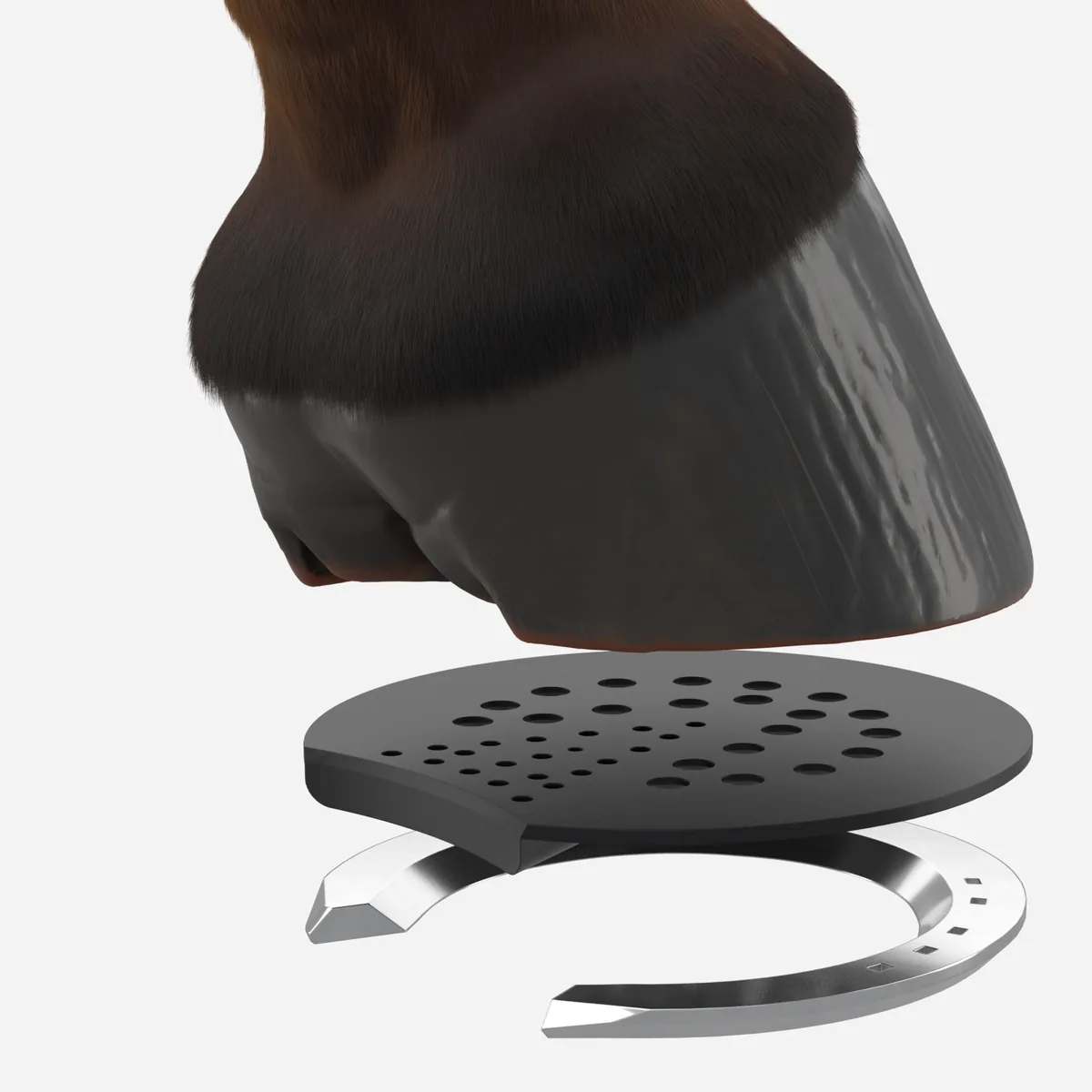
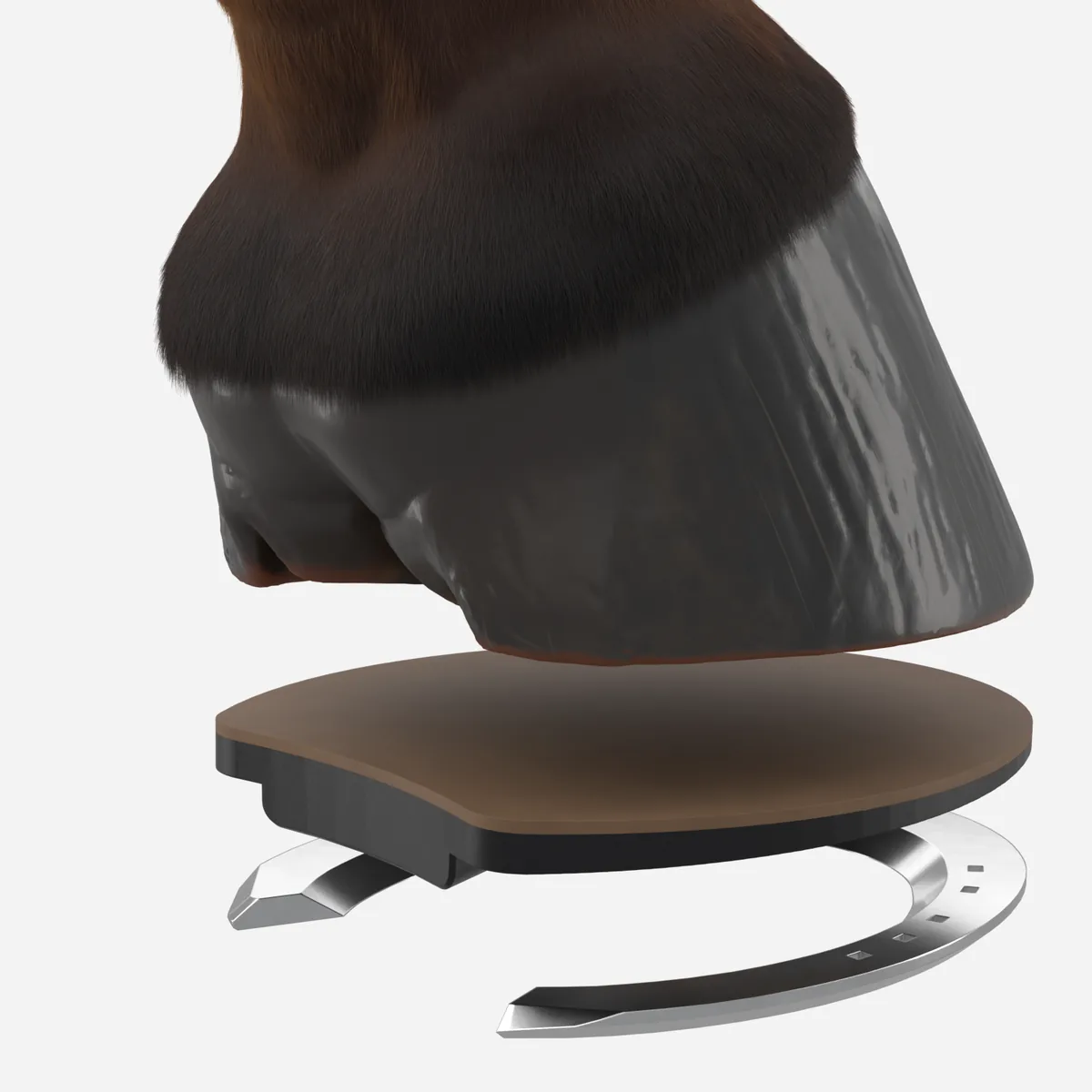
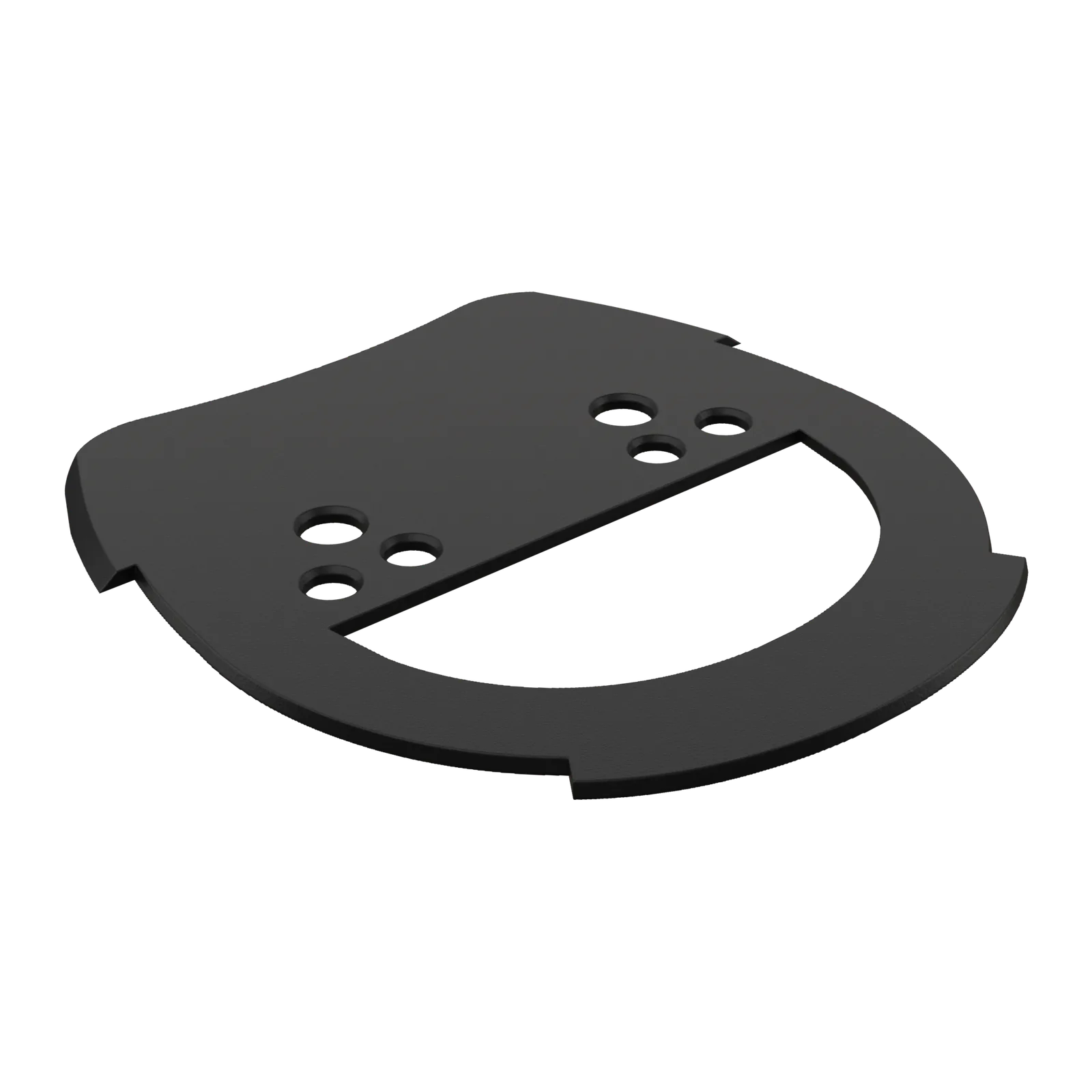
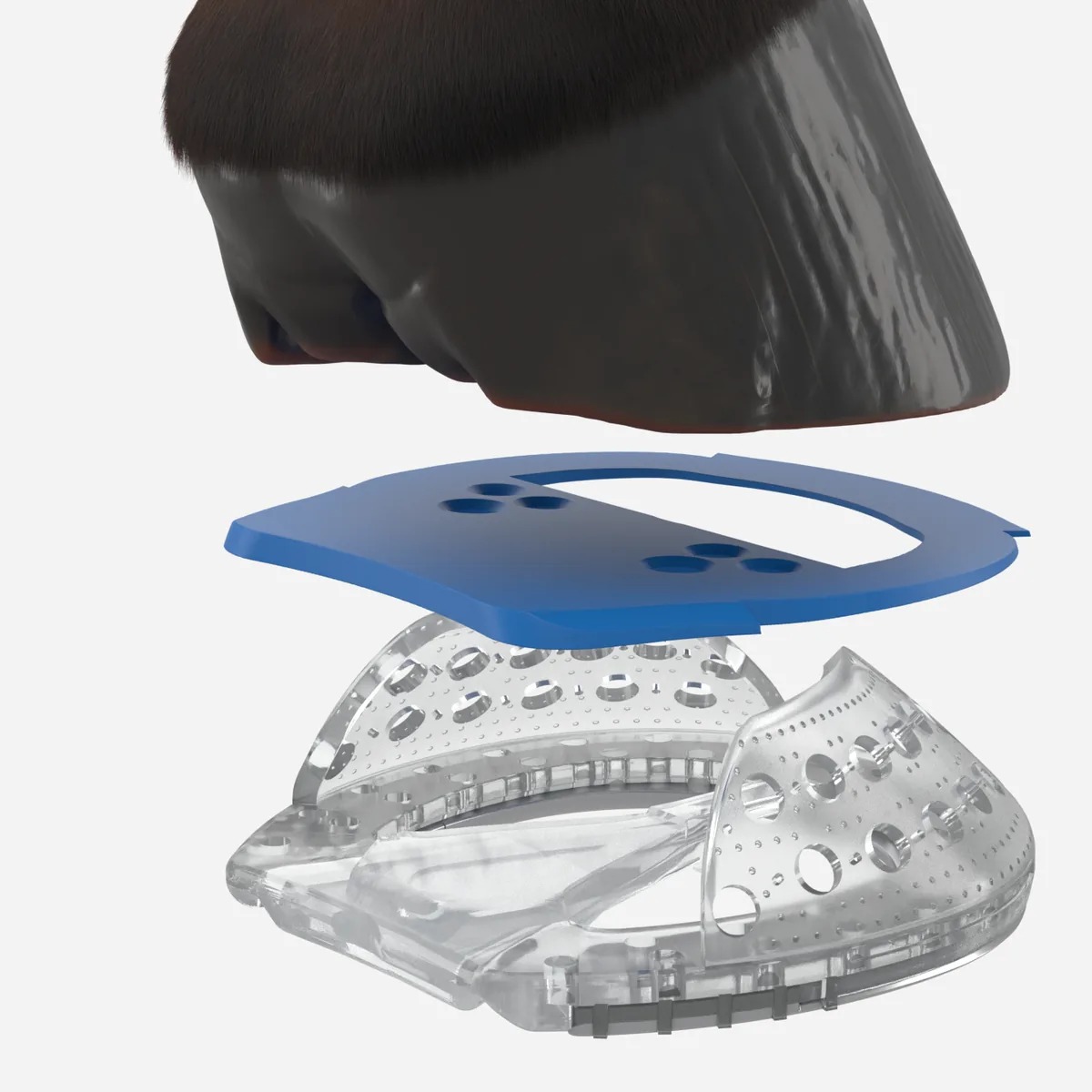
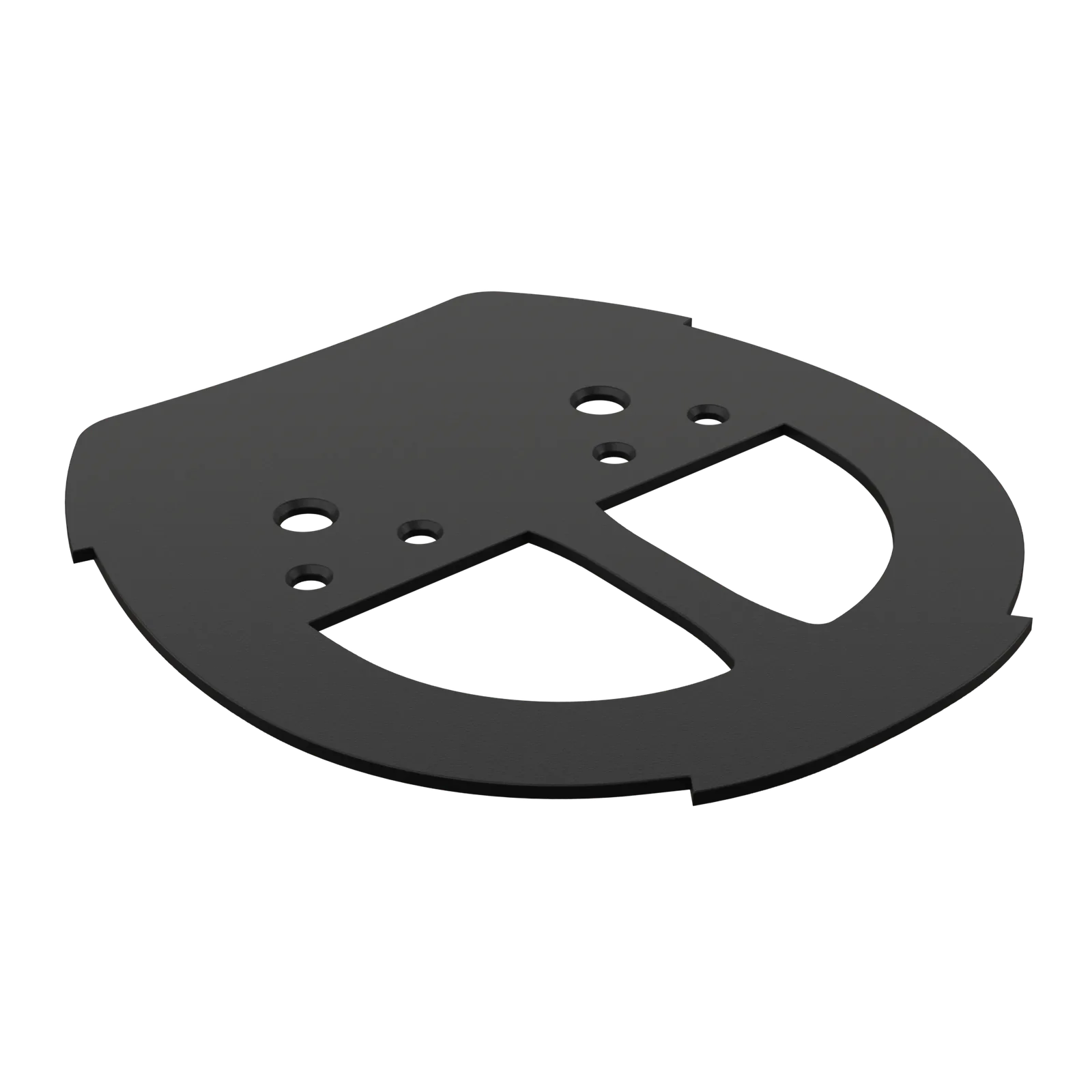
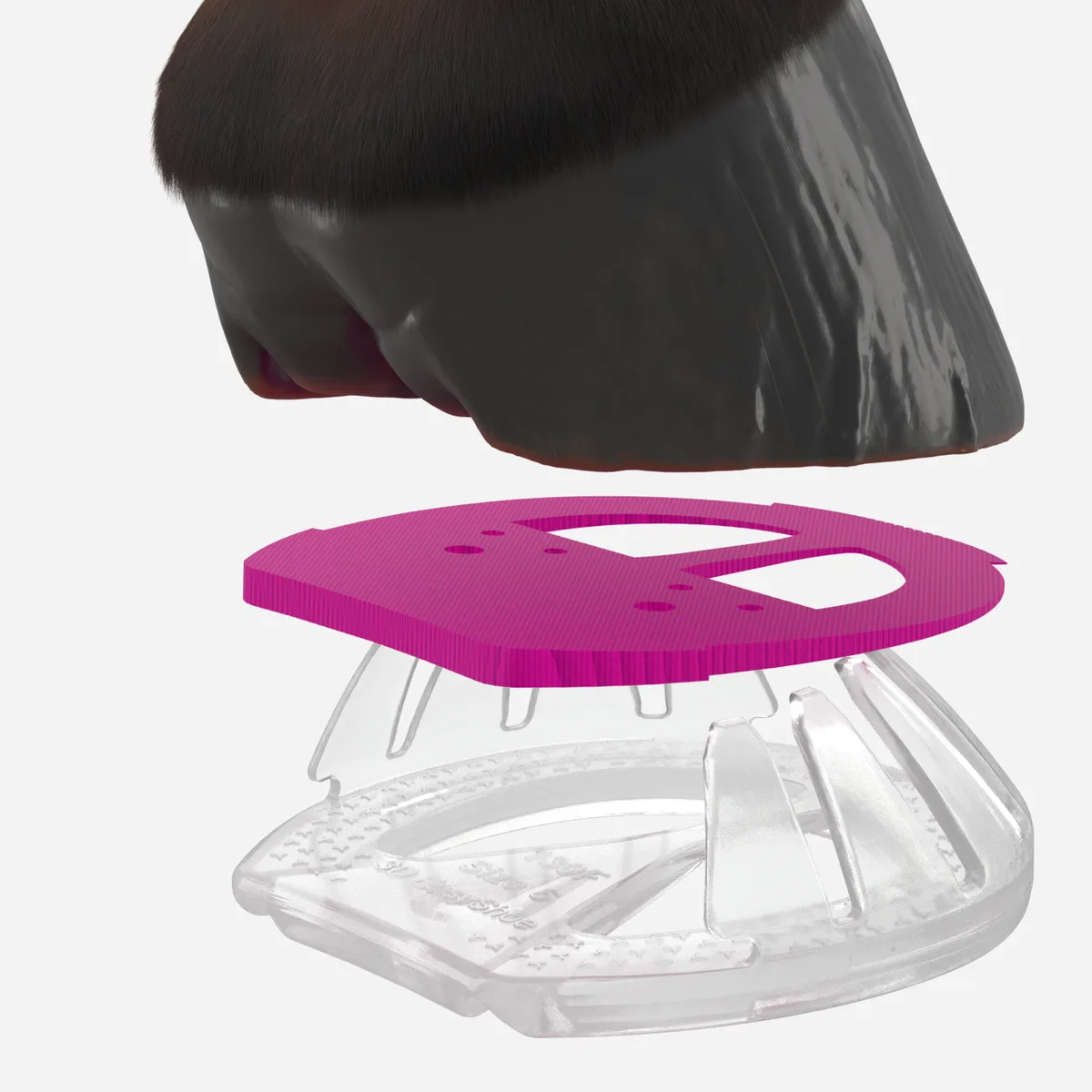
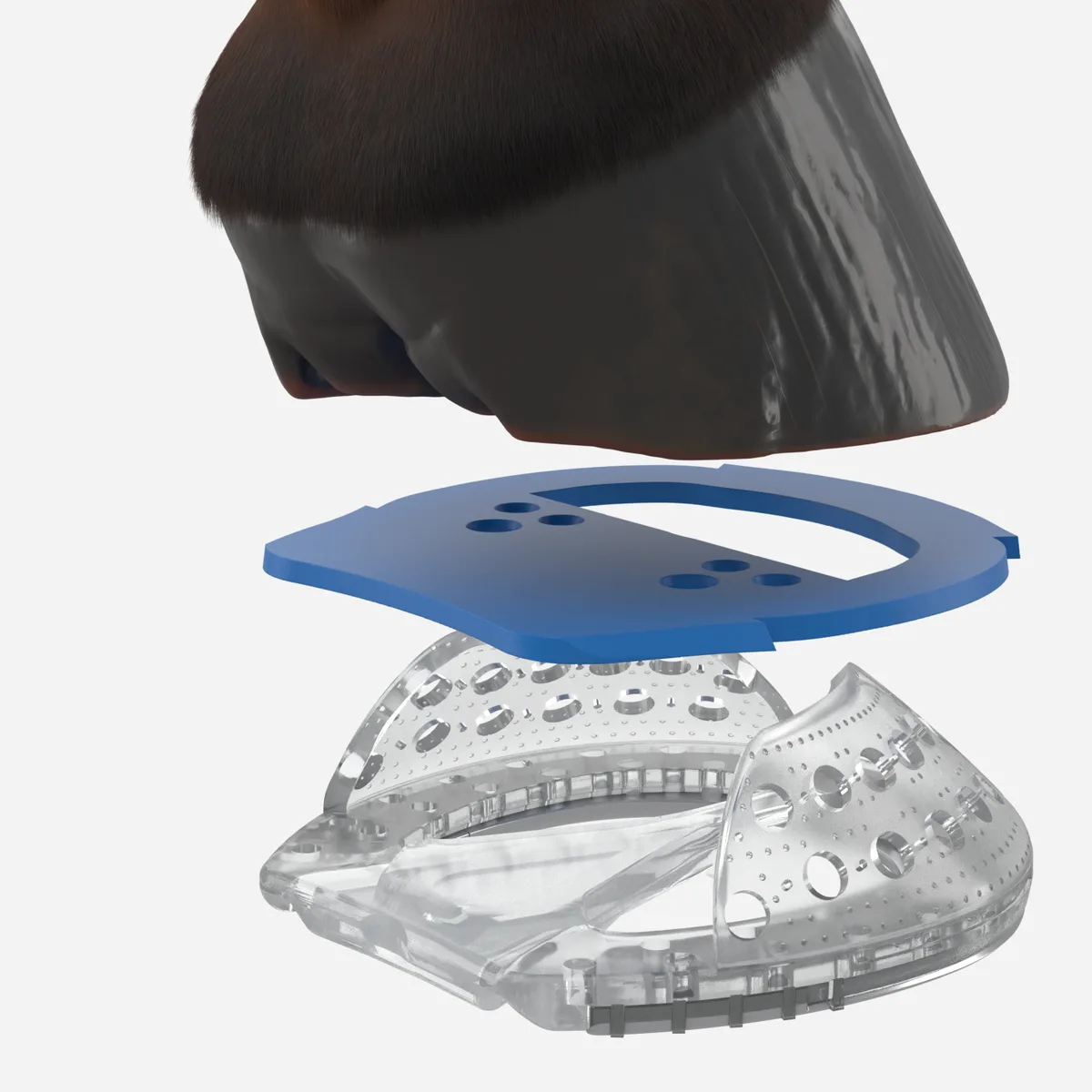
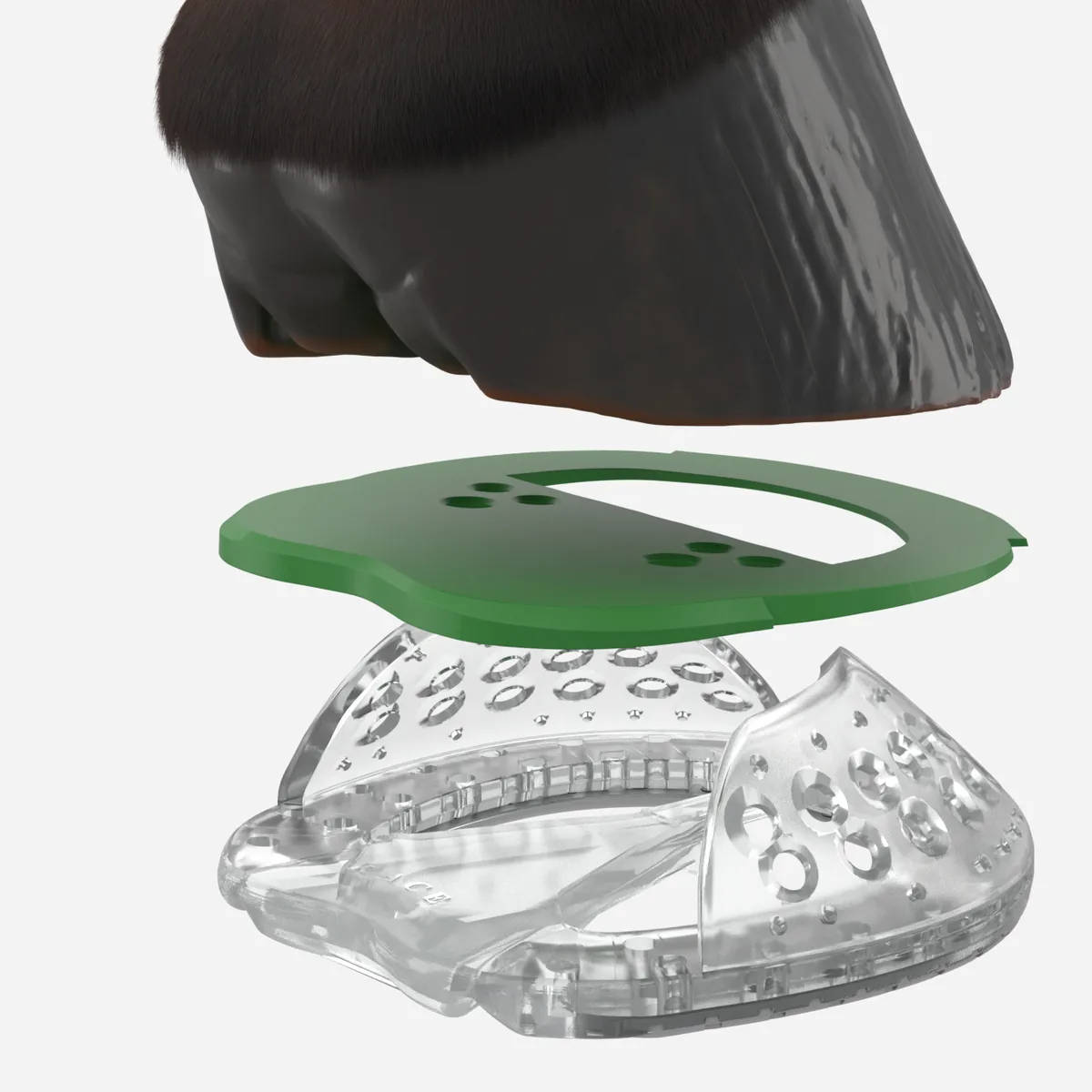
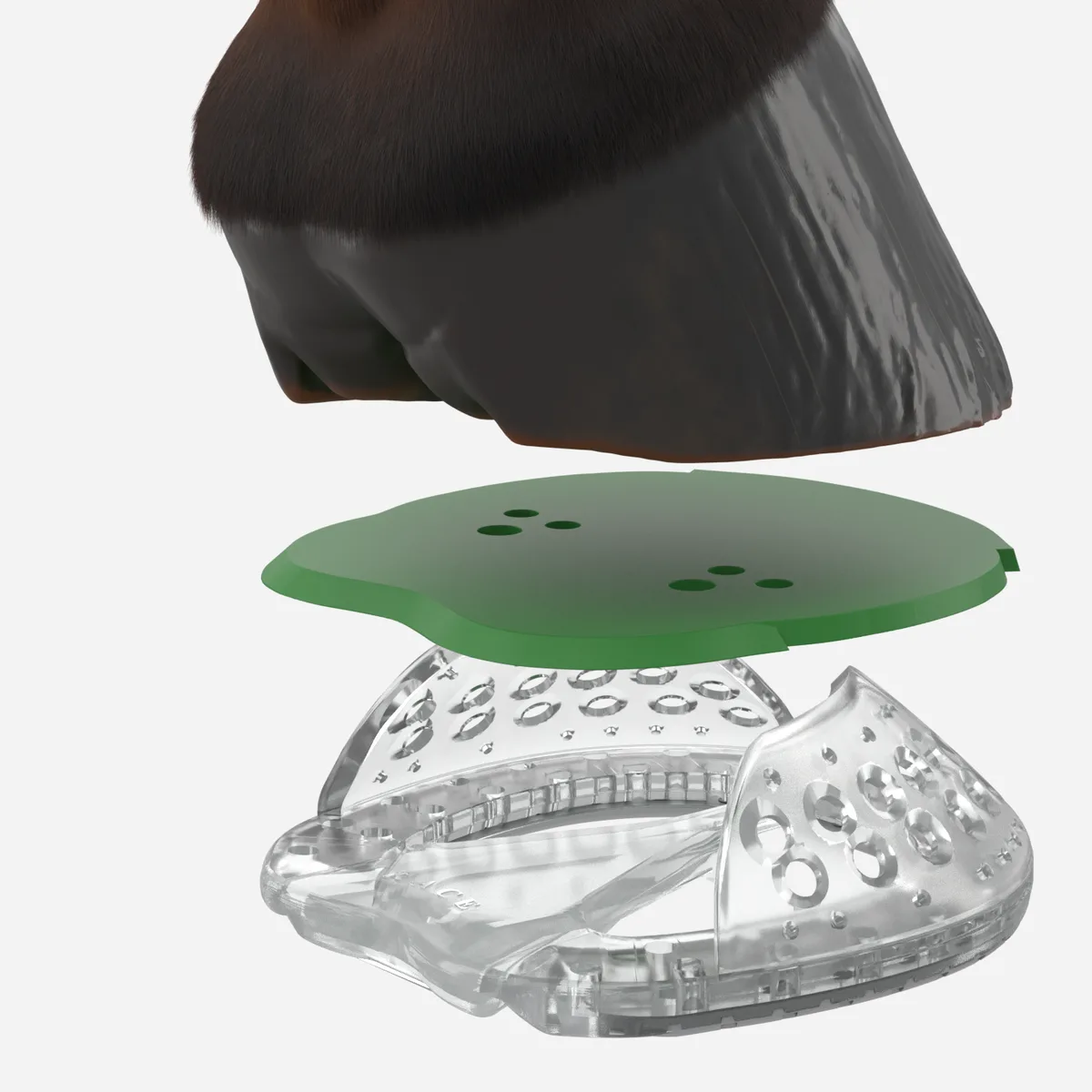
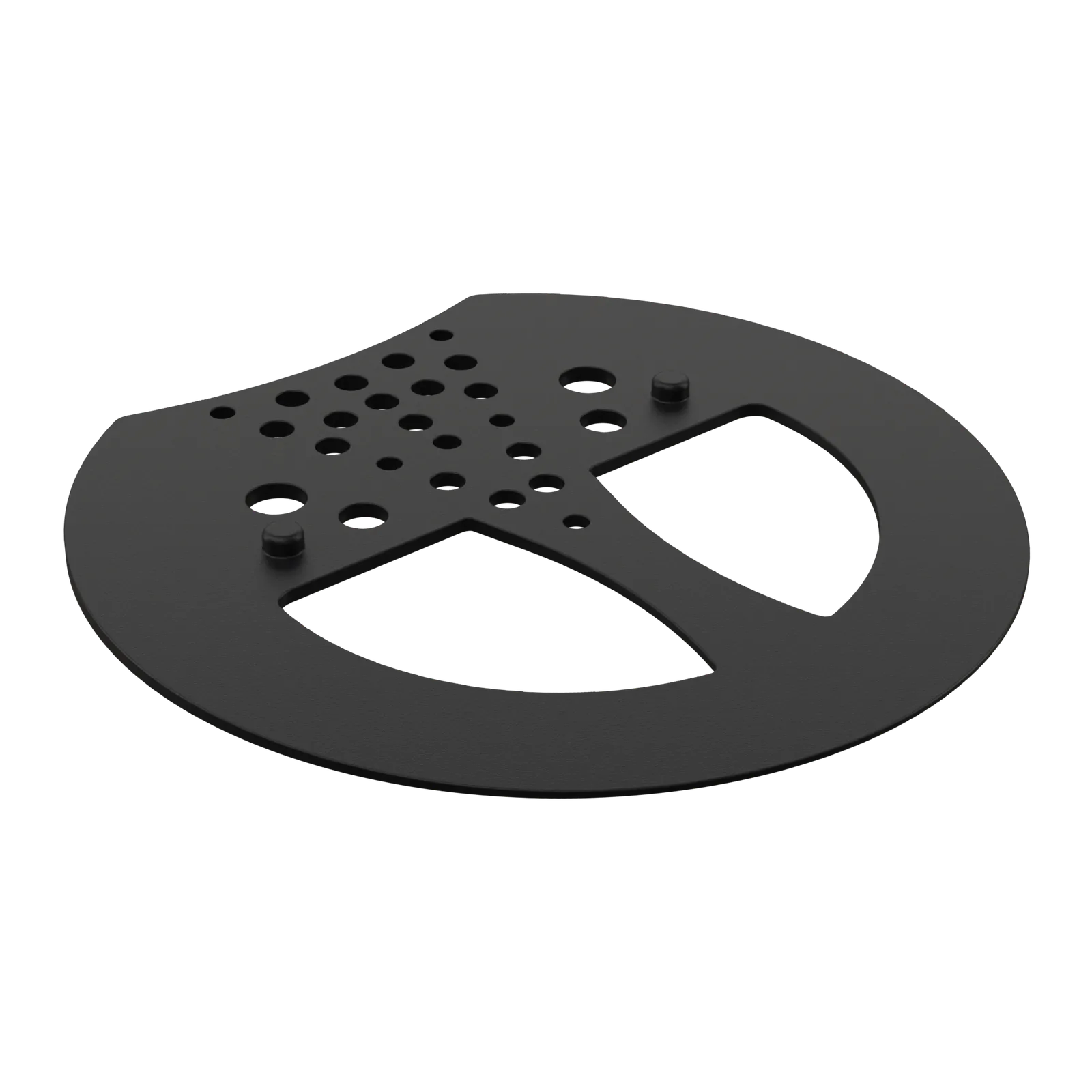
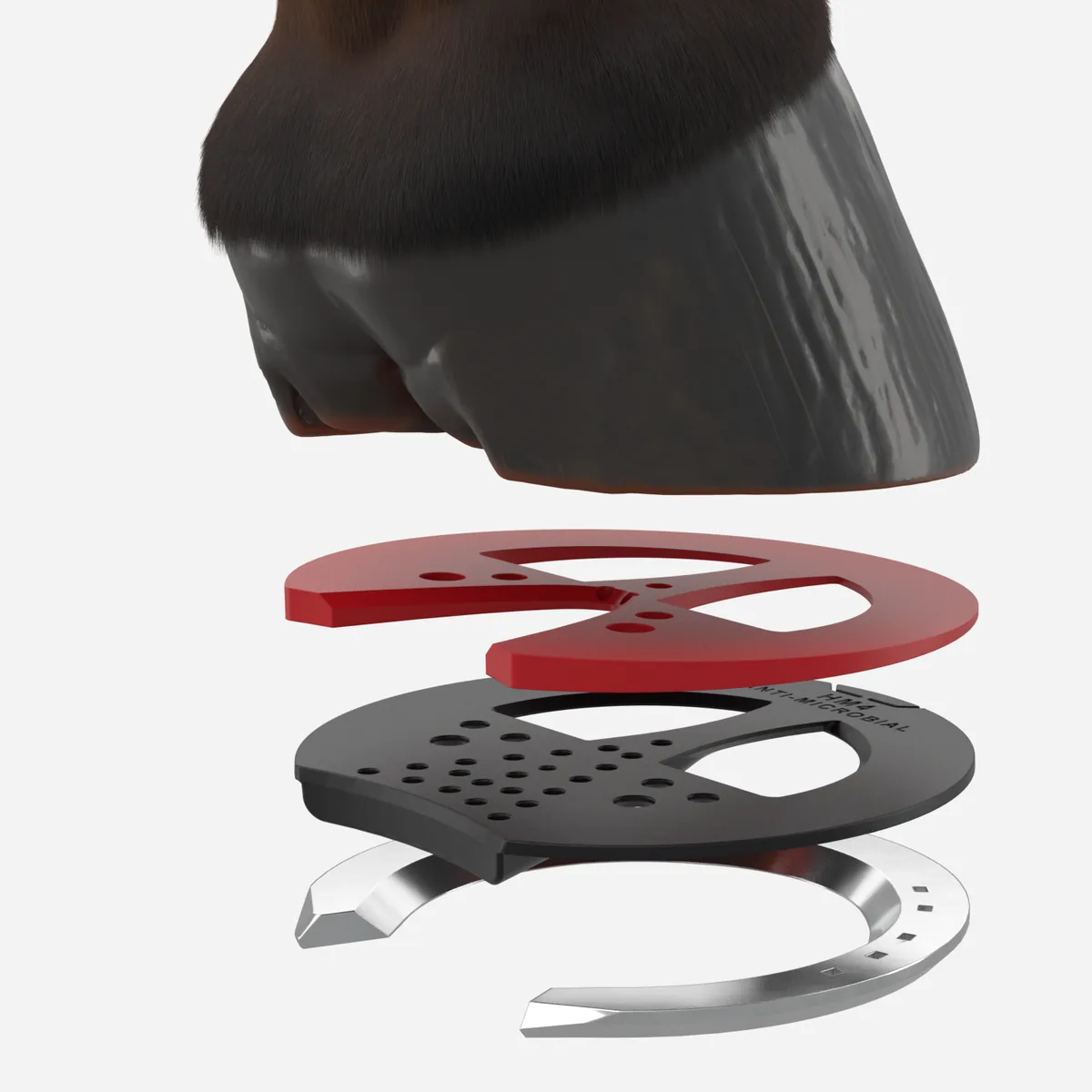
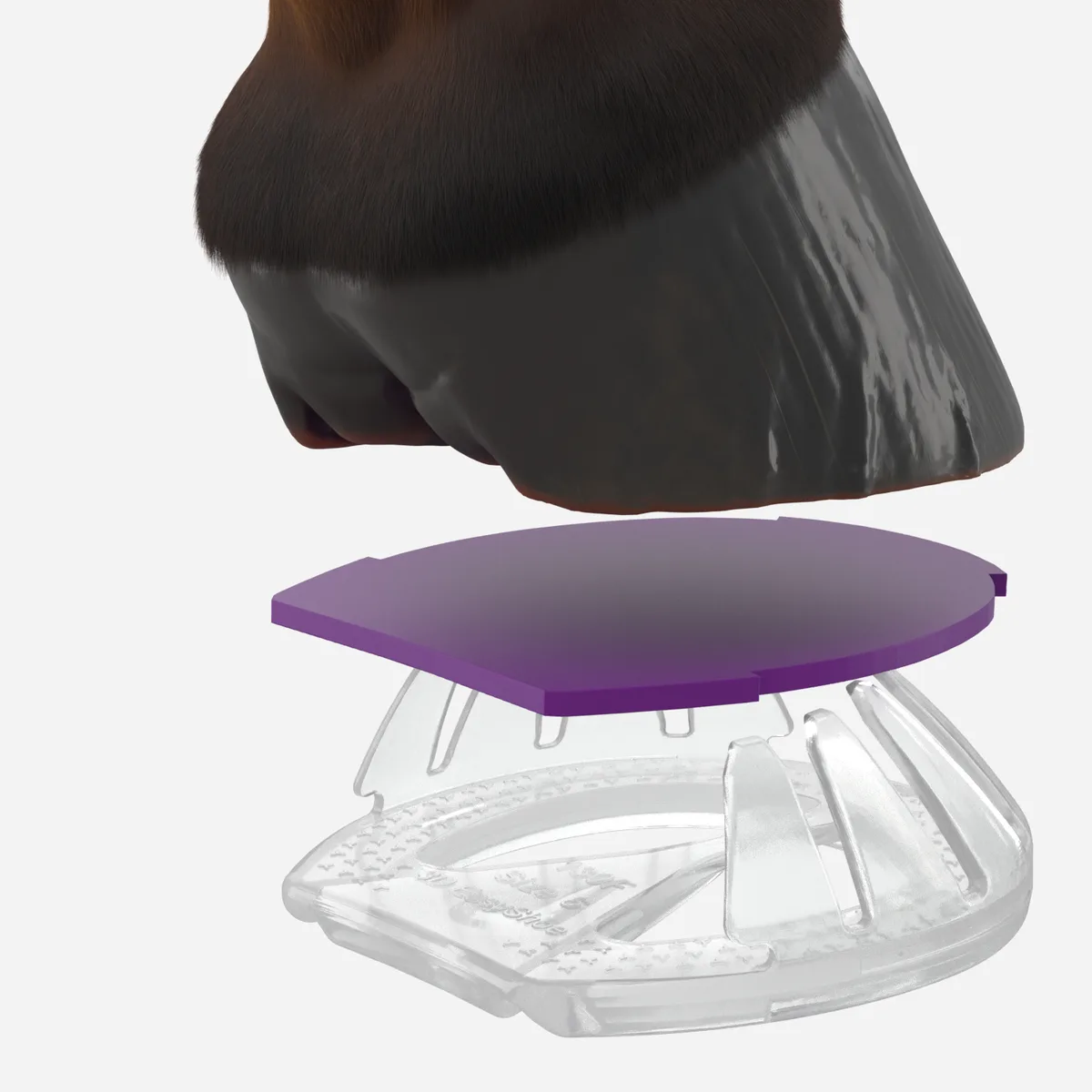
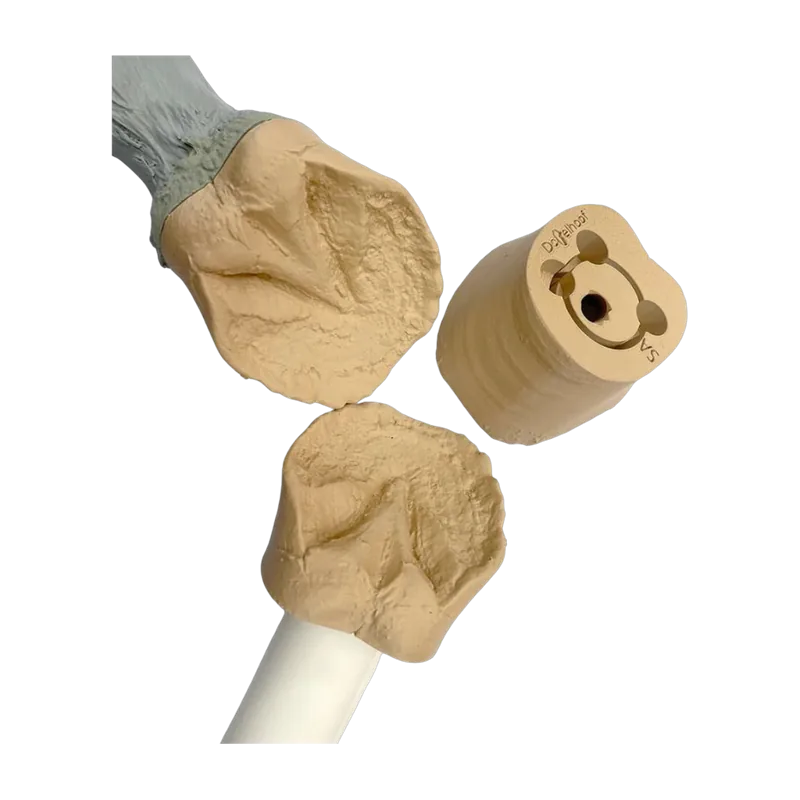
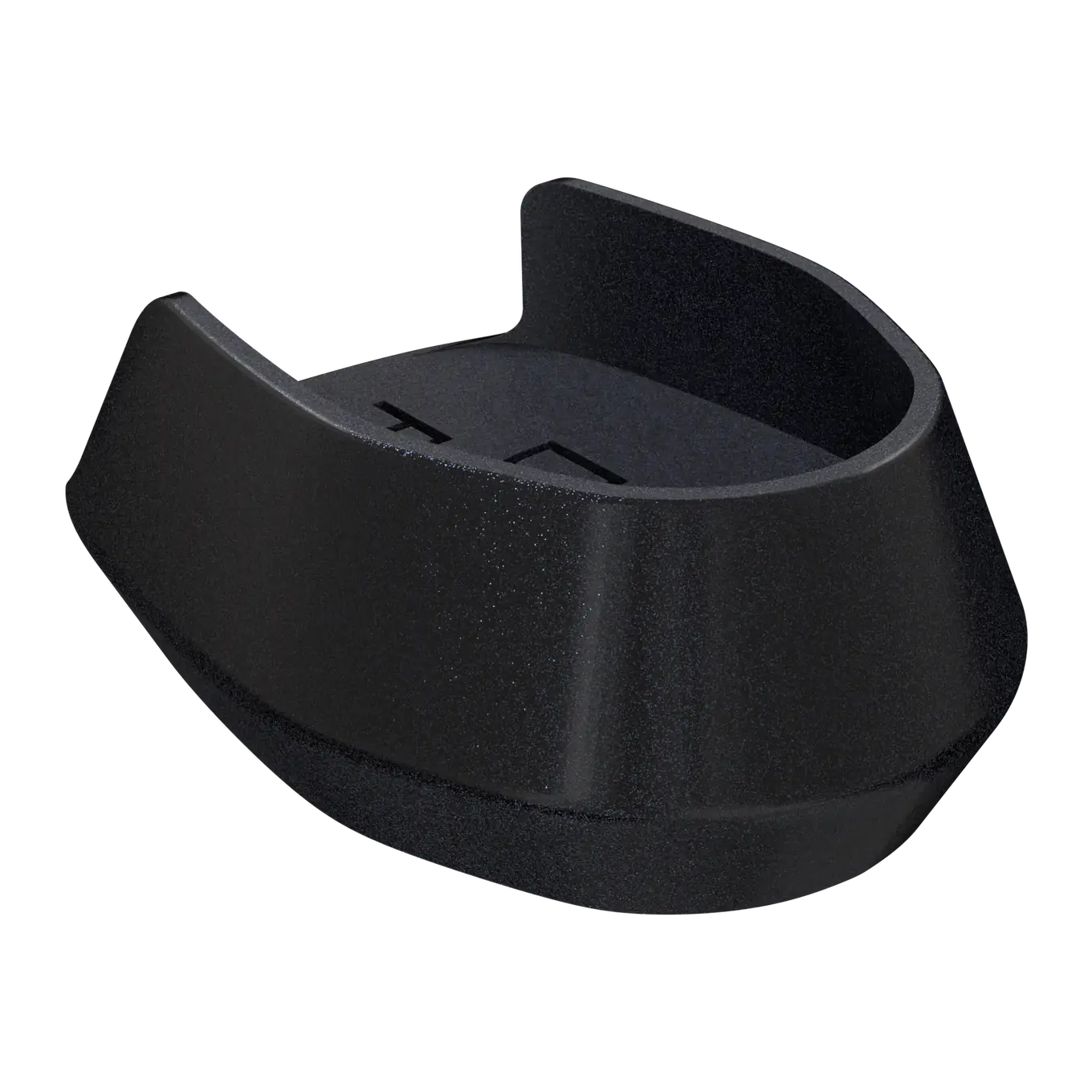
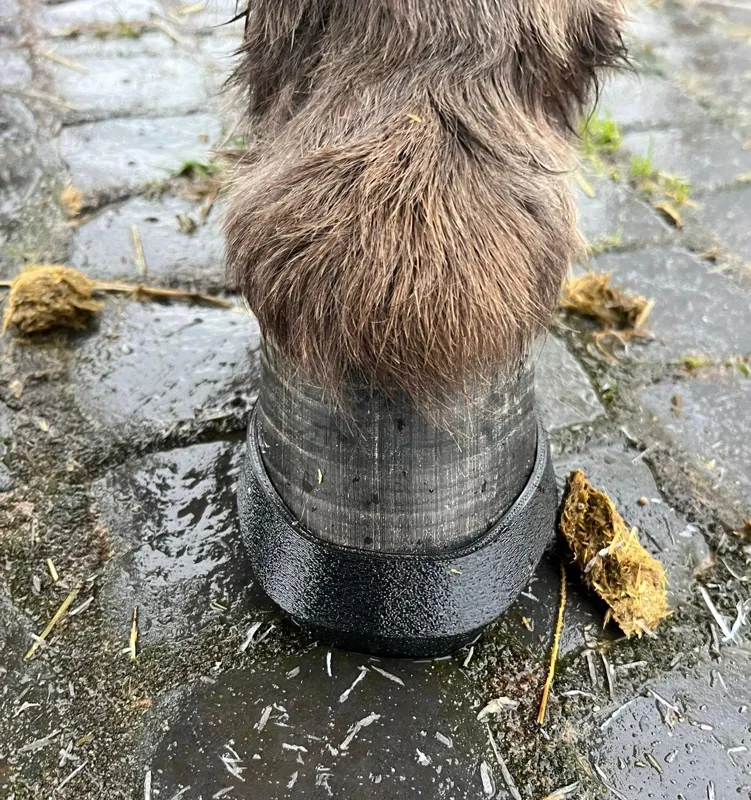
Support the back of the foot. The heels need something to stand on while they rebuild. That means caudal support of some kind: a pad, an insert or a shoe with structure behind the widest part of the foot. A foot with nothing supporting the caudal structures will keep collapsing into the shape it was in.
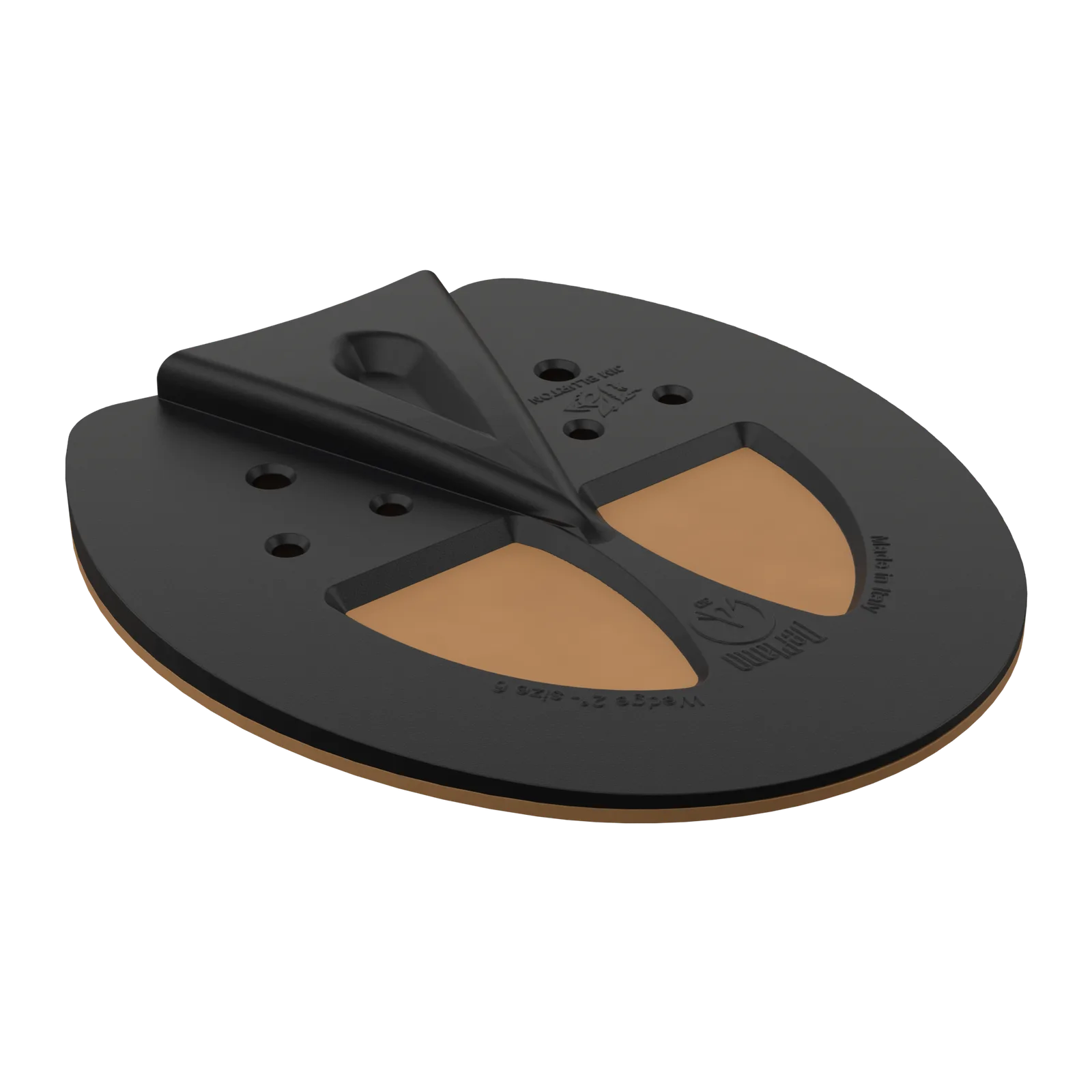
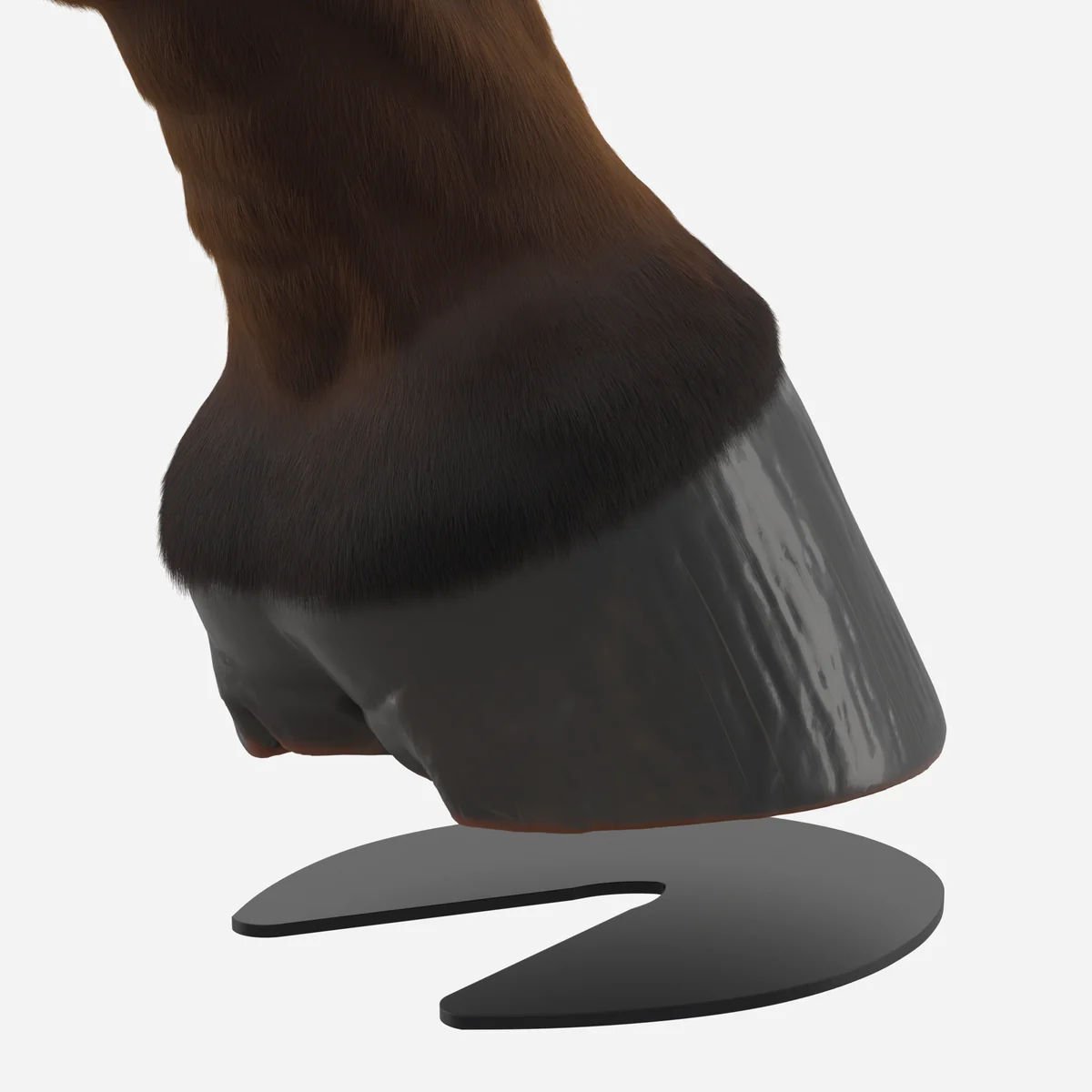
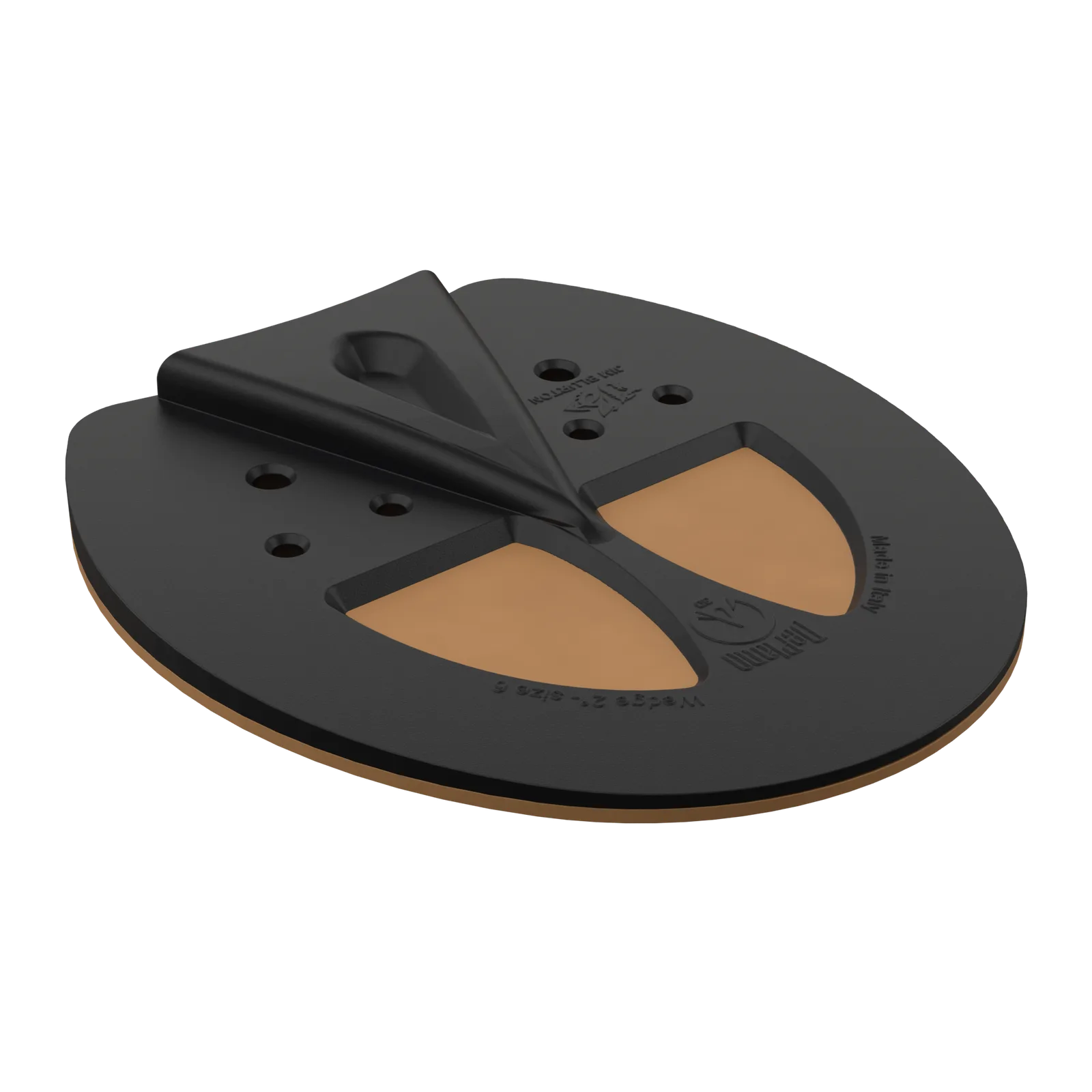
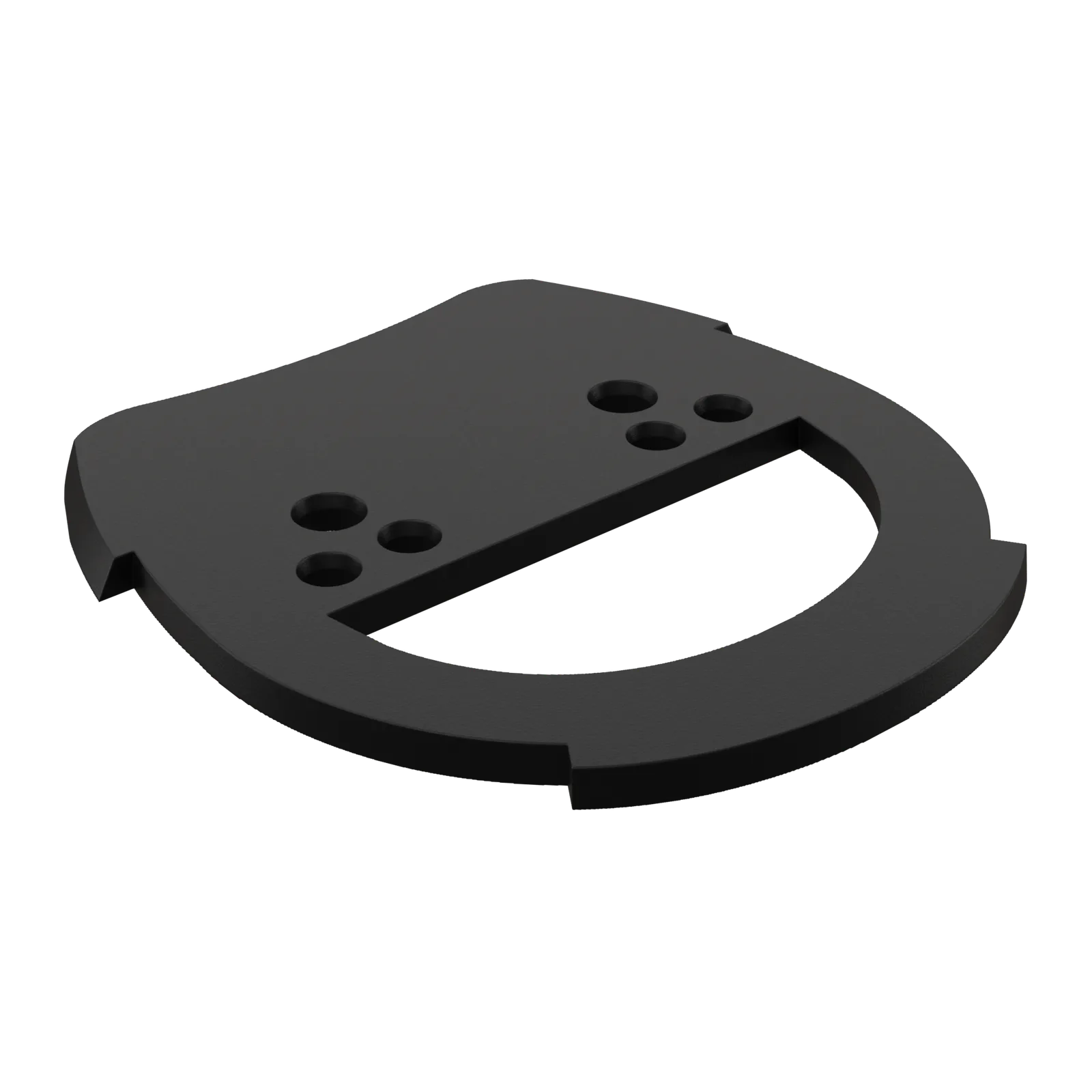
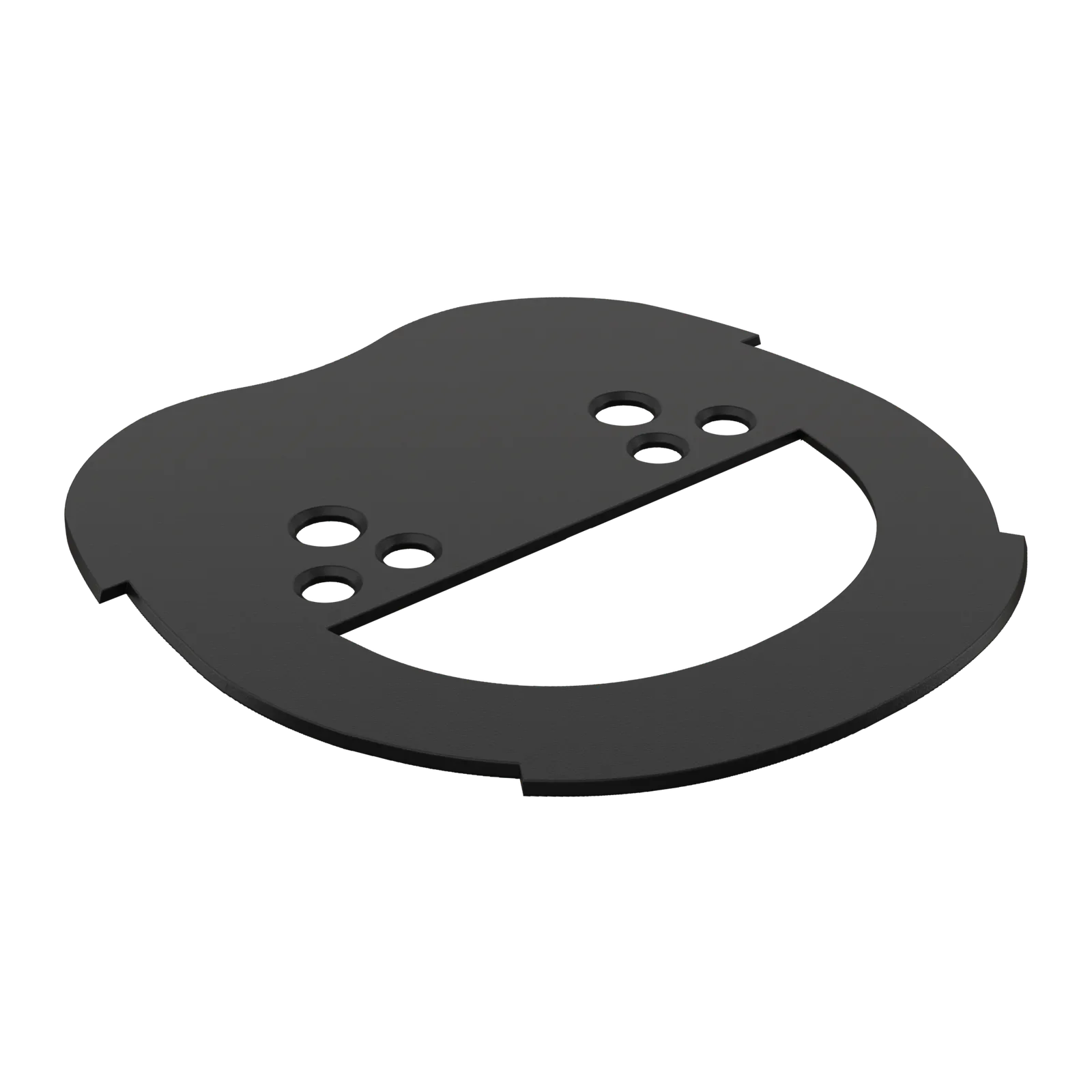
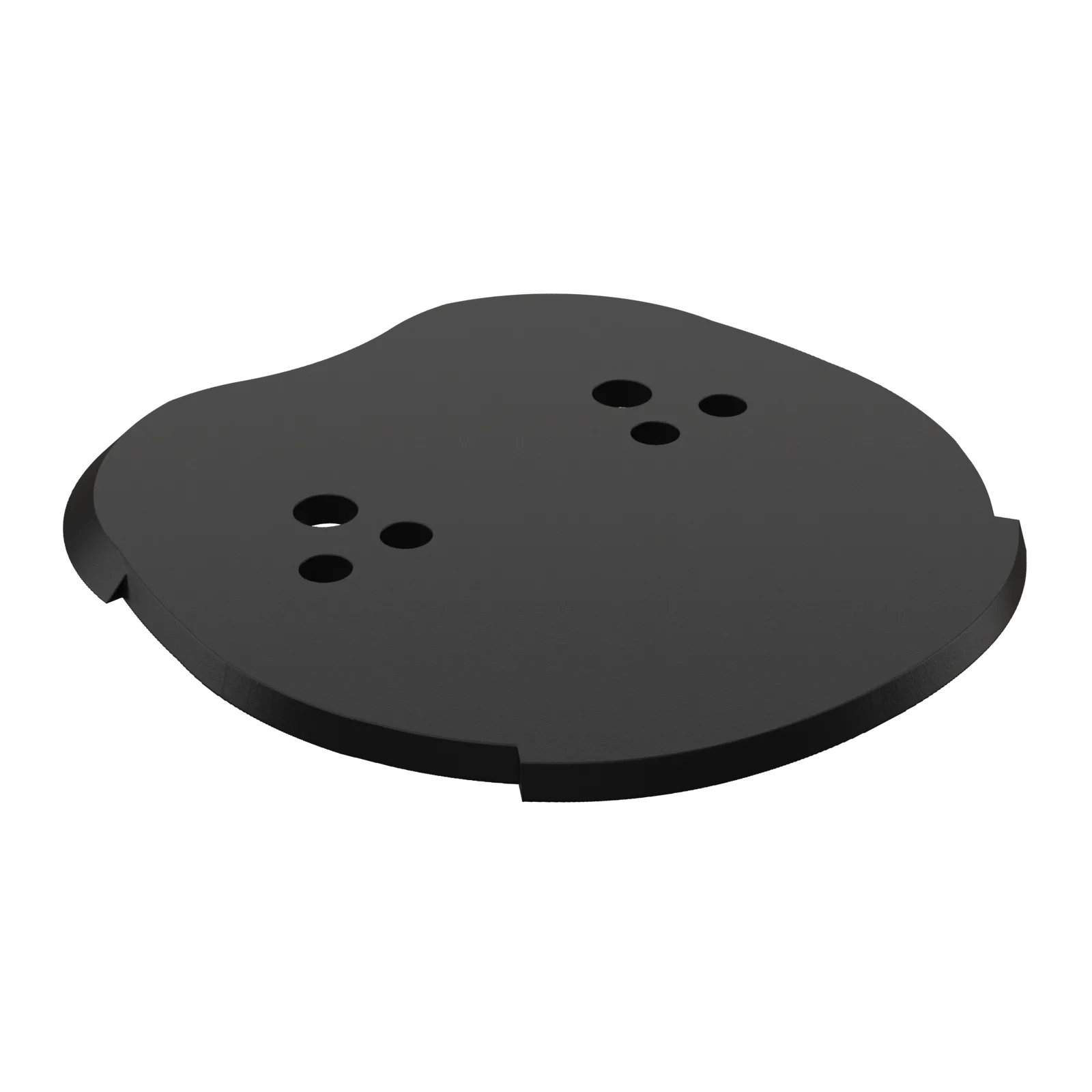
Elevate, appropriately. A wedge reduces tension in the deep digital flexor tendon and gets the bone back toward a positive angle. This is where people reach first and it should be third, because a wedge on an unaddressed long toe treats the number on the radiograph rather than the foot.
How much wedge is a case-by-case decision made with radiographs, not a formula. One farrier in our community described double-stacking 2.5-degree wedge pads under a glue-on shoe for a rehabilitation case on veterinary instruction. That is a substantial elevation, arrived at for a specific horse for a specific reason.
The question people always ask
Someone in the group asked something I thought was sharp: how do you keep the sole fortified when there is a wedge on the foot? Their observation was that it goes soft and flaky from not getting air.
It is a fair concern. Any pad or wedge covering the sole changes the environment underneath it: less air, more retained moisture, and horn that softens as a result.
What helps in practice: keeping the interval sensible rather than stretching it, using impression material that supports the sole rather than simply sealing it, cleaning the foot properly at every reset, and not leaving a wedge on longer than the job requires. Elevation is a correction, not a permanent state. The aim is to get the angle right and then reduce the support as the foot holds it on its own.
Setting expectations
Angles do not change in a cycle. You are regrowing heel and repositioning a foot, and horn grows at roughly 6 to 9mm a month.
Radiograph at the start. Change the trim and the support. Radiograph again after three or four months and see whether the number has moved. If it has not, something in the plan needs revisiting rather than repeating.
What often improves faster than the angle is the horse. Owners frequently report the stumbling and the resistance easing well before the radiograph looks materially different, which makes sense, because you have changed the loading before you have finished changing the anatomy.
Front feet and the club-foot pair
Everything above applies to front feet too, with one addition worth knowing.
Front feet more often present as a mismatched pair: one upright, one flatter. The flatter foot is frequently the one drifting toward a low or negative angle while everyone is paying attention to the club foot, because the club foot is the one that looks unusual.
The instinct with a high-low pair is to trim them toward each other and make them match. That is usually wrong. You are dealing with two feet that are loading differently for reasons above the hoof, and forcing them to the same shape asks the horse to absorb the difference somewhere else.
Trim each foot for what it is, support each foot for what it needs, and accept that they may never look like a pair. One farrier in our community had a 25-year-old gelding with a fourth-degree club foot fitted with a bespoke pad, and reported the horse trotting off extending the high side and landing heel first. The goal was correct function, not a matching pair of feet.
Derek Poupard CJF DipWCF has worked with racing and sport horses for over forty years. This article describes general farriery principles; diagnosis of hoof angles requires radiographs and veterinary input.
Sources: Negative Plantar Angles and Why They Matter, Springhill Equine · Radiographic parameters, Innovative Equine Podiatry