

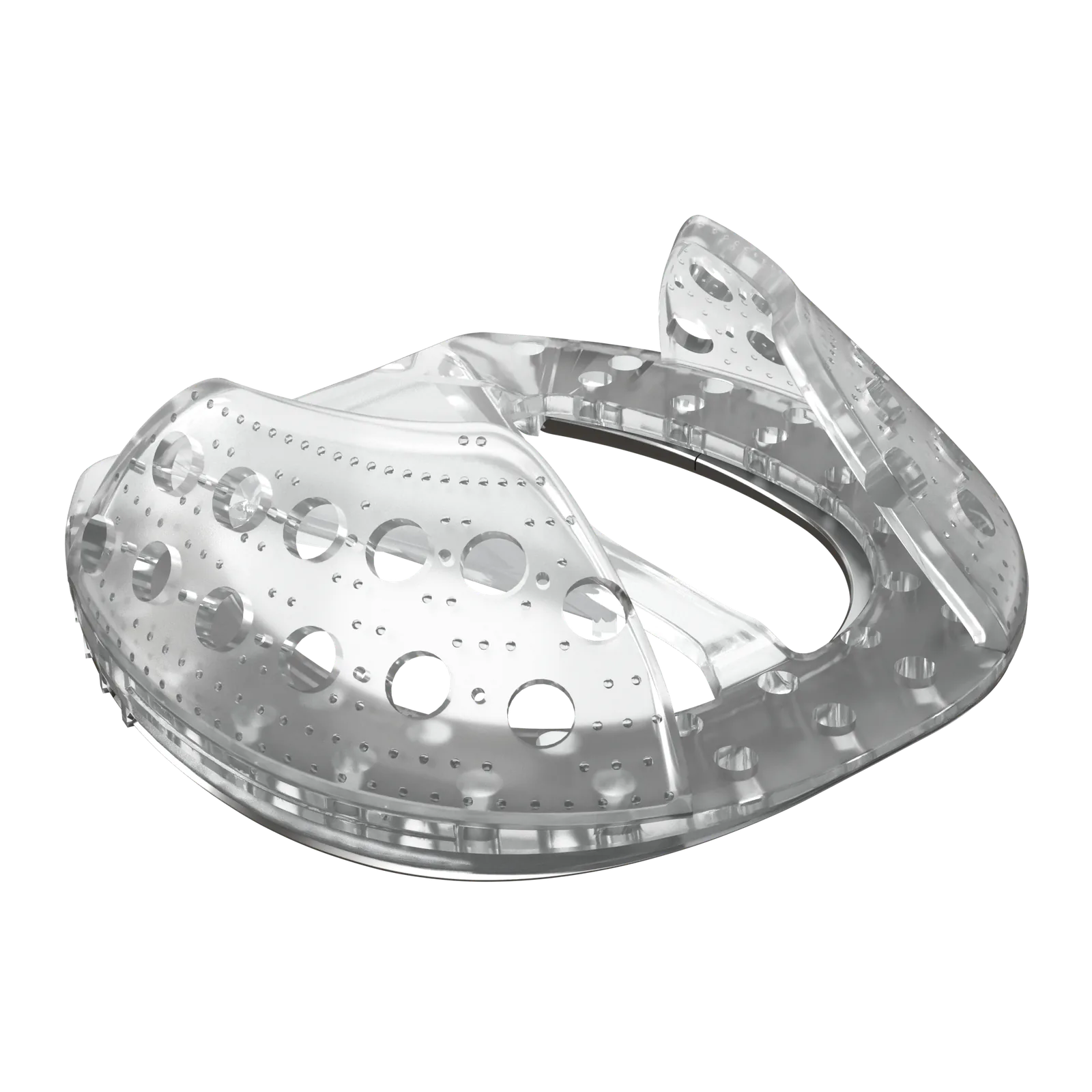
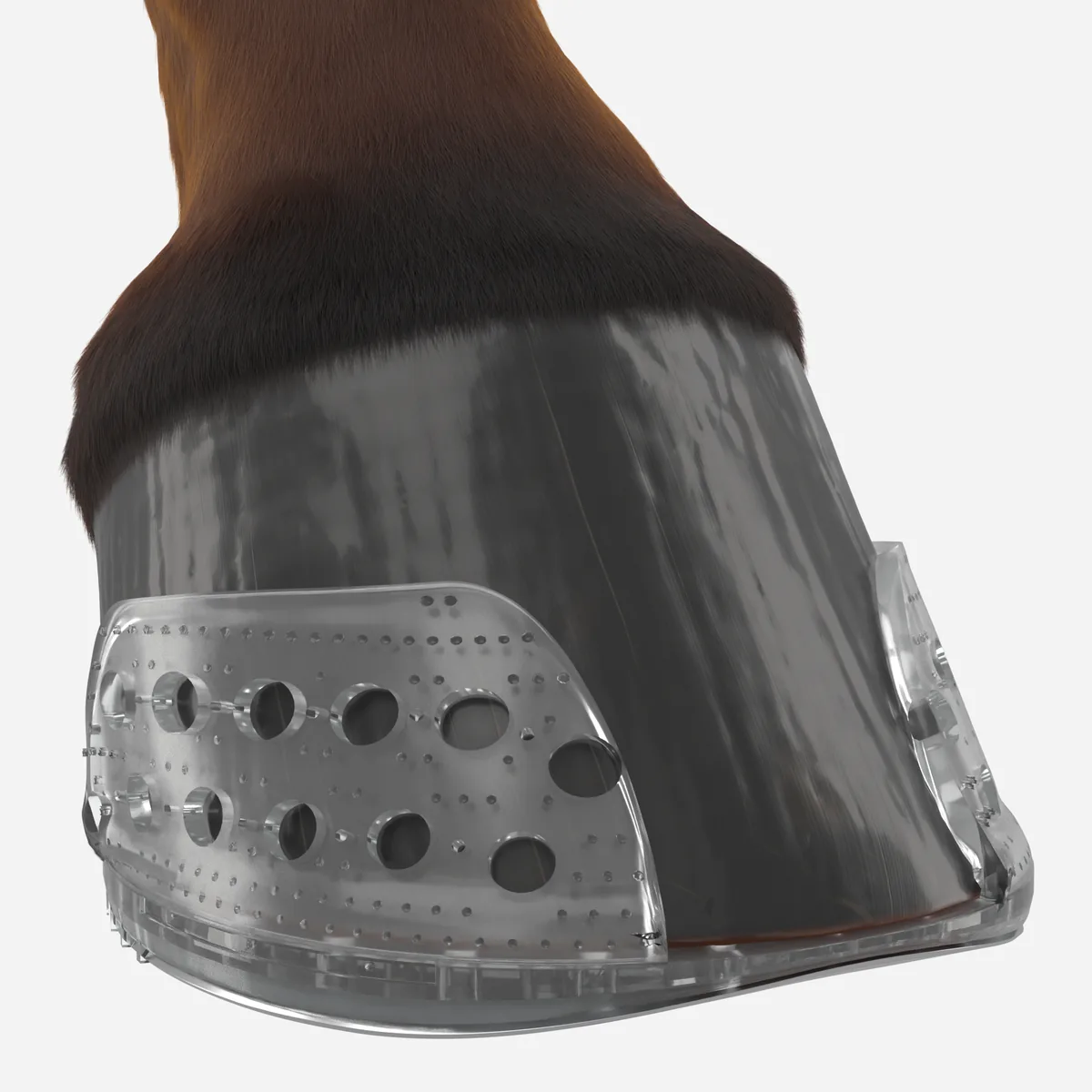
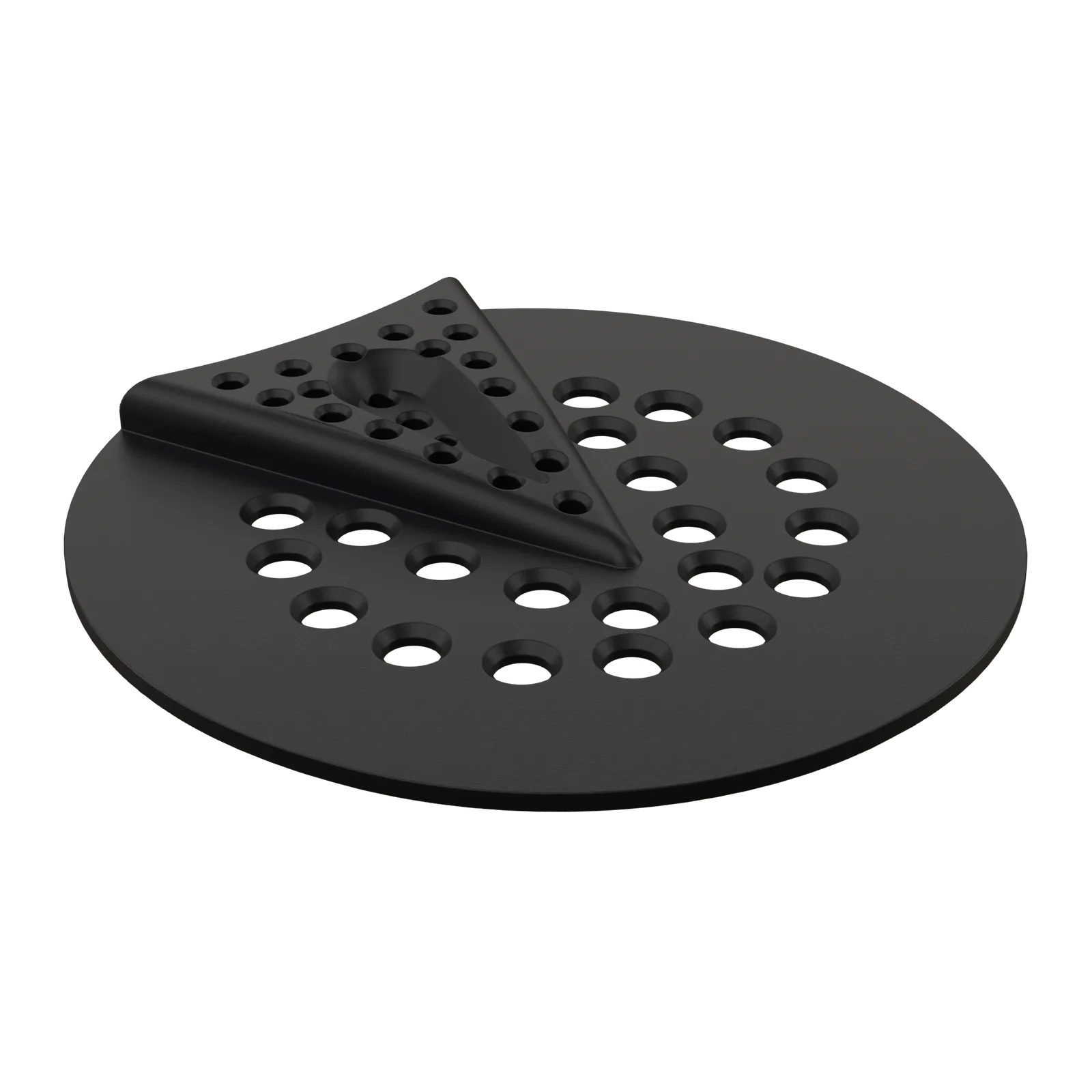
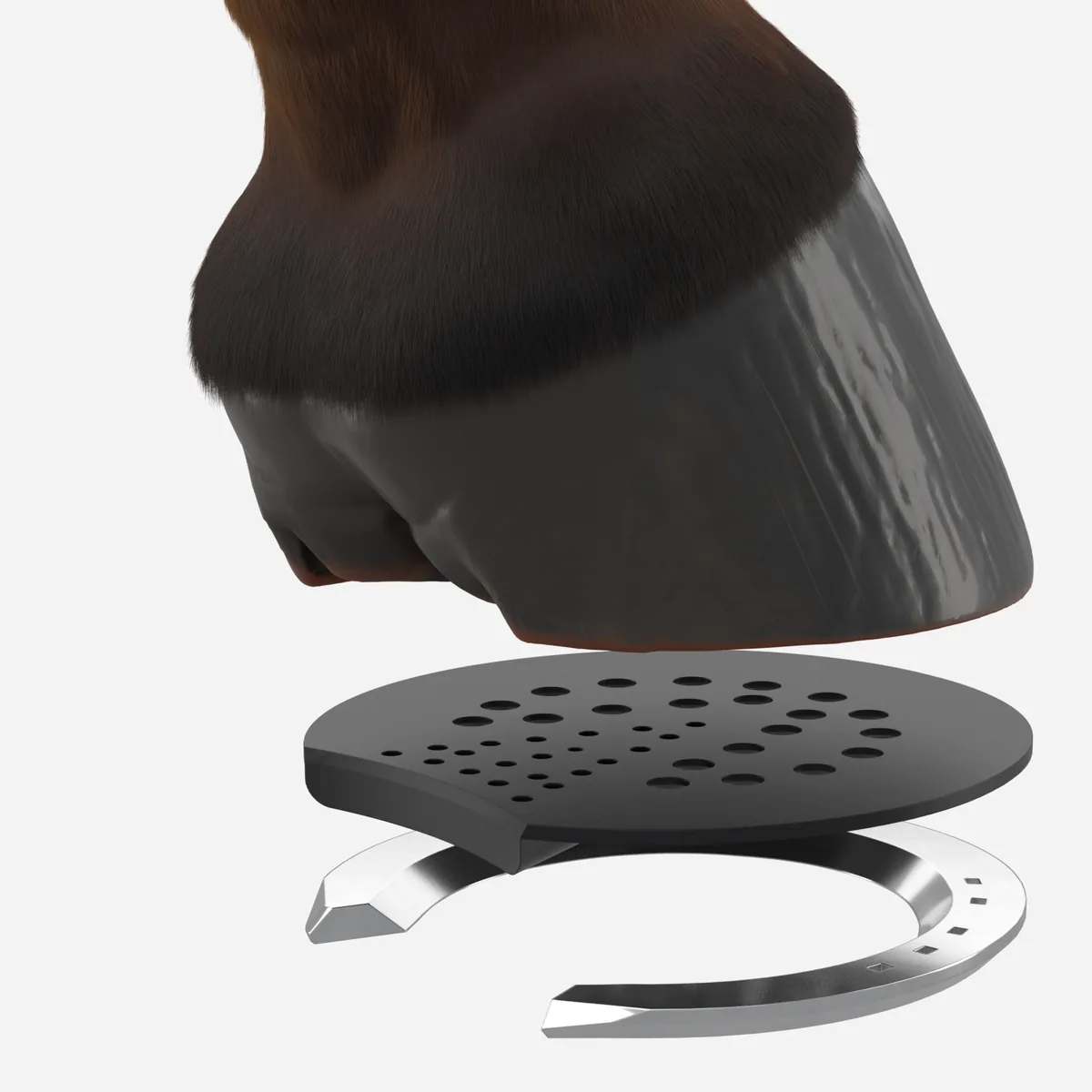
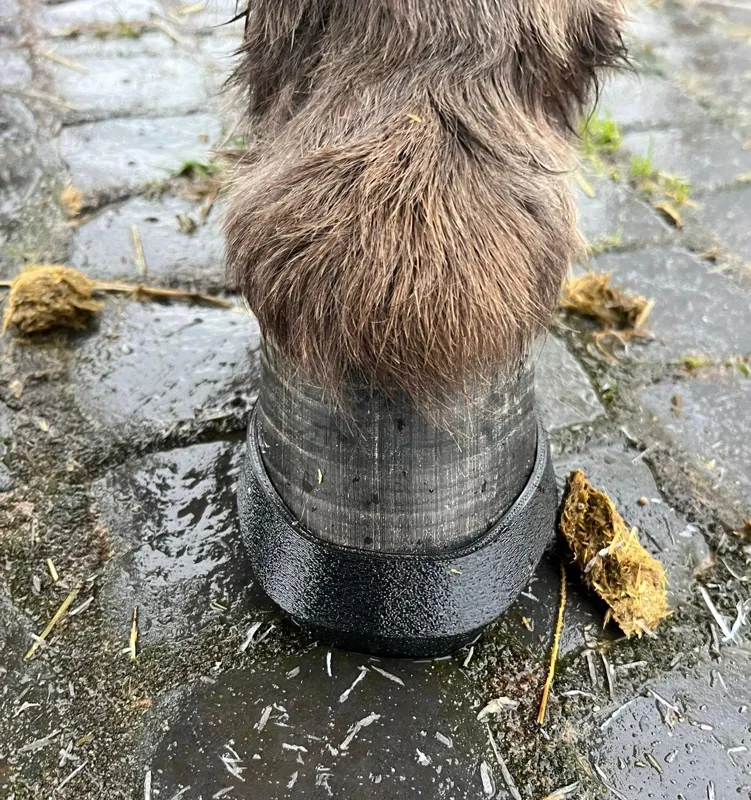
When a glue-on fails, the glue usually gets the blame, but in the great majority of cases the bond never had a chance, because the surface underneath it wasn't ready. Adhesives need three things: a clean surface, a dry surface, and a stable temperature. Give them those and modern hoof adhesives are remarkably strong. The method is simple enough to remember as dry, clean, purge.
Step 1: Clean
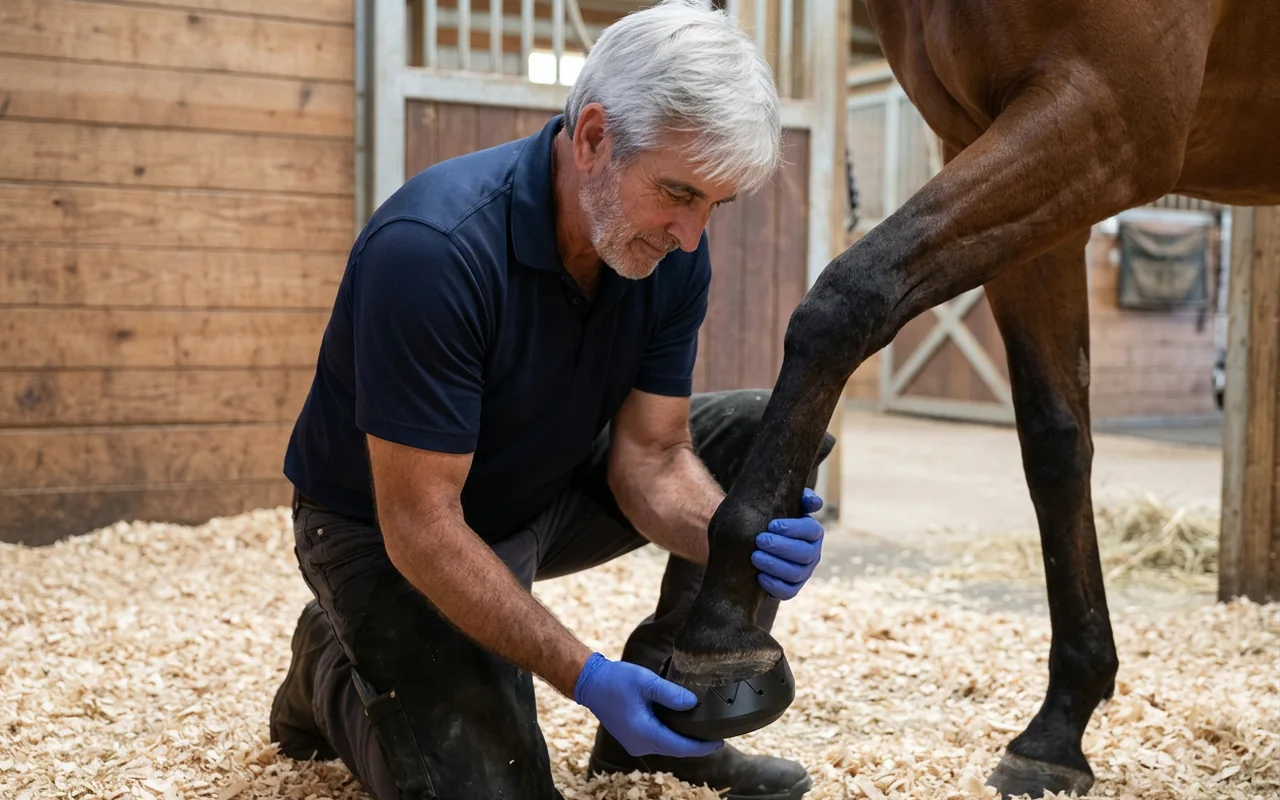
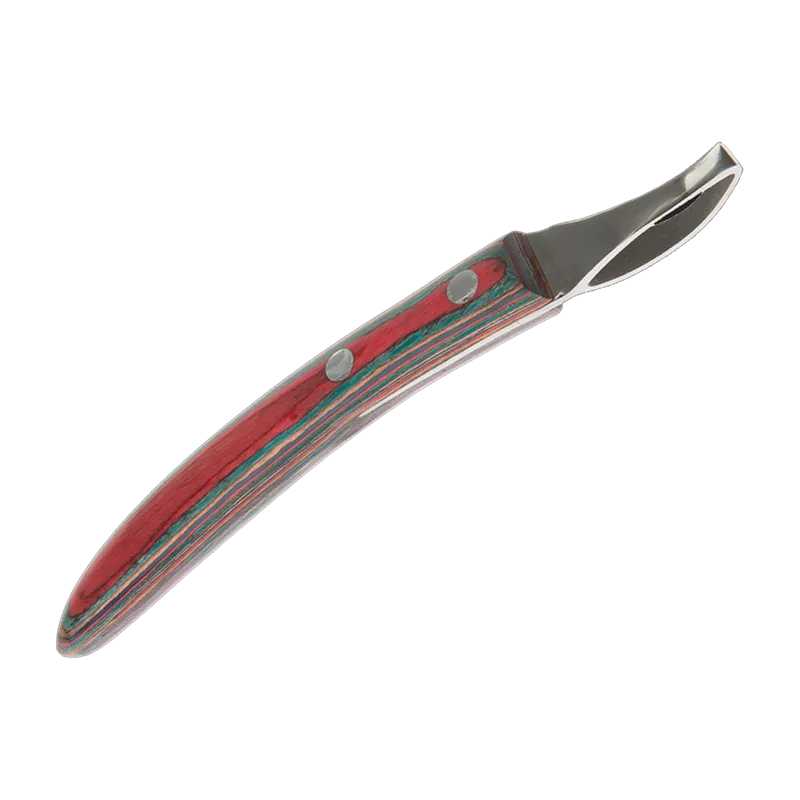
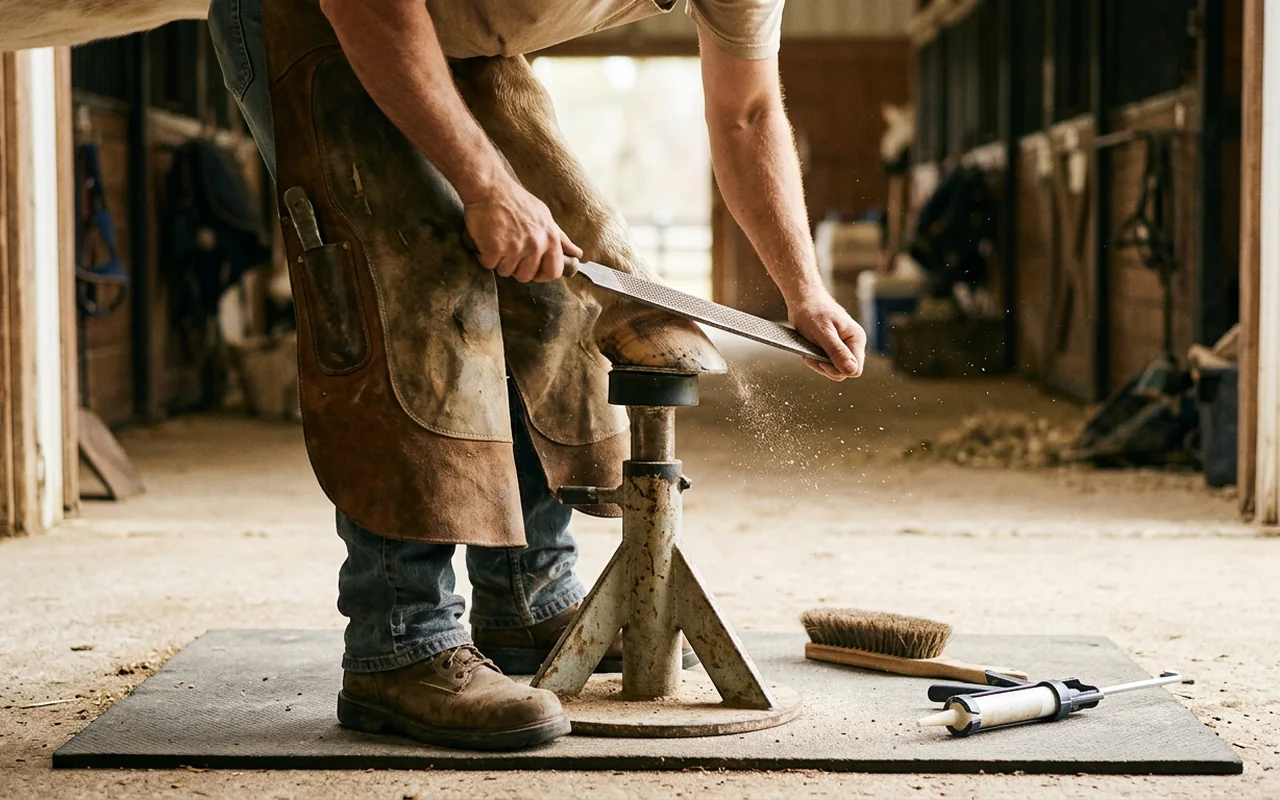
Pick out and brush the foot thoroughly, then go further than feels necessary: a wire brush across the wall (and sole, for sole-glued pads) to remove dirt, loose horn, and old product. Anything between horn and glue becomes the weak layer the bond fails along. Where you're bonding to the wall, a light rasp of the gluing area keys the surface. You're roughening, not removing. Over-rasping strips the hoof's natural varnish and weakens the wall; at the heels, a light sanding at the anchor points is all you need.
Step 2: Dry
Moisture is the number one bond killer. A hoof that looks dry usually isn't: horn holds water. Work on a dry surface, never straight after a bath or wet turnout.
Step 3: Purge
Use a heat gun (or torch, carefully and briefly) to purge remaining moisture from the gluing surfaces: warm, pass, let the moisture wick out, repeat. In humid weather this step is the difference between a bond that lasts a full cycle and one that lets go in days. The surface should feel warm and bone-dry, never hot.
Apply and hold
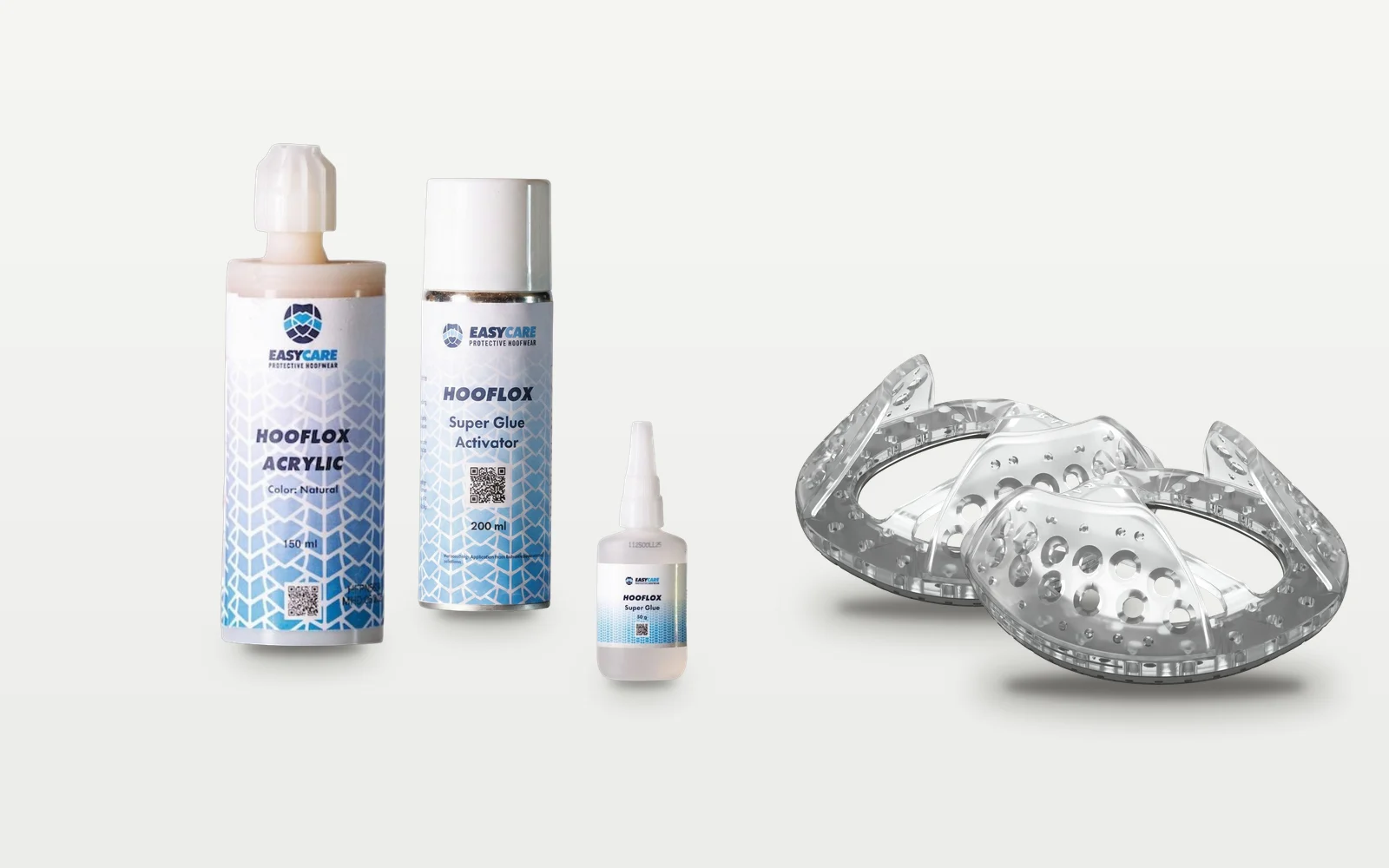
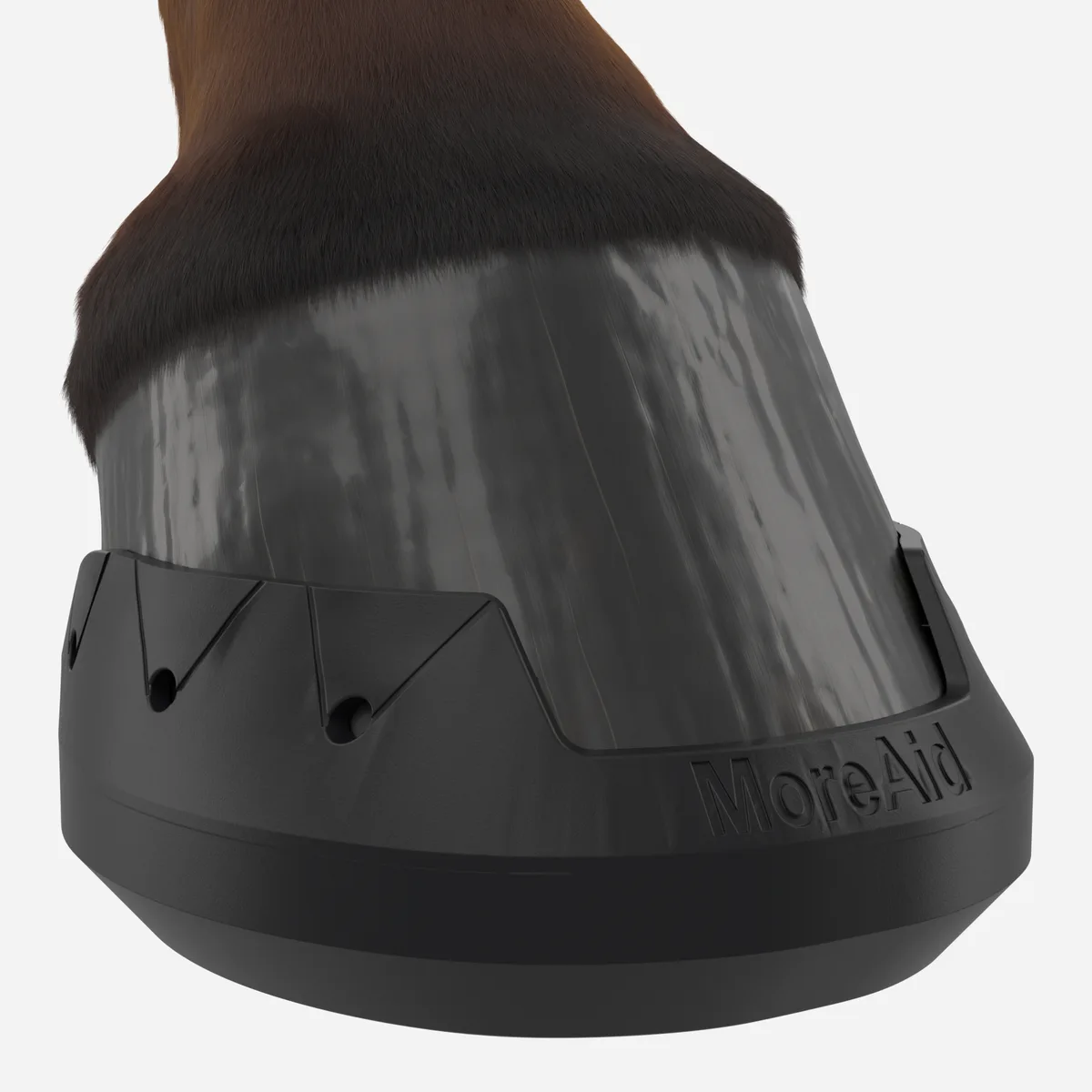
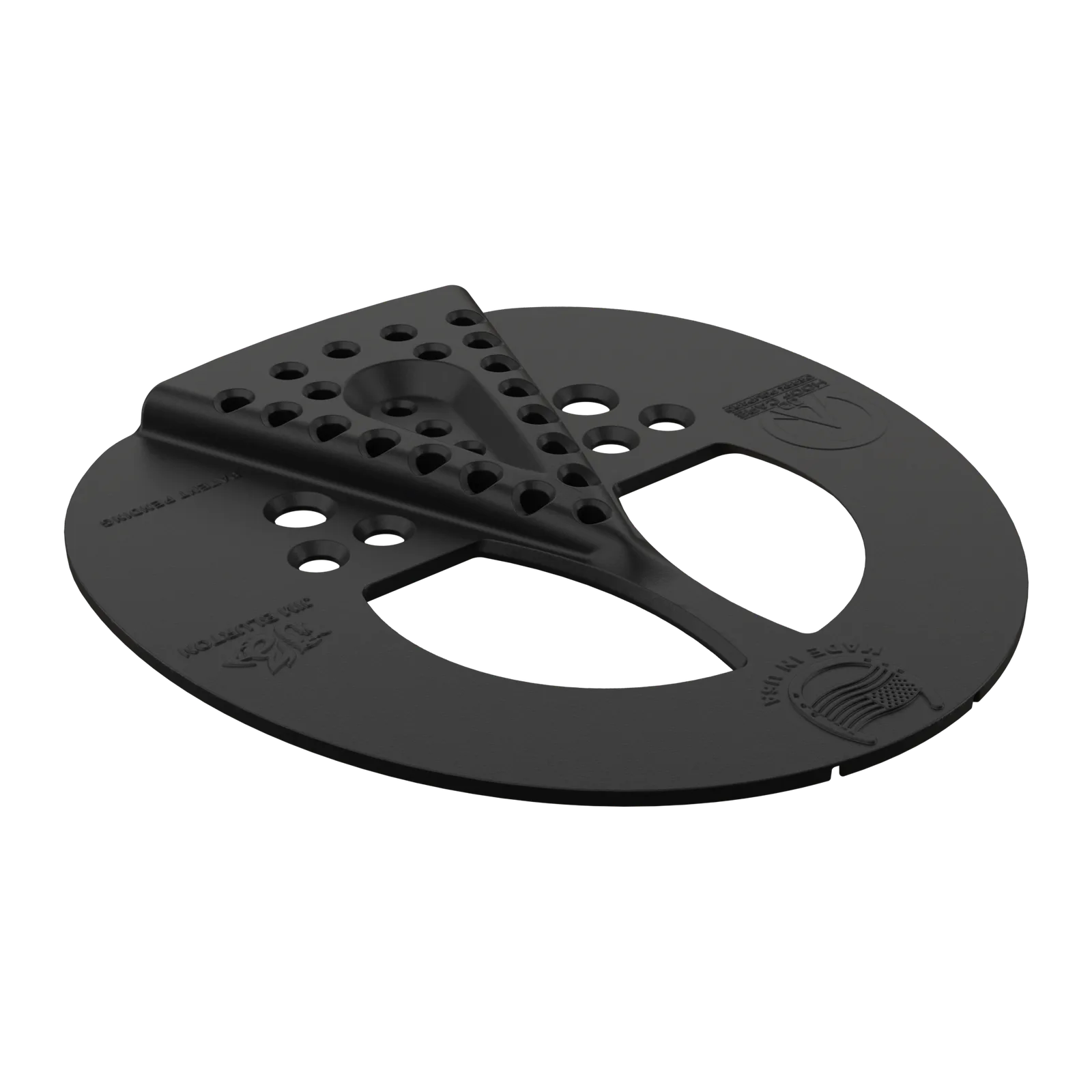
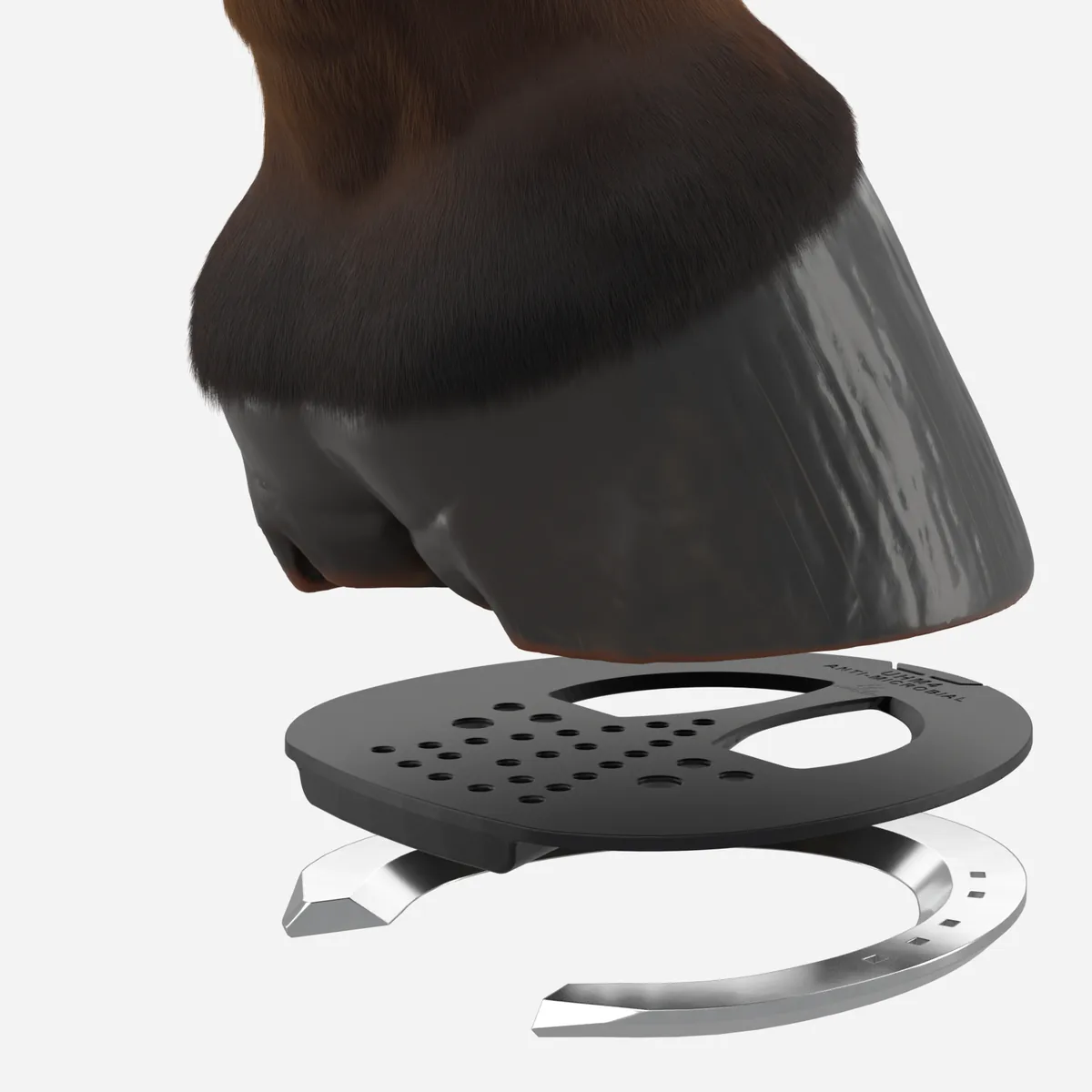
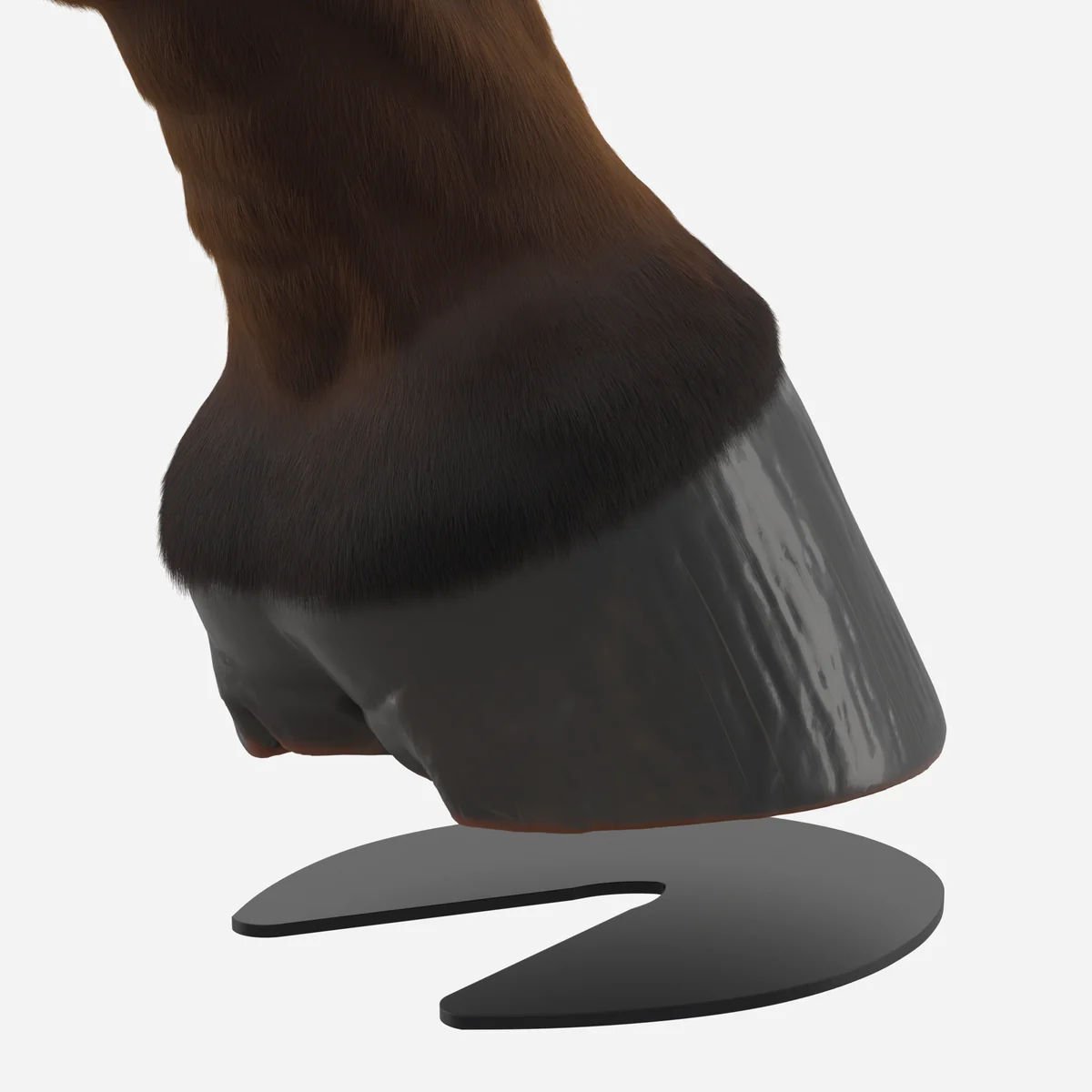
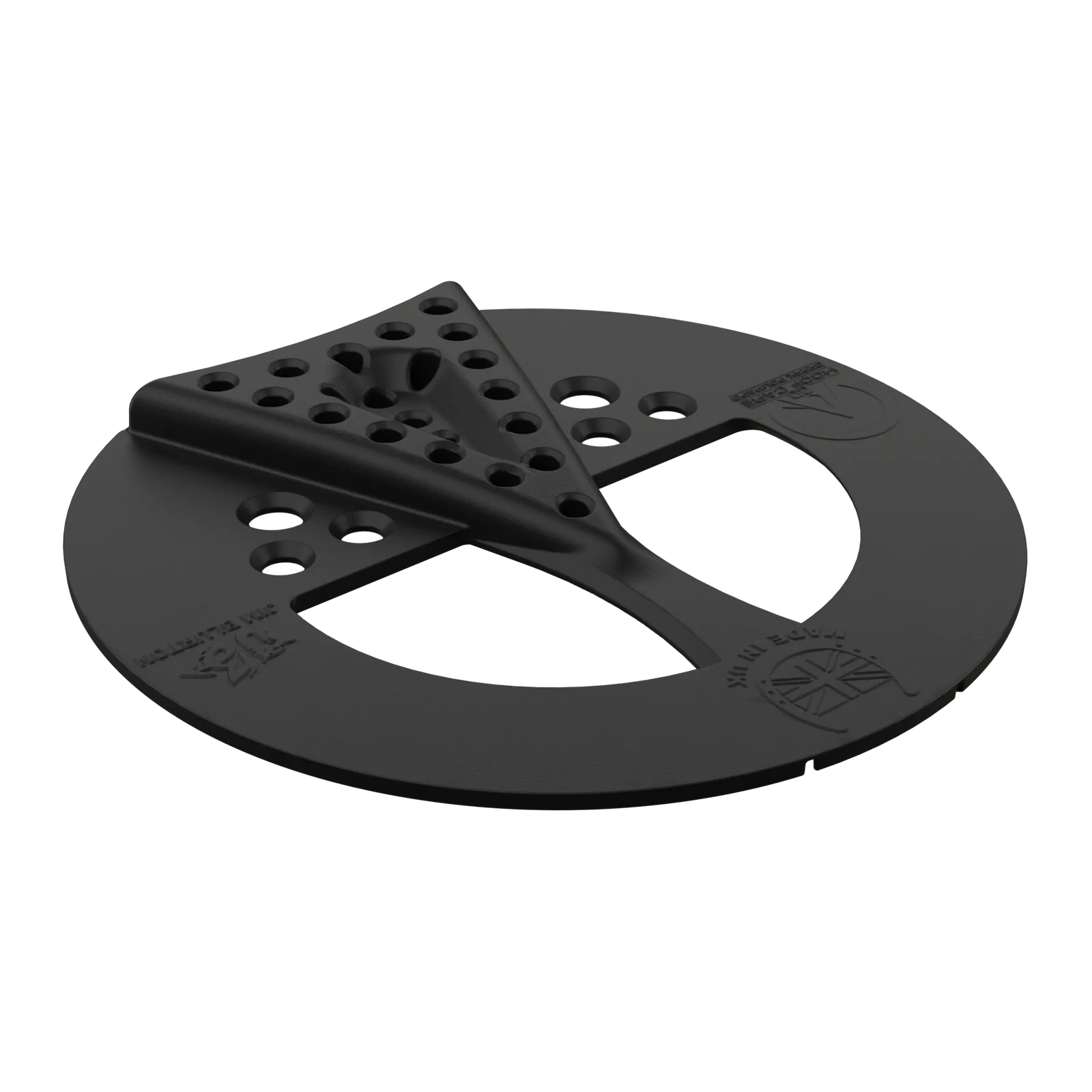
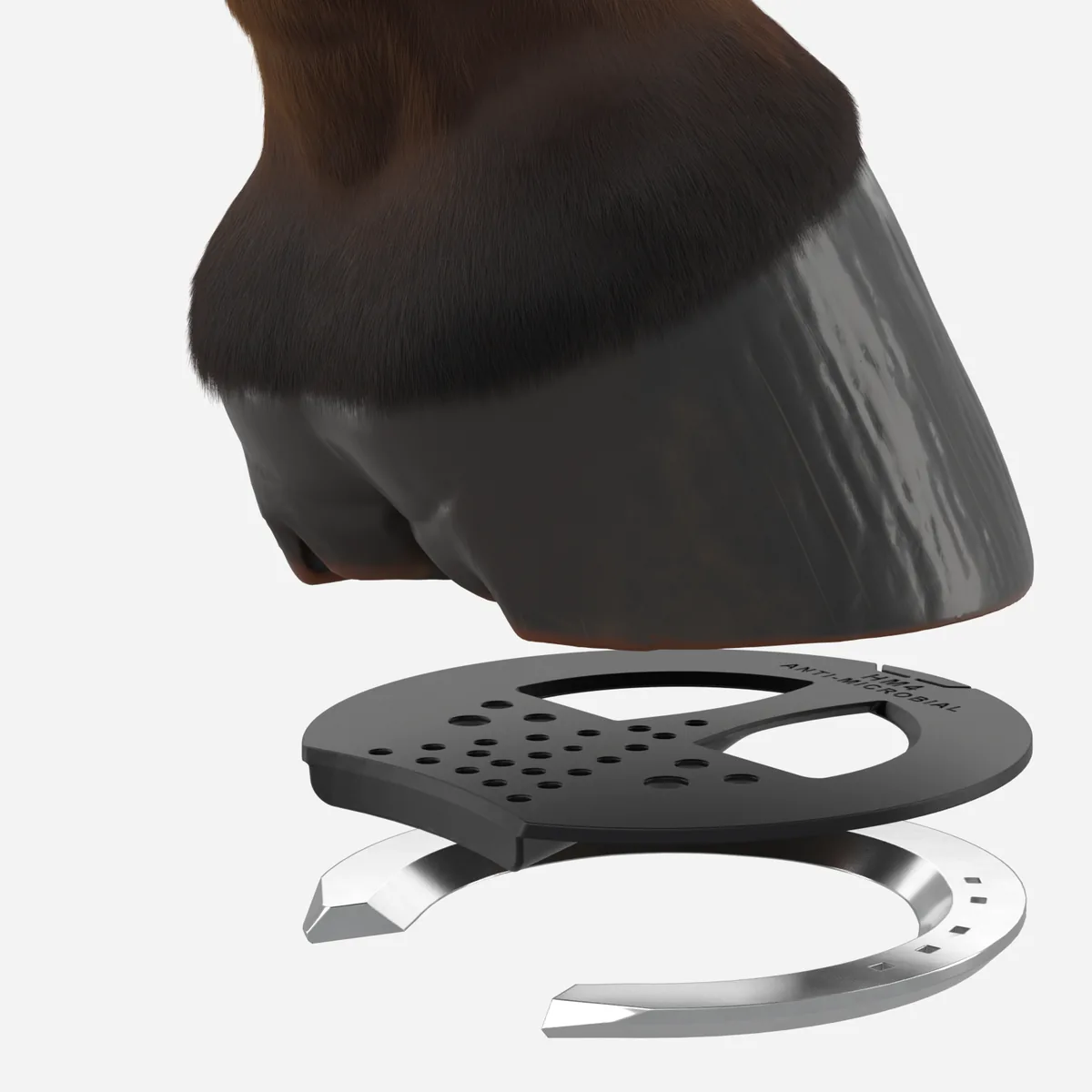
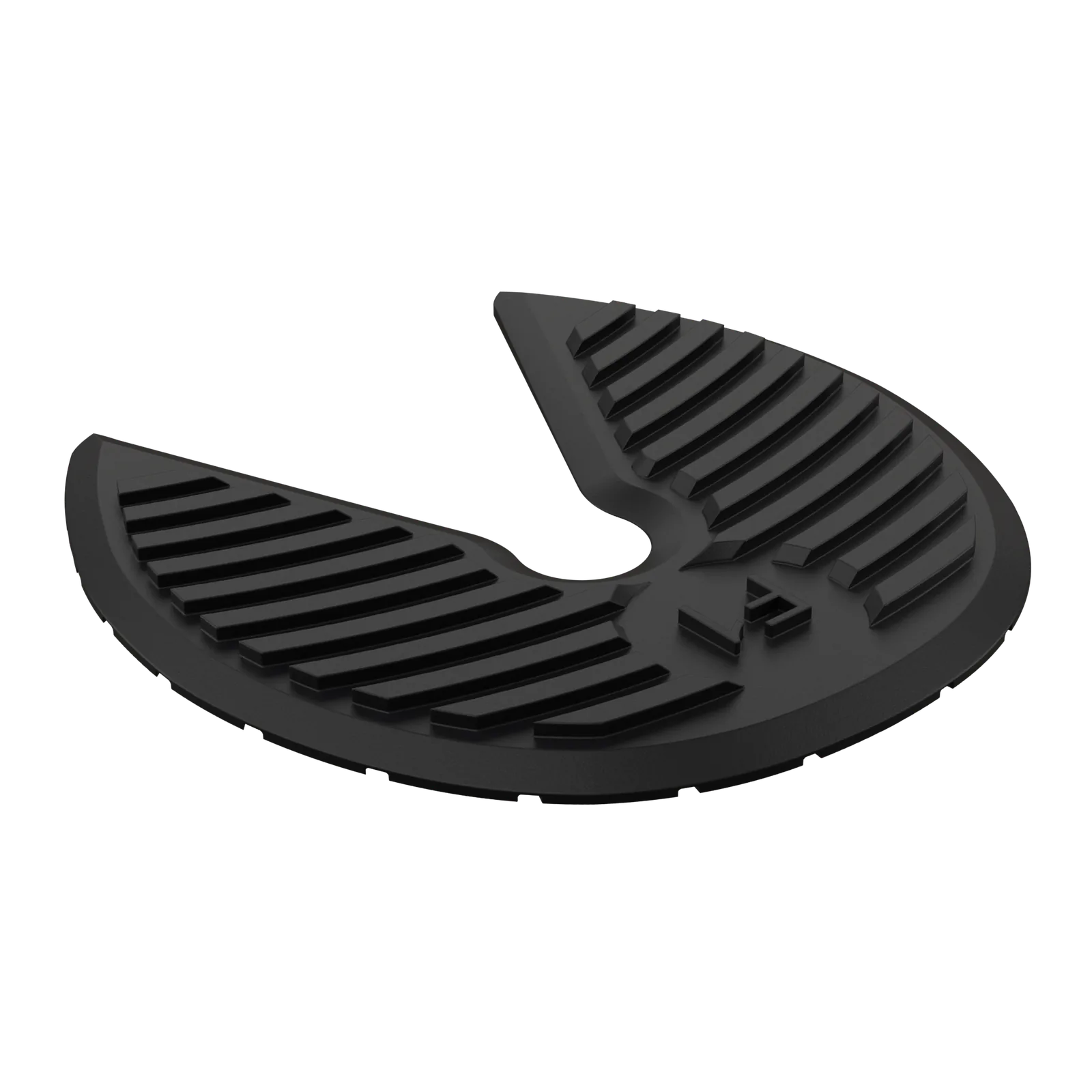
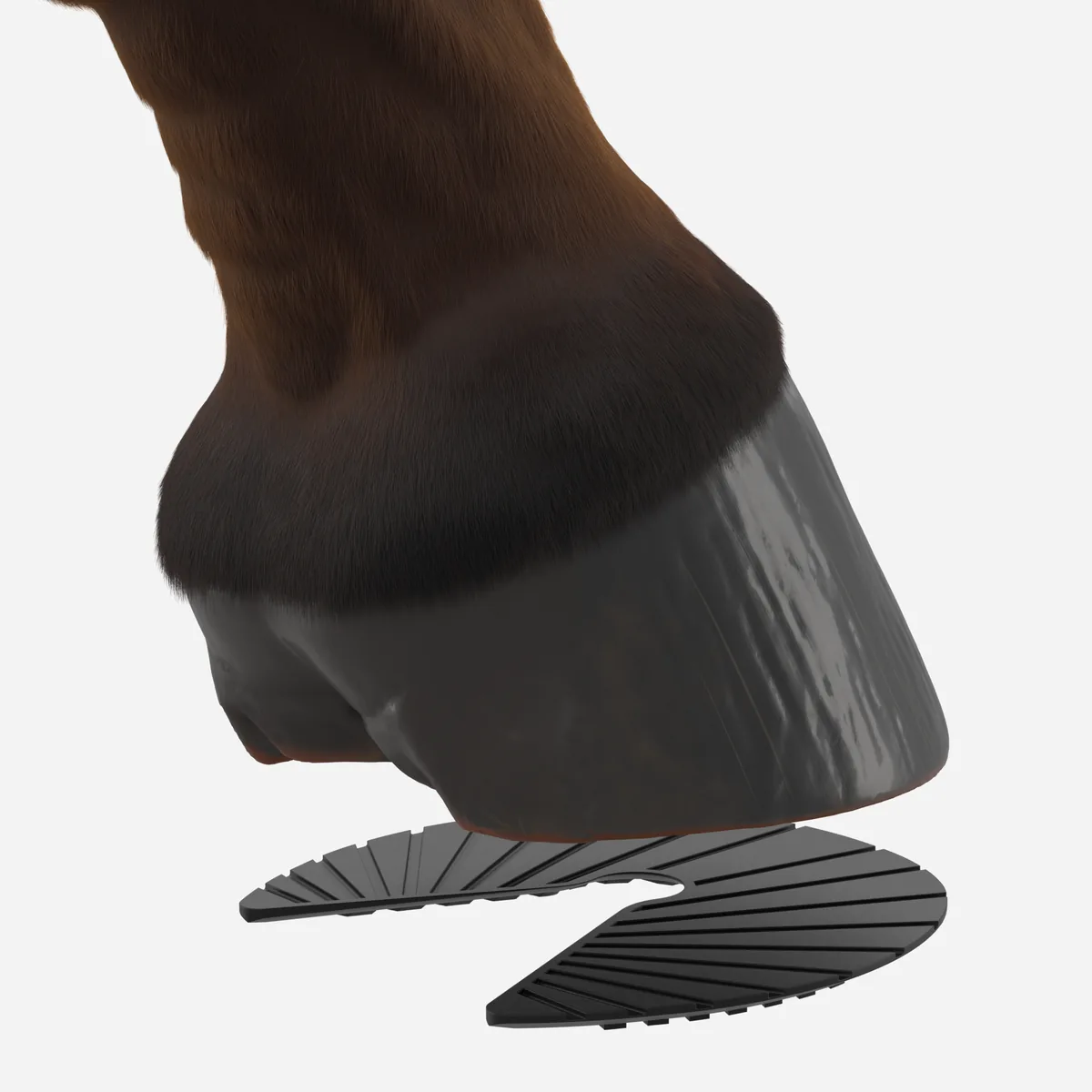
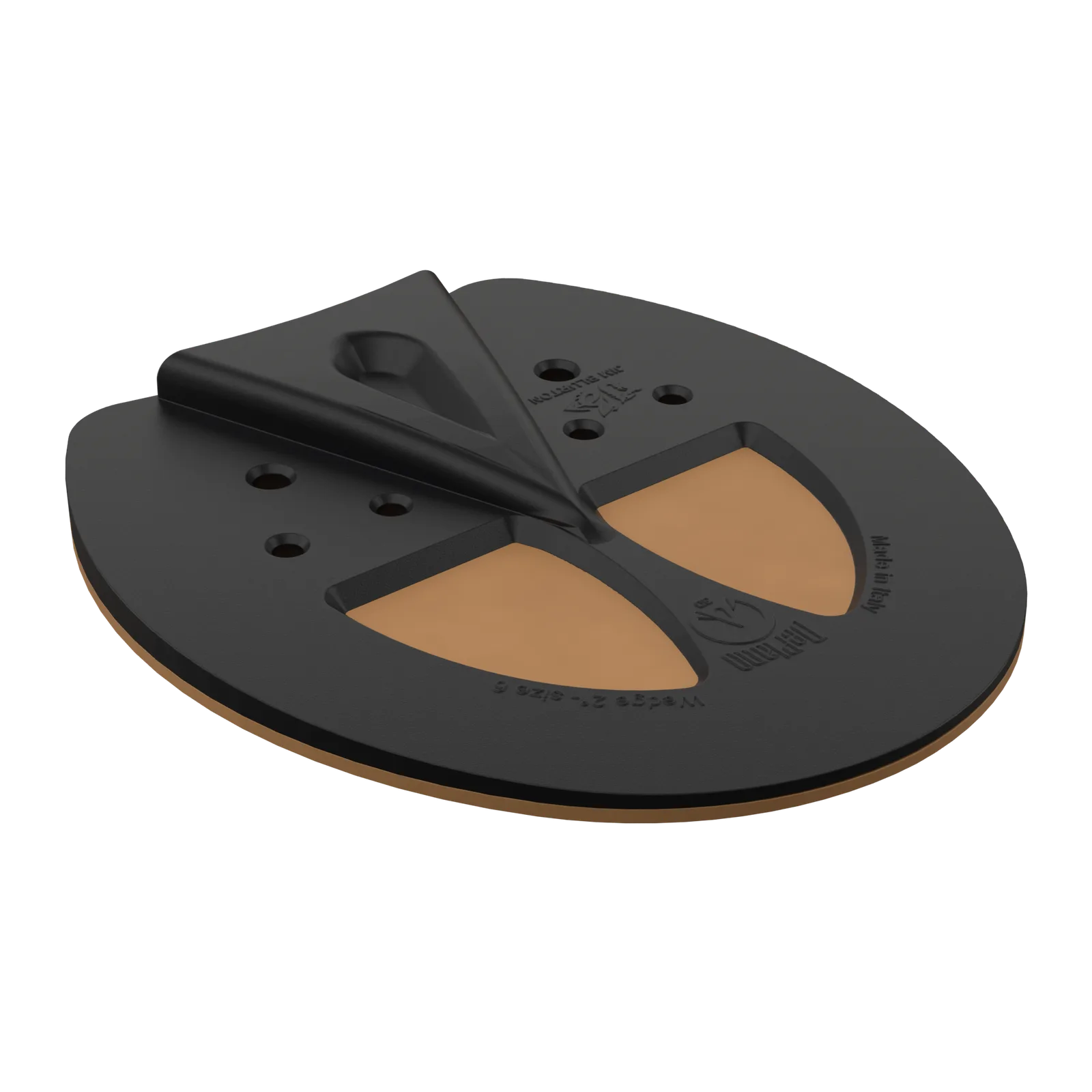
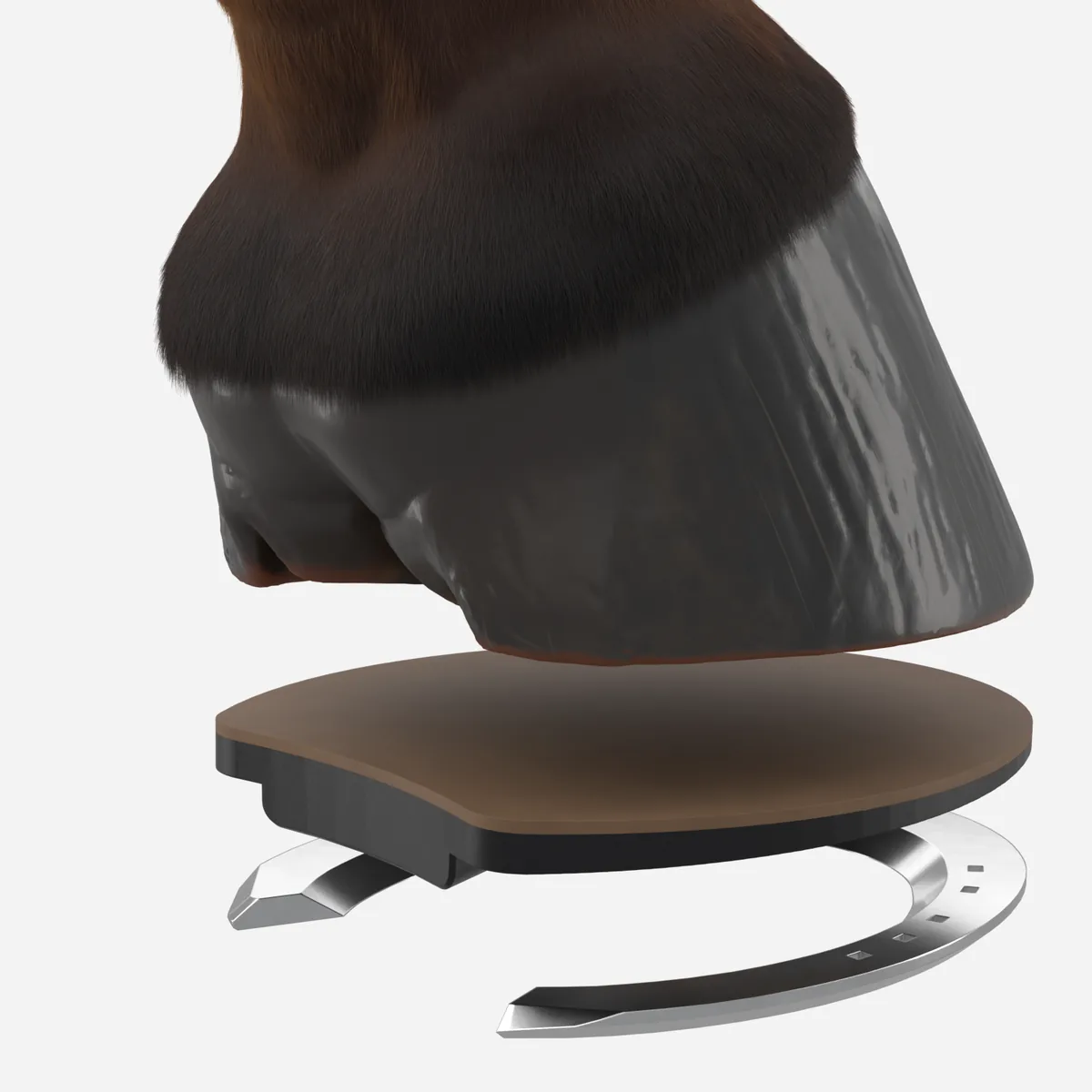
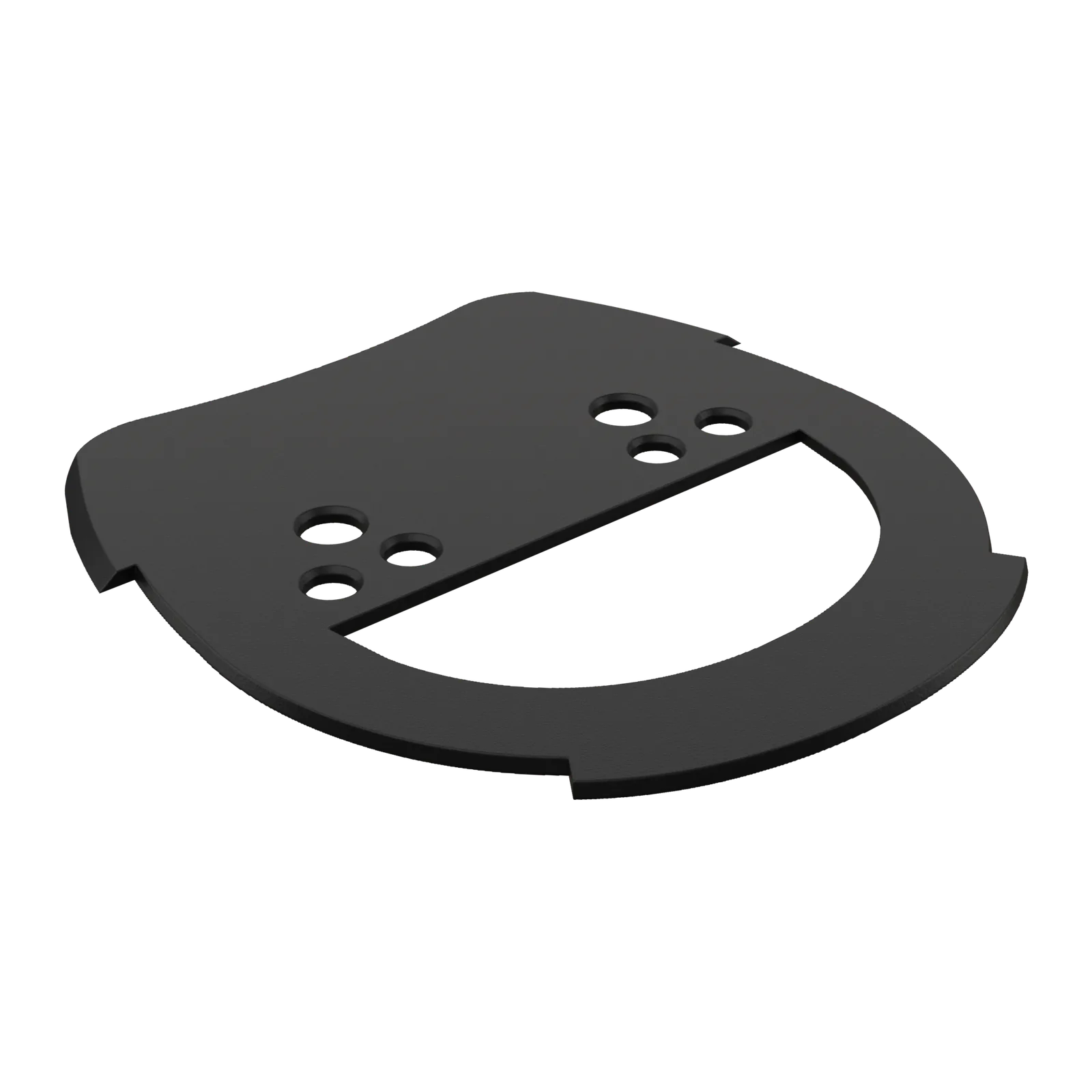
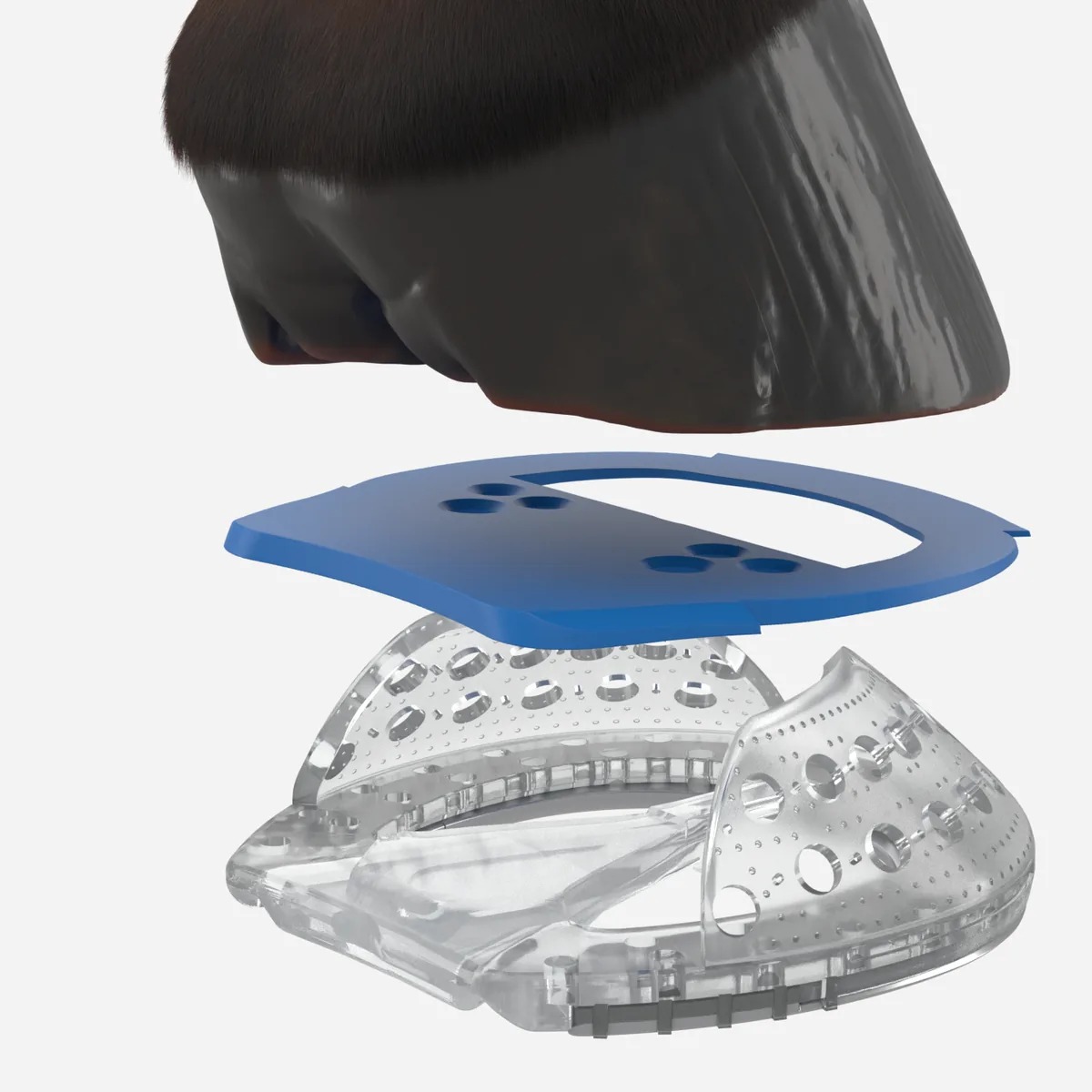
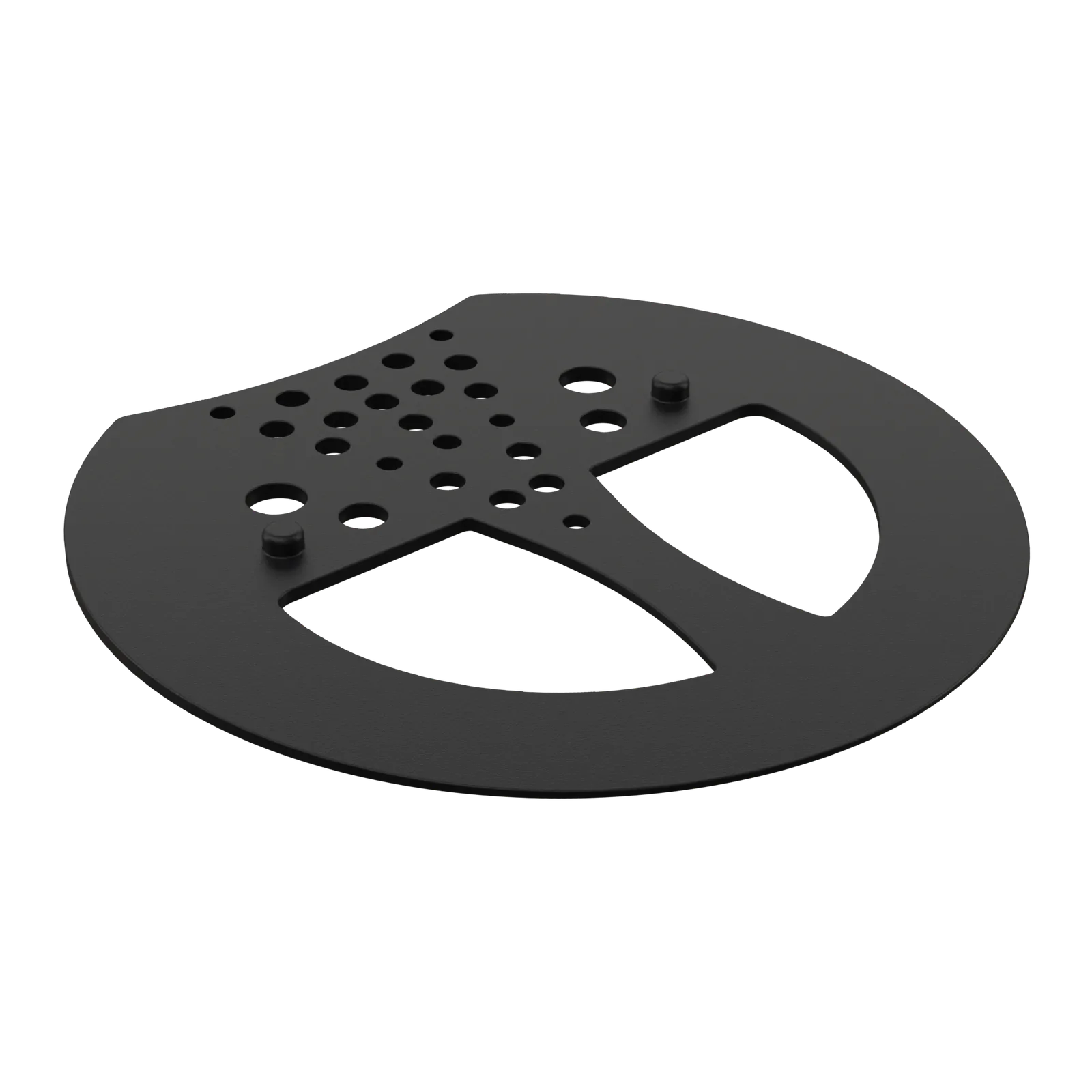
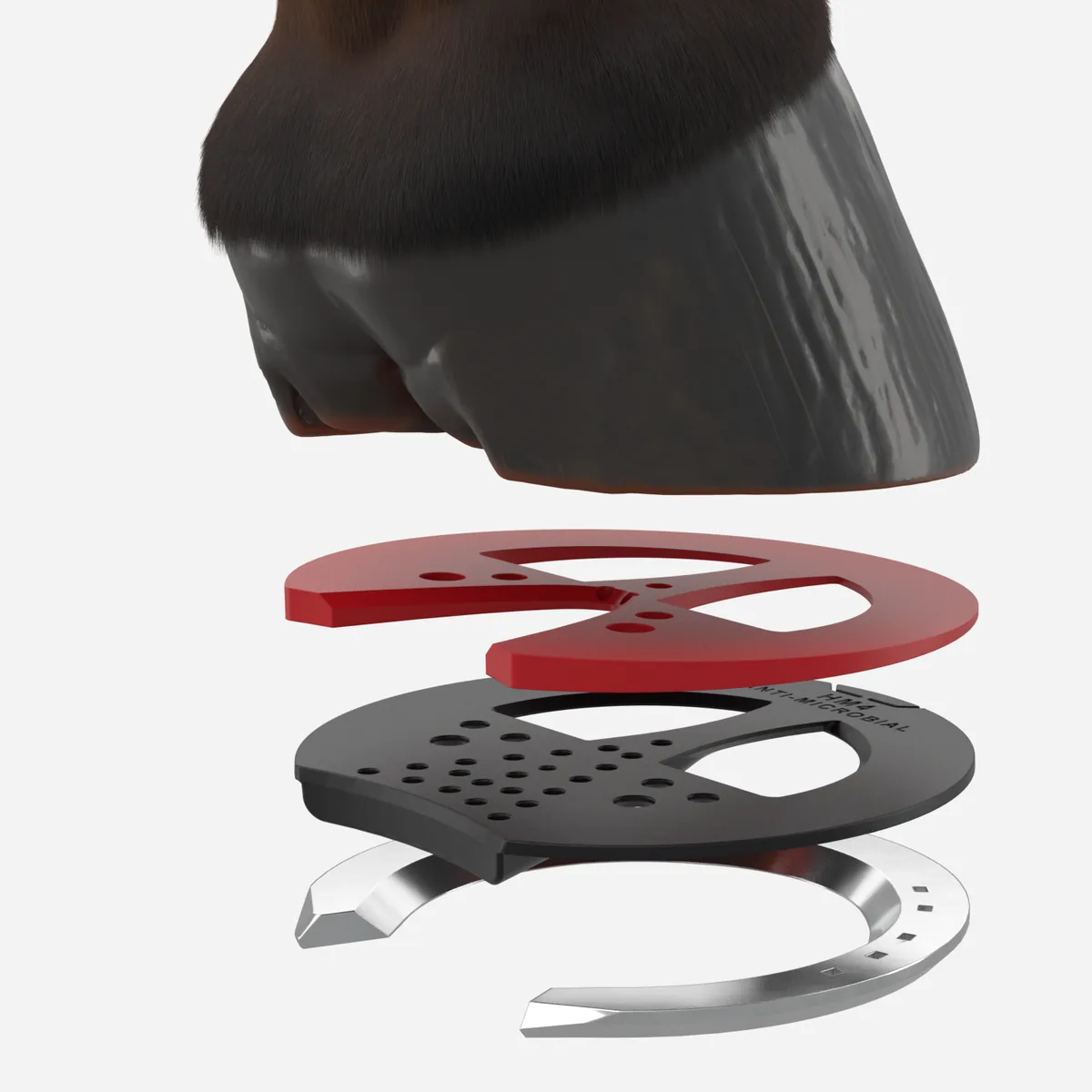
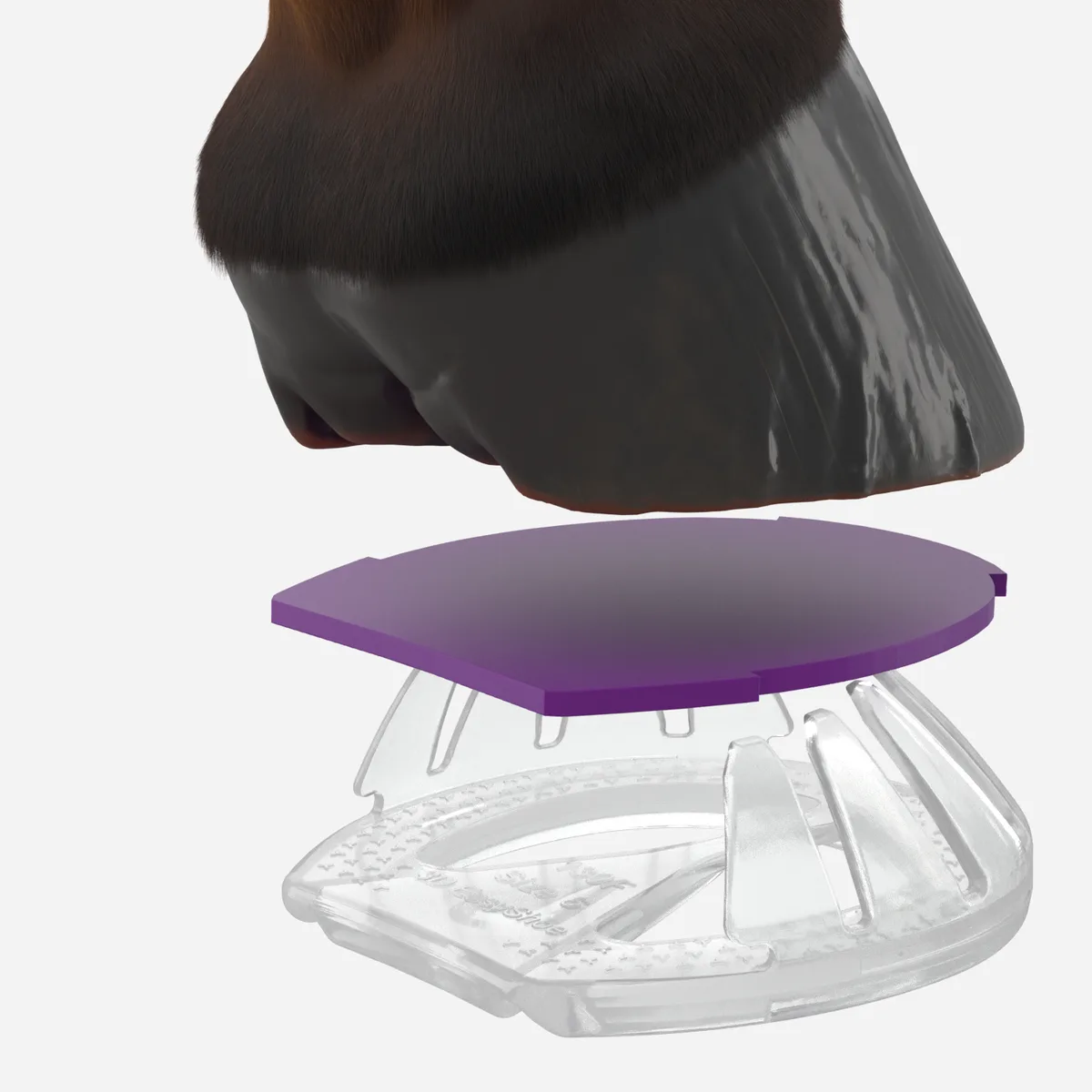
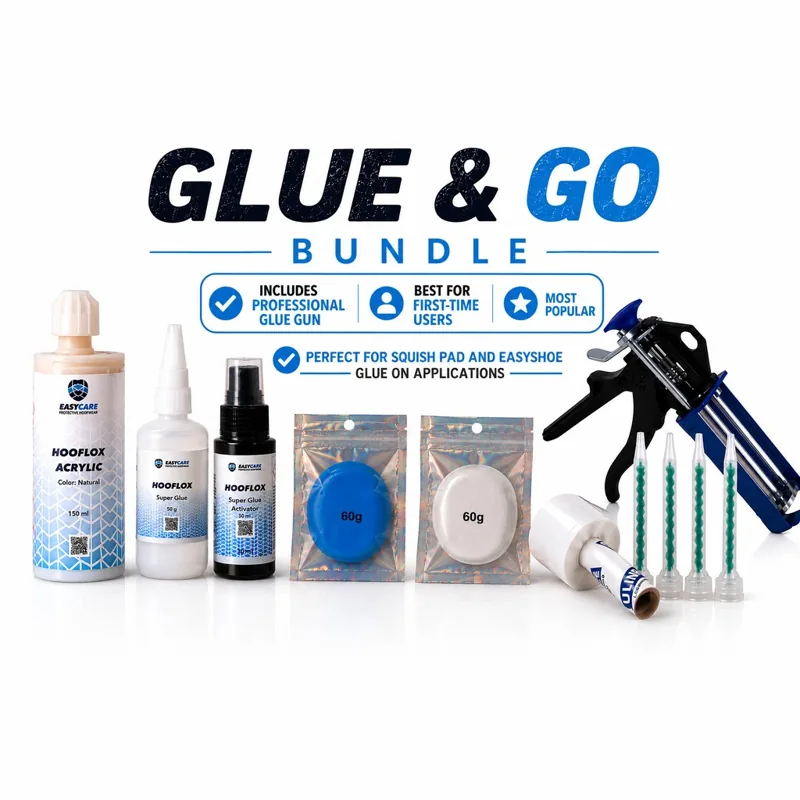
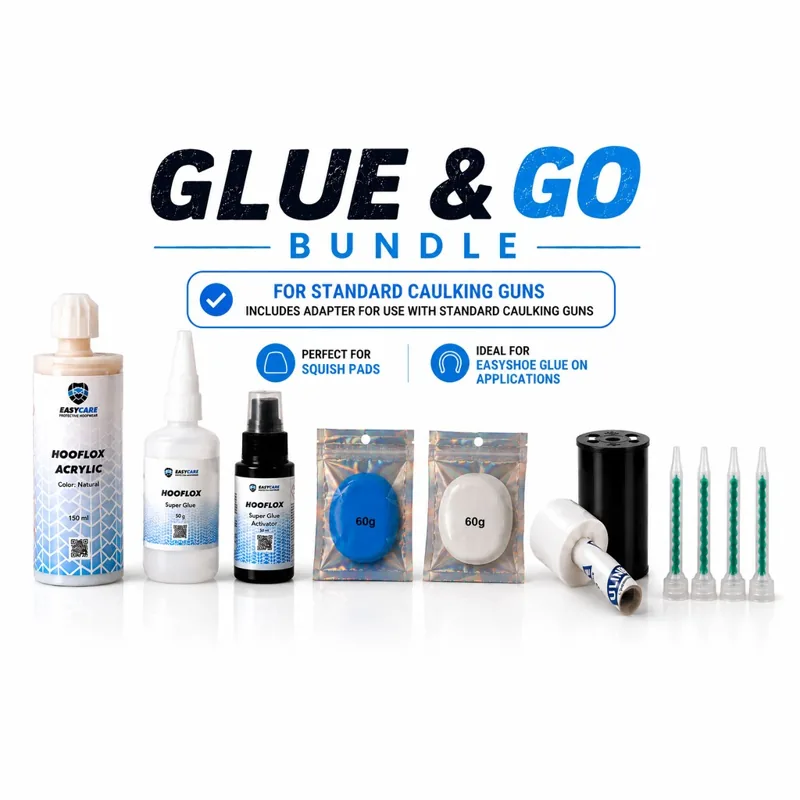
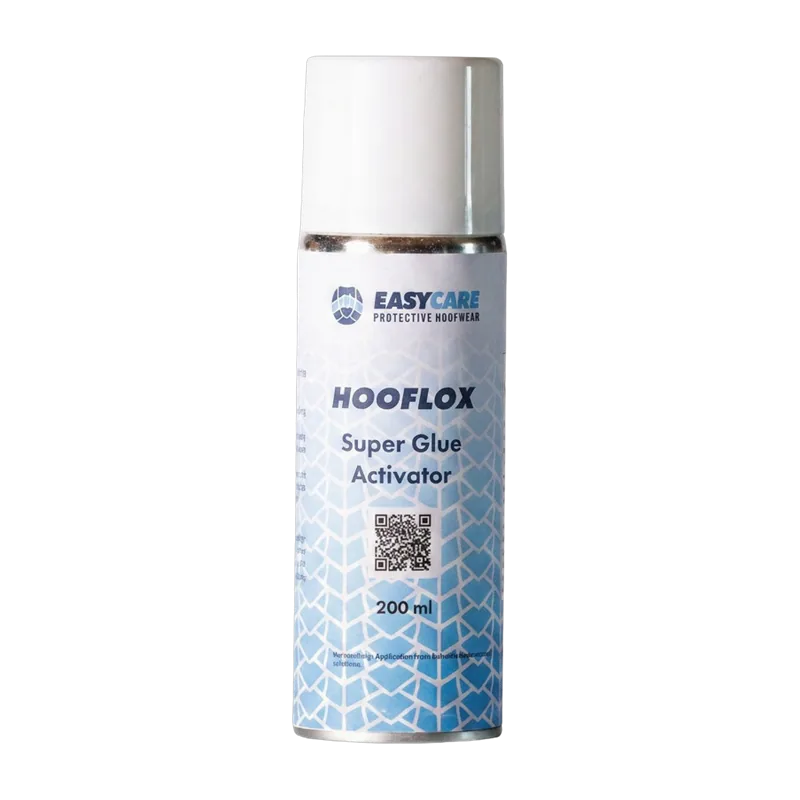
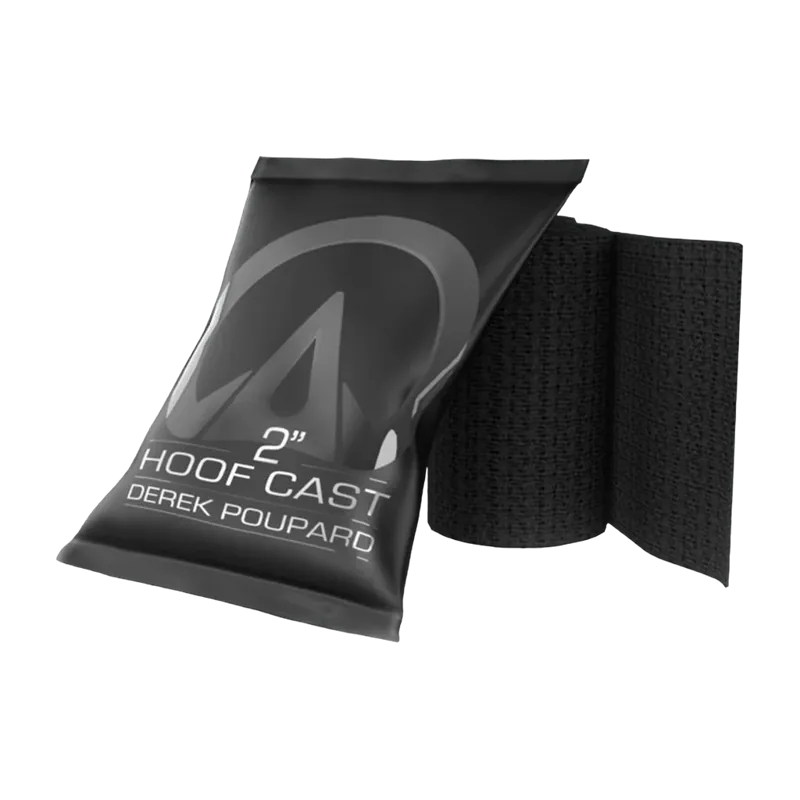
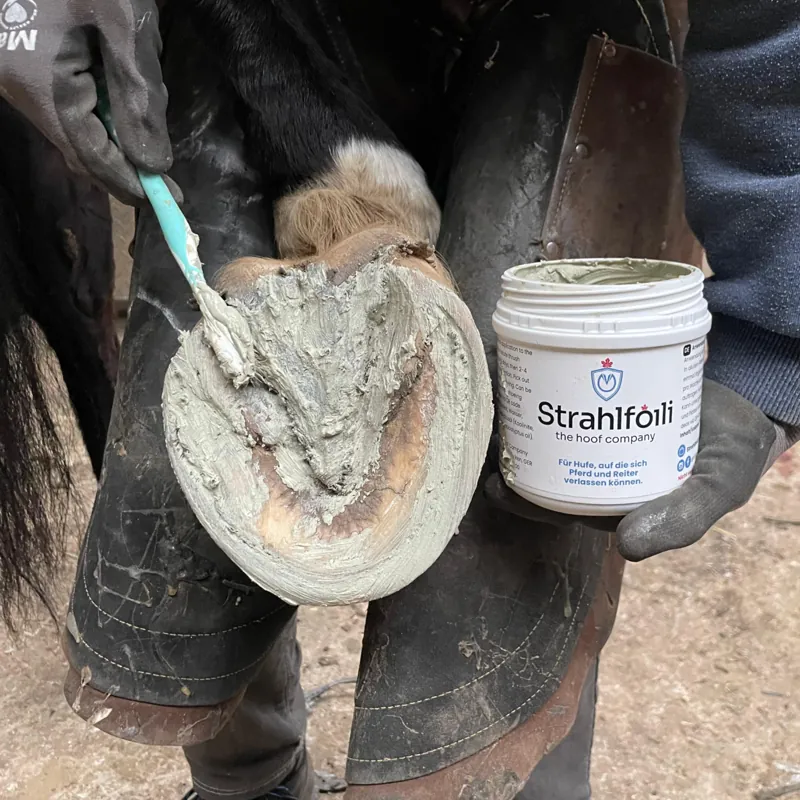
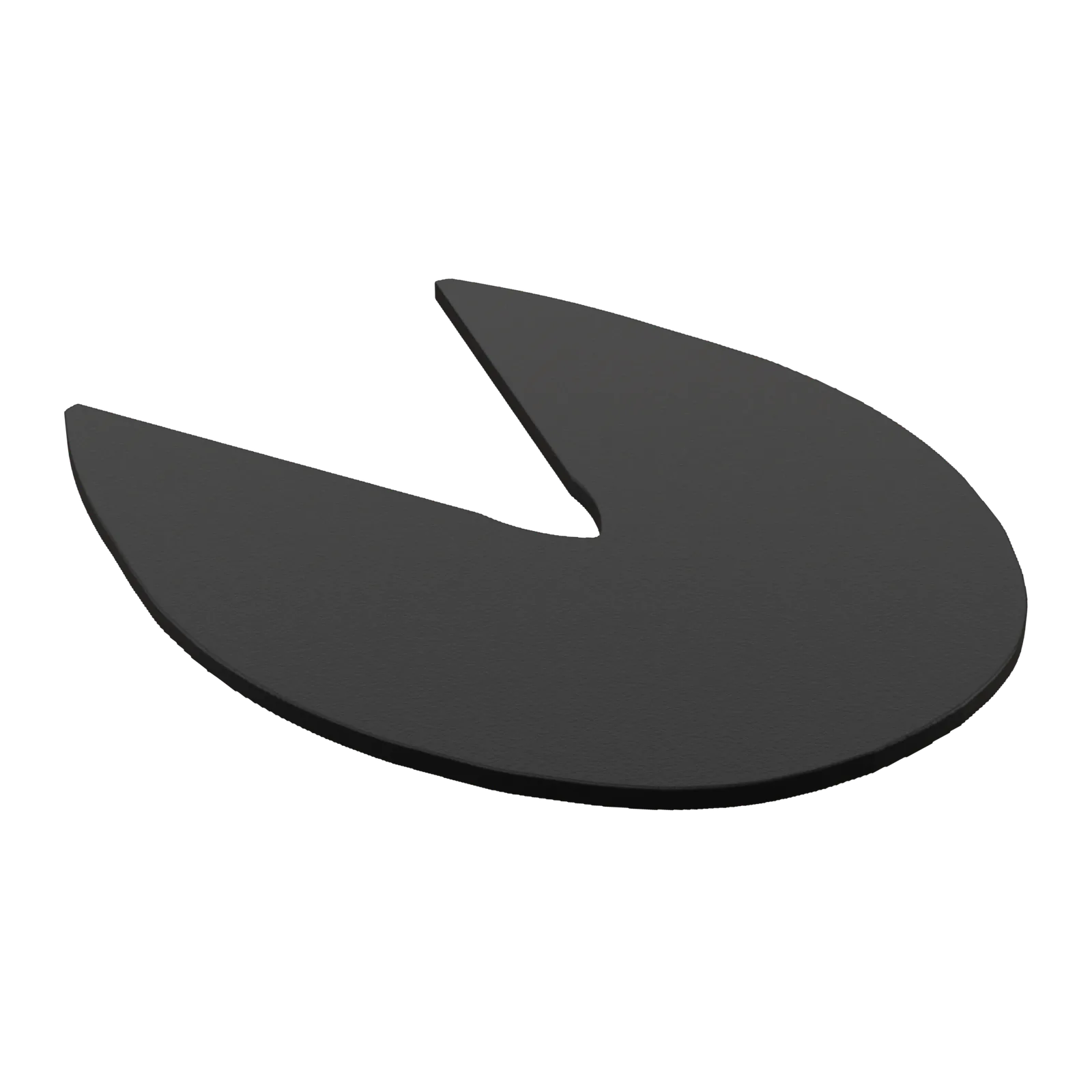
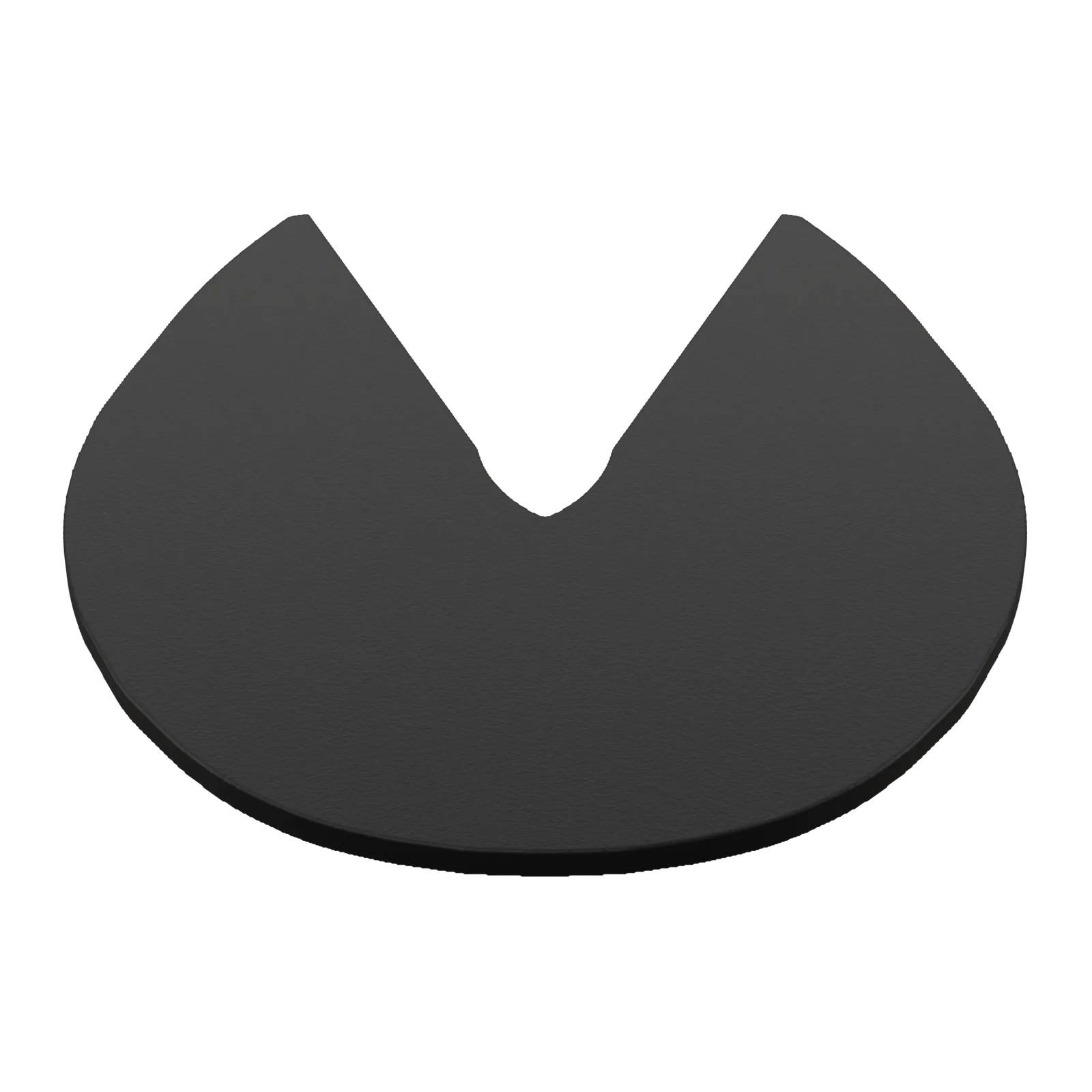
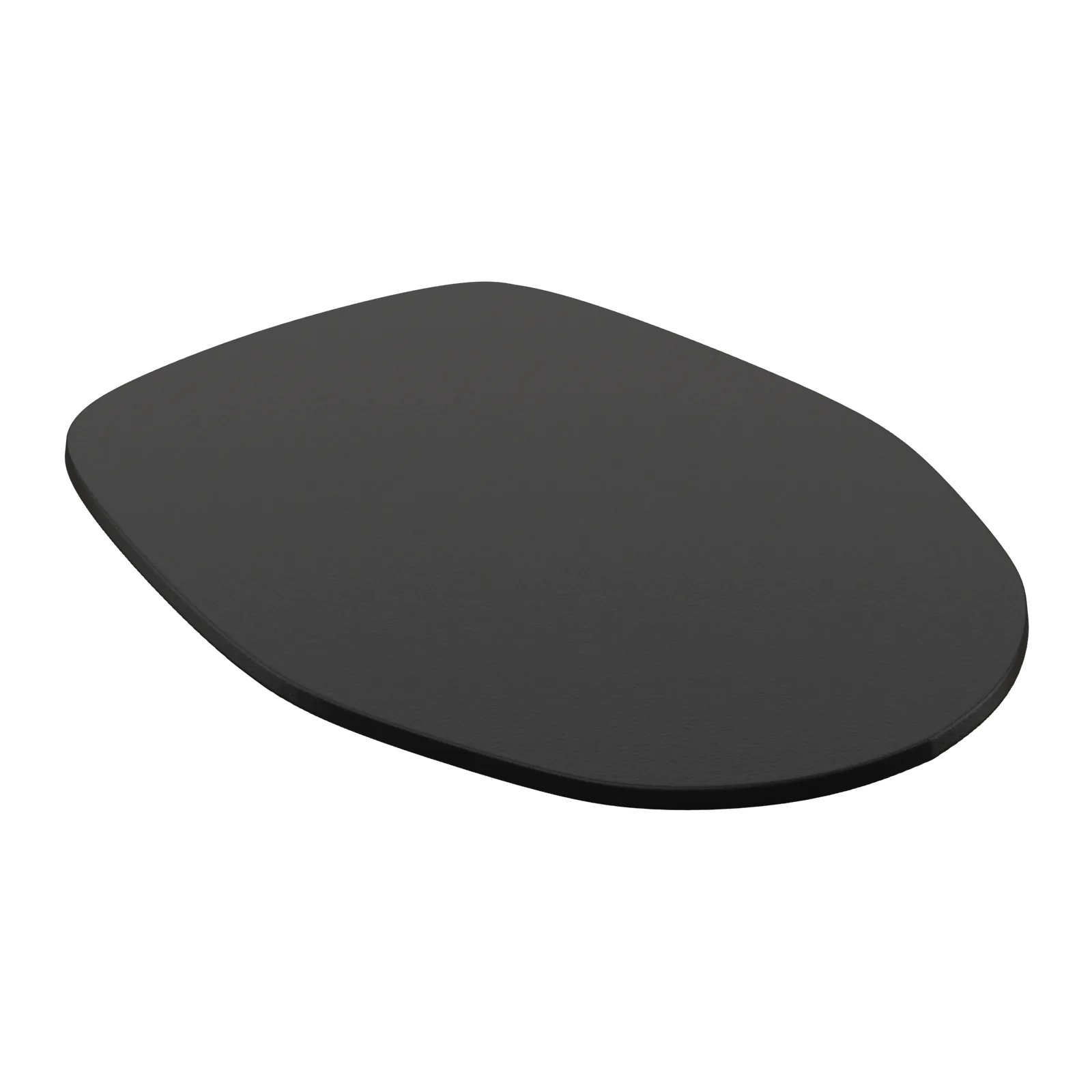
Mix and apply your adhesive: see Which Glue Do I Use? for choosing between HoofLox Acrylic and super glue with activator, then seat the pad or shoe and hold it in position. Plastic Wrap is the tool for this stage: wrap the foot to hold everything in place while the adhesive cures. That is its only job. It is a curing aid, never a wound dressing, and it comes off once the glue has set.
Cure before work
Initial set is quick, but full strength takes longer: keep the horse on soft, dry standing and restrict hard work for 2 to 4 hours after application.
The five failure causes, in order
- Moisture in the horn (skipped the purge)
- Contaminated surface (dirt, oils, old product)
- Temperature extremes (glue, hoof, or weather)
- Movement before cure
- Over-rasped, weakened wall
This guide is educational and is not a substitute for professional farrier advice.