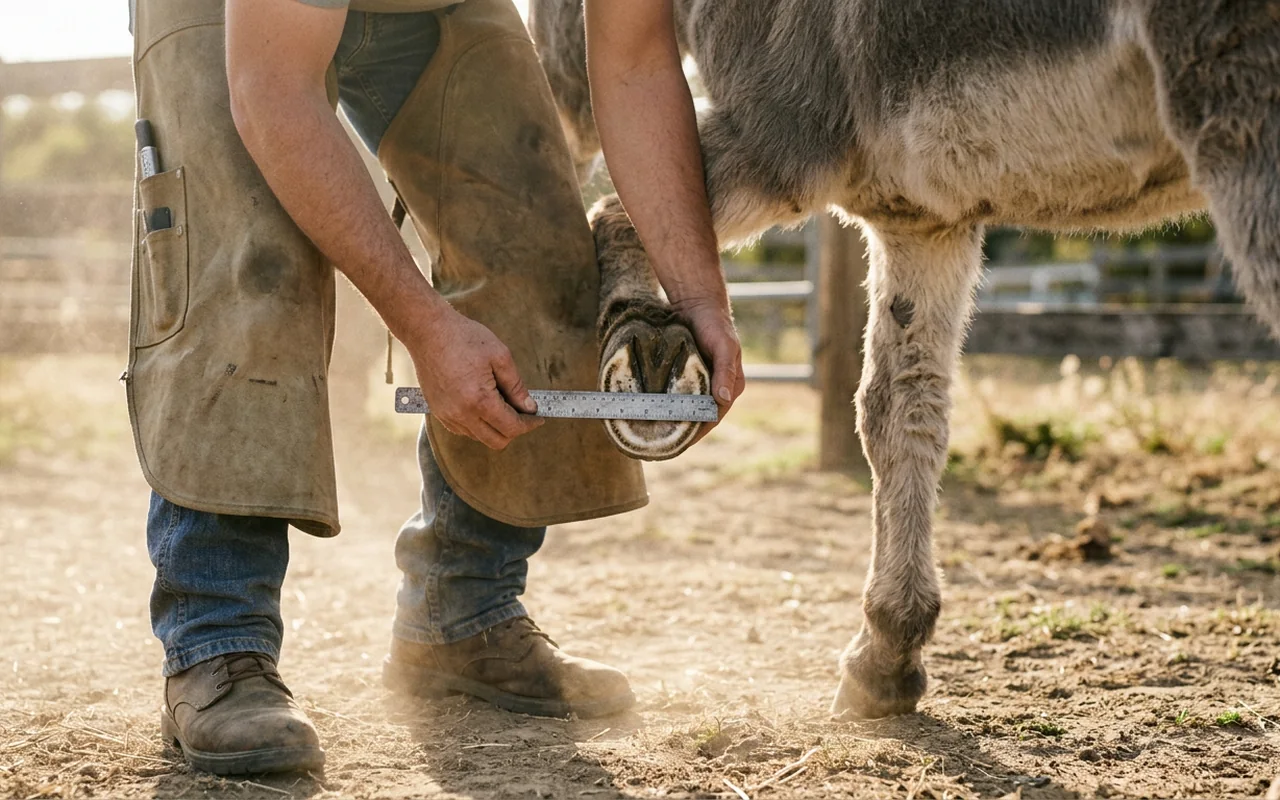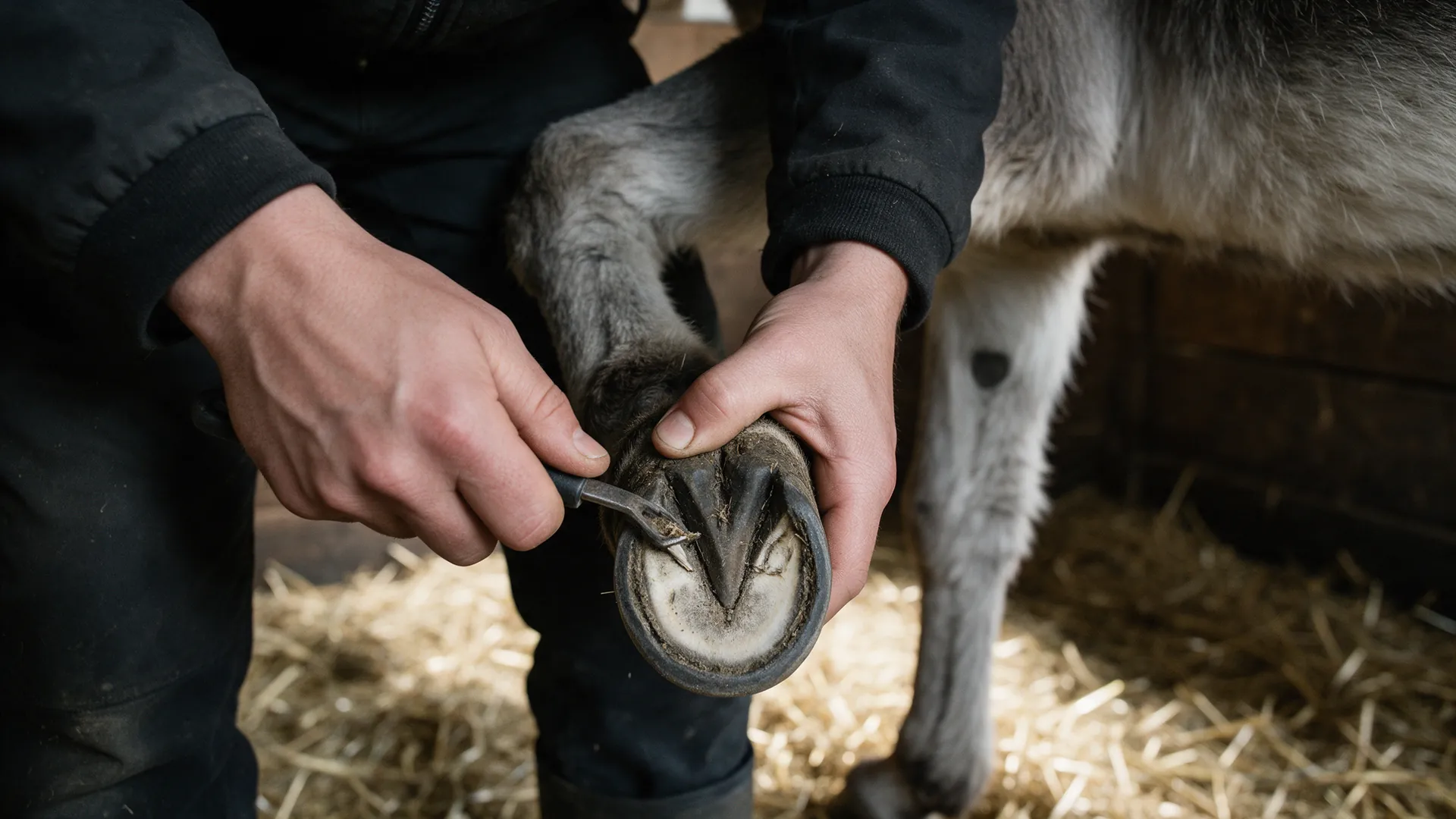


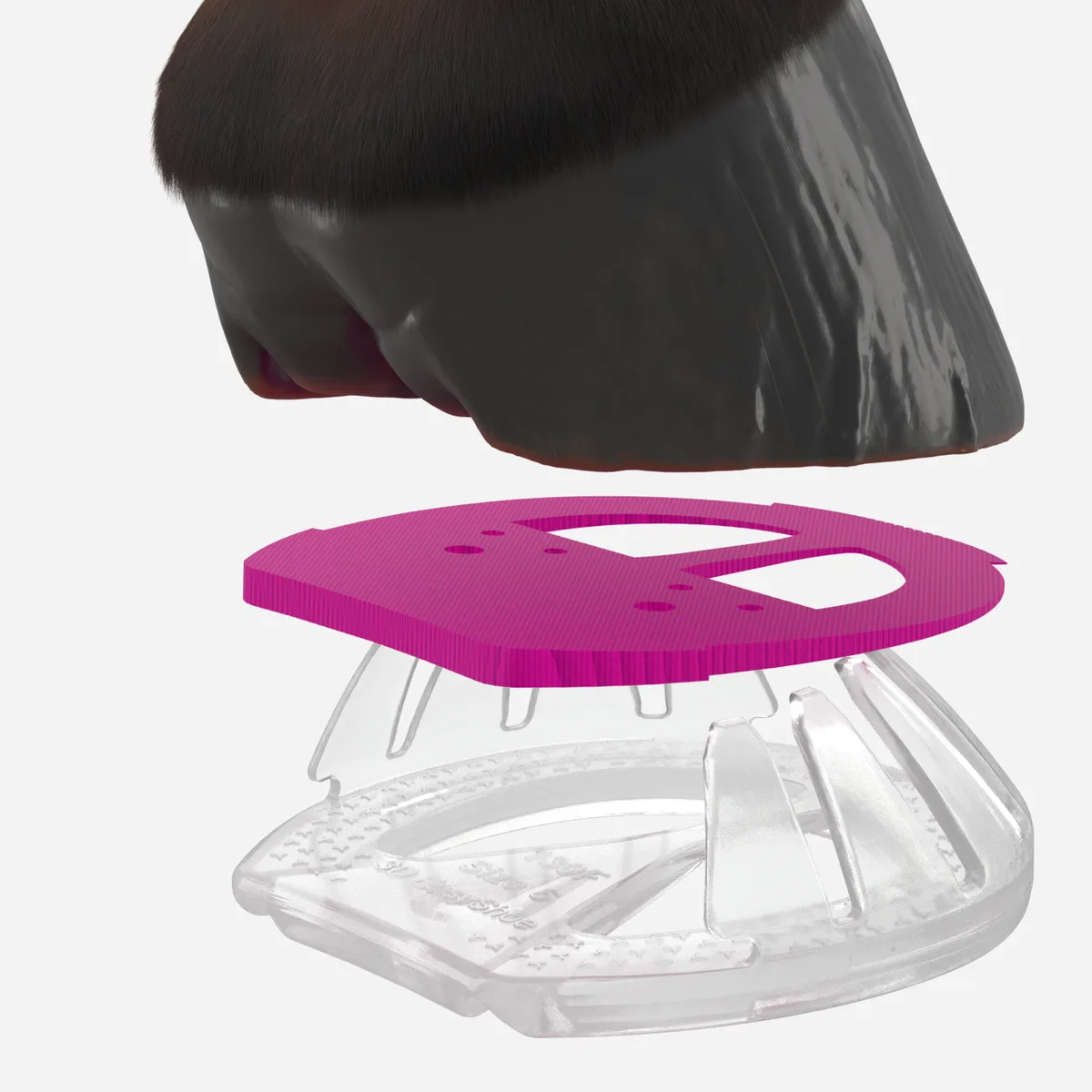
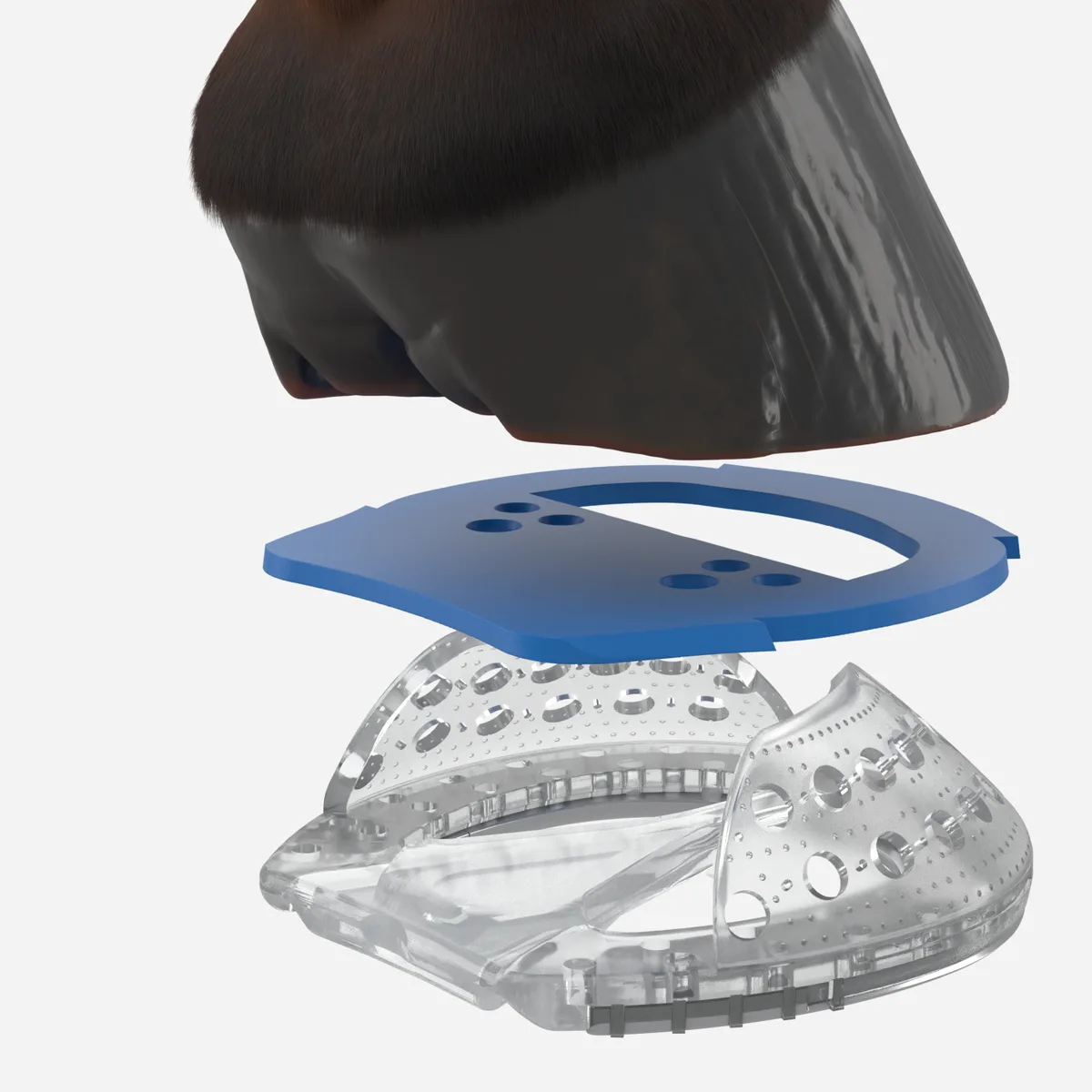
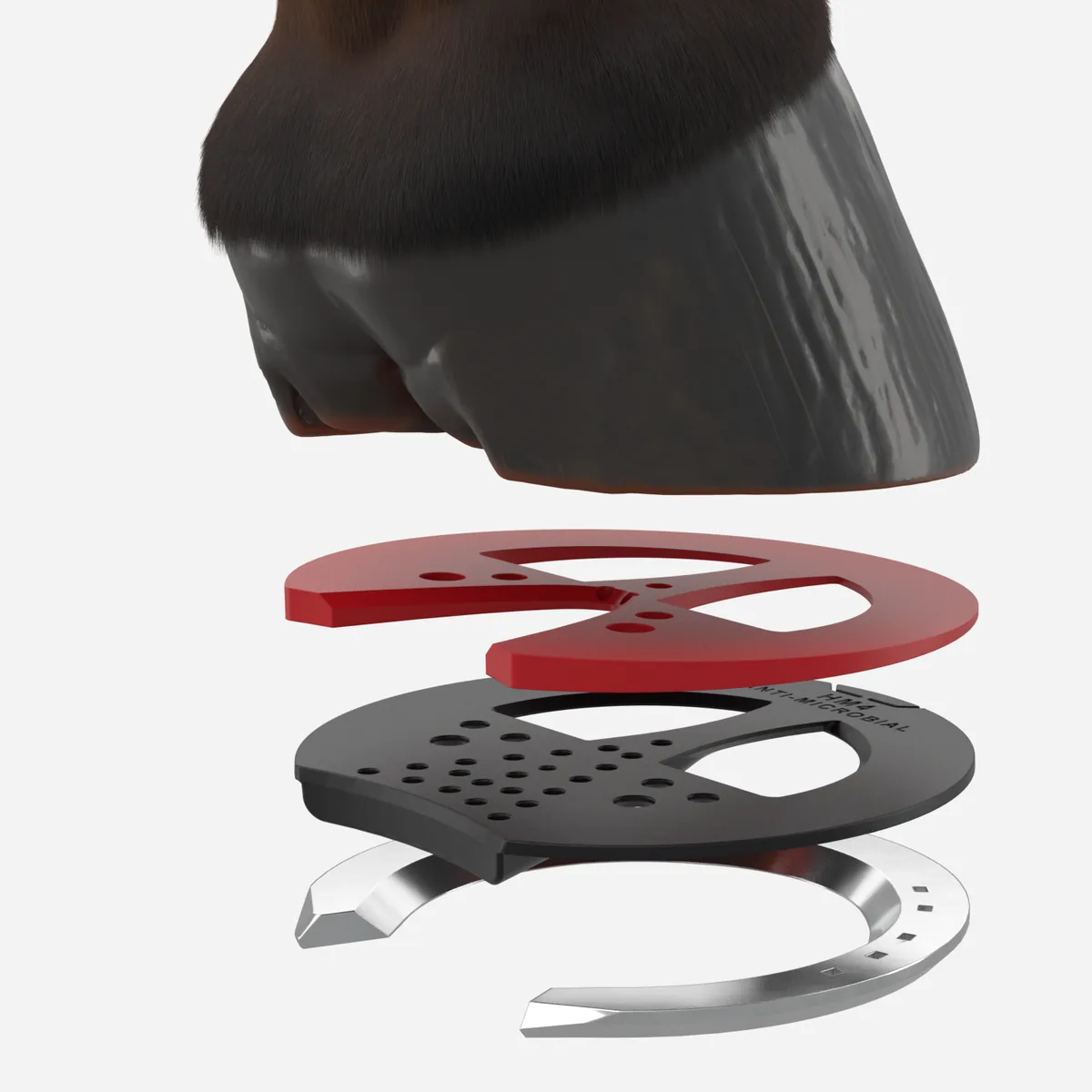
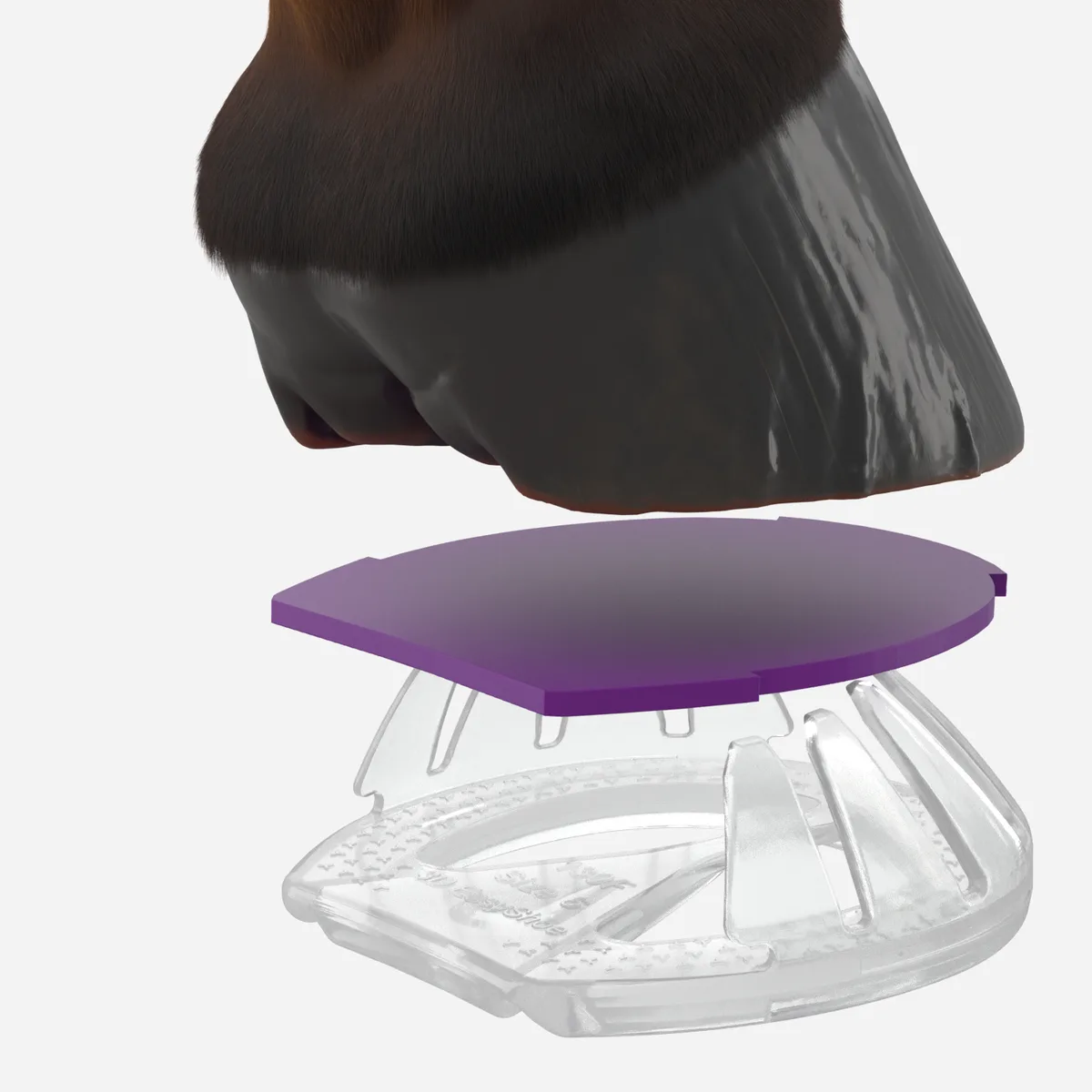







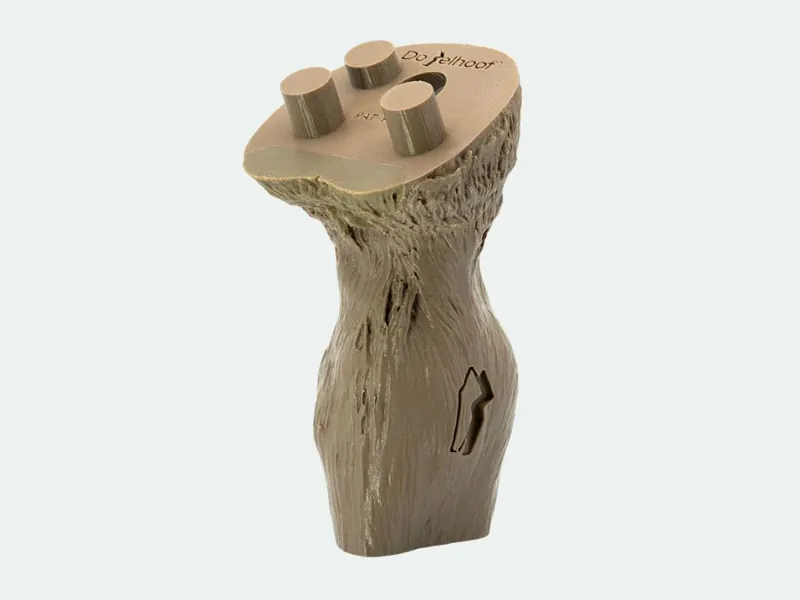
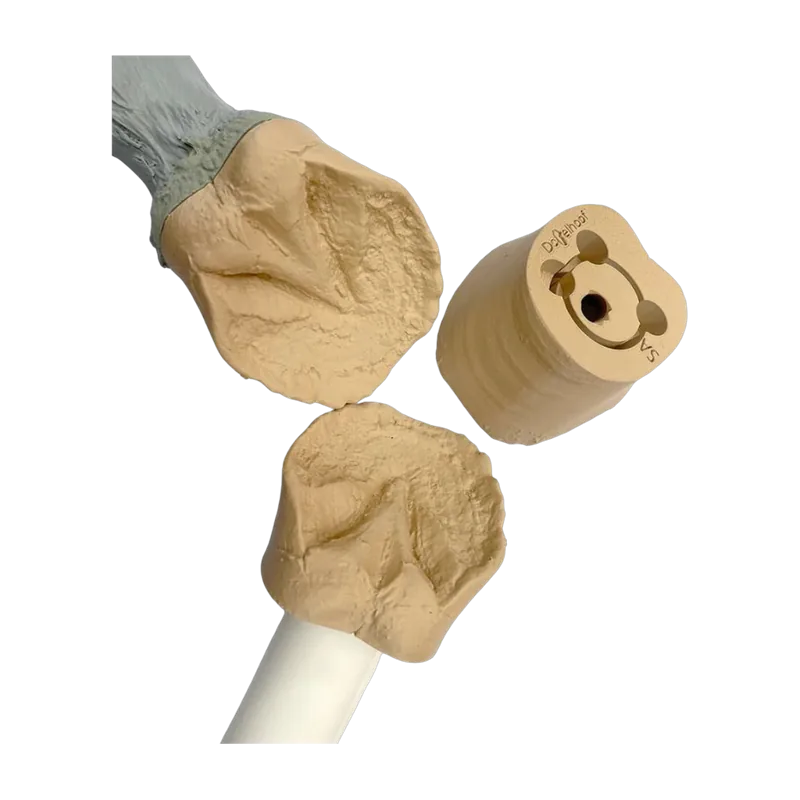
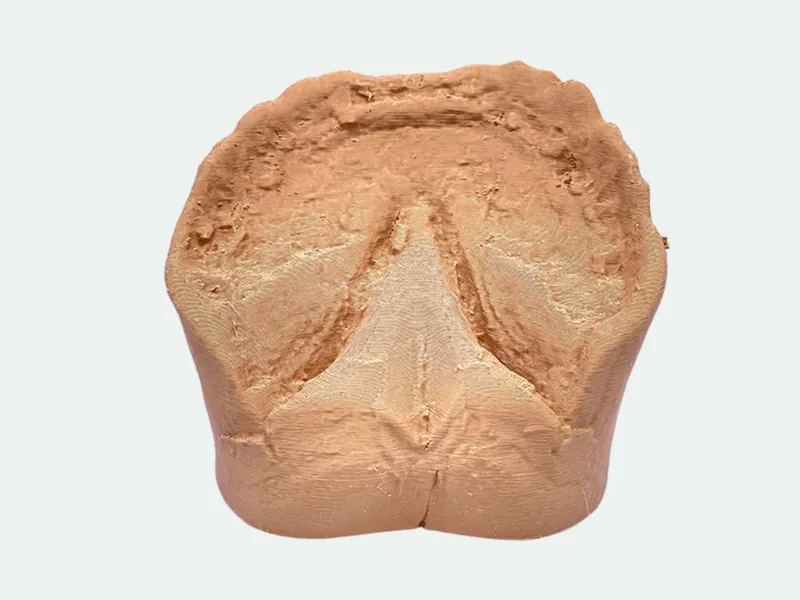
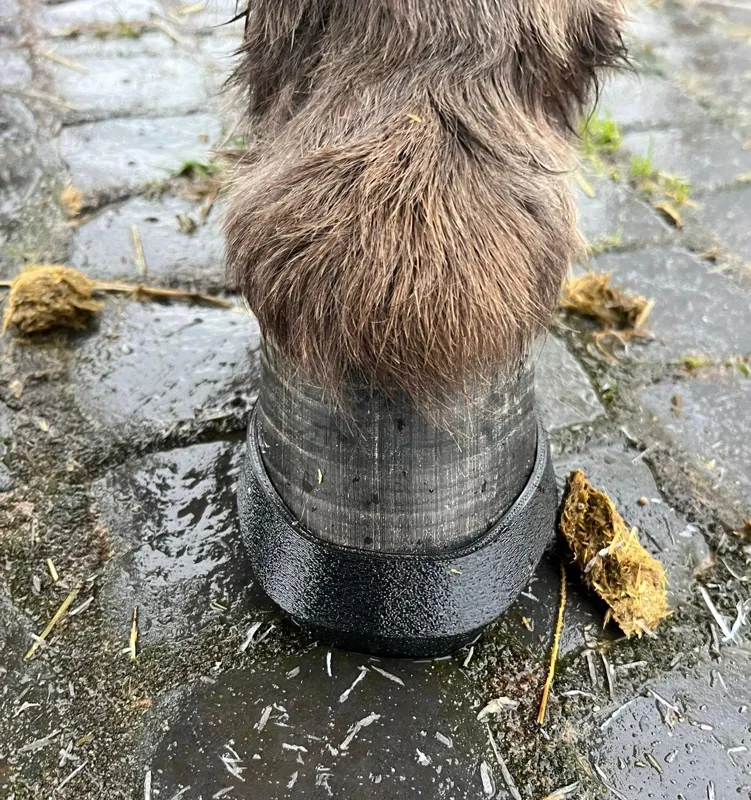
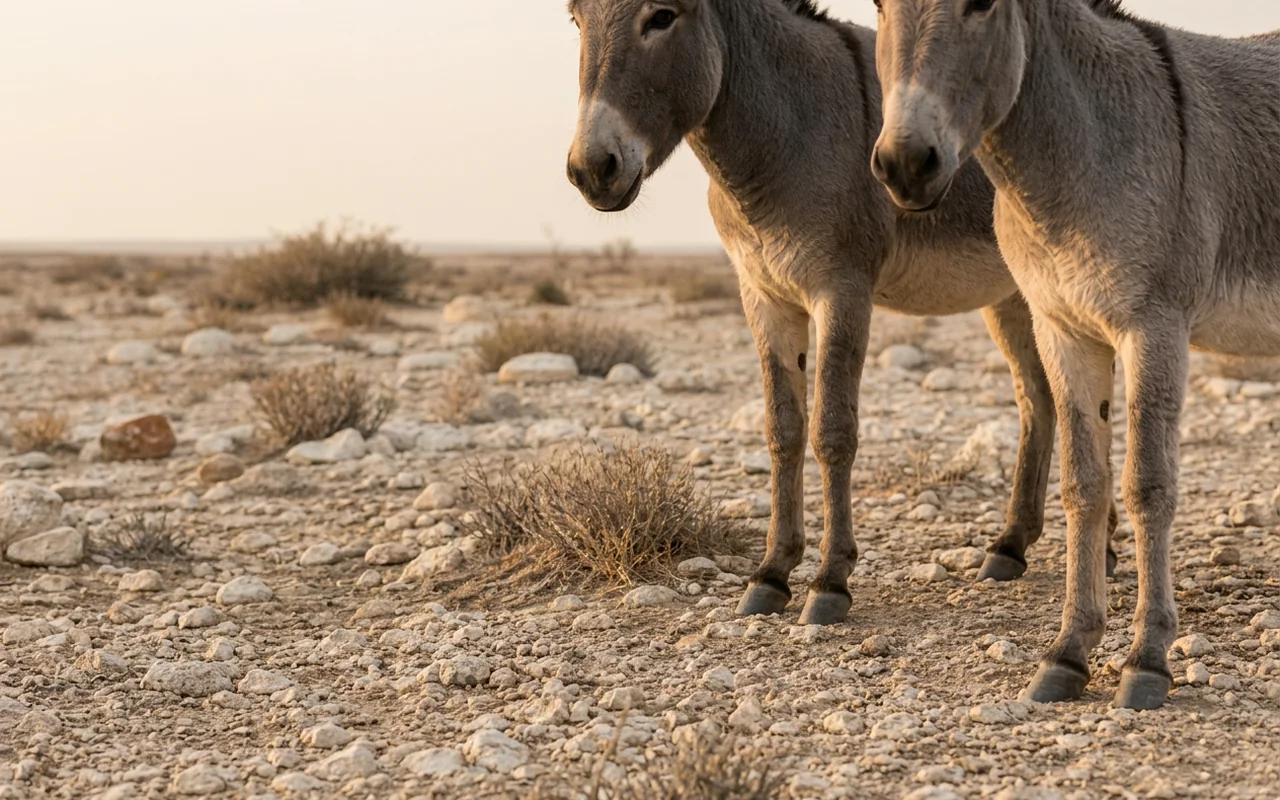
The single most important thing to know about donkey hooves is this: a donkey is not a small horse. Its feet evolved for dry, rocky, arid country, and nearly everything about them (shape, angle, sole, horn) differs from a horse's in ways that change how you care for them and which products fit.
How donkey feet differ
- More upright. The donkey hoof wall stands 5 to 10° steeper than a horse's, giving the foot its characteristic boxy, cylindrical look. What would be an alarmingly upright horse foot is a normal donkey foot.
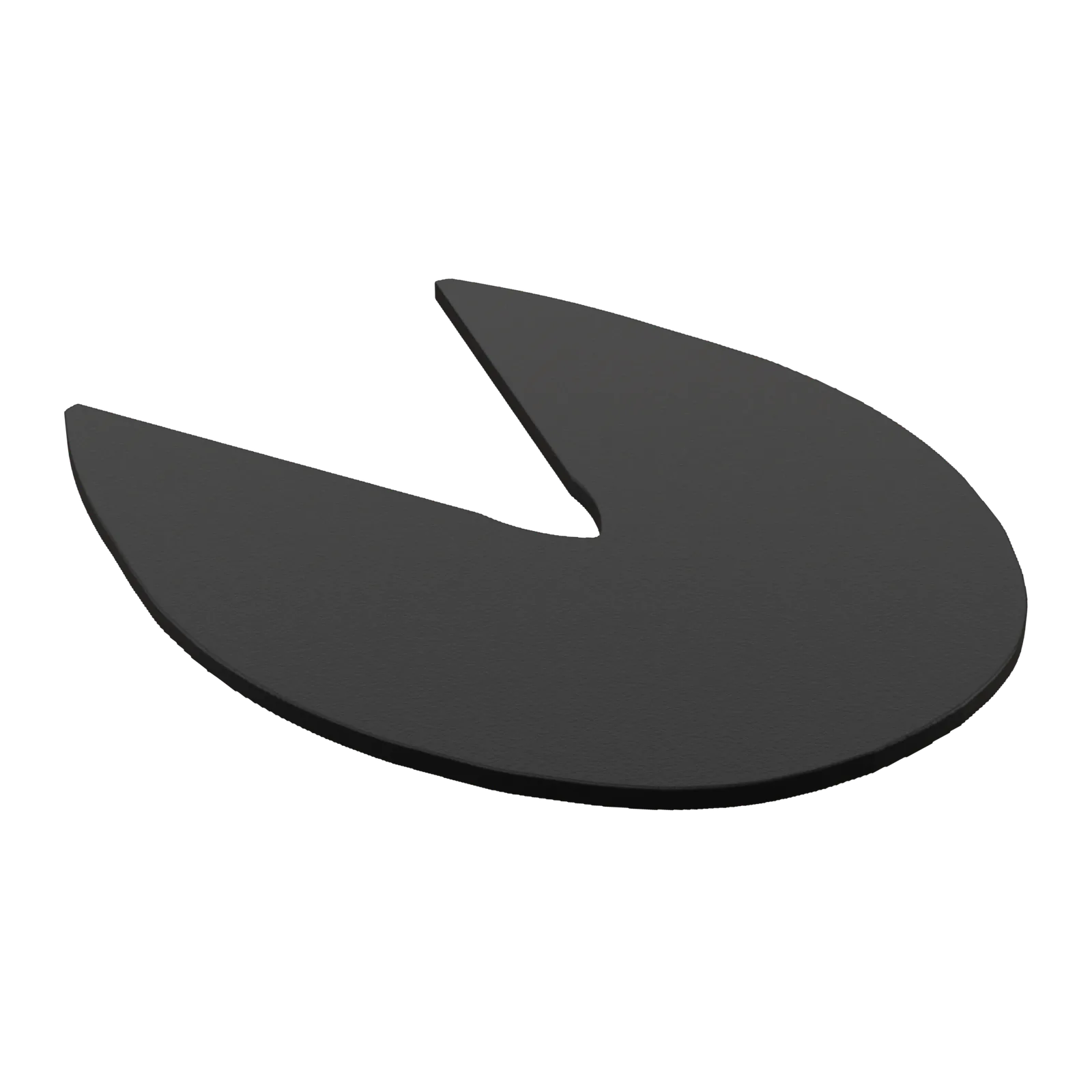
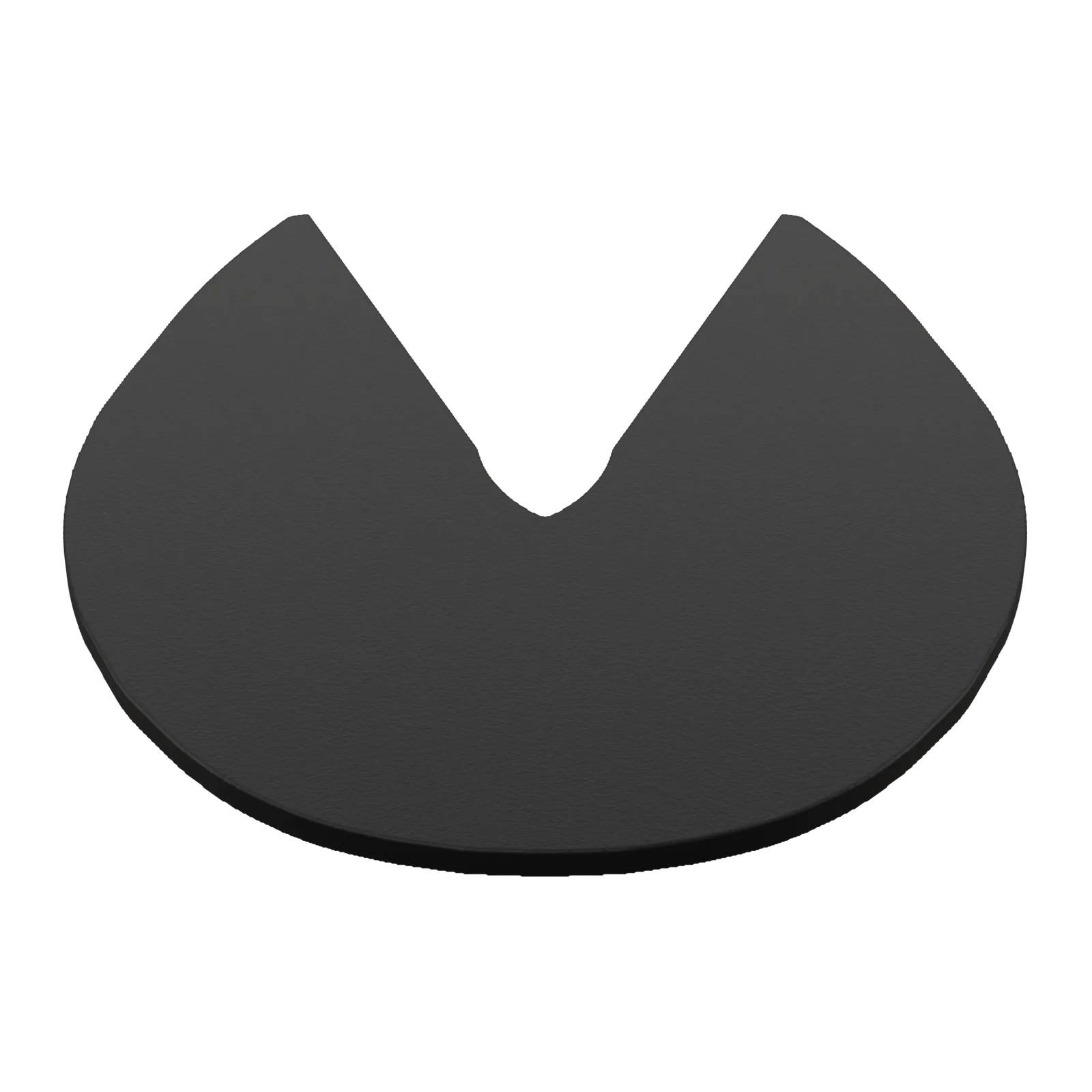
- U-shaped, not round. Viewed from the sole, a donkey foot is narrower and more U-shaped than the rounder horse foot, which is exactly why donkey pads have their own size charts and horse charts must never be used.
- A thicker, tougher sole. Donkey sole doesn't exfoliate the way horse sole does; it retains depth and must be trimmed to shape. Trimming a donkey to look like a horse (flattening that sole, lowering those heels) causes bruising and soreness.
- The frog sits further back. A subtle difference with practical consequences for how support devices load the foot, and one of several reasons donkey hoof decisions belong with professionals who know donkeys.
The stoicism problem
Donkeys hide pain. Where a horse limps, a donkey lies down more, shifts weight quietly, or simply moves less, and by the time discomfort is obvious, a problem is often well advanced. Foot trouble is common: in large welfare studies, foot problems are among the most frequent issues in donkeys, with abscesses the leading cause of foot lameness. Build the habit of picking feet daily and watching for small behavior changes. Our guide to donkey hoof problems lists the quiet signs to look for.
Routine care
Trim every 6 to 10 weeks with a farrier experienced in donkeys, keep standing areas dry (wet ground and donkey feet are a poor mix; white line disease and thrush follow), and keep diet lean; donkeys are extraordinarily efficient and prone to laminitis when overfed.
A note on laminitis in donkeys
Donkey laminitis is an emergency, and its management differs from the horse, including the choice of support: approaches that suit horses are not always appropriate for donkey anatomy. If you suspect laminitis in a donkey, call your vet immediately and let them direct any support or padding decisions.
Where products fit
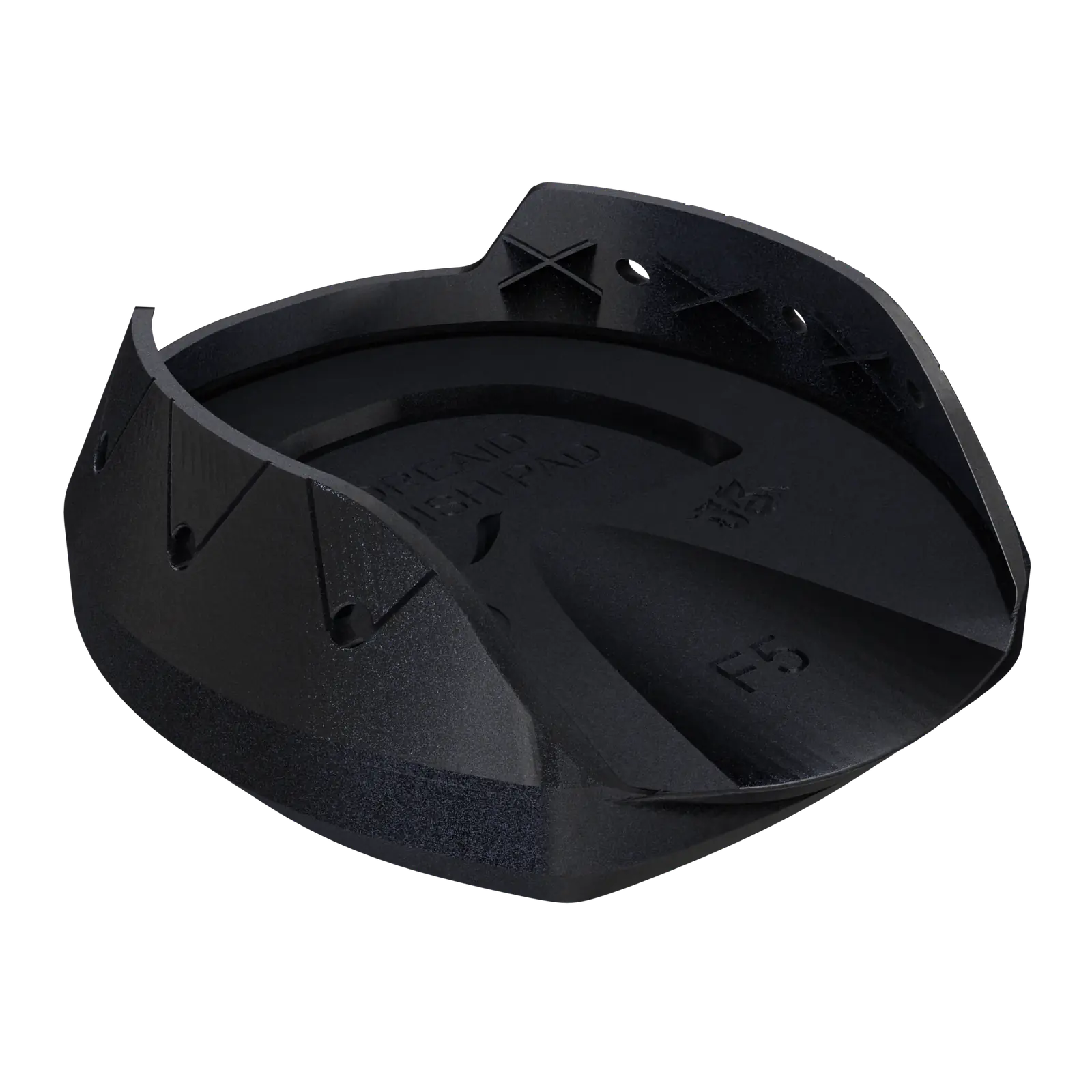
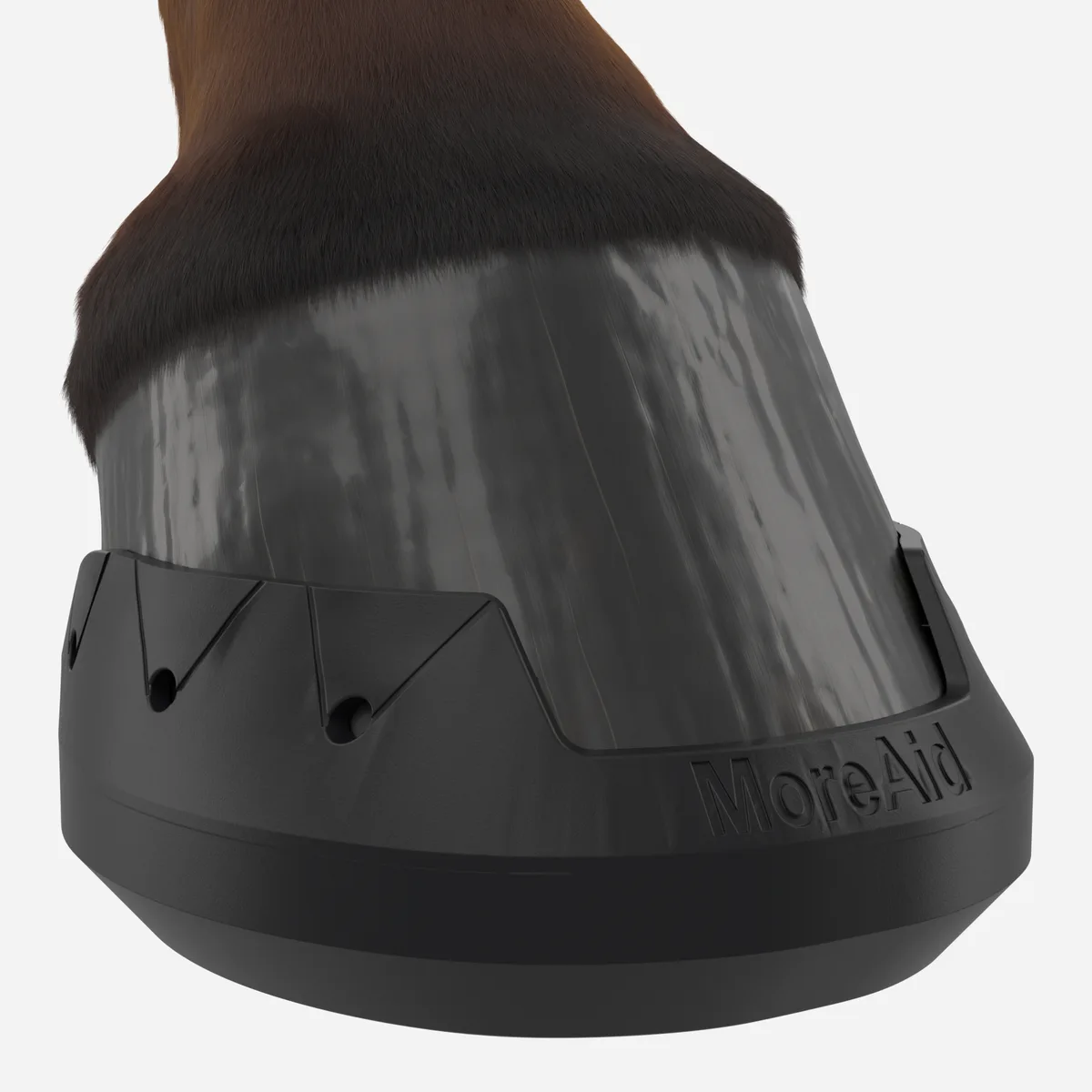
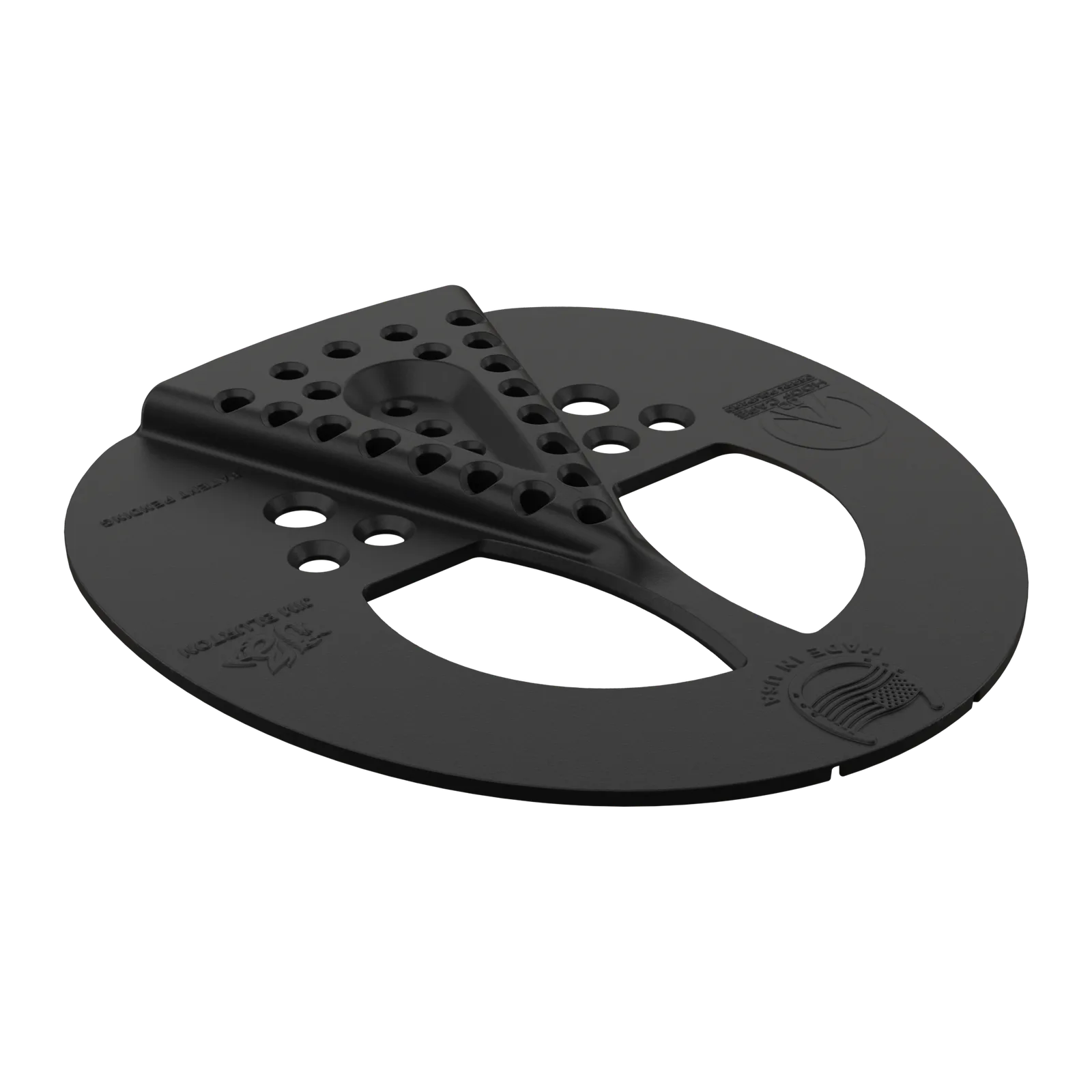
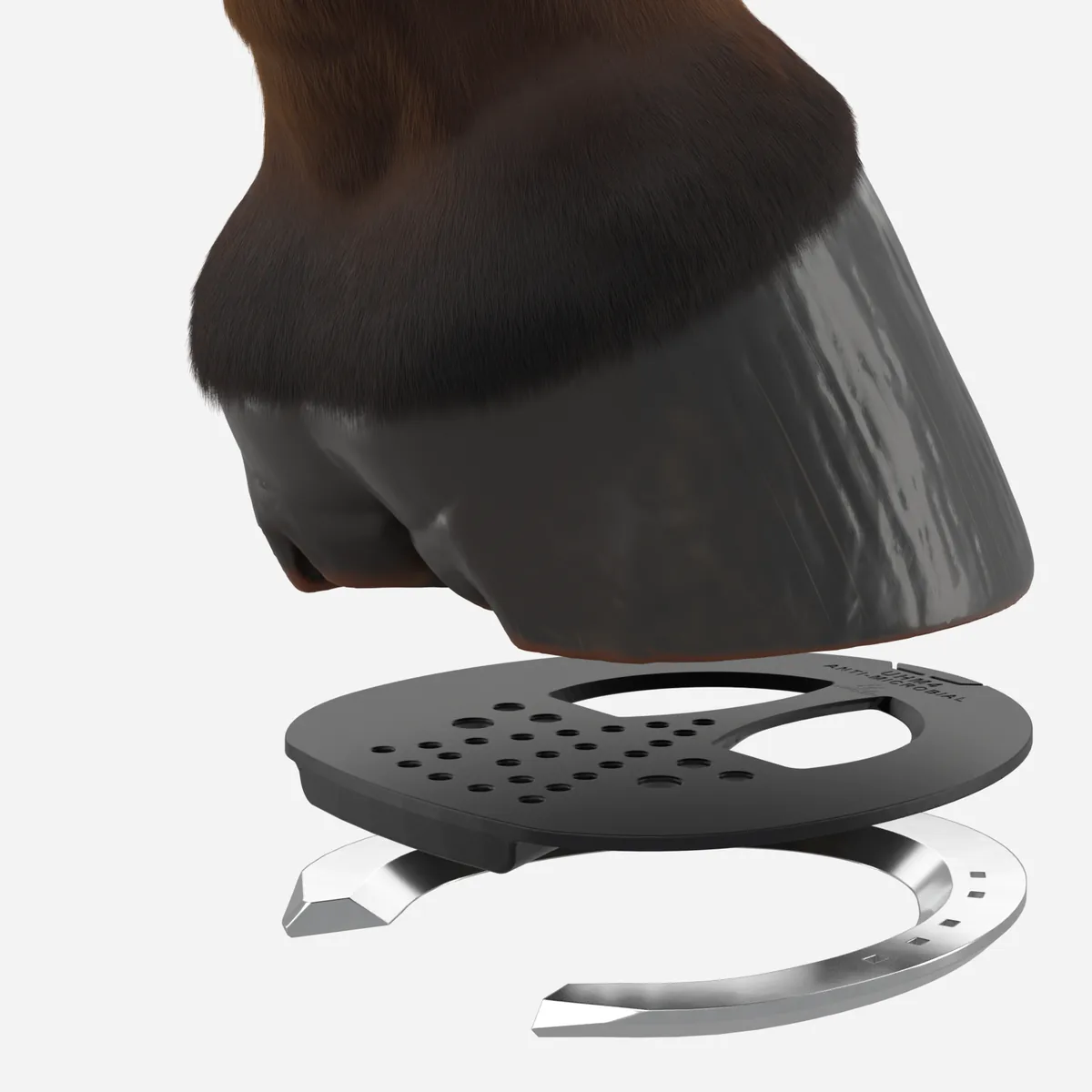
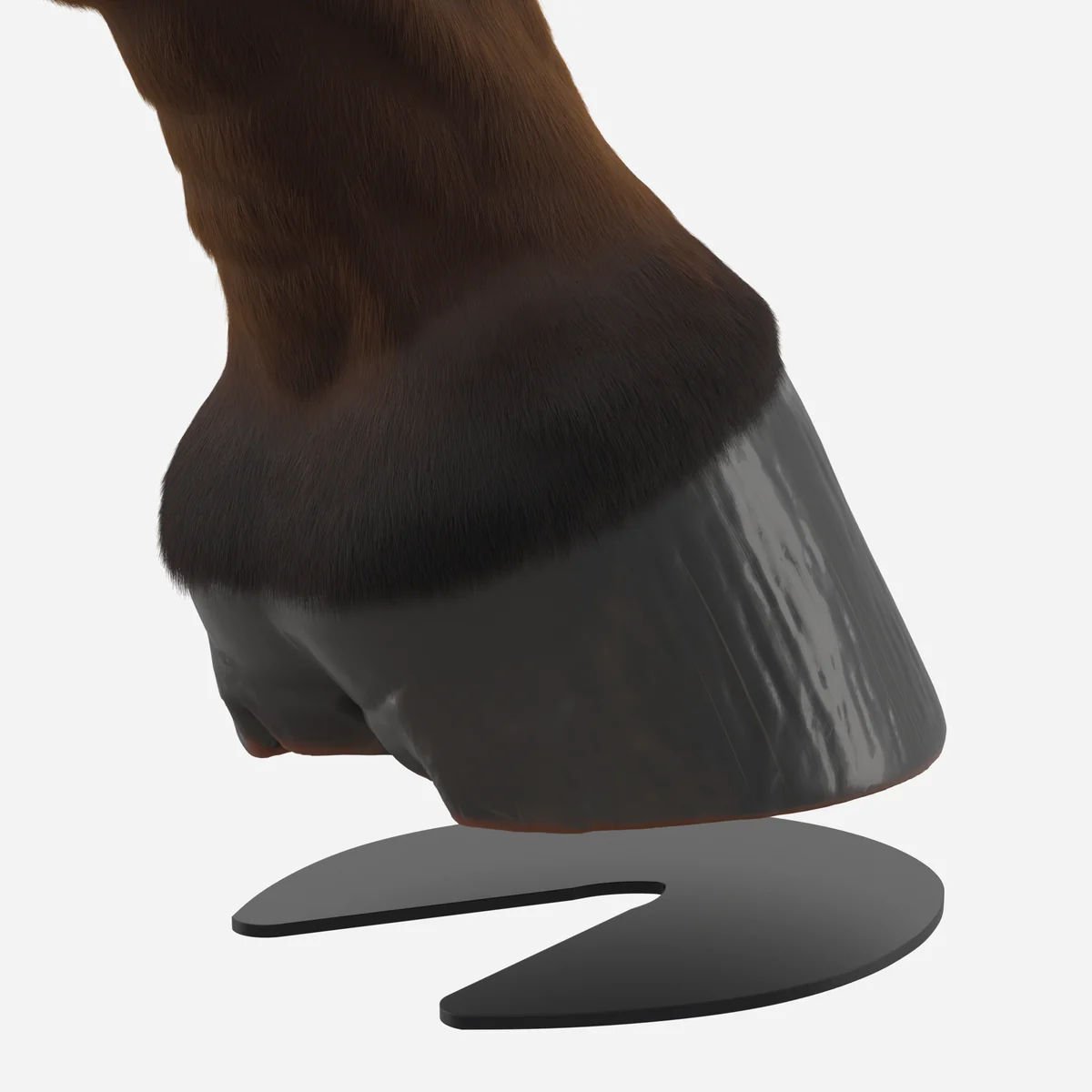
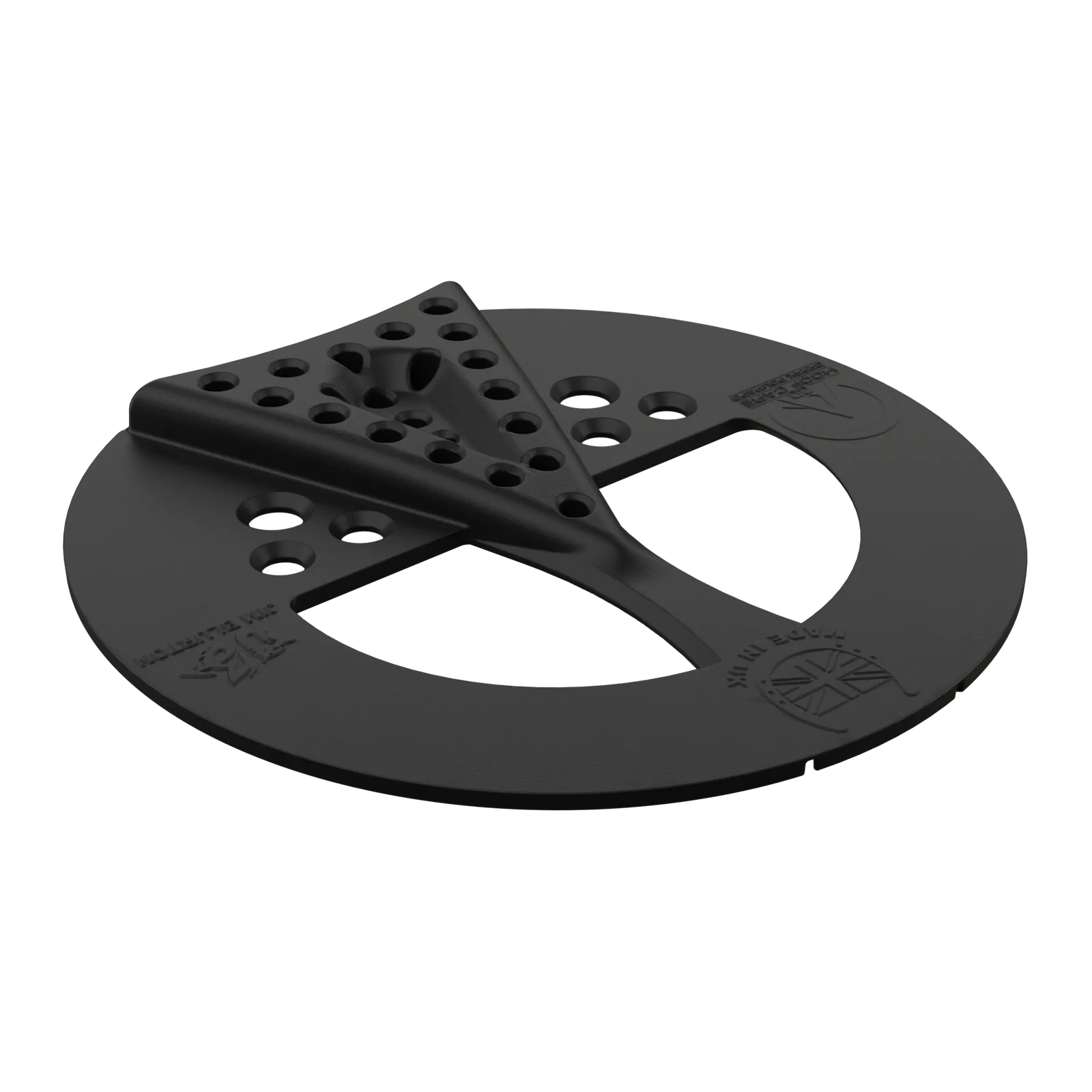
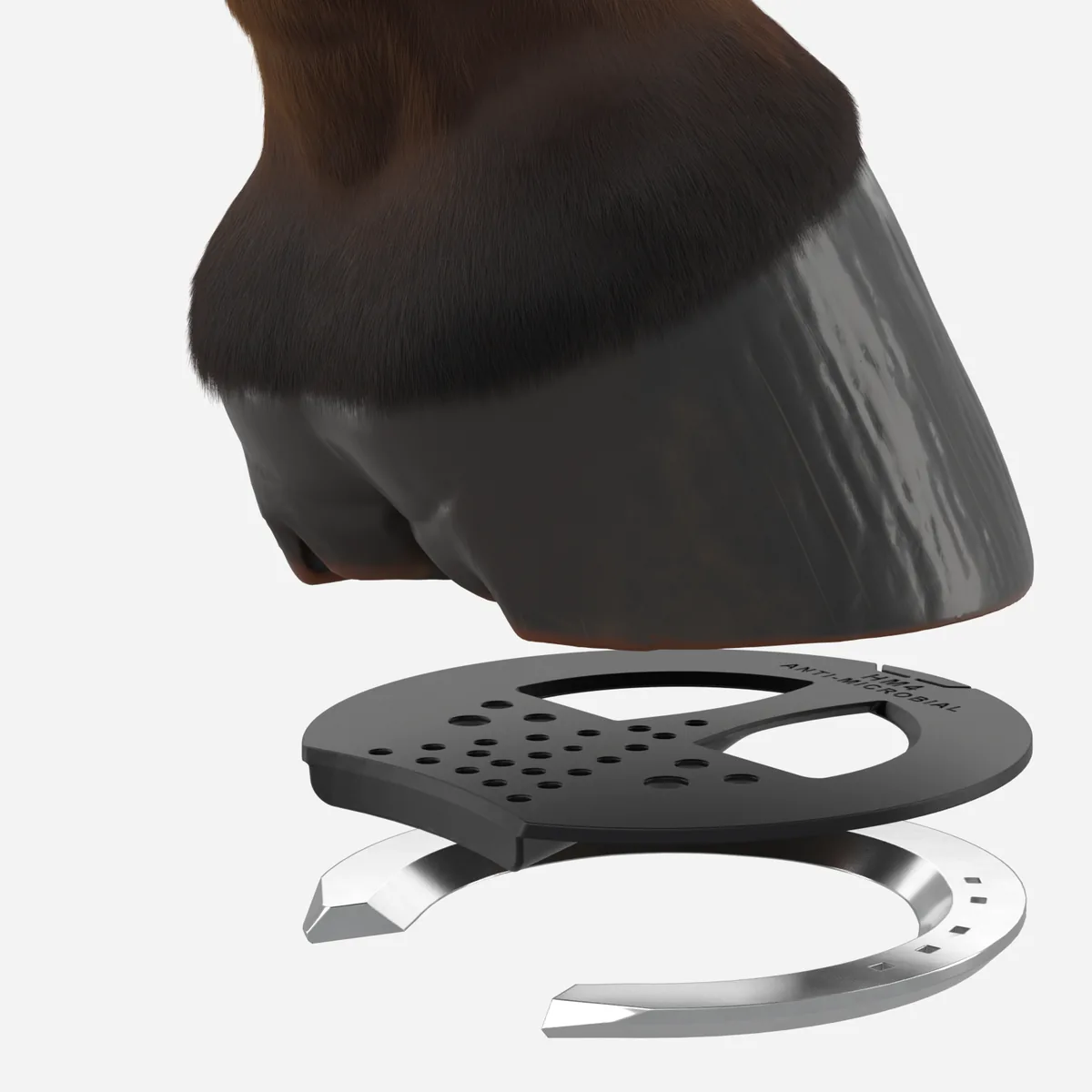
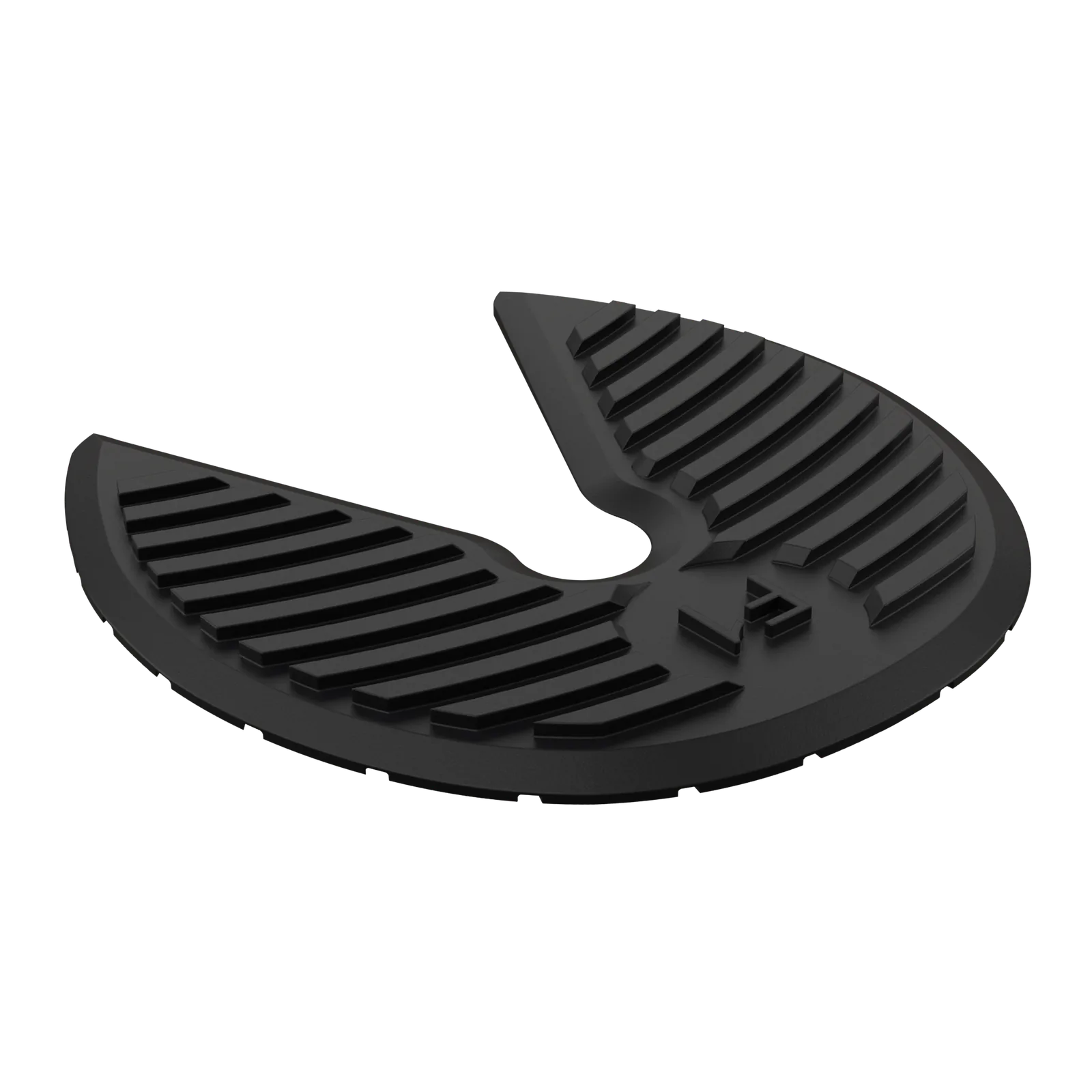
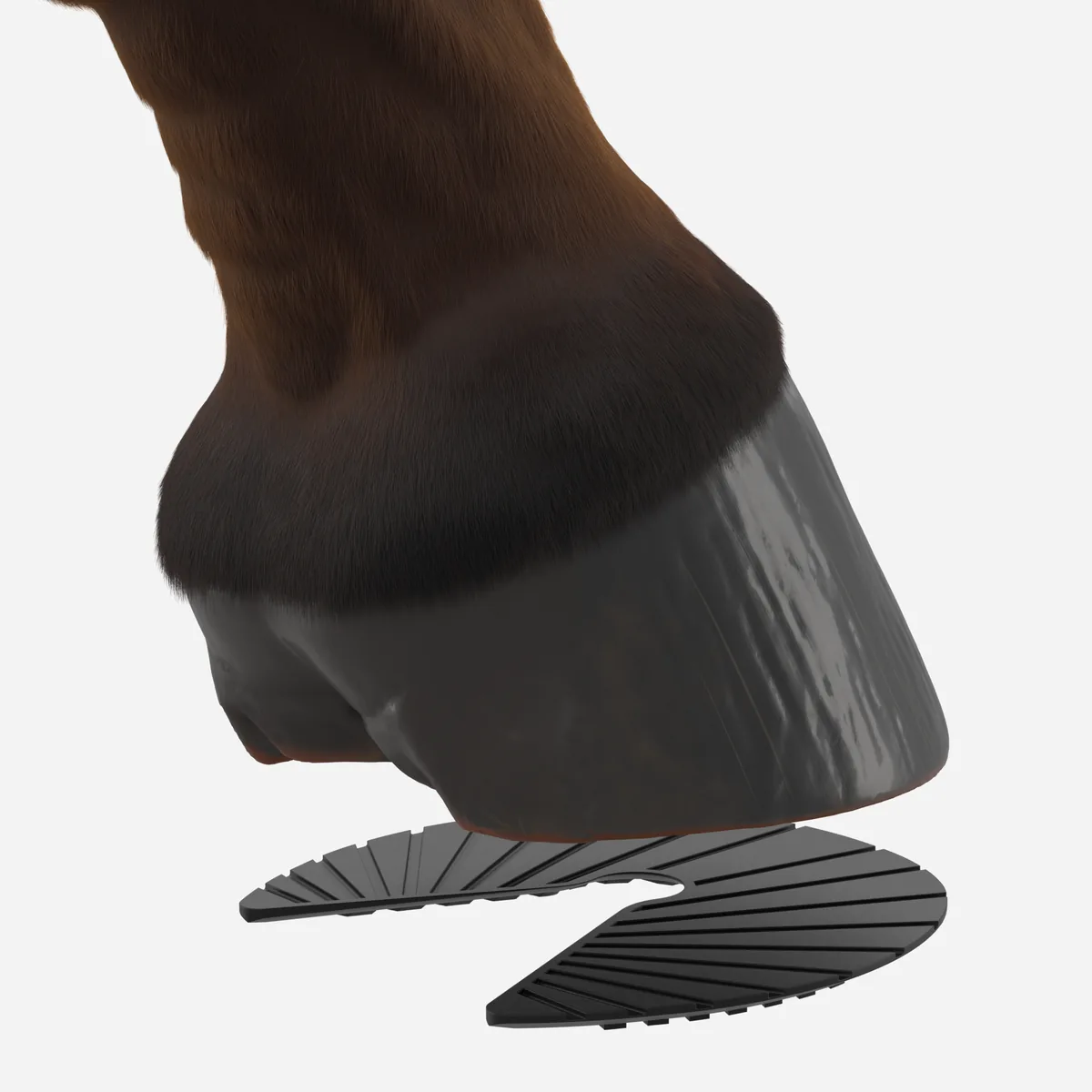
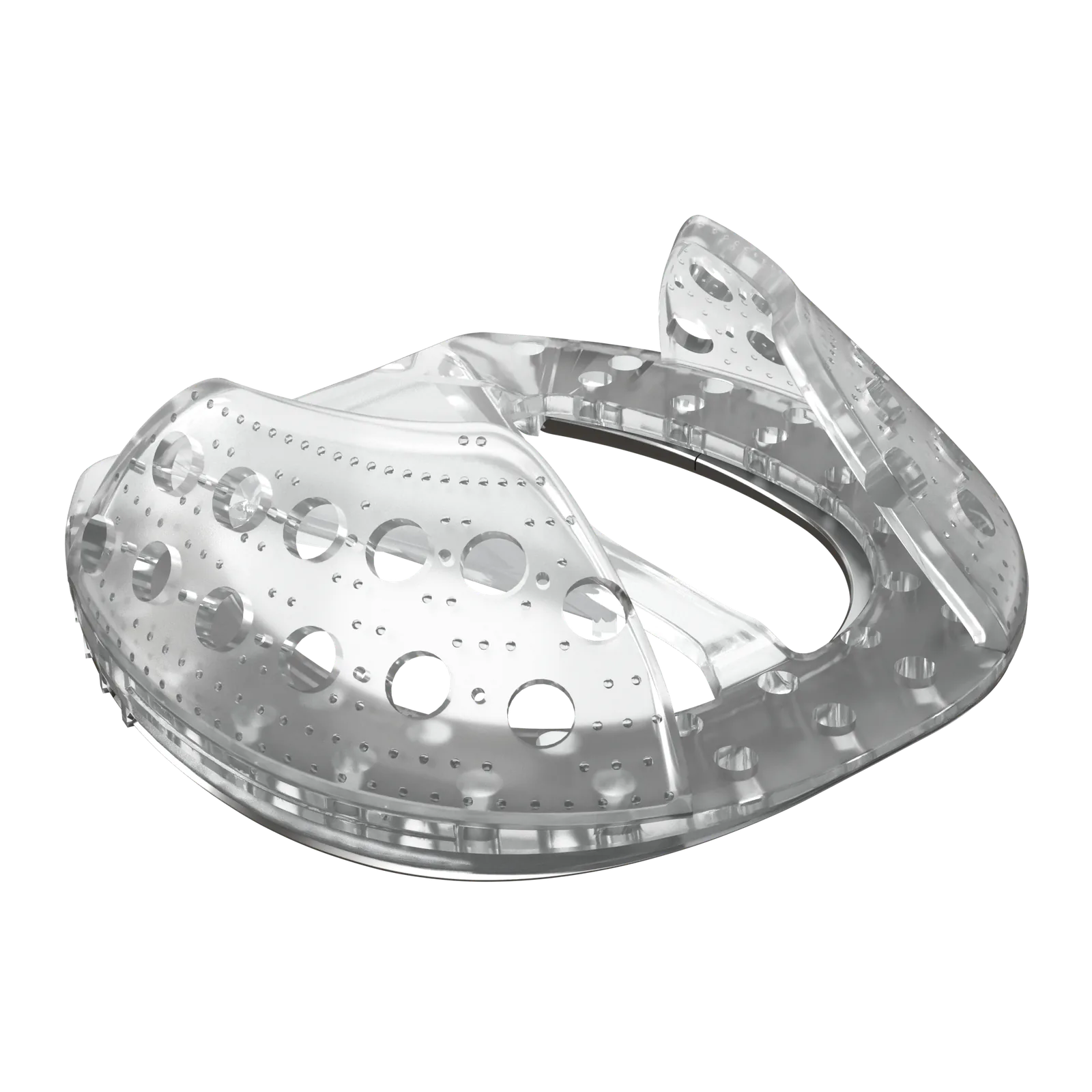
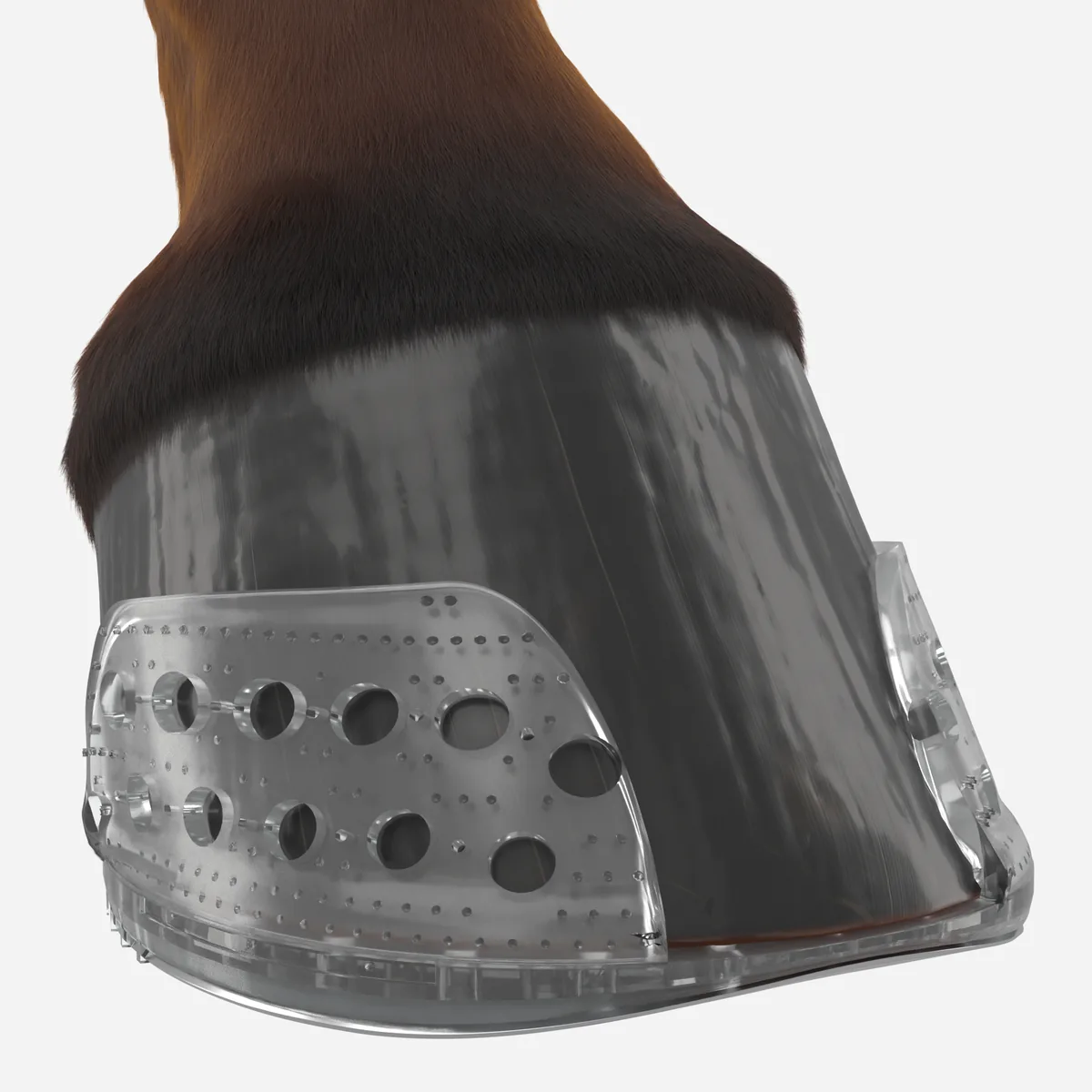
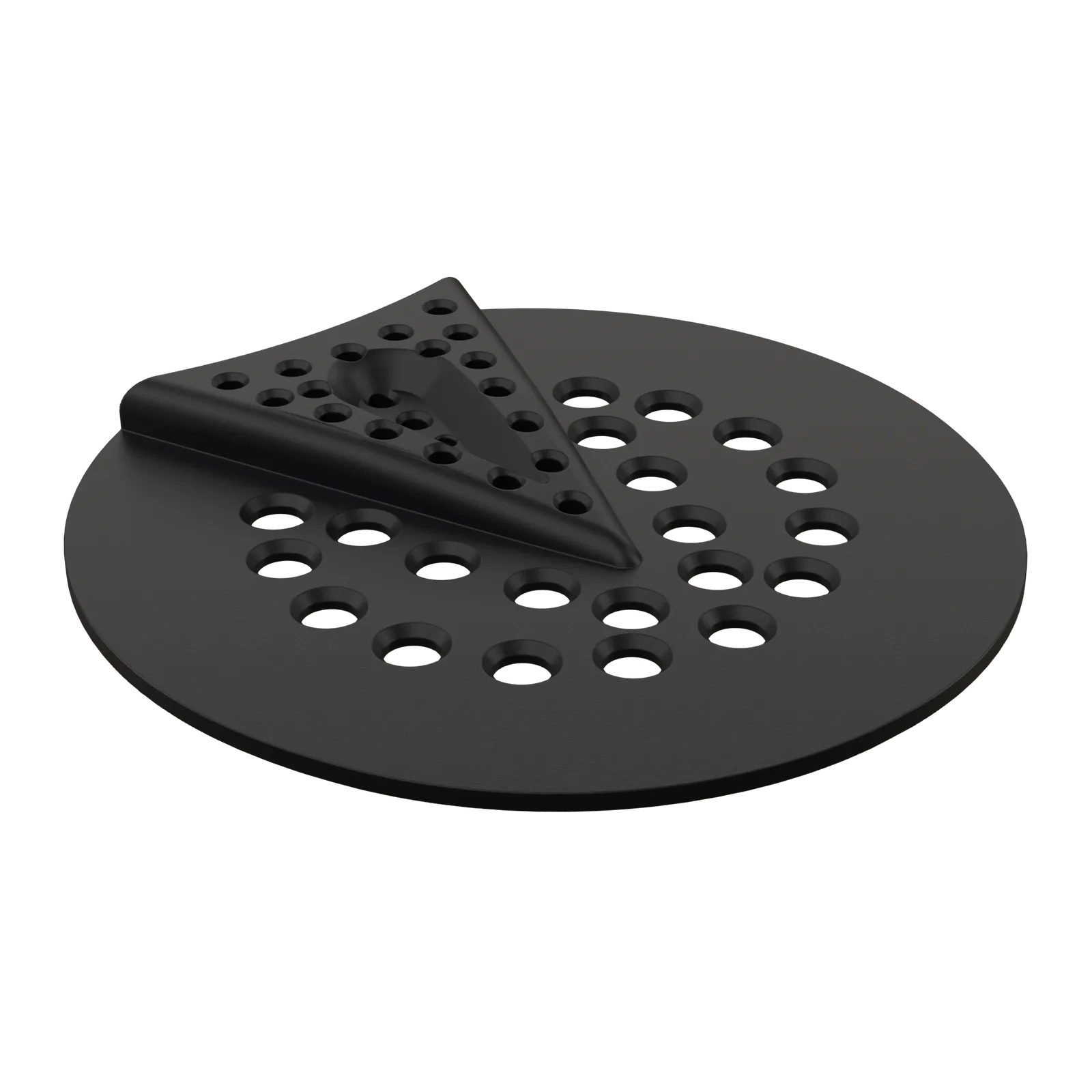
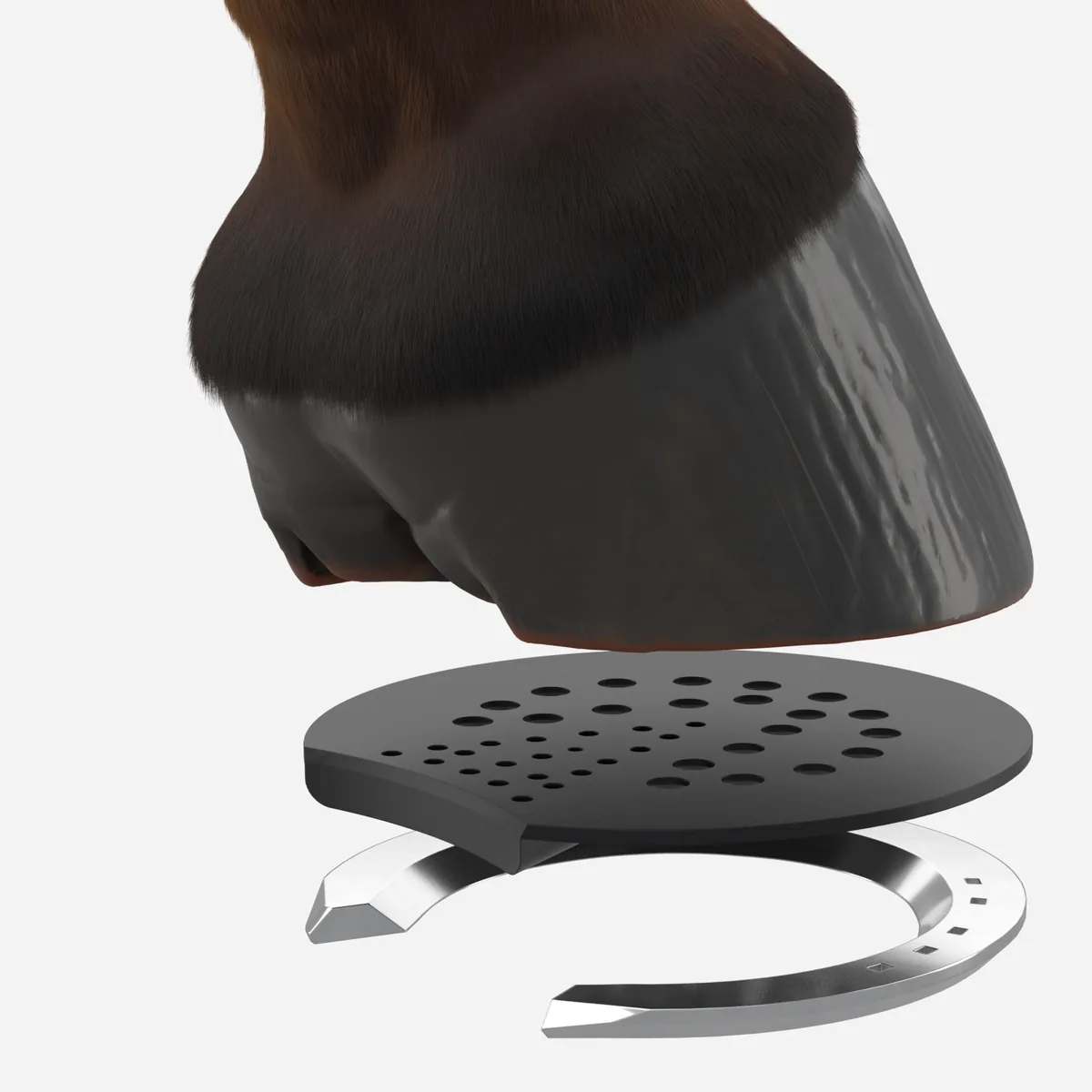
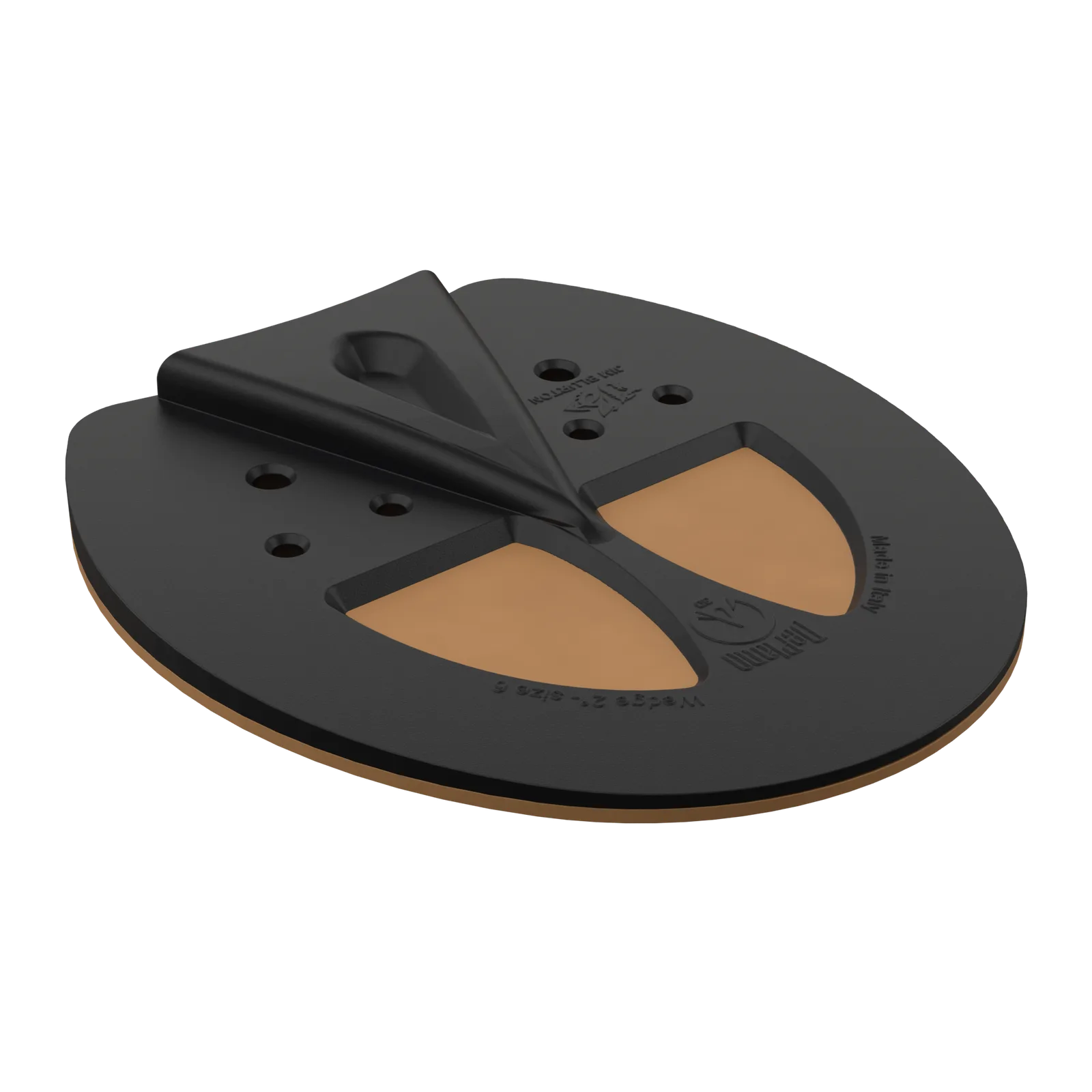
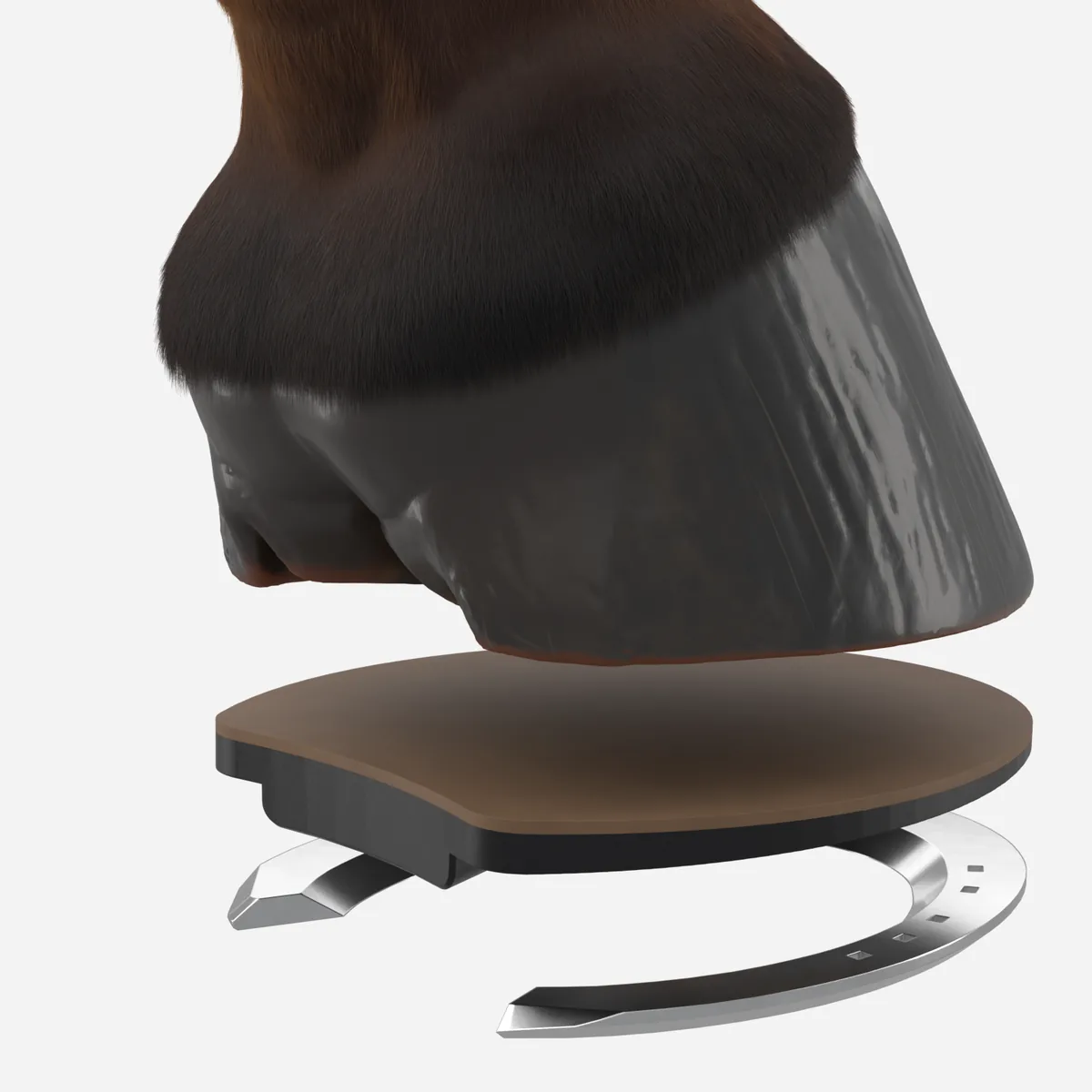
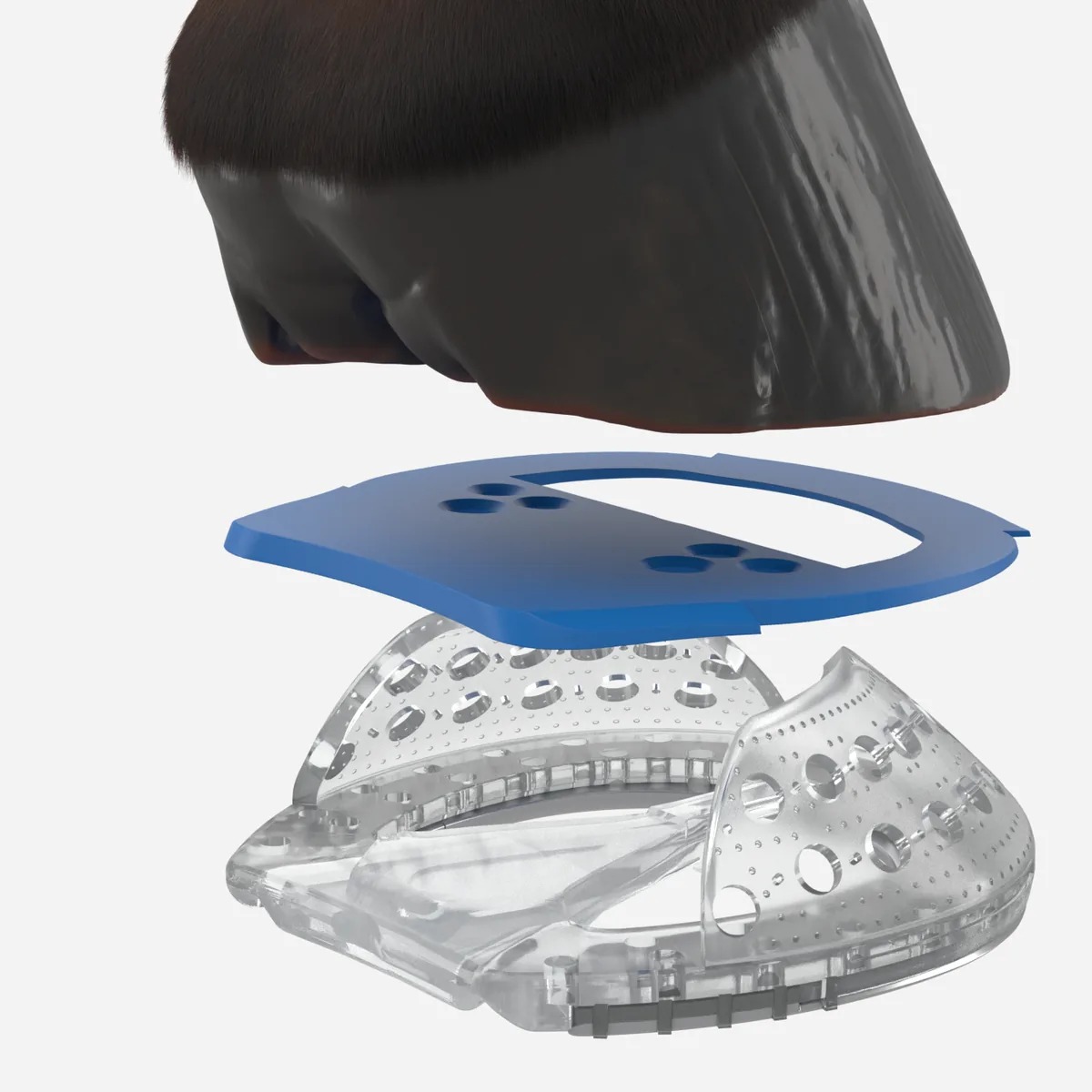
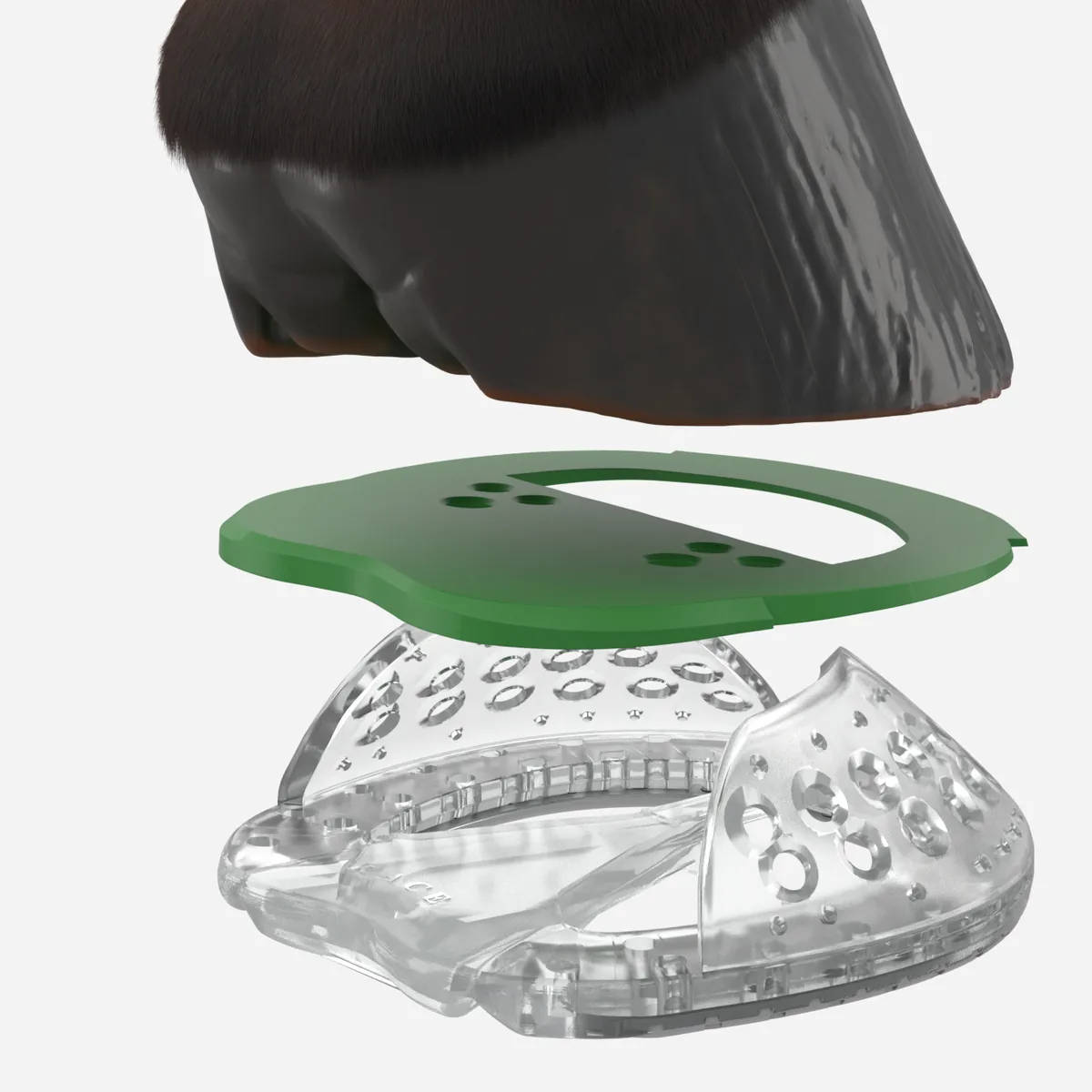
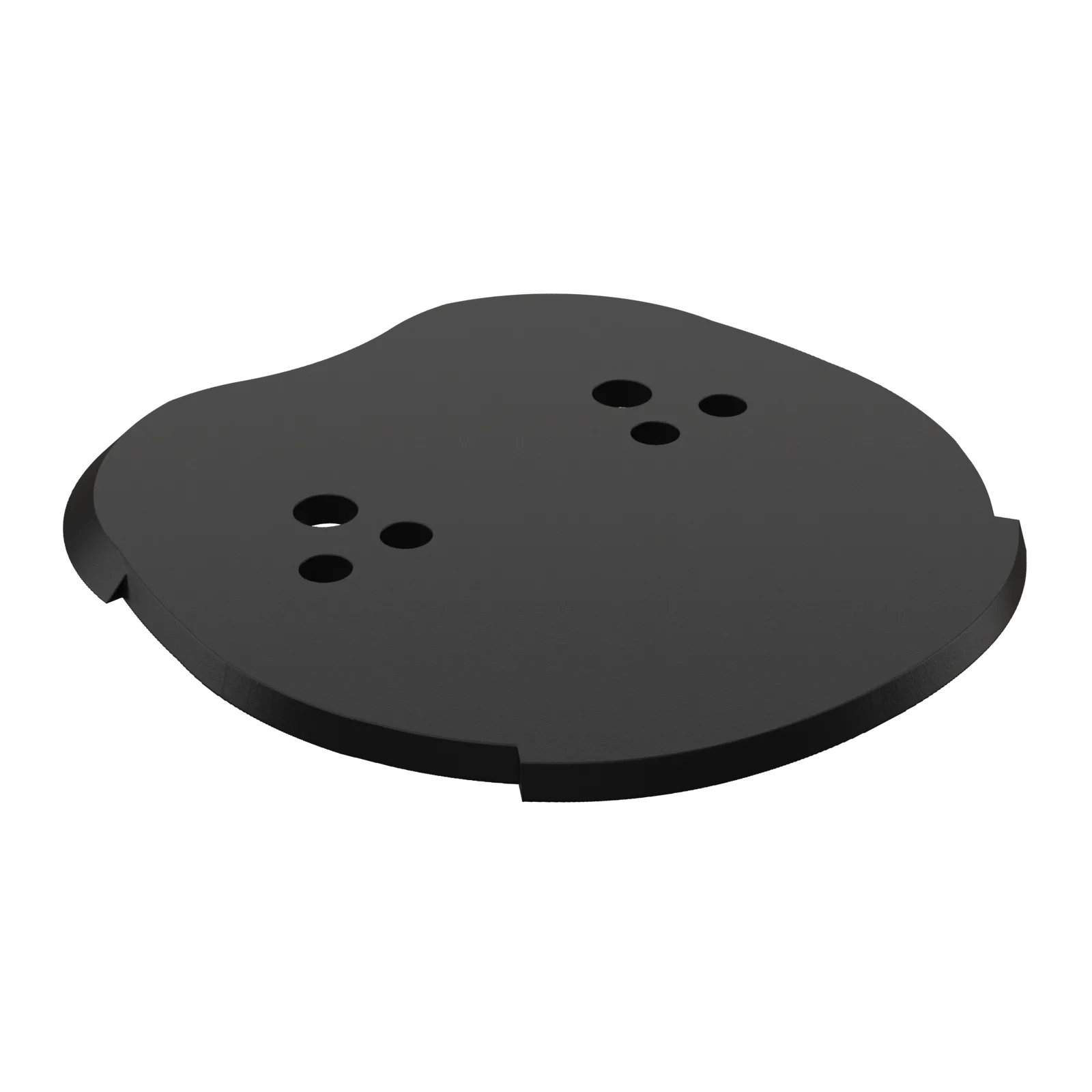
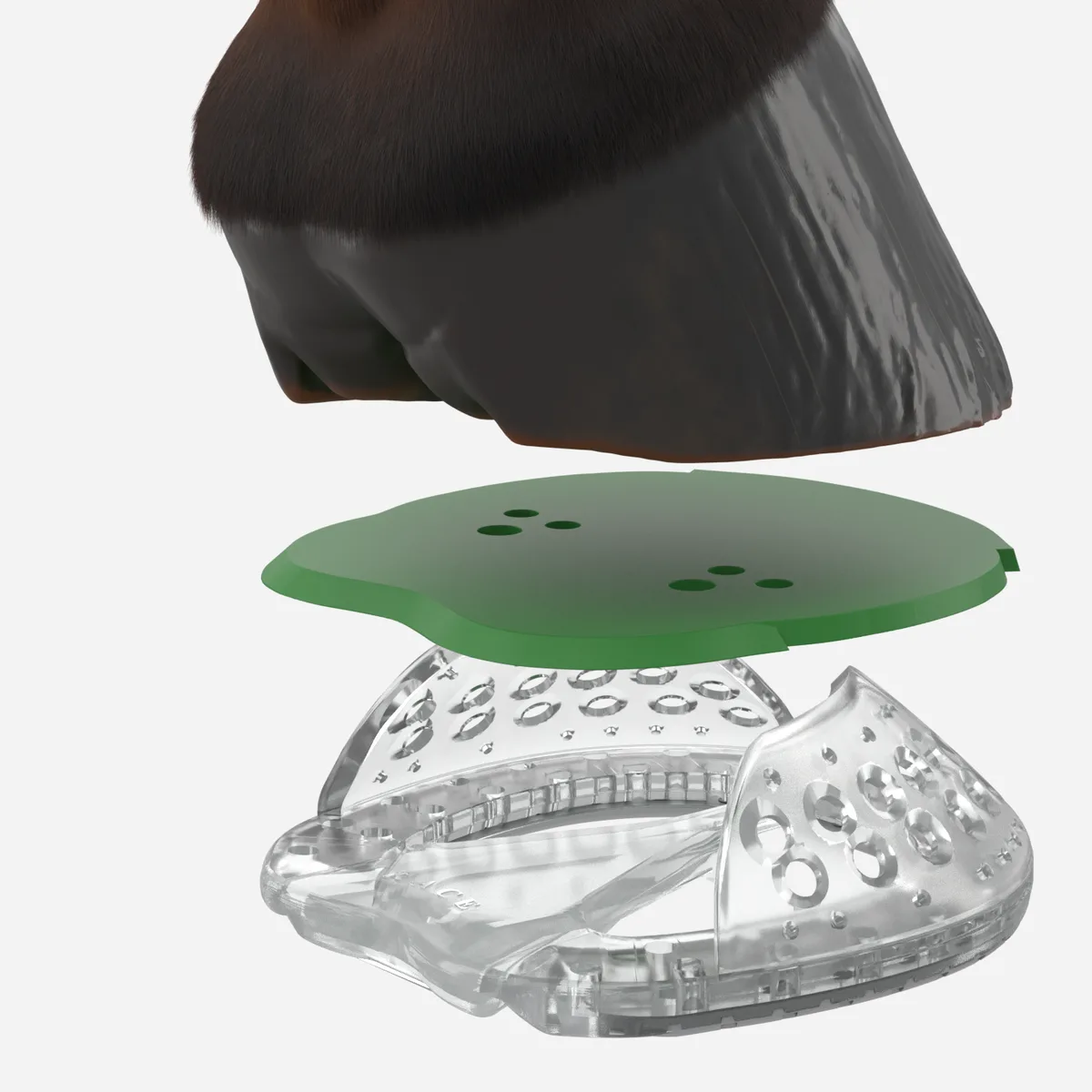
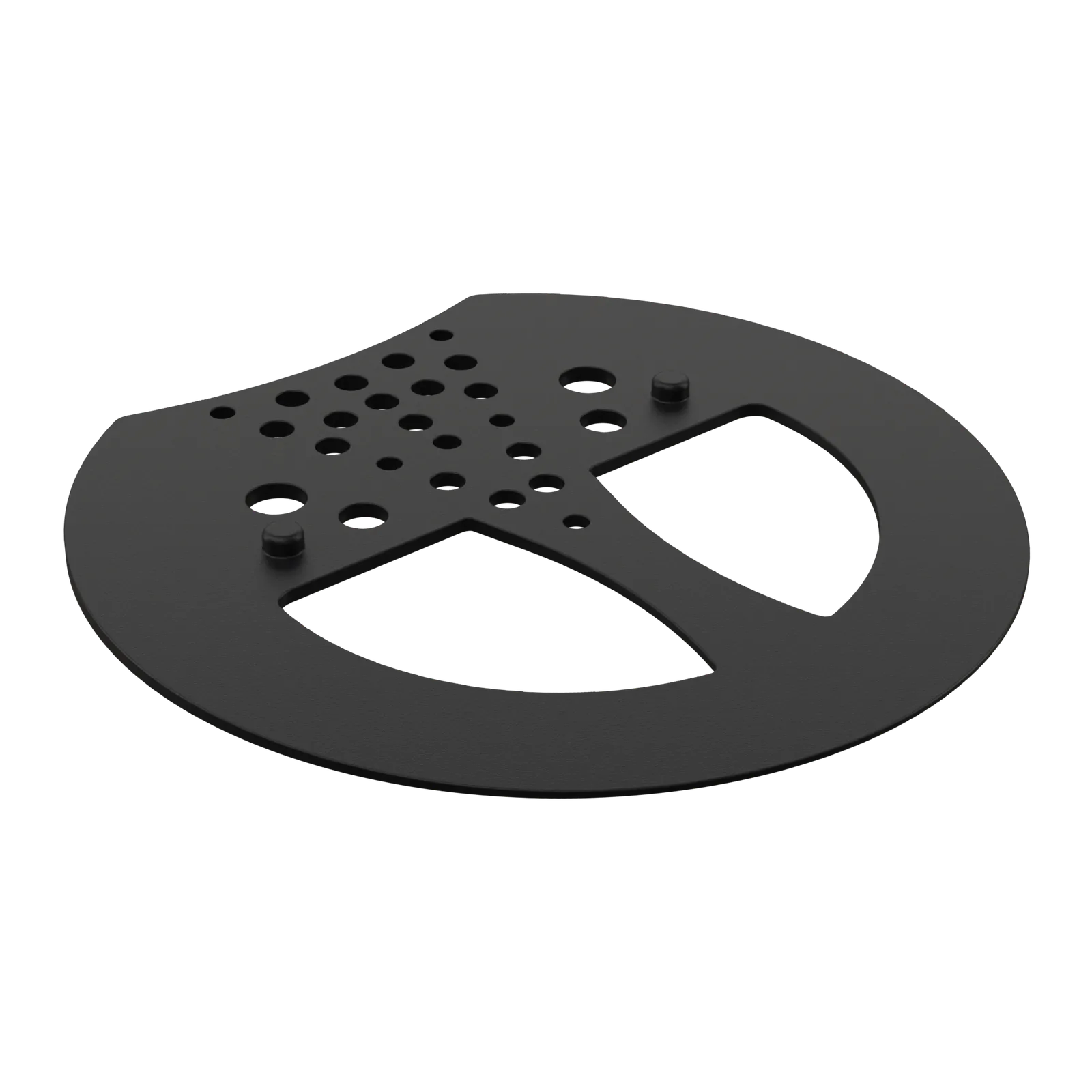
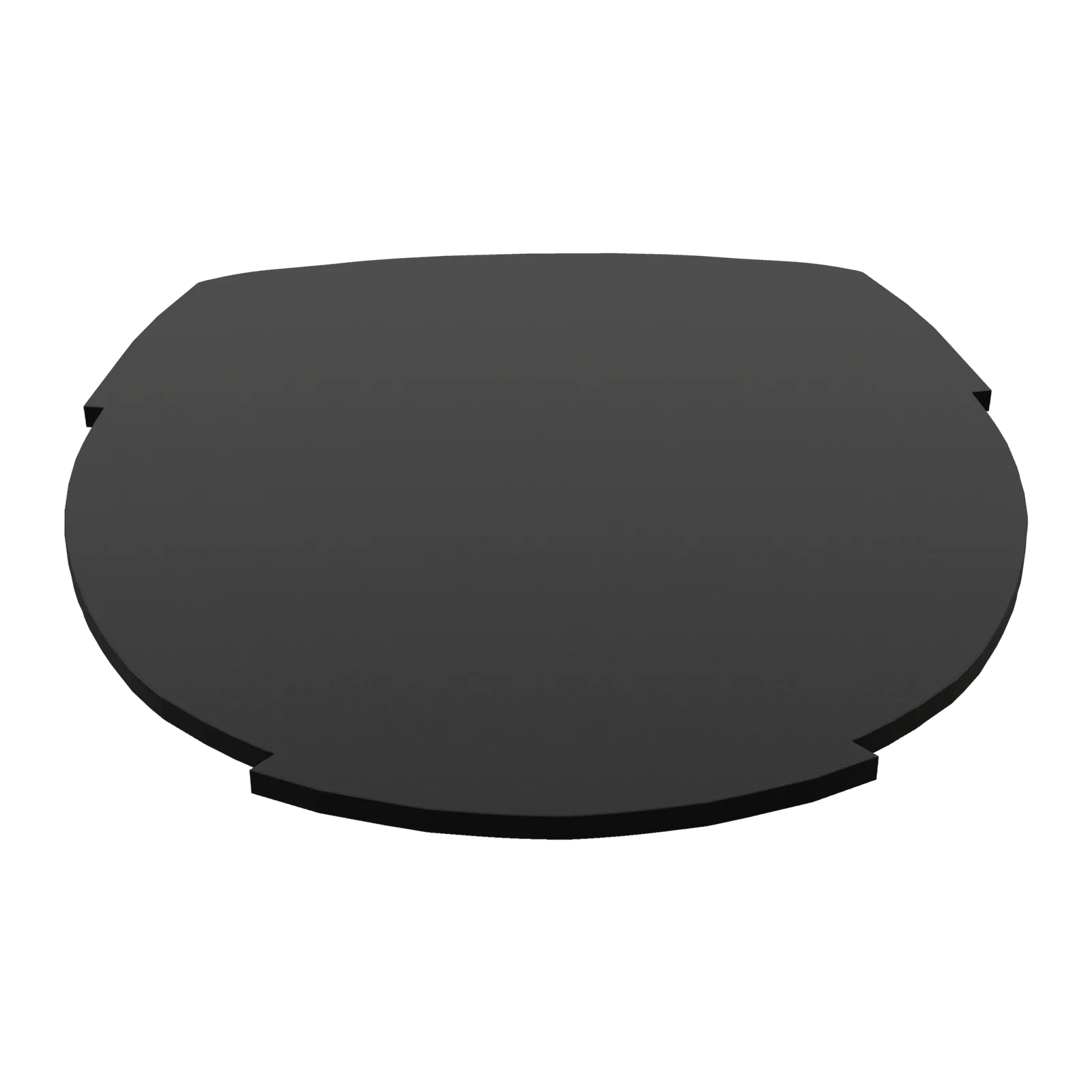
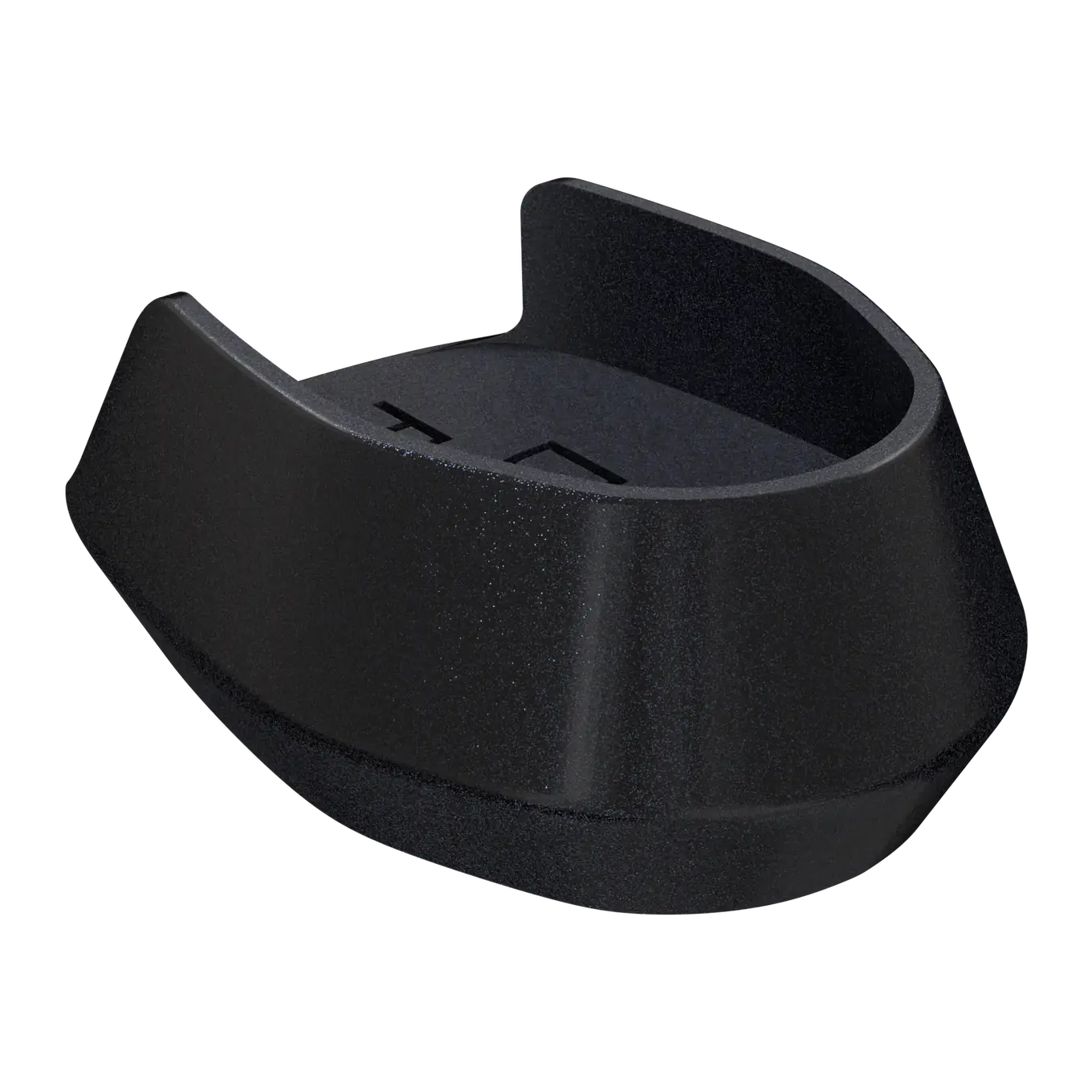
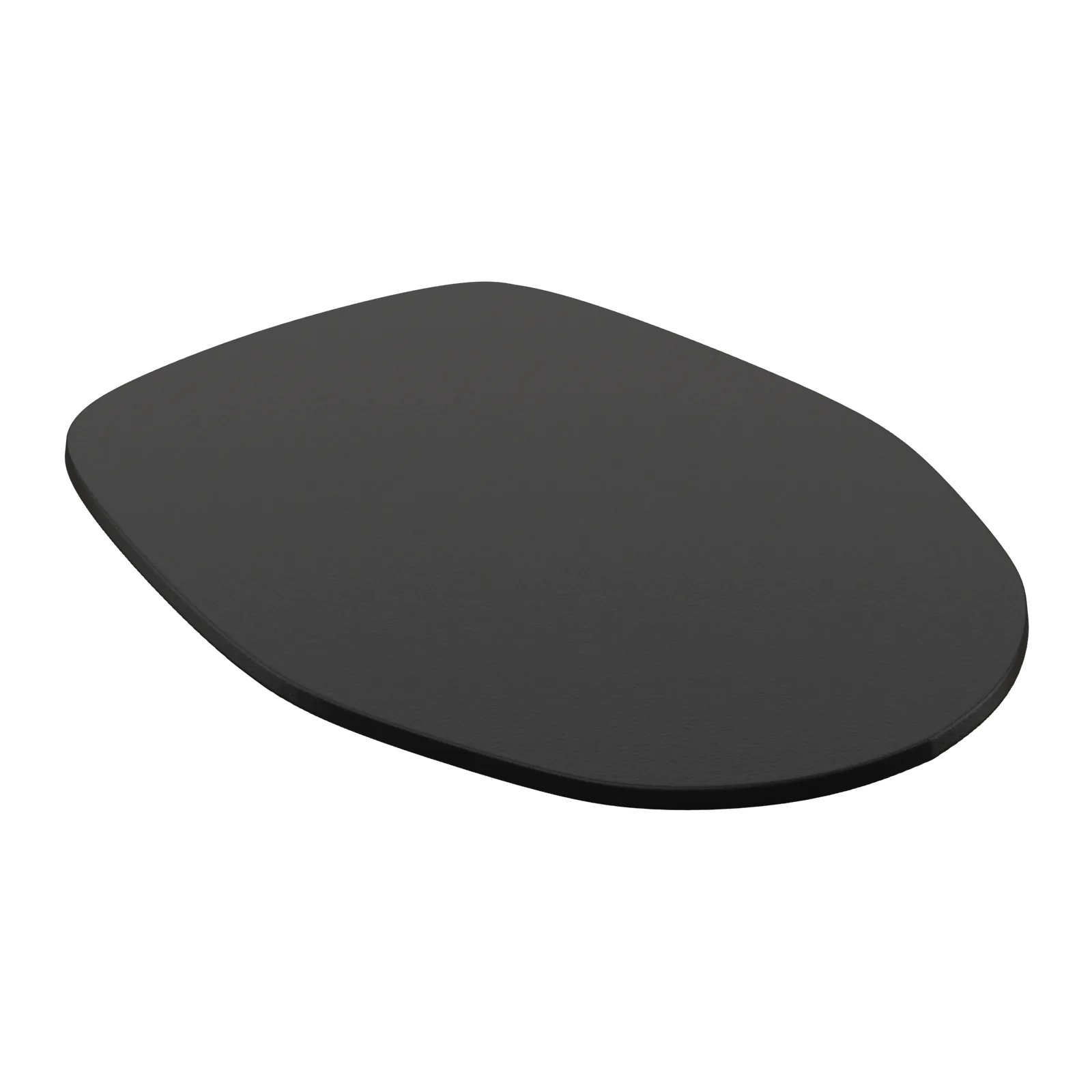
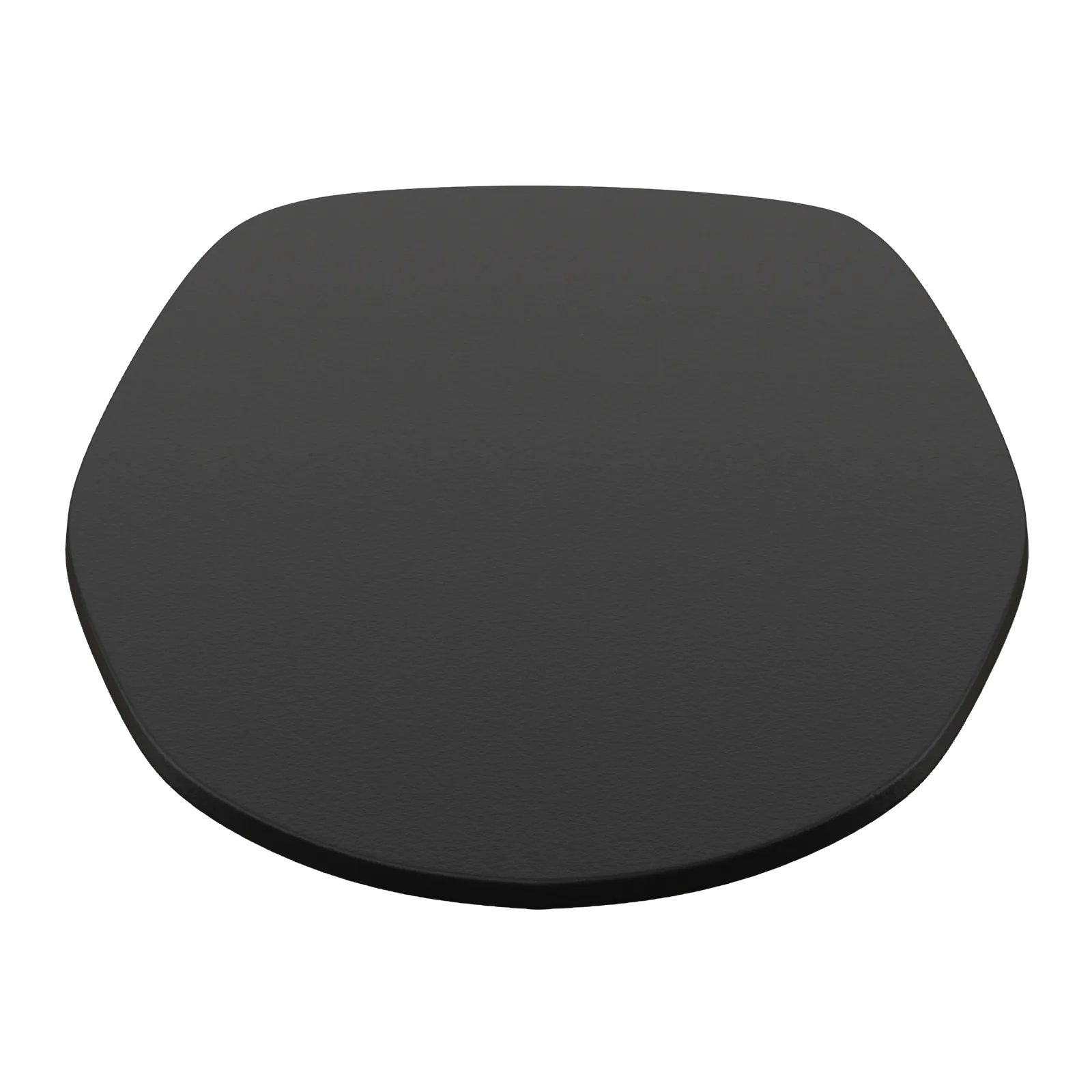
The MoreAid Donkey Squish Pad and Donkey Barefoot Protection Pad are designed for donkey anatomy specifically, shaped for the U-form foot and sized on donkey charts. Explore the full donkey range, and size using the donkey sizing guide, never a horse chart.
This guide is educational and is not a substitute for veterinary or farrier advice.