




Donkeys rarely make a fuss. Where a horse will limp, a donkey tends to stand still, lie down a little more, or move a little less, so hoof problems are often well along before anyone notices. Four problems turn up again and again in donkey feet, and knowing the quiet signs of each is one of the most useful things an owner can do.
Laminitis
Donkeys evolved on sparse, dry forage and are extremely efficient at using what they eat. On rich grass or a generous ration they gain weight easily, and overweight donkeys are at real risk of laminitis. Because donkeys hide pain, the early signs are easy to put down to age or temperament:
- Lying down more than usual, or reluctance to get up
- Shifting weight between the feet, or standing with the front feet slightly forward
- Moving slowly or reluctantly on hard ground or when turning
- Warm hooves, or a stronger pulse at the back of the fetlock
- Going off food, which in a donkey is always worth a call to the vet
Laminitis is an emergency in any equine. If you see these signs, call your vet straight away and keep the donkey on soft footing until they arrive. Do not fit pads or change the trim without their direction.
Overgrown and unbalanced hooves
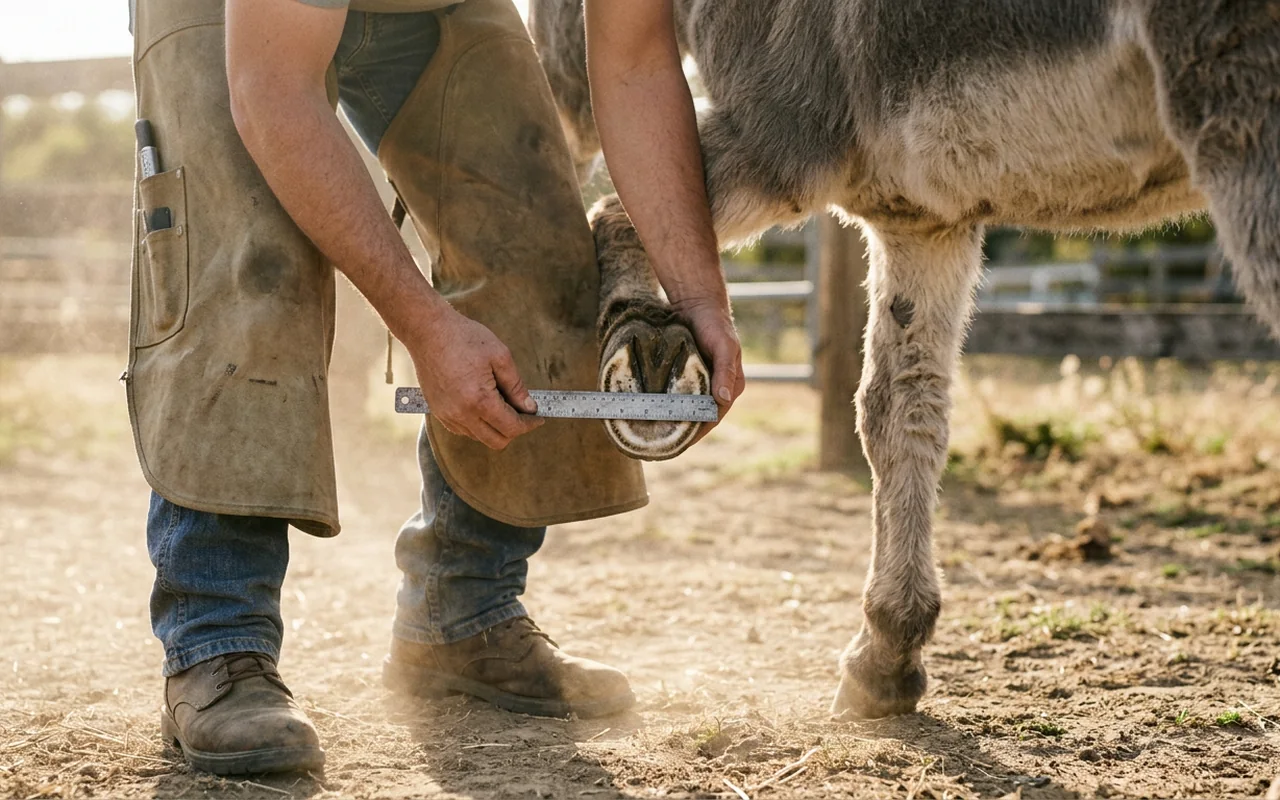
Donkey horn is tough and grows steadily, and in wetter climates and on soft ground it does not wear the way it would on the dry, rocky country donkeys come from. Left too long between trims, the toes grow long and the feet can curl into a slipper shape that changes how the whole leg is loaded. Long feet also hide other problems, including white line separation underneath.
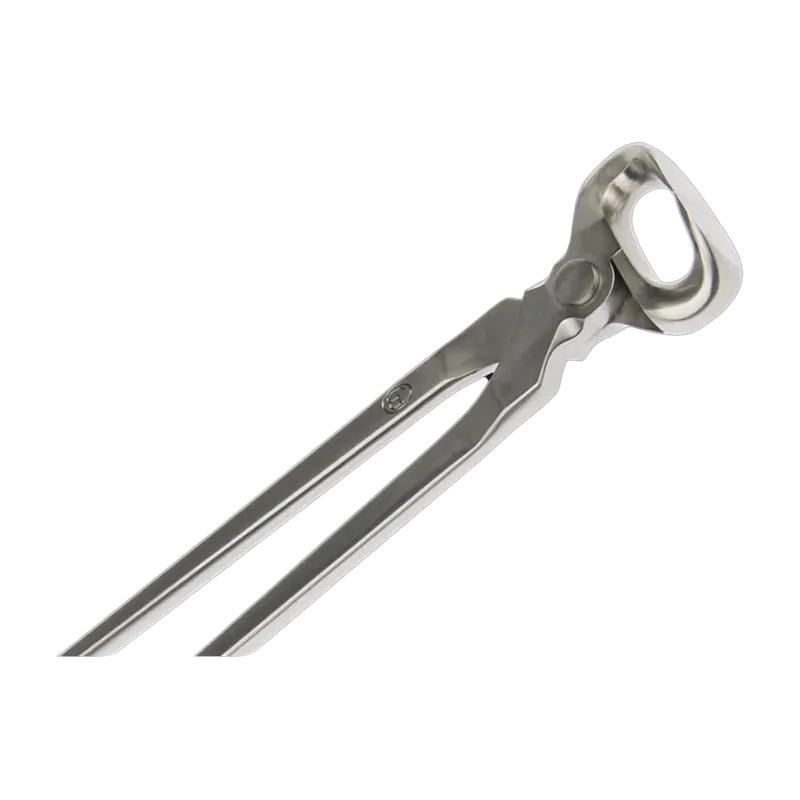
Most donkeys need a trim every 6 to 10 weeks from a farrier or trimmer who knows donkeys. A donkey foot trimmed to look like a horse foot is not a balanced donkey foot; our guide to donkey hoof anatomy explains why.
White line disease
White line disease is a separation between the hoof wall and the sole, usually starting at the toe or quarters, where the inner wall turns crumbly and chalky. Damp conditions and overgrown feet make it more likely, and it can travel a long way under a wall that looks normal from the outside. Signs to watch for:
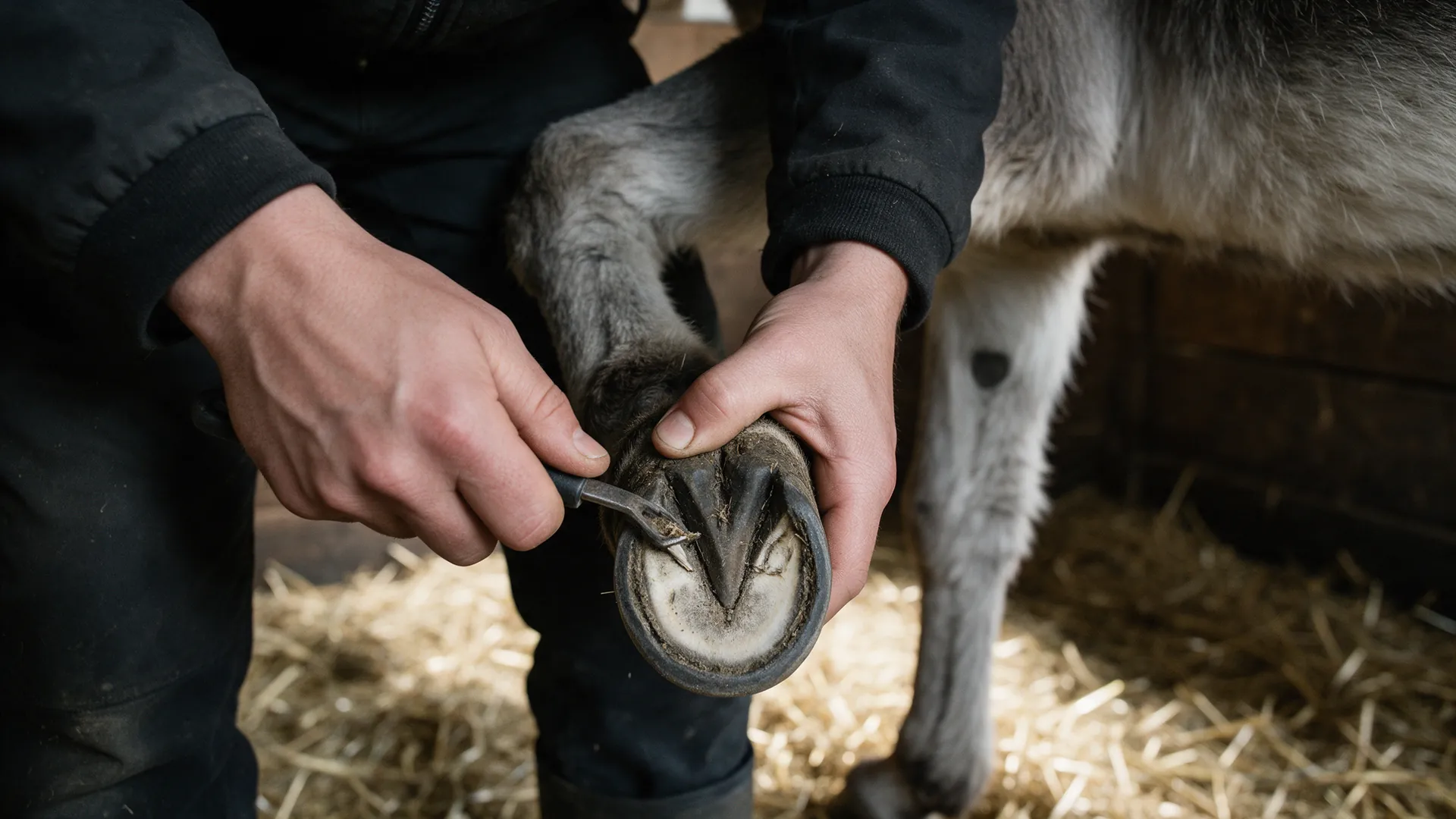
- A powdery, gray or chalky white line when you pick out the foot
- Small pockets or gaps where the wall meets the sole
- A hollow sound when the wall is tapped
- A wall that seems to be flaring or lifting at the toe
Your farrier or vet will need to assess how far it goes and remove the affected horn. The sooner it is found, the smaller that job usually is.
Thrush
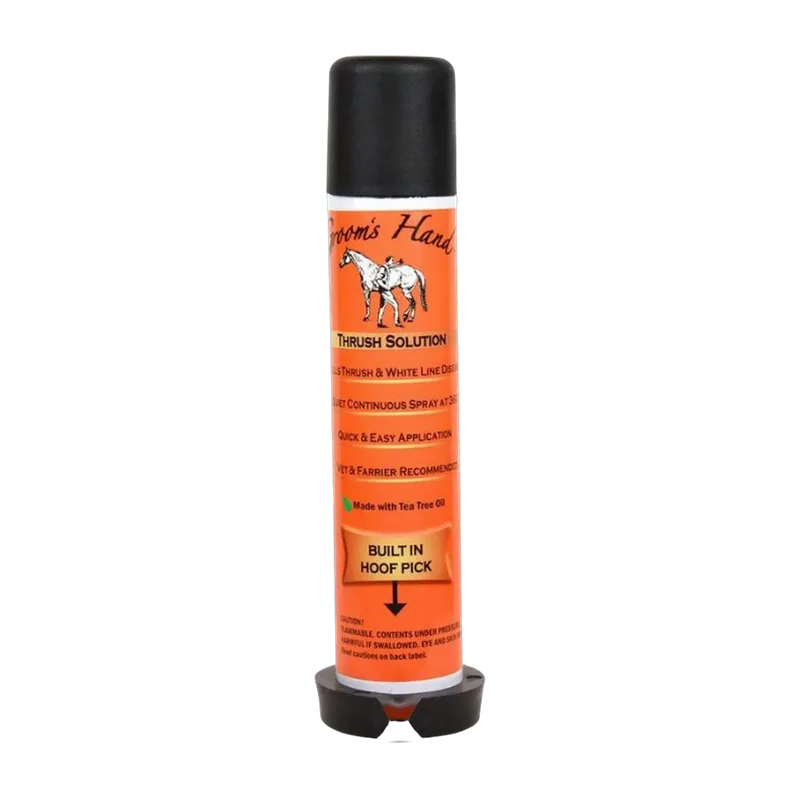
Thrush is a bacterial infection of the frog, most often in feet that stand on wet or dirty ground. You will usually smell it before you see it: a black, foul-smelling discharge in the grooves either side of the frog, and a frog that looks ragged or soft. Deep thrush can make a donkey sore. Dry standing, clean bedding and daily picking out go a long way, and your farrier can advise on trimming the frog and keeping the grooves open.
Prevention is mostly routine
- Pick feet daily. It takes a minute per foot and is the best early warning you have.
- Keep them dry. Donkey feet do best with a dry standing area, a shelter and some firm ground.
- Keep them lean. Weight control is the biggest single thing an owner can do about laminitis risk.
- Book regular trims. Every 6 to 10 weeks, with someone experienced in donkeys.
- Watch behavior, not just feet. Changes in how much a donkey lies down, eats or moves are often the first sign.
Where products fit
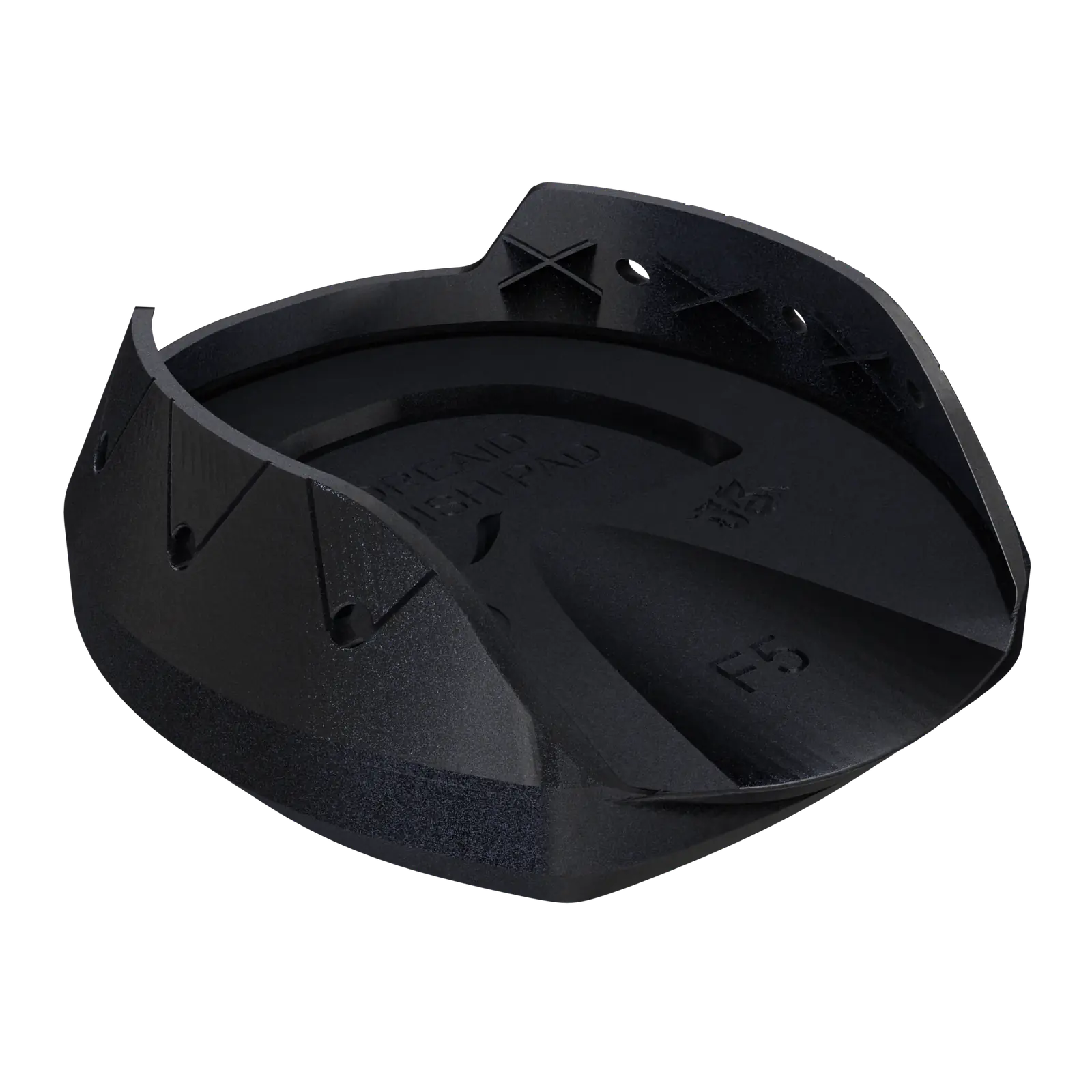
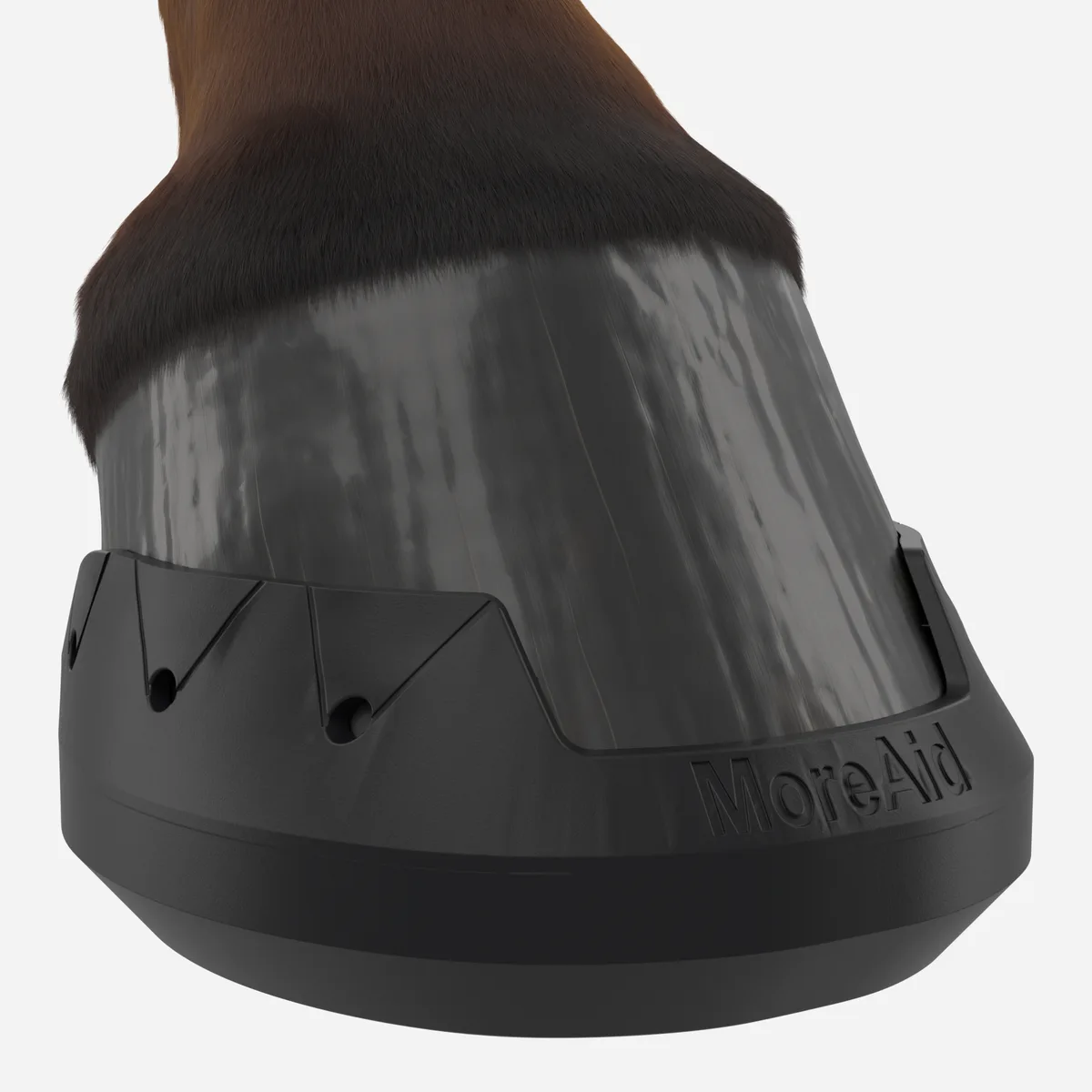
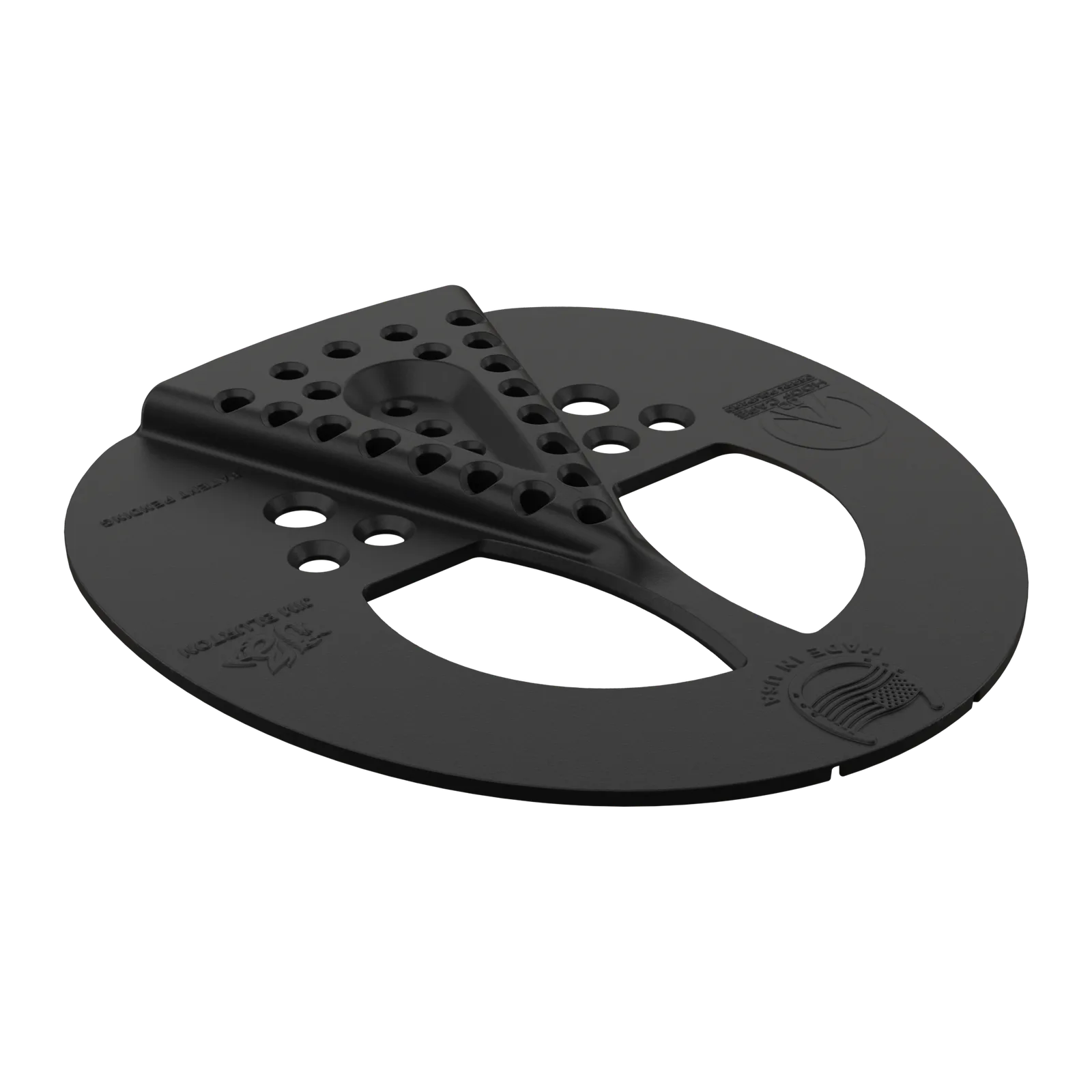
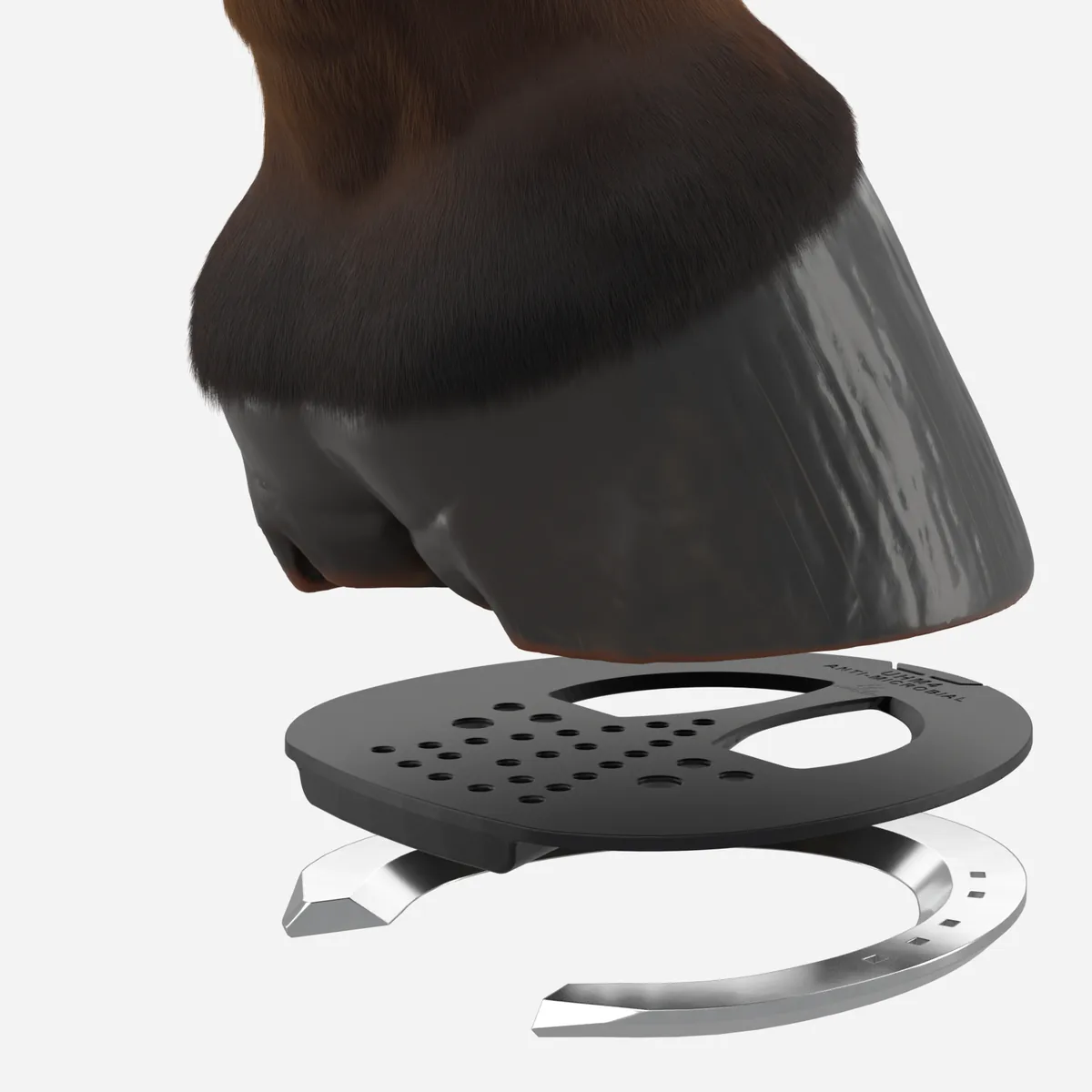
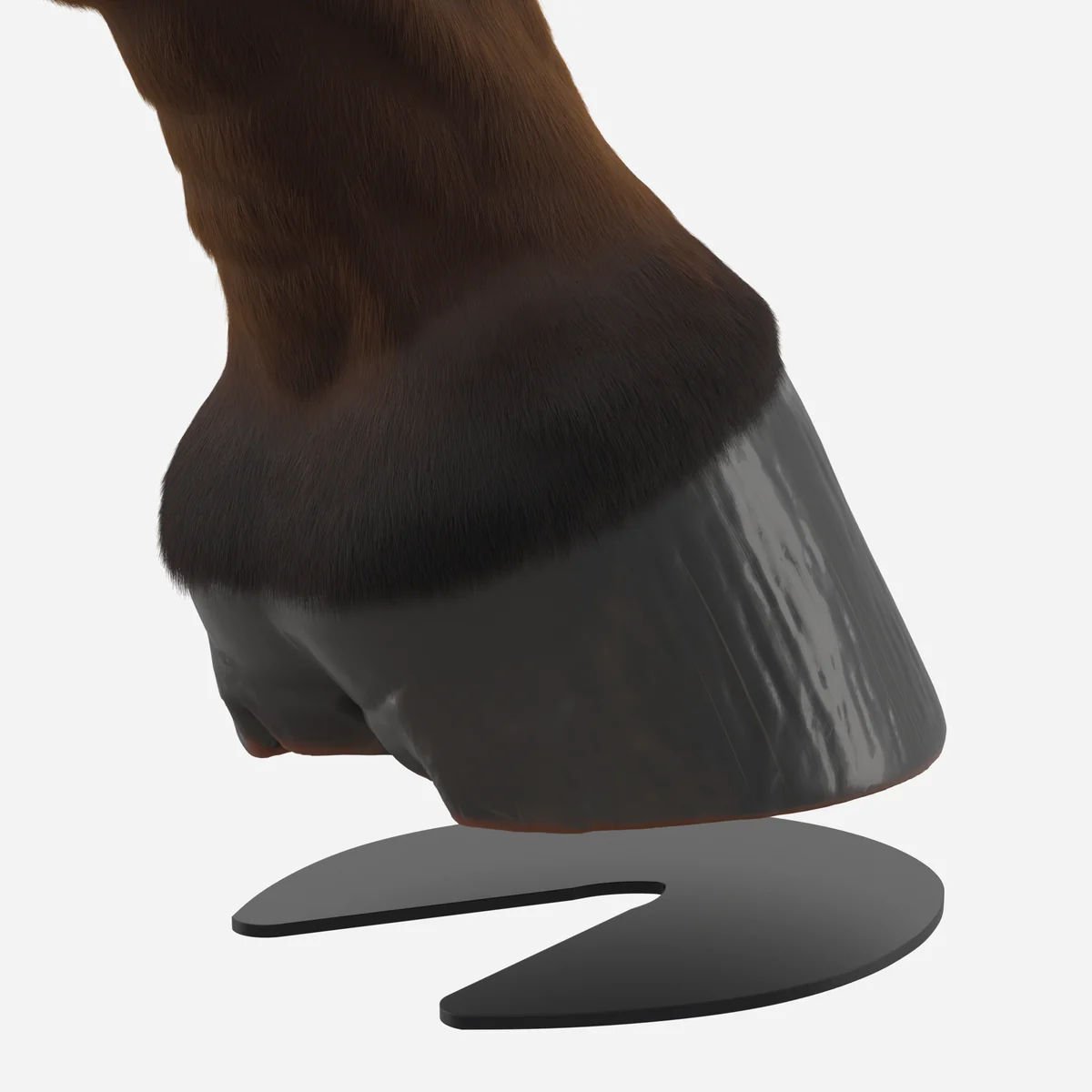
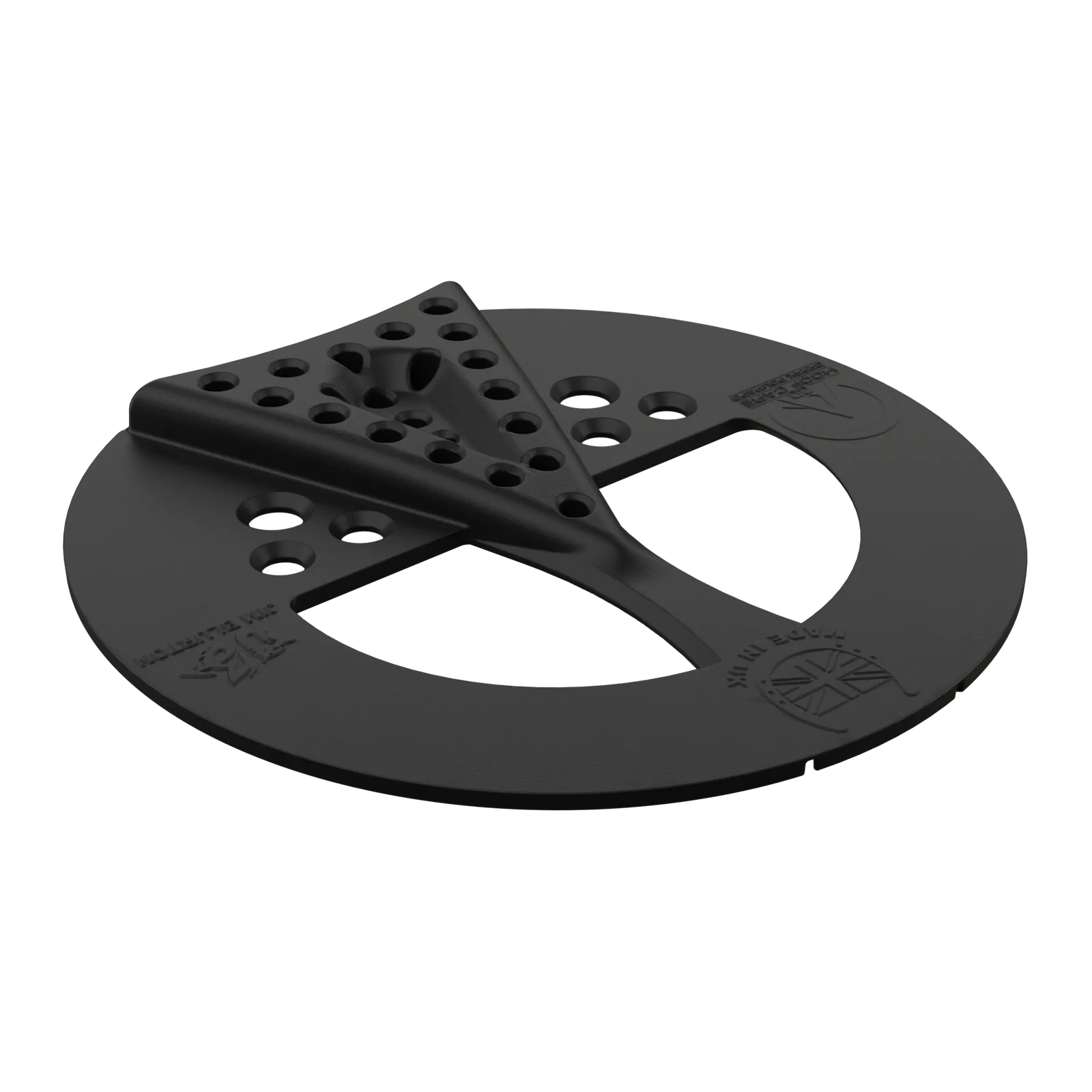
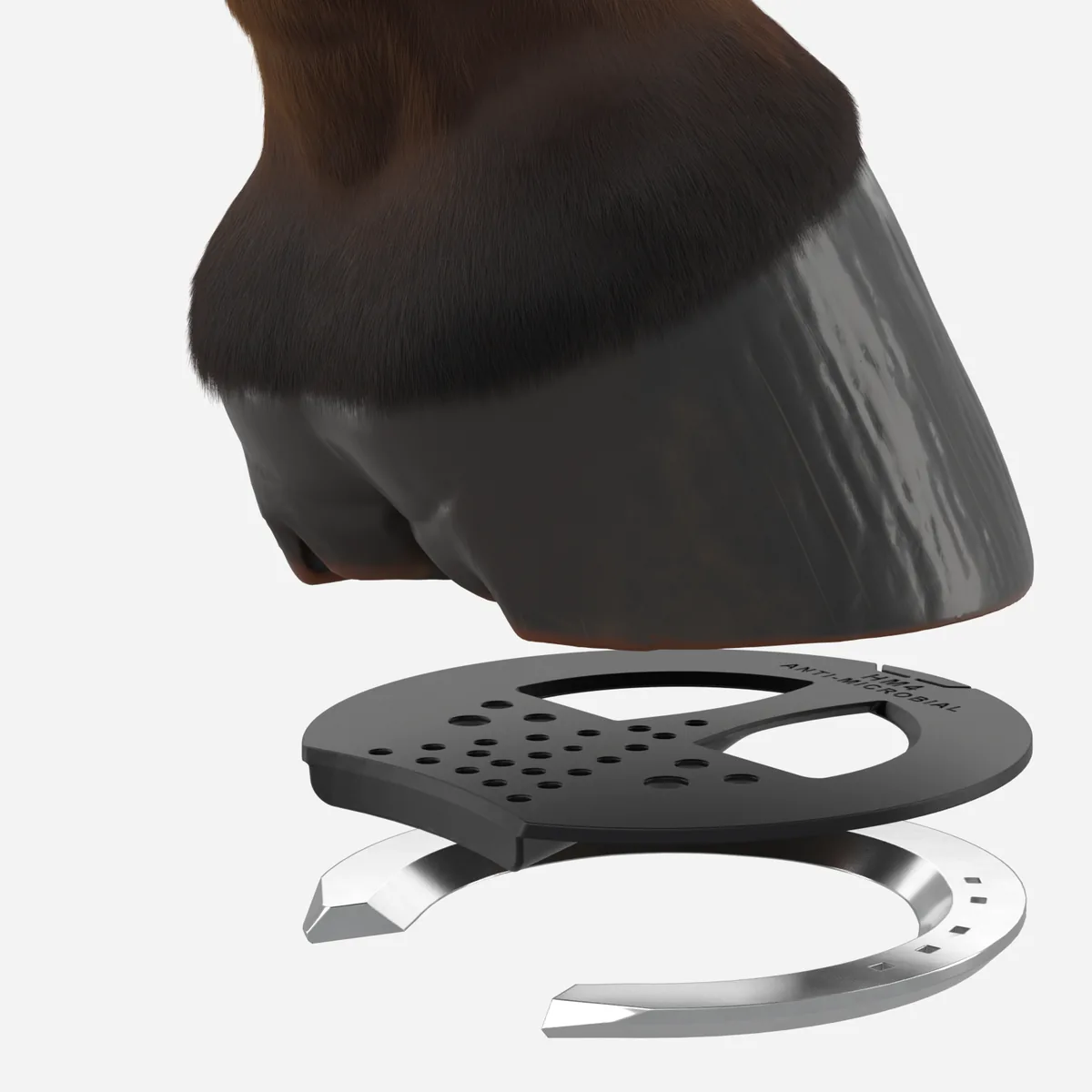
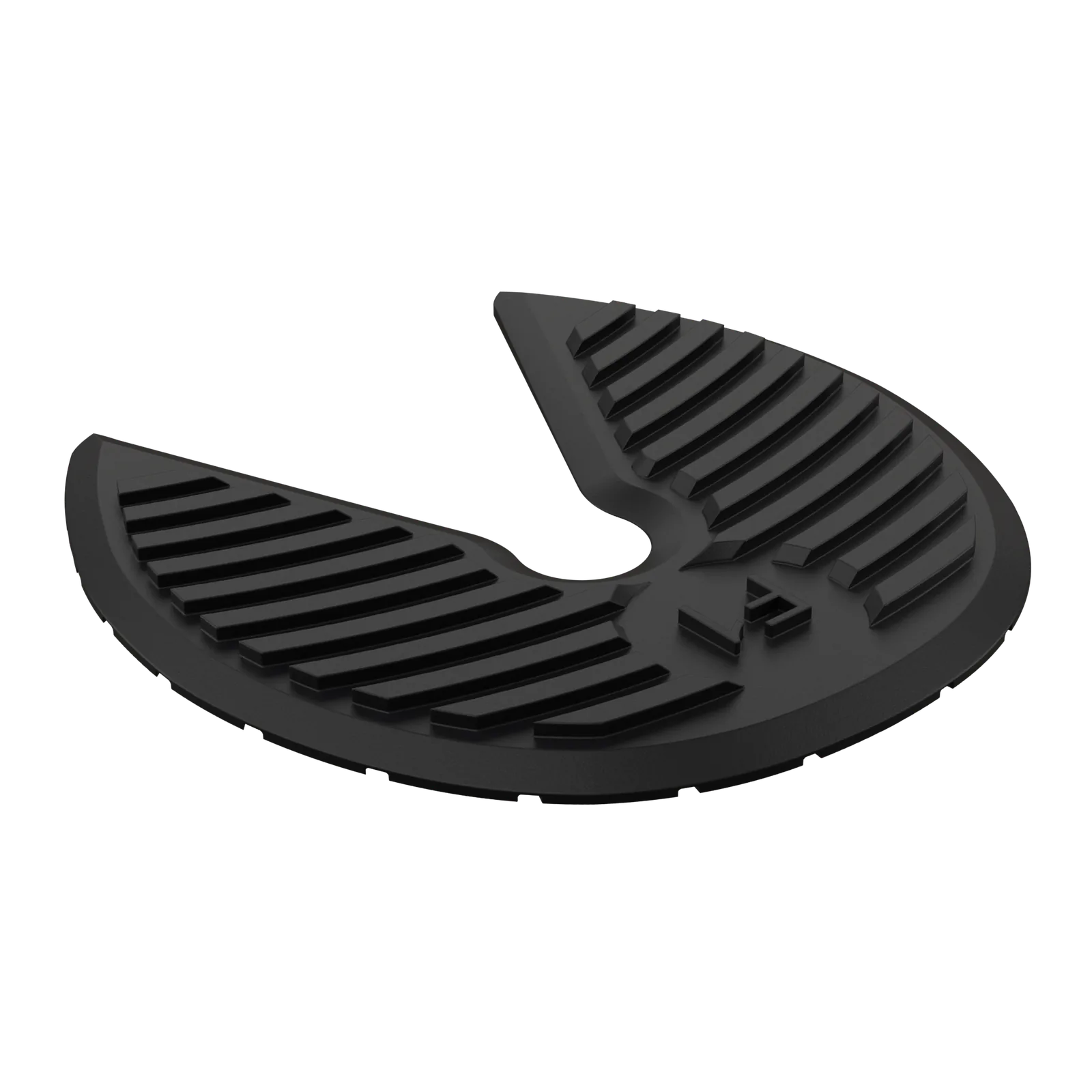
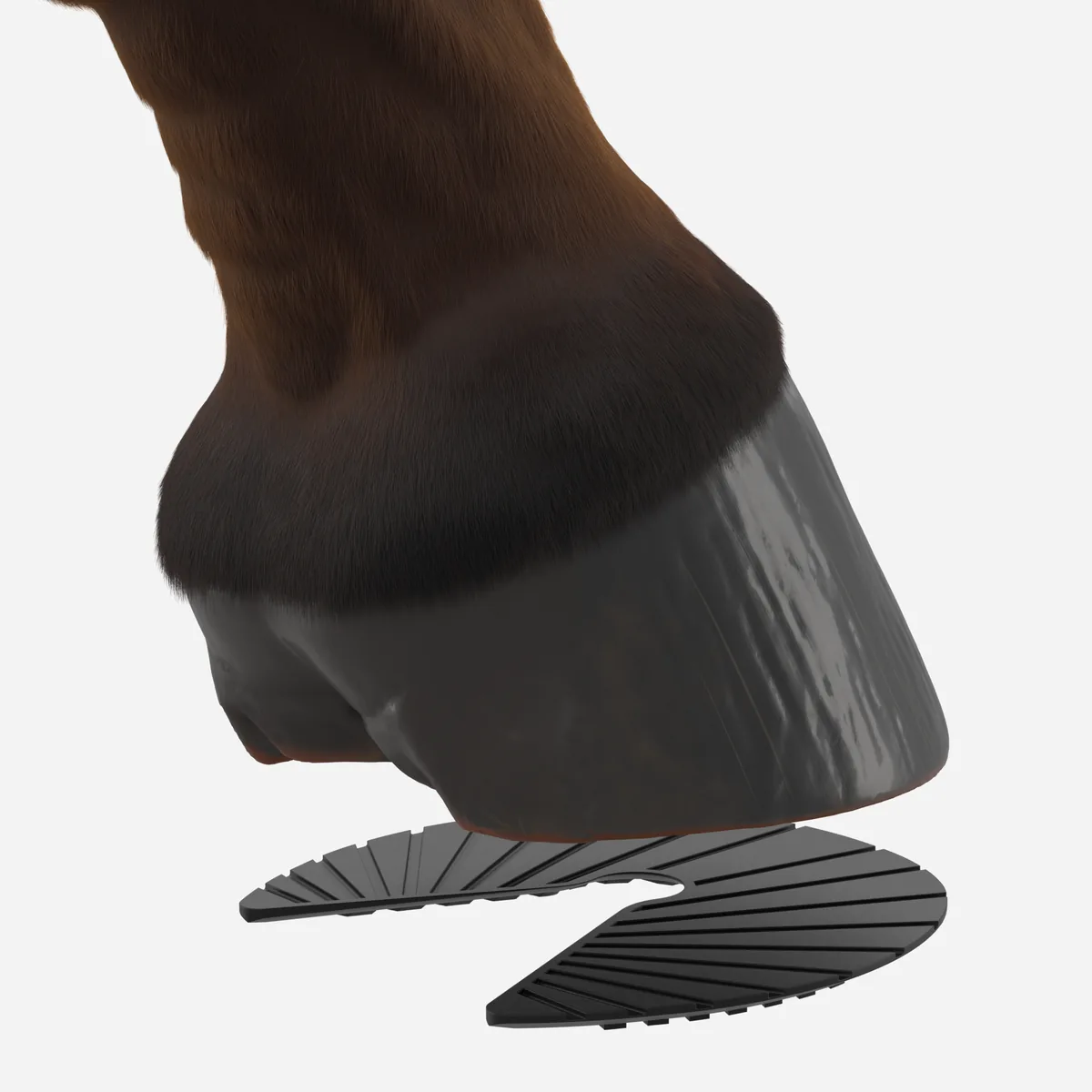
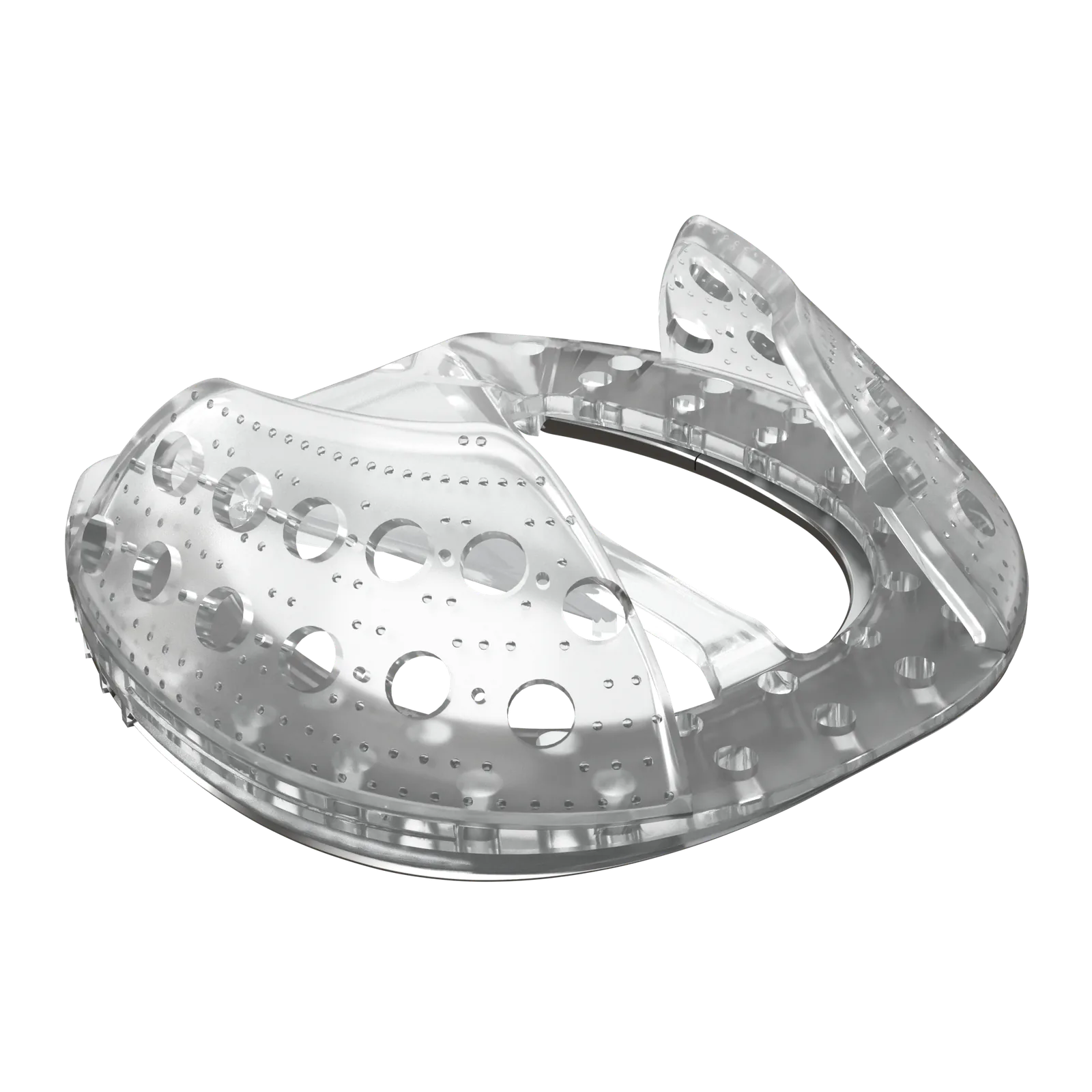
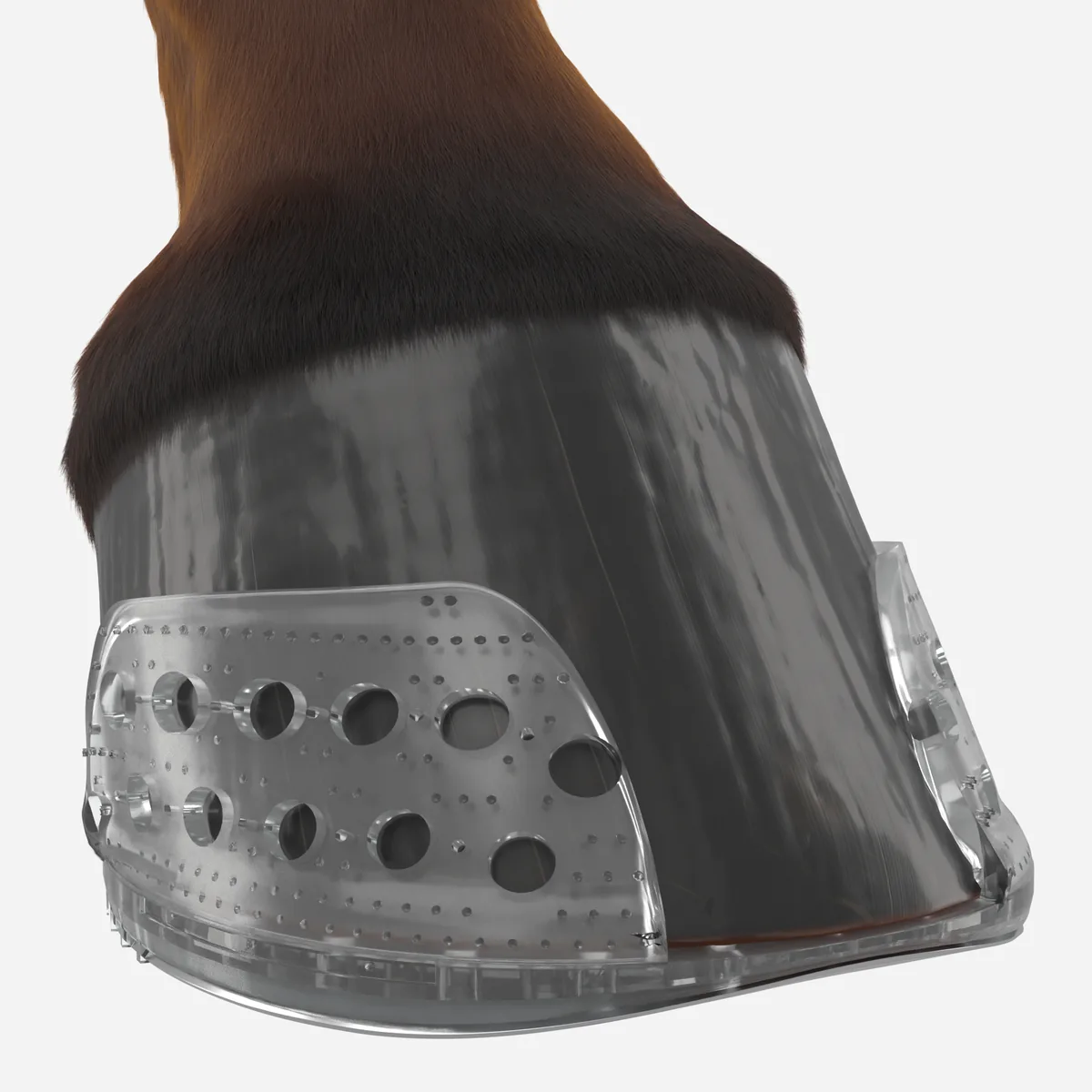
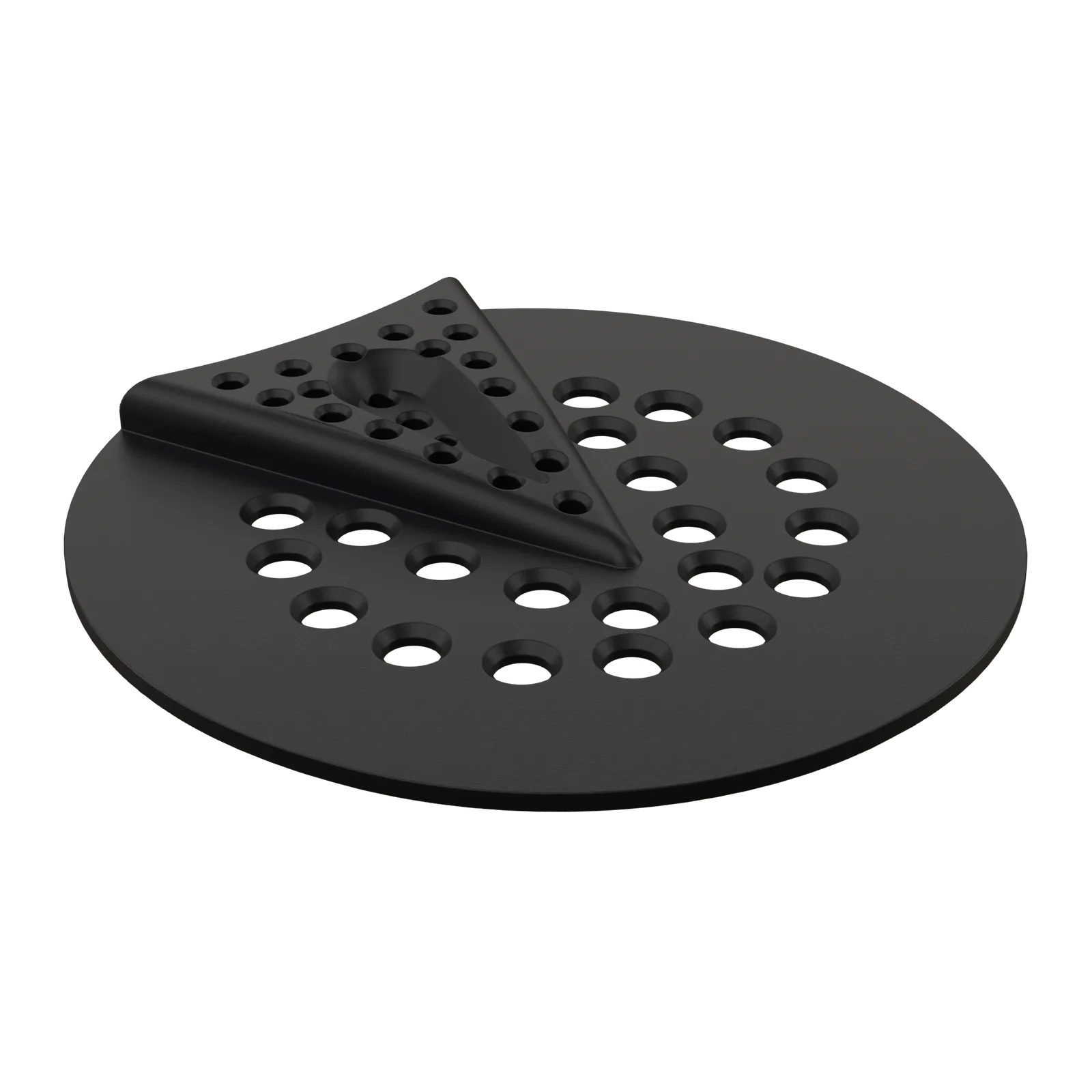
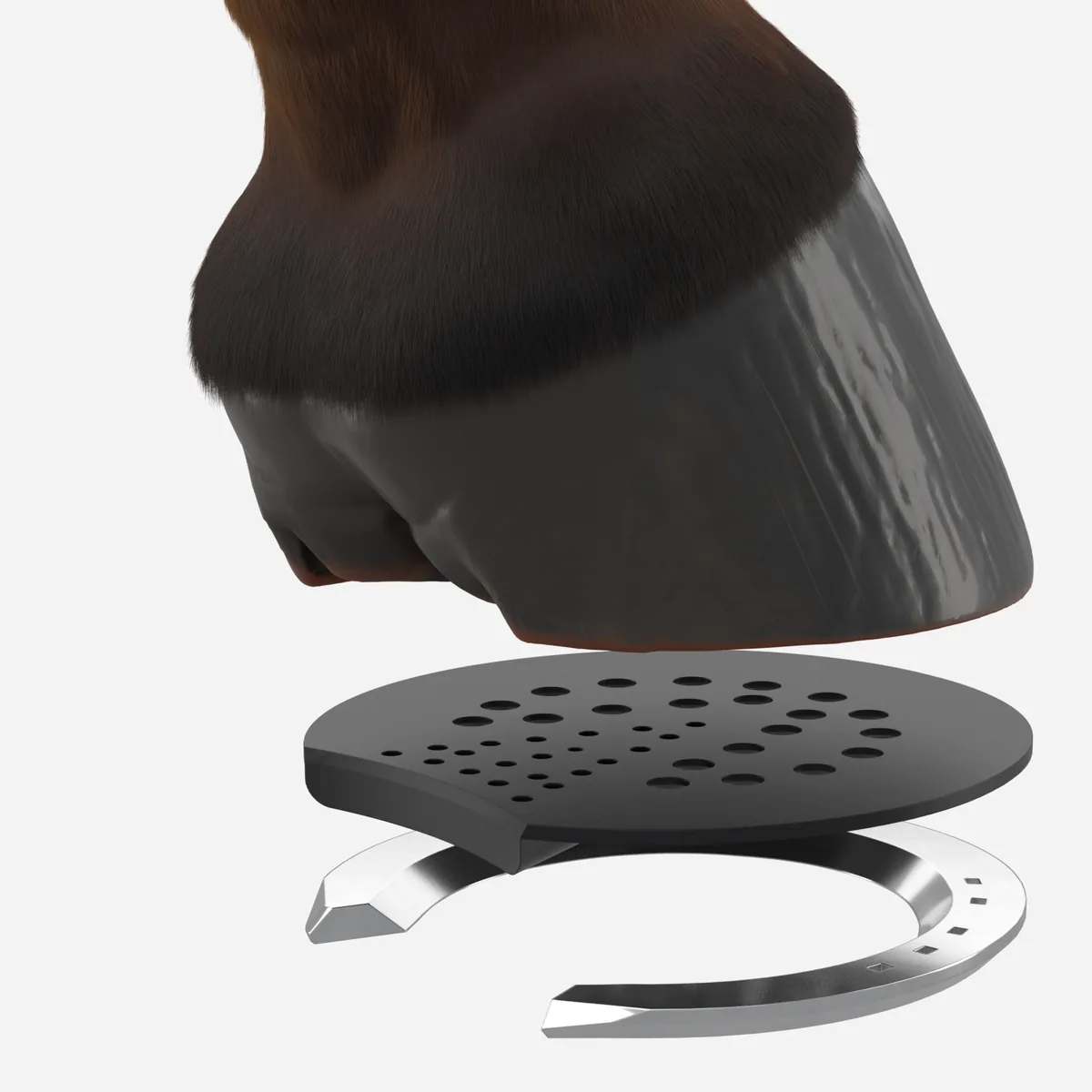
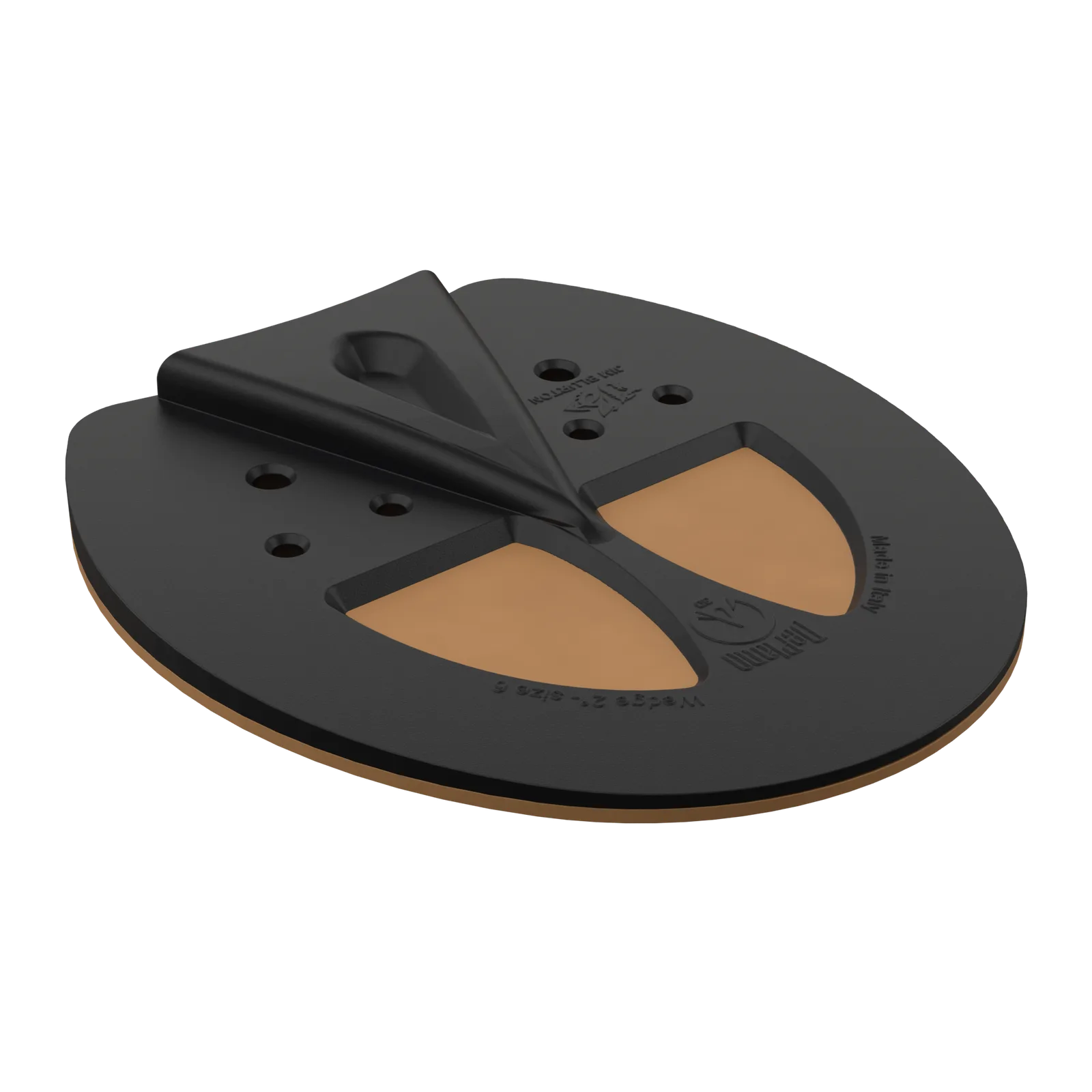
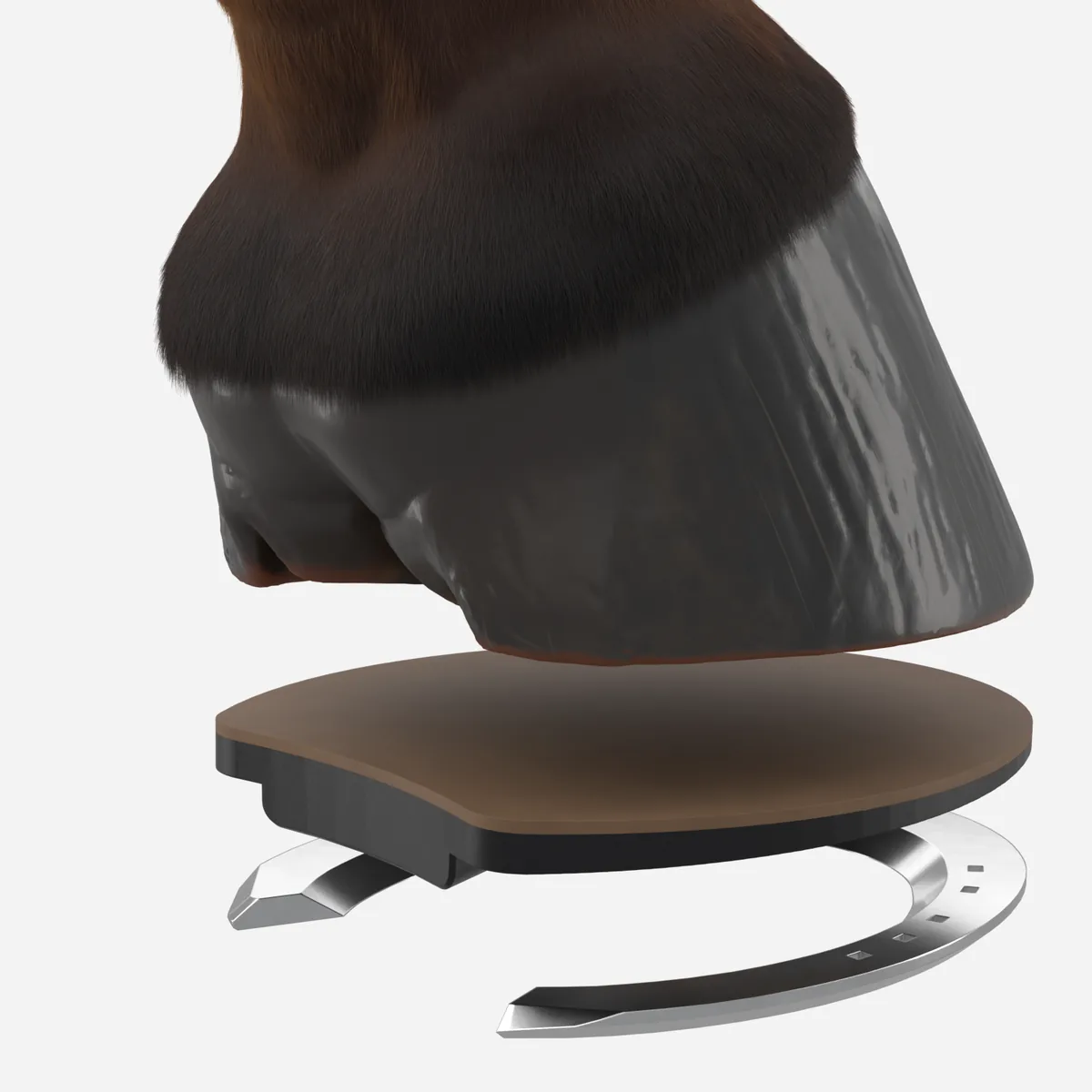
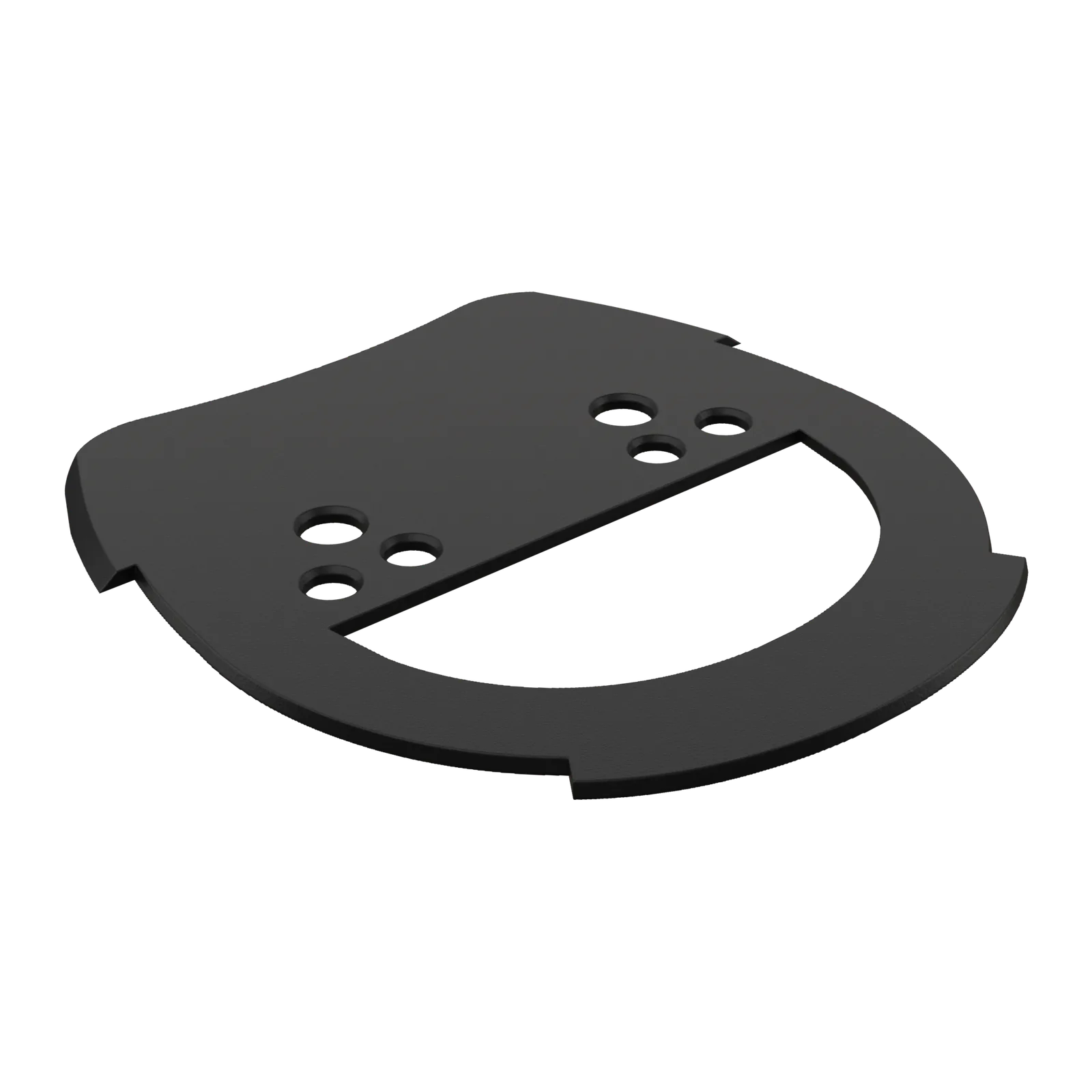
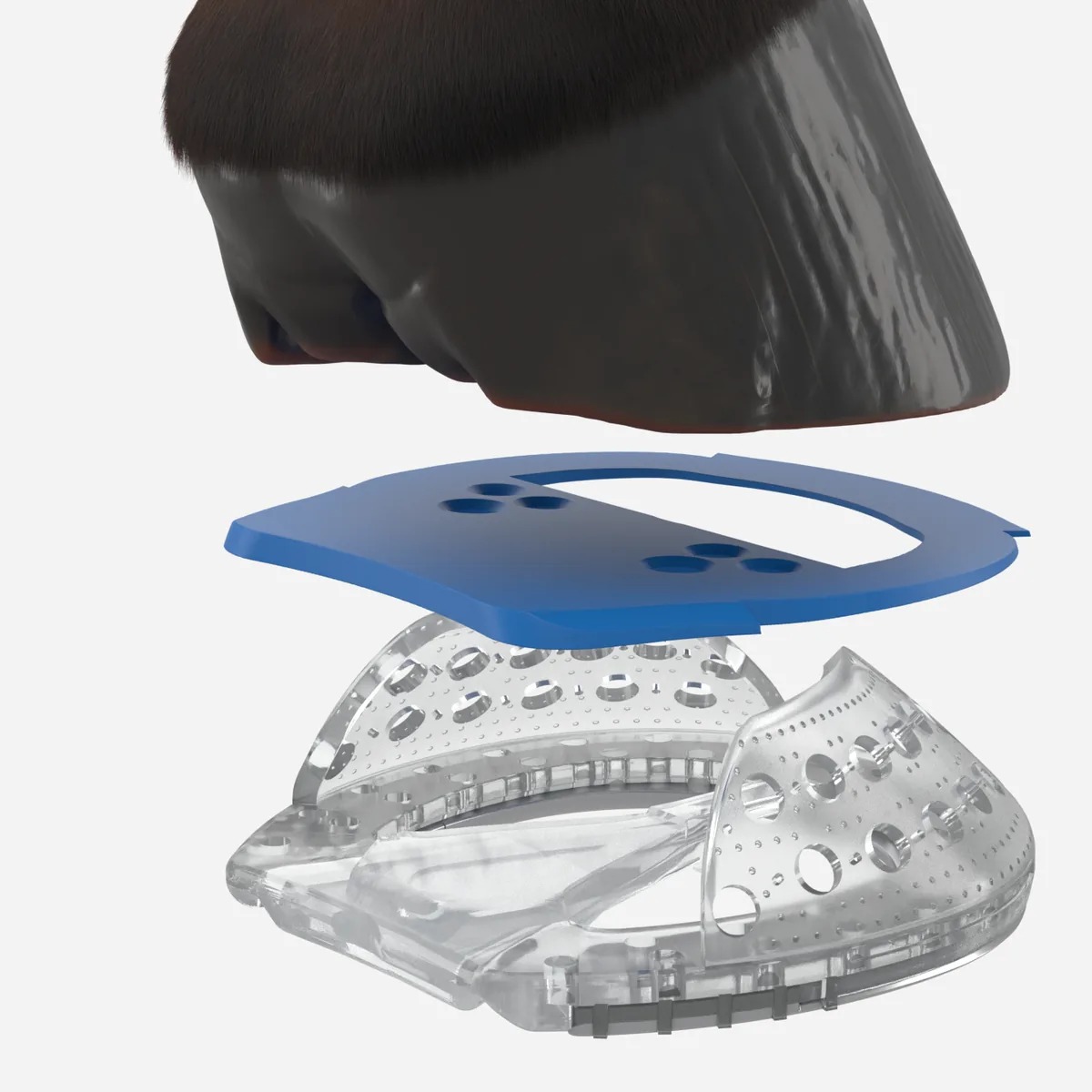
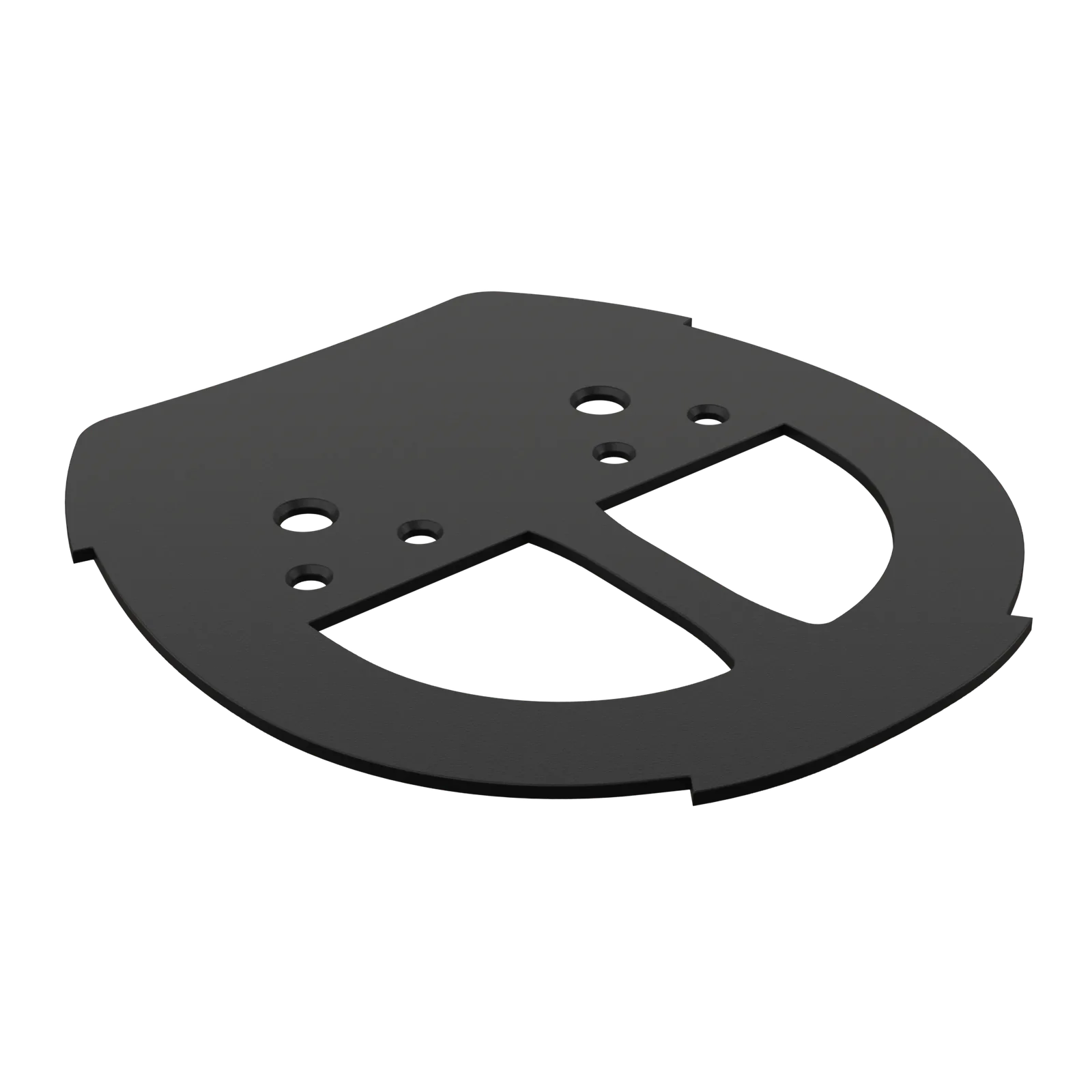
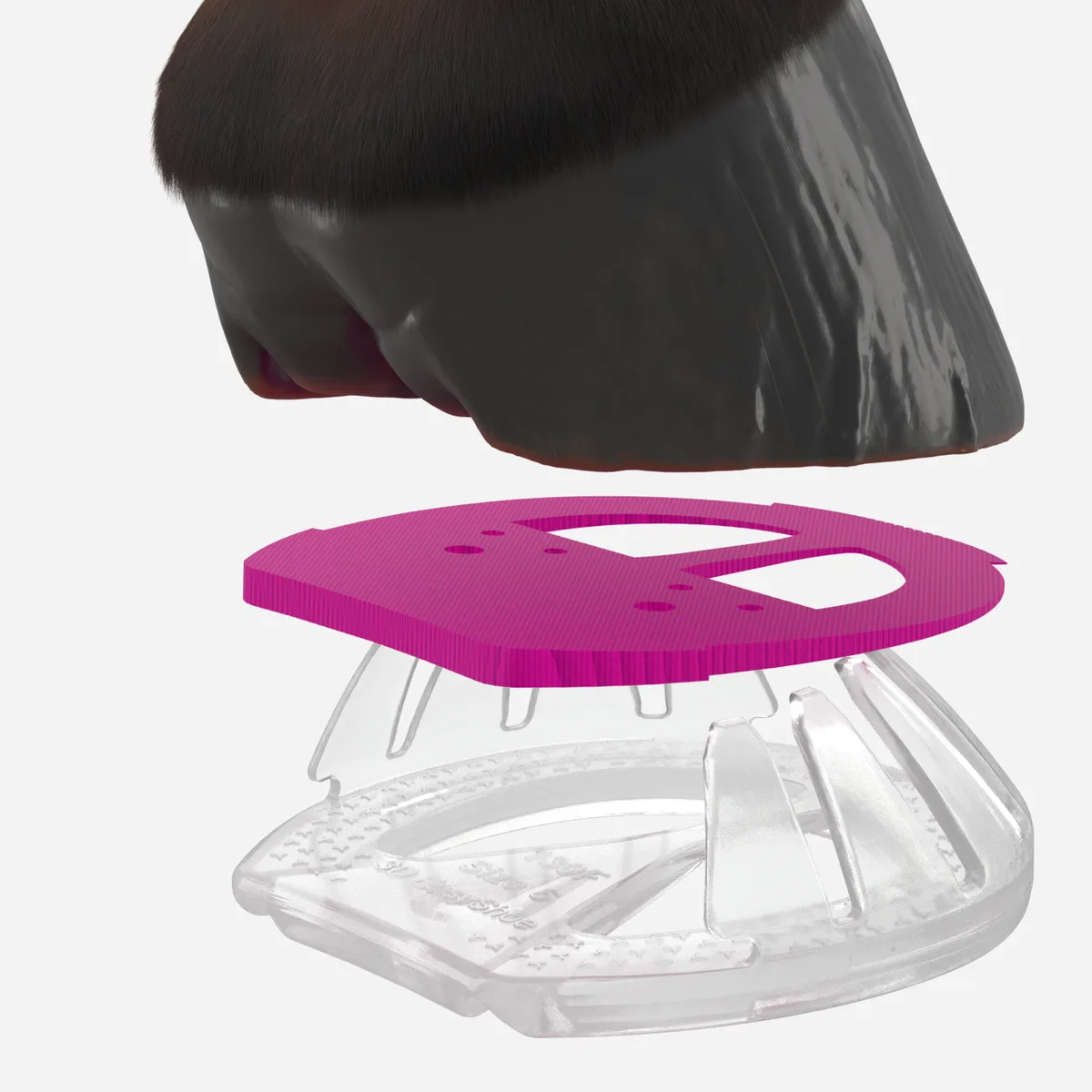
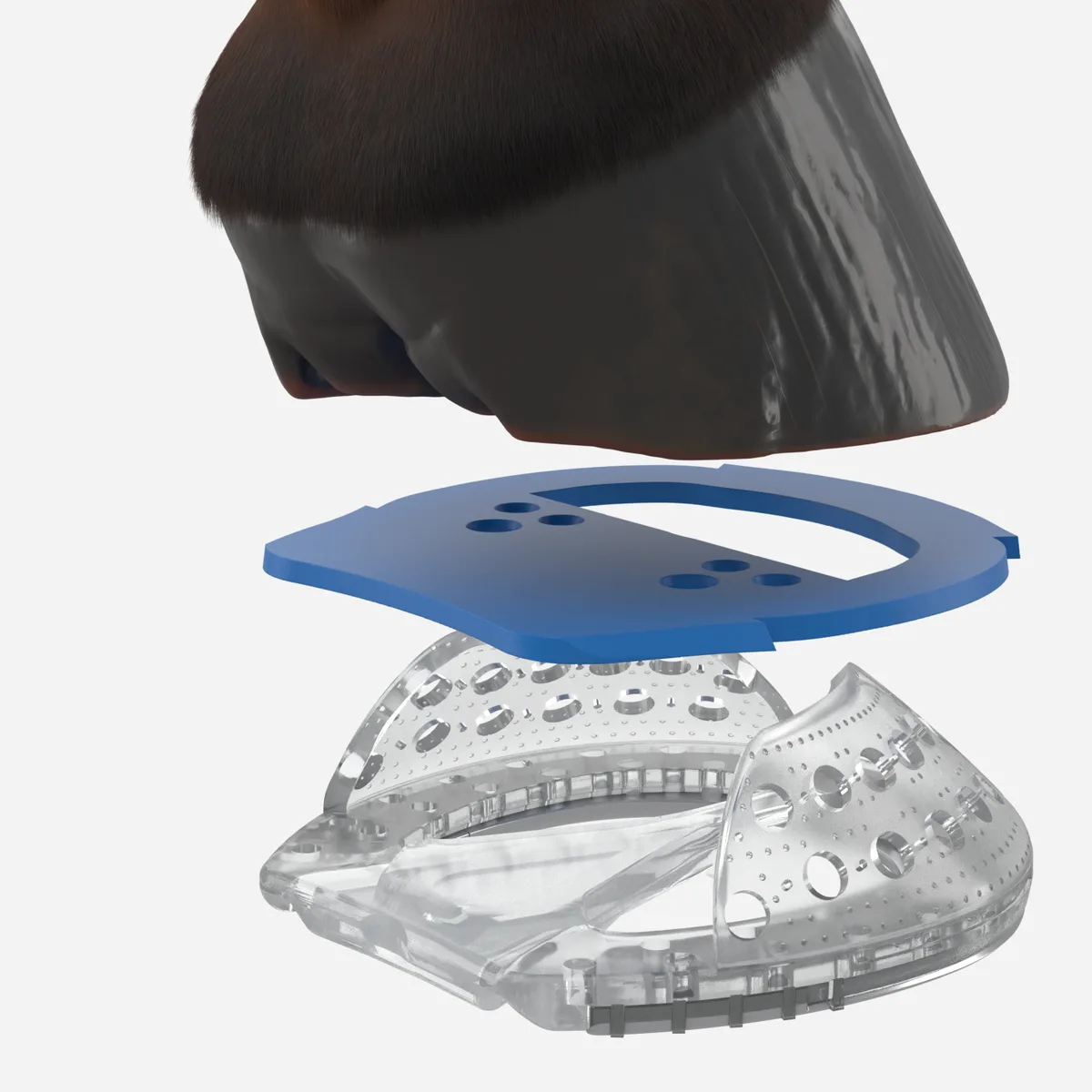
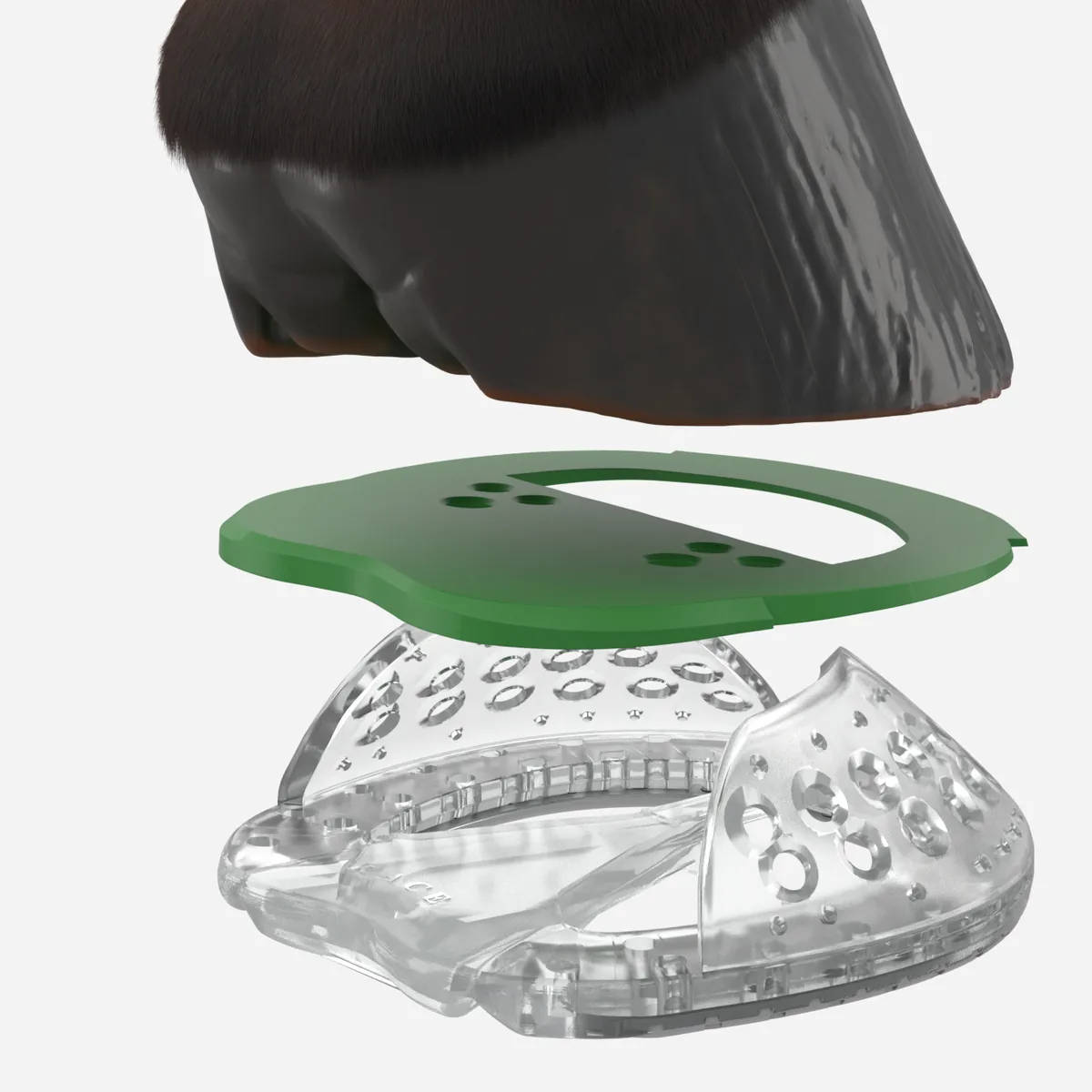
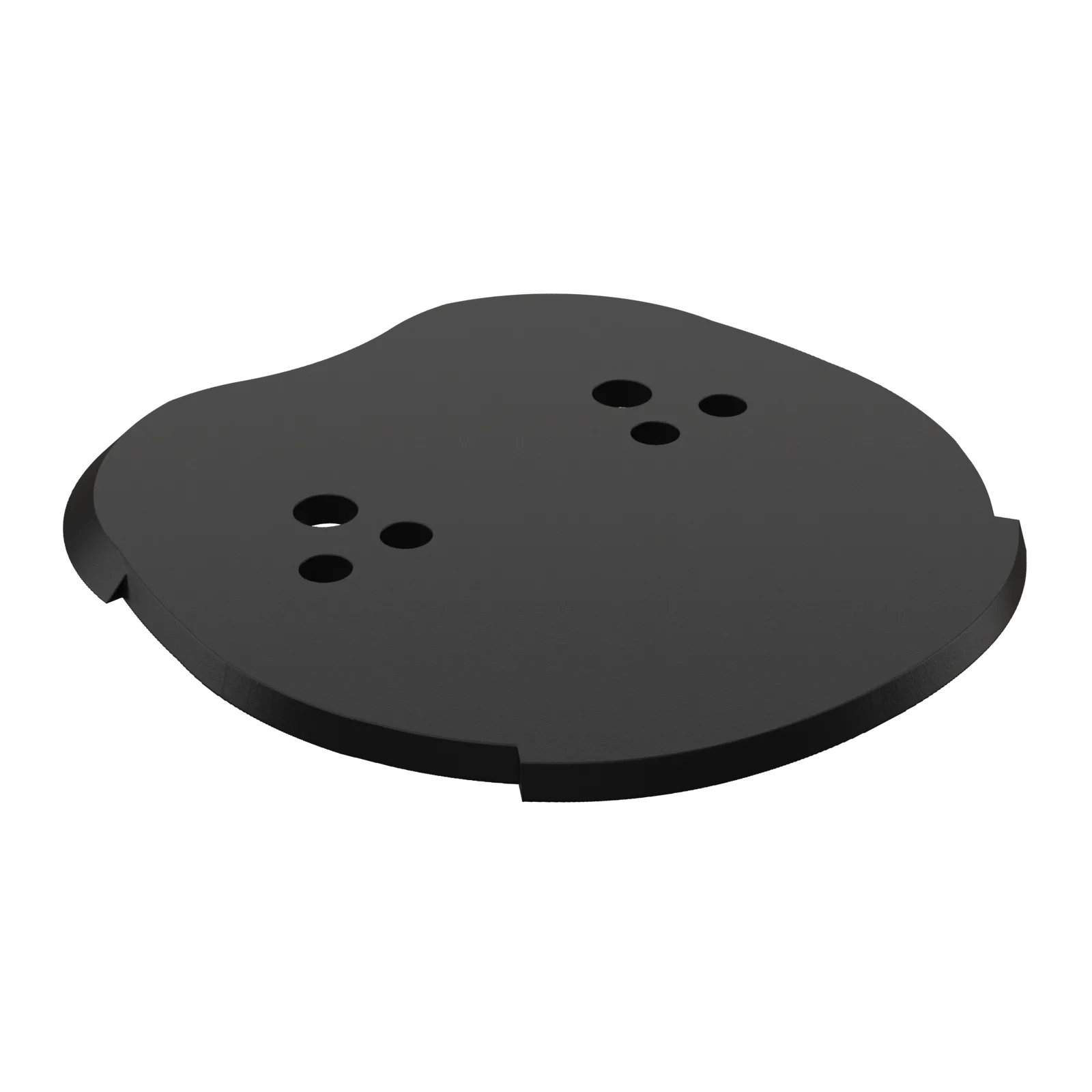
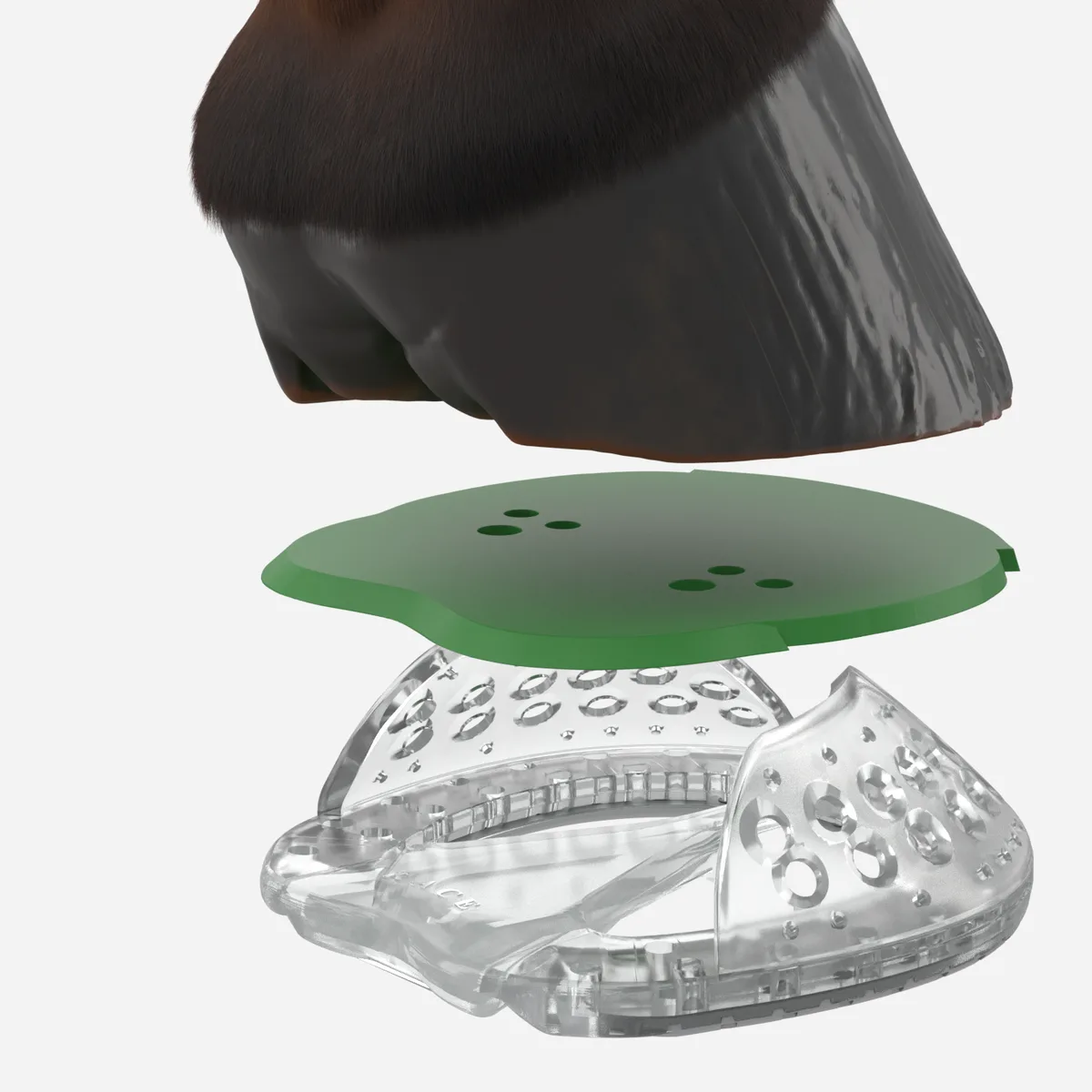
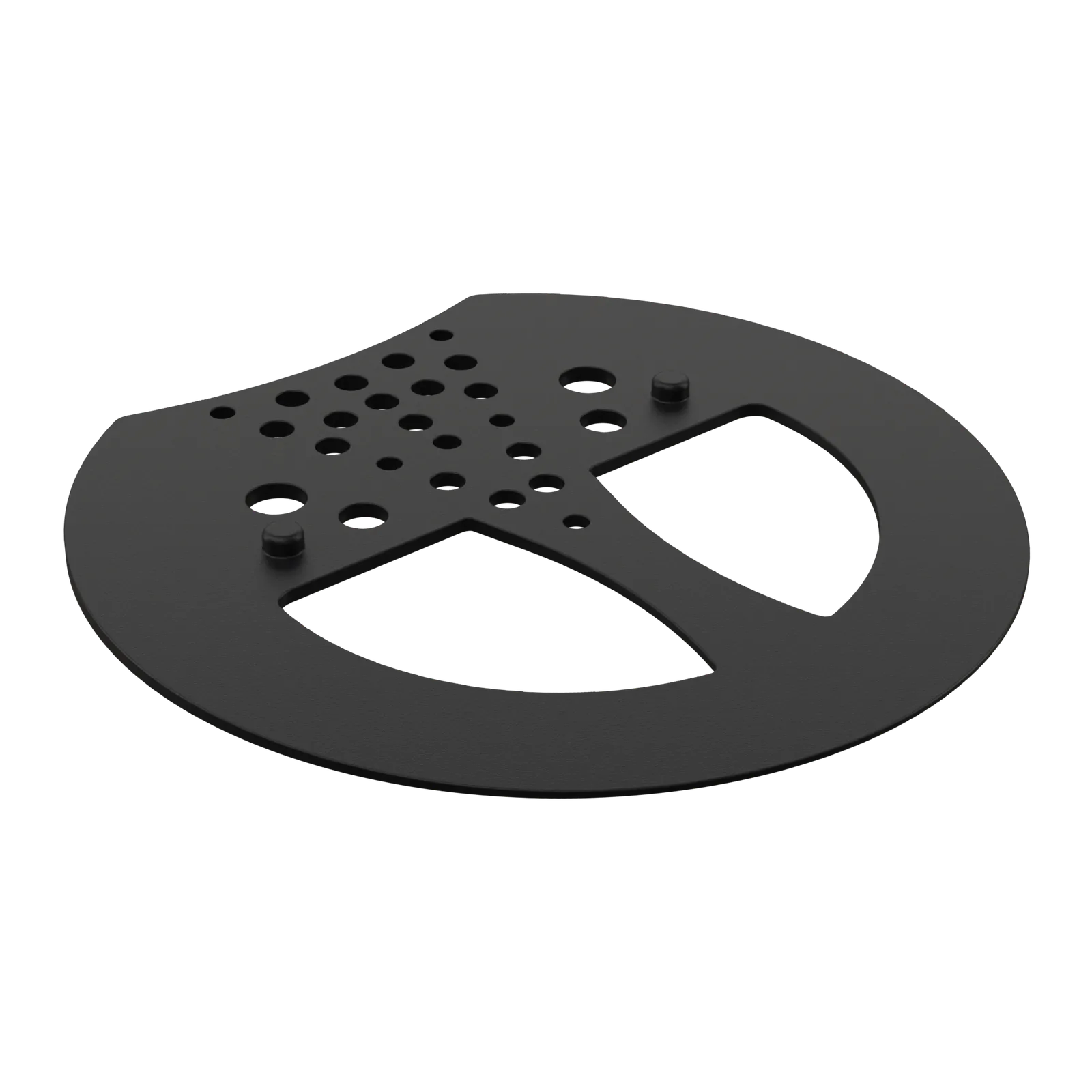
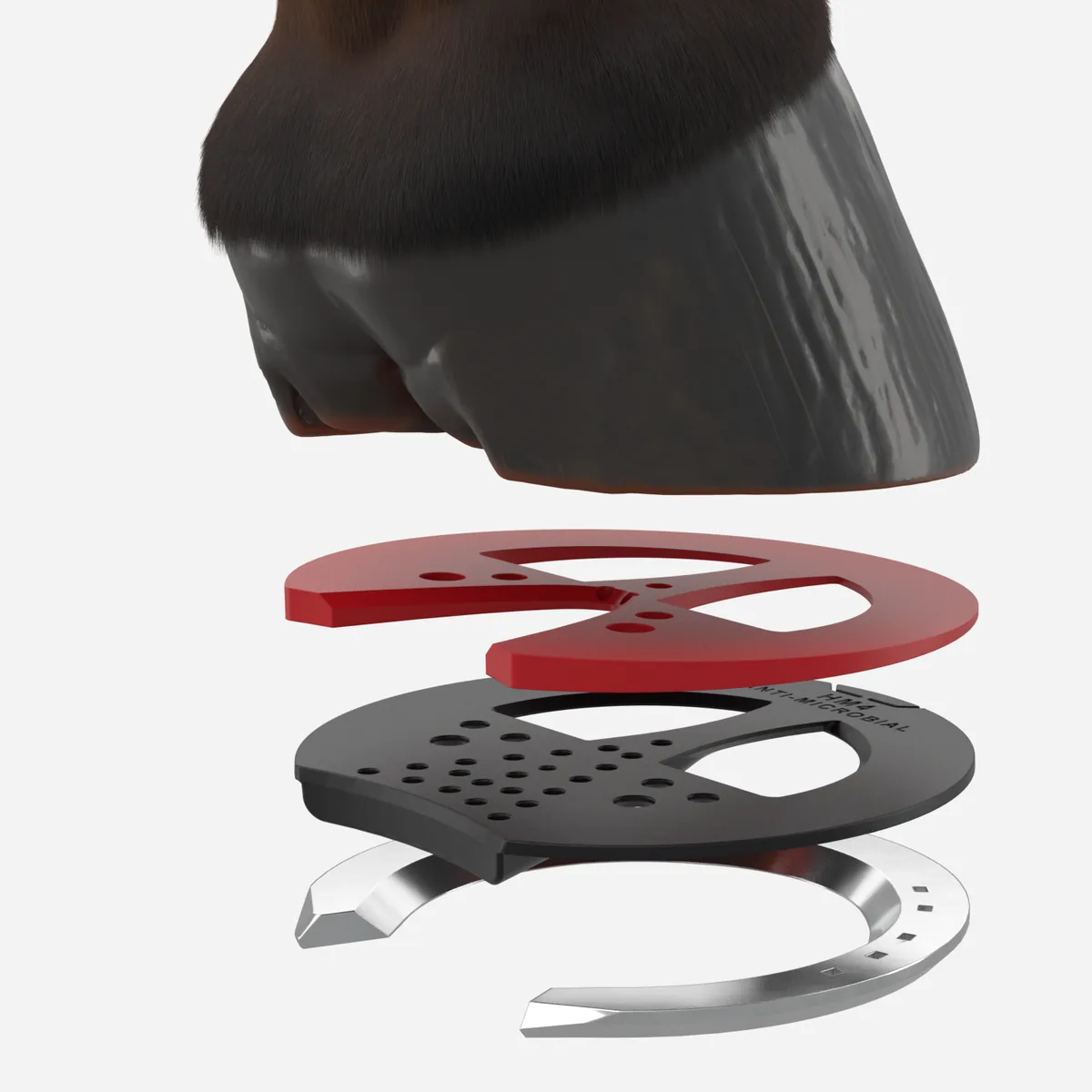
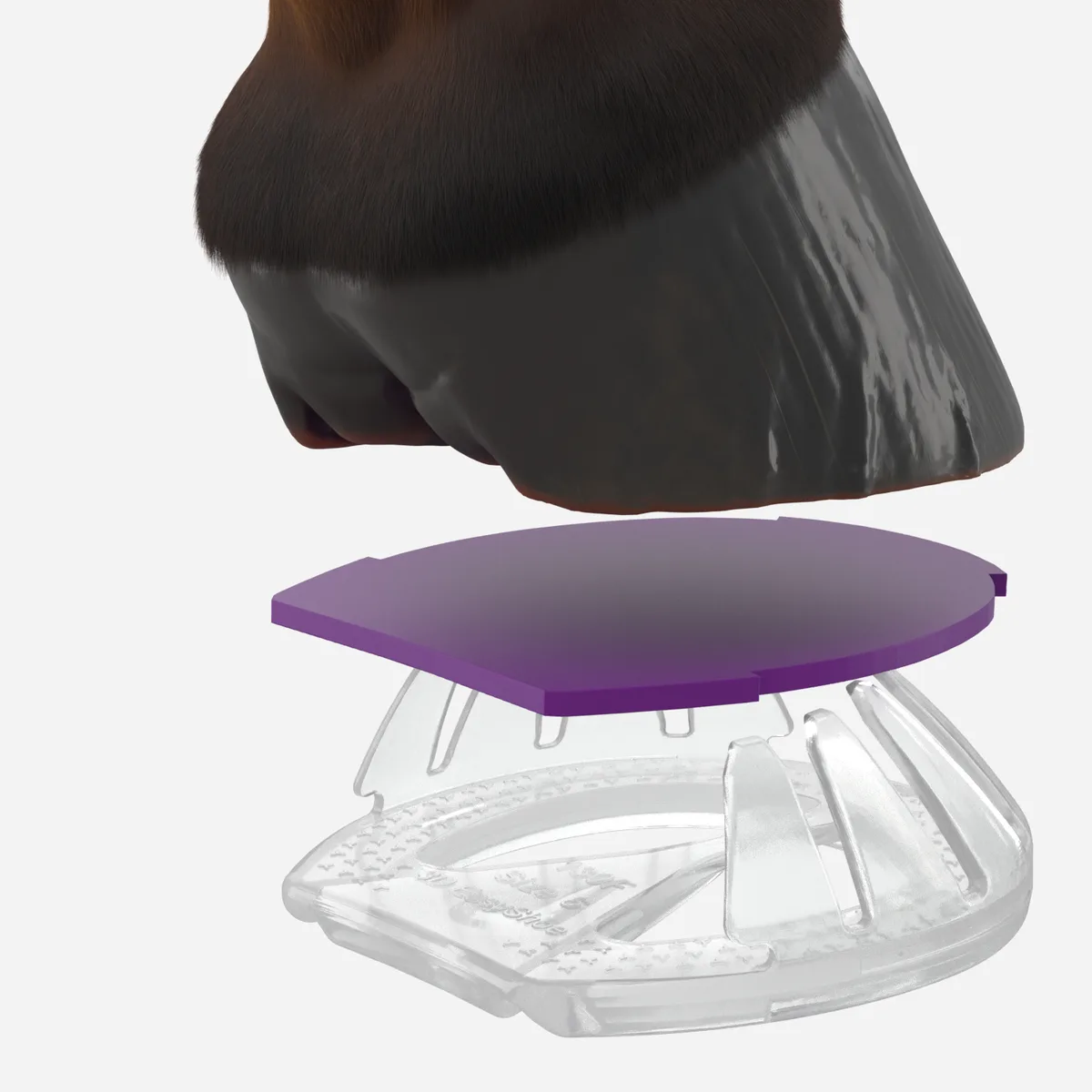
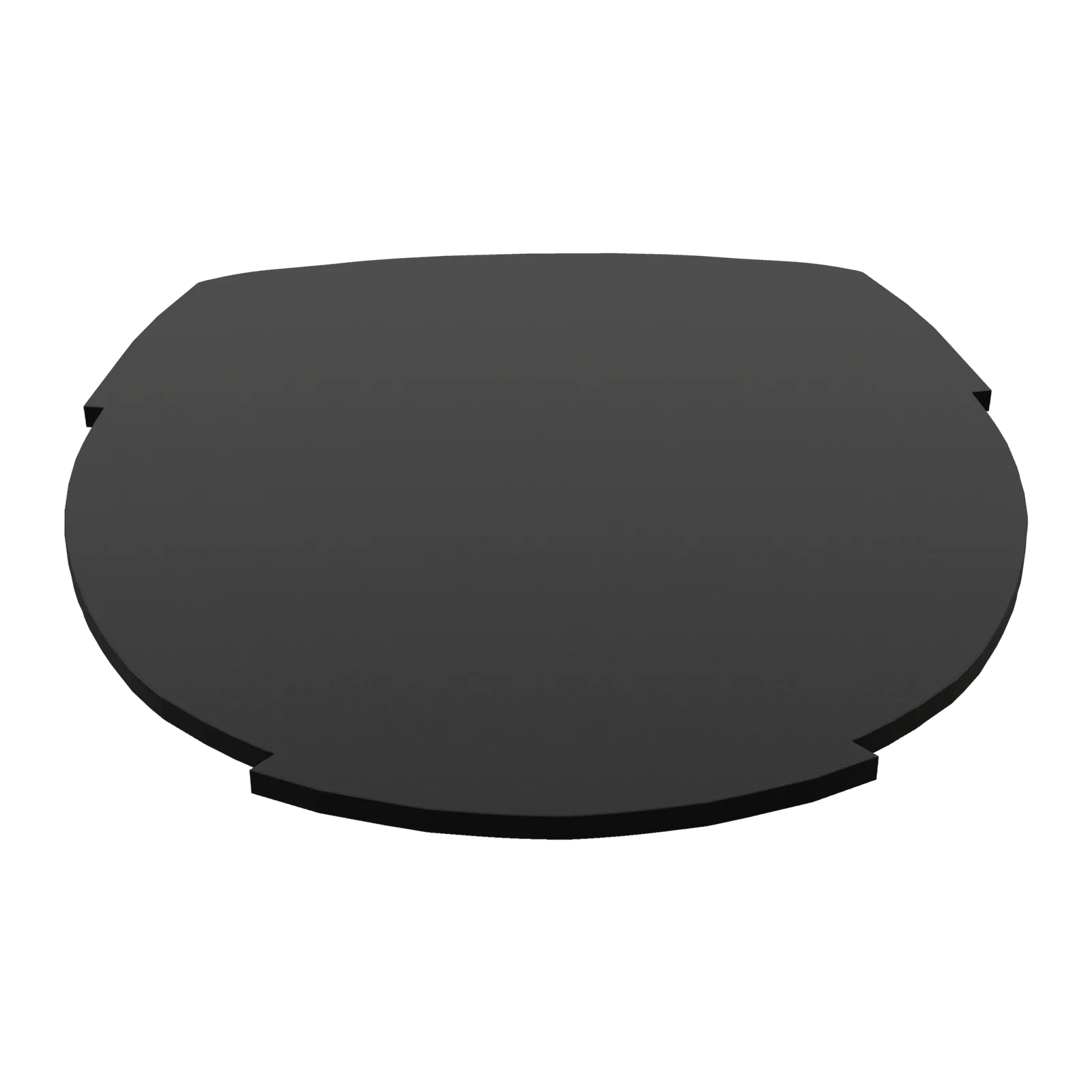
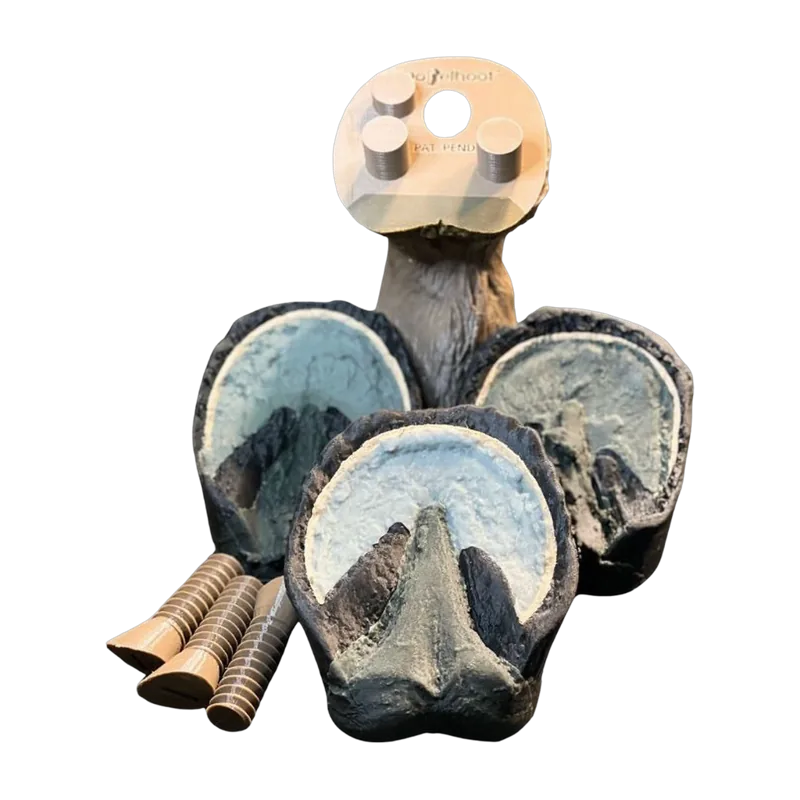
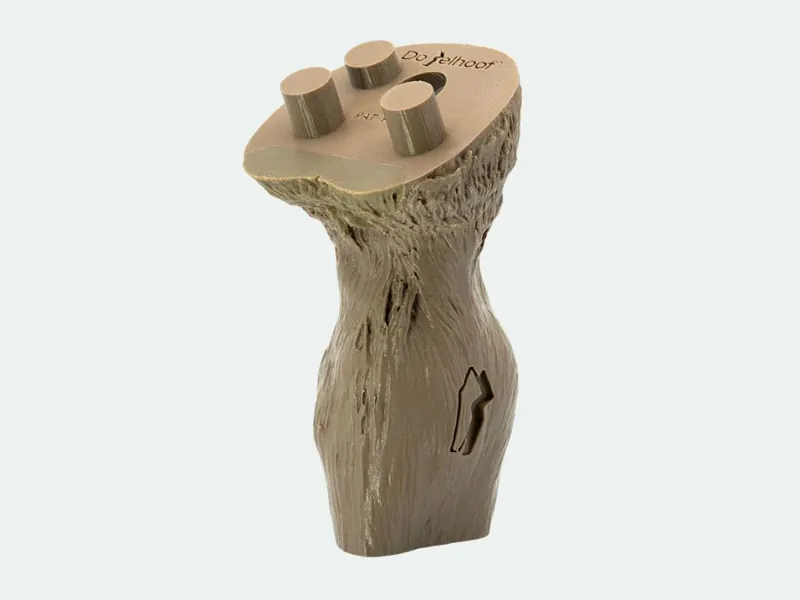
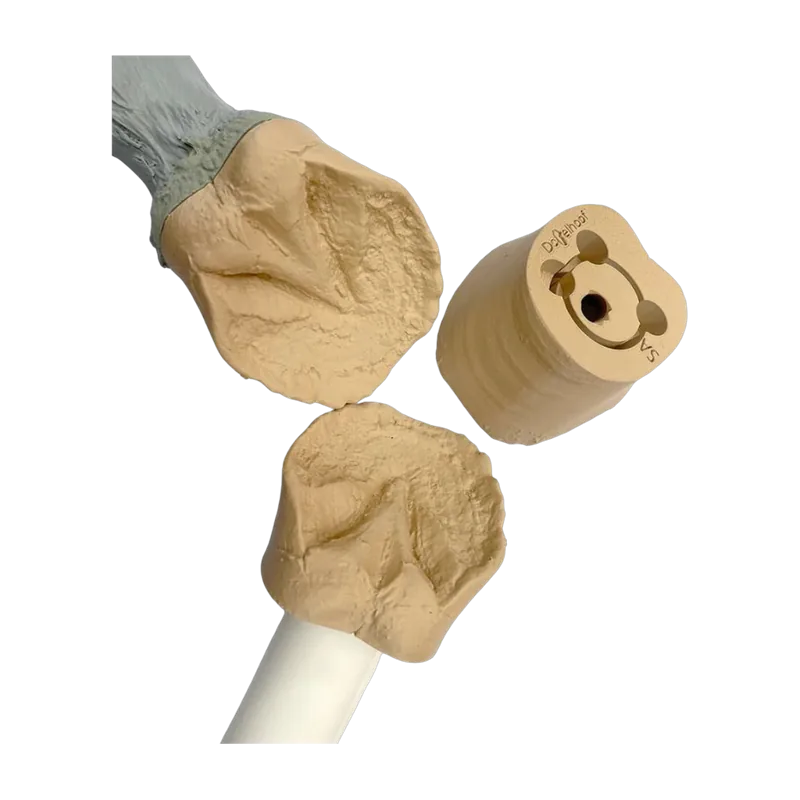
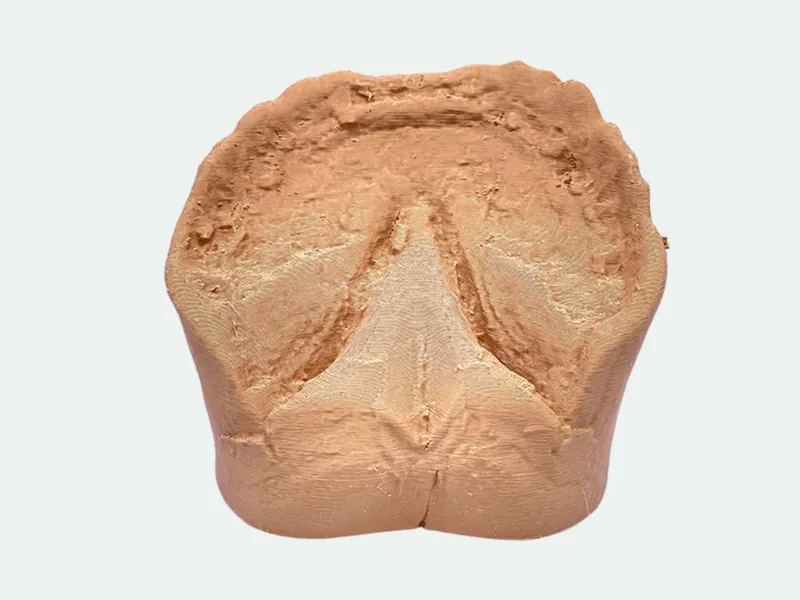
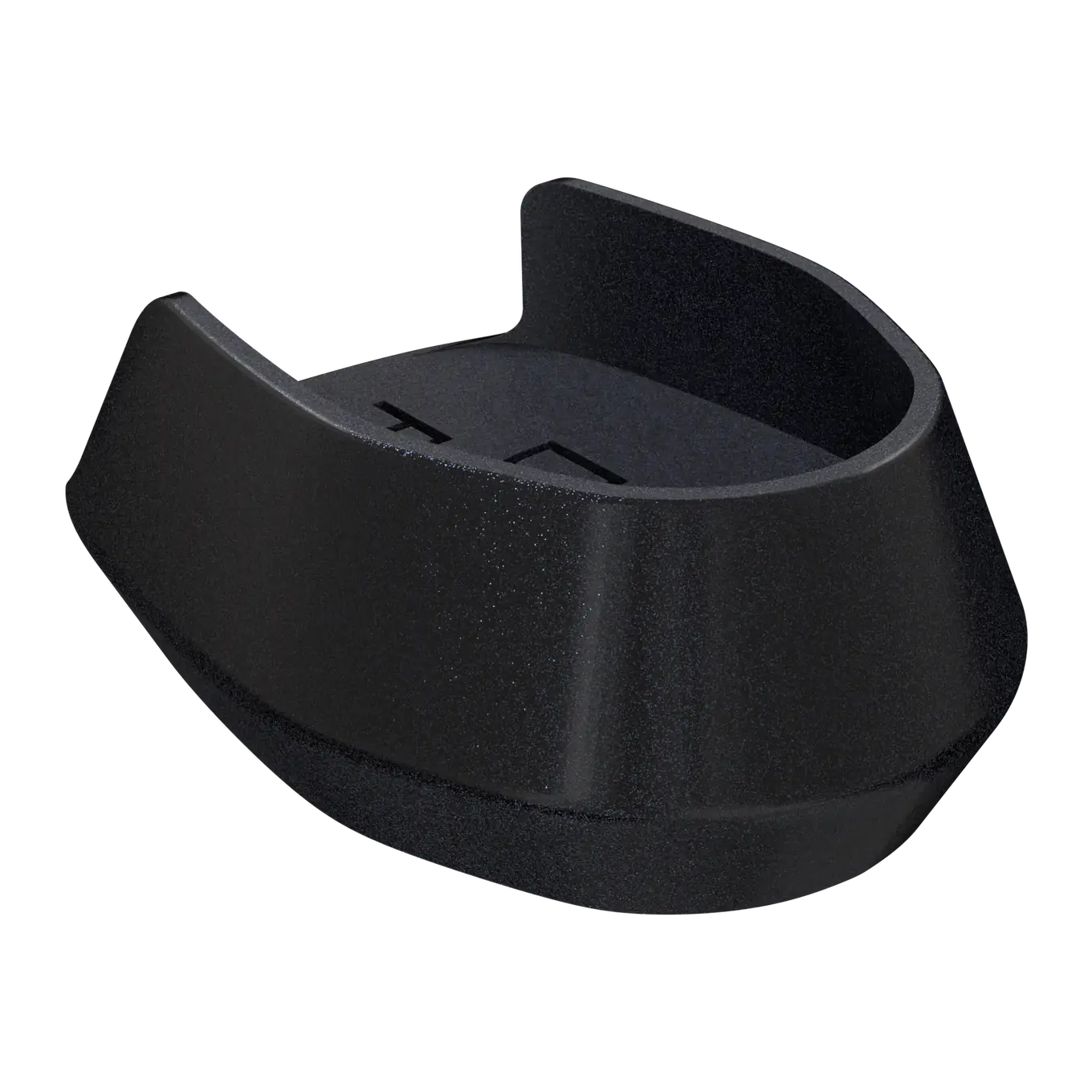
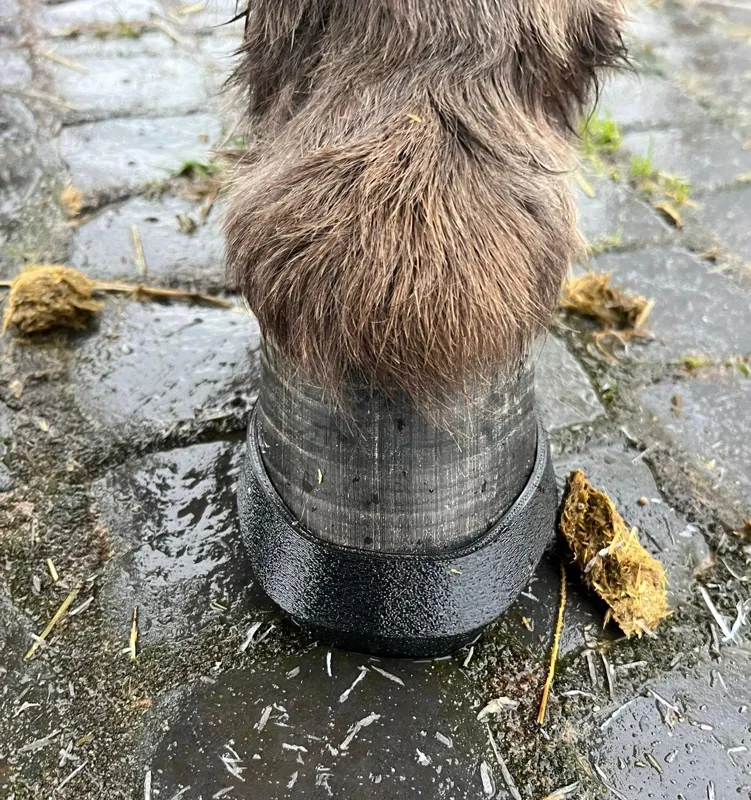
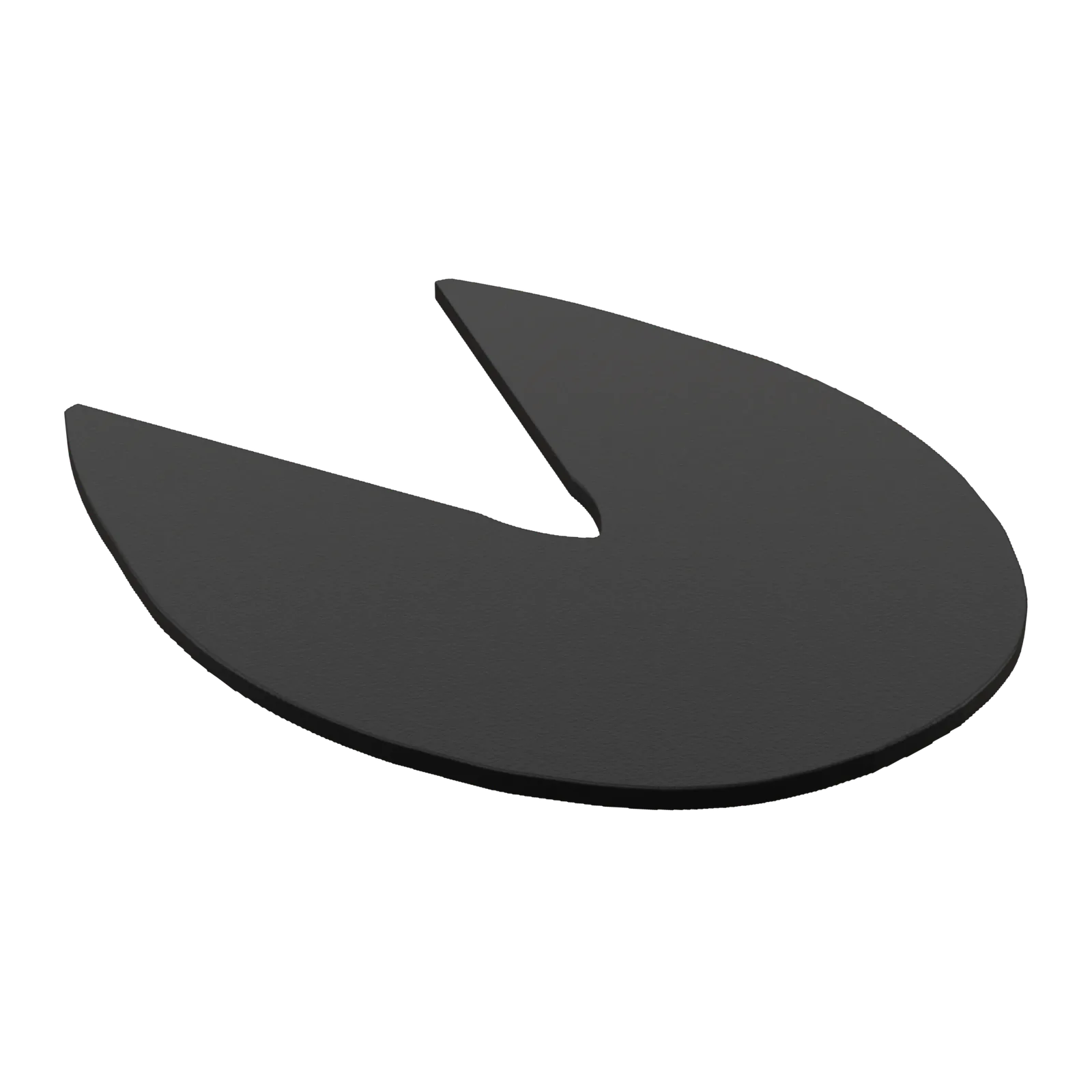
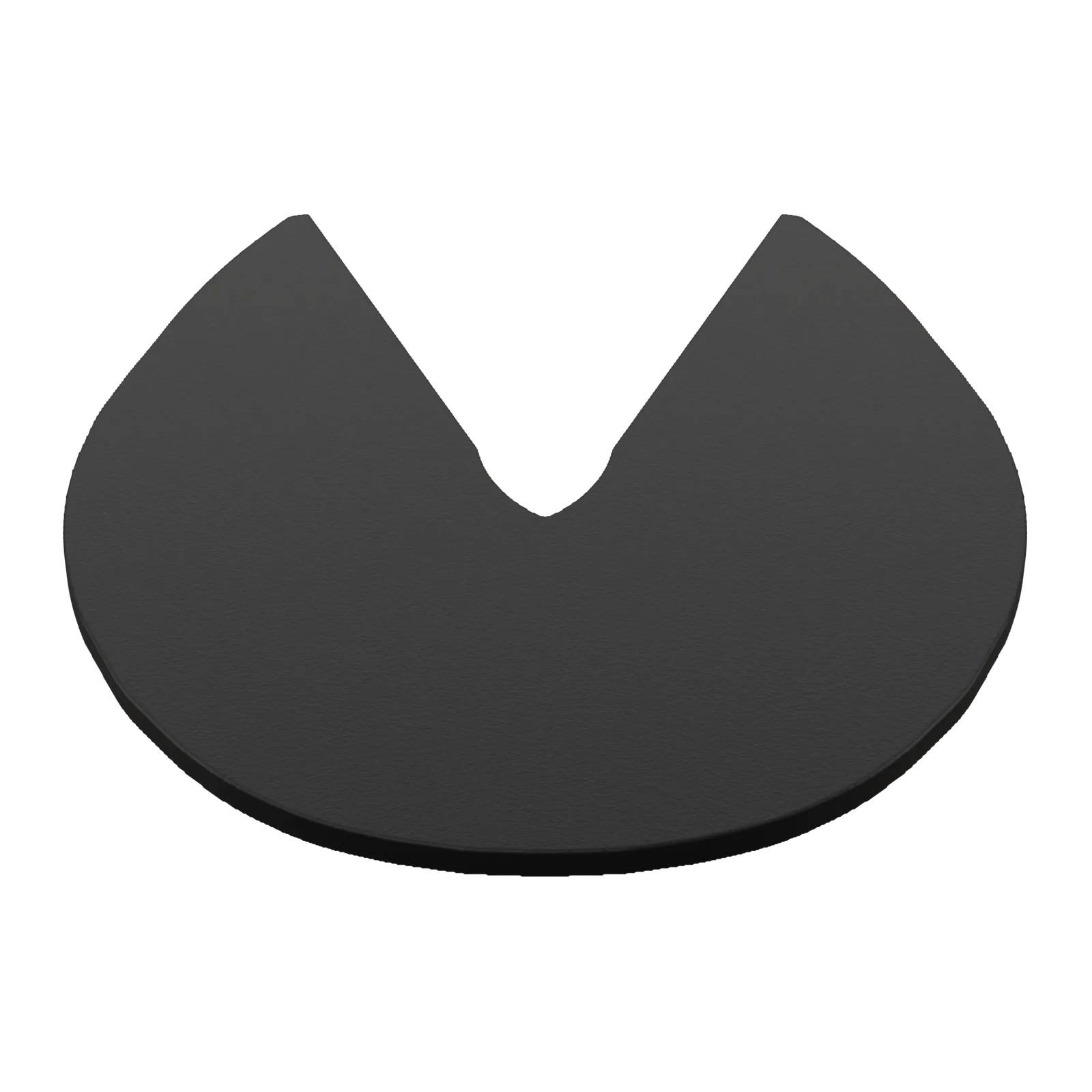
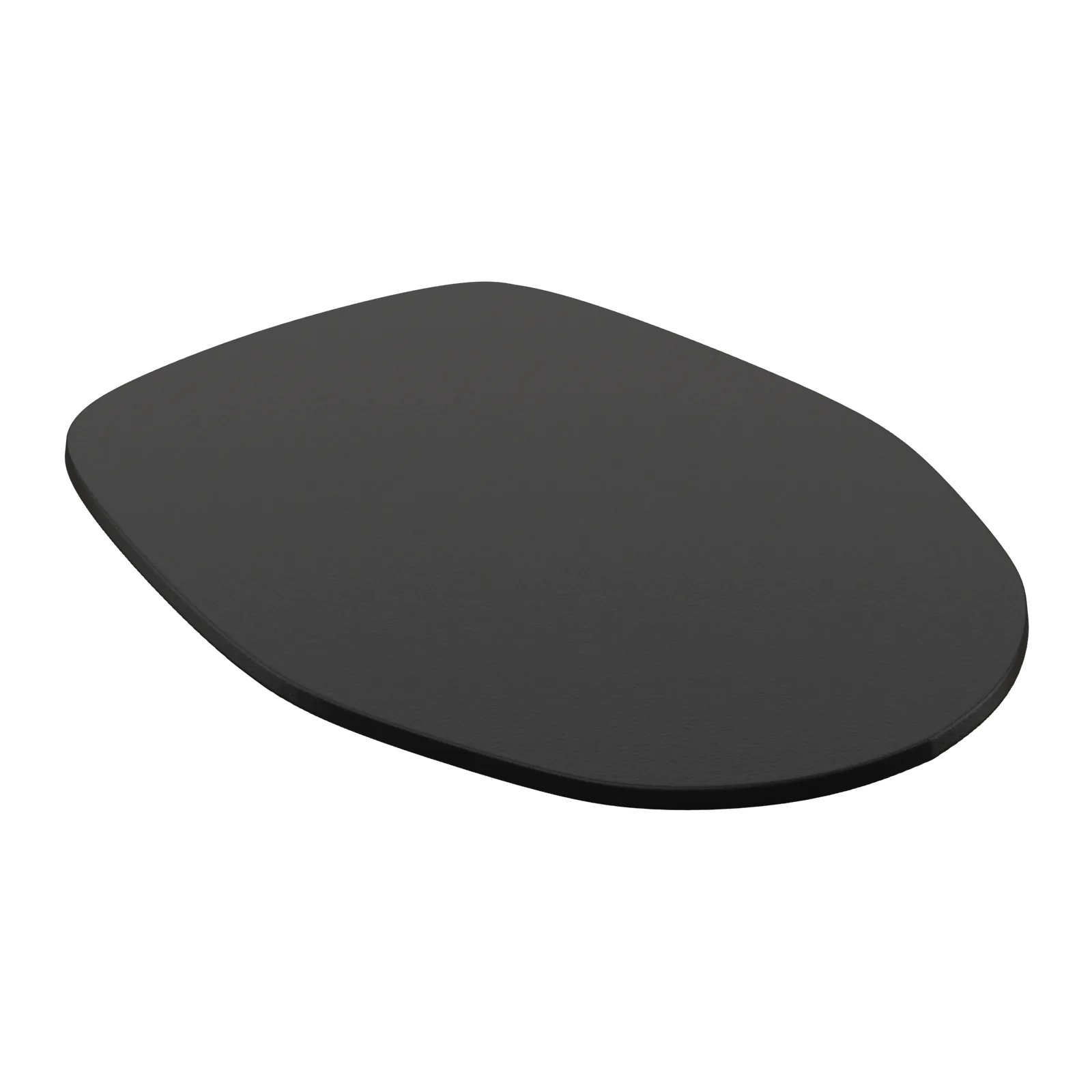
Products are never a substitute for a diagnosis, but once your vet or farrier has a plan, the right pad can be part of it. The MoreAid Donkey Squish Pad is a soft, 3D-printed pad shaped for the donkey foot that may help support comfort during rest and recovery, when your vet recommends it. The Donkey Barefoot Protection Pad adds a thin layer of protection for barefoot donkeys on hard or stony ground. Both are sized on donkey charts, so use the donkey sizing guide, never a horse chart, and browse the full Donkey HoofCare range.
This guide is educational and is not a substitute for veterinary or farrier advice.