





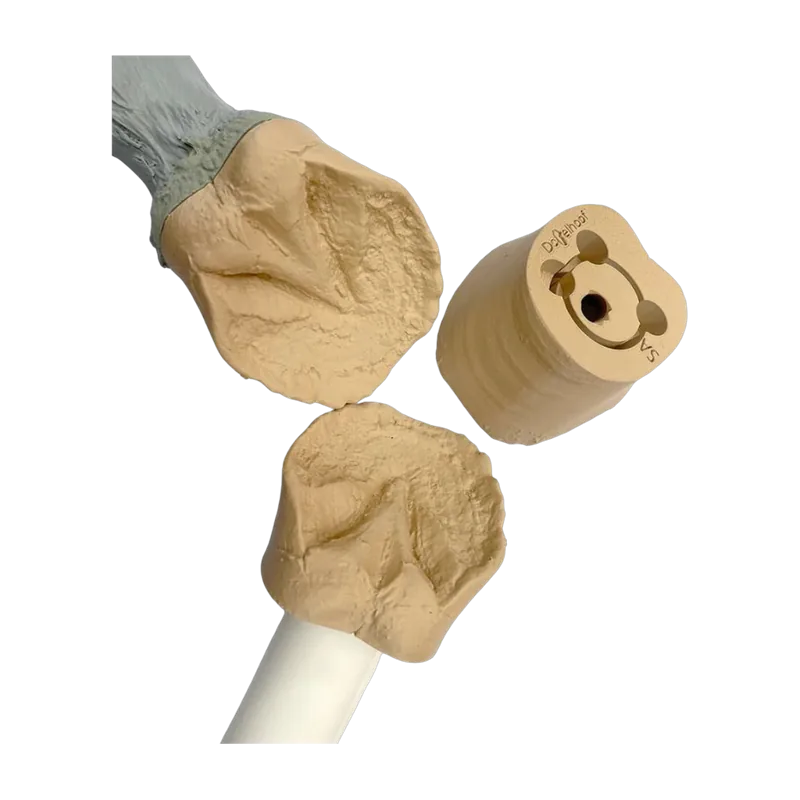
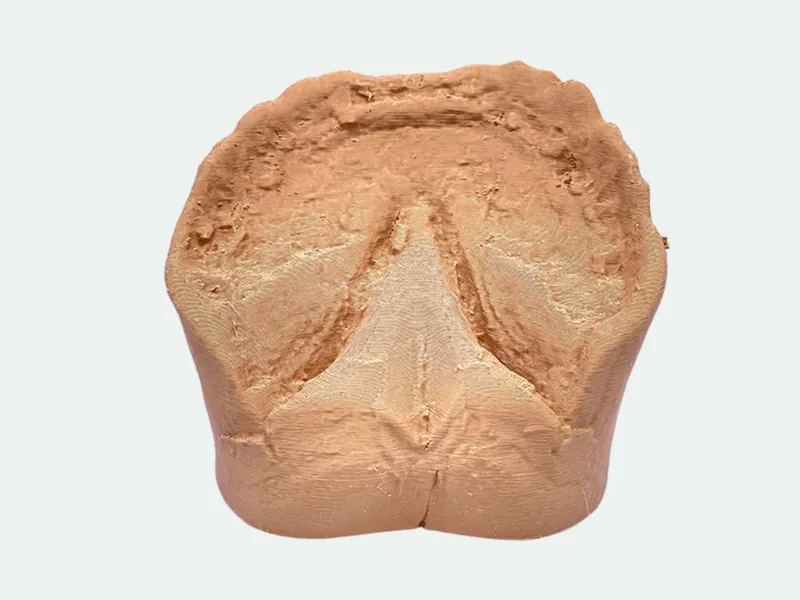


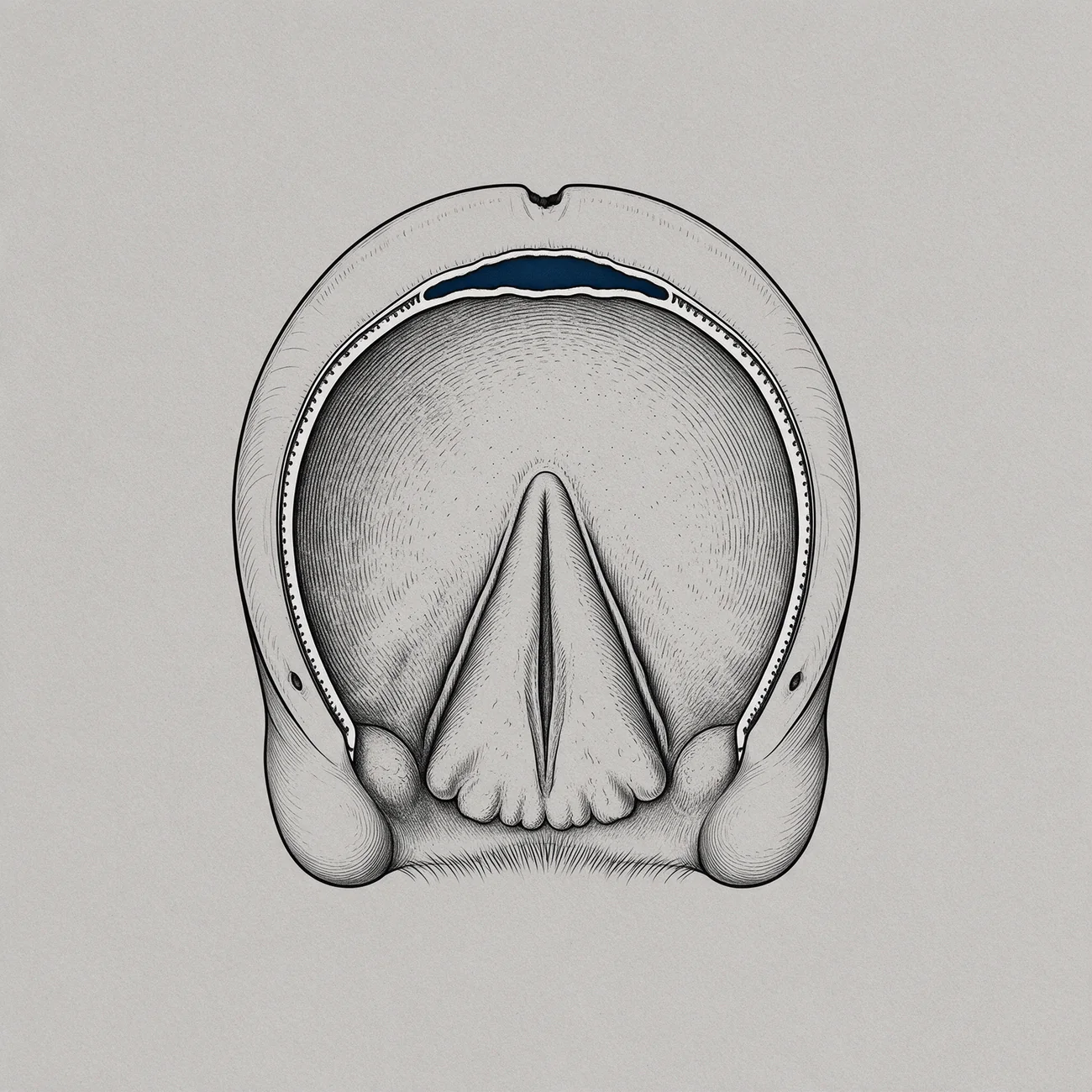
White line disease and thrush are the two infections owners most often confuse, and the easiest way to tell them apart is location. Thrush lives in the frog; white line disease attacks the hoof wall at its junction with the sole. They need different responses, so start by identifying which one you're looking at.
Thrush: infection of the frog
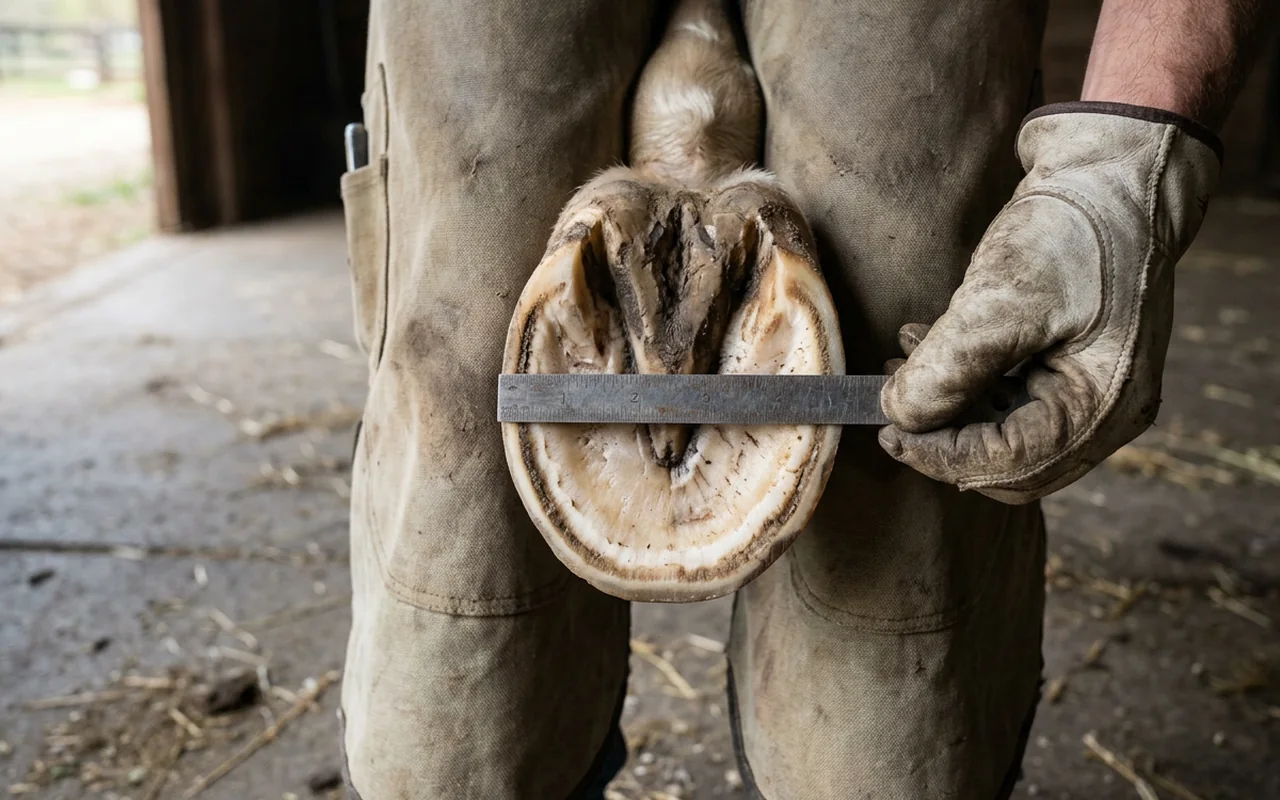
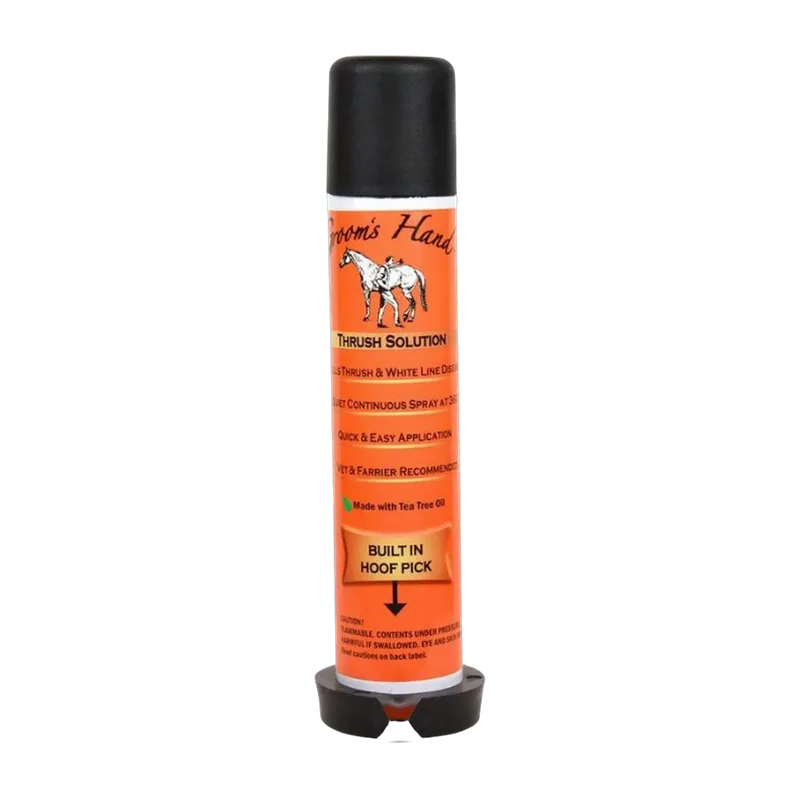
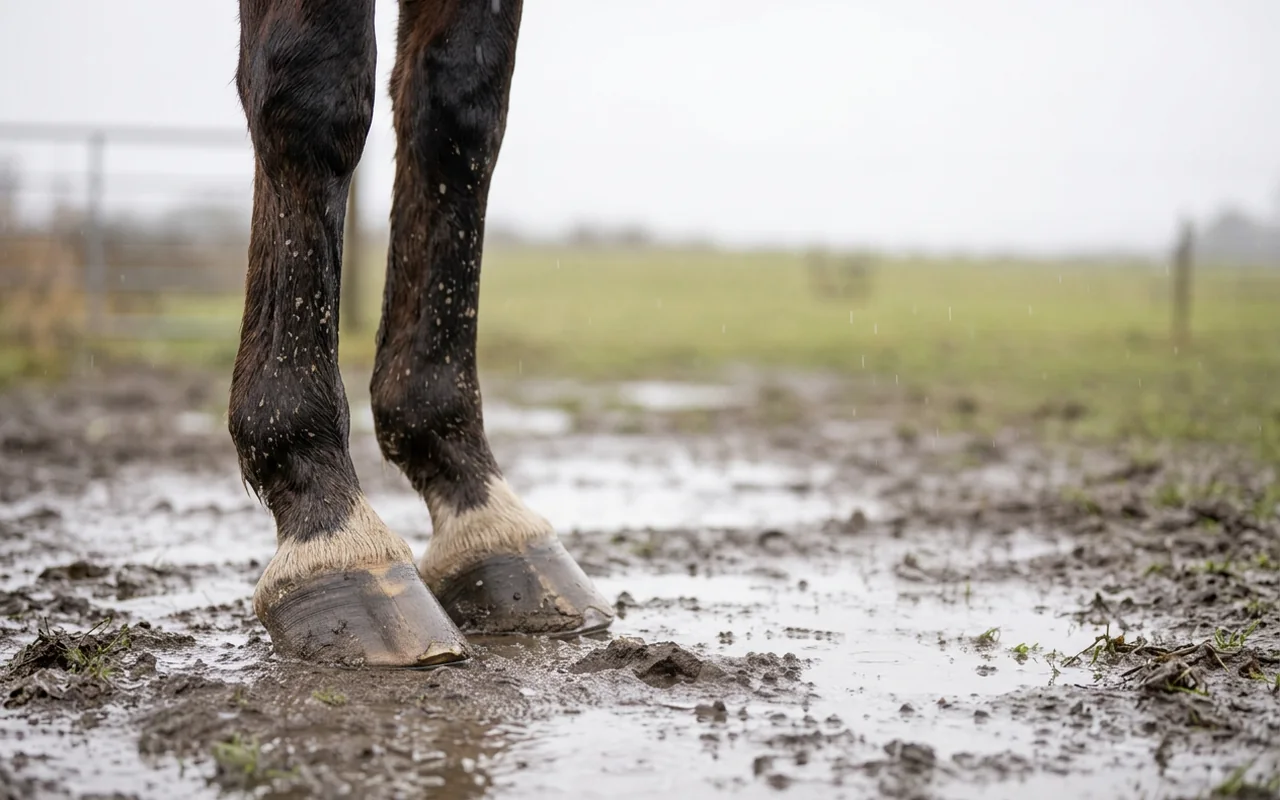
Thrush is a bacterial and fungal infection of the frog's central and collateral grooves. You'll know it by the smell: a distinctive foul odor when picking out the foot, with black, tar-like discharge and a frog that may become soft and tender. It thrives in wet, dirty standing conditions, but it can appear even in well-kept yards, particularly in feet with deep, contracted grooves that trap material.
Managing it: daily picking and cleaning, moving the horse onto drier standing, and having your farrier trim away diseased frog so air and treatment can reach the infection. Movement helps: a working frog is a self-cleaning frog.
White line disease: infection of the wall
White line disease (sometimes called seedy toe) is an opportunistic infection that hollows out the inner layers of the hoof wall, starting at ground level and working upward. Look for a crumbly, chalky separation at the white line, cavities that pack with dirt, and a hollow sound when the wall is tapped. Left alone it is progressive: the separation climbs.
Managing it: this one needs your farrier. The affected wall is opened or resected so the infection loses the dark, airless environment it needs, then the foot is kept clean and dry while healthy wall grows down, a process of months, tracked trim by trim.
Where products fit
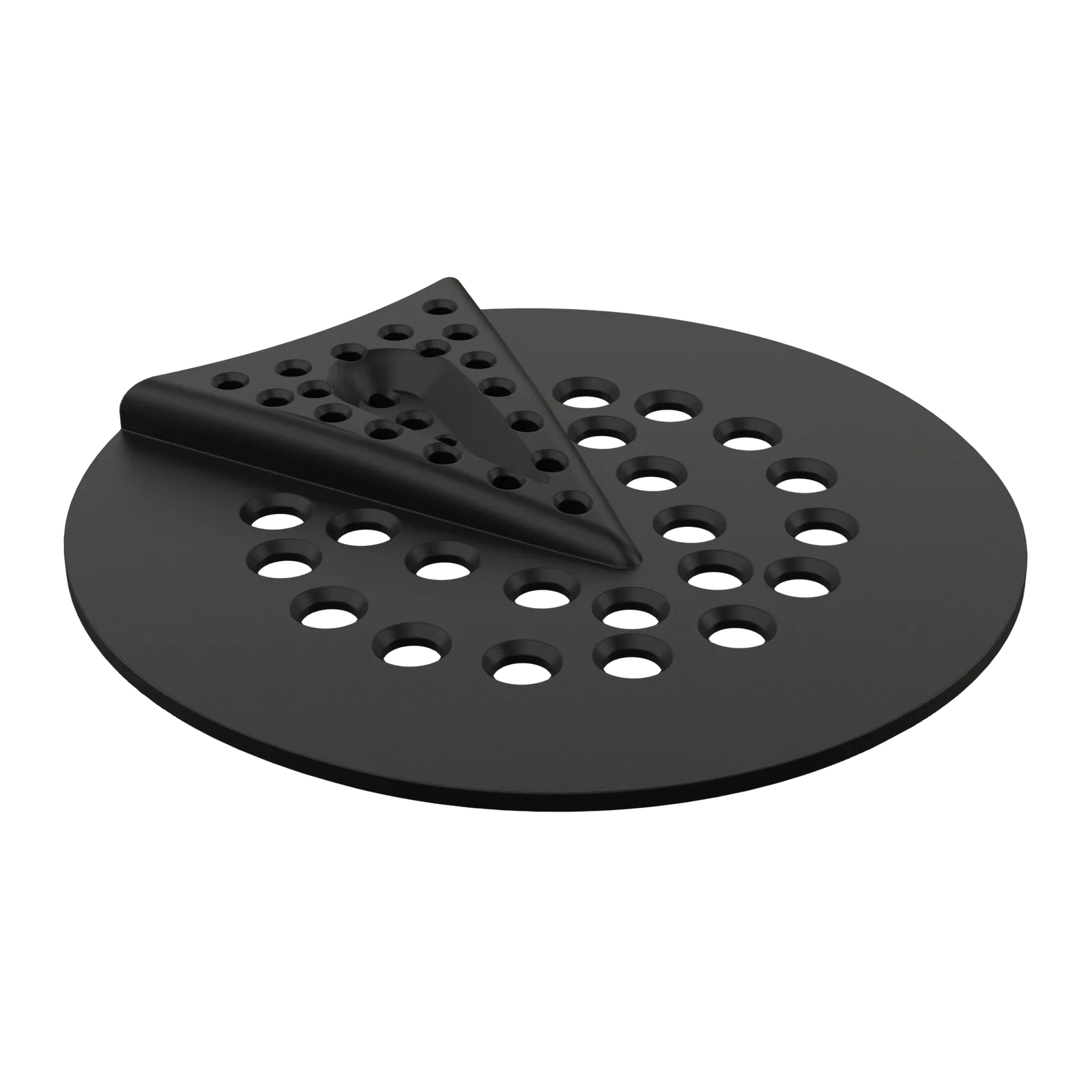
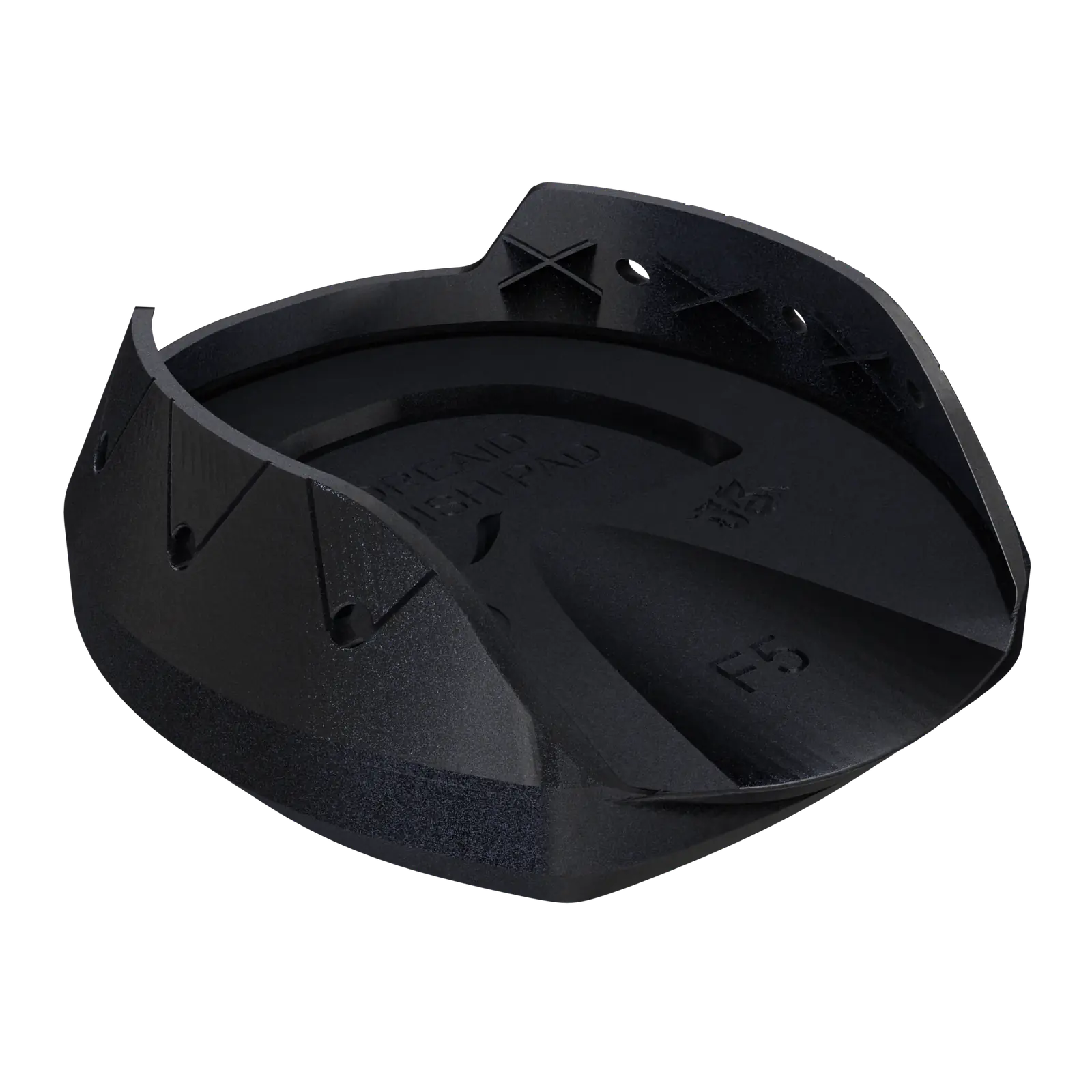
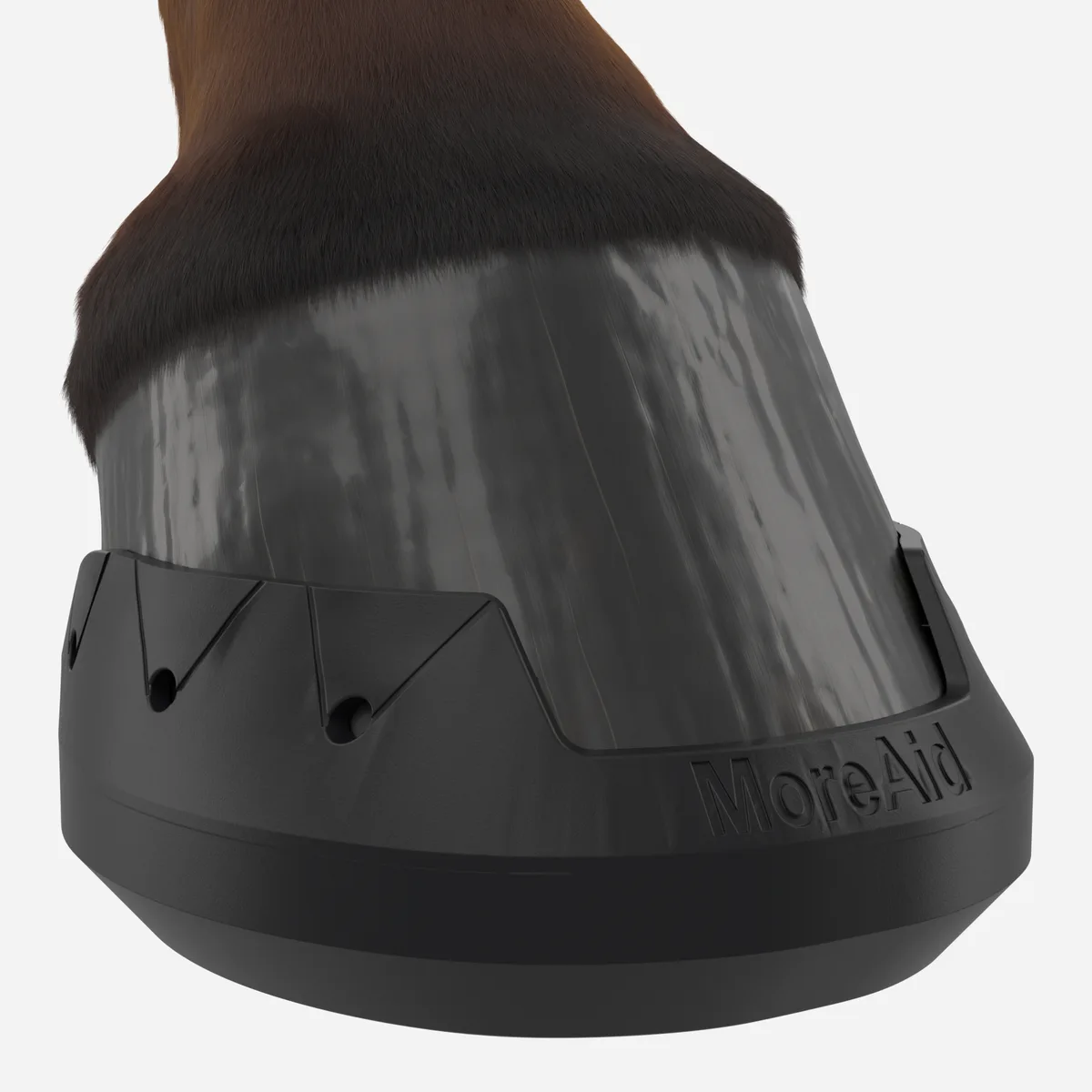
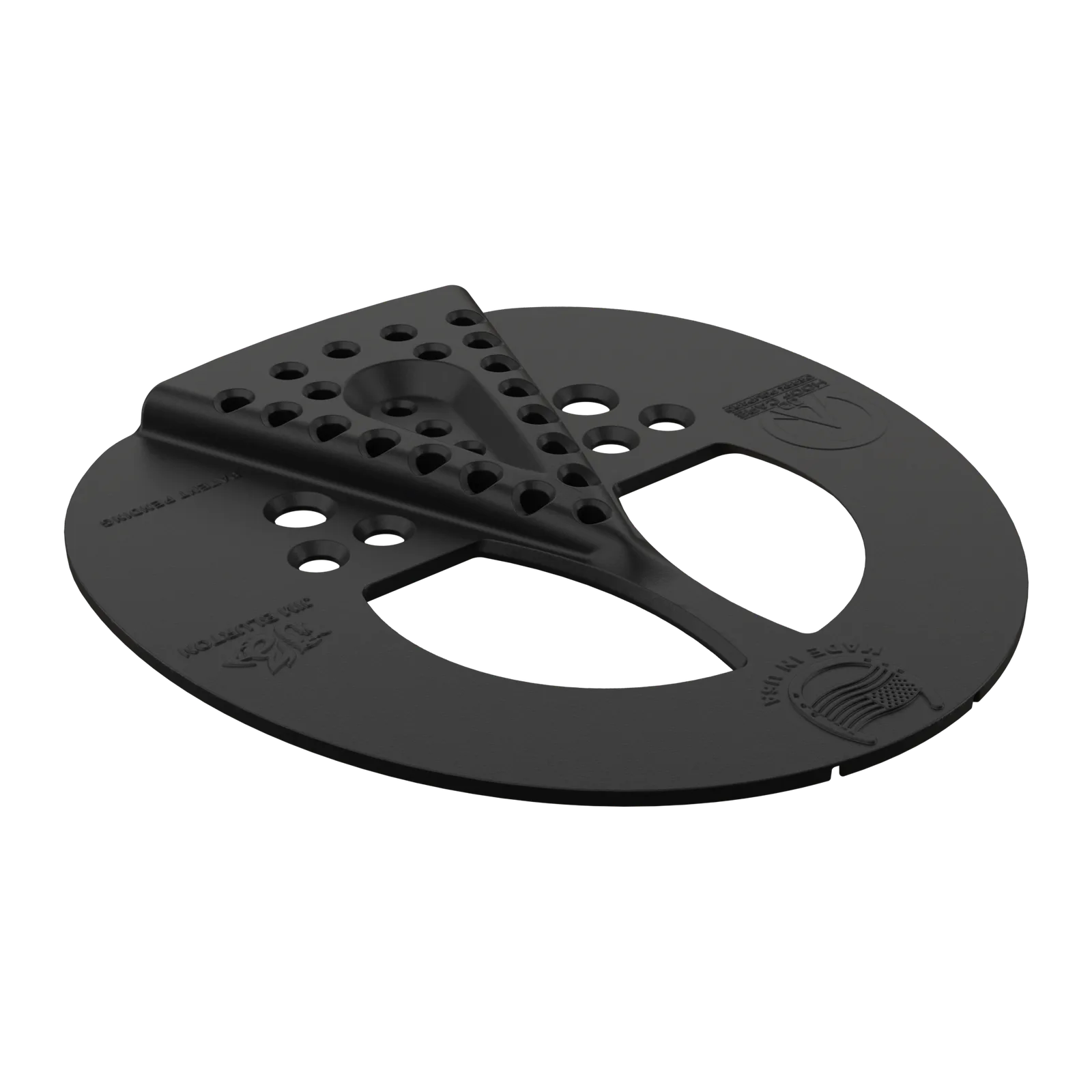
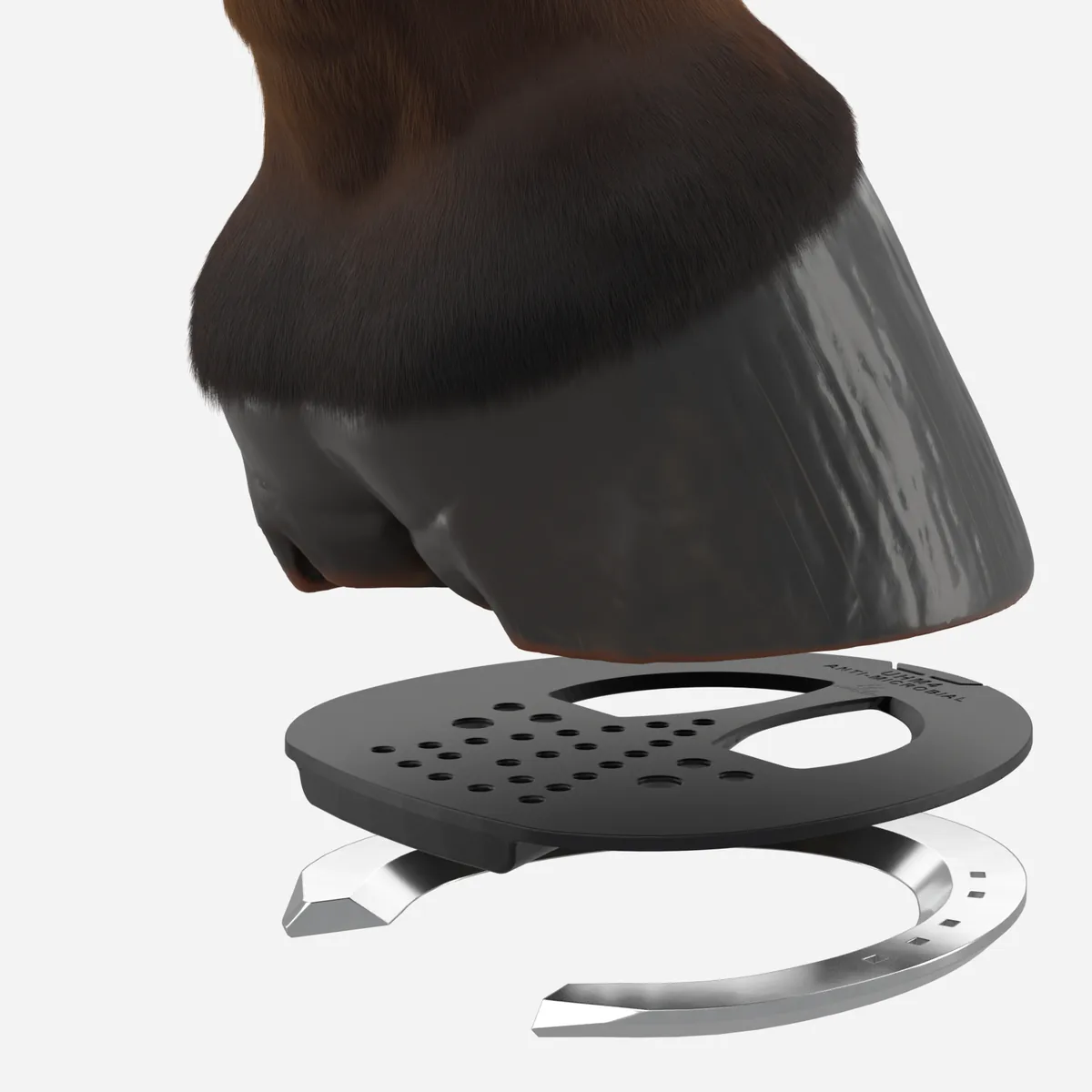
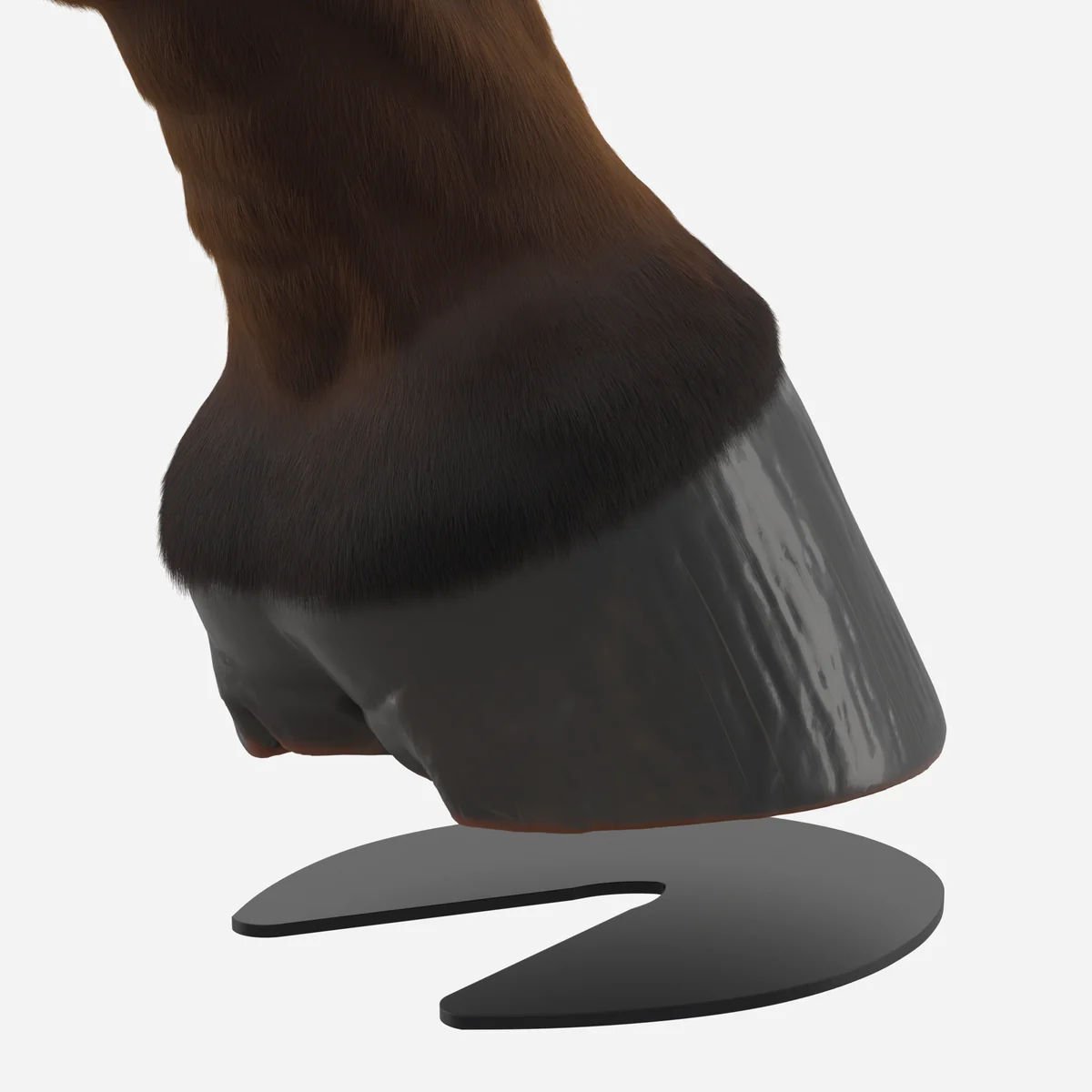
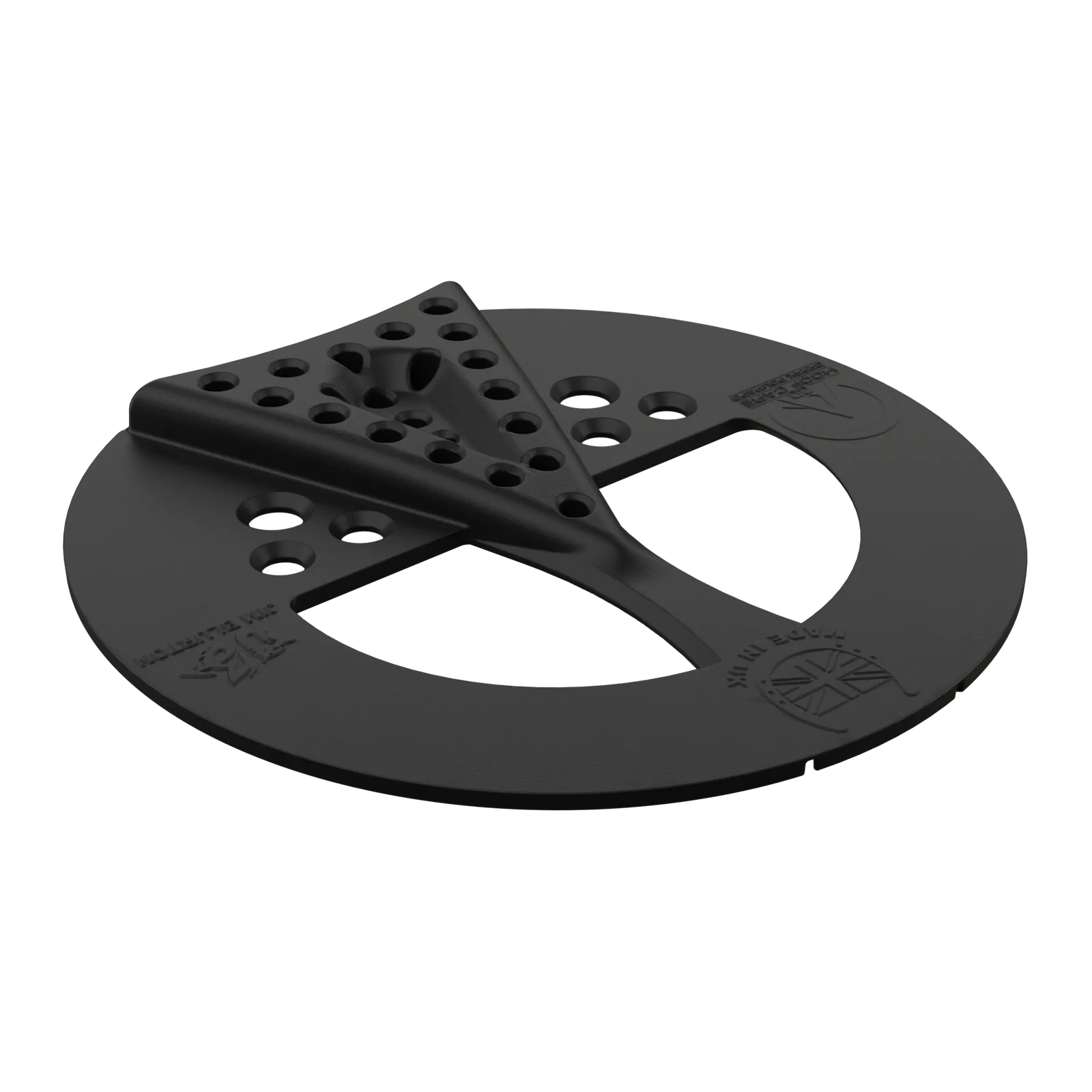
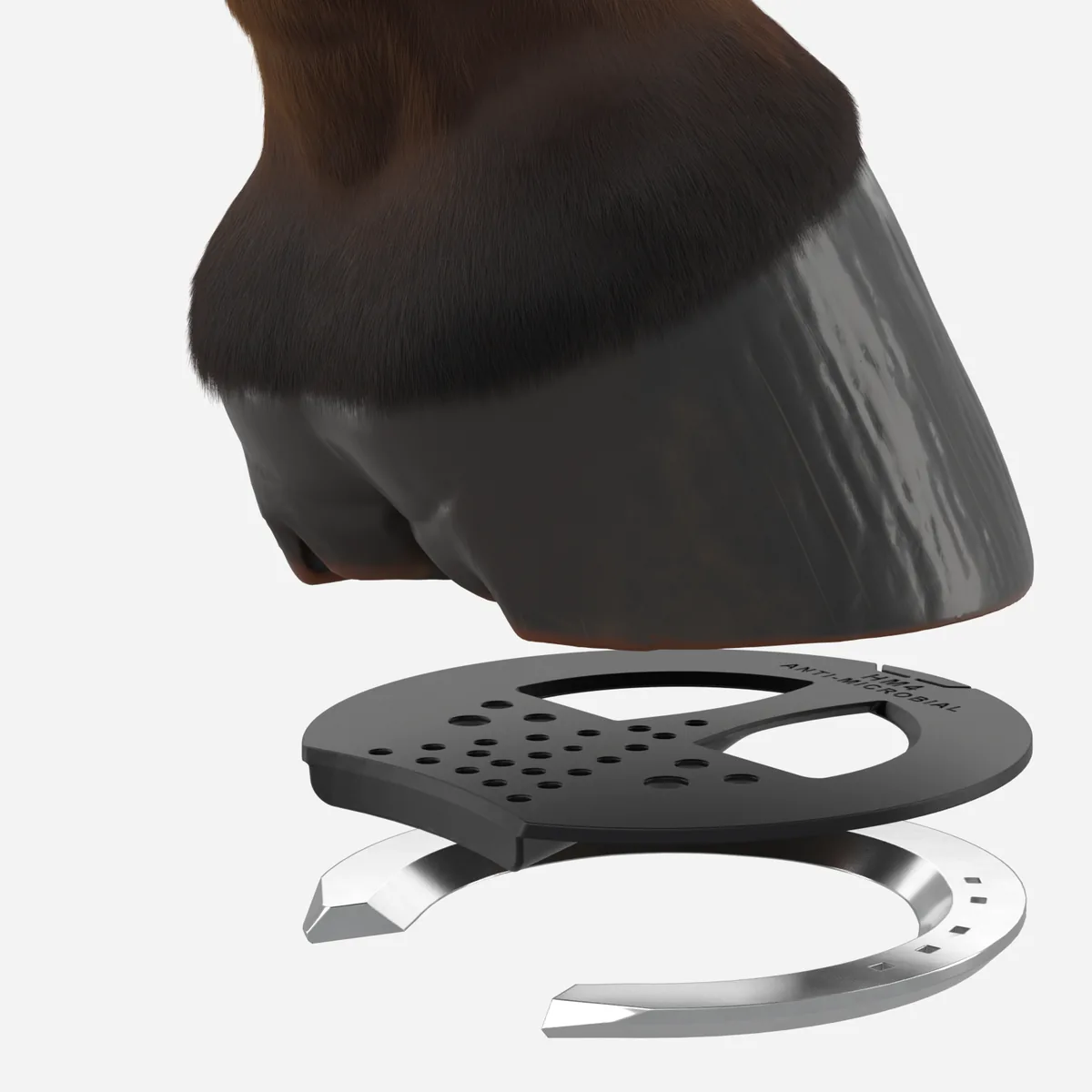
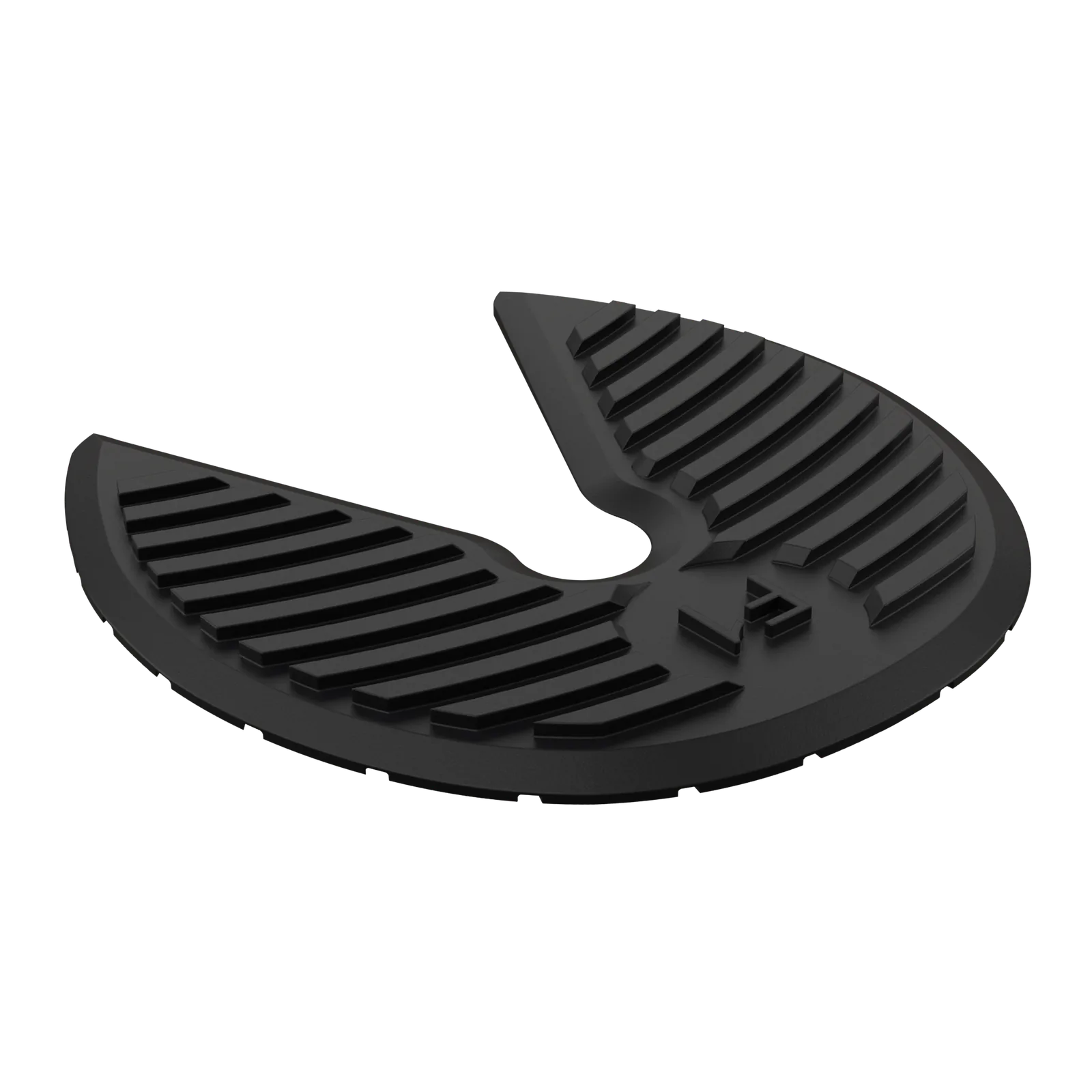
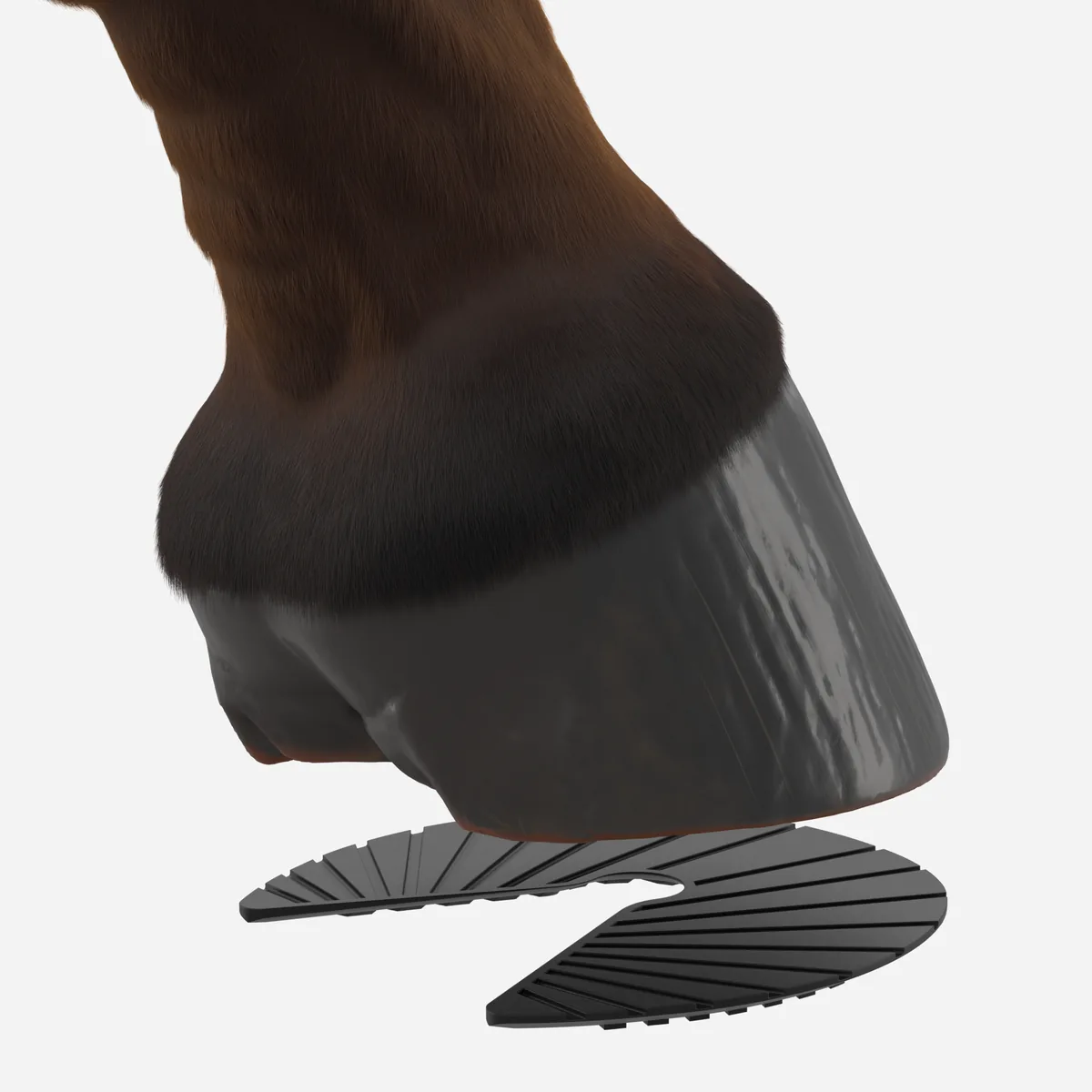
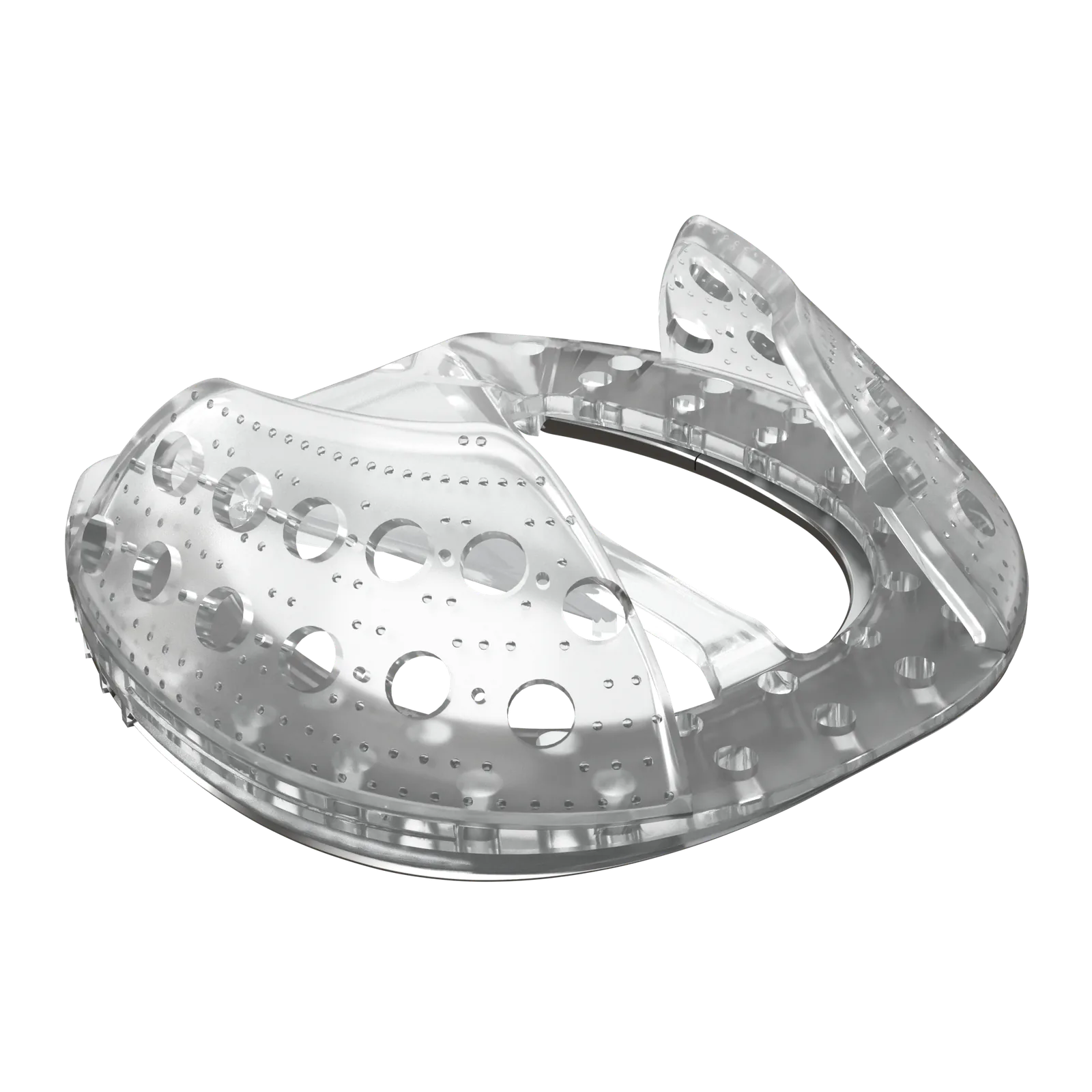
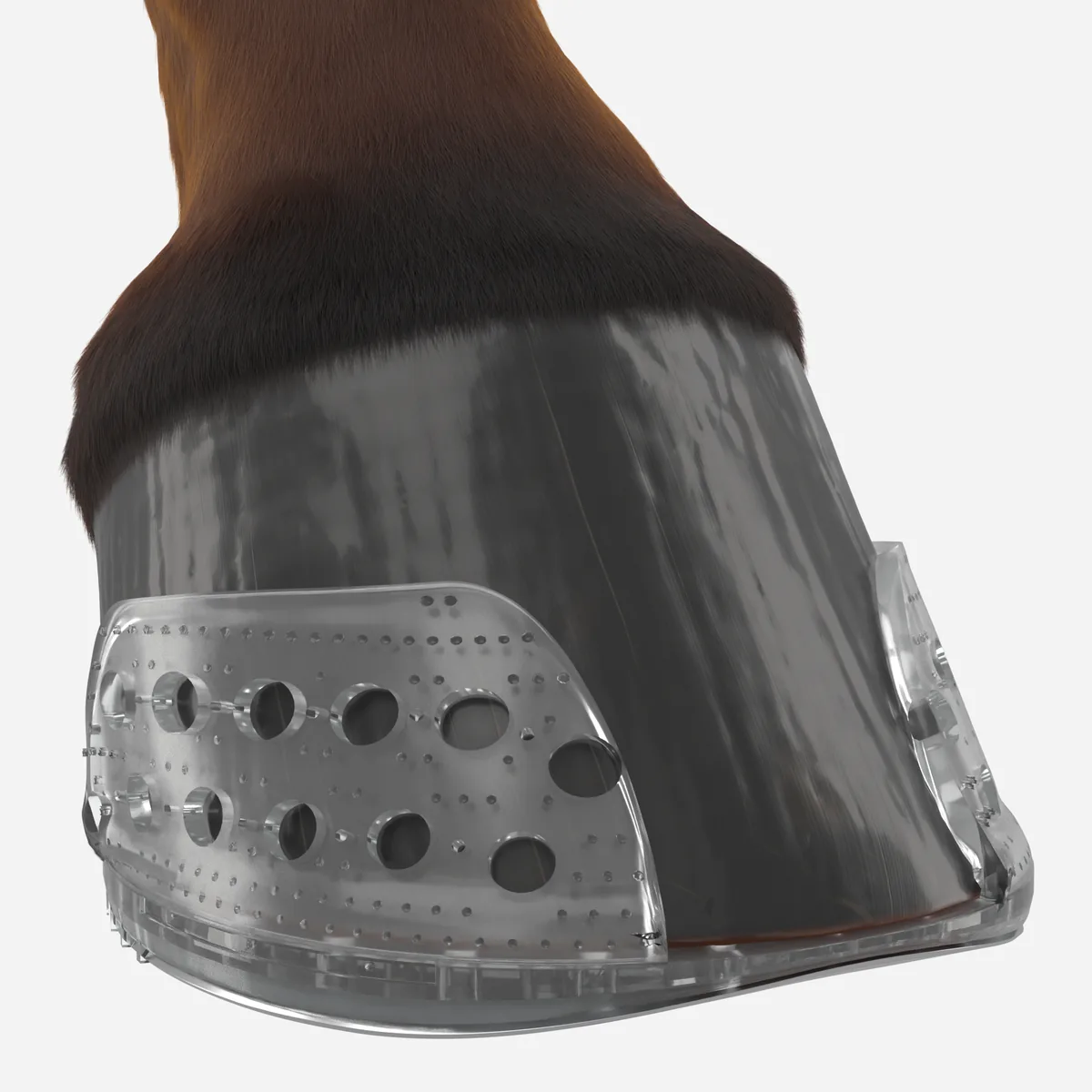
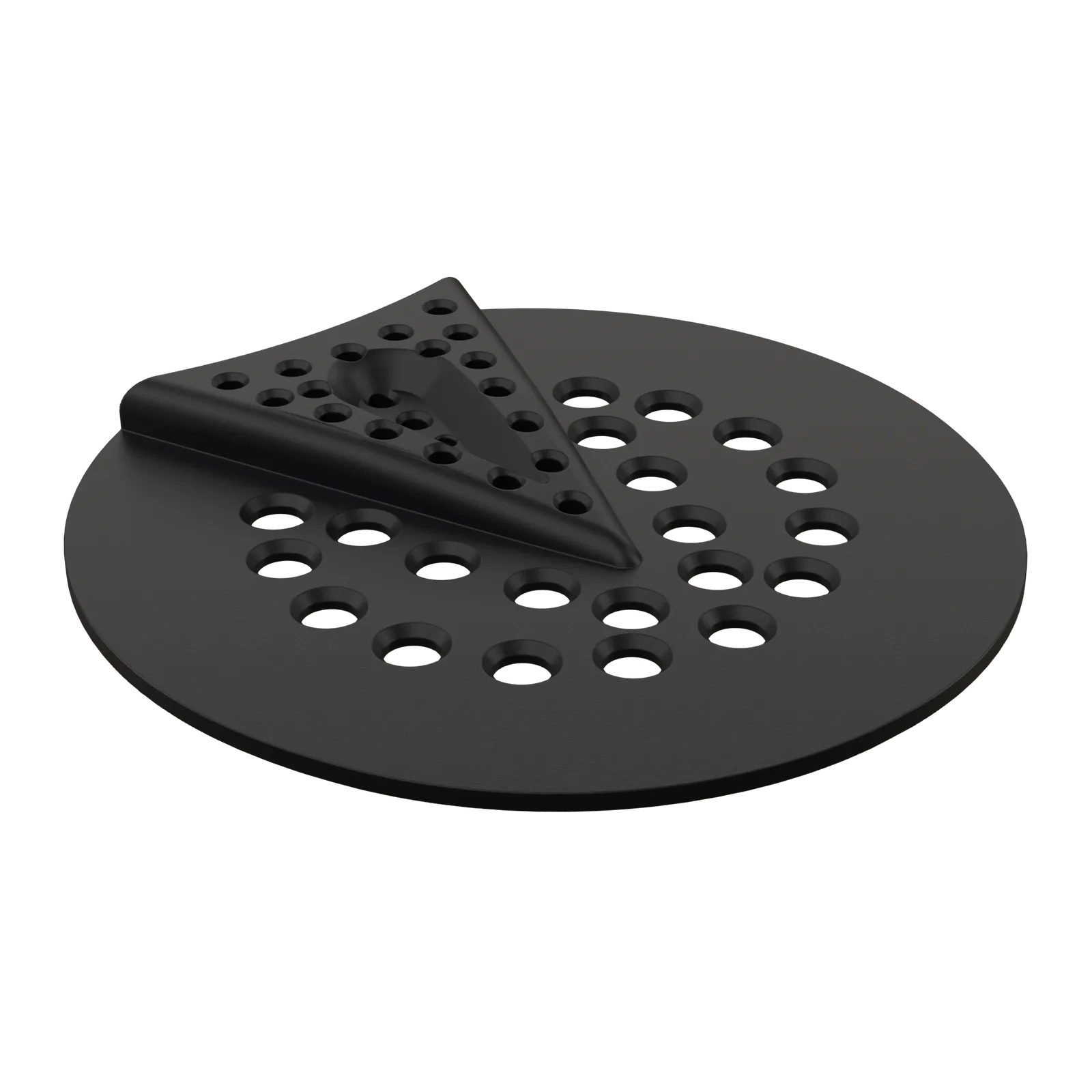
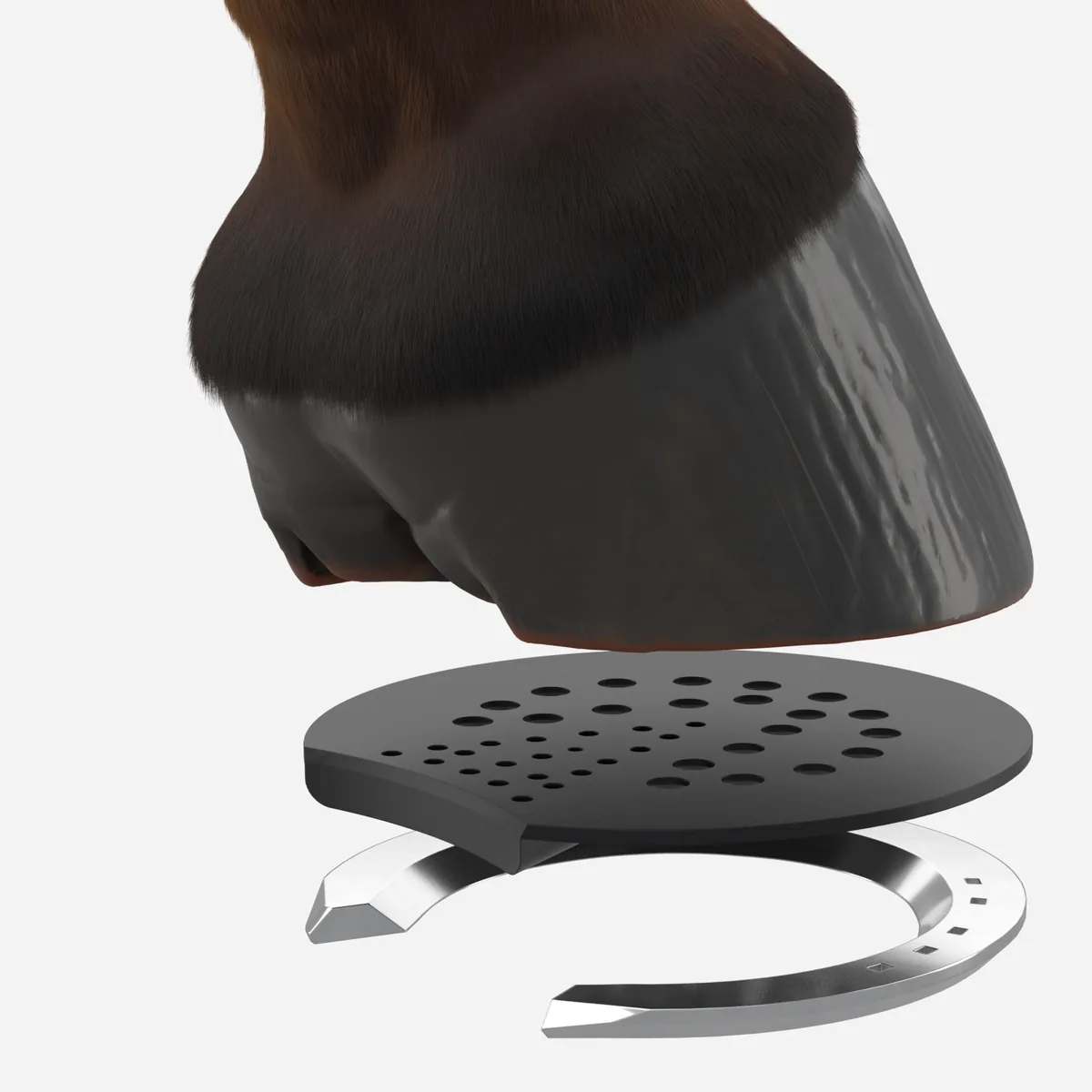
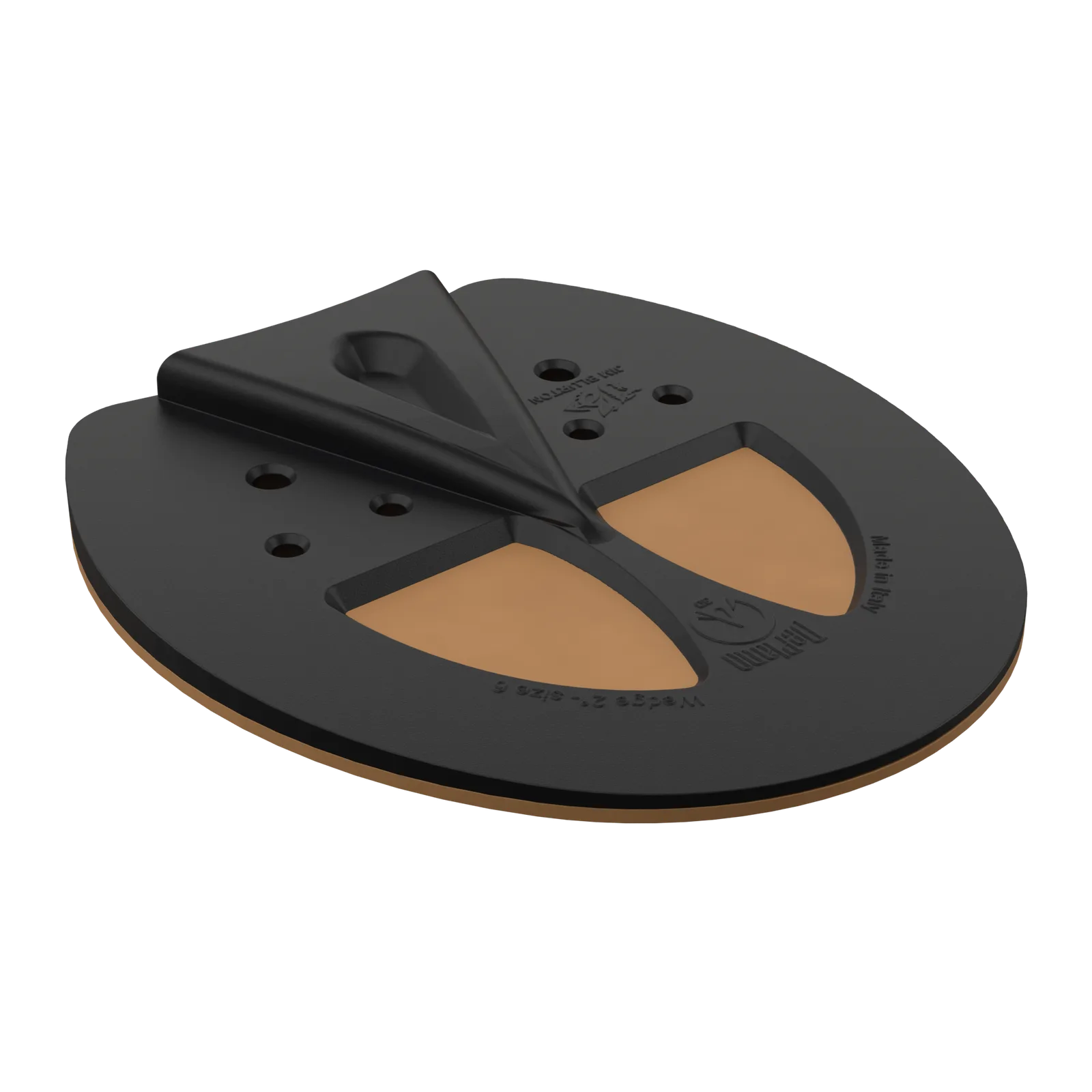
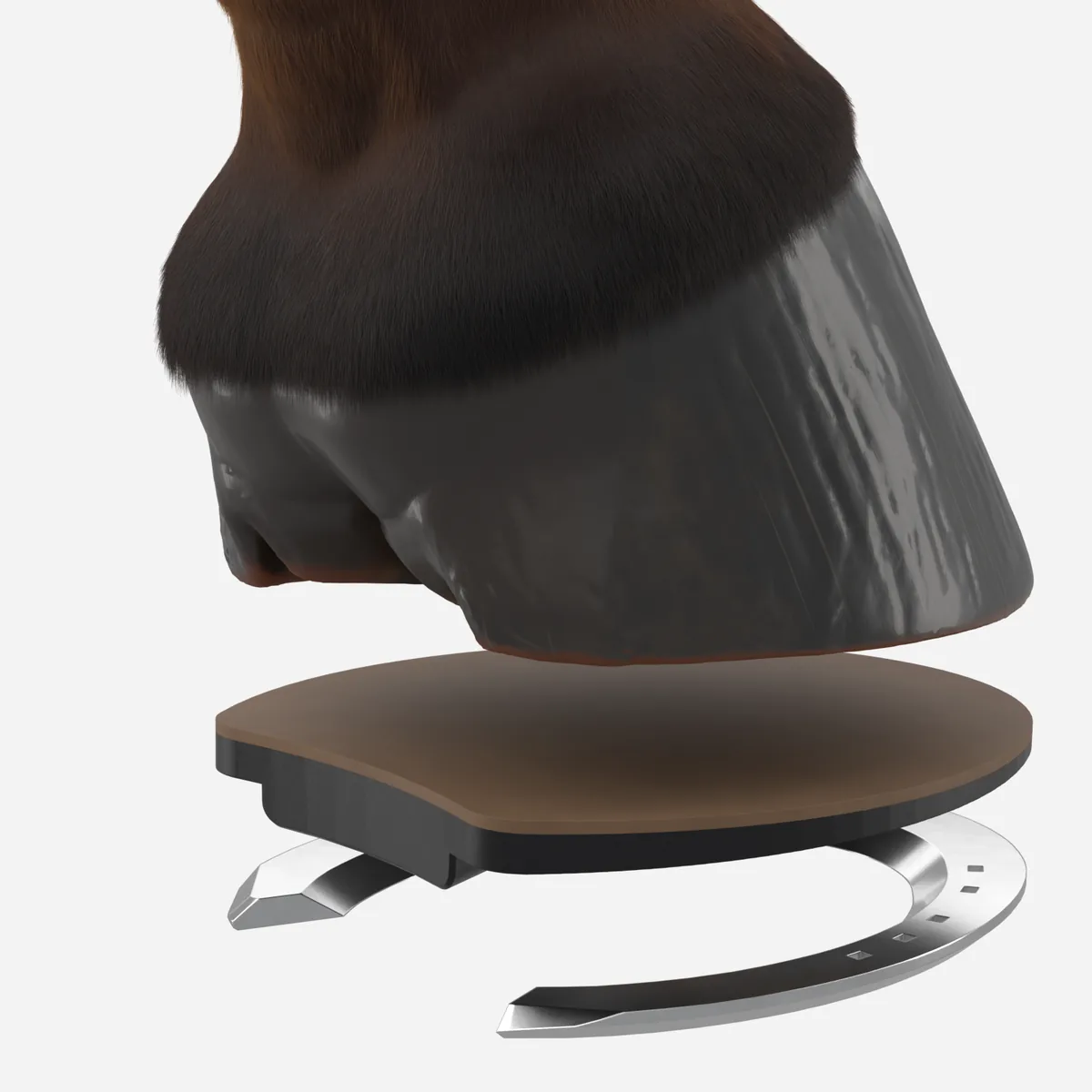
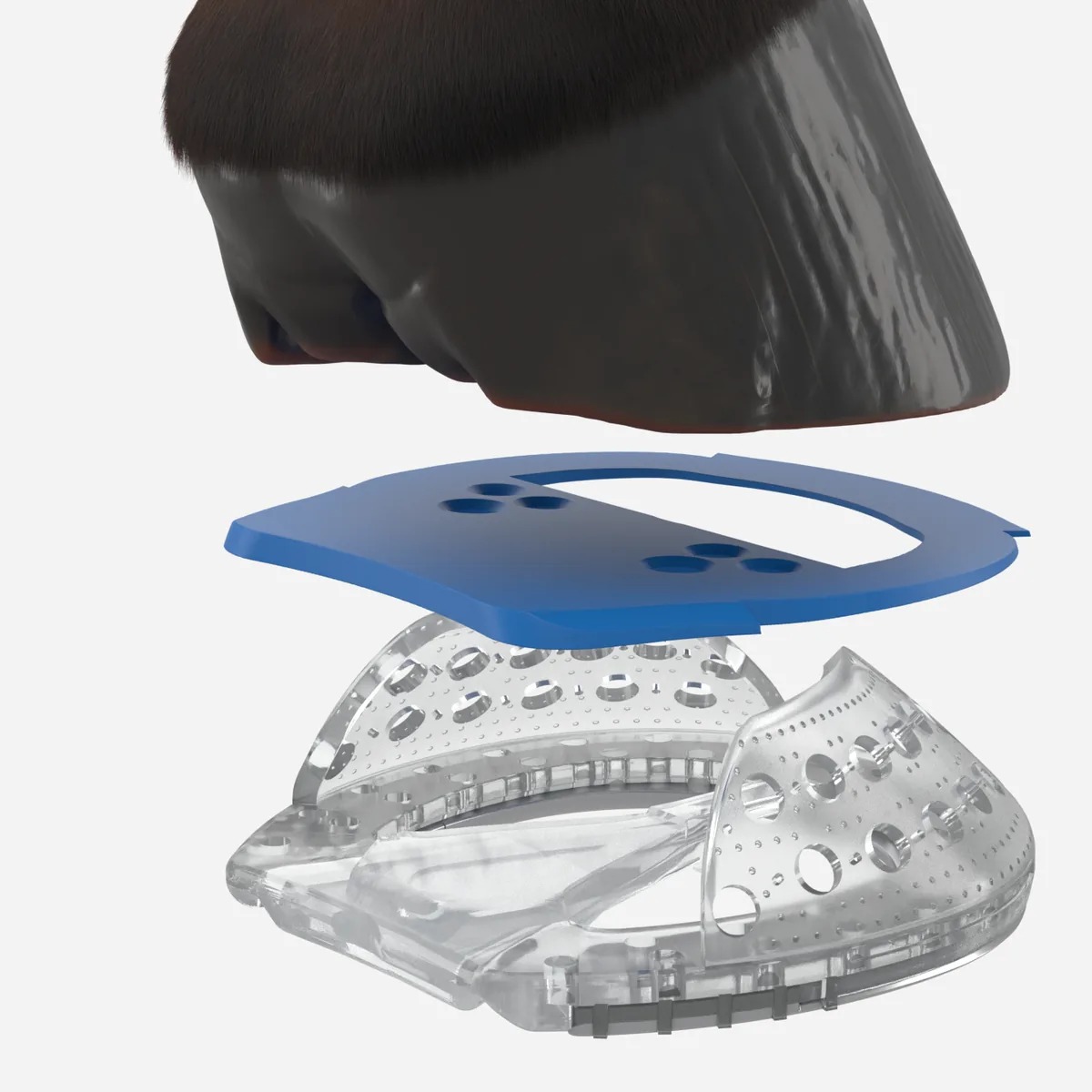
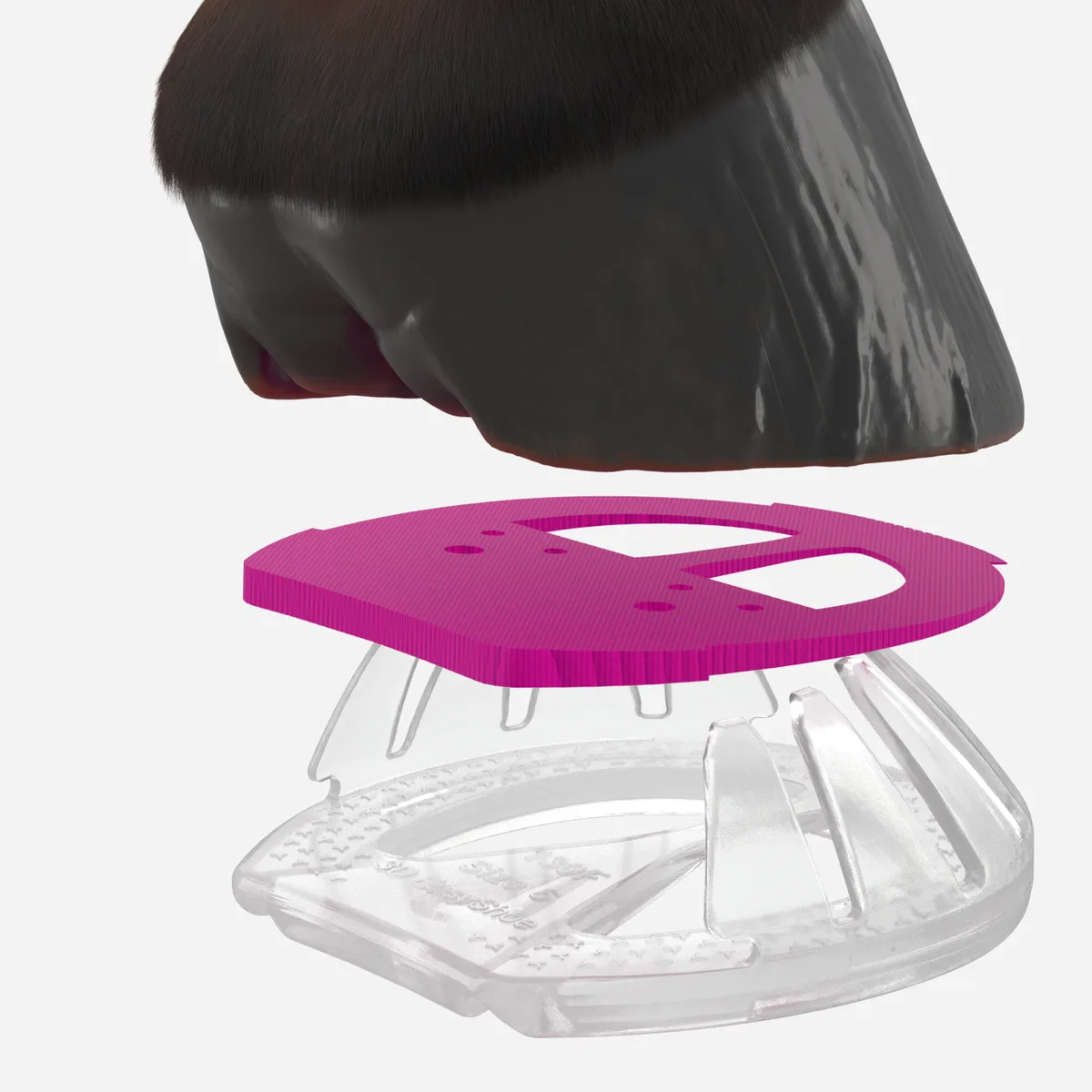
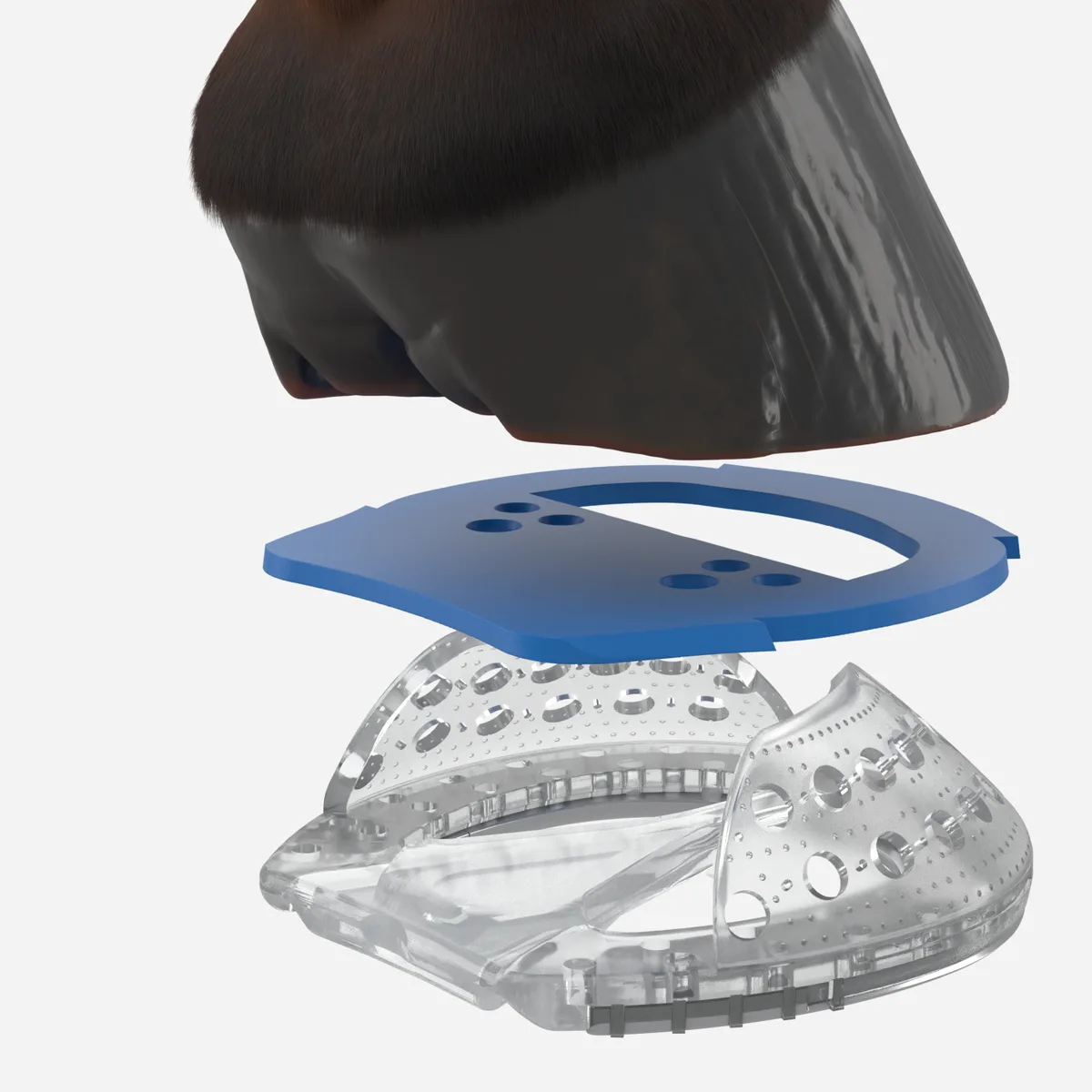
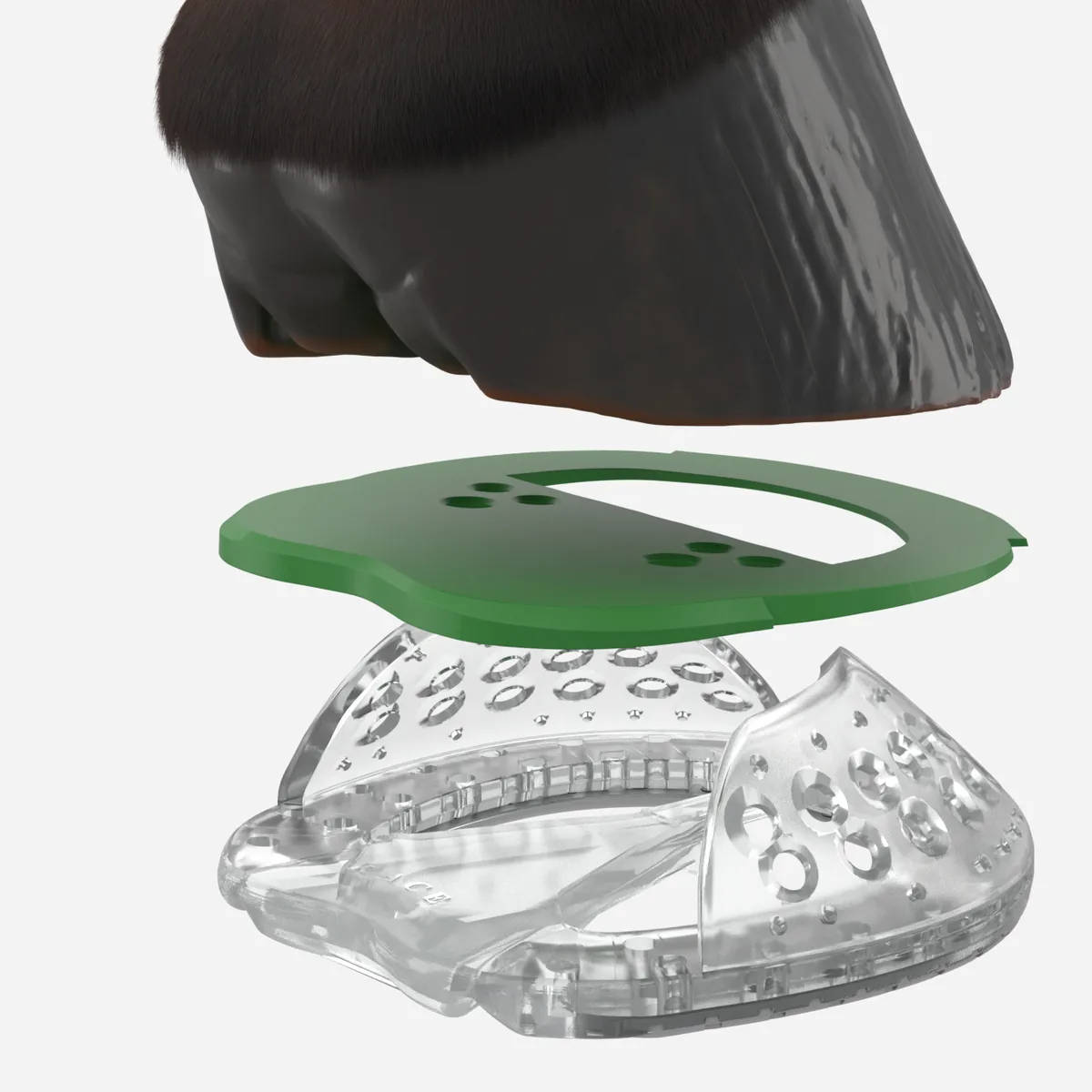
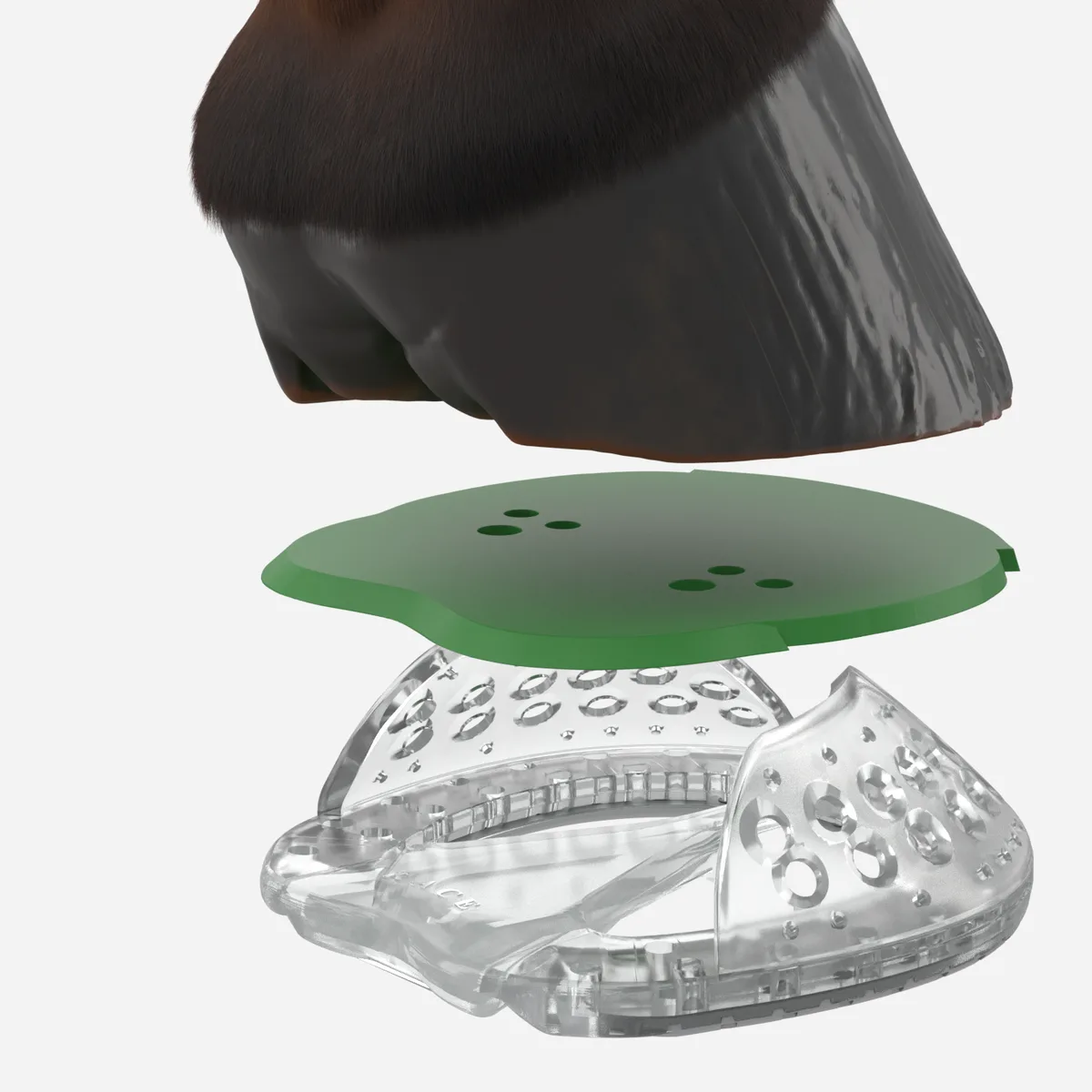
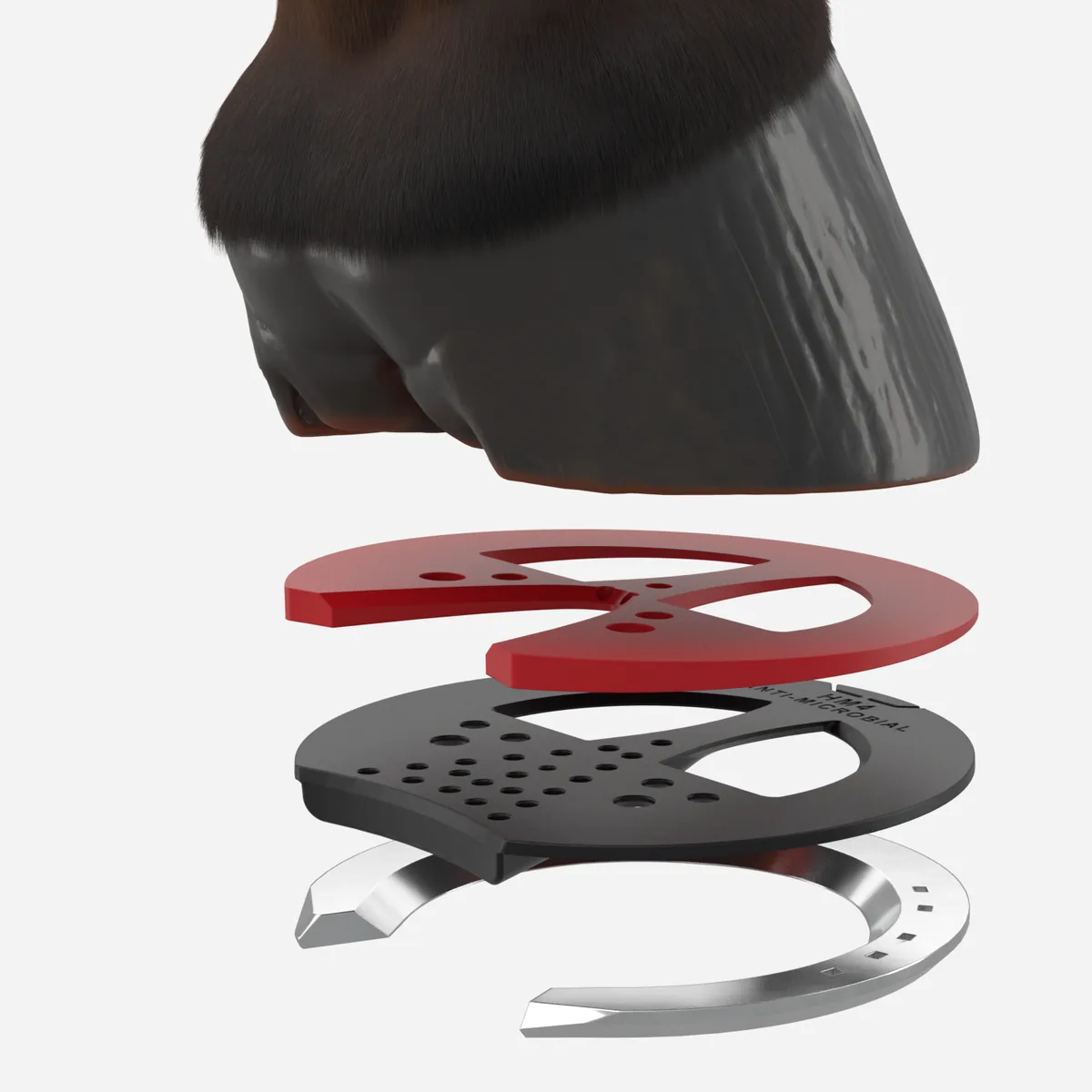
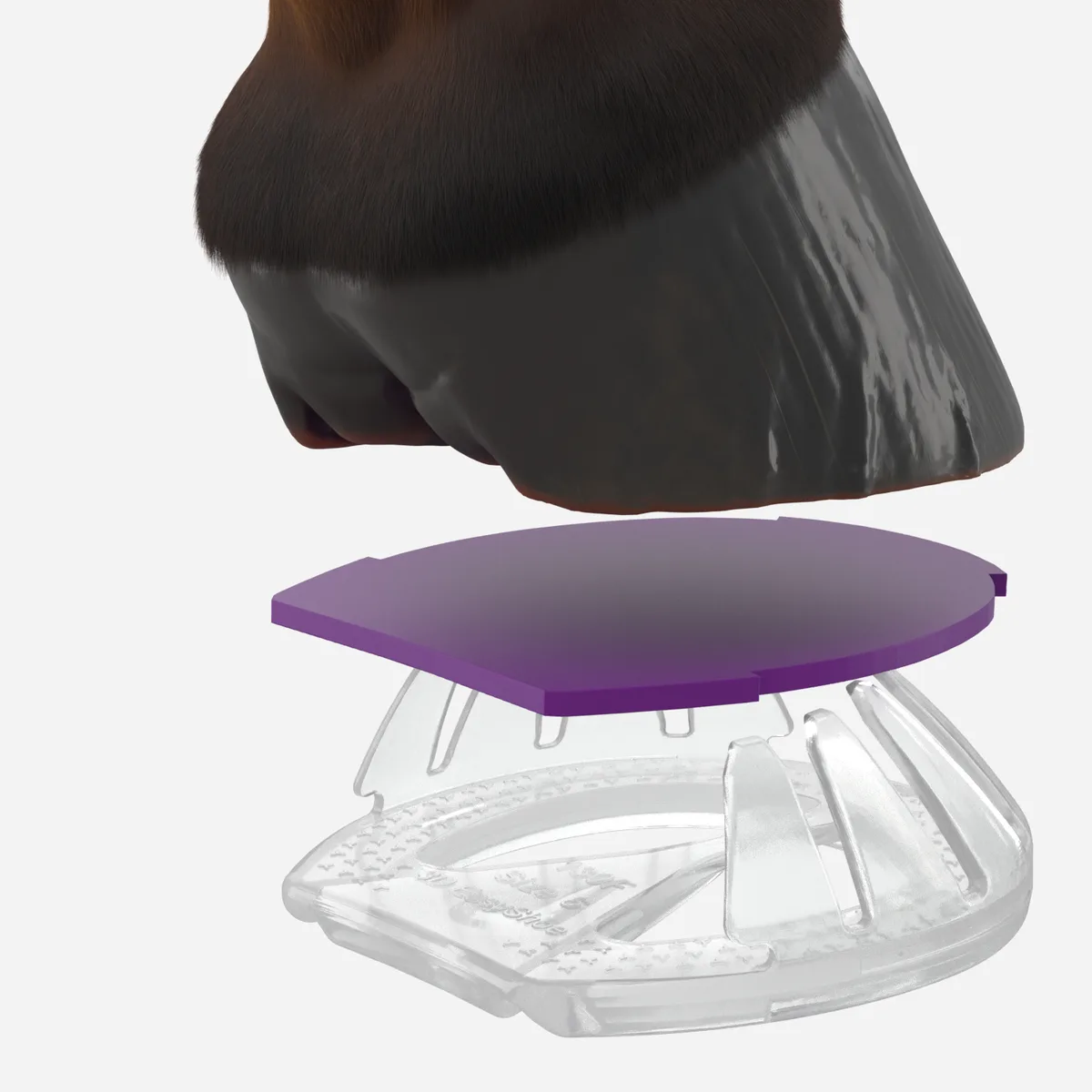
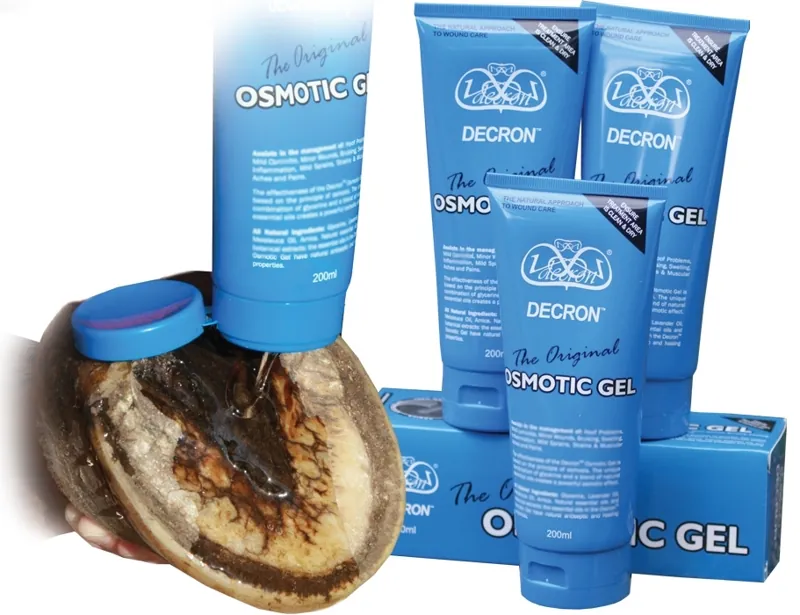
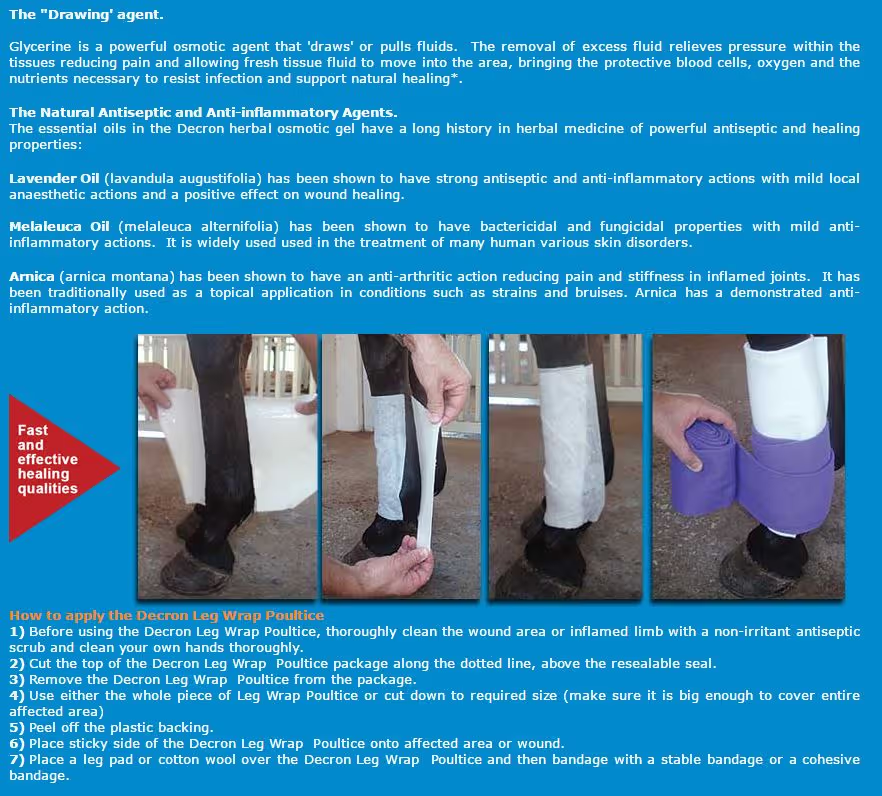
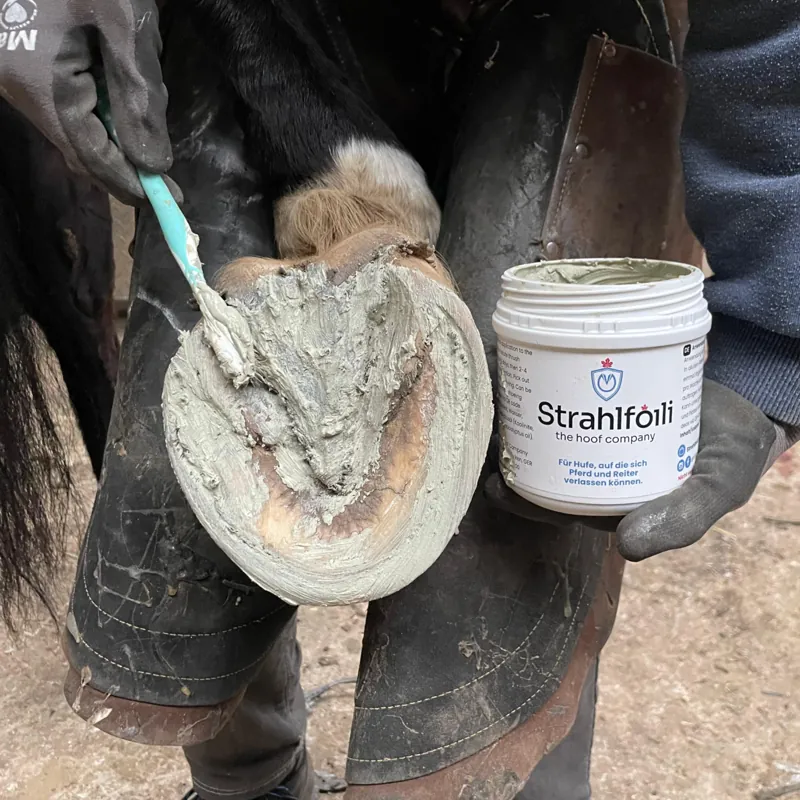
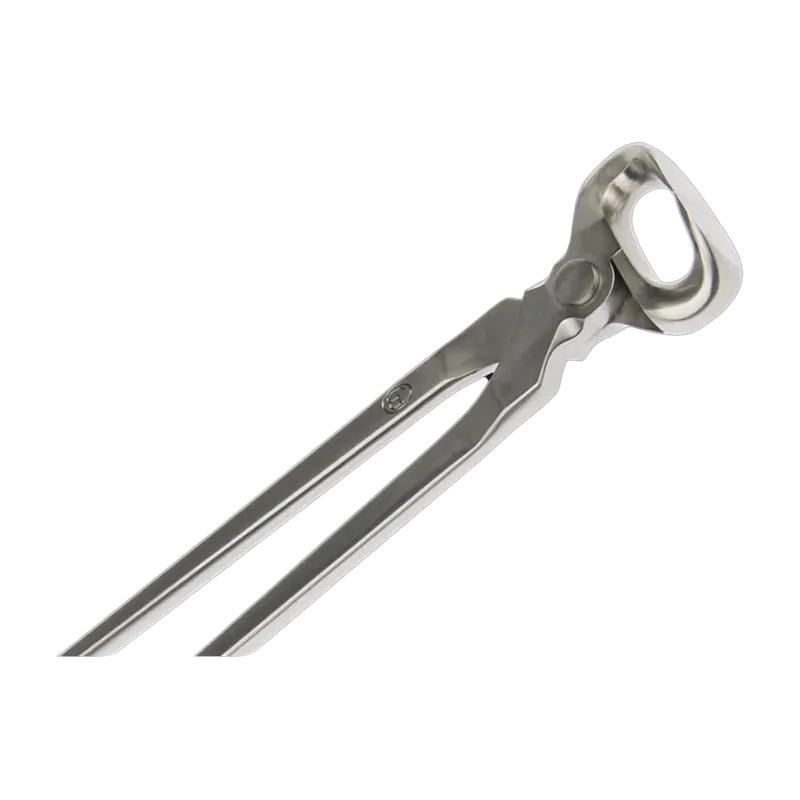
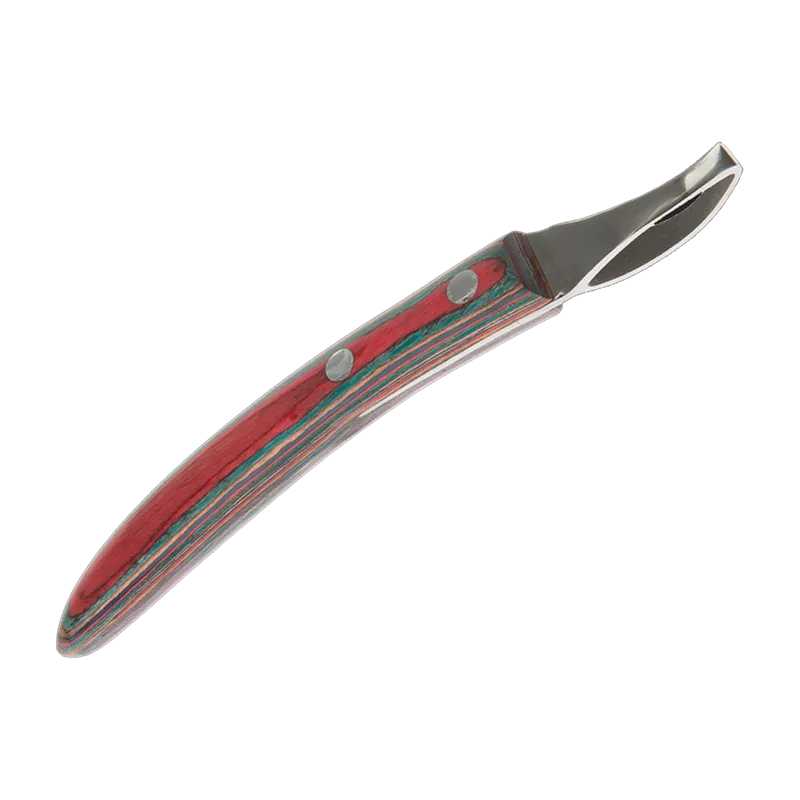
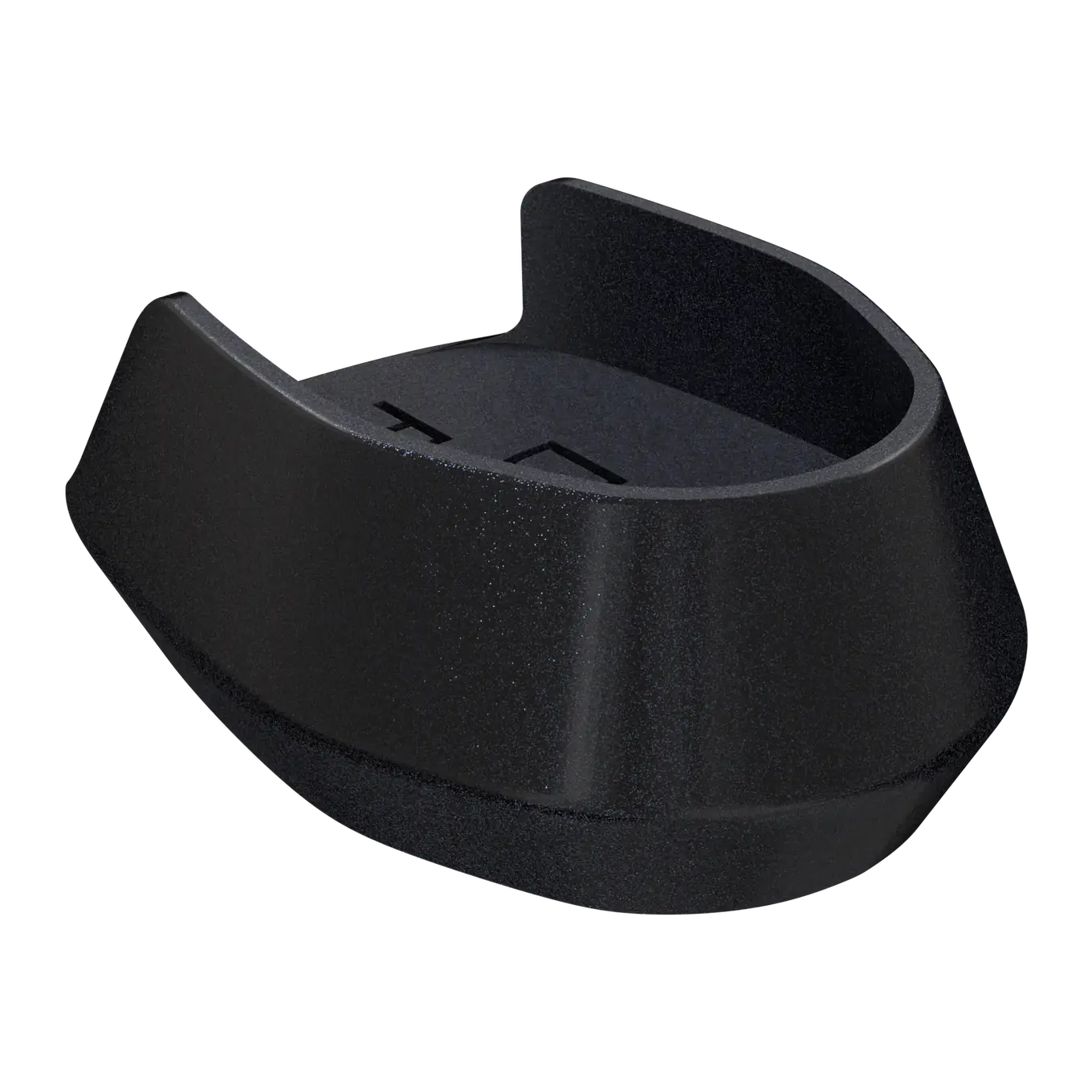
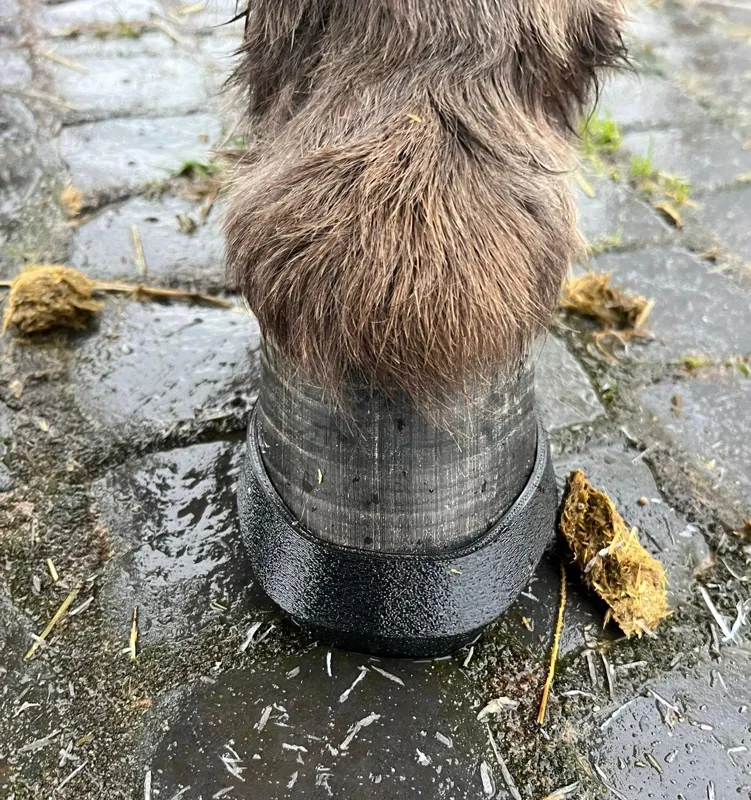
This is a hygiene-and-farriery problem before it is a product problem. Quality hoof care tools make daily cleaning easier, and after professional debridement Decron Osmotic Gel may help support the cleaned area as part of the aftercare your farrier or vet recommends. Once an infection is resolved and the foot is dry, a Barefoot Protection Pad or Full Mesh Pad can help protect thin or compromised feet, but never seal a pad over an active infection; trapped moisture is exactly what these organisms want.
When to call your vet or farrier
Any wall separation, any lameness, or any thrush that reaches sensitive tissue. Recurring cases deserve a conversation about environment and trimming cycle.
This guide is educational and is not a substitute for veterinary or farrier diagnosis.