


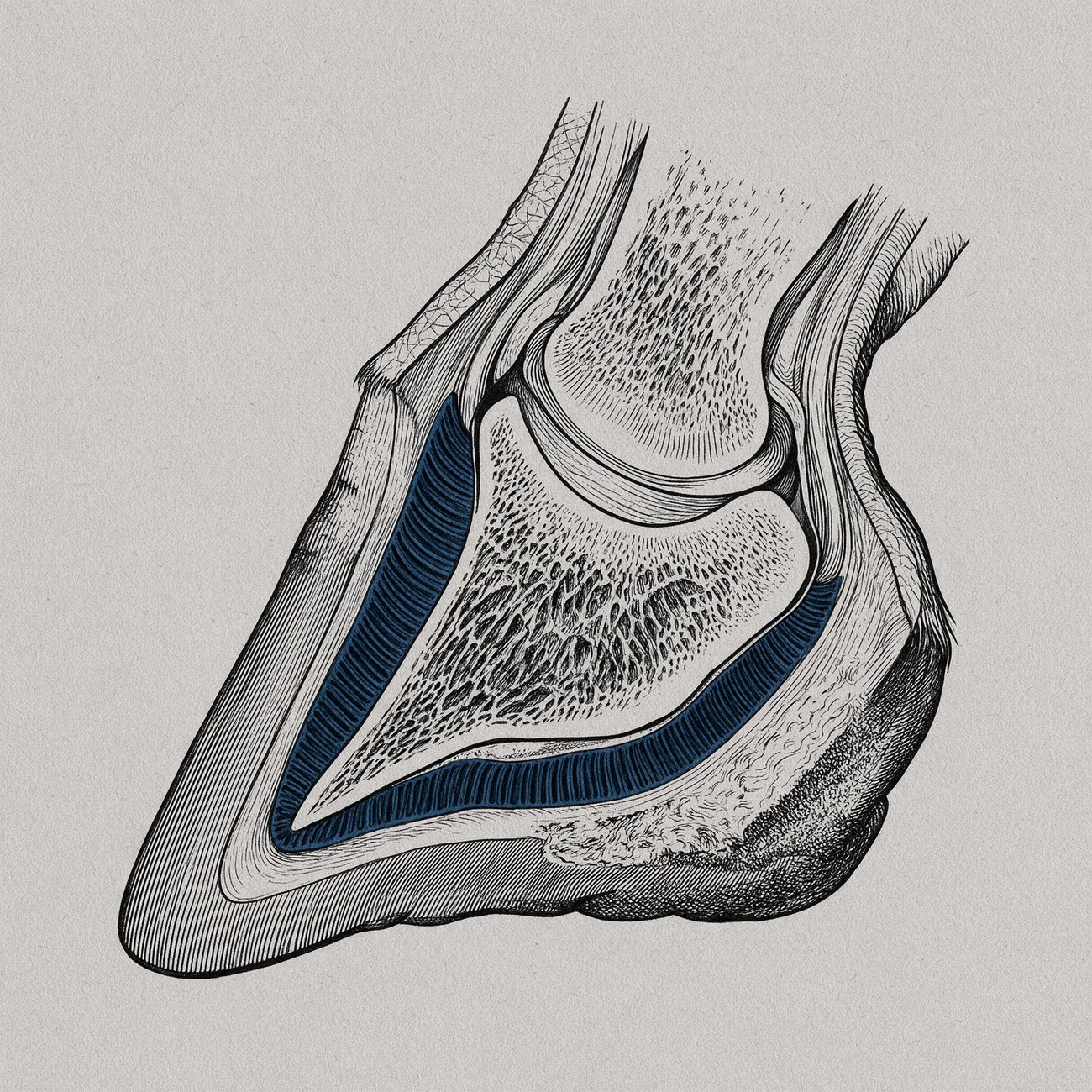
Laminitis is inflammation of the laminae, the interlocking tissue that suspends the pedal bone inside the hoof capsule. When the laminae weaken, the bone can rotate or sink, which is why laminitis is one of the most serious conditions a hoof can face. It is a medical emergency: if you suspect it, call your vet the same day.
What causes it
Most cases are metabolic, linked to conditions such as equine metabolic syndrome or PPID (Cushing's), rich spring grass, or sudden grain overload. Others follow severe illness, or mechanical overload when one limb bears extra weight during an injury to the other. It is not just a "fat pony in spring" problem: any horse can develop laminitis.
Signs you'll notice
A strong, bounding digital pulse at the fetlock. Heat in the hooves. Reluctance to walk or turn, weight rocked back onto the heels, and lying down more than usual. Often both front feet are affected at once.
How it's managed
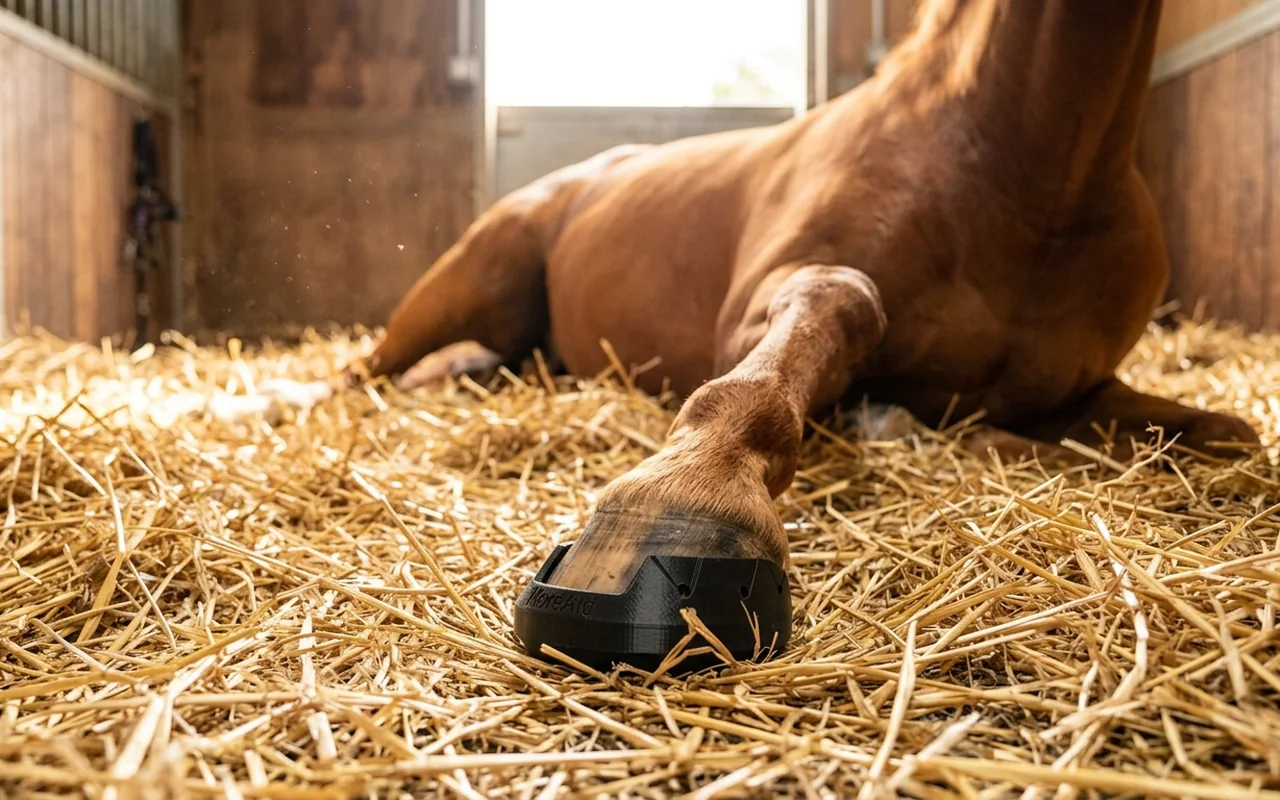
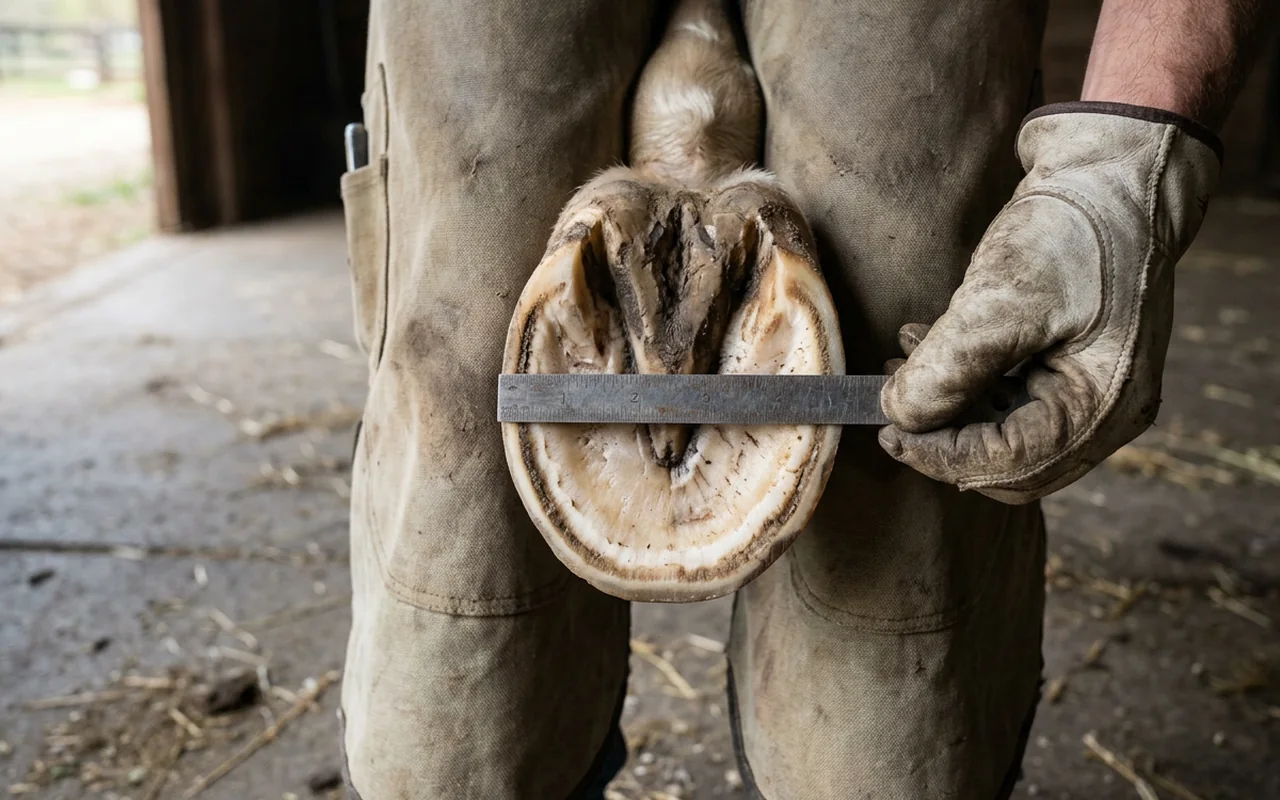
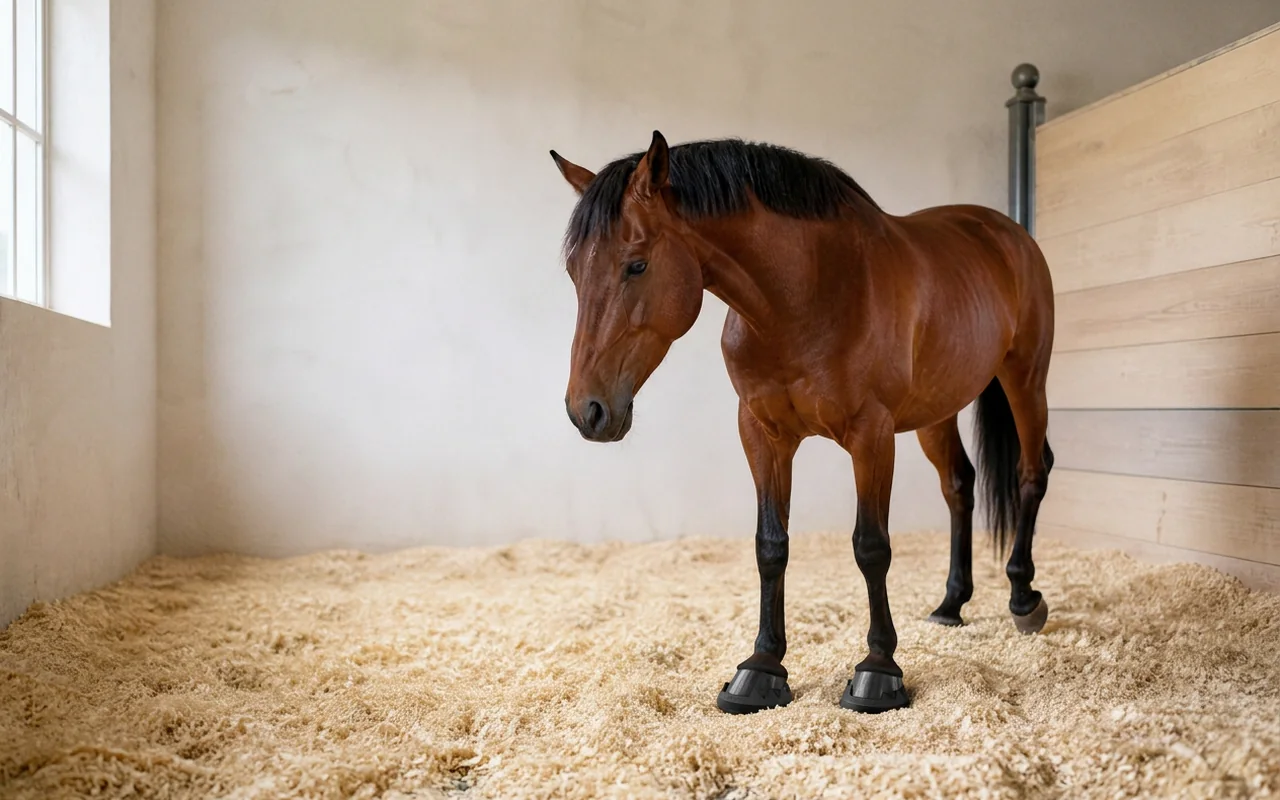
Your vet leads: identifying and treating the underlying cause, managing pain, and taking radiographs so your farrier knows exactly where the pedal bone sits. In the acute phase the priorities are box rest on deep, soft bedding and removing the trigger. Do not force the horse to walk. Farriery decisions (trimming, breakover, any heel elevation) should be guided by those radiographs.
Where support products fit
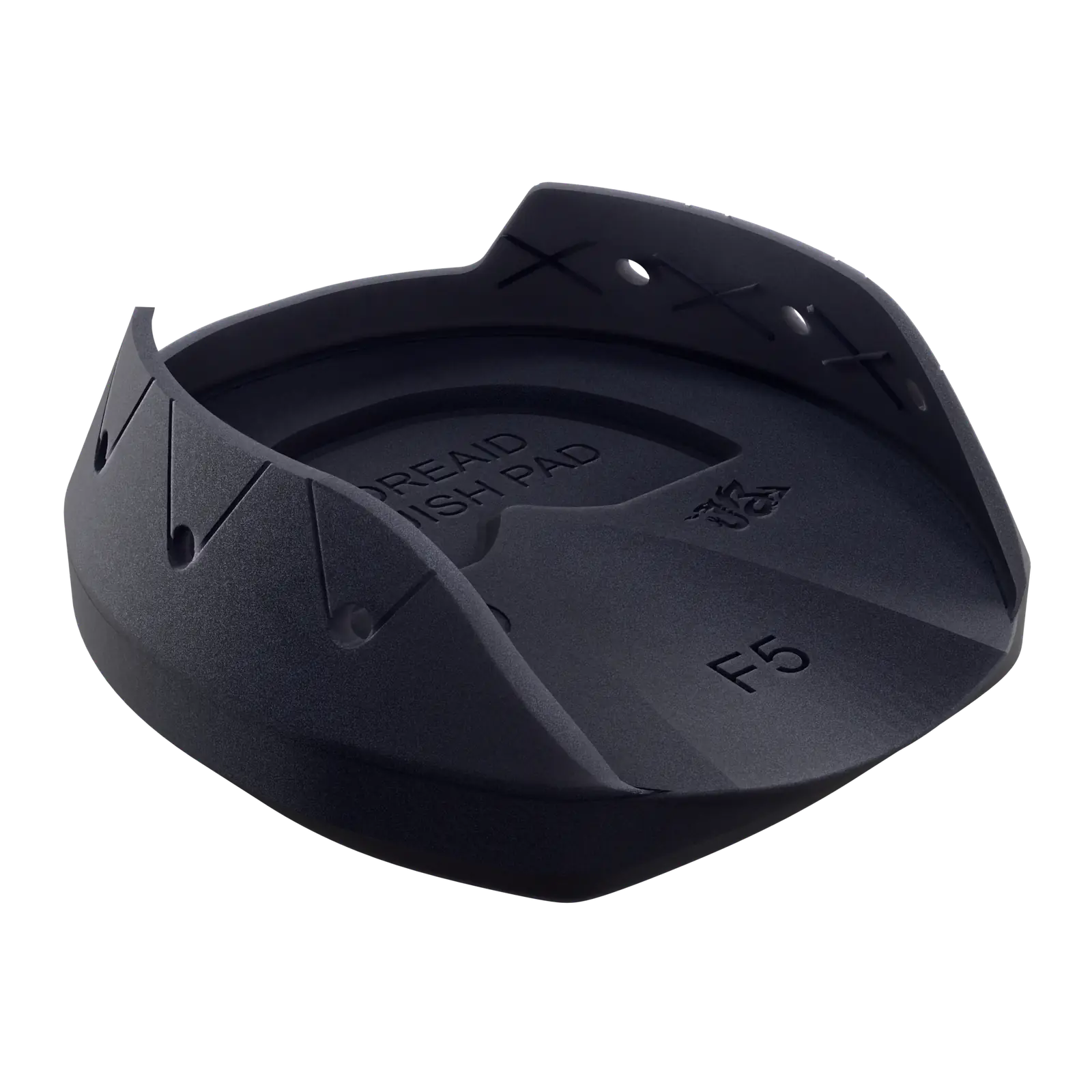
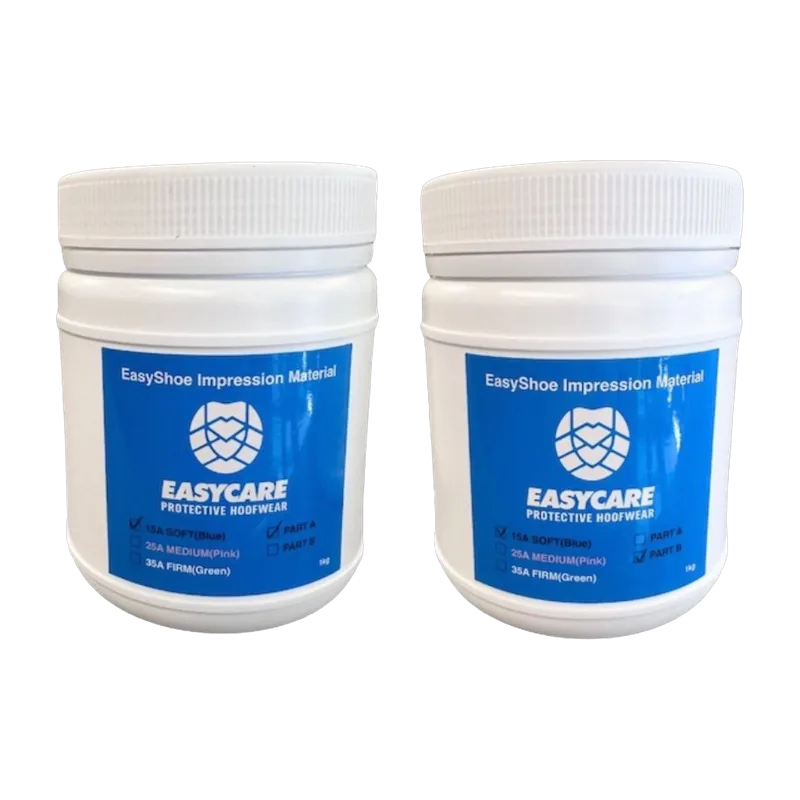
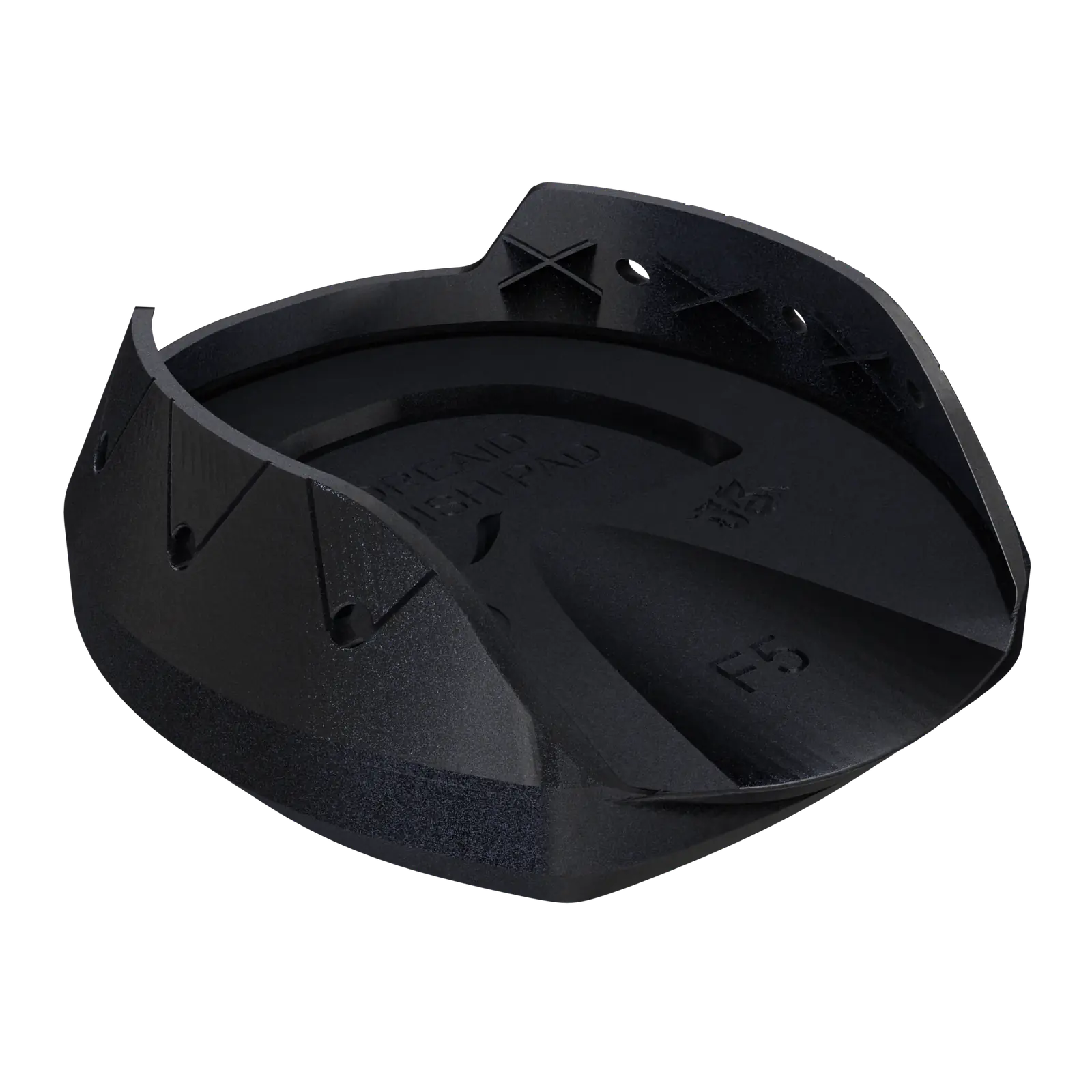
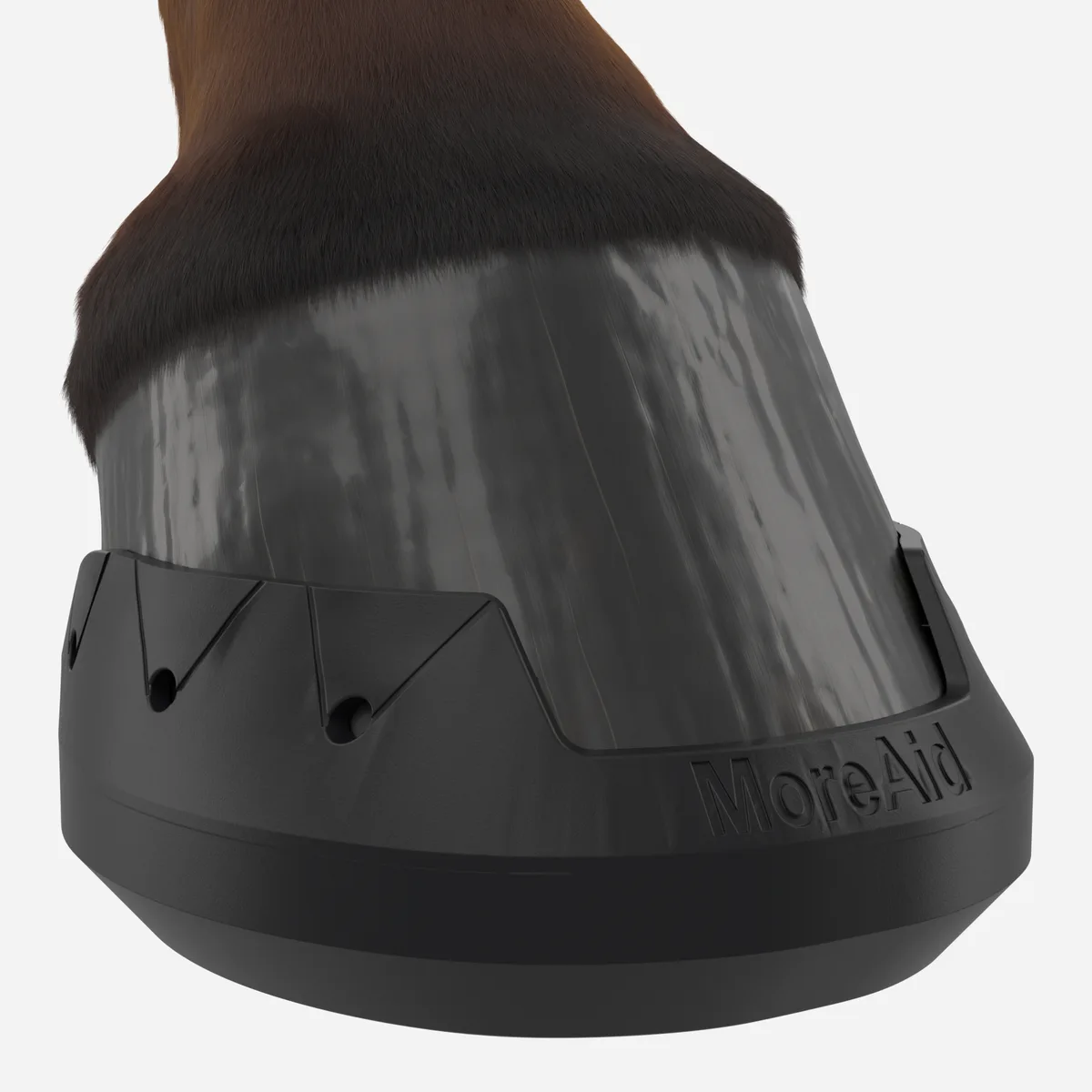
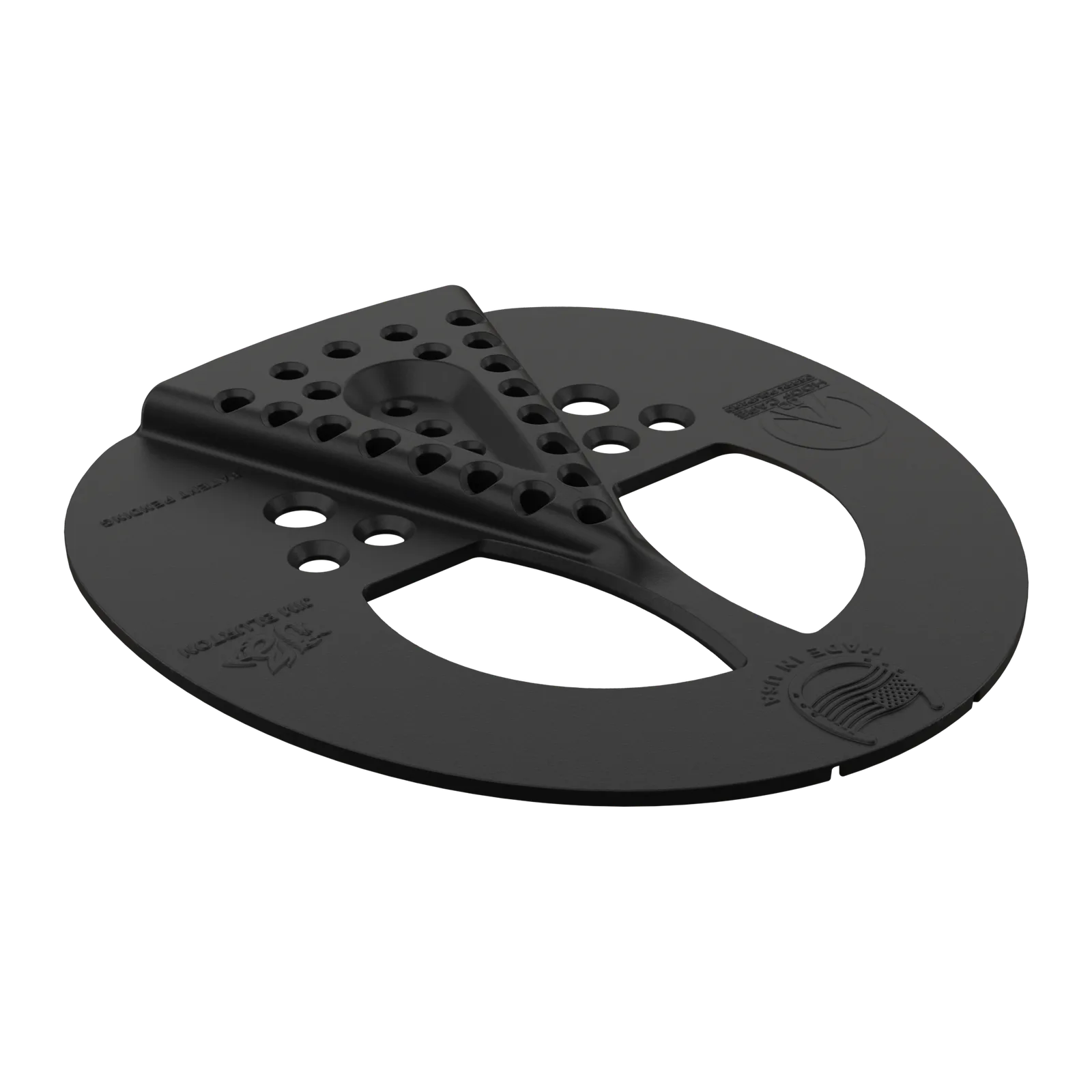
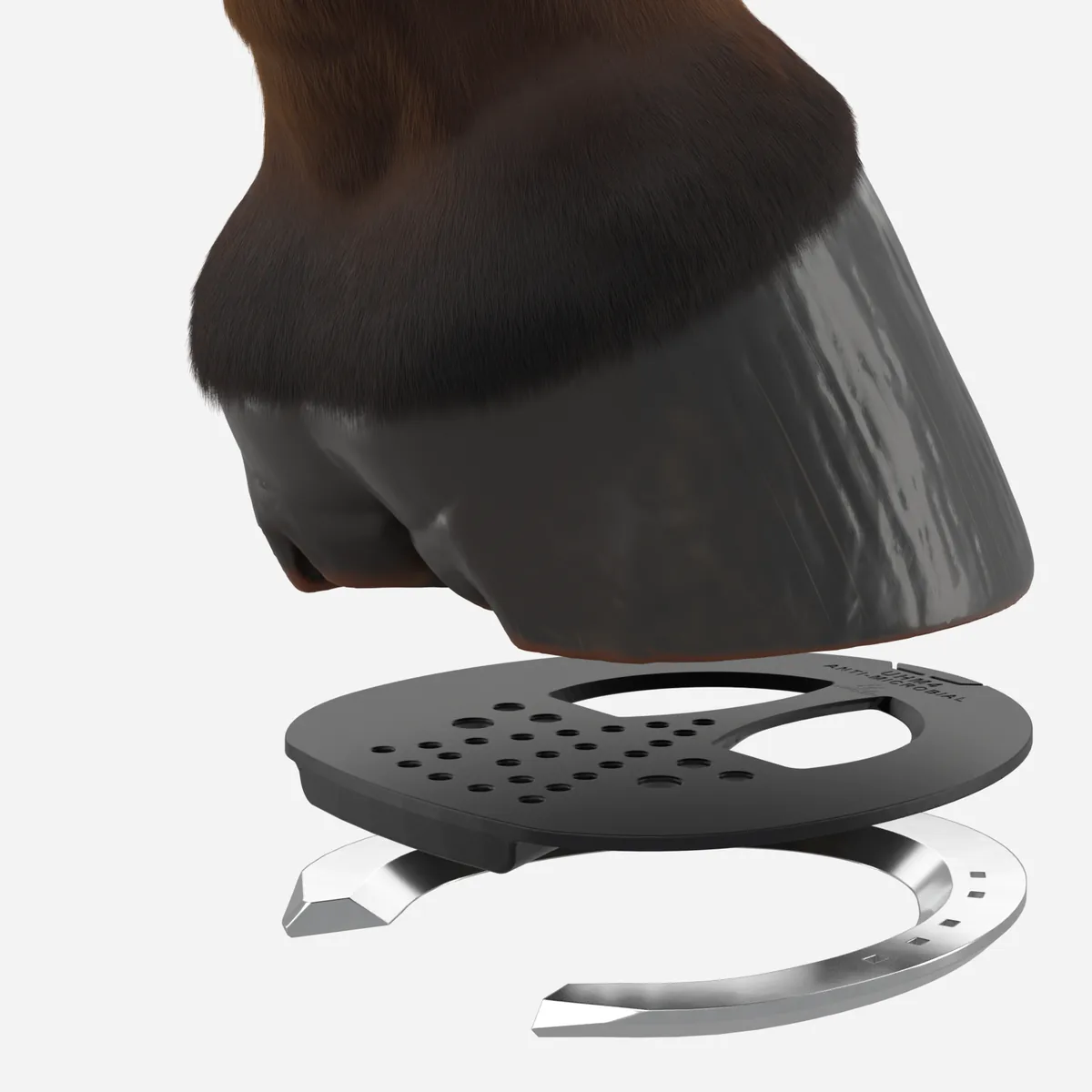
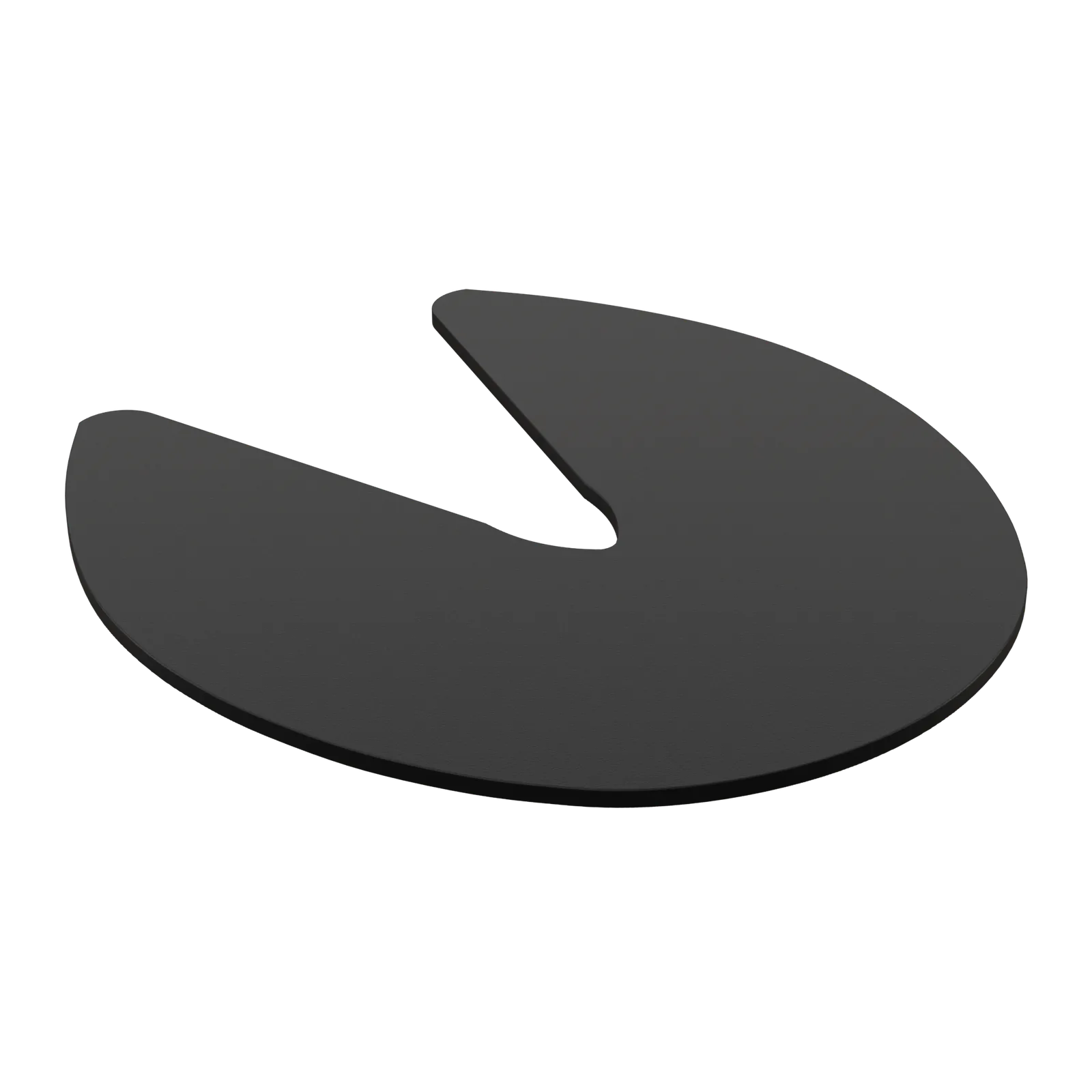
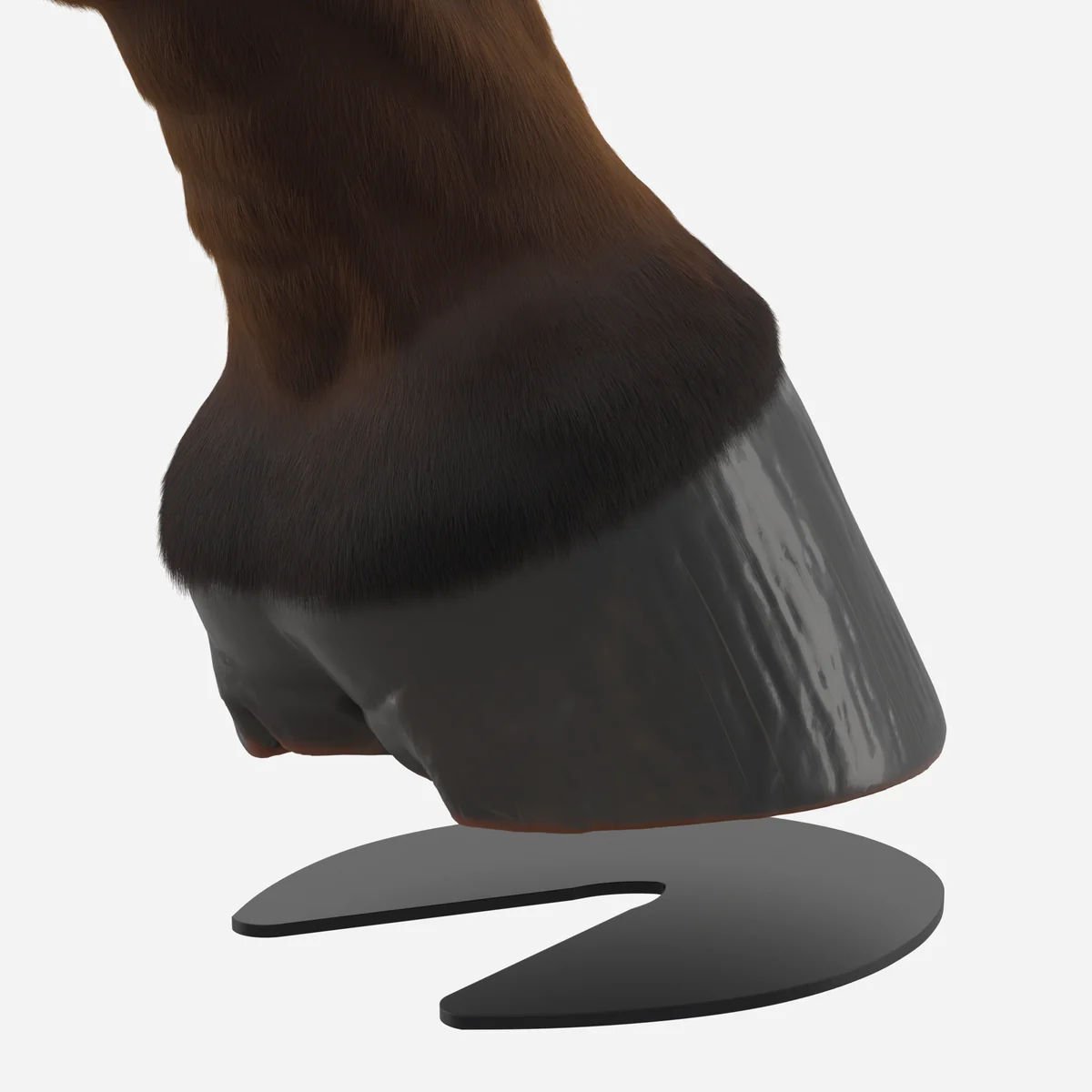
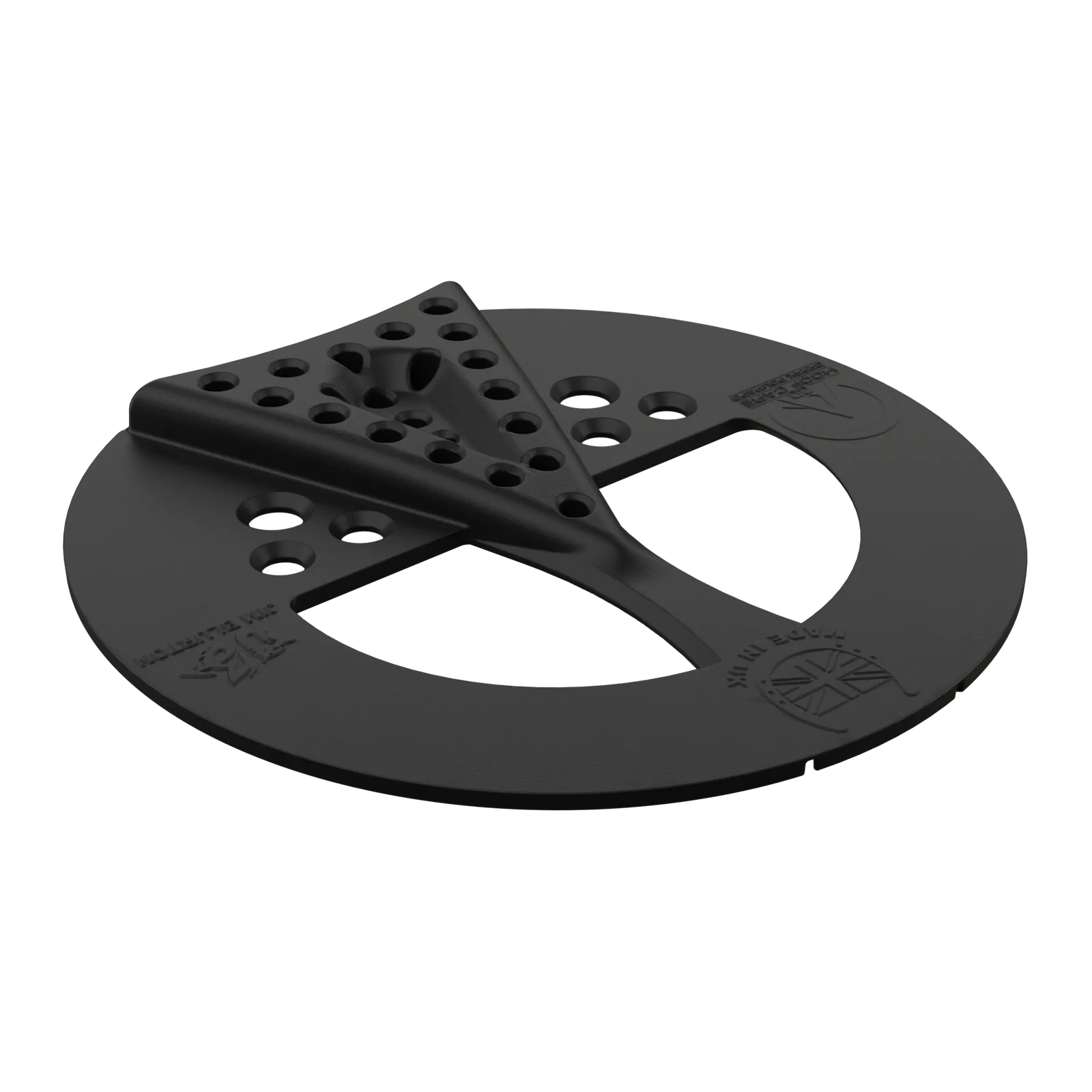
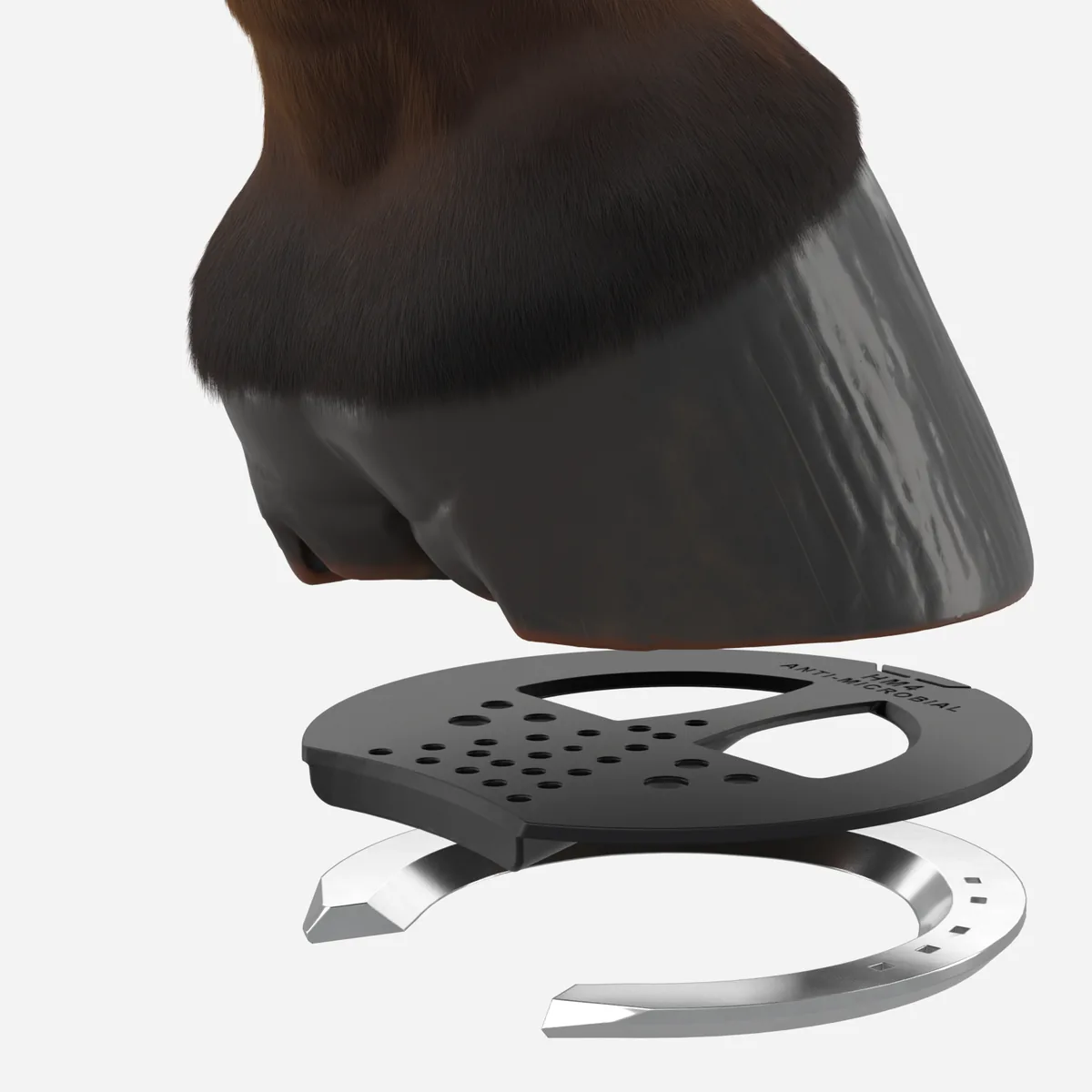
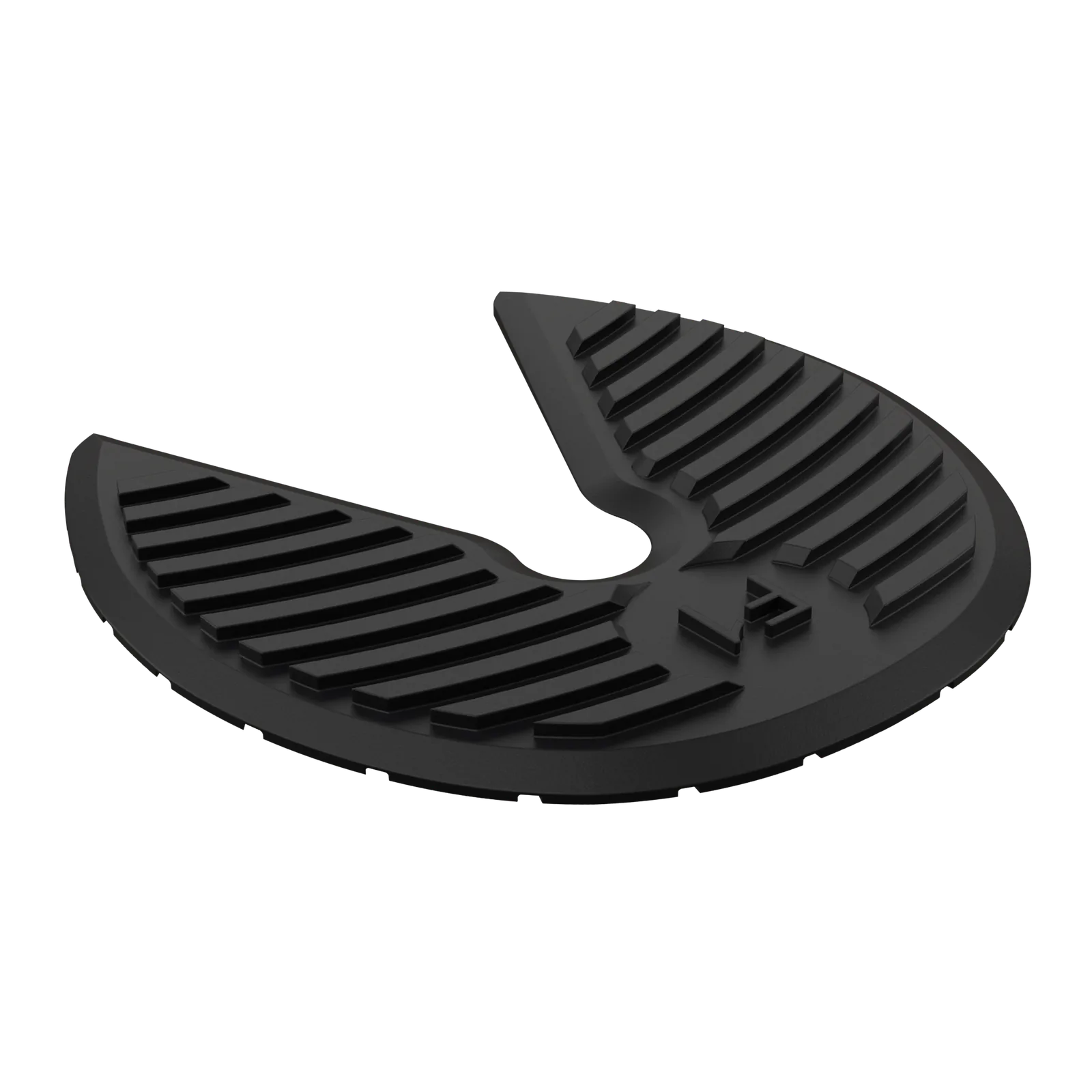
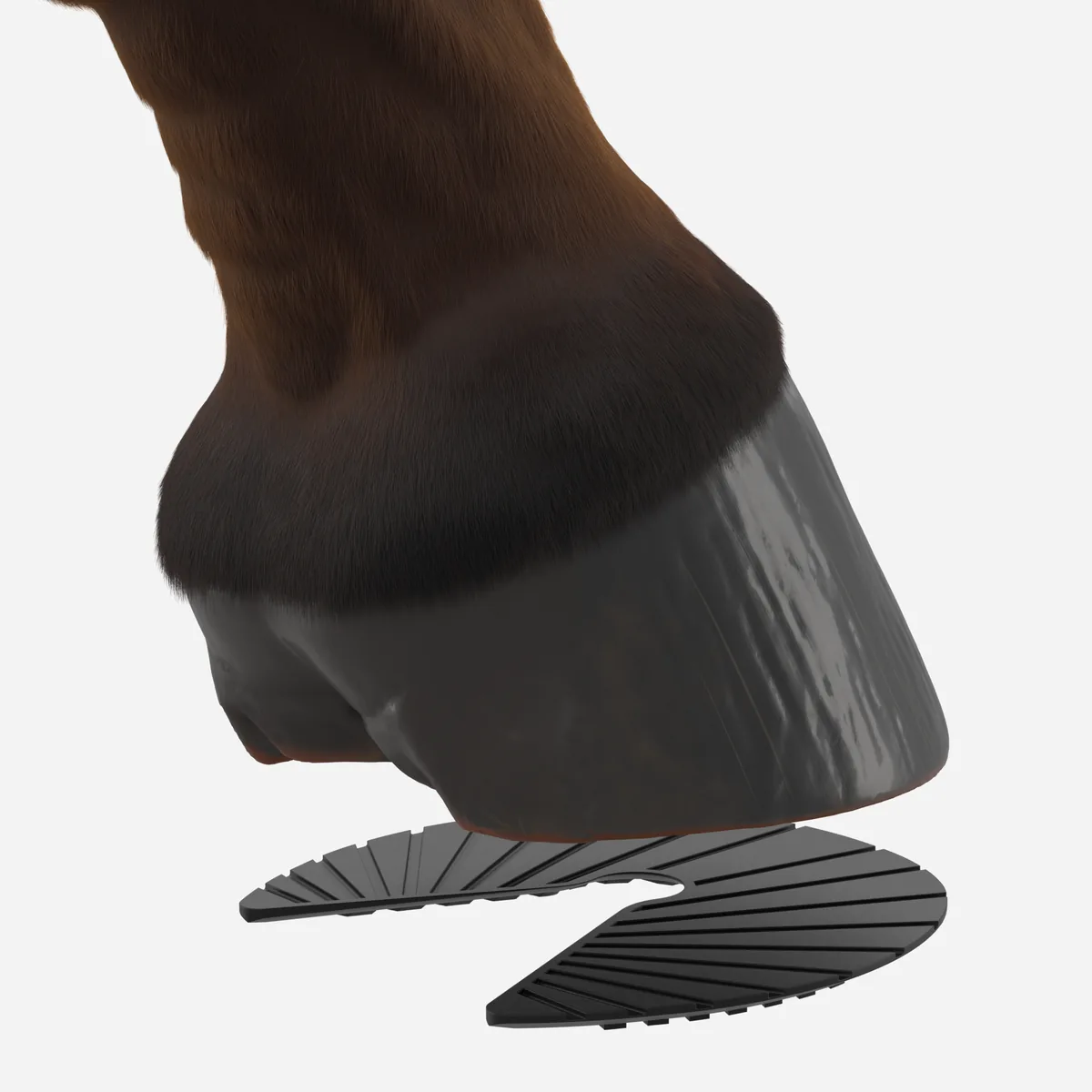
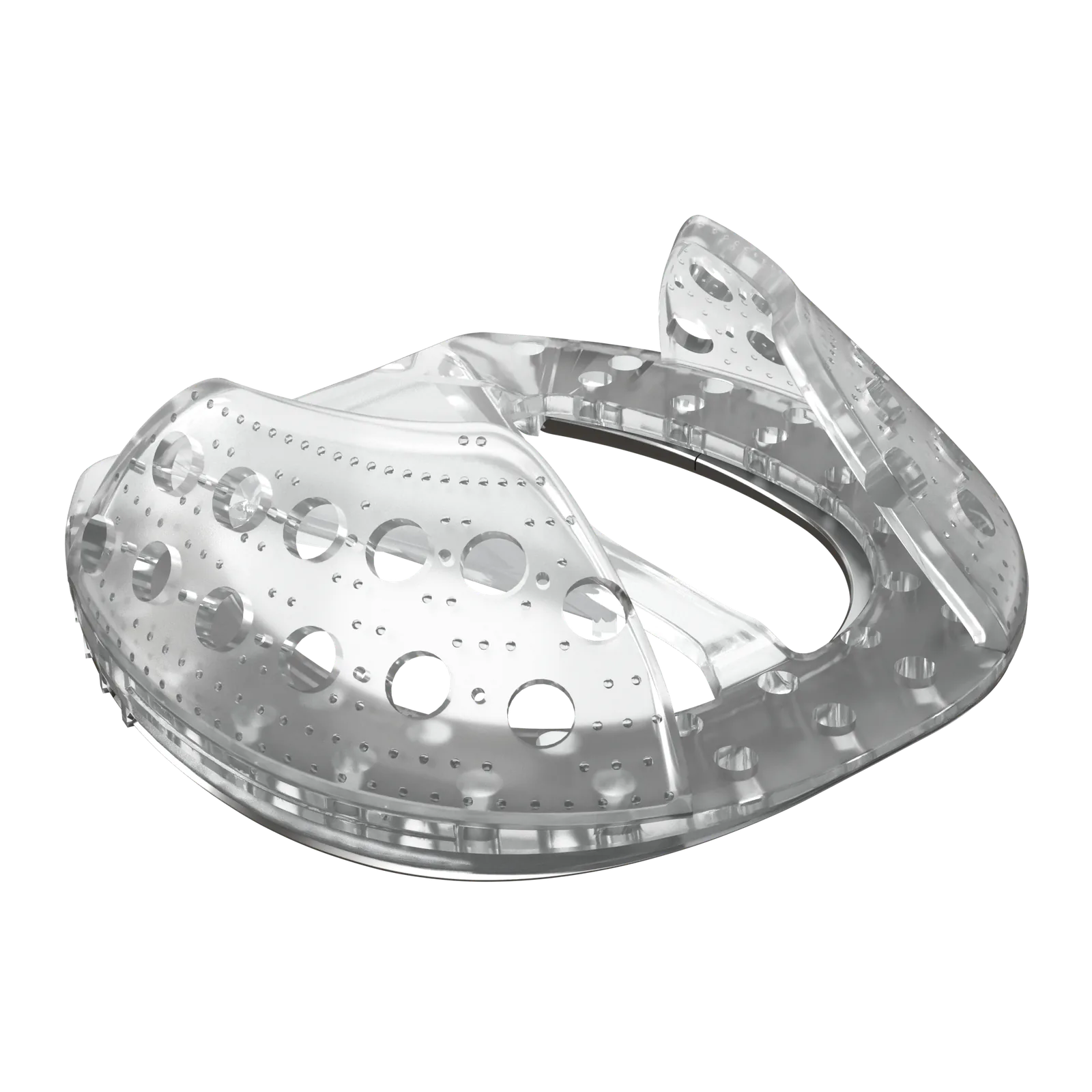
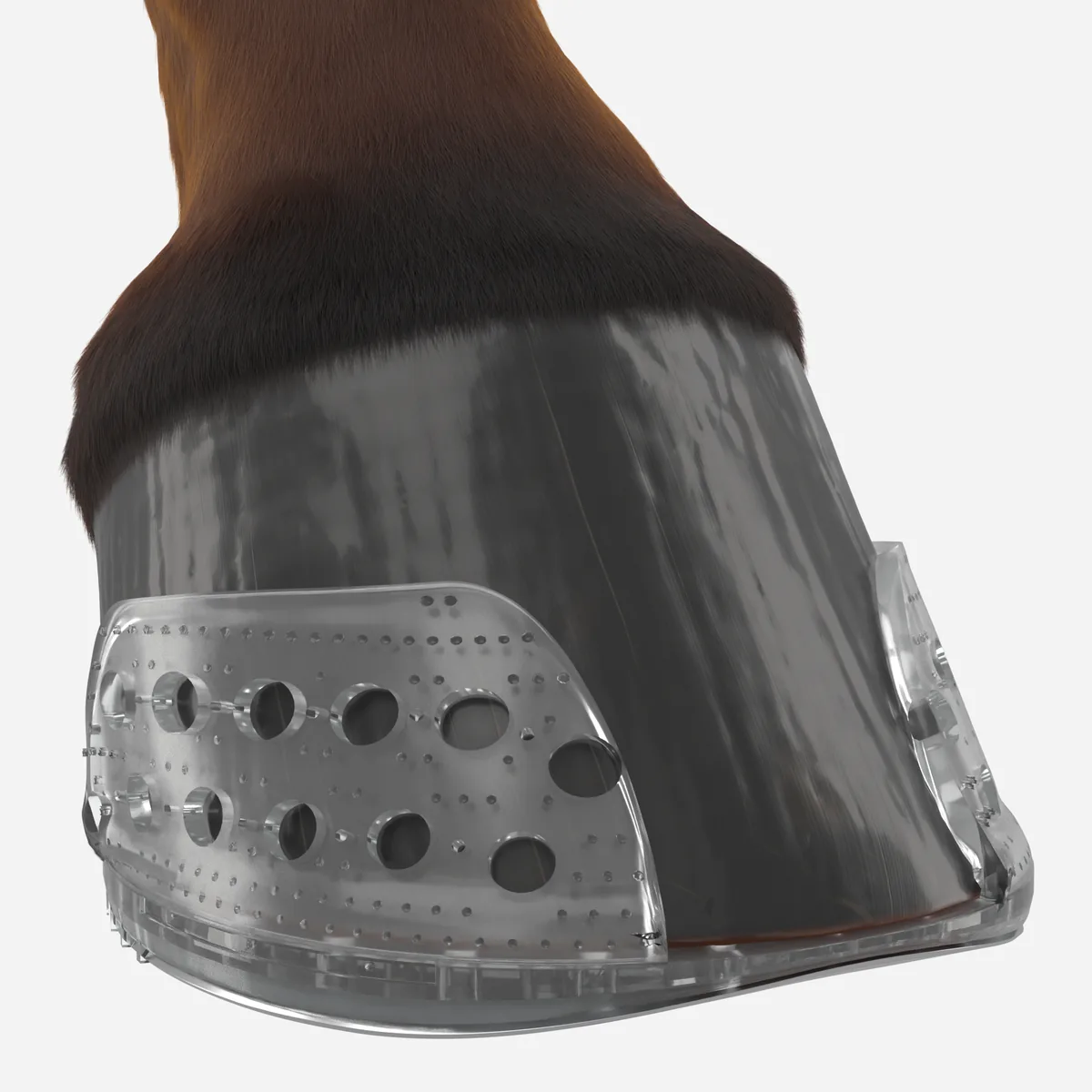
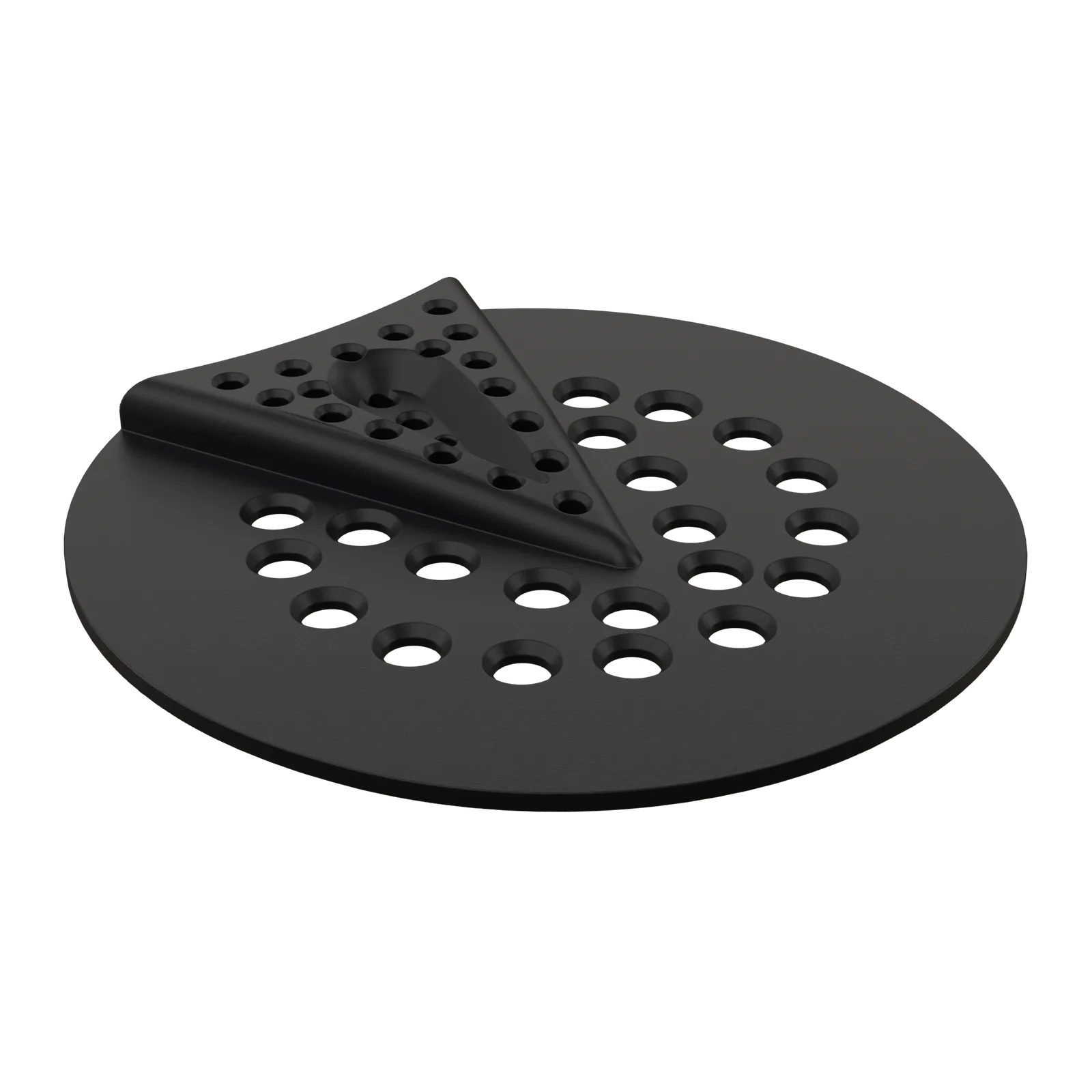
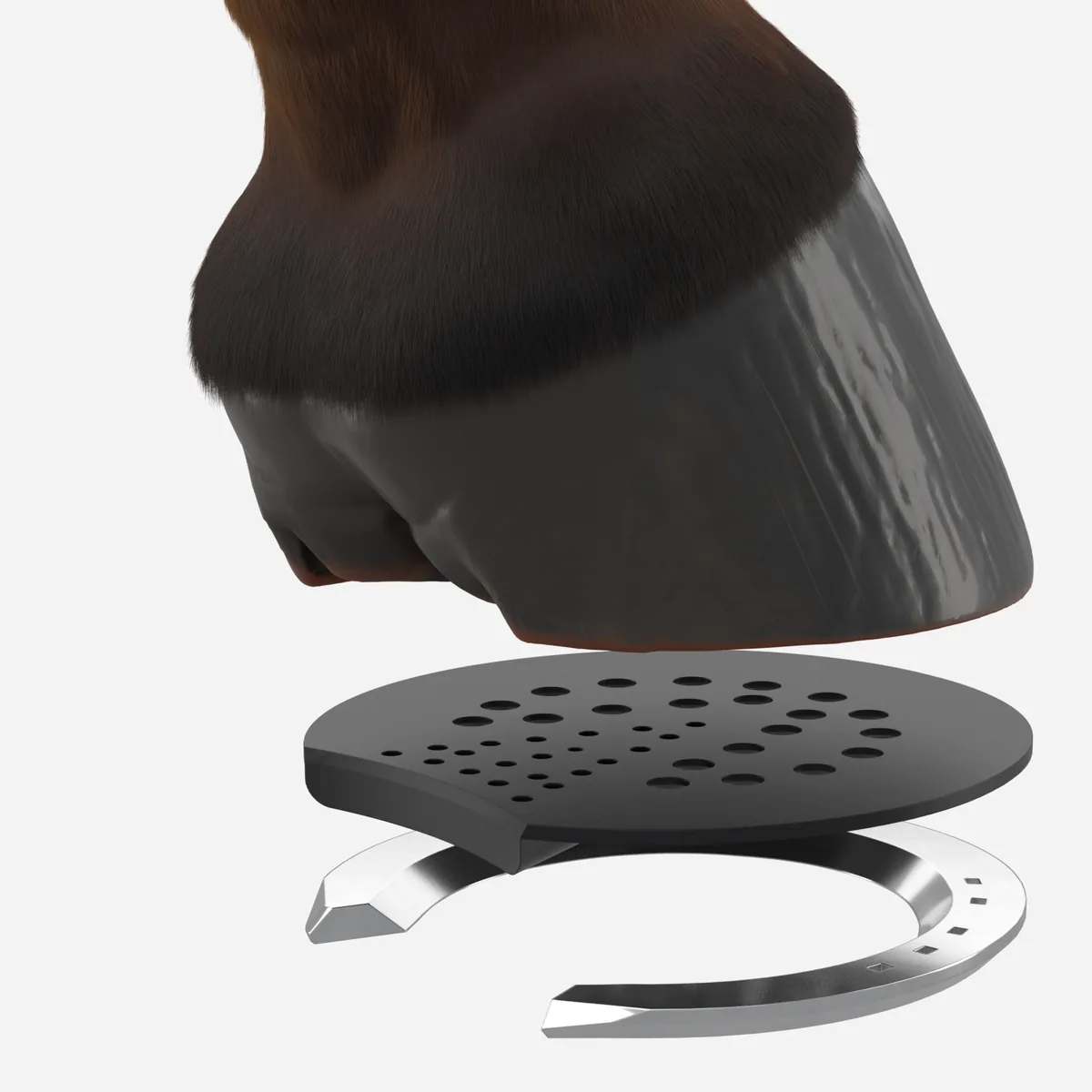
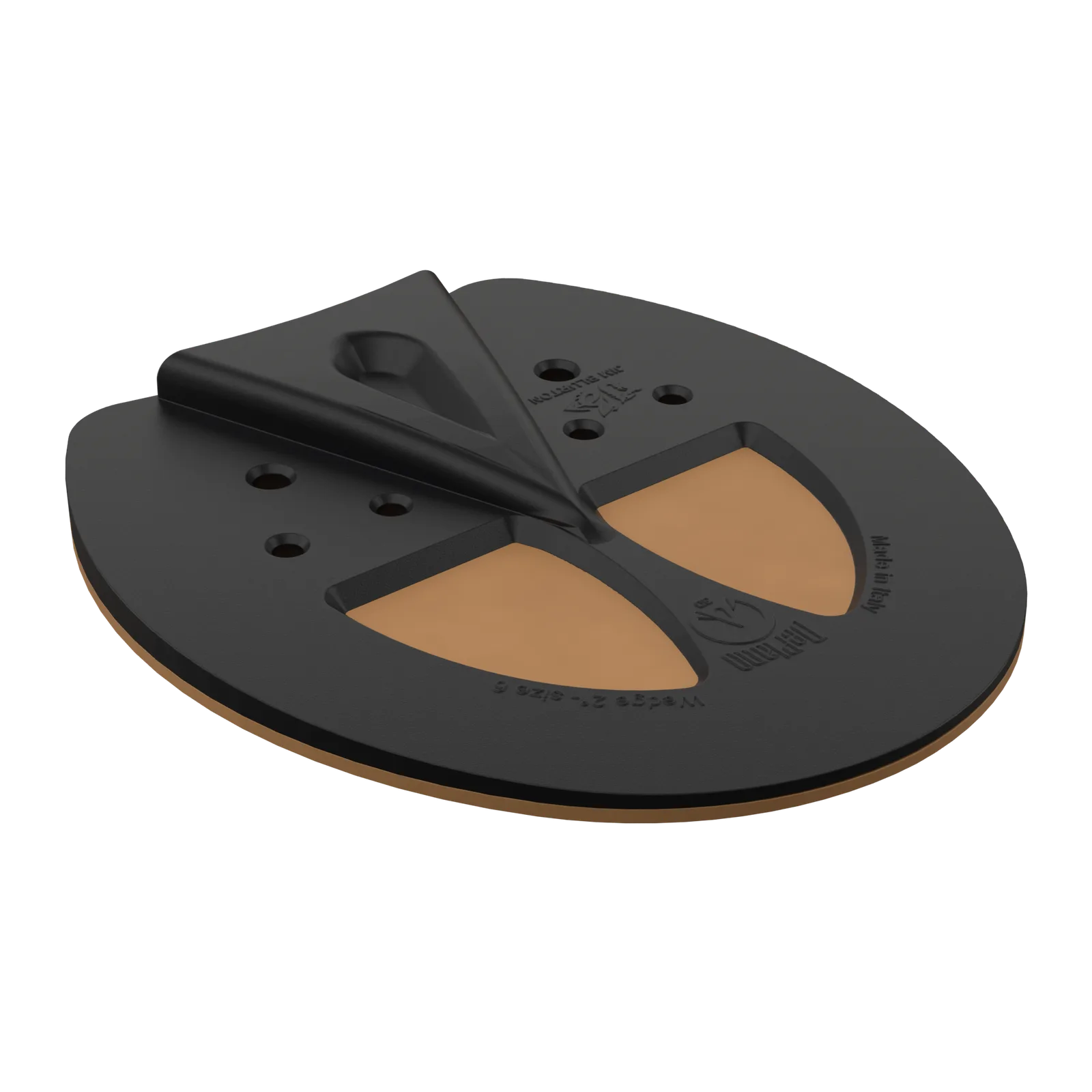
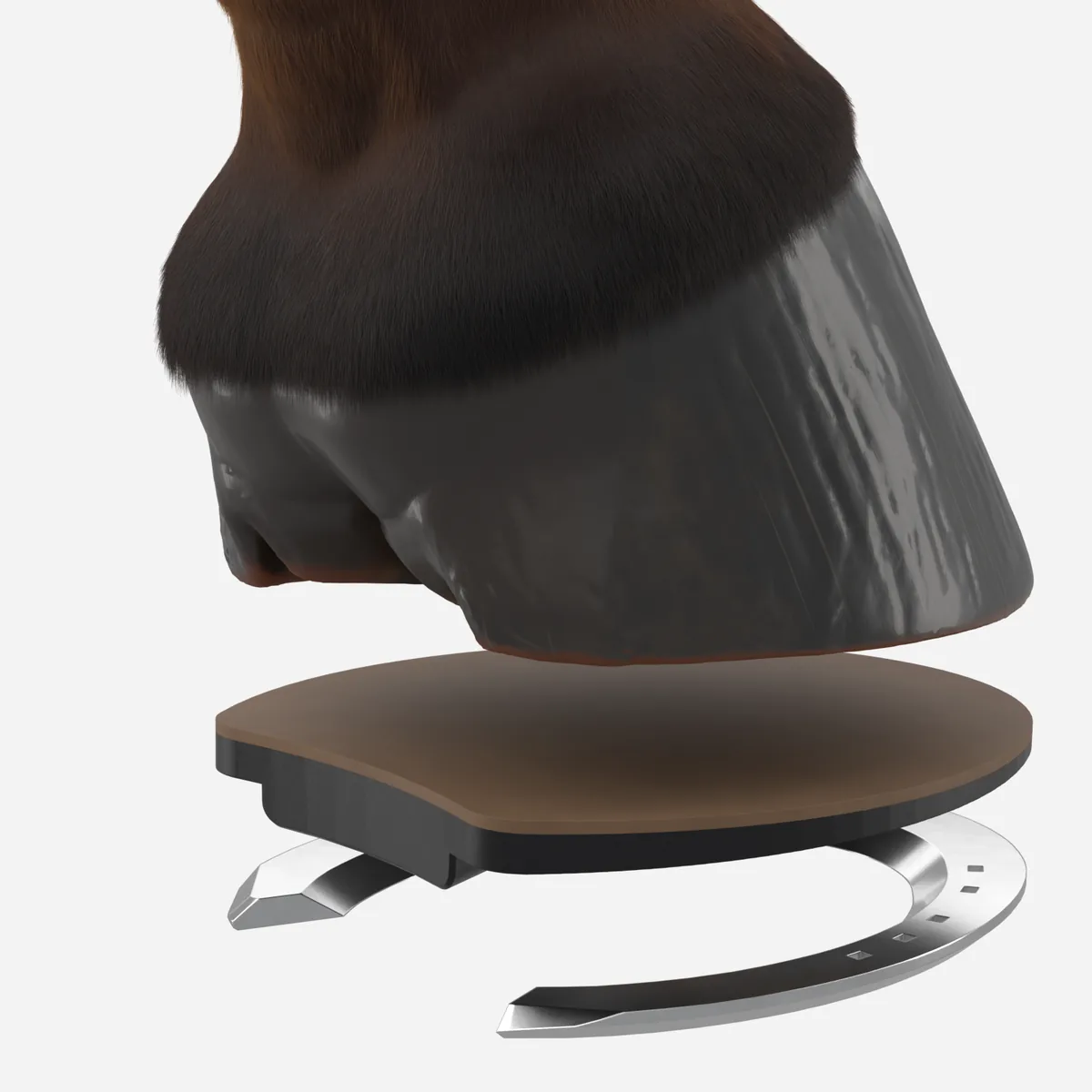
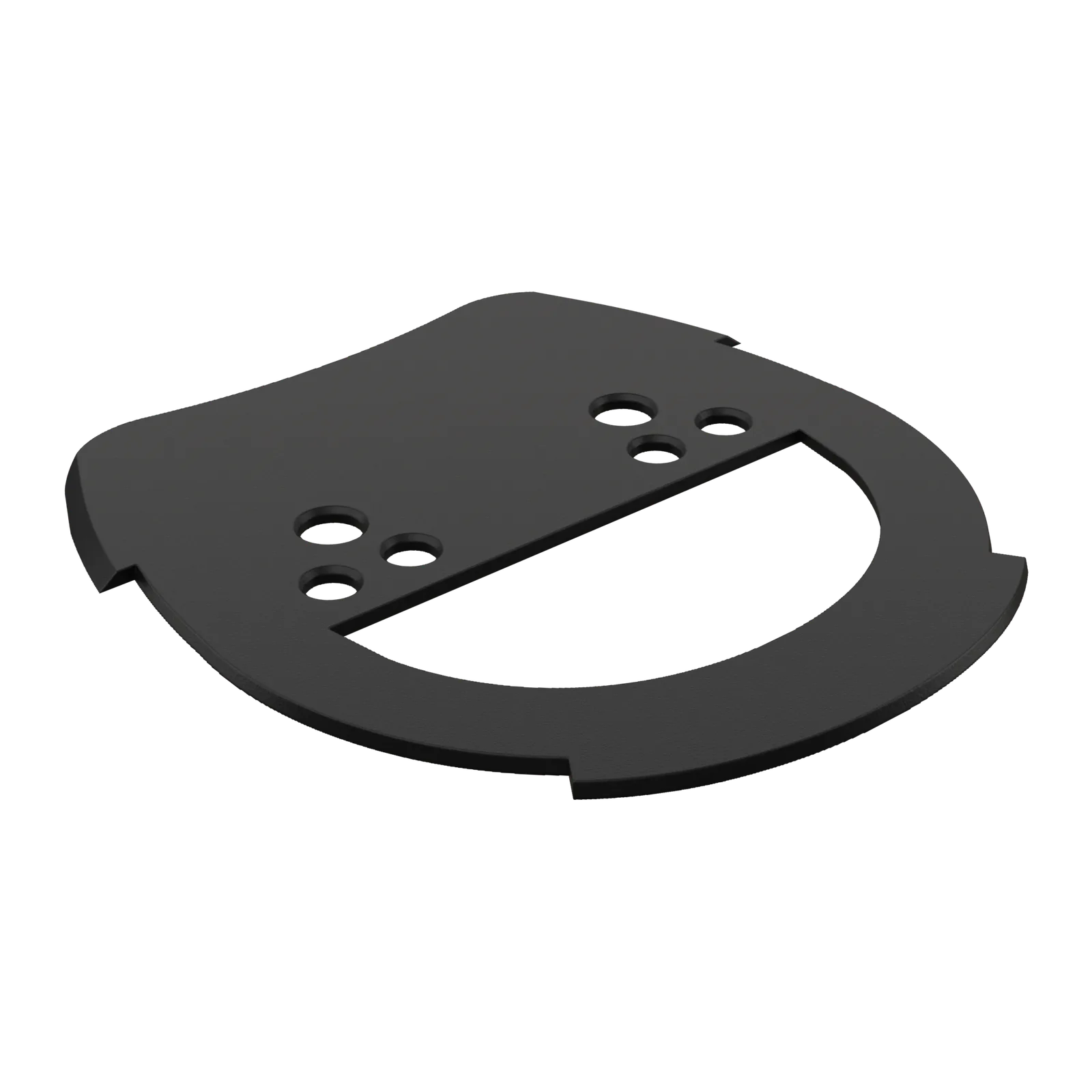
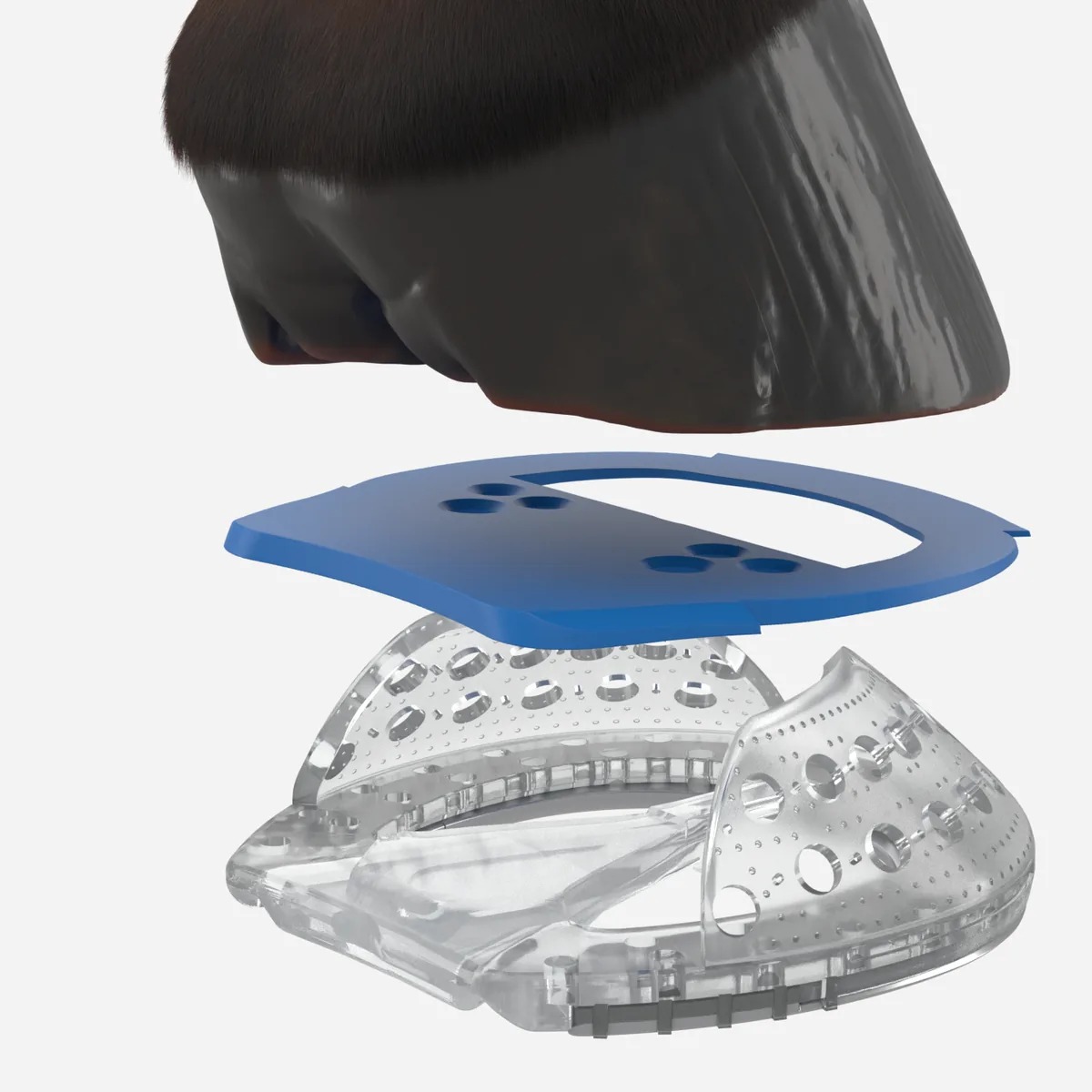
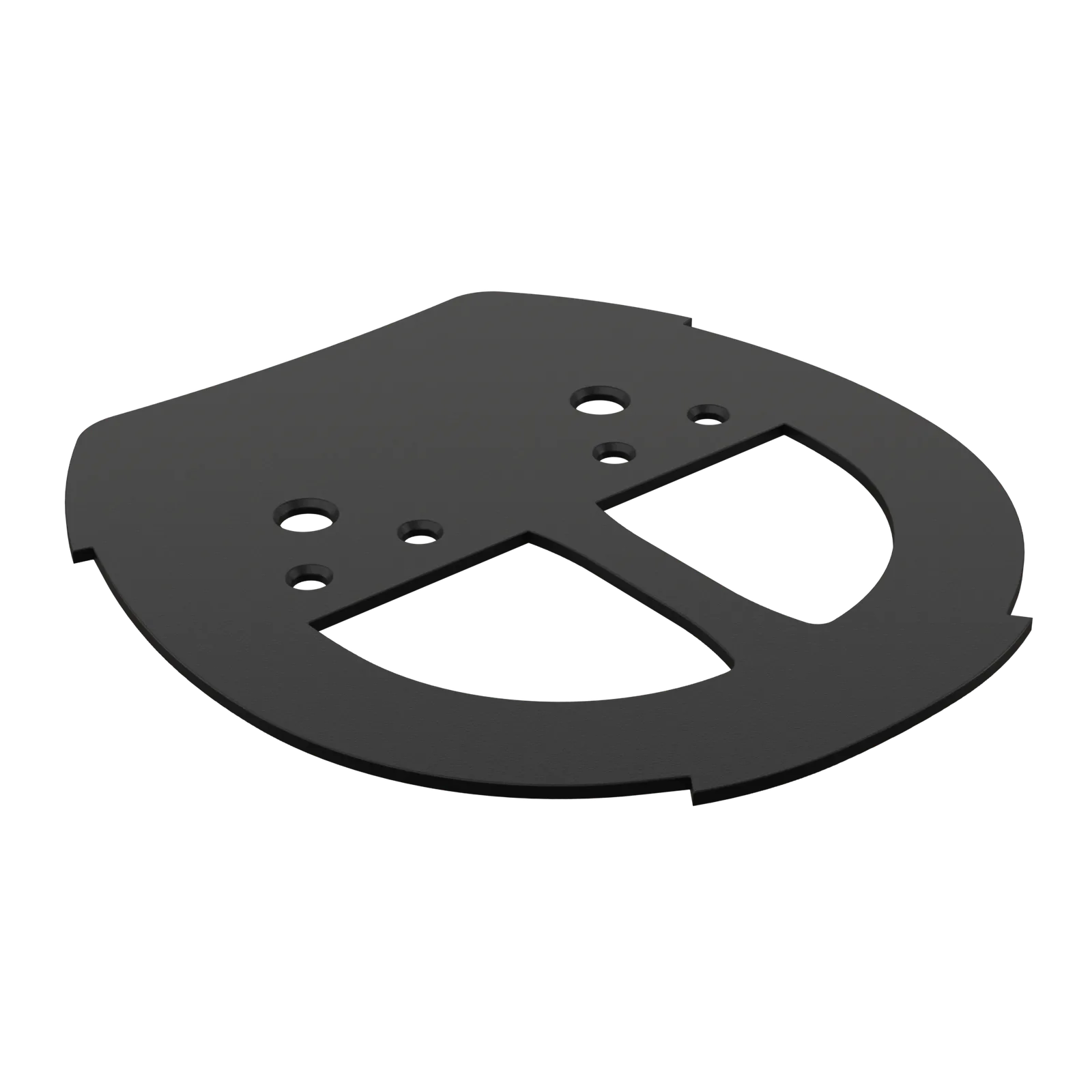
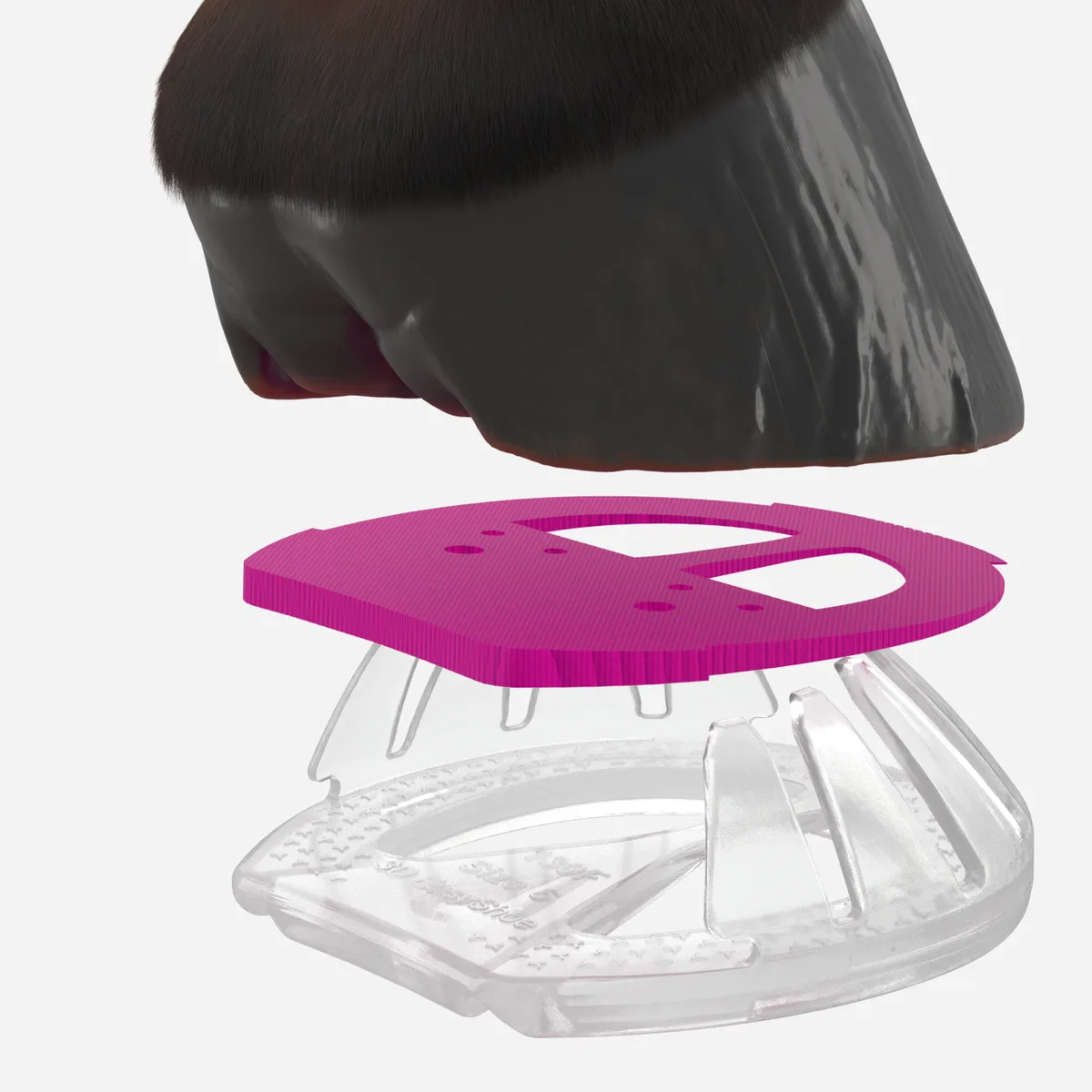
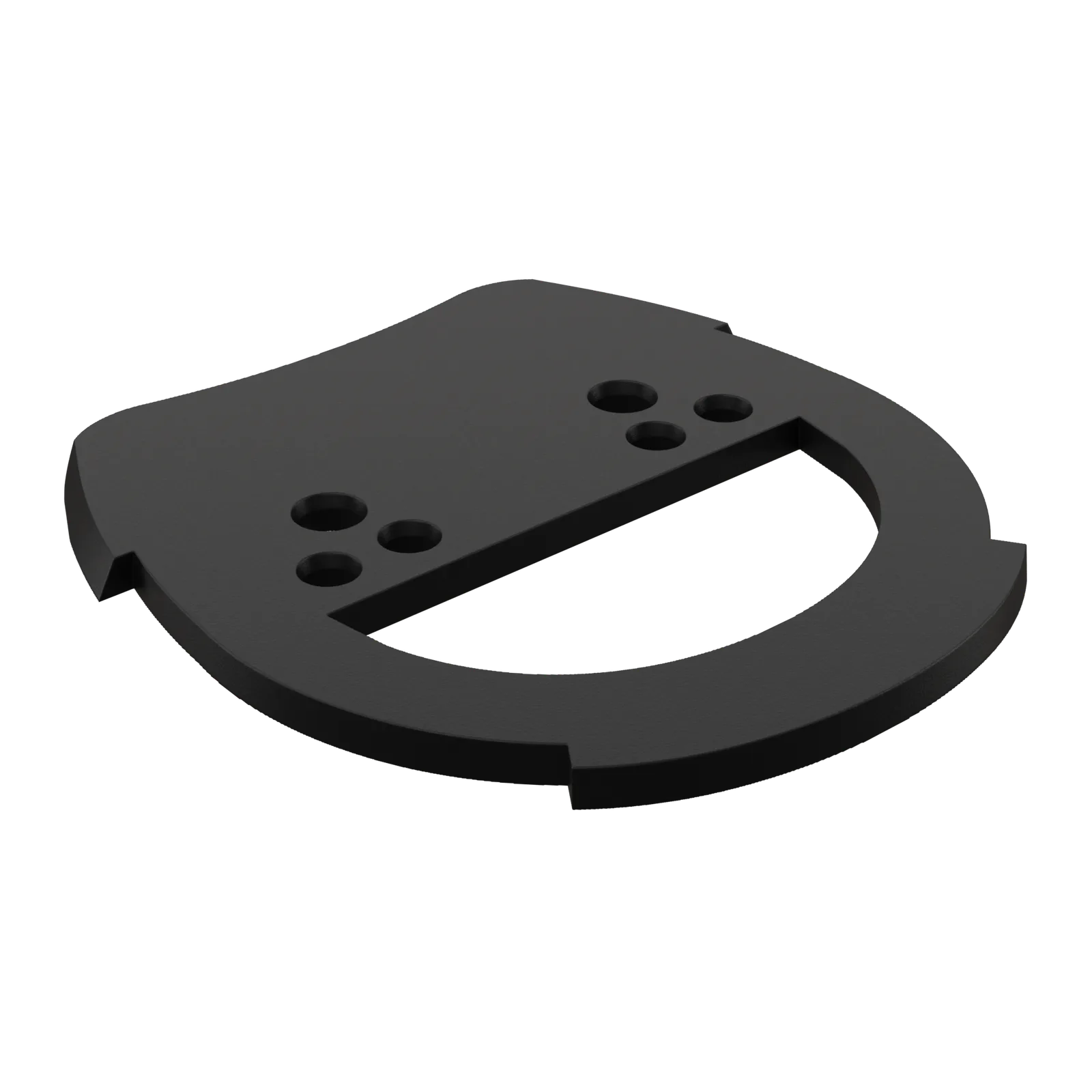
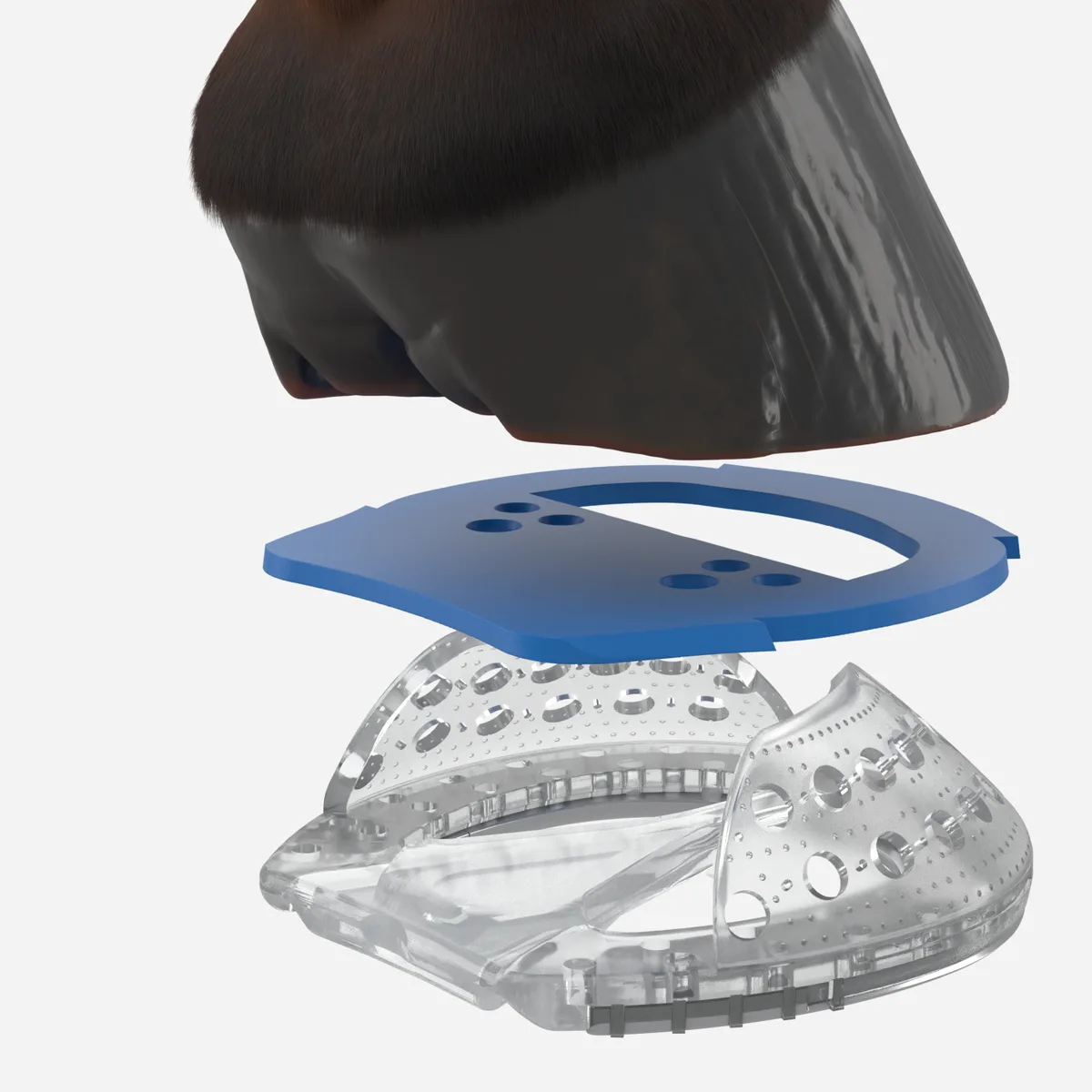
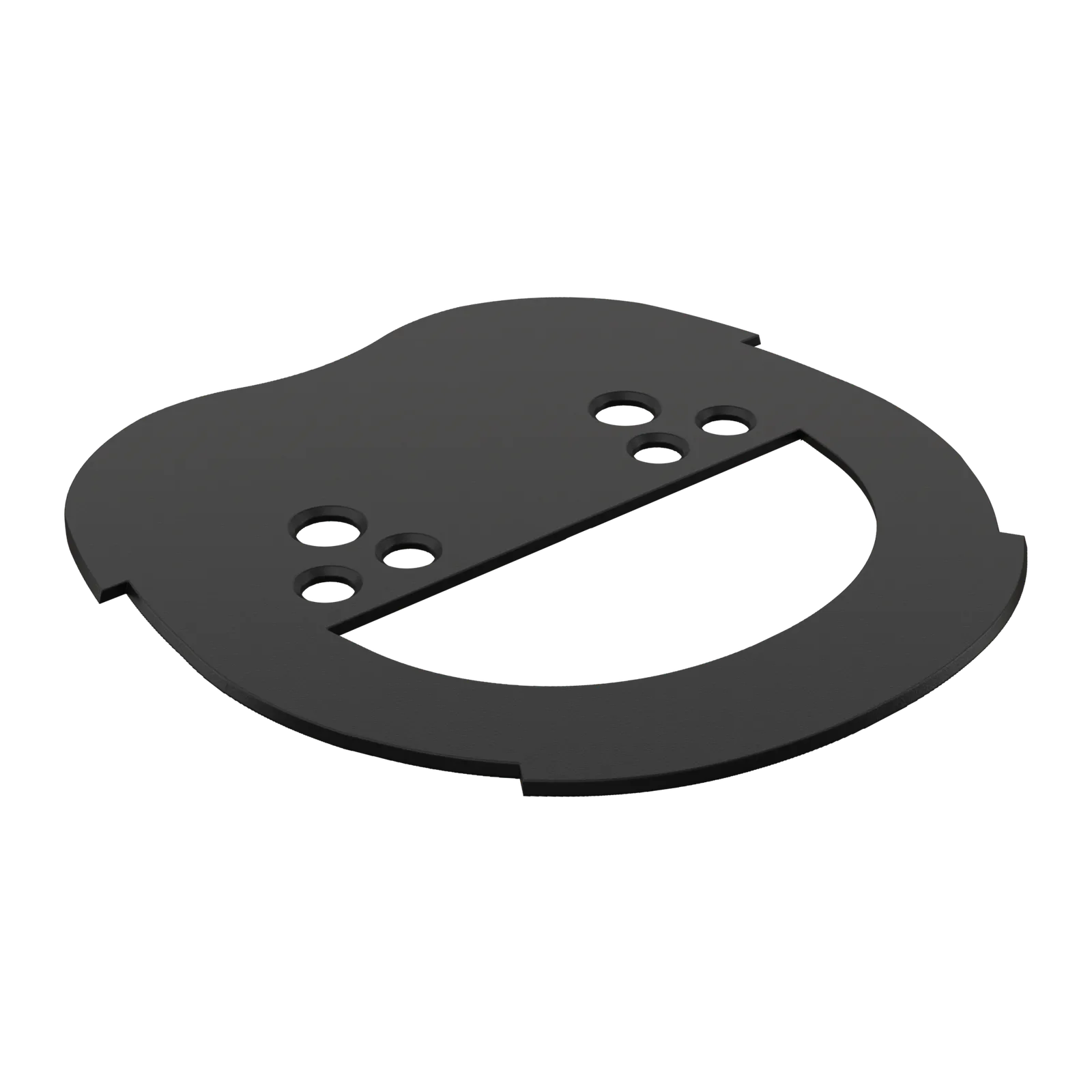
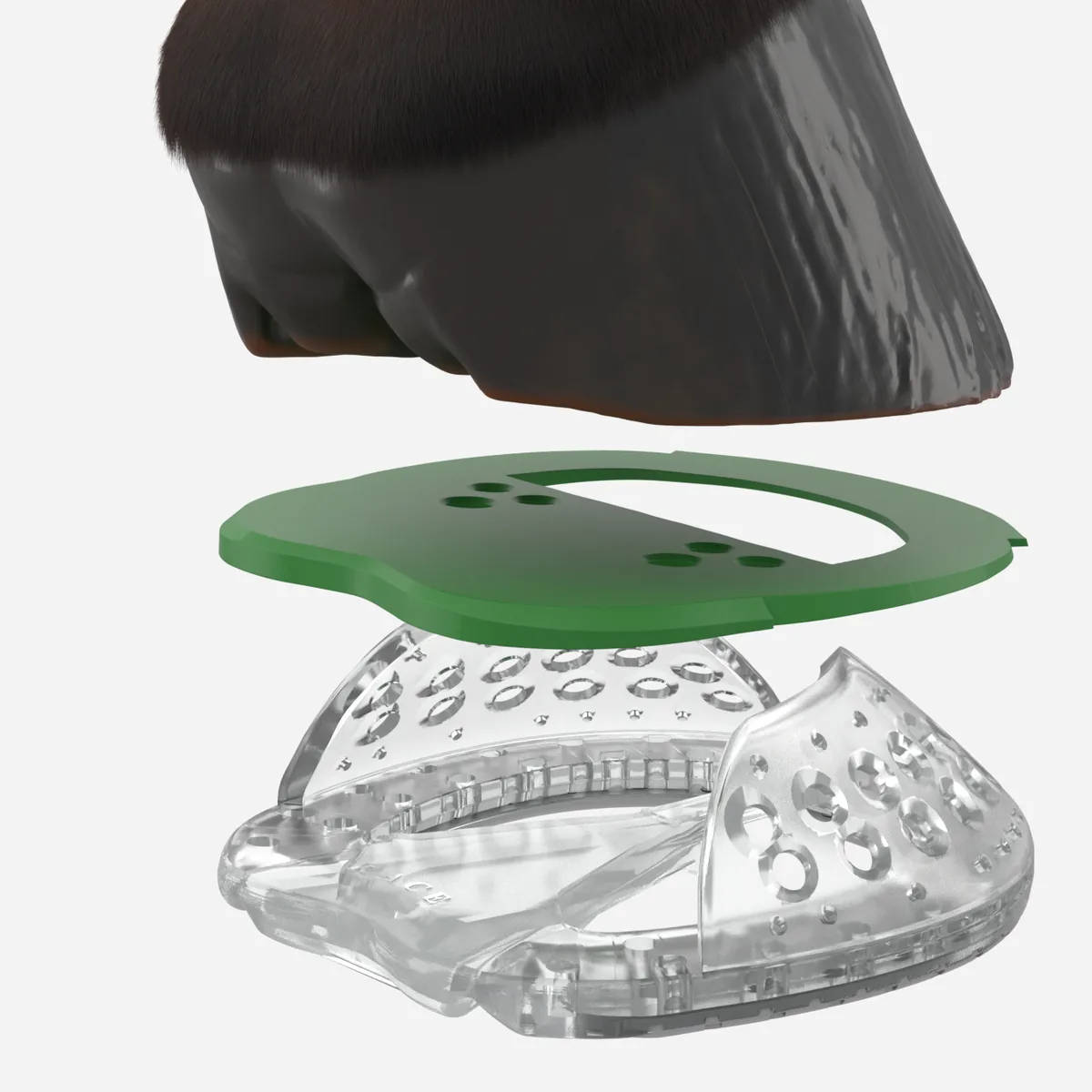
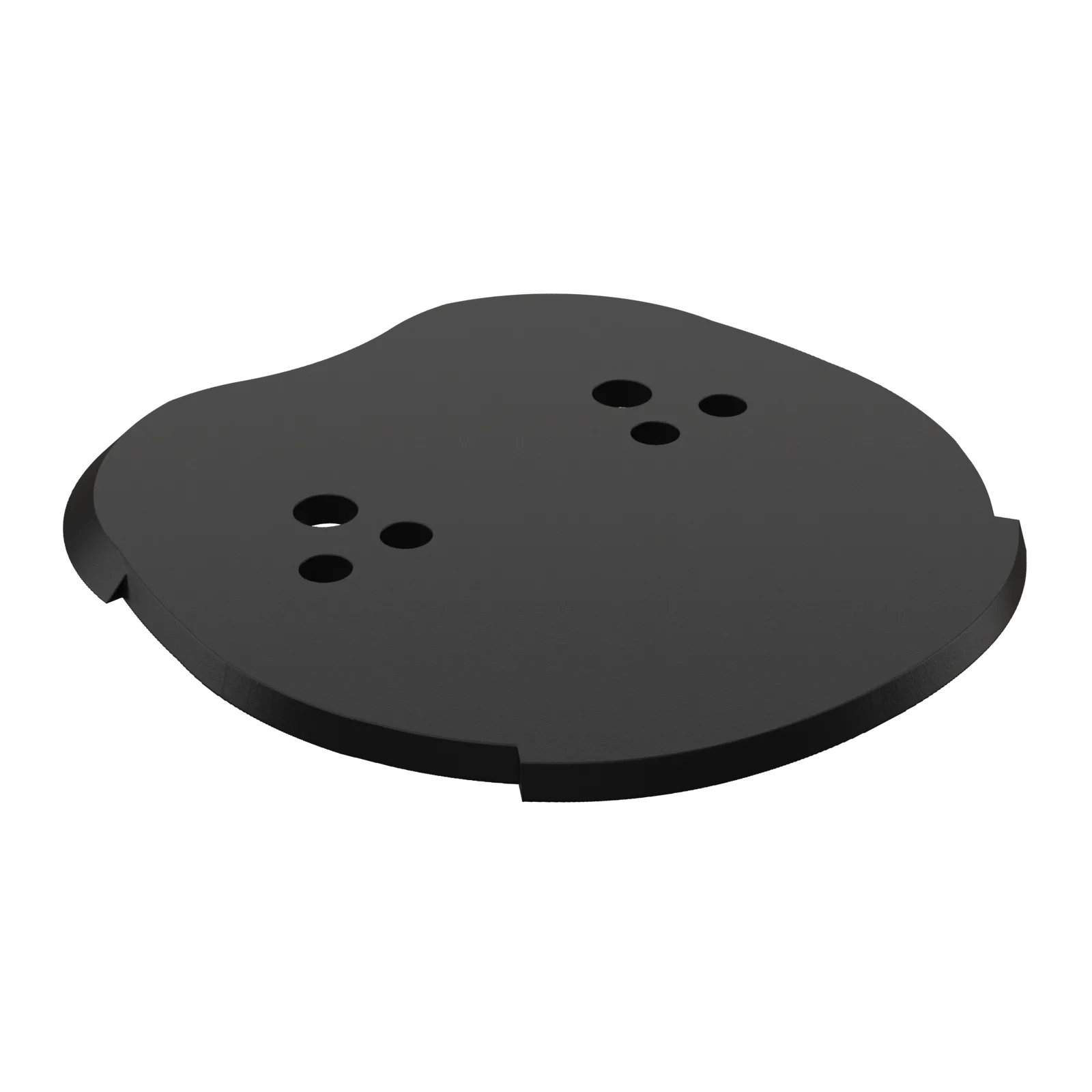
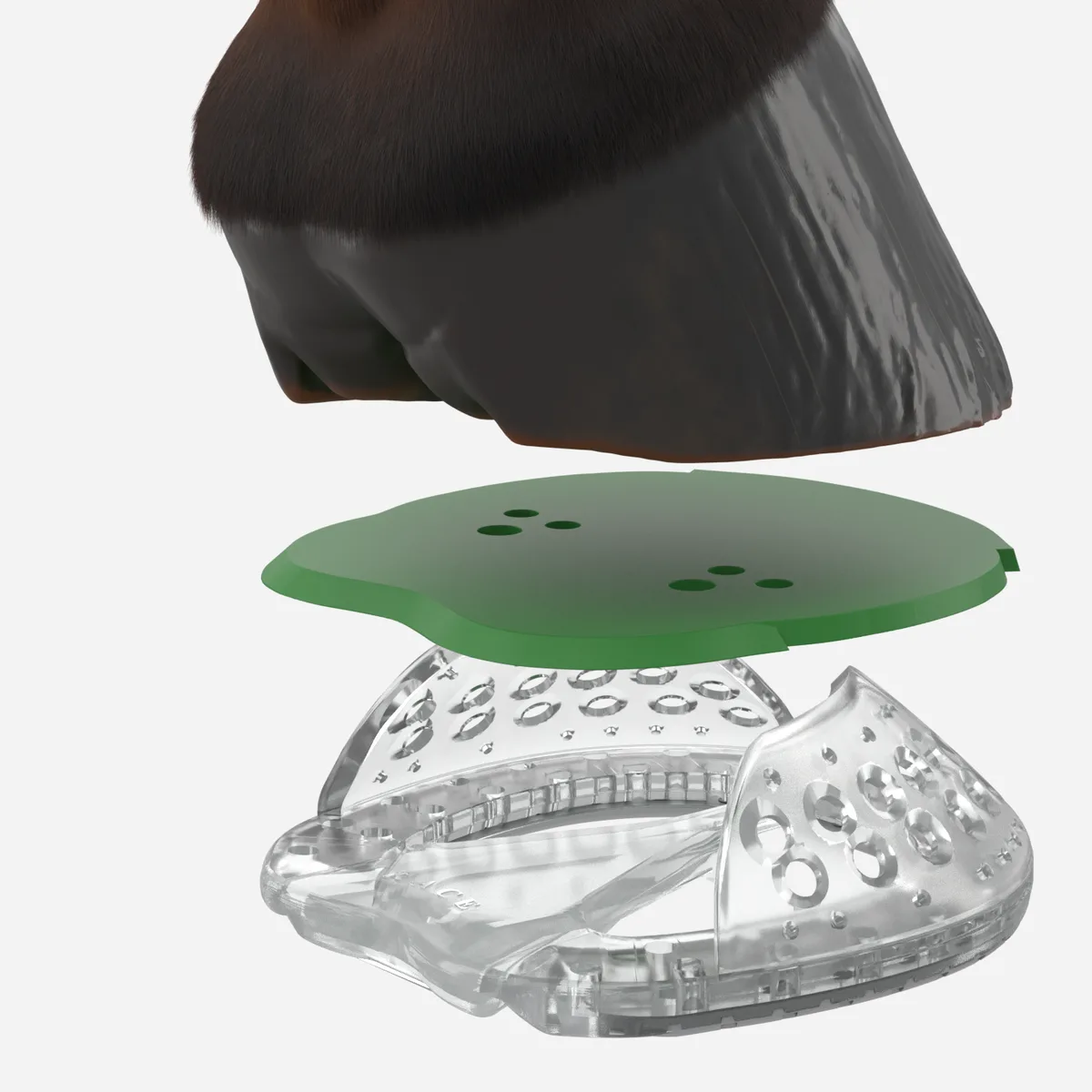
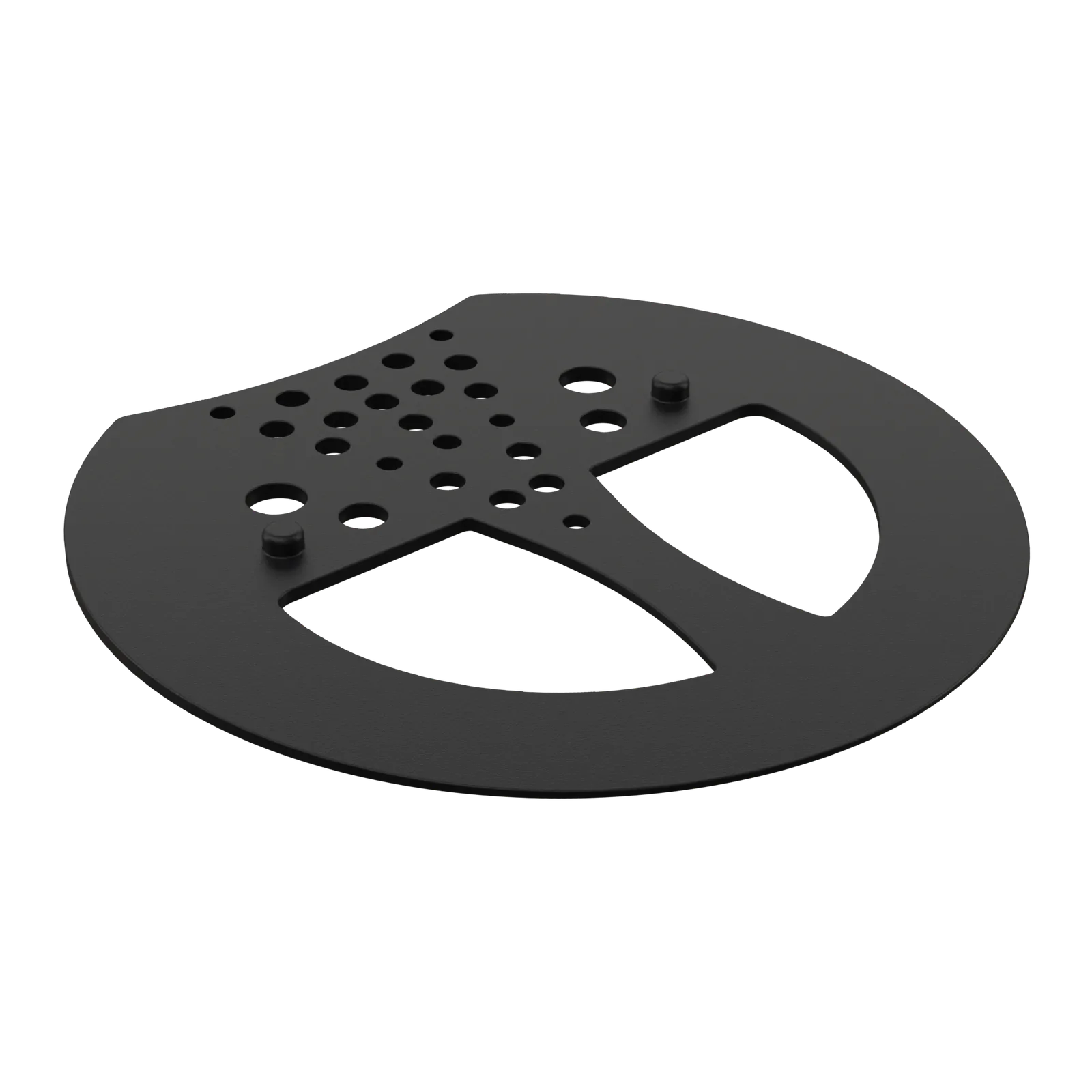
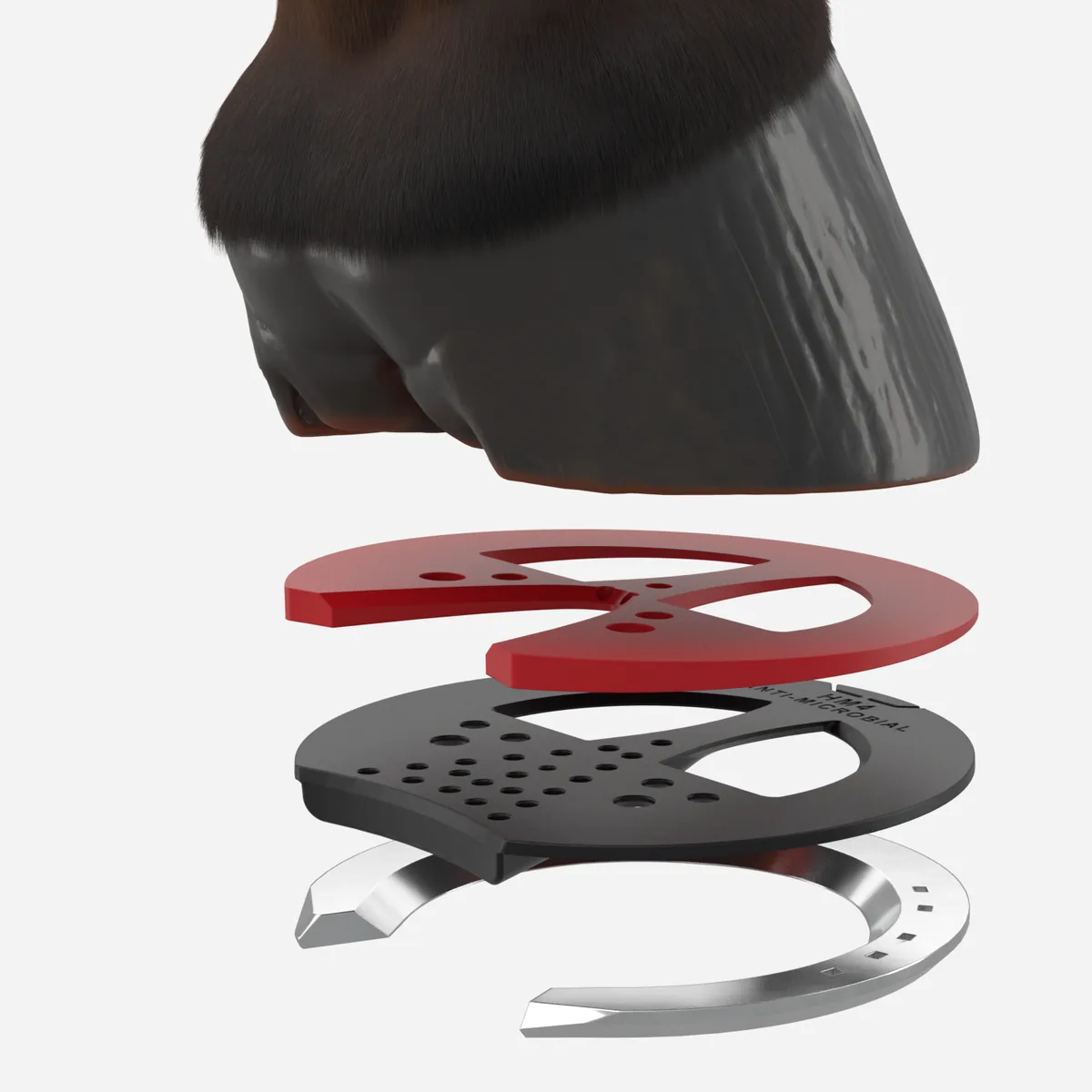
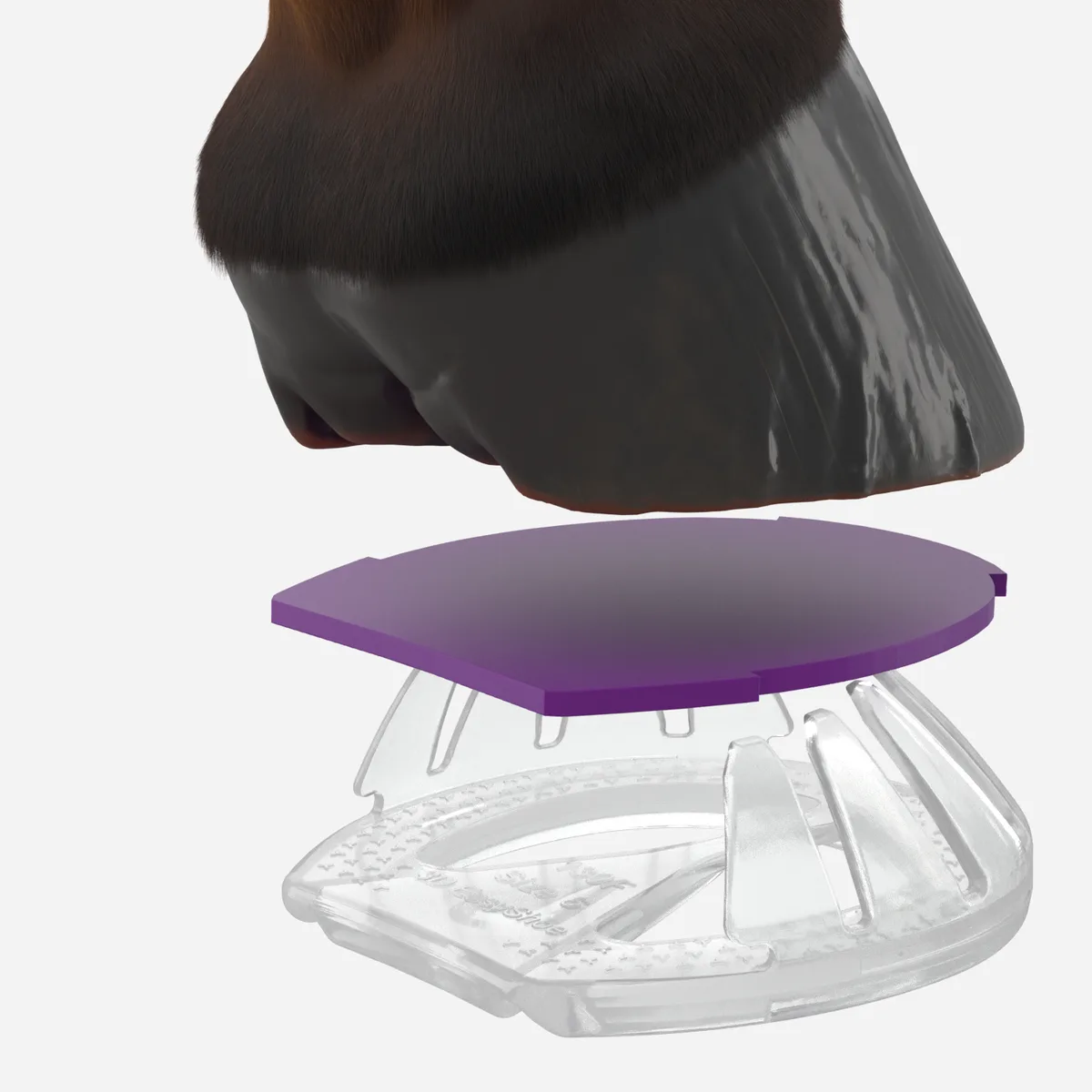
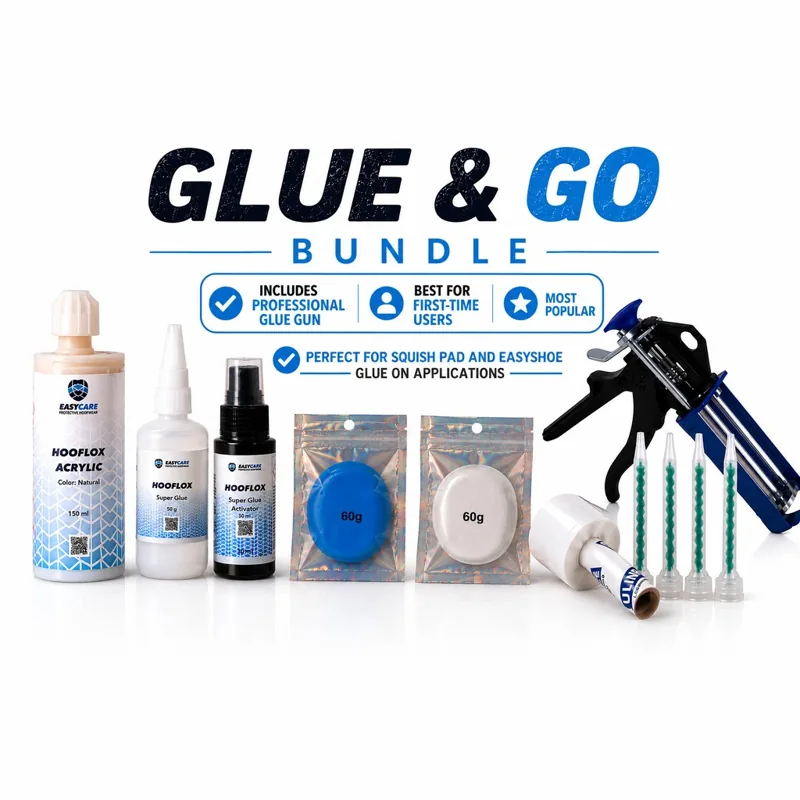
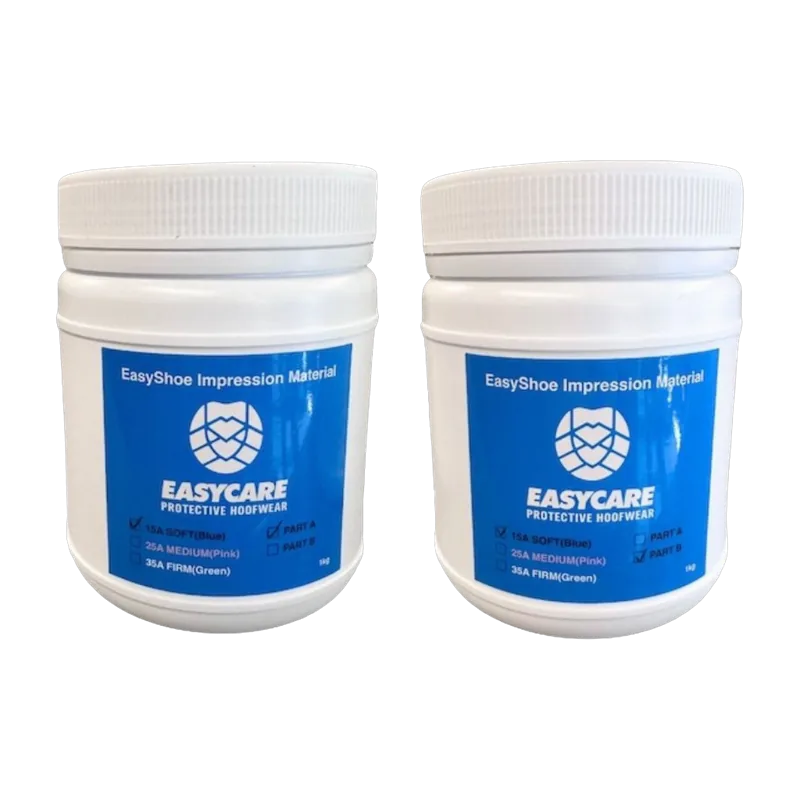
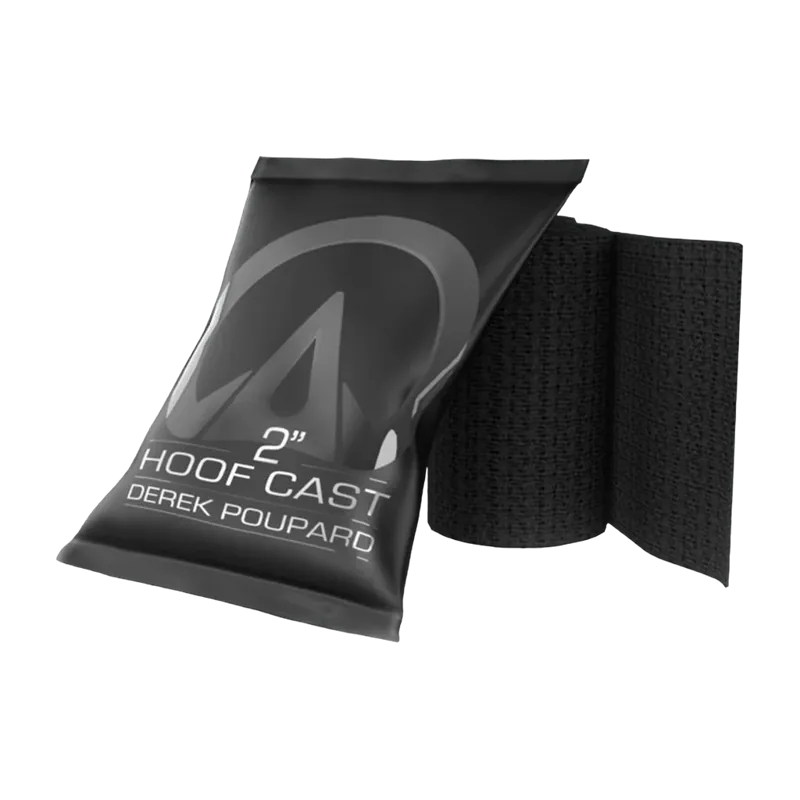
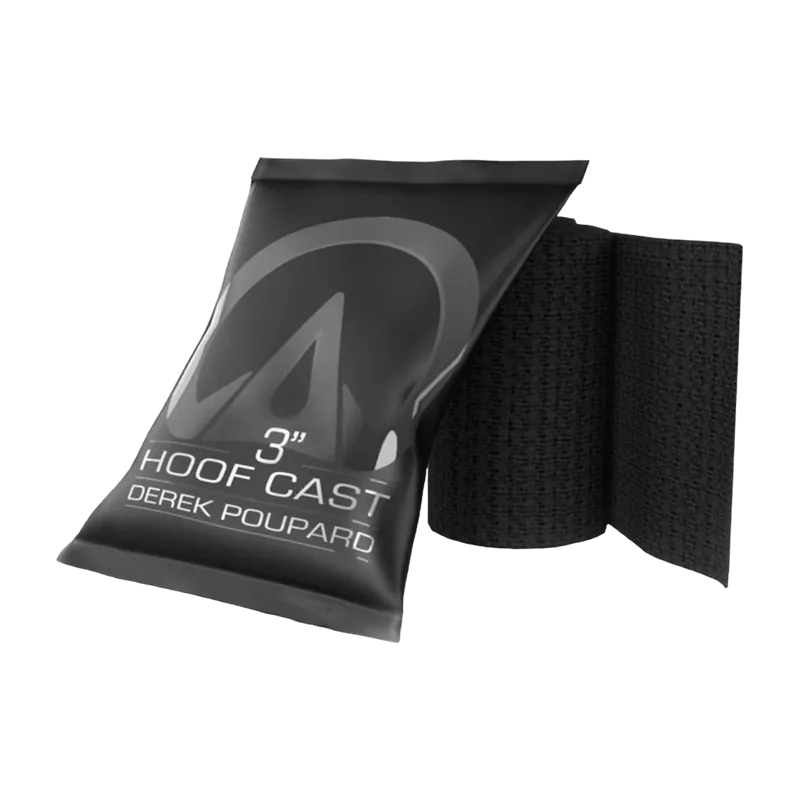
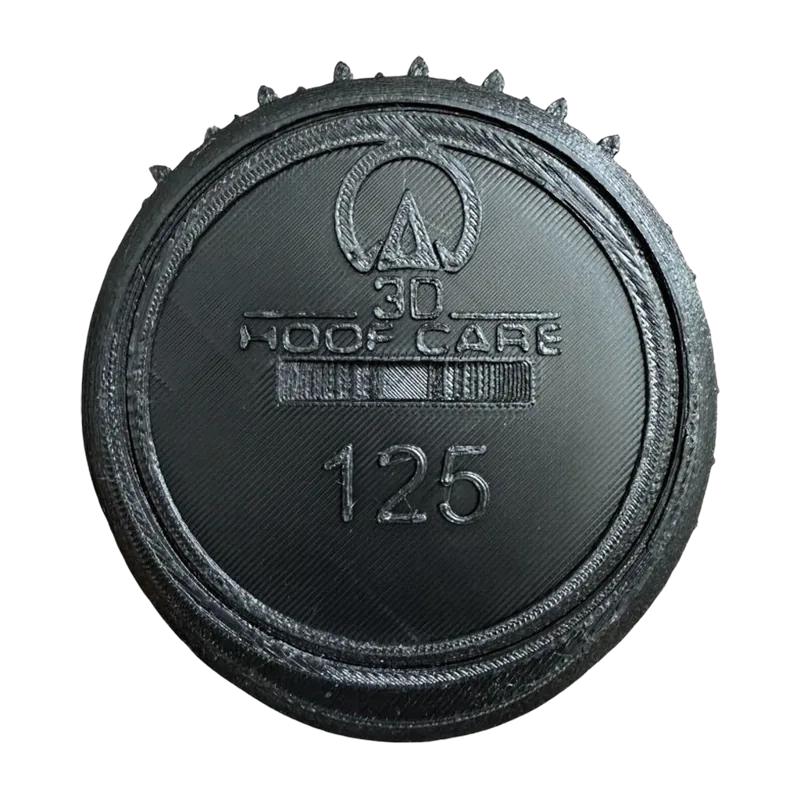
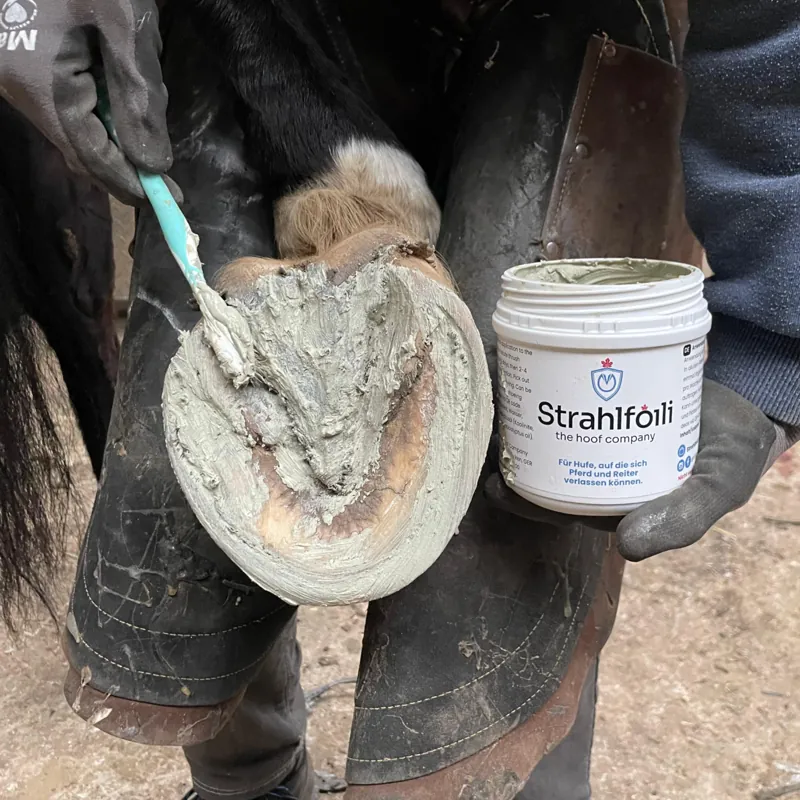
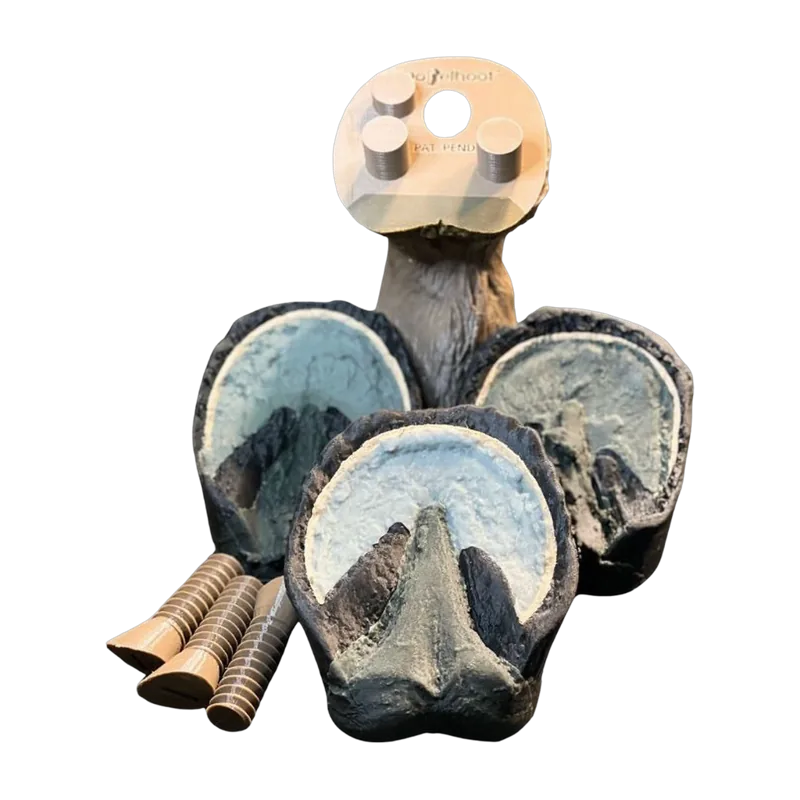
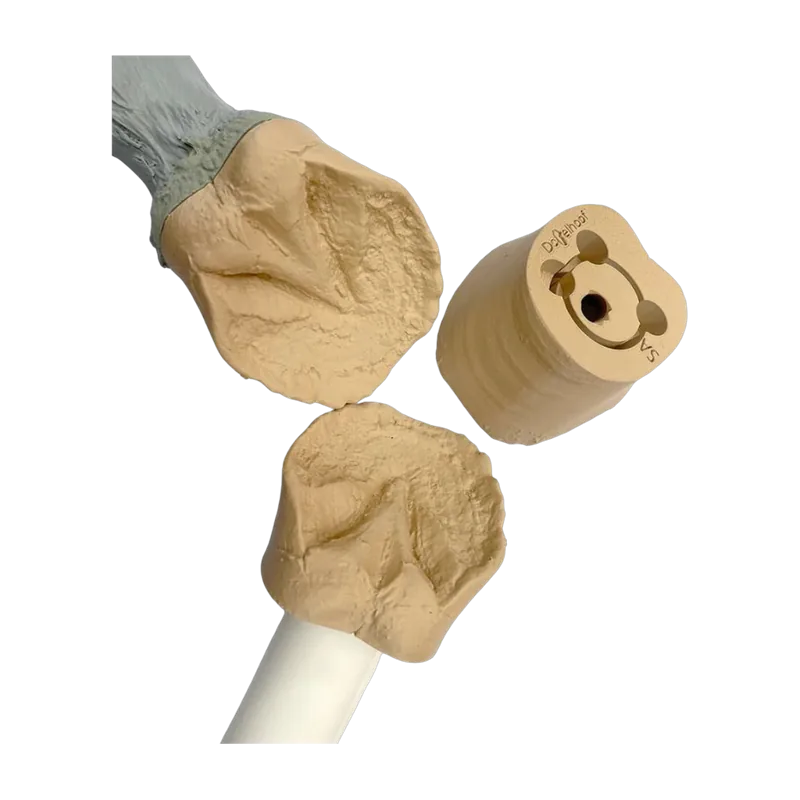
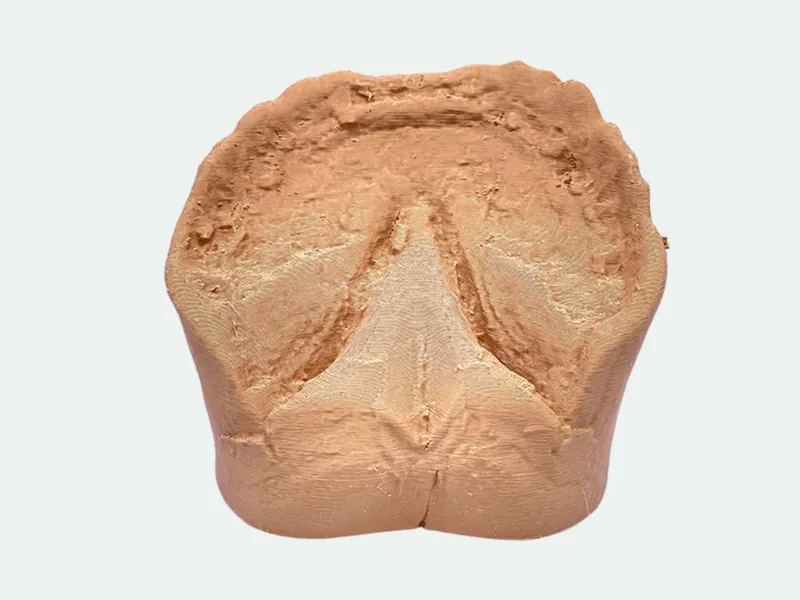
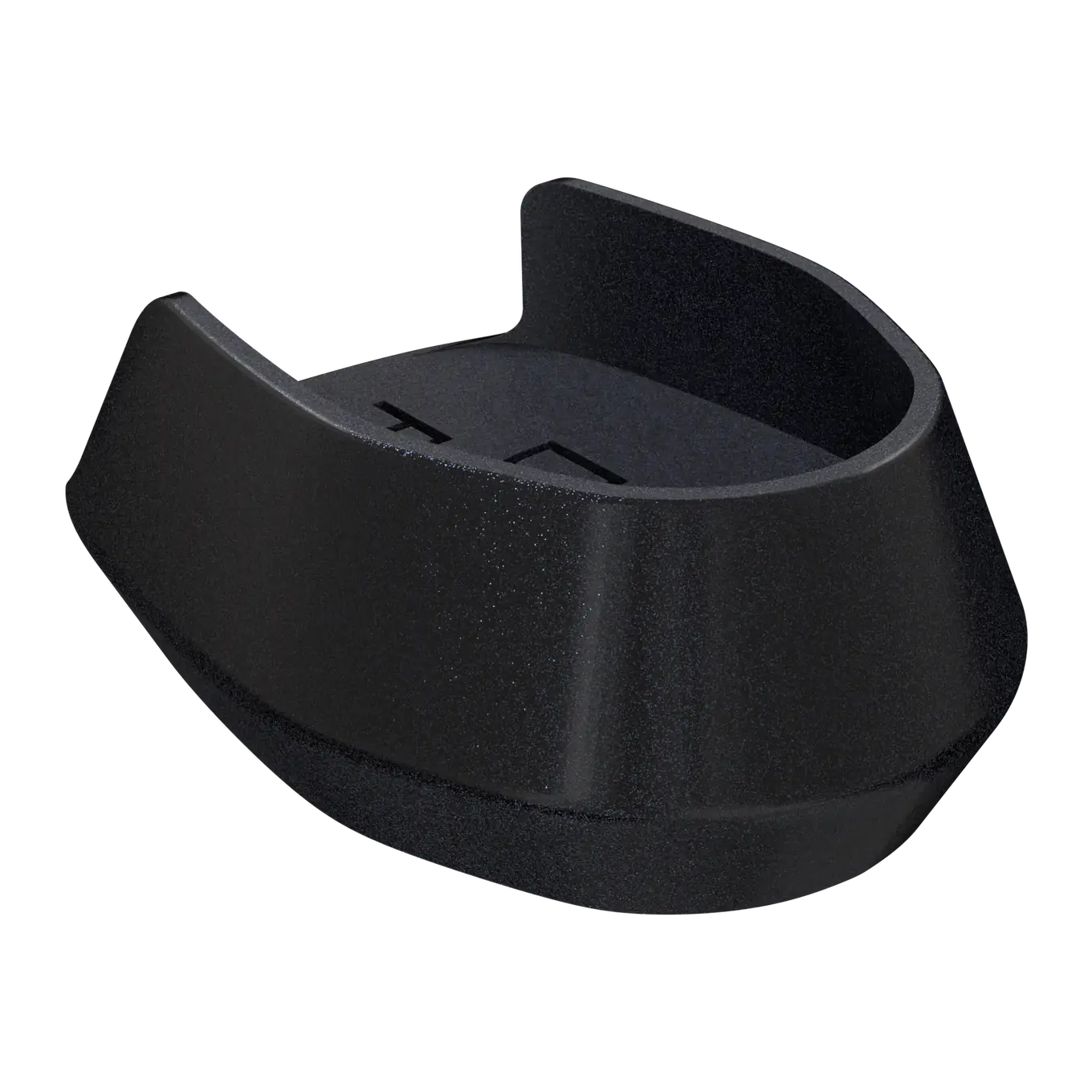
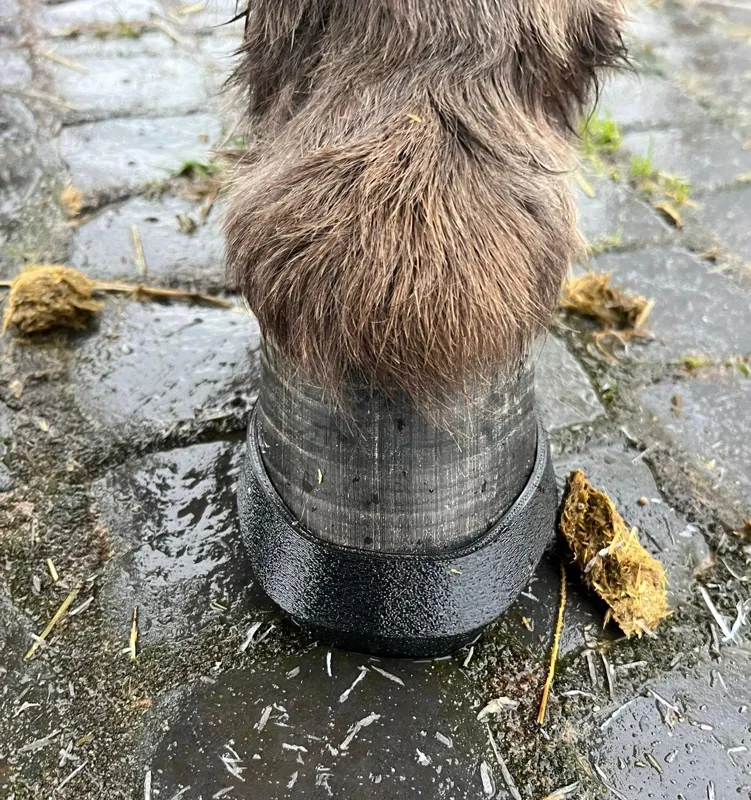
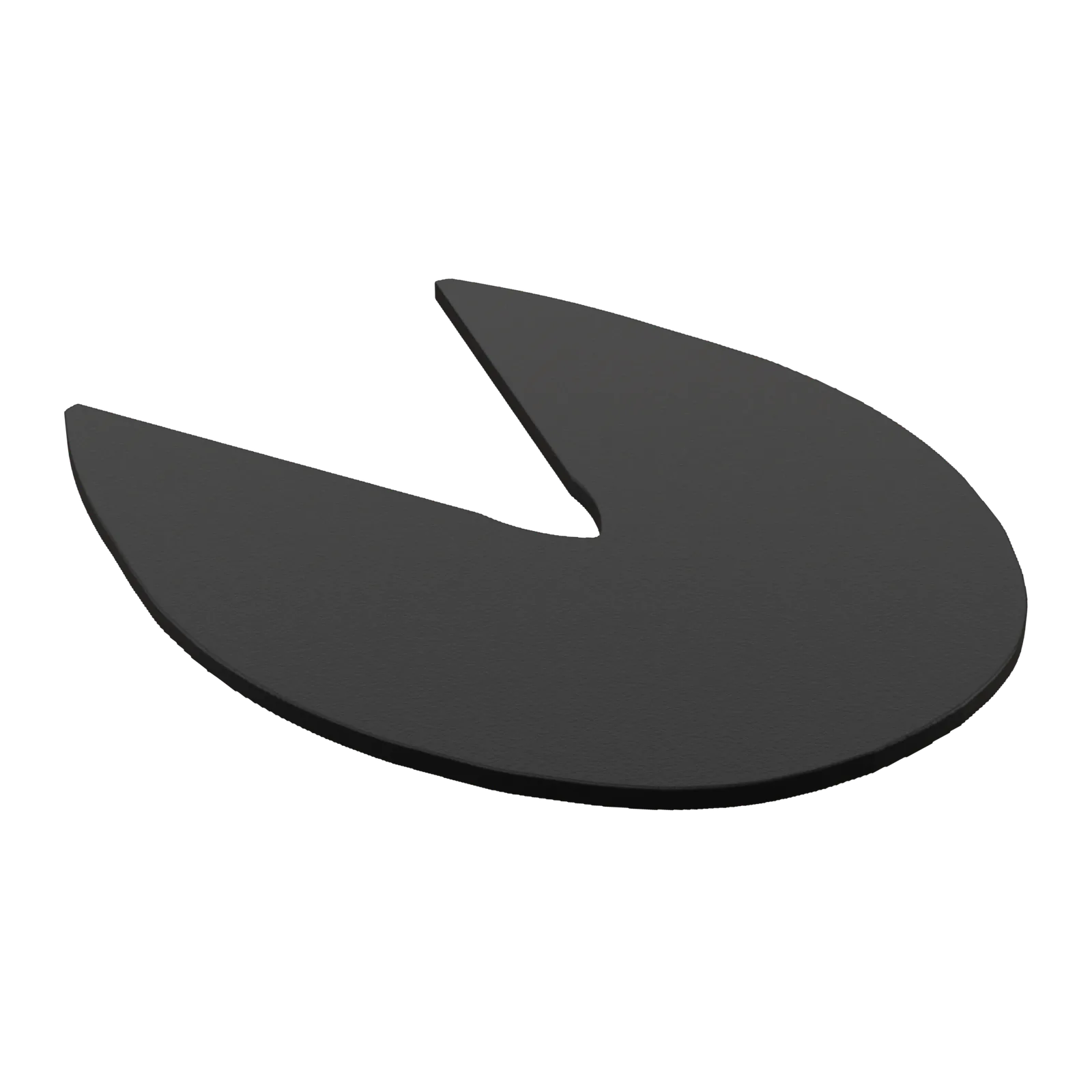
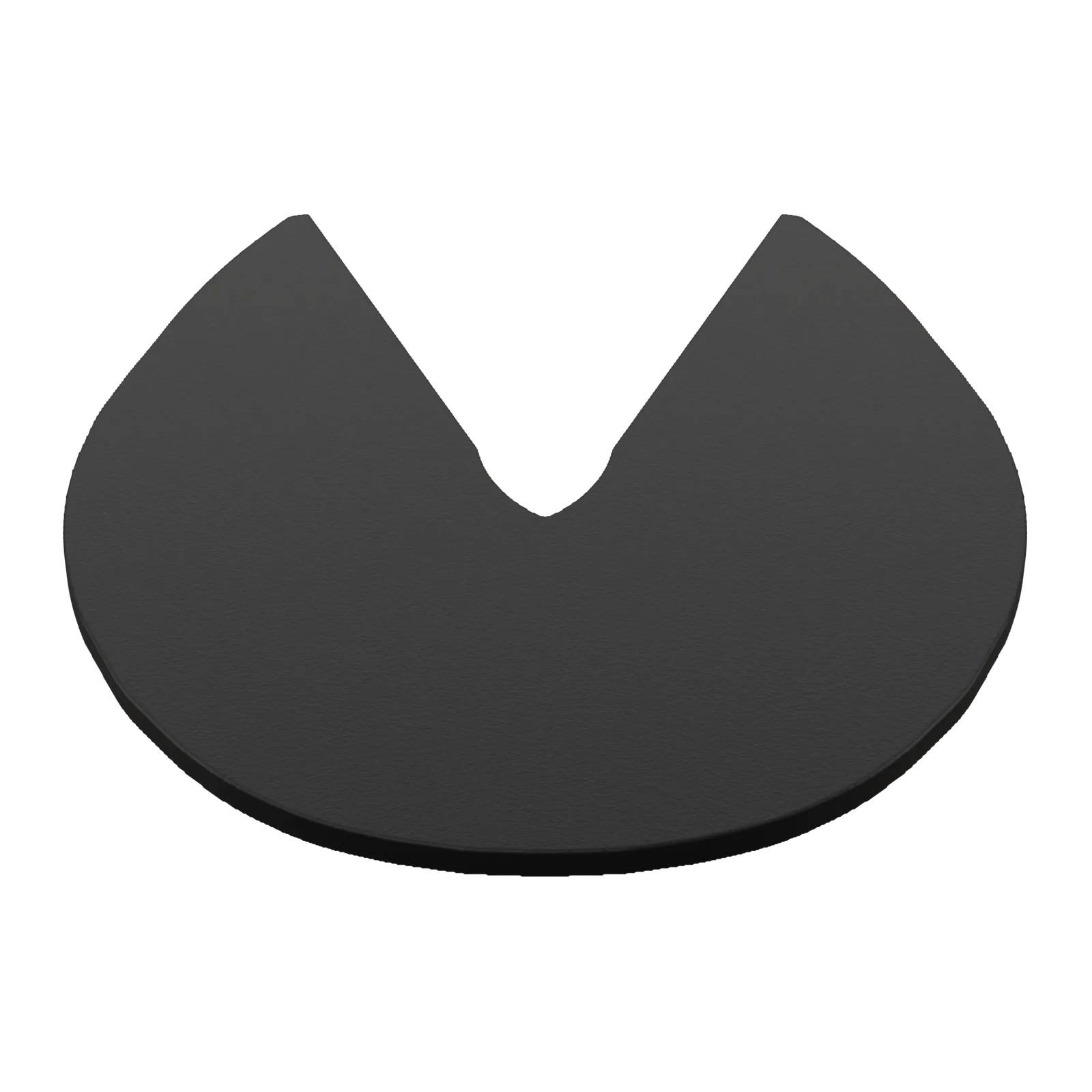
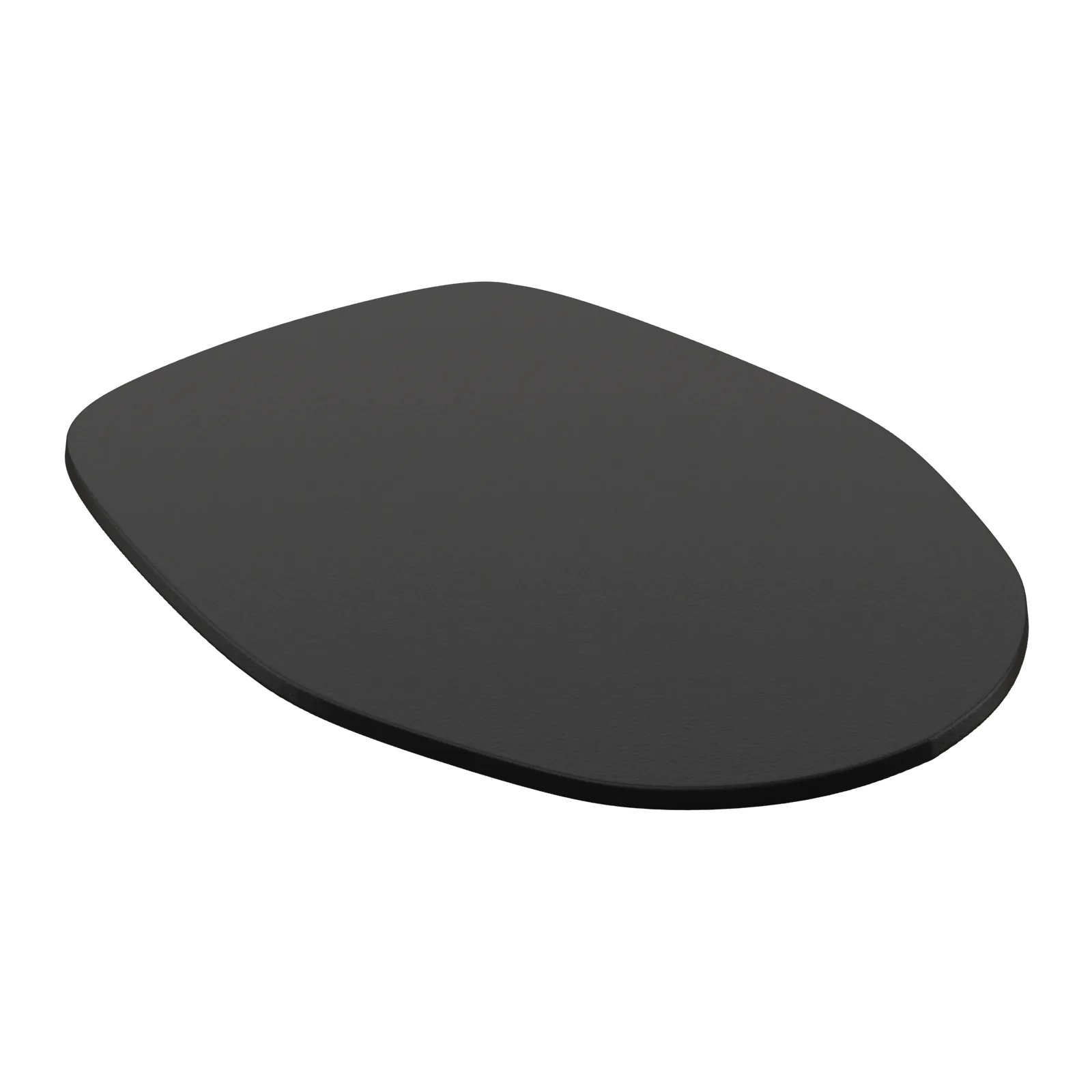
Once your vet has assessed the horse, mechanical comfort becomes the daily work of recovery. The MoreAid Squish Pad is a soft 3D printed rehabilitation shoe designed by Kelvin Lymer of The Shoeing Lab to help distribute load across the sole and frog and may help support comfort while the foot recovers. It is a rehabilitation product, not a riding shoe. Impression material can add tailored sole and frog support, and HoofCast tape can help protect a compromised foot between farrier visits.
Realistic expectations
Recovery is measured in months, not weeks. Cases with rotation or sinking commonly need six to twelve months of managed rehabilitation, with regular radiographs and trims. Many horses return to comfortable work when the underlying cause is controlled.
When to call your vet
Immediately, at the first suspicion. Early intervention protects the laminae and shortens recovery.
This guide is educational and is not a substitute for veterinary or farrier diagnosis. If your horse is in pain, speak to your vet first.