




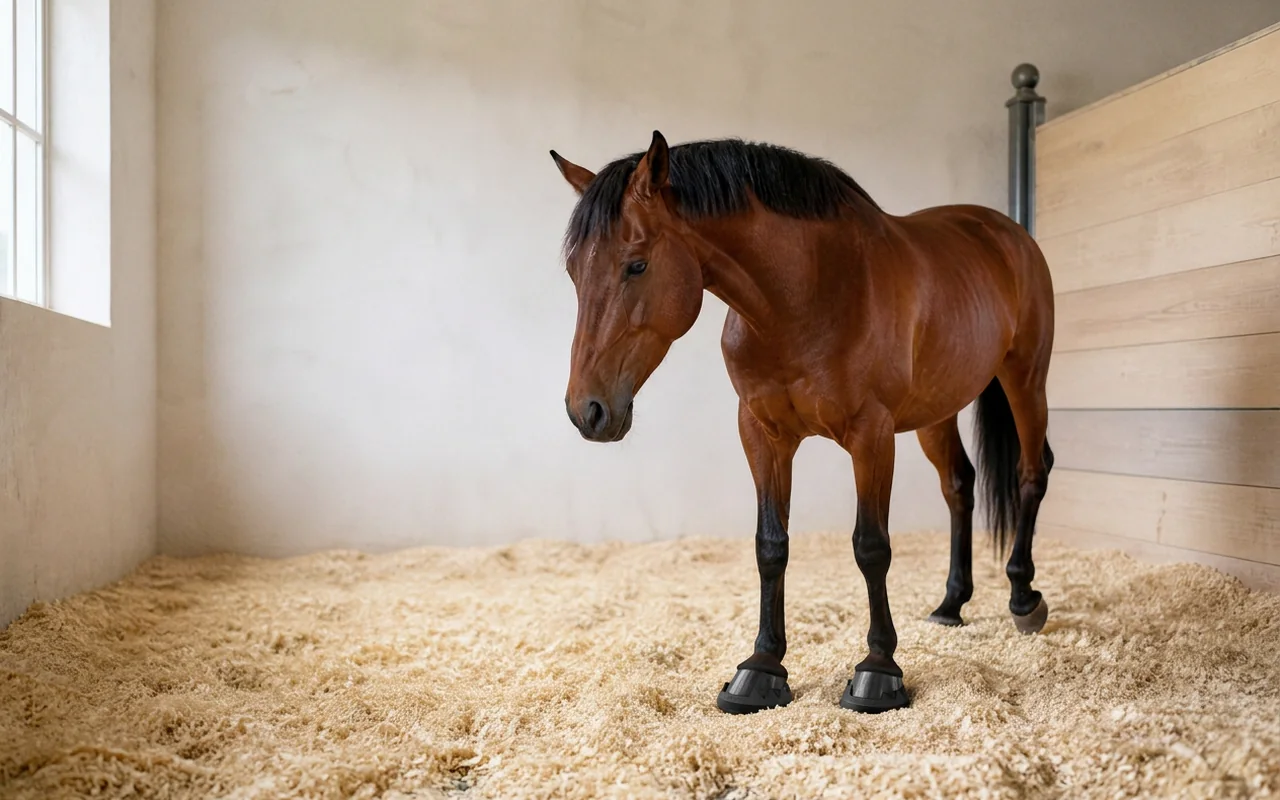
Laminitis frightens people, and it should. But a great deal of the fear in the messages we get comes from not understanding what is actually happening in there, and once you understand the mechanics, the reasoning behind the treatment stops feeling arbitrary.
I want to be clear at the outset about what this article is and is not. This is a farrier explaining mechanics. It is not veterinary advice, and laminitis is a veterinary emergency. If you suspect it, your vet comes first. What follows is meant to help you understand what your vet and farrier are trying to achieve together.
The suspension analogy
The coffin bone does not sit on the sole. It hangs.
Inside the hoof capsule, interlocking layers of tissue called the laminae suspend the entire bony column from the inside of the hoof wall. Every step your horse takes, that suspension is carrying the load.
Laminitis is inflammation and separation of those laminae. The suspension weakens. And once it weakens sufficiently, the forces that were always acting on the foot start winning.
That is really the whole thing. Everything else follows from it.
Rotation and sinking
Two things can happen when the suspension fails, and they are not the same.
Rotation happens because the deep digital flexor tendon attaches to the back of the coffin bone and is under constant tension. When the laminae let go at the toe, that tendon rotates the bone: tip downward, back of the bone upward. As the tip descends it compresses the blood vessels and nerves beneath it. This is where a great deal of the pain comes from.
Sinking, or distal displacement, is when the entire bony column drops within the hoof capsule. It can happen evenly or to one side. It is the more serious of the two, and where it happens symmetrically the outlook is poor.
Owners in the group often report a number from their vet: degrees of rotation, or millimeters of sole left. Those numbers matter, but they matter in combination. One farrier in the community described a case with, in his words, one millimeter away from disaster. Another owner posted that x-rays showed her horse down to 7mm of sole and rotation returning. For context, a healthy foot generally carries somewhere in the region of 12 to 15mm of sole depth, and research associated with Dr Ric Redden points to around 15mm being what solar vascular structures need to function properly. Six or seven millimeters late in a shoeing cycle tells you the foot is in trouble.
Why the clock matters
The accepted framing divides laminitis into stages. There is a developmental phase before any foot pain appears. Then an acute phase, generally taken as the first 72 hours of clinical signs, during which the coffin bone is still in its normal position. Beyond that, subacute, and then chronic once the bone has actually moved relative to the capsule.
The reason everyone is so insistent about speed is that the acute window is the period where displacement has not yet occurred. What you do in it is aimed at making sure it does not.
What mechanical support is trying to do
Here is the part that connects to what we make.
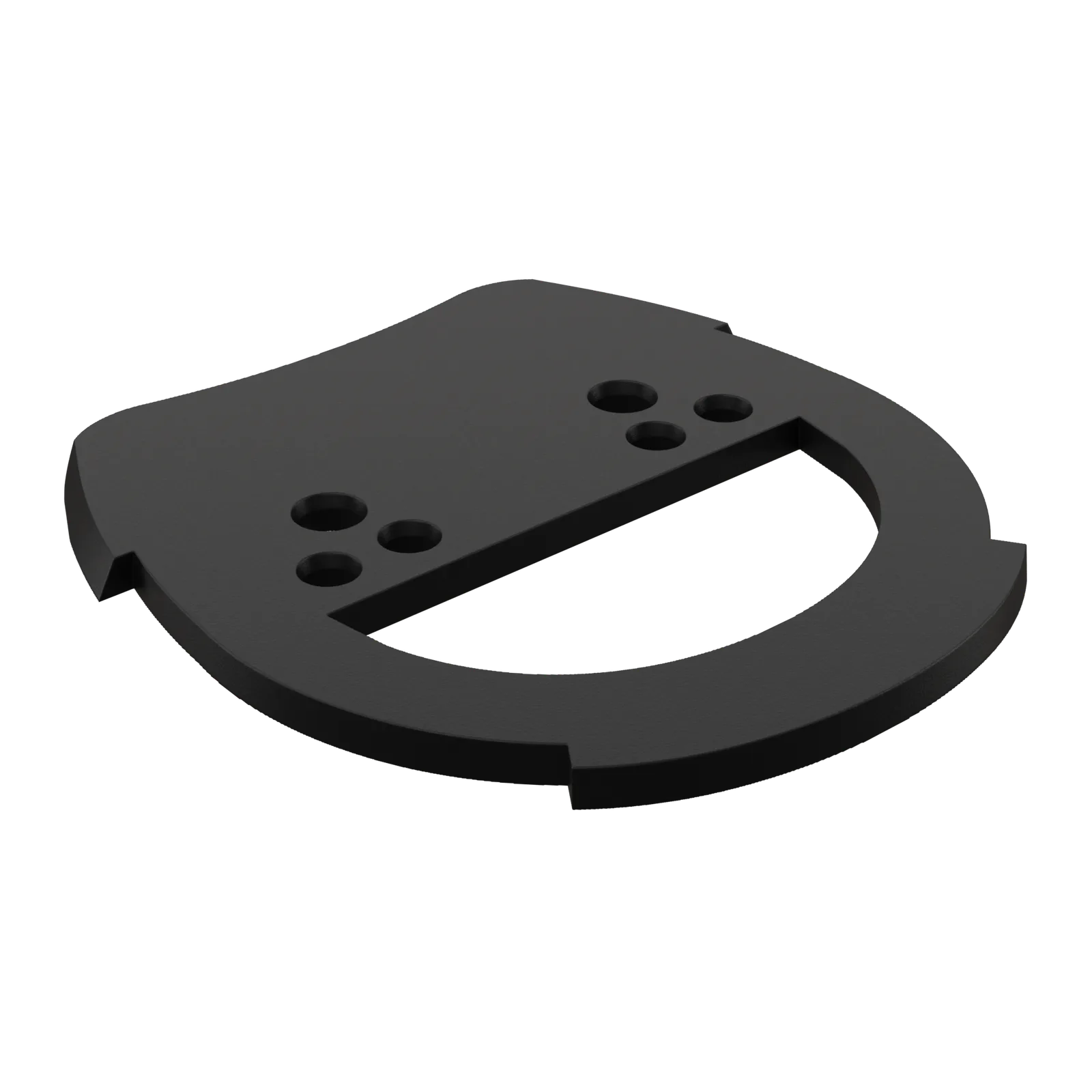
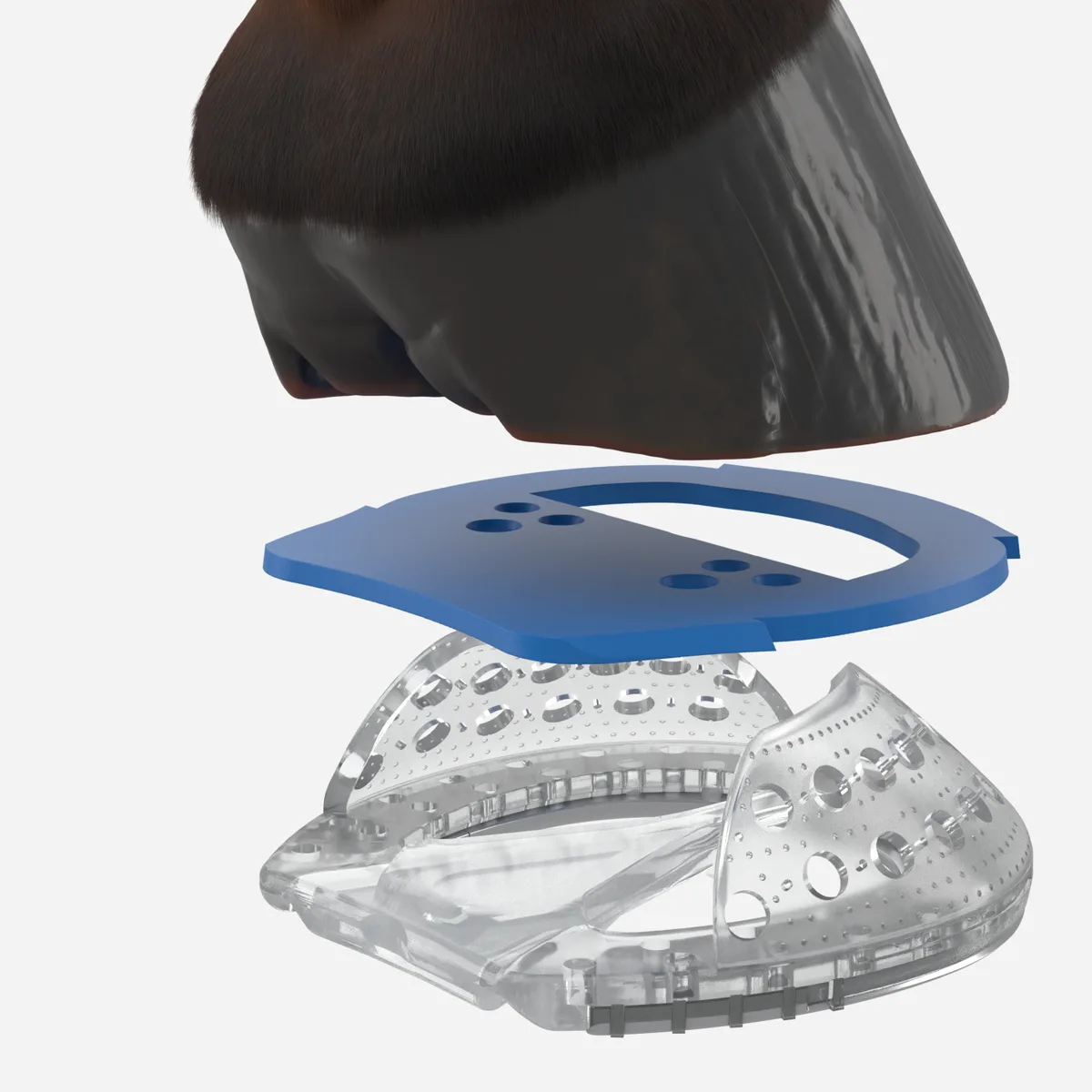
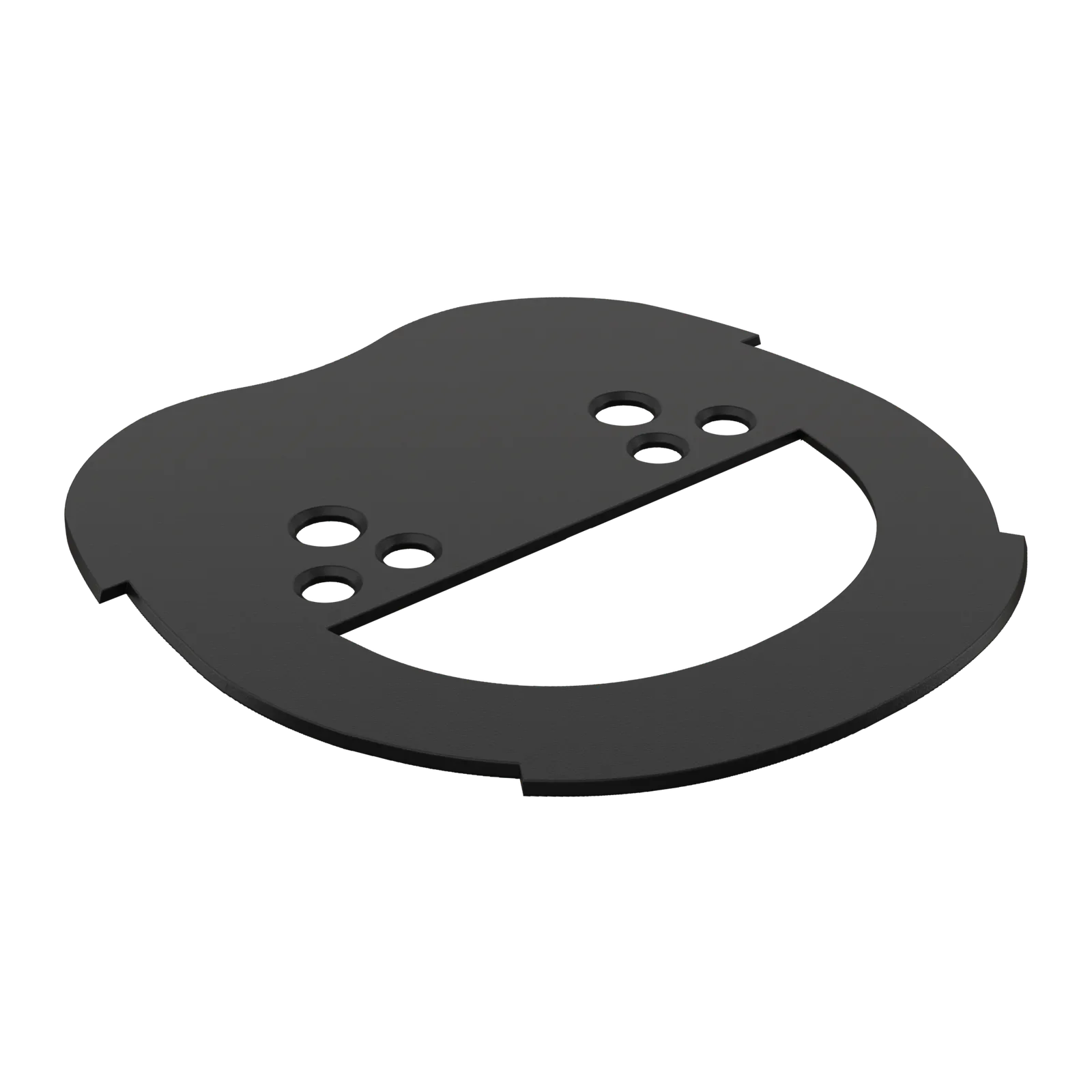
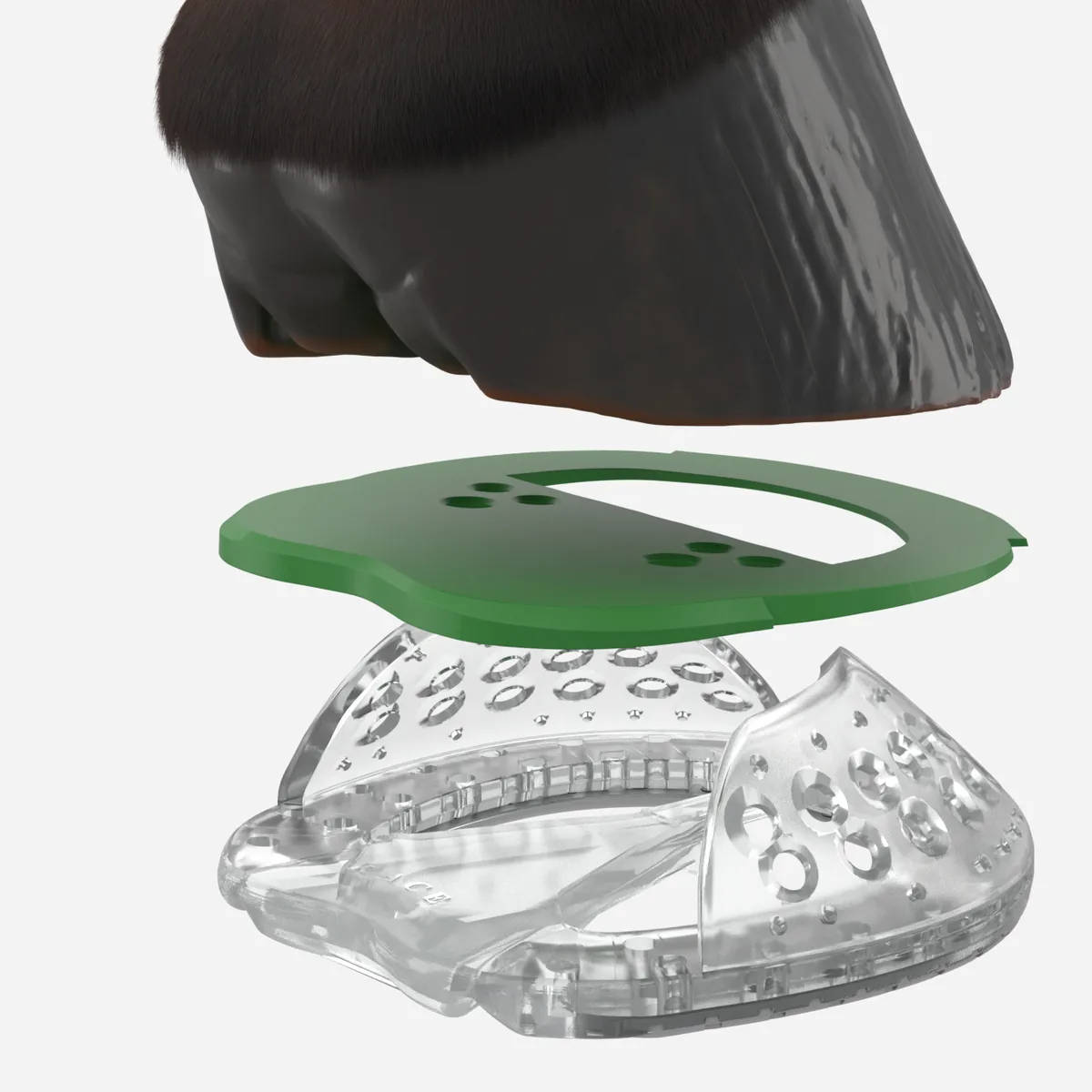
If the laminae are failing under load, then the single most useful thing you can do mechanically is take load off them. You cannot un-inflame the laminae with a pad. But you can change what is carrying the horse.
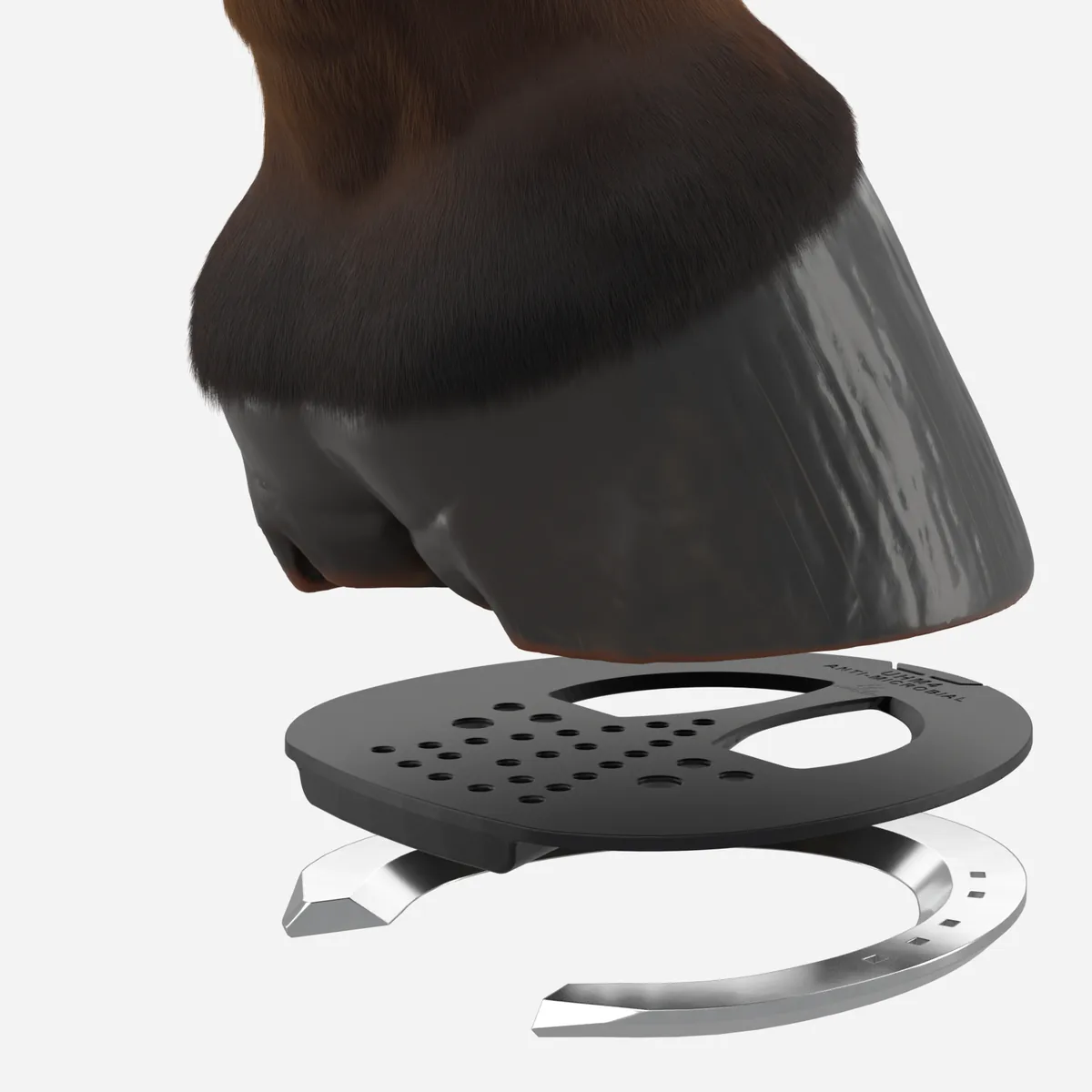
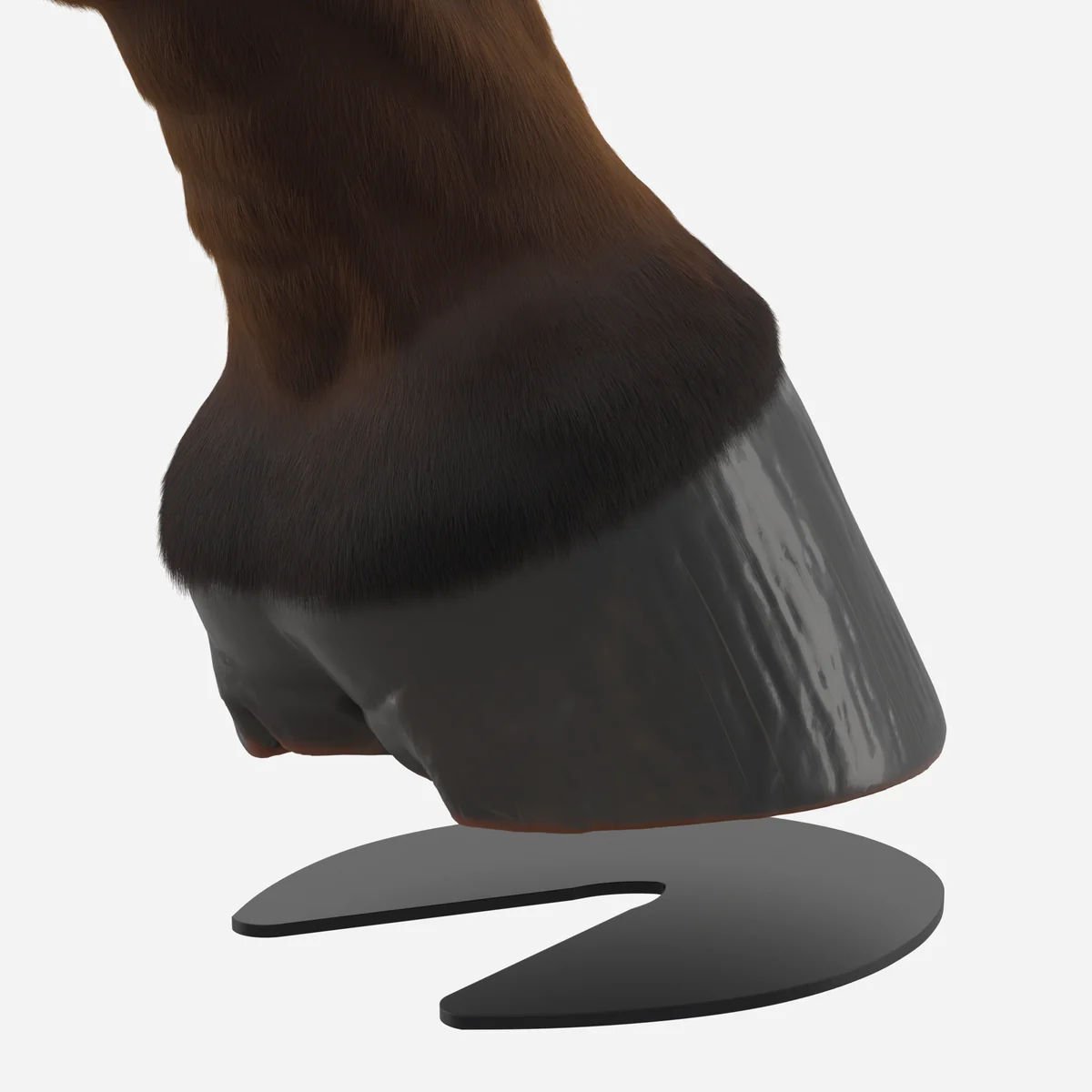
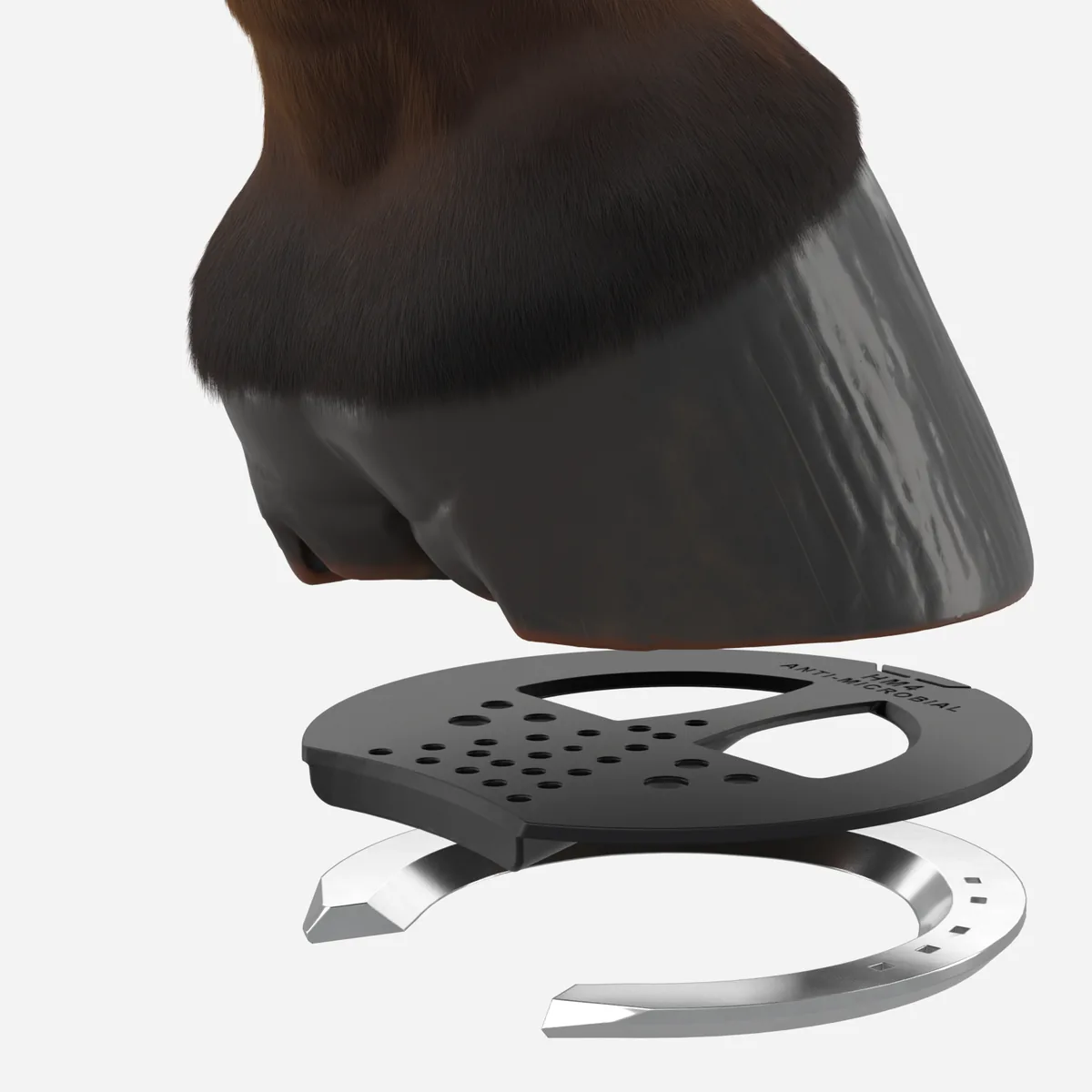
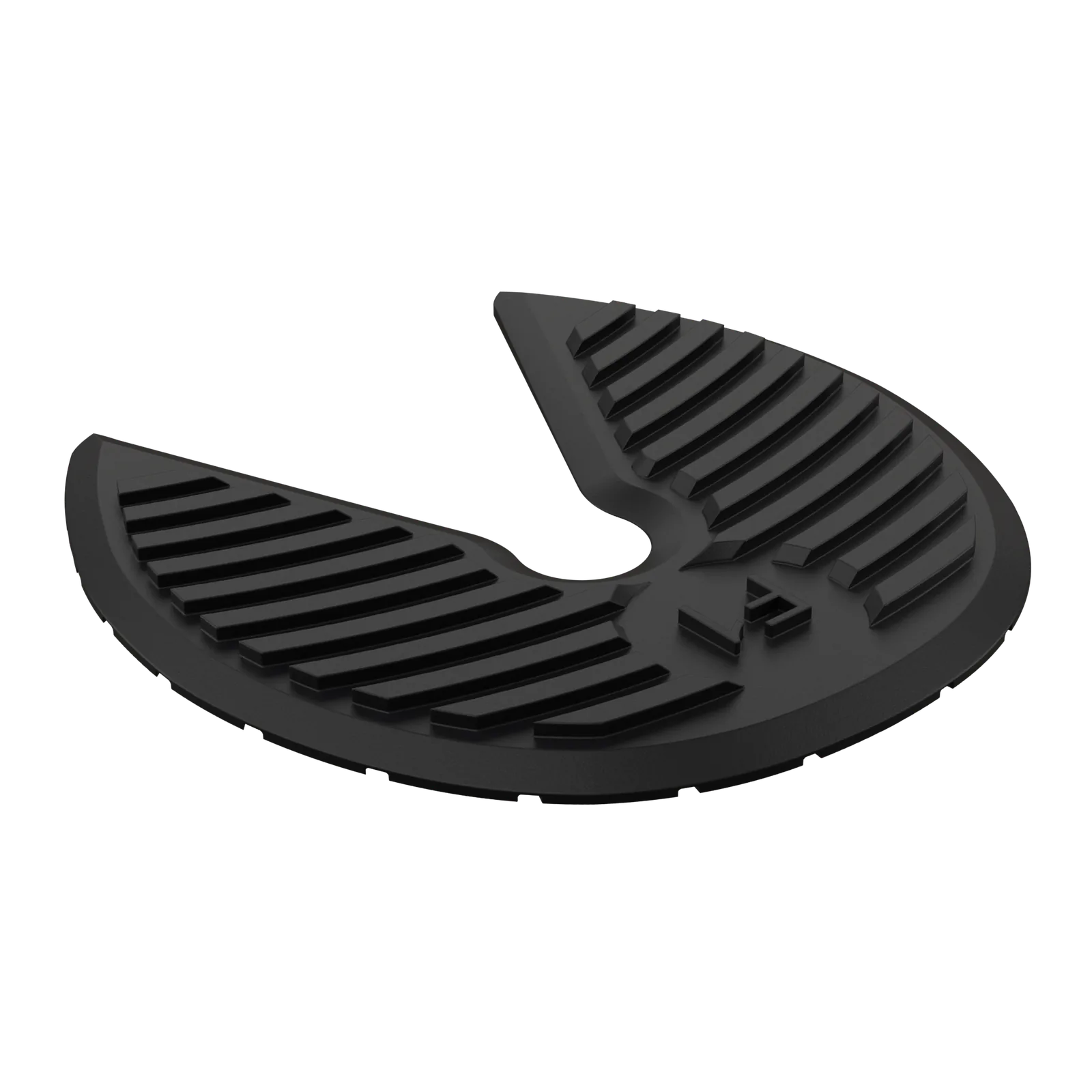
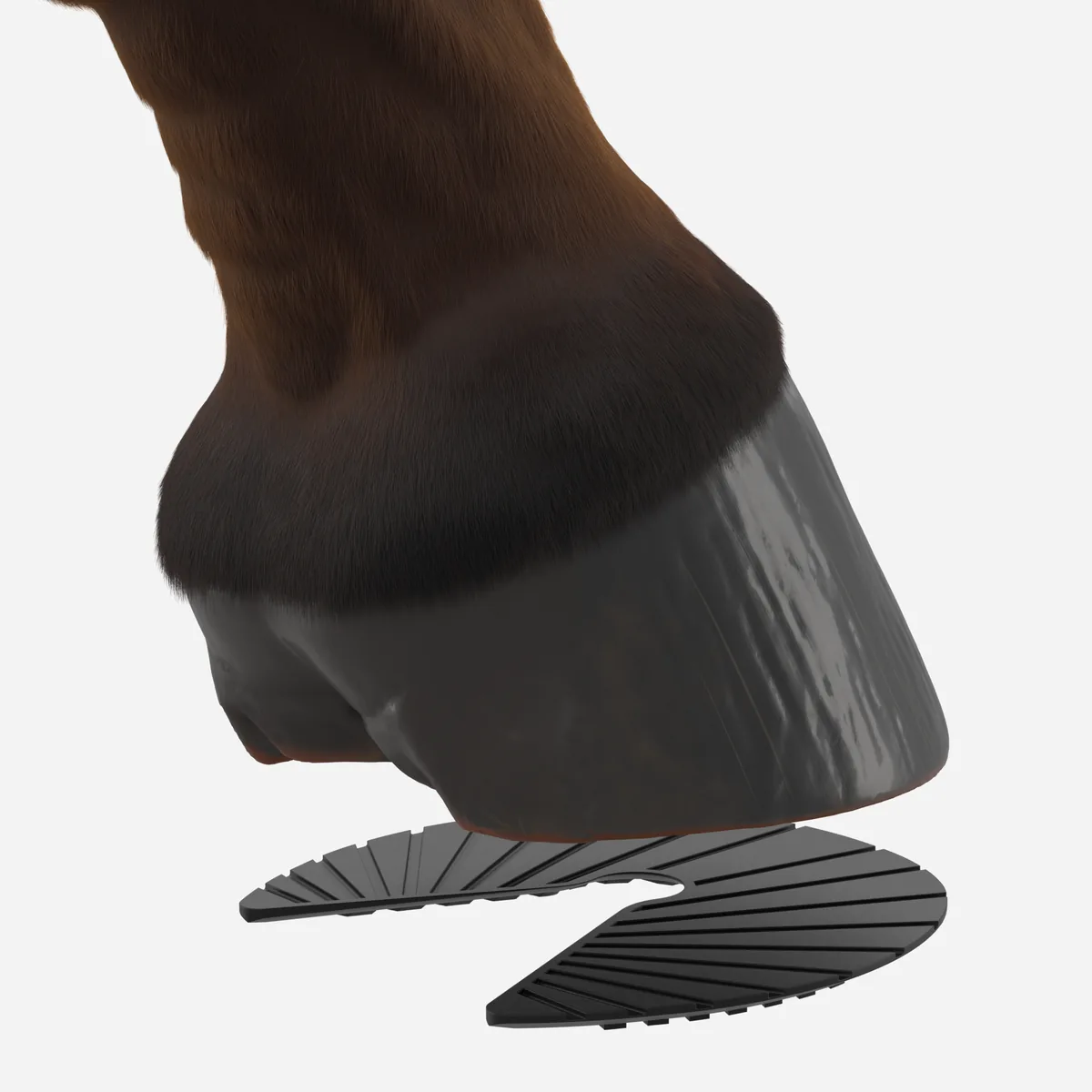
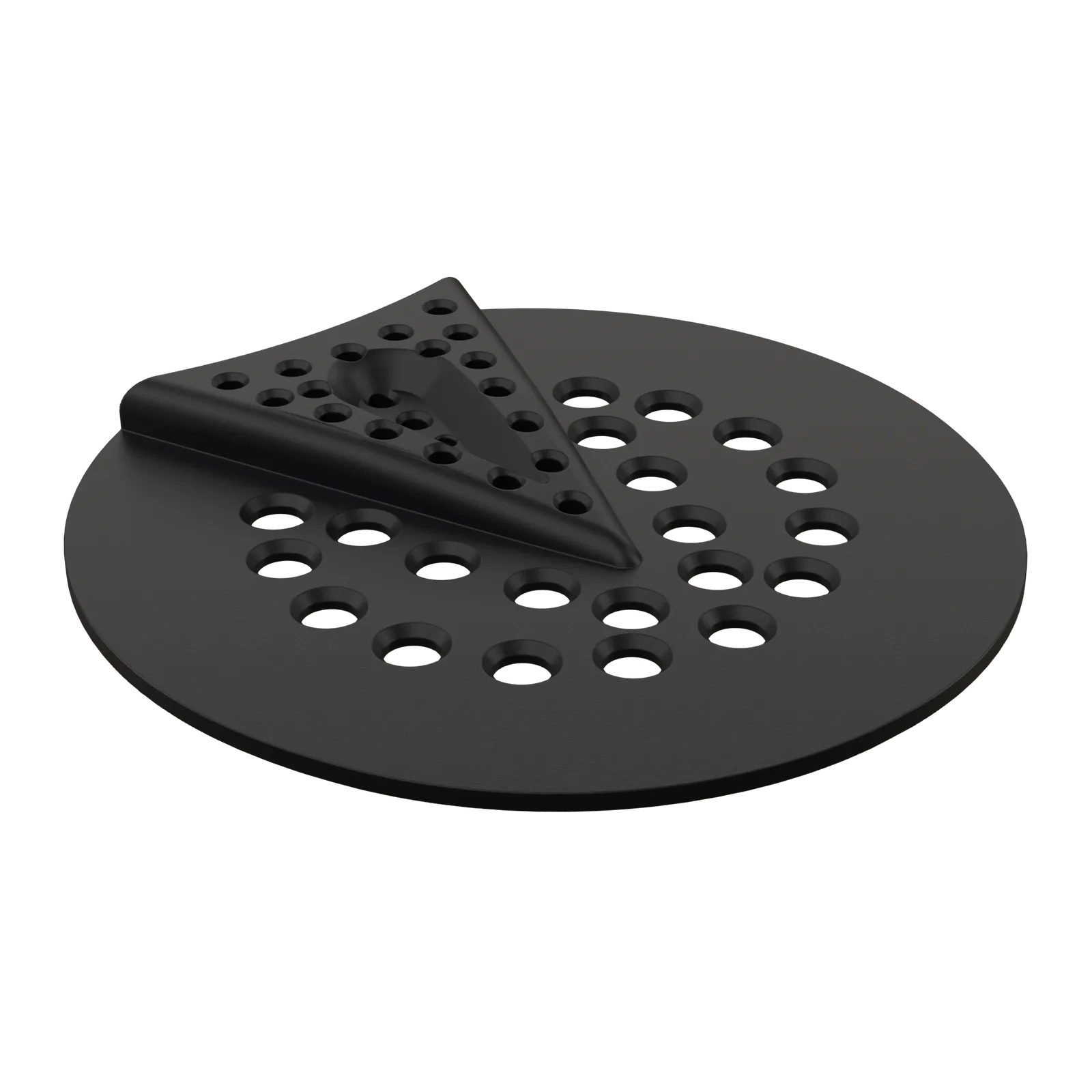
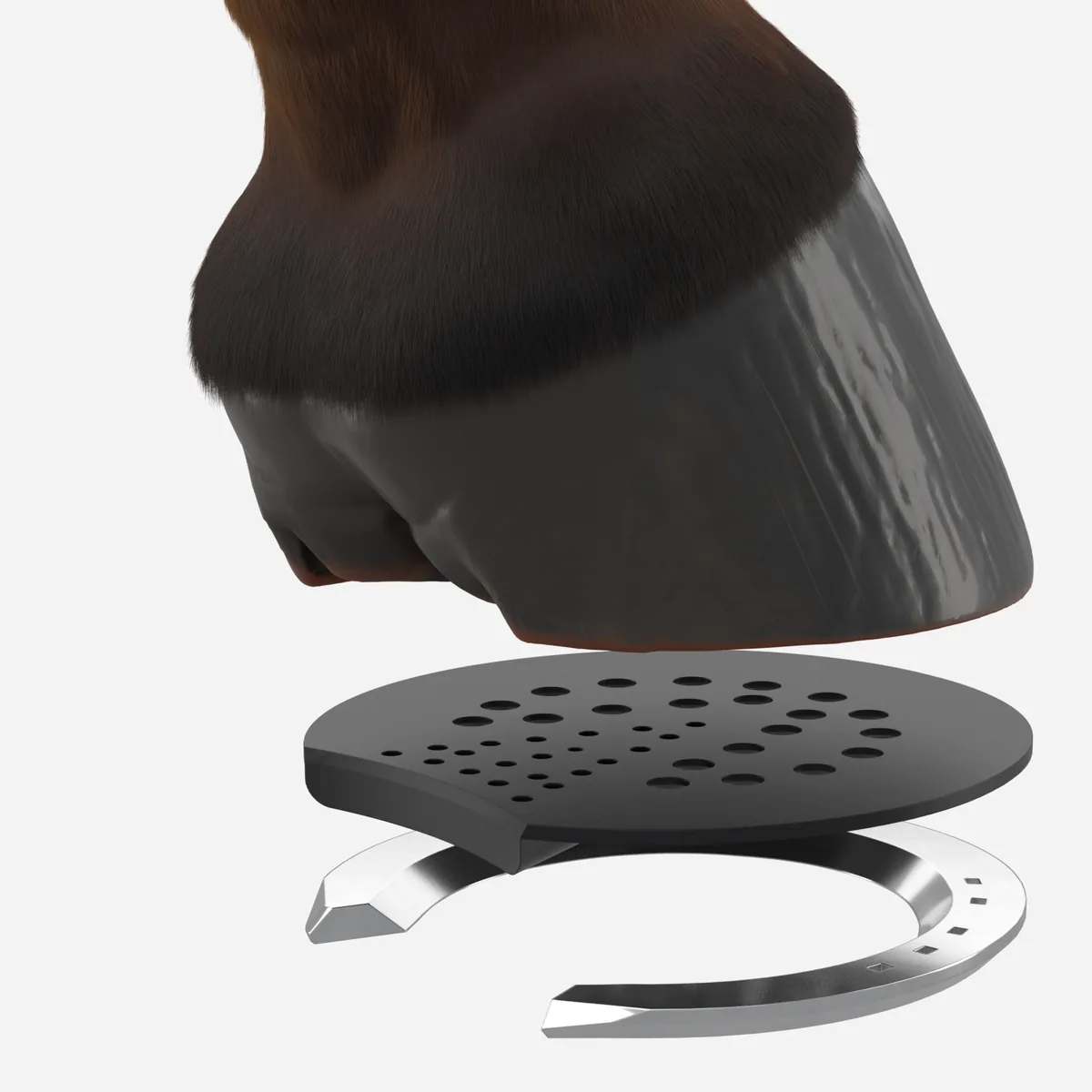
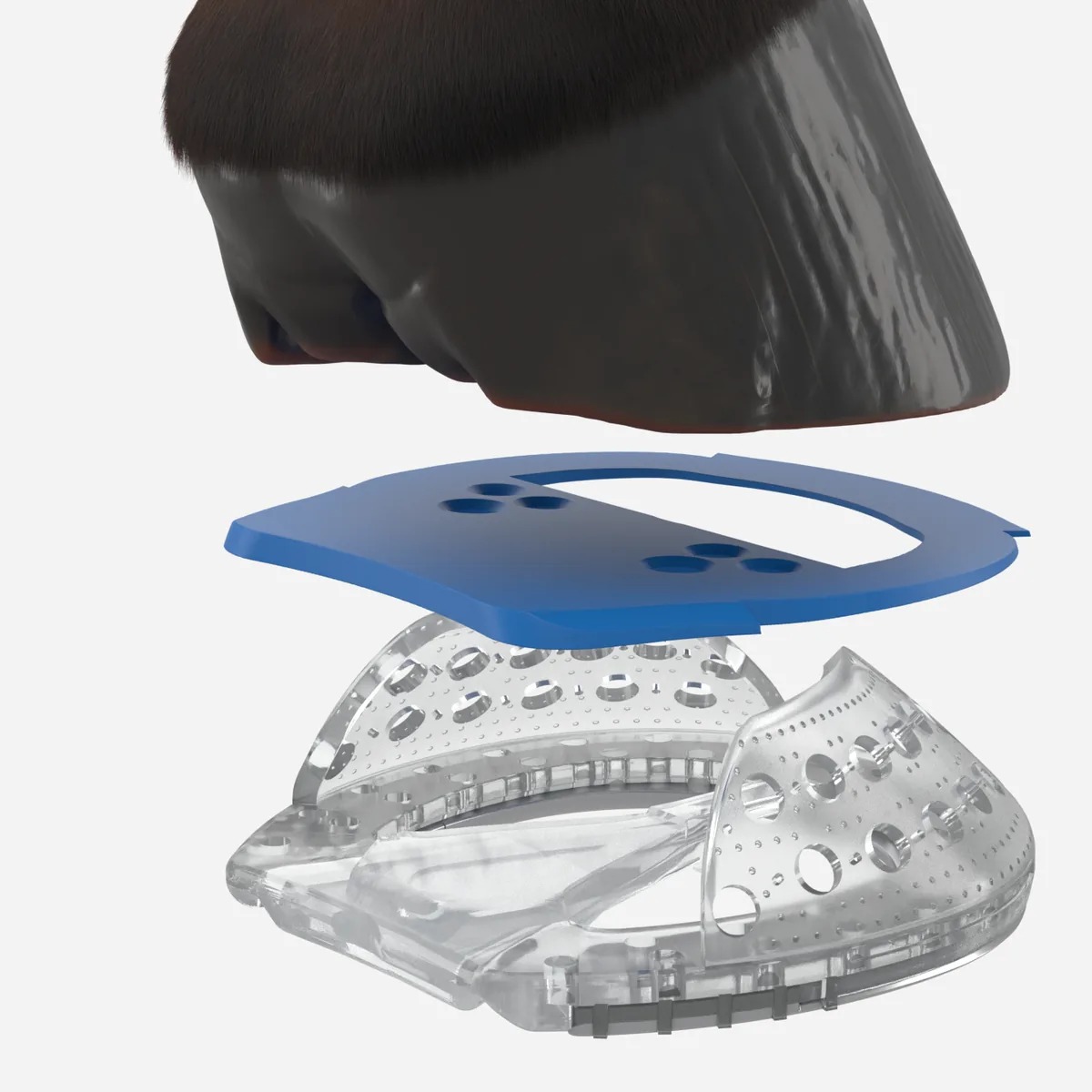
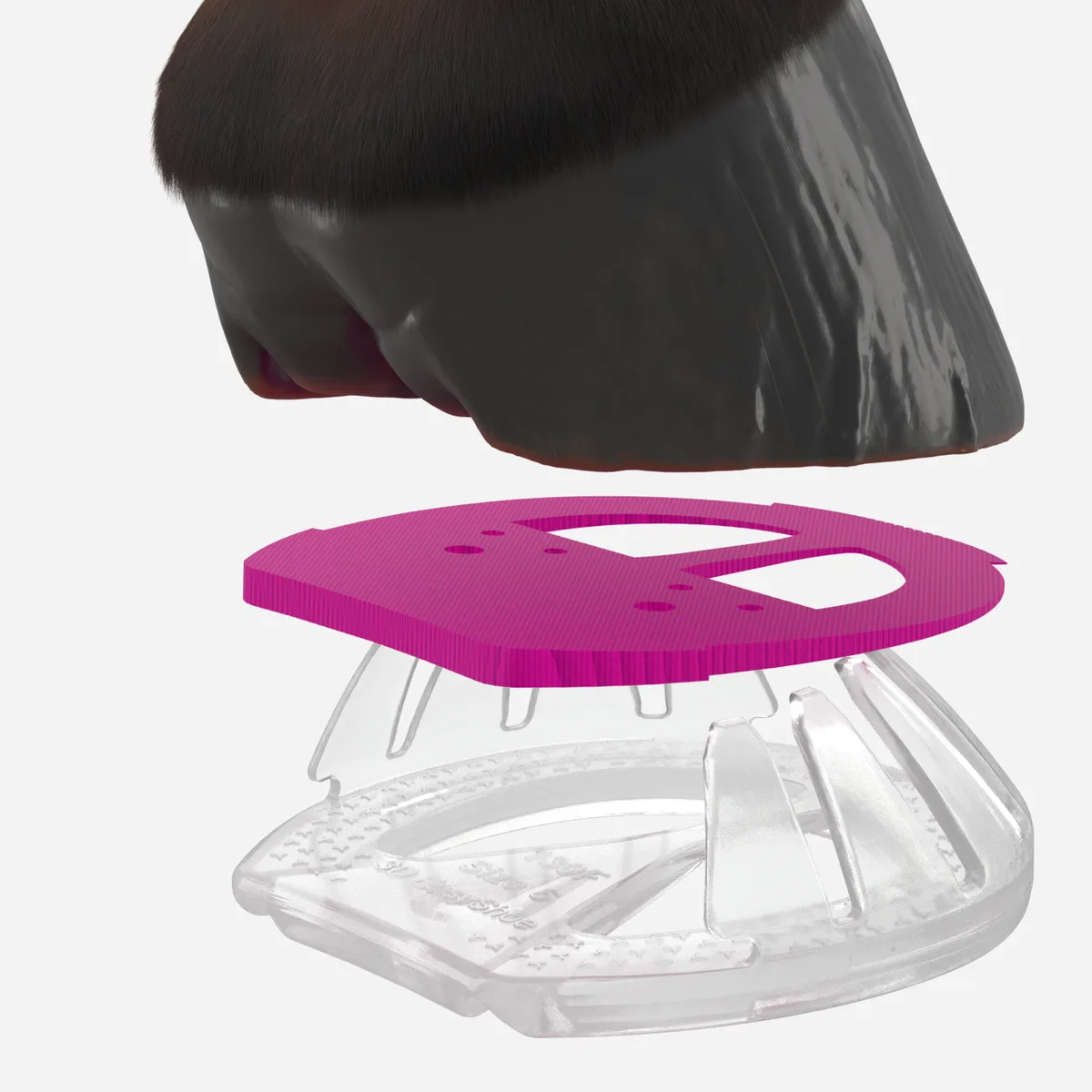
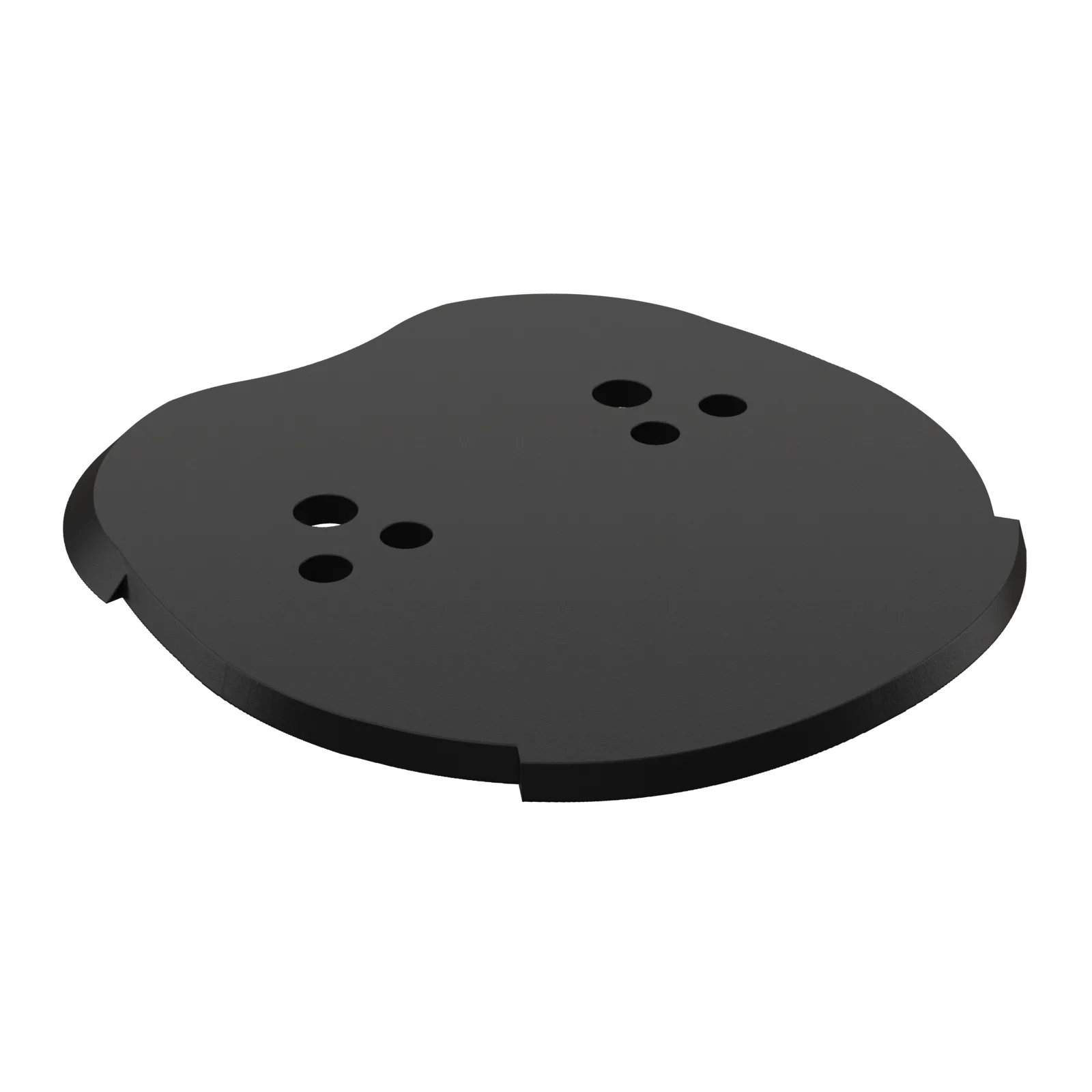
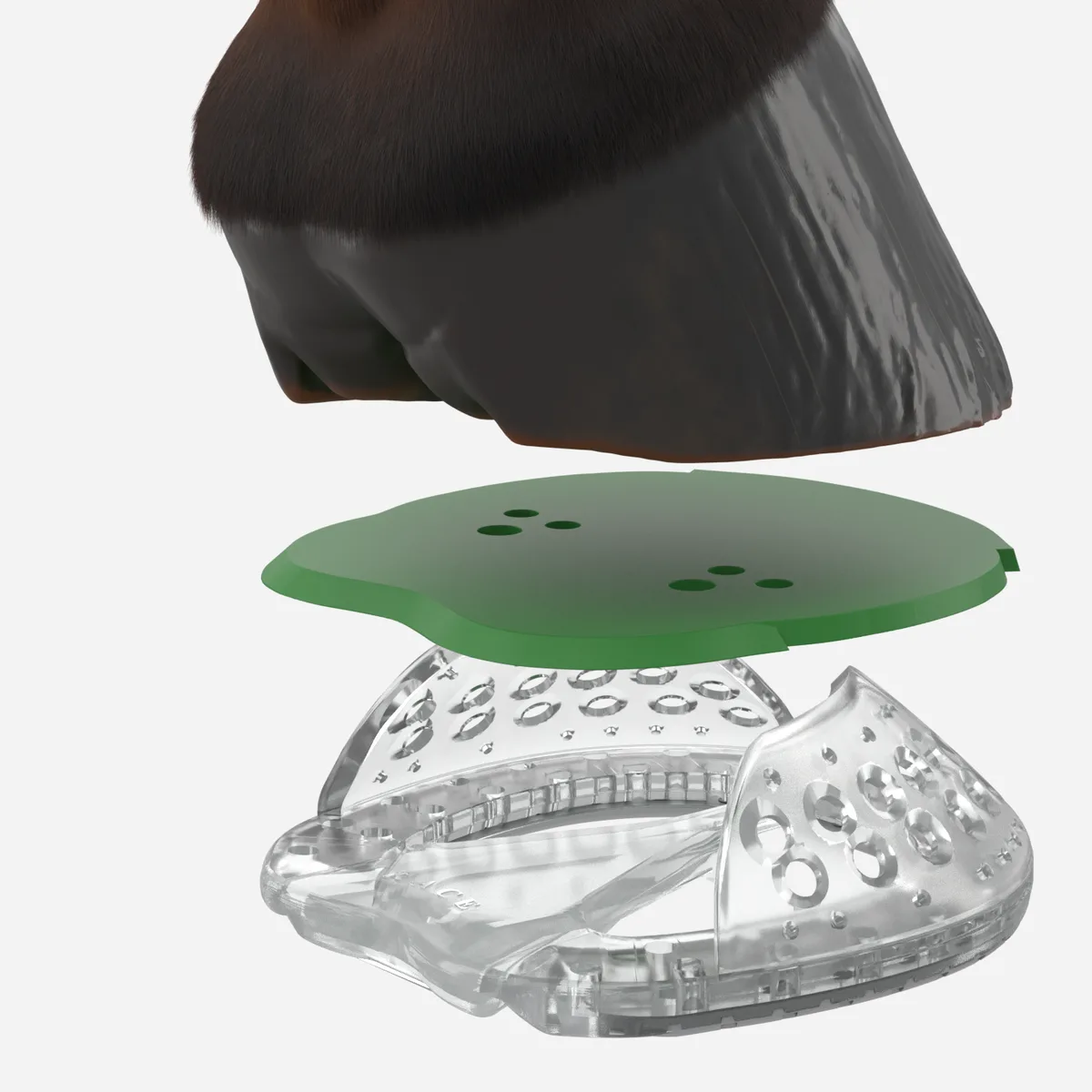
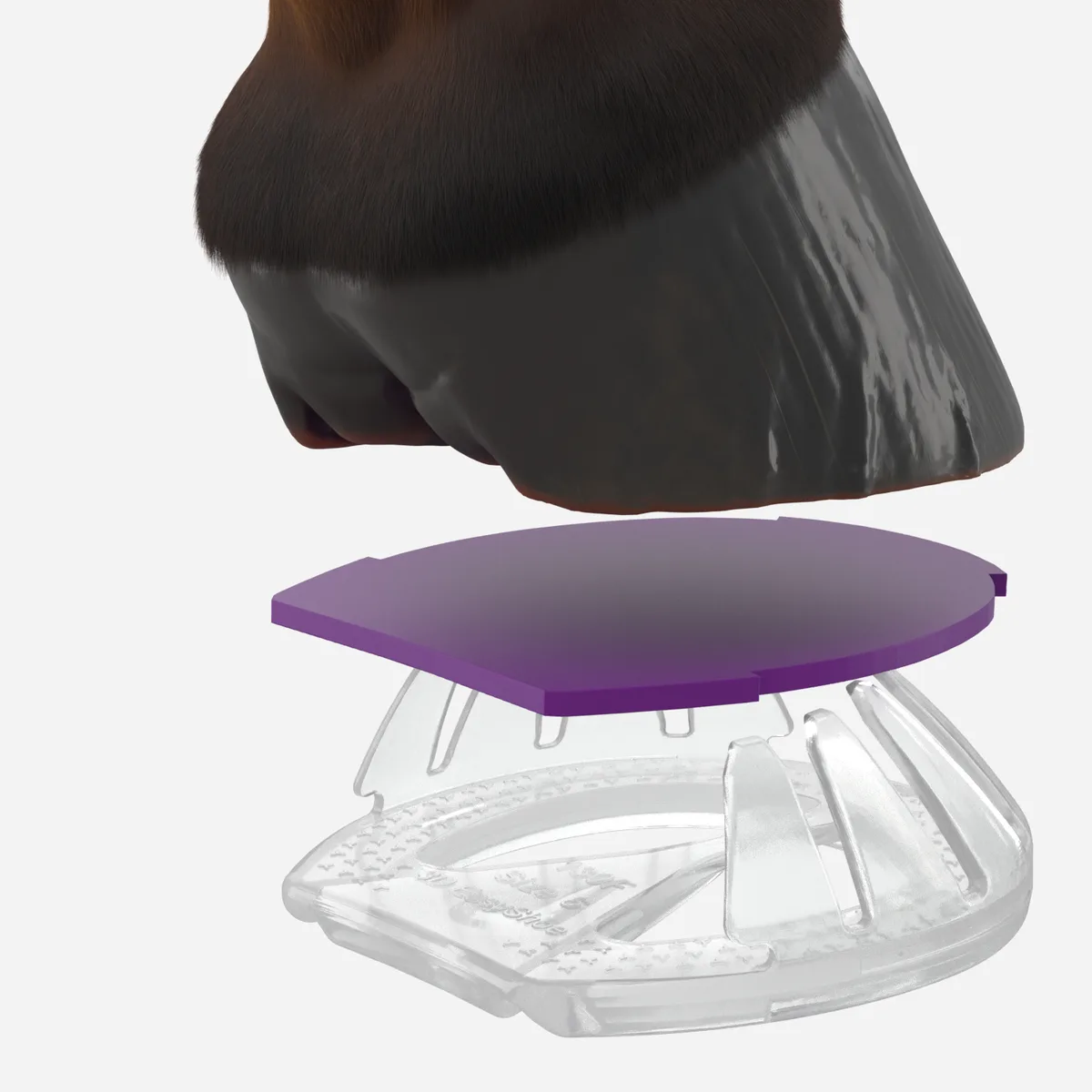
The veterinary literature is direct about this: soft, deformable sole and frog support materials decrease the load borne by the laminae. That is the mechanism. You are recruiting the sole, the frog and the back of the foot to share weight that the compromised wall attachment can no longer carry alone.
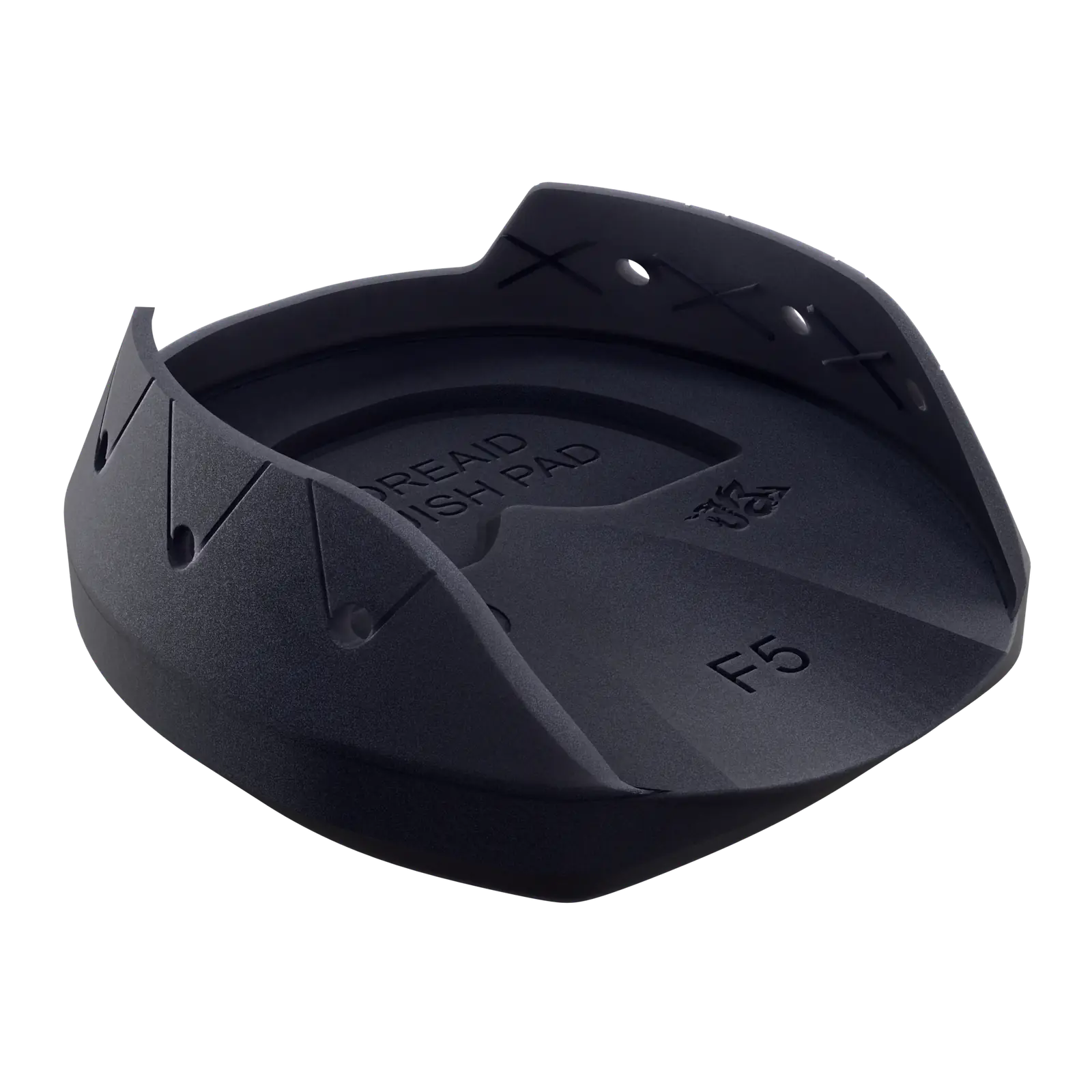
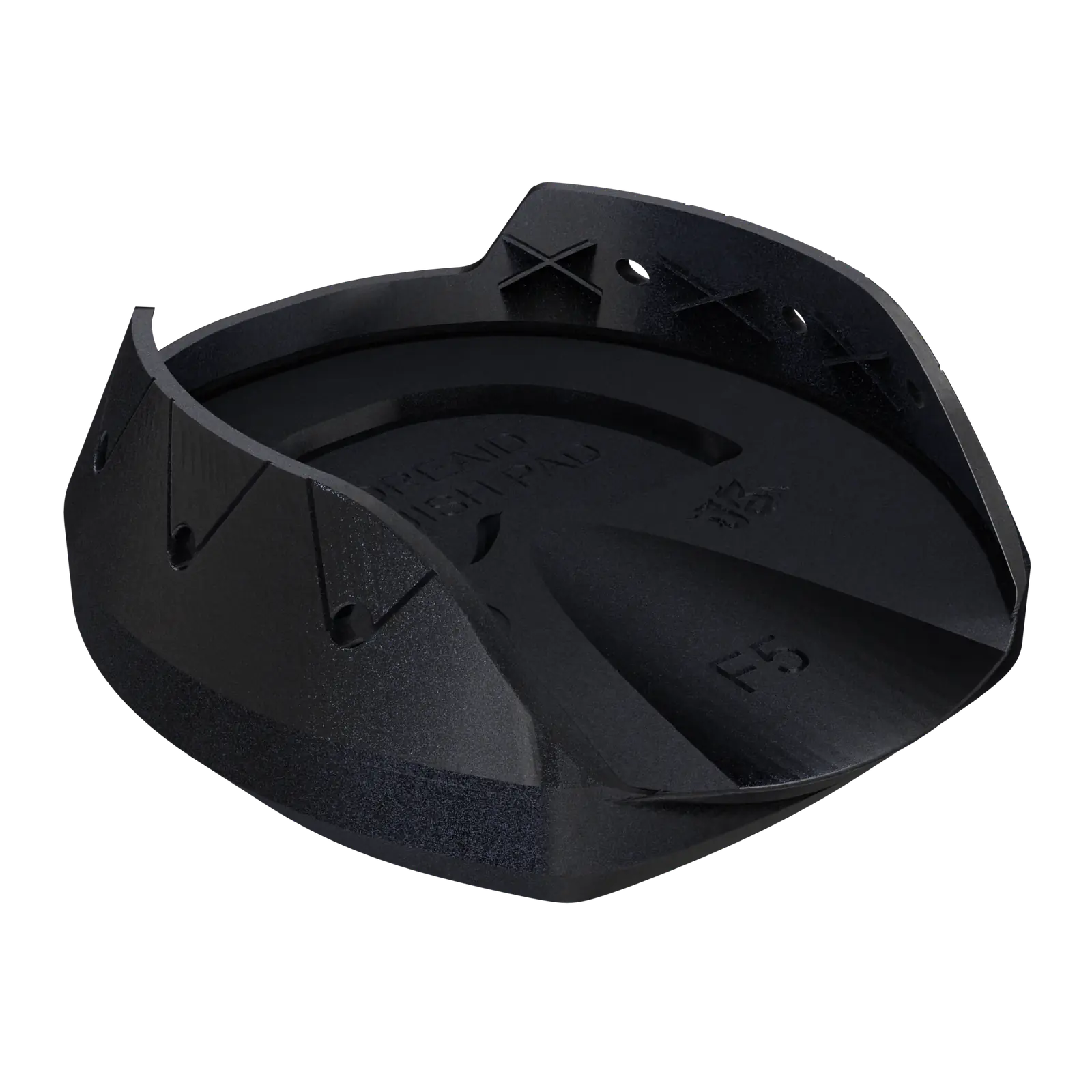
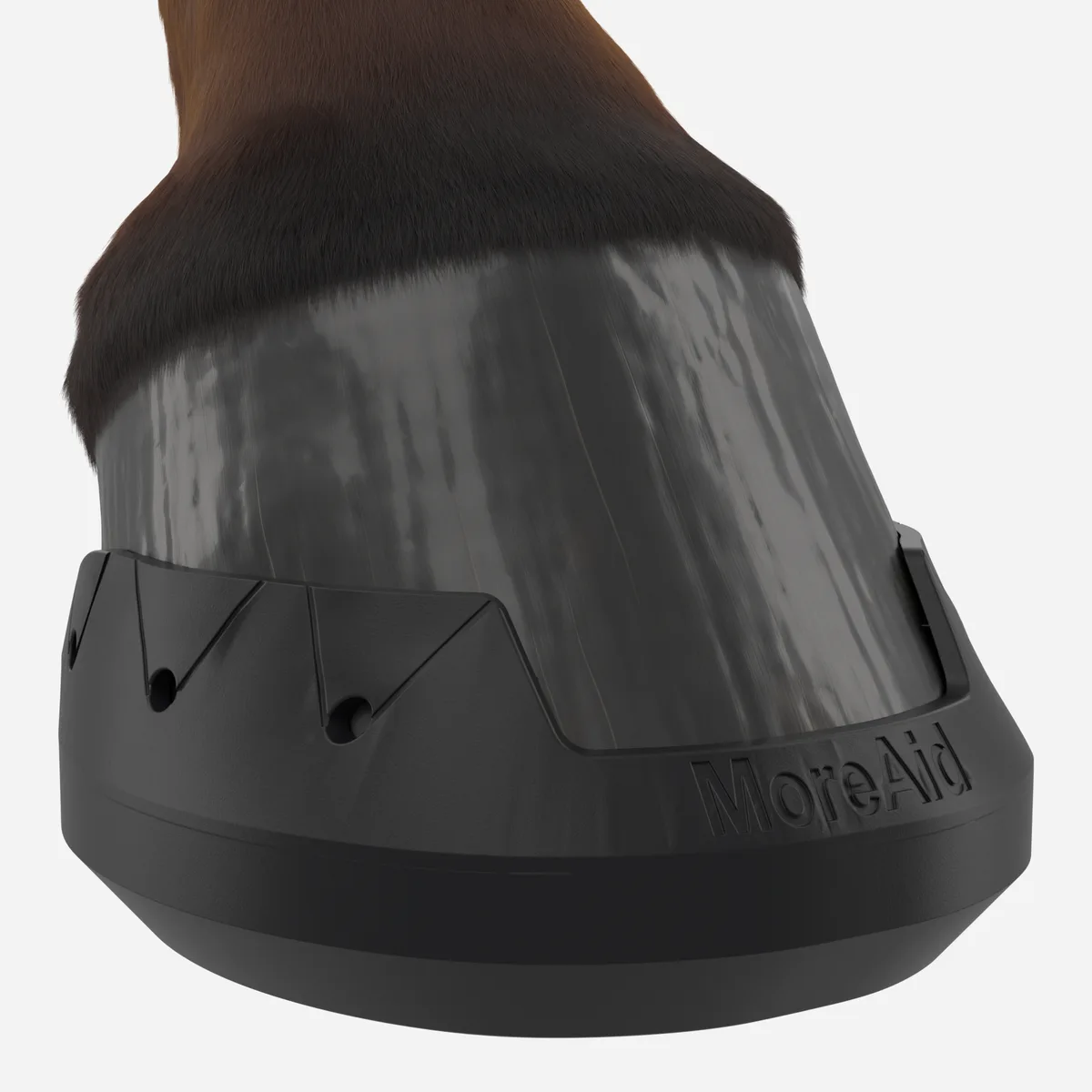
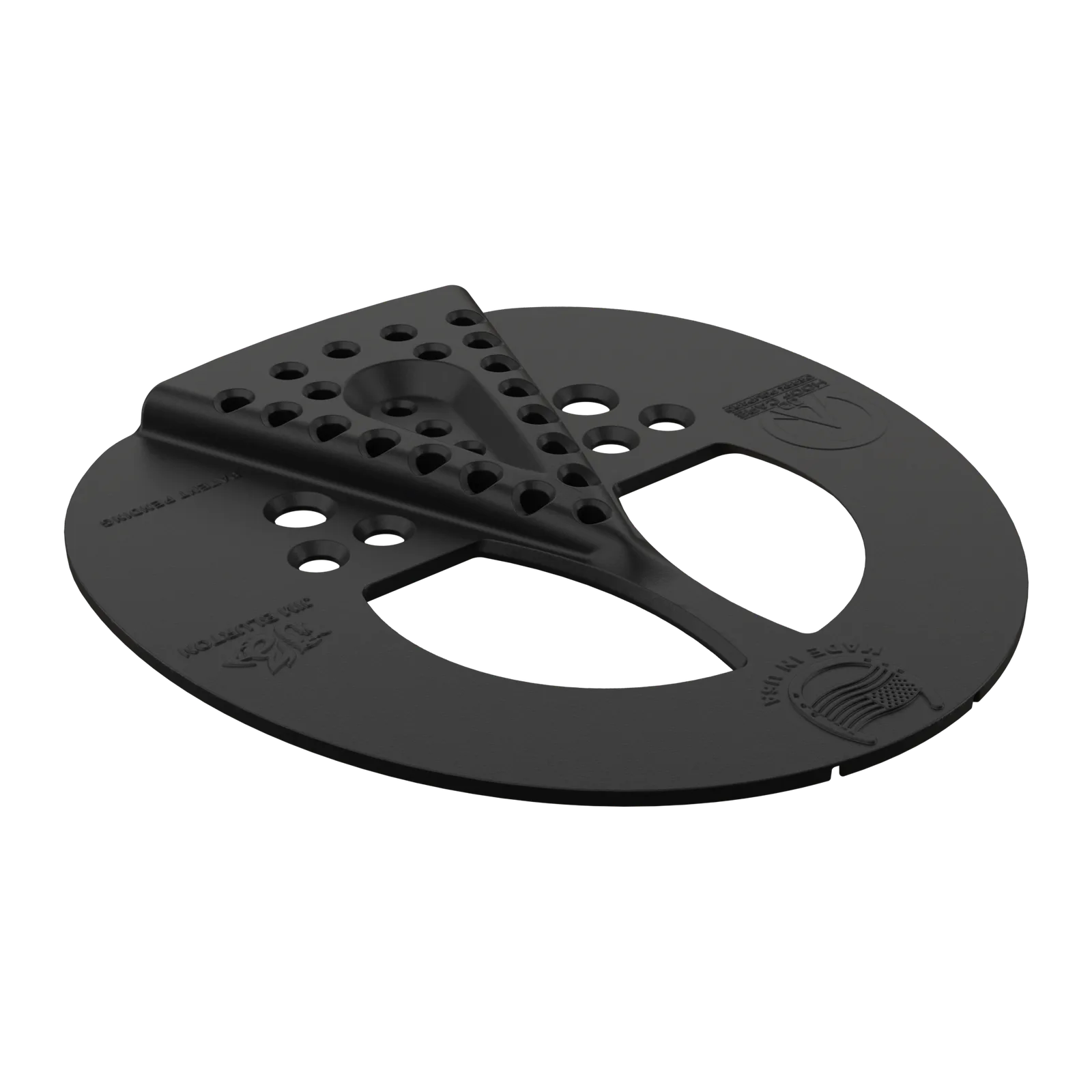
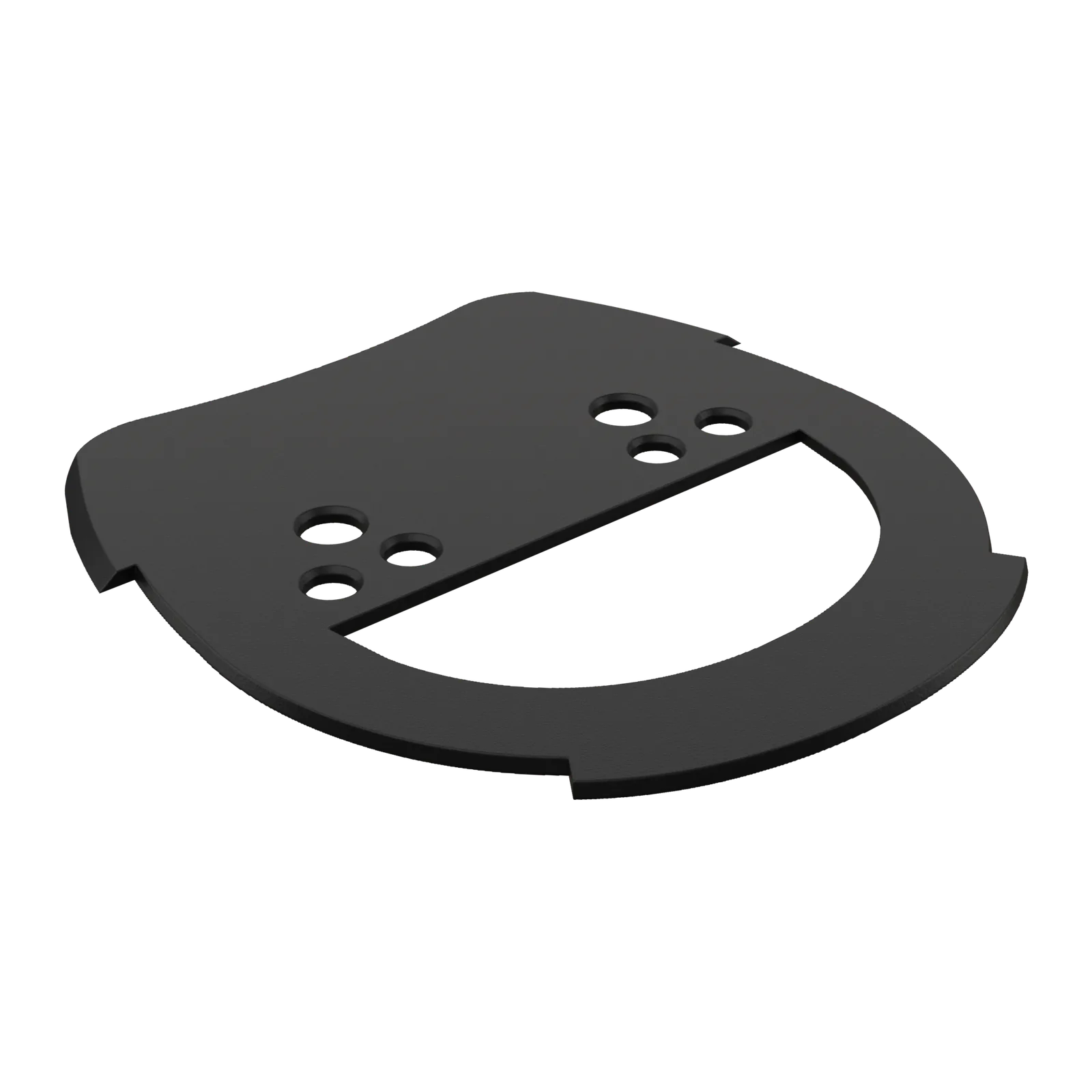
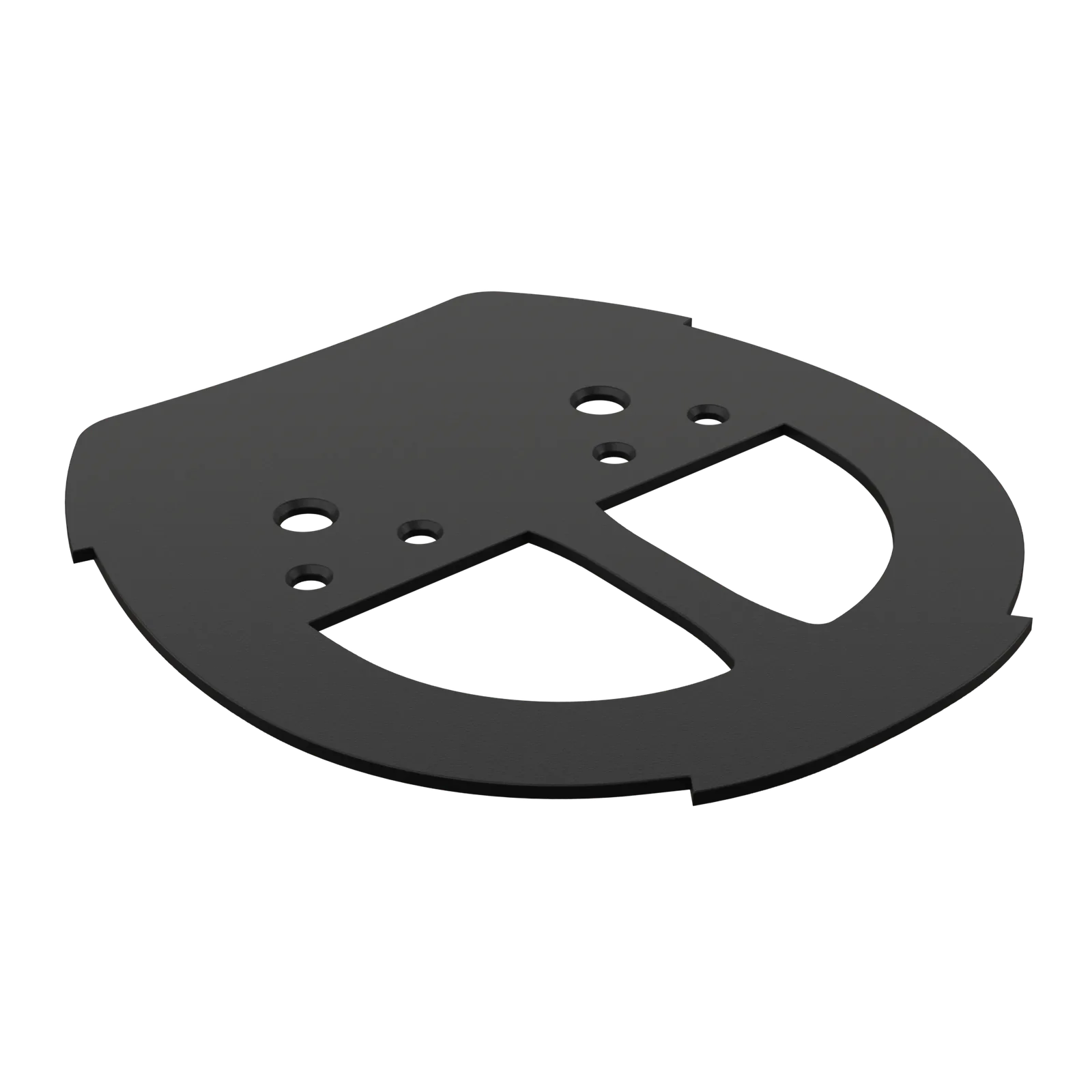
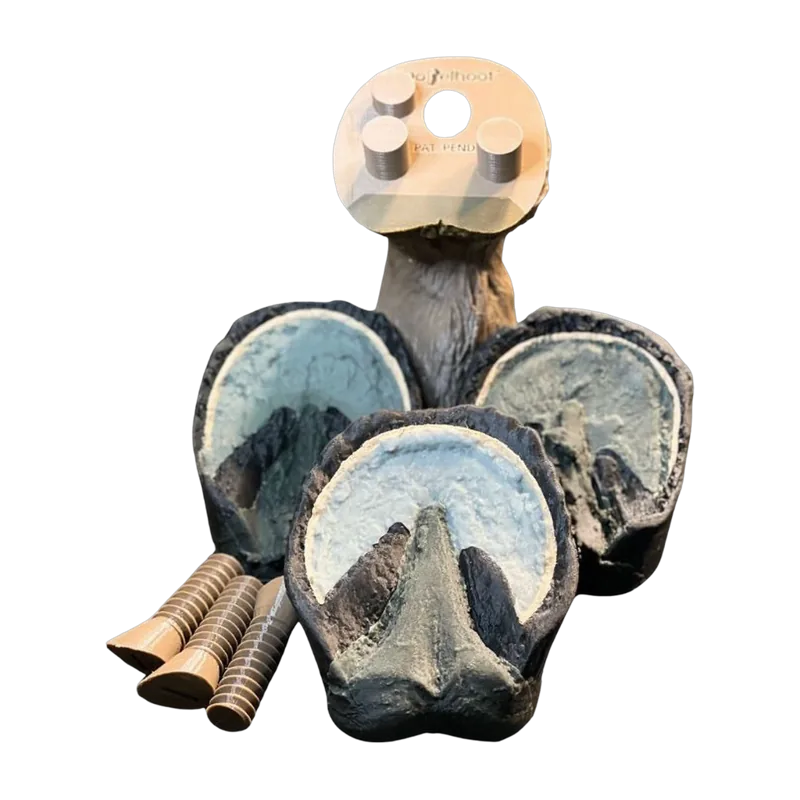
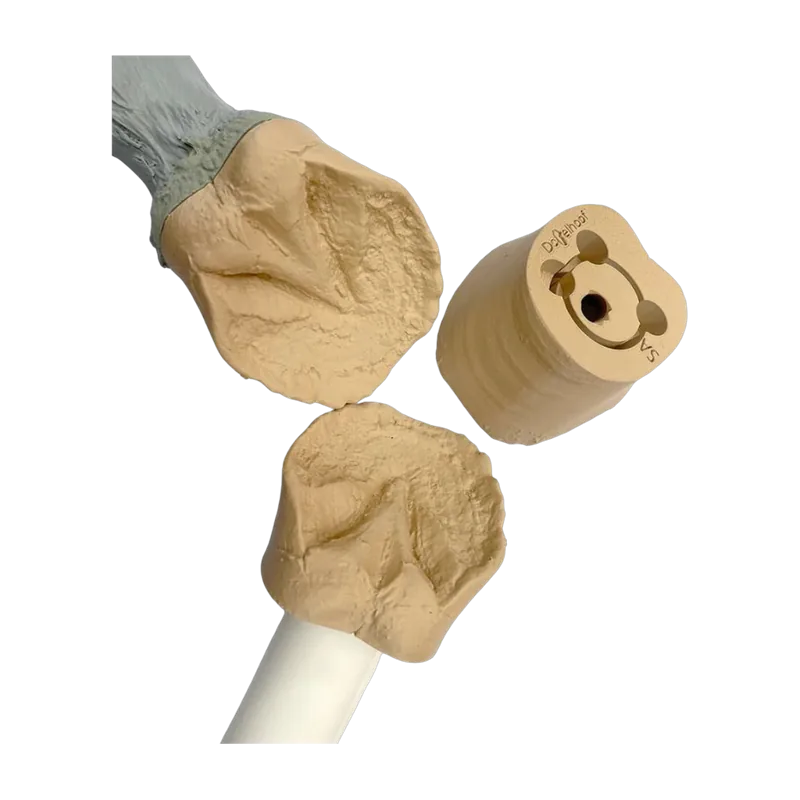
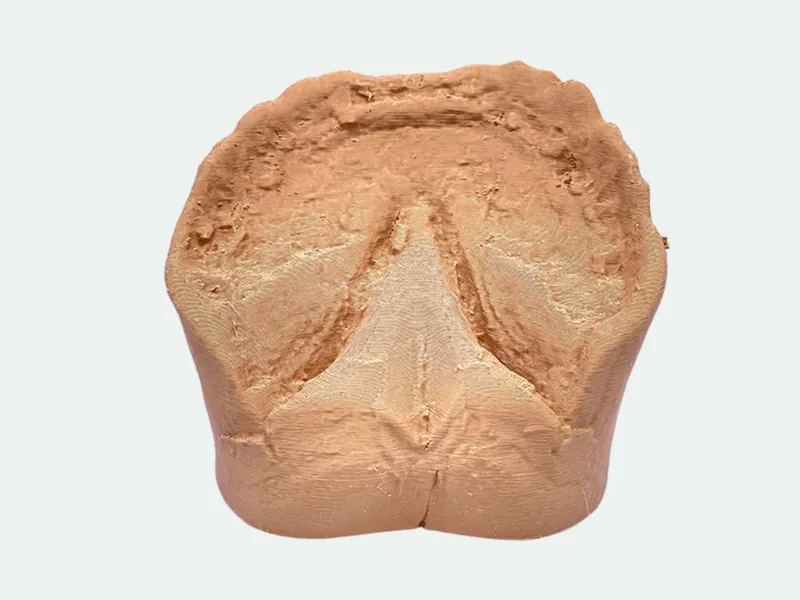
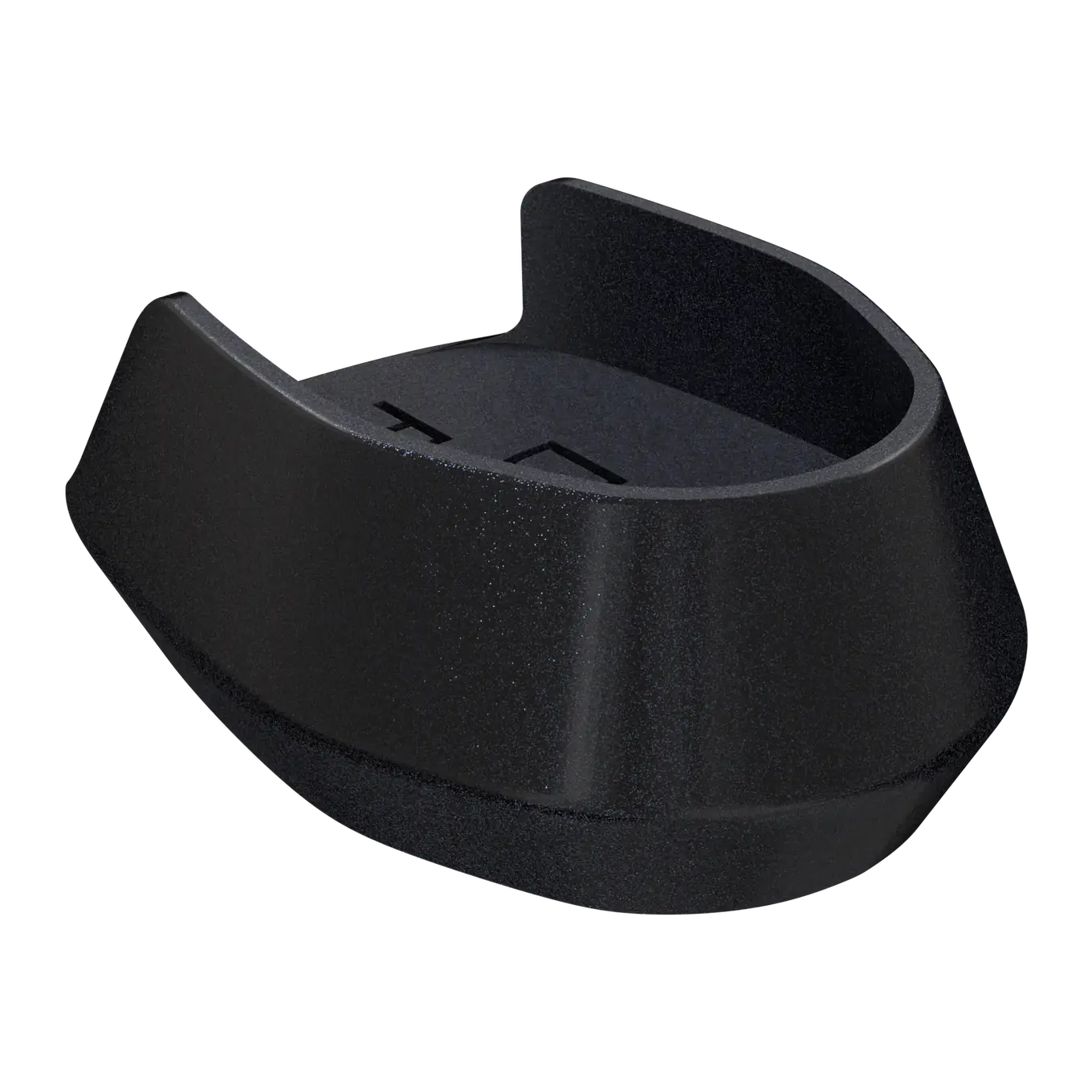
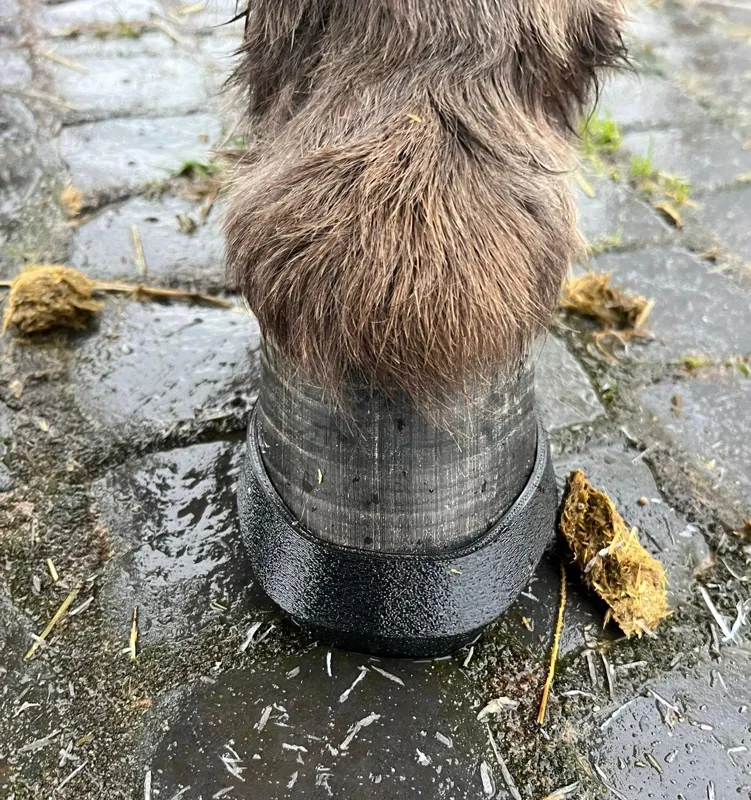
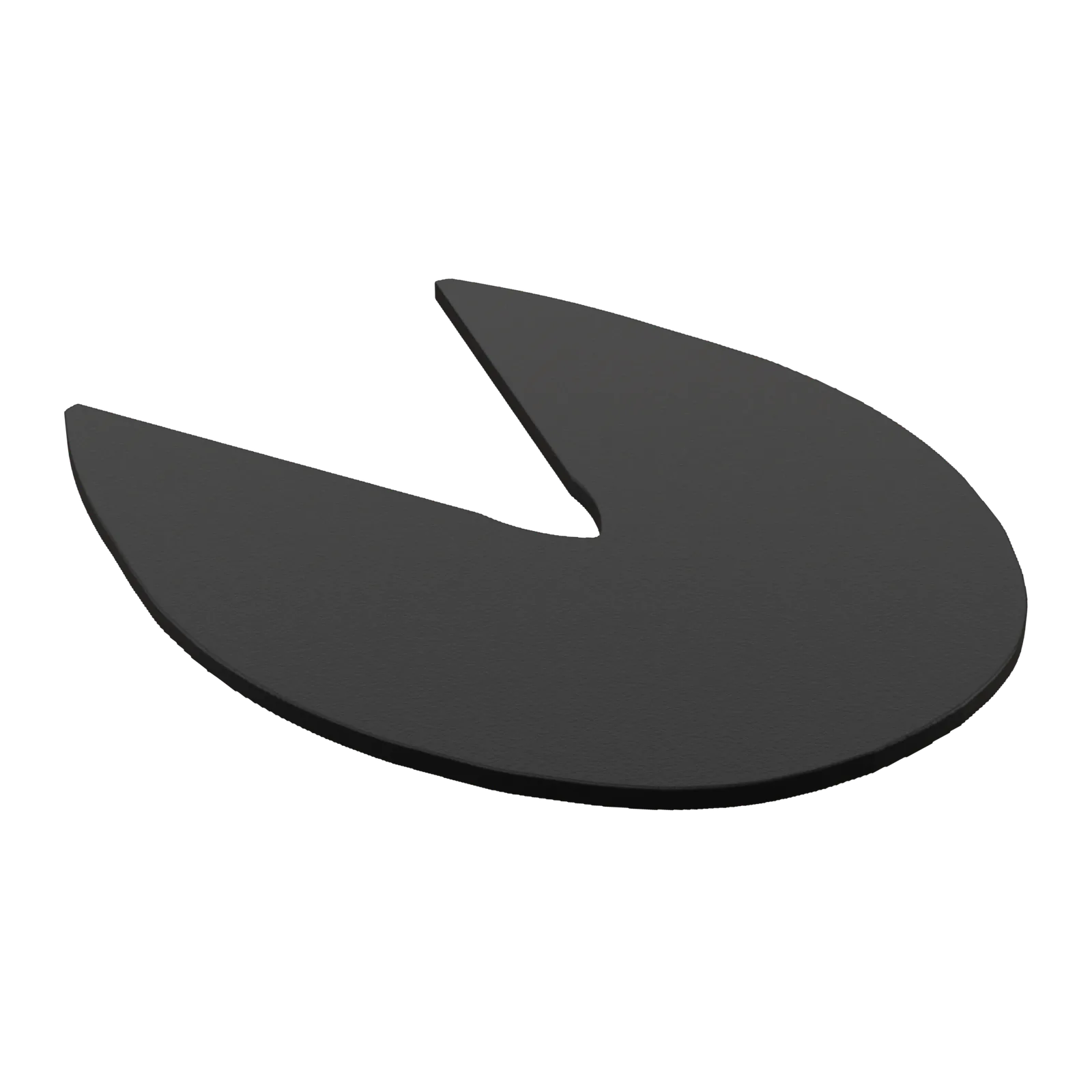
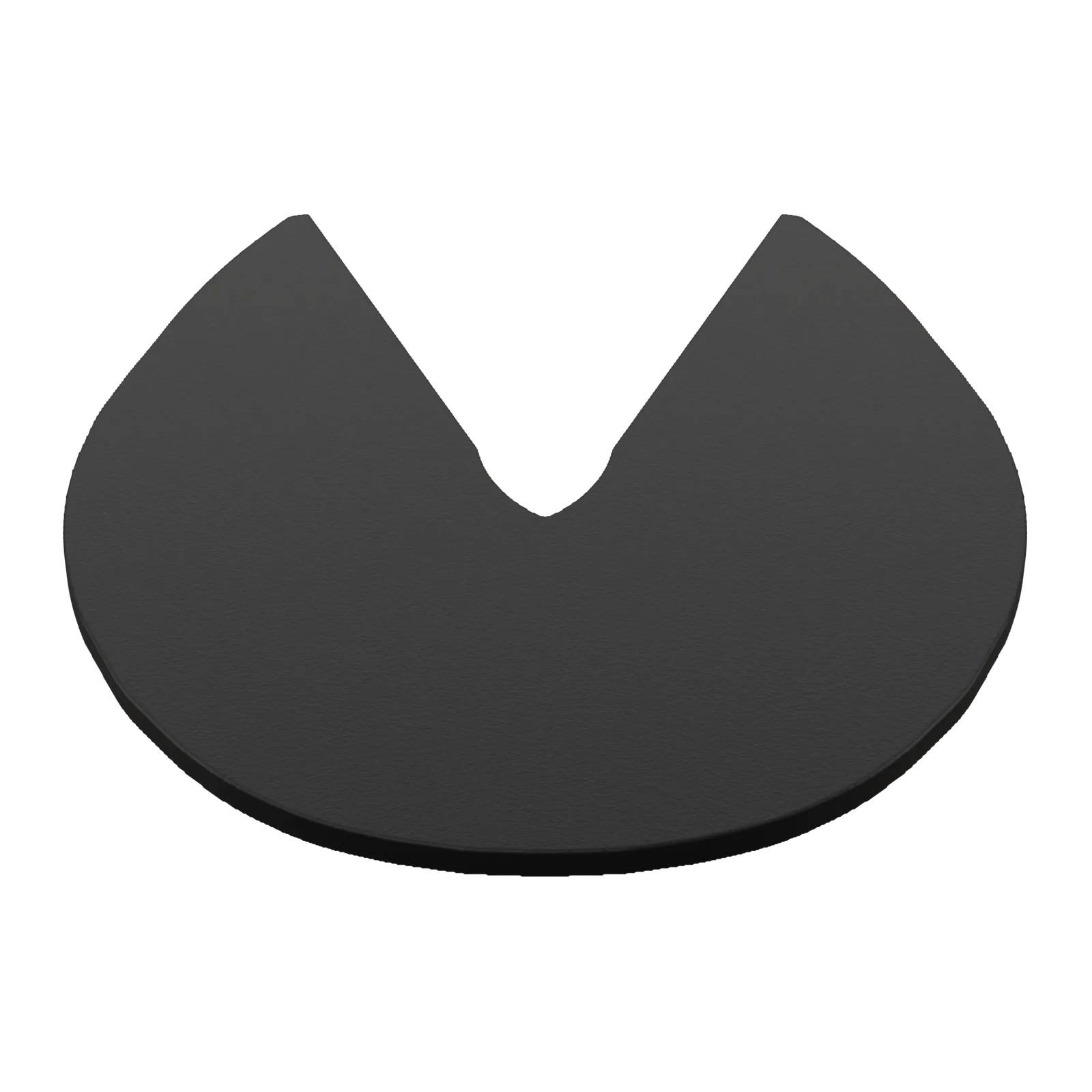
That is why deformable pads exist. The point of a soft material is that it conforms to the individual foot rather than imposing a shape on it. The support ends up where that particular horse needs it, not where a mold decided it should be.
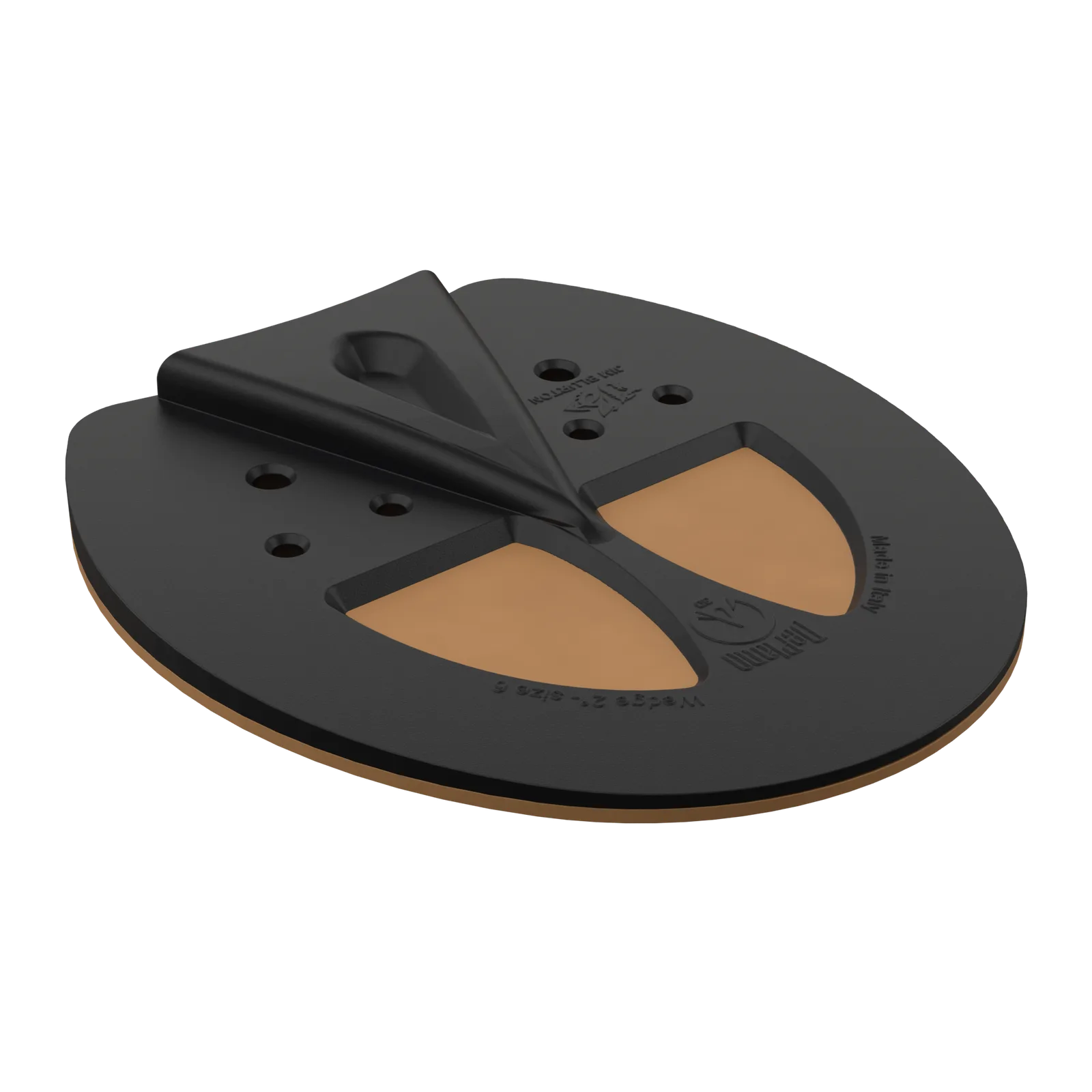
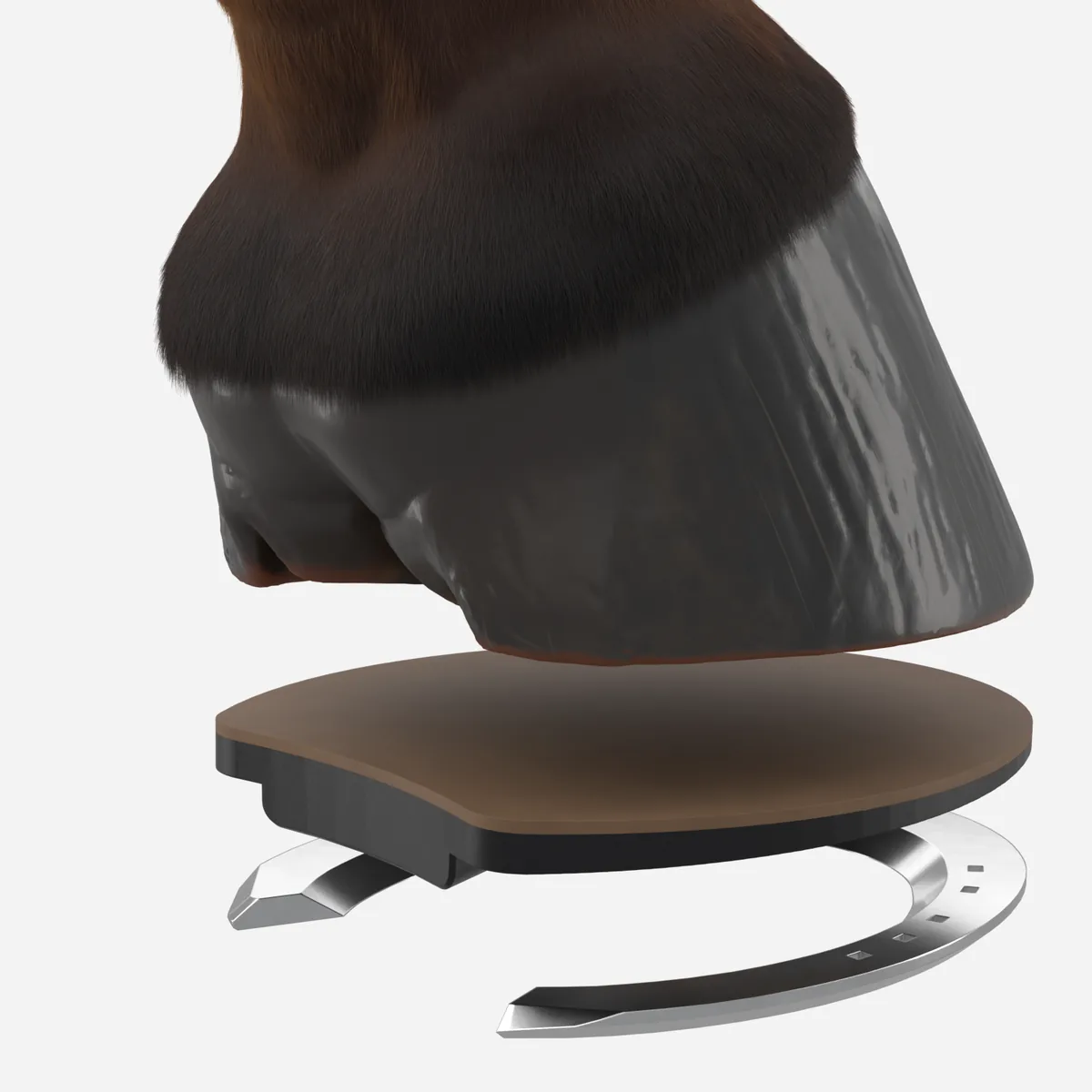
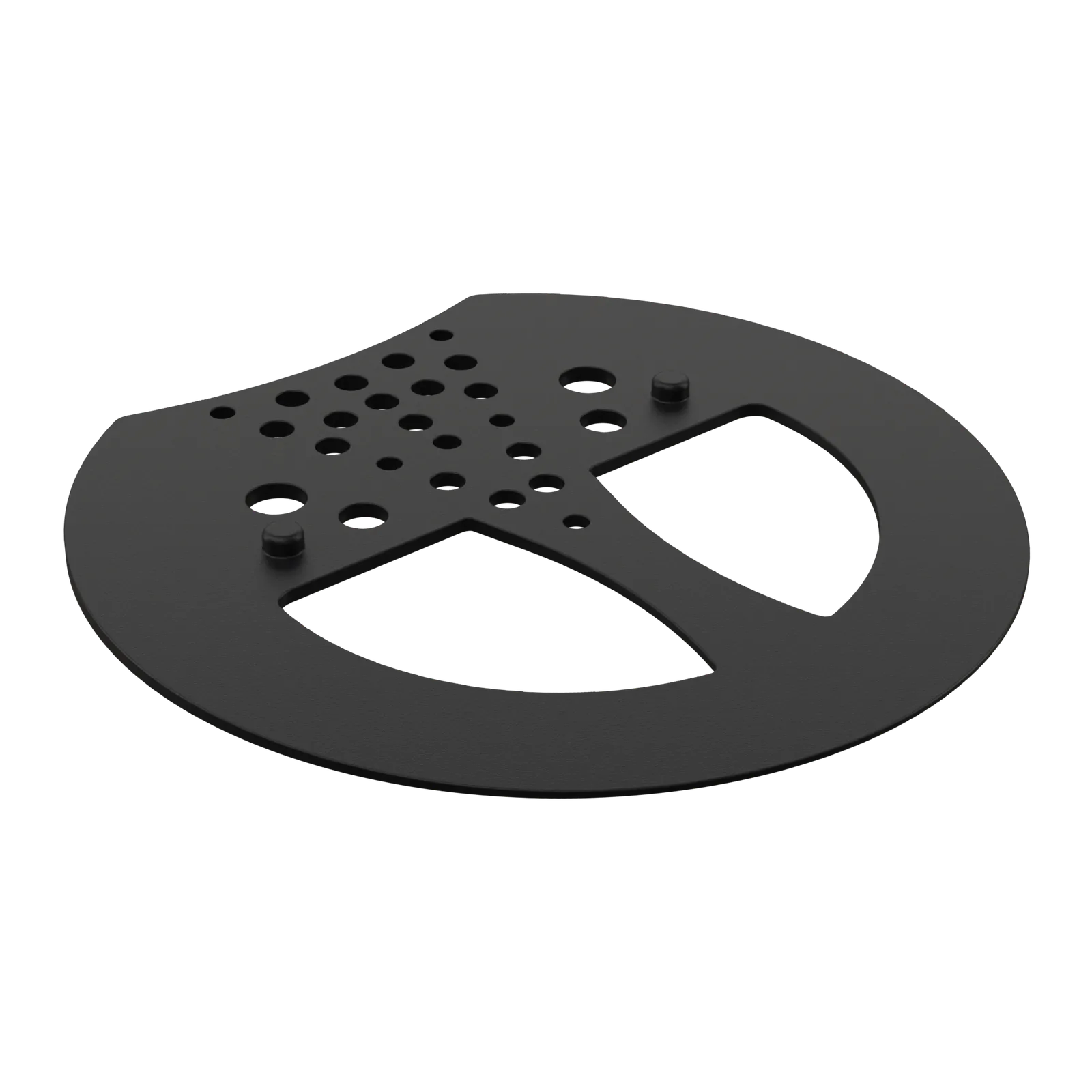
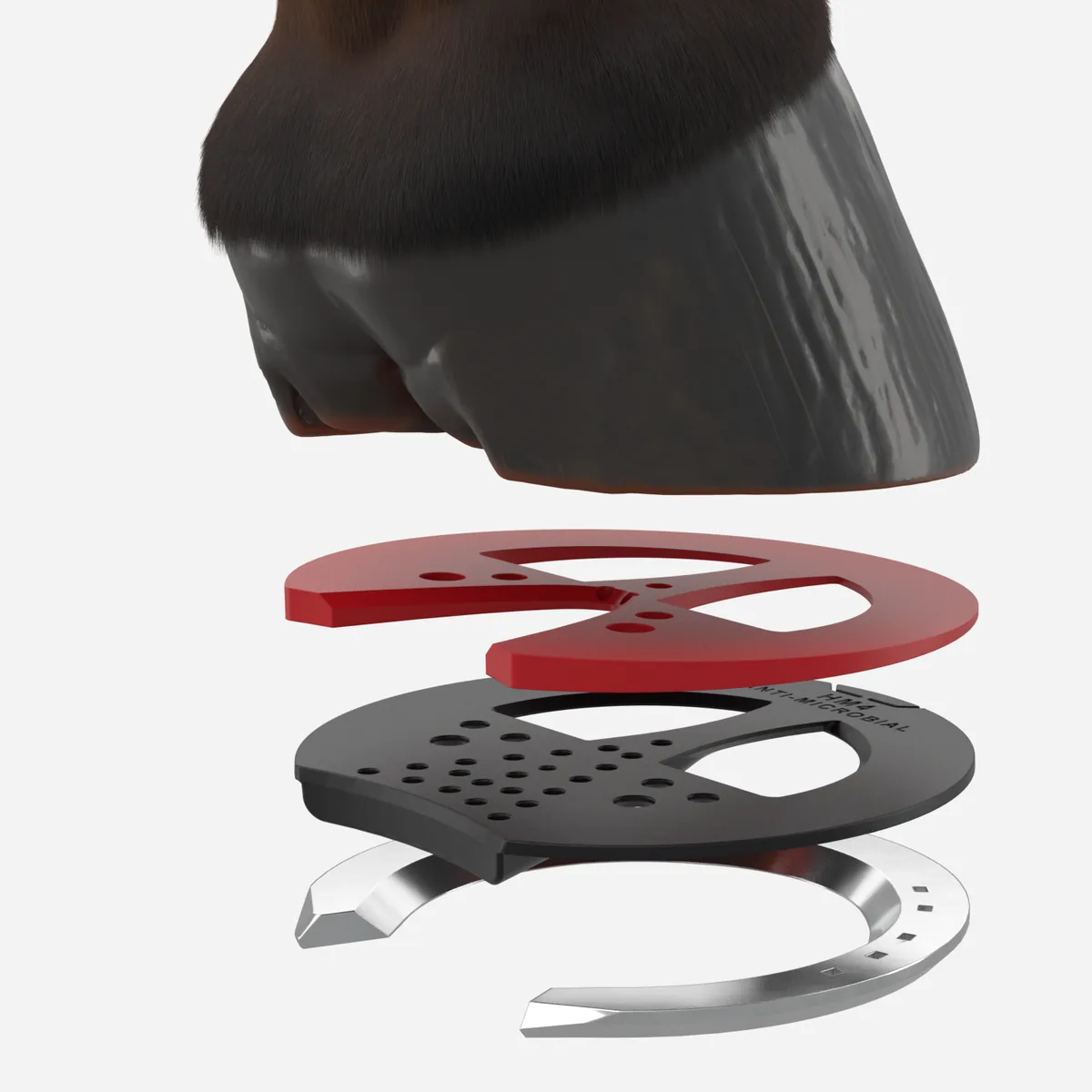
Heel elevation does something different but related. Raising the heel reduces tension in the deep digital flexor tendon, which reduces the rotational force acting on the bone. That is why wedges appear in laminitis protocols.
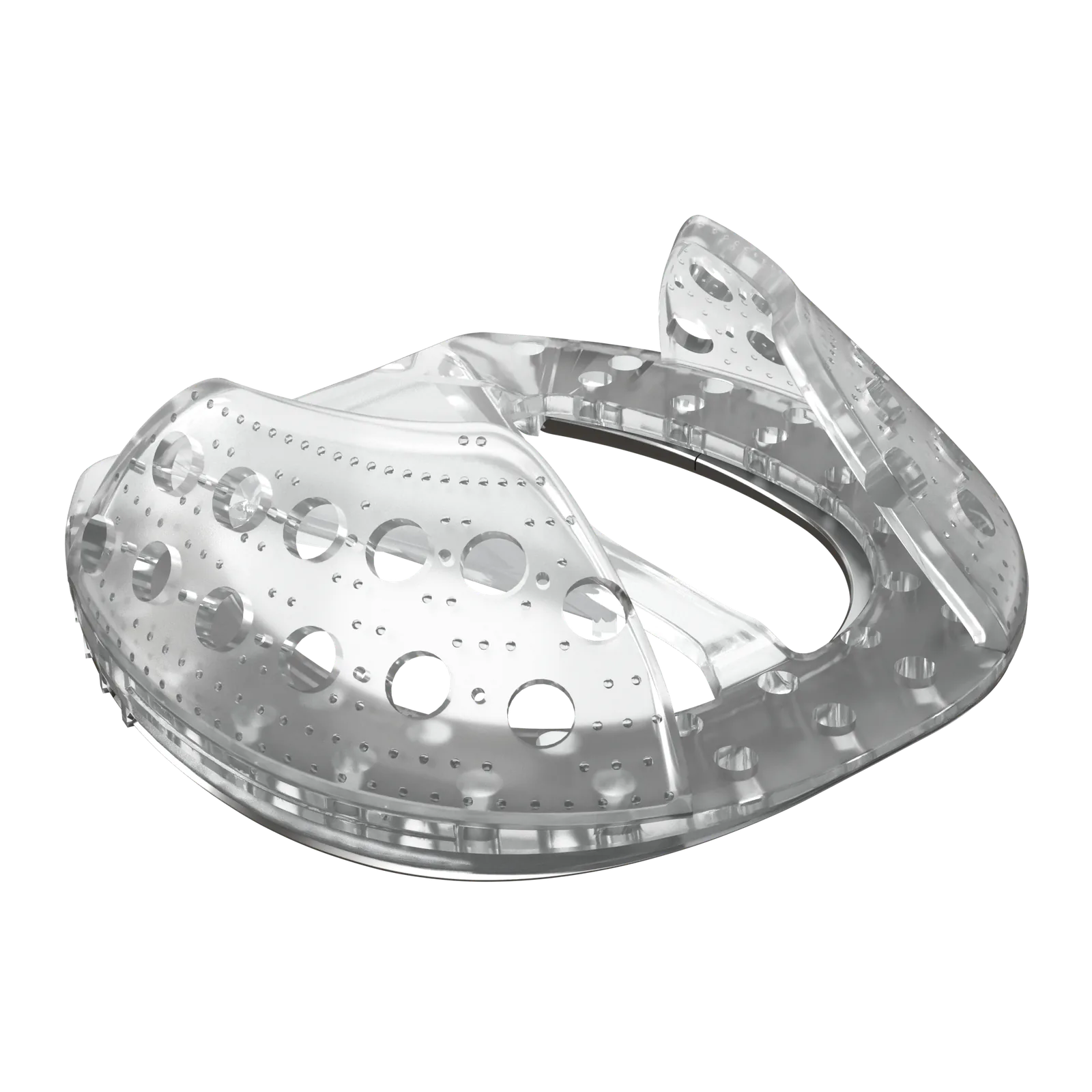
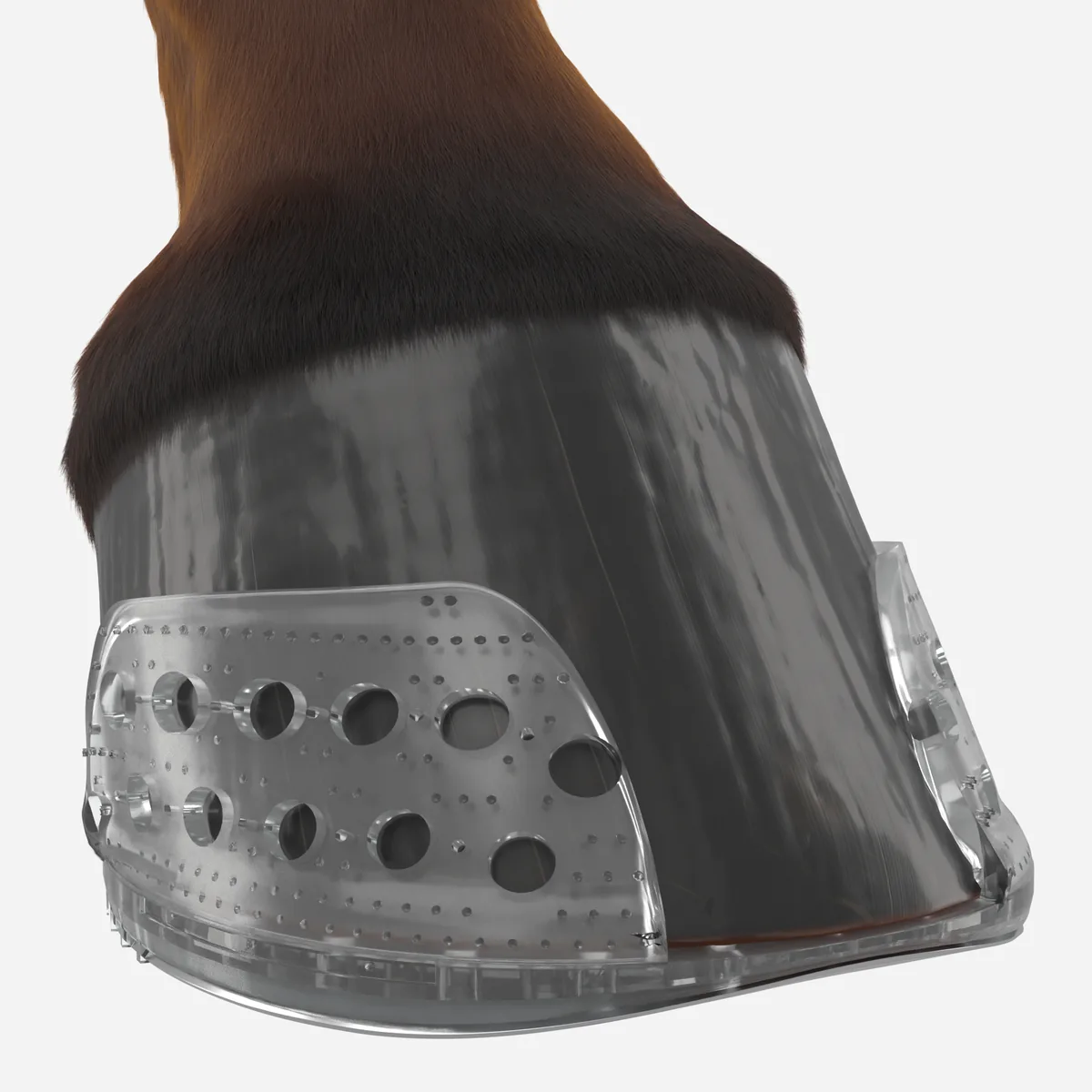
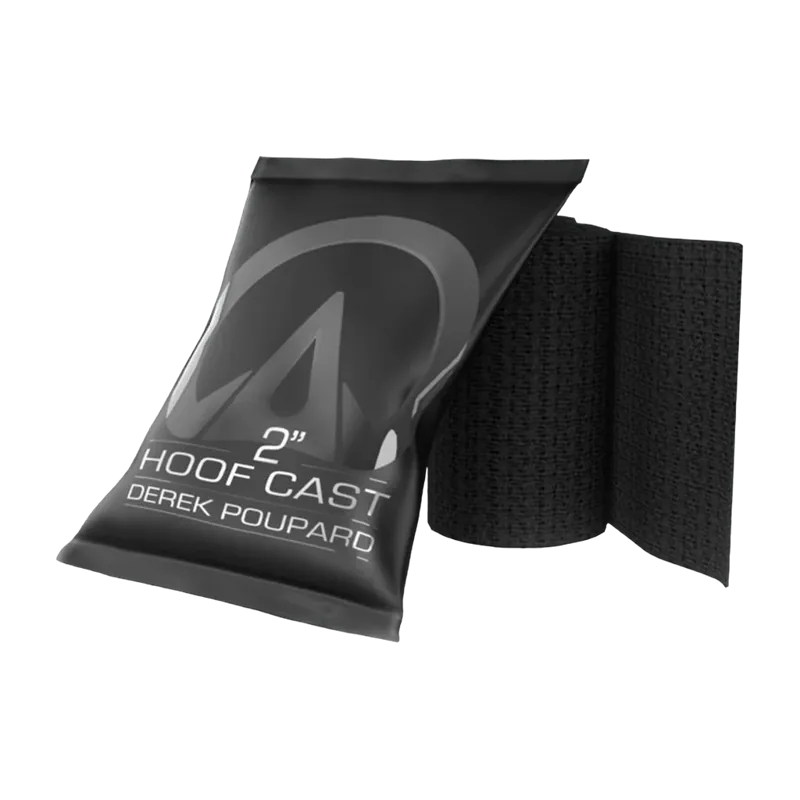
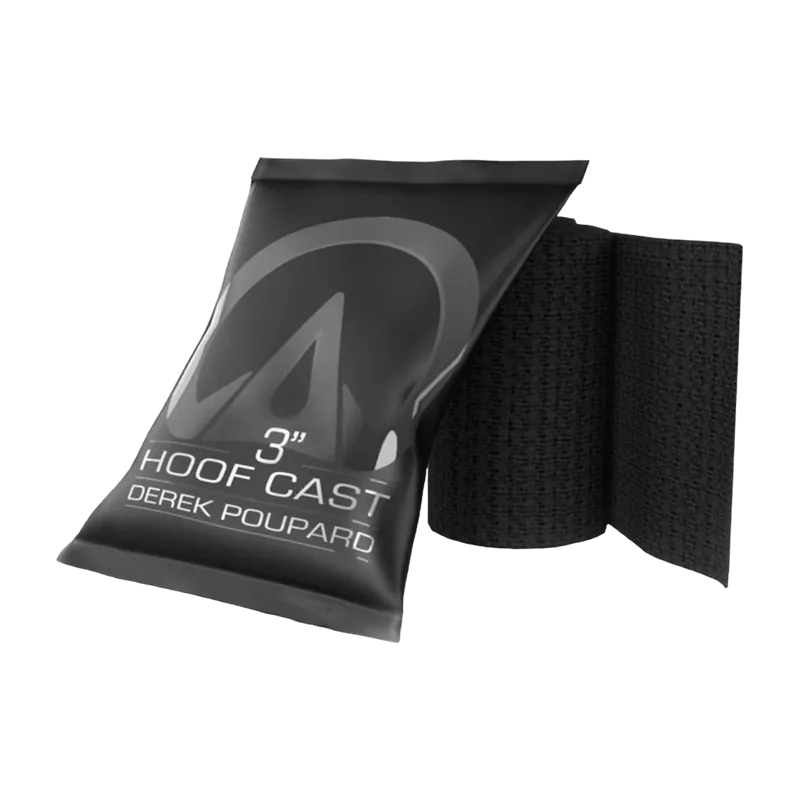
And foot casts have a role too, particularly in sinking cases, where a rounded ground surface can make movement easier and more comfortable.
None of these are treatments for the disease. The disease is metabolic, or septic, or mechanical overload from an injury elsewhere, and that is your vet's territory. What the farriery does is buy the foot the conditions it needs while the underlying cause is dealt with.
What the underlying cause usually is
Worth saying plainly, because it changes what owners do next.
Hyperinsulinemia is probably the most common underlying cause of laminitis today, which means equine metabolic syndrome and PPID. That is not a hoof problem. It is a whole-horse problem that presents in the hoof.
Sepsis-related laminitis follows severe systemic illness. Supporting-limb laminitis develops when a horse is forced to overload one limb because the opposite one is injured.
If your horse has had a laminitic episode and the metabolic picture has not been investigated, the foot work is holding a line that will keep being attacked.
What recovery actually looks like
Slowly, and then in a way that surprises you.
A hoof grows at roughly 6 to 9mm a month in a mature horse, faster in spring than in winter, and it takes broadly a year to replace the capsule from coronary band to toe. Sole depth rebuilds on a similar unhurried schedule. When a farrier in our community reported radiographs showing increased sole depth a month after a first pad application, that was a good month, not a transformation.
What people do notice quickly is comfort. Owners describe horses that had been reluctant to move walking off within minutes of support going on. That is not the disease resolving. That is load coming off structures that were being asked to carry more than they could.
Both things are true at once, and holding both is the key to managing expectations through a long recovery.
A word on the pads specifically
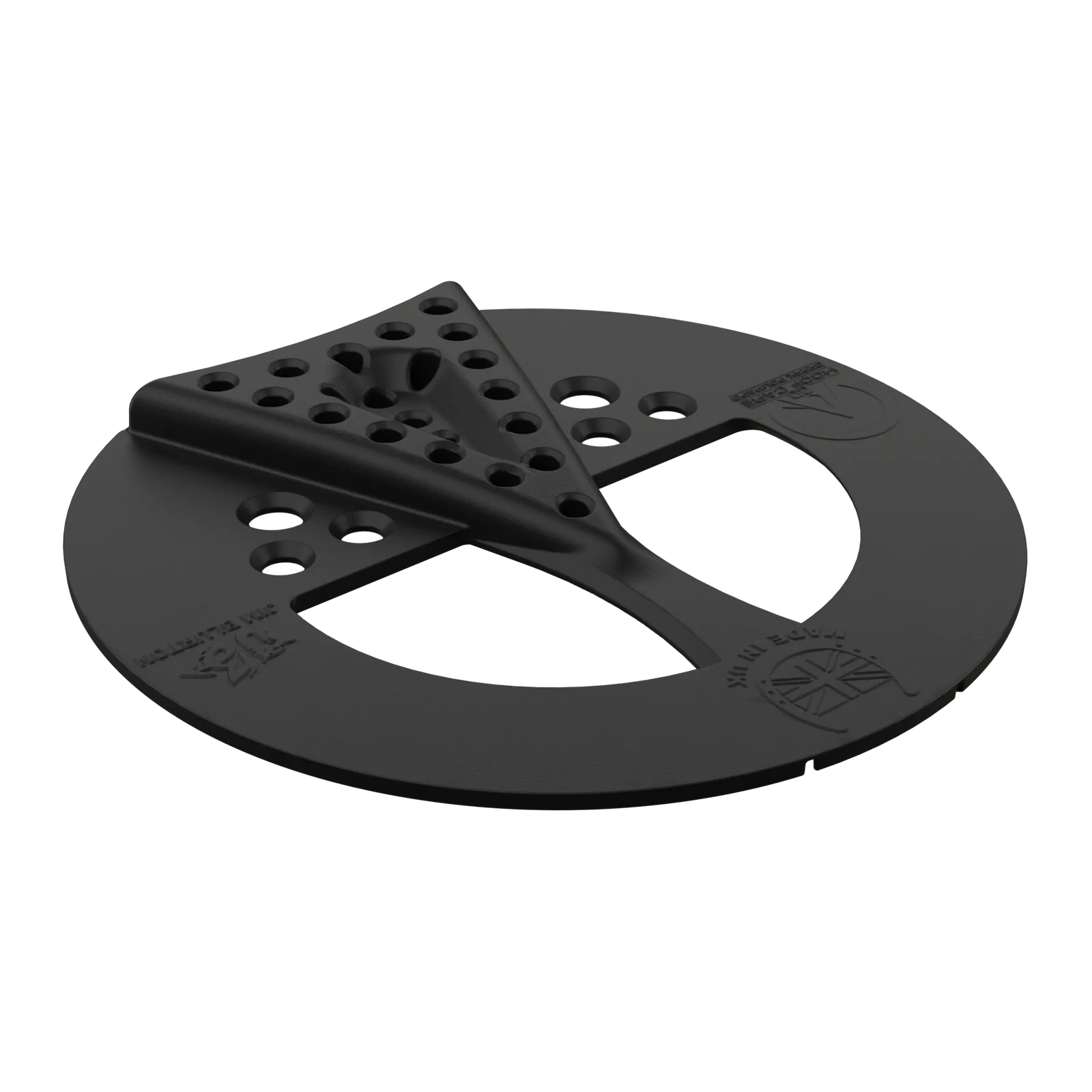
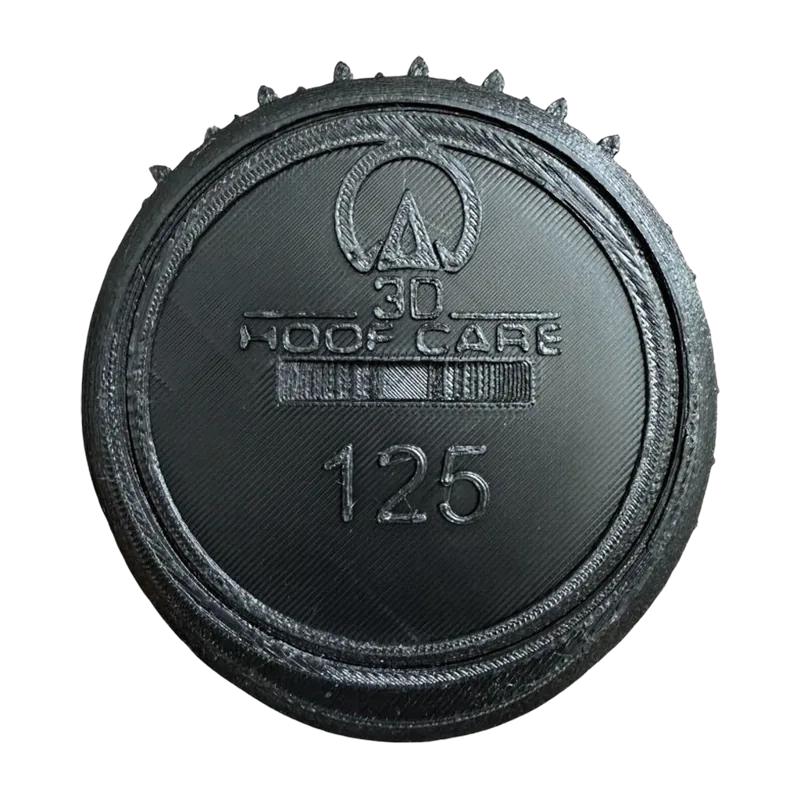
Because it comes up constantly: rehabilitation pads of this kind are not riding equipment. They exist to give a compromised foot respite, protection and stimulation while it recovers. A horse that becomes dramatically more comfortable in them has not become sound; it has become comfortable, which is a different thing, and the foot still needs the time.
We would rather say that clearly than sell more pads to people who then ride in them.
The first day
If you suspect laminitis right now, the useful sequence is short.
Call your vet, today, and describe what you are seeing rather than waiting to see whether it improves overnight. Get the horse off grass and onto a deep, soft, supportive surface (deep shavings or sand) where the foot can find its own support rather than standing on a hard floor. Do not force the horse to walk any further than absolutely necessary, and particularly not on hard ground.
Then ask your vet two questions that will shape everything that follows: whether radiographs are indicated now rather than later, and whether the metabolic picture has been investigated. Baseline films taken early are worth a great deal three months on, when the only way to know whether anything has improved is to compare.
Your farrier should be part of that conversation from the beginning, not brought in afterwards to implement a decision.
Derek Poupard CJF DipWCF leads product development at 3D HoofCare. This article explains mechanical principles and is not a substitute for veterinary diagnosis or treatment. If you suspect laminitis, call your vet today.
Sources: Laminitis in Horses, Merck Veterinary Manual · Radiographic parameters, Innovative Equine Podiatry · How a Horse's Hoof Grows, Extension Horses