

We get asked this a lot, and we would rather answer it clearly than sell pads to people who are about to use them for something they were not built for.
No. You should not ride in Squish Pads.
That answer disappoints people, particularly when their horse has just become dramatically more comfortable and the temptation to get back on is strong. So it is worth explaining why, because the reasoning matters more than the rule.
What a Squish Pad is for
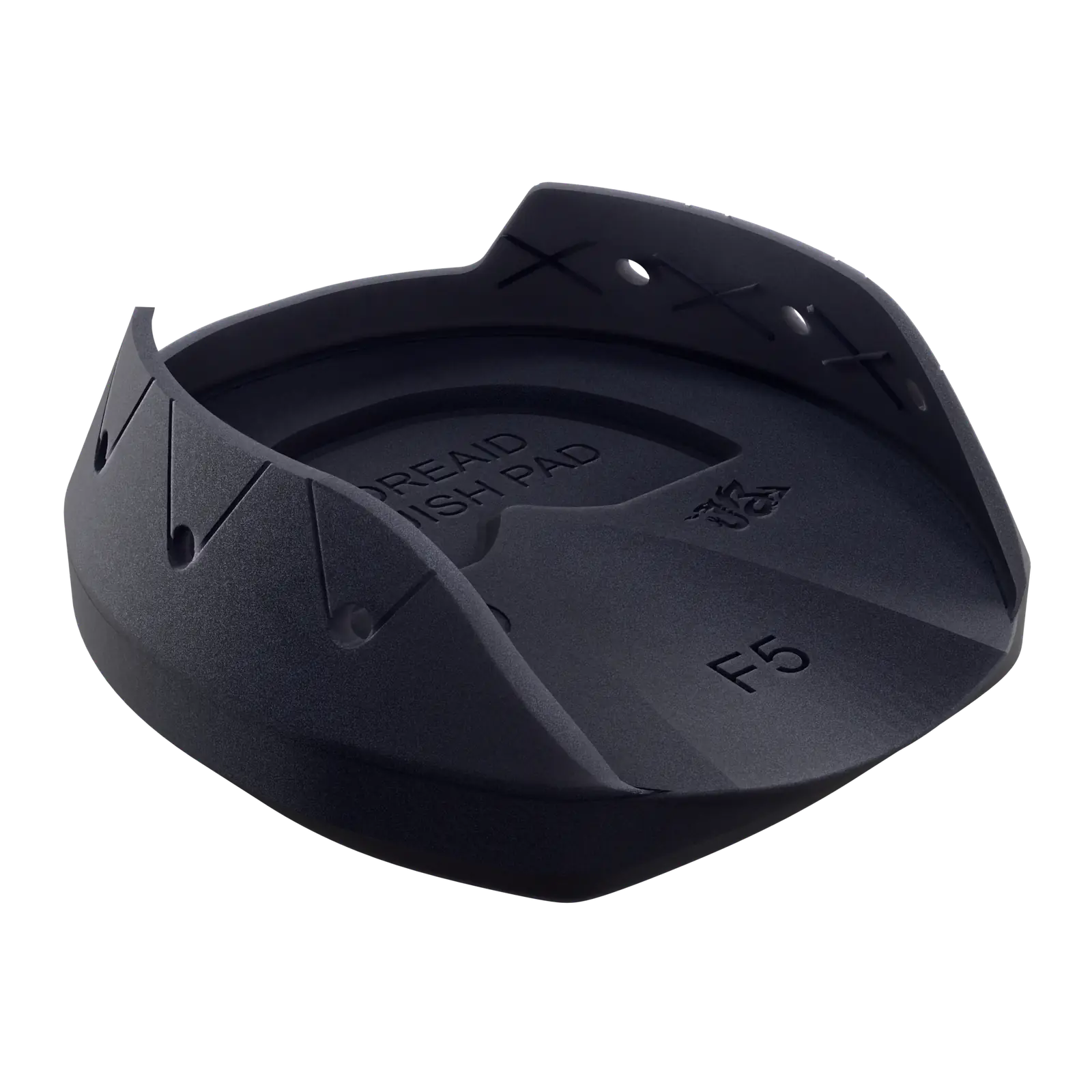
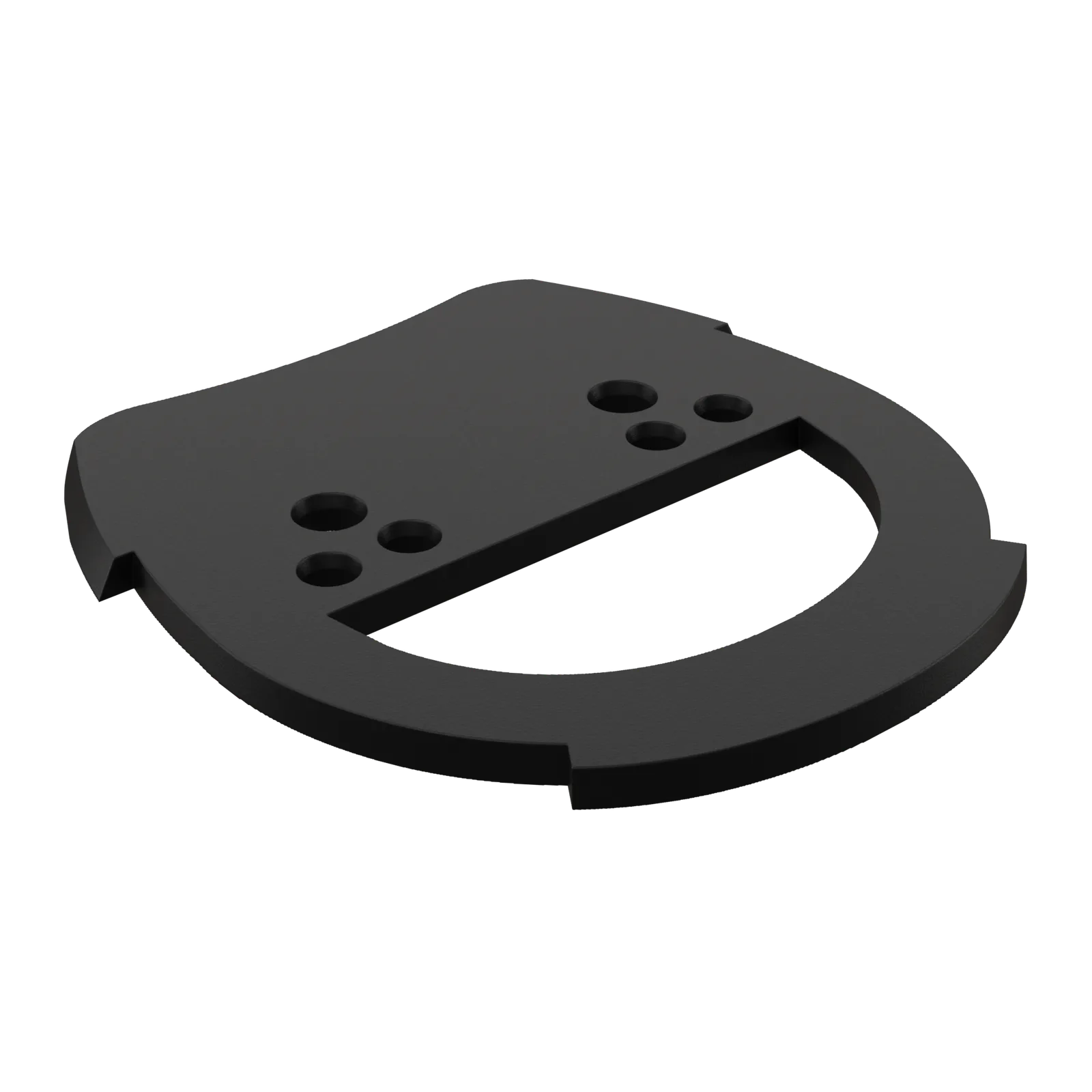
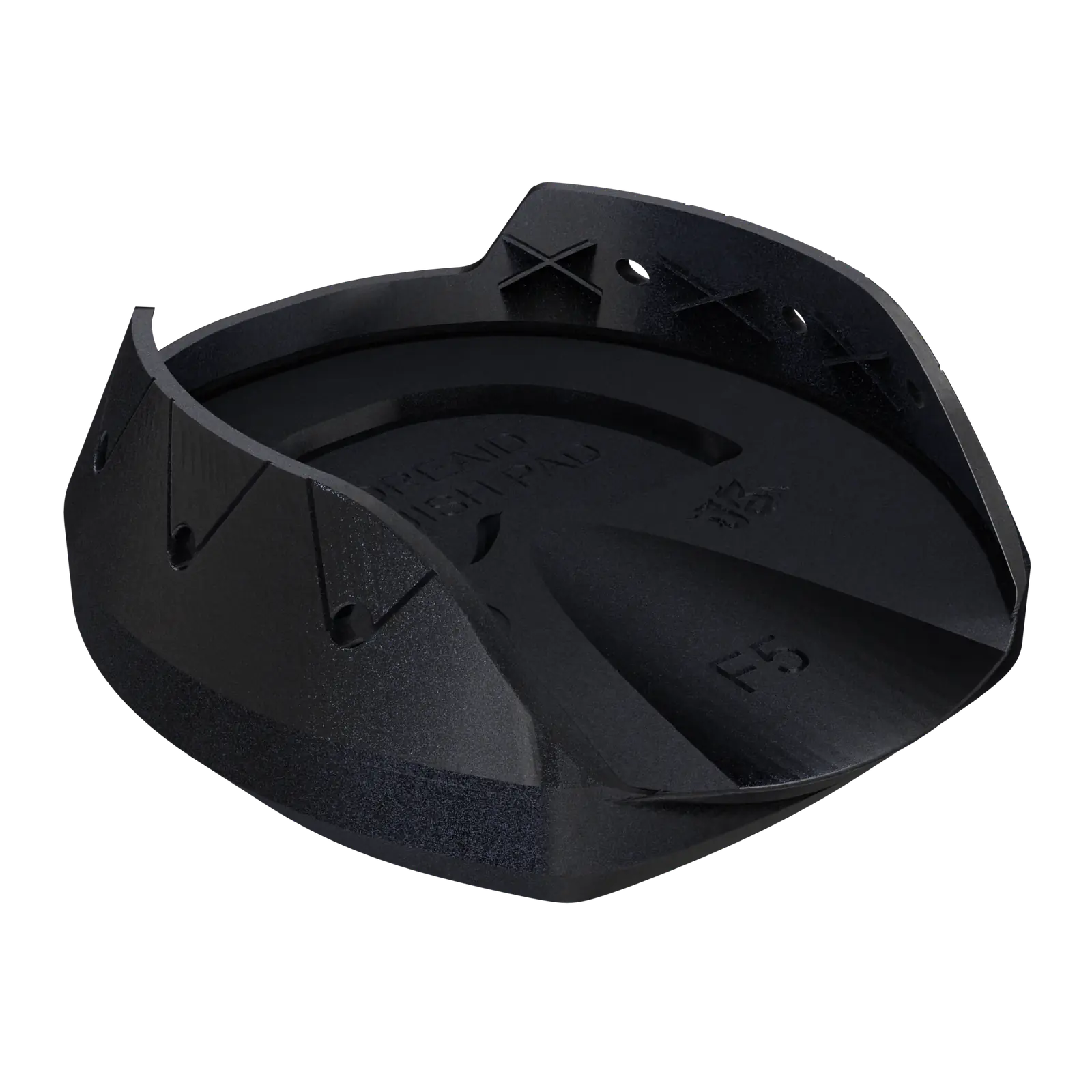
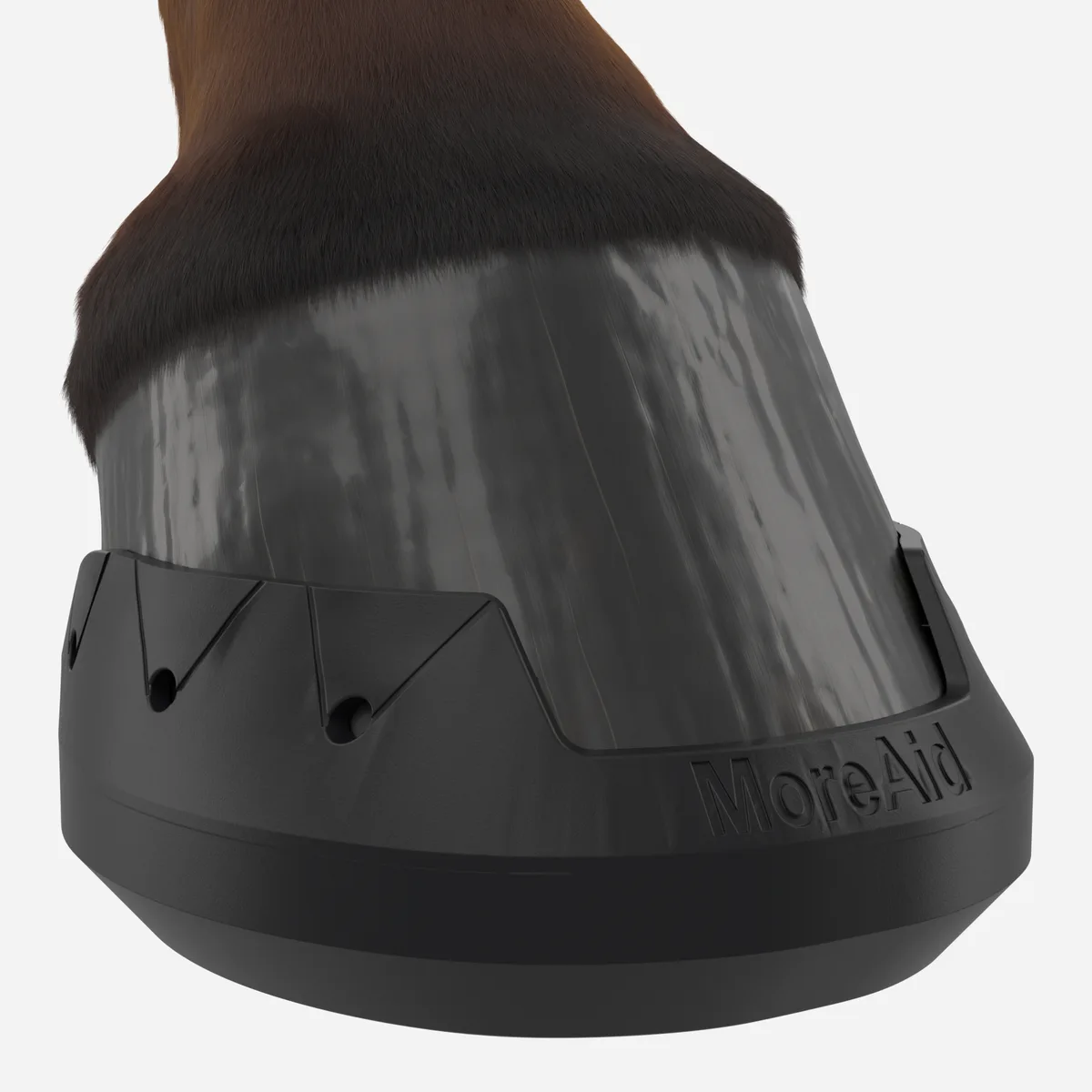
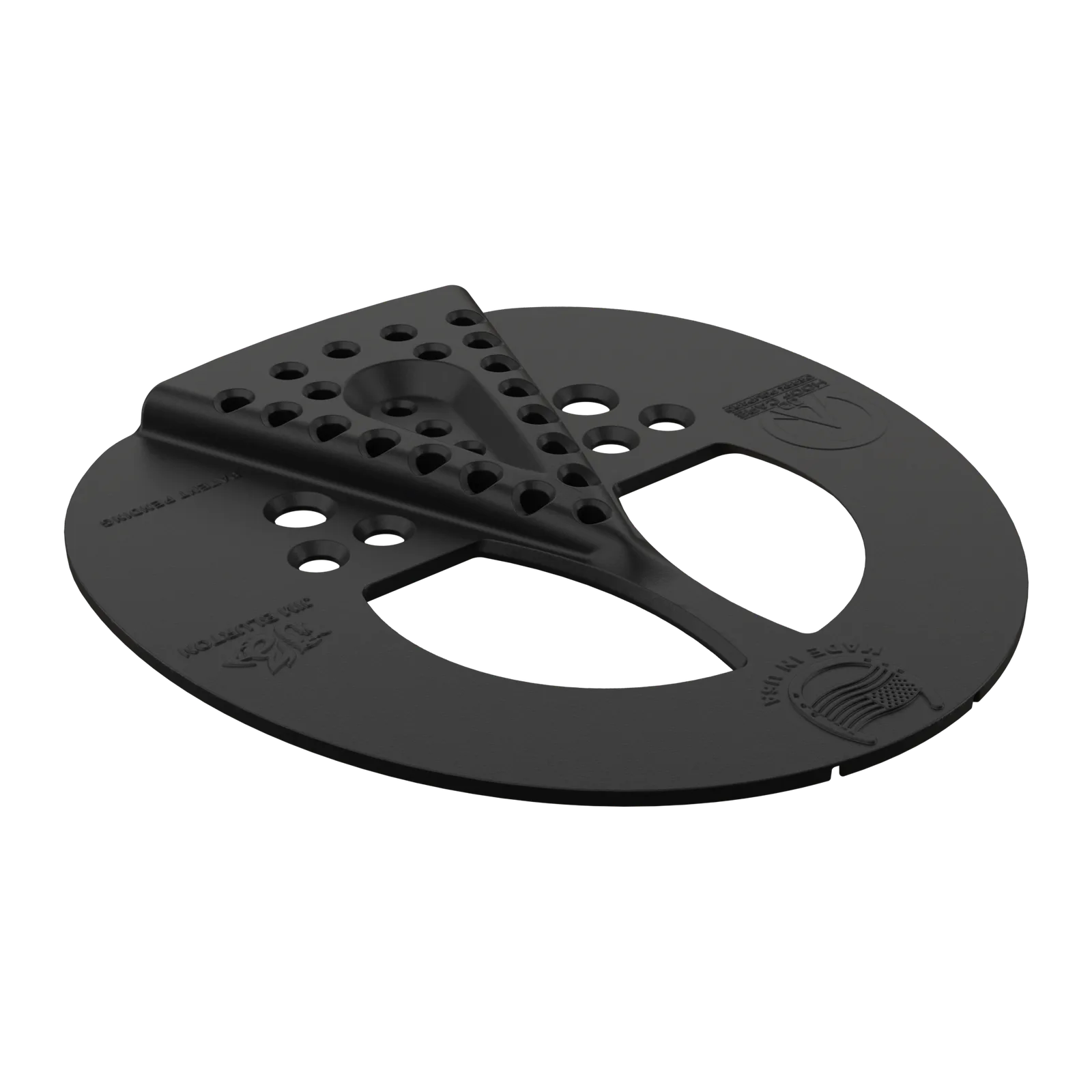
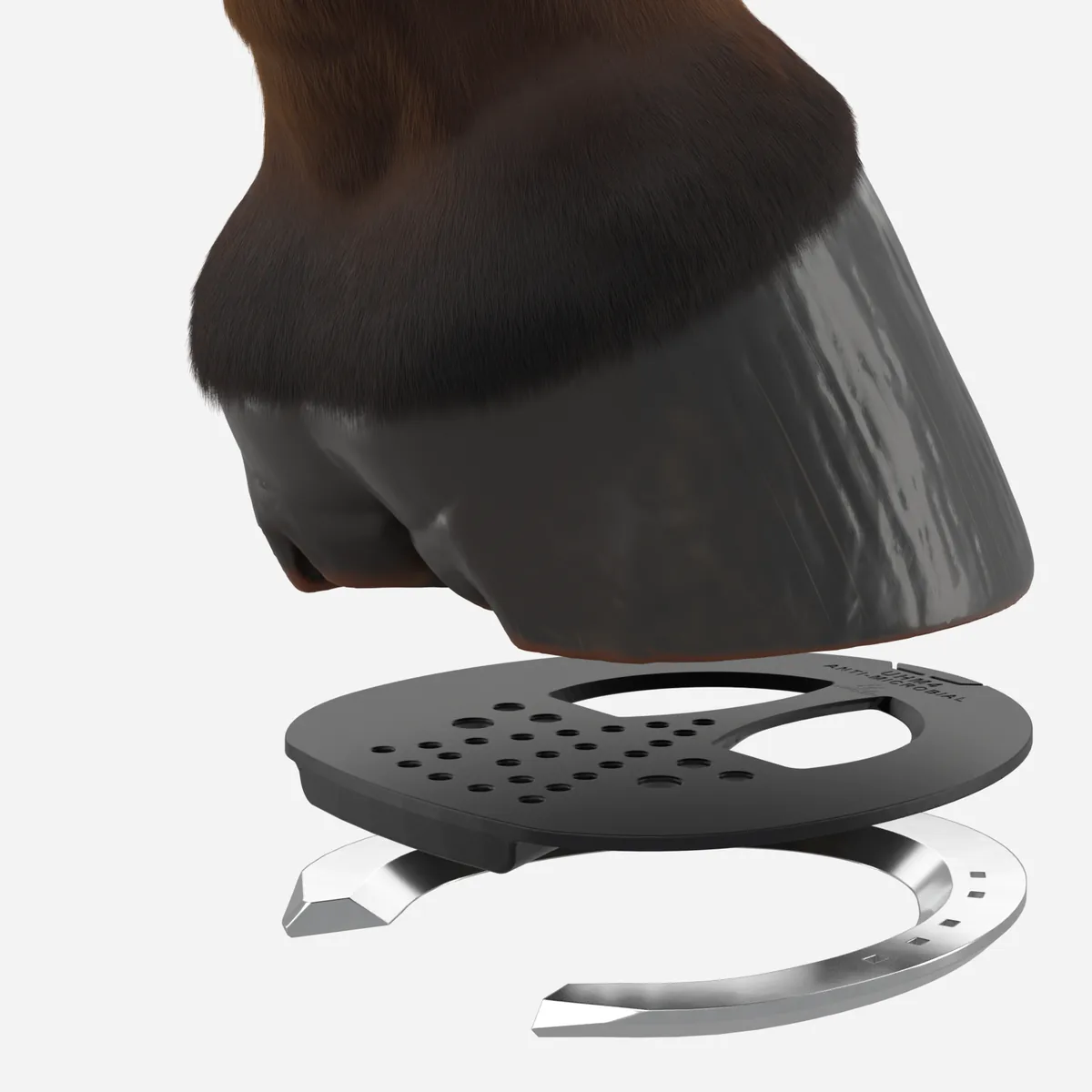
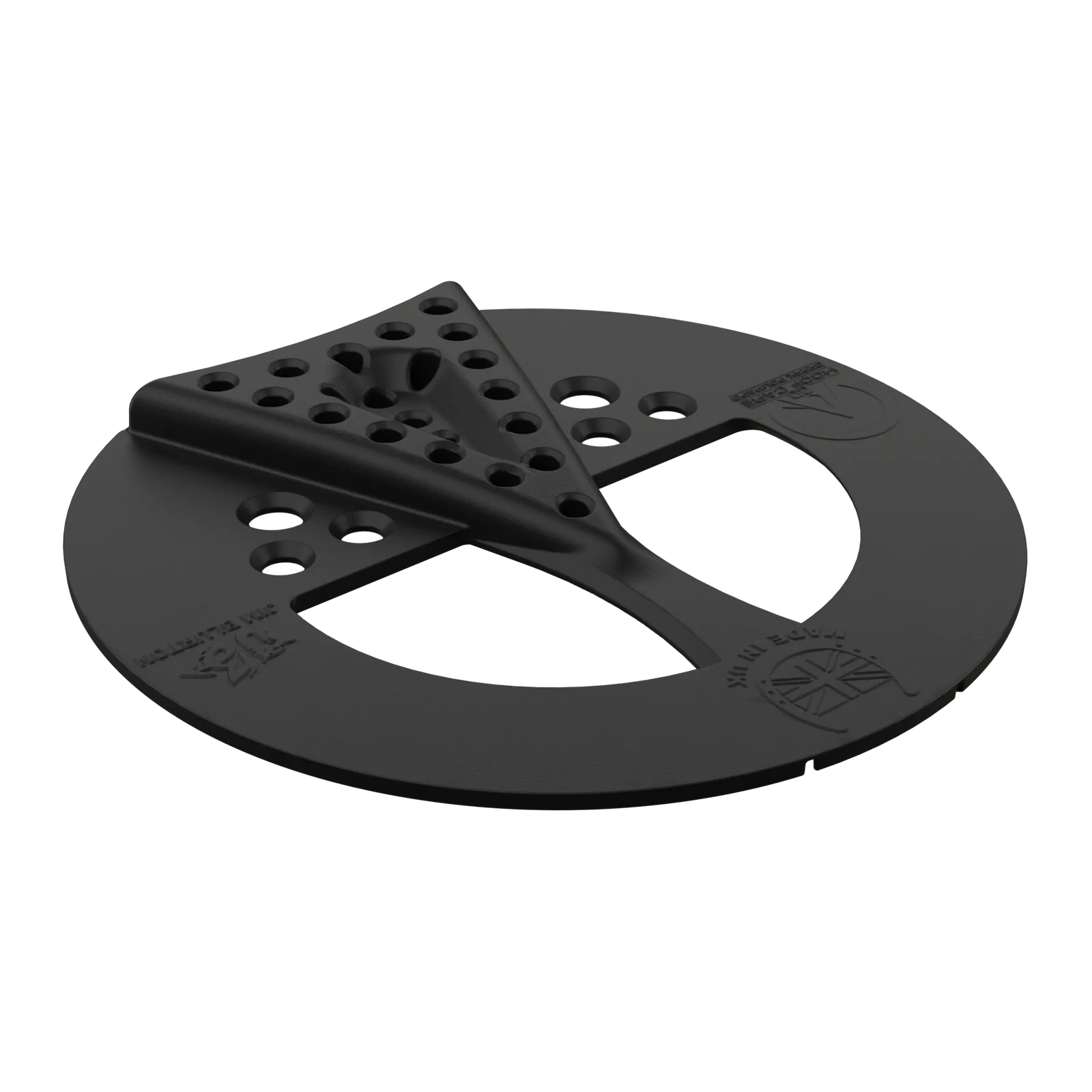
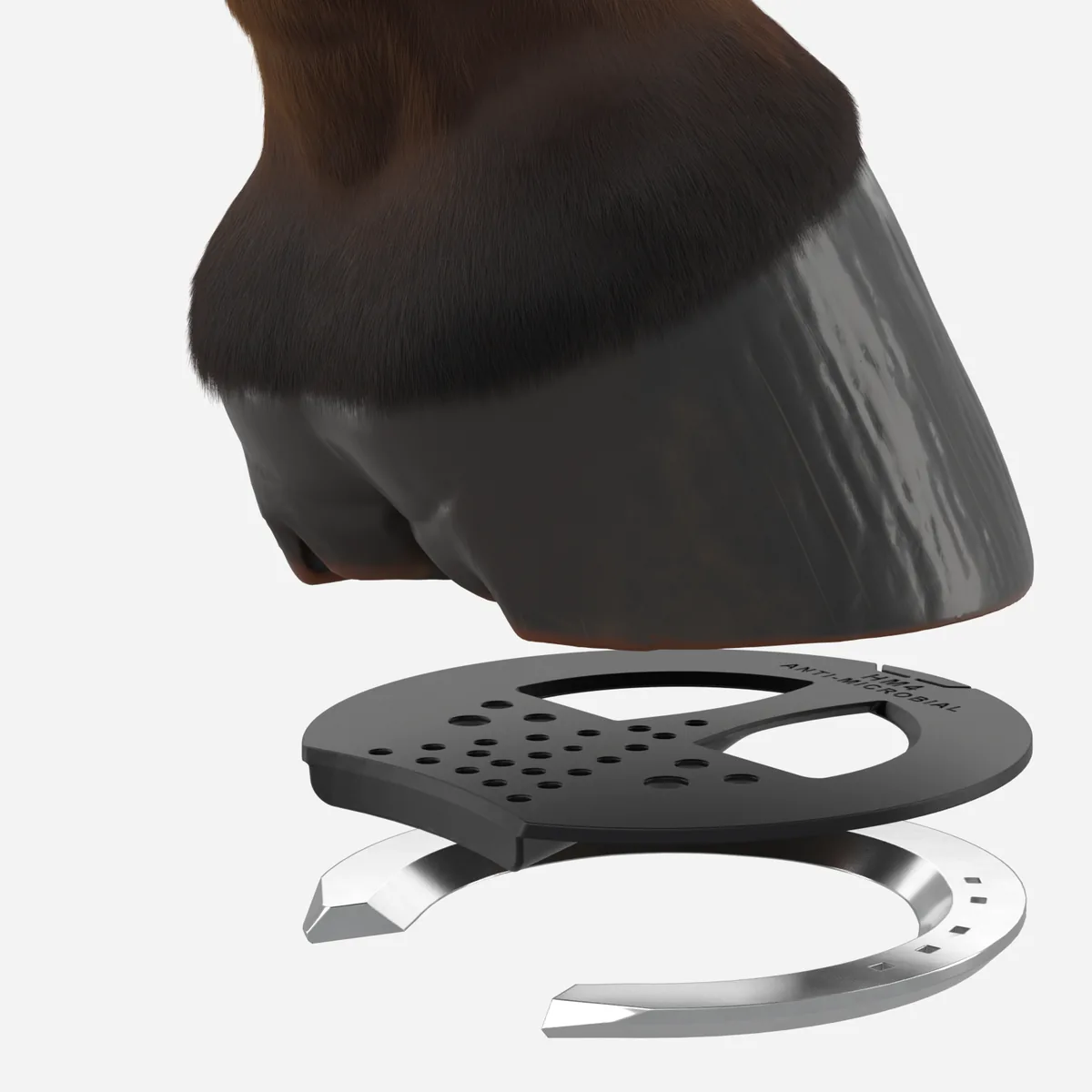
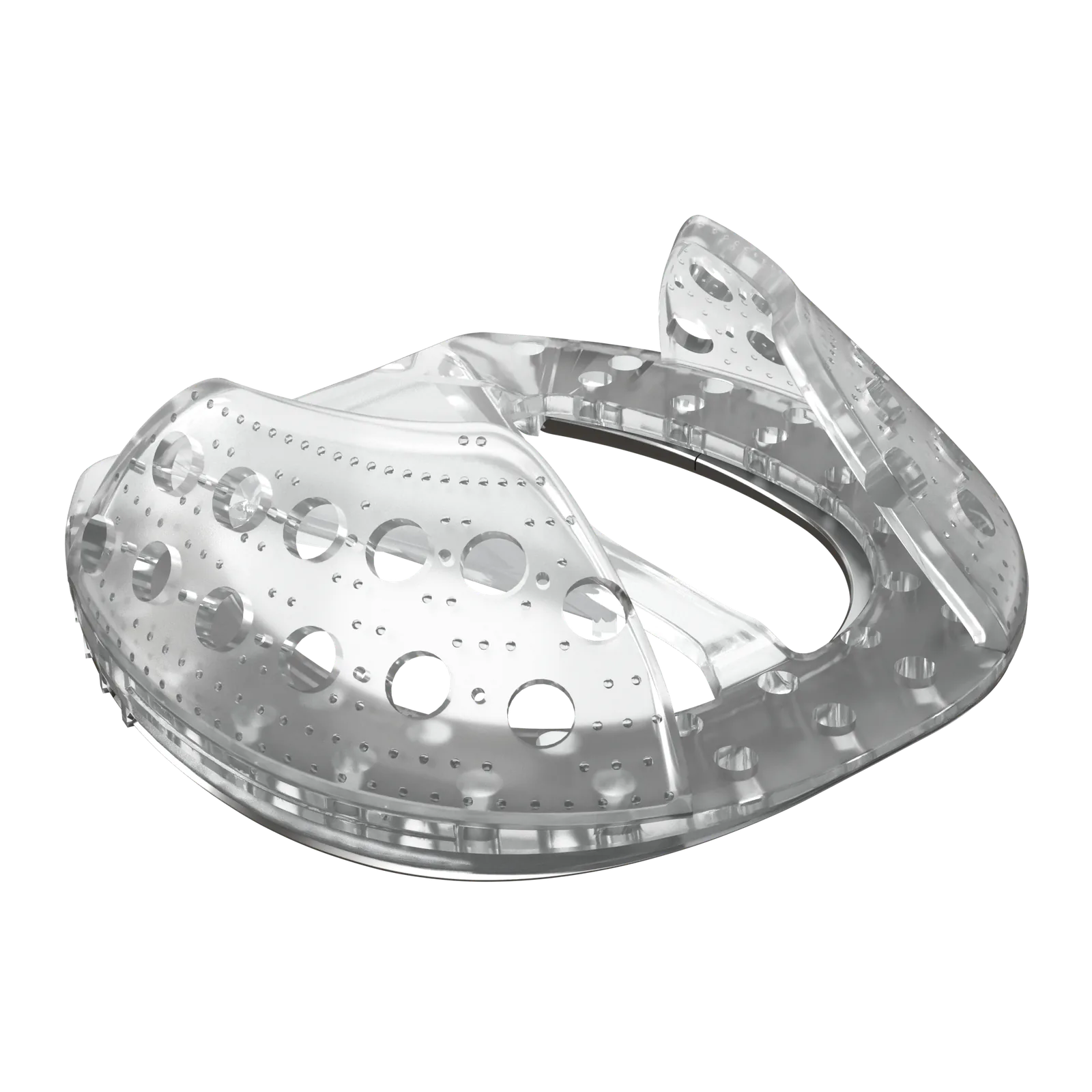
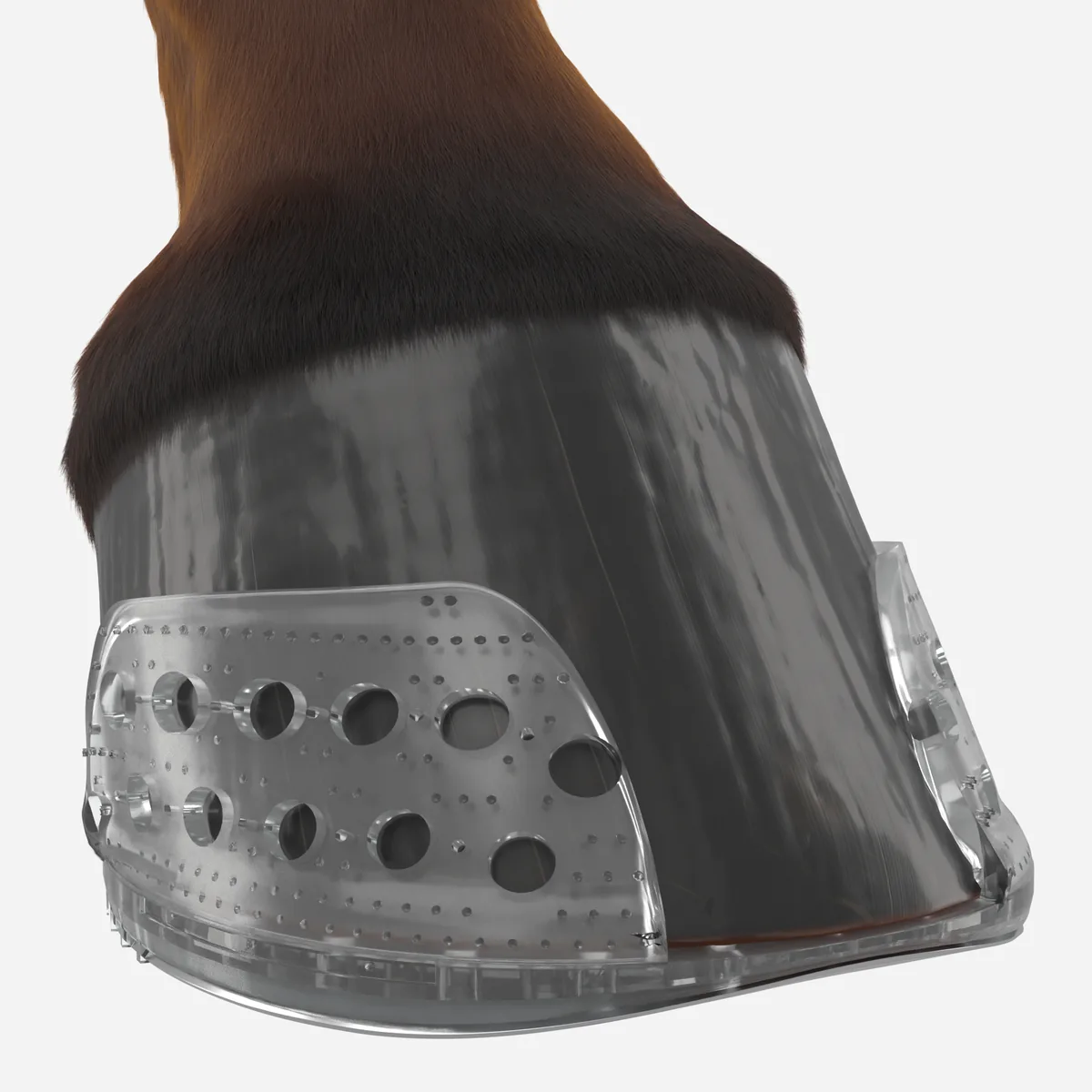
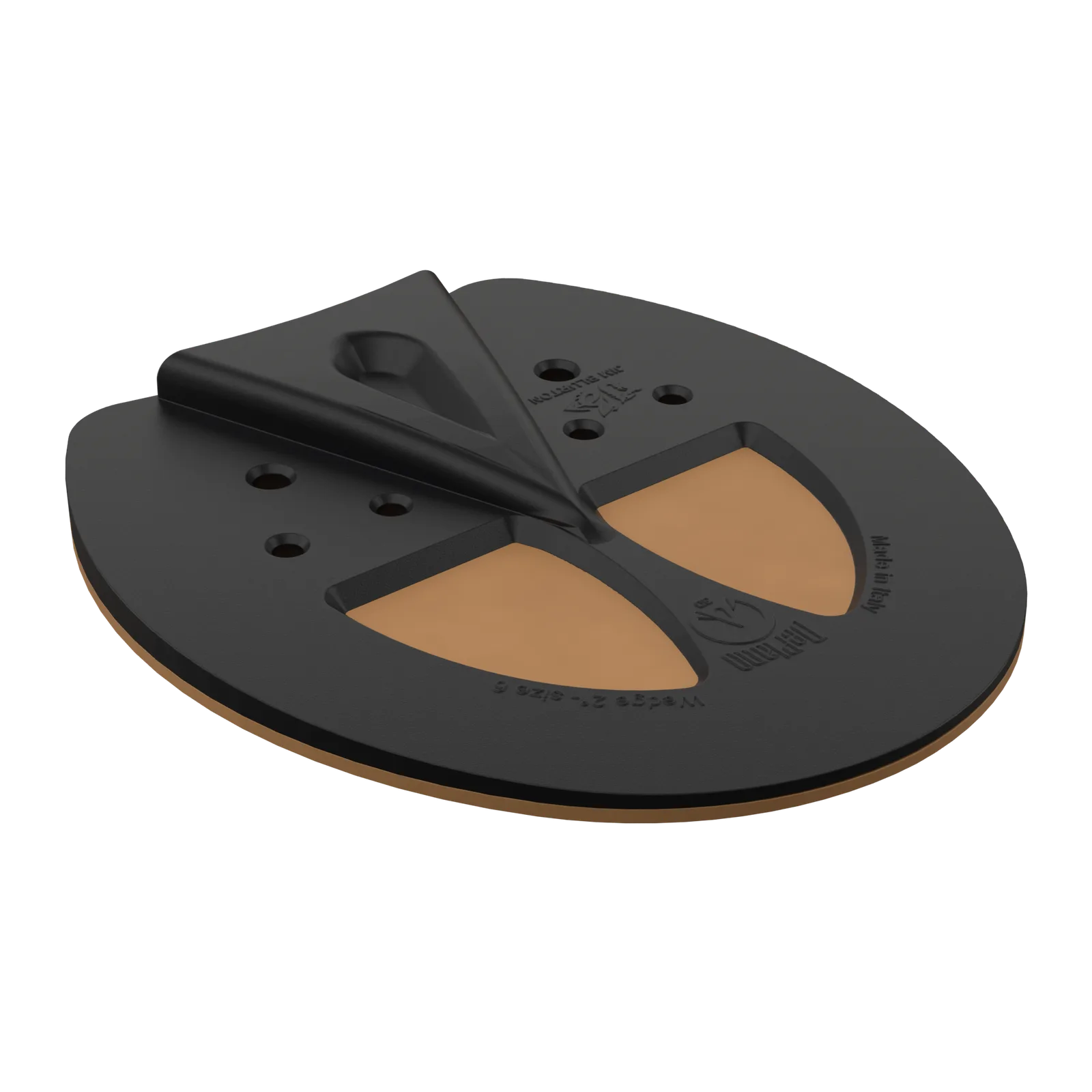
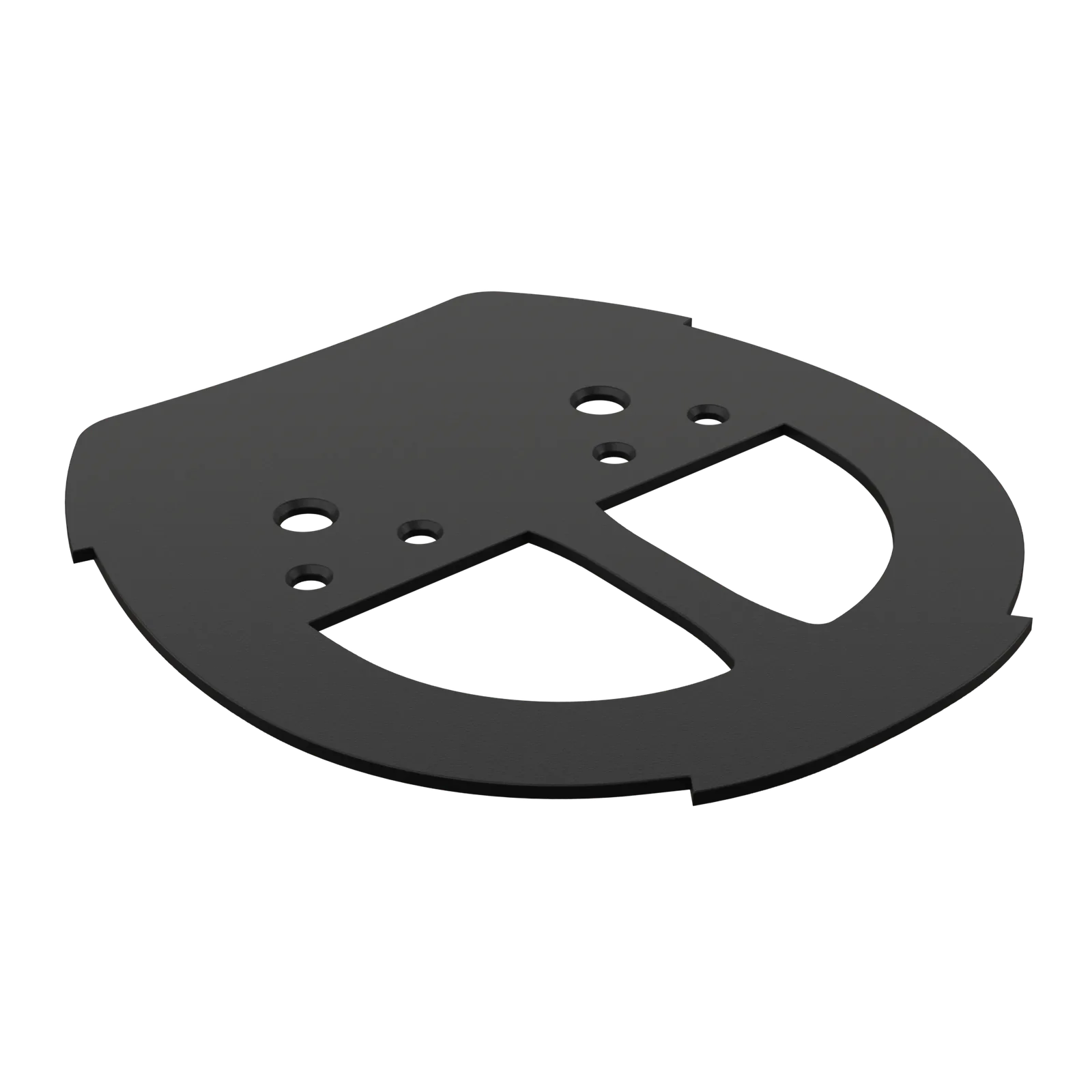
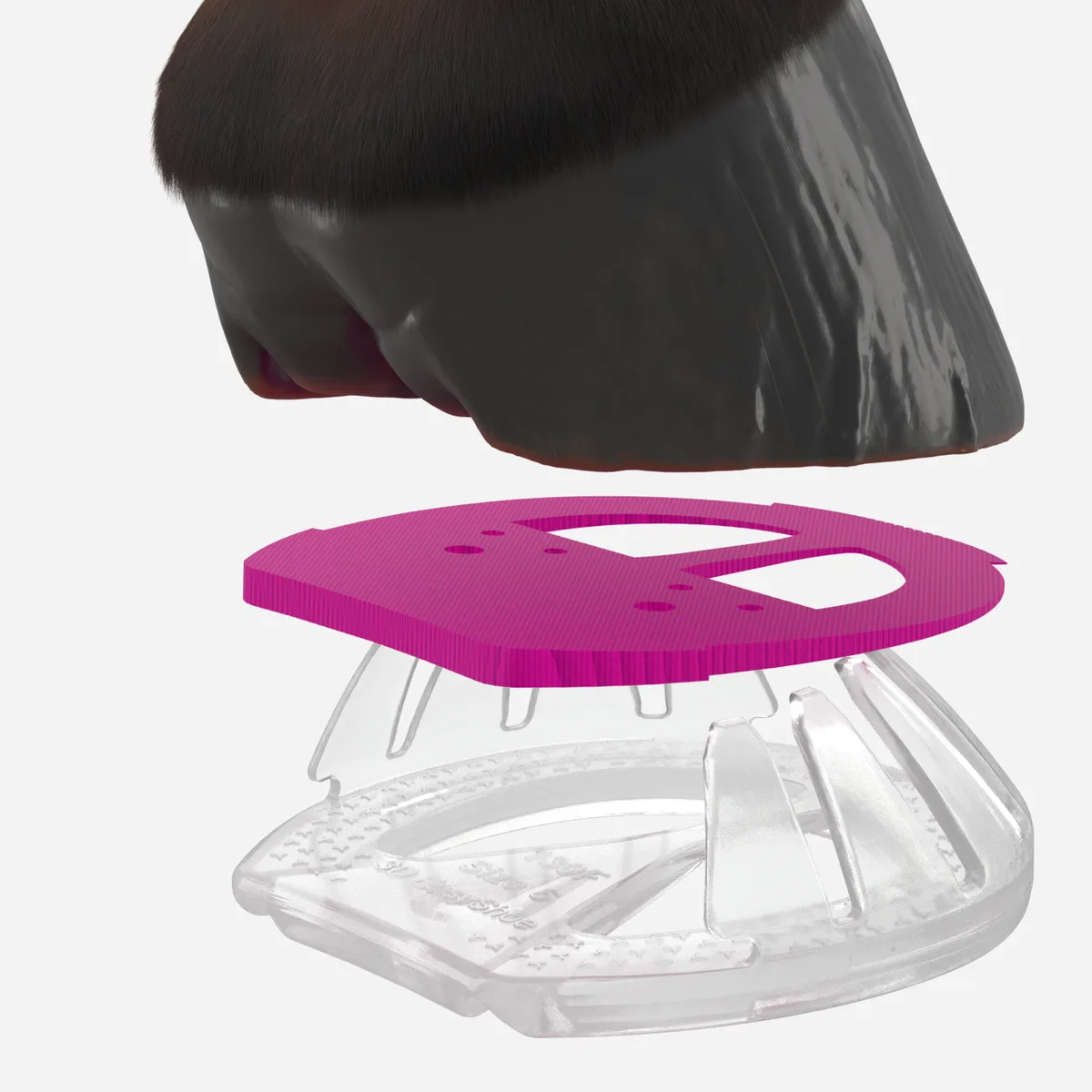
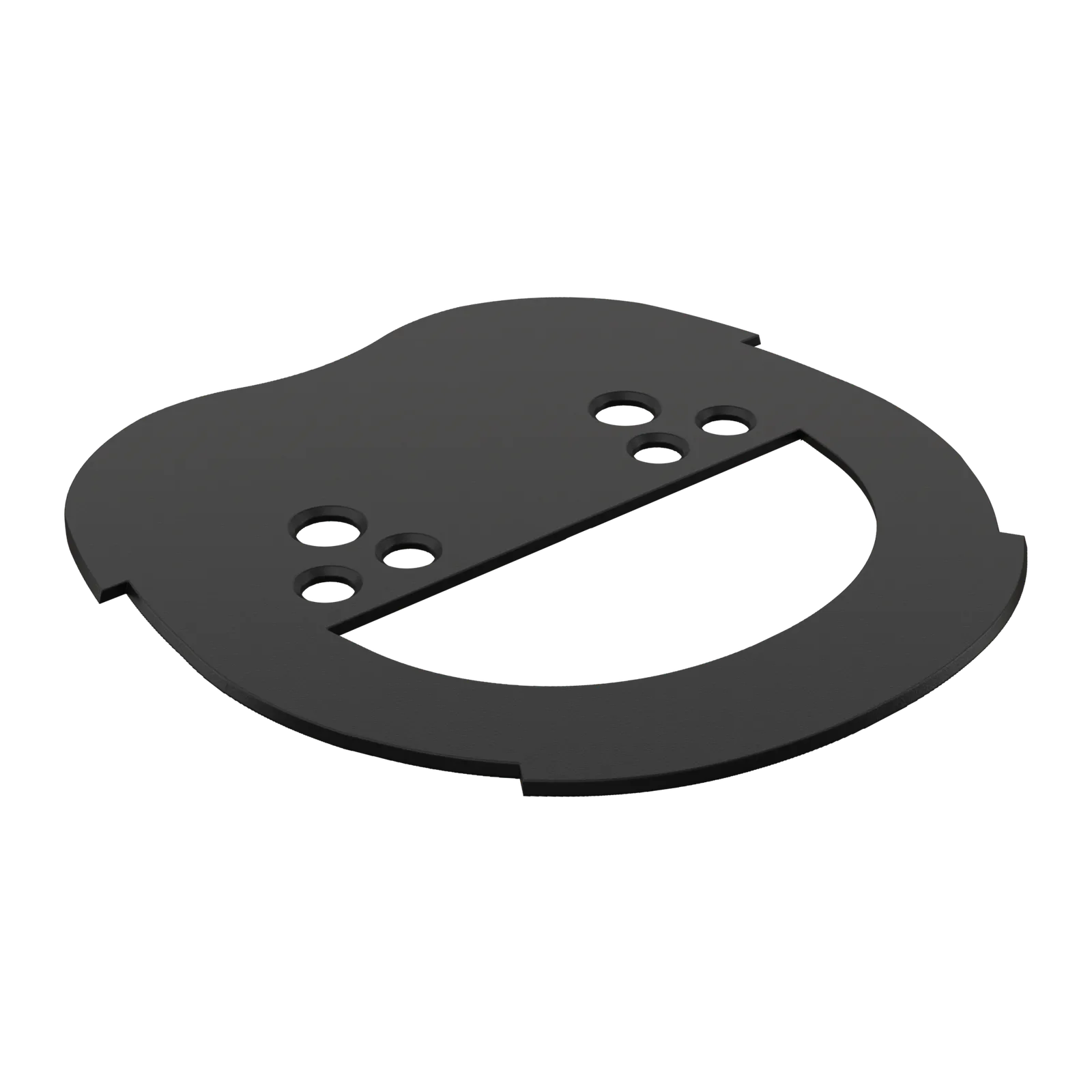
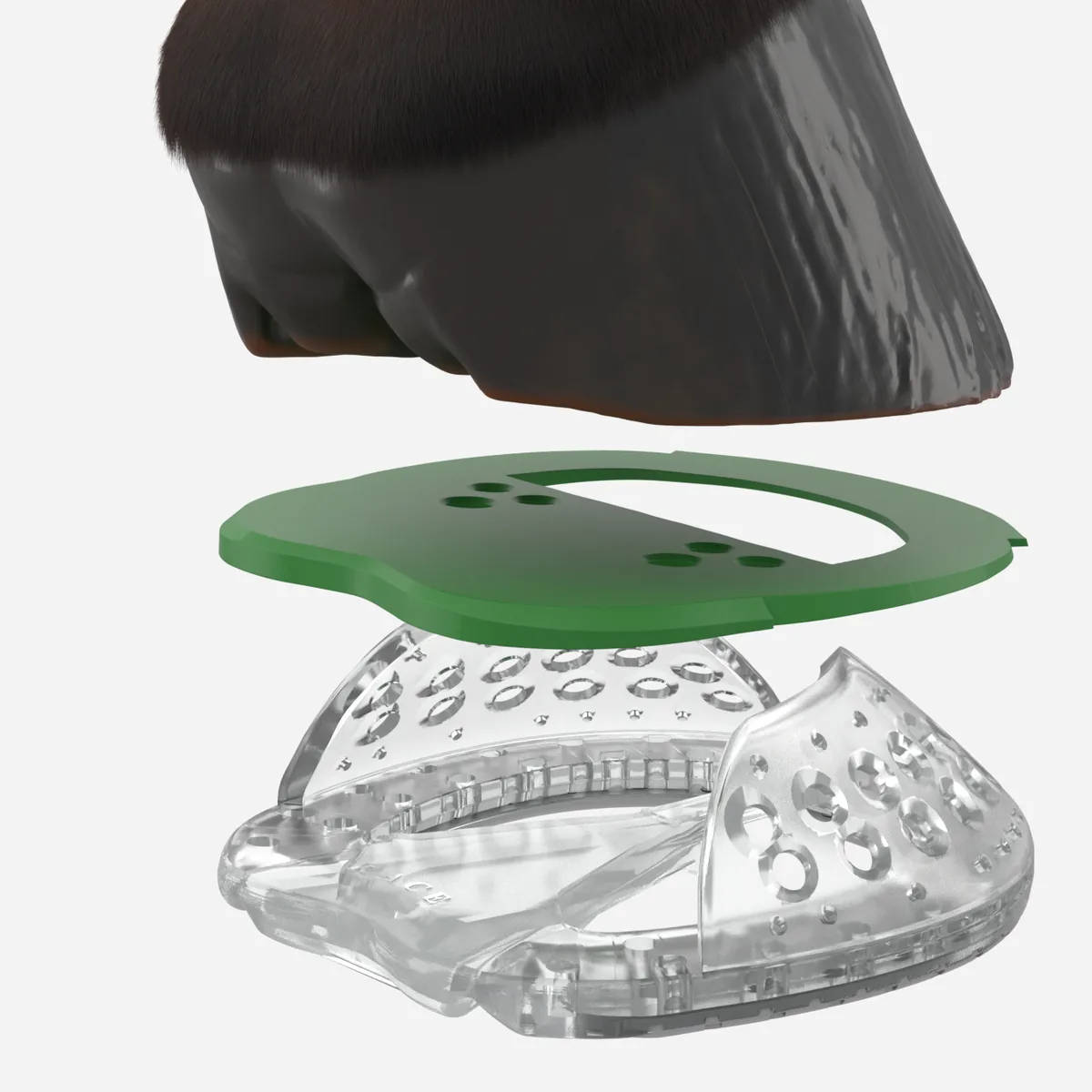
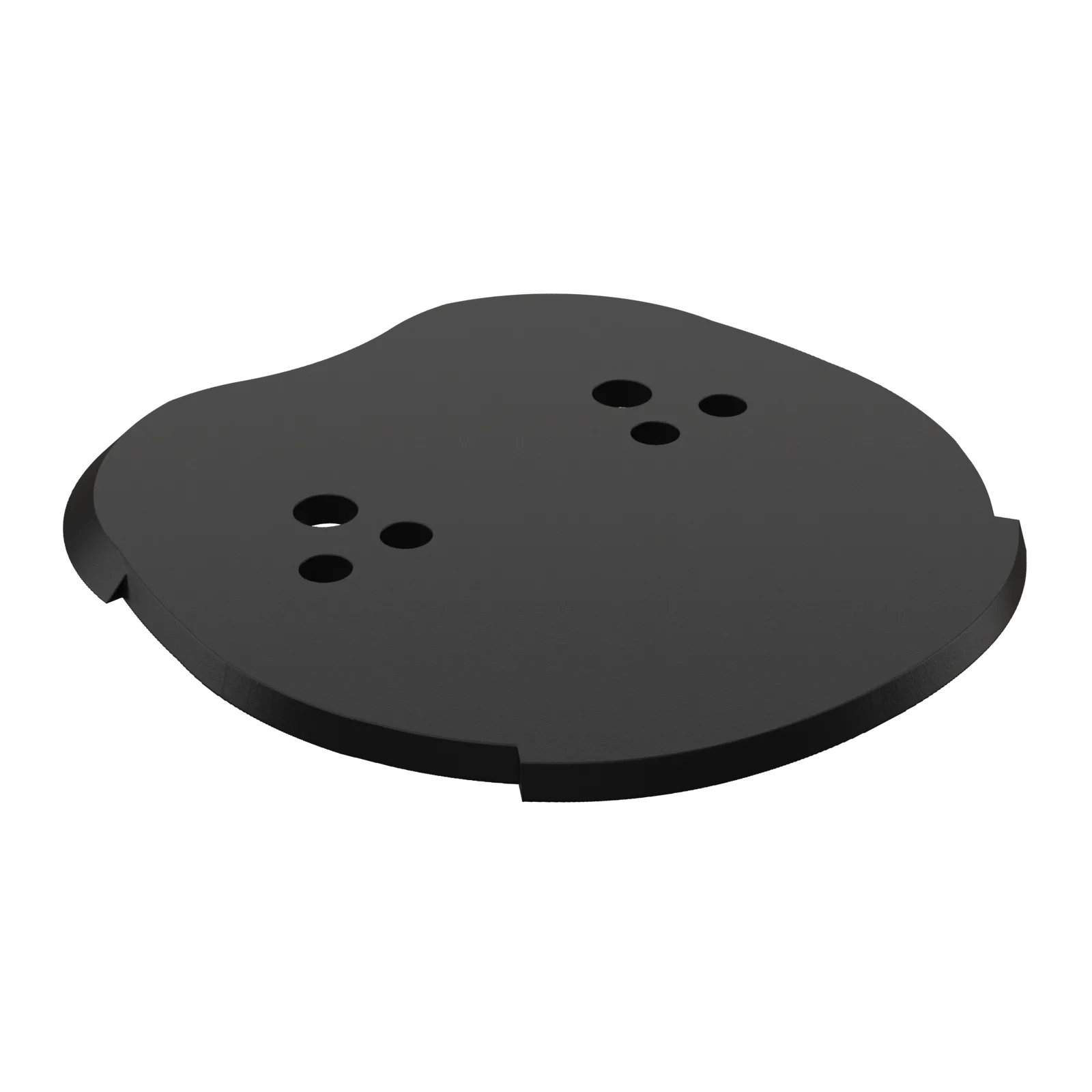
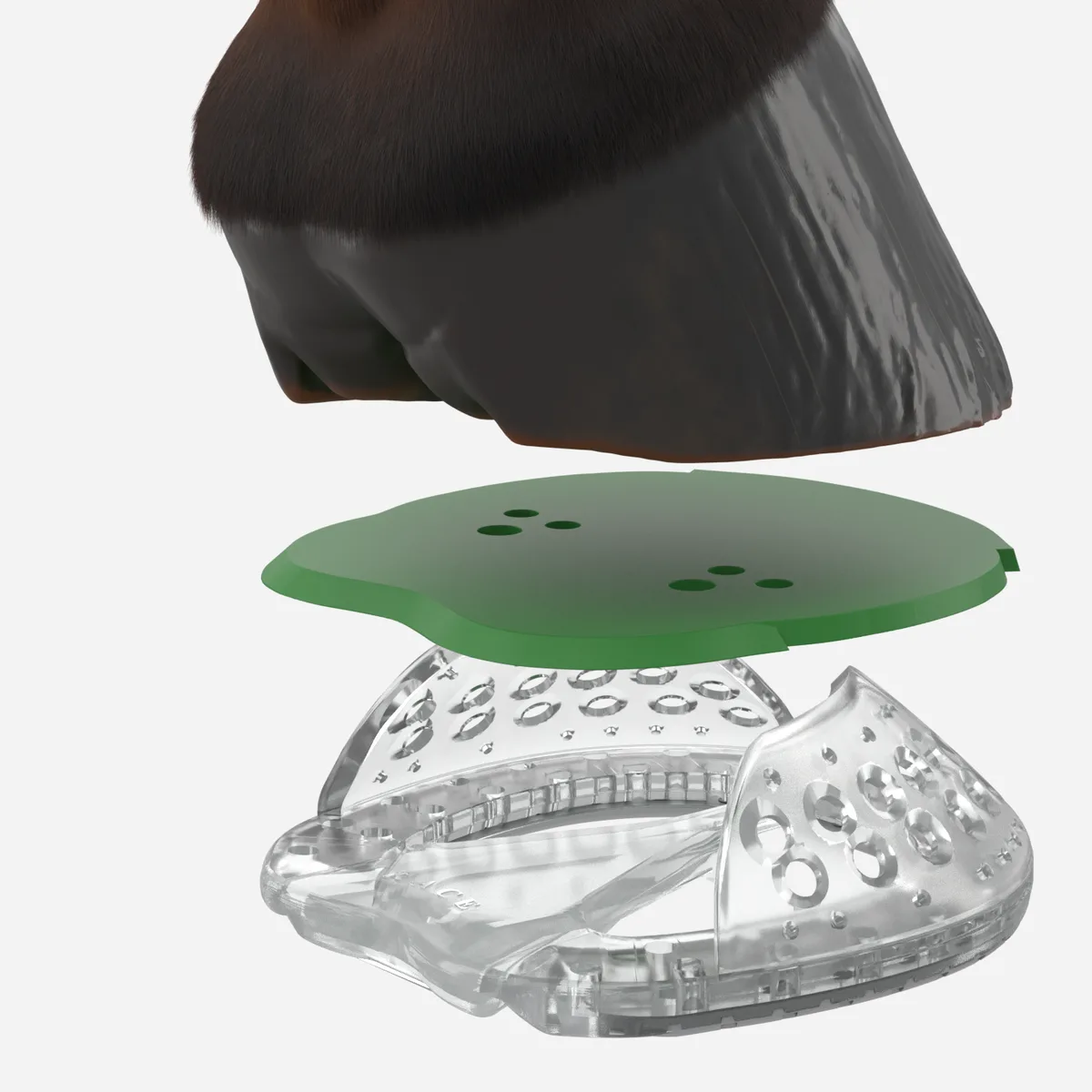
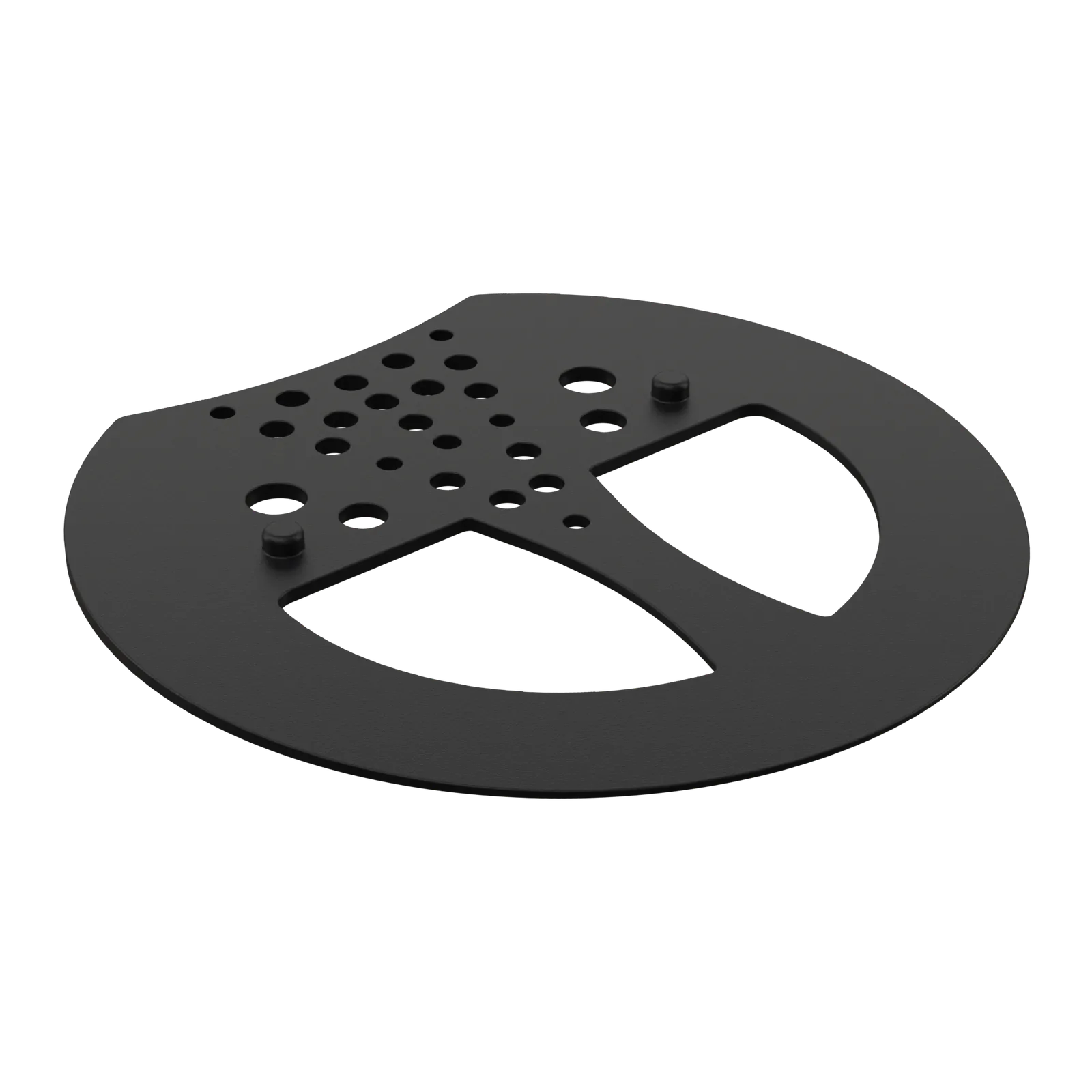
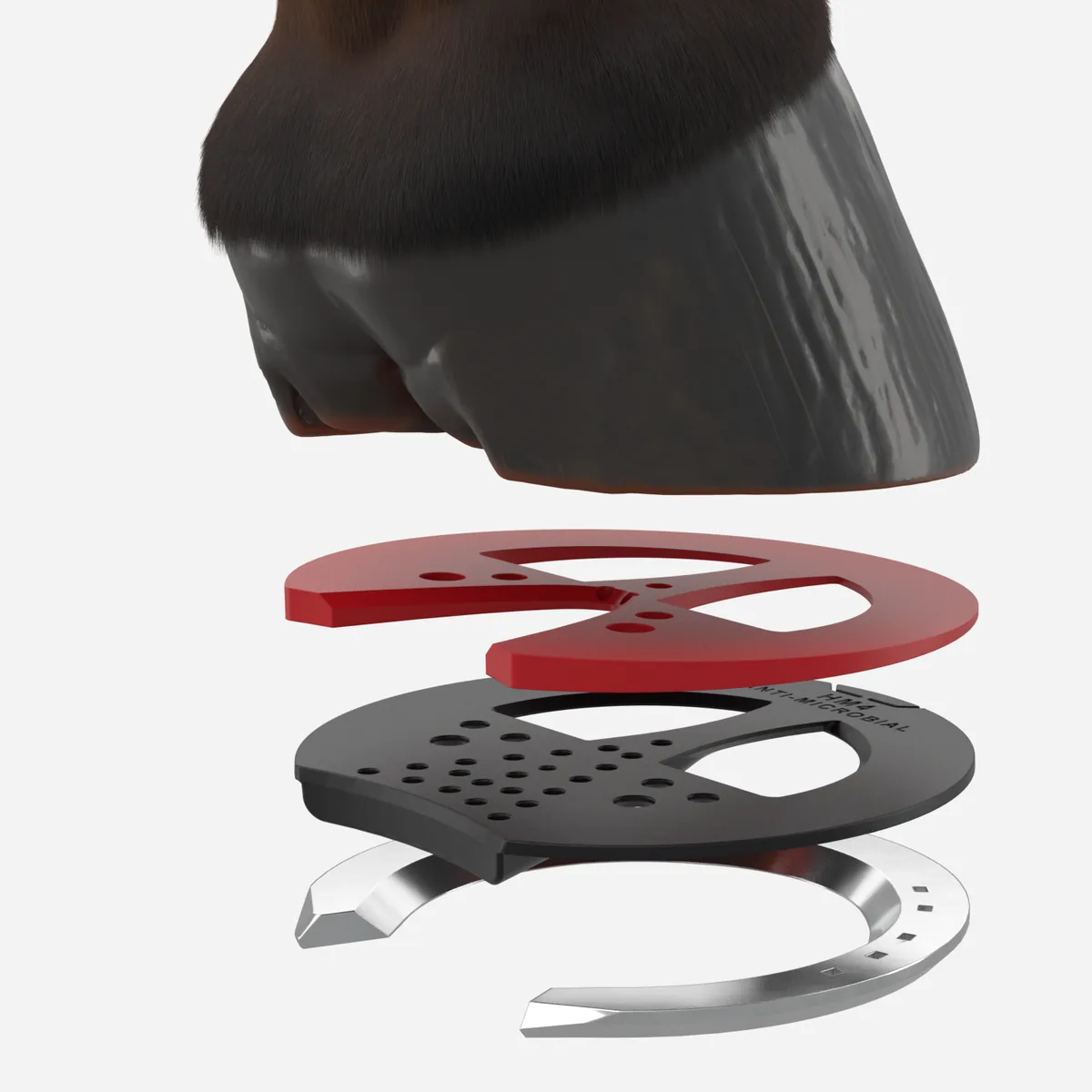
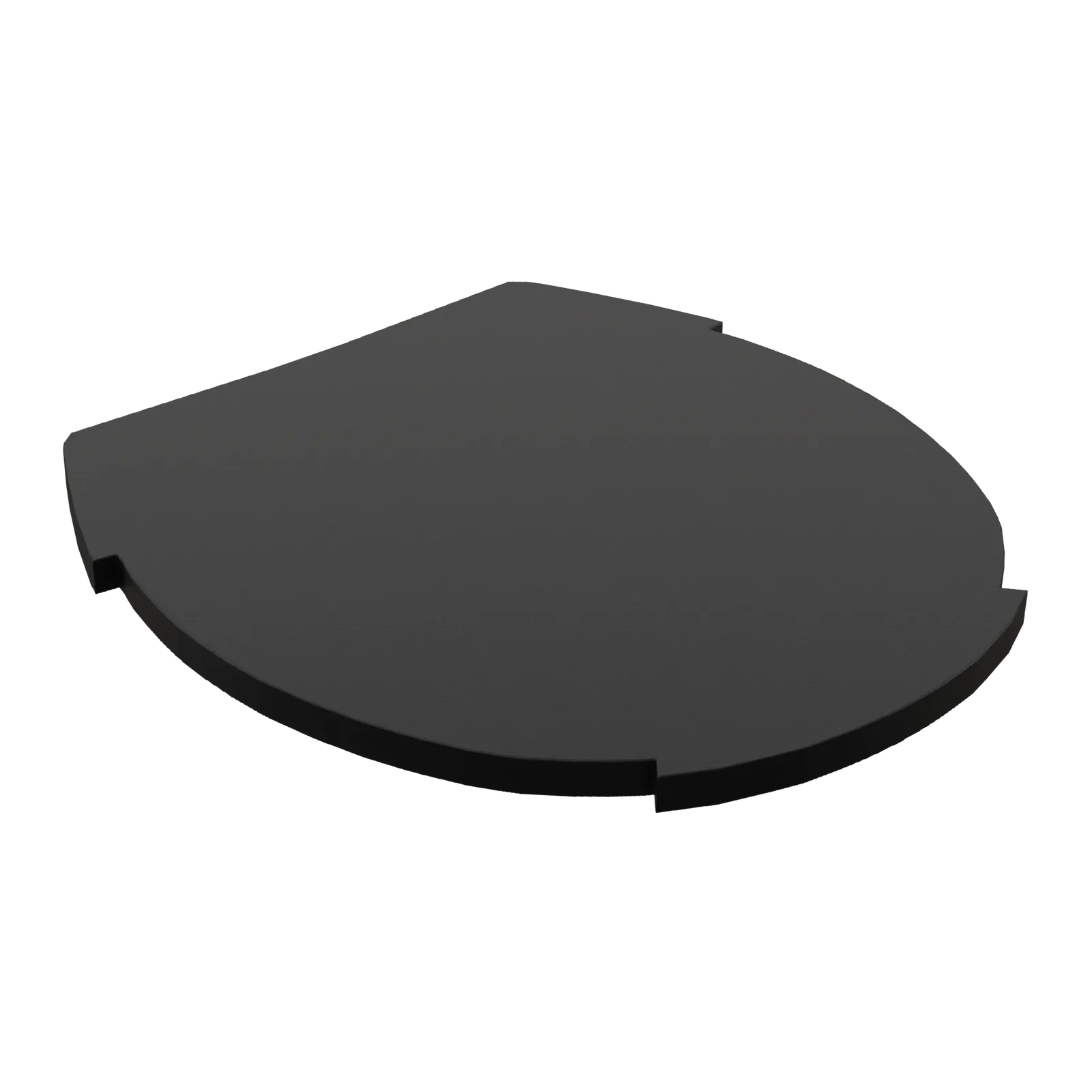
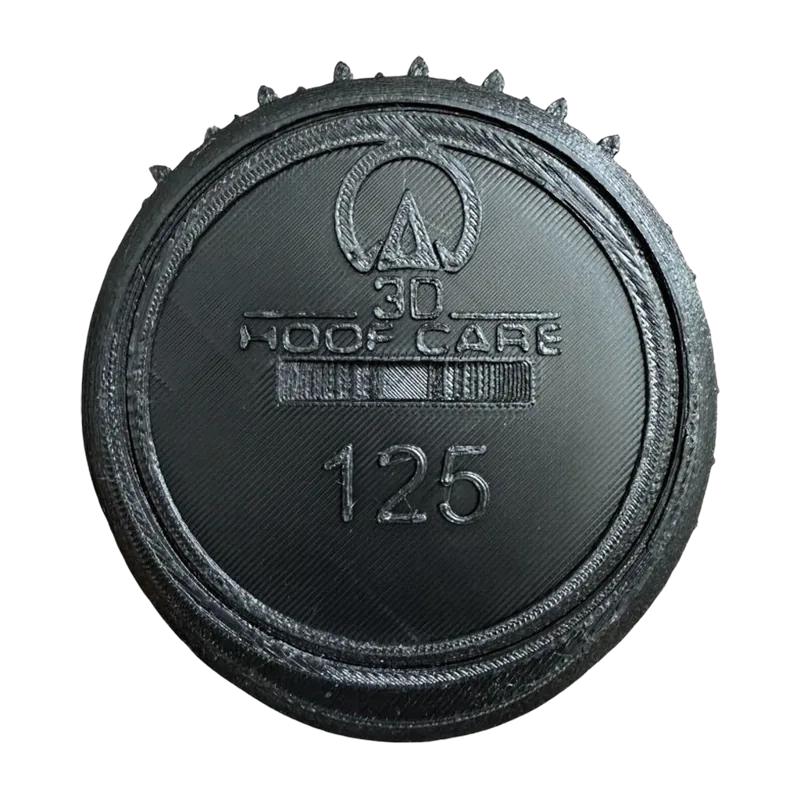
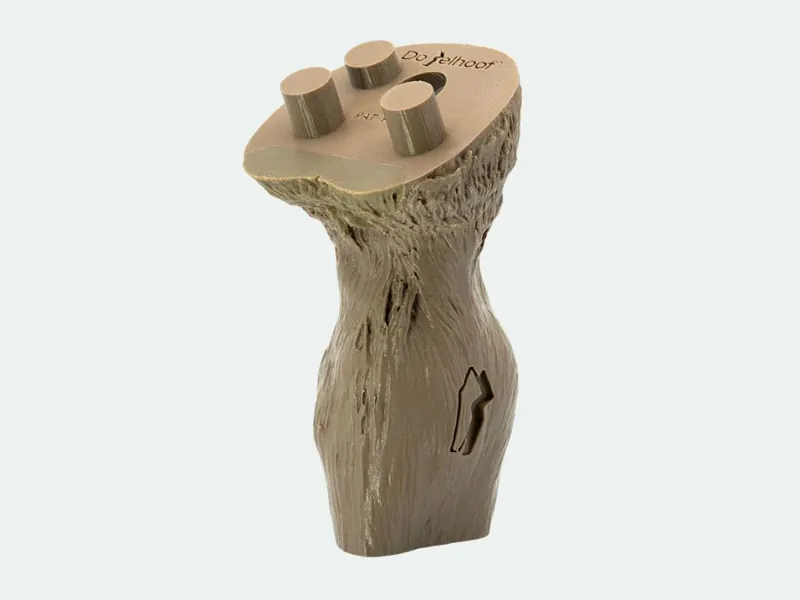
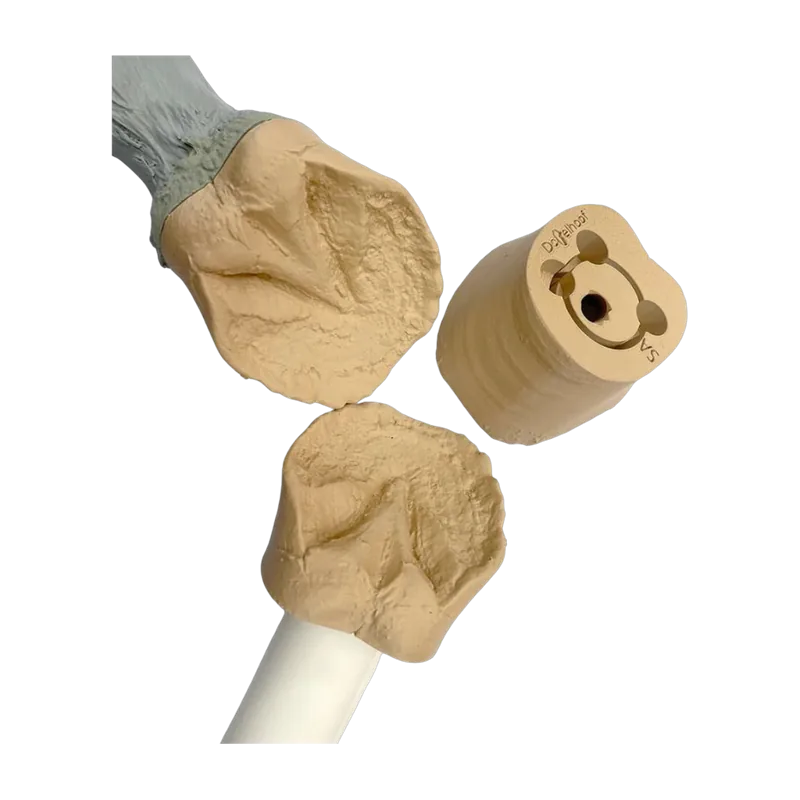
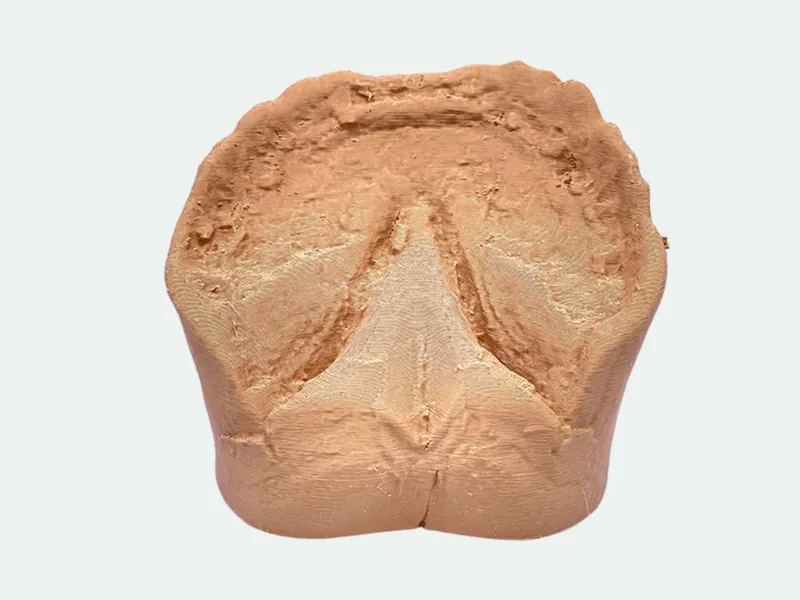
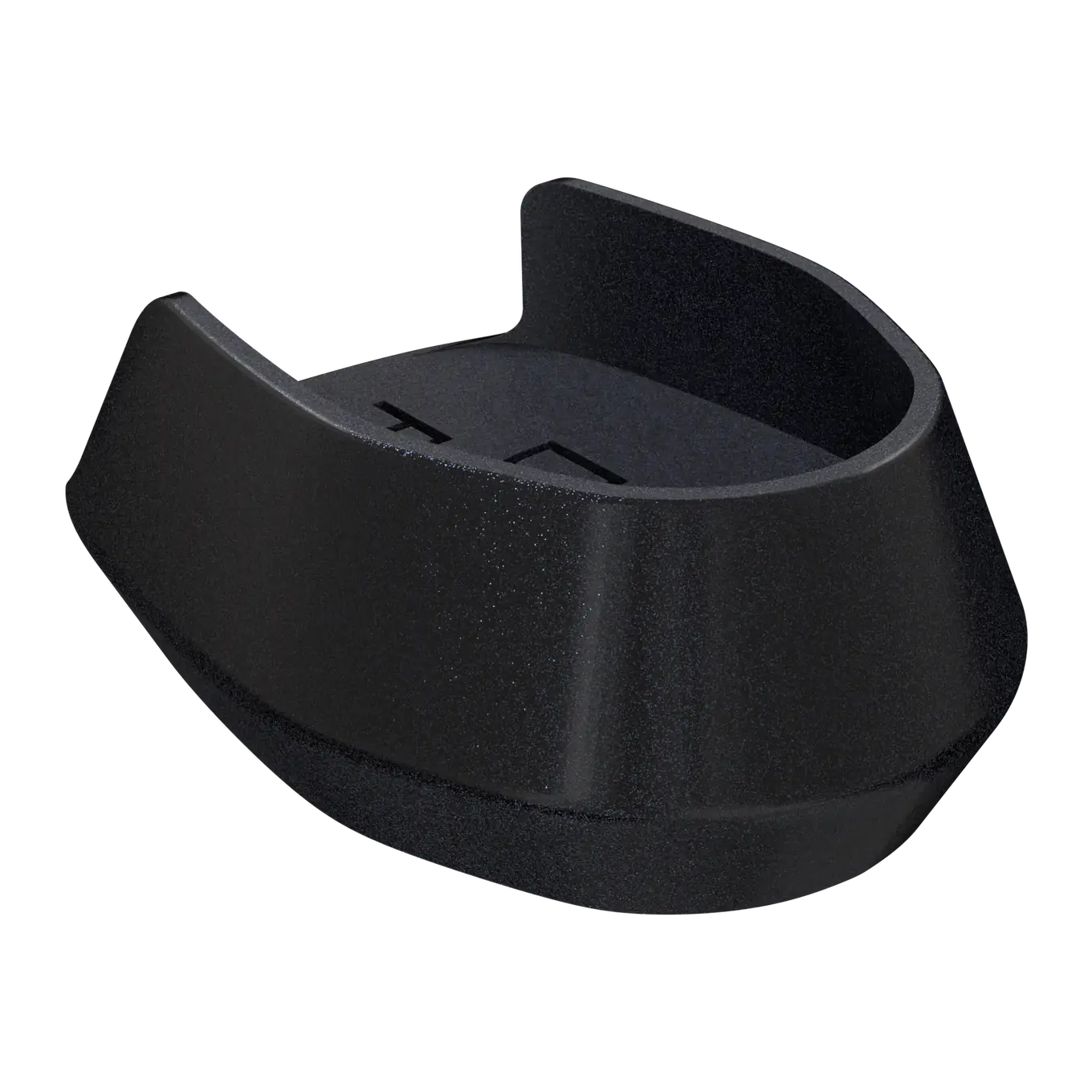
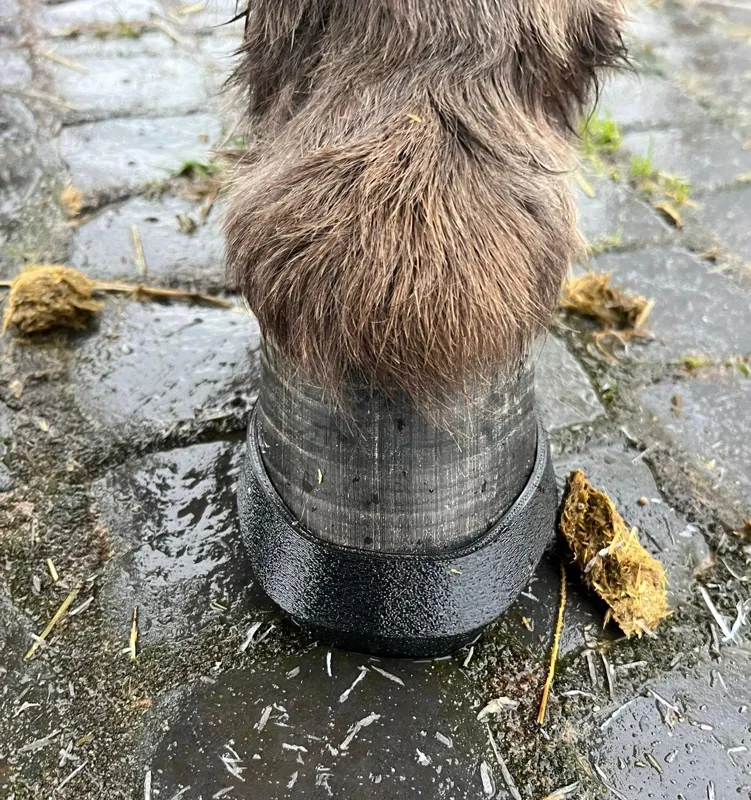
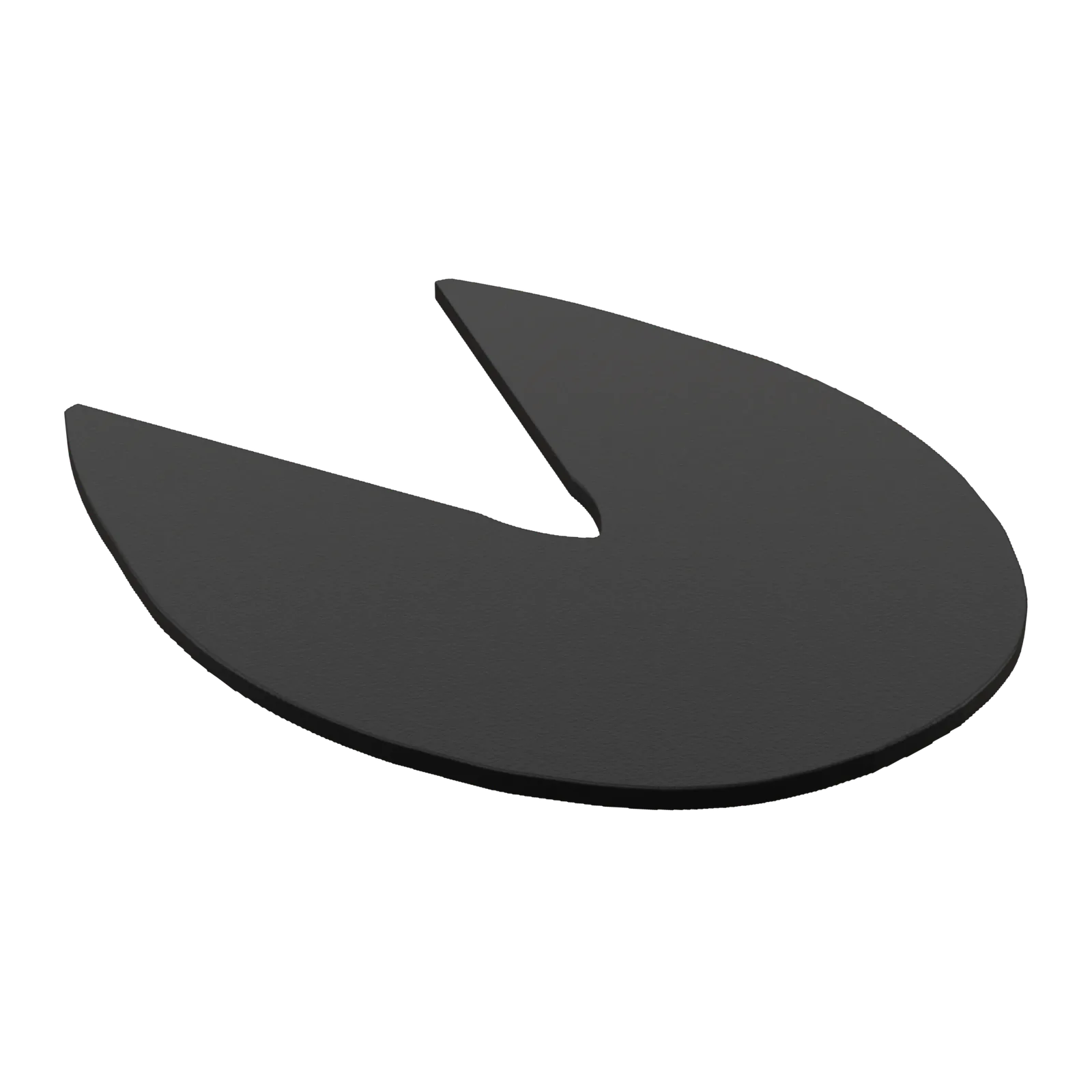
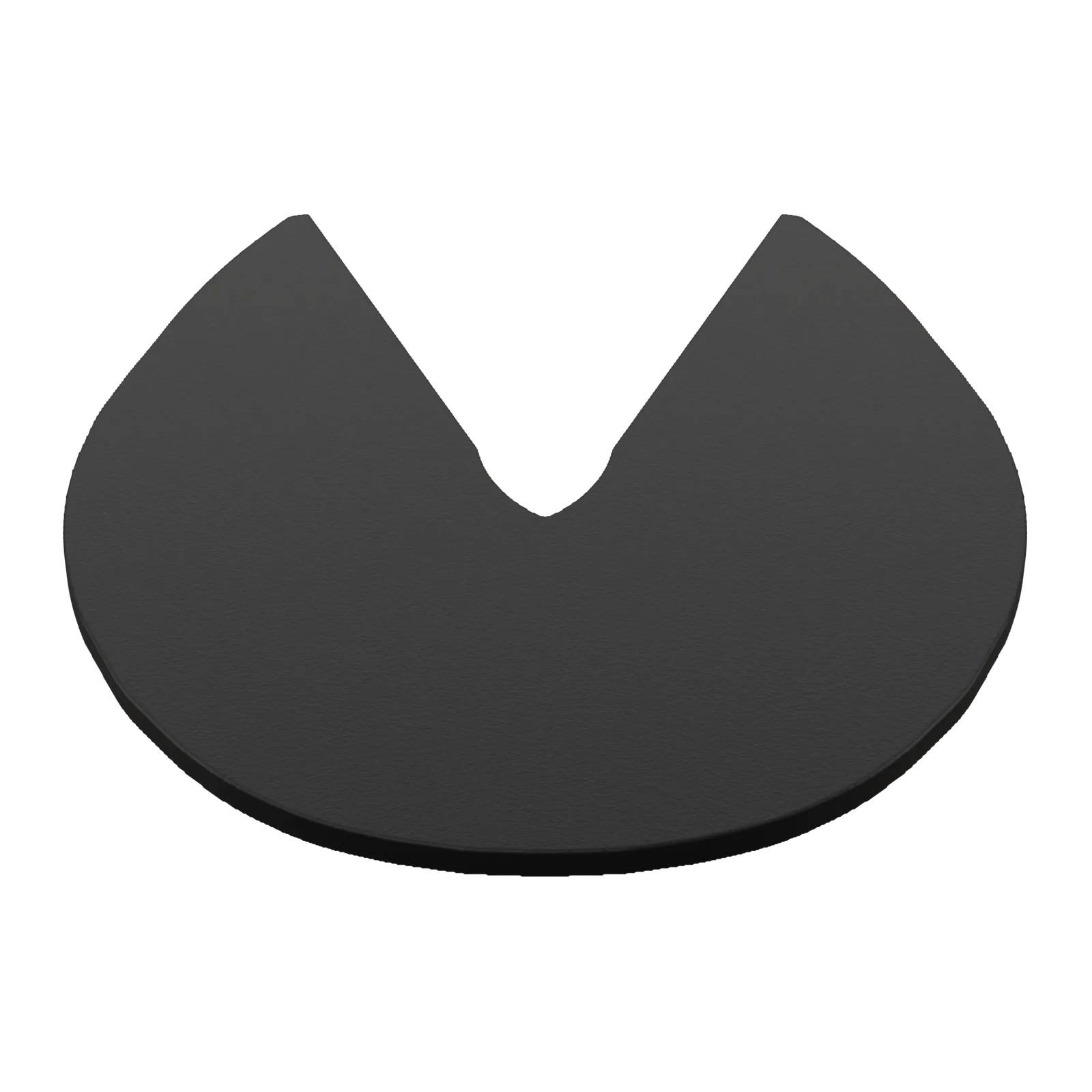
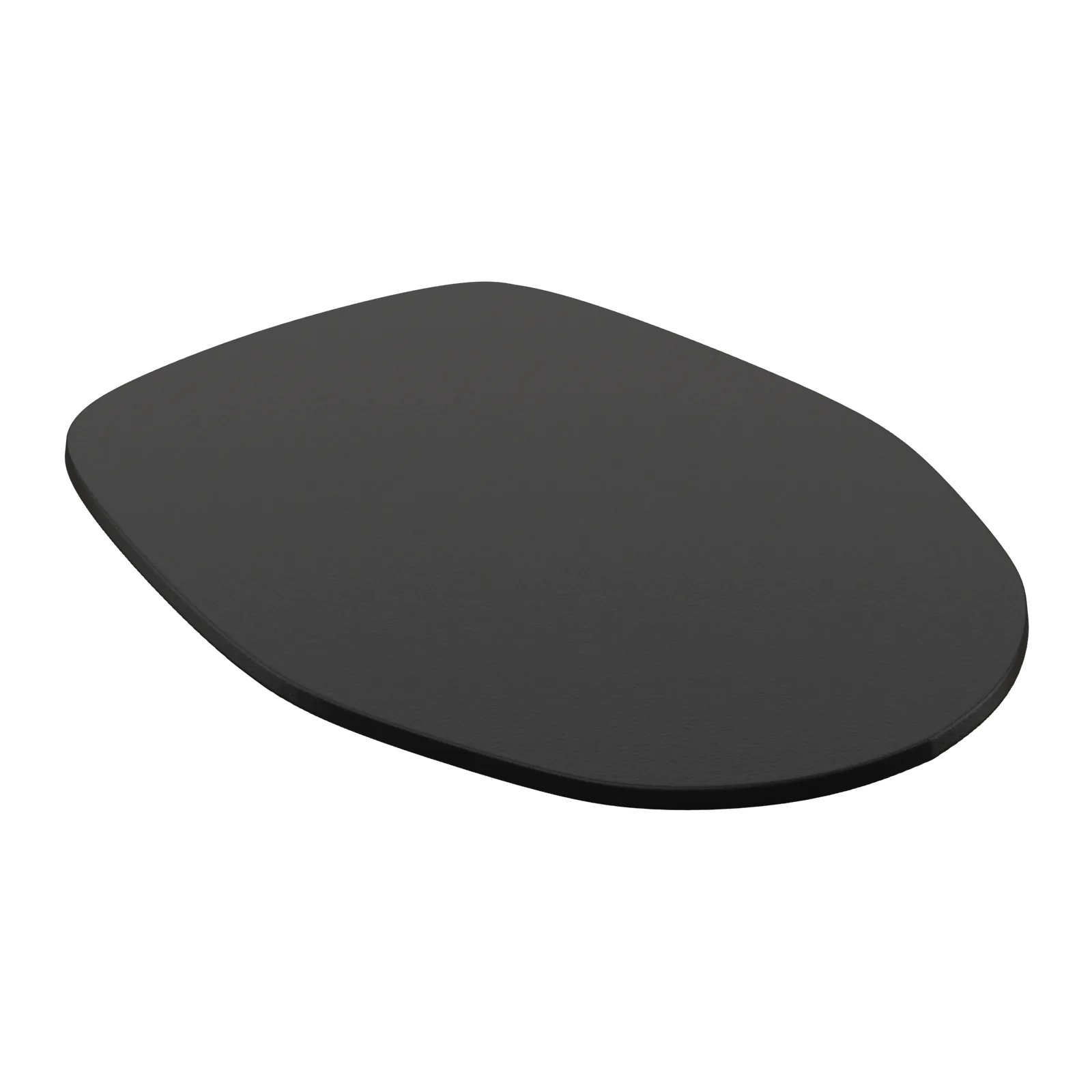
The Squish Pad is a rehabilitation orthotic. It exists for hooves that need respite, regeneration, recovery and rehabilitation. The conditions it was designed around are laminitis, poor horn growth, resections, thin soles and soft tissue inflammation.
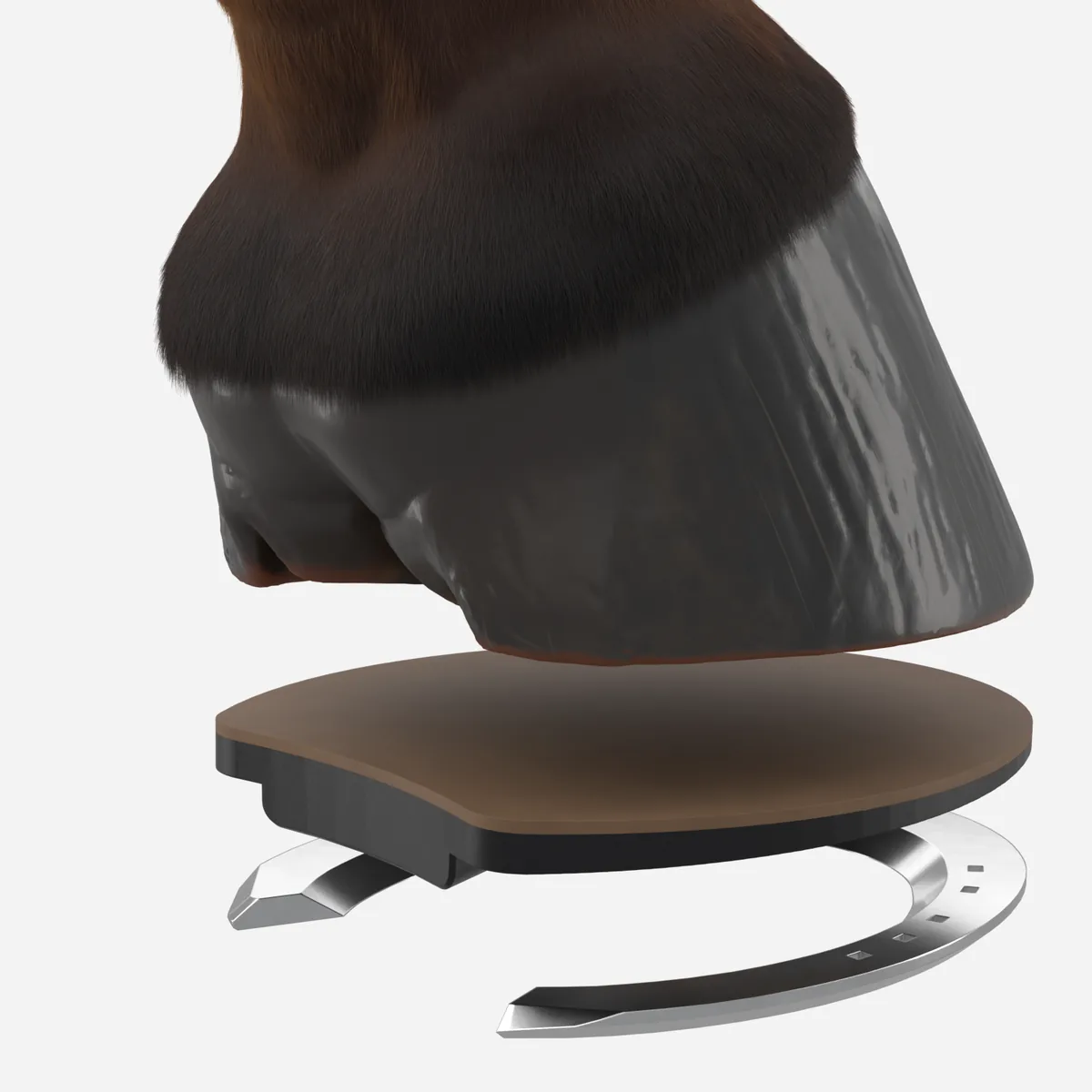
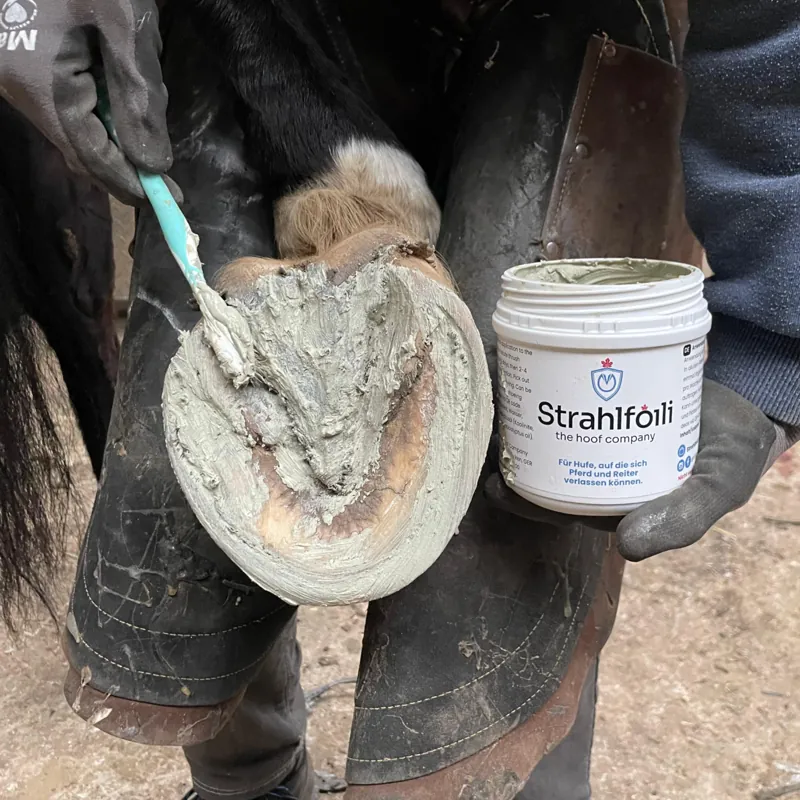
Its defining property is that it deforms. Rather than imposing a fixed shape on the foot, it lets the individual foot dictate how and where it is supported. That is why one farrier could post about a horse creating its own wedge immediately on application. The pad had adapted to what that horse's foot was doing.
That deformability is the whole point, and it is also exactly why it is not riding equipment.
Why comfort is not the same as soundness
Here is the thing that trips people up.
When a horse in real foot pain gets meaningful support, the change can be dramatic and it can be quick. Owners in our community have described horses walking and trotting within minutes of application in a way they had not for weeks. One farrier working on a horse with sinking and rotation fitted Squish Pads as part of a plan agreed with the horse's vet.
That is real. It is also not recovery.
What has happened is that load has come off structures that could not carry it. The foot has not healed. The laminae have not reattached. The sole has not thickened. All of that takes months, at roughly 6 to 9mm of horn growth per month.
A horse that feels good enough to be ridden in a rehabilitation pad is a horse whose comfort is doing exactly what it was supposed to do, and riding on it would spend the very thing you were trying to build.
Squish Pads are not hoof boots
They get compared to boots constantly, and they solve a different problem.
Most hoof boots on the market are designed for riding. They need grip for varied terrain and enough rigidity to survive real distance work. A Squish Pad does not need either of those things, because that is not its job. Its job is to provide continuous comfort while engaging and supporting the natural biomechanics of the foot during recovery.
Where the pad clearly beats a boot is in the rehabilitation context itself. It stays on. Boots come off and go back on, which means repeated handling of a sore foot, and they rub. One owner in the group described using a boot successfully on a laminitic rescue mini but not being able to leave it on long because of rubbing. A bonded pad avoids both problems, and gives 24/7 support rather than support during turnout.
So what do you use for riding?
This is where the range gets confusing, and it is a fair criticism. Here is the short version.
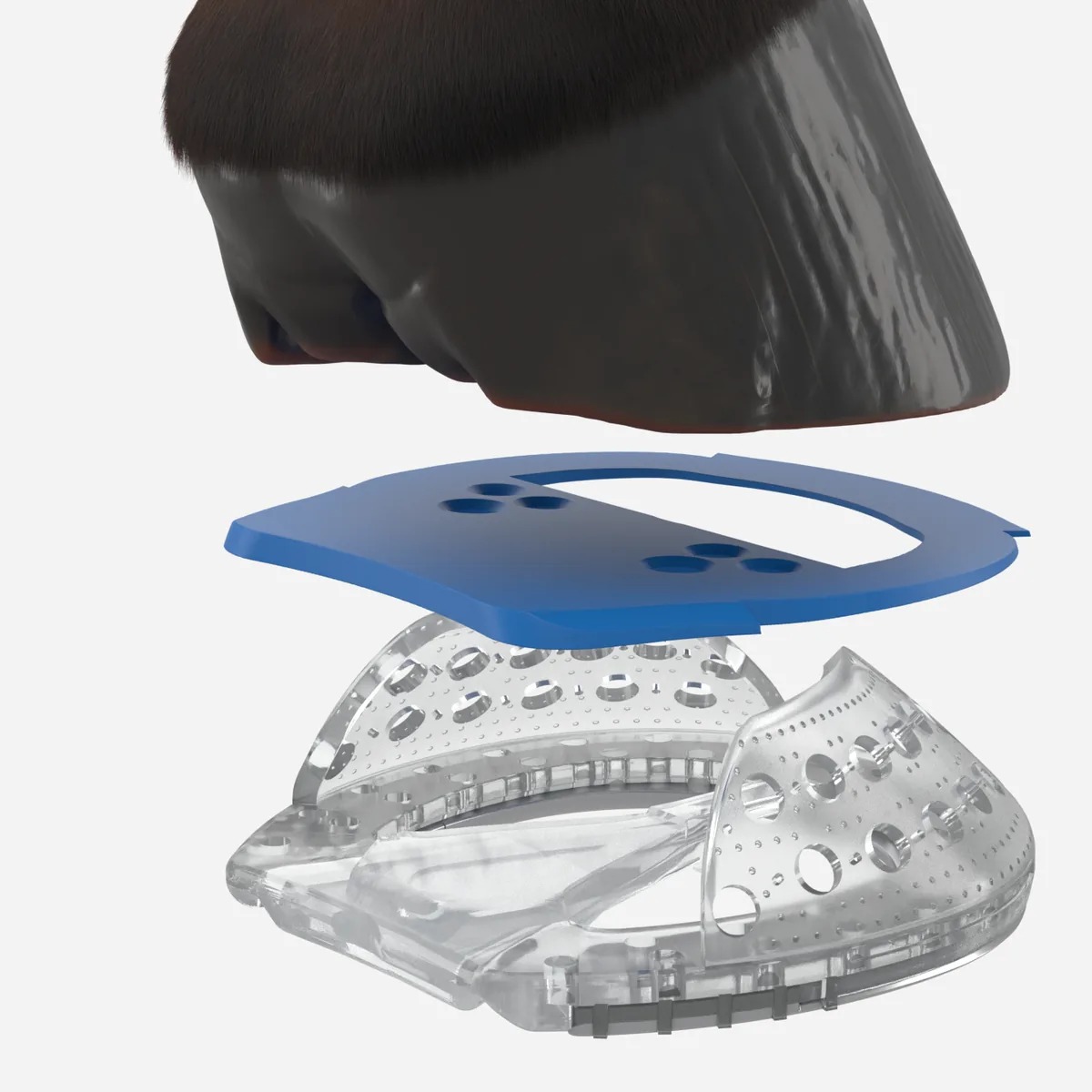
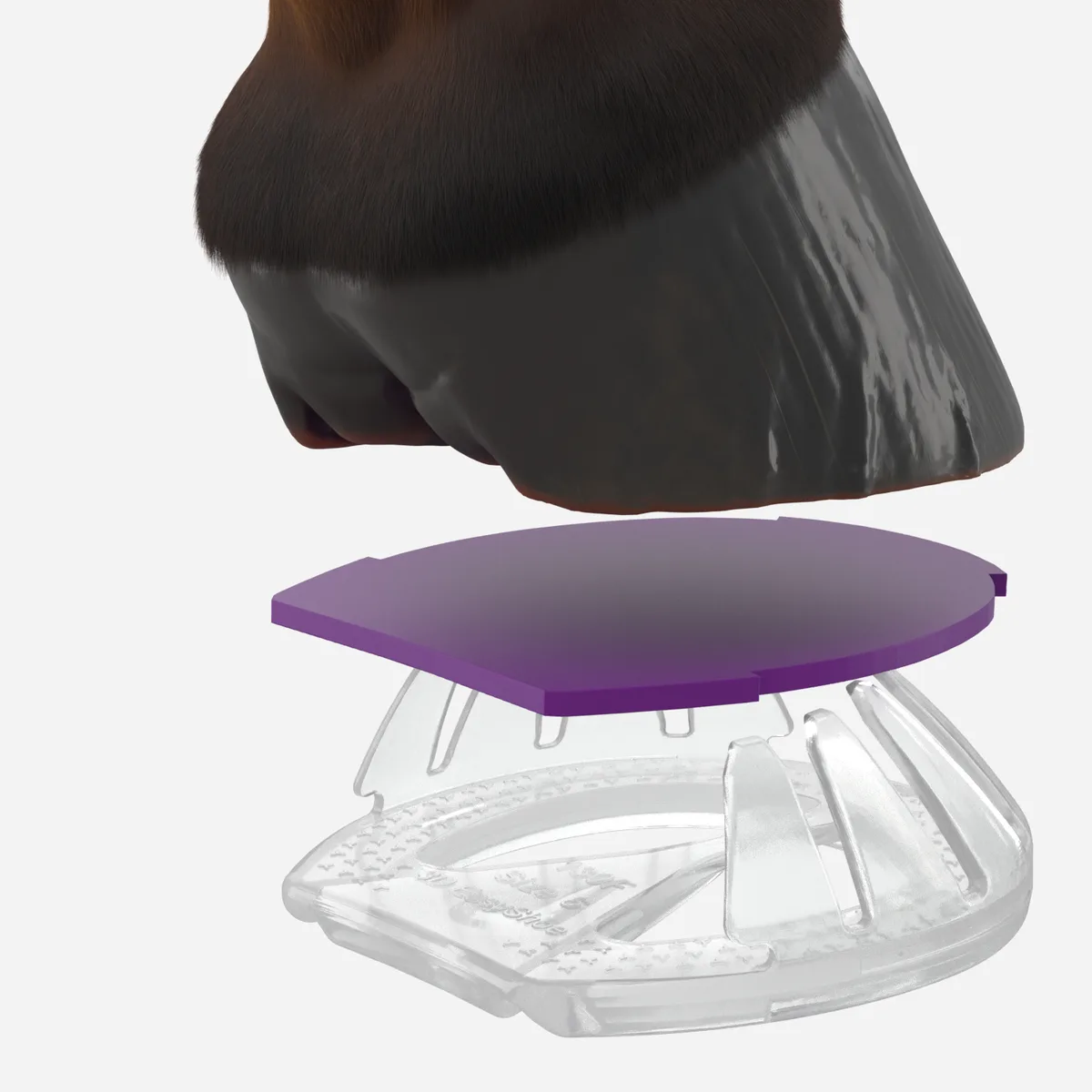
AIR Inserts. Comfort inserts for glue-on shoes. These are suitable for ridden work. If someone has told you about "the squishy 3D pads" and you want to ride, this is very probably the product you actually mean.
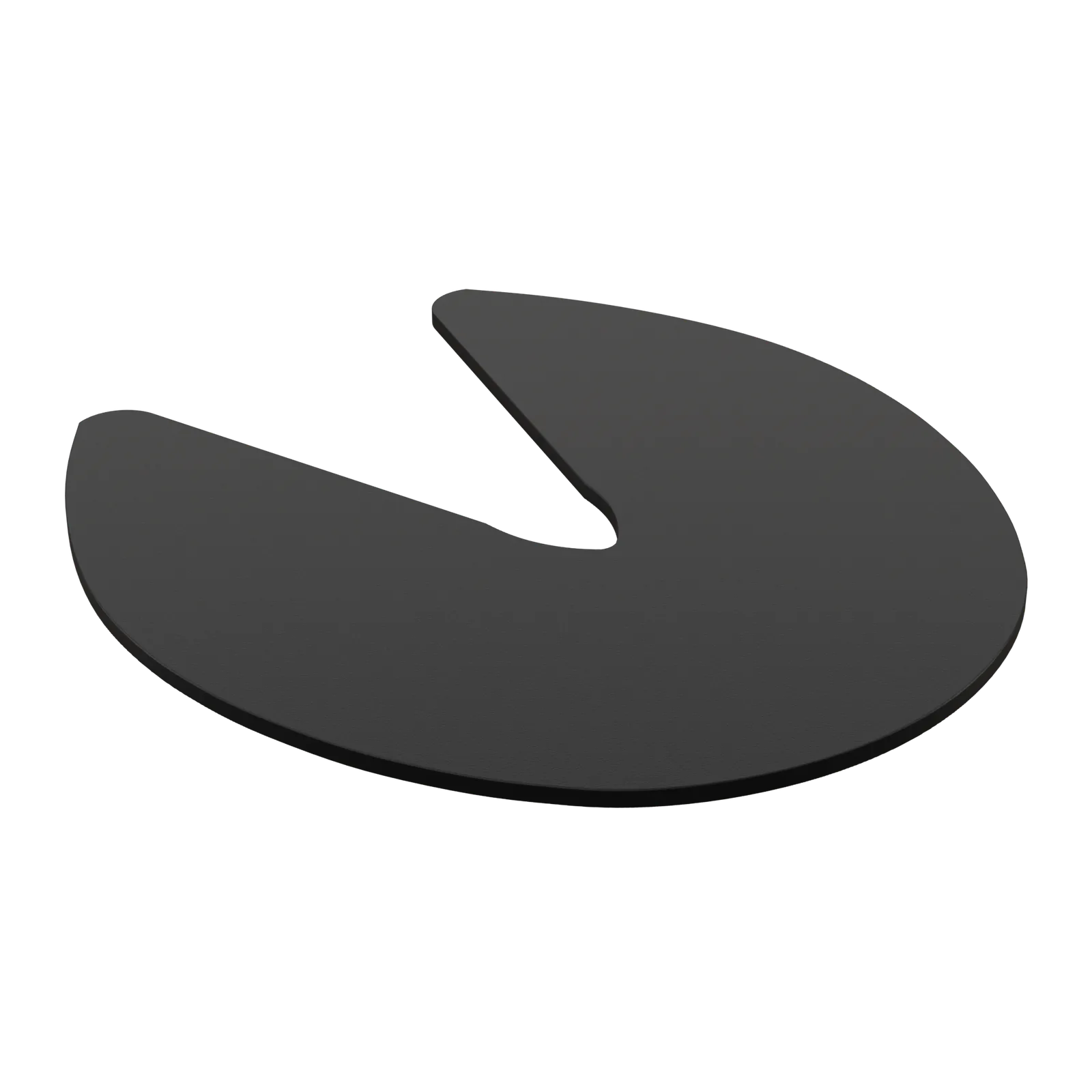
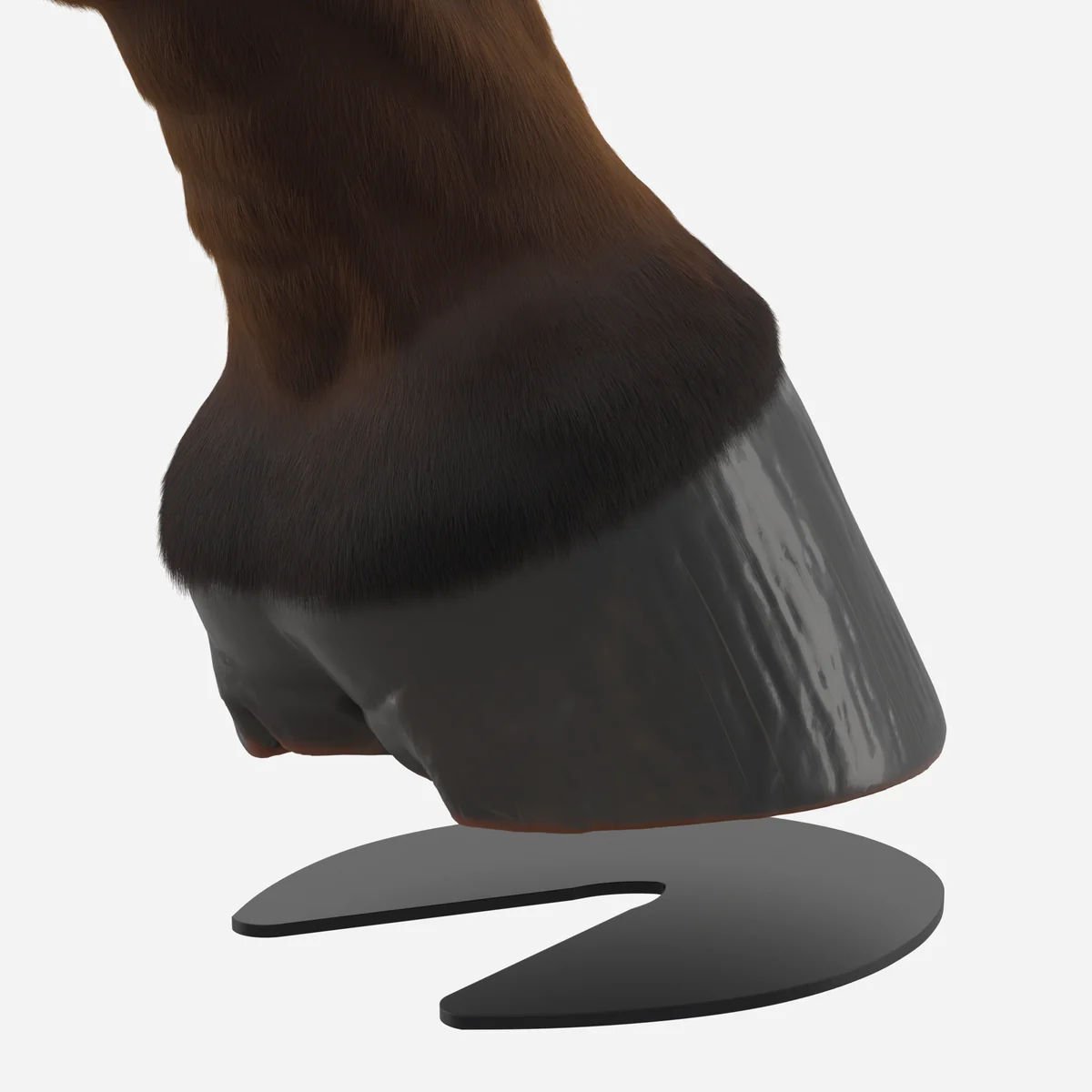
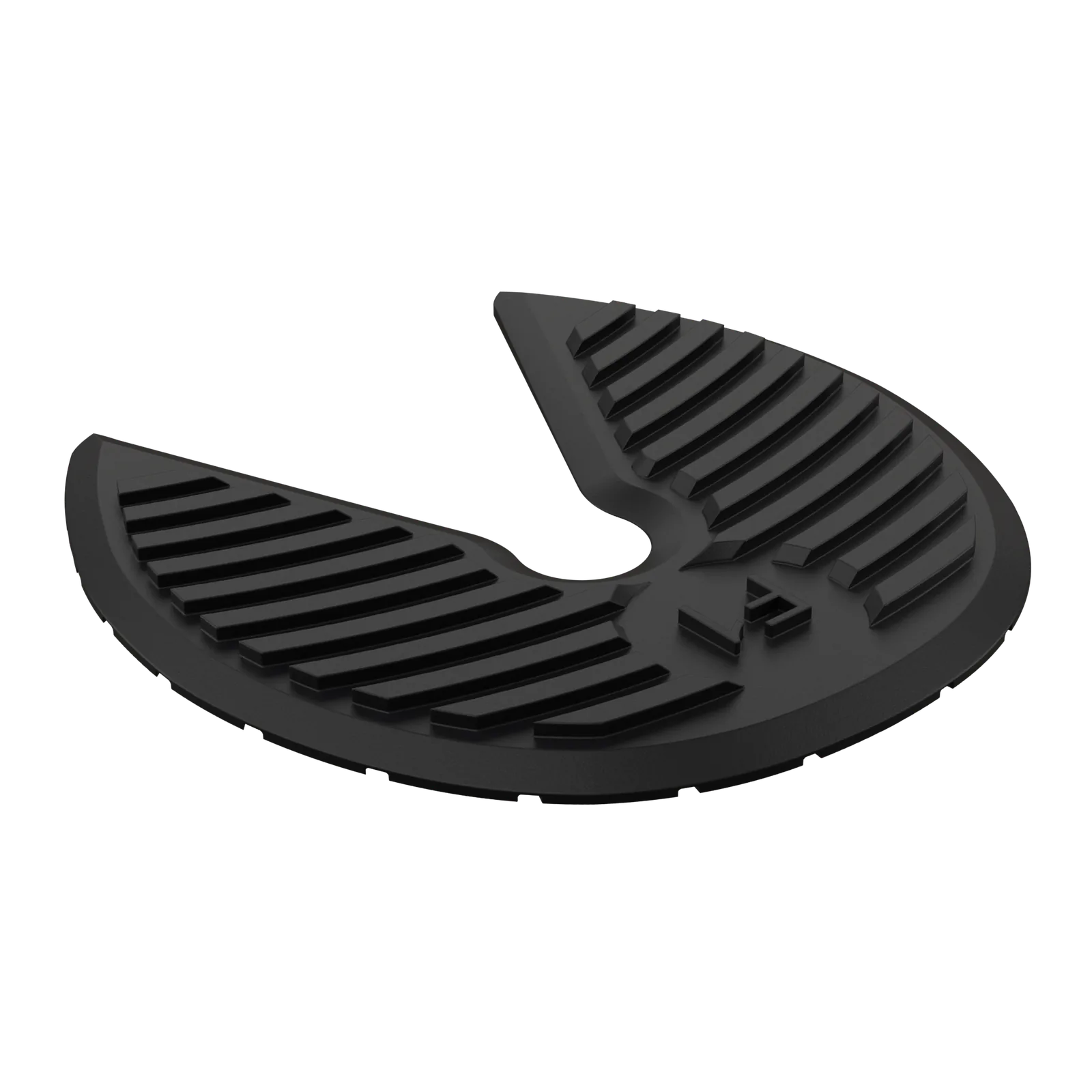
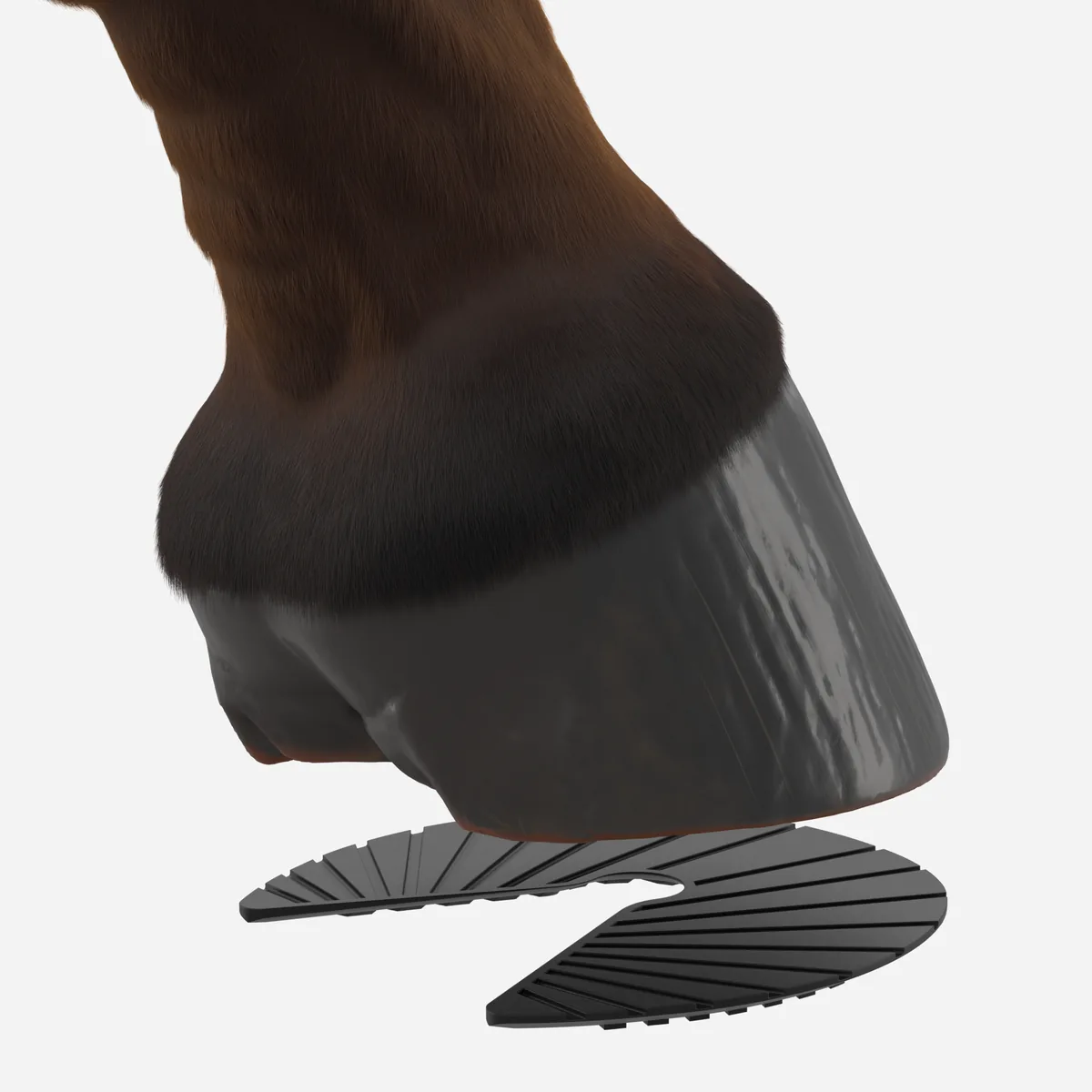
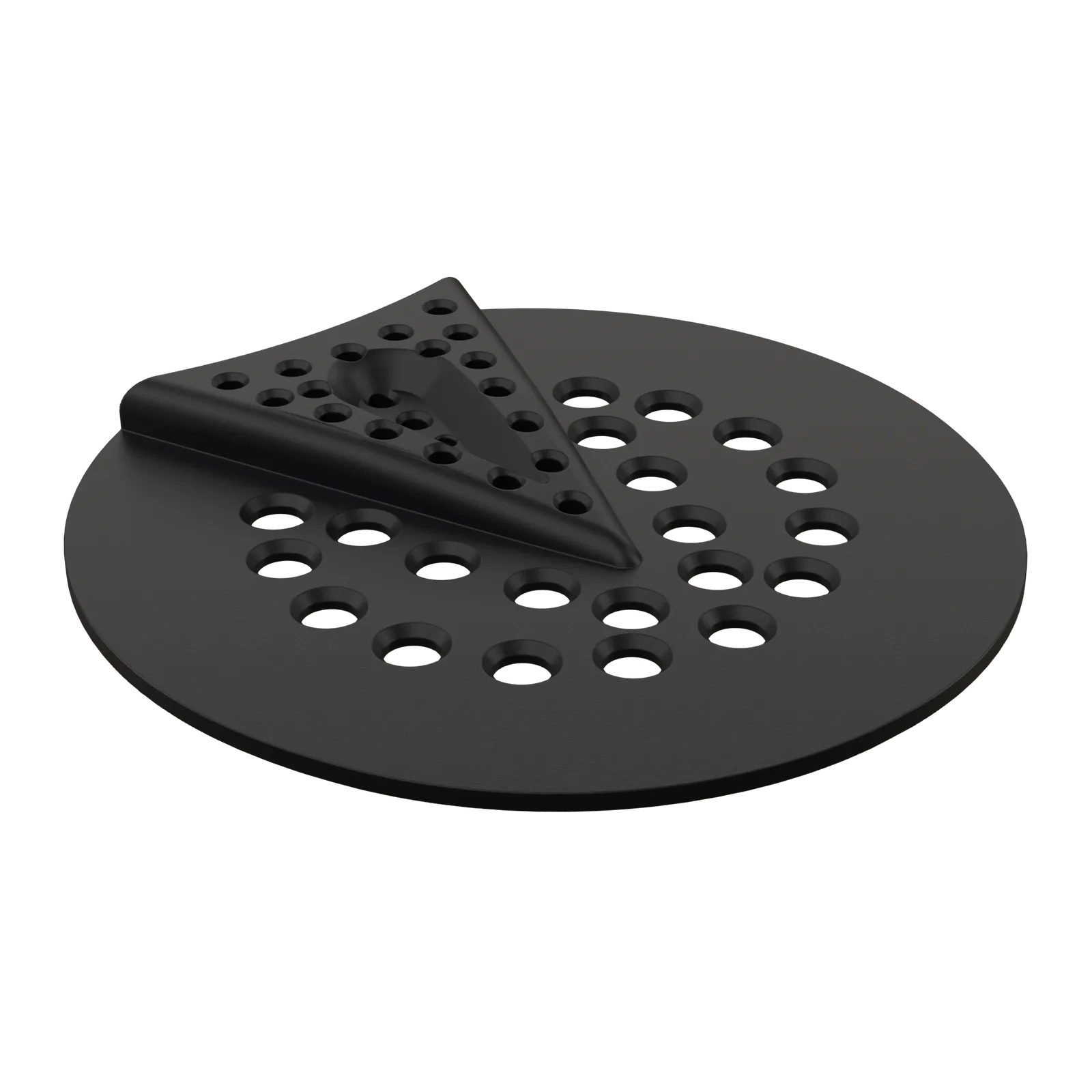
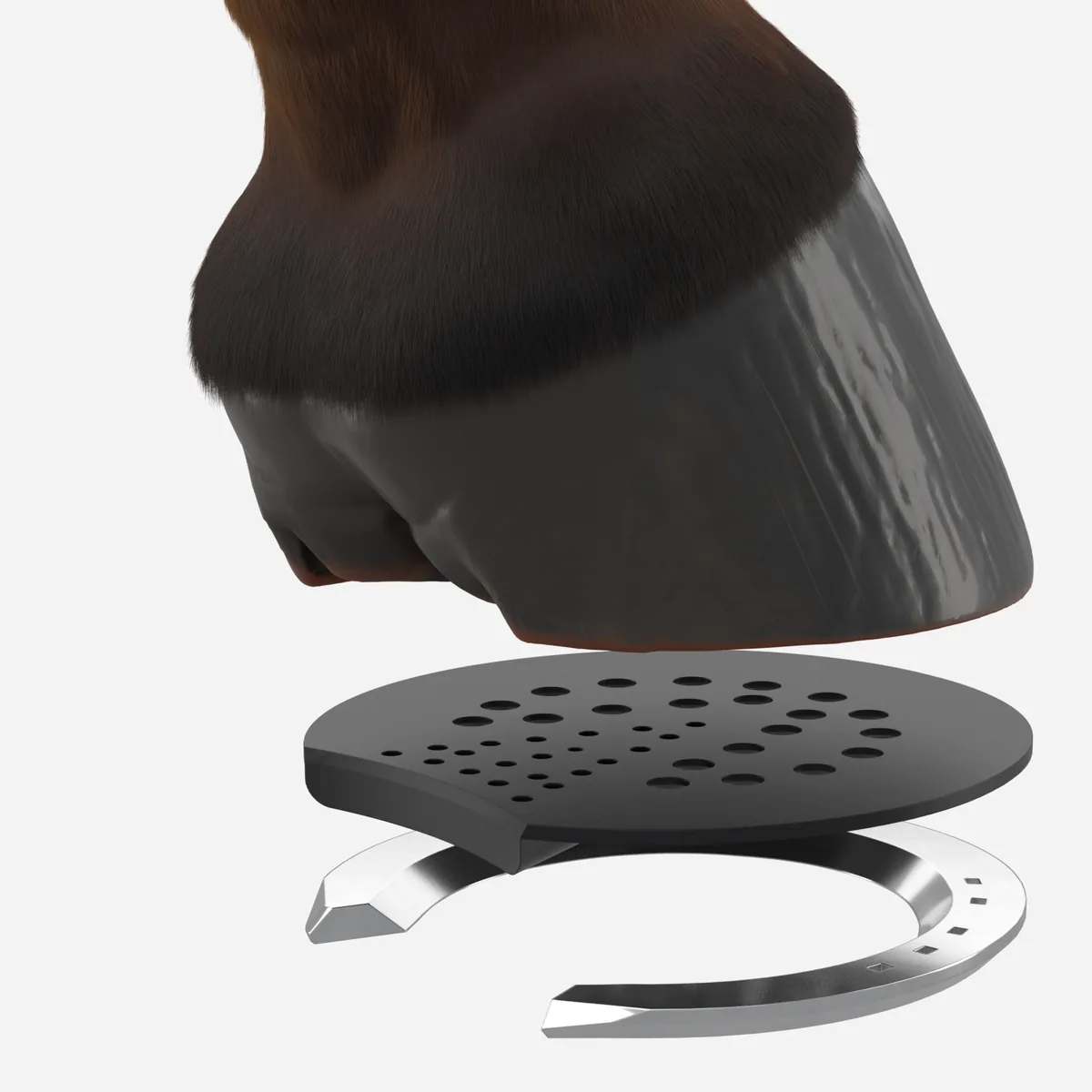
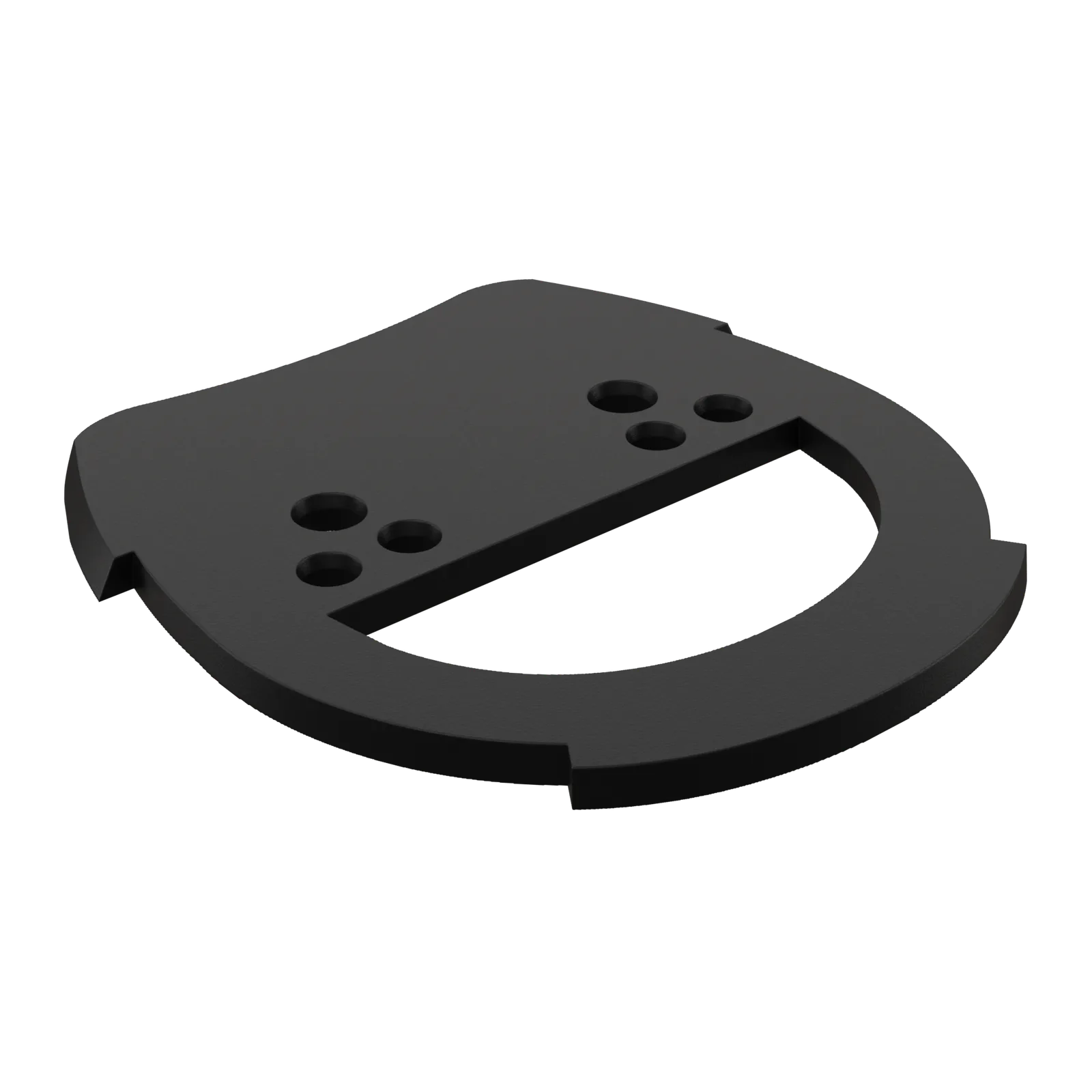
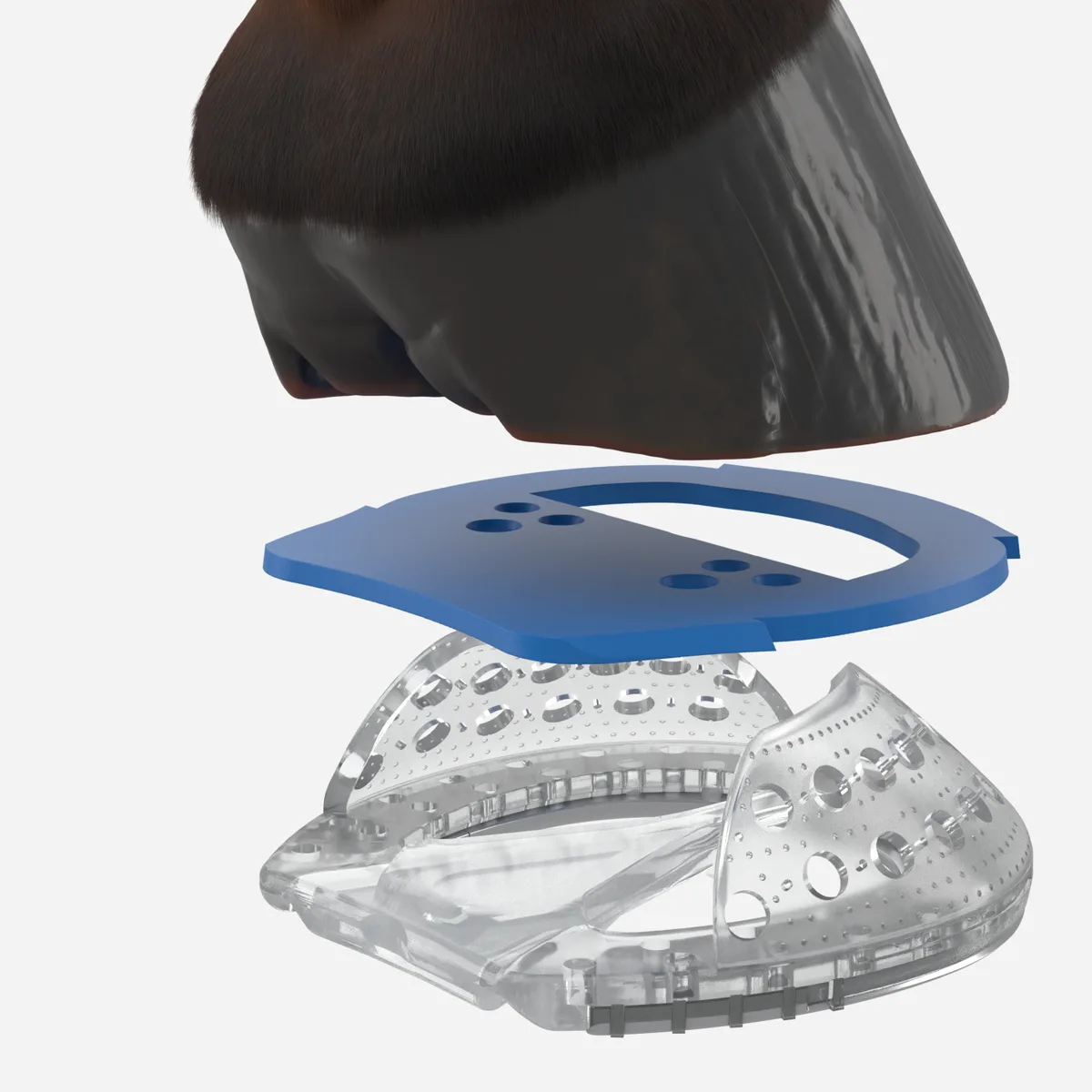
Barefoot Protection Pads. For the barefoot horse who is largely fine but gets tender after hard or changeable ground. Also useful during a transition out of shoes, and for a barefoot horse with thin soles who needs a bit more between them and the world.
Mesh and frog support pads under a shoe. For the shod horse where you want to spread load across the whole foot, including in work.
EasyShoe range with 3D inserts. For horses in genuine work, including at the top end, glue-on composite shoes have completed four-star eventing and an Olympic Games.
Squish Pads. Rehabilitation. Not ridden.
What is the difference between the Barefoot Protection Pad and the MoreAid Ground Pad?
Someone asked exactly this in the group, and it is a good question that deserves a straight answer rather than a marketing one.
They occupy similar territory: both are for the barefoot or transitioning horse that needs more underfoot protection than nature is currently providing. The practical differences come down to construction, the range of sizes, and the adhesive system each is designed to be applied with. The MoreAid product ships with its own glue because the bond has been developed and tested as a system rather than assembled from parts.
If you are choosing between them for a specific horse, message us with the case. That is a better use of five minutes than reading two product pages.
How long do they stay on?
Longer than most people expect, which is the other apprehension we hear about glue-ons generally.
A set of donkey pads fitted by a farrier in our network was still going strong and still squishing six weeks later. Reports of a full shoeing cycle are routine when the application has been done properly. As covered elsewhere in this journal, retention is overwhelmingly about preparation rather than product.
The honest summary
If your horse is in trouble and needs to be comfortable while a foot recovers, a Squish Pad is very likely the right product, and the change in comfort may be striking.
If your horse is basically fine and you want to ride, you want something else, and we would rather point you at it than take the order.
If you are not sure which of those two situations you are in, that is what a consultation is for, and that is what 28,000 people in the Facebook group are for too.
What to watch for while they are on
A pad going on is not the end of the job. A few things worth checking through the cycle.
Comfort should hold or improve. A horse that was comfortable and becomes less so has something going on: a developing abscess, a pad that has shifted, or material that has worked its way out. Do not wait for the next scheduled visit.
Check the top edge. Water and grit tracking in at the coronary band is the most common route to a problem, and it is visible if you look.
Keep the horse's environment sensible. Deep, dry bedding beats a hard floor. A muddy paddock will shorten what you get out of any bonded application.
Expect the foot to change. That is the point. It also means the pad that fitted at the start of a rehabilitation may not be the size you want next time.
When to stop using them
The honest answer is that this is a decision for your vet and farrier together, based on the foot rather than the calendar.
Broadly, you are looking for the foot to be doing its own job again: sole depth rebuilding, the horse comfortable without the support rather than because of it, and any underlying cause under control. In a laminitis case that is usually months, not weeks, and it often means stepping down through less supportive options rather than going straight from full rehabilitation support to nothing.
The temptation to stop early because the horse looks fine is exactly the same temptation as riding in them, and it has the same answer.
The MoreAid Squish Pad is designed by Kelvin Lymer of The Shoeing Lab and printed to order in Sarasota, Florida. If your horse is acutely lame, speak to your vet first.