
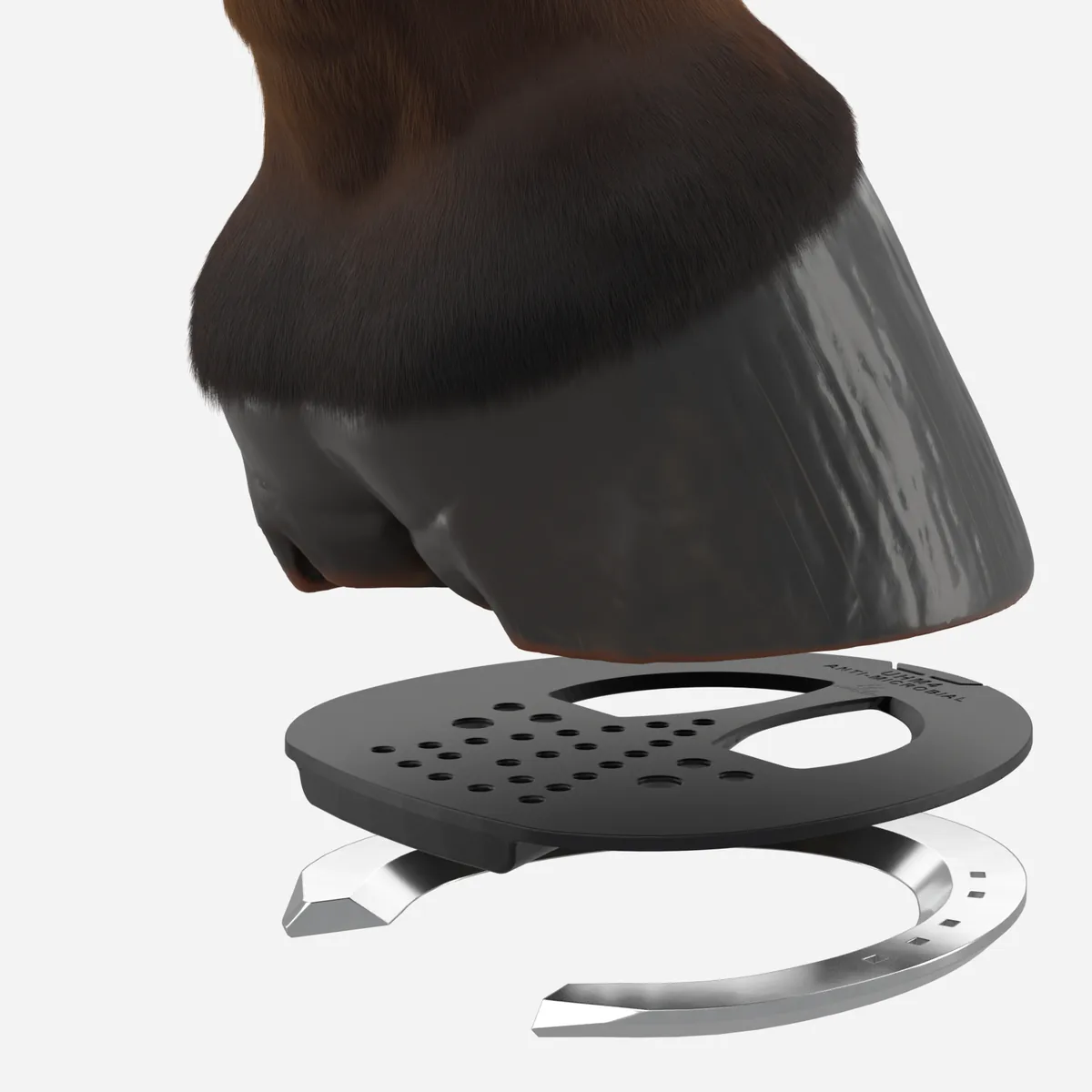

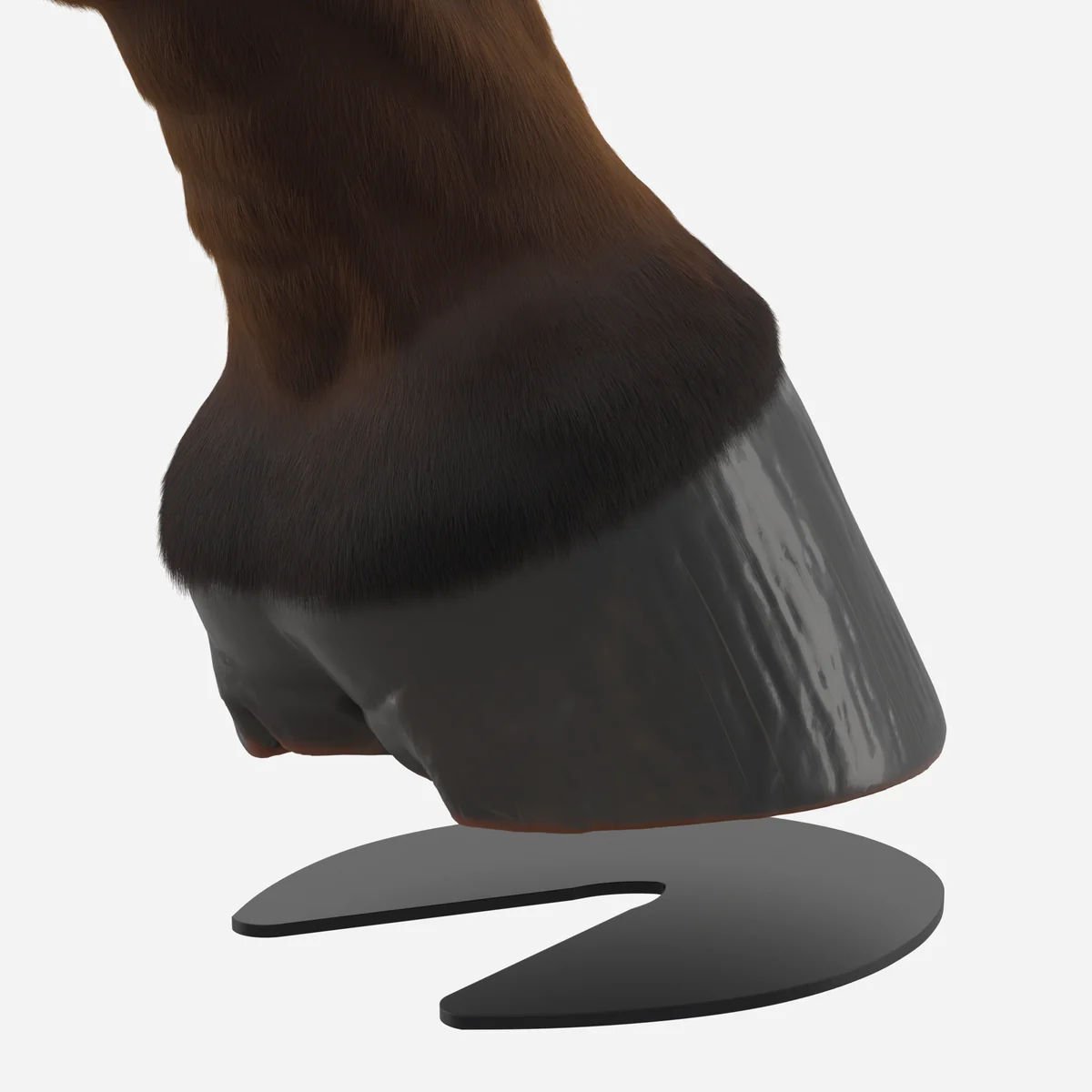
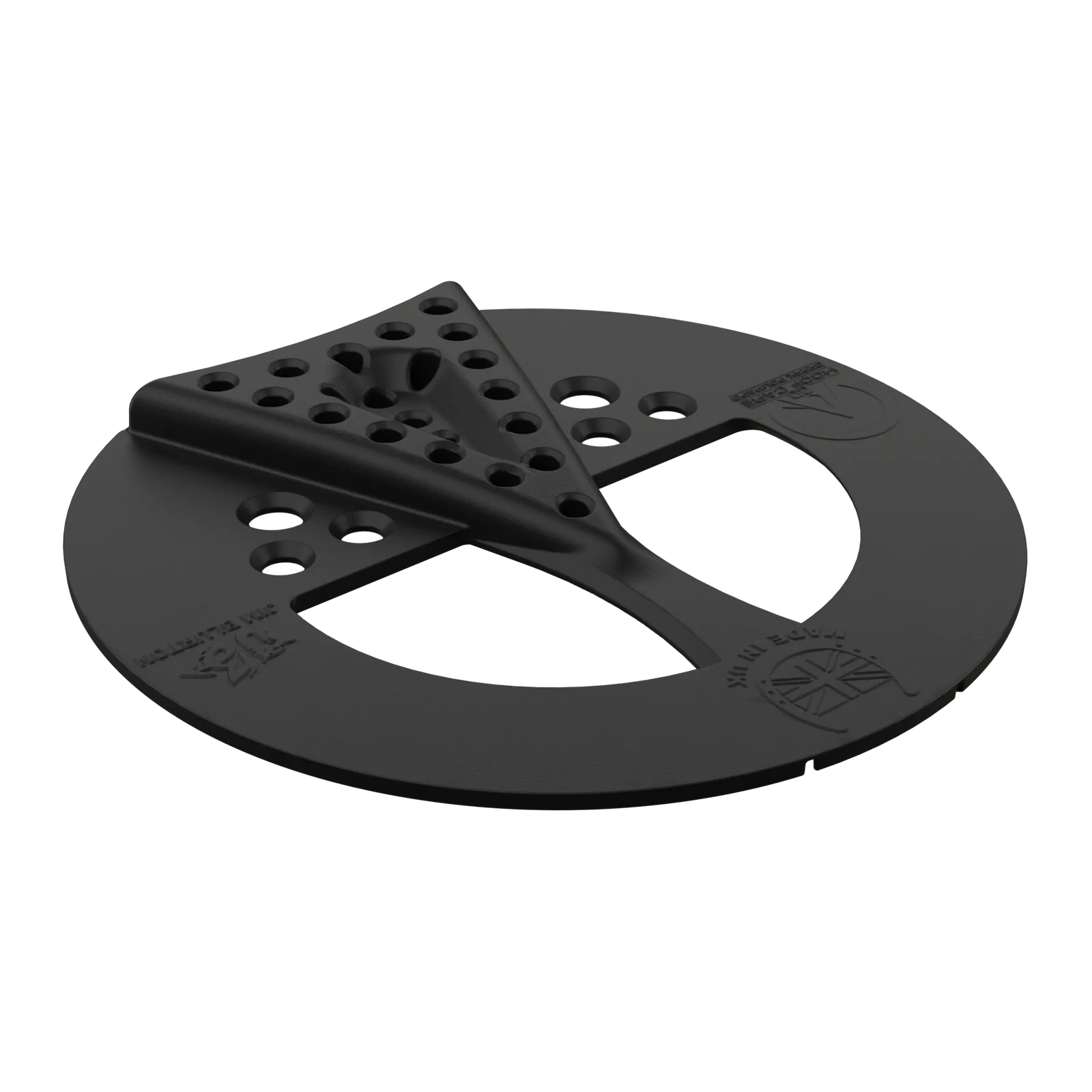
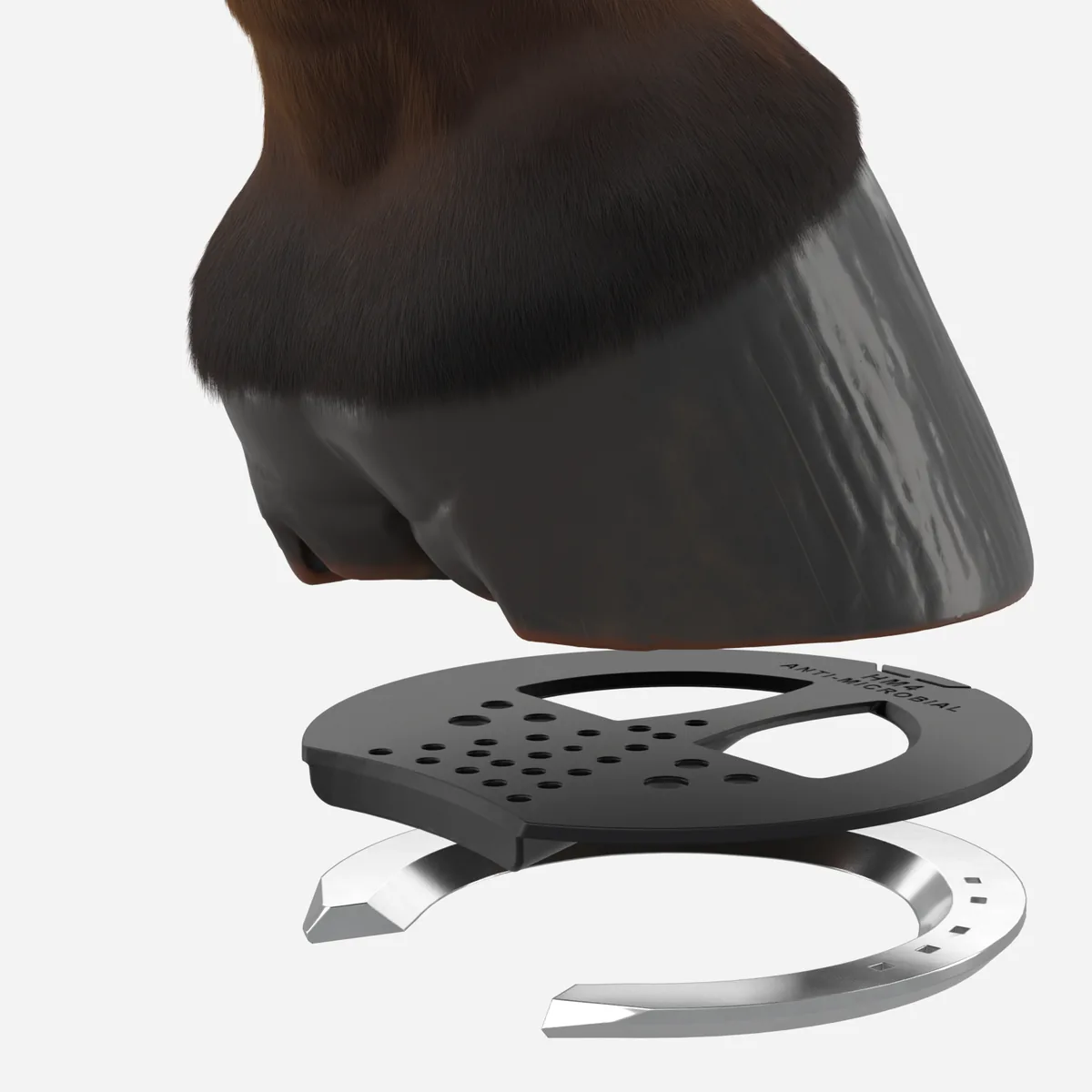



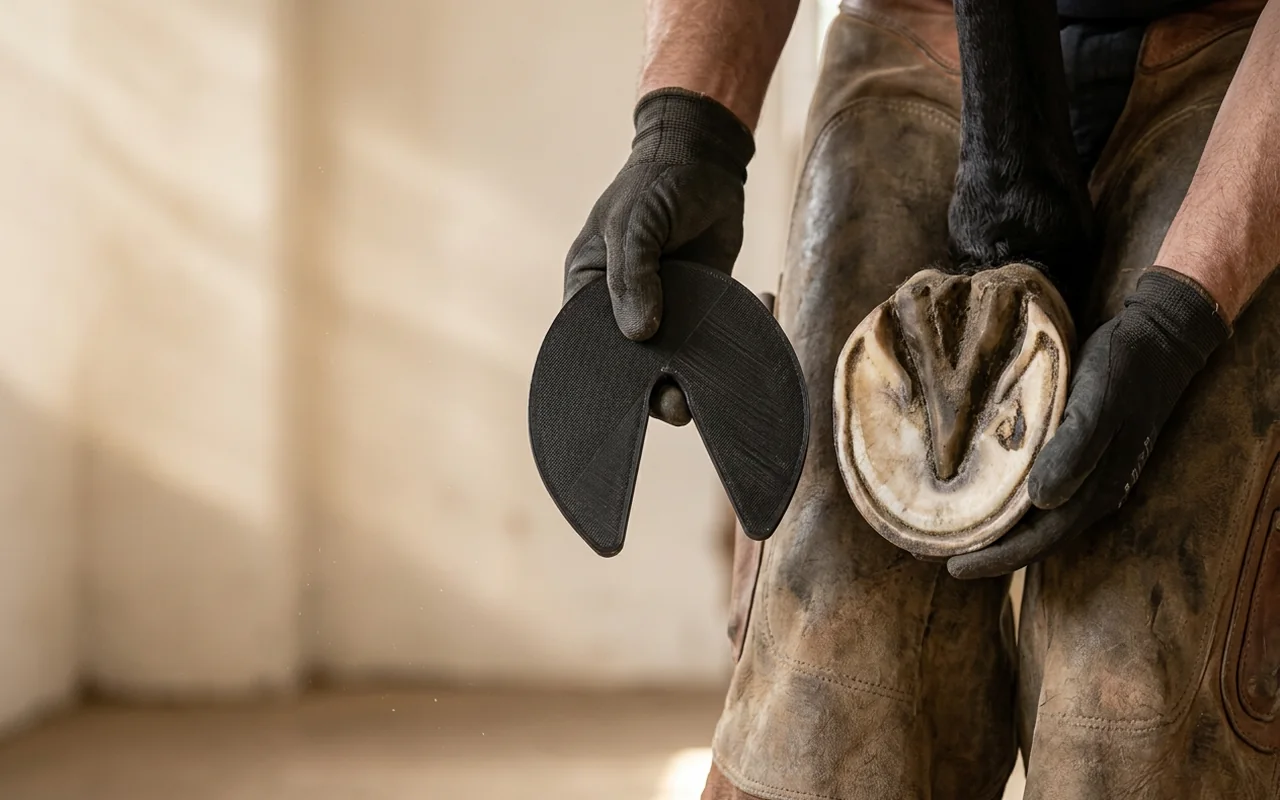
A lot of the lameness that gets called mysterious is not mysterious. It is a horse with not enough sole.
The pattern is familiar to anyone who has spent time in our community. The horse is fine on soft ground and short on hard. He is worse on stones. He flinches on gravel and is sound in the arena. Nothing blocks cleanly to one place. The vet says, in the words one owner reported almost verbatim, that he just plain has sore feet.
That is usually a sole depth problem, and unlike a lot of hoof pathology, it is measurable.
The numbers worth knowing
If you have radiographs, ask for these.
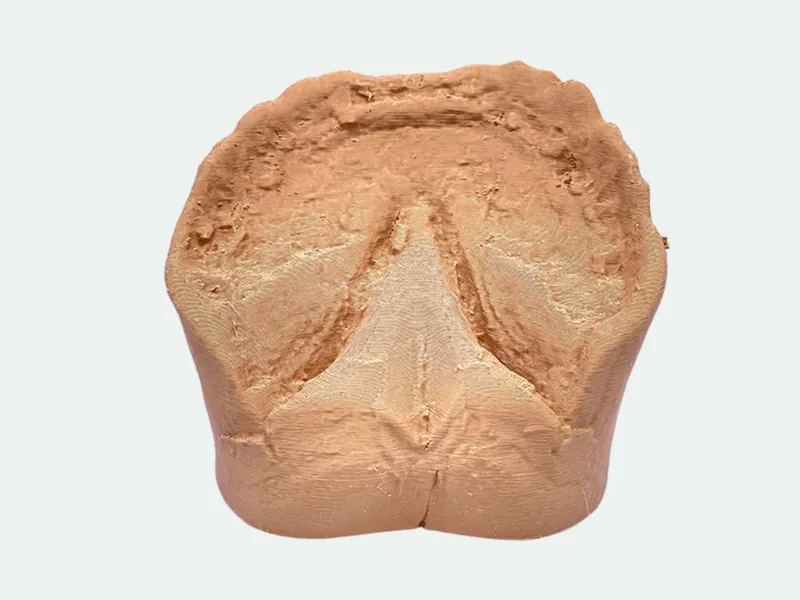
Sole depth. A healthy foot generally carries somewhere around 12 to 15mm of sole with a 2 to 3mm cup. Work associated with Dr Ric Redden points to roughly 15mm being what the solar vascular structures need in order to function properly. A foot showing 6 or 7mm at eight weeks into a shoeing cycle is telling you it is compromised.
Palmar angle. In a foot with adequate sole depth, 3 to 5 degrees is the usual range. This is the number that gets quoted most and understood least, because it means nothing on its own. A 3-degree palmar angle sounds fine. A 3-degree palmar angle on a foot with 7mm of sole is a foot that has not had enough tension taken off it.
Read the two together or do not read them at all.
Horn-lamellar zone. Roughly 15mm in most light-breed horses, up to about 20mm in bigger types. A 3 to 4mm increase can show up before any rotation is measurable, an early signal worth catching.
Owners are often reluctant to ask for radiographs on a horse that is only slightly off. But a set of films that tells you the horse has 7mm of sole reframes the whole conversation, and it stops you cycling through products hoping one of them works.
Why thin-soled feet get stuck
Here is the trap, and it is worth understanding because it explains why these cases drag on.
A thin sole is a sensitive sole. A sensitive horse moves less, and moves badly when it does. The foot depends on load and movement for the circulation that drives horn production. So the horse that most needs to grow sole is the horse least able to do the thing that grows it.
Meanwhile the sole that is there is being worn or bruised faster than it is being made. Every stone bruise sets you back. Pedal osteitis (inflammation of the coffin bone itself) can develop where that thin sole has been taking concussion for long enough.
You do not break that cycle by waiting. You break it by making the horse comfortable enough to move normally while the foot builds depth.
What protection actually does
This is the part that gets misunderstood, so let me put it as plainly as I can.
A pad does not grow sole. Nothing grows sole except the foot, given time and circulation and a reason to.
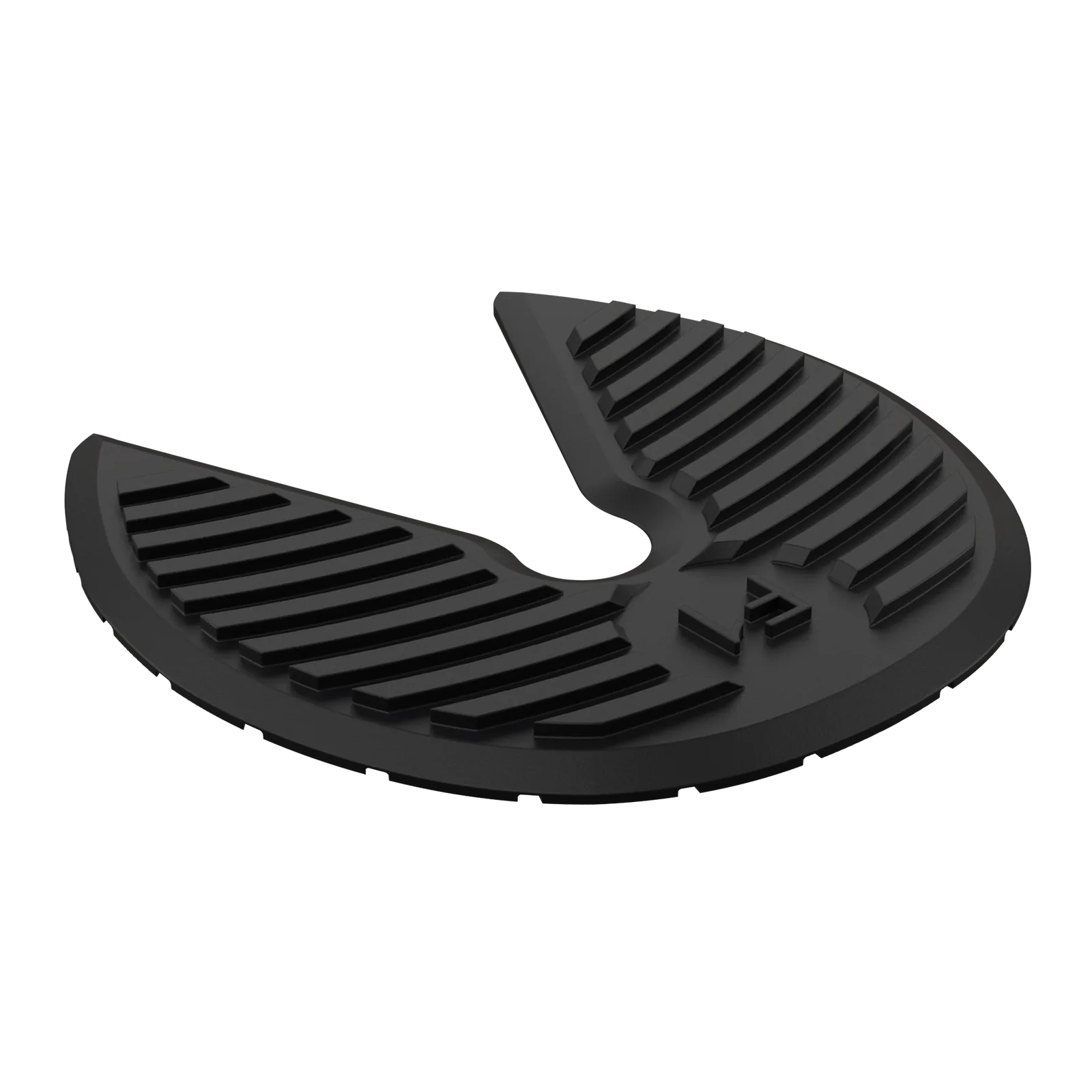
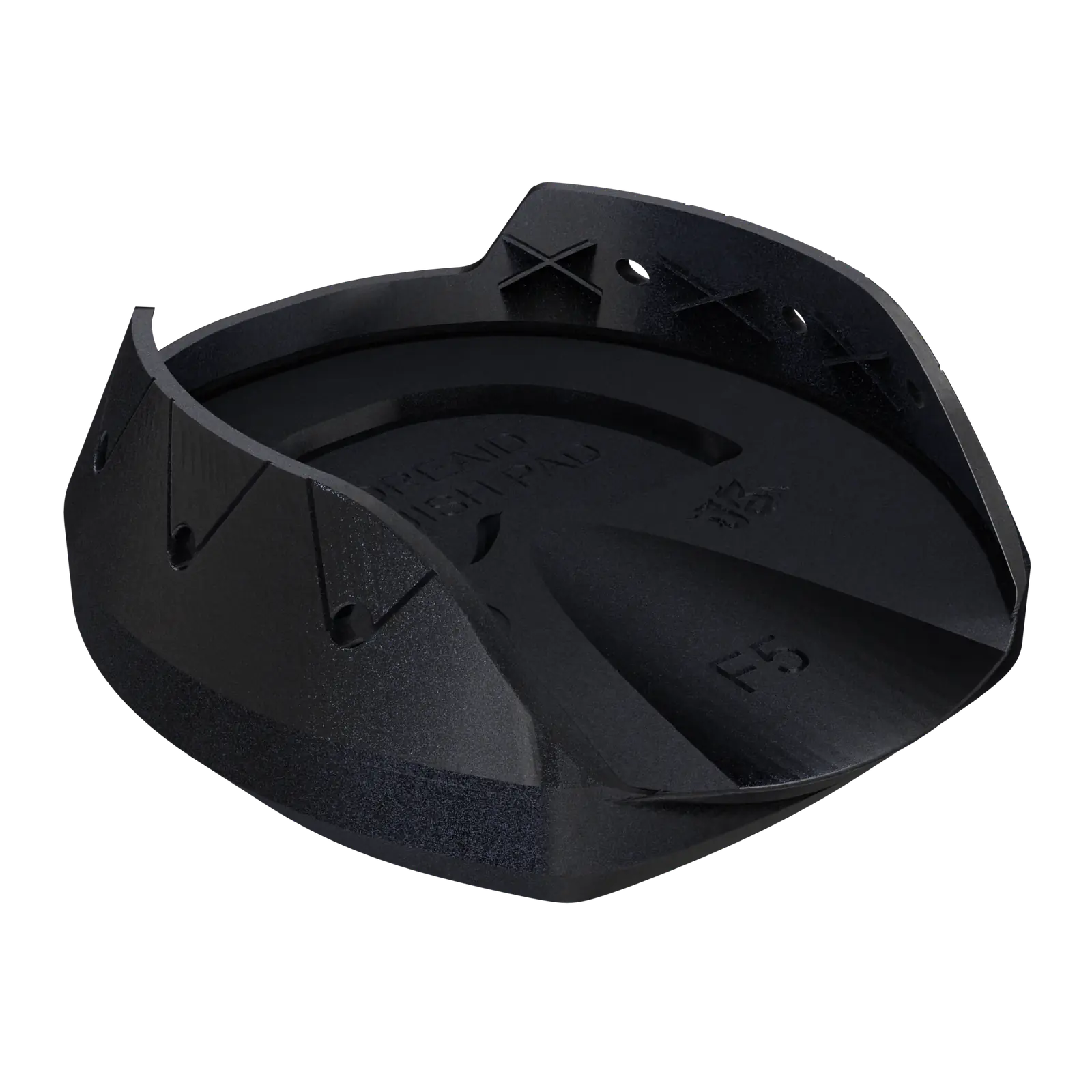
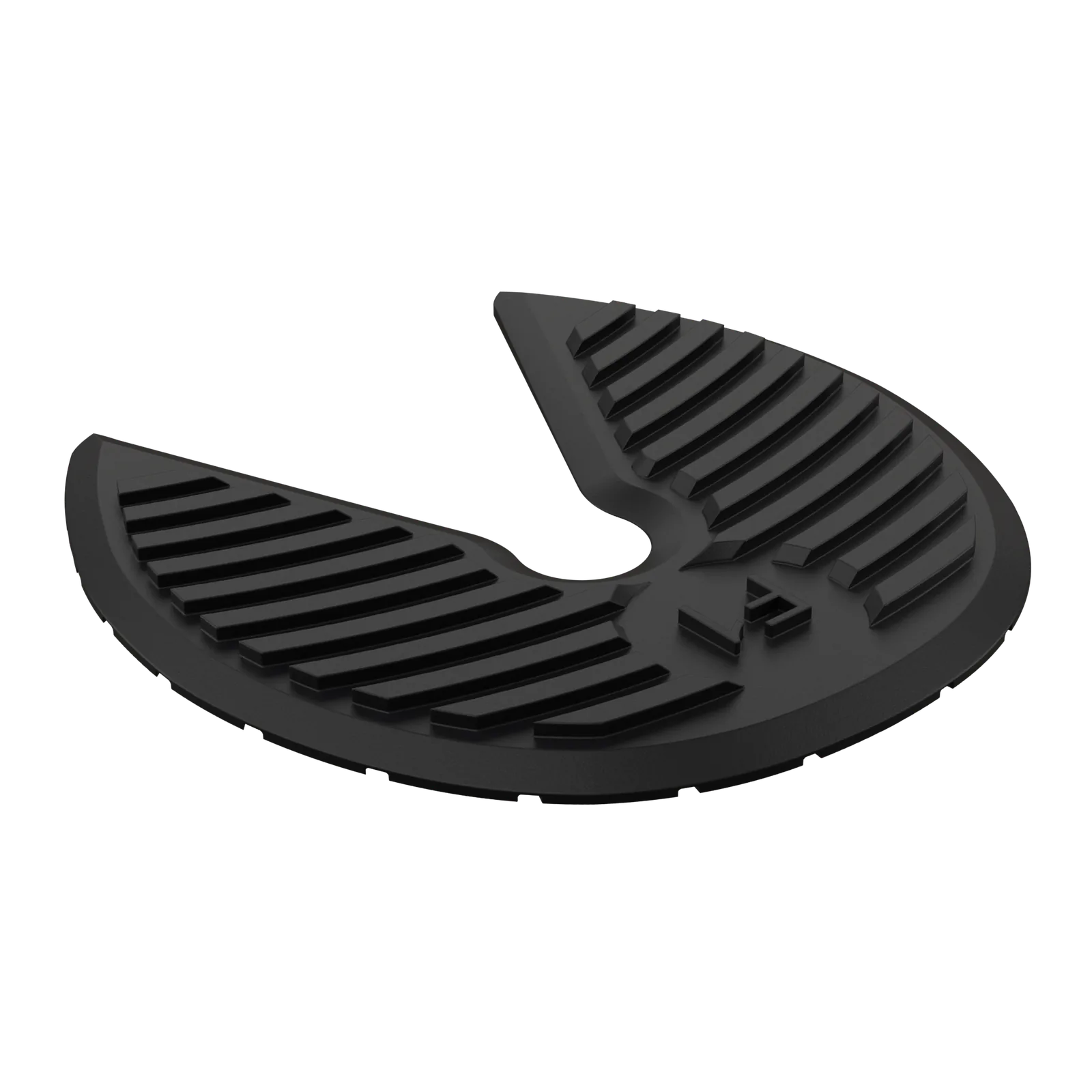
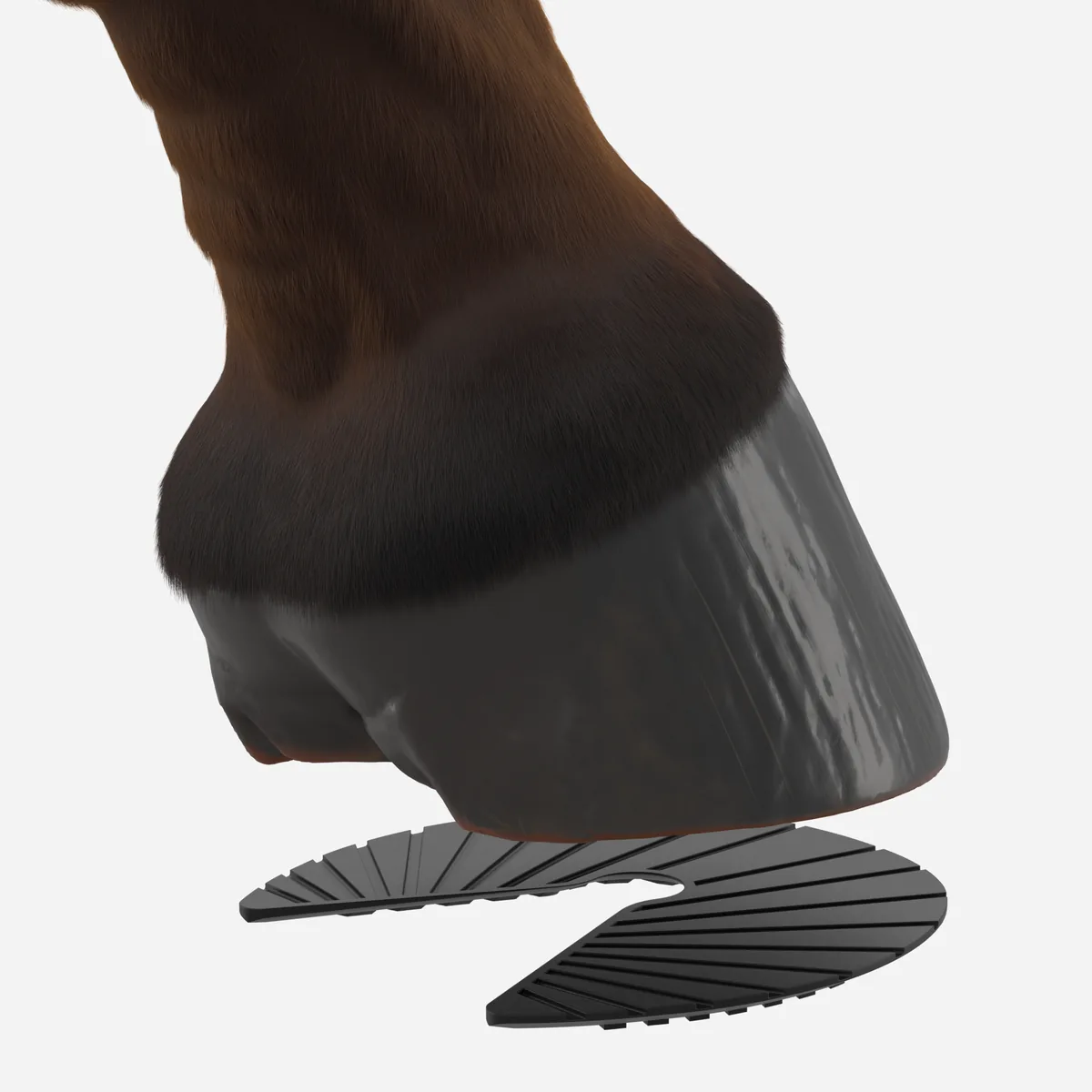
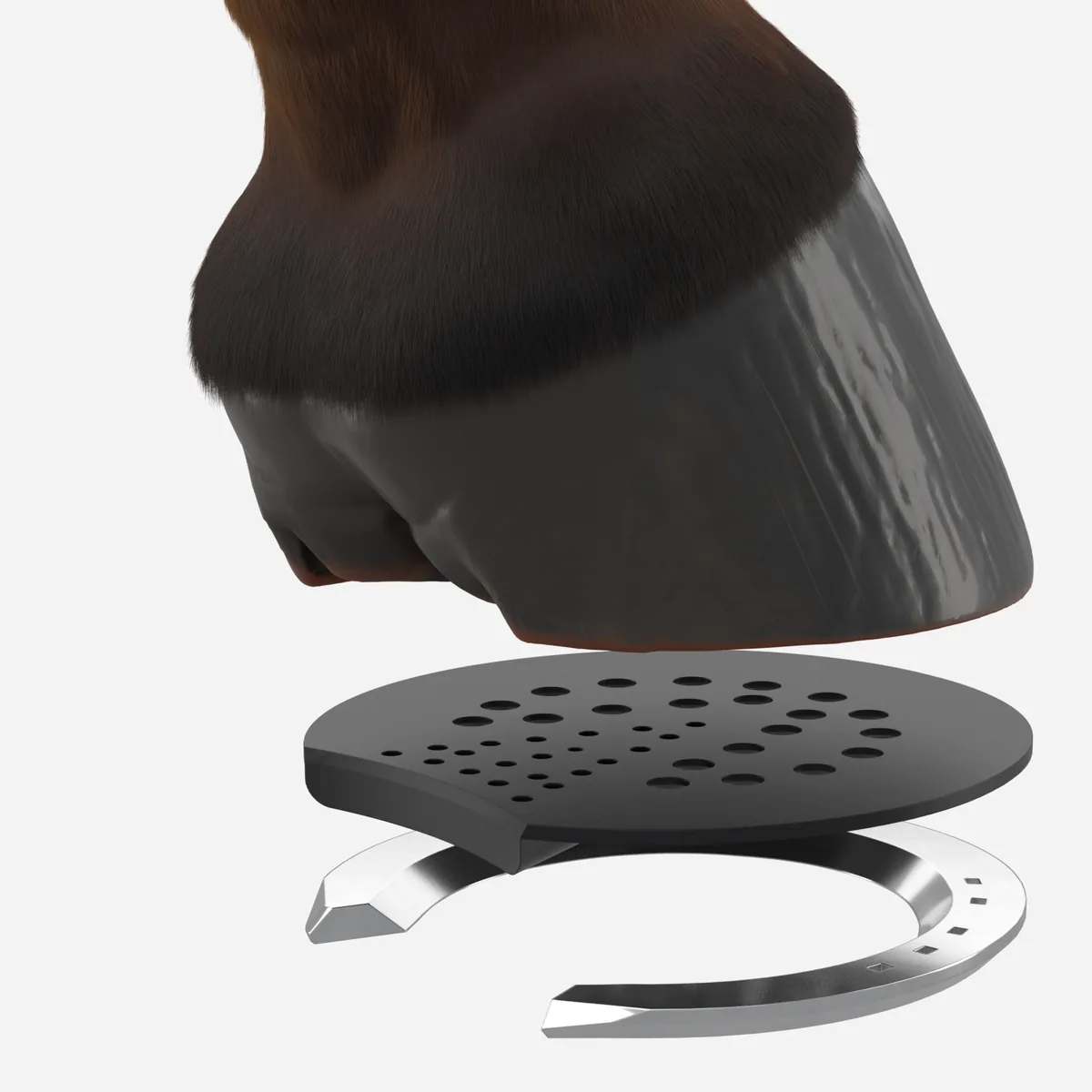
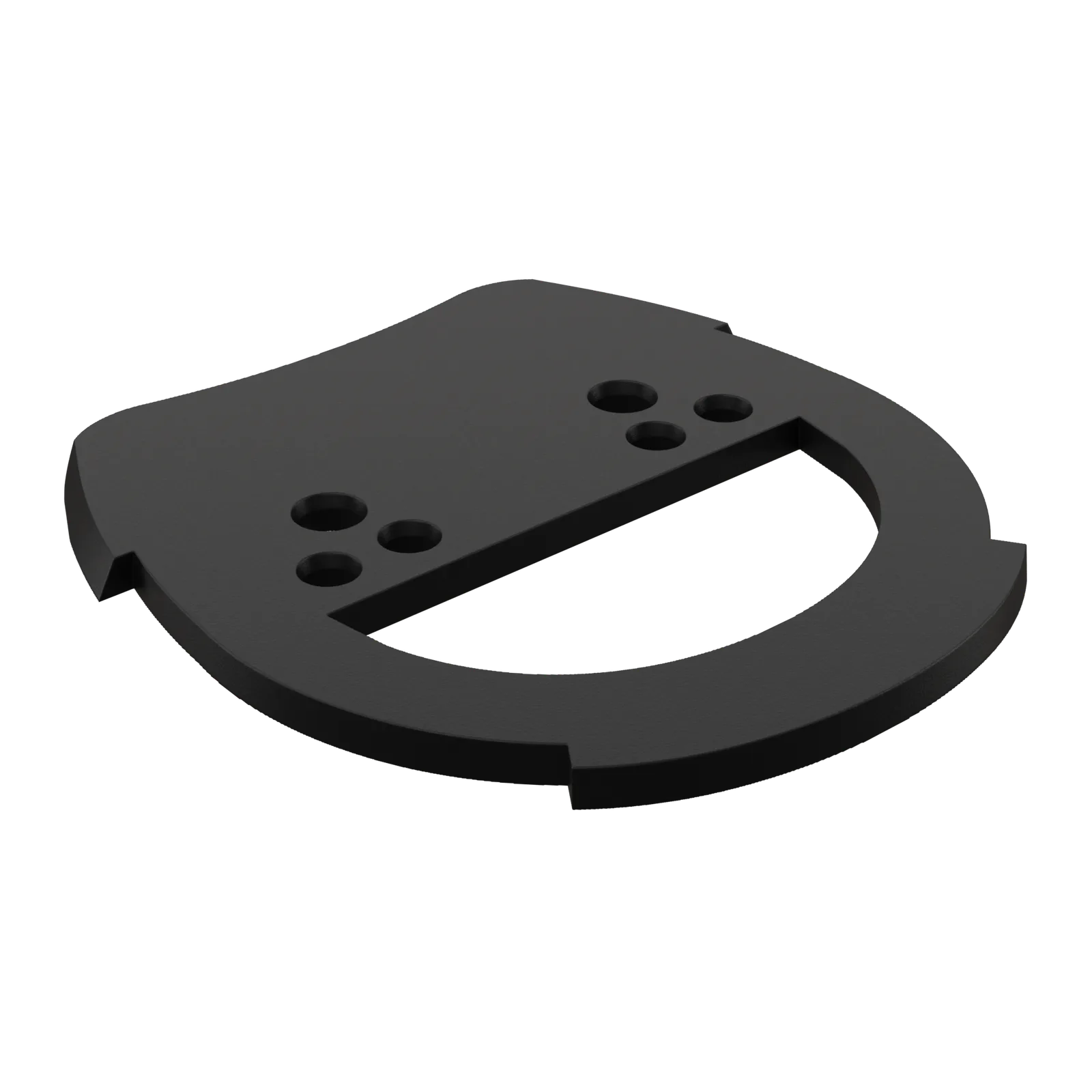
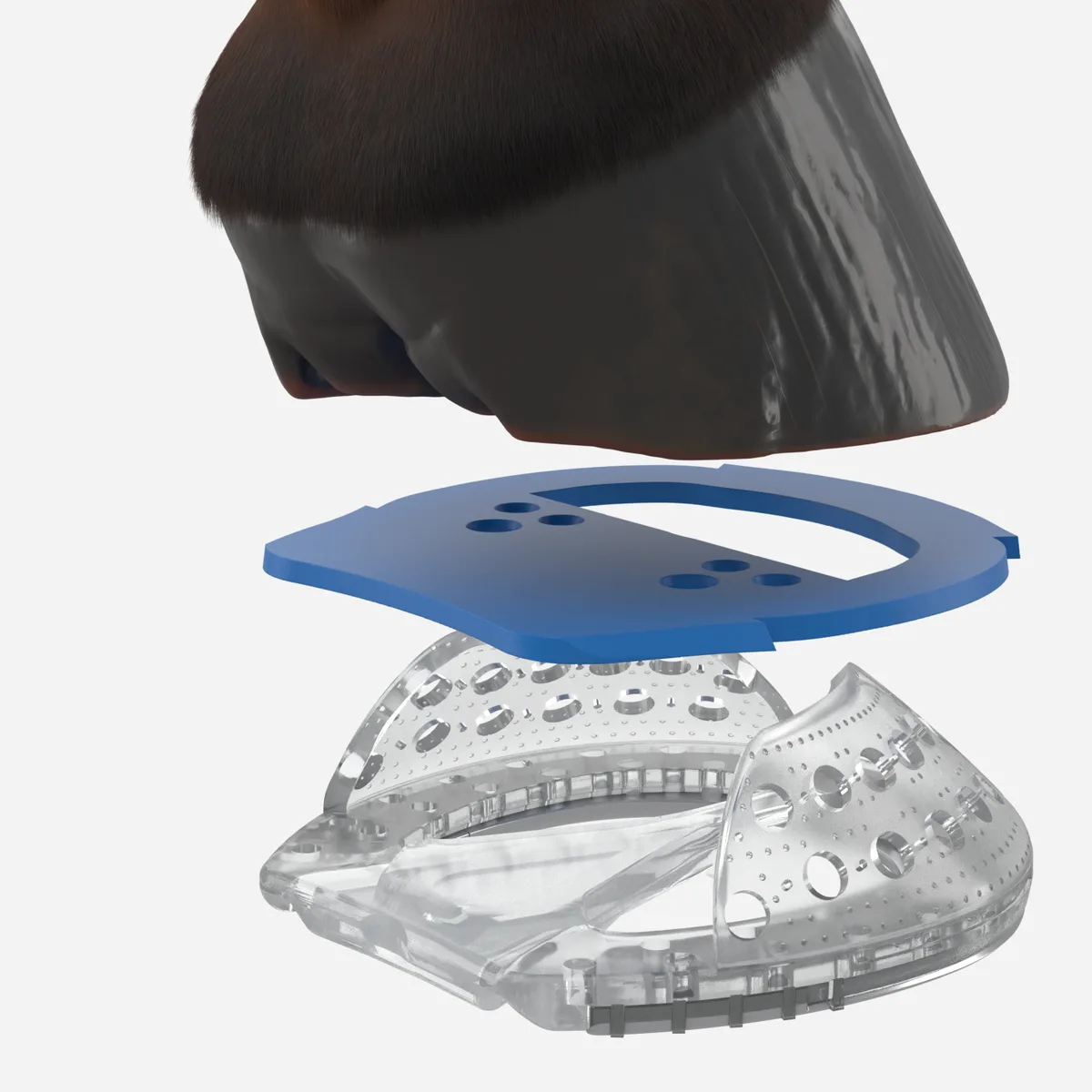
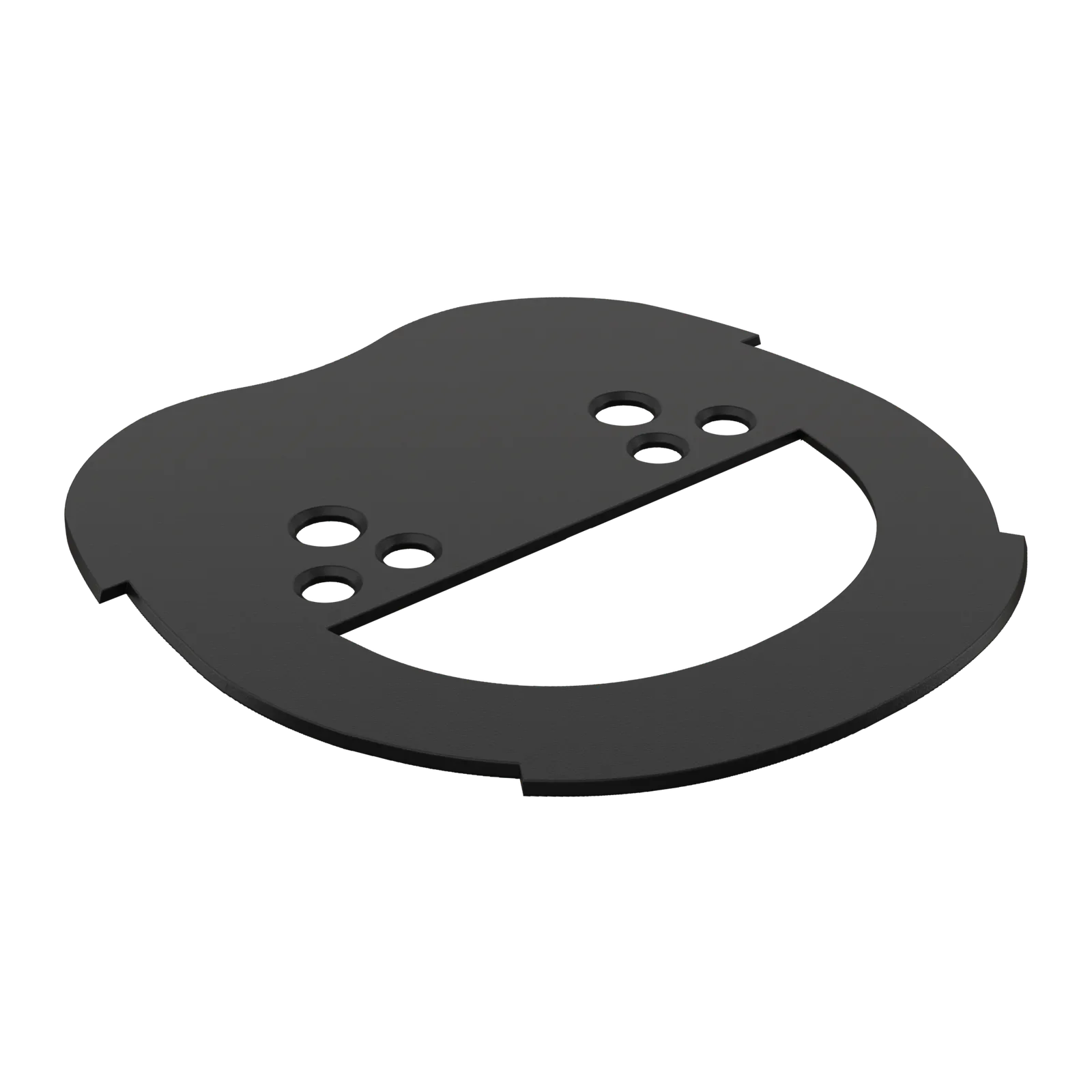
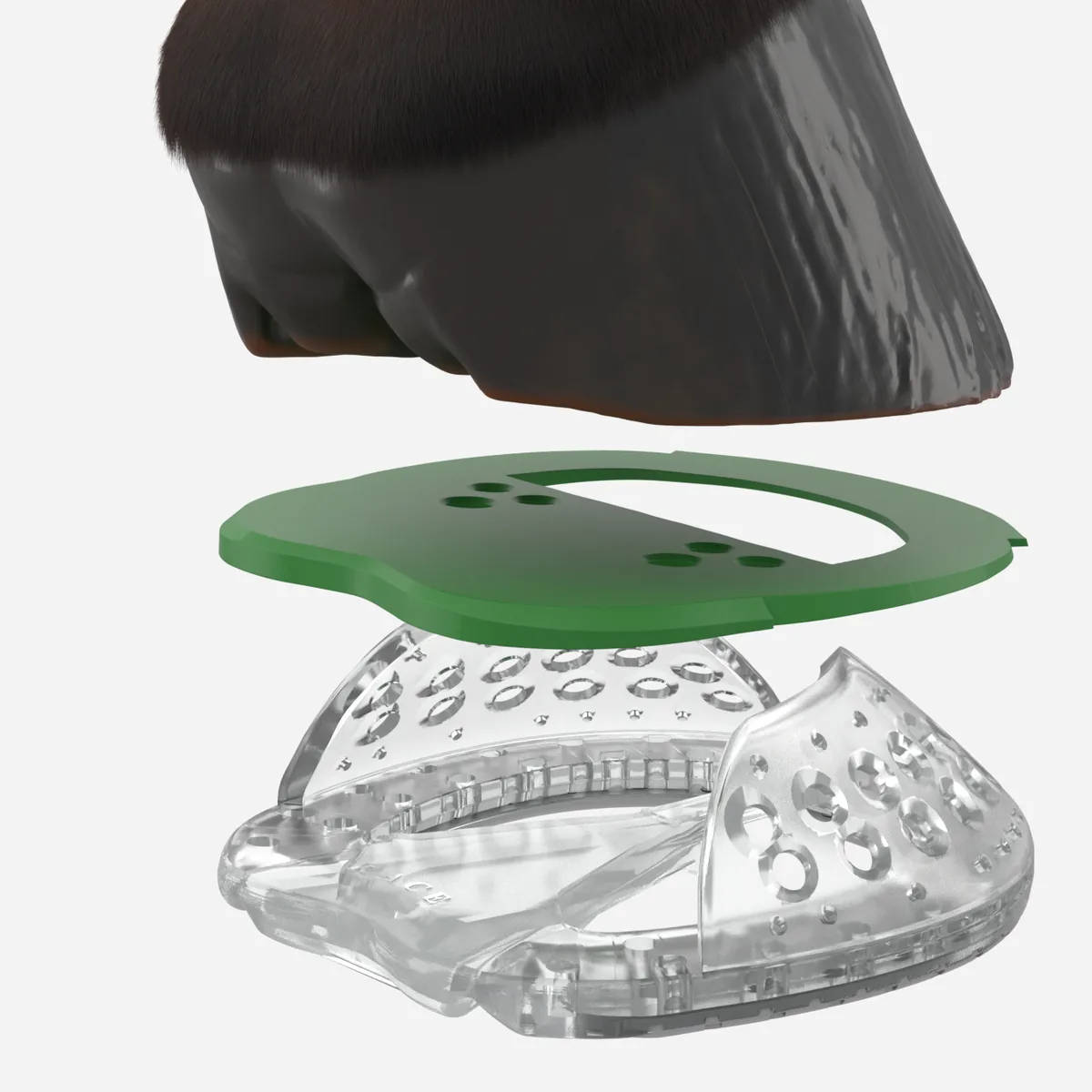
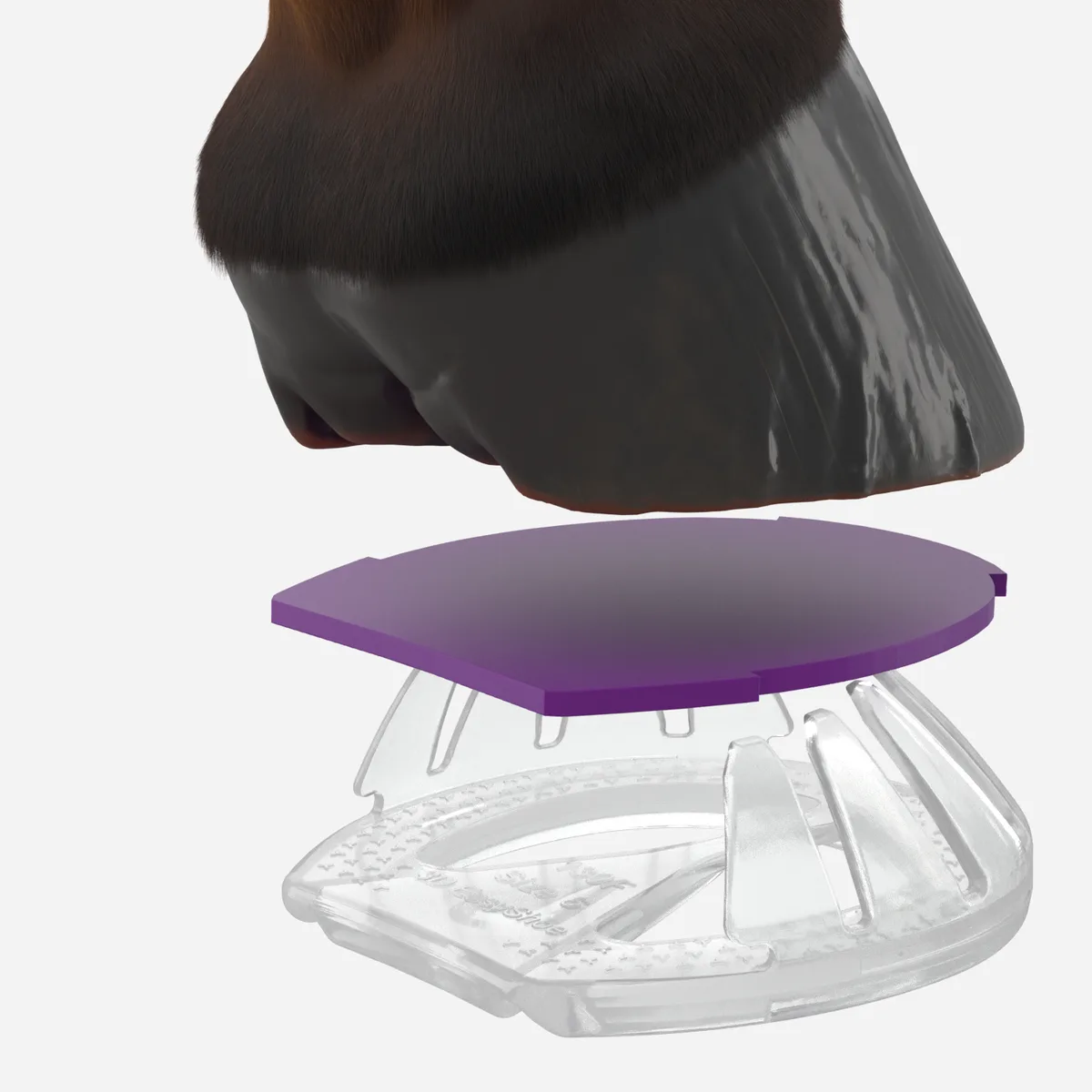
What protection does is remove the thing that has been preventing it. Protect the sole from stones and wear, help the horse load the foot normally again, and give the foot the time and circulation it needs to do its own work.
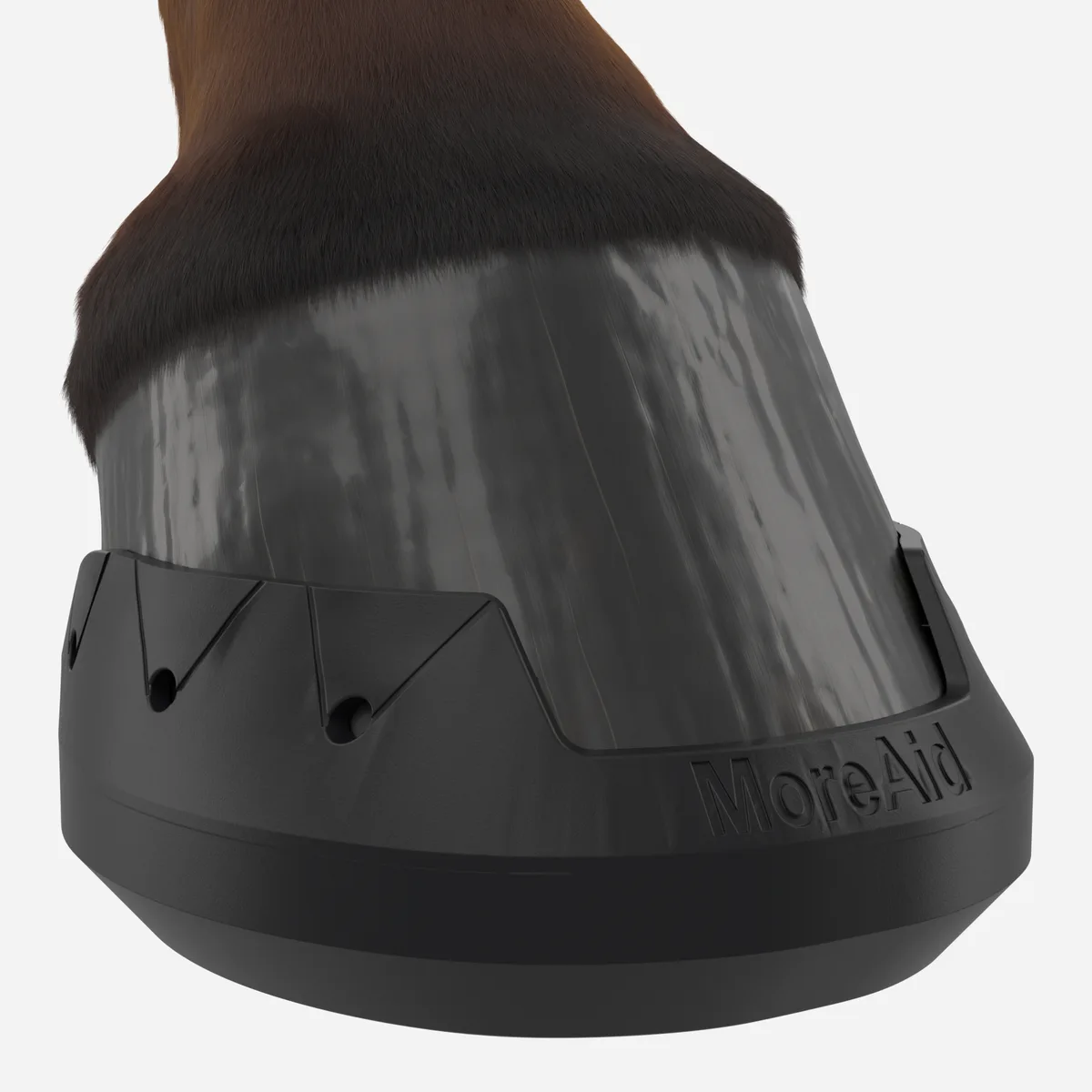
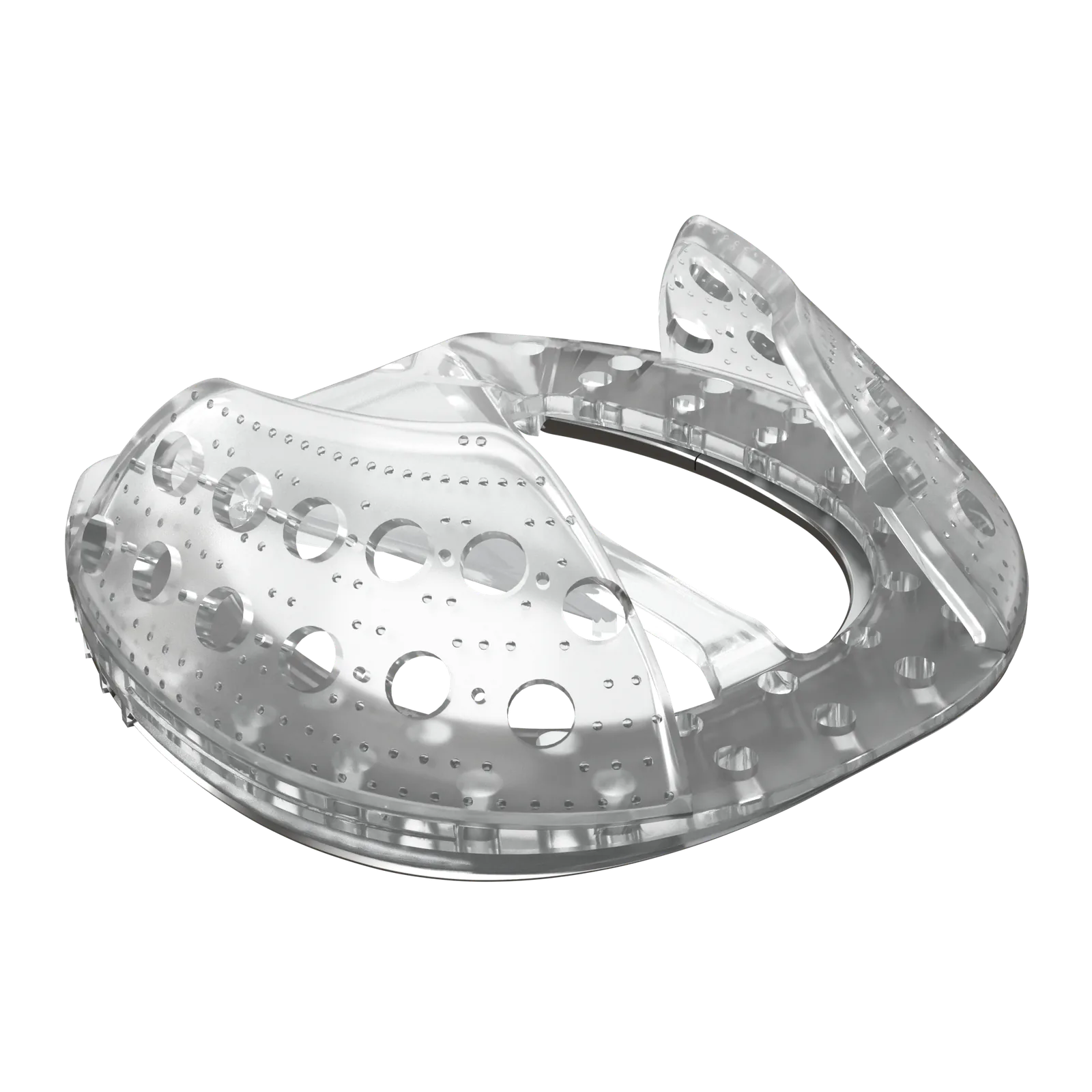
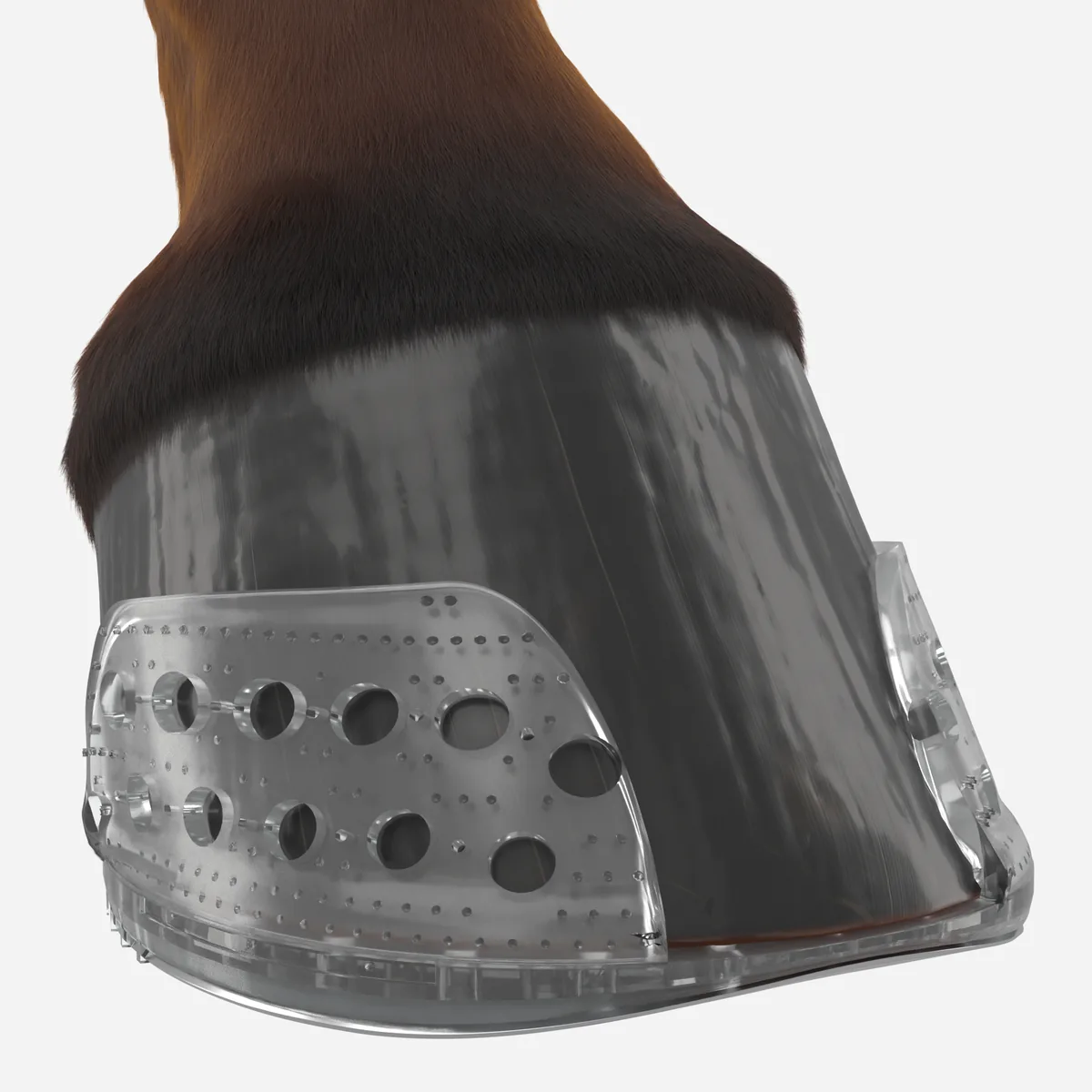
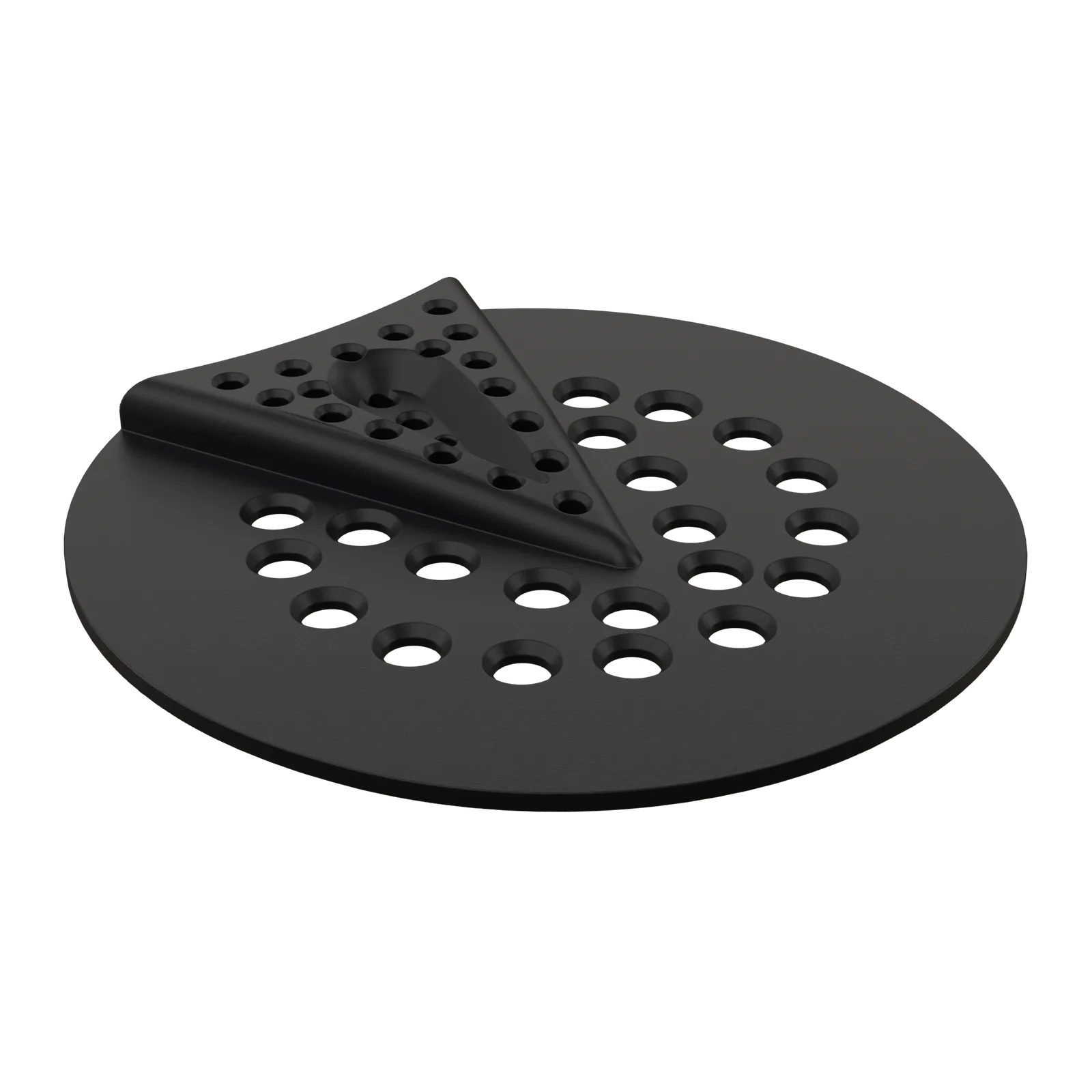
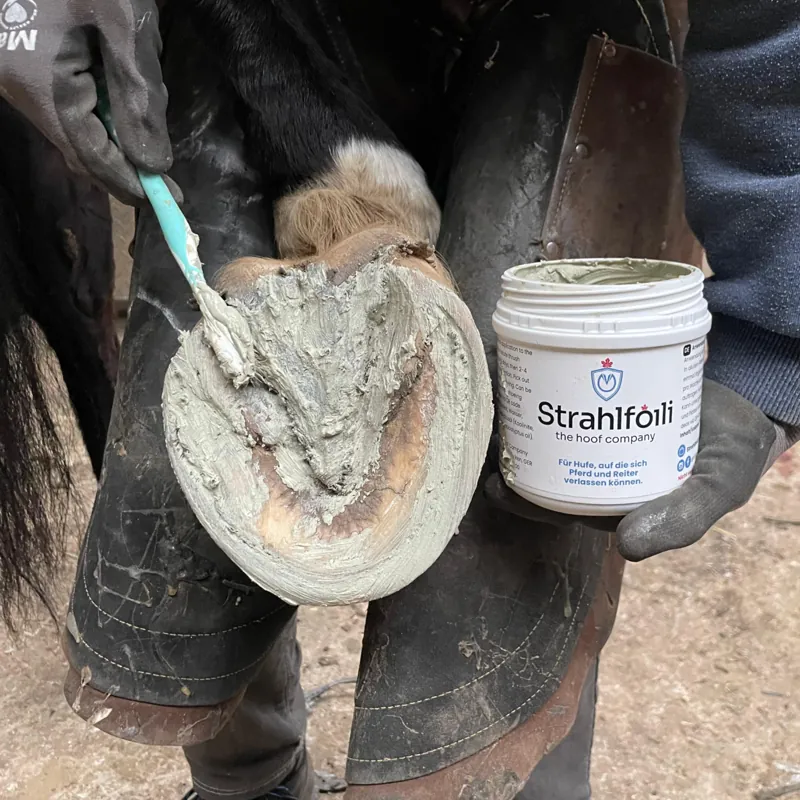
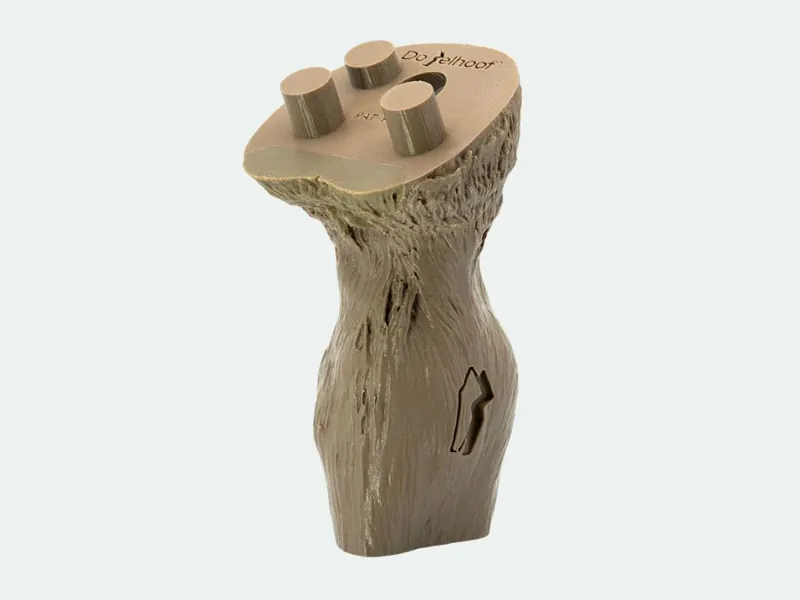
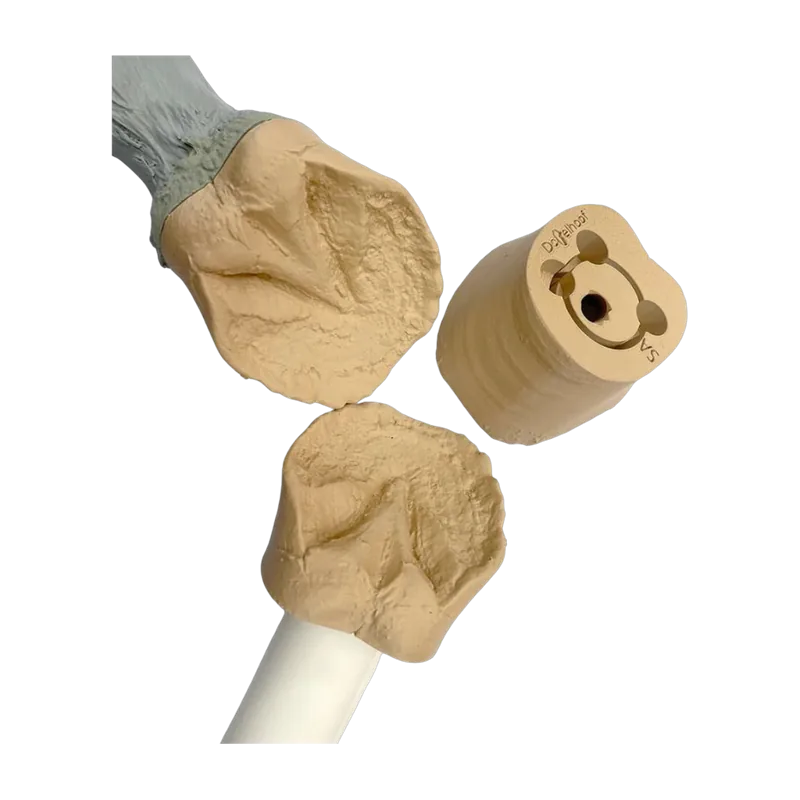
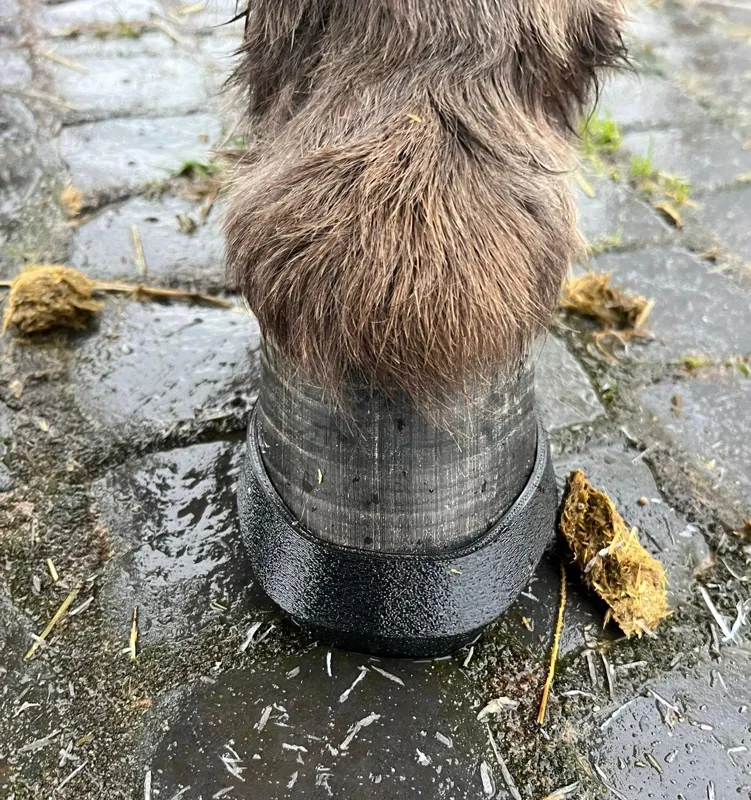
I have seen this play out repeatedly in the community and it always follows the same shape. One farrier described a retired horse with such a thin sole that it had to be shod with a pad or the horse could not get around at all. He had worked through the options (banana shoes, wedged shoes, egg bars, heart bars, with and without impression material), and gained no sole depth from any of them. He put a sole shield on with acrylic in November. Fourteen weeks later it was still tight and wearing in abrasive sandy footing, and the foot was gaining depth. He left the next one on nineteen weeks, and had to work to get it off.
Nothing in that story is fast. All of it is a foot finally being left alone long enough to do its job.
Choosing an approach
There is no single right answer, and the group discusses this constantly. Broadly:
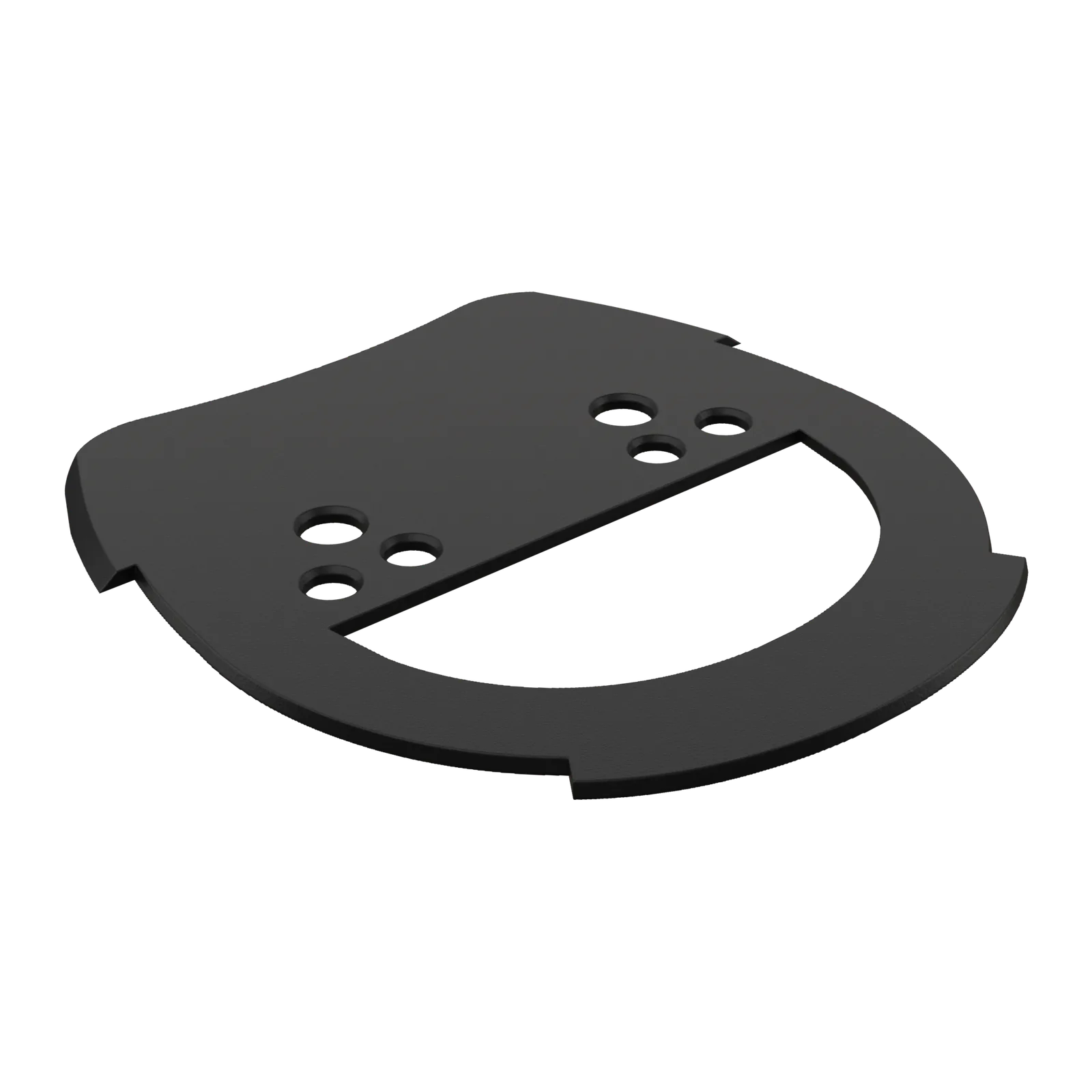
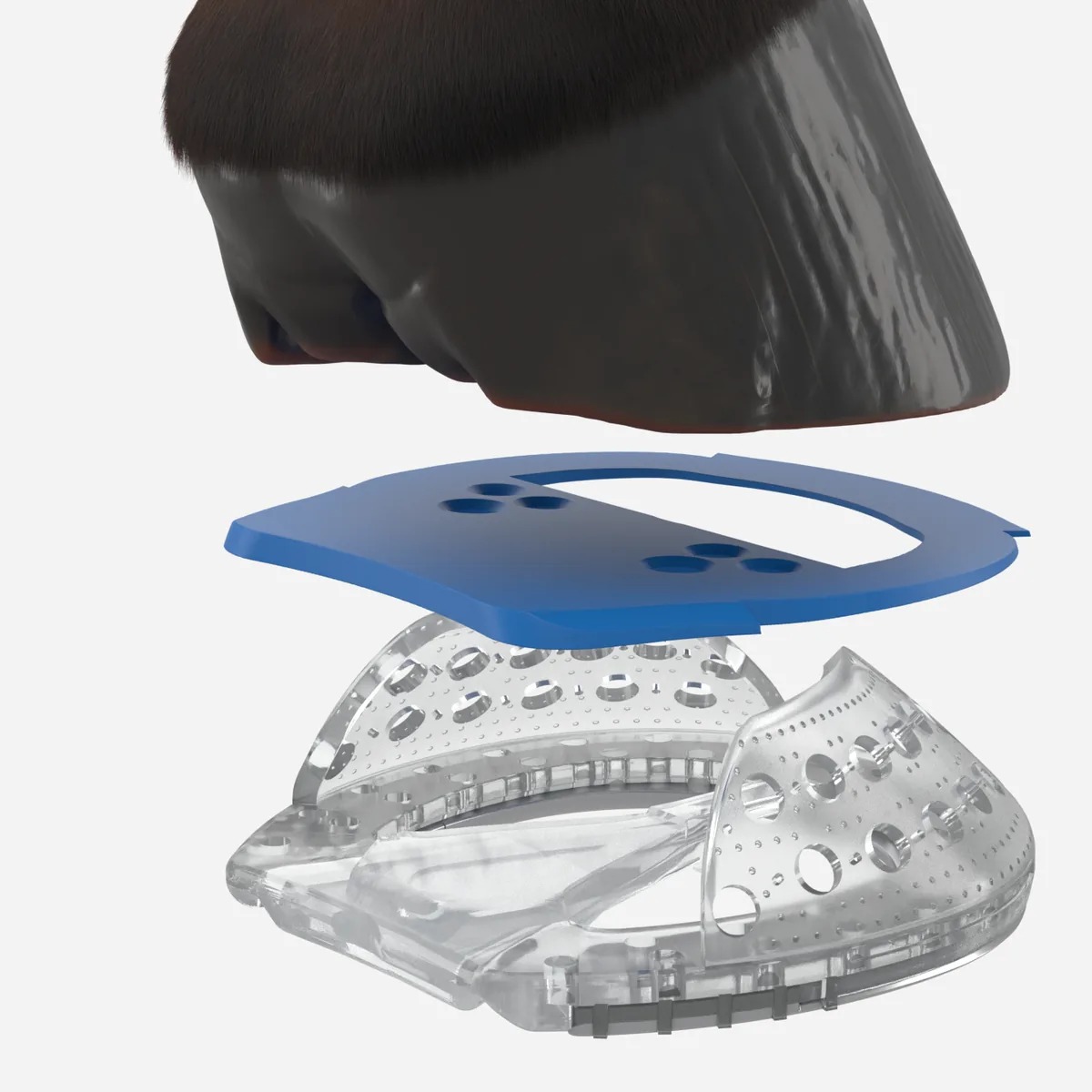
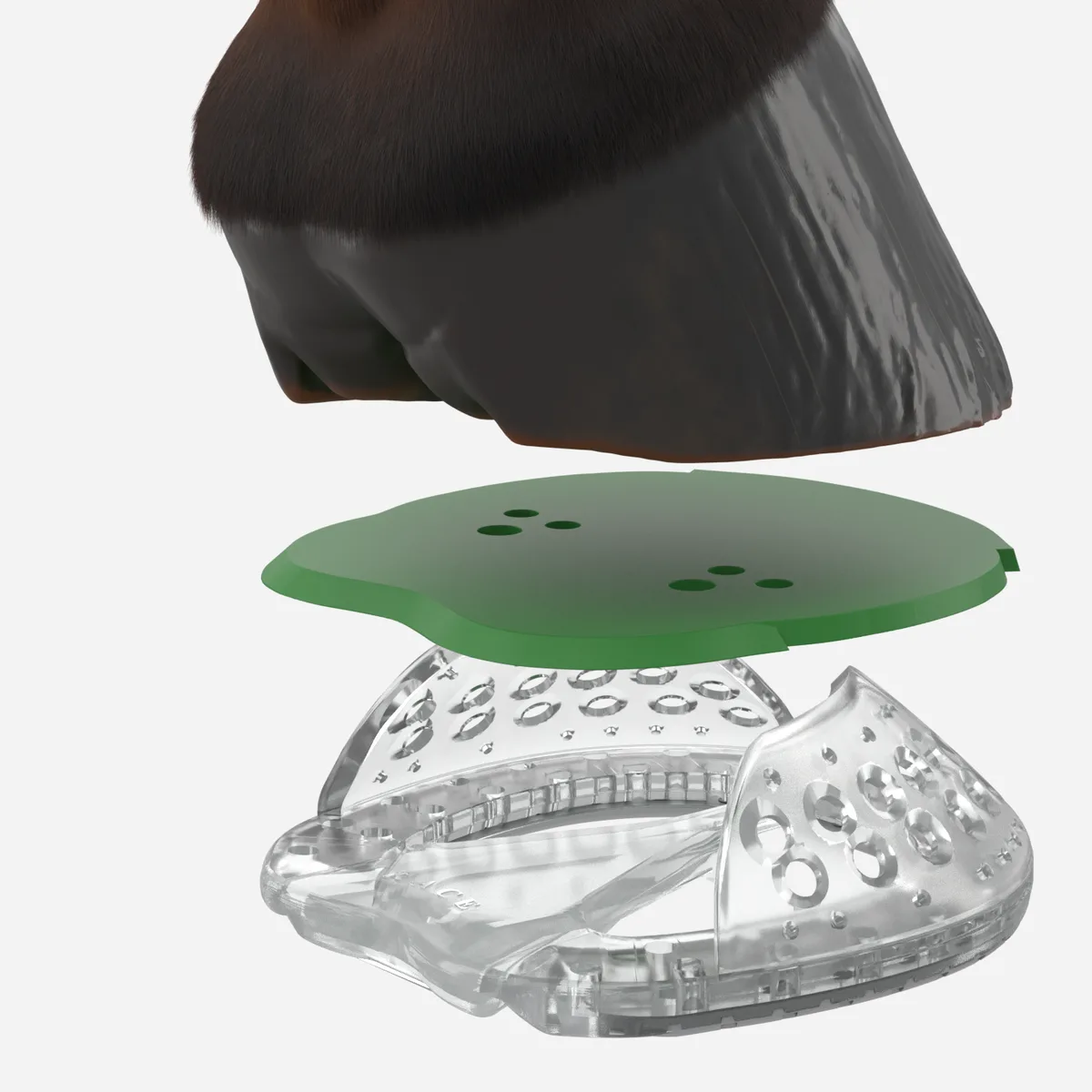
Sole shields suit a foot where the wall is sound enough to carry a bonded application and the problem is specifically the ground surface. They stay on a long time, which is exactly what you want when the timeline is months.
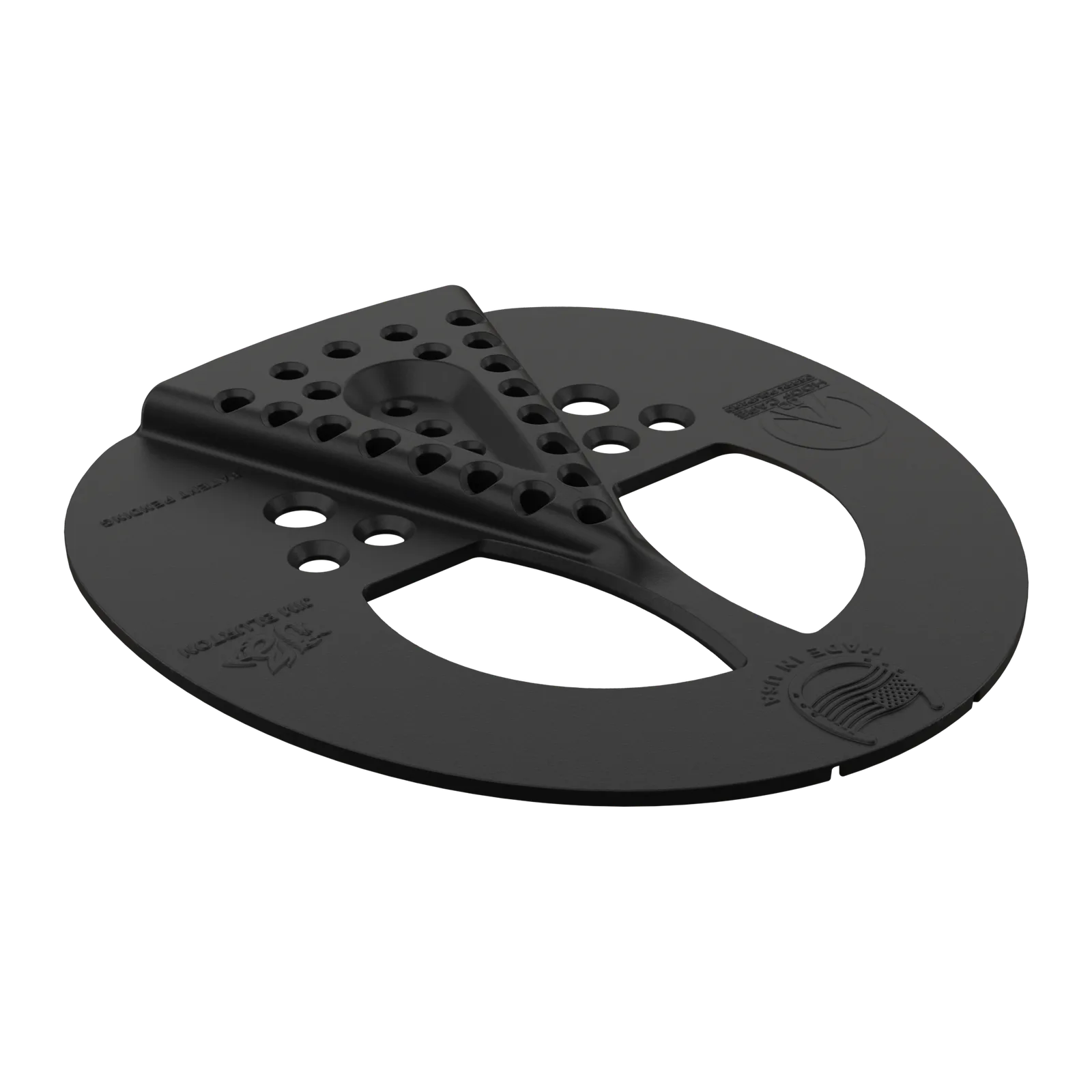
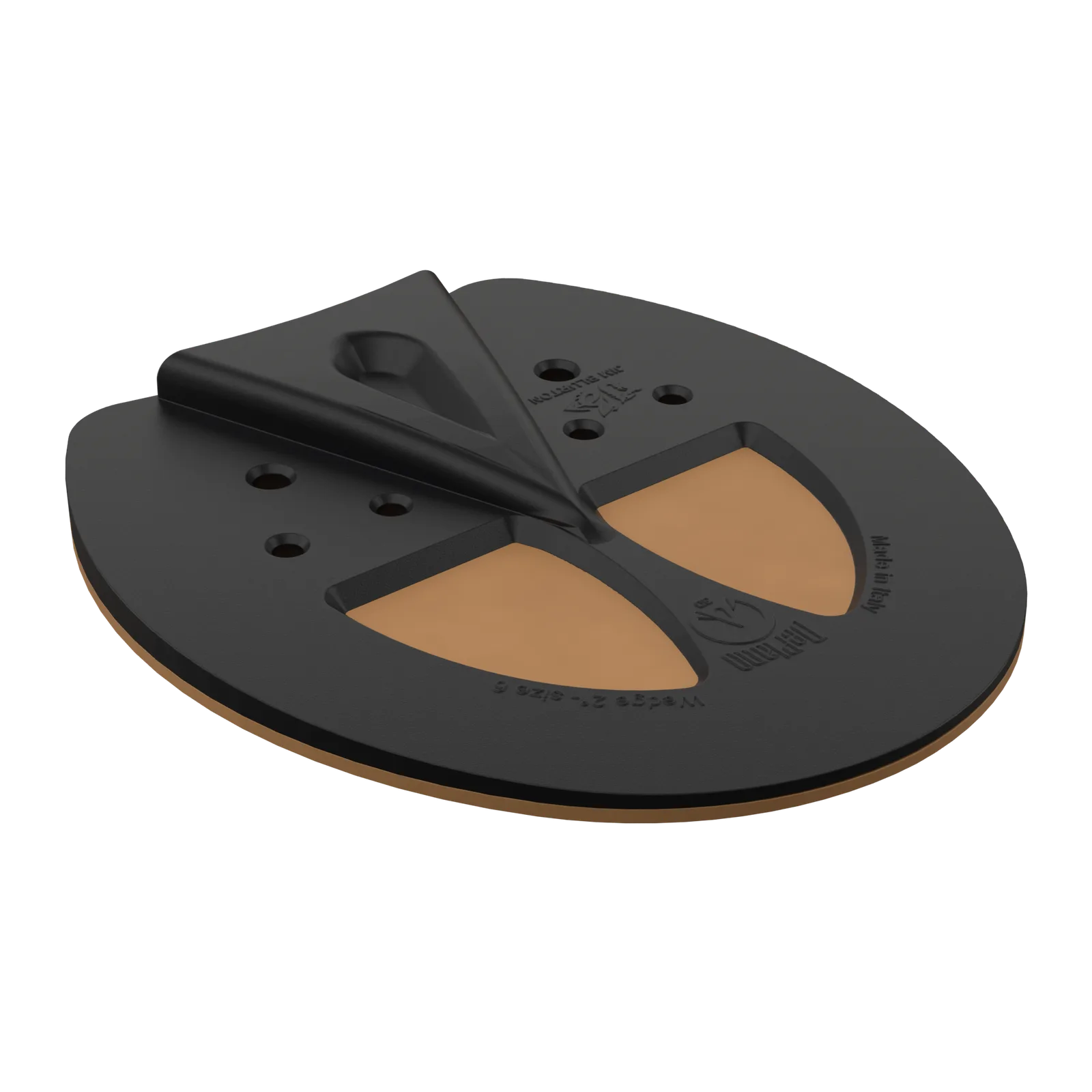
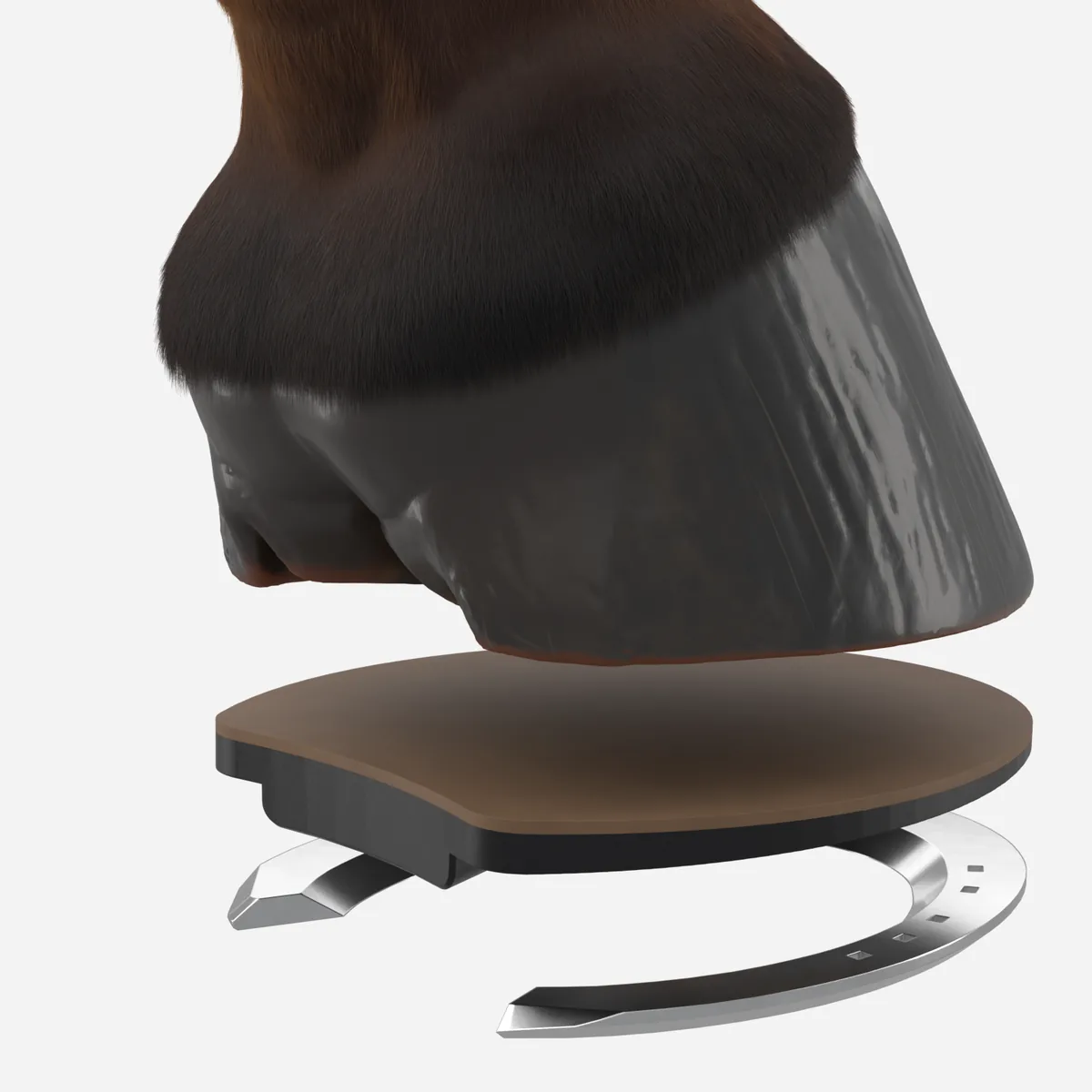
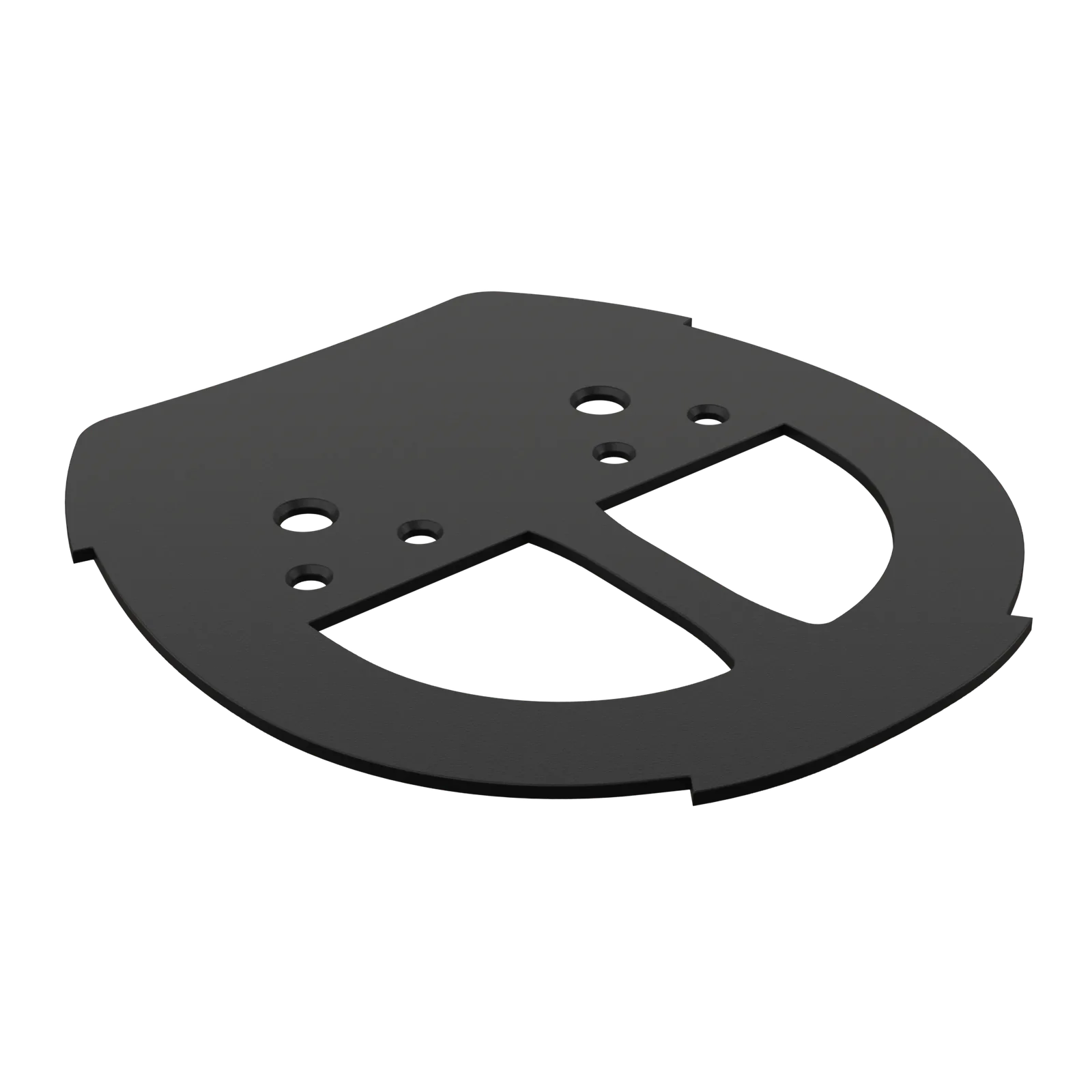
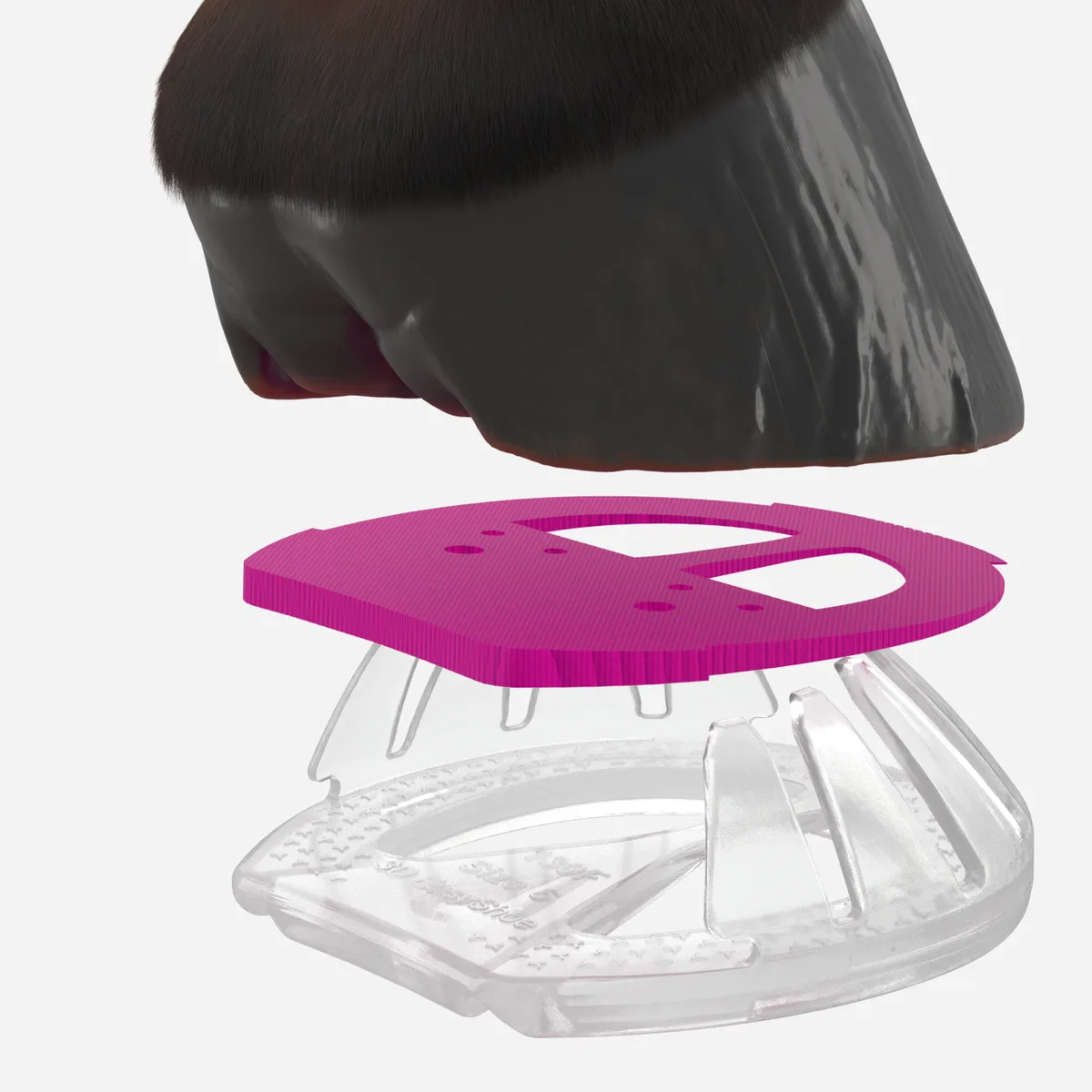
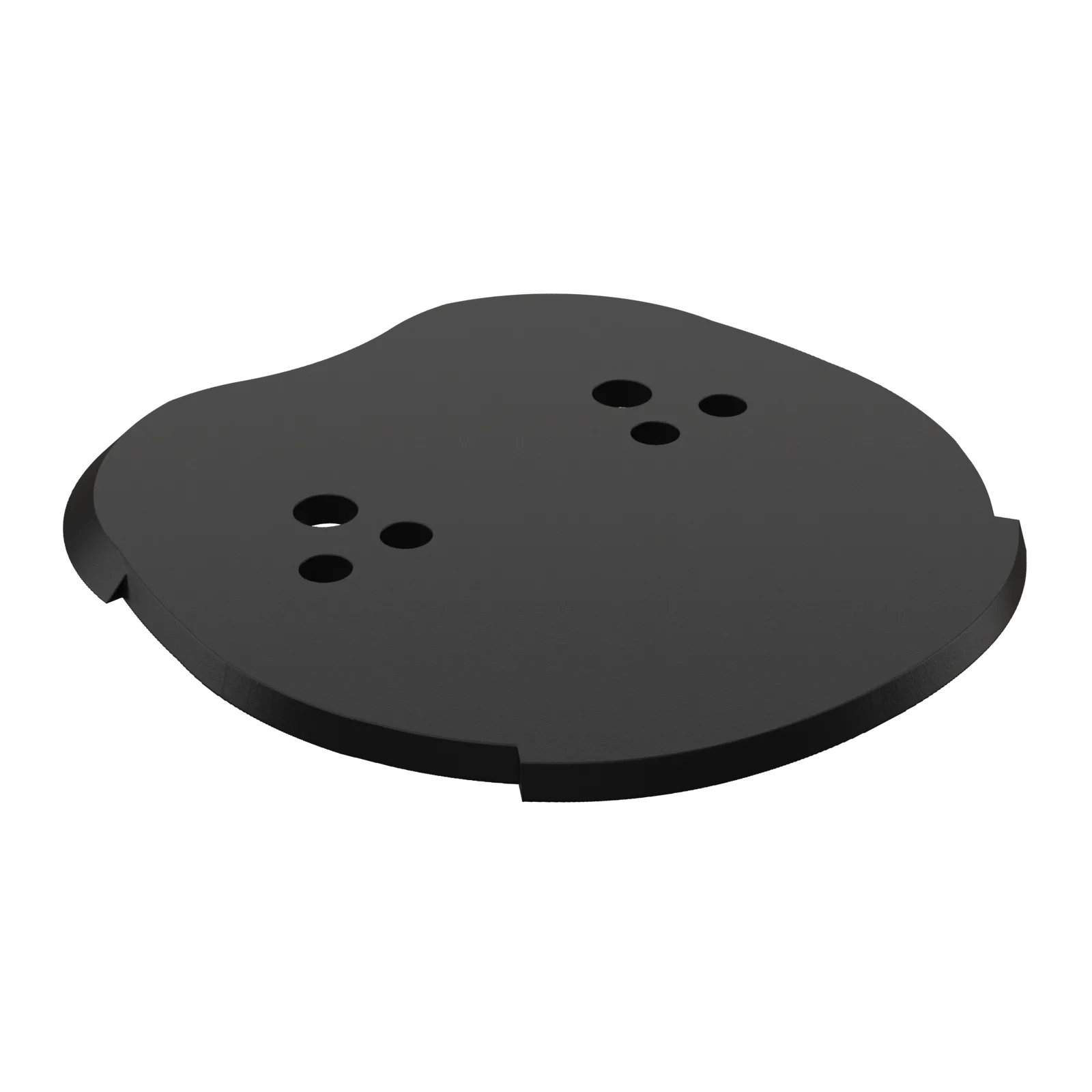
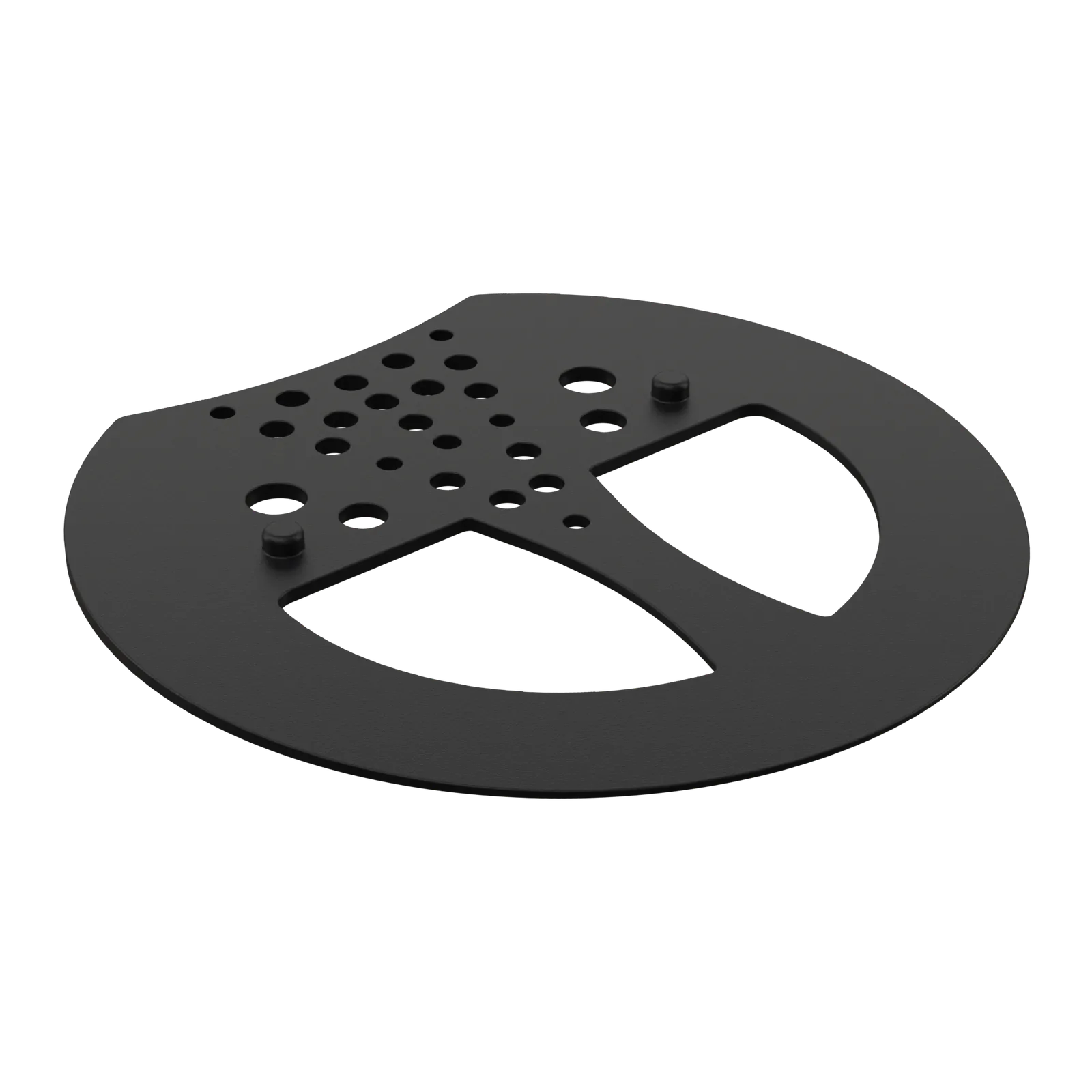
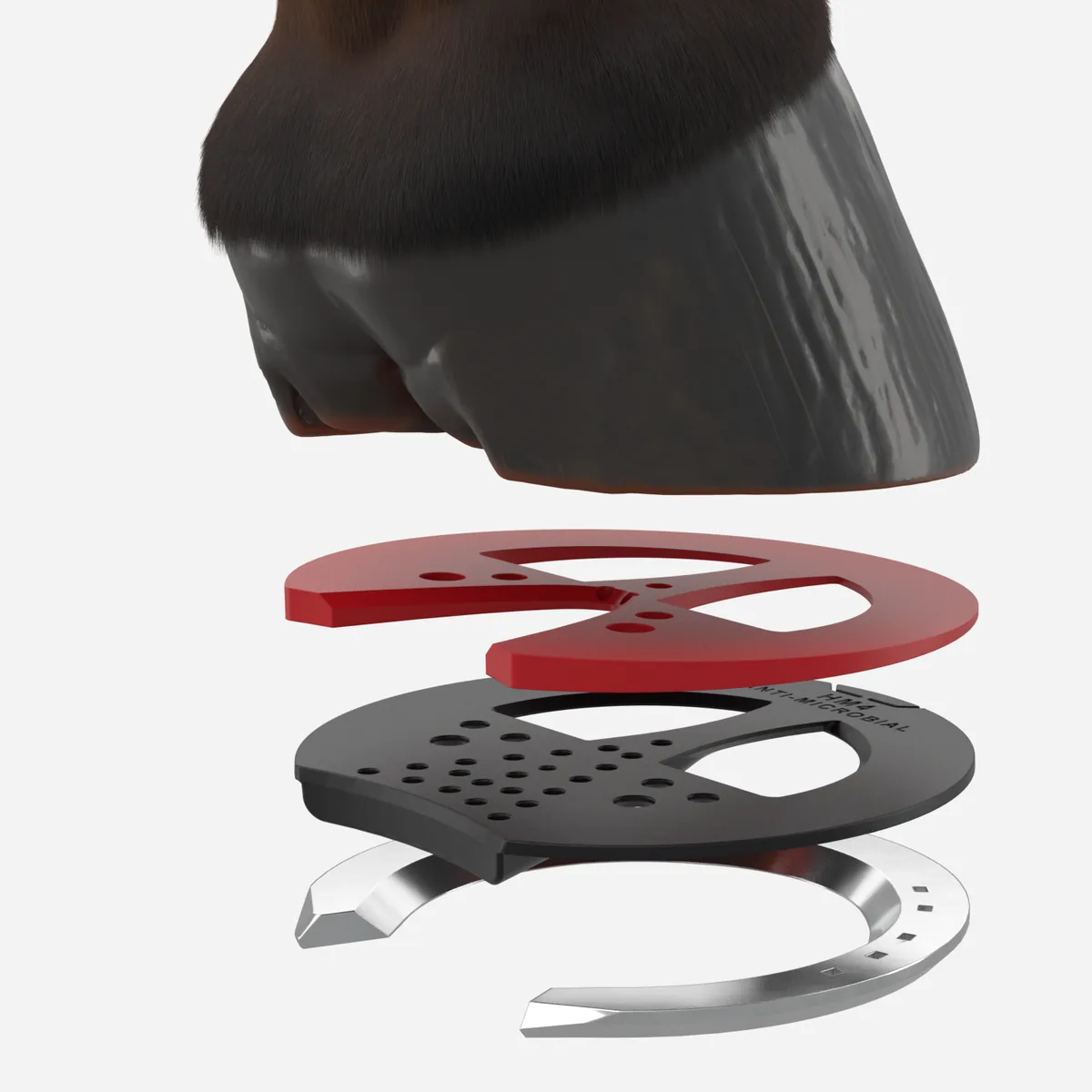
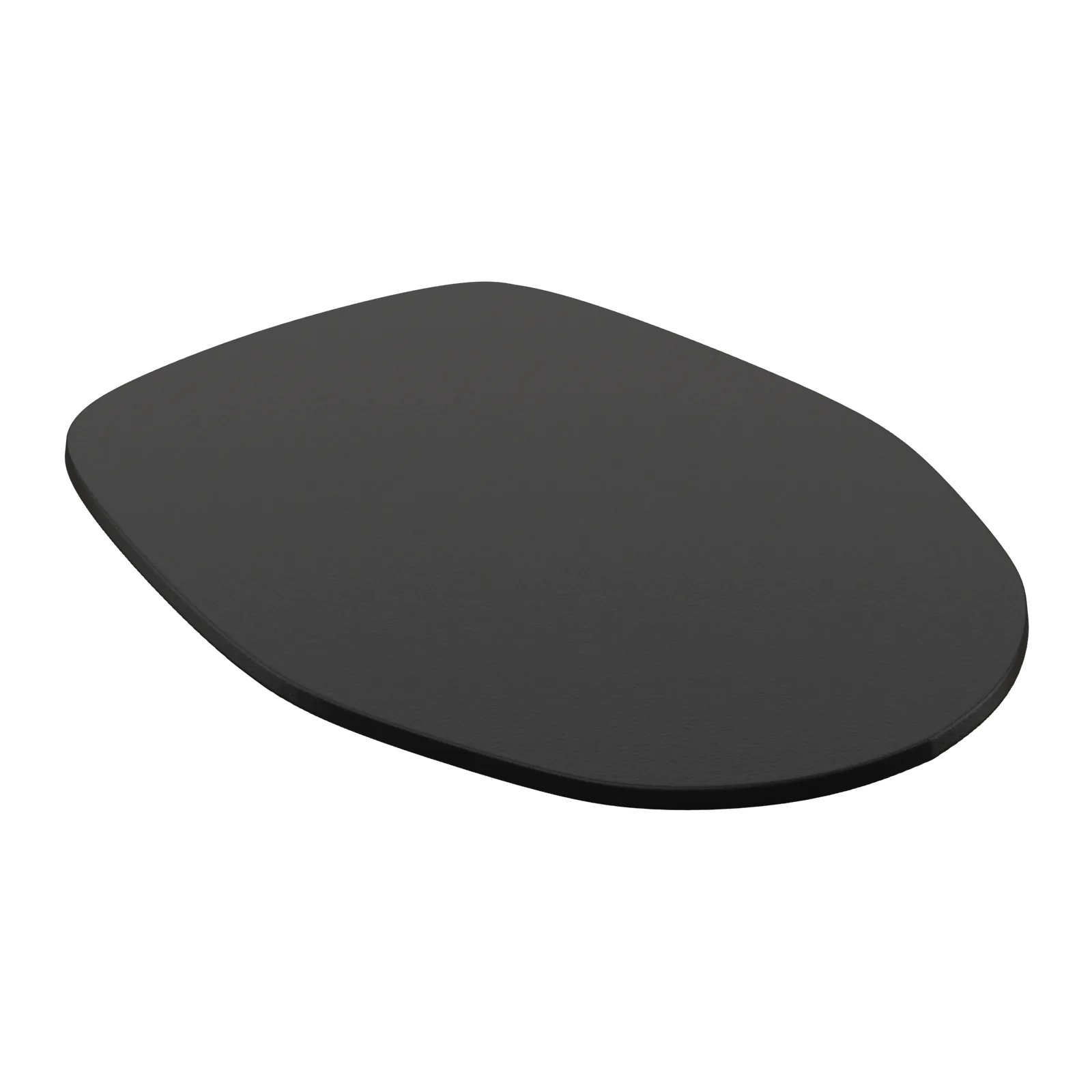
Mesh and frog support pads under a shoe suit a shod horse where you want to spread load across the whole foot rather than just protecting the sole. Two Thoroughbred mares arriving with flat feet and soreness on hard ground is a classic case for this, the plan being to gain depth over some months and then look at going barefoot.
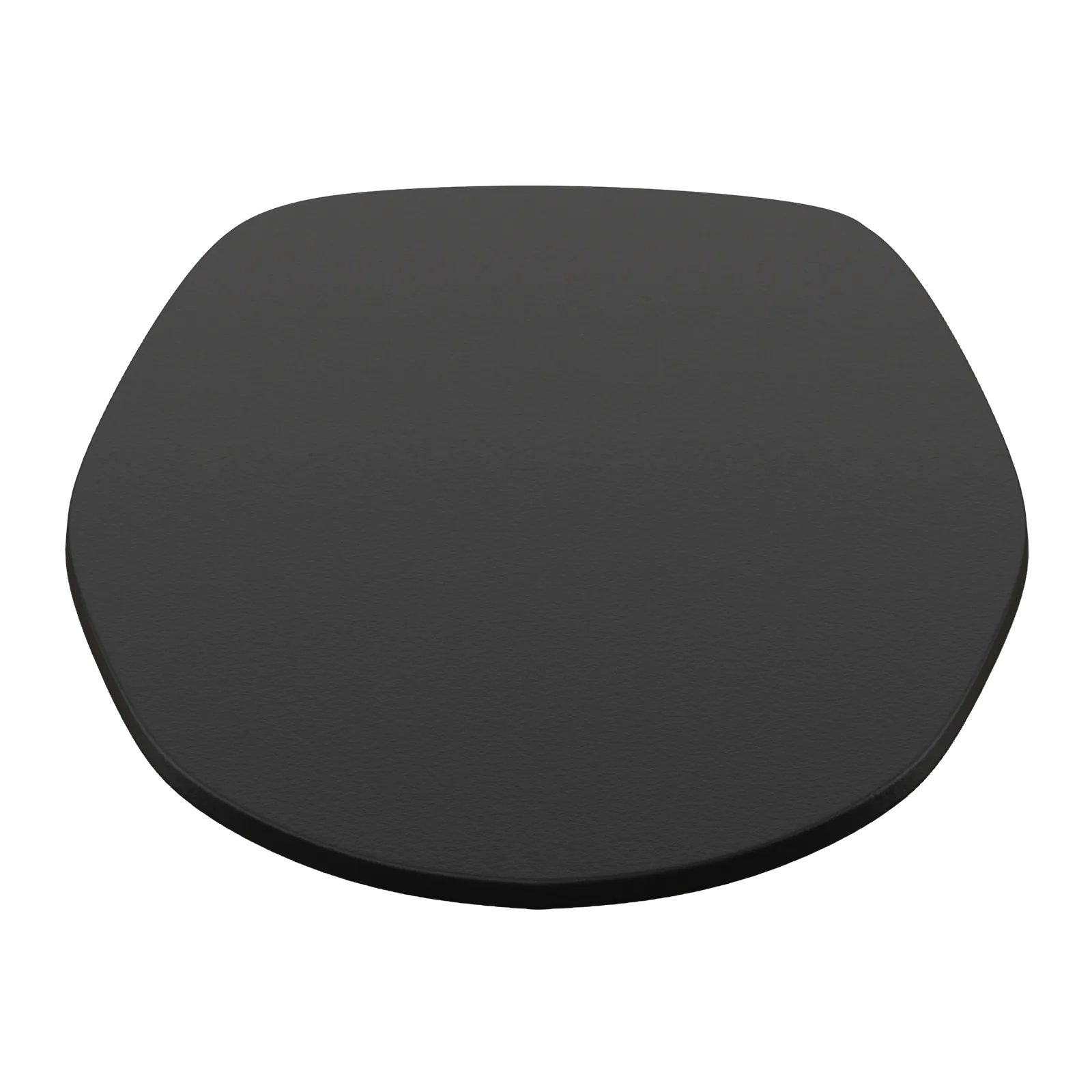
Ground pads and barefoot protection pads suit the horse that is barefoot and mostly fine, but tender after terrain changes. One farrier described a barefoot gelding who was comfortable in the pasture but sore after trail work, and fitted a pair of barefoot protection pads for trail rides. That is a small problem with a small solution, and not everything needs to be a rehabilitation project.
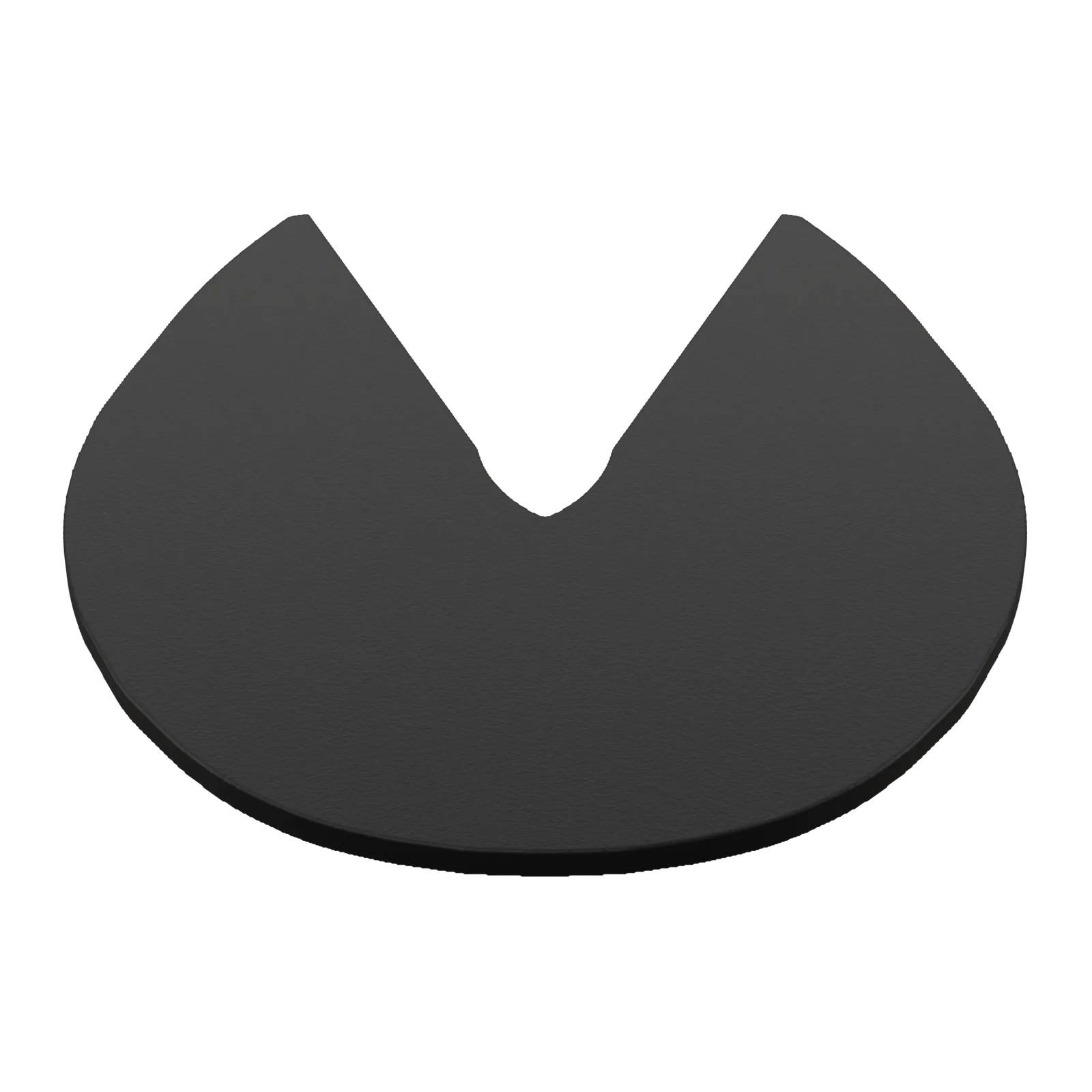
Deformable rehabilitation pads suit the acute end: very thin, very sore, often alongside laminitic change.
The mistake to avoid
Do not thin the sole in search of concavity.
It sounds obvious written down. In practice, a foot with a flat, weak sole looks like it wants trimming, and the instinct to tidy it is strong. Leave it. Anything you take off is depth the horse does not have, and it is not coming back this cycle.
The same applies to the frog. A thin-soled foot needs every structure it has participating.
Setting expectations
Hoof horn grows at roughly 6 to 9mm a month in a mature horse, faster in spring, slower in winter, and slower again in an aged horse. Sole builds on that same unhurried schedule.
Which means a realistic timeline for a thin-soled foot is a shoeing cycle to see comfort, several cycles to see measurable depth, and the better part of a year for a foot that has been thin for a long time to become a foot that is not.
Radiograph at the start so you have a baseline. Radiograph again at three or four months. Otherwise you are relying on your memory of what a foot looked like in February, and memory is generous.
When it is not just thin soles
If a horse has adequate depth and is still sore, look elsewhere: the caudal foot, the hocks, the back. And if a foot loses depth it had, something has changed: a metabolic episode, a change in footing, a stretch of very wet weather softening the sole, or a trim that took too much.
Thin soles are usually the whole story. But check that they are.
Derek Poupard CJF DipWCF has spent over forty years working on feet, including with Godolphin's racing operations. This article explains general principles and is not a substitute for veterinary diagnosis.
Sources: Radiographic parameters measurement guide, Innovative Equine Podiatry · How a Horse's Hoof Grows, Extension Horses