





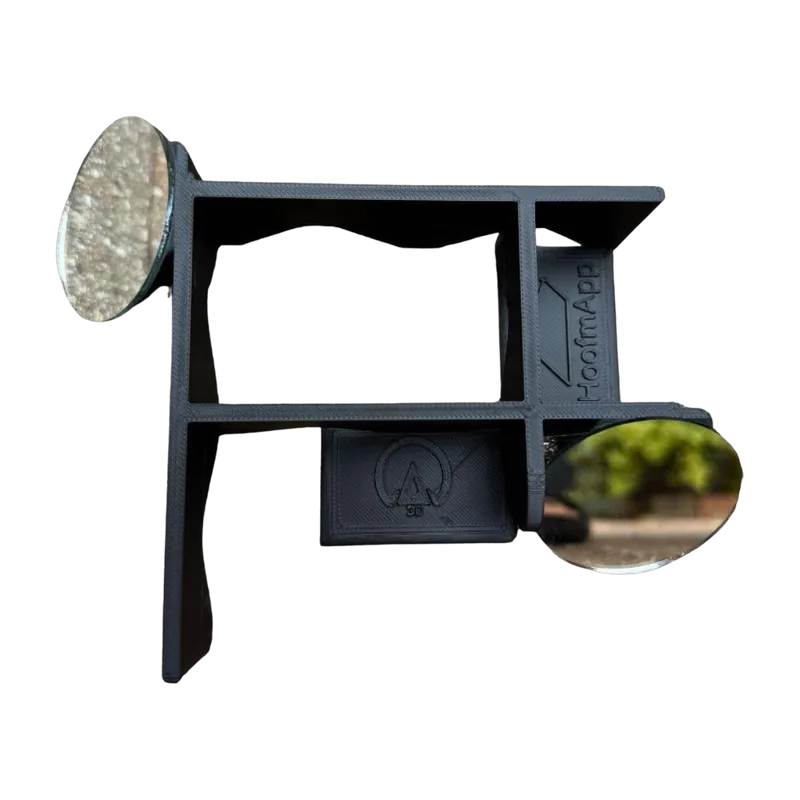


I have spent forty years nailing shoes on horses, and I run a company built around not doing that. So people occasionally expect me to have a strong position on the barefoot argument.
I do, and it is this: it is not an argument. It is a question about an individual horse, and the answer depends on the foot in front of you.
What I do have a strong position on is how people go about it. The transitions that fail nearly all fail the same way: a horse pulled out of shoes, turned out on ground it is not ready for, and left to be sore on the theory that it will toughen up. That horse does not toughen up. It moves less, grows less foot, and six weeks later everyone concludes barefoot does not work for this horse.
What the evidence actually shows
The barefoot conversation generates more heat than data, so it is worth noting what has been presented at veterinary level.
Research from the Swedish University of Agricultural Sciences, presented at an AAEP convention by Dr Steve O'Grady, showed that shoes restrict the hoof's ability to expand and contract. In shod horses, vertical heel movement is restricted; barefoot horses show independent upward and downward heel movement.
The performance question has an answer too. Two-thirds of the Swedish show jumping team competed successfully without shoes at the Tokyo Olympic Games. Whatever else is true, barefoot is not inherently a limitation at the top of the sport.
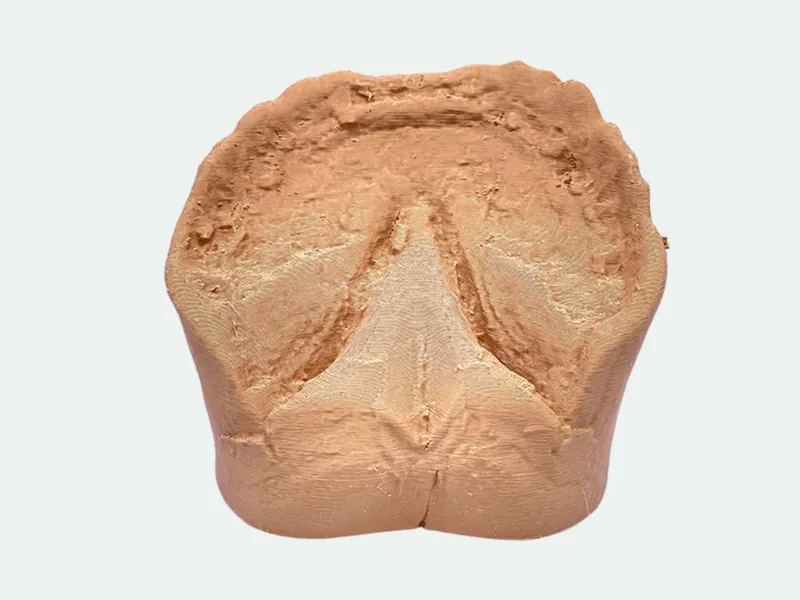
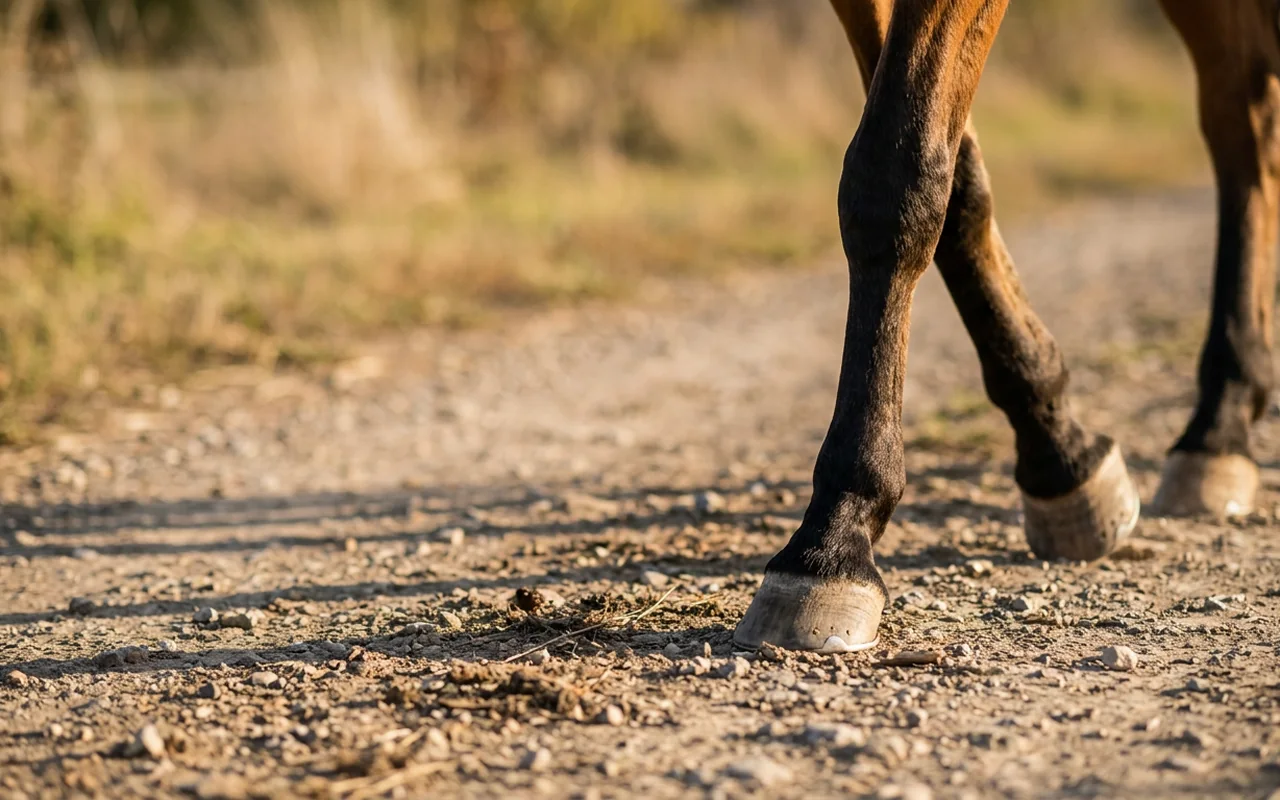
Observations from a group of around sixty upper-level horses competing barefoot reported harder and thicker hoof walls, natural sole callus at the toe, broader and thicker frogs, increased depth of the foot, and more even wear.
That is an encouraging picture. It is also a picture of horses whose feet were good enough to get there.
Which horses are good candidates
The honest criterion is: horses with good foot structures, or foot structures capable of improving.
That is not a dodge. It means look at what you have before you decide.
Reasonable candidates. Adequate sole depth. Heels that are more or less where they should be. No significant pathology. A horse whose workload and footing you can manage during the change. A horse that has been shod for convenience rather than necessity.
Harder cases. Thin soles. Underrun or collapsed heels. Existing lameness. Significant hoof capsule distortion. A horse in hard work on abrasive ground with no scope to reduce it.
Cases where it may not be the right goal. A horse with a foot that needs mechanical support to stay comfortable. There is no prize for having no shoes on a horse that needs them.
None of the harder cases are permanent disqualifications. They mean transition is a rehabilitation project rather than simply pulling shoes, and it needs a longer timeline and more support along the way.
What the timeline looks like
The AAEP material describes a transition period of roughly 30 to 60 days, depending on the quality of the hoof structure you started with, walking seven to fourteen days on firm footing under saddle, then turnout in a small area for two to three weeks, with hoof care at two to four week intervals rather than the usual six to eight.
That shorter interval is the part people miss. A foot changing shape needs more frequent, smaller adjustments, not fewer larger ones.
Underneath that, the real timeline is horn growth: 6 to 9mm a month in a mature horse, faster in spring, slower in winter and slower again in an older horse. A full capsule takes broadly a year. So 30 to 60 days gets a sound-footed horse comfortable. Actually changing a foot takes a year.
Where the pads come in
Here is where I will be direct, because it is the thing that most often decides whether a transition succeeds.
A horse that is sore is a horse that is not building foot.
Sole depth, hoof wall quality and frog development all depend on the foot being loaded and the horse moving normally. A sore horse moves less, lands differently to protect itself, and loads the foot in exactly the way that does not stimulate the structures you are trying to develop. Soreness is not a stage of the process. It is the process failing.
So use protection. Not as an admission that barefoot is not working, but as the thing that lets it work.
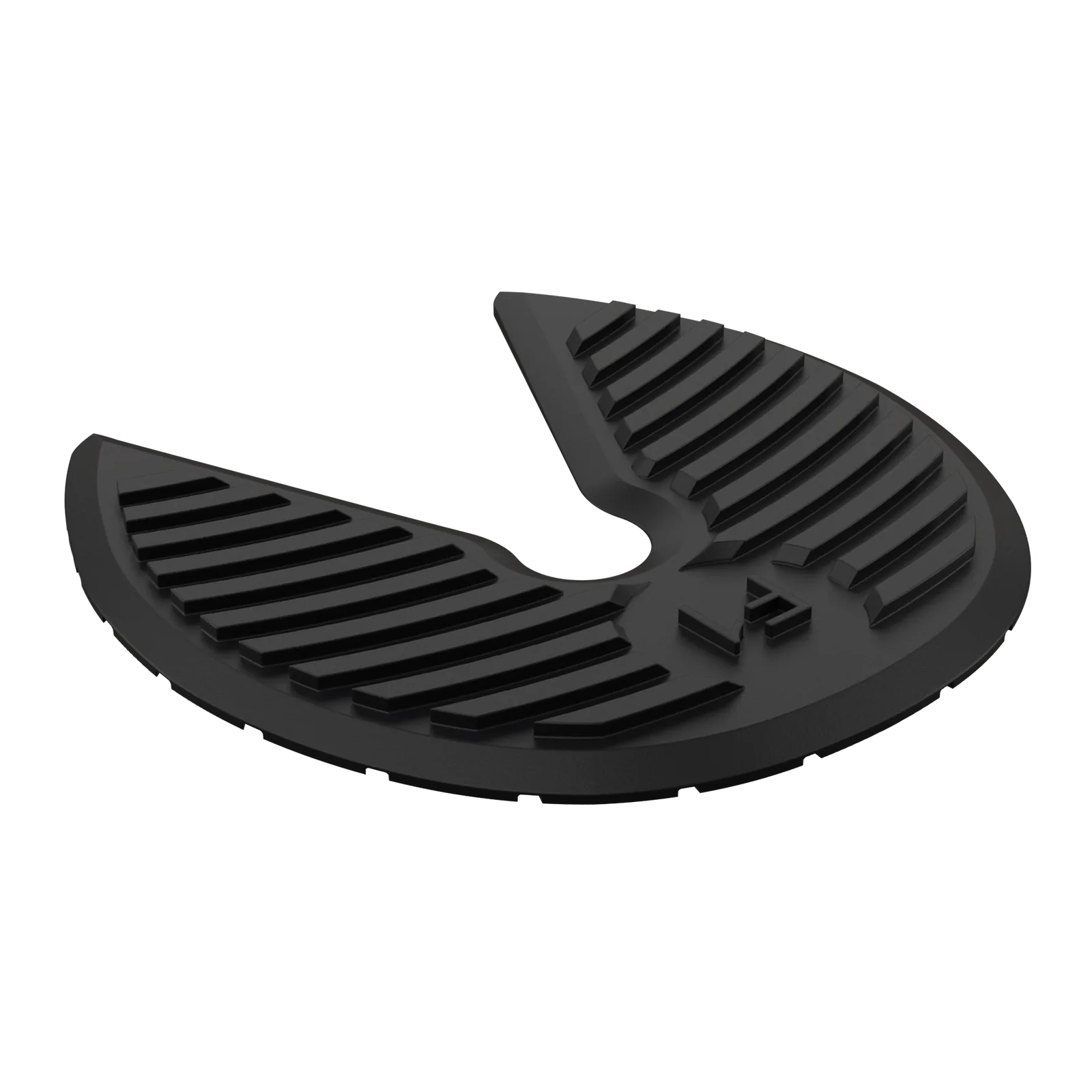
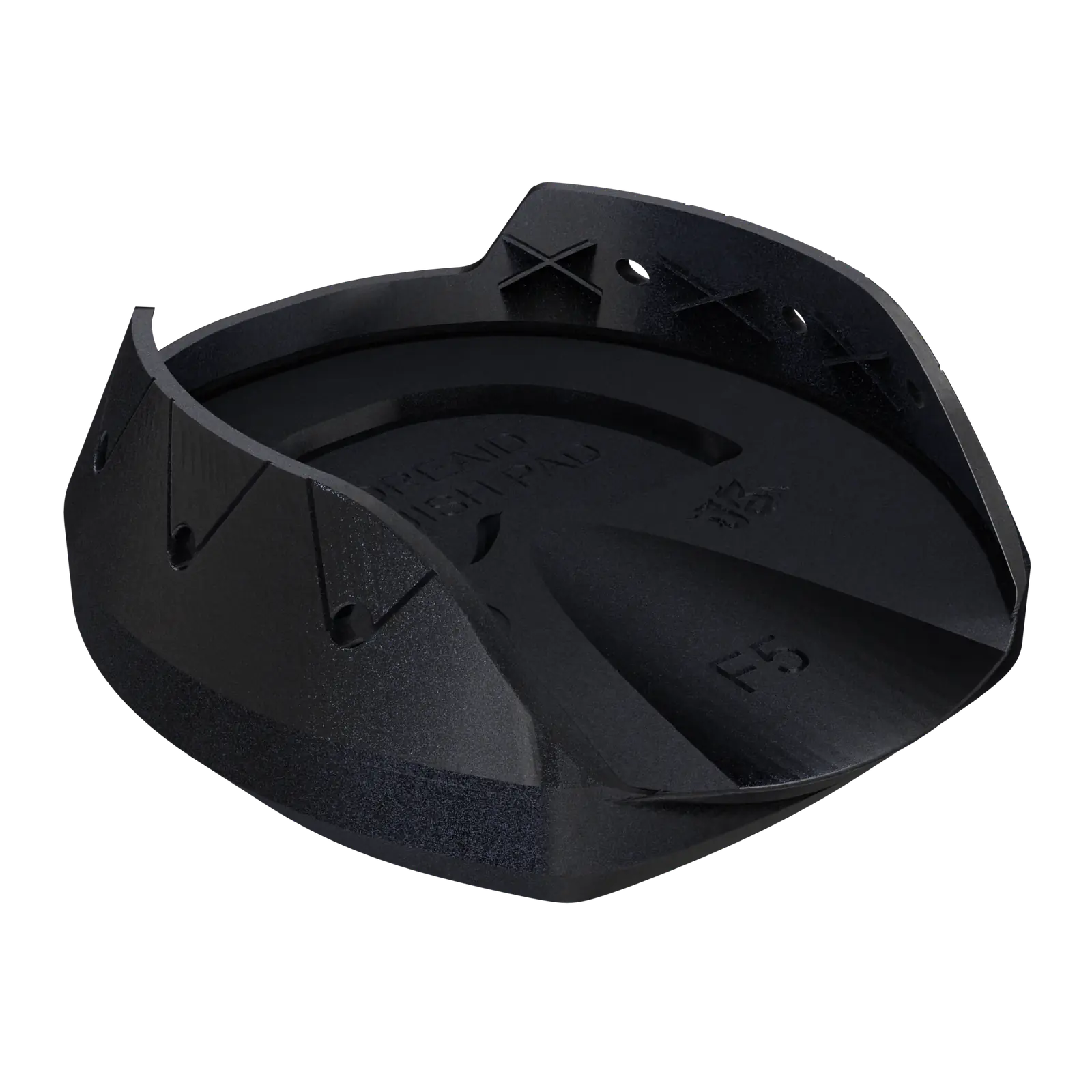
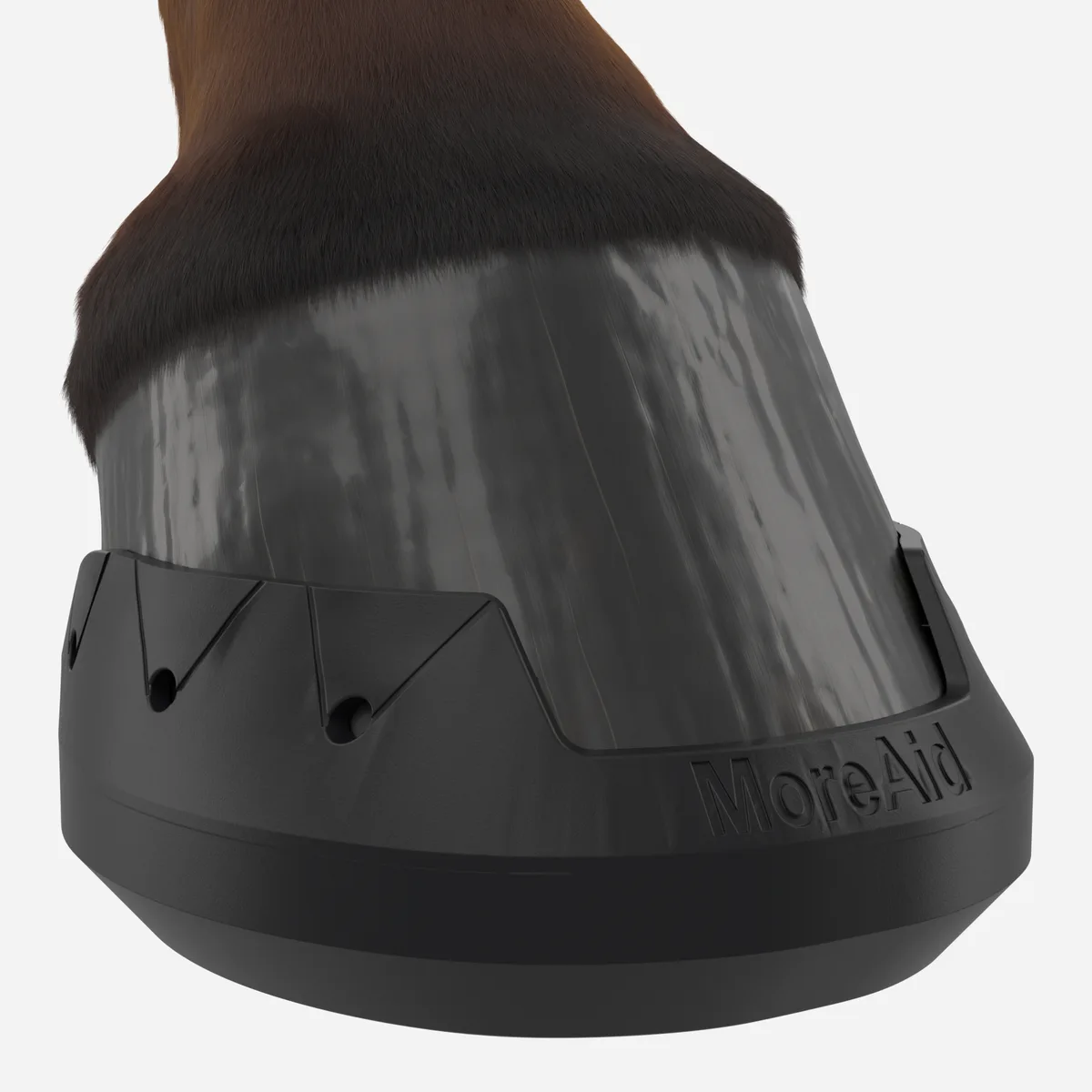
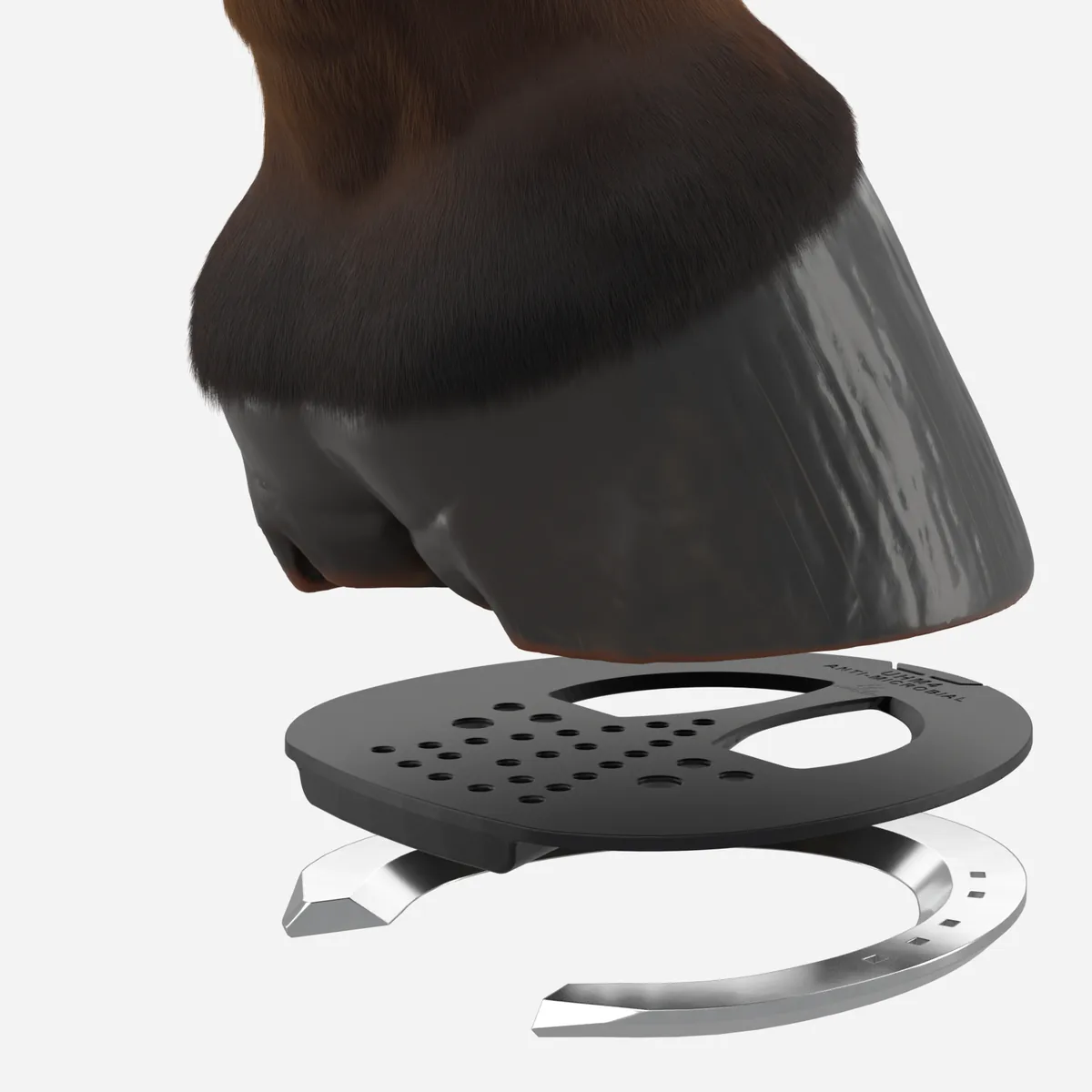
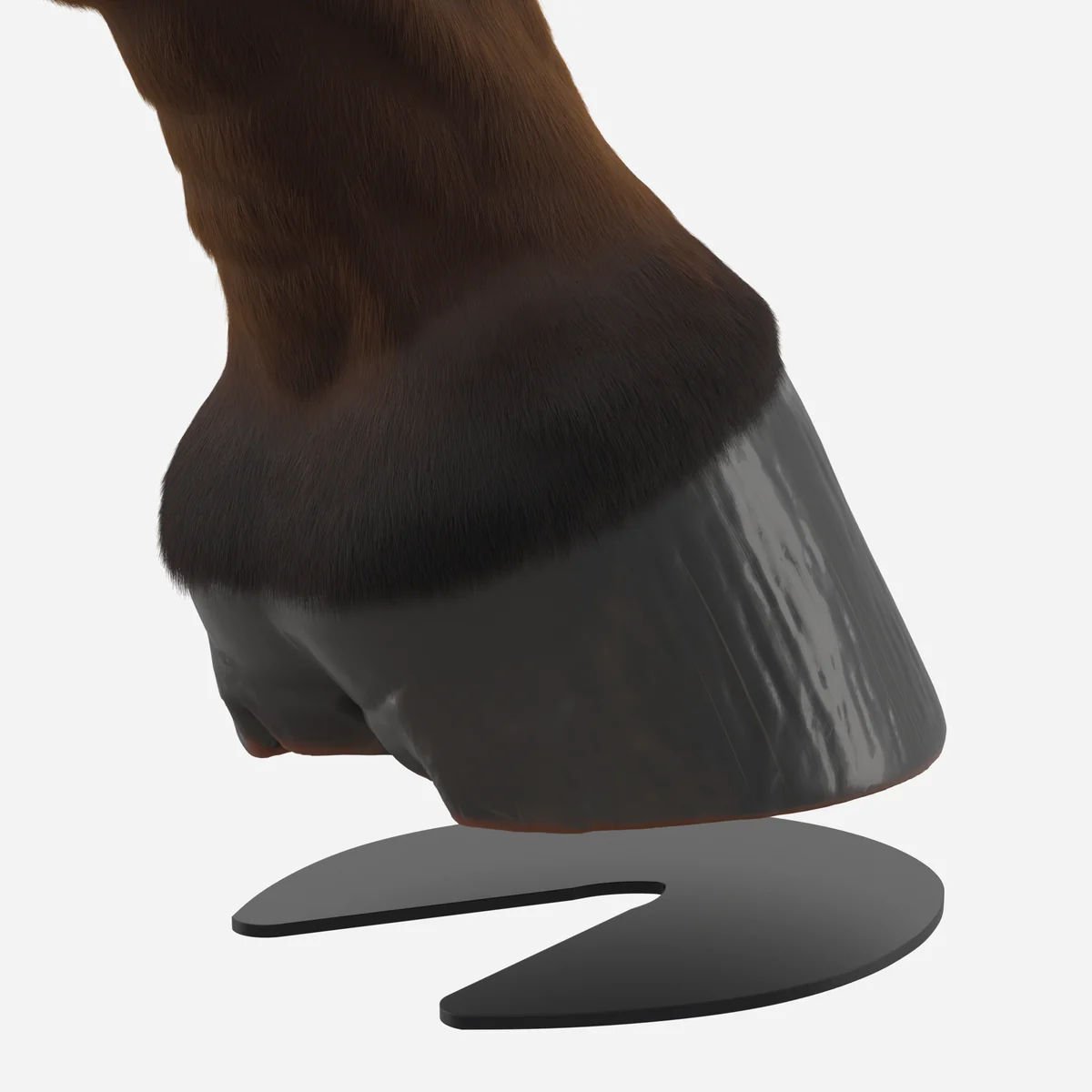
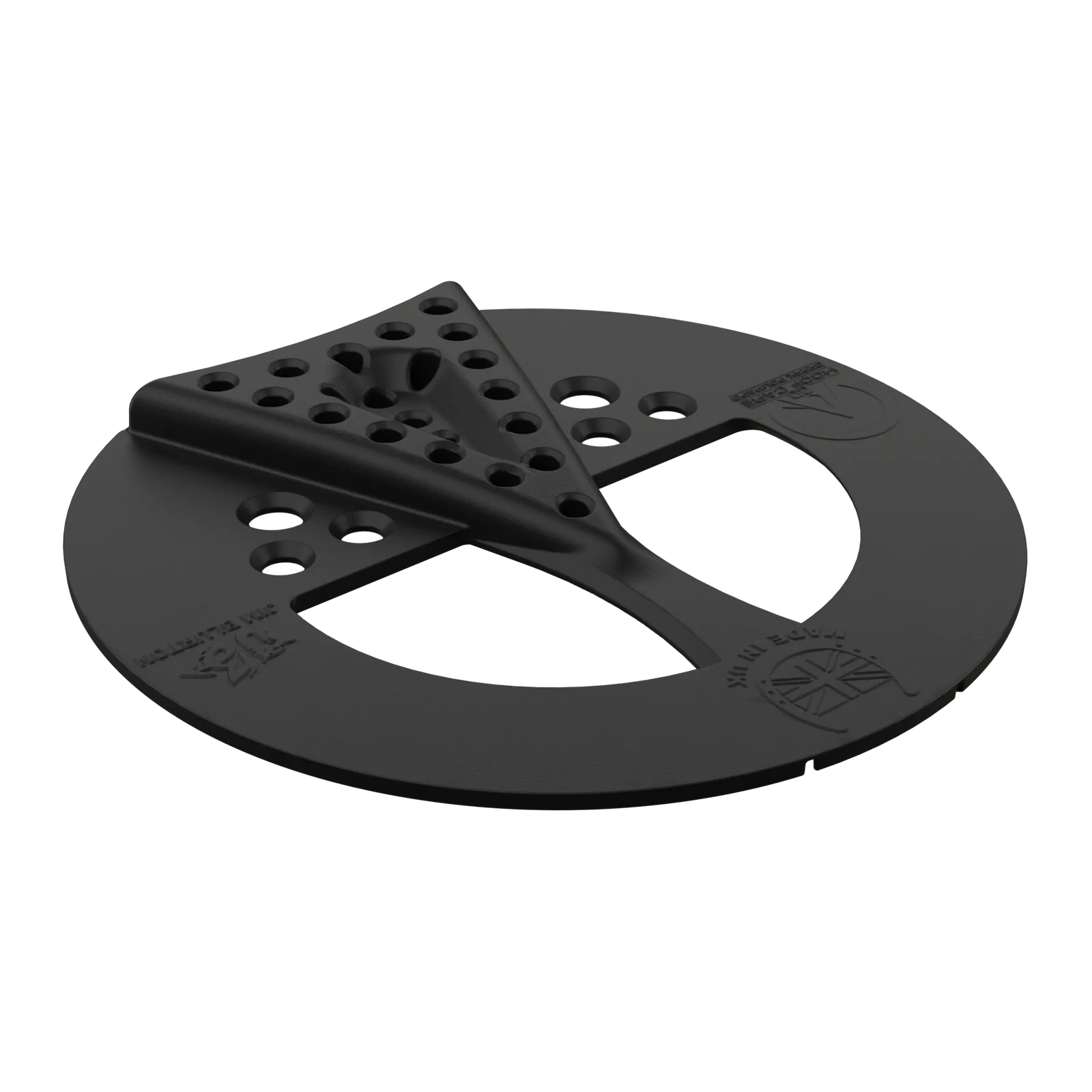
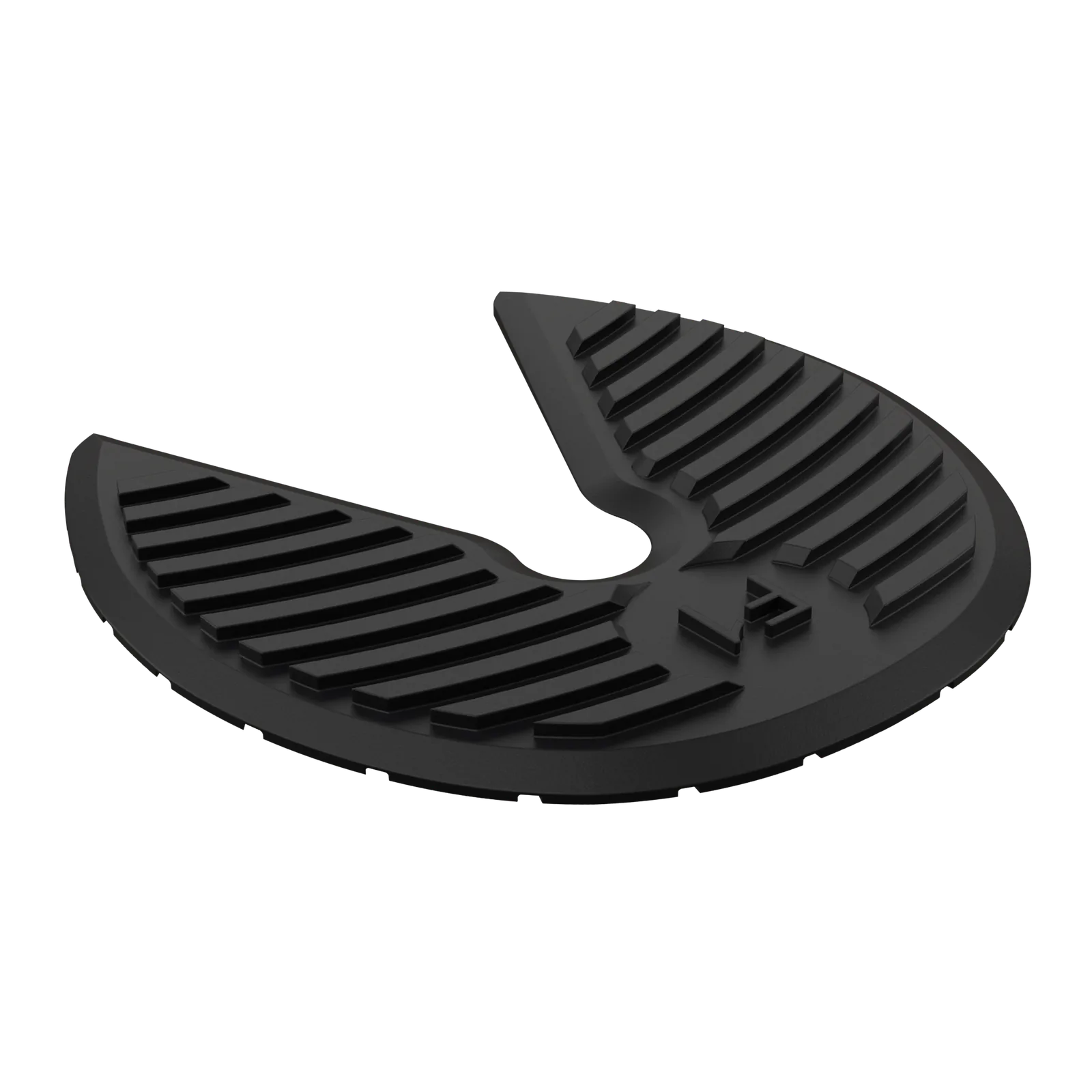
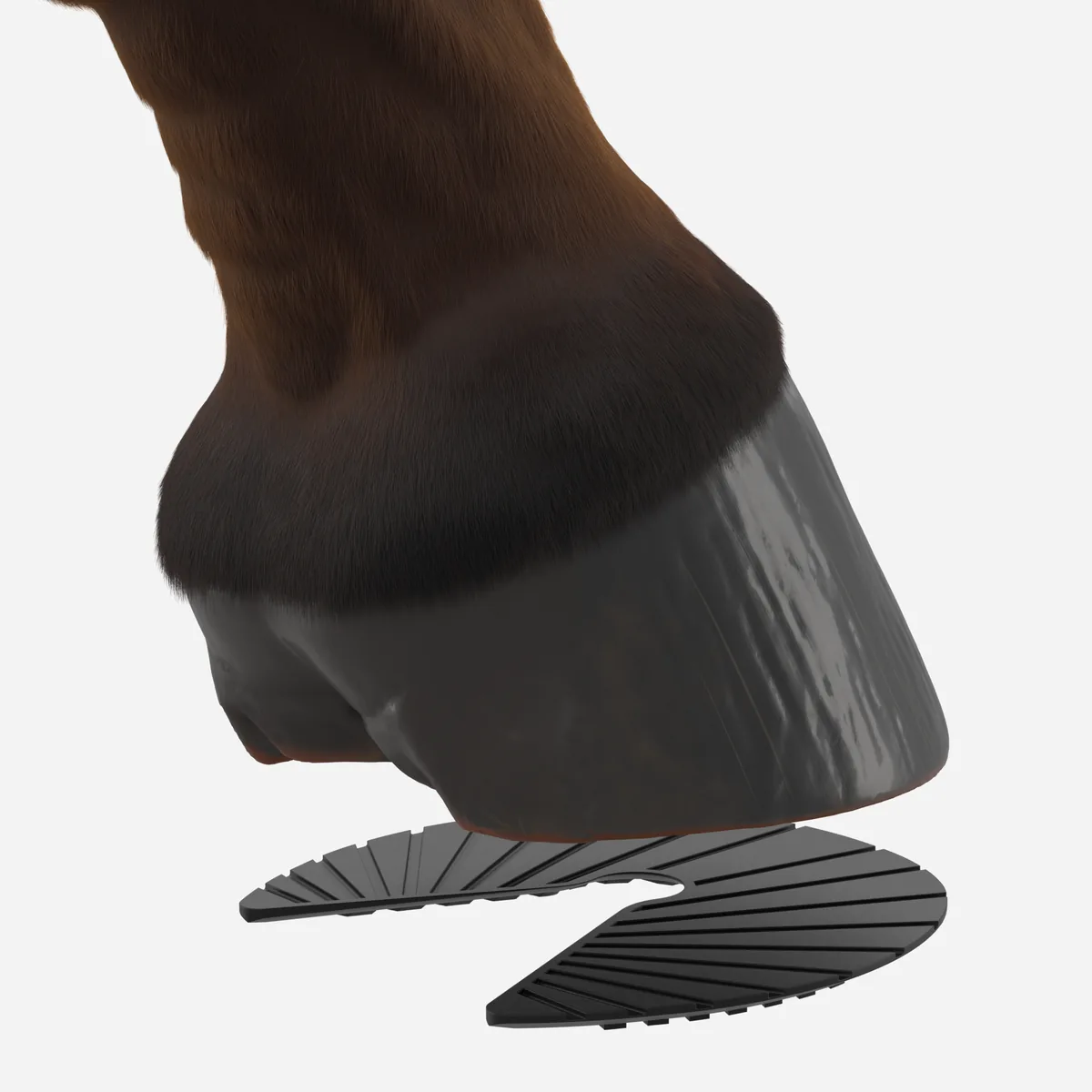
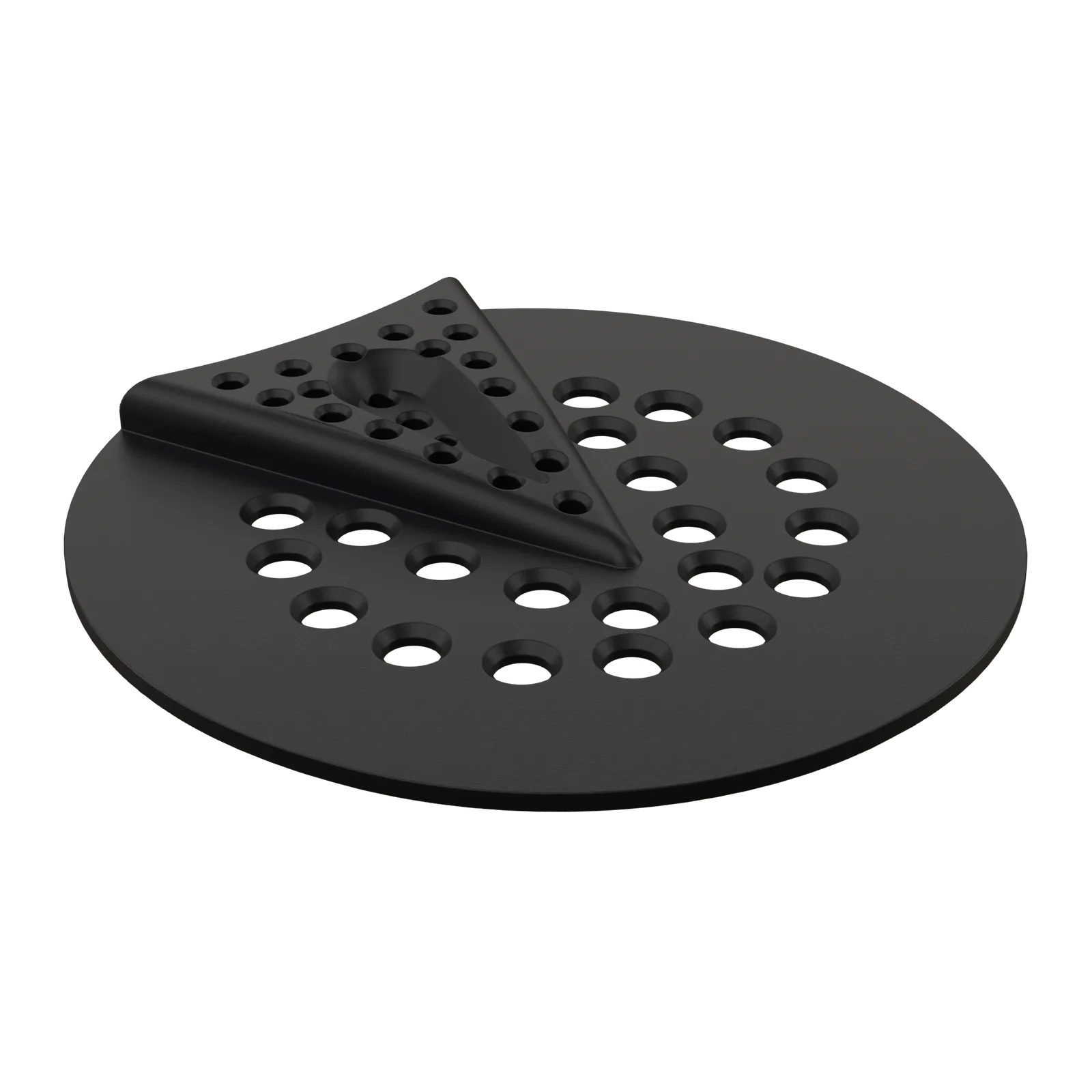
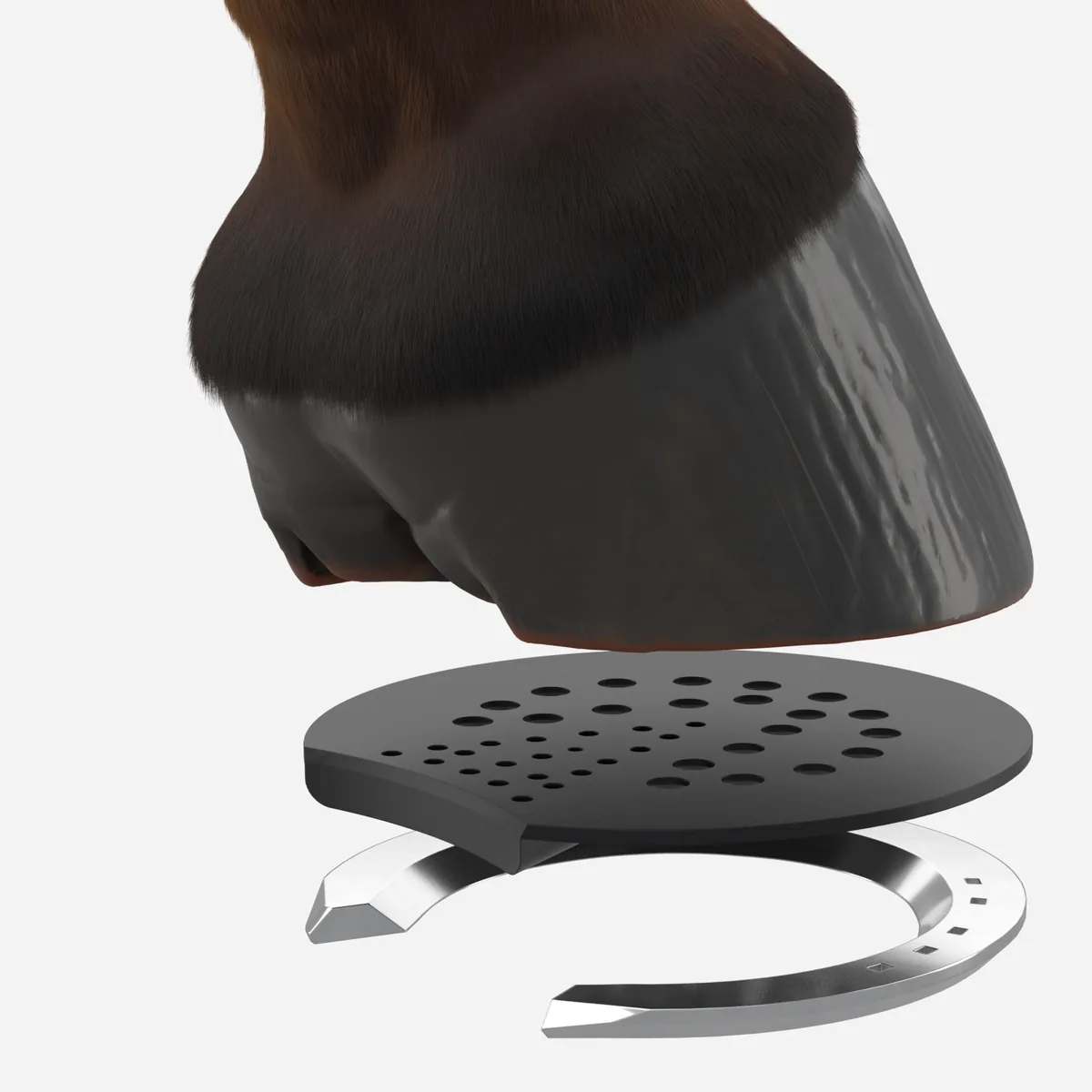
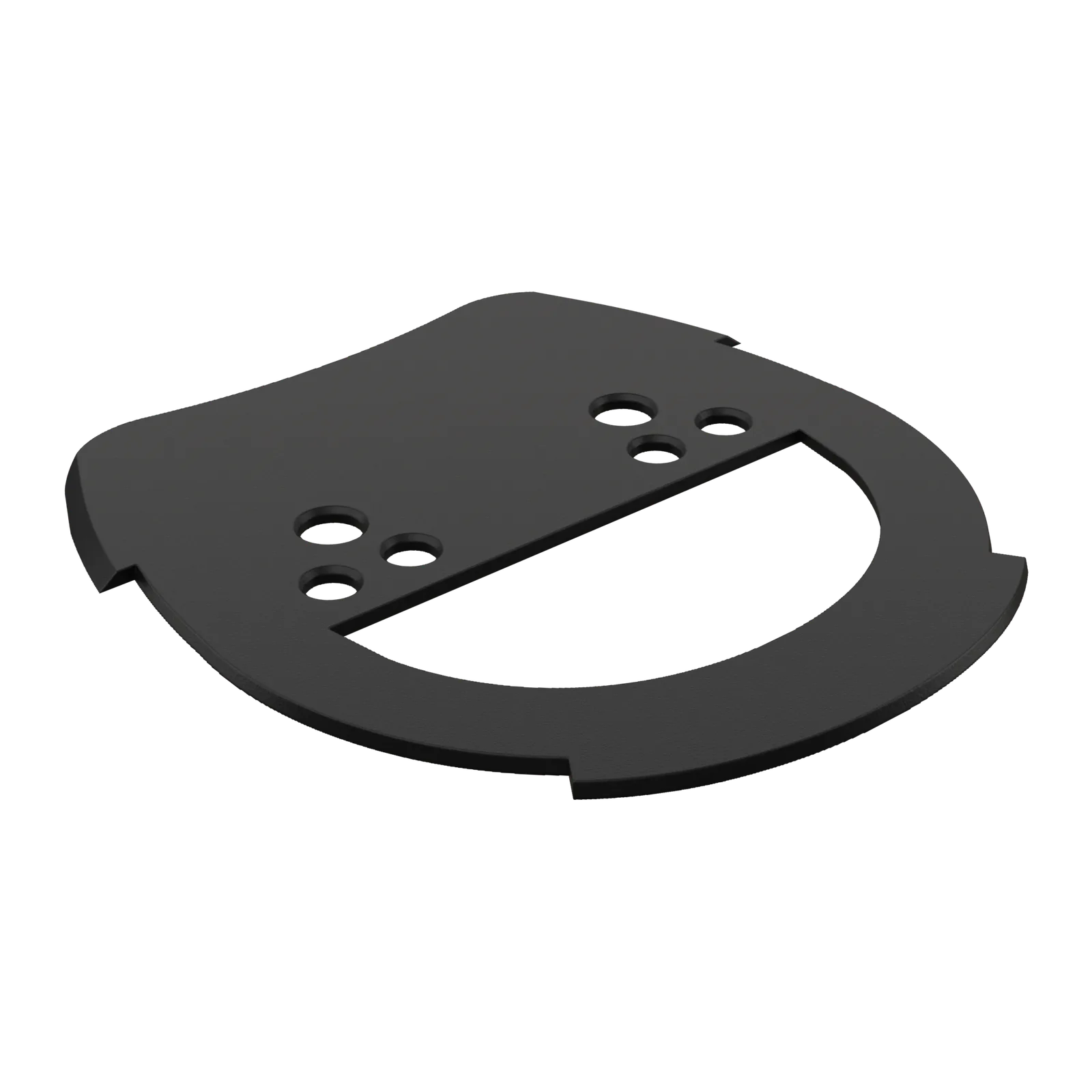
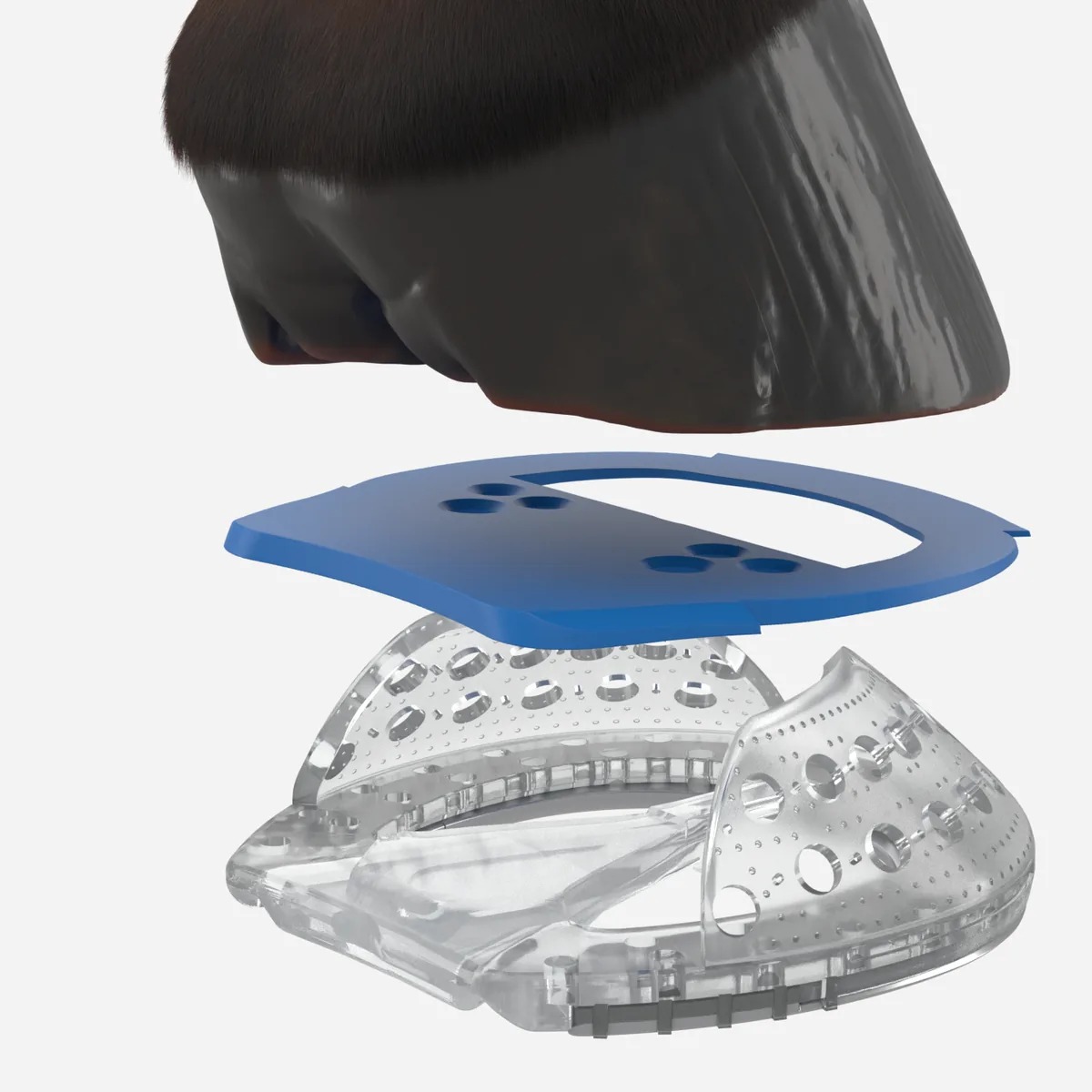
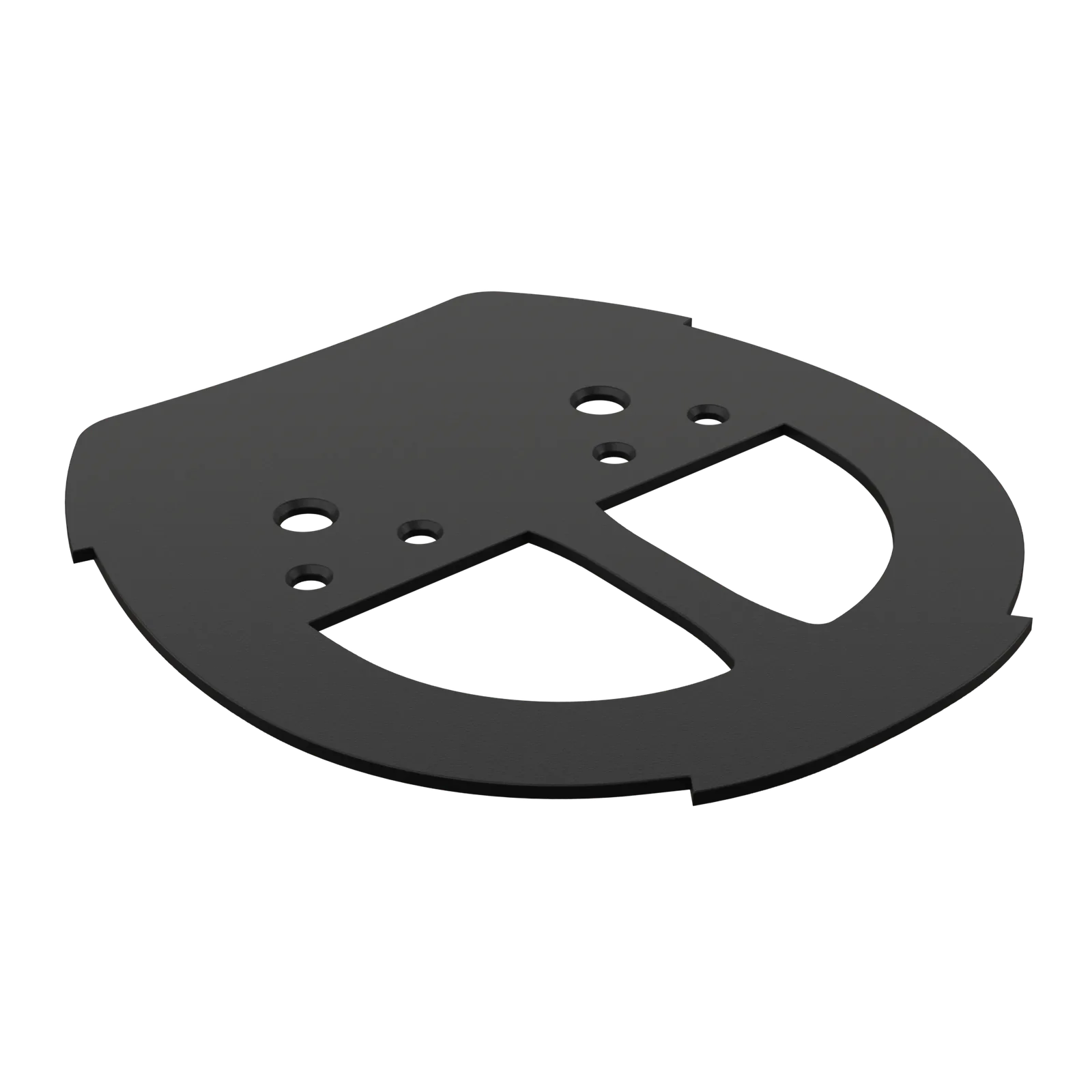
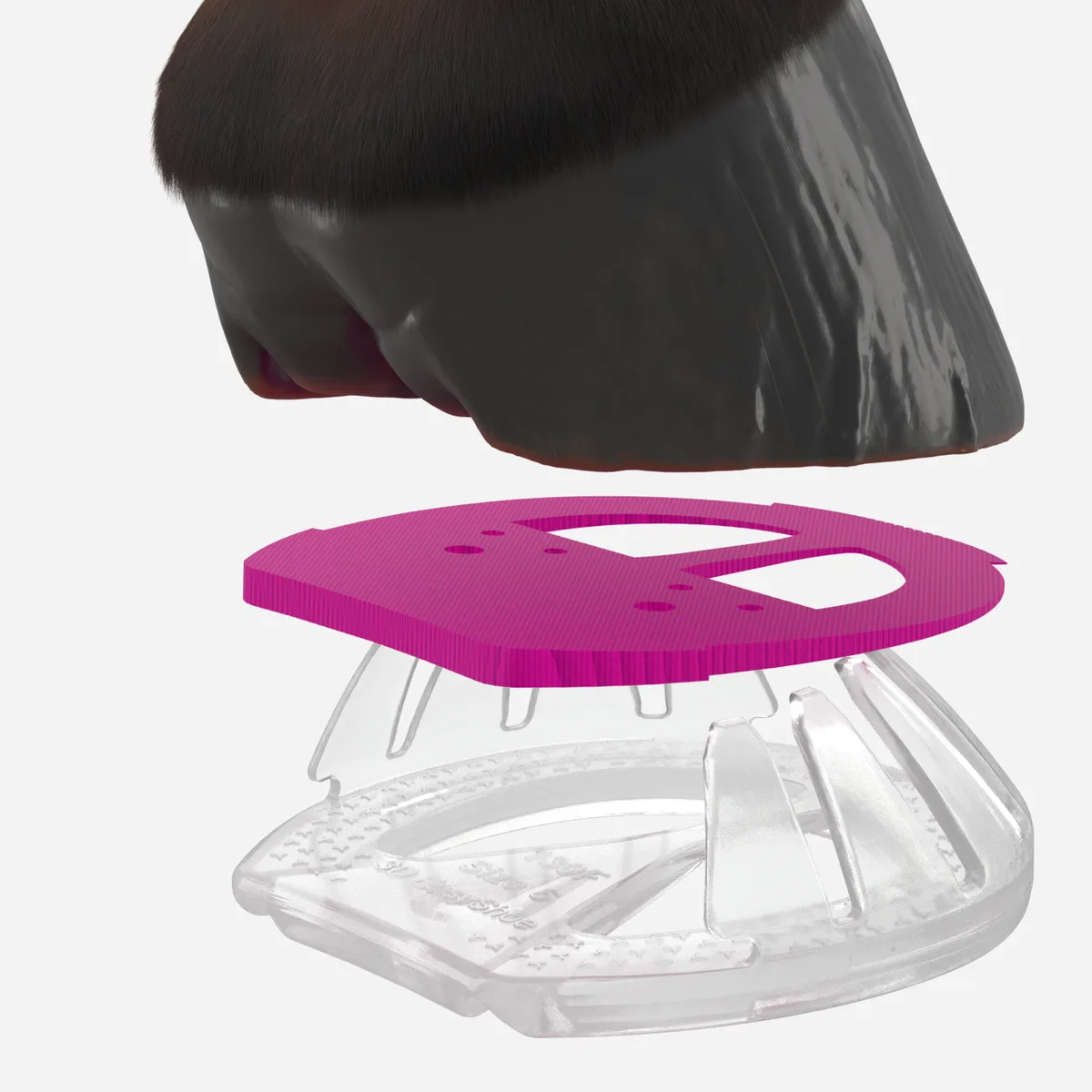
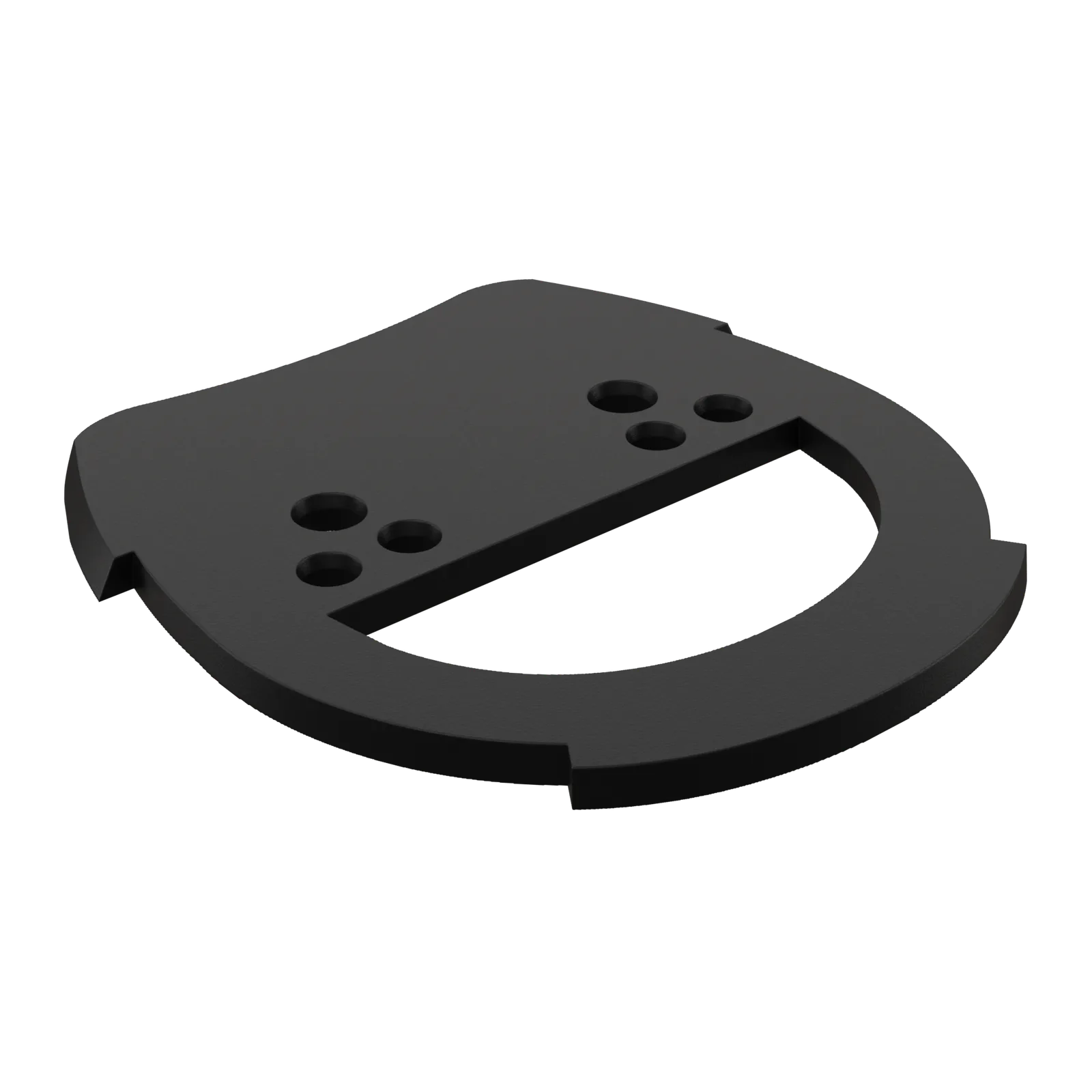
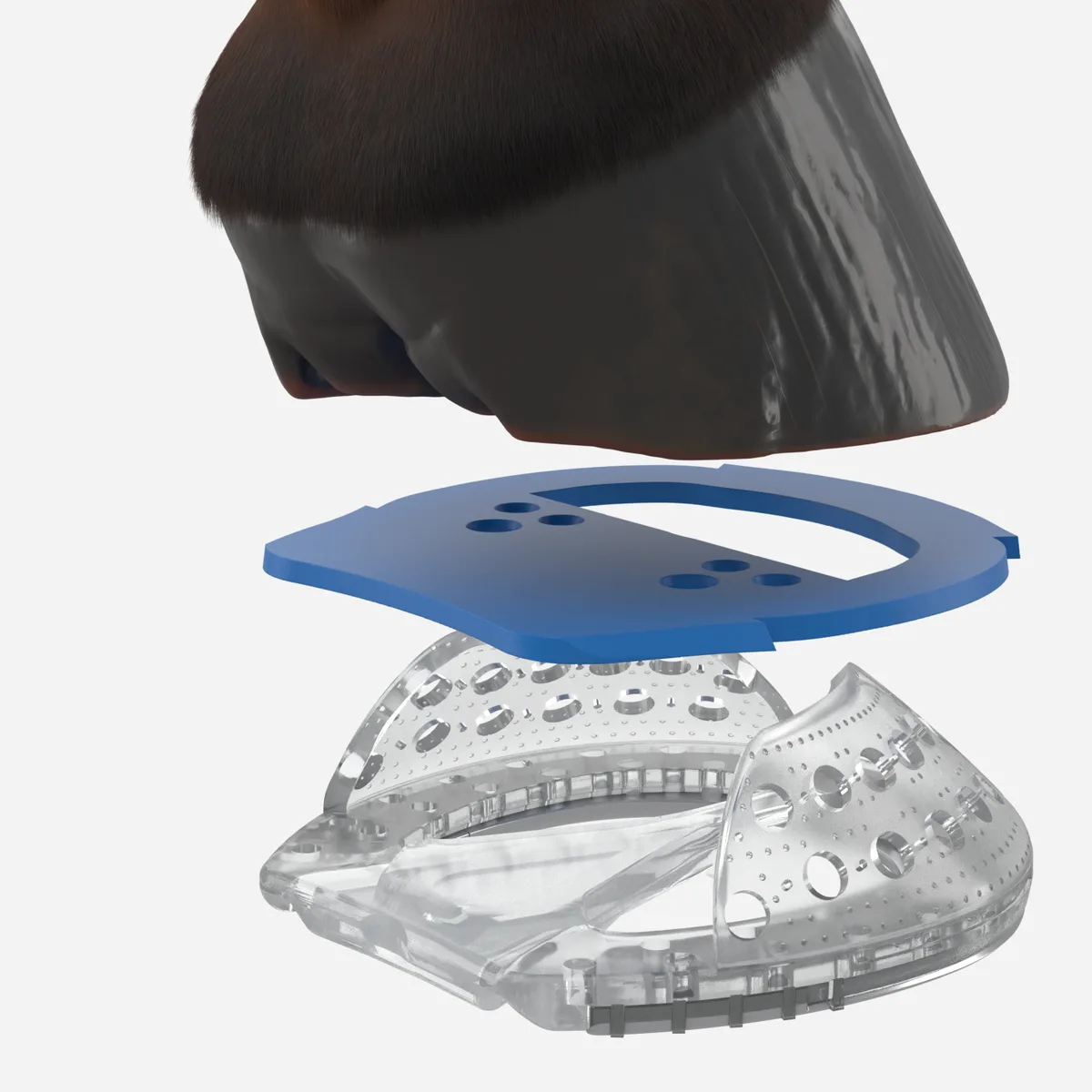
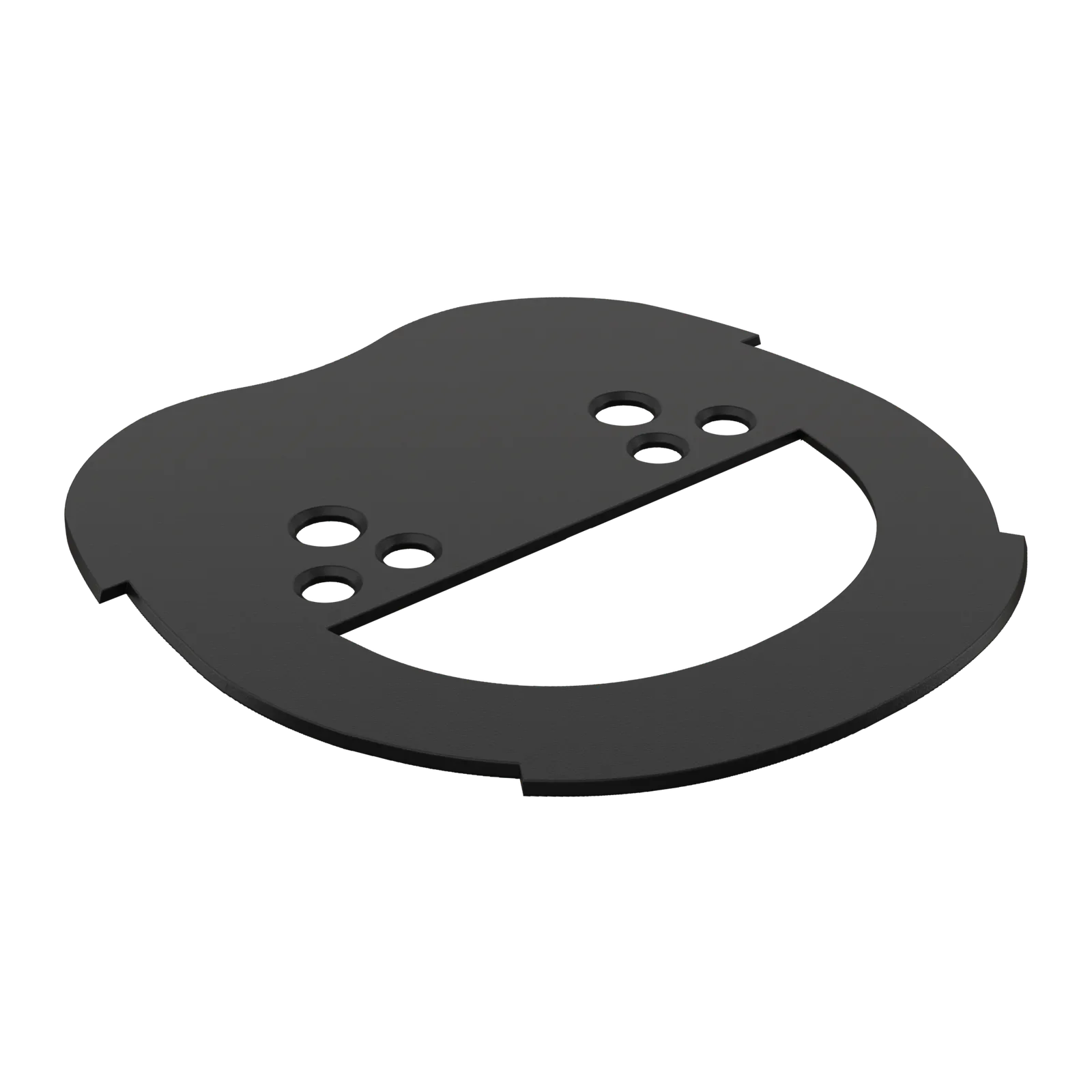
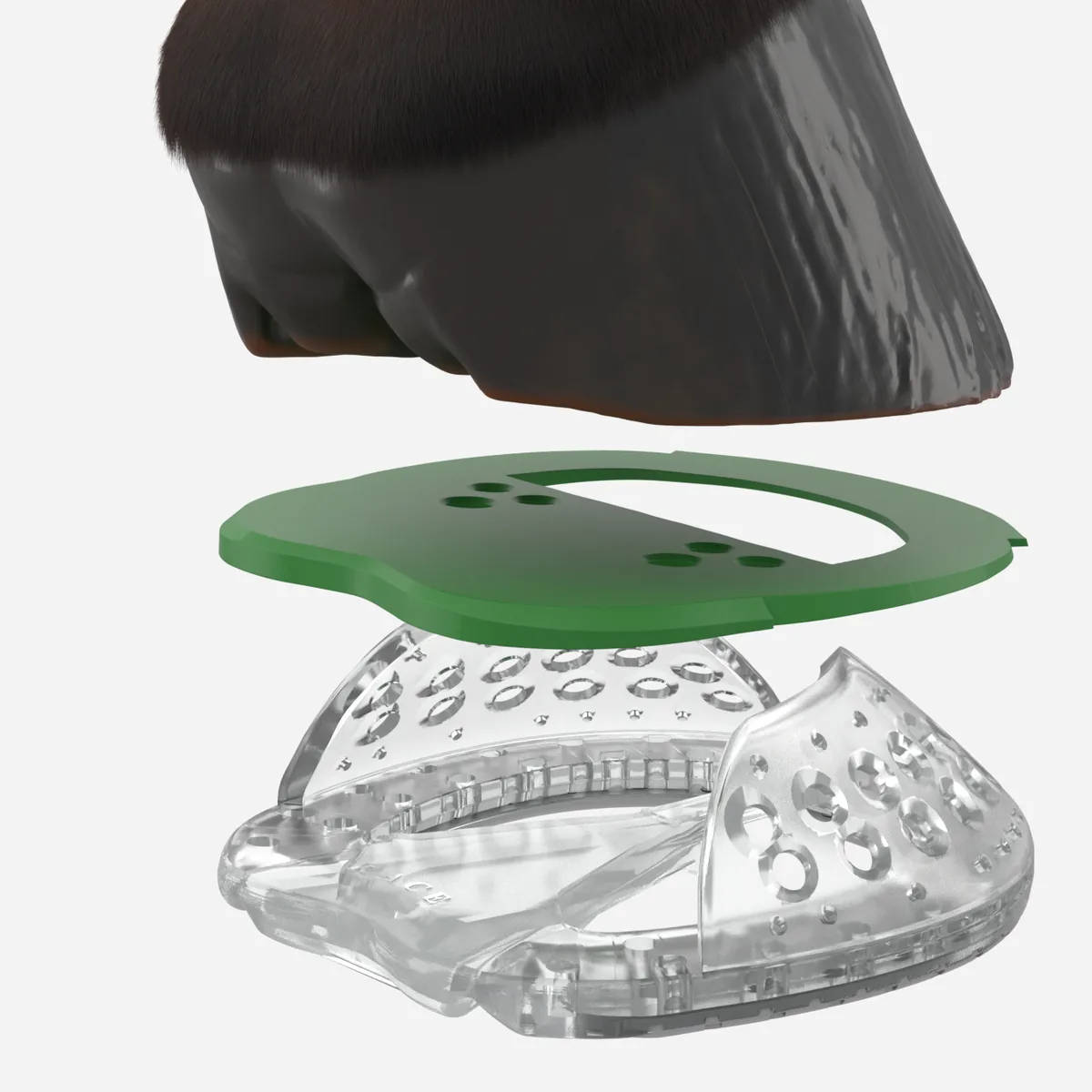
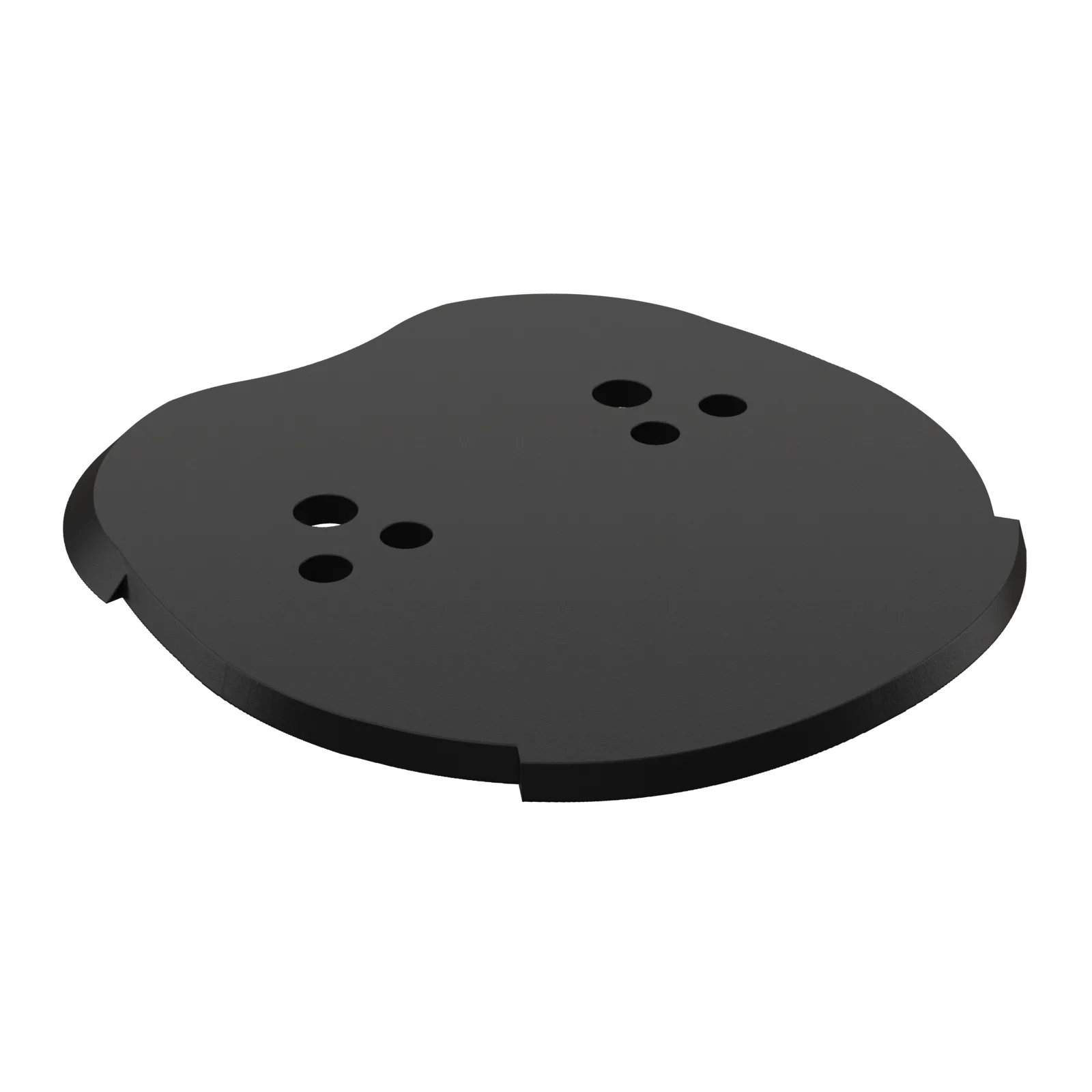
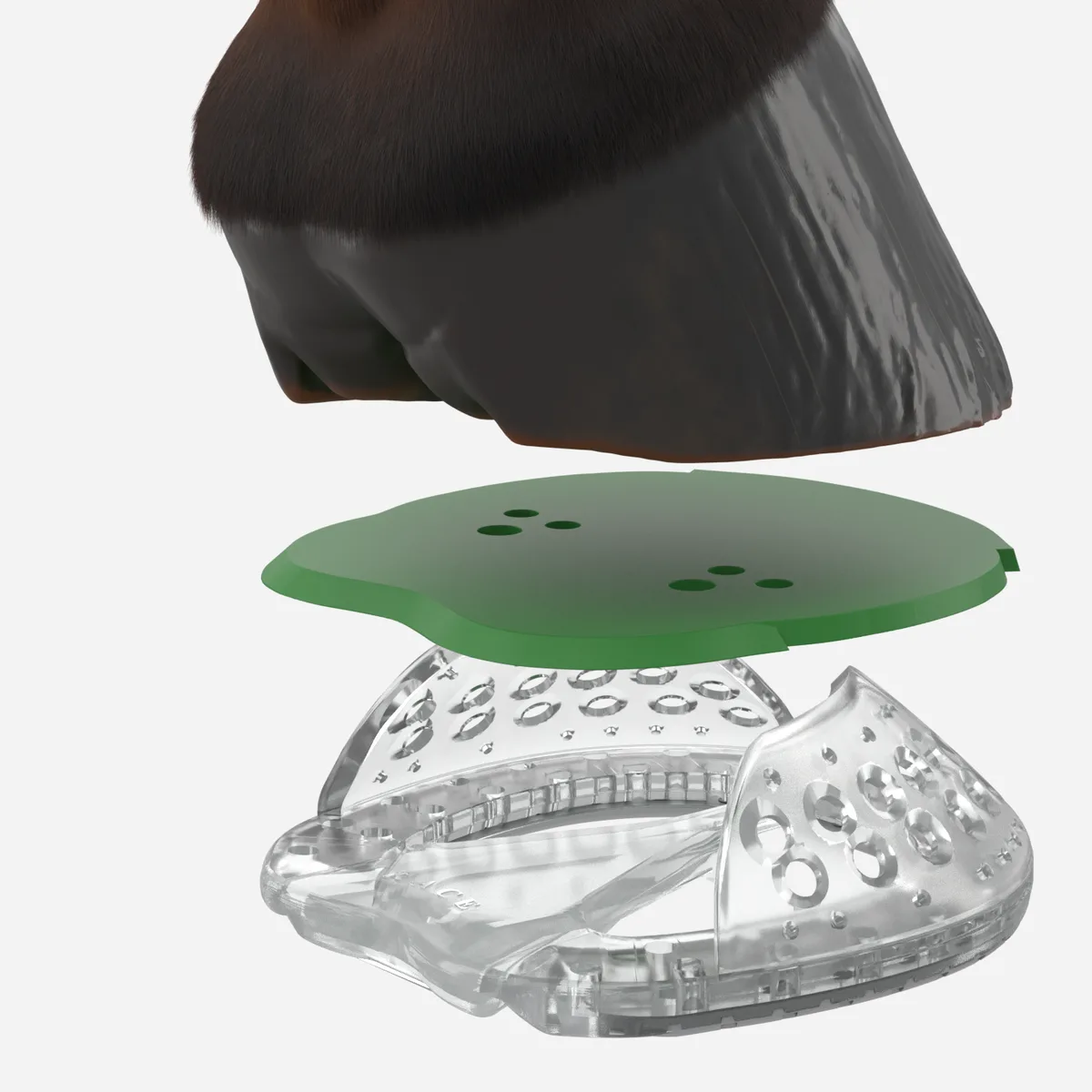
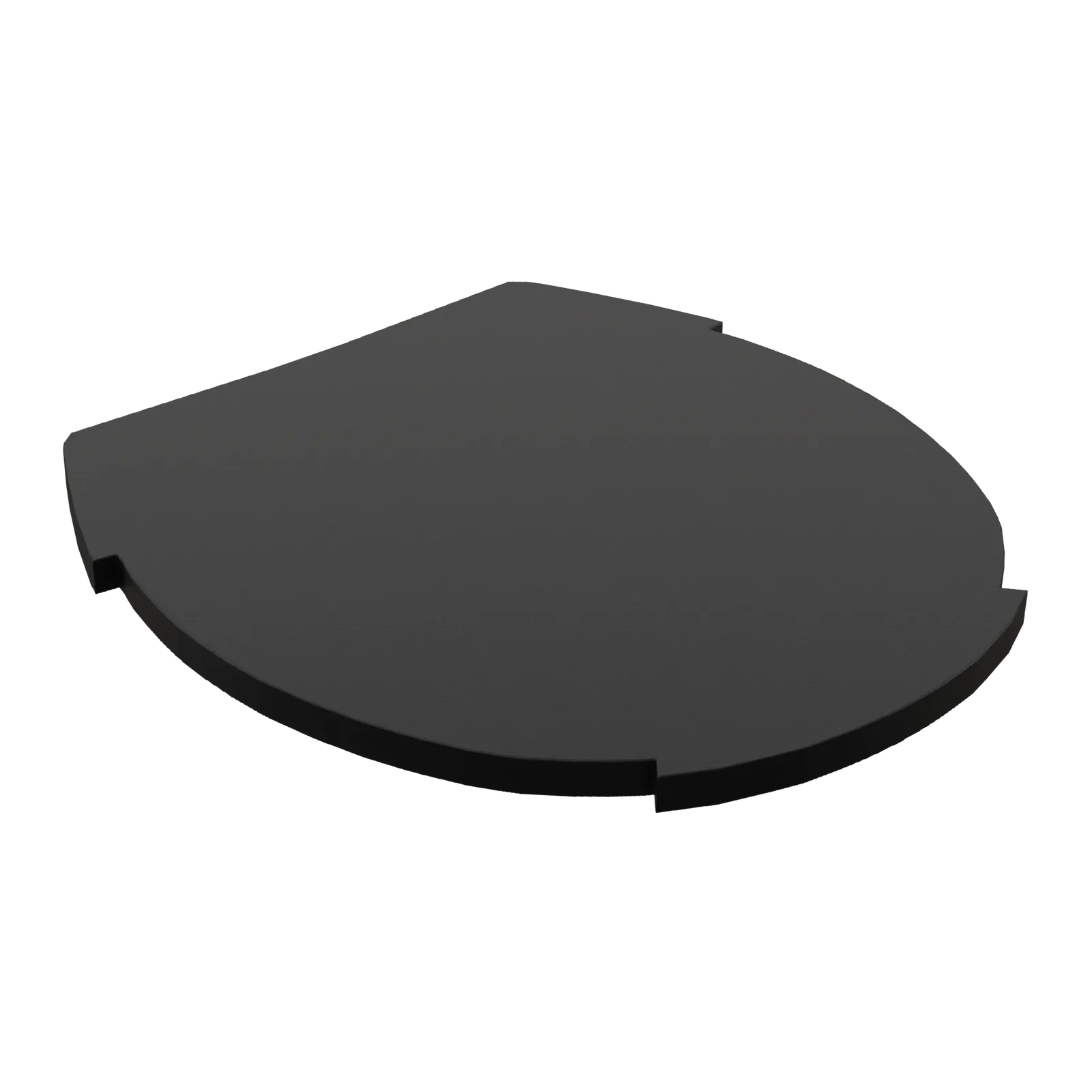
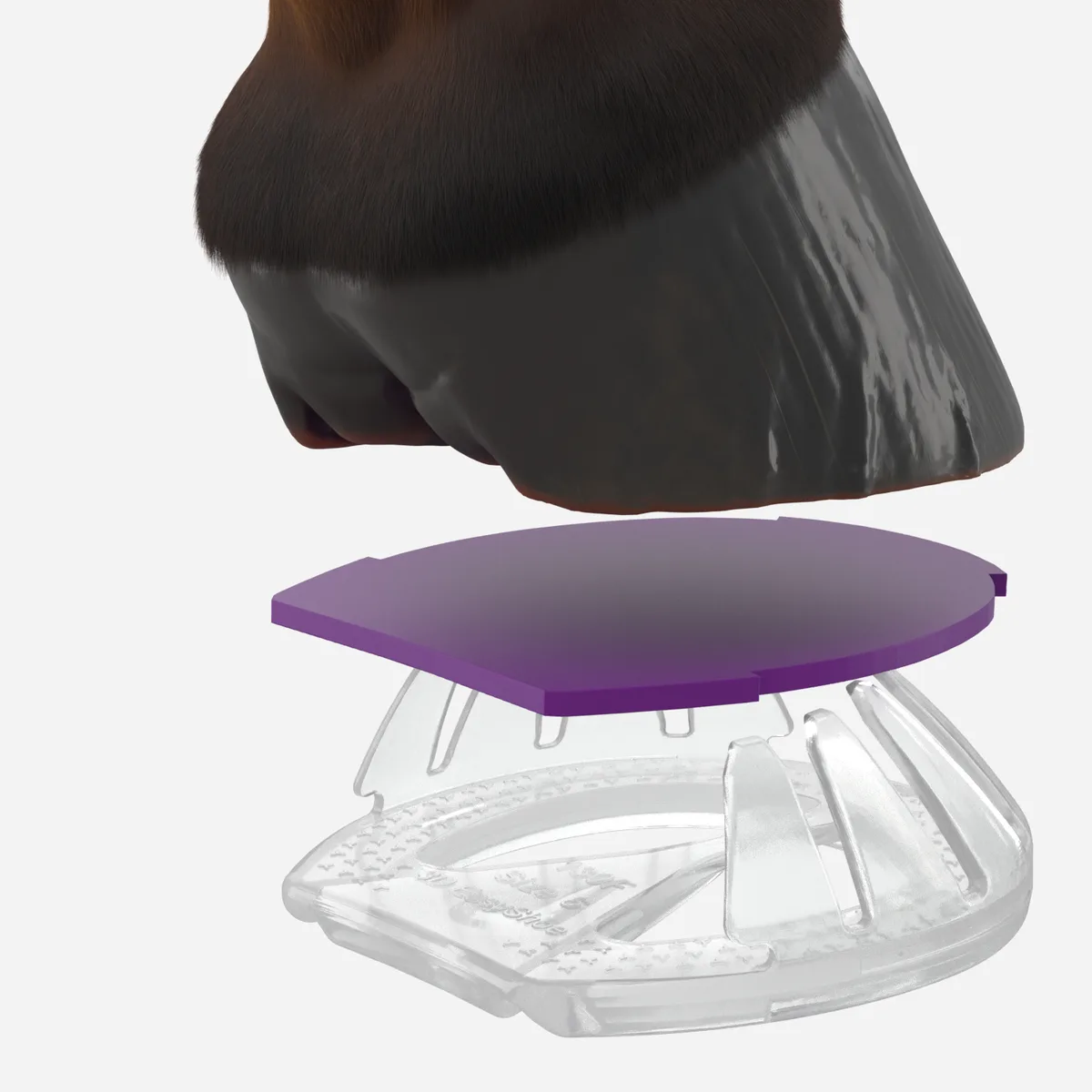
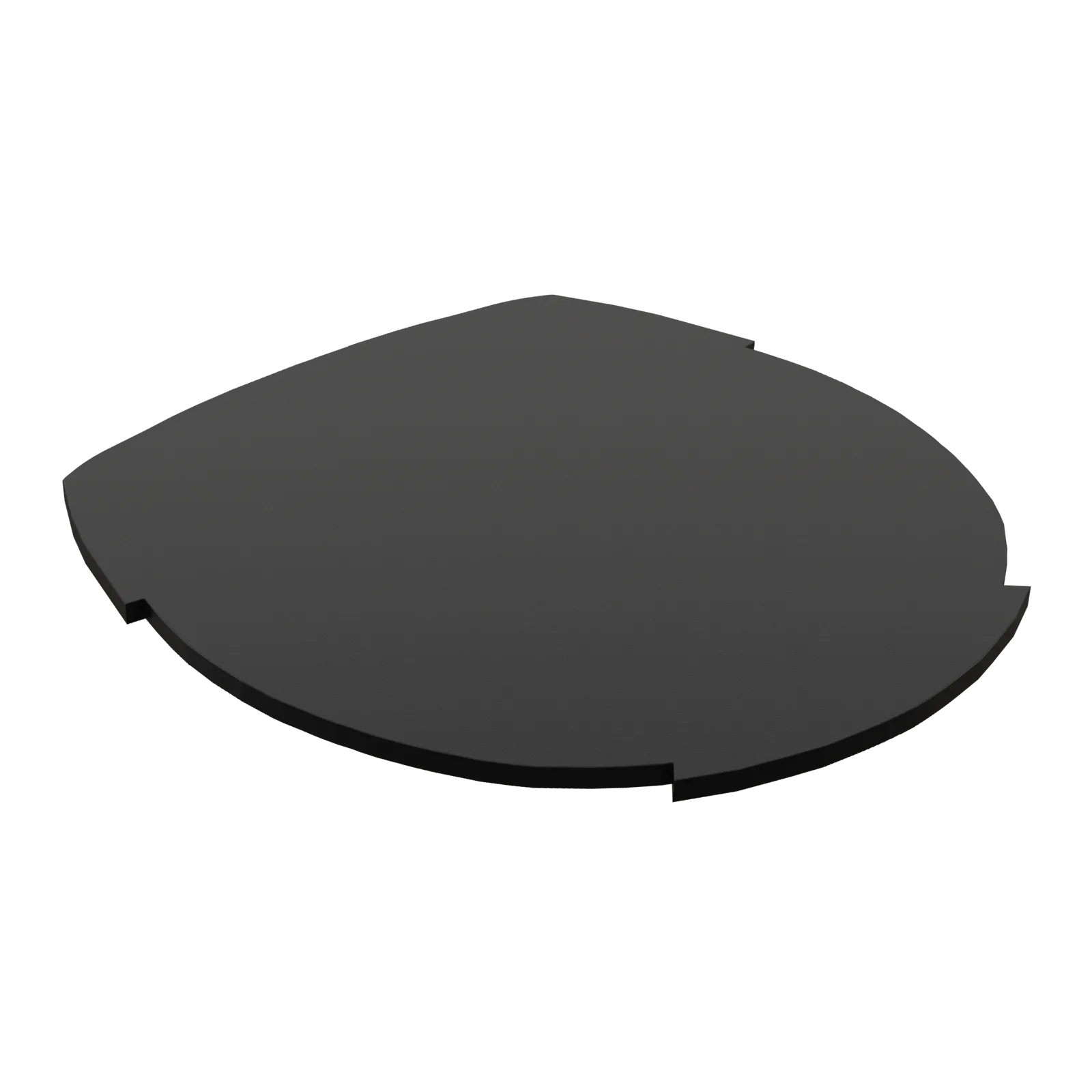
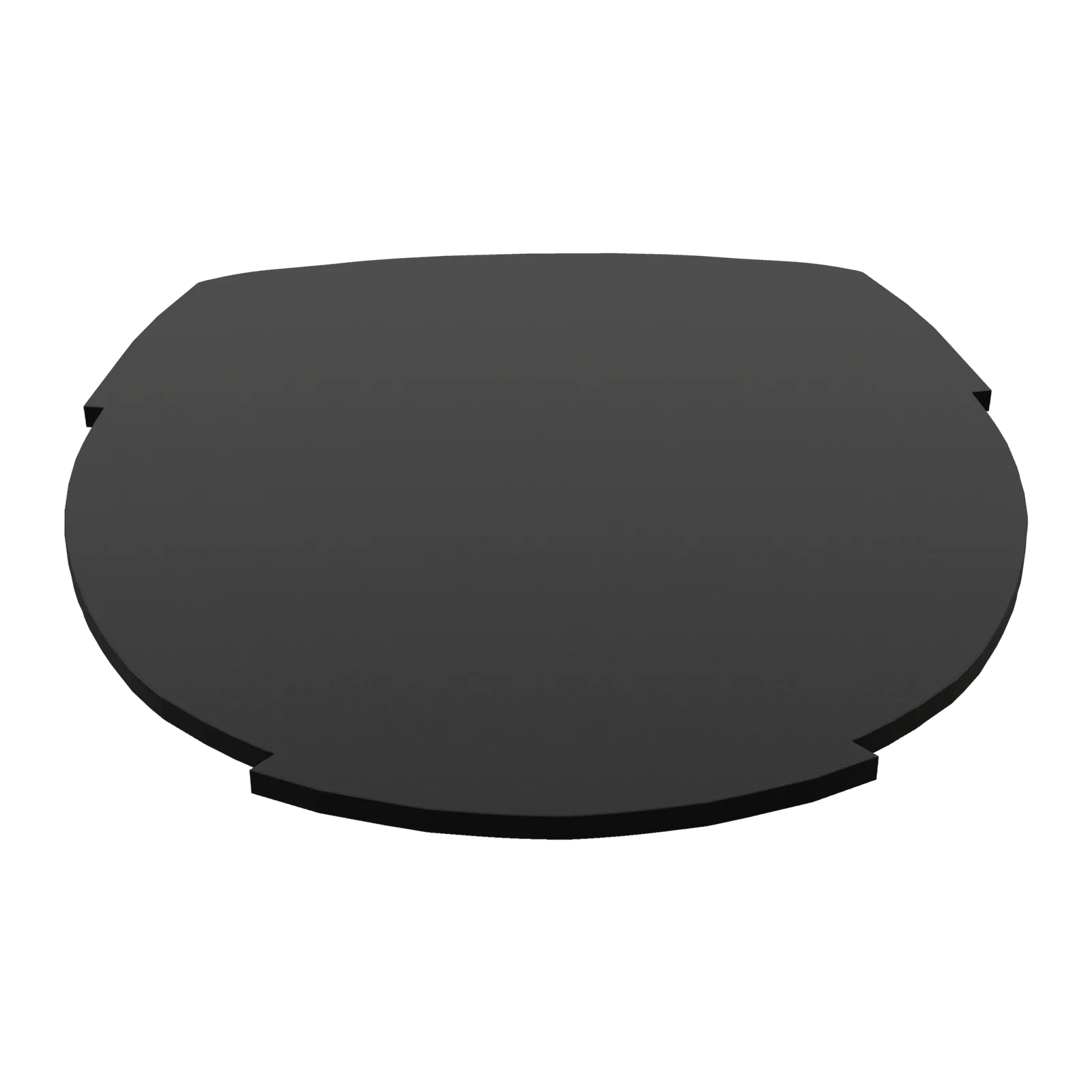
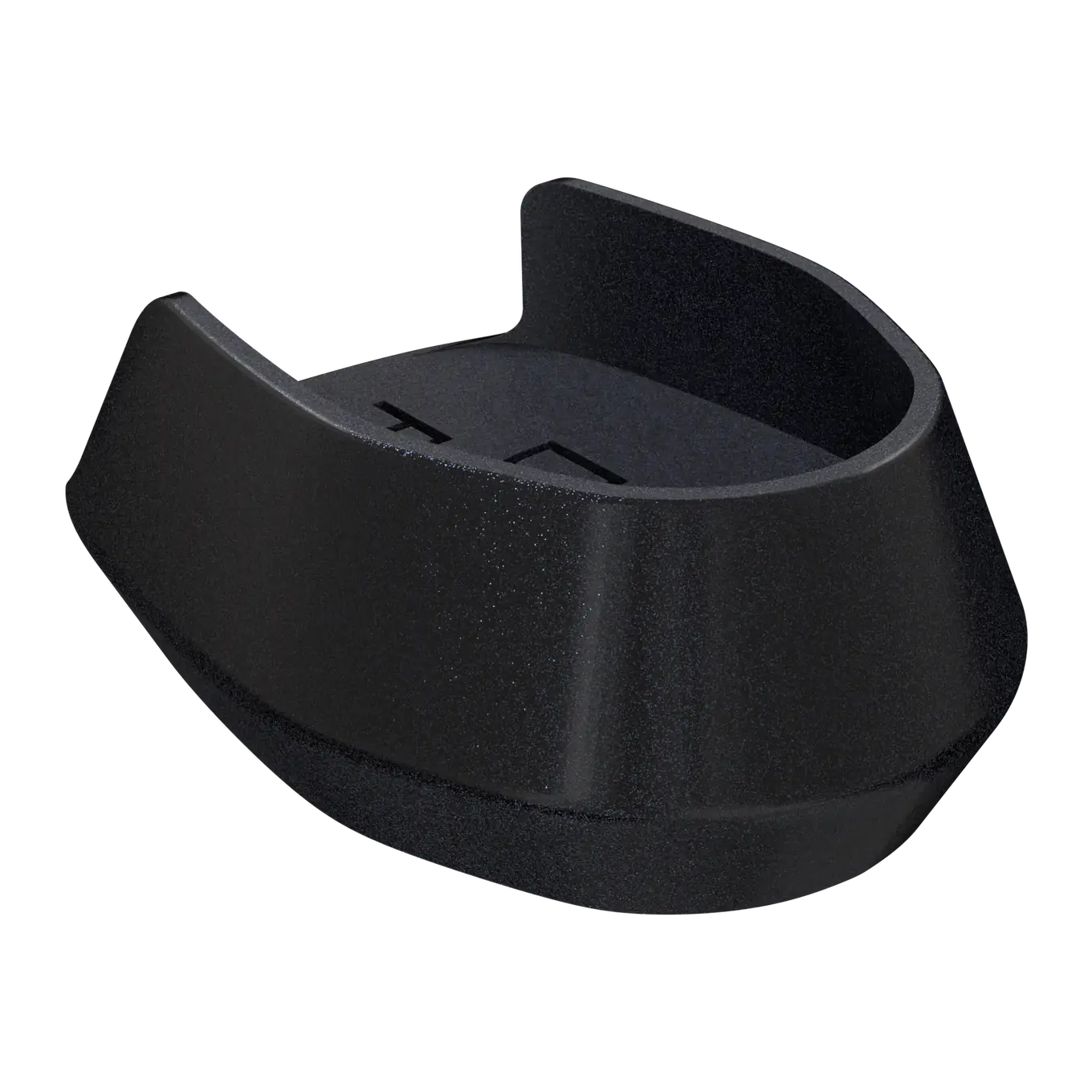
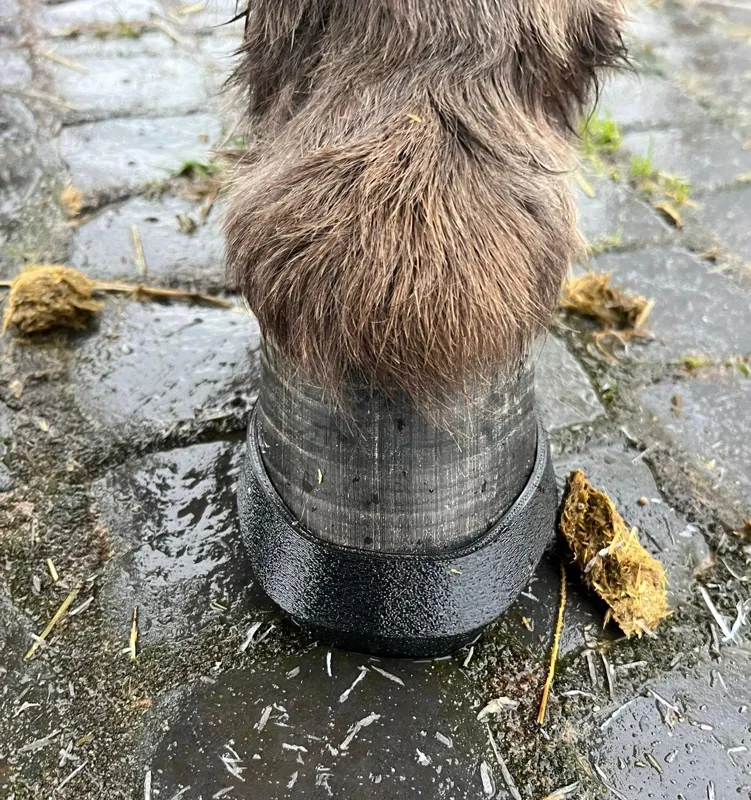
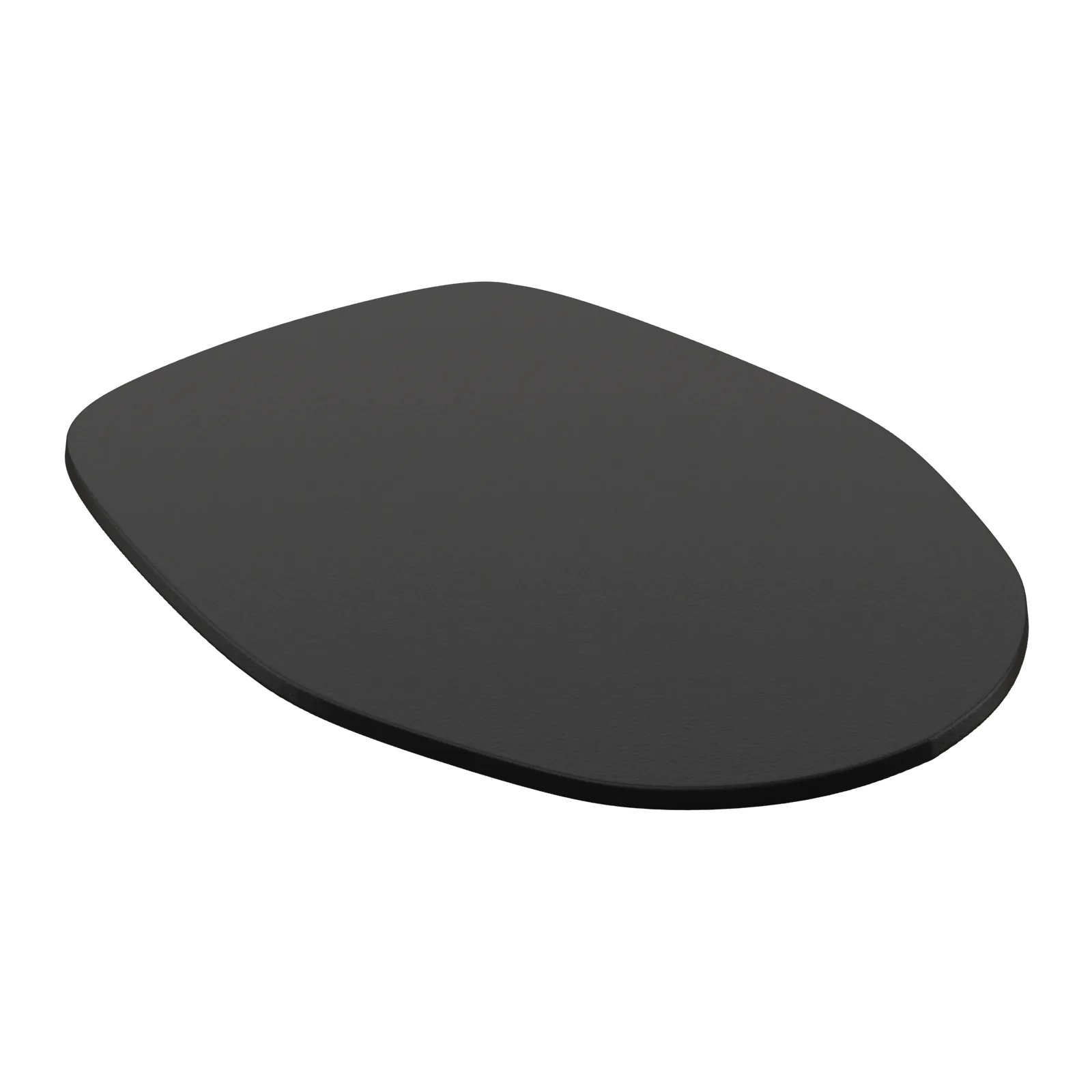
Barefoot ground pads and protection pads are for precisely this. A horse that is largely fine but tender after hard or changeable ground. One farrier in our community described a barefoot gelding who was happy in the pasture but got tender after trail work, so the farrier fitted him with a pair of barefoot protection pads for trail rides. That is the whole use case.
Pads for thin-soled horses matter more. Ground pads are not only for the shod-to-barefoot transition. A thin-soled barefoot horse may need that extra depth between it and the ground permanently, and there is nothing wrong with that.
Boots have a place too, particularly for ridden work during transition, though they need to fit properly and they come with rubbing risks over long periods.
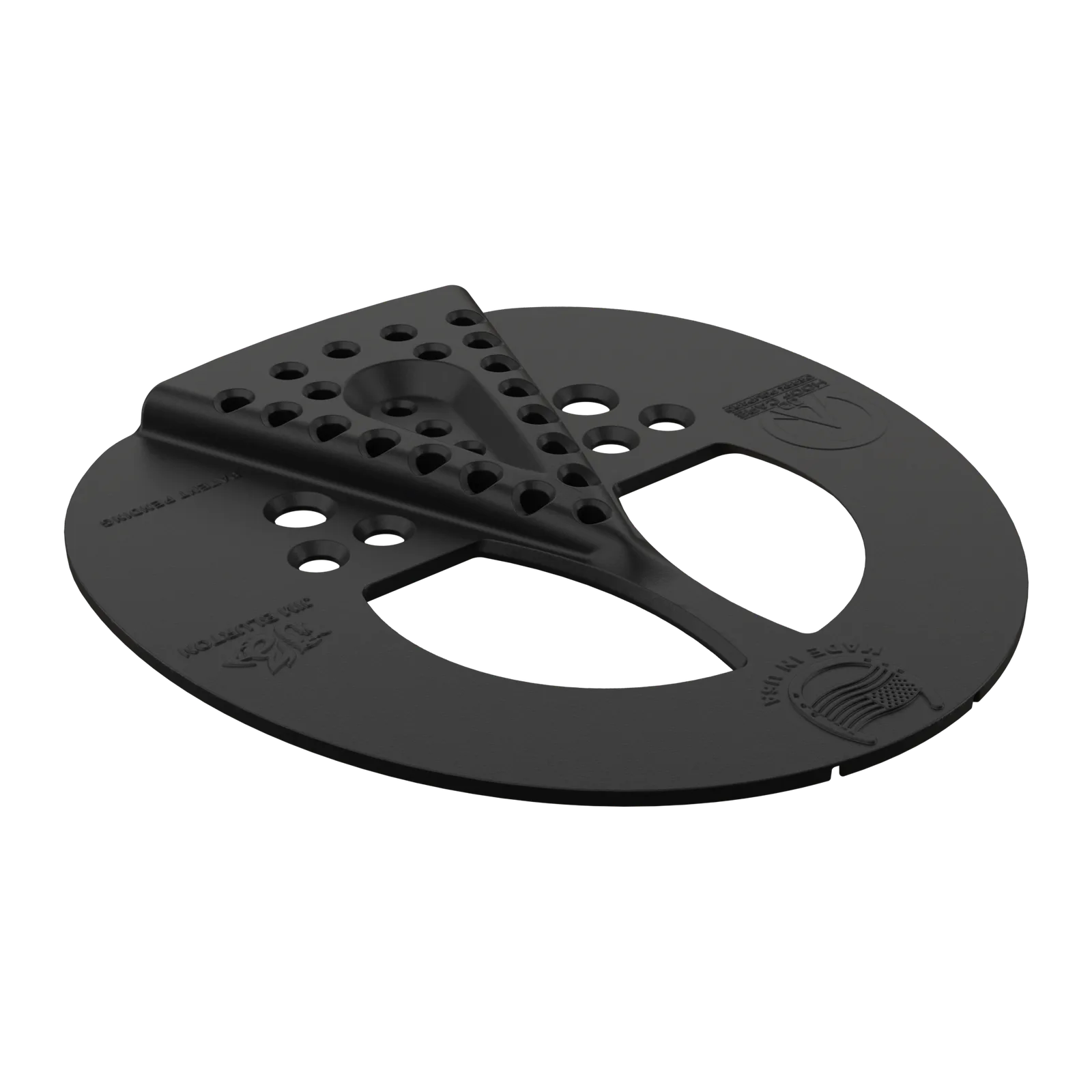
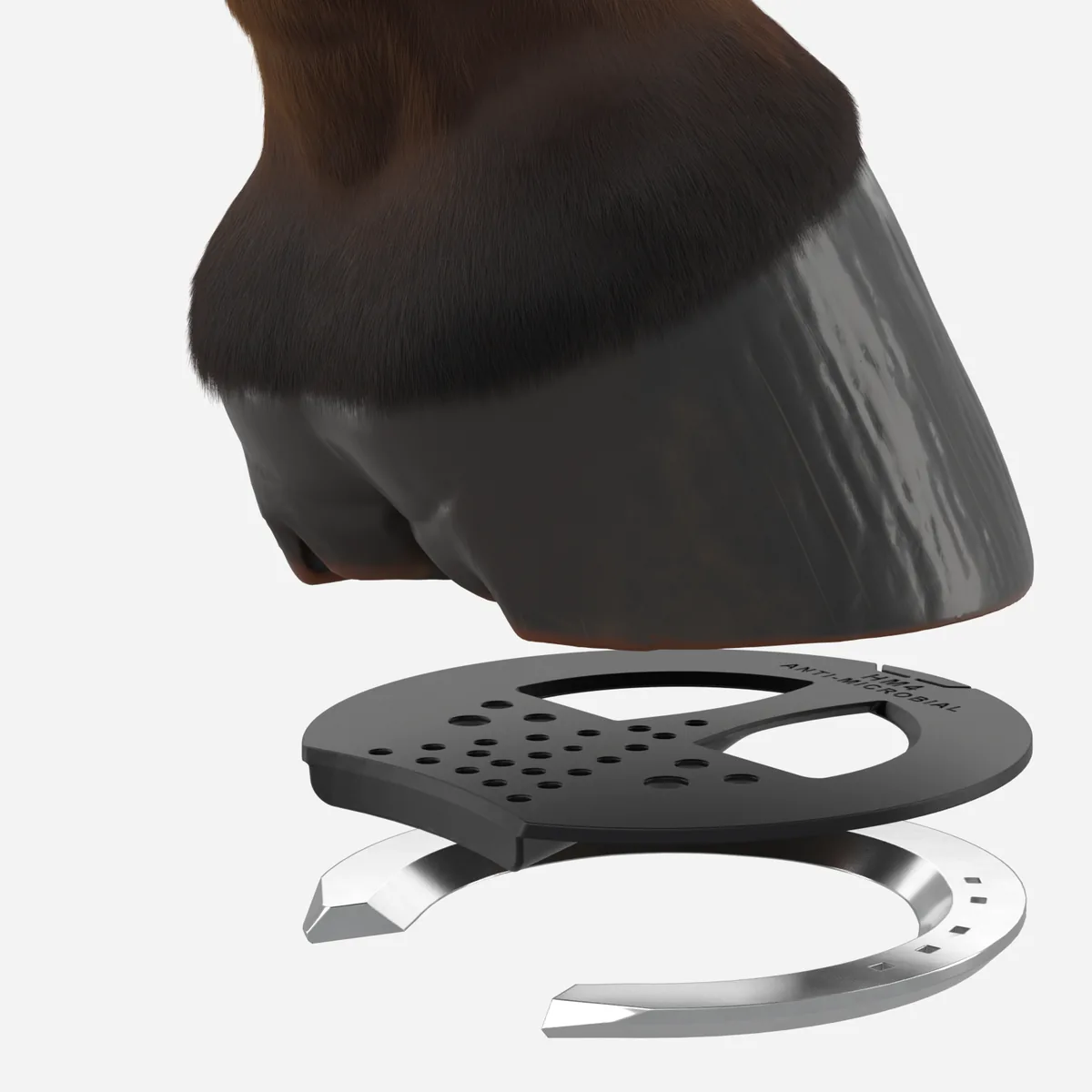
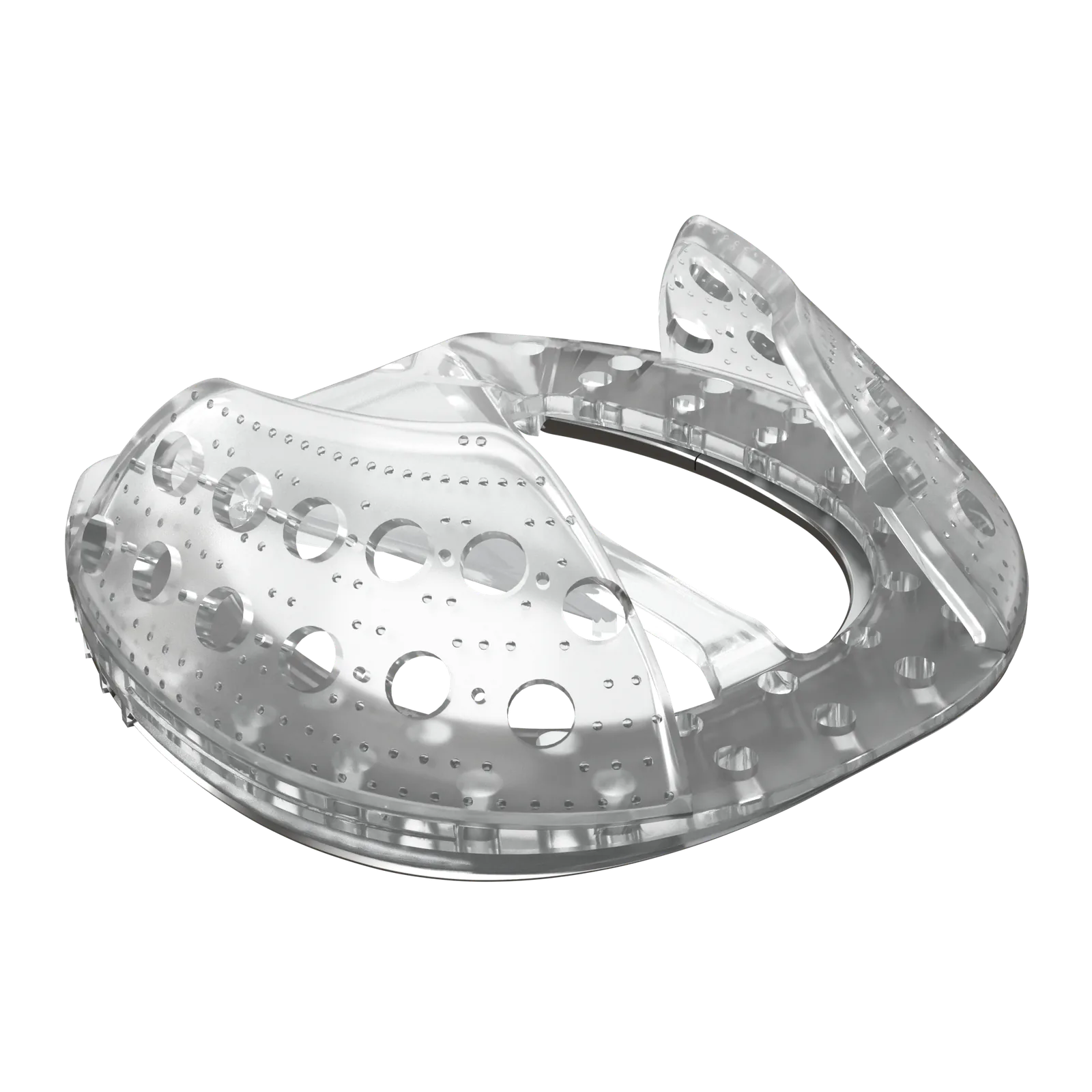
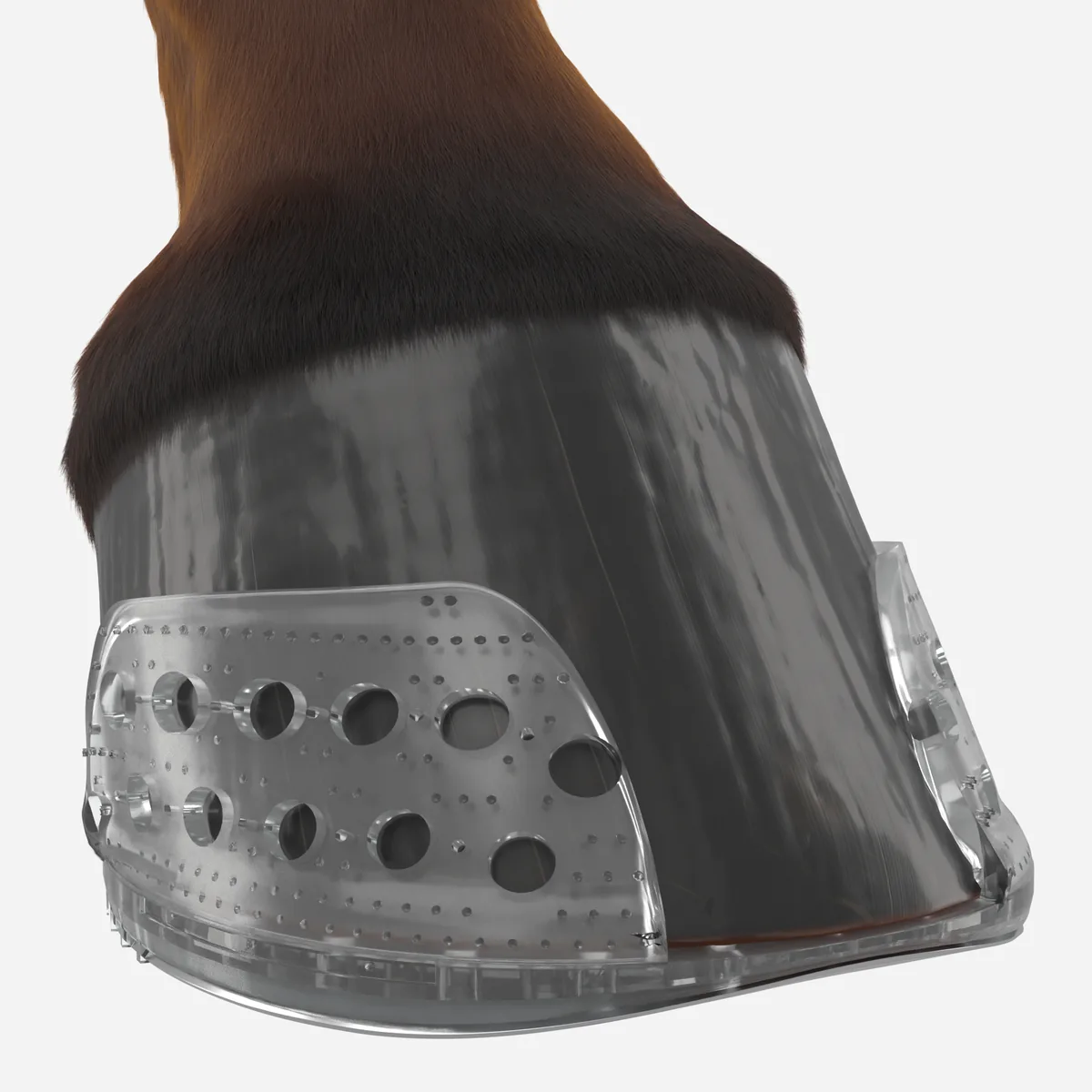
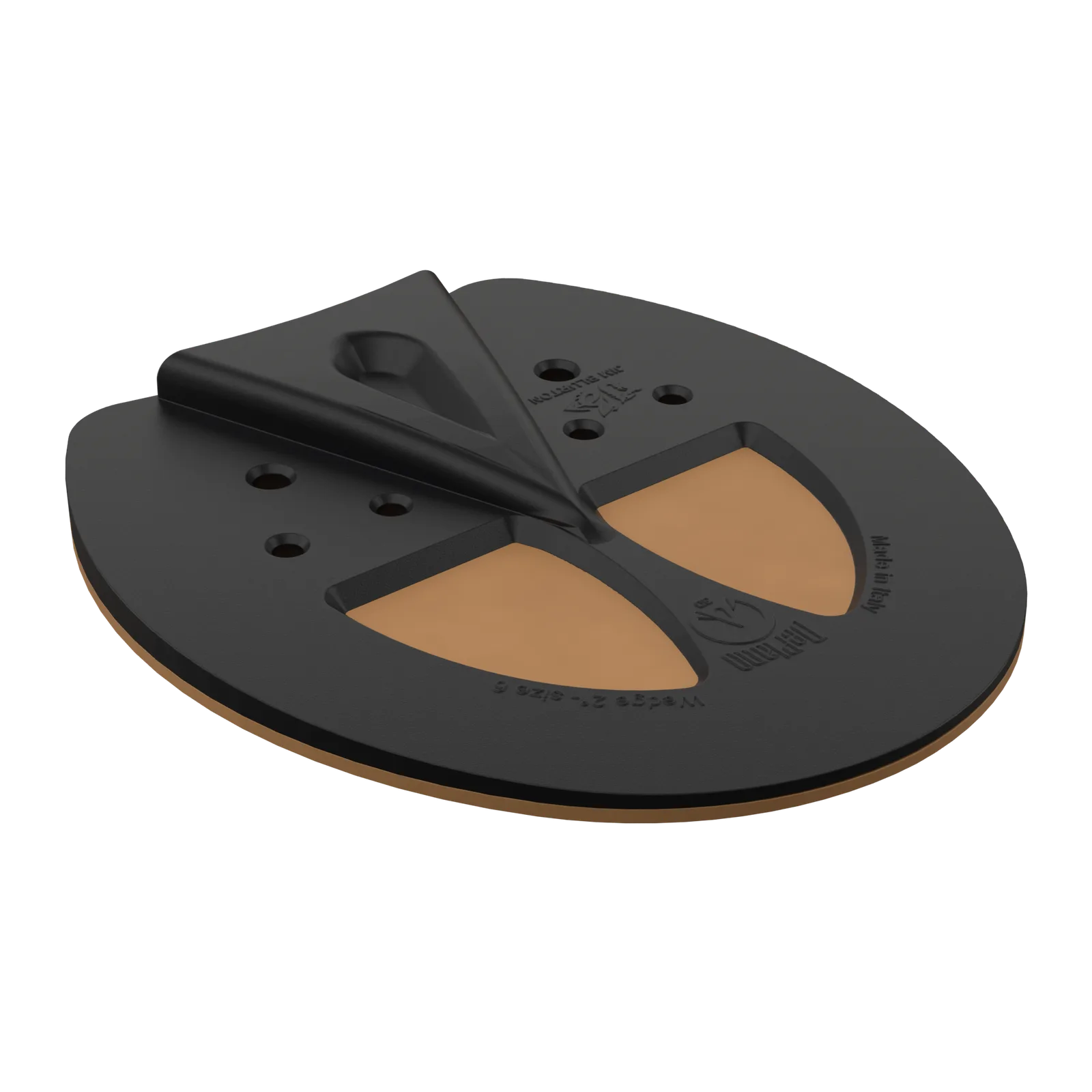
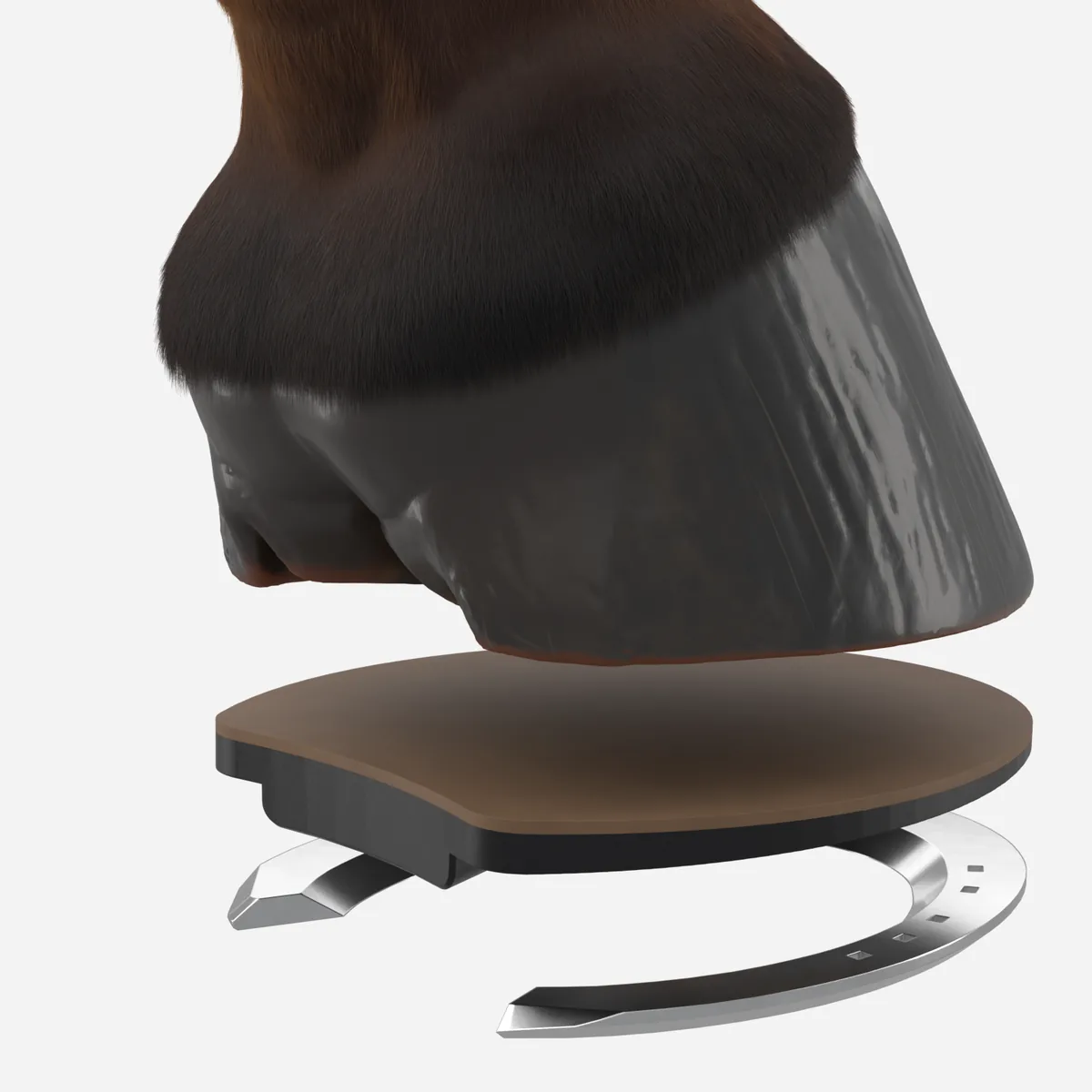
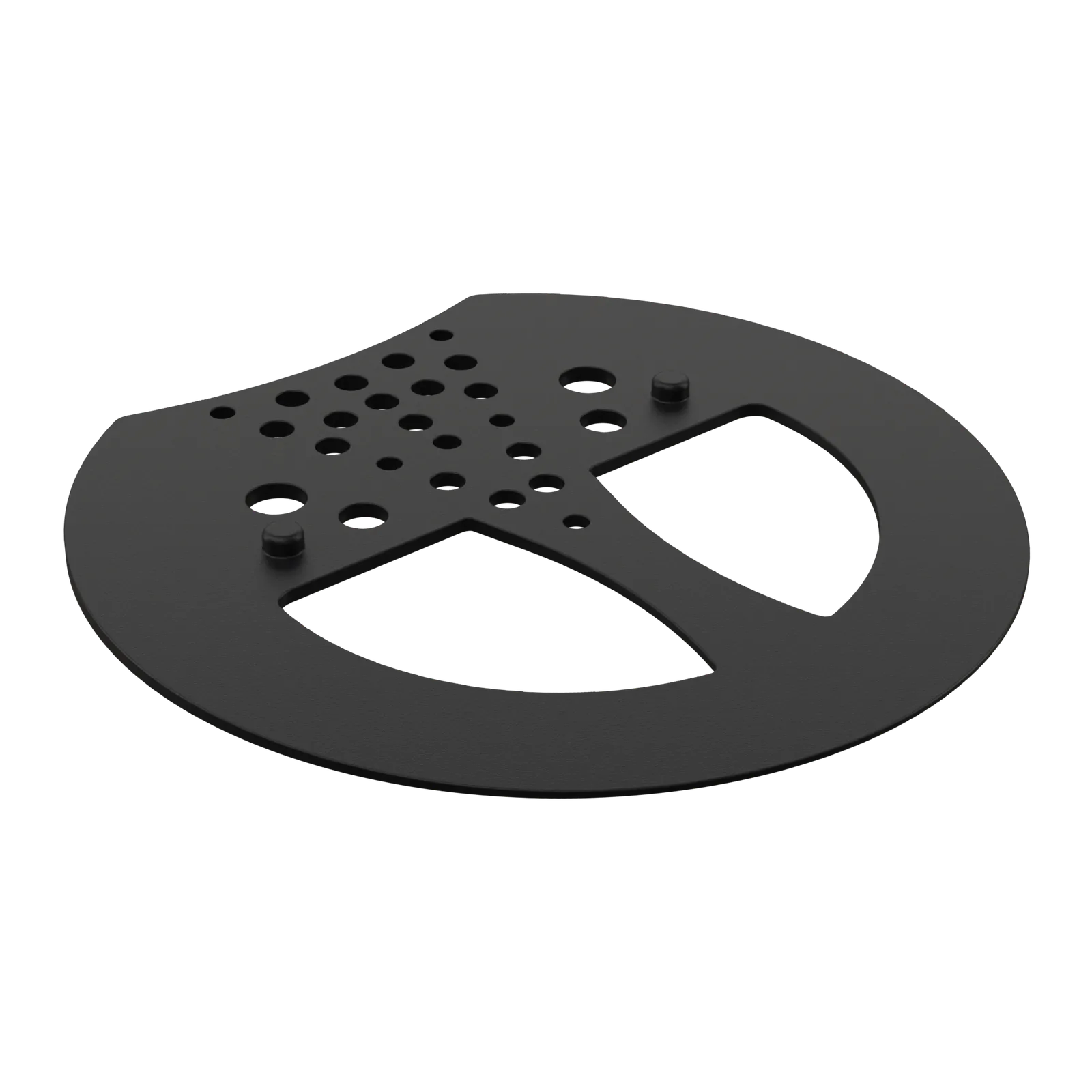
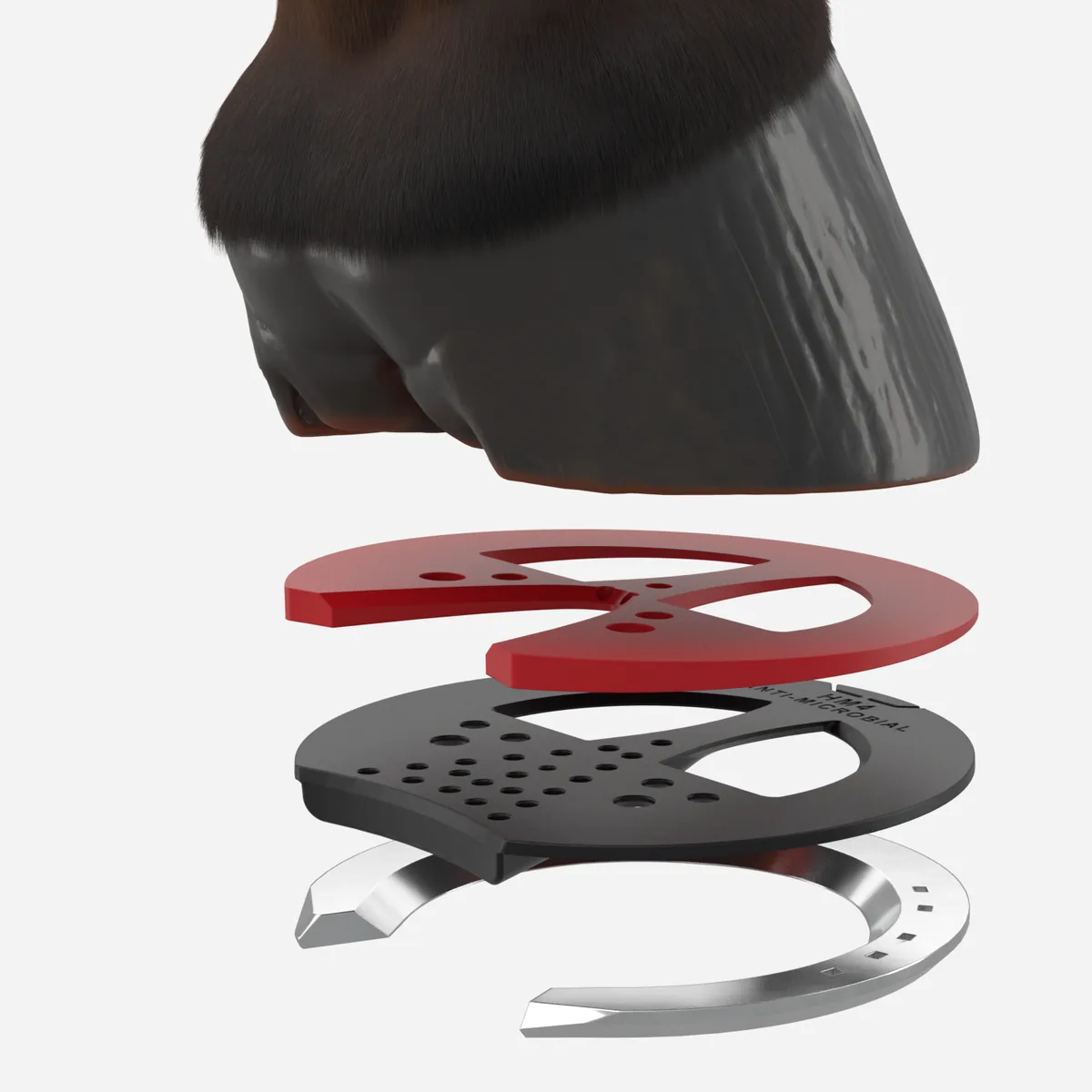
Frog support pads under a shoe are worth considering as an intermediate step for a foot that is not ready yet. One farrier described taking on two Thoroughbred mares with flat feet, sore on hard ground, the plan being shoes with full mesh frog support pads to gain sole depth, with a view to going barefoot in some months. That is exactly the right sequencing. Build the foot first, then remove the shoes.
Managing the ground
You cannot change the weather but you can change where the horse stands.
Abrasive ground wears foot faster than it grows during transition. Very hard ground bruises a sole that has not developed callus yet. Deep mud softens horn and undoes progress.
If you have any control over turnout, use it. A horse transitioning through a dry summer on decent going has an easier time than one starting in November.
Signs it is going well, and signs it is not
Going well: the horse is comfortable on its usual surfaces within a few weeks, sole callus is developing at the toe, the frog is broadening, wear is even, and the horse is moving freely and choosing to move.
Not going well: persistent tenderness beyond a few weeks, the horse is avoiding certain surfaces, flaring or cracking is increasing, the frog is receding, or the horse is moving less than before.
If it is not going well, that is information rather than failure. Add protection, shorten the interval, reassess the trim, and consider whether the foot needed more preparation than it got. Putting shoes back on for a few months to build a foot is not a defeat. It is often the fastest route to the outcome you wanted.
The part people get wrong
The mistake is treating barefoot as a principle rather than a plan.
The horses that do well are the ones whose owners are willing to protect them, adjust the trim frequently, manage the ground and take a year over it. The ones that struggle usually belong to someone who pulled the shoes and waited.
Take the foot you have and work with it. That is all any of us are doing.
Derek Poupard CJF DipWCF is a Certified Journeyman Farrier and was inducted into the International Horseshoeing Hall of Fame in 2024. This article covers general principles; a transition plan for a specific horse should involve your farrier and, where there is existing pathology, your vet.
Sources: AAEP Health Coverage: Barefoot Methodology, EquiManagement · How a Horse's Hoof Grows, Extension Horses